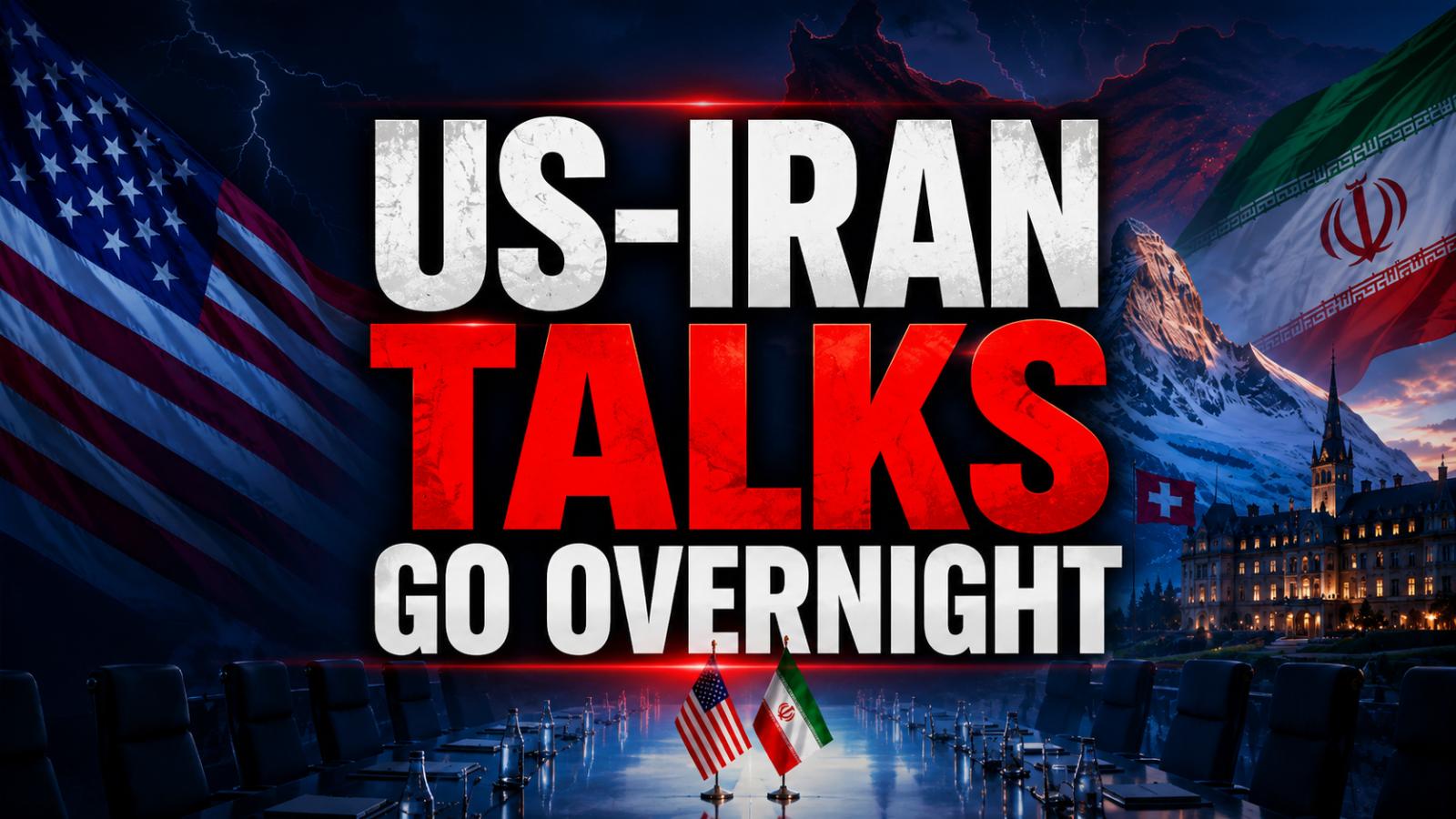

















US War Secretary Assures Readiness Against Iran
Hegseth Affirms U.S. Military Readiness US Secretary of War Pete Hegseth on Saturday, May 30, dismissed concerns over the United States’ military preparedness, asserting that the country remains fully capable of launching fresh operations against Iran if necessary. Speaking at the annual Shangri-La Dialogue security summit in Singapore, Hegseth emphasized the US military’s ability to res
US War Secretary Assures Readiness Against Iran
Hegseth Affirms U.S. Military Readiness US Secretary of War Pete Hegseth on Saturday, May 30, dismissed concerns over the United States’ military preparedness, asserting that the country remains fully capable of launching fresh operations against Iran if necessary. Speaking at the annual Shangri-La Dialogue security summit in Singapore, Hegseth emphasized the US military’s ability to res
Trump Iran Hormuz Deal Nears Decision as Blockade Lift Is Weighed
President Donald Trump said on Friday, May 29, 2026, that a final decision was near on a possible Trump Iran Hormuz deal that could affect shipping in the Strait of Hormuz, the US blockade of Iranian ports and future nuclear talks.
Trump Iran Hormuz Deal Nears Decision as Blockade Lift Is Weighed
President Donald Trump said on Friday, May 29, 2026, that a final decision was near on a possible Trump Iran Hormuz deal that could affect shipping in the Strait of Hormuz, the US blockade of Iranian ports and future nuclear talks.
Trump Yet To Approve US-Iran Ceasefire Extension Deal
Talks Move Closer To A Deal The United States and Iran have made progress toward extending their ceasefire agreement, but President Donald Trump has not yet decided whether to approve the proposal, Vice President JD Vance said on Thursday, May 28. Speaking to reporters, Vance said both sides were still reviewing specific language in the agreement, even as US officials indicated that Washington and Tehran had
Trump Yet To Approve US-Iran Ceasefire Extension Deal
Talks Move Closer To A Deal The United States and Iran have made progress toward extending their ceasefire agreement, but President Donald Trump has not yet decided whether to approve the proposal, Vice President JD Vance said on Thursday, May 28. Speaking to reporters, Vance said both sides were still reviewing specific language in the agreement, even as US officials indicated that Washington and Tehran had
Iran tensions lift oil, AI, defense stocks worldwide
Recent developments in Iran have sent shockwaves through global financial markets. Investors are recalibrating portfolios as oil prices climb, geopolitical uncertainty rises, and economic pressures mount. While energy producers, defense companies, and AI-driven technology firms see gains, sectors like airlines and energy-importing economies face increasing strain. The US dollar and other safe-haven assets are also attracting attention amid market volatility.
Iran tensions lift oil, AI, defense stocks worldwide
Recent developments in Iran have sent shockwaves through global financial markets. Investors are recalibrating portfolios as oil prices climb, geopolitical uncertainty rises, and economic pressures mount. While energy producers, defense companies, and AI-driven technology firms see gains, sectors like airlines and energy-importing economies face increasing strain. The US dollar and other safe-haven assets are also attracting attention amid market volatility.
US-Iran Ceasefire Faces New Strain After Strikes
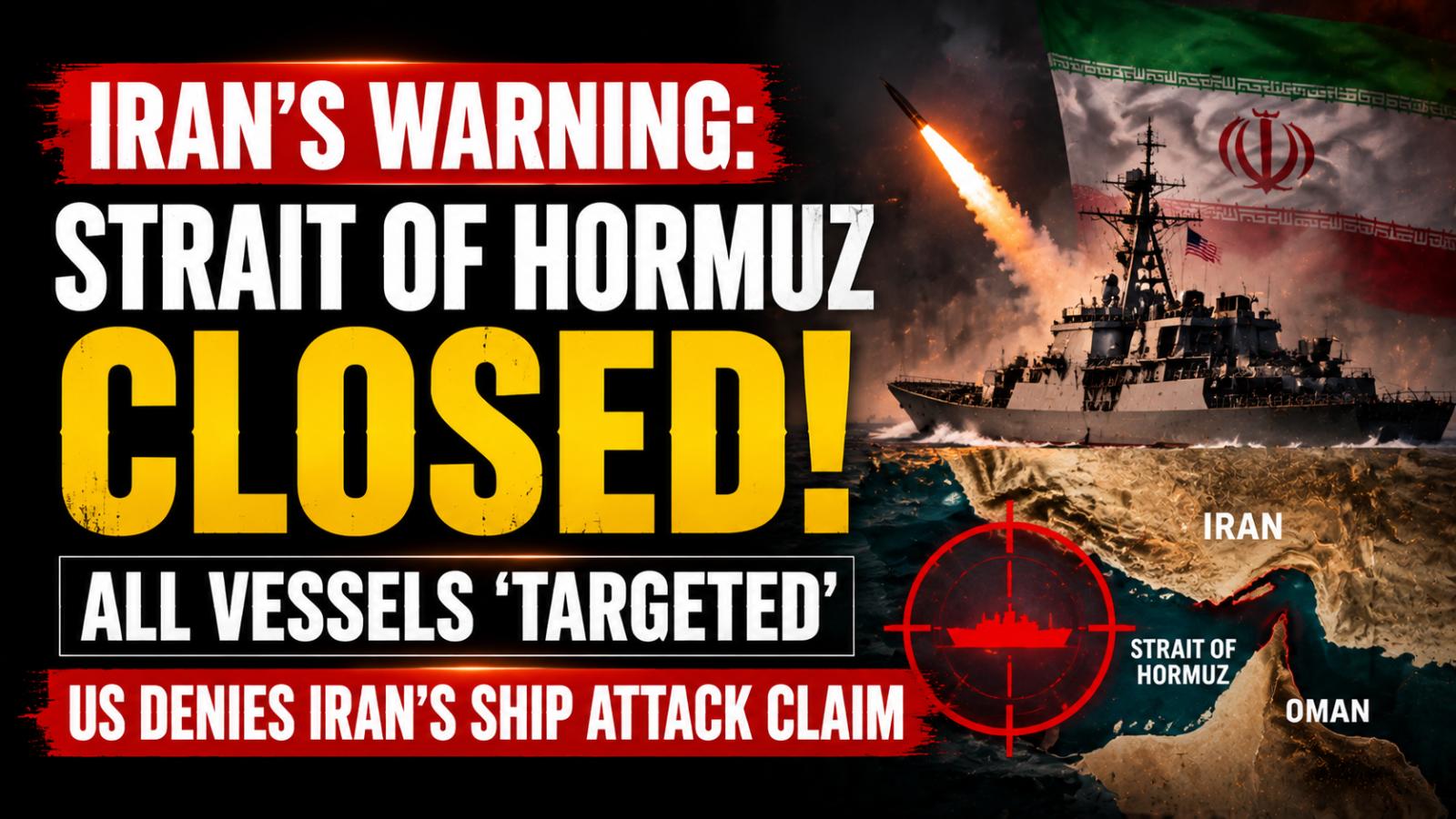
US-Iran Ceasefire Faces New Pressure The latest exchange between the United States and Iran has placed renewed strain on a ceasefire that both sides continue to describe in sharply different terms. Tehran accused Washington of violating the truce after US forces carried out strikes on missile launch sites and boats near the Strait of Hormuz. Iranian officials called the action a flagrant breach and warned of retaliation, while the United States said the strikes were defensive and aimed at protecting American personnel. Washington Maintains Truce Is Still Active US Central Command said Iranian boats were attempting to place mines in the Strait of Hormuz, a move that would carry serious risks for global shipping and regional security. At the same time, US officials emphasized that the ceasefire remained ongoing and said American forces were acting with restraint. That response reflected the administration’s effort to defend military action without declaring the wider truce dead, even as Iran framed the episode as a reciprocal confrontation. Hormuz Remains A Major Flashpoint The Strait of Hormuz remains central to the dispute because of its importance to energy flows and international trade. President Donald Trump previously tied the ceasefire to Iran reopening the strait, but the waterway has remained a source of tension. The continued uncertainty has complicated diplomacy, with Washington trying to keep negotiations alive while also responding to military activity it says threatens US forces and commercial movement in the Gulf. US Leverage Comes Under Scrutiny The administration’s handling of the latest incident has raised questions about whether its eagerness to preserve the ceasefire is weakening its negotiating position. Trump has repeatedly threatened stronger action if Iran fails to make a deal, but the United States has so far avoided a return to large-scale hostilities. Iran’s defiant response suggests Tehran may believe Washington is more focused on ending the conflict than escalating it. That perception could become a major factor as both sides test each other’s limits while talks continue.
US-Iran Ceasefire Faces New Strain After Strikes
US-Iran Ceasefire Faces New Pressure The latest exchange between the United States and Iran has placed renewed strain on a ceasefire that both sides continue to describe in sharply different terms. Tehran accused Washington of violating the truce after US forces carried out strikes on missile launch sites and boats near the Strait of Hormuz. Iranian officials called the action a flagrant breach and warned of retaliation, while the United States said the strikes were defensive and aimed at protecting American personnel. Washington Maintains Truce Is Still Active US Central Command said Iranian boats were attempting to place mines in the Strait of Hormuz, a move that would carry serious risks for global shipping and regional security. At the same time, US officials emphasized that the ceasefire remained ongoing and said American forces were acting with restraint. That response reflected the administration’s effort to defend military action without declaring the wider truce dead, even as Iran framed the episode as a reciprocal confrontation. Hormuz Remains A Major Flashpoint The Strait of Hormuz remains central to the dispute because of its importance to energy flows and international trade. President Donald Trump previously tied the ceasefire to Iran reopening the strait, but the waterway has remained a source of tension. The continued uncertainty has complicated diplomacy, with Washington trying to keep negotiations alive while also responding to military activity it says threatens US forces and commercial movement in the Gulf. US Leverage Comes Under Scrutiny The administration’s handling of the latest incident has raised questions about whether its eagerness to preserve the ceasefire is weakening its negotiating position. Trump has repeatedly threatened stronger action if Iran fails to make a deal, but the United States has so far avoided a return to large-scale hostilities. Iran’s defiant response suggests Tehran may believe Washington is more focused on ending the conflict than escalating it. That perception could become a major factor as both sides test each other’s limits while talks continue.
Trump Attacks Media And Democrats Over Iran Coverage
Trump Targets Media Over Iran Narrative US President Donald Trump sharply criticized major media organizations and political opponents, claiming they would misrepresent the outcome of any US military success against Iran. In a social media post, Trump argued that even if the United States achieved what he described as an absolute and unconditional victory, critics would still portray Iran as having prevaile
Trump Attacks Media And Democrats Over Iran Coverage
Trump Targets Media Over Iran Narrative US President Donald Trump sharply criticized major media organizations and political opponents, claiming they would misrepresent the outcome of any US military success against Iran. In a social media post, Trump argued that even if the United States achieved what he described as an absolute and unconditional victory, critics would still portray Iran as having prevaile
Lindsey Graham Questions Pakistan’s Neutrality In Iran-Israel Crisis
Graham Questions Pakistan’s Role In Iran-Israel Diplomacy US Senator Lindsey Graham has raised doubts over Pakistan’s credibility as a mediator in the Iran-Israel crisis, arguing that Islamabad’s position toward Israel and its ties with Tehran make its role diplomatically difficult. In a post on X, the Republican senator said Pakistan’s involvement had become “more than problematic,” citing what
Lindsey Graham Questions Pakistan’s Neutrality In Iran-Israel Crisis
Graham Questions Pakistan’s Role In Iran-Israel Diplomacy US Senator Lindsey Graham has raised doubts over Pakistan’s credibility as a mediator in the Iran-Israel crisis, arguing that Islamabad’s position toward Israel and its ties with Tehran make its role diplomatically difficult. In a post on X, the Republican senator said Pakistan’s involvement had become “more than problematic,” citing what
Iran Seeks $24 Billion Asset Release in Qatar Talks
Iran is seeking the release of about $24 billion in frozen assets as part of Qatar-based talks aimed at easing the conflict with the United States, according to Iranian media reports on Tuesday, May 26, 2026. The demand has become a central issue in negotiations taking place in Doha as US-Iran tensions remain high near the Strait of Hormuz. Iran Frozen Assets Qatar Talks Focus on $24 Billion Demand
Iran Seeks $24 Billion Asset Release in Qatar Talks
Iran is seeking the release of about $24 billion in frozen assets as part of Qatar-based talks aimed at easing the conflict with the United States, according to Iranian media reports on Tuesday, May 26, 2026. The demand has become a central issue in negotiations taking place in Doha as US-Iran tensions remain high near the Strait of Hormuz. Iran Frozen Assets Qatar Talks Focus on $24 Billion Demand
Iran Claims US MQ-9 Reaper Drone Shot Down After Gulf Airspace Breach
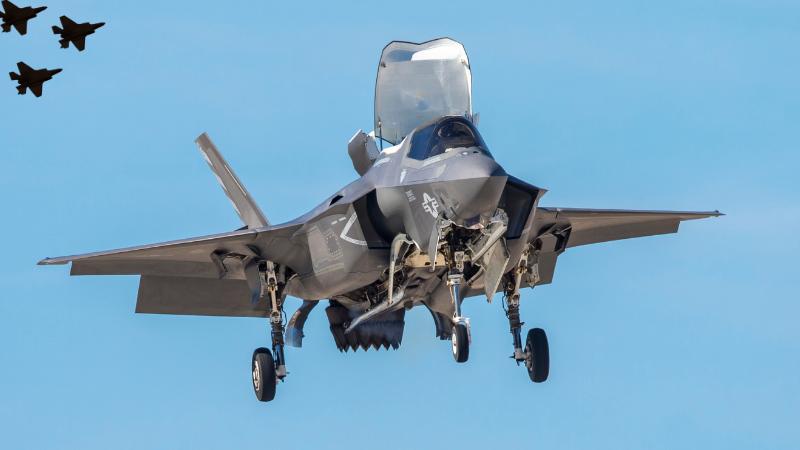
Iran has claimed that its forces shot down a US MQ-9 Reaper drone after what it described as an airspace violation over the Gulf region. According to Iran’s Islamic Revolutionary Guard Corps, the aircraft entered Iranian airspace before being targeted. The IRGC also claimed that its forces fired at an RQ-4 surveillance drone and an F-35 fighter jet, saying the aircraft were forced away from Iranian airspace. The claim has not yet answered several important questions. The exact time, location, flight path and independent confirmation of the incident remain unclear. Because of that, the event should be treated as a claim from Iran unless the United States or another reliable source confirms more details. Why This Gulf Drone Incident Matters The Gulf region is one of the most sensitive military zones in the world. It includes major shipping routes, energy corridors and heavily monitored airspace. Any military aircraft activity in this area can quickly increase tension, especially when it involves the United States and Iran. Iran says the drone crossed into its airspace. In past Gulf incidents, Washington and Tehran have often disagreed over whether US aircraft were flying in international airspace or inside Iranian territory. That is why the location of this alleged drone incident is important. If the drone was inside Iranian airspace, Iran will present it as a defensive action. If it was outside Iranian airspace, the incident could be seen as a serious escalation. What Is the MQ-9 Reaper Drone? The MQ-9 Reaper is a remotely piloted US military drone used for intelligence, surveillance, reconnaissance and precision strike missions. In simple terms, it is a large unmanned aircraft that can stay in the sky for long hours, monitor wide areas and support military operations from a distance. The MQ-9A Reaper is built by General Atomics Aeronautical Systems. It is known for long endurance, high-altitude operations and flexible mission use. General Atomics says the MQ-9A can fly for more than 27 hours, reach speeds of 240 KTAS, operate up to 50,000 feet and carry a payload of 3,850 pounds. Why the Reaper Drone Is Important for the US Military The MQ-9 Reaper is valuable because it can perform both surveillance and strike roles. It can watch military zones, track movement, support troops, monitor maritime routes and carry guided weapons when required. The drone can be equipped with cameras, infrared sensors, radar systems and weapons such as Hellfire missiles and guided bombs. This makes it useful in conflict zones where long-distance monitoring and quick response are needed. For the United States, losing an MQ-9 Reaper is not just a financial loss. It can also affect intelligence gathering, battlefield awareness and military messaging in a tense region. Why Iran’s Claim Is Getting Attention Iran’s statement is getting attention because it comes during a period of high regional tension. Drone activity, fighter jet movement and air defense operations in the Gulf can easily turn into a larger diplomatic or military dispute. The mention of an RQ-4 drone and an F-35 fighter jet makes the claim even more sensitive. The RQ-4 is associated with high-altitude surveillance, while the F-35 is one of the most advanced fighter jets used by the US and its allies. However, Iran’s statement does not clearly prove that all aircraft were hit or damaged. The clearer claim is about the MQ-9 Reaper drone. What Is Still Not Clear? Several key facts are still missing. There is no fully clear public confirmation about the exact location of the alleged airspace breach. There is also no complete independent verification of whether a US MQ-9 Reaper was actually shot down in the manner Iran described. The United States’ official response is also important. Until more details are confirmed, the safest way to report the incident is to say that Iran claims it shot down the drone, not that the drone was definitely shot down. Bigger Picture: US-Iran Tensions in the Gulf The Gulf has seen repeated military tension between Iran and the United States over the years. Drone surveillance, naval patrols, sanctions, regional alliances and conflict spillovers have all contributed to mistrust. A drone shootdown claim can become more than a military headline. It can affect diplomacy, oil markets, regional security and public messaging from both sides. That is why this incident is being watched closely. Final Takeaway Iran has claimed that it shot down a US MQ-9 Reaper drone after an alleged airspace breach over the Gulf region. The IRGC also said it fired at other US aircraft, including an RQ-4 drone and an F-35 fighter jet. However, important details such as the exact location, timing and independent confirmation are still unclear. For now, the incident should be seen as a major claim from Iran, not a fully confirmed military event. If verified, it could become another serious flashpoint between Iran and the United States in the Gulf.
Iran Claims US MQ-9 Reaper Drone Shot Down After Gulf Airspace Breach
Iran has claimed that its forces shot down a US MQ-9 Reaper drone after what it described as an airspace violation over the Gulf region. According to Iran’s Islamic Revolutionary Guard Corps, the aircraft entered Iranian airspace before being targeted. The IRGC also claimed that its forces fired at an RQ-4 surveillance drone and an F-35 fighter jet, saying the aircraft were forced away from Iranian airspace. The claim has not yet answered several important questions. The exact time, location, flight path and independent confirmation of the incident remain unclear. Because of that, the event should be treated as a claim from Iran unless the United States or another reliable source confirms more details. Why This Gulf Drone Incident Matters The Gulf region is one of the most sensitive military zones in the world. It includes major shipping routes, energy corridors and heavily monitored airspace. Any military aircraft activity in this area can quickly increase tension, especially when it involves the United States and Iran. Iran says the drone crossed into its airspace. In past Gulf incidents, Washington and Tehran have often disagreed over whether US aircraft were flying in international airspace or inside Iranian territory. That is why the location of this alleged drone incident is important. If the drone was inside Iranian airspace, Iran will present it as a defensive action. If it was outside Iranian airspace, the incident could be seen as a serious escalation. What Is the MQ-9 Reaper Drone? The MQ-9 Reaper is a remotely piloted US military drone used for intelligence, surveillance, reconnaissance and precision strike missions. In simple terms, it is a large unmanned aircraft that can stay in the sky for long hours, monitor wide areas and support military operations from a distance. The MQ-9A Reaper is built by General Atomics Aeronautical Systems. It is known for long endurance, high-altitude operations and flexible mission use. General Atomics says the MQ-9A can fly for more than 27 hours, reach speeds of 240 KTAS, operate up to 50,000 feet and carry a payload of 3,850 pounds. Why the Reaper Drone Is Important for the US Military The MQ-9 Reaper is valuable because it can perform both surveillance and strike roles. It can watch military zones, track movement, support troops, monitor maritime routes and carry guided weapons when required. The drone can be equipped with cameras, infrared sensors, radar systems and weapons such as Hellfire missiles and guided bombs. This makes it useful in conflict zones where long-distance monitoring and quick response are needed. For the United States, losing an MQ-9 Reaper is not just a financial loss. It can also affect intelligence gathering, battlefield awareness and military messaging in a tense region. Why Iran’s Claim Is Getting Attention Iran’s statement is getting attention because it comes during a period of high regional tension. Drone activity, fighter jet movement and air defense operations in the Gulf can easily turn into a larger diplomatic or military dispute. The mention of an RQ-4 drone and an F-35 fighter jet makes the claim even more sensitive. The RQ-4 is associated with high-altitude surveillance, while the F-35 is one of the most advanced fighter jets used by the US and its allies. However, Iran’s statement does not clearly prove that all aircraft were hit or damaged. The clearer claim is about the MQ-9 Reaper drone. What Is Still Not Clear? Several key facts are still missing. There is no fully clear public confirmation about the exact location of the alleged airspace breach. There is also no complete independent verification of whether a US MQ-9 Reaper was actually shot down in the manner Iran described. The United States’ official response is also important. Until more details are confirmed, the safest way to report the incident is to say that Iran claims it shot down the drone, not that the drone was definitely shot down. Bigger Picture: US-Iran Tensions in the Gulf The Gulf has seen repeated military tension between Iran and the United States over the years. Drone surveillance, naval patrols, sanctions, regional alliances and conflict spillovers have all contributed to mistrust. A drone shootdown claim can become more than a military headline. It can affect diplomacy, oil markets, regional security and public messaging from both sides. That is why this incident is being watched closely. Final Takeaway Iran has claimed that it shot down a US MQ-9 Reaper drone after an alleged airspace breach over the Gulf region. The IRGC also said it fired at other US aircraft, including an RQ-4 drone and an F-35 fighter jet. However, important details such as the exact location, timing and independent confirmation are still unclear. For now, the incident should be seen as a major claim from Iran, not a fully confirmed military event. If verified, it could become another serious flashpoint between Iran and the United States in the Gulf.
Rubio Urges Open Strait of Hormuz Amid US-Iran Tensions
US Secretary of State Comments on Iran Strikes US Secretary of State Marco Rubio, currently visiting India and set to attend the QUAD summit on May 26, addressed the recent US military strikes on Iran. He emphasized the main objective of the United States: to ensure the Strait of Hormuz remains open. Rubio described the blockade as "illegal and unlawful," noting that discussions continue over the language of the potential final deal with Tehran. Rubio Highlights Diplomatic Efforts Speaking in Jaipur, India, Rubio noted ongoing talks in Qatar aimed at finalizing the agreement. “There were some talks going on in Qatar today, so we'll see if we can make progress,” he said. Rubio added that President Trump is determined to secure either a beneficial deal or no agreement at all, underscoring the administration’s cautious approach to diplomacy amidst ongoing tensions. US Strikes and Military Position The remarks followed self-defense strikes carried out by US forces on May 25, targeting Iranian missile launch sites and boats near the Strait of Hormuz. CENTCOM spokesman Timothy Hawkins confirmed that these actions were aimed at protecting American troops from threats posed by Iranian forces. The strikes occurred while a ceasefire remained in effect, demonstrating the delicate balance between military action and diplomatic engagement. Context of US-Iran Relations These strikes mark a continuation of the complex US-Iran relationship, which has included previous conflicts, drone and missile engagements, and blocked international shipping routes. Rubio’s comments reaffirm the administration’s priority to keep strategic waterways accessible while pursuing negotiations with Tehran. The Secretary stressed that the US aims to achieve a resolution through dialogue, ensuring regional security and global maritime stability. Ongoing Diplomacy and Future Prospects Rubio indicated that discussions on the initial documents are still underway, emphasizing the back-and-forth nature of the negotiations. The Secretary expressed cautious optimism about achieving a deal, highlighting that the President is committed to a fair and enforceable agreement. The situation remains fluid as US diplomatic channels engage with Iran to prevent further escalation while maintaining strategic control over critical maritime routes.
Rubio Urges Open Strait of Hormuz Amid US-Iran Tensions
US Secretary of State Comments on Iran Strikes US Secretary of State Marco Rubio, currently visiting India and set to attend the QUAD summit on May 26, addressed the recent US military strikes on Iran. He emphasized the main objective of the United States: to ensure the Strait of Hormuz remains open. Rubio described the blockade as "illegal and unlawful," noting that discussions continue over the language of the potential final deal with Tehran. Rubio Highlights Diplomatic Efforts Speaking in Jaipur, India, Rubio noted ongoing talks in Qatar aimed at finalizing the agreement. “There were some talks going on in Qatar today, so we'll see if we can make progress,” he said. Rubio added that President Trump is determined to secure either a beneficial deal or no agreement at all, underscoring the administration’s cautious approach to diplomacy amidst ongoing tensions. US Strikes and Military Position The remarks followed self-defense strikes carried out by US forces on May 25, targeting Iranian missile launch sites and boats near the Strait of Hormuz. CENTCOM spokesman Timothy Hawkins confirmed that these actions were aimed at protecting American troops from threats posed by Iranian forces. The strikes occurred while a ceasefire remained in effect, demonstrating the delicate balance between military action and diplomatic engagement. Context of US-Iran Relations These strikes mark a continuation of the complex US-Iran relationship, which has included previous conflicts, drone and missile engagements, and blocked international shipping routes. Rubio’s comments reaffirm the administration’s priority to keep strategic waterways accessible while pursuing negotiations with Tehran. The Secretary stressed that the US aims to achieve a resolution through dialogue, ensuring regional security and global maritime stability. Ongoing Diplomacy and Future Prospects Rubio indicated that discussions on the initial documents are still underway, emphasizing the back-and-forth nature of the negotiations. The Secretary expressed cautious optimism about achieving a deal, highlighting that the President is committed to a fair and enforceable agreement. The situation remains fluid as US diplomatic channels engage with Iran to prevent further escalation while maintaining strategic control over critical maritime routes.
Iran’s New Security Chief Declares “No Retreat” Amid US-Israel Tensions
Iran’s New Security Chief Signals Hardline Approach Mohammad Bagher Zolghadr, recently appointed head of Iran’s Supreme National Security Council, delivered a defiant message in his first public address, asserting that Iran will not back down in its standoff with the United States and Israel. Speaking to a domestic audience, Zolghadr emphasized, “There will be no retreat” in Iran’s fight against t
Iran’s New Security Chief Declares “No Retreat” Amid US-Israel Tensions
Iran’s New Security Chief Signals Hardline Approach Mohammad Bagher Zolghadr, recently appointed head of Iran’s Supreme National Security Council, delivered a defiant message in his first public address, asserting that Iran will not back down in its standoff with the United States and Israel. Speaking to a domestic audience, Zolghadr emphasized, “There will be no retreat” in Iran’s fight against t
Trump Honors US Troops at Arlington, Reiterates Iran Nuclear Stance
Memorial Day Tribute at Arlington On Memorial Day, May 25, President Donald Trump paid tribute to the US troops killed during the campaign against Iran while reaffirming that Tehran “will never have a nuclear weapon.” Speaking at Arlington National Cemetery, Trump honored the fallen soldiers of Operation Epic Fury, describing them as “wonderful, special people” who gave their lives to protect global
Trump Honors US Troops at Arlington, Reiterates Iran Nuclear Stance
Memorial Day Tribute at Arlington On Memorial Day, May 25, President Donald Trump paid tribute to the US troops killed during the campaign against Iran while reaffirming that Tehran “will never have a nuclear weapon.” Speaking at Arlington National Cemetery, Trump honored the fallen soldiers of Operation Epic Fury, describing them as “wonderful, special people” who gave their lives to protect global
US Military Conducts Self-Defense Strikes on Iranian Missile Sites
US Military Conducts Strikes on Iranian Targets The US military carried out “self-defense strikes” on Iranian missile launch sites and naval assets near the Strait of Hormuz on Monday, May 25, while a ceasefire remained in effect. According to US Central Command, the operations aimed to protect American forces from potential threats posed by Iranian military activity. Targets reportedly included missile
US Military Conducts Self-Defense Strikes on Iranian Missile Sites
US Military Conducts Strikes on Iranian Targets The US military carried out “self-defense strikes” on Iranian missile launch sites and naval assets near the Strait of Hormuz on Monday, May 25, while a ceasefire remained in effect. According to US Central Command, the operations aimed to protect American forces from potential threats posed by Iranian military activity. Targets reportedly included missile
Iran Seeks $12 Billion in Qatar Funds Before US Talks Advance
Iran Qatar frozen funds have become a central sticking point in US-Iran talks, with Tehran seeking access to $12 billion held in Qatar before a proposed diplomatic roadmap moves forward. According to reports citing sources familiar with the discussions, Iran wants the $12 billion released as an initial tranche, not as the full amount it says should eventually be made available under a wider agreement. The funds are linked to Iranian oil-sale revenue that had been mo
Iran Seeks $12 Billion in Qatar Funds Before US Talks Advance
Iran Qatar frozen funds have become a central sticking point in US-Iran talks, with Tehran seeking access to $12 billion held in Qatar before a proposed diplomatic roadmap moves forward. According to reports citing sources familiar with the discussions, Iran wants the $12 billion released as an initial tranche, not as the full amount it says should eventually be made available under a wider agreement. The funds are linked to Iranian oil-sale revenue that had been mo
India Hosts Quad Delhi Meeting as Indo-Pacific Security, China and West Asia Tensions Take Centre Stage
India is hosting the Quad foreign ministers’ meeting in New Delhi on May 26, 2026, bringing together senior leaders from India, the United States, Japan and Australia. External Affairs Minister S. Jaishankar is chairing the meeting, with U.S. Secretary of State Marco Rubio, Australian Foreign Minister Penny Wong and Japanese Foreign Minister Toshimitsu Motegi attending the talks. The participation details are confirmed by India’s Ministry of External Affairs. The meeting comes a
India Hosts Quad Delhi Meeting as Indo-Pacific Security, China and West Asia Tensions Take Centre Stage
India is hosting the Quad foreign ministers’ meeting in New Delhi on May 26, 2026, bringing together senior leaders from India, the United States, Japan and Australia. External Affairs Minister S. Jaishankar is chairing the meeting, with U.S. Secretary of State Marco Rubio, Australian Foreign Minister Penny Wong and Japanese Foreign Minister Toshimitsu Motegi attending the talks. The participation details are confirmed by India’s Ministry of External Affairs. The meeting comes a
US-Israel Coordinated Stance on Iran Nuclear Programme
Netanyahu and Trump Reaffirm Iran Nuclear Stance Israeli Prime Minister Benjamin Netanyahu confirmed that he spoke with US President Donald Trump on Sunday, May 23, 2026, to discuss ongoing negotiations with Iran regarding its nuclear programme. Both leaders agreed that any final deal must eliminate the nuclear threat posed by Iran. Netanyahu highlighted that the agreement must ensure dismantling Iran’s nu
US-Israel Coordinated Stance on Iran Nuclear Programme
Netanyahu and Trump Reaffirm Iran Nuclear Stance Israeli Prime Minister Benjamin Netanyahu confirmed that he spoke with US President Donald Trump on Sunday, May 23, 2026, to discuss ongoing negotiations with Iran regarding its nuclear programme. Both leaders agreed that any final deal must eliminate the nuclear threat posed by Iran. Netanyahu highlighted that the agreement must ensure dismantling Iran’s nu
US-Iran Peace Deal Still in Negotiation, No Signing Expected
US-Iran Peace Agreement Delayed Reports indicate that a formal peace agreement between the United States and Iran is unlikely to be signed Sunday, May 23, 2026, as critical details are still under negotiation. A senior administration official noted that finalization of the agreement remains pending, and discussions continue on several unresolved points.
US-Iran Peace Deal Still in Negotiation, No Signing Expected
US-Iran Peace Agreement Delayed Reports indicate that a formal peace agreement between the United States and Iran is unlikely to be signed Sunday, May 23, 2026, as critical details are still under negotiation. A senior administration official noted that finalization of the agreement remains pending, and discussions continue on several unresolved points.
US-Iran Peace Talks Near Breakthrough as Trump Says Deal Is Largely Negotiated
US-Iran peace talks have entered a critical stage after President Donald Trump said a possible agreement with Iran has been “largely negotiated.” The statement, made on Saturday, May 23, 2026, has raised hopes that the three-month-long conflict between the United States and Iran may be moving toward a diplomatic breakthrough. However, the agreement is not final yet, and both sides still appear to have major issues to resolve. According to Trump, the proposed understanding could
US-Iran Peace Talks Near Breakthrough as Trump Says Deal Is Largely Negotiated
US-Iran peace talks have entered a critical stage after President Donald Trump said a possible agreement with Iran has been “largely negotiated.” The statement, made on Saturday, May 23, 2026, has raised hopes that the three-month-long conflict between the United States and Iran may be moving toward a diplomatic breakthrough. However, the agreement is not final yet, and both sides still appear to have major issues to resolve. According to Trump, the proposed understanding could
Trump Iran Flag Post Raises Tensions as US Weighs Strike Options
President Donald Trump’s Iran flag post has added new pressure to the widening U.S.-Iran standoff, as Washington reviews military options while regional mediators continue efforts to prevent a broader conflict. Trump shared an edited image on his social media platform showing Iran covered in the colors of the American flag with the caption, “United States of the Middle East?” The post appeared to signal political pressure on Tehran as U.S. officials discussed possible military
Trump Iran Flag Post Raises Tensions as US Weighs Strike Options
President Donald Trump’s Iran flag post has added new pressure to the widening U.S.-Iran standoff, as Washington reviews military options while regional mediators continue efforts to prevent a broader conflict. Trump shared an edited image on his social media platform showing Iran covered in the colors of the American flag with the caption, “United States of the Middle East?” The post appeared to signal political pressure on Tehran as U.S. officials discussed possible military
Royal International Air Tattoo 2026 Cancelled Over Iran Tensions
RIAT 2026 Cancelled Amid Iran Tensions The Royal International Air Tattoo (RIAT), one of the world’s largest military and defence airshows, has been cancelled for 2026 due to ongoing military operations connected to the Iran conflict, organisers confirmed on Friday, May 22,2026. Scheduled for July 17–19 at RAF Fairford in southwest England, the event attracts more than 150,000 visitors annually. The active Royal Air For
Royal International Air Tattoo 2026 Cancelled Over Iran Tensions
RIAT 2026 Cancelled Amid Iran Tensions The Royal International Air Tattoo (RIAT), one of the world’s largest military and defence airshows, has been cancelled for 2026 due to ongoing military operations connected to the Iran conflict, organisers confirmed on Friday, May 22,2026. Scheduled for July 17–19 at RAF Fairford in southwest England, the event attracts more than 150,000 visitors annually. The active Royal Air For


