Defensive Strikes Ordered by Trump
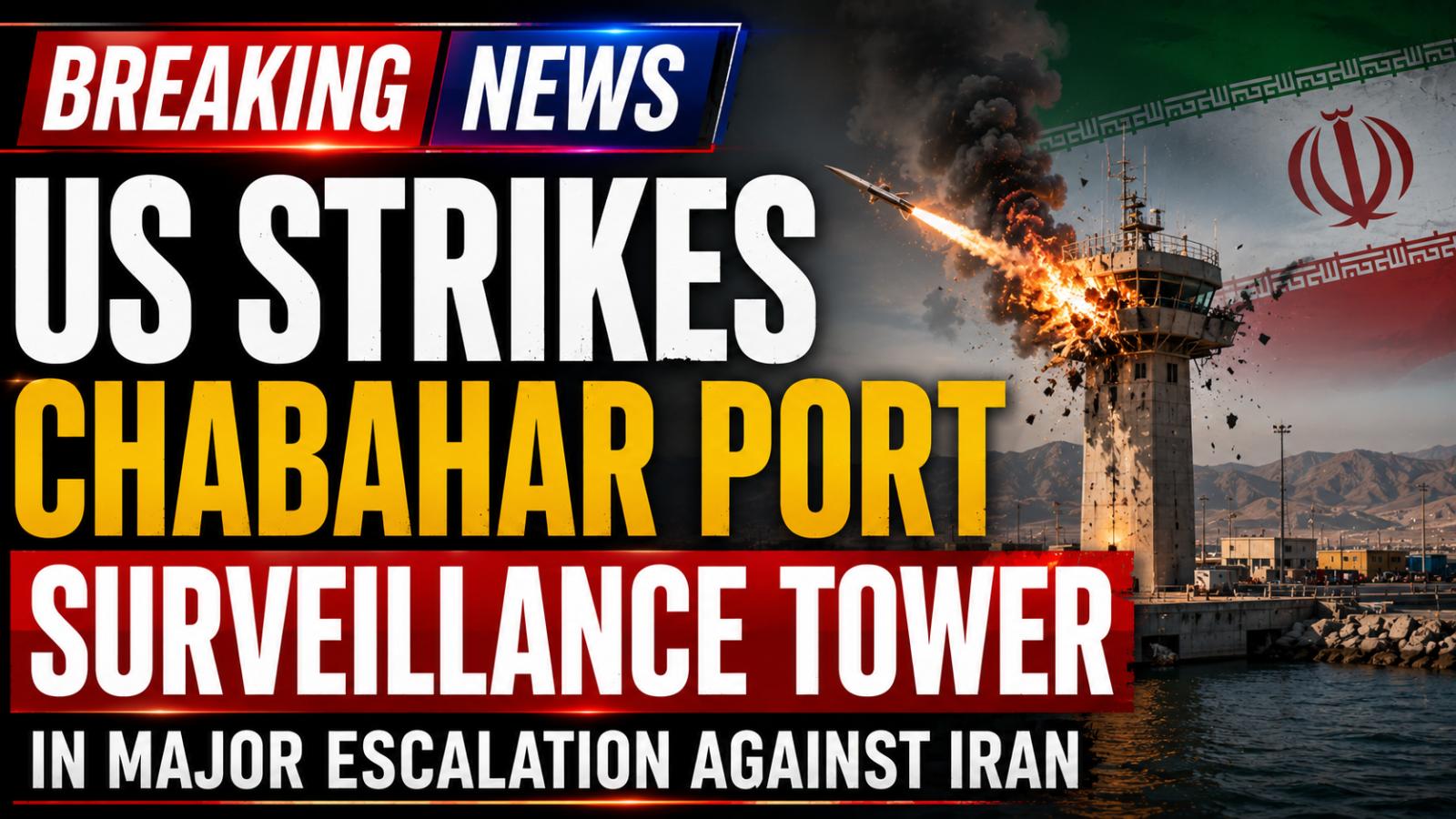
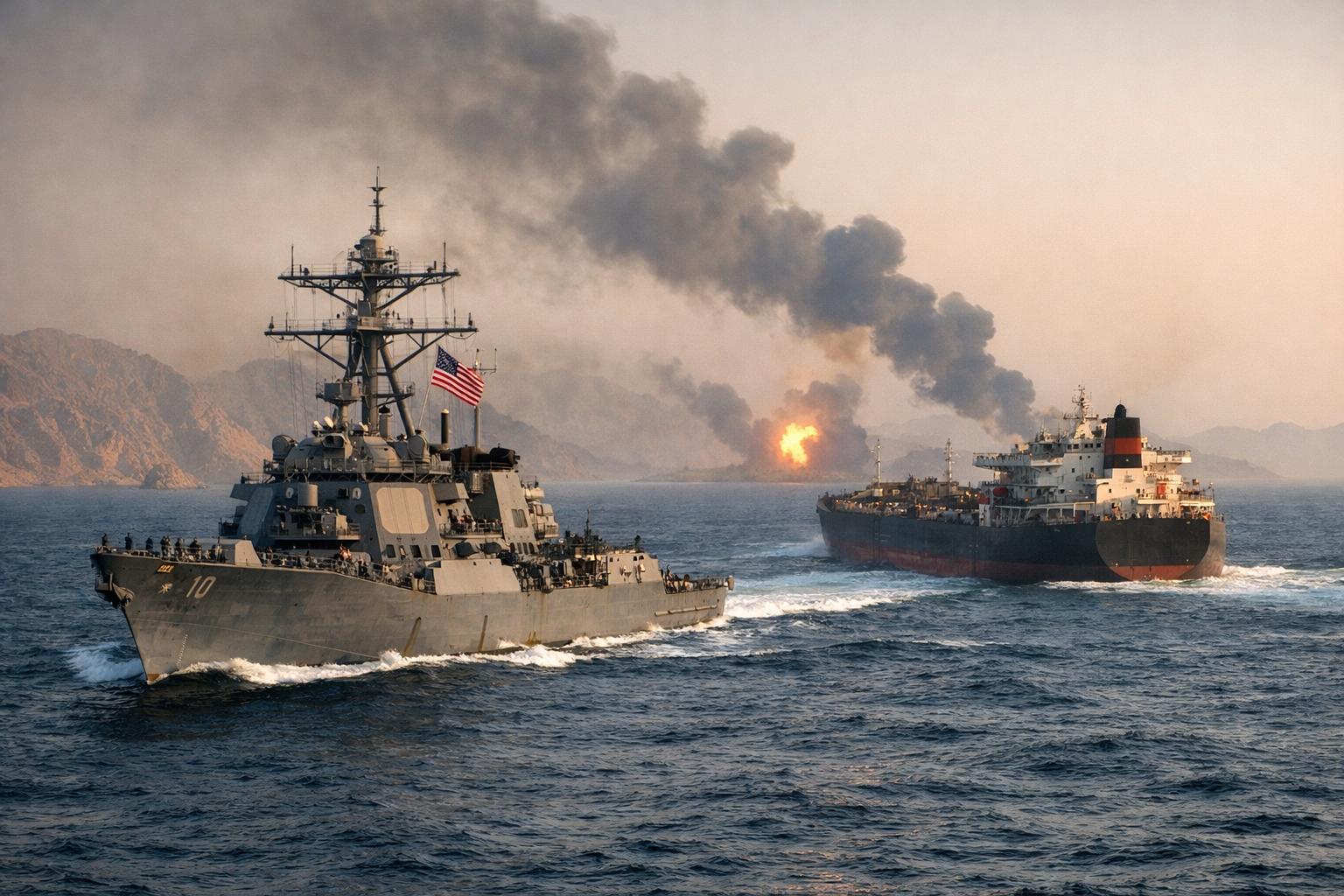
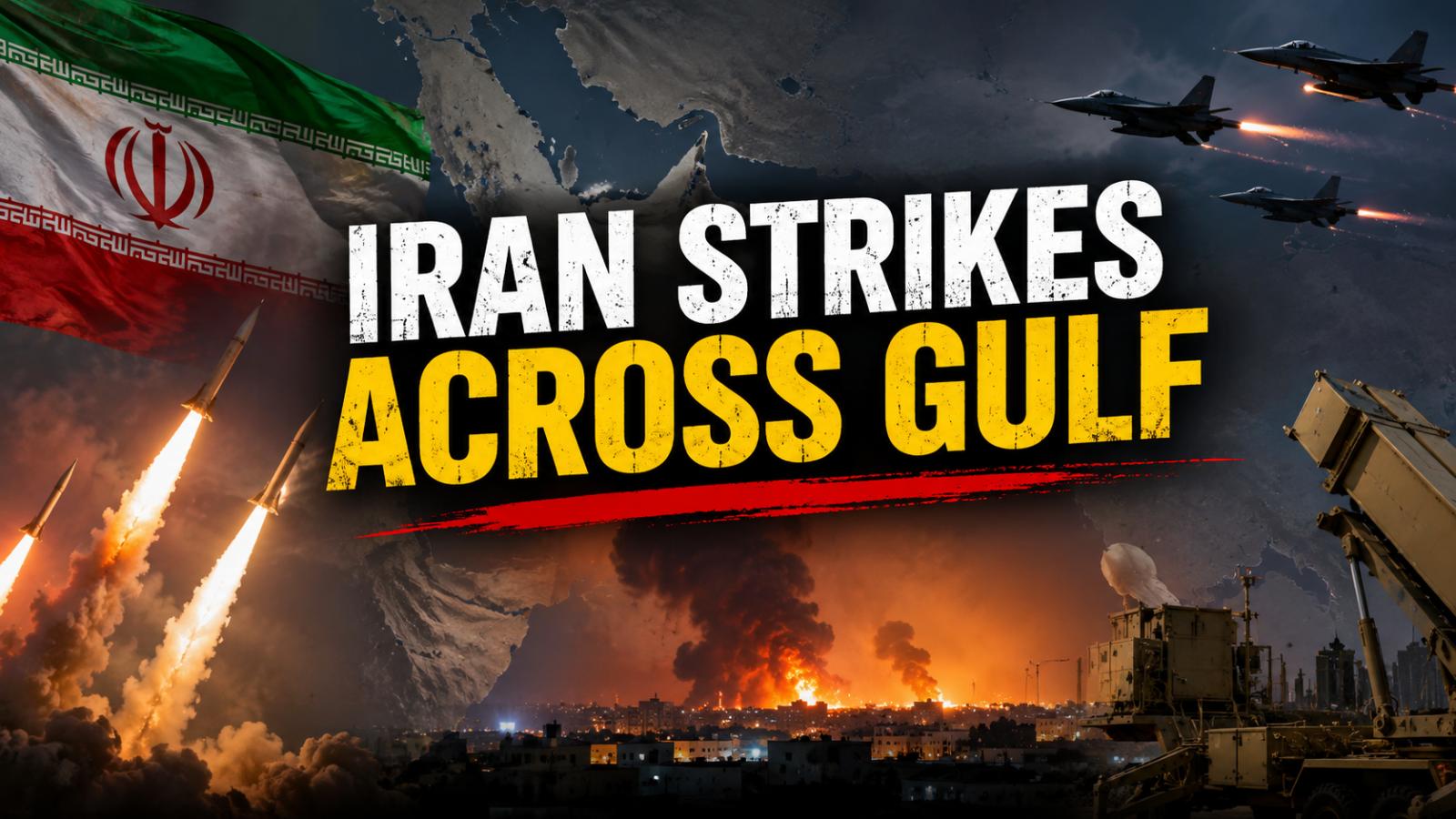
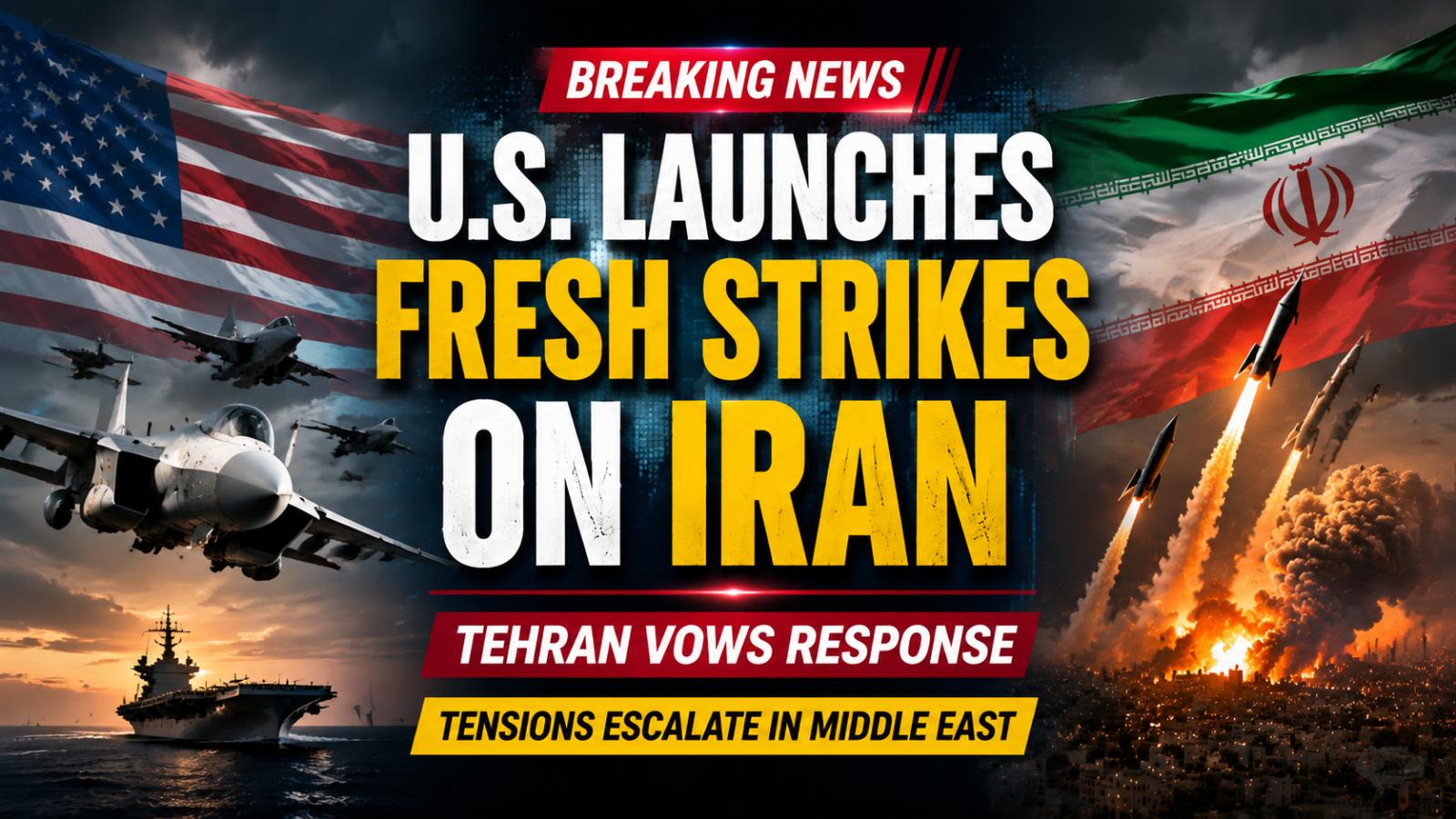
The United States executed a fresh round of military strikes on multiple Iranian targets on June 10,2026. CENTCOM described the operation as “self-defense,” targeting surveillance systems, communication networks, and air defense sites at the direction of President Donald Trump. US Marine Corps, Air Force, and Navy assets used precision munitions to neutralize threats to American forces and commercial shipping in the region. CENTCOM emphasized that US forces remain “vigilant, lethal, and ready.”
President Signals Temporary Halt
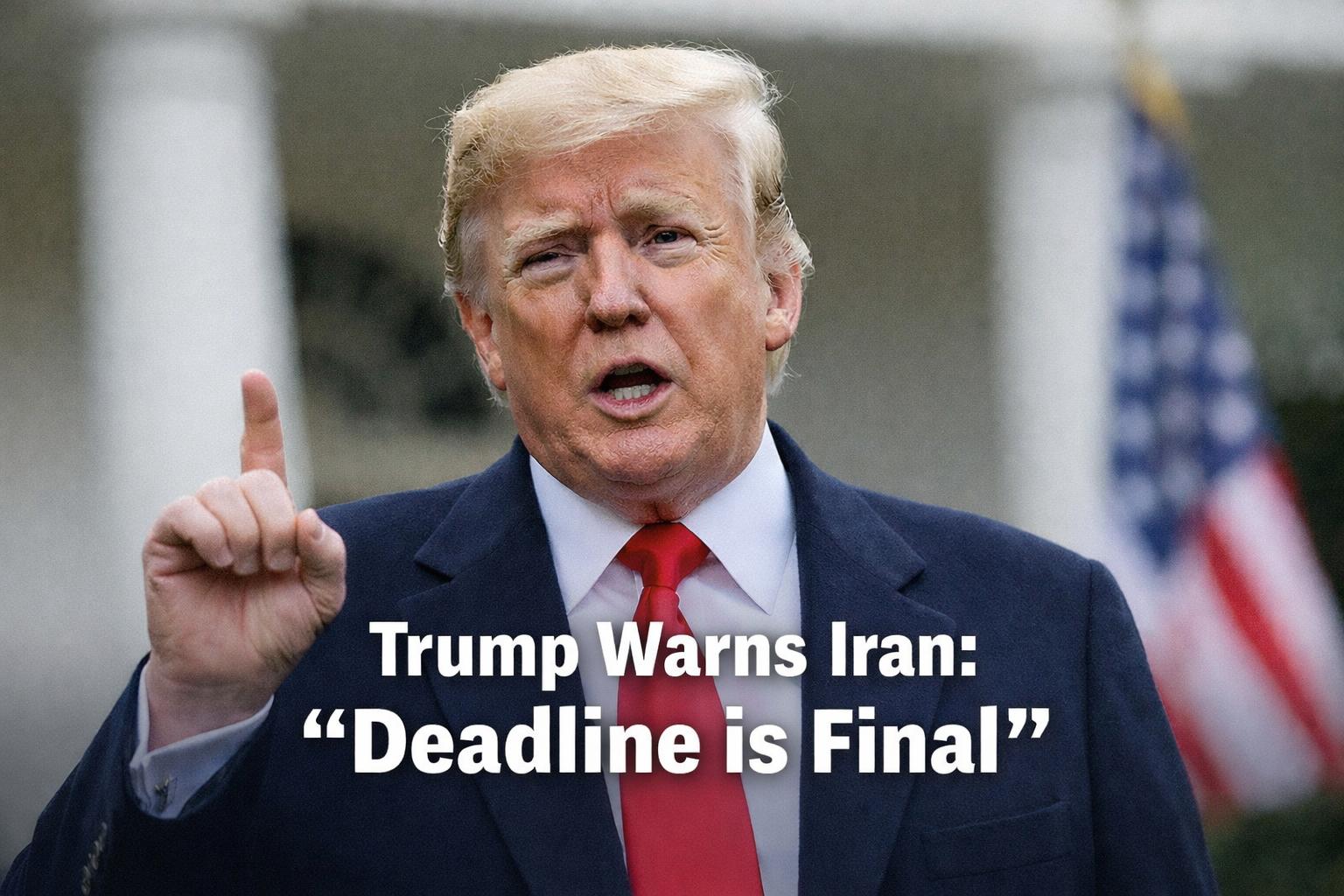
Hours after the strikes, President Trump stated that Iranian leaders contacted him to request a pause in the bombing campaign. He clarified that Israel was not involved and indicated that strikes could resume if Iran fails to reach a memorandum of understanding with Washington.
Continued Threats and Warnings
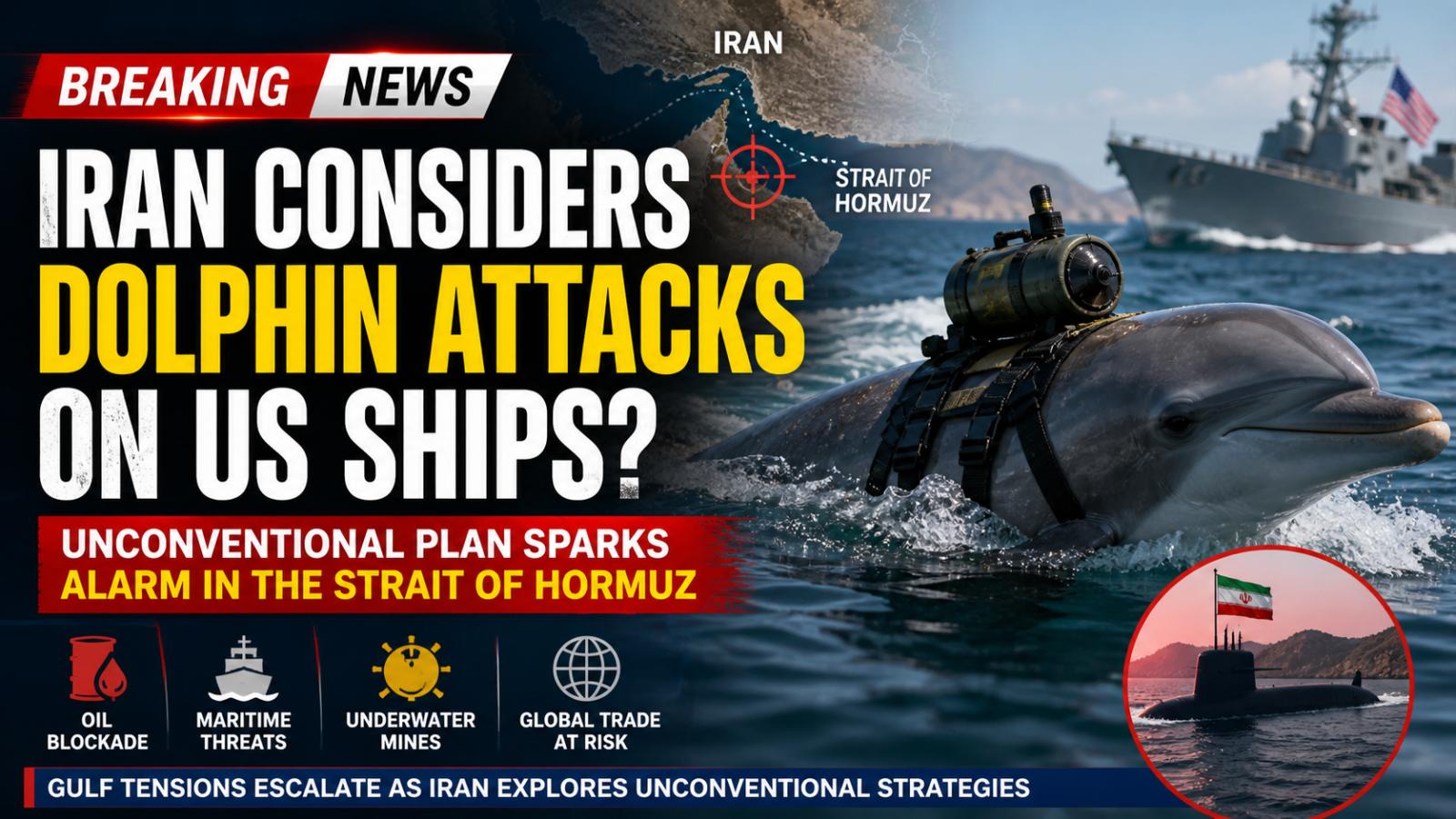
US Defence Secretary Pete Hegseth warned that any future operations against Iran would be “strong” and “clear.” Earlier in the day, Trump reiterated that ongoing strikes would continue if Iran delayed agreements, highlighting heightened military alertness following the Apache helicopter incident in the Strait of Hormuz.
Explosions Across Southern Iran
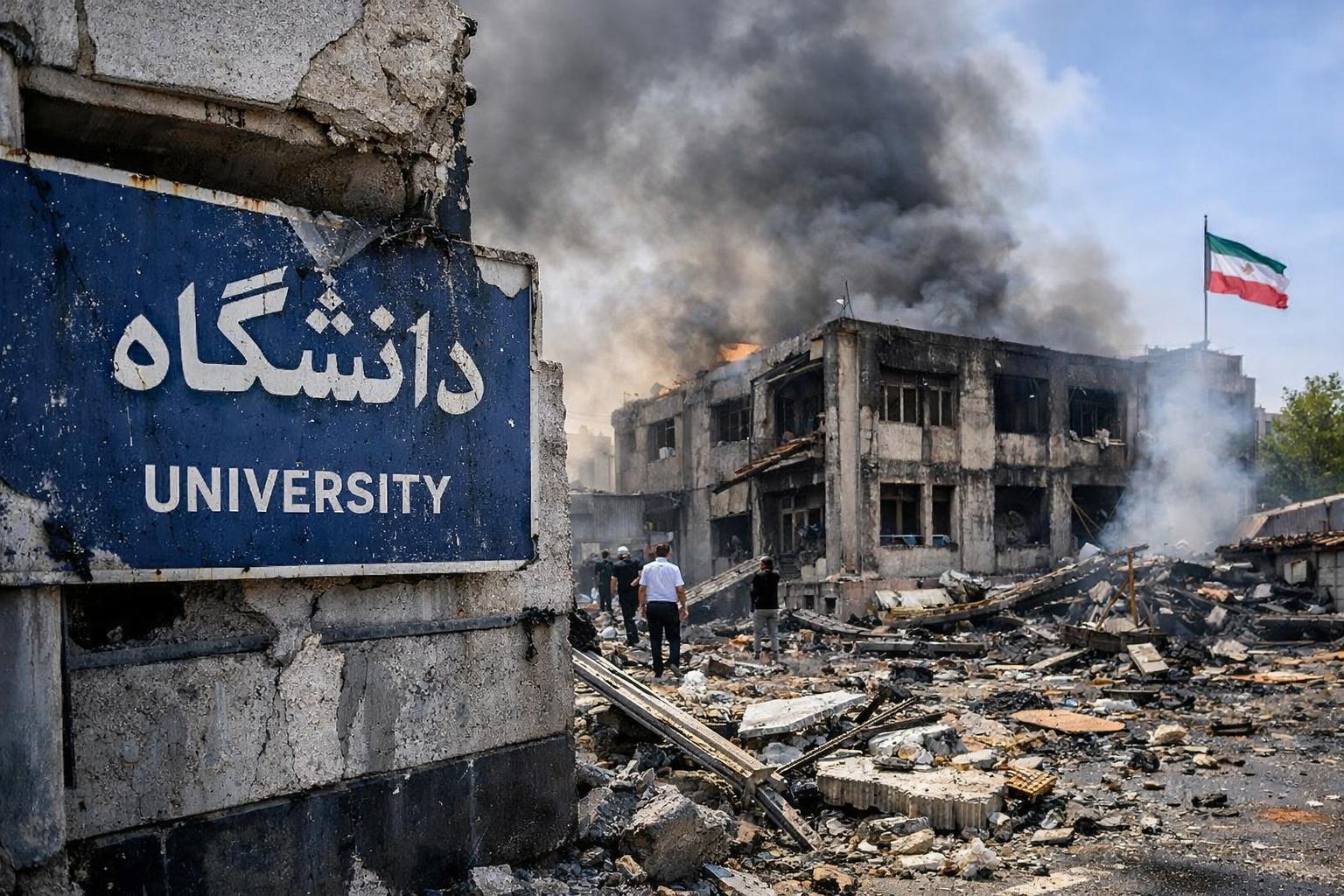
Iranian media reported explosions in Bandar Abbas, Qeshm Island, Minab, and Sirik following the US strikes. Local sources cited impacts from “enemy projectiles” near strategic areas in the Strait of Hormuz, underscoring the persistent volatility of the region.
Regional Implications
The recent actions reflect rising tensions between Washington and Tehran, with the US asserting a defensive posture while signaling readiness for additional strikes. Iranian authorities have condemned the attacks, and the international community continues to monitor potential escalation across the Middle East.