





















Japan imperial succession debate intensifies amid heir shortage
Japan’s imperial system is facing growing strain as the number of eligible heirs continues to decline, raising long-term questions about continuity at the country’s oldest monarchy. The current structure limits succession to male members of the imperial bloodline, leaving the royal household with a narrow pool of successors. With only a small number of eligible male heirs remaining, concerns are rising inside political and academic circles about whether the system can remain sta
Japan imperial succession debate intensifies amid heir shortage
Japan’s imperial system is facing growing strain as the number of eligible heirs continues to decline, raising long-term questions about continuity at the country’s oldest monarchy. The current structure limits succession to male members of the imperial bloodline, leaving the royal household with a narrow pool of successors. With only a small number of eligible male heirs remaining, concerns are rising inside political and academic circles about whether the system can remain sta
Shiv Sena UBT MPs under spotlight amid Delhi meeting tensions
Defection allegations spark political turbulence A fresh political storm has erupted within the Shiv Sena (UBT) camp led by Uddhav Thackeray, as allegations of possible defections among its Members of Parliament have triggered a high-stakes internal crisis. Senior leader
Shiv Sena UBT MPs under spotlight amid Delhi meeting tensions
Defection allegations spark political turbulence A fresh political storm has erupted within the Shiv Sena (UBT) camp led by Uddhav Thackeray, as allegations of possible defections among its Members of Parliament have triggered a high-stakes internal crisis. Senior leader
DRC Ebola outbreak worsens as rumours delay treatment
The Ebola outbreak in the Democratic Republic of Congo is becoming harder to manage as false rumours spread through communities and social media. Health teams are already dealing with a deadly virus, but misinformation is now creating another serious challenge. Many families are delaying hospital visits because they fear that medical centres are unsafe or that treatment itself may cause infection. Several misleading claims have circulated
DRC Ebola outbreak worsens as rumours delay treatment
The Ebola outbreak in the Democratic Republic of Congo is becoming harder to manage as false rumours spread through communities and social media. Health teams are already dealing with a deadly virus, but misinformation is now creating another serious challenge. Many families are delaying hospital visits because they fear that medical centres are unsafe or that treatment itself may cause infection. Several misleading claims have circulated
TMC Faces Major Rebellion After Assembly Loss, Mamata Banerjee’s Grip Weakens
TMC Reels After Assembly Setback The Trinamool Congress is in turmoil following a crushing defeat in West Bengal’s Assembly elections. Over 58 of the 80 MLAs have rebelled, appointing expelled leader Ritabrata Banerjee as the Leader of Opposition, signaling a split in the party’s legislative wing. The crisis has now escalated to the national level, with nearly 20 TMC Lok Sabha MPs moving to New Delhi, r
TMC Faces Major Rebellion After Assembly Loss, Mamata Banerjee’s Grip Weakens
TMC Reels After Assembly Setback The Trinamool Congress is in turmoil following a crushing defeat in West Bengal’s Assembly elections. Over 58 of the 80 MLAs have rebelled, appointing expelled leader Ritabrata Banerjee as the Leader of Opposition, signaling a split in the party’s legislative wing. The crisis has now escalated to the national level, with nearly 20 TMC Lok Sabha MPs moving to New Delhi, r
AIADMK Exodus Deepens As Four Former Ministers Join TVK
AIADMK faces another political setback in Tamil Nadu as four former ministers and ex-MLAs shift to Vijay’s ruling TVK amid continuing internal trouble. Another Setback For AIADMK The political crisis inside the AIADMK has deepened further after four former ministers and ex-MLAs joined the ruling Tamilaga Vettri Kazhagam at the party headquarters in Chennai on Saturday. The leaders who moved to TVK include Udumalai K Radhakrishnan, M C
AIADMK Exodus Deepens As Four Former Ministers Join TVK
AIADMK faces another political setback in Tamil Nadu as four former ministers and ex-MLAs shift to Vijay’s ruling TVK amid continuing internal trouble. Another Setback For AIADMK The political crisis inside the AIADMK has deepened further after four former ministers and ex-MLAs joined the ruling Tamilaga Vettri Kazhagam at the party headquarters in Chennai on Saturday. The leaders who moved to TVK include Udumalai K Radhakrishnan, M C
Mamata Banerjee Adviser Row Exposes Cracks In Rebel TMC Camp
Less than 48 hours after 60 rebel MLAs took control of the Trinamool Congress legislature party by defying party chief Mamata Banerjee, signs of internal trouble have begun to surface within the Ritabrata Banerjee-led camp. The disagreement is centred on Mamata Banerjee’s future role in the party and whether she should remain the supreme leader or be limited to the position of a chief adviser. Ritabrata Banerjee, who has now been recognised as the Leader of the Opposition, had said that the rebel group did not intend to split the Trinamool Congress. In their letter to the Assembly Speaker, the rebel MLAs reportedly mentioned Mamata Banerjee as the party chief. However, Ritabrata’s public suggestion that Mamata should serve as a “chief adviser” to the opposition front has created unease among several MLAs who still owe their political loyalty to her. The rebellion inside the TMC was not entirely directed against Mamata Banerjee herself. According to the developments emerging from the rebel camp, much of the anger among MLAs was aimed at Abhishek Banerjee, Mamata’s nephew and the party’s de facto number two. Several rebel leaders were reportedly unhappy with his leadership style and the growing perception that decision-making within the party had become increasingly centralised around him. The tensions deepened after the controversy known as “Signgate”, in which some Trinamool MLAs alleged that their signatures had been forged in a letter supporting Sobhandeb Chattopadhyay as Leader of the Opposition. That episode appears to have intensified resentment within the party and pushed several MLAs toward the rebel bloc. However, their rebellion against the current party structure has not translated into a complete rejection of Mamata Banerjee’s leadership. Several MLAs in the Ritabrata-led camp continue to see Mamata as the central figure of the Trinamool Congress. Rebel MLA Gulshan Mullick said that they had been told the party would continue under Mamata’s leadership and that she could not be treated merely as an adviser. He warned that if Mamata was not accepted as the supreme leader, some MLAs might reconsider whether they should remain in the rebel bloc. Sitai MLA Sangeeta Roy Basunia also rejected the idea of Mamata being shifted into an advisory role. She said Mamata Banerjee remained their supreme leader and could not be reduced to an adviser. These statements have exposed the first major challenge for Ritabrata Banerjee after taking charge as Leader of the Opposition. Ritabrata Bloc Faces Its First Big Political Test The dispute highlights the contradiction at the heart of the rebellion. On one hand, the MLAs have challenged the party’s existing leadership structure and defied Mamata Banerjee’s directions. On the other hand, many of them are unwilling to abandon their political and emotional association with the leader who founded the Trinamool Congress after breaking away from the Congress in 1998. This contradiction could become difficult for the rebel bloc to manage. If the group continues to project Mamata as its leader while acting against her instructions, it may struggle to build a clear political identity. At the same time, if Ritabrata attempts to sideline Mamata completely, he risks losing MLAs who joined the rebellion mainly out of anger against Abhishek Banerjee and the internal functioning of the party, not against Mamata herself. The Trinamool Congress has always been closely identified with Mamata Banerjee’s personality, leadership style and mass appeal. Unlike some other regional parties where factional battles are driven by ideology, caste equations or leadership succession, the current TMC crisis appears more rooted in internal control, authority and resentment over the party’s power structure. That makes Mamata’s role even more sensitive. Political observers believe the rebel bloc may face further instability if Ritabrata Banerjee fails to clearly define Mamata Banerjee’s position. If he accepts her as the supreme leader, the rebellion may appear incomplete. If he rejects her authority, the bloc could lose MLAs who still depend on Mamata’s image and legacy for political legitimacy. For now, Mamata Banerjee remains the biggest unifying force within the Trinamool Congress, even among those who have rebelled against the party leadership. The developments show that Ritabrata Banerjee’s biggest challenge may not be defeating the ruling side inside the Assembly, but keeping his own rebel camp together. The coming days will decide whether the bloc survives as a serious political force or begins to break apart under the weight of its own contradictions.
Mamata Banerjee Adviser Row Exposes Cracks In Rebel TMC Camp
Less than 48 hours after 60 rebel MLAs took control of the Trinamool Congress legislature party by defying party chief Mamata Banerjee, signs of internal trouble have begun to surface within the Ritabrata Banerjee-led camp. The disagreement is centred on Mamata Banerjee’s future role in the party and whether she should remain the supreme leader or be limited to the position of a chief adviser. Ritabrata Banerjee, who has now been recognised as the Leader of the Opposition, had said that the rebel group did not intend to split the Trinamool Congress. In their letter to the Assembly Speaker, the rebel MLAs reportedly mentioned Mamata Banerjee as the party chief. However, Ritabrata’s public suggestion that Mamata should serve as a “chief adviser” to the opposition front has created unease among several MLAs who still owe their political loyalty to her. The rebellion inside the TMC was not entirely directed against Mamata Banerjee herself. According to the developments emerging from the rebel camp, much of the anger among MLAs was aimed at Abhishek Banerjee, Mamata’s nephew and the party’s de facto number two. Several rebel leaders were reportedly unhappy with his leadership style and the growing perception that decision-making within the party had become increasingly centralised around him. The tensions deepened after the controversy known as “Signgate”, in which some Trinamool MLAs alleged that their signatures had been forged in a letter supporting Sobhandeb Chattopadhyay as Leader of the Opposition. That episode appears to have intensified resentment within the party and pushed several MLAs toward the rebel bloc. However, their rebellion against the current party structure has not translated into a complete rejection of Mamata Banerjee’s leadership. Several MLAs in the Ritabrata-led camp continue to see Mamata as the central figure of the Trinamool Congress. Rebel MLA Gulshan Mullick said that they had been told the party would continue under Mamata’s leadership and that she could not be treated merely as an adviser. He warned that if Mamata was not accepted as the supreme leader, some MLAs might reconsider whether they should remain in the rebel bloc. Sitai MLA Sangeeta Roy Basunia also rejected the idea of Mamata being shifted into an advisory role. She said Mamata Banerjee remained their supreme leader and could not be reduced to an adviser. These statements have exposed the first major challenge for Ritabrata Banerjee after taking charge as Leader of the Opposition. Ritabrata Bloc Faces Its First Big Political Test The dispute highlights the contradiction at the heart of the rebellion. On one hand, the MLAs have challenged the party’s existing leadership structure and defied Mamata Banerjee’s directions. On the other hand, many of them are unwilling to abandon their political and emotional association with the leader who founded the Trinamool Congress after breaking away from the Congress in 1998. This contradiction could become difficult for the rebel bloc to manage. If the group continues to project Mamata as its leader while acting against her instructions, it may struggle to build a clear political identity. At the same time, if Ritabrata attempts to sideline Mamata completely, he risks losing MLAs who joined the rebellion mainly out of anger against Abhishek Banerjee and the internal functioning of the party, not against Mamata herself. The Trinamool Congress has always been closely identified with Mamata Banerjee’s personality, leadership style and mass appeal. Unlike some other regional parties where factional battles are driven by ideology, caste equations or leadership succession, the current TMC crisis appears more rooted in internal control, authority and resentment over the party’s power structure. That makes Mamata’s role even more sensitive. Political observers believe the rebel bloc may face further instability if Ritabrata Banerjee fails to clearly define Mamata Banerjee’s position. If he accepts her as the supreme leader, the rebellion may appear incomplete. If he rejects her authority, the bloc could lose MLAs who still depend on Mamata’s image and legacy for political legitimacy. For now, Mamata Banerjee remains the biggest unifying force within the Trinamool Congress, even among those who have rebelled against the party leadership. The developments show that Ritabrata Banerjee’s biggest challenge may not be defeating the ruling side inside the Assembly, but keeping his own rebel camp together. The coming days will decide whether the bloc survives as a serious political force or begins to break apart under the weight of its own contradictions.
Iran Warns US of Missile & Drone Retaliation After Kuwait Airport Attack
Iran has issued a stern warning that any renewed U.S. military action will trigger a swift response using missiles and drones. Senior military adviser Mohsen Rezaei, speaking amid rising Gulf tensions, emphasized that Iran is prepared to defend itself against what it considers aggressive overreach. The statement underlines the fragile state of regional diplomacy and the challenges facing efforts to secure a ceasefire.
Iran Warns US of Missile & Drone Retaliation After Kuwait Airport Attack
Iran has issued a stern warning that any renewed U.S. military action will trigger a swift response using missiles and drones. Senior military adviser Mohsen Rezaei, speaking amid rising Gulf tensions, emphasized that Iran is prepared to defend itself against what it considers aggressive overreach. The statement underlines the fragile state of regional diplomacy and the challenges facing efforts to secure a ceasefire.
Mamata Banerjee Dissolves TMC Committees Amid Widening Rebellion in Bengal
West Bengal Chief Minister Mamata Banerjee has taken the drastic step of dissolving all Trinamool Congress (TMC) committees and frontal organisations in the state with immediate effect as internal strife within the party reaches a critical juncture. The decision comes amid a rapidly widening rebellion among party legislators that has raised questions about unity, leadership authority, and political stability within one of India’s most powerful regional parties. On Wednesday, several members of a self‑described rebel faction within the TMC publicly claimed they have the backing of a majority of the party’s 80 Members of the Legislative Assembly (MLAs), signalling a serious challenge to Mamata Banerjee’s leadership. The rebels objected to the appointment of Sobhandeb Chattopadhyay as the Leader of Opposition in the West Bengal Assembly, alleging that the process lacked legitimacy and was backed by questionable signatures. TMC leaders have described the move as an unprecedented internal crisis, with multiple party MLAs skipping key organisational meetings and senior members distancing themselves from official party activities. This internal rebellion has sparked intense speculation across political corridors in Kolkata and beyond, with opposition parties and political analysts closely following developments that could reshape West Bengal’s political landscape. The situation escalated further after the All India Trinamool Congress (AITC) expelled two of its own MLAs, Sandipan Saha and Ritabrata Banerjee, from the party for alleged anti‑party activities. The expulsions were seen as a pre‑emptive measure by the party leadership to curb defection and dissent, but instead appear to have deepened internal rifts and emboldened rebel leaders. Several rebel MLAs, speaking to reporters, claimed to have a significant number of signatures supporting their stance. TMC MLA Mustafizur Rahman mentioned hearing reports of at least 59 signatures, though he stopped short of providing concrete confirmation. Another MLA, Priya Paul, avoided detailing her position until after party meetings concluded, reflecting the uncertainty and fluidity within party ranks. Probe, Politics and Public Statements The political escalation has drawn sharp reactions from leaders outside the TMC, notably West Bengal BJP leader Suvendu Adhikari. Addressing the media, Adhikari attacked the TMC leadership over allegations of forged signatures and internal miscommunication, asserting that legal and investigative processes will take their course under the Bharatiya Nyaya Sanhita (BNS). He warned that individuals involved in forgery or malpractice would not be spared, indicating a readiness to pursue the matter through formal channels. Adhikari outlined the sequence of events leading to the controversy, starting with a letter dated May 9 from the AITC National General Secretary to the Assembly Speaker proposing Sobhandeb Chattopadhyay as Leader of the Opposition, Nayana Bandyopadhyay and Ashima Patra as deputy leaders, and Firhad Hakim as chief whip. This was followed by another letter on May 20 claiming to bear 70 signatures of party legislators. However, two TMC MLAs, Rithabrata Bandhopadhyay and Sandipan Saha, lodged a formal complaint alleging that the resolution to adopt this leadership structure was never put to a vote by the legislative party. In response, the Assembly Speaker referred the matter to law enforcement, leading to the filing of an FIR at Hare Street Police Station. The case was later transferred to the Criminal Investigation Department (CID), which has since begun collecting signature samples from MLAs whose names appeared on the contested document. Adhikari stated that three TMC MLAs — Baharul Islam, Arup Roy, and Subhashish Das — reportedly told CID officials that they did not sign the document attributed to them. These developments underscore the complexity of the dispute and the legal scrutiny now surrounding internal party procedures. Amid the political conflict and legal entanglements, Adhikari also addressed governance issues, highlighting the BJP‑led state administration’s efforts on welfare measures such as a new free bus service for women and reforms to the Annapurna Yojna application process. He urged calm and restraint among political workers, stressing that investigations should proceed through lawful channels and cautioning against taking matters into their own hands. The ongoing developments within the TMC reflect broader tensions in West Bengal politics, where party loyalty, political power struggles, and legal controversies are intersecting in ways that could have significant implications for governance and legislative dynamics. As the situation continues to unfold, the focus remains on whether the rebel faction can sustain its claims of majority support and what this means for Mamata Banerjee’s leadership and the future of the TMC.
Mamata Banerjee Dissolves TMC Committees Amid Widening Rebellion in Bengal
West Bengal Chief Minister Mamata Banerjee has taken the drastic step of dissolving all Trinamool Congress (TMC) committees and frontal organisations in the state with immediate effect as internal strife within the party reaches a critical juncture. The decision comes amid a rapidly widening rebellion among party legislators that has raised questions about unity, leadership authority, and political stability within one of India’s most powerful regional parties. On Wednesday, several members of a self‑described rebel faction within the TMC publicly claimed they have the backing of a majority of the party’s 80 Members of the Legislative Assembly (MLAs), signalling a serious challenge to Mamata Banerjee’s leadership. The rebels objected to the appointment of Sobhandeb Chattopadhyay as the Leader of Opposition in the West Bengal Assembly, alleging that the process lacked legitimacy and was backed by questionable signatures. TMC leaders have described the move as an unprecedented internal crisis, with multiple party MLAs skipping key organisational meetings and senior members distancing themselves from official party activities. This internal rebellion has sparked intense speculation across political corridors in Kolkata and beyond, with opposition parties and political analysts closely following developments that could reshape West Bengal’s political landscape. The situation escalated further after the All India Trinamool Congress (AITC) expelled two of its own MLAs, Sandipan Saha and Ritabrata Banerjee, from the party for alleged anti‑party activities. The expulsions were seen as a pre‑emptive measure by the party leadership to curb defection and dissent, but instead appear to have deepened internal rifts and emboldened rebel leaders. Several rebel MLAs, speaking to reporters, claimed to have a significant number of signatures supporting their stance. TMC MLA Mustafizur Rahman mentioned hearing reports of at least 59 signatures, though he stopped short of providing concrete confirmation. Another MLA, Priya Paul, avoided detailing her position until after party meetings concluded, reflecting the uncertainty and fluidity within party ranks. Probe, Politics and Public Statements The political escalation has drawn sharp reactions from leaders outside the TMC, notably West Bengal BJP leader Suvendu Adhikari. Addressing the media, Adhikari attacked the TMC leadership over allegations of forged signatures and internal miscommunication, asserting that legal and investigative processes will take their course under the Bharatiya Nyaya Sanhita (BNS). He warned that individuals involved in forgery or malpractice would not be spared, indicating a readiness to pursue the matter through formal channels. Adhikari outlined the sequence of events leading to the controversy, starting with a letter dated May 9 from the AITC National General Secretary to the Assembly Speaker proposing Sobhandeb Chattopadhyay as Leader of the Opposition, Nayana Bandyopadhyay and Ashima Patra as deputy leaders, and Firhad Hakim as chief whip. This was followed by another letter on May 20 claiming to bear 70 signatures of party legislators. However, two TMC MLAs, Rithabrata Bandhopadhyay and Sandipan Saha, lodged a formal complaint alleging that the resolution to adopt this leadership structure was never put to a vote by the legislative party. In response, the Assembly Speaker referred the matter to law enforcement, leading to the filing of an FIR at Hare Street Police Station. The case was later transferred to the Criminal Investigation Department (CID), which has since begun collecting signature samples from MLAs whose names appeared on the contested document. Adhikari stated that three TMC MLAs — Baharul Islam, Arup Roy, and Subhashish Das — reportedly told CID officials that they did not sign the document attributed to them. These developments underscore the complexity of the dispute and the legal scrutiny now surrounding internal party procedures. Amid the political conflict and legal entanglements, Adhikari also addressed governance issues, highlighting the BJP‑led state administration’s efforts on welfare measures such as a new free bus service for women and reforms to the Annapurna Yojna application process. He urged calm and restraint among political workers, stressing that investigations should proceed through lawful channels and cautioning against taking matters into their own hands. The ongoing developments within the TMC reflect broader tensions in West Bengal politics, where party loyalty, political power struggles, and legal controversies are intersecting in ways that could have significant implications for governance and legislative dynamics. As the situation continues to unfold, the focus remains on whether the rebel faction can sustain its claims of majority support and what this means for Mamata Banerjee’s leadership and the future of the TMC.
Statue of Liberty remains a powerful symbol of freedom in New York
The Statue of Liberty is one of the most famous monuments in the world and stands on Liberty Island in New York Harbor. This statue of liberty history begins with a gift from France to the United States, but its meaning is much bigger than a gift. It is a symbol of freedom, democracy, hope and immigration. For visitors, the statue of liberty location is important because it stands near Ellis Island, where millions of immigrants once arrived in America. Today, the site remains a major tourist
Statue of Liberty remains a powerful symbol of freedom in New York
The Statue of Liberty is one of the most famous monuments in the world and stands on Liberty Island in New York Harbor. This statue of liberty history begins with a gift from France to the United States, but its meaning is much bigger than a gift. It is a symbol of freedom, democracy, hope and immigration. For visitors, the statue of liberty location is important because it stands near Ellis Island, where millions of immigrants once arrived in America. Today, the site remains a major tourist
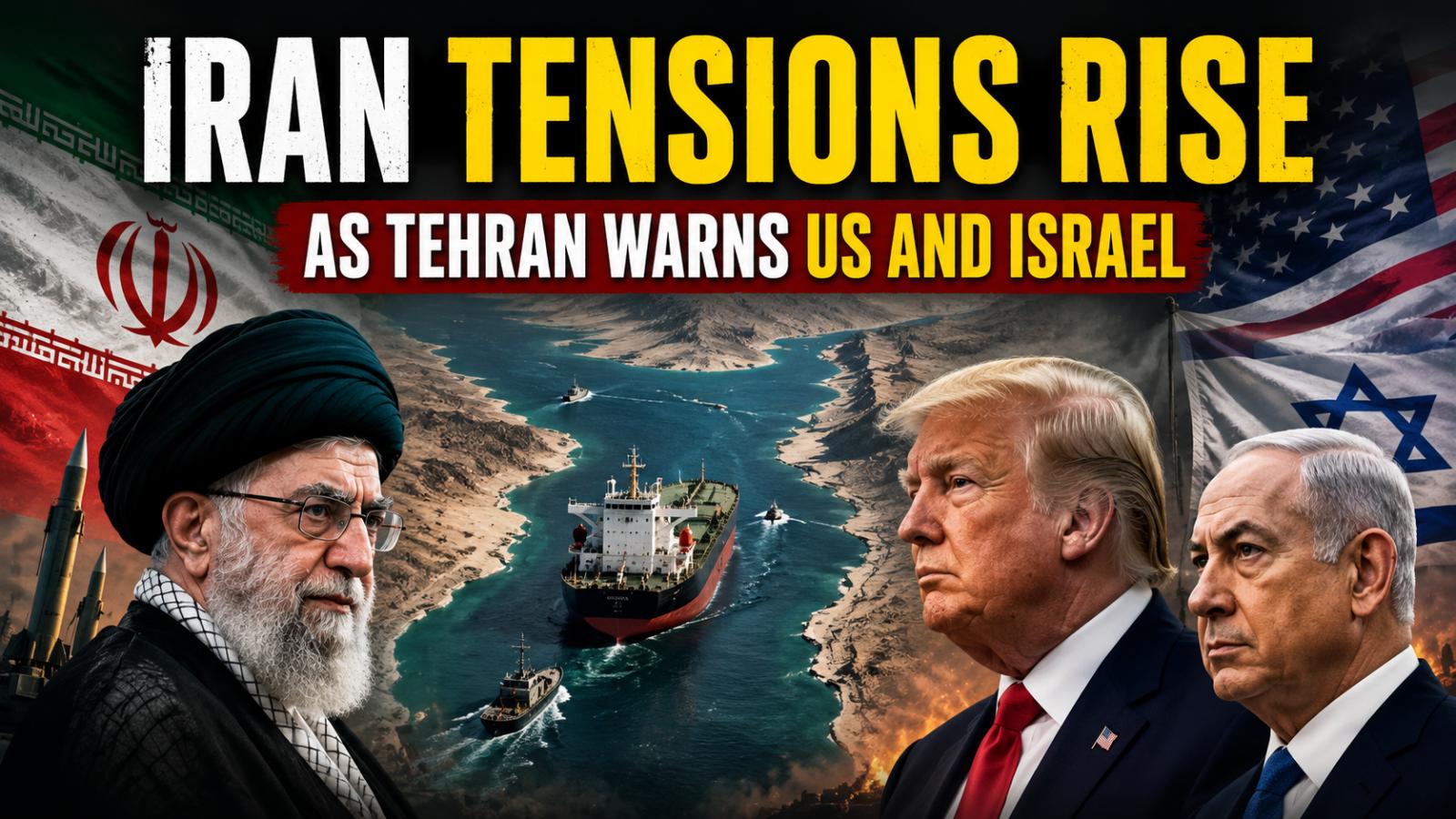
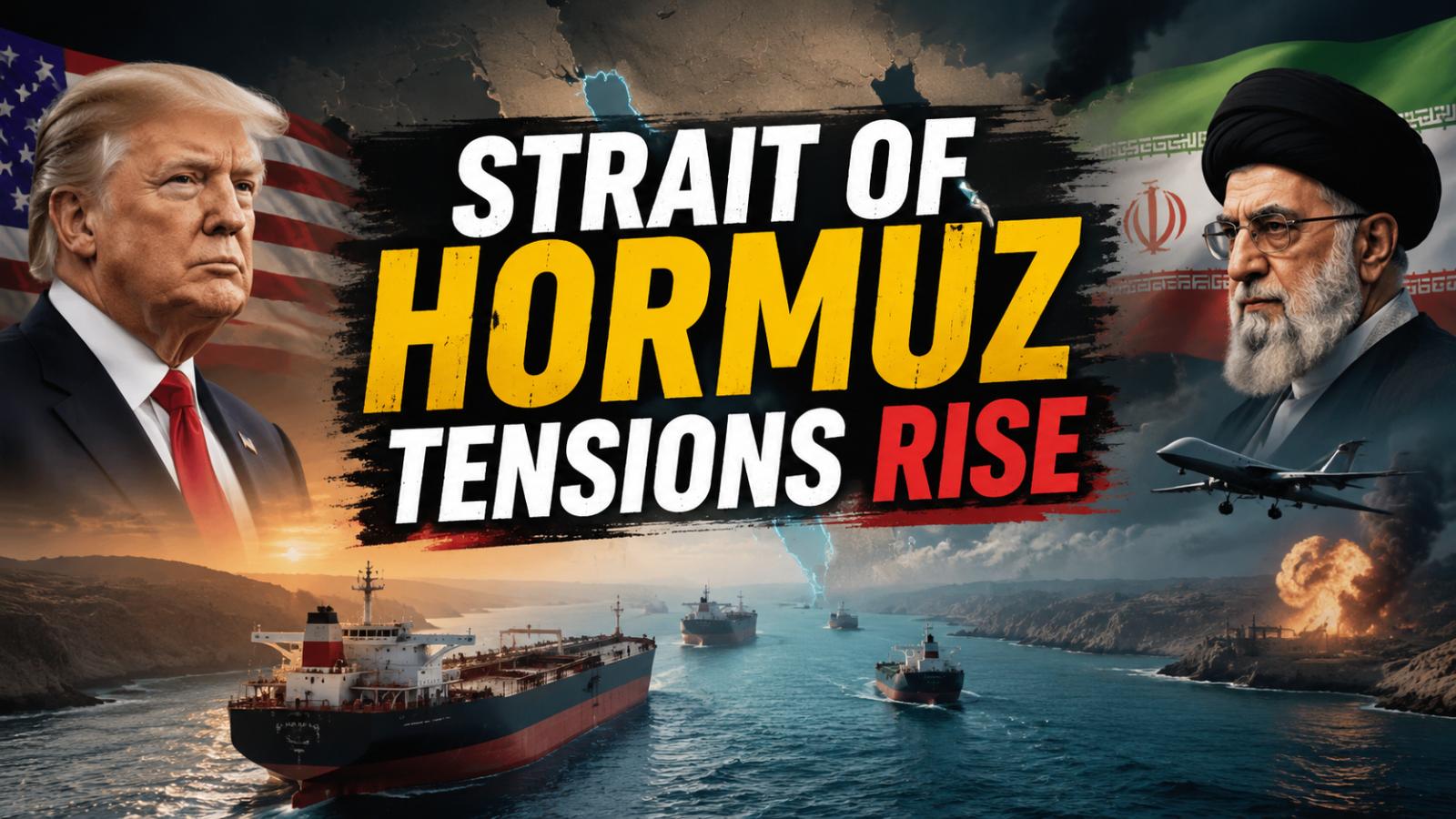
Trump Finalizes Iran Peace Deal Terms Amid Rising Tensions
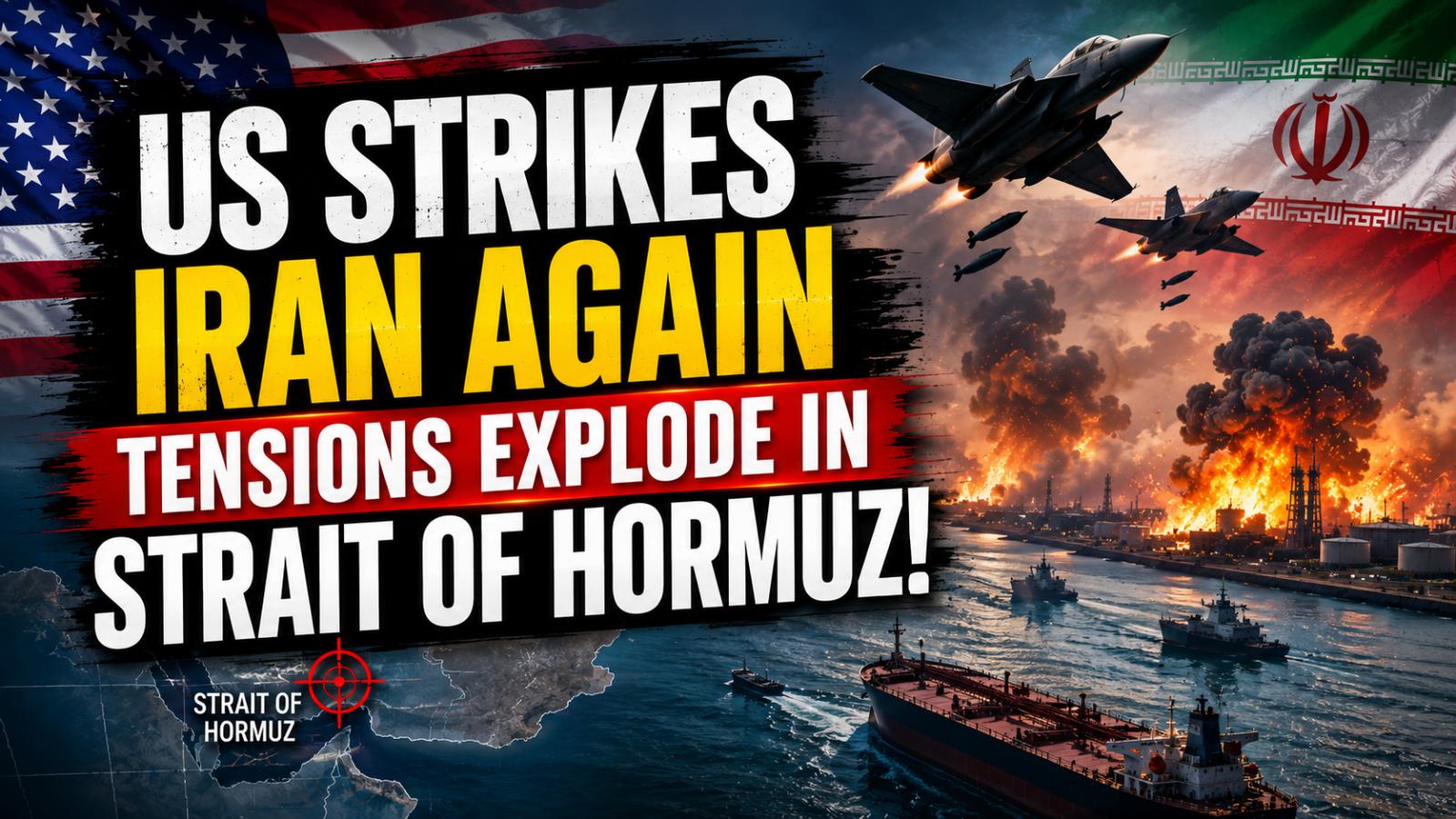
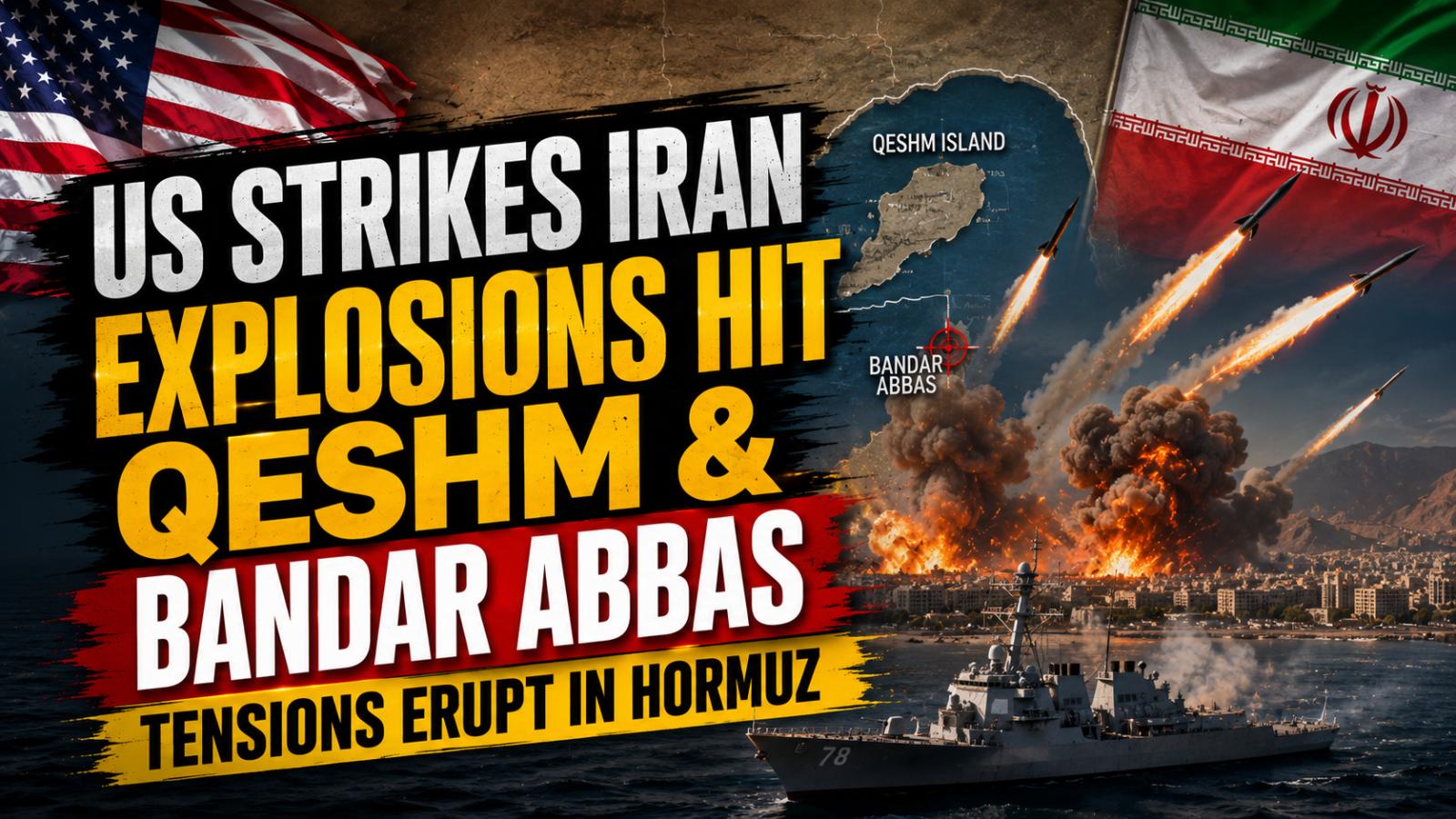
United States President Donald Trump has declared his final terms for a potential peace agreement with Iran. The proposal emphasizes strict nuclear compliance and guarantees for uninterrupted shipping through the strategic Hormuz Strait. This announcement has sparked strong reactions from Iranian officials, signaling potential hurdles in diplomatic negotiations. Iran Responds to US Demands
Trump Finalizes Iran Peace Deal Terms Amid Rising Tensions
United States President Donald Trump has declared his final terms for a potential peace agreement with Iran. The proposal emphasizes strict nuclear compliance and guarantees for uninterrupted shipping through the strategic Hormuz Strait. This announcement has sparked strong reactions from Iranian officials, signaling potential hurdles in diplomatic negotiations. Iran Responds to US Demands
John F. Kennedy: The Youngest U.S. President
Early Life and Education John Fitzgerald Kennedy, widely known as JFK, was born on May 29, 1917, in Brookline, Massachusetts. Coming from a wealthy and politically ambitious Irish-American family, he was exposed to public service from an early age. Kennedy pursued higher education at Harvard University, where he cultivated an interest in politics, leadership, and international affairs, laying the groundwork for his future political career. Military Service and War Heroism During World War II, Kennedy served in the U.S. Navy and commanded a patrol boat, PT-109. When the vessel was struck by a Japanese destroyer, Kennedy’s leadership and courage helped save surviving crew members. This act of heroism earned him national recognition and significantly boosted his political profile, showcasing his bravery and commitment to service. Political Career and Presidency Following the war, Kennedy entered politics, serving first as a congressman and then as a senator from Massachusetts. In 1961, at the age of 43, he became the youngest person ever elected president of the United States. Kennedy’s presidency was marked by key challenges including civil rights initiatives, economic growth, and Cold War tensions, which tested his leadership on both domestic and international fronts. Cuban Missile Crisis One of the defining moments of JFK’s presidency occurred in 1962 during the Cuban Missile Crisis. The discovery of Soviet nuclear missiles in Cuba brought the world to the brink of nuclear conflict. Kennedy’s measured approach and negotiations with the Soviet Union are credited with averting a global disaster, cementing his reputation as a decisive yet thoughtful leader during crises. Assassination and Legacy Kennedy was assassinated on November 22, 1963, in Dallas, Texas, an event that shocked the world and left a lasting imprint on American history. Despite his short tenure, JFK’s leadership, vision for space exploration, and commitment to public service continue to inspire generations. Memorials, libraries, and institutions bearing his name preserve his enduring legacy and influence on both the United States and global politics.
John F. Kennedy: The Youngest U.S. President
Early Life and Education John Fitzgerald Kennedy, widely known as JFK, was born on May 29, 1917, in Brookline, Massachusetts. Coming from a wealthy and politically ambitious Irish-American family, he was exposed to public service from an early age. Kennedy pursued higher education at Harvard University, where he cultivated an interest in politics, leadership, and international affairs, laying the groundwork for his future political career. Military Service and War Heroism During World War II, Kennedy served in the U.S. Navy and commanded a patrol boat, PT-109. When the vessel was struck by a Japanese destroyer, Kennedy’s leadership and courage helped save surviving crew members. This act of heroism earned him national recognition and significantly boosted his political profile, showcasing his bravery and commitment to service. Political Career and Presidency Following the war, Kennedy entered politics, serving first as a congressman and then as a senator from Massachusetts. In 1961, at the age of 43, he became the youngest person ever elected president of the United States. Kennedy’s presidency was marked by key challenges including civil rights initiatives, economic growth, and Cold War tensions, which tested his leadership on both domestic and international fronts. Cuban Missile Crisis One of the defining moments of JFK’s presidency occurred in 1962 during the Cuban Missile Crisis. The discovery of Soviet nuclear missiles in Cuba brought the world to the brink of nuclear conflict. Kennedy’s measured approach and negotiations with the Soviet Union are credited with averting a global disaster, cementing his reputation as a decisive yet thoughtful leader during crises. Assassination and Legacy Kennedy was assassinated on November 22, 1963, in Dallas, Texas, an event that shocked the world and left a lasting imprint on American history. Despite his short tenure, JFK’s leadership, vision for space exploration, and commitment to public service continue to inspire generations. Memorials, libraries, and institutions bearing his name preserve his enduring legacy and influence on both the United States and global politics.
Iran Seeks $24 Billion Asset Release in Qatar Talks
Iran is seeking the release of about $24 billion in frozen assets as part of Qatar-based talks aimed at easing the conflict with the United States, according to Iranian media reports on Tuesday, May 26, 2026. The demand has become a central issue in negotiations taking place in Doha as US-Iran tensions remain high near the Strait of Hormuz. Iran Frozen Assets Qatar Talks Focus on $24 Billion Demand
Iran Seeks $24 Billion Asset Release in Qatar Talks
Iran is seeking the release of about $24 billion in frozen assets as part of Qatar-based talks aimed at easing the conflict with the United States, according to Iranian media reports on Tuesday, May 26, 2026. The demand has become a central issue in negotiations taking place in Doha as US-Iran tensions remain high near the Strait of Hormuz. Iran Frozen Assets Qatar Talks Focus on $24 Billion Demand
India Hosts Quad Delhi Meeting as Indo-Pacific Security, China and West Asia Tensions Take Centre Stage
India is hosting the Quad foreign ministers’ meeting in New Delhi on May 26, 2026, bringing together senior leaders from India, the United States, Japan and Australia. External Affairs Minister S. Jaishankar is chairing the meeting, with U.S. Secretary of State Marco Rubio, Australian Foreign Minister Penny Wong and Japanese Foreign Minister Toshimitsu Motegi attending the talks. The participation details are confirmed by India’s Ministry of External Affairs. The meeting comes a
India Hosts Quad Delhi Meeting as Indo-Pacific Security, China and West Asia Tensions Take Centre Stage
India is hosting the Quad foreign ministers’ meeting in New Delhi on May 26, 2026, bringing together senior leaders from India, the United States, Japan and Australia. External Affairs Minister S. Jaishankar is chairing the meeting, with U.S. Secretary of State Marco Rubio, Australian Foreign Minister Penny Wong and Japanese Foreign Minister Toshimitsu Motegi attending the talks. The participation details are confirmed by India’s Ministry of External Affairs. The meeting comes a
US-Iran Peace Talks Near Breakthrough as Trump Says Deal Is Largely Negotiated
US-Iran peace talks have entered a critical stage after President Donald Trump said a possible agreement with Iran has been “largely negotiated.” The statement, made on Saturday, May 23, 2026, has raised hopes that the three-month-long conflict between the United States and Iran may be moving toward a diplomatic breakthrough. However, the agreement is not final yet, and both sides still appear to have major issues to resolve. According to Trump, the proposed understanding could
US-Iran Peace Talks Near Breakthrough as Trump Says Deal Is Largely Negotiated
US-Iran peace talks have entered a critical stage after President Donald Trump said a possible agreement with Iran has been “largely negotiated.” The statement, made on Saturday, May 23, 2026, has raised hopes that the three-month-long conflict between the United States and Iran may be moving toward a diplomatic breakthrough. However, the agreement is not final yet, and both sides still appear to have major issues to resolve. According to Trump, the proposed understanding could
US Secretary of State Marco Rubio Begins India Visit
Marco Rubio Arrives in India for Strategic Talks US Secretary of State Marco Rubio arrived in Kolkata on Saturday, May 23, marking his first official visit to India. The trip represents a significant step in strengthening bilateral relations between Washington and New Delhi, especially amid rising geopolitical tensions across the Indo-Pacific and West Asia. Rubio’s visit comes just days ahead of the QUAD foreign ministers
US Secretary of State Marco Rubio Begins India Visit
Marco Rubio Arrives in India for Strategic Talks US Secretary of State Marco Rubio arrived in Kolkata on Saturday, May 23, marking his first official visit to India. The trip represents a significant step in strengthening bilateral relations between Washington and New Delhi, especially amid rising geopolitical tensions across the Indo-Pacific and West Asia. Rubio’s visit comes just days ahead of the QUAD foreign ministers
PM Modi Chairs 4.5-Hour Council Meet on Viksit Bharat 2047 Vision
Prime Minister Narendra Modi chaired a focused Council of Ministers meeting lasting around 4.5 hours, demonstrating India’s commitment to achieving the long-term Viksit Bharat 2047 development plan. Senior cabinet ministers discussed strategies for administrative reform, governance efficiency, and citizen-centric initiatives. Key Focus Areas of the Meeting Administrative Reforms: Streamlining government services, reducing bureaucrac
PM Modi Chairs 4.5-Hour Council Meet on Viksit Bharat 2047 Vision
Prime Minister Narendra Modi chaired a focused Council of Ministers meeting lasting around 4.5 hours, demonstrating India’s commitment to achieving the long-term Viksit Bharat 2047 development plan. Senior cabinet ministers discussed strategies for administrative reform, governance efficiency, and citizen-centric initiatives. Key Focus Areas of the Meeting Administrative Reforms: Streamlining government services, reducing bureaucrac
Indian Techies Race Against 60-Day H-1B Visa Deadline Amid US Tech Layoffs
The latest wave of Silicon Valley layoffs affecting Indian H-1B visa holders has put thousands of Indian techies under extreme pressure. Professionals working at major companies like Meta, Amazon, and LinkedIn now face a ticking 60-day clock to either find a new employer willing to sponsor their visa, switch to another legal status, or leave the United States. In today’s slowing US tech job market, securing H-1B visa transfers or completing interviews and background checks within this short
Indian Techies Race Against 60-Day H-1B Visa Deadline Amid US Tech Layoffs
The latest wave of Silicon Valley layoffs affecting Indian H-1B visa holders has put thousands of Indian techies under extreme pressure. Professionals working at major companies like Meta, Amazon, and LinkedIn now face a ticking 60-day clock to either find a new employer willing to sponsor their visa, switch to another legal status, or leave the United States. In today’s slowing US tech job market, securing H-1B visa transfers or completing interviews and background checks within this short
India’s 1991 Gold Pledge: How a Crisis Built Today’s Reserve Shield
India’s 1991 gold pledge remains one of the clearest examples of how a financial crisis reshaped the country’s economic direction. The episode matters again in 2026 as India holds larger foreign exchange and gold reserves, signaling preparation rather than panic. India’s 1991 gold pledge and the Gulf shock India’s balance-of-payments crisis deepened after Iraq invaded Kuwait on Thursday, August 2, 1990, triggering a Gulf crisis that added pressur
India’s 1991 Gold Pledge: How a Crisis Built Today’s Reserve Shield
India’s 1991 gold pledge remains one of the clearest examples of how a financial crisis reshaped the country’s economic direction. The episode matters again in 2026 as India holds larger foreign exchange and gold reserves, signaling preparation rather than panic. India’s 1991 gold pledge and the Gulf shock India’s balance-of-payments crisis deepened after Iraq invaded Kuwait on Thursday, August 2, 1990, triggering a Gulf crisis that added pressur
US-Cuba Tensions Rise After New Sanctions Target Havana Officials
Cuba Warns Against Military Action As US Pressure Grows Cuba’s leadership warned that any military action by the United States would bring severe consequences, as tensions between Havana and Washington escalated following new US sanctions targeting Cuba’s intelligence apparatus and senior officials. President Miguel Diaz-Canel said the country does not pose a threat to the United States or any other nation, but insisted
US-Cuba Tensions Rise After New Sanctions Target Havana Officials
Cuba Warns Against Military Action As US Pressure Grows Cuba’s leadership warned that any military action by the United States would bring severe consequences, as tensions between Havana and Washington escalated following new US sanctions targeting Cuba’s intelligence apparatus and senior officials. President Miguel Diaz-Canel said the country does not pose a threat to the United States or any other nation, but insisted
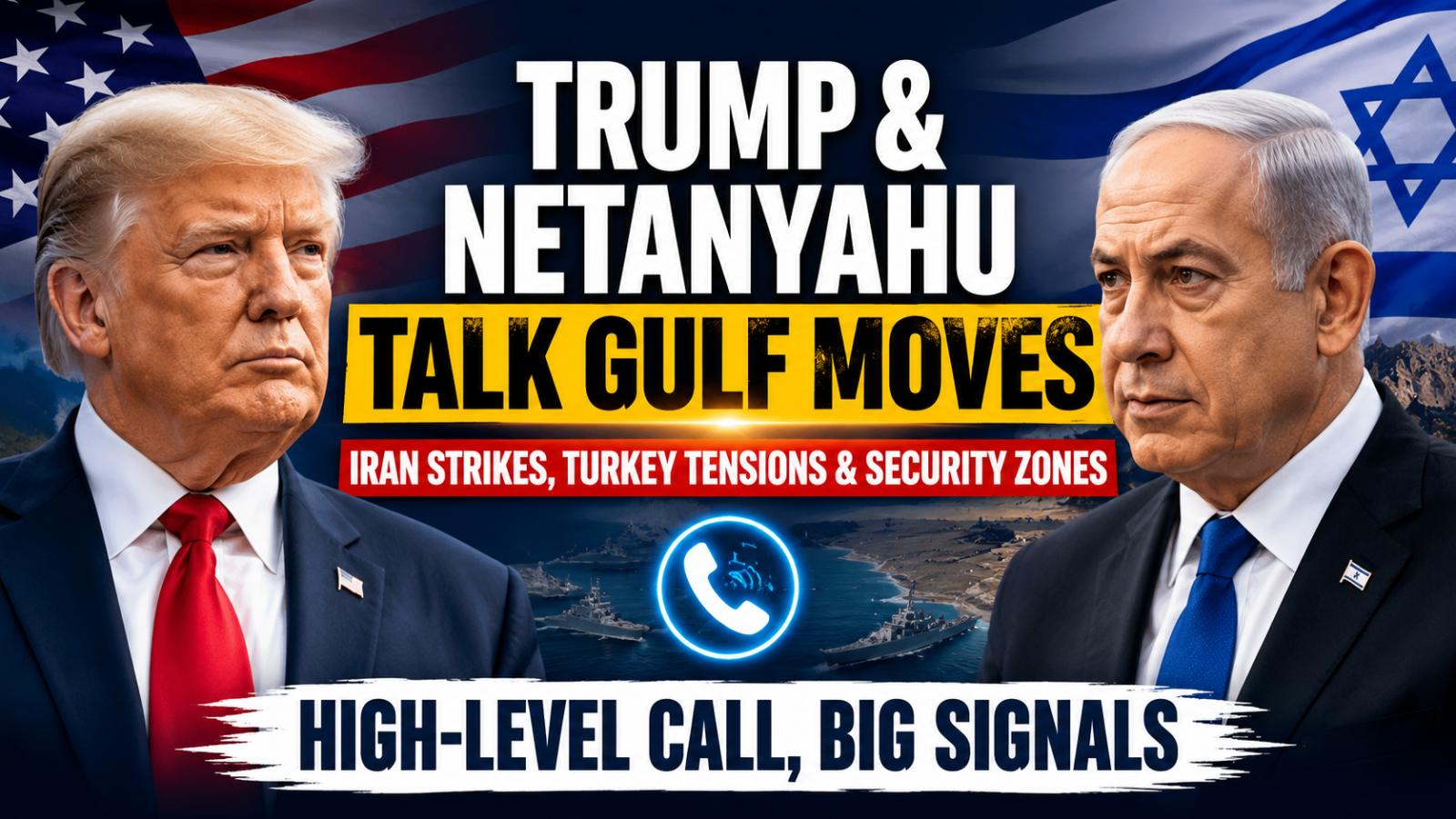
Trump Warns Iran As US-Israel Security Talks Raise Regional Tensions
Israeli Prime Minister Benjamin Netanyahu held a phone conversation with US President Donald Trump on Sunday, May 17, as tensions involving Iran remained high and questions continued over the durability of the ceasefire. The discussion reportedly focused on the war with Iran, regional security conditions and the future of diplomatic efforts aimed at preventing another round of escalation. The call came amid reports that Washington and Jerusalem are weighing their next steps after the ceasefir
Trump Warns Iran As US-Israel Security Talks Raise Regional Tensions
Israeli Prime Minister Benjamin Netanyahu held a phone conversation with US President Donald Trump on Sunday, May 17, as tensions involving Iran remained high and questions continued over the durability of the ceasefire. The discussion reportedly focused on the war with Iran, regional security conditions and the future of diplomatic efforts aimed at preventing another round of escalation. The call came amid reports that Washington and Jerusalem are weighing their next steps after the ceasefir


