





















Pentagon and Vatican clash over disputed meeting amid Iran war tensions
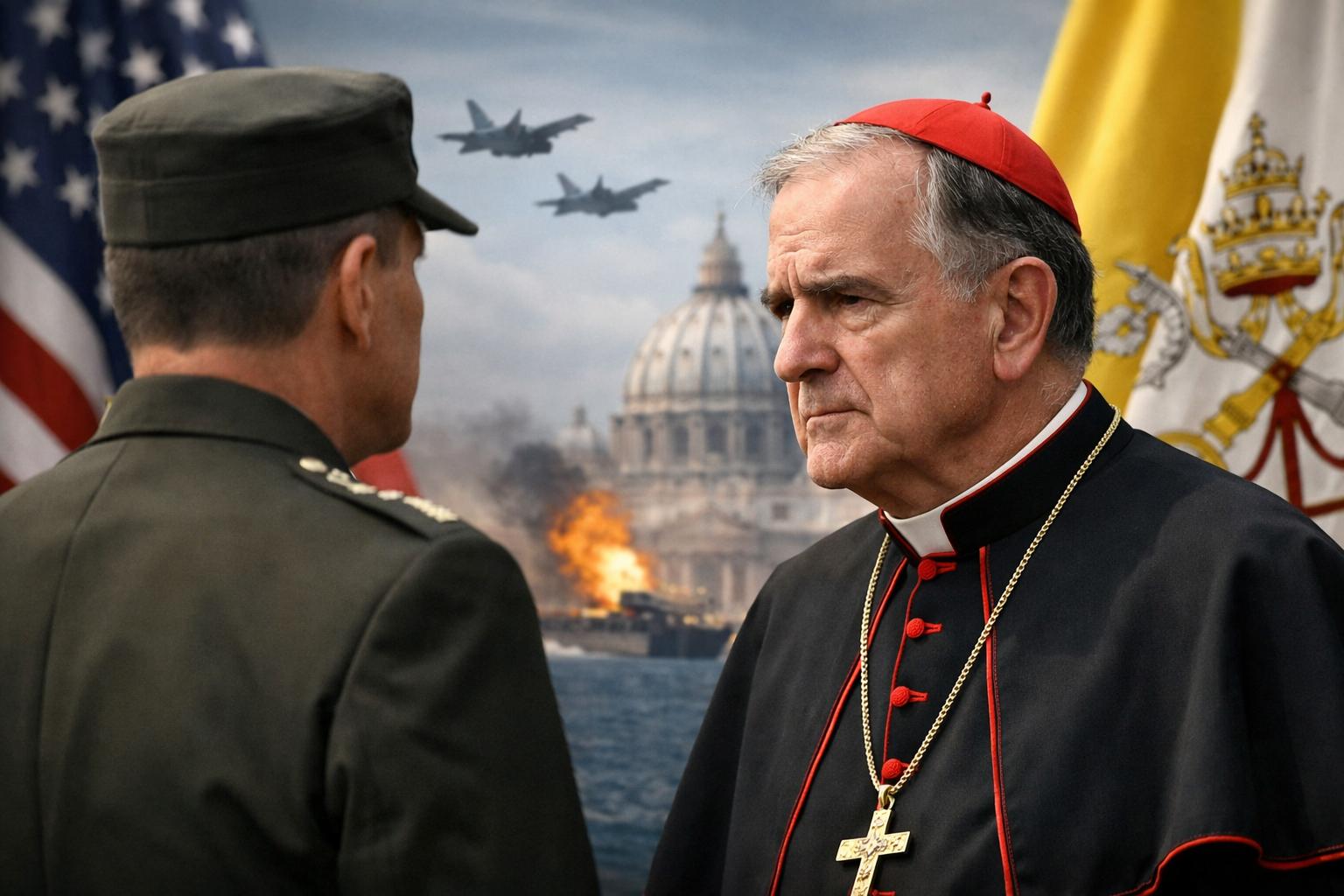
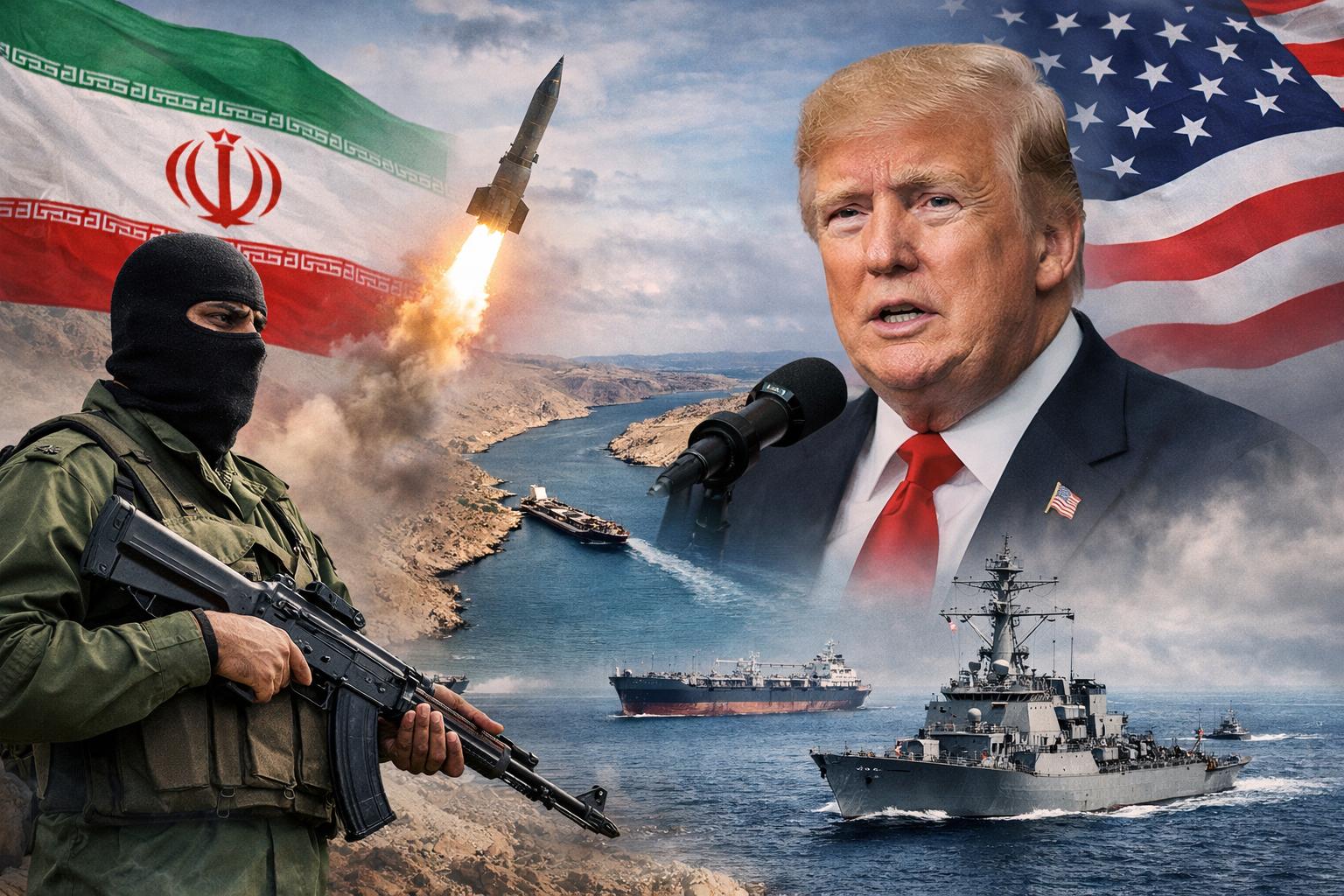
A meeting between officials from the U.S. Department of Defense and the Vatican has drawn scrutiny after sharply conflicting accounts emerged, raising questions about diplomatic tensions between Washington and the Holy See during an escalating global crisis. According to a source close to Pope Leo XIV, the meeting involving Cardinal Christophe Pierre was described as confrontational. Separate reports characterized the exchange as a stern warning emphasizing U.S. military strength and urging alignment with American policy. However, Pentagon officials strongly disputed that portrayal, stating the discussion was respectful and constructive, underscoring a commitment to continued dialogue with the Vatican. Adding to the conflicting narratives, Vatican ambassador Brian Burch stated on Thursday that Cardinal Pierre rejected media reports describing the meeting as hostile, calling them fabricated. He said the meeting, which occurred two months earlier, was “frank and cordial,” suggesting that accounts of tension may have been overstated. The dispute comes amid increasingly pointed remarks from Pope Leo XIV, the first U.S.-born pontiff from Chicago, who has taken an unusually direct stance on the ongoing conflict involving Iran. On Tuesday, the pope criticized U.S. President Donald Trump’s warning of severe consequences for Iran, calling such rhetoric “truly unacceptable” and warning that attacks on civilian infrastructure violate international law. In recent appeals, Leo has urged global leaders and citizens to pursue peace and avoid further escalation, particularly in a conflict he described as unjust and destabilizing. He also encouraged individuals to contact political leaders and advocate against actions targeting civilians, emphasizing the moral and legal implications of such strategies. The Vatican’s concerns extend beyond Iran, particularly to Lebanon, where renewed fighting involving Israeli forces and Hezbollah has intensified instability. Church officials have expressed alarm over the impact on Christian communities in southern Lebanon, which hold significant importance for the region’s religious presence. The broader geopolitical situation remains fragile. A ceasefire related to the Iran conflict appeared uncertain after Iran moved to close the Strait of Hormuz following Israeli strikes in Lebanon, prompting renewed calls from the White House to maintain open waterways and continue peace negotiations. While both the Pentagon and Vatican have emphasized the importance of ongoing dialogue, the divergence in accounts surrounding their recent meeting highlights the complexity of diplomatic relations during a period of heightened global tension.
Pentagon and Vatican clash over disputed meeting amid Iran war tensions
A meeting between officials from the U.S. Department of Defense and the Vatican has drawn scrutiny after sharply conflicting accounts emerged, raising questions about diplomatic tensions between Washington and the Holy See during an escalating global crisis. According to a source close to Pope Leo XIV, the meeting involving Cardinal Christophe Pierre was described as confrontational. Separate reports characterized the exchange as a stern warning emphasizing U.S. military strength and urging alignment with American policy. However, Pentagon officials strongly disputed that portrayal, stating the discussion was respectful and constructive, underscoring a commitment to continued dialogue with the Vatican. Adding to the conflicting narratives, Vatican ambassador Brian Burch stated on Thursday that Cardinal Pierre rejected media reports describing the meeting as hostile, calling them fabricated. He said the meeting, which occurred two months earlier, was “frank and cordial,” suggesting that accounts of tension may have been overstated. The dispute comes amid increasingly pointed remarks from Pope Leo XIV, the first U.S.-born pontiff from Chicago, who has taken an unusually direct stance on the ongoing conflict involving Iran. On Tuesday, the pope criticized U.S. President Donald Trump’s warning of severe consequences for Iran, calling such rhetoric “truly unacceptable” and warning that attacks on civilian infrastructure violate international law. In recent appeals, Leo has urged global leaders and citizens to pursue peace and avoid further escalation, particularly in a conflict he described as unjust and destabilizing. He also encouraged individuals to contact political leaders and advocate against actions targeting civilians, emphasizing the moral and legal implications of such strategies. The Vatican’s concerns extend beyond Iran, particularly to Lebanon, where renewed fighting involving Israeli forces and Hezbollah has intensified instability. Church officials have expressed alarm over the impact on Christian communities in southern Lebanon, which hold significant importance for the region’s religious presence. The broader geopolitical situation remains fragile. A ceasefire related to the Iran conflict appeared uncertain after Iran moved to close the Strait of Hormuz following Israeli strikes in Lebanon, prompting renewed calls from the White House to maintain open waterways and continue peace negotiations. While both the Pentagon and Vatican have emphasized the importance of ongoing dialogue, the divergence in accounts surrounding their recent meeting highlights the complexity of diplomatic relations during a period of heightened global tension.
Main Street Drag spreads Houston art car parade across city locations
HOUSTON — More than 100 elaborately decorated vehicles traveled across Houston, Texas, on Thursday morning, April 10, 2026, as part of the 39th Annual Art Car Parade’s Main Street Drag, a community outreach initiative designed to bring the festival experience directly to residents unable to attend in person. The event began at 9:00 AM CDT at the Orange Show World Headquarters, located at 2334 Gulf Terminal Drive, with participating vehicles arriving on-site by 8:30 AM CDT. Organized by the Orange Show Center for Visionary Art, the program extends the reach of one of Houston’s most recognizable cultural events by delivering art and interaction to locations such as schools, hospitals, nursing homes, and developmental care facilities throughout the city. The Main Street Drag operates as a series of smaller, mobile parades, allowing artists to engage directly with audiences in more intimate settings. Participants not only showcased their uniquely designed vehicles but also shared insights into their creative process, inspirations, and construction techniques. These interactions provided educational value while fostering a sense of connection and accessibility, particularly for individuals with limited mobility or health constraints. As part of the broader Houston Art Car Festival, now in its 39th year, the initiative reflects the city’s commitment to public art and community inclusion. The festival itself has grown into a major cultural attraction, drawing artists and visitors from across the United States and beyond, but the Main Street Drag ensures that its impact extends beyond traditional parade routes. By bringing creativity directly into community spaces, the event highlights the role of art in enhancing well-being and civic engagement, reinforcing Houston’s reputation as a hub for innovative public art and cultural outreach.
Main Street Drag spreads Houston art car parade across city locations
HOUSTON — More than 100 elaborately decorated vehicles traveled across Houston, Texas, on Thursday morning, April 10, 2026, as part of the 39th Annual Art Car Parade’s Main Street Drag, a community outreach initiative designed to bring the festival experience directly to residents unable to attend in person. The event began at 9:00 AM CDT at the Orange Show World Headquarters, located at 2334 Gulf Terminal Drive, with participating vehicles arriving on-site by 8:30 AM CDT. Organized by the Orange Show Center for Visionary Art, the program extends the reach of one of Houston’s most recognizable cultural events by delivering art and interaction to locations such as schools, hospitals, nursing homes, and developmental care facilities throughout the city. The Main Street Drag operates as a series of smaller, mobile parades, allowing artists to engage directly with audiences in more intimate settings. Participants not only showcased their uniquely designed vehicles but also shared insights into their creative process, inspirations, and construction techniques. These interactions provided educational value while fostering a sense of connection and accessibility, particularly for individuals with limited mobility or health constraints. As part of the broader Houston Art Car Festival, now in its 39th year, the initiative reflects the city’s commitment to public art and community inclusion. The festival itself has grown into a major cultural attraction, drawing artists and visitors from across the United States and beyond, but the Main Street Drag ensures that its impact extends beyond traditional parade routes. By bringing creativity directly into community spaces, the event highlights the role of art in enhancing well-being and civic engagement, reinforcing Houston’s reputation as a hub for innovative public art and cultural outreach.
Greenland rejects Trump comments, calls for NATO support on international law
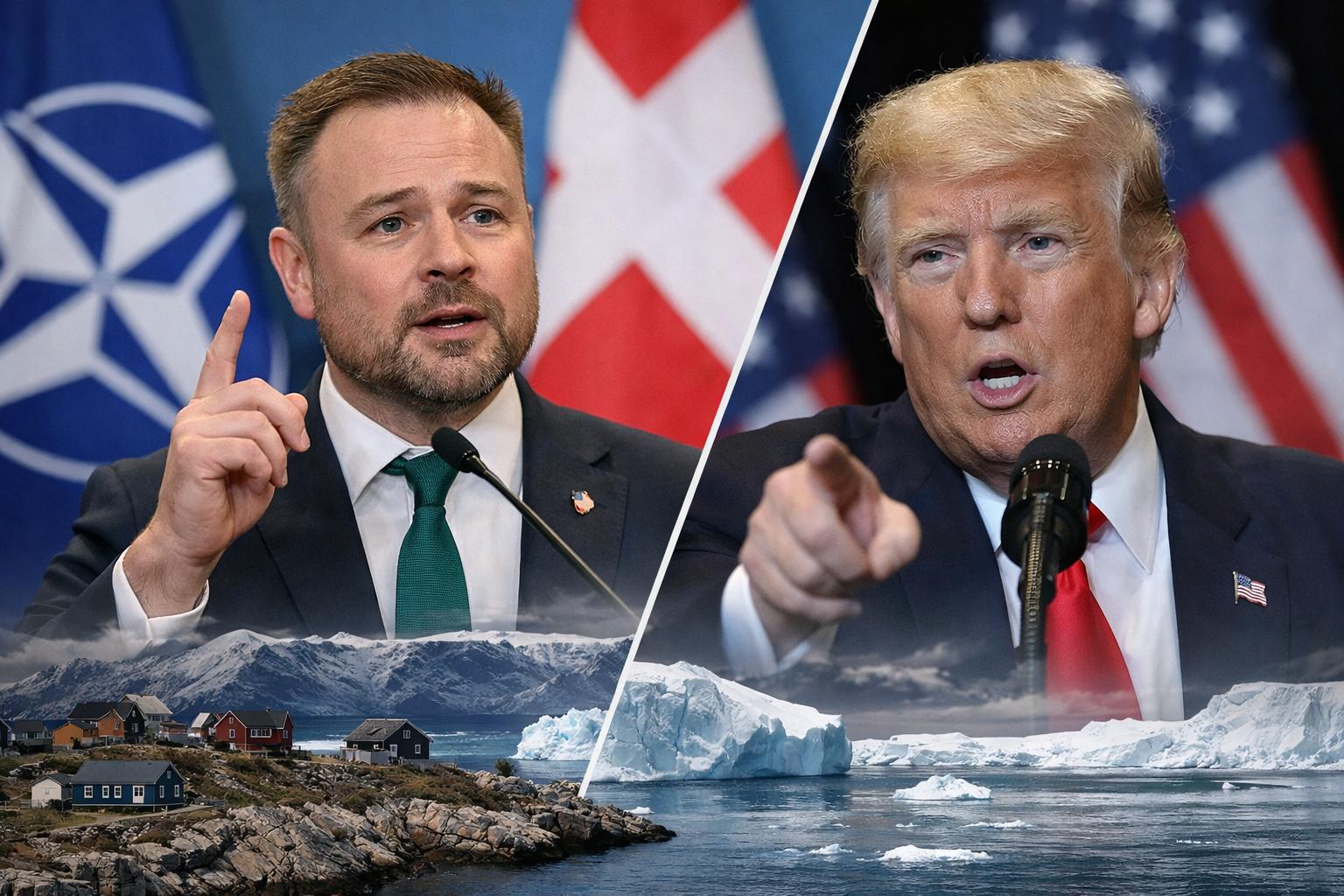
Greenland’s Prime Minister Jens-Frederik Nielsen called on allies within NATO to stand united in defense of international law following renewed remarks by U.S. President Donald Trump regarding the Arctic island. Speaking on Thursday, Nielsen emphasized the importance of maintaining global alliances and post-war geopolitical norms amid rising tensions. The statement followed Trump’s criticism of NATO’s role in recent international conflicts, including its perceived lack of support during U.S. military actions involving Iran. In a social media post, Trump expressed frustration with the alliance and referenced Greenland in dismissive terms, prompting a swift response from Greenland’s leadership. Nielsen rejected the characterization, stating that Greenland is “not some piece of ice,” but a community of approximately 57,000 people committed to international cooperation and respect for allies. He stressed that institutions such as NATO and established international law are increasingly under pressure and require collective defense from member nations. Concerns about U.S. intentions toward Greenland have persisted since earlier in the year, when Trump renewed interest in asserting control over the island, which is an autonomous territory within the Kingdom of Denmark. In January, U.S. officials signaled that military options had not been ruled out, prompting European allies, including Germany and France, to deploy limited forces to Greenland as a precautionary measure. Subsequent discussions between Trump and NATO Secretary General Mark Rutte led to a shift toward diplomatic engagement. Ongoing talks between Greenland, Denmark, and the United States began in late January and continue, with further meetings expected. The United States maintains a military presence in Greenland under a 1951 agreement and has the option to expand operations. Trump and his supporters argue that control of Greenland is strategically important to counter growing influence from Russia and China in the Arctic region. Despite ongoing negotiations, Nielsen indicated skepticism about U.S. intentions, stating that he does not believe the possibility of U.S. control over Greenland has been removed from consideration. He reiterated that any future cooperation must respect Greenland’s autonomy and align with international law.
Greenland rejects Trump comments, calls for NATO support on international law
Greenland’s Prime Minister Jens-Frederik Nielsen called on allies within NATO to stand united in defense of international law following renewed remarks by U.S. President Donald Trump regarding the Arctic island. Speaking on Thursday, Nielsen emphasized the importance of maintaining global alliances and post-war geopolitical norms amid rising tensions. The statement followed Trump’s criticism of NATO’s role in recent international conflicts, including its perceived lack of support during U.S. military actions involving Iran. In a social media post, Trump expressed frustration with the alliance and referenced Greenland in dismissive terms, prompting a swift response from Greenland’s leadership. Nielsen rejected the characterization, stating that Greenland is “not some piece of ice,” but a community of approximately 57,000 people committed to international cooperation and respect for allies. He stressed that institutions such as NATO and established international law are increasingly under pressure and require collective defense from member nations. Concerns about U.S. intentions toward Greenland have persisted since earlier in the year, when Trump renewed interest in asserting control over the island, which is an autonomous territory within the Kingdom of Denmark. In January, U.S. officials signaled that military options had not been ruled out, prompting European allies, including Germany and France, to deploy limited forces to Greenland as a precautionary measure. Subsequent discussions between Trump and NATO Secretary General Mark Rutte led to a shift toward diplomatic engagement. Ongoing talks between Greenland, Denmark, and the United States began in late January and continue, with further meetings expected. The United States maintains a military presence in Greenland under a 1951 agreement and has the option to expand operations. Trump and his supporters argue that control of Greenland is strategically important to counter growing influence from Russia and China in the Arctic region. Despite ongoing negotiations, Nielsen indicated skepticism about U.S. intentions, stating that he does not believe the possibility of U.S. control over Greenland has been removed from consideration. He reiterated that any future cooperation must respect Greenland’s autonomy and align with international law.
Mojtaba Khamenei threatens retaliation, calls for regional support
Iran’s leadership signaled a hardening stance on
Mojtaba Khamenei threatens retaliation, calls for regional support
Iran’s leadership signaled a hardening stance on
Trump warns Iran amid fragile ceasefire and renewed Middle East strikes
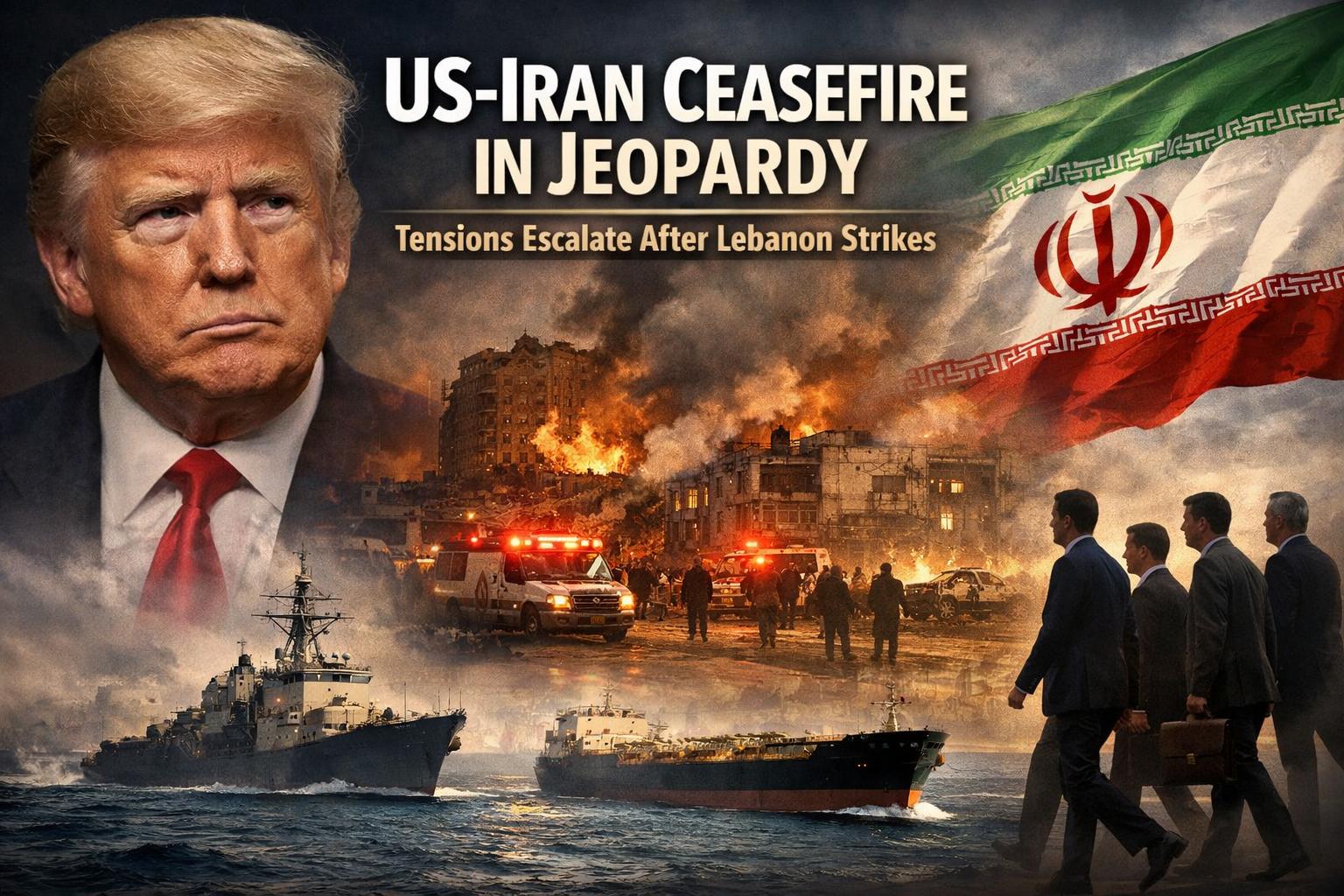
A fragile ceasefire between the United States and Iran is facing renewed uncertainty after escalating regional tensions and conflicting interpretations of the agreement. President Donald Trump issued a warning to Tehran, signaling that U.S. military assets remain on standby if the terms of what he describe
Trump warns Iran amid fragile ceasefire and renewed Middle East strikes
A fragile ceasefire between the United States and Iran is facing renewed uncertainty after escalating regional tensions and conflicting interpretations of the agreement. President Donald Trump issued a warning to Tehran, signaling that U.S. military assets remain on standby if the terms of what he describe
Pakistan's Role in US-Iran Ceasefire Deal Faces Scrutiny Amid Lebanon Confusion
On April 8, 2026, Pakistan secured a major diplomatic win by mediating the US-Iran ceasefire, but within hours, the deal was under strain as Israel launched large airstrikes on Lebanon, an Iranian ally, killing hundreds. The confusion centered around Lebanon’s inclusion in the ceasefire agreement, with Pakistan's interpretation putting it in the heart of the storm. While Pakistani Prime Minister Shehbaz Sharif's announcement claimed that the ceasefire applied to "everywhere, including Leban
Pakistan's Role in US-Iran Ceasefire Deal Faces Scrutiny Amid Lebanon Confusion
On April 8, 2026, Pakistan secured a major diplomatic win by mediating the US-Iran ceasefire, but within hours, the deal was under strain as Israel launched large airstrikes on Lebanon, an Iranian ally, killing hundreds. The confusion centered around Lebanon’s inclusion in the ceasefire agreement, with Pakistan's interpretation putting it in the heart of the storm. While Pakistani Prime Minister Shehbaz Sharif's announcement claimed that the ceasefire applied to "everywhere, including Leban
1,500 Killed in Lebanon as Israel Rejects Ceasefire, Hezbollah on the Defensive
Israel has continued its relentless air strikes on Lebanon despite a two-week truce between the United States and Iran. The truce, which covered various issues like sanctions and aerial attacks, did not include Lebanon, where Israel's military has intensified operations. On 8th April 2026, Israel launched the heaviest strikes on Lebanon in recent weeks, targeting over 100 Hezbollah command centers and military sites in Beirut. The attacks caused widespread panic in the capital, reminding many
1,500 Killed in Lebanon as Israel Rejects Ceasefire, Hezbollah on the Defensive
Israel has continued its relentless air strikes on Lebanon despite a two-week truce between the United States and Iran. The truce, which covered various issues like sanctions and aerial attacks, did not include Lebanon, where Israel's military has intensified operations. On 8th April 2026, Israel launched the heaviest strikes on Lebanon in recent weeks, targeting over 100 Hezbollah command centers and military sites in Beirut. The attacks caused widespread panic in the capital, reminding many
Iran accepts two-week ceasefire amid US pressure on Hormuz Strait
Iran has agreed to a proposed two-week ceasefire amid escalating tensions in the Middle East, following a statement by Donald Trump indicating that the United States would suspend further military action if Tehran fully reopens the strategically critical Strait of Hormuz. The announcement signals a potential pause in hostilities linked to ongoing Iran-Israel tensions, while also highlighting the broader geopolitical stakes tied to global energy security and maritime access. The Strait of Hormuz, a vital passage for a significant portion of the world’s oil supply, has remained at the center of international concern. US officials have made it clear that maintaining open navigation through the waterway is a key condition for de-escalation. The ceasefire agreement is being viewed as a temporary but important step toward reducing immediate risks in the region, particularly for global oil markets and allied economies. At the same time, Washington has underscored that any long-term easing of economic sanctions on Iran will depend on a complete halt to its uranium enrichment activities. The proposed framework reflects a broader US foreign policy approach that links economic relief directly to nuclear compliance, requiring Iran to scale back its nuclear program in exchange for reduced tariffs and sanctions. This conditional strategy is expected to shape the next phase of diplomatic negotiations. The development follows diplomatic outreach from Shehbaz Sharif, who urged an extension of the negotiation timeline and called on Iran to ensure uninterrupted access through the Strait of Hormuz. Pakistan’s involvement underscores the wider regional implications of the crisis and the importance of multilateral engagement. Meanwhile, Iran’s Islamic Revolutionary Guard Corps has issued a strong warning, stating that any US strikes on civilian infrastructure would provoke a response extending beyond the immediate region. The group cautioned that such actions could disrupt oil and gas supplies to the United States and its allies for an extended period, further raising concerns about global energy stability. While the ceasefire offers a temporary reprieve, the situation remains fluid, with key issues surrounding nuclear policy, sanctions, and regional security still unresolved.
Iran accepts two-week ceasefire amid US pressure on Hormuz Strait
Iran has agreed to a proposed two-week ceasefire amid escalating tensions in the Middle East, following a statement by Donald Trump indicating that the United States would suspend further military action if Tehran fully reopens the strategically critical Strait of Hormuz. The announcement signals a potential pause in hostilities linked to ongoing Iran-Israel tensions, while also highlighting the broader geopolitical stakes tied to global energy security and maritime access. The Strait of Hormuz, a vital passage for a significant portion of the world’s oil supply, has remained at the center of international concern. US officials have made it clear that maintaining open navigation through the waterway is a key condition for de-escalation. The ceasefire agreement is being viewed as a temporary but important step toward reducing immediate risks in the region, particularly for global oil markets and allied economies. At the same time, Washington has underscored that any long-term easing of economic sanctions on Iran will depend on a complete halt to its uranium enrichment activities. The proposed framework reflects a broader US foreign policy approach that links economic relief directly to nuclear compliance, requiring Iran to scale back its nuclear program in exchange for reduced tariffs and sanctions. This conditional strategy is expected to shape the next phase of diplomatic negotiations. The development follows diplomatic outreach from Shehbaz Sharif, who urged an extension of the negotiation timeline and called on Iran to ensure uninterrupted access through the Strait of Hormuz. Pakistan’s involvement underscores the wider regional implications of the crisis and the importance of multilateral engagement. Meanwhile, Iran’s Islamic Revolutionary Guard Corps has issued a strong warning, stating that any US strikes on civilian infrastructure would provoke a response extending beyond the immediate region. The group cautioned that such actions could disrupt oil and gas supplies to the United States and its allies for an extended period, further raising concerns about global energy stability. While the ceasefire offers a temporary reprieve, the situation remains fluid, with key issues surrounding nuclear policy, sanctions, and regional security still unresolved.
Lawmaker pushes to block wage cuts for H-2A farmworkers
A California lawmaker is seeking federal action to reverse recent labor policy changes that could significantly reduce wages for seasonal agricultural workers across the United States. On Wednesday, March 26, 2026, Representative Zoe Lofgren introduced a resolution aimed at blocking new wage rules implemented by the
Lawmaker pushes to block wage cuts for H-2A farmworkers
A California lawmaker is seeking federal action to reverse recent labor policy changes that could significantly reduce wages for seasonal agricultural workers across the United States. On Wednesday, March 26, 2026, Representative Zoe Lofgren introduced a resolution aimed at blocking new wage rules implemented by the
Israel launches massive airstrikes on Hezbollah in Lebanon, high casualties reported
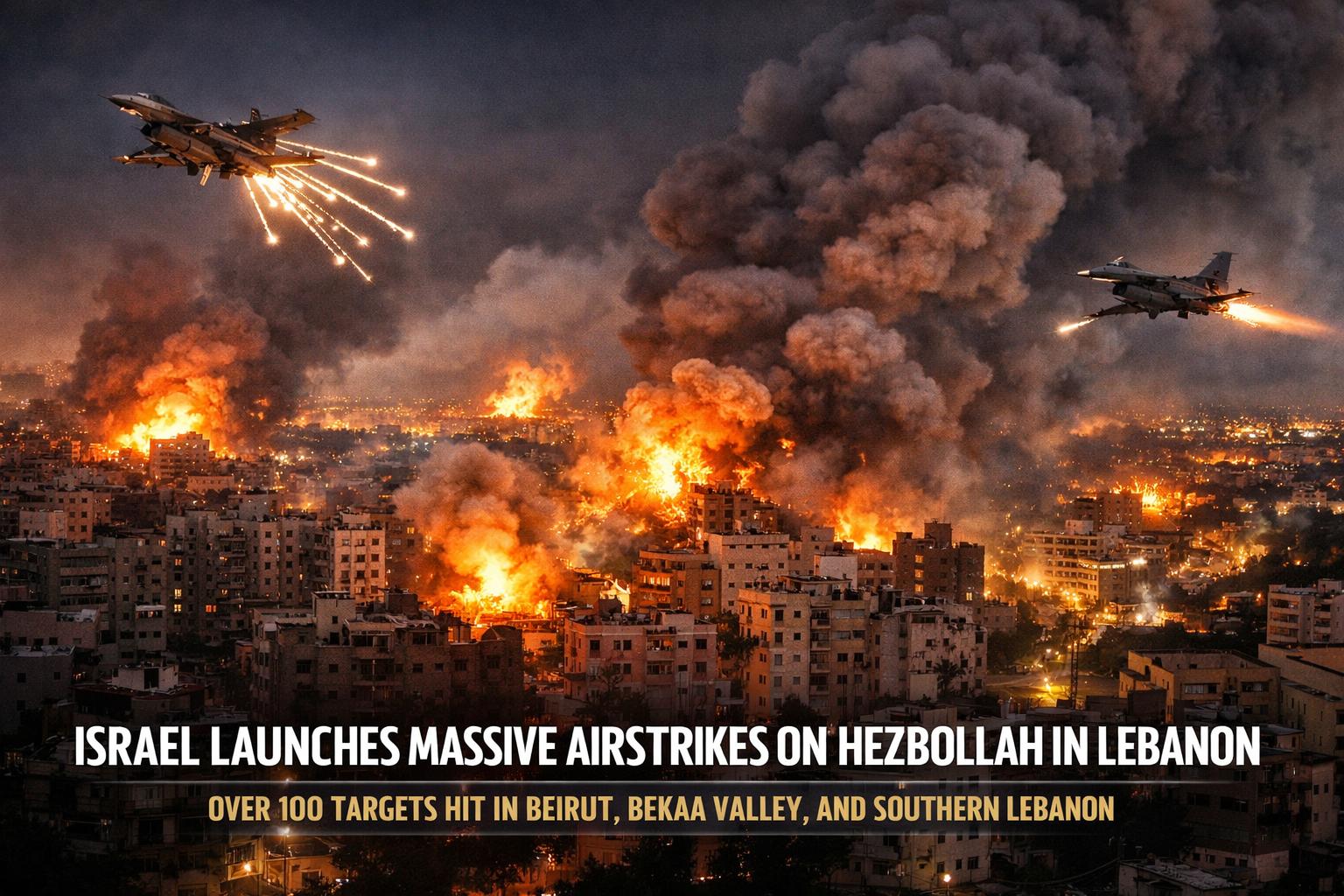
On Wednesday, April 8, 2026, the Israeli military launched a large-scale wave of airstrikes across Lebanon, targeting more than 100 sites linked to Hezbollah within a 10-minute operation. Israel described the strikes as the largest military action in this ongoing conflict, focusing on command centers and military infrastructure in the southern suburbs of Beirut, southern Lebanon, and the eastern Bekaa Valley. The attacks occurred hours after the office of the Israeli Prime Minister cl
Israel launches massive airstrikes on Hezbollah in Lebanon, high casualties reported
On Wednesday, April 8, 2026, the Israeli military launched a large-scale wave of airstrikes across Lebanon, targeting more than 100 sites linked to Hezbollah within a 10-minute operation. Israel described the strikes as the largest military action in this ongoing conflict, focusing on command centers and military infrastructure in the southern suburbs of Beirut, southern Lebanon, and the eastern Bekaa Valley. The attacks occurred hours after the office of the Israeli Prime Minister cl
Trump threatens 50% tariffs on countries supplying weapons to Iran
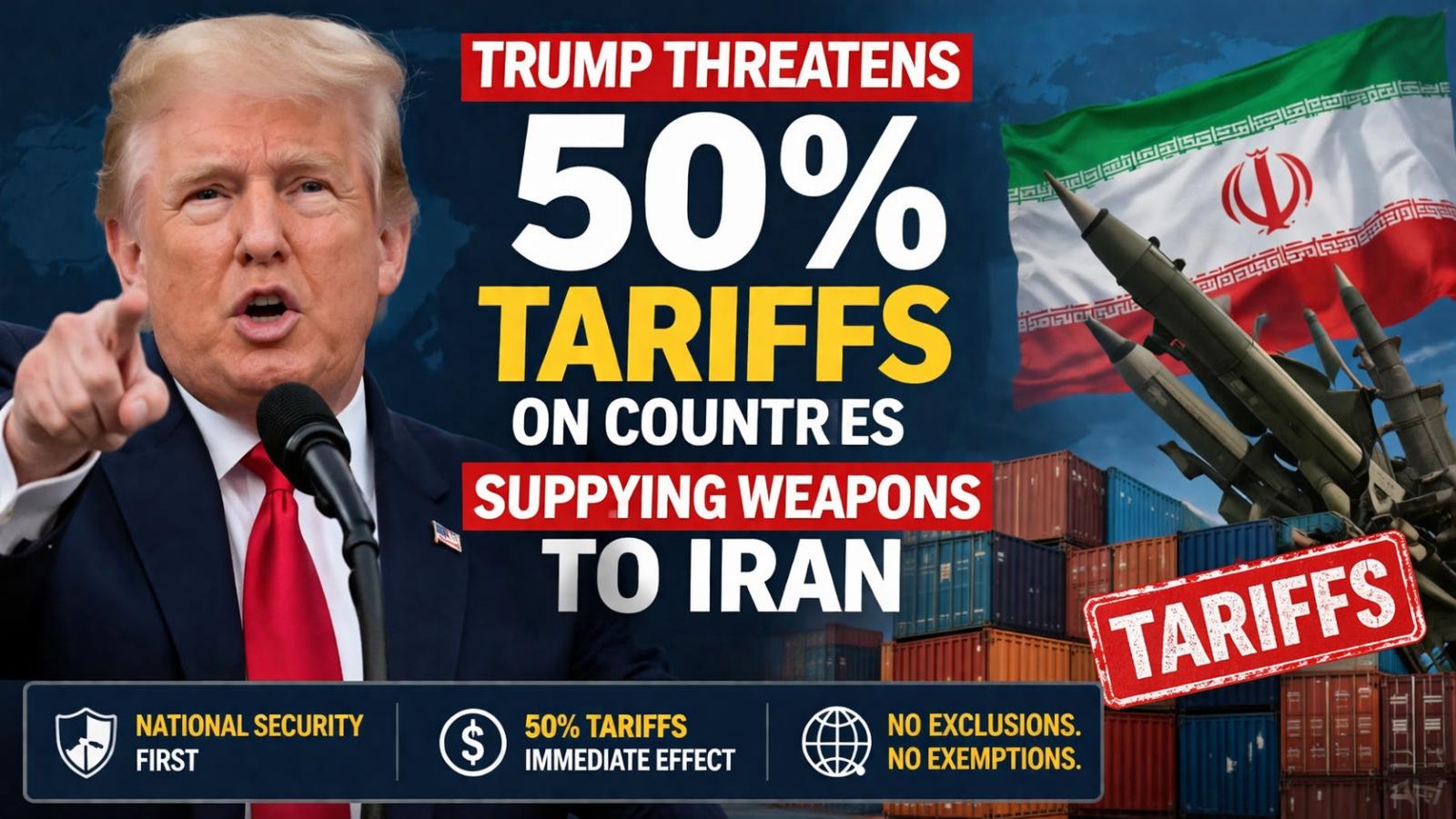
U.S. President Donald Trump announced that the United States will impose tariffs of 50% on goods imported from any country found to be supplying military weapons to Iran, marking a sharp escalation in trade measures tied to geopolitical tensions. In a statement posted on Wednesday, April 8, 2026 (local U.S. time), Trump said the tariffs would take effect immediately and apply broadly. He emphasized that there would be no “exclusions or exemptions,” warning that “any and all” g
Trump threatens 50% tariffs on countries supplying weapons to Iran
U.S. President Donald Trump announced that the United States will impose tariffs of 50% on goods imported from any country found to be supplying military weapons to Iran, marking a sharp escalation in trade measures tied to geopolitical tensions. In a statement posted on Wednesday, April 8, 2026 (local U.S. time), Trump said the tariffs would take effect immediately and apply broadly. He emphasized that there would be no “exclusions or exemptions,” warning that “any and all” g
Saudi oil pipeline hit in Iranian attack, raising global energy concerns
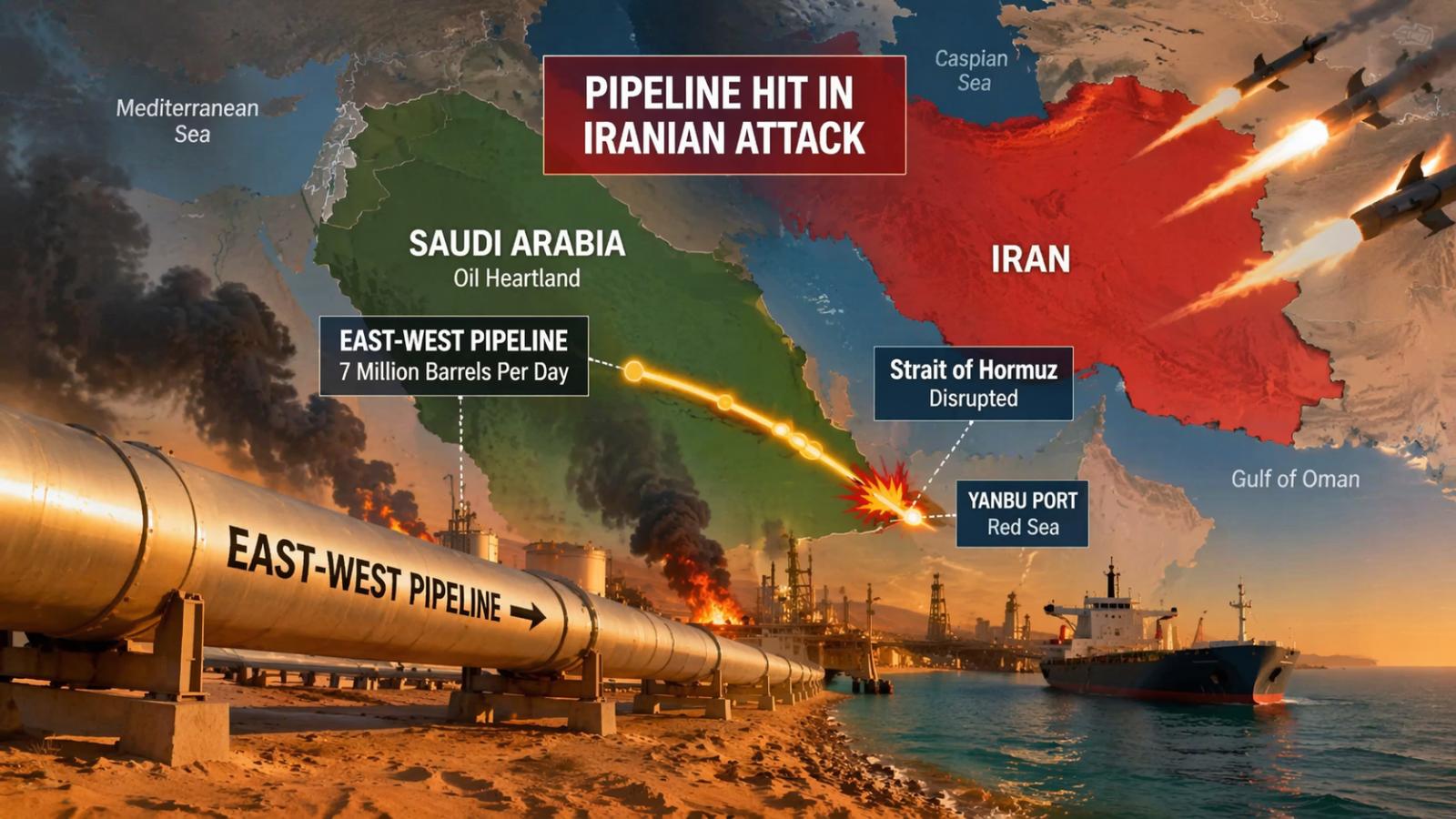
Saudi Arabia’s critical East-West oil pipeline, a key route for crude exports, was struck in an Iranian attack, according to an industry source on Wednesday. The pipeline, currently serving as the kingdom’s primary export outlet after disruptions in the Strait of Hormuz, was among several oil-related facilities targeted across the country. The East-West pipeline plays a central role in maintaining Saudi Arabia’s oil supply chain, transporting approximately 7 million barrels per
Saudi oil pipeline hit in Iranian attack, raising global energy concerns
Saudi Arabia’s critical East-West oil pipeline, a key route for crude exports, was struck in an Iranian attack, according to an industry source on Wednesday. The pipeline, currently serving as the kingdom’s primary export outlet after disruptions in the Strait of Hormuz, was among several oil-related facilities targeted across the country. The East-West pipeline plays a central role in maintaining Saudi Arabia’s oil supply chain, transporting approximately 7 million barrels per
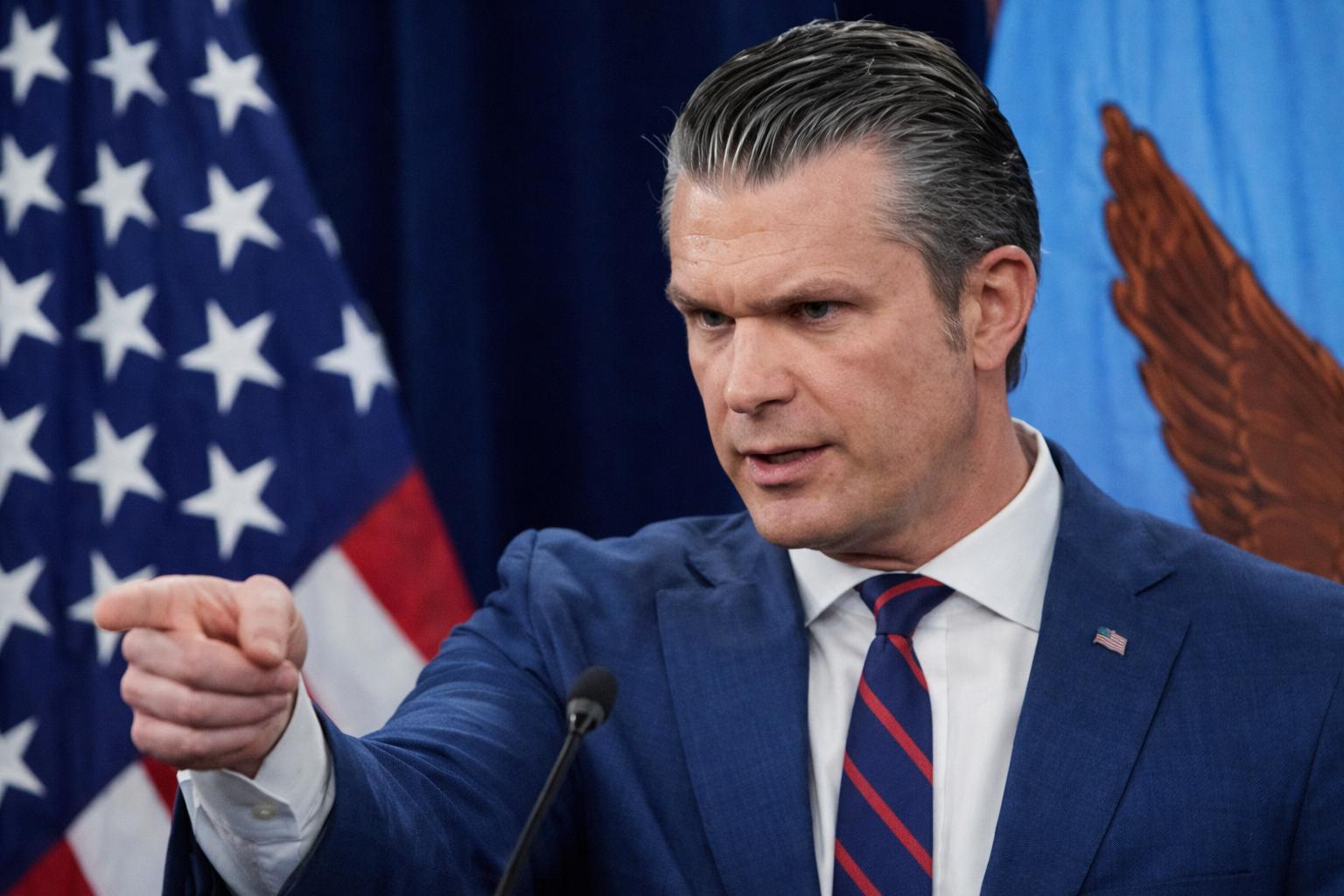
Hegseth claims major US victory as Iran’s military capabilities weakened
U.S. Secretary of Defense Pete Hegseth stated on Wednesday, April 8, 2026, that Iran had sought a ceasefire following what he described as a decisive U.S. military campaign known as Operation Epic Fury. Speaking during a Pentagon briefing, Hegseth characterized the operation as a “historic and overwhelming victory,” attributing its outcome to leadership under President Donald Trump. Hegseth said Iran’s leadership had “begged for a ceasefire,” asserting that the scale of the military impact left Tehran with limited options. He emphasized that the operation significantly degraded Iran’s conventional military capabilities, particularly across its naval, air, and missile forces. According to the defense secretary, Iran’s navy suffered extensive losses, claiming it had effectively been neutralized. He further stated that Iran’s air force had been rendered inoperable and that its broader air defense infrastructure no longer functioned as a cohesive system. Hegseth also asserted that Iran’s missile program had been “functionally destroyed,” suggesting a substantial setback to the country’s strategic deterrence capabilities. The remarks were delivered as part of an official Pentagon briefing outlining the outcomes of recent military actions. While Hegseth presented the operation as a clear U.S. victory, his statements reflect the administration’s assessment of the situation and have not been independently verified within the briefing. The comments signal a significant escalation in rhetoric surrounding U.S.-Iran tensions and underscore the broader geopolitical implications of Operation Epic Fury. Further developments are expected as international observers and regional stakeholders assess the long-term consequences of the reported military actions.
Hegseth claims major US victory as Iran’s military capabilities weakened
U.S. Secretary of Defense Pete Hegseth stated on Wednesday, April 8, 2026, that Iran had sought a ceasefire following what he described as a decisive U.S. military campaign known as Operation Epic Fury. Speaking during a Pentagon briefing, Hegseth characterized the operation as a “historic and overwhelming victory,” attributing its outcome to leadership under President Donald Trump. Hegseth said Iran’s leadership had “begged for a ceasefire,” asserting that the scale of the military impact left Tehran with limited options. He emphasized that the operation significantly degraded Iran’s conventional military capabilities, particularly across its naval, air, and missile forces. According to the defense secretary, Iran’s navy suffered extensive losses, claiming it had effectively been neutralized. He further stated that Iran’s air force had been rendered inoperable and that its broader air defense infrastructure no longer functioned as a cohesive system. Hegseth also asserted that Iran’s missile program had been “functionally destroyed,” suggesting a substantial setback to the country’s strategic deterrence capabilities. The remarks were delivered as part of an official Pentagon briefing outlining the outcomes of recent military actions. While Hegseth presented the operation as a clear U.S. victory, his statements reflect the administration’s assessment of the situation and have not been independently verified within the briefing. The comments signal a significant escalation in rhetoric surrounding U.S.-Iran tensions and underscore the broader geopolitical implications of Operation Epic Fury. Further developments are expected as international observers and regional stakeholders assess the long-term consequences of the reported military actions.
US, Iran, Israel agree to fragile two-week ceasefire amid new strikes
TEHRAN, Iran — Iran, the United States, and Israel agreed to a two-week ceasefire on Wednesday, April 8, 2026 (Iran Standard Time), in a last-minute effort to halt escalating hostilities that had raised fears of a broader regional war. The agreement, described by U.S. Vice President JD Vance as “fragile,” came just hours before the United States was expected to launch a major bombing campaign against Iran. Despite the announcement, reports of renewed missile and drone attacks
US, Iran, Israel agree to fragile two-week ceasefire amid new strikes
TEHRAN, Iran — Iran, the United States, and Israel agreed to a two-week ceasefire on Wednesday, April 8, 2026 (Iran Standard Time), in a last-minute effort to halt escalating hostilities that had raised fears of a broader regional war. The agreement, described by U.S. Vice President JD Vance as “fragile,” came just hours before the United States was expected to launch a major bombing campaign against Iran. Despite the announcement, reports of renewed missile and drone attacks
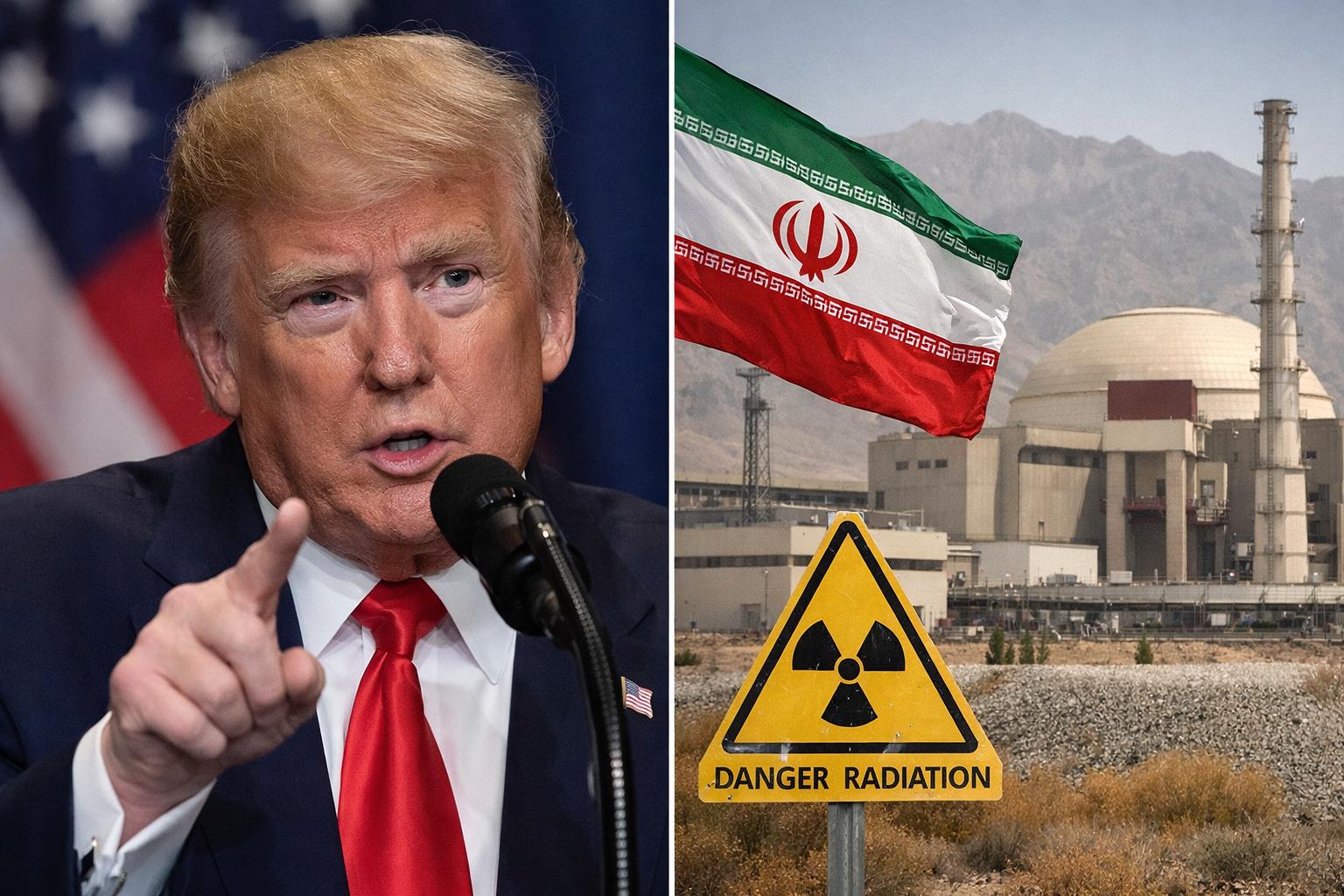
Trump says US may retrieve Iran uranium, Tehran silent on cooperation
U.S. President Donald Trump said on Wednesday, April 8, 2026, that the United States is prepared to work with Iran to recover enriched uranium believed to be buried beneath sites targeted during joint U.S.-Israeli strikes in June 2025. The comments signal a potential shift in U.S.-Iran engagement, though Iranian officials have not confirmed any such cooperation. In a social media post, Trump stated that “there will be no enrichment of uranium” moving forward and asserted that the
Trump says US may retrieve Iran uranium, Tehran silent on cooperation
U.S. President Donald Trump said on Wednesday, April 8, 2026, that the United States is prepared to work with Iran to recover enriched uranium believed to be buried beneath sites targeted during joint U.S.-Israeli strikes in June 2025. The comments signal a potential shift in U.S.-Iran engagement, though Iranian officials have not confirmed any such cooperation. In a social media post, Trump stated that “there will be no enrichment of uranium” moving forward and asserted that the
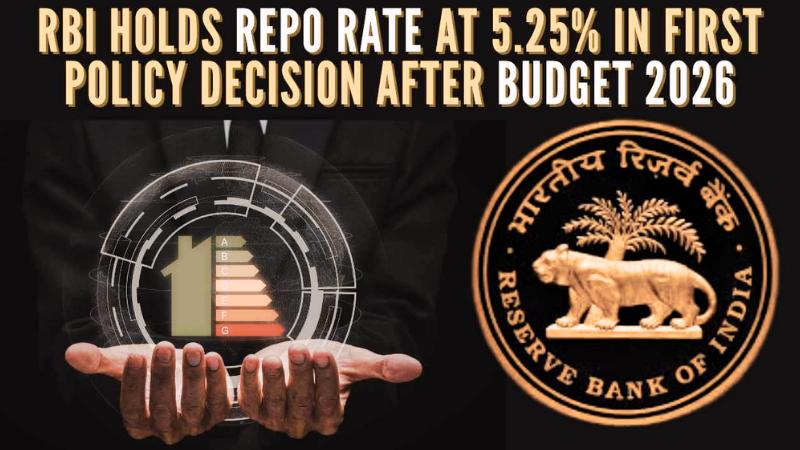
RBI Keeps Repo Rate Steady at 5.25% in First FY27 Monetary Policy
The Reserve Bank of India has kept the policy repo rate unchanged at 5.25% in its first monetary policy announcement for the financial year 2026–27. The decision was announced by RBI Governor Sanjay Malhotra following a detaile
RBI Keeps Repo Rate Steady at 5.25% in First FY27 Monetary Policy
The Reserve Bank of India has kept the policy repo rate unchanged at 5.25% in its first monetary policy announcement for the financial year 2026–27. The decision was announced by RBI Governor Sanjay Malhotra following a detaile
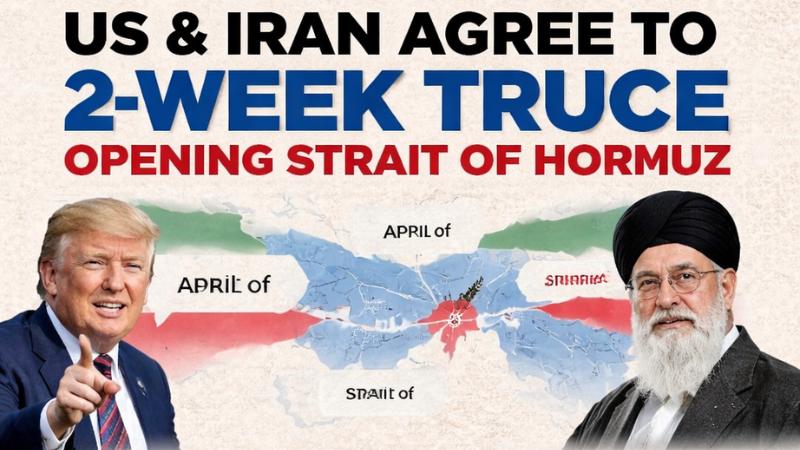
US and Iran Agree to Two-Week Ceasefire, Tehran to Reopen Strait of Hormuz
In a dramatic turn of events, US President Donald Trump has agreed to a two-week ceasefire with Iran, pulling back from the brink of escalating military conflict. The decision was made just hours before a self-imposed deadline for Tehran to reopen the vital Strait of Hormuz, a strategic waterway for global oil shipments, or face devastating US military strikes on Iranian civilian infrastructure. The truce, which is aimed at providing a diplomatic window to de-escalate the ongoing 40
US and Iran Agree to Two-Week Ceasefire, Tehran to Reopen Strait of Hormuz
In a dramatic turn of events, US President Donald Trump has agreed to a two-week ceasefire with Iran, pulling back from the brink of escalating military conflict. The decision was made just hours before a self-imposed deadline for Tehran to reopen the vital Strait of Hormuz, a strategic waterway for global oil shipments, or face devastating US military strikes on Iranian civilian infrastructure. The truce, which is aimed at providing a diplomatic window to de-escalate the ongoing 40
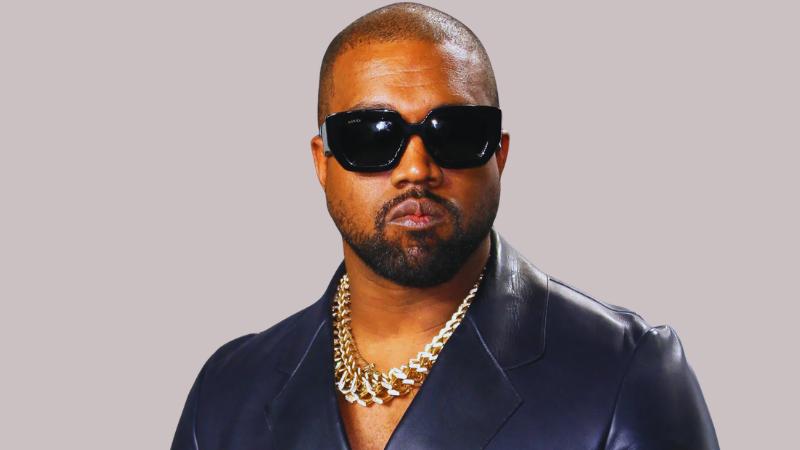
Kanye West Denied Entry to the UK Amid Controversy Over Anti-Semitic Remarks
Rapper Kanye West has been barred from traveling to the UK, as the government confirmed the refusal of his entry application. This decision comes in the wake of growing controversy surrounding his planned headline performance at the Wireless Festival in London this summer. West, who applied for entry via an Electronic Travel Authorisation (ETA), saw his application rejected by the Home Office. Officials cited that his presence would not be "conducive to the public good," a decision rooted in
Kanye West Denied Entry to the UK Amid Controversy Over Anti-Semitic Remarks
Rapper Kanye West has been barred from traveling to the UK, as the government confirmed the refusal of his entry application. This decision comes in the wake of growing controversy surrounding his planned headline performance at the Wireless Festival in London this summer. West, who applied for entry via an Electronic Travel Authorisation (ETA), saw his application rejected by the Home Office. Officials cited that his presence would not be "conducive to the public good," a decision rooted in
YS Jagan's MAVIGUN Proposal Faces Backlash Amid Political Turmoil in AP
YS Jagan, the Chief Minister of Andhra Pradesh, has long been known for his hardline political strategies and his ability to make headlines. Recently, his term "MAVIGUN" has become a subject of significant discussion, and not for the right reasons. Over the past week, this term has been heavily ridiculed on social media, with many users mocking its very existence. The term, which was introduced by Jagan as a political solution, has been at the center of a growing storm on digital platforms, l
YS Jagan's MAVIGUN Proposal Faces Backlash Amid Political Turmoil in AP
YS Jagan, the Chief Minister of Andhra Pradesh, has long been known for his hardline political strategies and his ability to make headlines. Recently, his term "MAVIGUN" has become a subject of significant discussion, and not for the right reasons. Over the past week, this term has been heavily ridiculed on social media, with many users mocking its very existence. The term, which was introduced by Jagan as a political solution, has been at the center of a growing storm on digital platforms, l
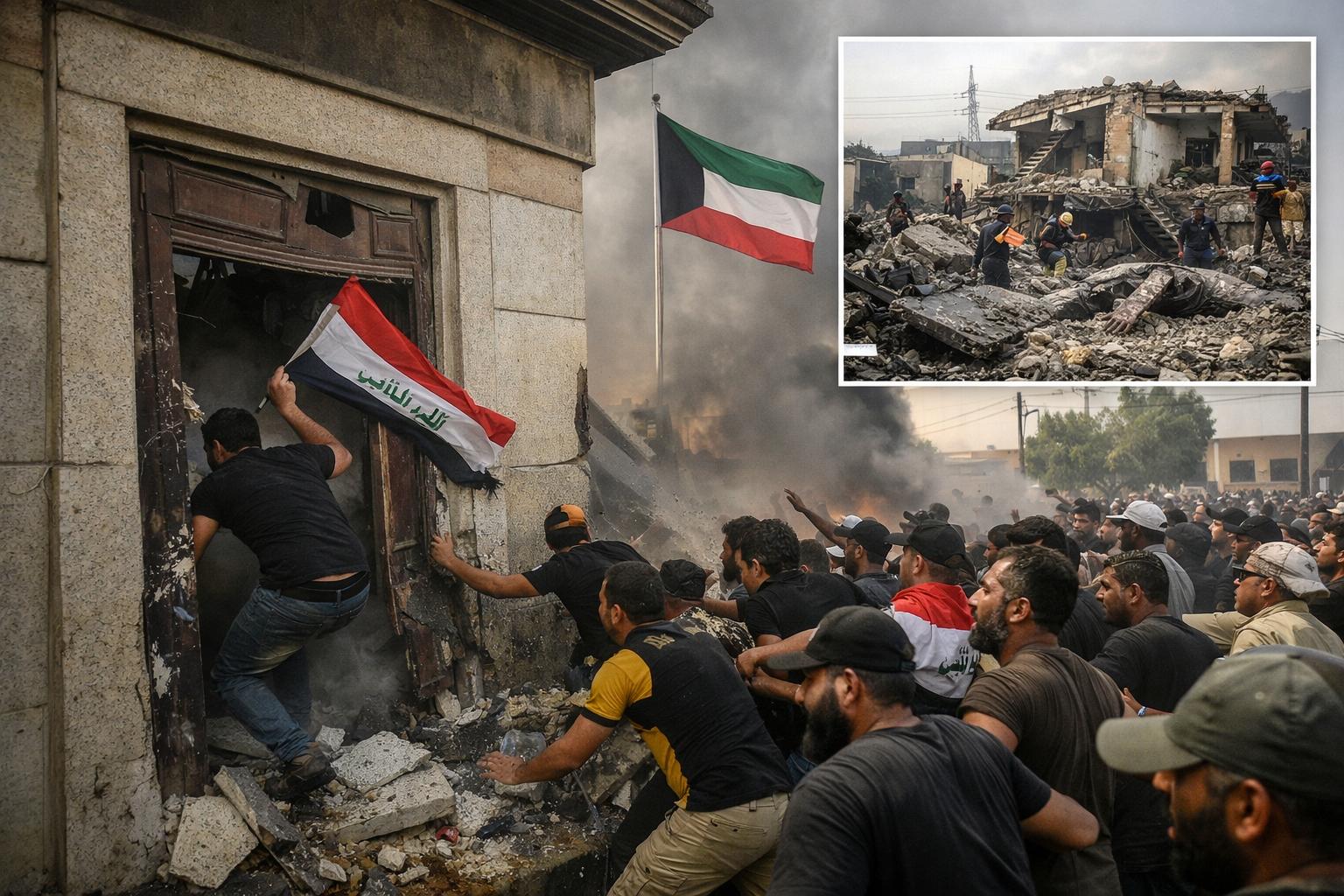
Protesters storm Kuwaiti consulate after deadly rocket strike in Basra
A deadly rocket attack near Basra, Iraq, on Tuesday, April 7, 2026, triggered protests that escalated into a storming of the Kuwaiti consulate in the southern city, according to local security and health officials. Authorities reported that rockets fired from the direction of Kuwait struck a residential house in the Khor al-Zubair area, killing at least three people and injuring five others. Emergency responders warned that the death toll could rise as search operations continued fo
Protesters storm Kuwaiti consulate after deadly rocket strike in Basra
A deadly rocket attack near Basra, Iraq, on Tuesday, April 7, 2026, triggered protests that escalated into a storming of the Kuwaiti consulate in the southern city, according to local security and health officials. Authorities reported that rockets fired from the direction of Kuwait struck a residential house in the Khor al-Zubair area, killing at least three people and injuring five others. Emergency responders warned that the death toll could rise as search operations continued fo


