Taylor Swift and Travis Kelce wedding buzz grows after $26M charity donation
Taylor Swift and Travis Kelce wedding buzz grows after $26M charity donation Taylor Swift and Travis Kelce have once again become the centre of global attention after two major developments around their wedding week. According to reports, the couple has donated $26 million to charities ahead of their planned celebration at Madison Square Garden in New York. Another report has claimed that Swift and Kelce may have already married in a private ceremony before the larg
Taylor Swift and Travis Kelce wedding buzz grows after $26M charity donation
Taylor Swift and Travis Kelce wedding buzz grows after $26M charity donation Taylor Swift and Travis Kelce have once again become the centre of global attention after two major developments around their wedding week. According to reports, the couple has donated $26 million to charities ahead of their planned celebration at Madison Square Garden in New York. Another report has claimed that Swift and Kelce may have already married in a private ceremony before the larg
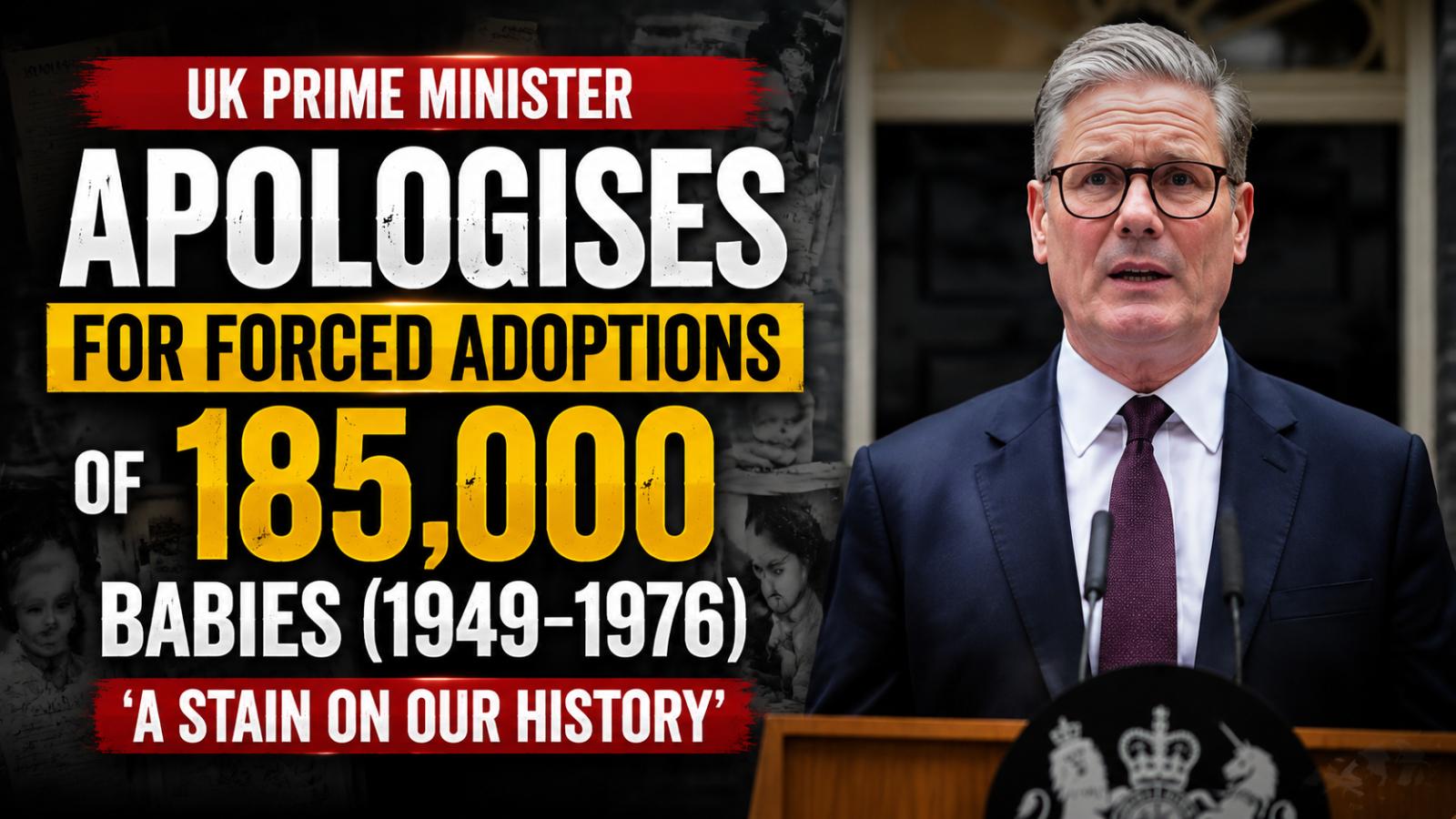
UK apologises for forced adoptions scandal affecting 185,000 families
UK issues formal apology over forced adoption practices The United Kingdom has issued a formal apology over historic forced adoption practices that affected an estimated 185,000 babies born to unmarried mothers in England and Wales between 1949 and 1976. Prime Minister Keir Starmer described the policy and its consequences as “a stain on our history”, acknowledgi
UK apologises for forced adoptions scandal affecting 185,000 families
UK issues formal apology over forced adoption practices The United Kingdom has issued a formal apology over historic forced adoption practices that affected an estimated 185,000 babies born to unmarried mothers in England and Wales between 1949 and 1976. Prime Minister Keir Starmer described the policy and its consequences as “a stain on our history”, acknowledgi
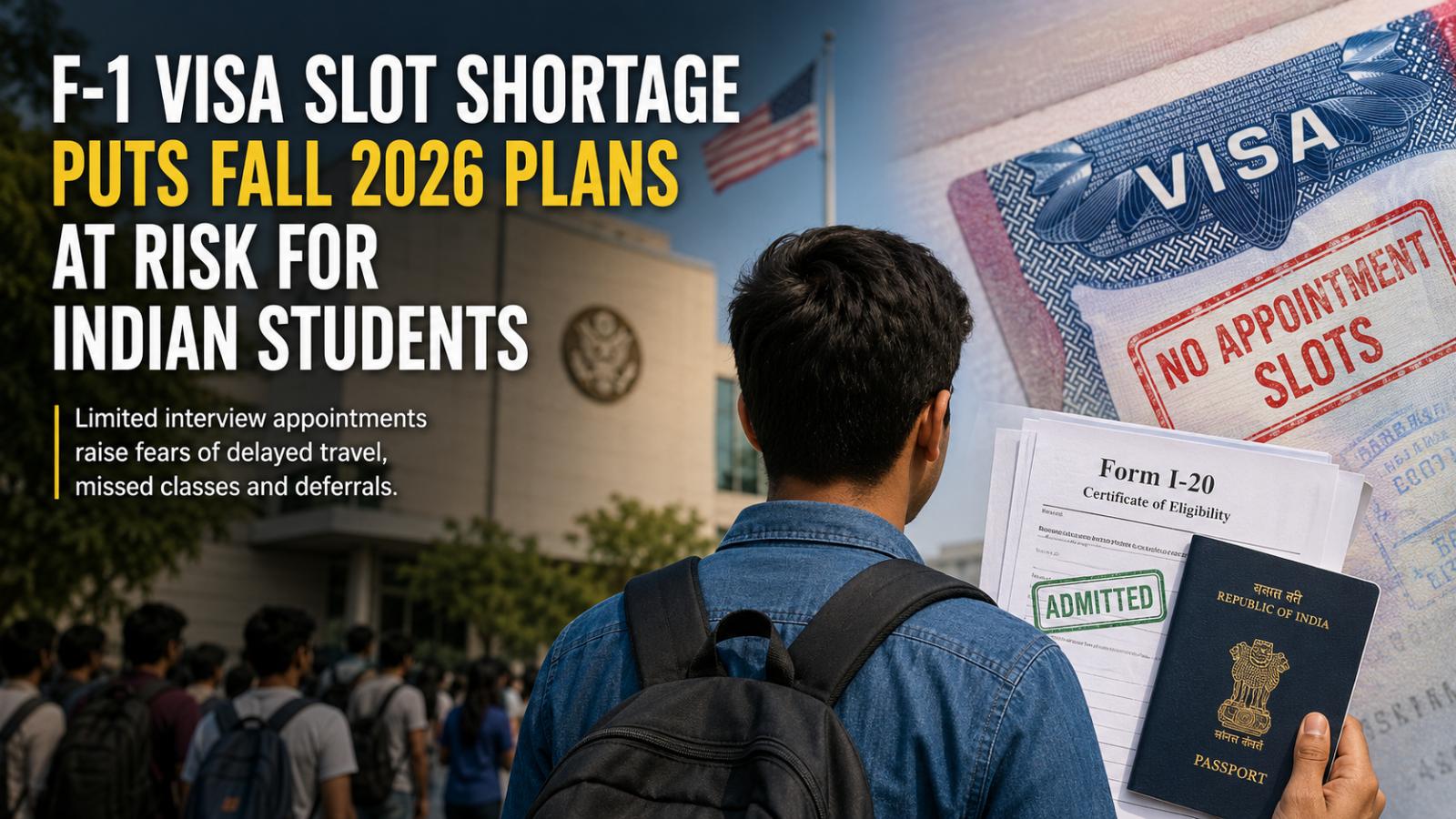
F-1 Visa Slot Shortage Puts Fall 2026 Plans at Risk for Indian Students
Indian students admitted to U.S. universities for Fall 2026 are facing a shortage of F-1 visa appointment slots, raising concerns that some may miss August program start dates or be forced to defer enrollment. Many applicants have already completed admissions requirements and received Form I-20 from their universities. However, students say the U.S. visa scheduling portal has shown few or no available interview appointments for weeks.
F-1 Visa Slot Shortage Puts Fall 2026 Plans at Risk for Indian Students
Indian students admitted to U.S. universities for Fall 2026 are facing a shortage of F-1 visa appointment slots, raising concerns that some may miss August program start dates or be forced to defer enrollment. Many applicants have already completed admissions requirements and received Form I-20 from their universities. However, students say the U.S. visa scheduling portal has shown few or no available interview appointments for weeks.
Thailand Visa-Free Entry for Indians Still Active Amid Rule Changes
Thailand’s 60-day visa-free entry for Indian travelers remains in effect despite Thailand’s approval of wider immigration changes. The Royal Thai Embassy in New Delhi states that Indian ordinary passport holders may continue entering Thailand without a visa for tourism and short-term business stays of up to 60 days until a further announcement. and visa-free entry for Indians remains active
Thailand Visa-Free Entry for Indians Still Active Amid Rule Changes
Thailand’s 60-day visa-free entry for Indian travelers remains in effect despite Thailand’s approval of wider immigration changes. The Royal Thai Embassy in New Delhi states that Indian ordinary passport holders may continue entering Thailand without a visa for tourism and short-term business stays of up to 60 days until a further announcement. and visa-free entry for Indians remains active
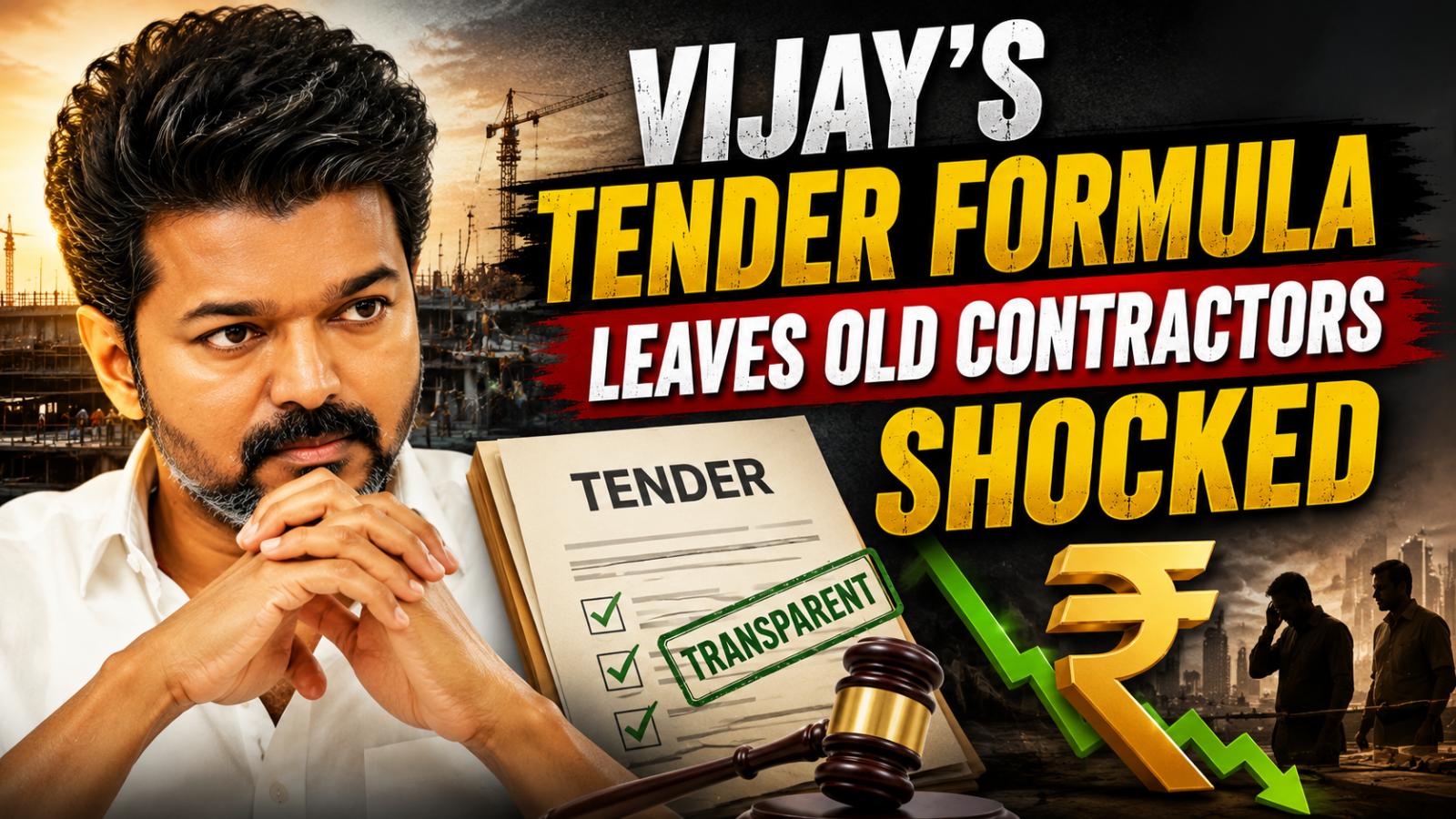
Tamil Nadu Contractors Rattled By Vijay’s Tender Formula
Vijay’s Tender Formula Creates Buzz Tamil Nadu Chief Minister Vijay’s new approach to public tenders has become one of the most talked-about moves in state politics. Within weeks of introducing a more transparent tender system, the government is claiming major savings in civic works, while old contractors are reportedly struggling to adjust to the new rules of the game. For years, public works contracts were surr
Tamil Nadu Contractors Rattled By Vijay’s Tender Formula
Vijay’s Tender Formula Creates Buzz Tamil Nadu Chief Minister Vijay’s new approach to public tenders has become one of the most talked-about moves in state politics. Within weeks of introducing a more transparent tender system, the government is claiming major savings in civic works, while old contractors are reportedly struggling to adjust to the new rules of the game. For years, public works contracts were surr
Pawan Kalyan Warns Against Social Media Abuse In Andhra
Pawan Kalyan Sends Strong Warning Andhra Pradesh Deputy Chief Minister Pawan Kalyan has issued a firm warning against the misuse of social media for personal attacks, vulgar abuse and organized defamation campaigns. His remarks came after Andhra Pradesh police made two arrests in the last 24 hours over alleged abusive and derogatory comments targeting Chief Minister N. Chandrababu Naidu and Pawan Kalyan. While opposi
Pawan Kalyan Warns Against Social Media Abuse In Andhra
Pawan Kalyan Sends Strong Warning Andhra Pradesh Deputy Chief Minister Pawan Kalyan has issued a firm warning against the misuse of social media for personal attacks, vulgar abuse and organized defamation campaigns. His remarks came after Andhra Pradesh police made two arrests in the last 24 hours over alleged abusive and derogatory comments targeting Chief Minister N. Chandrababu Naidu and Pawan Kalyan. While opposi
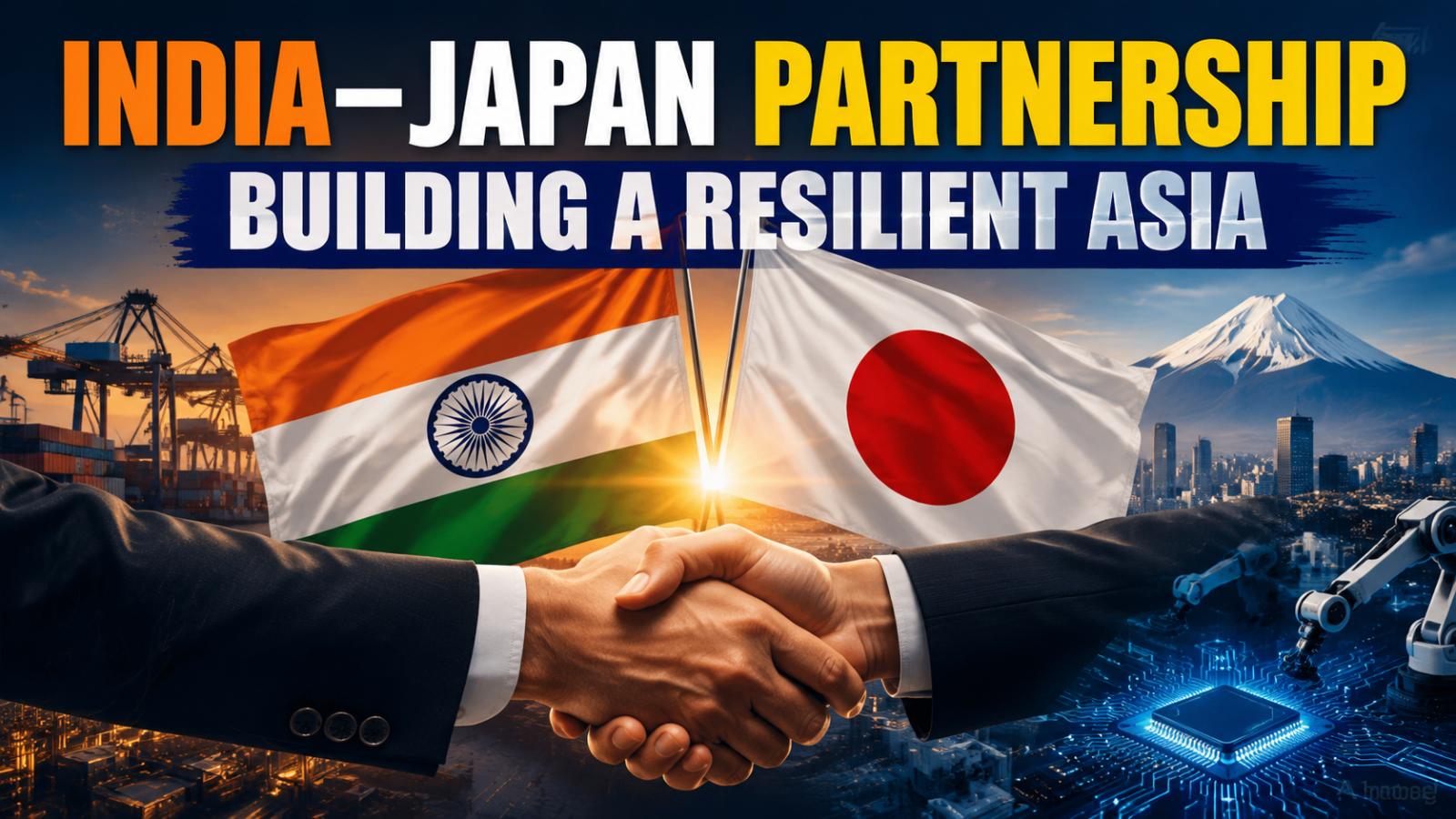
India Japan economic ties shift toward supply chain resilience
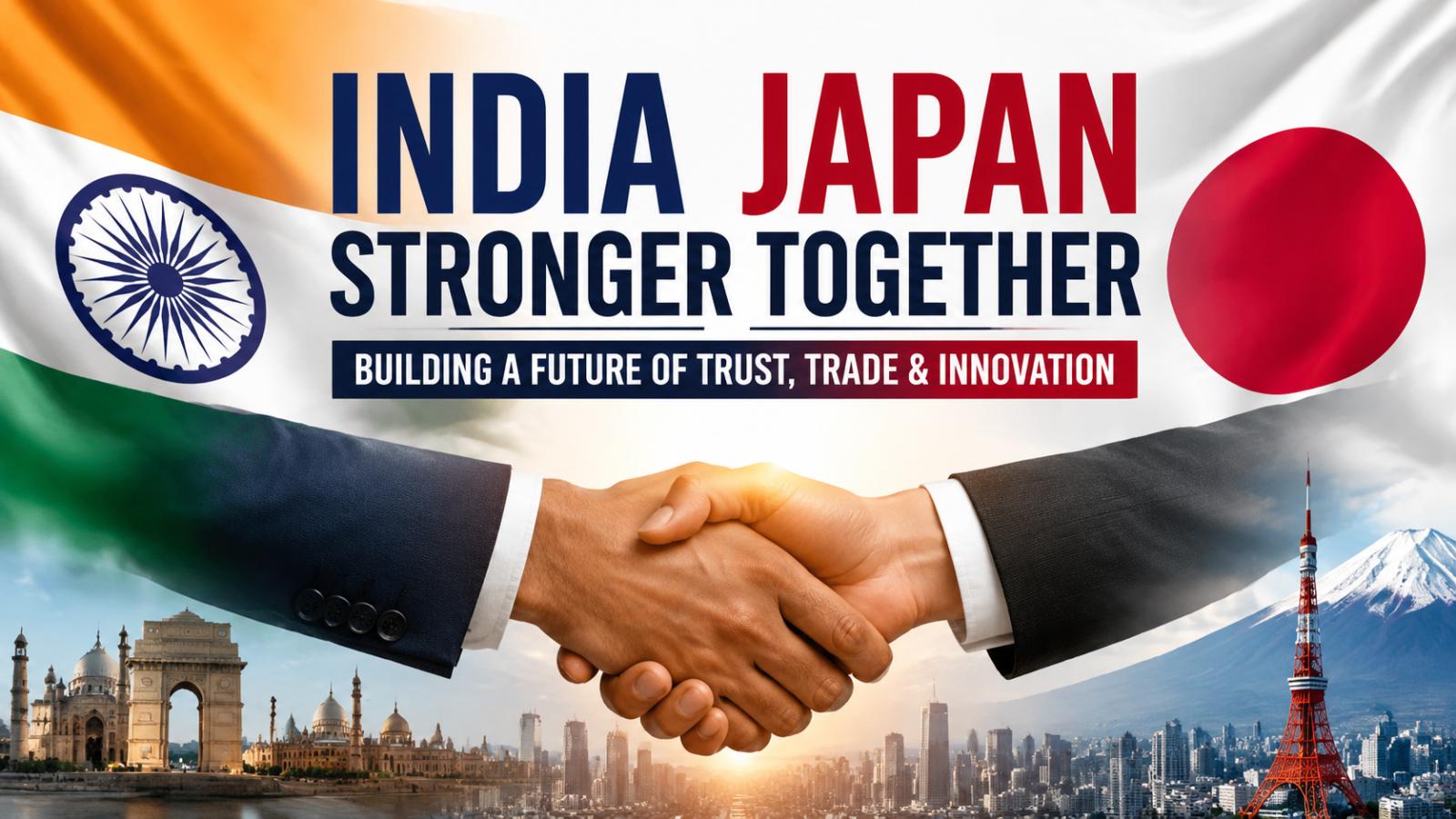
India and Japan are steadily moving their partnership beyond routine trade discussions into a broader realignment shaped by global risk and industrial restructuring. What looks like increased investment flows is actually part of a deeper repositioning of how both countries want to secure long-term economic stability in an uncertain global environment. Investment growth driven by risk recalibration Japanese companies are expanding their footprint in India not only for growth but also to reduce exposure to concentrated supply networks in East Asia. Rising geopolitical friction and periodic trade restrictions have forced firms to reconsider how dependent they are on single-country manufacturing systems. India is increasingly viewed as a viable diversification hub due to its scale, labor availability, and expanding industrial base. Supply chain restructuring becomes the core driver The most significant shift is happening in supply chains rather than headline investment figures. Japanese manufacturers are gradually redesigning sourcing and production models to reduce vulnerabilities in electronics, automotive components, and precision engineering. India fits into this transition as an alternative production and assembly base, especially for sectors where demand is growing but diversification is still limited. Technology and industrial cooperation deepen Cooperation is also expanding into advanced sectors such as semiconductors, digital systems, and artificial intelligence. These areas are no longer treated as purely commercial exchanges but as strategic capabilities. Both countries are aligning on technology resilience, where production continuity and security of supply matter as much as cost efficiency. Rare earths and critical materials gain importance Another emerging focus is critical minerals and rare earth supply chains. These materials are essential for electronics, renewable energy systems, and defence manufacturing. Dependence on concentrated suppliers has pushed both India and Japan to explore alternative sourcing strategies and joint development frameworks to reduce long-term risk. Financial flows signal long-term positioning Japanese capital inflows into Indian financial institutions and industrial projects suggest more than short-term investment interest. Financial participation typically indicates long-term confidence in policy stability and market expansion. However, the real test will be whether this capital flow expands into deeper manufacturing integration rather than remaining portfolio-based exposure. Economic security becomes the defining theme At the core of this evolving relationship is economic security. Trade decisions are increasingly shaped by geopolitical uncertainty rather than pure cost advantage. This marks a shift from efficiency-driven globalization to resilience-driven partnerships, where countries prioritize stability over optimization. A cautious but strategic realignment The India–Japan partnership is gradually becoming a case study in how middle and advanced economies adjust to global fragmentation. While the direction is clear—greater cooperation in technology, investment, and supply chains—the pace will depend on regulatory alignment, infrastructure readiness, and how effectively both sides manage external geopolitical pressures.
India Japan economic ties shift toward supply chain resilience
India and Japan are steadily moving their partnership beyond routine trade discussions into a broader realignment shaped by global risk and industrial restructuring. What looks like increased investment flows is actually part of a deeper repositioning of how both countries want to secure long-term economic stability in an uncertain global environment. Investment growth driven by risk recalibration Japanese companies are expanding their footprint in India not only for growth but also to reduce exposure to concentrated supply networks in East Asia. Rising geopolitical friction and periodic trade restrictions have forced firms to reconsider how dependent they are on single-country manufacturing systems. India is increasingly viewed as a viable diversification hub due to its scale, labor availability, and expanding industrial base. Supply chain restructuring becomes the core driver The most significant shift is happening in supply chains rather than headline investment figures. Japanese manufacturers are gradually redesigning sourcing and production models to reduce vulnerabilities in electronics, automotive components, and precision engineering. India fits into this transition as an alternative production and assembly base, especially for sectors where demand is growing but diversification is still limited. Technology and industrial cooperation deepen Cooperation is also expanding into advanced sectors such as semiconductors, digital systems, and artificial intelligence. These areas are no longer treated as purely commercial exchanges but as strategic capabilities. Both countries are aligning on technology resilience, where production continuity and security of supply matter as much as cost efficiency. Rare earths and critical materials gain importance Another emerging focus is critical minerals and rare earth supply chains. These materials are essential for electronics, renewable energy systems, and defence manufacturing. Dependence on concentrated suppliers has pushed both India and Japan to explore alternative sourcing strategies and joint development frameworks to reduce long-term risk. Financial flows signal long-term positioning Japanese capital inflows into Indian financial institutions and industrial projects suggest more than short-term investment interest. Financial participation typically indicates long-term confidence in policy stability and market expansion. However, the real test will be whether this capital flow expands into deeper manufacturing integration rather than remaining portfolio-based exposure. Economic security becomes the defining theme At the core of this evolving relationship is economic security. Trade decisions are increasingly shaped by geopolitical uncertainty rather than pure cost advantage. This marks a shift from efficiency-driven globalization to resilience-driven partnerships, where countries prioritize stability over optimization. A cautious but strategic realignment The India–Japan partnership is gradually becoming a case study in how middle and advanced economies adjust to global fragmentation. While the direction is clear—greater cooperation in technology, investment, and supply chains—the pace will depend on regulatory alignment, infrastructure readiness, and how effectively both sides manage external geopolitical pressures.
India Japan carbon credit deal boosts clean energy projects
India and Japan are using a joint framework to connect climate action with investment flows. Instead of treating emission cuts as isolated national efforts, both countries are aligning projects where funding, technology, and verified reductions move together. This approach is built to support long-term decarbonisation while still allowing industrial growth in emerging markets like India.
India Japan carbon credit deal boosts clean energy projects
India and Japan are using a joint framework to connect climate action with investment flows. Instead of treating emission cuts as isolated national efforts, both countries are aligning projects where funding, technology, and verified reductions move together. This approach is built to support long-term decarbonisation while still allowing industrial growth in emerging markets like India.
Ram Mandir Donation Theft Accused Reveals Washroom Cash Trail
Ram Mandir Donation Theft Accused Reveals Washroom Cash Trail The investigation into the Ayodhya Ram Mandir donation theft case has taken a serious turn after one of the arrested accused allegedly told police that stolen cash was temporarily hidden inside washrooms before being moved out of the temple complex. According to police sources, Avinash Shukla was questioned for nearly two hours on Tuesday after investigators receive
Ram Mandir Donation Theft Accused Reveals Washroom Cash Trail
Ram Mandir Donation Theft Accused Reveals Washroom Cash Trail The investigation into the Ayodhya Ram Mandir donation theft case has taken a serious turn after one of the arrested accused allegedly told police that stolen cash was temporarily hidden inside washrooms before being moved out of the temple complex. According to police sources, Avinash Shukla was questioned for nearly two hours on Tuesday after investigators receive
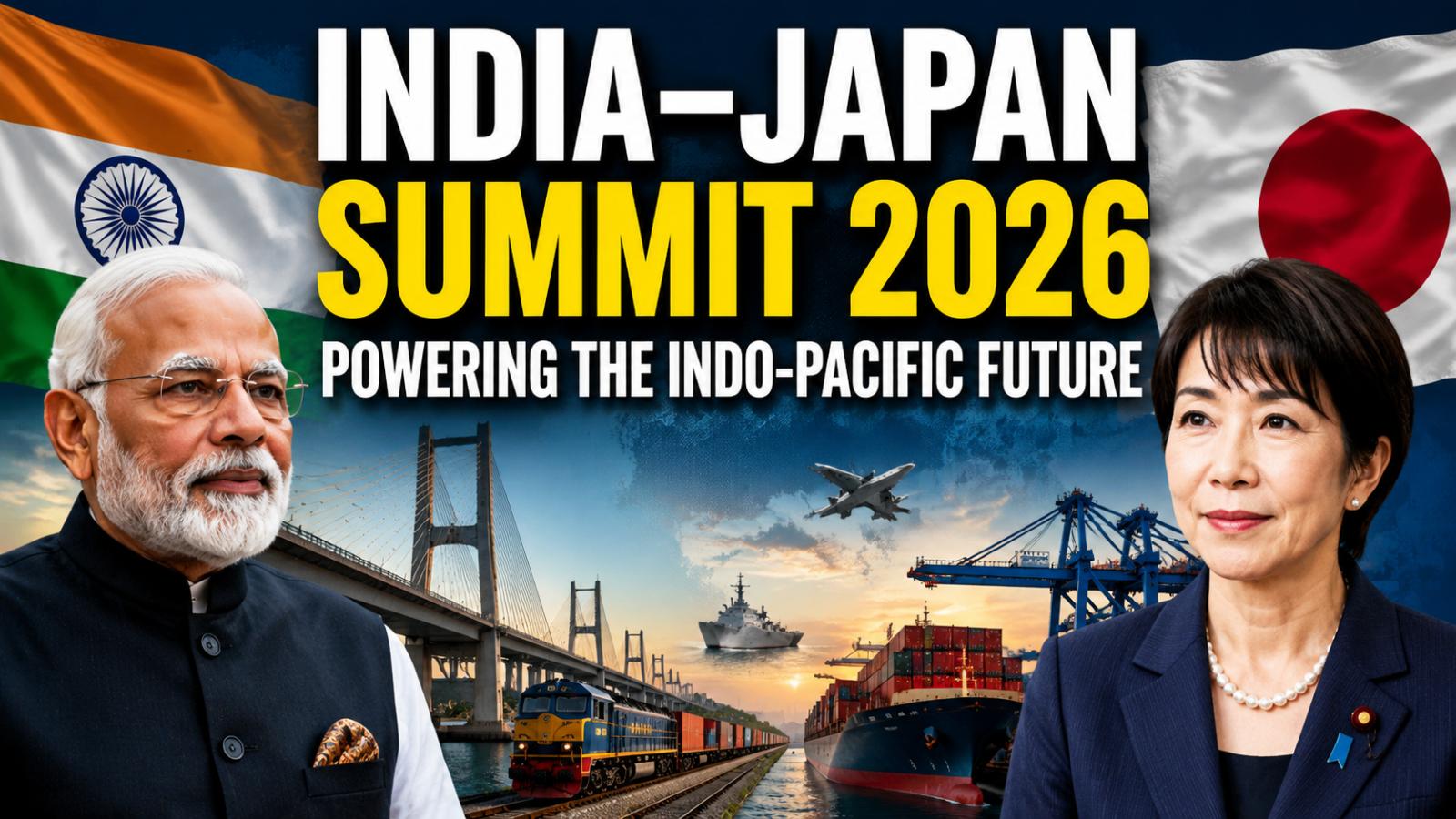
India Japan summit 2026 reshapes Indo Pacific alignment
The latest round of strategic talks between India and Japan signals a shift from broad diplomatic alignment to project-driven cooperation. The visit by Japanese Prime Minister Sanae Takaichi marks a renewed focus on infrastructure delivery, supply chain redesign, and
India Japan summit 2026 reshapes Indo Pacific alignment
The latest round of strategic talks between India and Japan signals a shift from broad diplomatic alignment to project-driven cooperation. The visit by Japanese Prime Minister Sanae Takaichi marks a renewed focus on infrastructure delivery, supply chain redesign, and
Pawan Kalyan Seeks Strong Officials For Better Governance
A stable administration depends heavily on capable senior officials who can understand public policy, guide departments and ensure that government decisions are implemented effectively. Chief Minister N. Chandrababu Naidu has often been seen as a leader who works closely with the bureaucracy, and this administrative style has helped him maintain control over governance issues. Pawan Kalyan’s recent remarks indicate that he too is looking for
Pawan Kalyan Seeks Strong Officials For Better Governance
A stable administration depends heavily on capable senior officials who can understand public policy, guide departments and ensure that government decisions are implemented effectively. Chief Minister N. Chandrababu Naidu has often been seen as a leader who works closely with the bureaucracy, and this administrative style has helped him maintain control over governance issues. Pawan Kalyan’s recent remarks indicate that he too is looking for
Amazon Faces Court Case Over Prime Video Ads In Australia
Amazon Faces Court Case Over Prime Video Ads In Australia Amazon has landed in legal trouble in Australia after the country’s competition watchdog took the company to the Federal Court over changes made to Prime Video. The case focuses on the introduction of advertisements for existing subscribers and the extra fee charged to users who wanted to continue watching without ads. The Australian Competition and Consumer Commission has alleged that Amazon used unfair co
Amazon Faces Court Case Over Prime Video Ads In Australia
Amazon Faces Court Case Over Prime Video Ads In Australia Amazon has landed in legal trouble in Australia after the country’s competition watchdog took the company to the Federal Court over changes made to Prime Video. The case focuses on the introduction of advertisements for existing subscribers and the extra fee charged to users who wanted to continue watching without ads. The Australian Competition and Consumer Commission has alleged that Amazon used unfair co
Mexico beat Ecuador 2-0 at Azteca to end 40-year knockout drought
High-intensity start at a charged Azteca Mexico produced a controlled and aggressive opening phase at Estadio Azteca, using high pressing and quick transitions to force Ecuador deep into their half from the first whistle. The atmosphere in Mexico City was intense, with a capacity crowd driving early momentum despite a brief weather interruption that paused rhythm and
Mexico beat Ecuador 2-0 at Azteca to end 40-year knockout drought
High-intensity start at a charged Azteca Mexico produced a controlled and aggressive opening phase at Estadio Azteca, using high pressing and quick transitions to force Ecuador deep into their half from the first whistle. The atmosphere in Mexico City was intense, with a capacity crowd driving early momentum despite a brief weather interruption that paused rhythm and
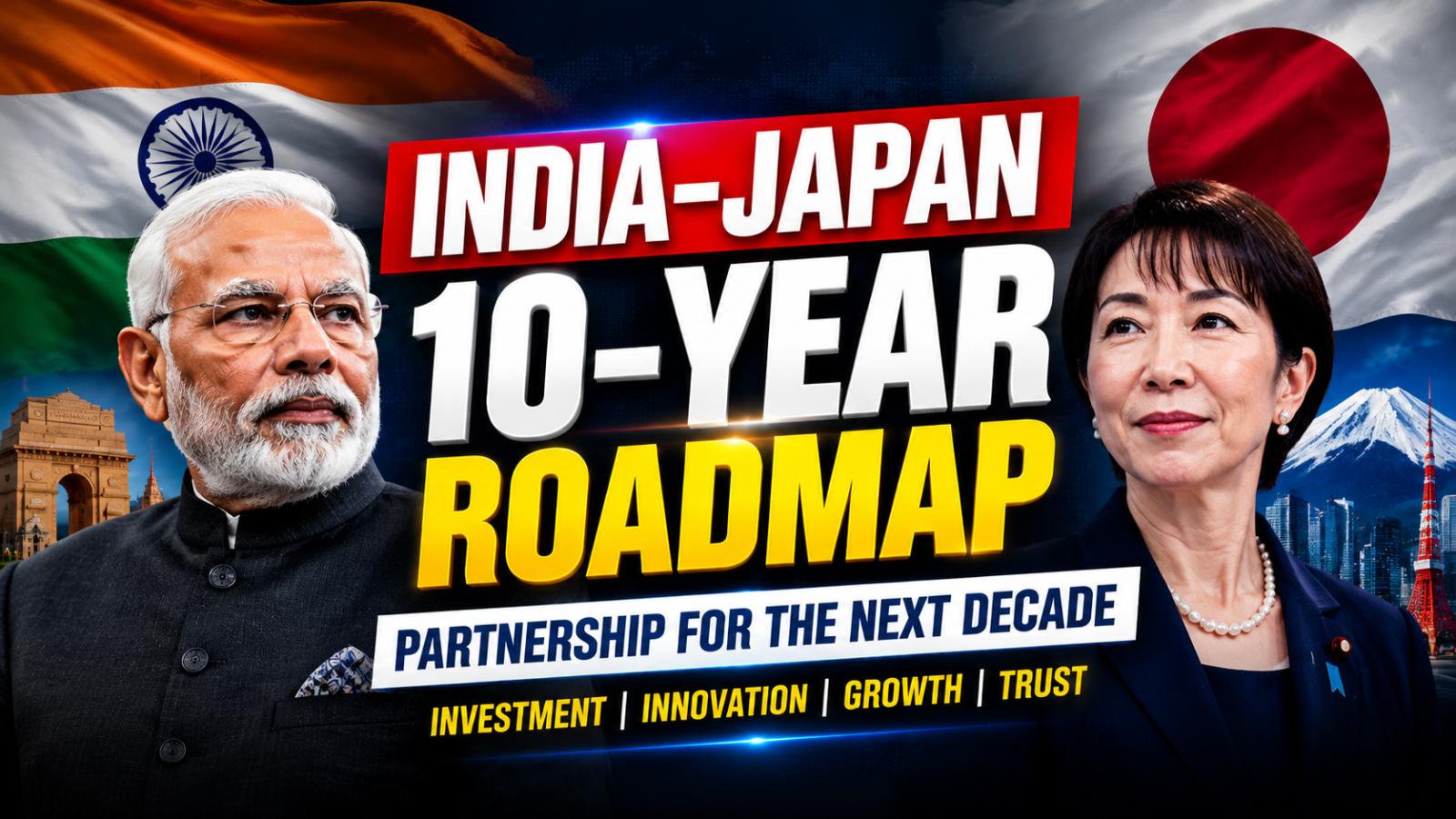
India Japan summit to review 10-year joint vision roadmap cooperation
India-Japan Summit to Review Long-Term Strategic Roadmap India is set to host Japanese Prime Minister Sanae Takaichi from July 1 to 3 for the 16th India-Japan Annual Summit, where both sides are expected to review progress under the Japan-India Joint Vision for the Next Decade. The framework, signed in Tokyo in August 2025, outlines a long-term roadmap aimed at streng
India Japan summit to review 10-year joint vision roadmap cooperation
India-Japan Summit to Review Long-Term Strategic Roadmap India is set to host Japanese Prime Minister Sanae Takaichi from July 1 to 3 for the 16th India-Japan Annual Summit, where both sides are expected to review progress under the Japan-India Joint Vision for the Next Decade. The framework, signed in Tokyo in August 2025, outlines a long-term roadmap aimed at streng
Trump earns over $1 billion from crypto ventures financial filing shows
Financial Disclosure Reveals Major Crypto Earnings US financial disclosure documents released by the Office of Government Ethics show that President Donald Trump earned more than $1 billion from cryptocurrency-related ventures over the past year. The filings outline a significant increase in income during the first year of his return to the White House, highlighting t
Trump earns over $1 billion from crypto ventures financial filing shows
Financial Disclosure Reveals Major Crypto Earnings US financial disclosure documents released by the Office of Government Ethics show that President Donald Trump earned more than $1 billion from cryptocurrency-related ventures over the past year. The filings outline a significant increase in income during the first year of his return to the White House, highlighting t
Anthropic, OpenAI and Nvidia Increase H-1B Hiring
Anthropic, OpenAI and Nvidia increased their use of the H-1B program during the second quarter of U.S. fiscal year 2026, even as several larger technology companies reduced certified labor applications. The shift illustrates how aggressively leading artificial intelligence companies are competing for specialized engineers, researchers and infrastructure workers from the global talent pool. AI Companies Increase H-1B Hiring Anthropic recorded 59
Anthropic, OpenAI and Nvidia Increase H-1B Hiring
Anthropic, OpenAI and Nvidia increased their use of the H-1B program during the second quarter of U.S. fiscal year 2026, even as several larger technology companies reduced certified labor applications. The shift illustrates how aggressively leading artificial intelligence companies are competing for specialized engineers, researchers and infrastructure workers from the global talent pool. AI Companies Increase H-1B Hiring Anthropic recorded 59
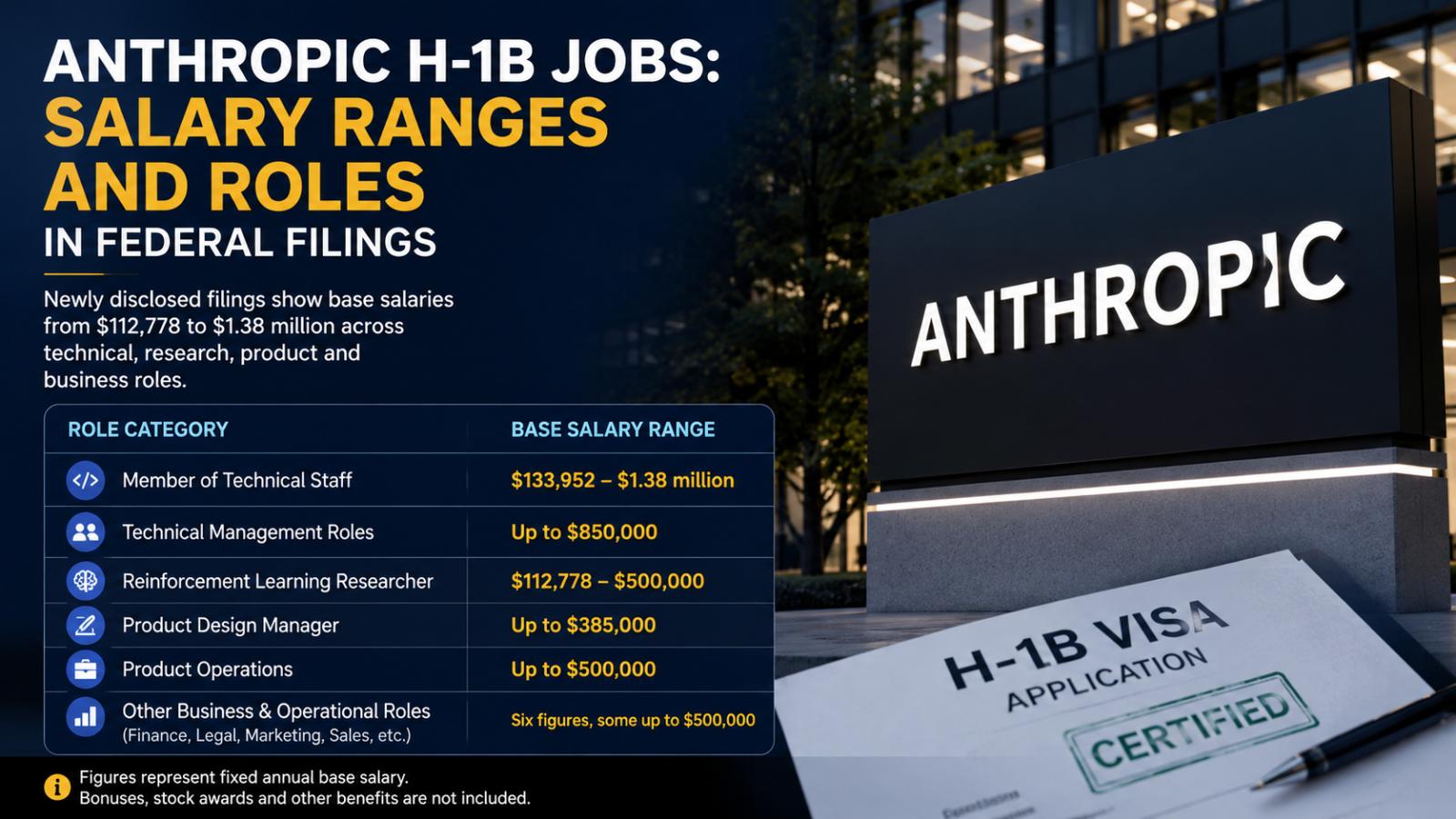
Anthropic H-1B Jobs: Salary Ranges and Roles in Federal Filings
Anthropic H-1B jobs carried base salaries ranging from $112,778 to $1.38 million, according to newly disclosed federal filings covering nearly 80 certified positions during the first half of U.S. fiscal year 2026. The records show that the artificial intelligence company sponsored workers across technical, research, product and business functions. The figures represent fixed annual base pay and do not include bonuses, stock awards or other benefits. Anthropic H-1B
Anthropic H-1B Jobs: Salary Ranges and Roles in Federal Filings
Anthropic H-1B jobs carried base salaries ranging from $112,778 to $1.38 million, according to newly disclosed federal filings covering nearly 80 certified positions during the first half of U.S. fiscal year 2026. The records show that the artificial intelligence company sponsored workers across technical, research, product and business functions. The figures represent fixed annual base pay and do not include bonuses, stock awards or other benefits. Anthropic H-1B
Trump v. Barbara Ruling: Supreme Court Protects Birthright Citizenship
The Trump v. Barbara ruling preserved automatic U.S. citizenship for nearly all children born on American soil. In a 6-3 decision issued Tuesday, June 30, 2026, the Supreme Court affirmed a lower-court judgment blocking President Donald Trump’s executive order. What the Trump v. Barbara ruling decided Chief Justice John Roberts wrote the court’s principal opinion, joined by Justices Sonia S
Trump v. Barbara Ruling: Supreme Court Protects Birthright Citizenship
The Trump v. Barbara ruling preserved automatic U.S. citizenship for nearly all children born on American soil. In a 6-3 decision issued Tuesday, June 30, 2026, the Supreme Court affirmed a lower-court judgment blocking President Donald Trump’s executive order. What the Trump v. Barbara ruling decided Chief Justice John Roberts wrote the court’s principal opinion, joined by Justices Sonia S
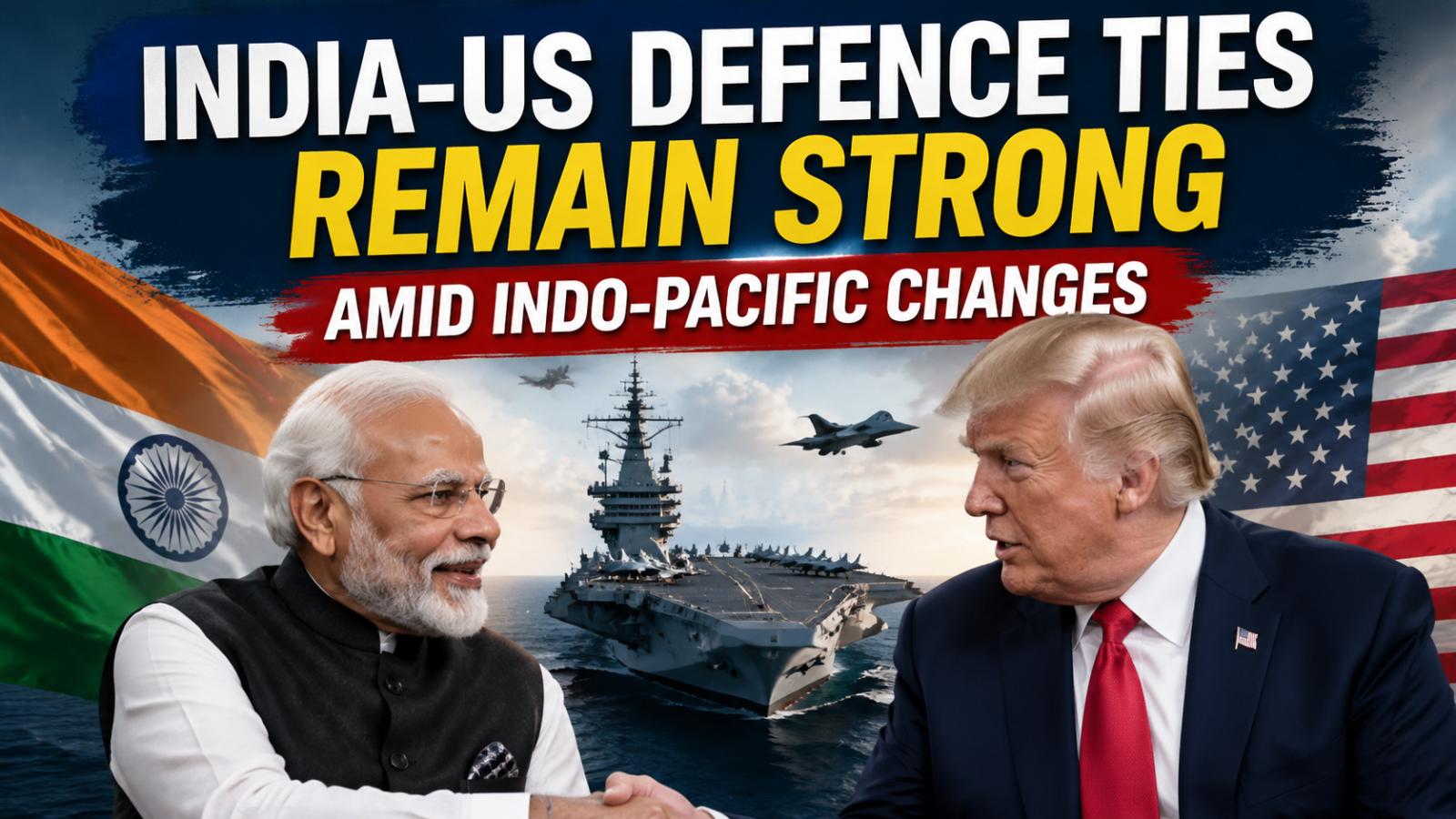
India-US defence ties remain stable amid Indo-Pacific changes
India and the United States continue to maintain stable defence cooperation despite recent adjustments in how Washington refers to its Indo-Pacific military structure. US Ambassador Sergio Gor reiterated that operational collaboration between the two countries is unaffected by the change in terminology, stressing continuity over symbolism. Military engagement remains active According to Gor, defence interaction between both nations is not only ongoing but expanding. Joint exercises, training programs, and coordinated operational planning continue across multiple domains. He noted that India remains one of the most frequently engaged partners in US military exercises globally, reflecting long-term strategic alignment rather than short-term political messaging. Indo-Pacific command terminology shift The discussion gained attention after the US reverted from the “Indo-Pacific Command” branding to its earlier designation. While the naming change sparked speculation about shifting priorities, officials clarified that command responsibilities and regional engagement remain unchanged. The operational scope still spans a vast area covering key maritime and security corridors in Asia-Pacific. Interpretation and political reactions The naming adjustment has been interpreted in different ways across policy circles, with some viewing it as symbolic recalibration. However, US officials have consistently pushed back on that narrative, arguing that defence cooperation with India is driven by shared strategic interests rather than administrative labels. Leadership relations and diplomatic tone Gor also highlighted the working relationship between former US President Donald Trump and Indian Prime Minister Narendra Modi, describing it as direct and pragmatic. He pointed to informal diplomatic interactions as evidence of sustained trust and coordination between leadership levels, which continues to influence broader strategic engagement. Long-term partnership outlook Despite periodic debates over terminology and diplomatic optics, both nations continue to prioritize defence, technology collaboration, and regional security coordination. The emphasis remains on sustained engagement in the Indo-Pacific region, where shared concerns over maritime security and strategic balance continue to drive cooperation rather than divergence.
India-US defence ties remain stable amid Indo-Pacific changes
India and the United States continue to maintain stable defence cooperation despite recent adjustments in how Washington refers to its Indo-Pacific military structure. US Ambassador Sergio Gor reiterated that operational collaboration between the two countries is unaffected by the change in terminology, stressing continuity over symbolism. Military engagement remains active According to Gor, defence interaction between both nations is not only ongoing but expanding. Joint exercises, training programs, and coordinated operational planning continue across multiple domains. He noted that India remains one of the most frequently engaged partners in US military exercises globally, reflecting long-term strategic alignment rather than short-term political messaging. Indo-Pacific command terminology shift The discussion gained attention after the US reverted from the “Indo-Pacific Command” branding to its earlier designation. While the naming change sparked speculation about shifting priorities, officials clarified that command responsibilities and regional engagement remain unchanged. The operational scope still spans a vast area covering key maritime and security corridors in Asia-Pacific. Interpretation and political reactions The naming adjustment has been interpreted in different ways across policy circles, with some viewing it as symbolic recalibration. However, US officials have consistently pushed back on that narrative, arguing that defence cooperation with India is driven by shared strategic interests rather than administrative labels. Leadership relations and diplomatic tone Gor also highlighted the working relationship between former US President Donald Trump and Indian Prime Minister Narendra Modi, describing it as direct and pragmatic. He pointed to informal diplomatic interactions as evidence of sustained trust and coordination between leadership levels, which continues to influence broader strategic engagement. Long-term partnership outlook Despite periodic debates over terminology and diplomatic optics, both nations continue to prioritize defence, technology collaboration, and regional security coordination. The emphasis remains on sustained engagement in the Indo-Pacific region, where shared concerns over maritime security and strategic balance continue to drive cooperation rather than divergence.
Japan PM visit pushes India Japan tech and defence cooperation
India and Japan have taken another step toward strengthening their long-term strategic relationship as high-level discussions were held in New Delhi focused on expanding cooperation across trade, defence, technology, and infrastructure. The engagement reflects a broader effort by both nations to build resilience in supply chains and increase coordination in the Indo-Pacific region amid shifting global economic and security dynamics. Rather than treating the relationship as routine diplomacy, both sides are increasingly positioning it as a structured partnership tied to economic security, innovation, and regional stability. Trade and investment becoming the core growth driver Economic cooperation continues to act as the backbone of the relationship. Japan remains one of India’s key foreign investors, with long-term commitments spread across manufacturing, transport, and urban development sectors. Japanese companies continue to expand their presence in India, particularly in automotive, electronics, and industrial technology. Infrastructure development remains a central pillar, with ongoing support for metro systems, freight corridors, and high-speed rail projects. Financial and institutional backing through Japanese development agencies has played a major role in shaping large-scale connectivity projects across Indian cities. However, both sides still face structural challenges such as slow project execution timelines and regulatory bottlenecks, which limit the speed of capital deployment despite strong political alignment. Defence cooperation expands beyond symbolic engagement Security collaboration between India and Japan has gradually shifted from occasional exercises to more consistent operational coordination. Joint drills such as maritime exercises and regional security training programs have strengthened interoperability between the two defence forces. The focus is increasingly on maritime domain awareness, especially in the Indo-Pacific region where strategic sea lanes remain critical for global trade. Both countries are also exploring ways to improve defence technology exchange, although this area remains sensitive due to regulatory and strategic constraints. Despite progress, defence cooperation is still relatively cautious compared to economic engagement, reflecting differing strategic thresholds and domestic policy considerations. Northeast India emerges as a strategic connectivity zone One of the most notable areas of cooperation is India’s northeastern region, which has gained attention as a key connectivity and development corridor. Japanese-supported infrastructure projects have contributed to road development, bridge construction, and logistics improvement in the region. Beyond physical infrastructure, skill development initiatives are also being introduced to improve employment readiness and cross-border workforce mobility. The region is increasingly being viewed as a bridge between South Asia and Southeast Asia, aligning with broader Indo-Pacific connectivity goals. Still, the region continues to face challenges including terrain constraints, limited industrial base, and slower private sector participation. Technology, AI and future-oriented collaboration Both countries are expanding cooperation in advanced technologies including artificial intelligence, clean energy systems, and digital infrastructure. Joint initiatives are being explored in areas such as smart manufacturing, automation, and next-generation communication systems. There is also growing interest in building more resilient supply chains for critical sectors like semiconductors and green energy technologies. This reflects a shared concern over global supply disruptions and overdependence on concentrated manufacturing hubs. While ambitions are high, actual implementation will depend on regulatory alignment and private sector participation, which remain uneven across sectors. Strategic outlook for the partnership The India–Japan relationship is increasingly being shaped by long-term geopolitical and economic considerations rather than short-term diplomatic exchanges. Both countries appear aligned on maintaining stability in the Indo-Pacific while expanding economic integration. However, the partnership is still evolving and remains uneven across sectors—strong in trade and infrastructure, moderate in defence, and still developing in advanced technology cooperation. The next phase will depend on execution efficiency and the ability to convert policy agreements into large-scale operational outcomes.
Japan PM visit pushes India Japan tech and defence cooperation
India and Japan have taken another step toward strengthening their long-term strategic relationship as high-level discussions were held in New Delhi focused on expanding cooperation across trade, defence, technology, and infrastructure. The engagement reflects a broader effort by both nations to build resilience in supply chains and increase coordination in the Indo-Pacific region amid shifting global economic and security dynamics. Rather than treating the relationship as routine diplomacy, both sides are increasingly positioning it as a structured partnership tied to economic security, innovation, and regional stability. Trade and investment becoming the core growth driver Economic cooperation continues to act as the backbone of the relationship. Japan remains one of India’s key foreign investors, with long-term commitments spread across manufacturing, transport, and urban development sectors. Japanese companies continue to expand their presence in India, particularly in automotive, electronics, and industrial technology. Infrastructure development remains a central pillar, with ongoing support for metro systems, freight corridors, and high-speed rail projects. Financial and institutional backing through Japanese development agencies has played a major role in shaping large-scale connectivity projects across Indian cities. However, both sides still face structural challenges such as slow project execution timelines and regulatory bottlenecks, which limit the speed of capital deployment despite strong political alignment. Defence cooperation expands beyond symbolic engagement Security collaboration between India and Japan has gradually shifted from occasional exercises to more consistent operational coordination. Joint drills such as maritime exercises and regional security training programs have strengthened interoperability between the two defence forces. The focus is increasingly on maritime domain awareness, especially in the Indo-Pacific region where strategic sea lanes remain critical for global trade. Both countries are also exploring ways to improve defence technology exchange, although this area remains sensitive due to regulatory and strategic constraints. Despite progress, defence cooperation is still relatively cautious compared to economic engagement, reflecting differing strategic thresholds and domestic policy considerations. Northeast India emerges as a strategic connectivity zone One of the most notable areas of cooperation is India’s northeastern region, which has gained attention as a key connectivity and development corridor. Japanese-supported infrastructure projects have contributed to road development, bridge construction, and logistics improvement in the region. Beyond physical infrastructure, skill development initiatives are also being introduced to improve employment readiness and cross-border workforce mobility. The region is increasingly being viewed as a bridge between South Asia and Southeast Asia, aligning with broader Indo-Pacific connectivity goals. Still, the region continues to face challenges including terrain constraints, limited industrial base, and slower private sector participation. Technology, AI and future-oriented collaboration Both countries are expanding cooperation in advanced technologies including artificial intelligence, clean energy systems, and digital infrastructure. Joint initiatives are being explored in areas such as smart manufacturing, automation, and next-generation communication systems. There is also growing interest in building more resilient supply chains for critical sectors like semiconductors and green energy technologies. This reflects a shared concern over global supply disruptions and overdependence on concentrated manufacturing hubs. While ambitions are high, actual implementation will depend on regulatory alignment and private sector participation, which remain uneven across sectors. Strategic outlook for the partnership The India–Japan relationship is increasingly being shaped by long-term geopolitical and economic considerations rather than short-term diplomatic exchanges. Both countries appear aligned on maintaining stability in the Indo-Pacific while expanding economic integration. However, the partnership is still evolving and remains uneven across sectors—strong in trade and infrastructure, moderate in defence, and still developing in advanced technology cooperation. The next phase will depend on execution efficiency and the ability to convert policy agreements into large-scale operational outcomes.