Elon Musk is returning to a formal Pentagon advisory role as part of Project Meridian, a new 120-day initiative designed to study how warfare could change over the coming decades. Defense Secretary Pete Hegseth announced the effort alongside a broader push to expand autonomous and robotic systems across the US military.
Future war
Project Meridian will examine emerging battlefields, technologies and military capabilities rather tha
Elon Musk is returning to a formal Pentagon advisory role as part of Project Meridian, a new 120-day initiative designed to study how warfare could change over the coming decades. Defense Secretary Pete Hegseth announced the effort alongside a broader push to expand autonomous and robotic systems across the US military.
Future war
Project Meridian will examine emerging battlefields, technologies and military capabilities rather tha
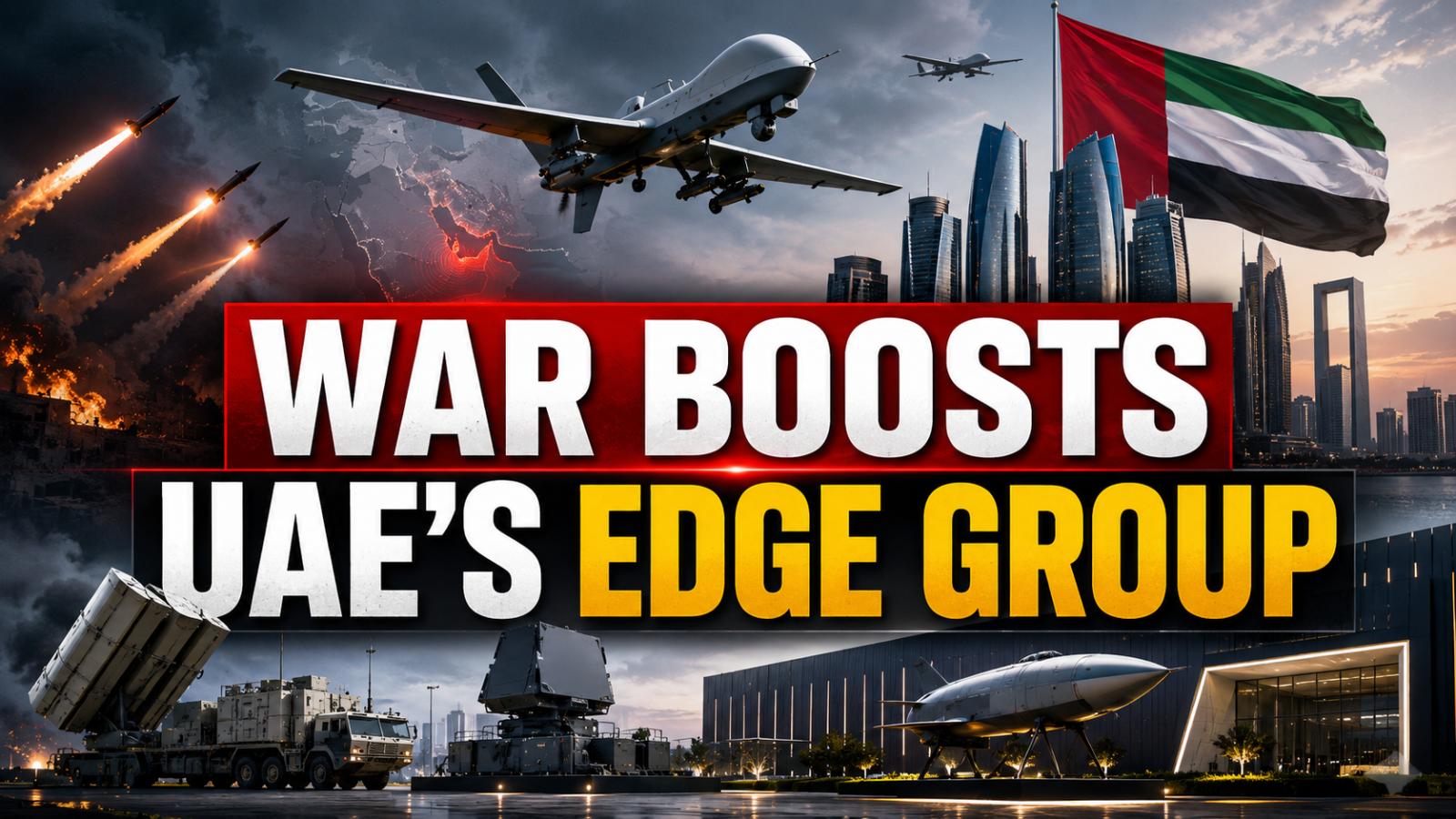
The six-month US-Iran conflict has unexpectedly strengthened the commercial position of the UAE’s EDGE Group, giving domestically developed defence systems real combat exposure. Company executives say the “battle-proven” status of drones, jammers and other equipment is now helping UAE EDGE defence growth and attracting greater international interest.
Battle-Proven EDGE Weapons
During the conflict, nearly 3,000 missiles and drones reportedly targeted the UAE, putting the country’s air-defence network under sustained pressure. EDGE executives cited in the source material said the fighting provided something the company previously lacked at scale: direct battlefield validation.
Khaled Al Zaabi, president of EDGE’s Platforms and Systems cluster, said only a limited number of products could be described as battle-proven before the war. He said that number has now increased significantly, giving the company a stronger selling point when competing for international defence contracts.
That matters in an industry where buyers often place a premium on systems that have already operated under real combat conditions rather than laboratory or demonstration environments.
UAE Drone Defence
The war also highlighted the economics of air defence. The UAE has invested billions of dollars in advanced American systems including Patriot and THAAD, but officials are increasingly focusing on cheaper ways to counter low-cost drones.
EDGE executives said locally produced electronic warfare and counter-drone technologies played an important role during the conflict. Company chairman Faisal Al Bannai said locally developed jammers achieved an interception rate of about 85% against incoming drones, according to the source material.
The broader challenge is cost. Using an expensive interceptor missile against every low-cost attack drone can become financially unsustainable during prolonged conflicts. EDGE is therefore positioning lower-cost drones, jammers and short-range systems as complementary layers of defence.
SkyKnight Air Defence
One of EDGE’s important locally developed systems is SkyKnight, a short-range air-defence platform designed to counter rockets, artillery, mortars, drones, cruise missiles and other aerial threats.
EDGE says the system can protect infrastructure, military bases, ports and urban areas, with missile interception ranges reaching up to 10 kilometres against several categories of aerial targets.
Developing more air-defence capability domestically would also reduce reliance on foreign suppliers while allowing the UAE to respond faster to evolving regional threats.
EDGE Global Expansion
EDGE, founded in 2019, has expanded rapidly across missiles, drones, armoured vehicles, naval systems and advanced technologies. The source material says international sales accounted for about 70% of the group’s roughly $5 billion in revenue last year.
Europe has become a major target for further growth. EDGE officially launched EDGE Europe in June 2026 and established its European headquarters in Paris, alongside plans for engineering and manufacturing operations in France.
The move places the Emirati group closer to NATO and European buyers at a time when defence budgets across the continent are rising.
Defence Export Ambitions
EDGE is also investing in production capacity at home, including facilities for components used in autonomous systems, while expanding partnerships and acquisitions abroad.
Its long-term ambition is to become one of the world’s top 10 defence contractors. The US-Iran conflict may have accelerated that strategy by giving its systems battlefield credibility that marketing campaigns cannot easily replicate.
The opportunity is significant, but so is the scrutiny. EDGE has faced allegations concerning the possible appearance of UAE-linked equipment in other conflicts, claims the company and UAE authorities have denied.
For now, the clearest commercial outcome is that prolonged regional warfare has turned operational experience into a valuable export advantage. If EDGE can convert that battlefield validation into sustained contracts, the conflict may prove to be a major turning point in the UAE’s push to become a globally competitive defence manufacturing hub.
The six-month US-Iran conflict has unexpectedly strengthened the commercial position of the UAE’s EDGE Group, giving domestically developed defence systems real combat exposure. Company executives say the “battle-proven” status of drones, jammers and other equipment is now helping UAE EDGE defence growth and attracting greater international interest.
Battle-Proven EDGE Weapons
During the conflict, nearly 3,000 missiles and drones reportedly targeted the UAE, putting the country’s air-defence network under sustained pressure. EDGE executives cited in the source material said the fighting provided something the company previously lacked at scale: direct battlefield validation.
Khaled Al Zaabi, president of EDGE’s Platforms and Systems cluster, said only a limited number of products could be described as battle-proven before the war. He said that number has now increased significantly, giving the company a stronger selling point when competing for international defence contracts.
That matters in an industry where buyers often place a premium on systems that have already operated under real combat conditions rather than laboratory or demonstration environments.
UAE Drone Defence
The war also highlighted the economics of air defence. The UAE has invested billions of dollars in advanced American systems including Patriot and THAAD, but officials are increasingly focusing on cheaper ways to counter low-cost drones.
EDGE executives said locally produced electronic warfare and counter-drone technologies played an important role during the conflict. Company chairman Faisal Al Bannai said locally developed jammers achieved an interception rate of about 85% against incoming drones, according to the source material.
The broader challenge is cost. Using an expensive interceptor missile against every low-cost attack drone can become financially unsustainable during prolonged conflicts. EDGE is therefore positioning lower-cost drones, jammers and short-range systems as complementary layers of defence.
SkyKnight Air Defence
One of EDGE’s important locally developed systems is SkyKnight, a short-range air-defence platform designed to counter rockets, artillery, mortars, drones, cruise missiles and other aerial threats.
EDGE says the system can protect infrastructure, military bases, ports and urban areas, with missile interception ranges reaching up to 10 kilometres against several categories of aerial targets.
Developing more air-defence capability domestically would also reduce reliance on foreign suppliers while allowing the UAE to respond faster to evolving regional threats.
EDGE Global Expansion
EDGE, founded in 2019, has expanded rapidly across missiles, drones, armoured vehicles, naval systems and advanced technologies. The source material says international sales accounted for about 70% of the group’s roughly $5 billion in revenue last year.
Europe has become a major target for further growth. EDGE officially launched EDGE Europe in June 2026 and established its European headquarters in Paris, alongside plans for engineering and manufacturing operations in France.
The move places the Emirati group closer to NATO and European buyers at a time when defence budgets across the continent are rising.
Defence Export Ambitions
EDGE is also investing in production capacity at home, including facilities for components used in autonomous systems, while expanding partnerships and acquisitions abroad.
Its long-term ambition is to become one of the world’s top 10 defence contractors. The US-Iran conflict may have accelerated that strategy by giving its systems battlefield credibility that marketing campaigns cannot easily replicate.
The opportunity is significant, but so is the scrutiny. EDGE has faced allegations concerning the possible appearance of UAE-linked equipment in other conflicts, claims the company and UAE authorities have denied.
For now, the clearest commercial outcome is that prolonged regional warfare has turned operational experience into a valuable export advantage. If EDGE can convert that battlefield validation into sustained contracts, the conflict may prove to be a major turning point in the UAE’s push to become a globally competitive defence manufacturing hub.
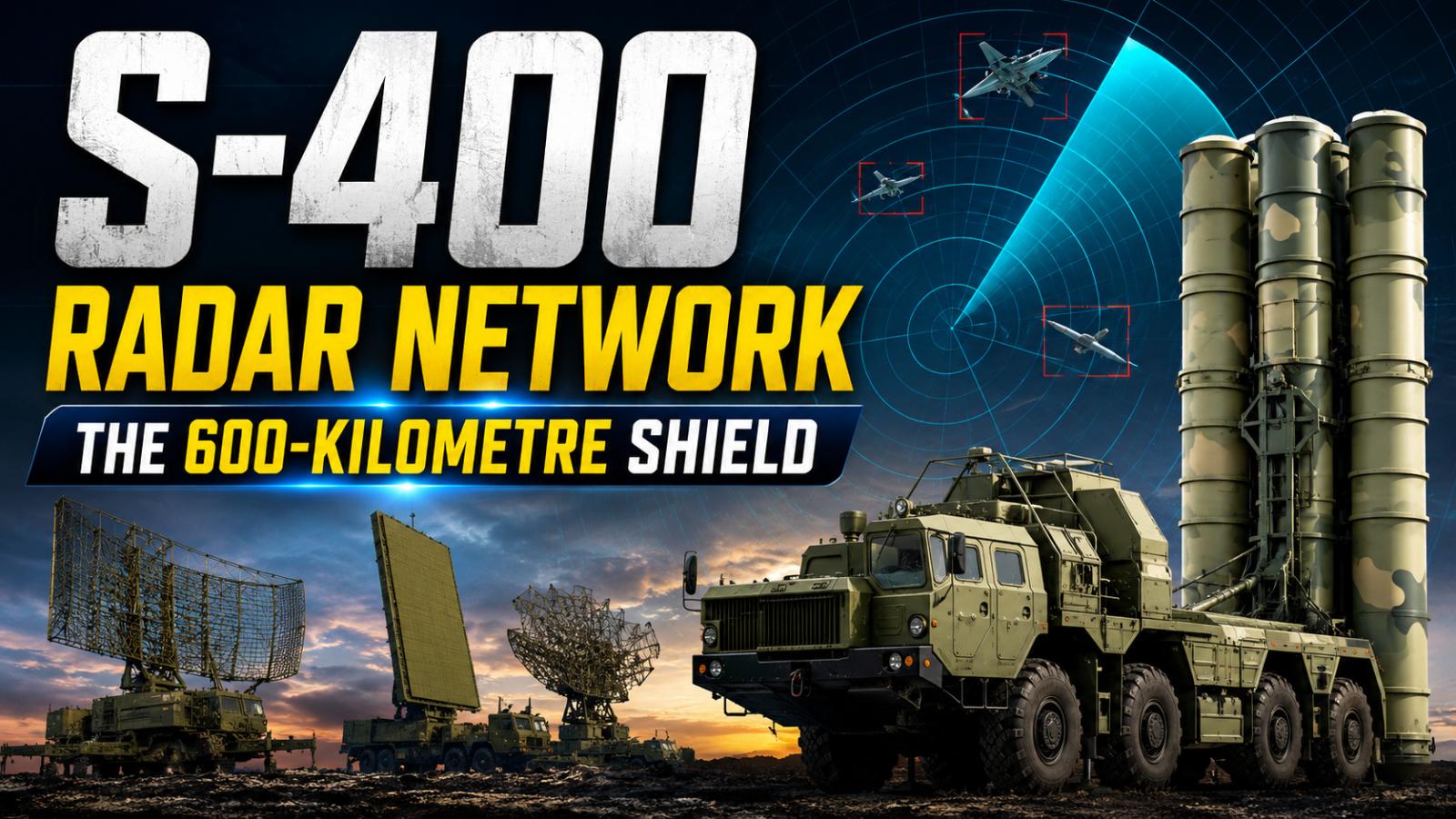
The S-400 radar network uses multiple advanced radar systems, including Big Bird, 96L6E, Nebo-M and 92N6E, to detect, track and engage aircraft, drones and missiles. This article explains how these sensors work together to create one of the world's most advanced layered air defence systems.
S-400 radar network creates layered surveillance
The S-400 Triumf does not depend on a single radar to de
The S-400 radar network uses multiple advanced radar systems, including Big Bird, 96L6E, Nebo-M and 92N6E, to detect, track and engage aircraft, drones and missiles. This article explains how these sensors work together to create one of the world's most advanced layered air defence systems.
S-400 radar network creates layered surveillance
The S-400 Triumf does not depend on a single radar to de
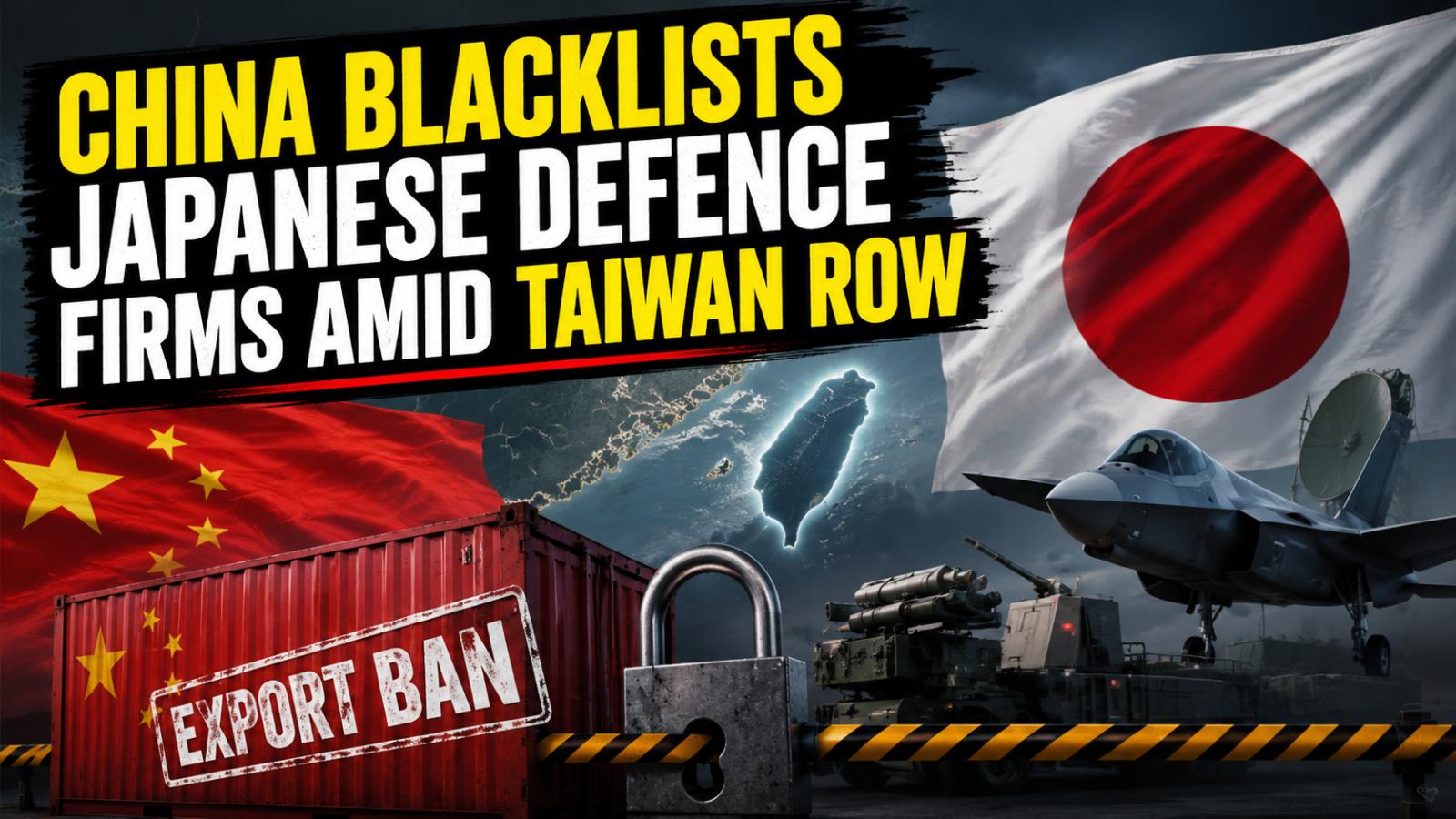
China has added 20 Japanese defence-linked and technology entities to its export control blacklist, marking a fresh escalation in the already tense relationship between Beijing and Tokyo. The decision blocks the listed organisations from receiving Chinese dual-use goods, materials and technologies without official approval.
Beijing said the move was linked to national security, non-proliferation commitments and concerns over supplies that
China has added 20 Japanese defence-linked and technology entities to its export control blacklist, marking a fresh escalation in the already tense relationship between Beijing and Tokyo. The decision blocks the listed organisations from receiving Chinese dual-use goods, materials and technologies without official approval.
Beijing said the move was linked to national security, non-proliferation commitments and concerns over supplies that
Pakistan submarine induction marks major naval boost
Pakistan submarine induction marked a major milestone as the country commissioned its first Hangor-class submarine built in China. The ceremony was held in Sanya and attended by President Asif Ali Zardari and Naval Chief Admiral Naveed Ashraf. This move highlights strong China Pakistan defence cooperation and signals a major expansion in naval fleet capacity.
Pakistan submarine induction marks major naval boost
Pakistan submarine induction marked a major milestone as the country commissioned its first Hangor-class submarine built in China. The ceremony was held in Sanya and attended by President Asif Ali Zardari and Naval Chief Admiral Naveed Ashraf. This move highlights strong China Pakistan defence cooperation and signals a major expansion in naval fleet capacity.
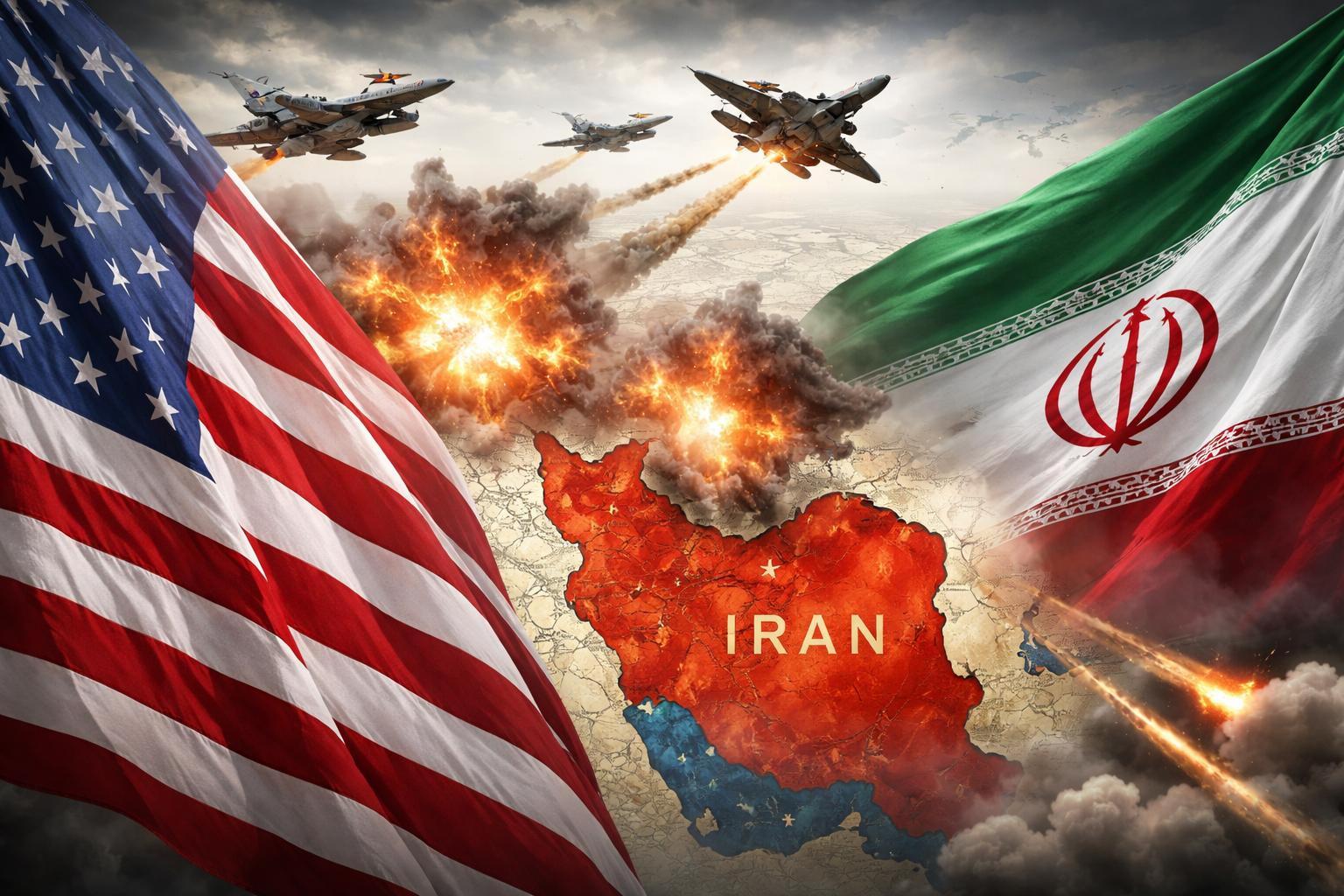
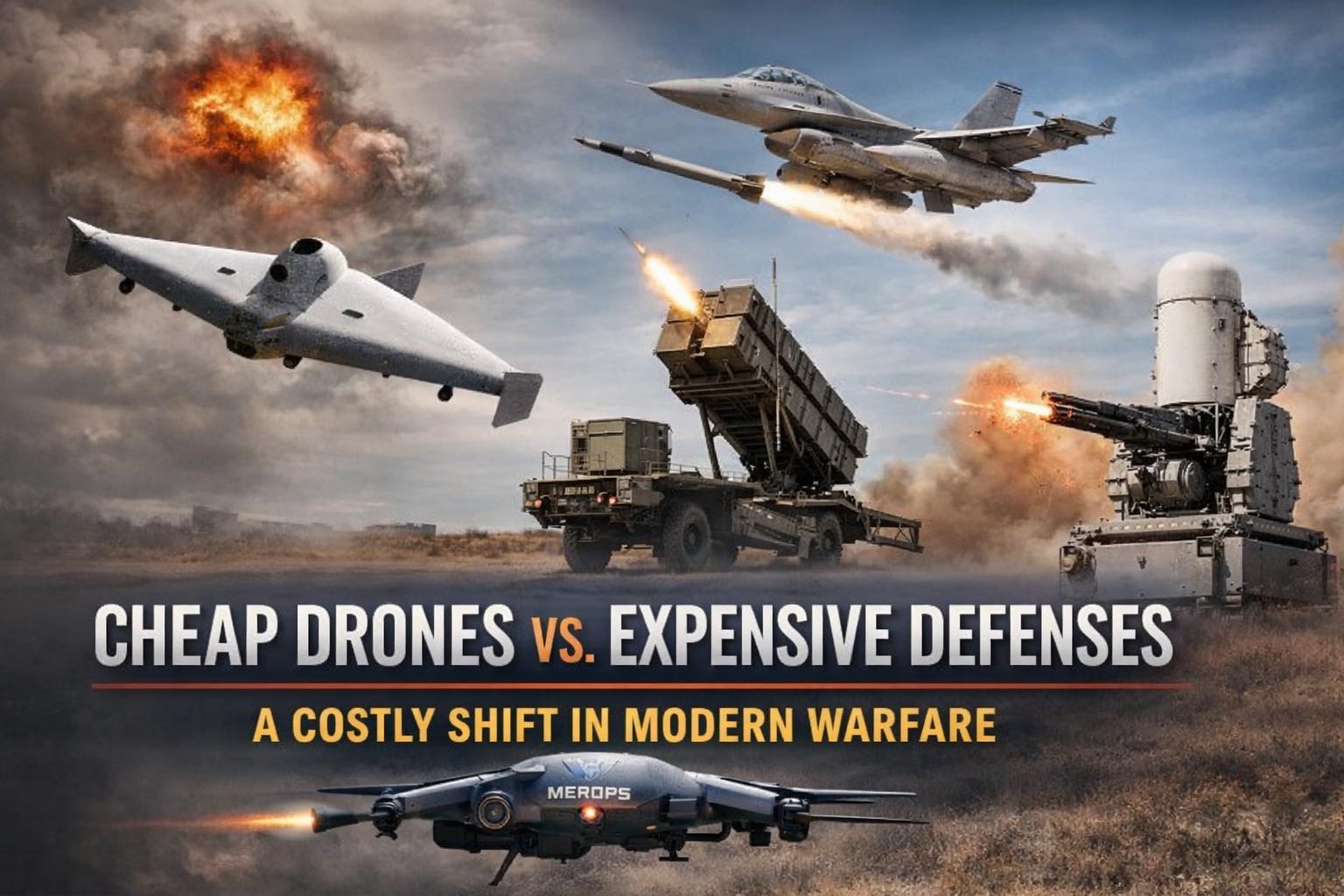
One of the most striking lessons from the war with Iran is how a relatively low-cost adversary has exposed vulnerabilities in U.S. defense strategy. Iran has demonstrated both a willingness to go on the offensive and an ability to leverage inexpensive drone technology at scale.
These drones, often built with commercial-grade components, cost roughly $35,000 each—far less than the high-end interceptors used to destroy them. This imbalance has forced the United States and its allies to confront a new reality: modern warfare is no longer dominated solely by precision and sophistication, but also by affordability and volume.
Cheap drones had already reshaped the battlefield in Ukraine, and Iran has now applied similar tactics in the Middle East, exploiting a long-standing gap in U.S. defense investments that favored fewer, more expensive systems over scalable solutions.
Why are U.S. defenses struggling with cost efficiency? Because interceptors far exceed drone prices
The financial mismatch is stark. In just the first six days of the conflict, the U.S. spent $11.3 billion, with estimates later rising to between $25 billion and $35 billion. A significant portion of that cost comes from interceptor missiles used to shoot down relatively inexpensive drones.
Despite years of Pentagon focus on counter-drone capabilities, experts like Michael C. Horowitz note that there has been little urgency to scale affordable solutions.
The result is a defense strategy where each engagement can cost far more than the threat itself—an unsustainable model in prolonged conflicts.
How do air-based defenses work against drones? By using early detection and precision strikes—when available
In an ideal scenario, airborne early warning systems detect drones hundreds of miles away. Fighter jets such as the F-16 Fighting Falcon are then deployed to intercept them using relatively cheaper rocket systems like APKWS II.
This method is among the most cost-efficient, but it depends heavily on maintaining constant air patrols and intact detection systems. Iran has targeted these early warning assets, limiting their effectiveness and reducing the availability of this optimal defense approach.
What role do ground and naval systems play? They offer range and reliability but at a steep price
When air defenses are unavailable, the U.S. relies on ground- and sea-based systems. These include:
Short-range systems like the Coyote, designed specifically for drones and relatively cost-effective—but in short supply.
Naval destroyers using radar and SM-2 interceptors, which are powerful but expensive and designed for larger threats.
The Patriot missile system, capable of intercepting drones from long distances using costly PAC-3 missiles.
These systems were originally built to counter high-end threats like ballistic missiles, not swarms of cheap drones. As a result, they are often overkill—both technologically and financially—for the task at hand.
Still, their use can be justified when defending high-value assets, such as billion-dollar radar installations or critical military infrastructure.
What are the emerging solutions to counter drones? AI interceptors and lasers show promise but remain unproven
New approaches aim to fix the cost imbalance. AI-powered interceptor drones, such as the Merops system developed by a company founded by Eric Schmidt, represent a potential shift toward cheaper, scalable defenses. These systems have been tested in collaboration with Ukrainian forces experienced in countering Iranian drones.
The U.S. has already sent thousands of these units to the Middle East and begun training troops, though it remains unclear whether they have been deployed in combat.
Meanwhile, the Pentagon has invested heavily in directed energy weapons—lasers that could cost as little as $3 per shot and reach targets up to 12 miles away. However, these systems have yet to be fielded in real-world combat.
Why is ammunition depletion a growing concern? Because stockpiles may run out faster than they can be replaced
Beyond cost, a more immediate concern is supply. Experts warn that interceptor stockpiles are being depleted at an alarming rate.
As Tom Karako explains, the issue is not just affordability but availability: the U.S. risks running out of munitions before it can replenish them.
This highlights a deeper strategic challenge. Modern conflicts—defined by mass-produced, low-cost threats—require not just advanced technology, but also sustainable production and scalable defense systems.
One of the most striking lessons from the war with Iran is how a relatively low-cost adversary has exposed vulnerabilities in U.S. defense strategy. Iran has demonstrated both a willingness to go on the offensive and an ability to leverage inexpensive drone technology at scale.
These drones, often built with commercial-grade components, cost roughly $35,000 each—far less than the high-end interceptors used to destroy them. This imbalance has forced the United States and its allies to confront a new reality: modern warfare is no longer dominated solely by precision and sophistication, but also by affordability and volume.
Cheap drones had already reshaped the battlefield in Ukraine, and Iran has now applied similar tactics in the Middle East, exploiting a long-standing gap in U.S. defense investments that favored fewer, more expensive systems over scalable solutions.
Why are U.S. defenses struggling with cost efficiency? Because interceptors far exceed drone prices
The financial mismatch is stark. In just the first six days of the conflict, the U.S. spent $11.3 billion, with estimates later rising to between $25 billion and $35 billion. A significant portion of that cost comes from interceptor missiles used to shoot down relatively inexpensive drones.
Despite years of Pentagon focus on counter-drone capabilities, experts like Michael C. Horowitz note that there has been little urgency to scale affordable solutions.
The result is a defense strategy where each engagement can cost far more than the threat itself—an unsustainable model in prolonged conflicts.
How do air-based defenses work against drones? By using early detection and precision strikes—when available
In an ideal scenario, airborne early warning systems detect drones hundreds of miles away. Fighter jets such as the F-16 Fighting Falcon are then deployed to intercept them using relatively cheaper rocket systems like APKWS II.
This method is among the most cost-efficient, but it depends heavily on maintaining constant air patrols and intact detection systems. Iran has targeted these early warning assets, limiting their effectiveness and reducing the availability of this optimal defense approach.
What role do ground and naval systems play? They offer range and reliability but at a steep price
When air defenses are unavailable, the U.S. relies on ground- and sea-based systems. These include:
Short-range systems like the Coyote, designed specifically for drones and relatively cost-effective—but in short supply.
Naval destroyers using radar and SM-2 interceptors, which are powerful but expensive and designed for larger threats.
The Patriot missile system, capable of intercepting drones from long distances using costly PAC-3 missiles.
These systems were originally built to counter high-end threats like ballistic missiles, not swarms of cheap drones. As a result, they are often overkill—both technologically and financially—for the task at hand.
Still, their use can be justified when defending high-value assets, such as billion-dollar radar installations or critical military infrastructure.
What are the emerging solutions to counter drones? AI interceptors and lasers show promise but remain unproven
New approaches aim to fix the cost imbalance. AI-powered interceptor drones, such as the Merops system developed by a company founded by Eric Schmidt, represent a potential shift toward cheaper, scalable defenses. These systems have been tested in collaboration with Ukrainian forces experienced in countering Iranian drones.
The U.S. has already sent thousands of these units to the Middle East and begun training troops, though it remains unclear whether they have been deployed in combat.
Meanwhile, the Pentagon has invested heavily in directed energy weapons—lasers that could cost as little as $3 per shot and reach targets up to 12 miles away. However, these systems have yet to be fielded in real-world combat.
Why is ammunition depletion a growing concern? Because stockpiles may run out faster than they can be replaced
Beyond cost, a more immediate concern is supply. Experts warn that interceptor stockpiles are being depleted at an alarming rate.
As Tom Karako explains, the issue is not just affordability but availability: the U.S. risks running out of munitions before it can replenish them.
This highlights a deeper strategic challenge. Modern conflicts—defined by mass-produced, low-cost threats—require not just advanced technology, but also sustainable production and scalable defense systems.
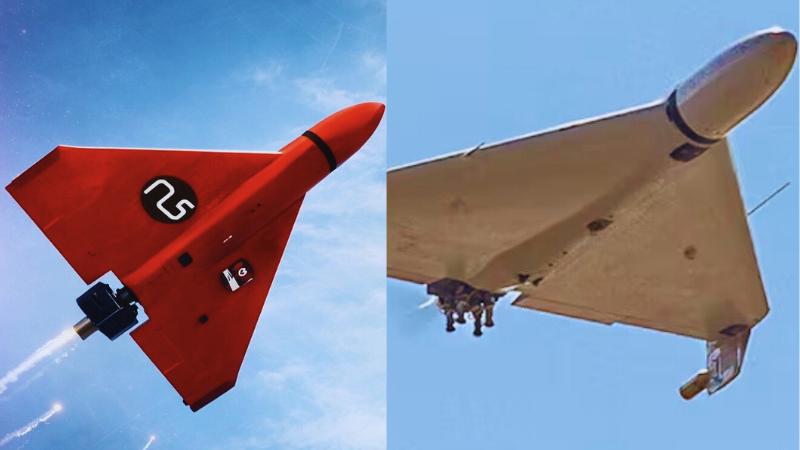
Low cost drones are rapidly transforming modern warfare across the world. Recent conflicts such as the Russia Ukraine war and the ongoing tensions in the Middle East have shown how inexpensive loitering drones can challenge powerful military systems. Iran’s Shahed 136 drone has become one of the most talked about examples of this new form of warfare because of its ability to strike targets at long distances while costing only a fraction of traditional military aircraft.
These dron
Low cost drones are rapidly transforming modern warfare across the world. Recent conflicts such as the Russia Ukraine war and the ongoing tensions in the Middle East have shown how inexpensive loitering drones can challenge powerful military systems. Iran’s Shahed 136 drone has become one of the most talked about examples of this new form of warfare because of its ability to strike targets at long distances while costing only a fraction of traditional military aircraft.
These dron
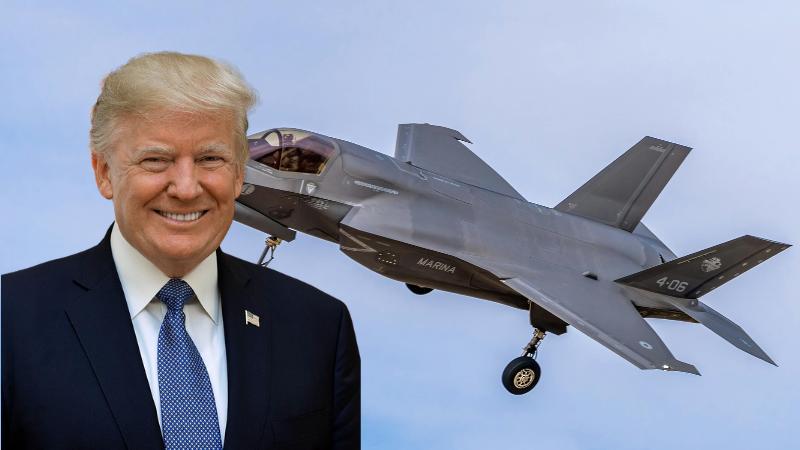
US President Donald Trump announced that the United States will move forward with selling F-35 fighter jets to Saudi Arabia, marking a significant shift in defence cooperation just as Crown Prince Mohammed bin Salman prepares for his first Washington visit in more than seven years. Trump described Saudi Arabia as a strong ally and confirmed that the kingdom’s request for the world-class stealth aircraft will be fulfilled. The crown prince is expected to arrive with clear priorities, includi
US President Donald Trump announced that the United States will move forward with selling F-35 fighter jets to Saudi Arabia, marking a significant shift in defence cooperation just as Crown Prince Mohammed bin Salman prepares for his first Washington visit in more than seven years. Trump described Saudi Arabia as a strong ally and confirmed that the kingdom’s request for the world-class stealth aircraft will be fulfilled. The crown prince is expected to arrive with clear priorities, includi
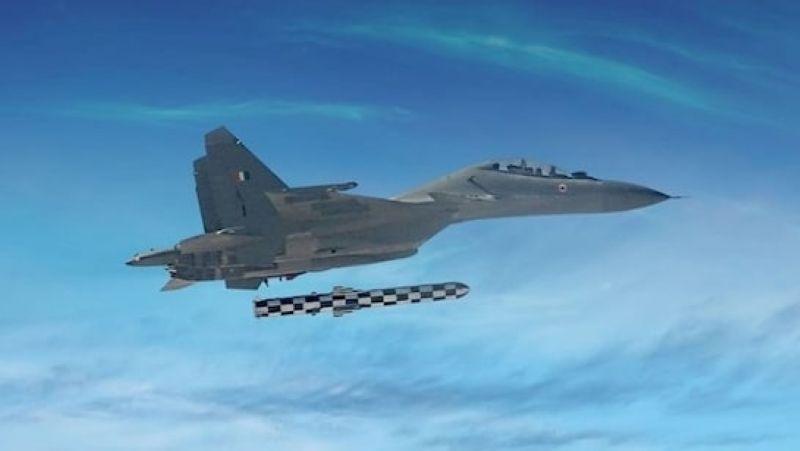
India has officially confirmed the success of a high-precision military operation codenamed Operation Sindoor against terror-linked targets in Pakistan, revealing that the Indian Air Force (IAF) managed to jam Chinese-manufactured air defense systems deployed across the Line of Control and the international border. The mission, carried out in direct response to a recent terror attack in Jammu and Kashmir's Pahalgam that killed 26 Indian tourists, was completed in just 23 minutes and resul
India has officially confirmed the success of a high-precision military operation codenamed Operation Sindoor against terror-linked targets in Pakistan, revealing that the Indian Air Force (IAF) managed to jam Chinese-manufactured air defense systems deployed across the Line of Control and the international border. The mission, carried out in direct response to a recent terror attack in Jammu and Kashmir's Pahalgam that killed 26 Indian tourists, was completed in just 23 minutes and resul