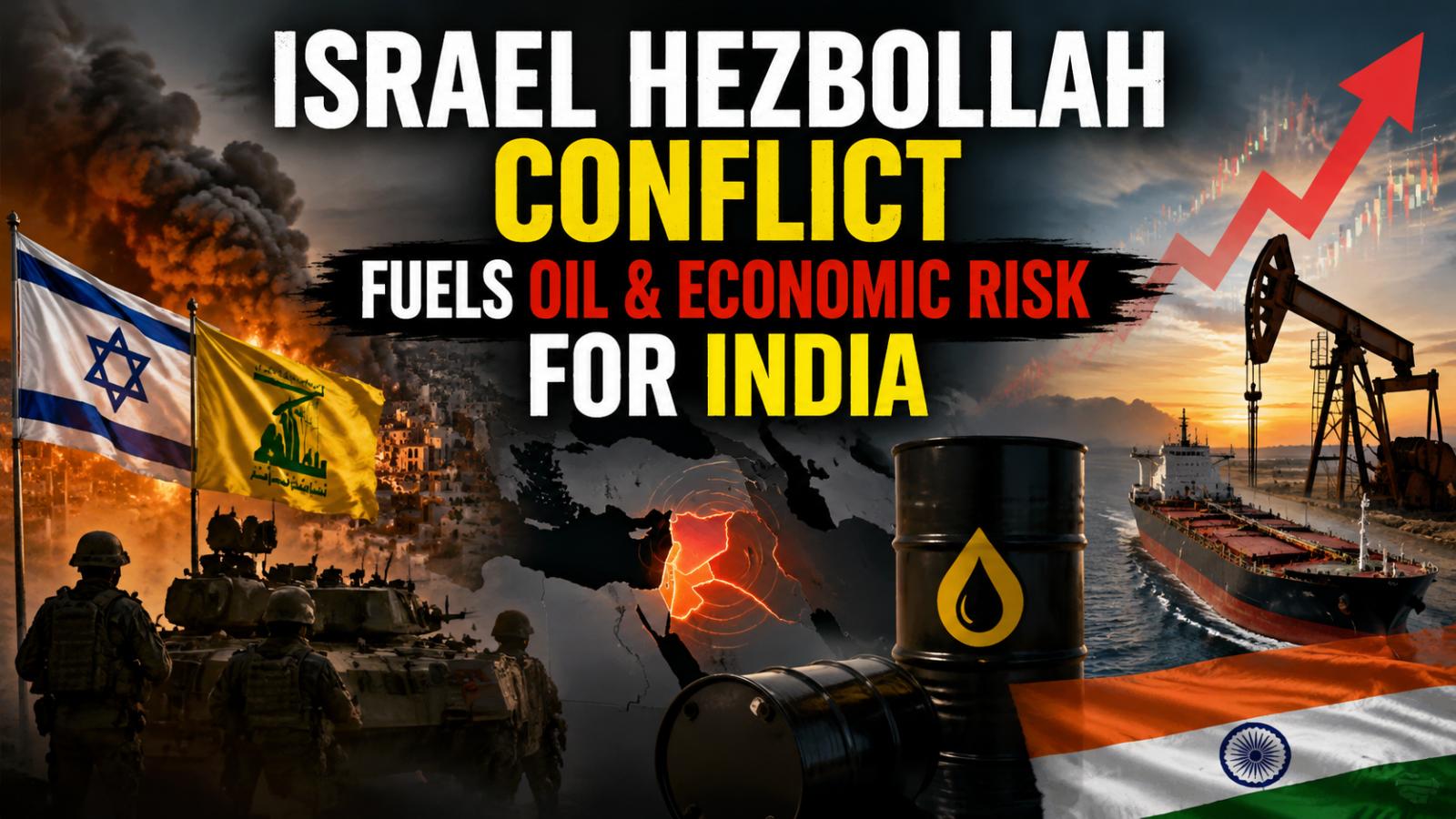
The renewed exchange of fire between Israeli forces and Hezbollah-linked positions in southern Lebanon has again drawn attention to an already fragile regional security environment. While both sides continue to frame their actions as targeted and defensive, the situation is increasingly being viewed through a wider geopolitical lens, especially by energy markets and trade-dependent economies.
Even limited escalation in this corridor tends to trigger immediate risk recalibration in global markets, not because of direct supply disruption, but due to fear of spillover into wider West Asian conflict zones.
Oil markets react to uncertainty, not only disruption
Crude oil prices have remained sensitive to developments in the region, with traders closely tracking any sign of expansion beyond localized strikes. Brent crude has shown intermittent swings, reflecting how quickly sentiment shifts when geopolitical risks rise.
For import-heavy economies like India, the concern is not only about supply cuts but also price volatility. Even short-lived spikes increase import bills, widen trade deficits, and add pressure on domestic inflation through fuel and transport costs.
India remains heavily dependent on imported crude, leaving it exposed to external shocks that originate far from its own borders but quickly reach its economy through global pricing mechanisms.
Maritime chokepoints add another layer of risk
Beyond oil production zones, shipping routes remain a critical pressure point. The Strait of Hormuz continues to be one of the most strategically sensitive maritime corridors in the world, handling a large share of global crude movement.
Any perception of instability in nearby conflict zones tends to increase insurance premiums for tankers and freight operators. This raises shipping costs even when physical disruption does not occur.
For trade-dependent economies, the indirect cost of conflict often arrives faster than any actual supply shortage.
India’s broader exposure goes beyond energy
India’s stake in West Asian stability is not limited to crude imports. A large Indian workforce in Gulf countries supports billions in annual remittances, which play a steady role in foreign exchange stability.
At the same time, India maintains layered relationships across the region—energy partnerships with Gulf producers, strategic cooperation with Israel, and connectivity interests linked to Iran and regional ports.
This creates a complex policy environment where instability in one corridor can influence multiple economic and diplomatic channels simultaneously.
Long-term infrastructure plans face sensitivity risks
Large-scale trade and infrastructure initiatives involving West Asia, including proposed trans-regional connectivity corridors, depend heavily on stable political conditions. Projects linked to ports, energy routes, and logistics networks become vulnerable when security risks rise.
Even without direct damage, prolonged uncertainty tends to slow investment decisions, delay contracts, and increase financing costs for regional development projects.
Conclusion
The current Israel–Hezbollah exchange remains geographically contained, but its economic impact is far wider. Oil markets, shipping costs, remittance flows, and long-term trade planning all react quickly to signals of escalation.
For India and other import-dependent economies, the primary challenge is not direct involvement in the conflict but exposure to its ripple effects through energy pricing, logistics costs, and regional stability risks.
The renewed exchange of fire between Israeli forces and Hezbollah-linked positions in southern Lebanon has again drawn attention to an already fragile regional security environment. While both sides continue to frame their actions as targeted and defensive, the situation is increasingly being viewed through a wider geopolitical lens, especially by energy markets and trade-dependent economies.
Even limited escalation in this corridor tends to trigger immediate risk recalibration in global markets, not because of direct supply disruption, but due to fear of spillover into wider West Asian conflict zones.
Oil markets react to uncertainty, not only disruption
Crude oil prices have remained sensitive to developments in the region, with traders closely tracking any sign of expansion beyond localized strikes. Brent crude has shown intermittent swings, reflecting how quickly sentiment shifts when geopolitical risks rise.
For import-heavy economies like India, the concern is not only about supply cuts but also price volatility. Even short-lived spikes increase import bills, widen trade deficits, and add pressure on domestic inflation through fuel and transport costs.
India remains heavily dependent on imported crude, leaving it exposed to external shocks that originate far from its own borders but quickly reach its economy through global pricing mechanisms.
Maritime chokepoints add another layer of risk
Beyond oil production zones, shipping routes remain a critical pressure point. The Strait of Hormuz continues to be one of the most strategically sensitive maritime corridors in the world, handling a large share of global crude movement.
Any perception of instability in nearby conflict zones tends to increase insurance premiums for tankers and freight operators. This raises shipping costs even when physical disruption does not occur.
For trade-dependent economies, the indirect cost of conflict often arrives faster than any actual supply shortage.
India’s broader exposure goes beyond energy
India’s stake in West Asian stability is not limited to crude imports. A large Indian workforce in Gulf countries supports billions in annual remittances, which play a steady role in foreign exchange stability.
At the same time, India maintains layered relationships across the region—energy partnerships with Gulf producers, strategic cooperation with Israel, and connectivity interests linked to Iran and regional ports.
This creates a complex policy environment where instability in one corridor can influence multiple economic and diplomatic channels simultaneously.
Long-term infrastructure plans face sensitivity risks
Large-scale trade and infrastructure initiatives involving West Asia, including proposed trans-regional connectivity corridors, depend heavily on stable political conditions. Projects linked to ports, energy routes, and logistics networks become vulnerable when security risks rise.
Even without direct damage, prolonged uncertainty tends to slow investment decisions, delay contracts, and increase financing costs for regional development projects.
Conclusion
The current Israel–Hezbollah exchange remains geographically contained, but its economic impact is far wider. Oil markets, shipping costs, remittance flows, and long-term trade planning all react quickly to signals of escalation.
For India and other import-dependent economies, the primary challenge is not direct involvement in the conflict but exposure to its ripple effects through energy pricing, logistics costs, and regional stability risks.
Austin’s music events continue to shape the city’s tourism industry and attract new hospitality and entertainment developments. Major gatherings such as South by Southwest and the Austin City Limits Music Festival have helped establish the Texas capital as an international destination for live music, culture and creative industries.
The city also draws visitors for cultural festivals, technology conferences, food experiences and outdoor recreation, expanding its appeal beyond co
Austin’s music events continue to shape the city’s tourism industry and attract new hospitality and entertainment developments. Major gatherings such as South by Southwest and the Austin City Limits Music Festival have helped establish the Texas capital as an international destination for live music, culture and creative industries.
The city also draws visitors for cultural festivals, technology conferences, food experiences and outdoor recreation, expanding its appeal beyond co
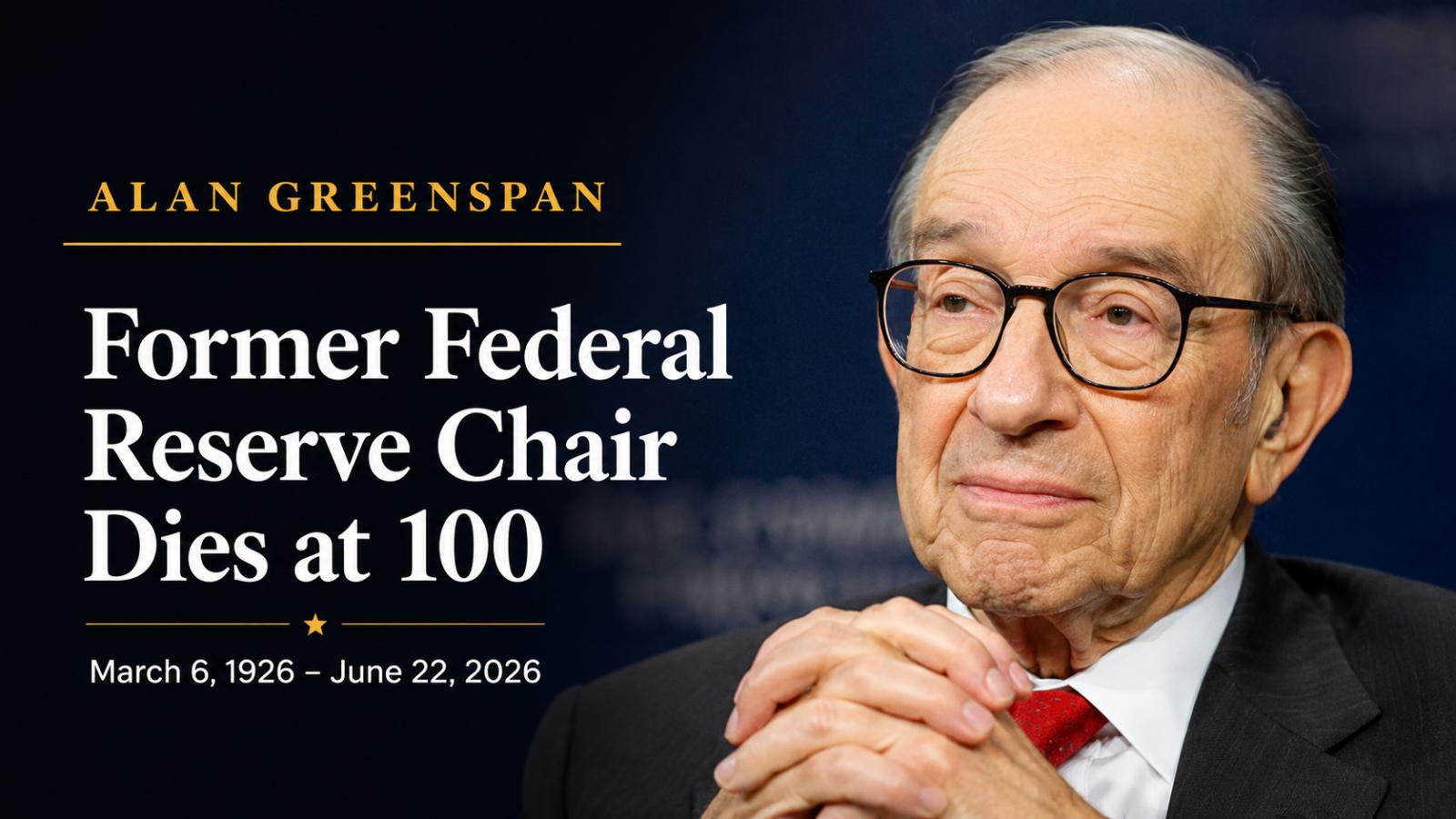
Alan Greenspan, the former Federal Reserve chair who shaped U.S. monetary policy for nearly two decades, died on Monday, June 22, 2026, at age 100.
His wife, NBC News correspondent Andrea Mitchell, said Greenspan died at their home from complications of Parkinson’s disease.
Alan Greenspan Dies After Nearly Two Decades Leading the Fed
Greenspan served as chair of the Federal Res
Alan Greenspan, the former Federal Reserve chair who shaped U.S. monetary policy for nearly two decades, died on Monday, June 22, 2026, at age 100.
His wife, NBC News correspondent Andrea Mitchell, said Greenspan died at their home from complications of Parkinson’s disease.
Alan Greenspan Dies After Nearly Two Decades Leading the Fed
Greenspan served as chair of the Federal Res
Meta will invest about $900 million in Indian fintech company CRED as founder Kunal Shah prepares to step away from day-to-day leadership and become WhatsApp’s next leader. The investment and leadership changes were announced on Monday, June 22, 2026.
CRED said the financing values the company at $4.5 billion after the investment. The round includes primary and secondary capital and gives Meta an approximately 20% minority stake. Shah will remain a CRED shareholder, while Meta wil
Meta will invest about $900 million in Indian fintech company CRED as founder Kunal Shah prepares to step away from day-to-day leadership and become WhatsApp’s next leader. The investment and leadership changes were announced on Monday, June 22, 2026.
CRED said the financing values the company at $4.5 billion after the investment. The round includes primary and secondary capital and gives Meta an approximately 20% minority stake. Shah will remain a CRED shareholder, while Meta wil
US Iran talks end with cautious optimism
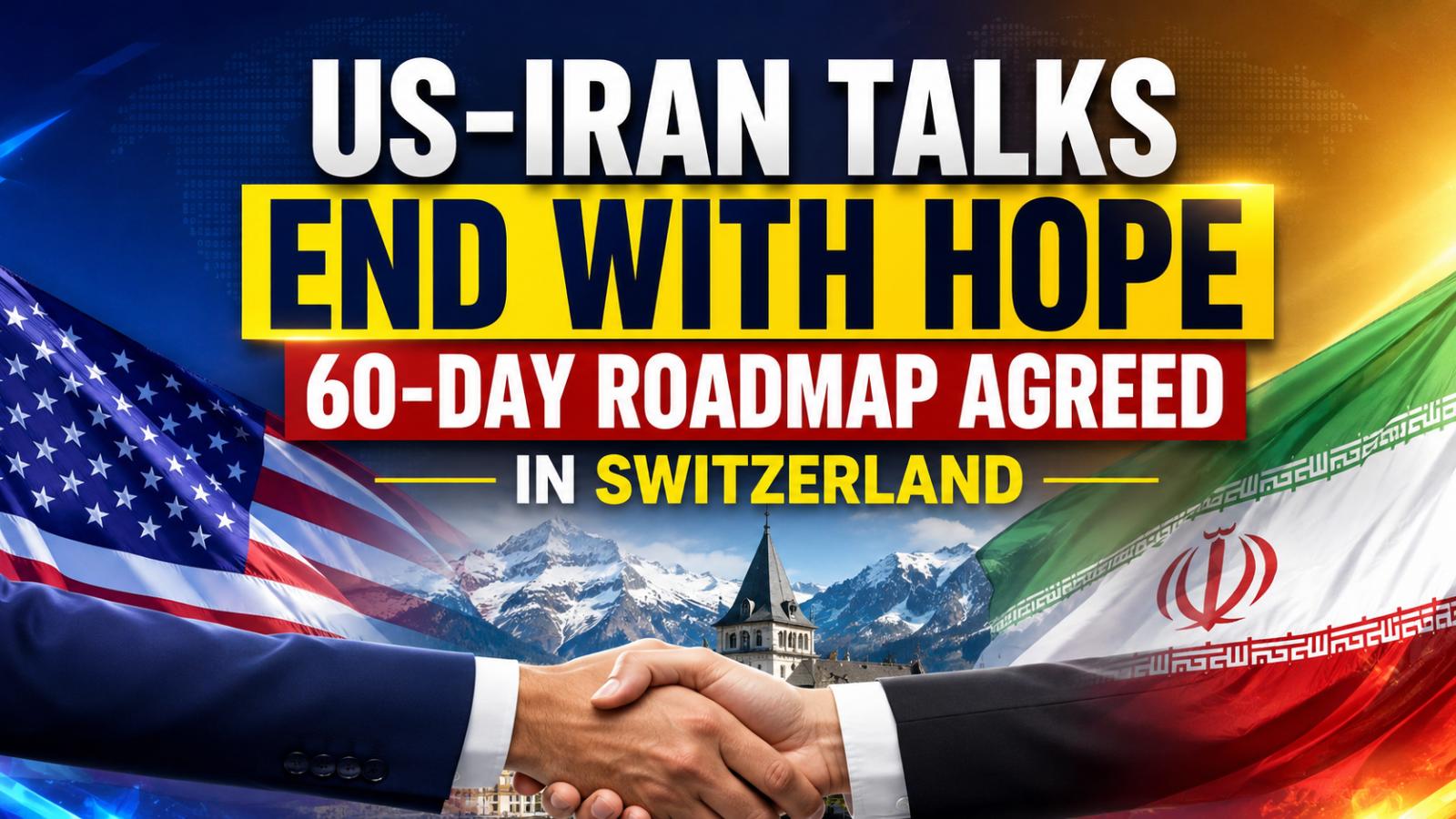
The first round of US Iran talks in Switzerland has concluded with cautious optimism, according to a joint statement issued by mediators Pakistan and Qatar on Monday, June 22. The discussions, held at the Lake Lucerne Summit, focused on ending the wider Middle East conflict and creating a framework for continued negotiations. Mediators described the session as constructive and positive, while noting th
US Iran talks end with cautious optimism
The first round of US Iran talks in Switzerland has concluded with cautious optimism, according to a joint statement issued by mediators Pakistan and Qatar on Monday, June 22. The discussions, held at the Lake Lucerne Summit, focused on ending the wider Middle East conflict and creating a framework for continued negotiations. Mediators described the session as constructive and positive, while noting th
Abuse claims against former New York boarding school
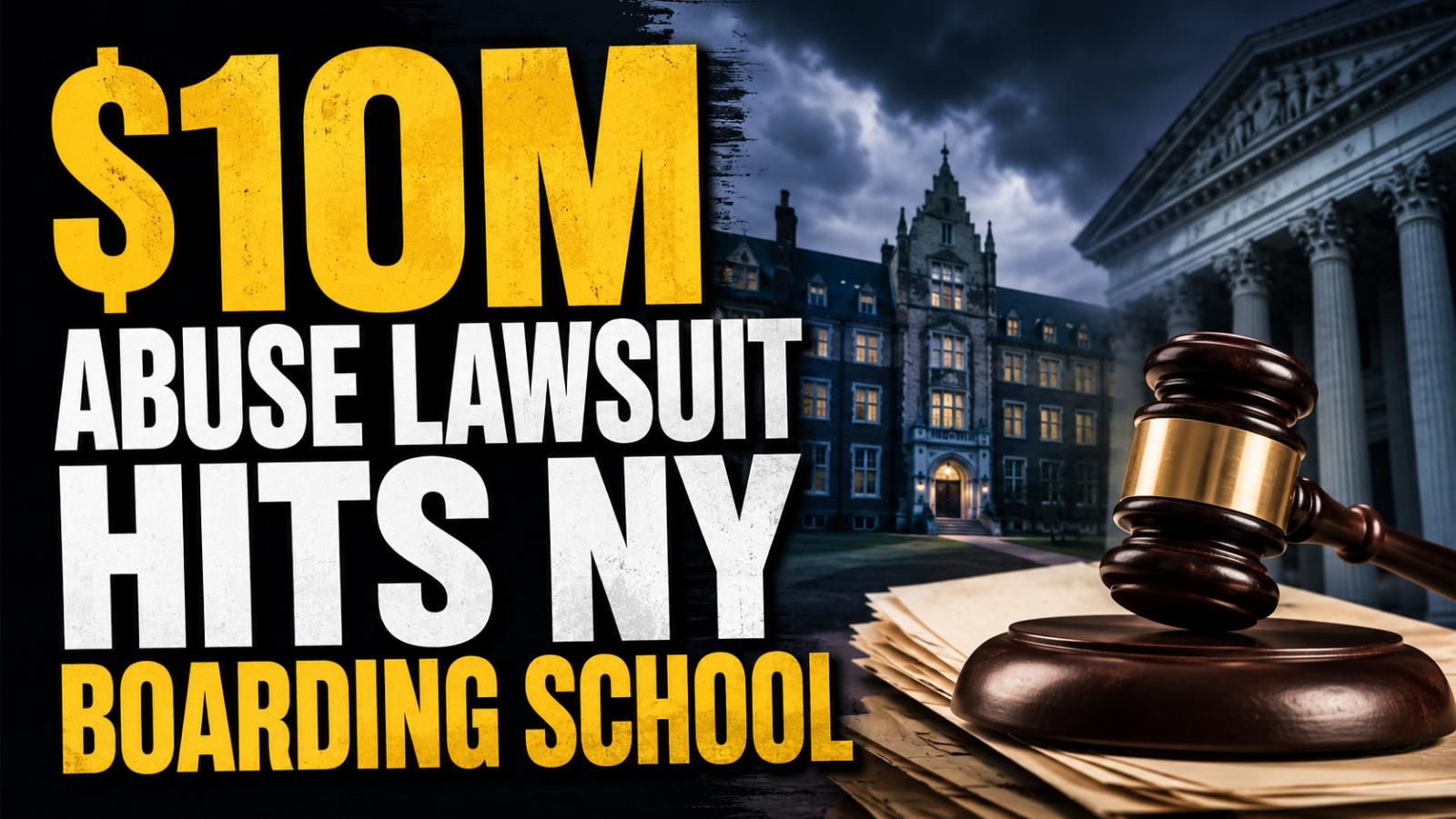
A former student of the now-closed Family Foundation School in Hancock, New York, has filed a $10 million civil lawsuit alleging severe abuse while he was enrolled at the institution between 2000 and 2003. The complaint, filed in federal court in Brooklyn, names members of the Argiros family, who operated
Abuse claims against former New York boarding school
A former student of the now-closed Family Foundation School in Hancock, New York, has filed a $10 million civil lawsuit alleging severe abuse while he was enrolled at the institution between 2000 and 2003. The complaint, filed in federal court in Brooklyn, names members of the Argiros family, who operated
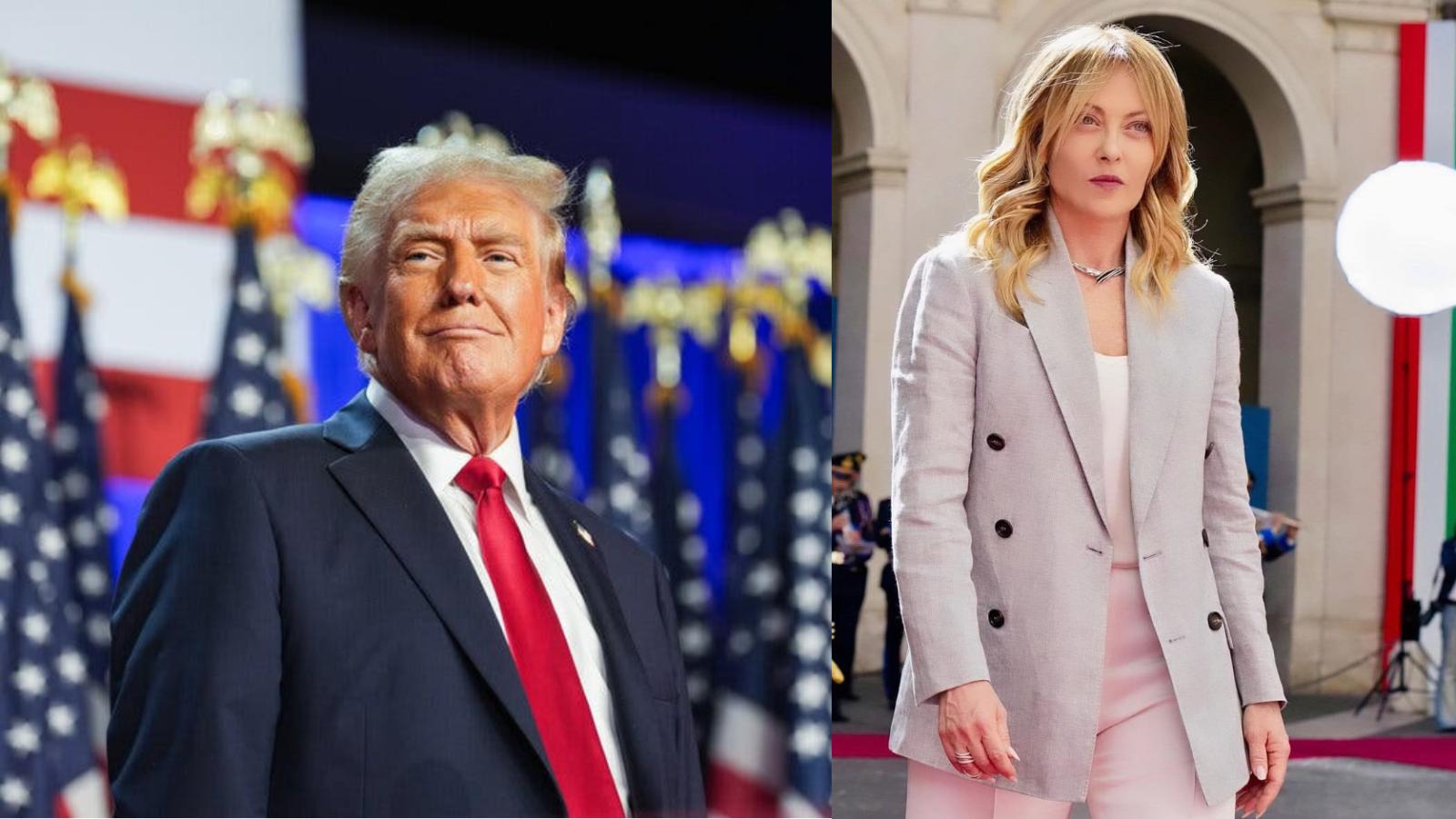
Giorgia Meloni rejected Donald Trump’s G7 photo claim on Friday, June 19, 2026, calling the account “completely made up.” The dispute has since moved beyond a personal exchange, with Italy’s foreign minister canceling a planned visit to the United States.
The Italian prime minister responded after Trump told Italian broadcaster La7 that she had strongly wanted a photograph with him during the G7 summit in Évian-les-Bains, France, held from Monday, June 15, through Wednesday
Giorgia Meloni rejected Donald Trump’s G7 photo claim on Friday, June 19, 2026, calling the account “completely made up.” The dispute has since moved beyond a personal exchange, with Italy’s foreign minister canceling a planned visit to the United States.
The Italian prime minister responded after Trump told Italian broadcaster La7 that she had strongly wanted a photograph with him during the G7 summit in Évian-les-Bains, France, held from Monday, June 15, through Wednesday
Macron’s Hindi message draws attention
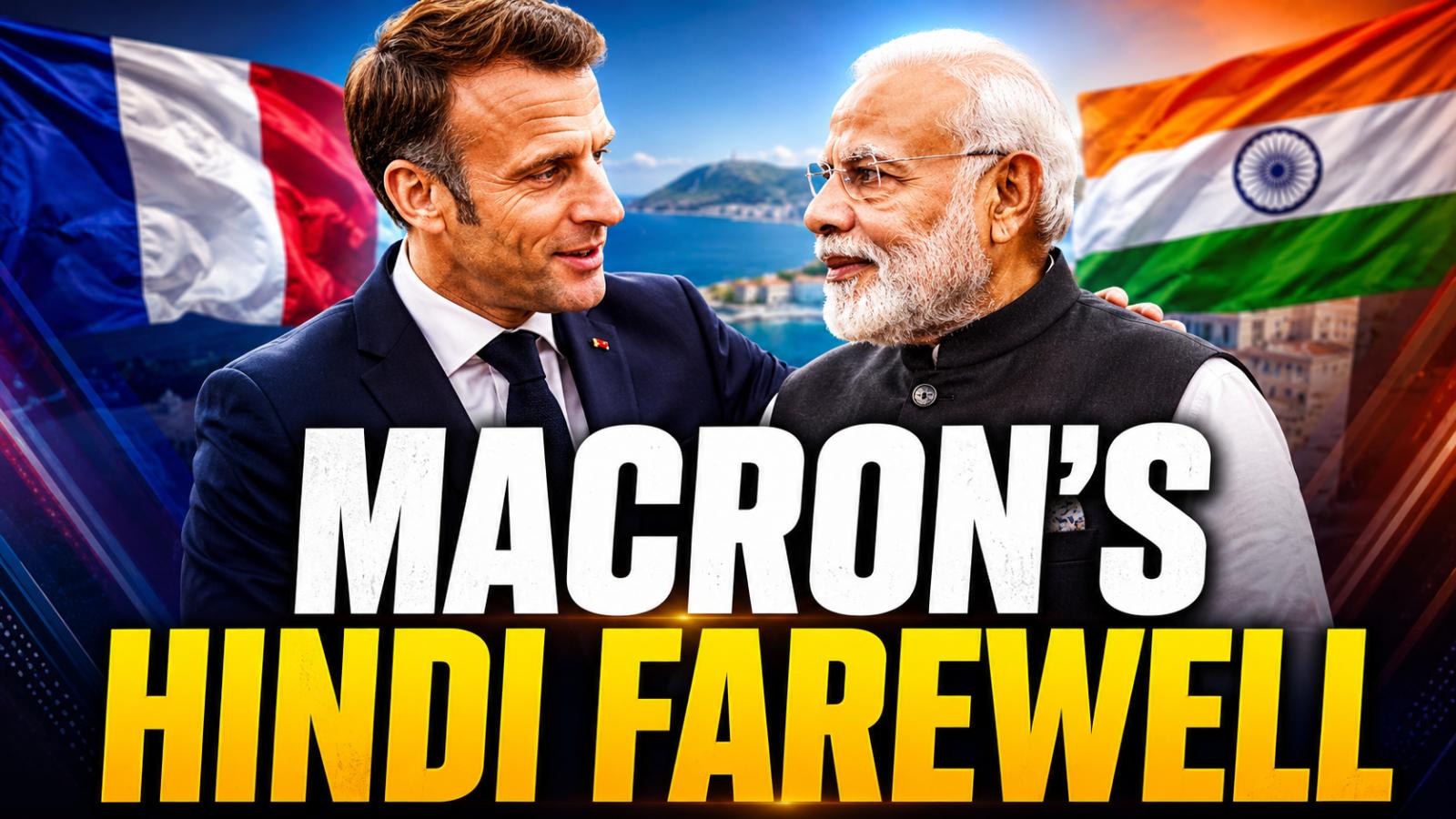
French President Emmanuel Macron ended Prime Minister Narendra Modi’s visit to France with a personal farewell message in Hindi, adding a warm diplomatic touch to the high-profile engagement between the two leaders. The message was shared after Modi’s visit and quickly drew attention because of Macron’s effort to address the Indian Prime Minister in Hindi.
In the v
Macron’s Hindi message draws attention
French President Emmanuel Macron ended Prime Minister Narendra Modi’s visit to France with a personal farewell message in Hindi, adding a warm diplomatic touch to the high-profile engagement between the two leaders. The message was shared after Modi’s visit and quickly drew attention because of Macron’s effort to address the Indian Prime Minister in Hindi.
In the v
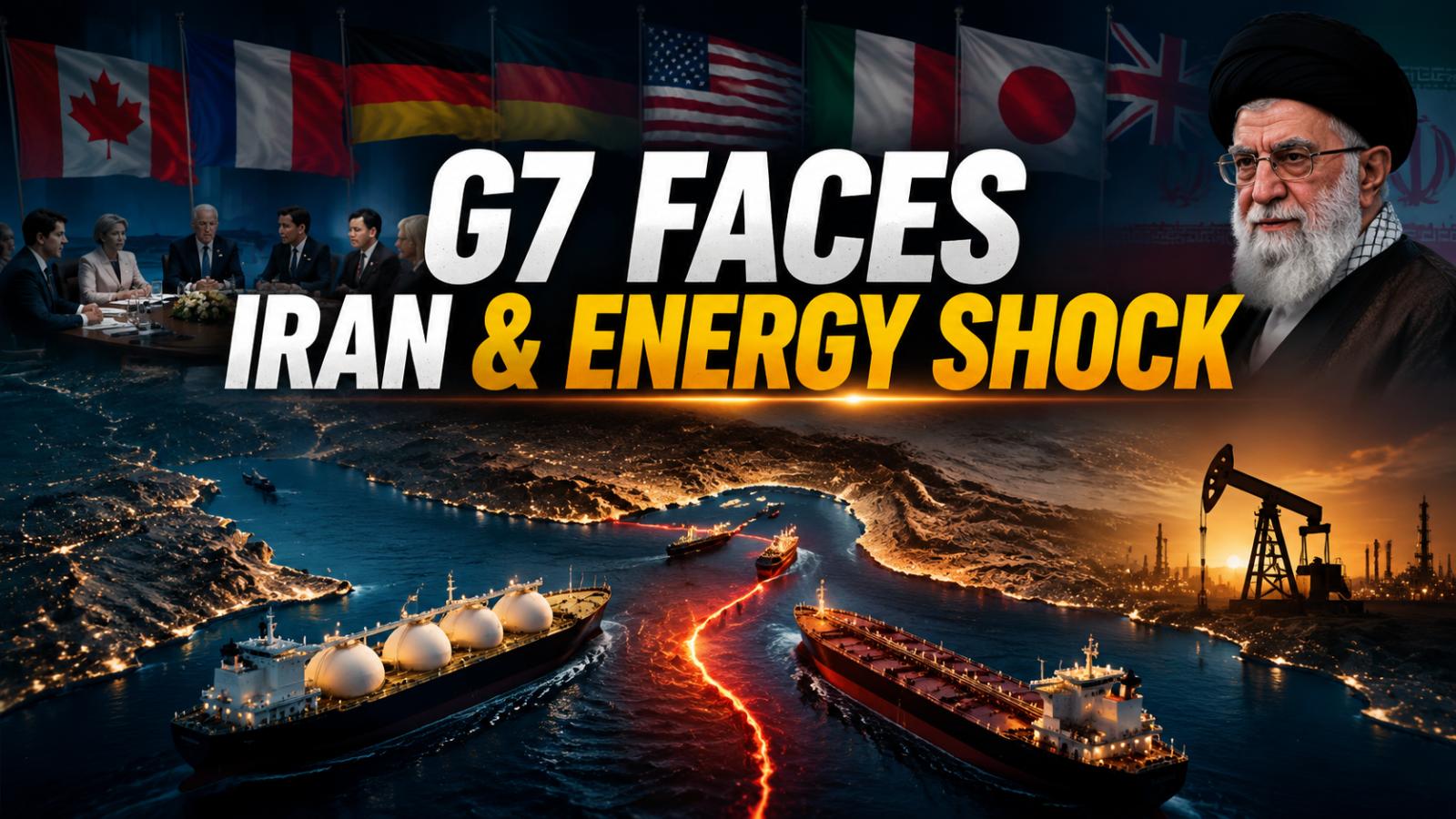
The G7 summit in France unfolded under the shadow of growing instability linked to tensions involving Iran and wider regional security concerns. While political disagreements remained in the background, the more immediate concern for leaders was the economic impact spreading across global energy markets. Rising uncertainty around shipping routes and oil supply quickly turned the discussions toward inflation, fuel pricing, and trade resilience.
The G7 summit in France unfolded under the shadow of growing instability linked to tensions involving Iran and wider regional security concerns. While political disagreements remained in the background, the more immediate concern for leaders was the economic impact spreading across global energy markets. Rising uncertainty around shipping routes and oil supply quickly turned the discussions toward inflation, fuel pricing, and trade resilience.
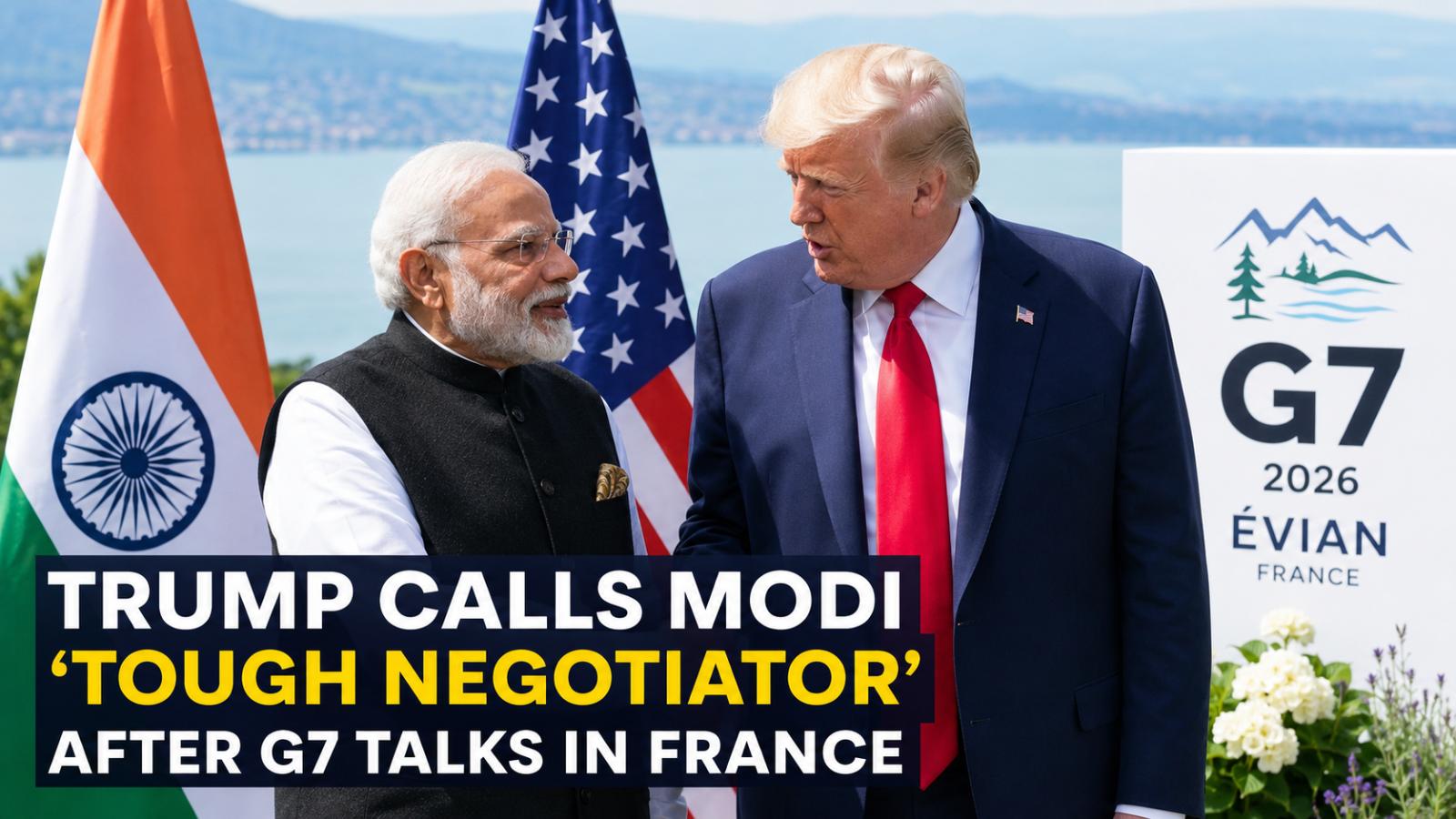
U.S. President Donald Trump called Indian Prime Minister Narendra Modi a “tough negotiator” following their meeting at the 2026 G7 summit in Évian-les-Bains, France.
The Trump-Modi G7 meeting on Wednesday, June 17, 2026, focused on U.S.-India trade negotiations, bilateral relations and the safety of Indian seafarers operating near the Strait of Hormuz.
Trump-Modi G7 Meeting Focuses on Trade
Speaking to reporters after the bilateral discuss
U.S. President Donald Trump called Indian Prime Minister Narendra Modi a “tough negotiator” following their meeting at the 2026 G7 summit in Évian-les-Bains, France.
The Trump-Modi G7 meeting on Wednesday, June 17, 2026, focused on U.S.-India trade negotiations, bilateral relations and the safety of Indian seafarers operating near the Strait of Hormuz.
Trump-Modi G7 Meeting Focuses on Trade
Speaking to reporters after the bilateral discuss
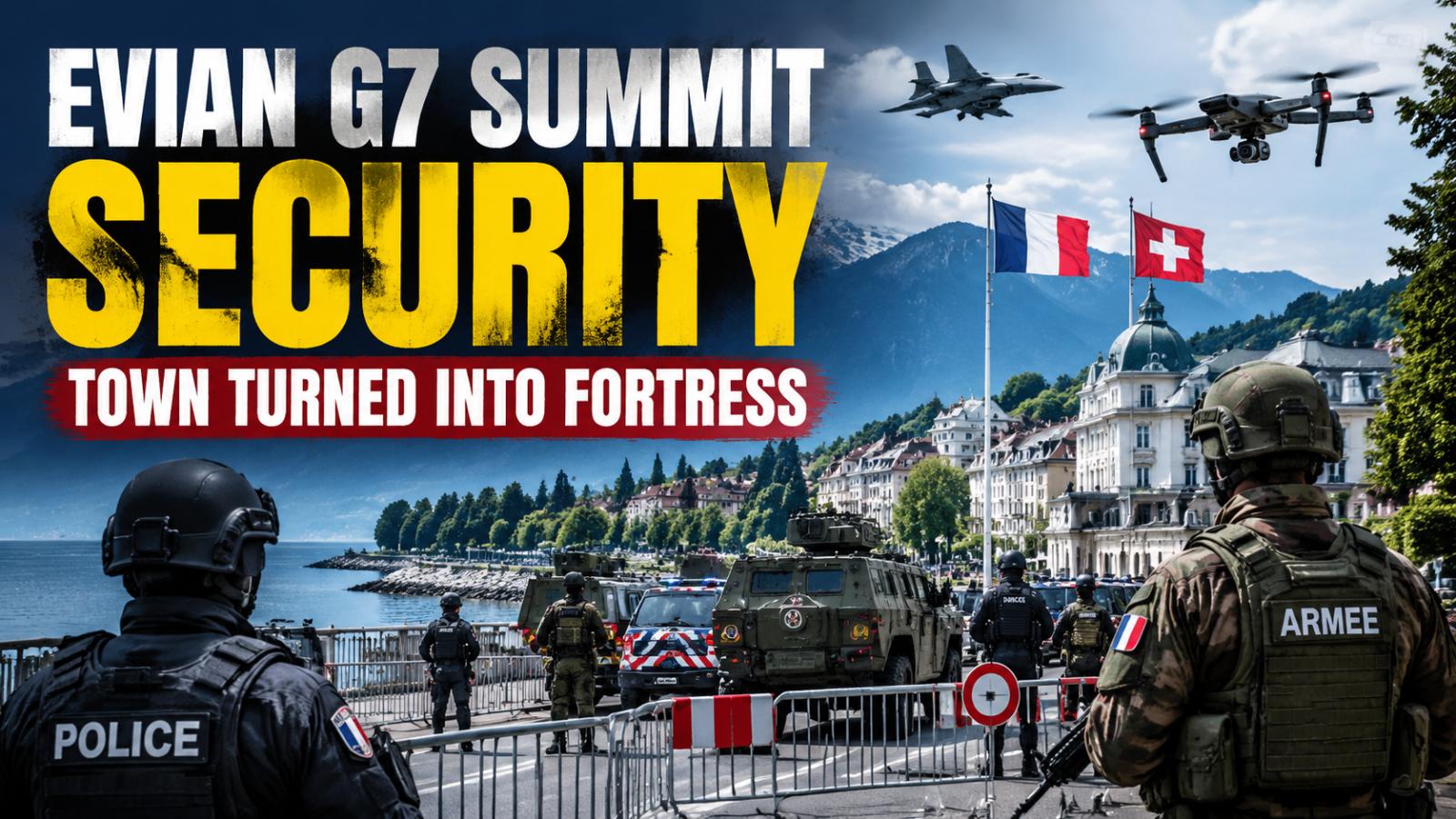
The Evian region has been converted into a heavily controlled security perimeter as France and Switzerland deploy coordinated forces for the G7 summit. What is usually a calm lakeside resort on Lake Geneva has shifted into a restricted diplomatic zone, with layered protection systems covering land, air, and water routes. Authorities are treating the summit as a high-risk global event due to the presence of multiple heads of state and rising concerns over modern hybrid threats.
The Evian region has been converted into a heavily controlled security perimeter as France and Switzerland deploy coordinated forces for the G7 summit. What is usually a calm lakeside resort on Lake Geneva has shifted into a restricted diplomatic zone, with layered protection systems covering land, air, and water routes. Authorities are treating the summit as a high-risk global event due to the presence of multiple heads of state and rising concerns over modern hybrid threats.
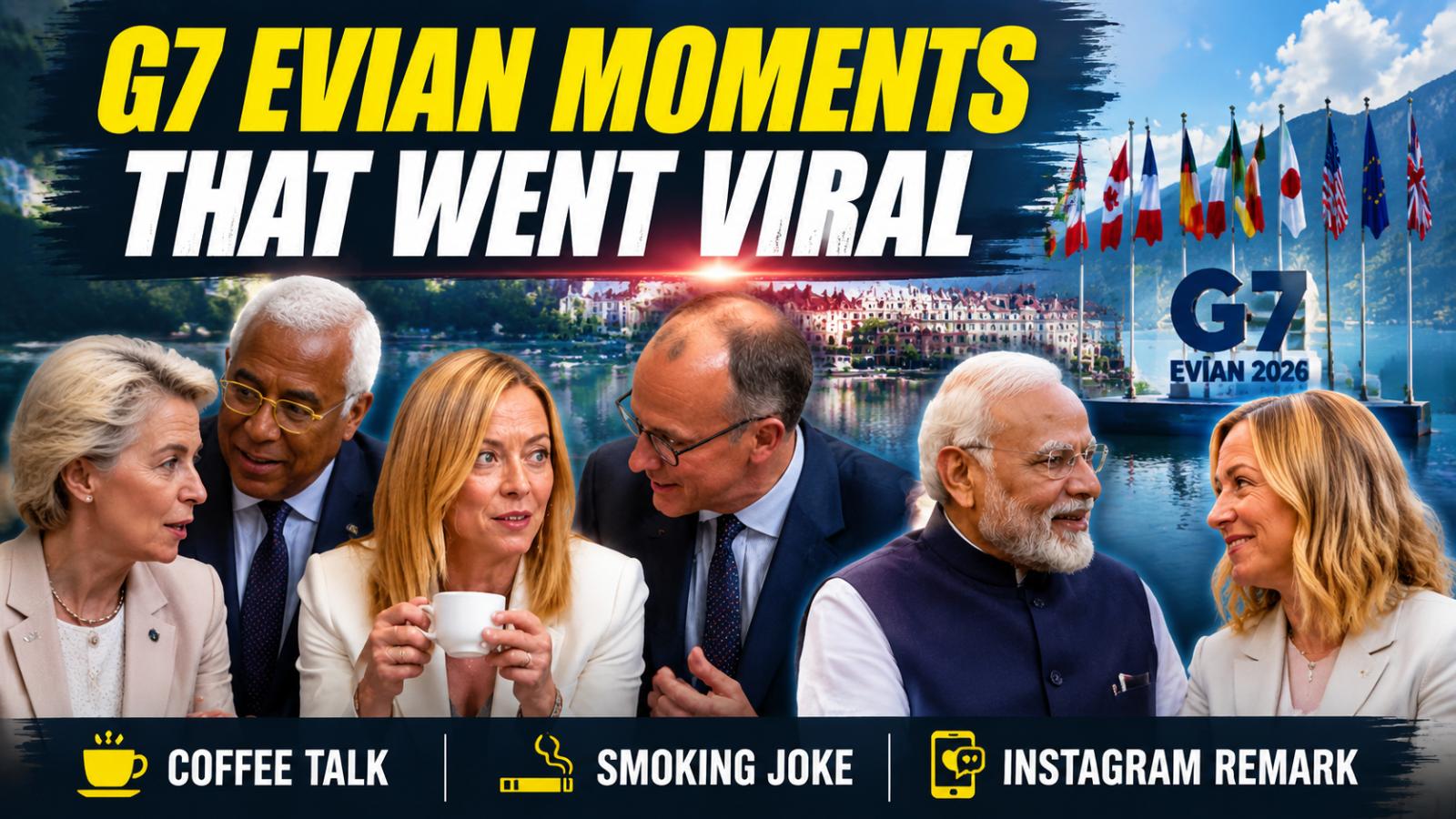
At the G7 gathering in Evian, moments outside official discussions drew unexpected attention as world leaders were seen engaging in relaxed conversation. Italian Prime Minister Giorgia Meloni was part of a brief informal exchange with several European counterparts, where everyday topics such as coffee habits and lifestyle choices surfaced during a pause between sessions. The interaction quickly spread across social platforms, overshadowing parts of the formal agenda in online discussions.
Light remarks on personal habits draw reactions
During the interaction, discussions shifted to routine habits, with references to coffee consumption and smoking-related comments among leaders including Friedrich Merz, Ursula von der Leyen, Antonio Costa and Keir Starmer. Meloni’s mention of recently changing personal habits added a relatable tone to the exchange, prompting light reactions from others in the group. The unscripted nature of the conversation contributed to its rapid circulation online, where short clips gained traction within hours.
Modi and Meloni brief exchange becomes symbolic online moment
A separate moment during the leaders’ photo session involving Indian Prime Minister Narendra Modi and Giorgia Meloni also gained attention online. Their brief exchange, followed by remarks about their visibility on social media platforms, was widely shared by users who often highlight their diplomatic rapport in informal contexts. While the comment was light in tone, it reinforced how global leaders’ public interactions are increasingly interpreted through a digital and cultural lens.
Informal diplomacy shapes online perception
Although the summit primarily focused on global economic and strategic issues, the viral spread of these informal exchanges highlighted a growing shift in how international events are consumed. Short, unscripted moments now often travel faster than official statements, influencing public perception of diplomacy. The Evian summit became another example of how modern political communication extends beyond negotiation rooms into real-time social media narratives.
At the G7 gathering in Evian, moments outside official discussions drew unexpected attention as world leaders were seen engaging in relaxed conversation. Italian Prime Minister Giorgia Meloni was part of a brief informal exchange with several European counterparts, where everyday topics such as coffee habits and lifestyle choices surfaced during a pause between sessions. The interaction quickly spread across social platforms, overshadowing parts of the formal agenda in online discussions.
Light remarks on personal habits draw reactions
During the interaction, discussions shifted to routine habits, with references to coffee consumption and smoking-related comments among leaders including Friedrich Merz, Ursula von der Leyen, Antonio Costa and Keir Starmer. Meloni’s mention of recently changing personal habits added a relatable tone to the exchange, prompting light reactions from others in the group. The unscripted nature of the conversation contributed to its rapid circulation online, where short clips gained traction within hours.
Modi and Meloni brief exchange becomes symbolic online moment
A separate moment during the leaders’ photo session involving Indian Prime Minister Narendra Modi and Giorgia Meloni also gained attention online. Their brief exchange, followed by remarks about their visibility on social media platforms, was widely shared by users who often highlight their diplomatic rapport in informal contexts. While the comment was light in tone, it reinforced how global leaders’ public interactions are increasingly interpreted through a digital and cultural lens.
Informal diplomacy shapes online perception
Although the summit primarily focused on global economic and strategic issues, the viral spread of these informal exchanges highlighted a growing shift in how international events are consumed. Short, unscripted moments now often travel faster than official statements, influencing public perception of diplomacy. The Evian summit became another example of how modern political communication extends beyond negotiation rooms into real-time social media narratives.
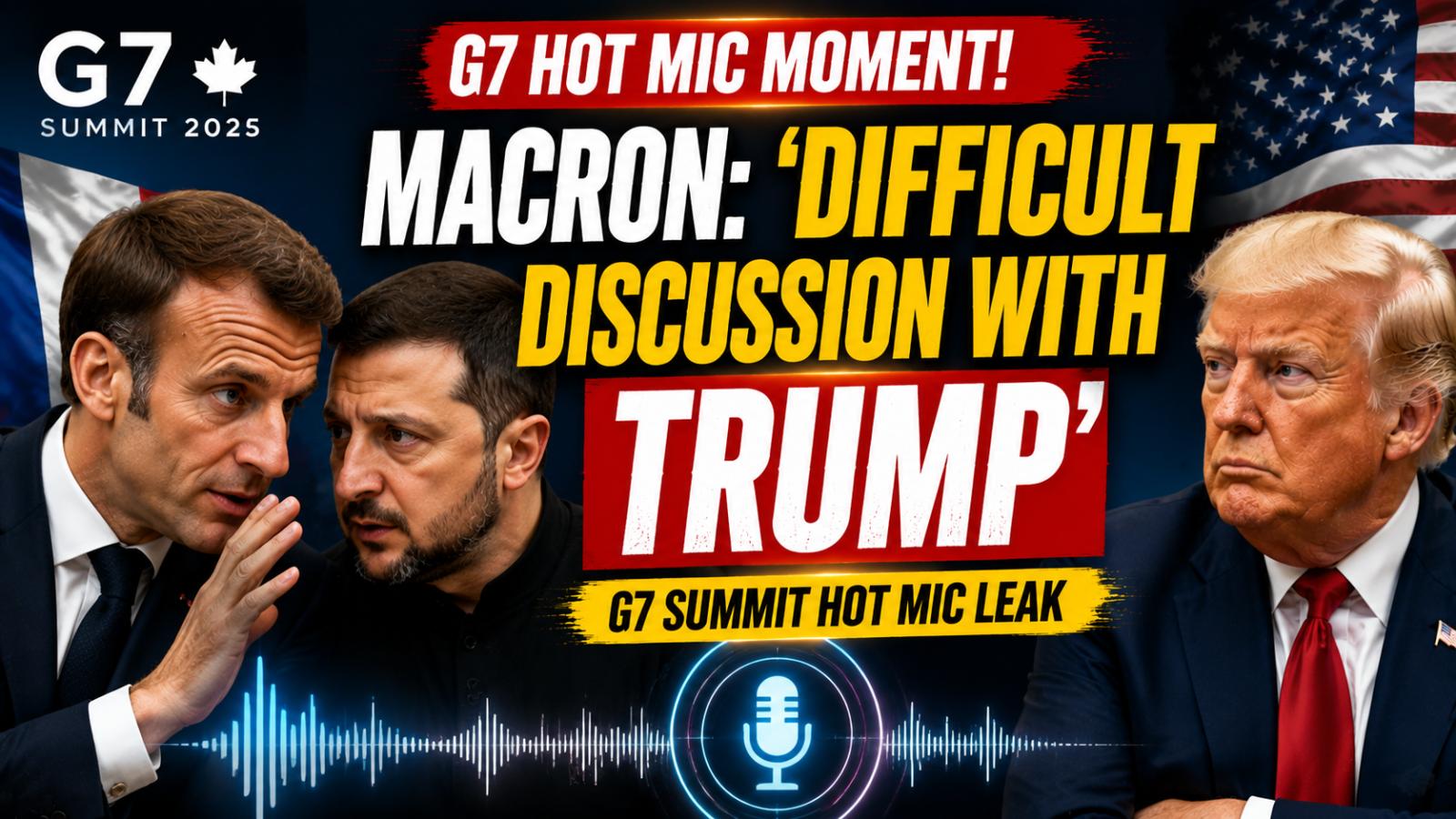
Hot Mic Moment Exposes G7 Diplomatic Underpressure
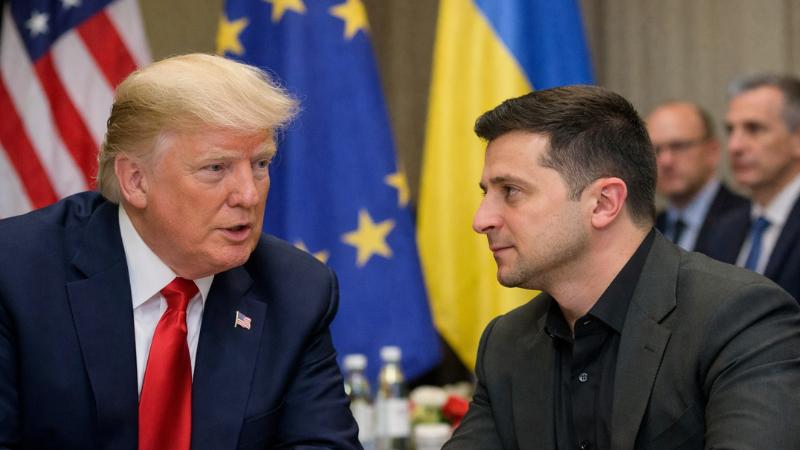
A brief hot mic incident at the G7 summit has exposed underlying diplomatic tensions between US President Donald Trump and French President Emmanuel Macron, offering an unfiltered glimpse into private discussions among world leaders. The moment occurred as Macron greeted Ukrainian President Volodymyr Zelensky on the sidelines of the summit, where microphones captured fragments of their exchange.
Macron References “Difficult” Talks With Trump
In the recorded conversation, Macron reportedly told Zelensky that he had engaged in a “difficult discussion” with President Trump the previous day. The remark comes amid ongoing disagreements between Washington and Paris on several major international issues, including trade tariffs, Middle East tensions, and differing approaches to the Russia-Ukraine conflict.
The incident has drawn attention because such candid remarks are rarely captured in formal diplomatic settings, highlighting the informal pressures and disagreements that often shape high-level negotiations behind closed doors.
France Positioned as Diplomatic Intermediary
During the interaction, Macron also asked whether Zelensky had secured a direct meeting with Trump. After Zelensky indicated that no one-on-one meeting had been arranged, Macron responded that he would attempt to facilitate one. This exchange has fueled discussion over France’s potential role as a diplomatic intermediary between Washington and Kyiv at a sensitive stage in the ongoing war.
The moment underscores Europe’s effort to maintain US engagement in Ukraine-related negotiations, particularly as divisions persist over strategy and endgame conditions.
Trump-Zelensky Relations Remain Complex
Relations between Trump and Zelensky have been marked by friction since their widely reported Oval Office confrontation in early 2025. That meeting saw sharp disagreements over Ukraine’s negotiating position, leading to a temporary breakdown in diplomatic momentum and a suspension of certain US support mechanisms.
Although subsequent meetings have taken place, differences remain over how to end the war. Trump has maintained that Russia may be open to a settlement, while European leaders and Kyiv continue to argue that Moscow has not demonstrated genuine willingness to end the conflict.
Signs of Limited Progress at G7
Despite tensions, the latest G7 summit also showed signs of cautious diplomatic movement. Trump described his recent meeting with Zelensky as “very good” and indicated that further discussions would follow. He reiterated that Russia should move toward a negotiated settlement.
Zelensky, meanwhile, has continued to emphasize the importance of US leadership in the peace process, stating that Trump may be uniquely positioned to influence Russian decision-making. The hot mic moment, while brief, reflects the complex and often fragile nature of ongoing diplomatic efforts surrounding the war in Ukraine.
Hot Mic Moment Exposes G7 Diplomatic Underpressure
A brief hot mic incident at the G7 summit has exposed underlying diplomatic tensions between US President Donald Trump and French President Emmanuel Macron, offering an unfiltered glimpse into private discussions among world leaders. The moment occurred as Macron greeted Ukrainian President Volodymyr Zelensky on the sidelines of the summit, where microphones captured fragments of their exchange.
Macron References “Difficult” Talks With Trump
In the recorded conversation, Macron reportedly told Zelensky that he had engaged in a “difficult discussion” with President Trump the previous day. The remark comes amid ongoing disagreements between Washington and Paris on several major international issues, including trade tariffs, Middle East tensions, and differing approaches to the Russia-Ukraine conflict.
The incident has drawn attention because such candid remarks are rarely captured in formal diplomatic settings, highlighting the informal pressures and disagreements that often shape high-level negotiations behind closed doors.
France Positioned as Diplomatic Intermediary
During the interaction, Macron also asked whether Zelensky had secured a direct meeting with Trump. After Zelensky indicated that no one-on-one meeting had been arranged, Macron responded that he would attempt to facilitate one. This exchange has fueled discussion over France’s potential role as a diplomatic intermediary between Washington and Kyiv at a sensitive stage in the ongoing war.
The moment underscores Europe’s effort to maintain US engagement in Ukraine-related negotiations, particularly as divisions persist over strategy and endgame conditions.
Trump-Zelensky Relations Remain Complex
Relations between Trump and Zelensky have been marked by friction since their widely reported Oval Office confrontation in early 2025. That meeting saw sharp disagreements over Ukraine’s negotiating position, leading to a temporary breakdown in diplomatic momentum and a suspension of certain US support mechanisms.
Although subsequent meetings have taken place, differences remain over how to end the war. Trump has maintained that Russia may be open to a settlement, while European leaders and Kyiv continue to argue that Moscow has not demonstrated genuine willingness to end the conflict.
Signs of Limited Progress at G7
Despite tensions, the latest G7 summit also showed signs of cautious diplomatic movement. Trump described his recent meeting with Zelensky as “very good” and indicated that further discussions would follow. He reiterated that Russia should move toward a negotiated settlement.
Zelensky, meanwhile, has continued to emphasize the importance of US leadership in the peace process, stating that Trump may be uniquely positioned to influence Russian decision-making. The hot mic moment, while brief, reflects the complex and often fragile nature of ongoing diplomatic efforts surrounding the war in Ukraine.
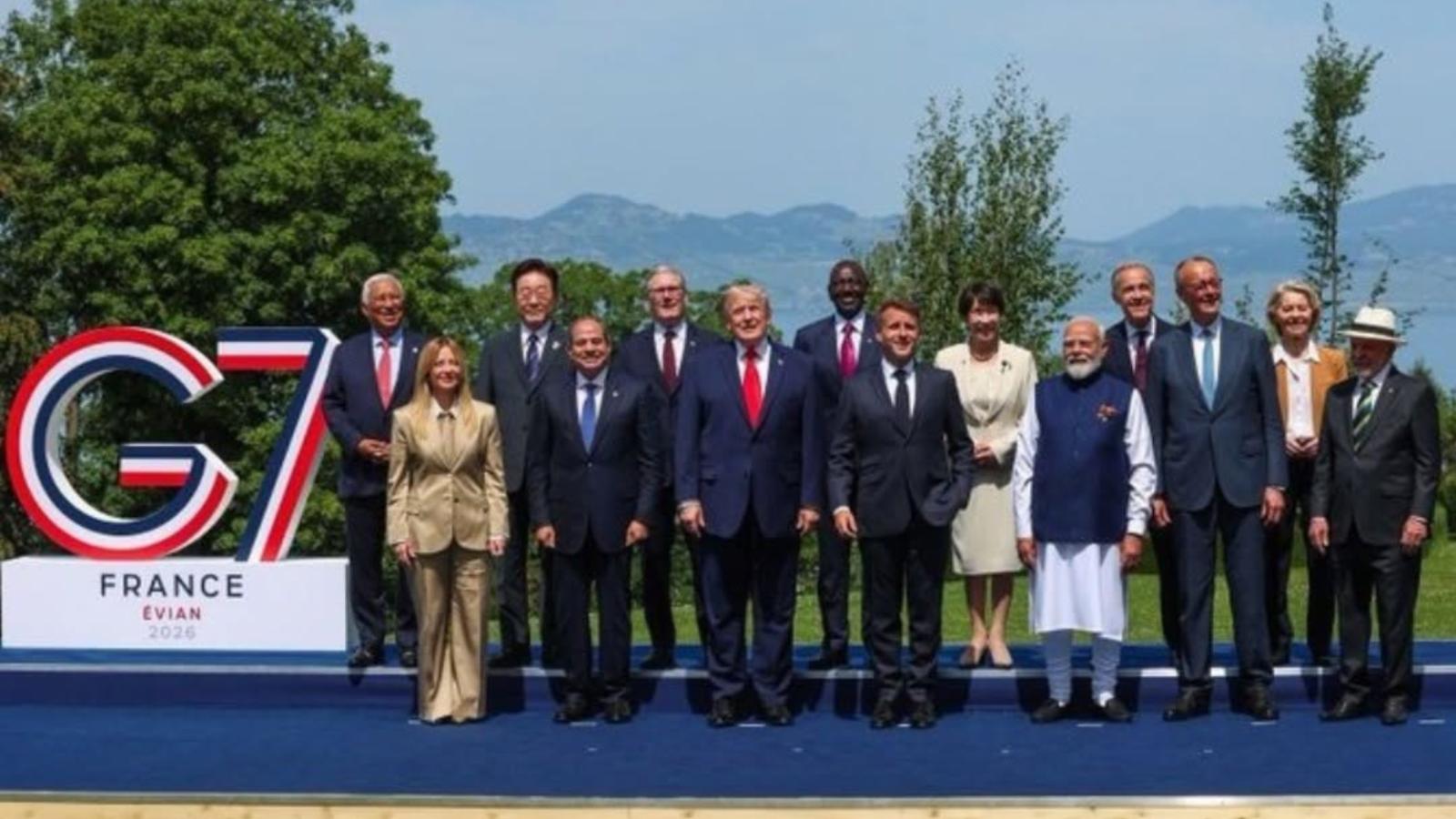
The Modi G7 group photo in Evian placed India’s prime minister beside U.S. President Donald Trump and French President Emmanuel Macron during the summit’s official leaders’ portrait.
Narendra Modi’s front-row position on Tuesday, June 16, 2026, became one of the most visible moments of India’s participation in the G7 Summit in Évian-les-Bains, France.
Why the Modi G7 Group Photo in Evian Drew Attention
India is not a
The Modi G7 group photo in Evian placed India’s prime minister beside U.S. President Donald Trump and French President Emmanuel Macron during the summit’s official leaders’ portrait.
Narendra Modi’s front-row position on Tuesday, June 16, 2026, became one of the most visible moments of India’s participation in the G7 Summit in Évian-les-Bains, France.
Why the Modi G7 Group Photo in Evian Drew Attention
India is not a
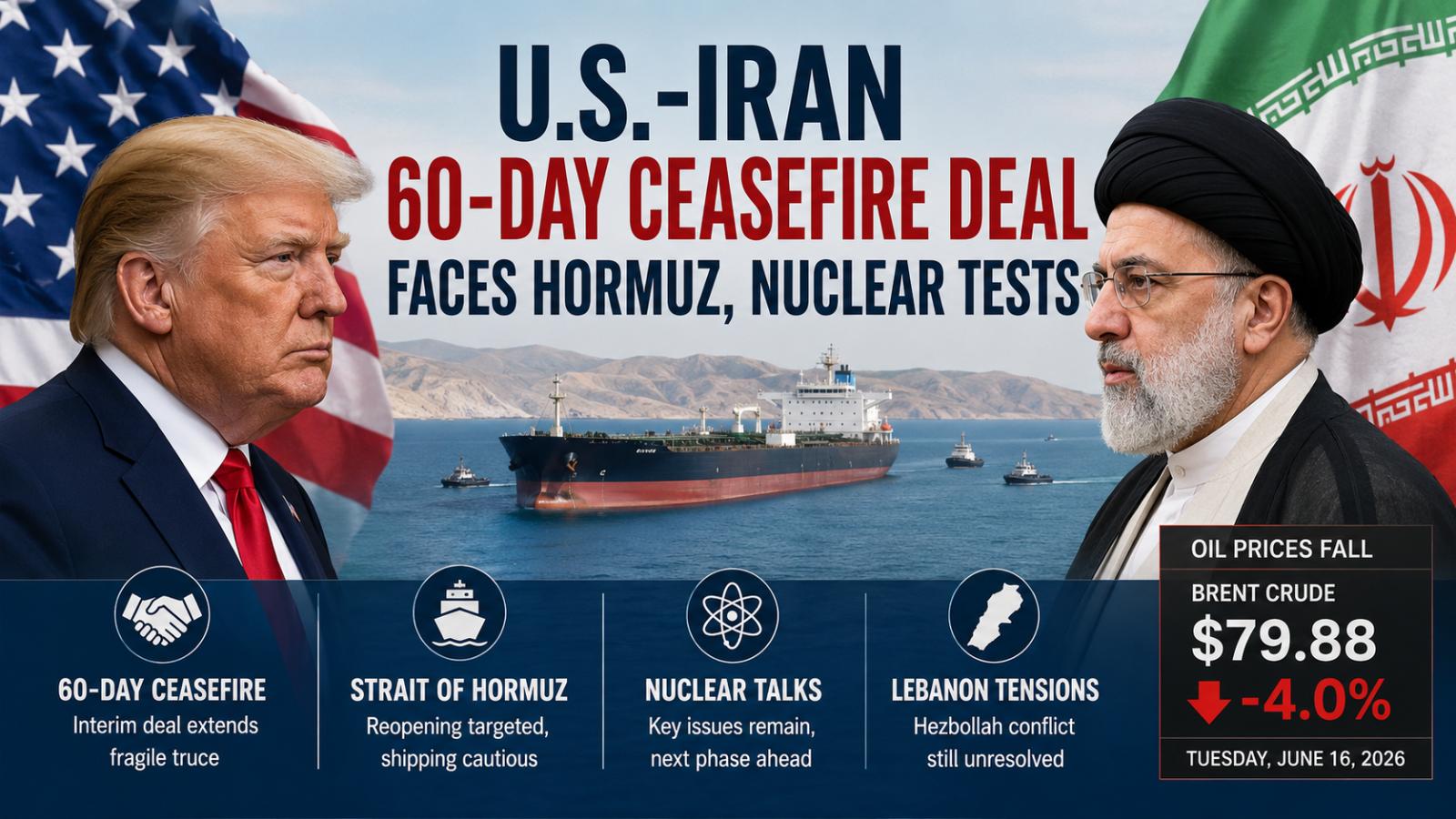
EVIAN-LES-BAINS, France — The U.S.-Iran 60-day ceasefire deal is designed to extend April’s fragile truce and reopen the Strait of Hormuz, but key questions remain over Iran’s nuclear program, shipping security and the conflict in Lebanon.
President Donald Trump said at the Group of Seven summit on Tuesday, June 16, 2026, that the interim agreement would be released publicly and would bar Tehran from obtaining a nuclear weapon. A formal signing is expected in Switzerland on Fr
EVIAN-LES-BAINS, France — The U.S.-Iran 60-day ceasefire deal is designed to extend April’s fragile truce and reopen the Strait of Hormuz, but key questions remain over Iran’s nuclear program, shipping security and the conflict in Lebanon.
President Donald Trump said at the Group of Seven summit on Tuesday, June 16, 2026, that the interim agreement would be released publicly and would bar Tehran from obtaining a nuclear weapon. A formal signing is expected in Switzerland on Fr
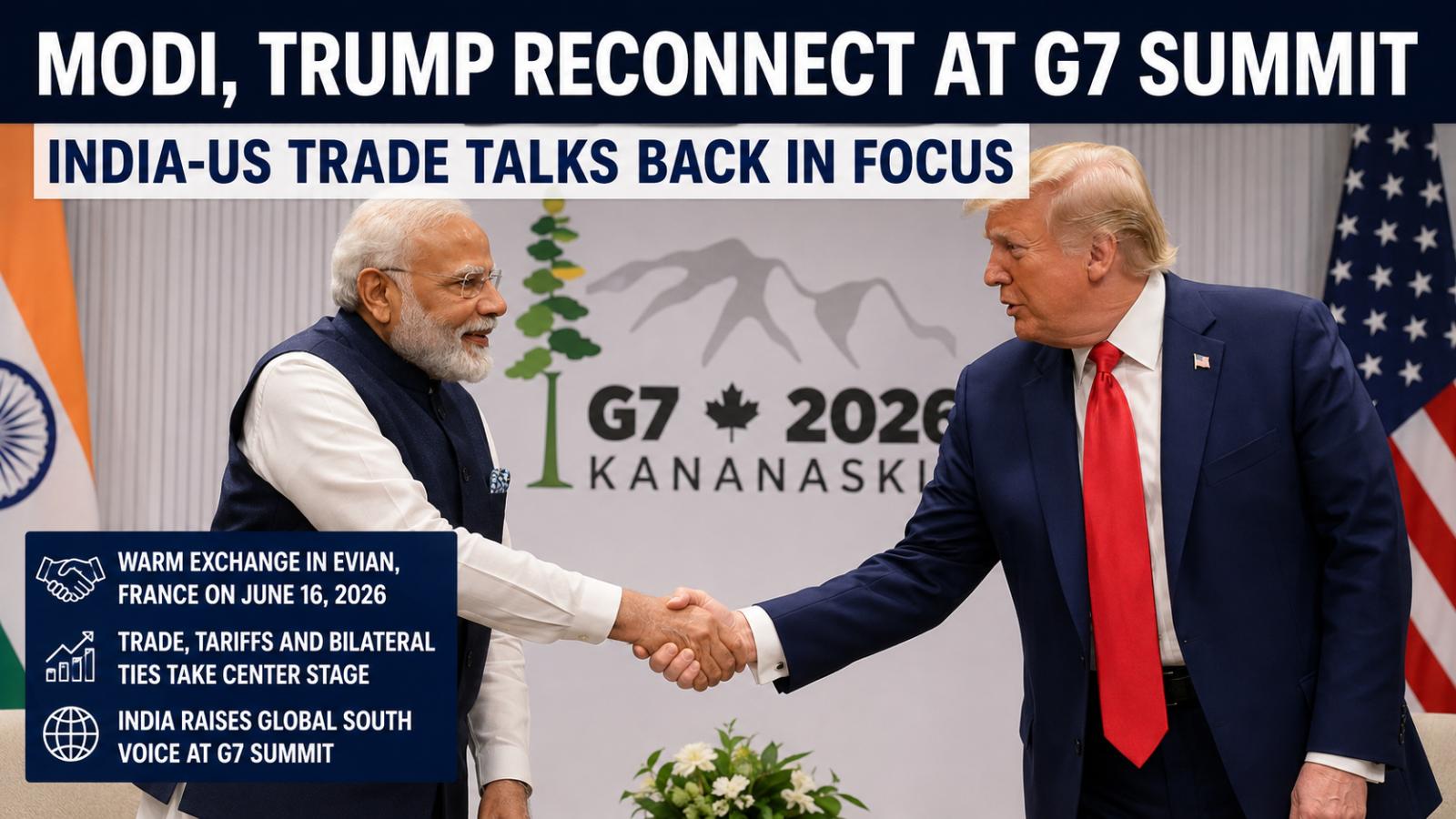
ÉVIAN-LES-BAINS, France — The Modi-Trump G7 meeting in Evian brought India-U.S. trade relations back into focus on Tuesday, June 16, 2026. Prime Minister Narendra Modi and U.S. President Donald Trump exchanged a handshake and brief remarks at the summit venue in France, marking their first face-to-face interaction in about 16 months.
Modi-Trump G7 Meeting in Evian Comes Before Trade Discussions
Modi approached his seat as Trump turned
ÉVIAN-LES-BAINS, France — The Modi-Trump G7 meeting in Evian brought India-U.S. trade relations back into focus on Tuesday, June 16, 2026. Prime Minister Narendra Modi and U.S. President Donald Trump exchanged a handshake and brief remarks at the summit venue in France, marking their first face-to-face interaction in about 16 months.
Modi-Trump G7 Meeting in Evian Comes Before Trade Discussions
Modi approached his seat as Trump turned
Political background and earlier opposition
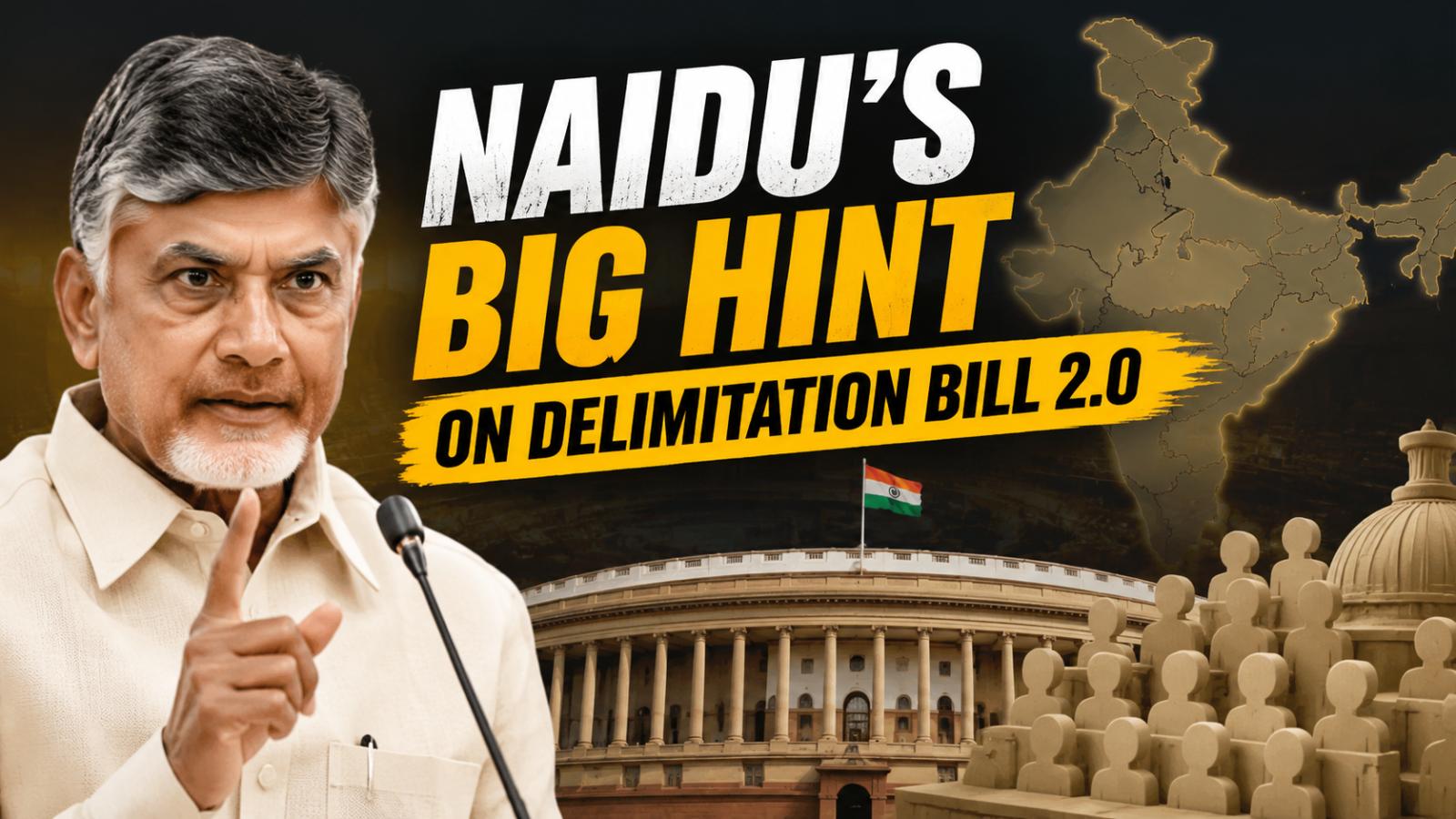
The earlier attempt by the NDA government to move forward with delimitation reforms met with significant political resistance. Several opposition parties raised concerns about its potential impact on regional representation, especially for southern states that have historically maintained lower population growth compared to northern regions. Critics argued that a
Political background and earlier opposition
The earlier attempt by the NDA government to move forward with delimitation reforms met with significant political resistance. Several opposition parties raised concerns about its potential impact on regional representation, especially for southern states that have historically maintained lower population growth compared to northern regions. Critics argued that a
Peace in the Strait of Hormuz
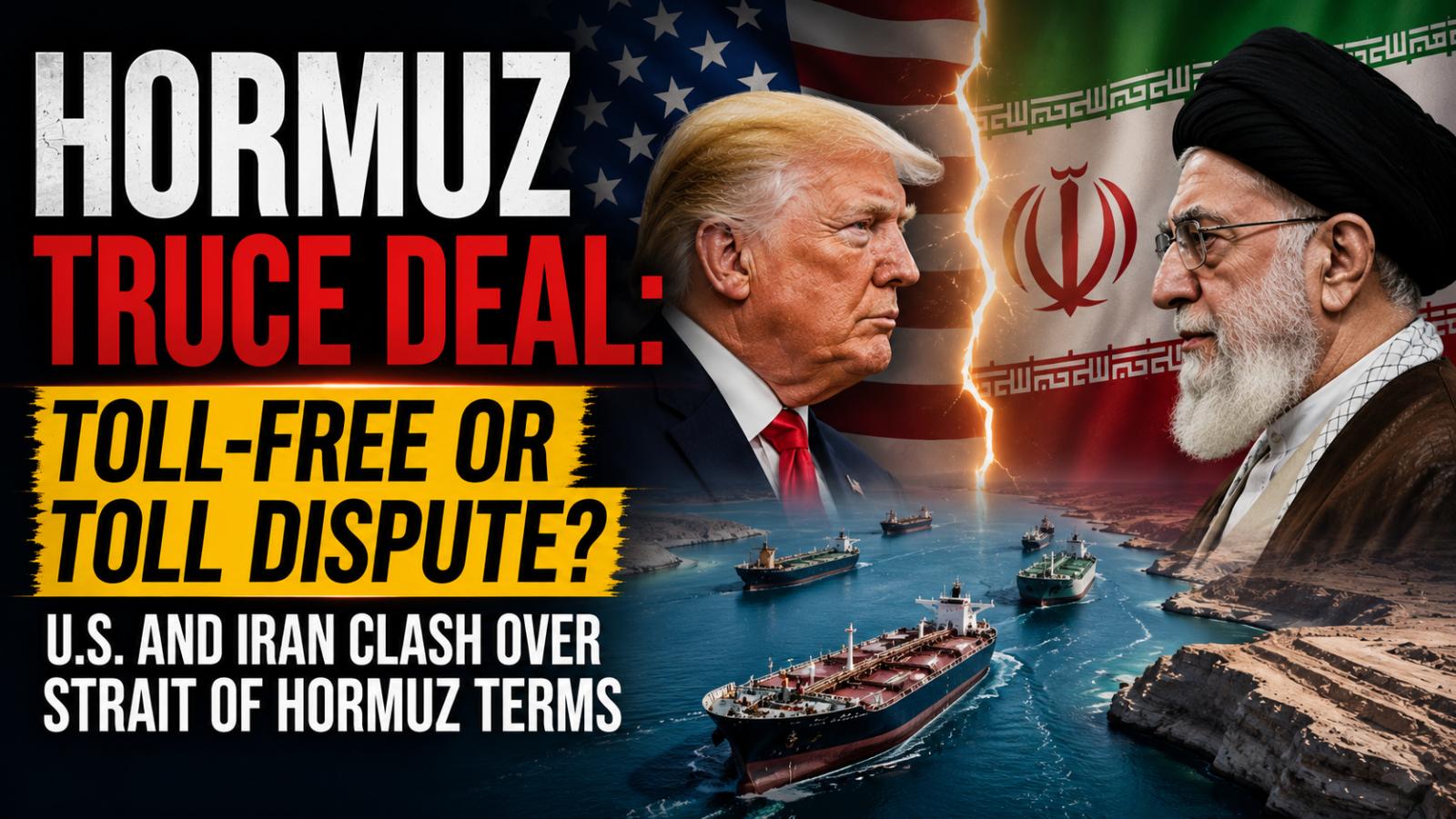
Following a peace agreement between the United States and Iran, hostilities that lasted over 100 days have officially paused. The memorandum of understanding, signed electronically on Sunday by US President Donald Trump, Vice President JD Vance, and Iranian Parliament Speaker Mohammad Bagher Ghalibaf, created a temporary framework for reopening negotiations.
While Washington maintains that ves
Peace in the Strait of Hormuz
Following a peace agreement between the United States and Iran, hostilities that lasted over 100 days have officially paused. The memorandum of understanding, signed electronically on Sunday by US President Donald Trump, Vice President JD Vance, and Iranian Parliament Speaker Mohammad Bagher Ghalibaf, created a temporary framework for reopening negotiations.
While Washington maintains that ves
Zelensky Pushes Direct Meeting
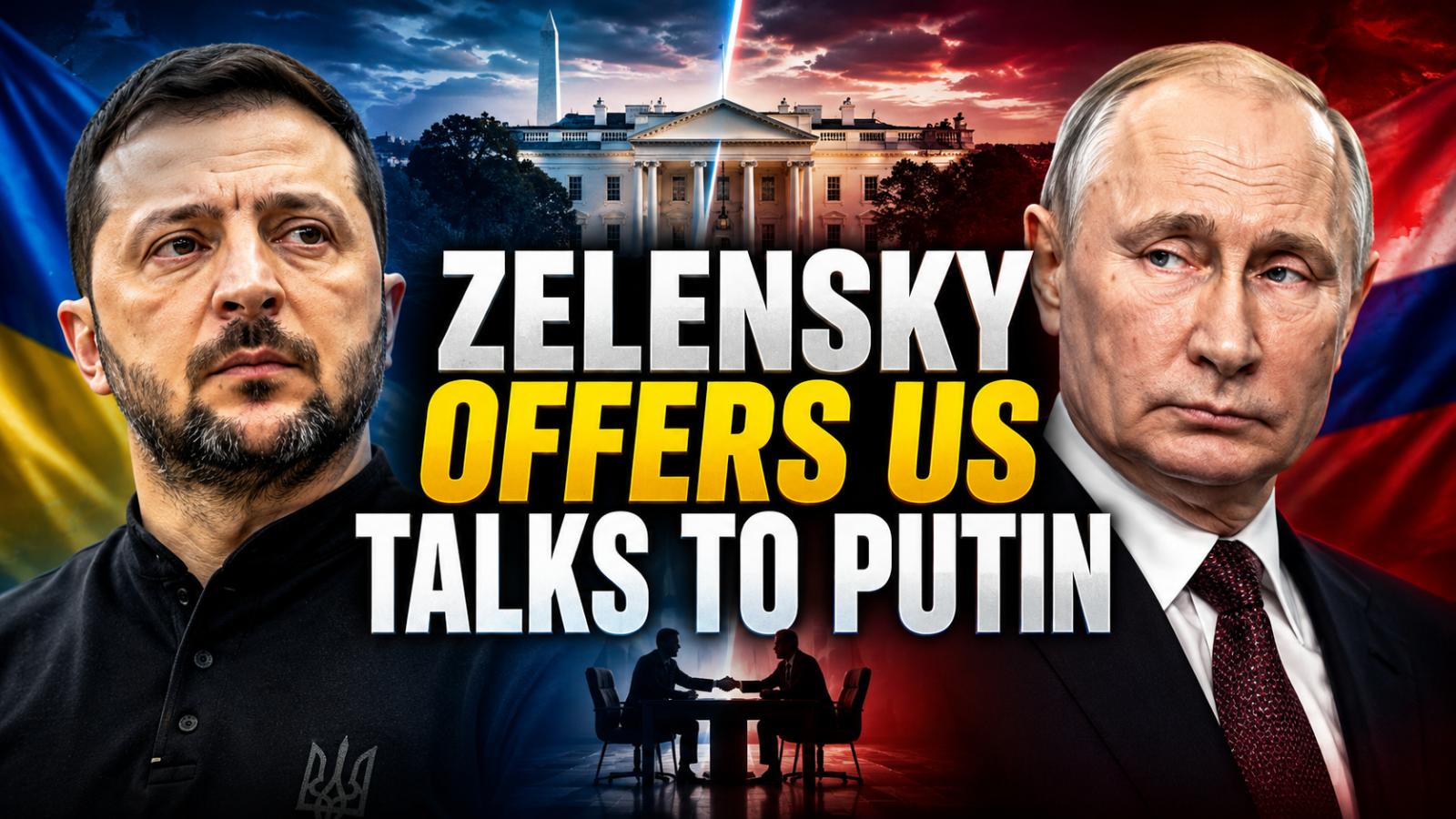
Ukrainian President Volodymyr Zelensky said he is prepared to hold direct talks with Russian President Vladimir Putin in the United States, arguing that a US-based format could make it harder for Moscow to reject a face-to-face meeting. Zelensky said he discussed the idea with US President Donald Trump and was waiting to see whether the proposal would move forward. He also sai
Zelensky Pushes Direct Meeting
Ukrainian President Volodymyr Zelensky said he is prepared to hold direct talks with Russian President Vladimir Putin in the United States, arguing that a US-based format could make it harder for Moscow to reject a face-to-face meeting. Zelensky said he discussed the idea with US President Donald Trump and was waiting to see whether the proposal would move forward. He also sai
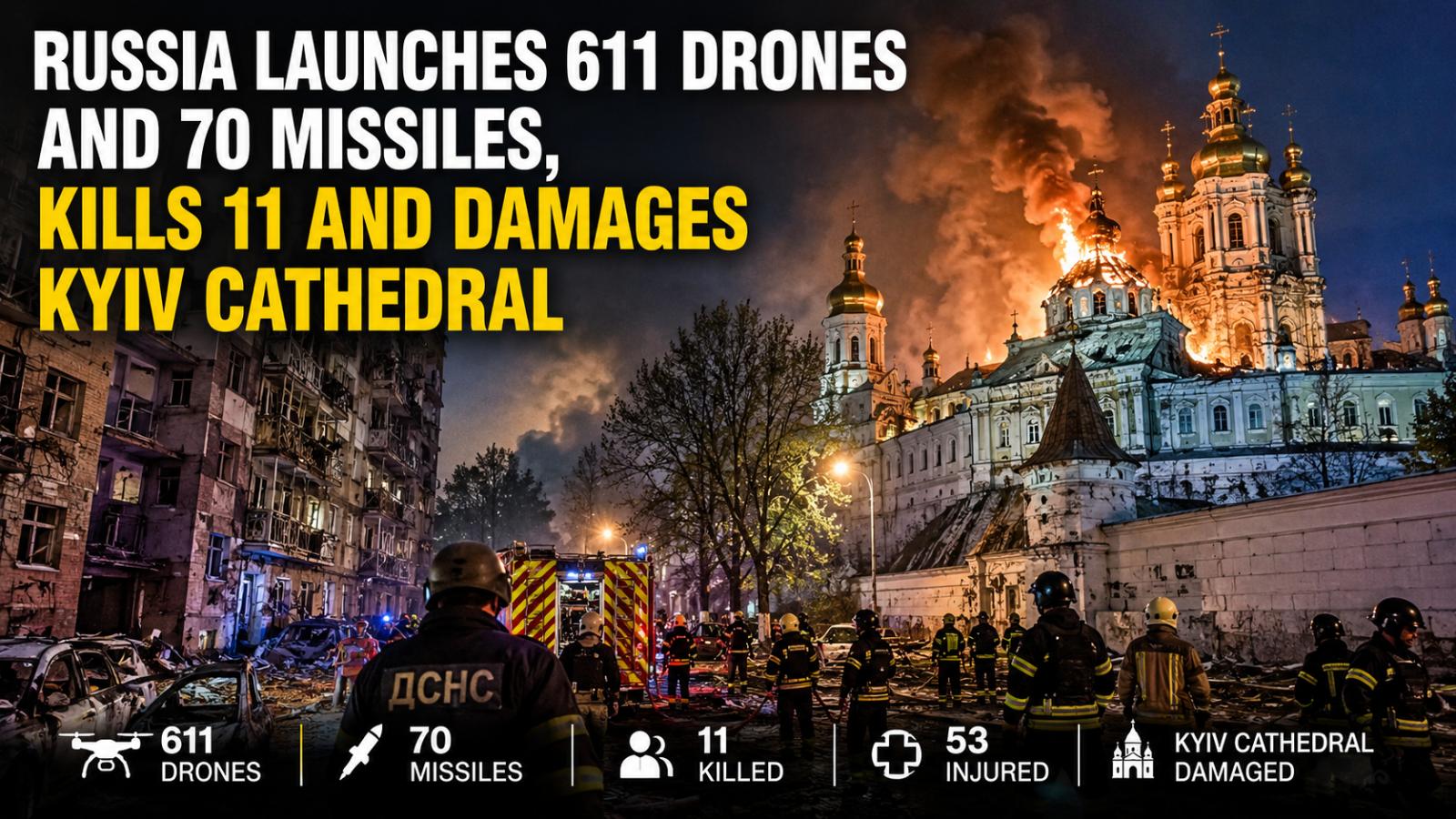
KYIV, Ukraine — The Kyiv Dormition Cathedral attack came during a Russian barrage of 611 drones and 70 missiles across Ukraine overnight into Monday, June 15, 2026, Ukrainian officials said. At least 11 people were killed and 53 were wounded nationwide.
Russian barrage hits Kyiv, Kharkiv and Dnipro
Five people were killed in Kyiv, where more than 30 others were injured, including children ages 5 and 6. Residential districts were struck
KYIV, Ukraine — The Kyiv Dormition Cathedral attack came during a Russian barrage of 611 drones and 70 missiles across Ukraine overnight into Monday, June 15, 2026, Ukrainian officials said. At least 11 people were killed and 53 were wounded nationwide.
Russian barrage hits Kyiv, Kharkiv and Dnipro
Five people were killed in Kyiv, where more than 30 others were injured, including children ages 5 and 6. Residential districts were struck