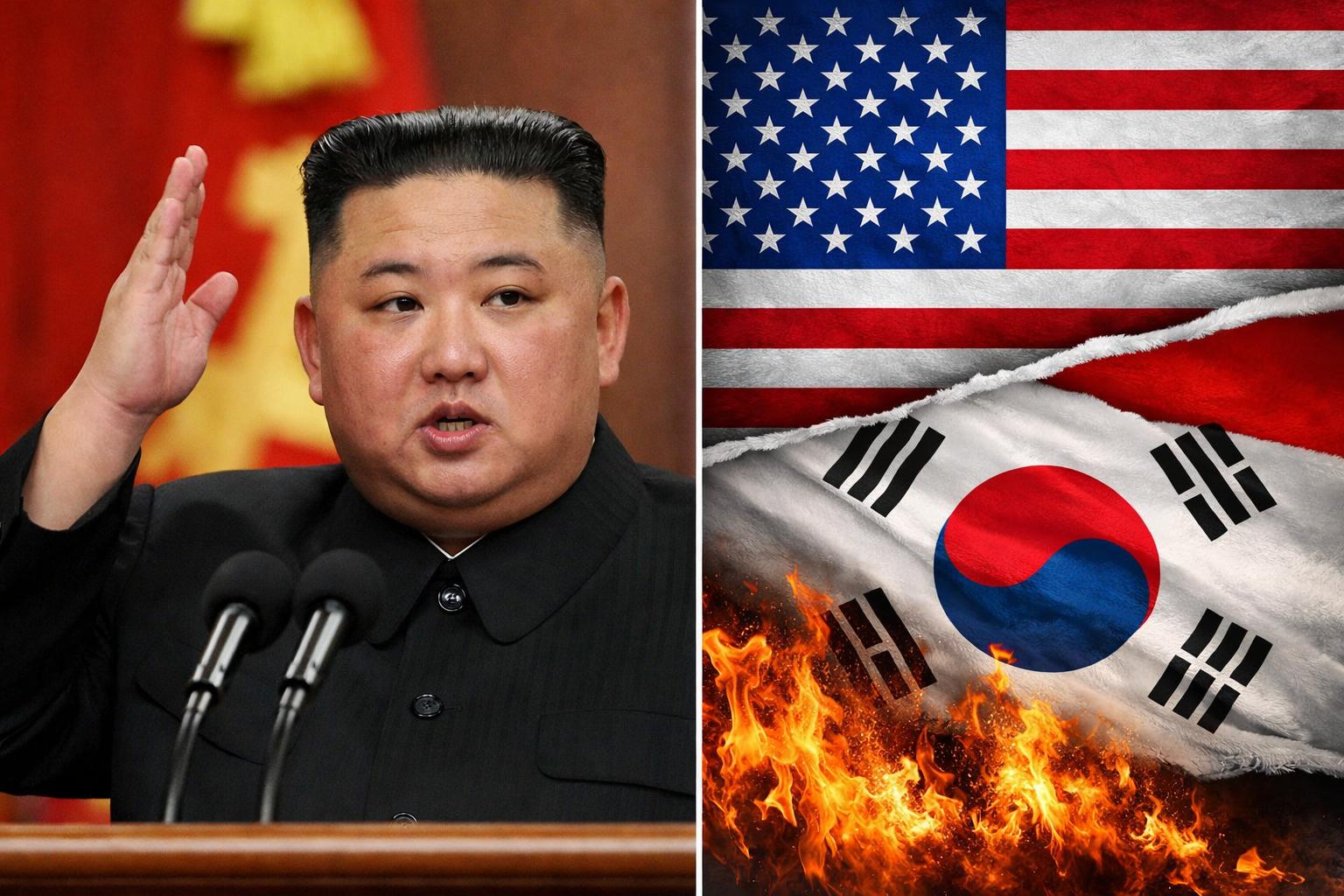
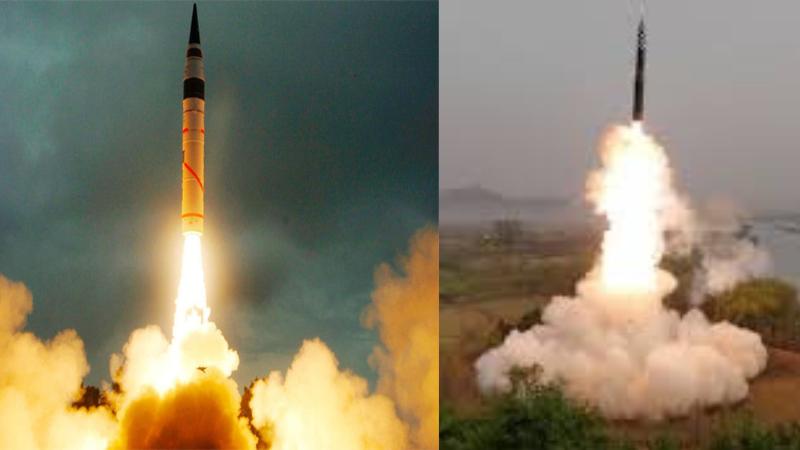
North Korean leader Kim Jong Un has concluded a rare party congress with a pointed message to the United States, stating that Pyongyang could improve relations with Washington if it is recognised as a nuclear power. At the same time, he hardened his stance toward South Korea, describing it as the country’s “most hostile” enemy and ruling out further engagement.
According to state media reports released on February 26, Kim said there was “no reason” North Korea and the Unit
North Korean leader Kim Jong Un has concluded a rare party congress with a pointed message to the United States, stating that Pyongyang could improve relations with Washington if it is recognised as a nuclear power. At the same time, he hardened his stance toward South Korea, describing it as the country’s “most hostile” enemy and ruling out further engagement.
According to state media reports released on February 26, Kim said there was “no reason” North Korea and the Unit
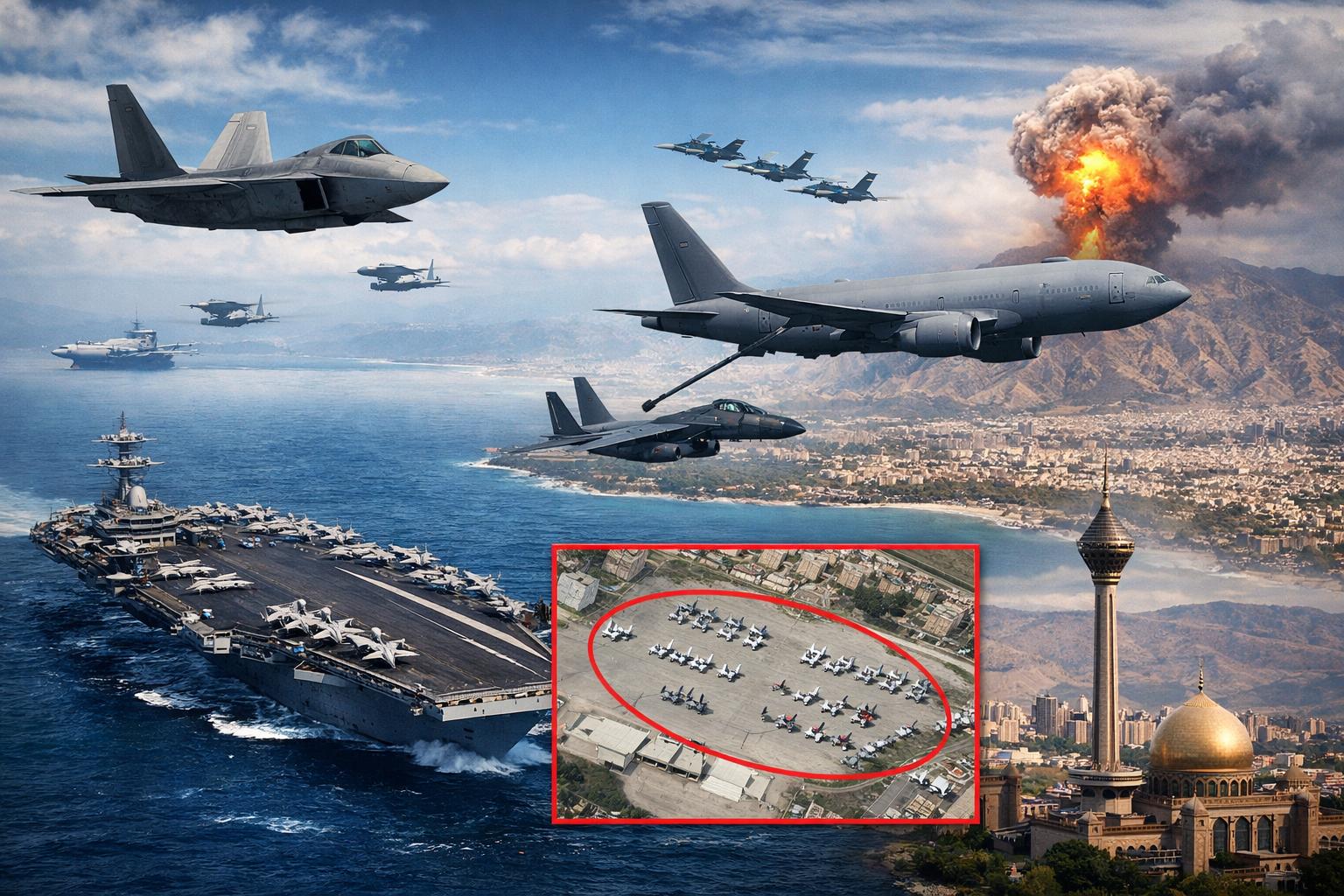
Satellite imagery and open-source flight tracking data indicate that the United States has significantly expanded its military presence across Europe and the Middle East as tensions with Iran intensify over Tehran’s nuclear programme. More than 150 American military aircraft have reportedly been repositioned to forward operating bases in what analysts describe as one of the largest regional force deployments in over two decades. The aircraft include heavy cargo planes, aerial refuelling tanker
Satellite imagery and open-source flight tracking data indicate that the United States has significantly expanded its military presence across Europe and the Middle East as tensions with Iran intensify over Tehran’s nuclear programme. More than 150 American military aircraft have reportedly been repositioned to forward operating bases in what analysts describe as one of the largest regional force deployments in over two decades. The aircraft include heavy cargo planes, aerial refuelling tanker
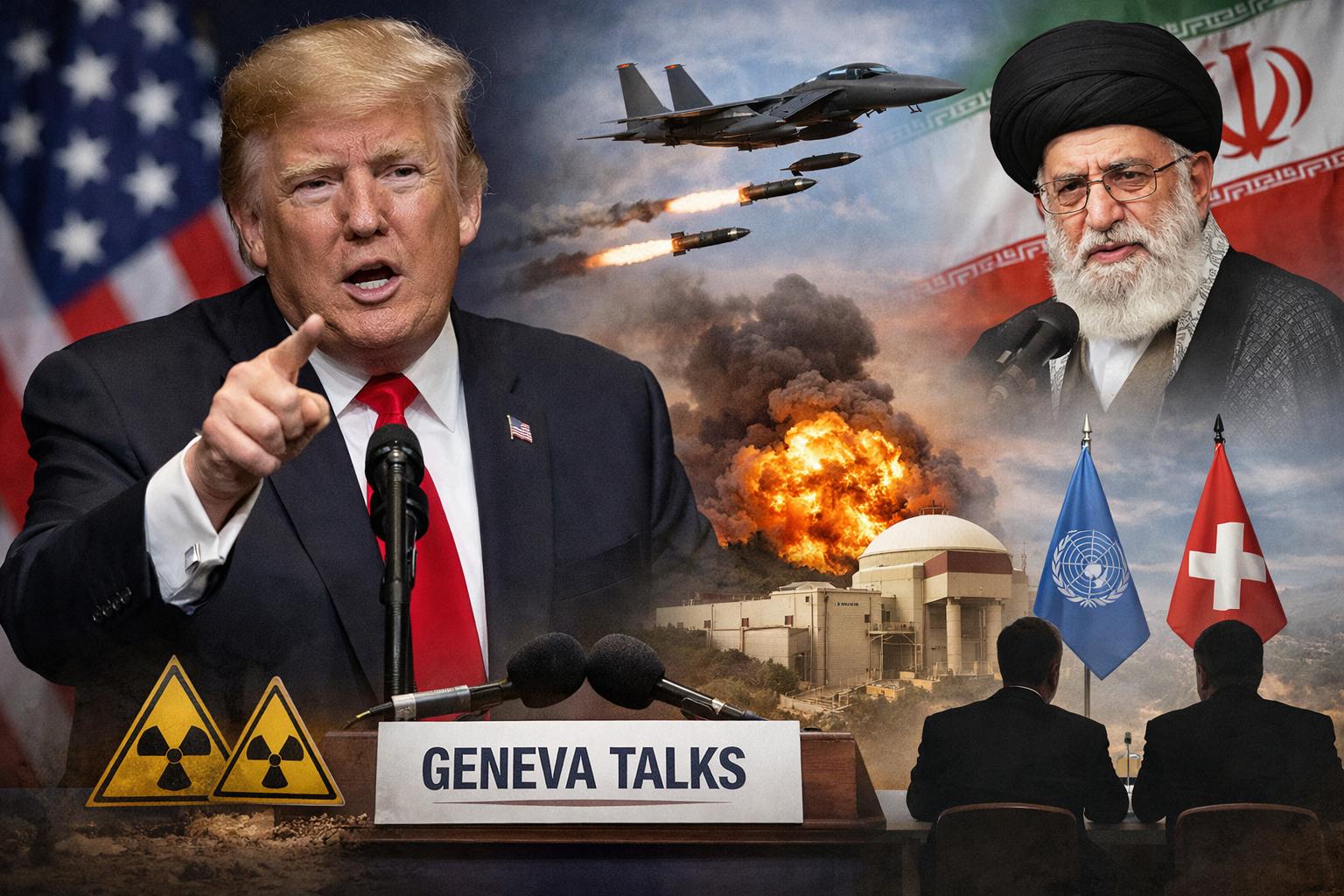
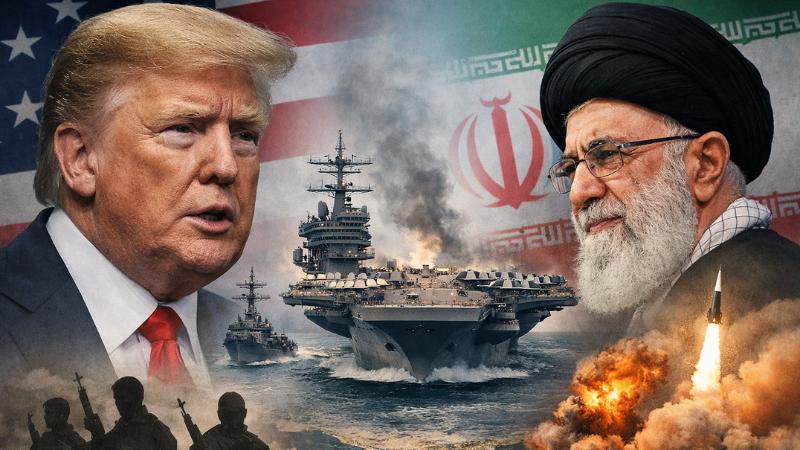
US President Donald Trump has said he is considering a limited military strike on Iran if ongoing negotiations over Tehran’s nuclear programme fail to result in a final agreement, raising fresh concerns about escalating tensions in the Middle East. The remarks followed a second round of high-level talks in Geneva that concluded without a comprehensive deal, despite what officials described as a technical breakthrough in certain areas of discussion. While negotiators appeared to narrow differen
US President Donald Trump has said he is considering a limited military strike on Iran if ongoing negotiations over Tehran’s nuclear programme fail to result in a final agreement, raising fresh concerns about escalating tensions in the Middle East. The remarks followed a second round of high-level talks in Geneva that concluded without a comprehensive deal, despite what officials described as a technical breakthrough in certain areas of discussion. While negotiators appeared to narrow differen
The head of the International Atomic Energy Agency (IAEA), Rafael Grossi, has issued a stark warning about the narrowing window for diplomacy between the United States and Iran, emphasizing the urgent need for an agreement to prevent further military escalation. His remarks come as concerns grow over Iran’s enriched nuclear material, which he said remains largely intact despite US strikes on key facilities last year.
Speaking in an interview with French broadcaster TF1, Grossi stressed tha
The head of the International Atomic Energy Agency (IAEA), Rafael Grossi, has issued a stark warning about the narrowing window for diplomacy between the United States and Iran, emphasizing the urgent need for an agreement to prevent further military escalation. His remarks come as concerns grow over Iran’s enriched nuclear material, which he said remains largely intact despite US strikes on key facilities last year.
Speaking in an interview with French broadcaster TF1, Grossi stressed tha
Iran has indicated it is prepared to allow verification of its nuclear activities following the conclusion of a second round of US-Iran negotiations mediated by Oman. Speaking on Tuesday, February 17, Iranian President Masoud Pezeshkian reiterated that Tehran has no intention of developing atomic weapons and expressed openness to international scrutiny aimed at confirming that position.
In remarks reported after the Geneva talks, Pezeshkian stated that Iran’s stance on nuclear weapons rema
Iran has indicated it is prepared to allow verification of its nuclear activities following the conclusion of a second round of US-Iran negotiations mediated by Oman. Speaking on Tuesday, February 17, Iranian President Masoud Pezeshkian reiterated that Tehran has no intention of developing atomic weapons and expressed openness to international scrutiny aimed at confirming that position.
In remarks reported after the Geneva talks, Pezeshkian stated that Iran’s stance on nuclear weapons rema
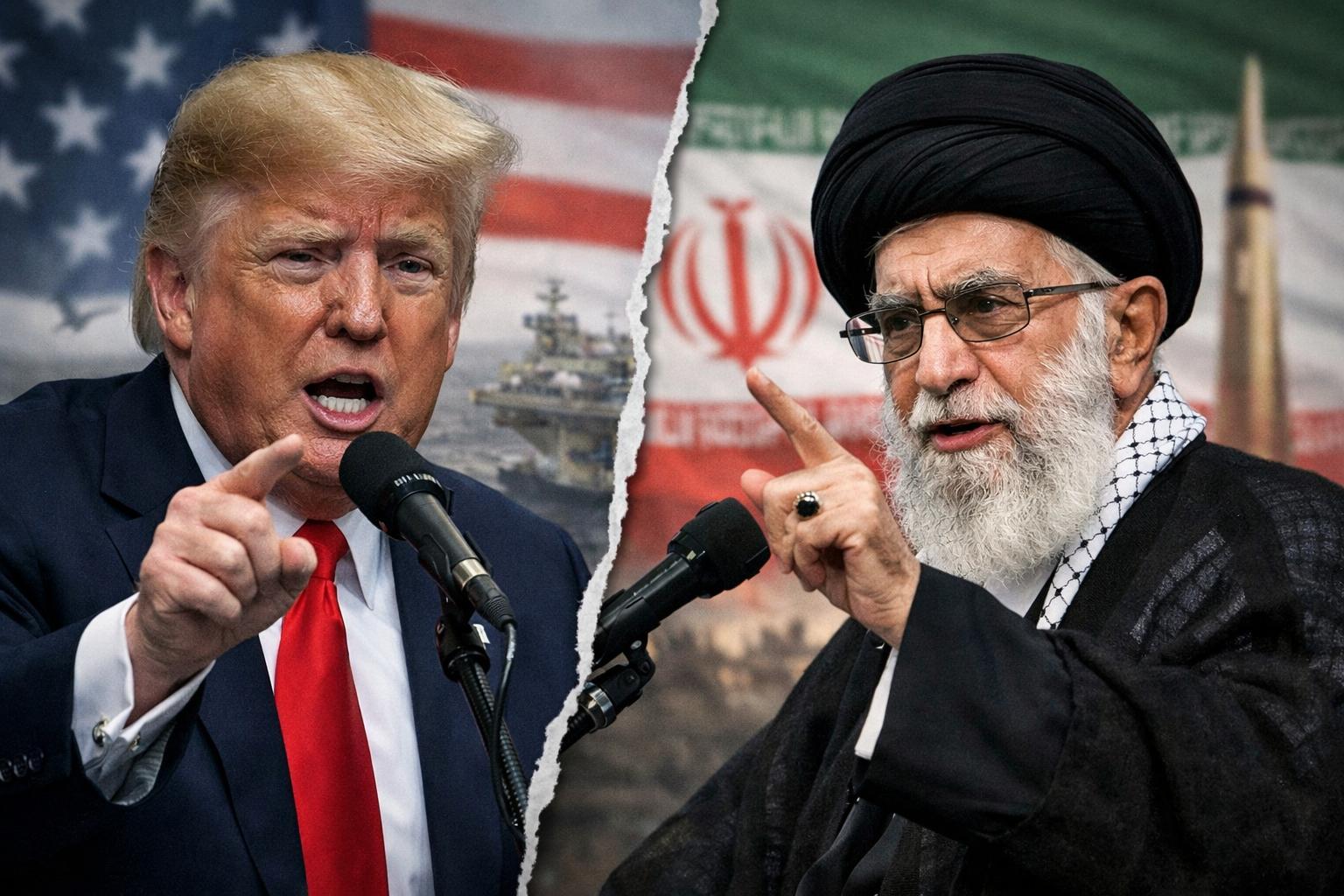
Tensions between the United States and Iran intensified this week as both sides exchanged sharp rhetoric ahead of renewed diplomatic efforts over Tehran’s nuclear program. Former US President Donald Trump highlighted America’s military strength while Iran’s Supreme Leader Ali Khamenei issued a pointed warning, underscoring the fragile atmosphere surrounding the latest round of nuclear deal talks.
The war of words escalated even before the second round of negotiations, which were mediat
Tensions between the United States and Iran intensified this week as both sides exchanged sharp rhetoric ahead of renewed diplomatic efforts over Tehran’s nuclear program. Former US President Donald Trump highlighted America’s military strength while Iran’s Supreme Leader Ali Khamenei issued a pointed warning, underscoring the fragile atmosphere surrounding the latest round of nuclear deal talks.
The war of words escalated even before the second round of negotiations, which were mediat
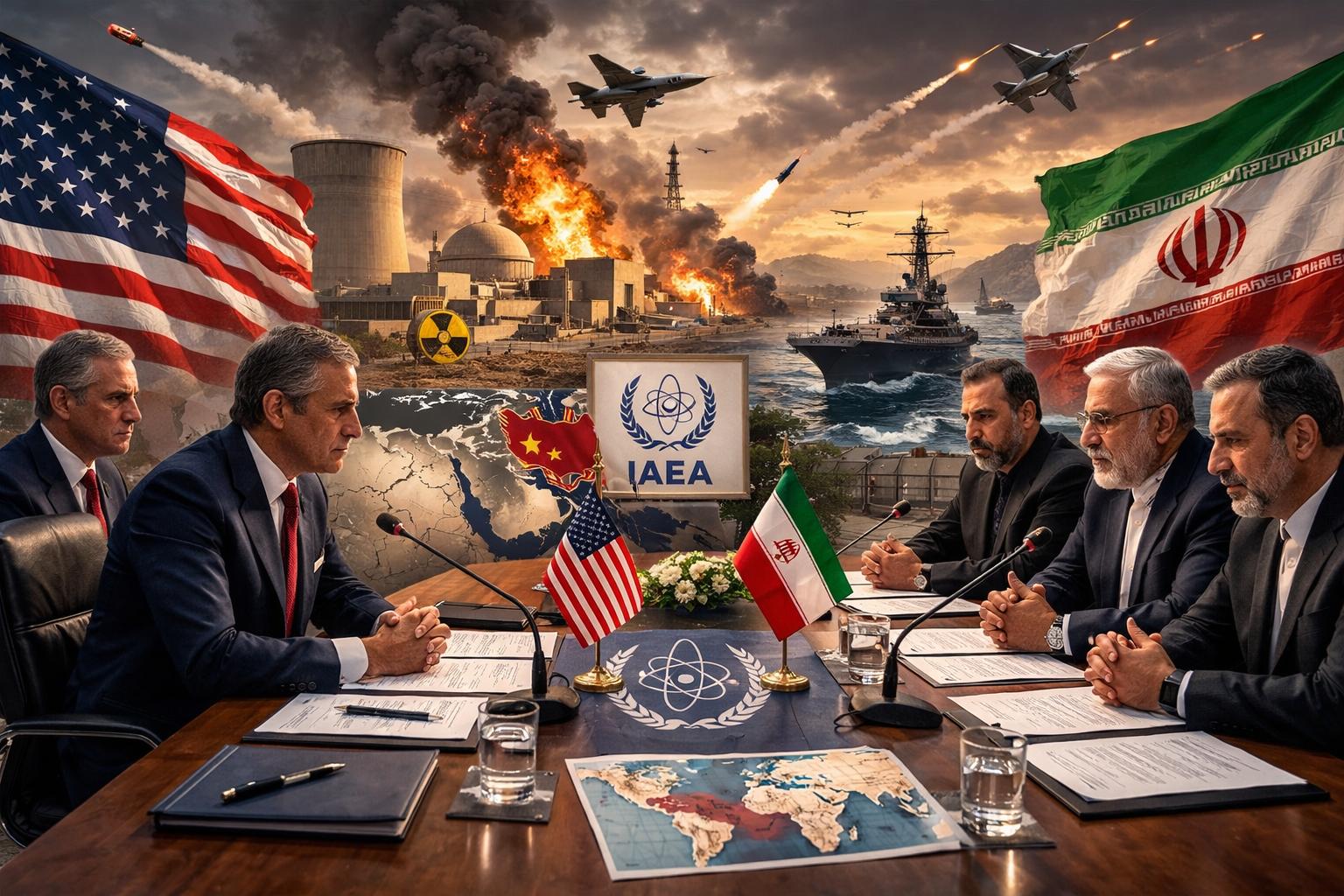
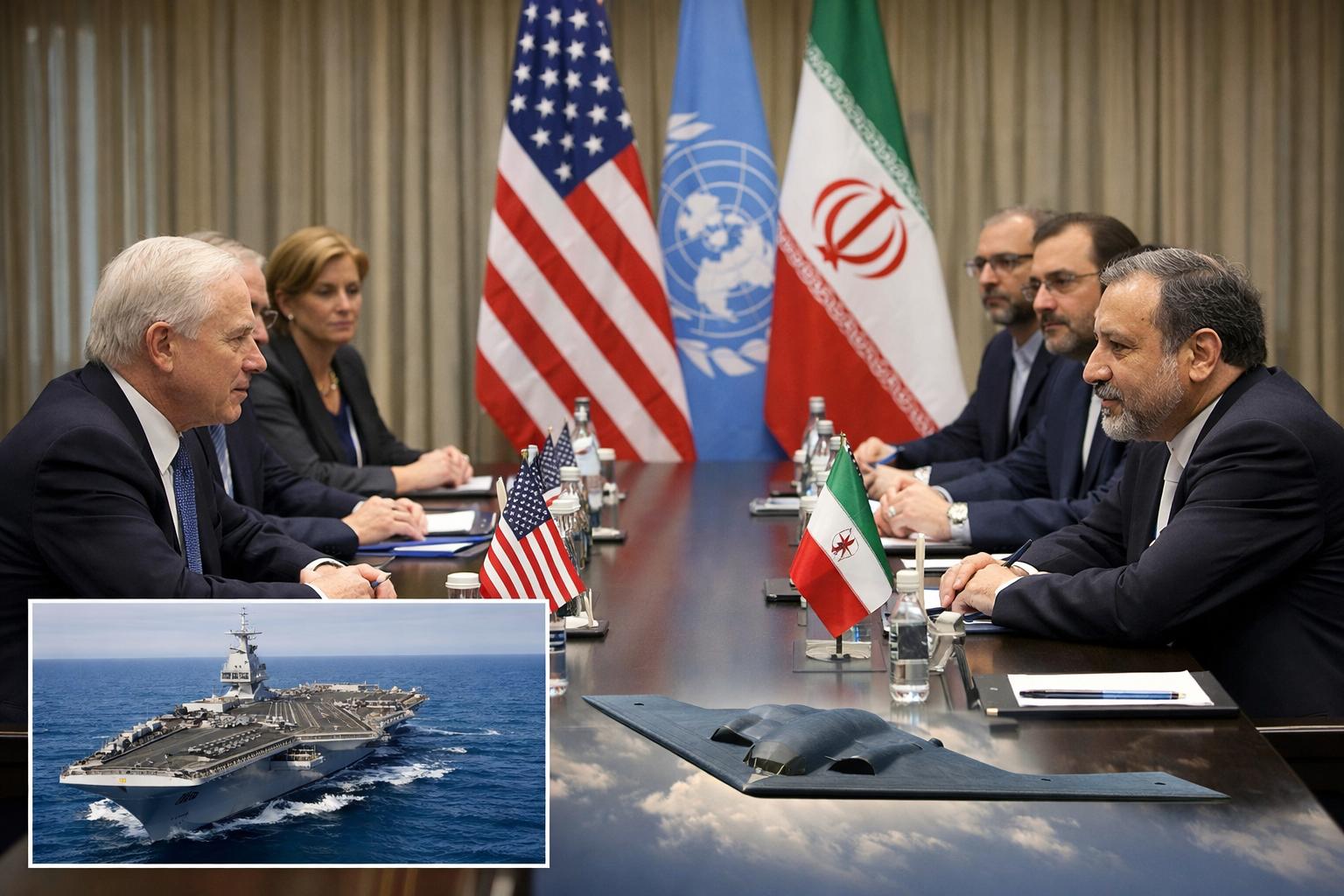
The second round of talks between the United States and Iran concluded in Geneva on Tuesday, with both sides signaling cautious optimism about the path forward. The Geneva meet, facilitated through Oman mediation, comes at a sensitive moment in US Iran relations, with diplomatic and military signals unfolding simultaneously across the Middle East.
Speaking at the Conference on Disarmament, Iran FM Abbas Araghchi described the latest engagement as a potential turning point. He said a
The second round of talks between the United States and Iran concluded in Geneva on Tuesday, with both sides signaling cautious optimism about the path forward. The Geneva meet, facilitated through Oman mediation, comes at a sensitive moment in US Iran relations, with diplomatic and military signals unfolding simultaneously across the Middle East.
Speaking at the Conference on Disarmament, Iran FM Abbas Araghchi described the latest engagement as a potential turning point. He said a
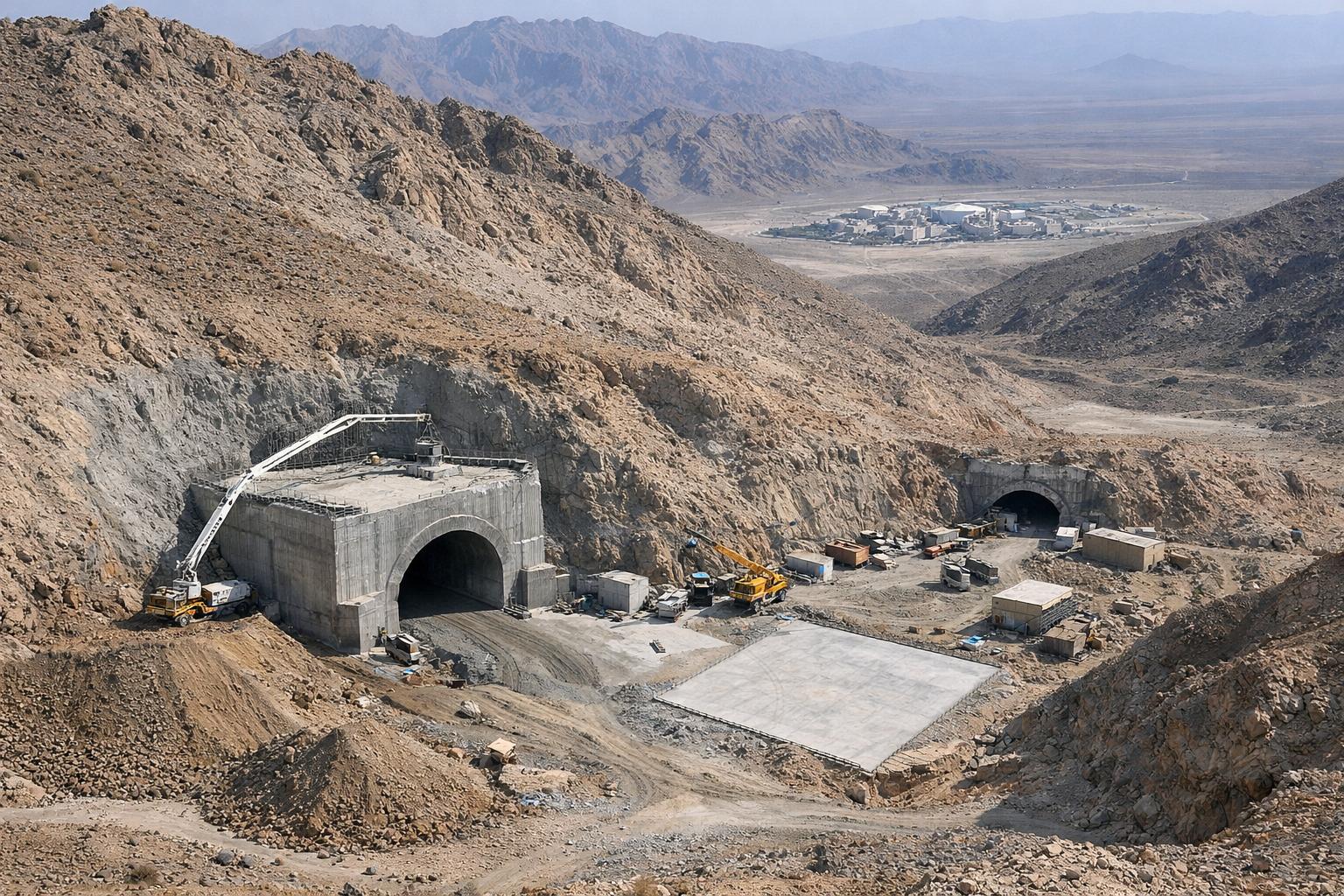
Fresh satellite imagery indicates that Iran is strengthening an underground complex near its main nuclear installation at Natanz, a development that analysts say could complicate diplomatic efforts and heighten regional security concerns. The activity has been observed at a mountainous site known as Pickaxe Mountain, located roughly 1.6 kilometres south of the uranium enrichment facility in central Iran, and appears to involve new concrete structures and expanded tunnel protections.
The construction comes at a time of renewed friction between Tehran and Washington. Former US president Donald Trump has repeatedly warned of possible military action if Iran does not reach an agreement over its nuclear programme, while Iranian officials have vowed to respond to any strike. The exchange of threats has added to fears of escalation across West Asia, where US forces have increased their presence and longstanding rivalries continue to shape the strategic landscape.
Images reviewed by analysts from the Institute for Science and International Security, a Washington-based think tank that tracks nuclear proliferation risks, show what appears to be fresh concrete poured over at least one tunnel entrance. Equipment consistent with a boom pump used for concrete delivery is visible at the site, suggesting active reinforcement work. Nearby, rock and soil appear to have been cleared and levelled, and additional concrete-reinforced structures have been erected close to the entrances.
Researchers who have monitored the area for several years say the scale of excavation and the amount of construction material suggest the site could support more than routine maintenance. The depth of the tunnels, estimated to be between 79 and 100 metres underground, may offer significant protection from aerial attacks and surveillance, potentially making the facility more resilient than other known installations. Such characteristics have drawn scrutiny from non-proliferation experts, who view hardened underground sites as capable of hosting sensitive operations such as centrifuge assembly or uranium enrichment.
Iran has previously said that Pickaxe Mountain could be used for manufacturing and assembling centrifuges, devices required for nuclear fuel production. Tehran maintains that its nuclear activities are intended solely for peaceful purposes, including energy generation and medical research, and has repeatedly denied pursuing a nuclear weapon. However, the limited access granted to international inspectors has raised questions among watchdog groups and foreign governments about transparency and compliance.
The site was not among those reportedly targeted during earlier US strikes on Iranian nuclear infrastructure, which officials described at the time as severely damaging key facilities. Analysts now suggest that any reconstruction of centrifuge capacity in protected locations like Pickaxe Mountain could allow Iran to restore or expand operations more quickly if other sites are disrupted.
International observers emphasize that the situation underscores the importance of oversight by the International Atomic Energy Agency. Experts argue that greater disclosure and inspections are essential to clarify the purpose of the new construction and to reduce the risk of miscalculation. Without verifiable information, they warn, suspicion could deepen and diplomatic efforts may face additional obstacles.
As tensions persist, the developments at Pickaxe Mountain have become another focal point in the broader debate over Iran’s nuclear ambitions, regional stability, and the fragile balance between deterrence and diplomacy.
Fresh satellite imagery indicates that Iran is strengthening an underground complex near its main nuclear installation at Natanz, a development that analysts say could complicate diplomatic efforts and heighten regional security concerns. The activity has been observed at a mountainous site known as Pickaxe Mountain, located roughly 1.6 kilometres south of the uranium enrichment facility in central Iran, and appears to involve new concrete structures and expanded tunnel protections.
The construction comes at a time of renewed friction between Tehran and Washington. Former US president Donald Trump has repeatedly warned of possible military action if Iran does not reach an agreement over its nuclear programme, while Iranian officials have vowed to respond to any strike. The exchange of threats has added to fears of escalation across West Asia, where US forces have increased their presence and longstanding rivalries continue to shape the strategic landscape.
Images reviewed by analysts from the Institute for Science and International Security, a Washington-based think tank that tracks nuclear proliferation risks, show what appears to be fresh concrete poured over at least one tunnel entrance. Equipment consistent with a boom pump used for concrete delivery is visible at the site, suggesting active reinforcement work. Nearby, rock and soil appear to have been cleared and levelled, and additional concrete-reinforced structures have been erected close to the entrances.
Researchers who have monitored the area for several years say the scale of excavation and the amount of construction material suggest the site could support more than routine maintenance. The depth of the tunnels, estimated to be between 79 and 100 metres underground, may offer significant protection from aerial attacks and surveillance, potentially making the facility more resilient than other known installations. Such characteristics have drawn scrutiny from non-proliferation experts, who view hardened underground sites as capable of hosting sensitive operations such as centrifuge assembly or uranium enrichment.
Iran has previously said that Pickaxe Mountain could be used for manufacturing and assembling centrifuges, devices required for nuclear fuel production. Tehran maintains that its nuclear activities are intended solely for peaceful purposes, including energy generation and medical research, and has repeatedly denied pursuing a nuclear weapon. However, the limited access granted to international inspectors has raised questions among watchdog groups and foreign governments about transparency and compliance.
The site was not among those reportedly targeted during earlier US strikes on Iranian nuclear infrastructure, which officials described at the time as severely damaging key facilities. Analysts now suggest that any reconstruction of centrifuge capacity in protected locations like Pickaxe Mountain could allow Iran to restore or expand operations more quickly if other sites are disrupted.
International observers emphasize that the situation underscores the importance of oversight by the International Atomic Energy Agency. Experts argue that greater disclosure and inspections are essential to clarify the purpose of the new construction and to reduce the risk of miscalculation. Without verifiable information, they warn, suspicion could deepen and diplomatic efforts may face additional obstacles.
As tensions persist, the developments at Pickaxe Mountain have become another focal point in the broader debate over Iran’s nuclear ambitions, regional stability, and the fragile balance between deterrence and diplomacy.
US President Donald Trump on Tuesday said that tariff threats played a decisive role in resolving several international conflicts during his tenure, claiming that economic pressure through trade measures helped prevent violence and bring rival nations to the negotiating table. In an interview with Fox Business, Trump asserted that at least six of what he described as eight wars were settled after he warned countries that they would face higher tariffs if hostilities continued.
Among
US President Donald Trump on Tuesday said that tariff threats played a decisive role in resolving several international conflicts during his tenure, claiming that economic pressure through trade measures helped prevent violence and bring rival nations to the negotiating table. In an interview with Fox Business, Trump asserted that at least six of what he described as eight wars were settled after he warned countries that they would face higher tariffs if hostilities continued.
Among
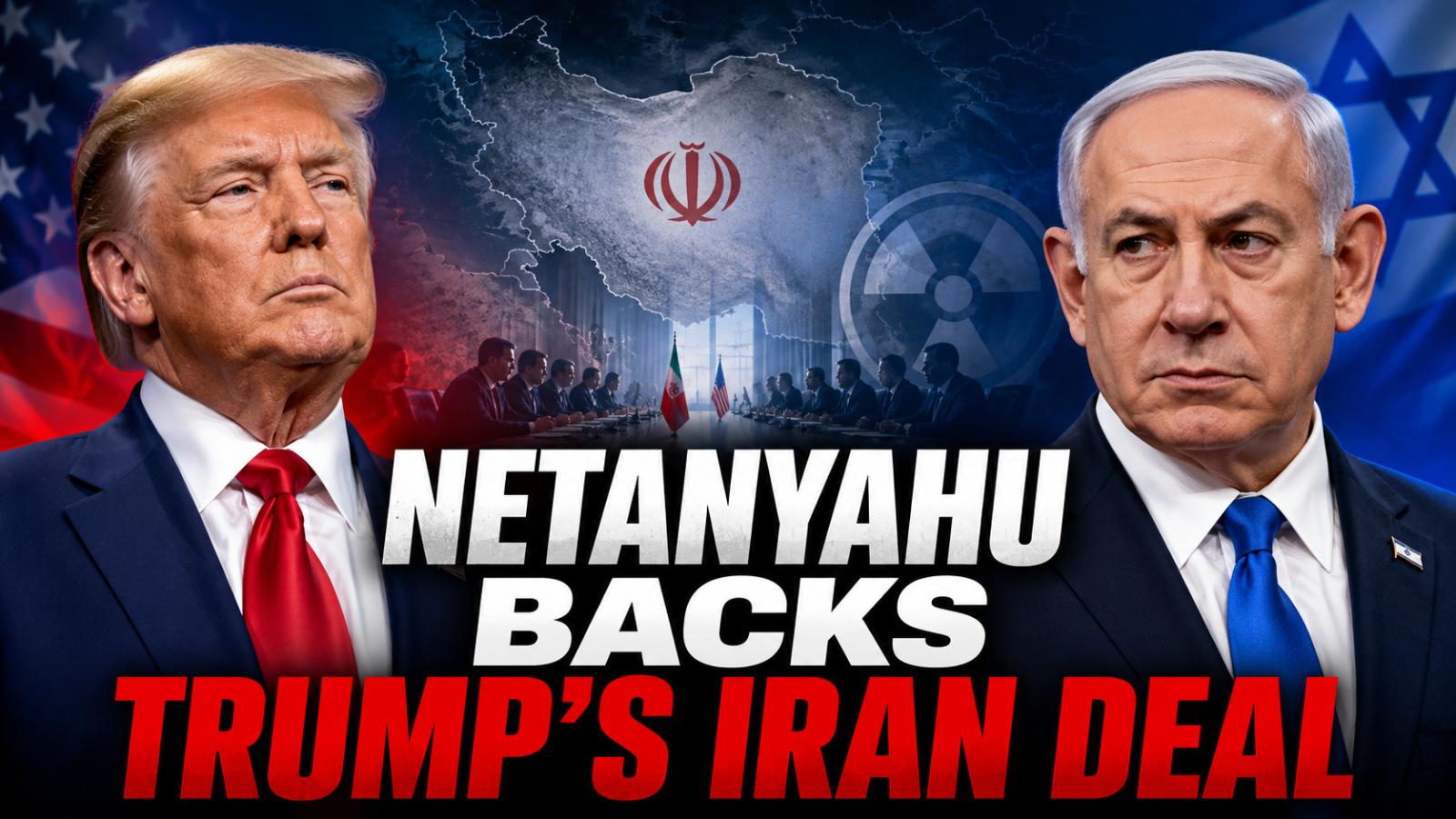
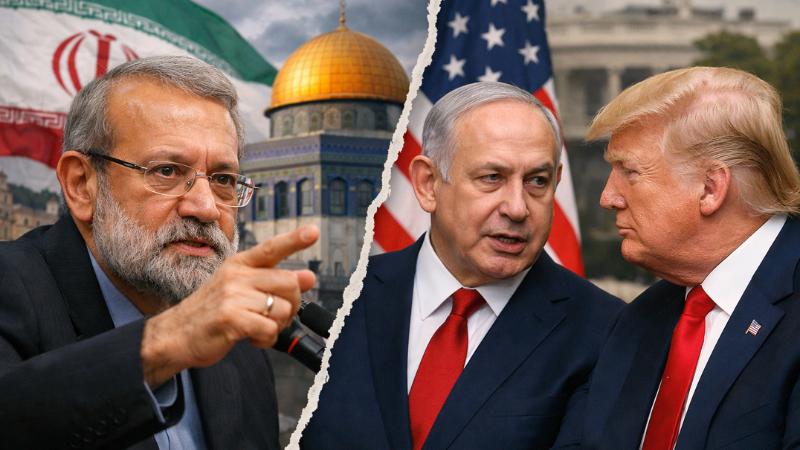
A senior Iranian security official has issued a sharp warning to the United States ahead of Israeli Prime Minister Benjamin Netanyahu’s visit to Washington, underscoring escalating rhetoric between Tehran and Tel Aviv as diplomatic efforts around Iran’s nuclear program continue to shape regional politics.
Ali Larijani, a prominent figure in Iran’s political and security establishment, addressed the matter in a post on social media on Tuesday, urging American policymakers and citizens to exercise caution. He said the United States should “think wisely” and remain alert to what he described as the “destructive role of the Zionists,” signaling Tehran’s deep distrust of Israeli influence over Washington’s foreign policy decisions. Larijani criticized Netanyahu’s planned trip, suggesting that the Israeli leader intended to sway the United States’ stance on negotiations related to Iran’s nuclear activities.
In his remarks, Larijani argued that Netanyahu might attempt to frame the direction of nuclear negotiations before arriving in the United States. He warned that such messaging could mislead American officials and complicate ongoing diplomatic efforts. The comments reflect broader concerns in Tehran that Israel seeks to derail talks that could ease tensions between Iran and the United States or lead to a new agreement governing Iran’s nuclear program.
Separately, Iran’s judiciary chief, Gholamhossein Mohseni Ejei, reinforced the government’s hardline posture. Speaking publicly, he said the Islamic Republic had demonstrated “compassion” since its founding but stressed that authorities would not hesitate to confront individuals or groups deemed disloyal. Ejei warned that the judiciary would take action against those acting “in tandem with Israel and other enemies of the Islamic revolution,” a statement widely interpreted as a message to domestic critics and alleged collaborators.
Meanwhile, Netanyahu confirmed that discussions about Iran’s nuclear ambitions would be a central part of his agenda in Washington. Before departing for the US capital, the Israeli prime minister told reporters that he intended to present Israel’s approach and core principles regarding negotiations with Tehran. He described these principles as essential not only for Israel’s security but for any country seeking peace and stability in the Middle East.
Netanyahu also emphasized the close relationship between Israel and the United States, highlighting frequent meetings with former US President Donald Trump as evidence of strong diplomatic and personal ties. According to the Israeli leader, this partnership plays a critical role in shaping policy on issues ranging from nuclear talks to the ongoing conflict in Gaza. He indicated that a range of regional security concerns would be discussed during the visit.
The exchange of pointed statements from both sides illustrates the persistent tensions surrounding Iran’s nuclear program and the broader geopolitical rivalry between Iran and Israel. As Washington prepares to engage with Israeli leadership while weighing its approach to Tehran, the coming discussions are likely to influence not only bilateral US-Israel relations but also the future trajectory of diplomacy and security across the Middle East.
A senior Iranian security official has issued a sharp warning to the United States ahead of Israeli Prime Minister Benjamin Netanyahu’s visit to Washington, underscoring escalating rhetoric between Tehran and Tel Aviv as diplomatic efforts around Iran’s nuclear program continue to shape regional politics.
Ali Larijani, a prominent figure in Iran’s political and security establishment, addressed the matter in a post on social media on Tuesday, urging American policymakers and citizens to exercise caution. He said the United States should “think wisely” and remain alert to what he described as the “destructive role of the Zionists,” signaling Tehran’s deep distrust of Israeli influence over Washington’s foreign policy decisions. Larijani criticized Netanyahu’s planned trip, suggesting that the Israeli leader intended to sway the United States’ stance on negotiations related to Iran’s nuclear activities.
In his remarks, Larijani argued that Netanyahu might attempt to frame the direction of nuclear negotiations before arriving in the United States. He warned that such messaging could mislead American officials and complicate ongoing diplomatic efforts. The comments reflect broader concerns in Tehran that Israel seeks to derail talks that could ease tensions between Iran and the United States or lead to a new agreement governing Iran’s nuclear program.
Separately, Iran’s judiciary chief, Gholamhossein Mohseni Ejei, reinforced the government’s hardline posture. Speaking publicly, he said the Islamic Republic had demonstrated “compassion” since its founding but stressed that authorities would not hesitate to confront individuals or groups deemed disloyal. Ejei warned that the judiciary would take action against those acting “in tandem with Israel and other enemies of the Islamic revolution,” a statement widely interpreted as a message to domestic critics and alleged collaborators.
Meanwhile, Netanyahu confirmed that discussions about Iran’s nuclear ambitions would be a central part of his agenda in Washington. Before departing for the US capital, the Israeli prime minister told reporters that he intended to present Israel’s approach and core principles regarding negotiations with Tehran. He described these principles as essential not only for Israel’s security but for any country seeking peace and stability in the Middle East.
Netanyahu also emphasized the close relationship between Israel and the United States, highlighting frequent meetings with former US President Donald Trump as evidence of strong diplomatic and personal ties. According to the Israeli leader, this partnership plays a critical role in shaping policy on issues ranging from nuclear talks to the ongoing conflict in Gaza. He indicated that a range of regional security concerns would be discussed during the visit.
The exchange of pointed statements from both sides illustrates the persistent tensions surrounding Iran’s nuclear program and the broader geopolitical rivalry between Iran and Israel. As Washington prepares to engage with Israeli leadership while weighing its approach to Tehran, the coming discussions are likely to influence not only bilateral US-Israel relations but also the future trajectory of diplomacy and security across the Middle East.
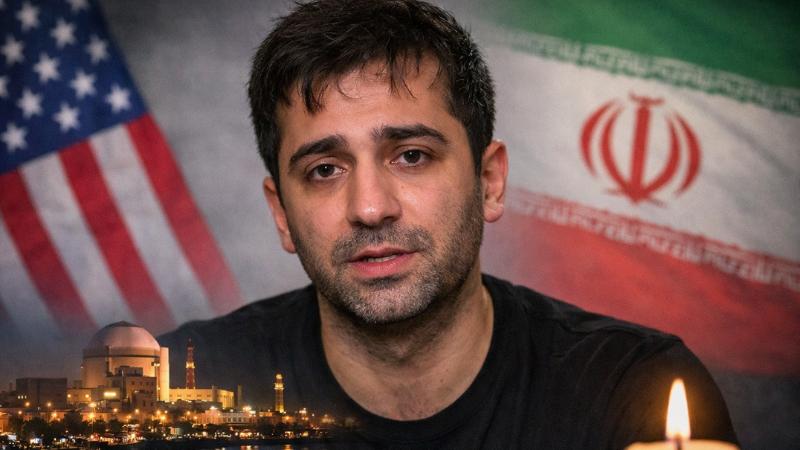
An Iranian man has reportedly taken his own life after recording and sharing a video message in which he appealed directly to former US President Donald Trump to halt any diplomatic engagement with Iran’s current leadership. The man, identified by activists and Iranian media as Pouria Hamidi, was from the southern port city of Bushehr. His death has drawn renewed attention to ongoing political tensions inside Iran and the wider international debate surrounding Tehran’s relations with Wash
An Iranian man has reportedly taken his own life after recording and sharing a video message in which he appealed directly to former US President Donald Trump to halt any diplomatic engagement with Iran’s current leadership. The man, identified by activists and Iranian media as Pouria Hamidi, was from the southern port city of Bushehr. His death has drawn renewed attention to ongoing political tensions inside Iran and the wider international debate surrounding Tehran’s relations with Wash
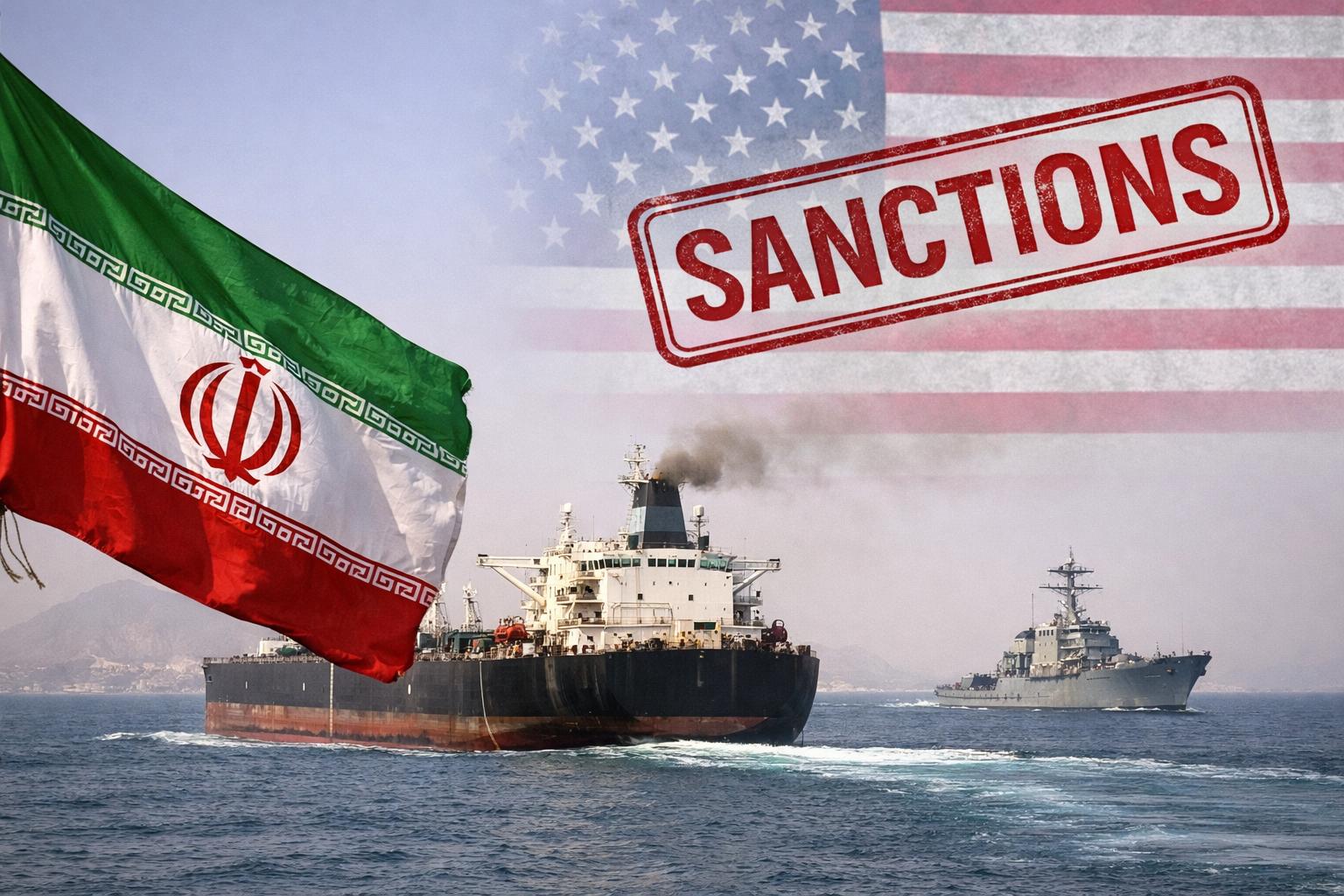
The United States announced a new round of sanctions on Friday targeting Iran’s oil and petrochemical trade, hours after indirect diplomatic talks between Tehran and Washington concluded in Oman, underscoring the fragile balance between pressure and engagement as both sides attempt to manage tensions surrounding Iran’s nuclear programme.
The measures, unveiled by the US State Department, apply to 15 entities and 14 vessels that officials say are linked to Iran’s so-called shad
The United States announced a new round of sanctions on Friday targeting Iran’s oil and petrochemical trade, hours after indirect diplomatic talks between Tehran and Washington concluded in Oman, underscoring the fragile balance between pressure and engagement as both sides attempt to manage tensions surrounding Iran’s nuclear programme.
The measures, unveiled by the US State Department, apply to 15 entities and 14 vessels that officials say are linked to Iran’s so-called shad
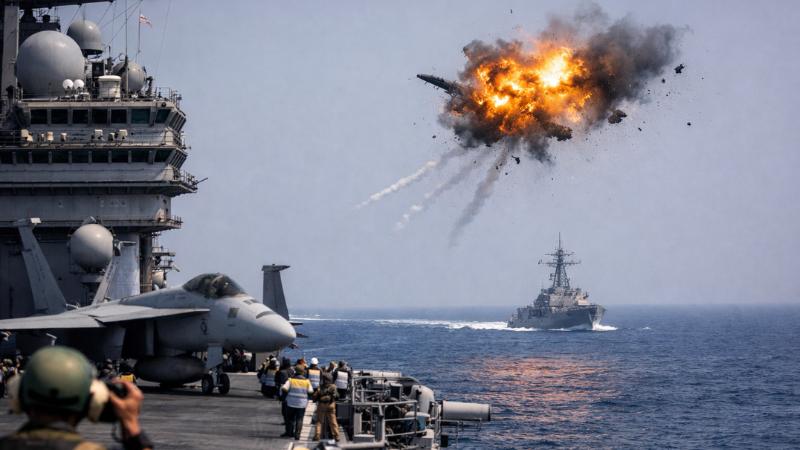
Tensions between Iran and the United States intensified this week after the US military shot down an Iranian drone that it said approached the aircraft carrier USS Abraham Lincoln in an aggressive manner in the Arabian Sea. The incident came as both sides exchanged sharp warnings and cautious signals about a possible return to nuclear diplomacy, underscoring the fragile balance between confrontation and negotiation in the region.
According to US officials, the drone was intercepted
Tensions between Iran and the United States intensified this week after the US military shot down an Iranian drone that it said approached the aircraft carrier USS Abraham Lincoln in an aggressive manner in the Arabian Sea. The incident came as both sides exchanged sharp warnings and cautious signals about a possible return to nuclear diplomacy, underscoring the fragile balance between confrontation and negotiation in the region.
According to US officials, the drone was intercepted
Uncertainty continues to surround Washington’s approach toward Tehran as President Donald Trump sends conflicting signals on whether the United States is moving closer to military action or renewed diplomacy with Iran. Speaking ahead of his first Cabinet meeting of 2026, the president indicated he was open to communication with Iranian leaders, even as the US expanded its military presence in West Asia and senior defense officials stressed readiness to act on presidential orders.
Uncertainty continues to surround Washington’s approach toward Tehran as President Donald Trump sends conflicting signals on whether the United States is moving closer to military action or renewed diplomacy with Iran. Speaking ahead of his first Cabinet meeting of 2026, the president indicated he was open to communication with Iranian leaders, even as the US expanded its military presence in West Asia and senior defense officials stressed readiness to act on presidential orders.
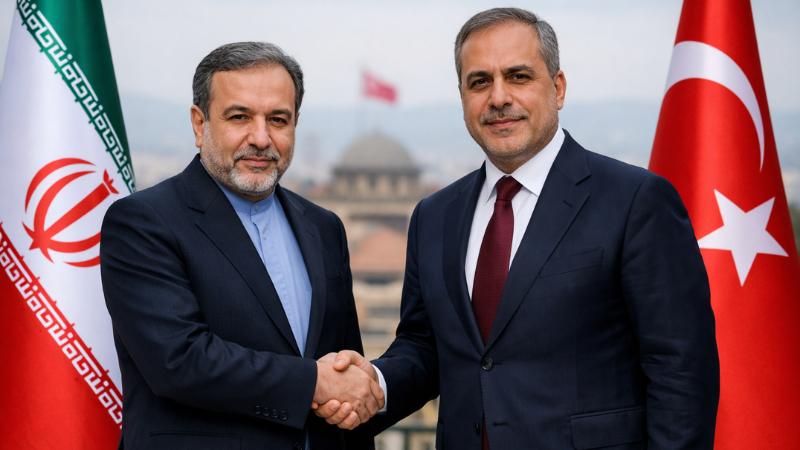
Iranian Foreign Minister Abbas Araghchi is scheduled to travel to Turkey on Friday for high-level talks with Turkish Foreign Minister Hakan Fidan, as the two neighboring countries seek to strengthen cooperation across security, economic and regional issues. The visit comes amid heightened regional tensions and renewed diplomatic efforts to manage sensitive developments affecting the Middle East.
According to Turkish Foreign Ministry sources cited in media reports, Fidan is expected
Iranian Foreign Minister Abbas Araghchi is scheduled to travel to Turkey on Friday for high-level talks with Turkish Foreign Minister Hakan Fidan, as the two neighboring countries seek to strengthen cooperation across security, economic and regional issues. The visit comes amid heightened regional tensions and renewed diplomatic efforts to manage sensitive developments affecting the Middle East.
According to Turkish Foreign Ministry sources cited in media reports, Fidan is expected
North Korea launched multiple ballistic missiles into nearby waters on Tuesday, triggering renewed condemnation from South Korea and Japan and drawing attention to ongoing discussions between Seoul and Washington over the future direction of their security alliance. The launches underscore persistent tensions on the Korean Peninsula as Pyongyang continues to advance its missile capabilities amid shifting regional and global defence dynamics.
South Korea’s Joint Chiefs of Staff sai
North Korea launched multiple ballistic missiles into nearby waters on Tuesday, triggering renewed condemnation from South Korea and Japan and drawing attention to ongoing discussions between Seoul and Washington over the future direction of their security alliance. The launches underscore persistent tensions on the Korean Peninsula as Pyongyang continues to advance its missile capabilities amid shifting regional and global defence dynamics.
South Korea’s Joint Chiefs of Staff sai
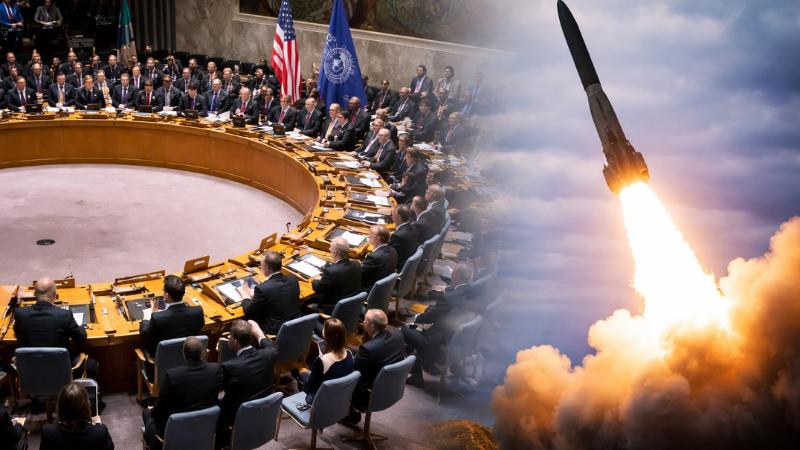
The United States sharply criticised Russia on Monday, January 12, for its use of a nuclear-capable Oreshnik ballistic missile in Ukraine, describing the launch as a dangerous and unjustified escalation of the ongoing conflict. The condemnation was delivered during an emergency meeting of the United Nations Security Council convened to address the latest developments in the war.
Addressing the council, US Deputy Ambassador to the United Nations Tammy Bruce said Russia’s decision t
The United States sharply criticised Russia on Monday, January 12, for its use of a nuclear-capable Oreshnik ballistic missile in Ukraine, describing the launch as a dangerous and unjustified escalation of the ongoing conflict. The condemnation was delivered during an emergency meeting of the United Nations Security Council convened to address the latest developments in the war.
Addressing the council, US Deputy Ambassador to the United Nations Tammy Bruce said Russia’s decision t
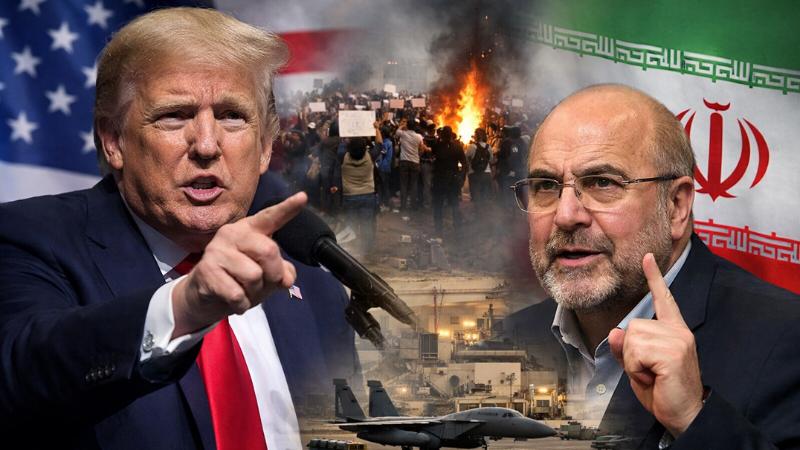
Tensions between Washington and Tehran intensified on Friday after a senior Iranian official warned that U.S. military installations and personnel across the Middle East could be targeted if the United States intervenes in Iran’s internal unrest. The warning came hours after former U.S. President Donald Trump stated that the United States was prepared to protect protesters in Iran if authorities used force against them.
Mohammad Bagher Ghalibaf, the speaker of Iran’s parliament,
Tensions between Washington and Tehran intensified on Friday after a senior Iranian official warned that U.S. military installations and personnel across the Middle East could be targeted if the United States intervenes in Iran’s internal unrest. The warning came hours after former U.S. President Donald Trump stated that the United States was prepared to protect protesters in Iran if authorities used force against them.
Mohammad Bagher Ghalibaf, the speaker of Iran’s parliament,
Iranian President Masoud Pezeshkian has said the country is effectively engaged in a full-scale conflict with the United States, Israel and Europe, describing Iran’s current diplomatic and strategic environment as increasingly complex and difficult. His remarks reflect heightened regional tensions following months of military confrontation, economic pressure and stalled diplomacy.
In an
Iranian President Masoud Pezeshkian has said the country is effectively engaged in a full-scale conflict with the United States, Israel and Europe, describing Iran’s current diplomatic and strategic environment as increasingly complex and difficult. His remarks reflect heightened regional tensions following months of military confrontation, economic pressure and stalled diplomacy.
In an
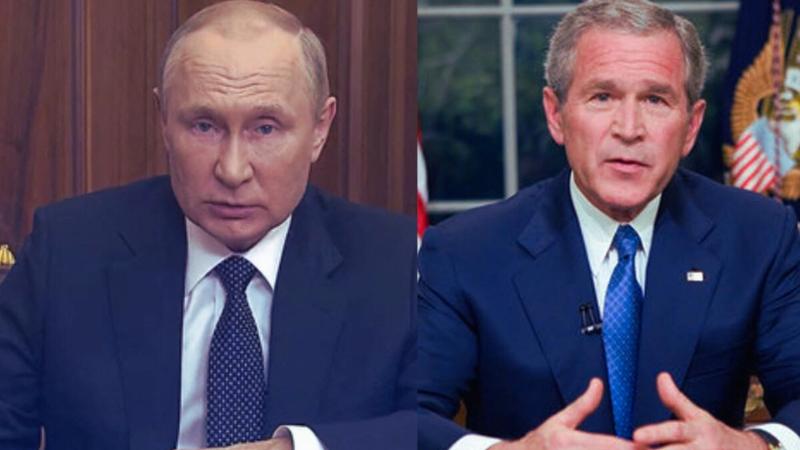
Newly released diplomatic transcripts have revealed that Russian President Vladimir Putin had expressed serious concerns to the United States as early as 2001 over Pakistan’s nuclear weapons programme, questioning why the West appeared largely unconcerned about a country without democratic governance possessing nuclear arms. The remarks were made during a private meeting with then US President
Newly released diplomatic transcripts have revealed that Russian President Vladimir Putin had expressed serious concerns to the United States as early as 2001 over Pakistan’s nuclear weapons programme, questioning why the West appeared largely unconcerned about a country without democratic governance possessing nuclear arms. The remarks were made during a private meeting with then US President