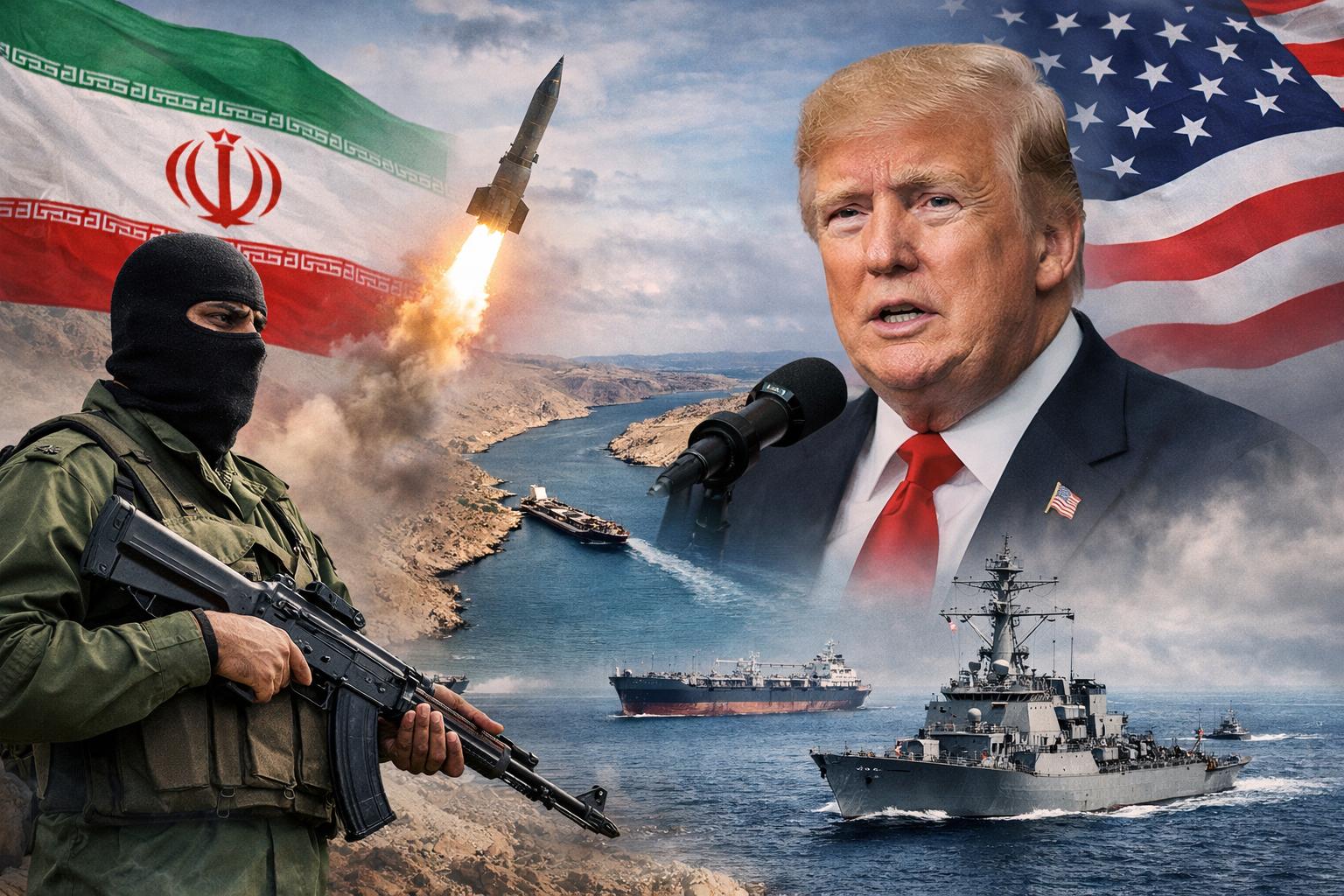
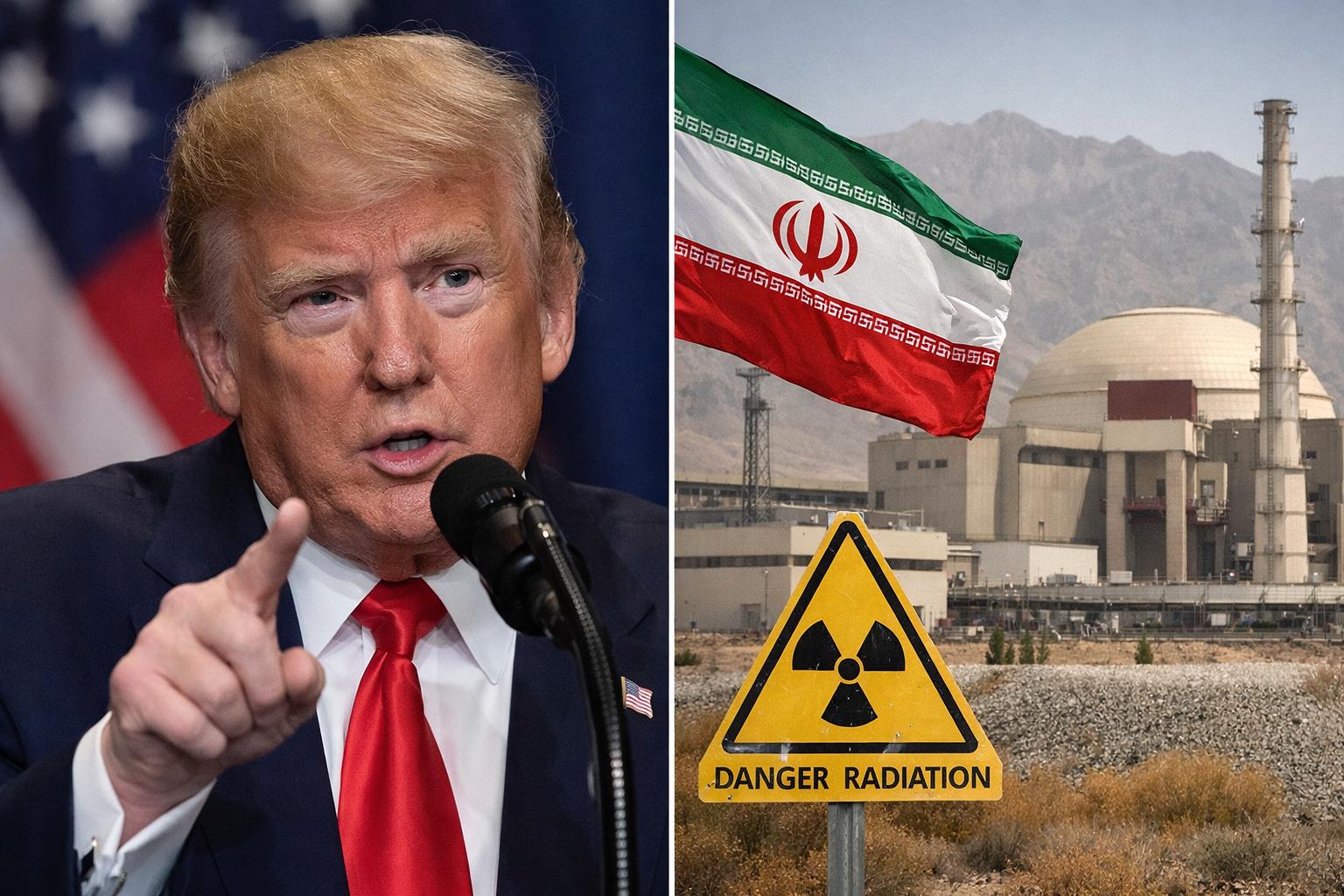
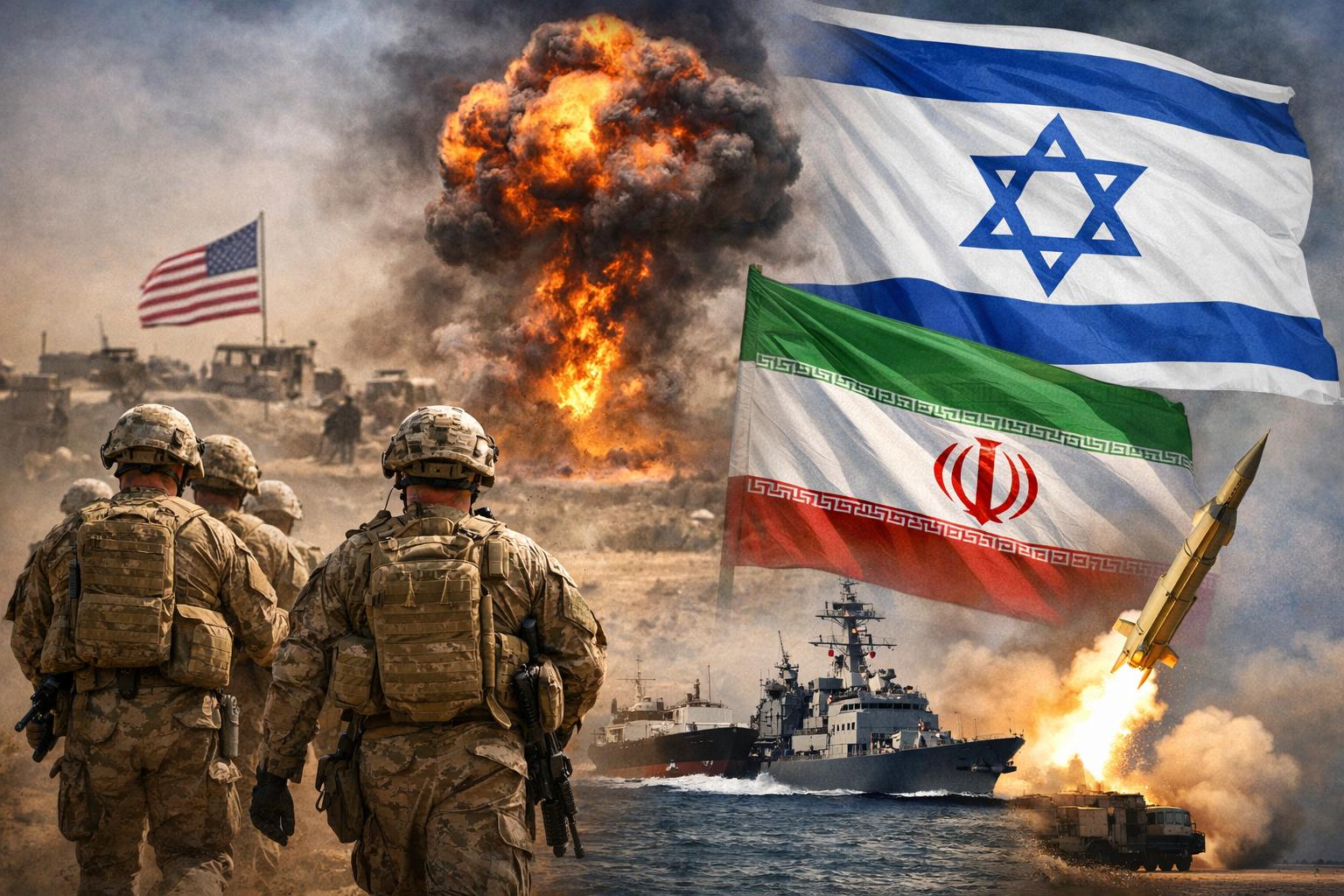
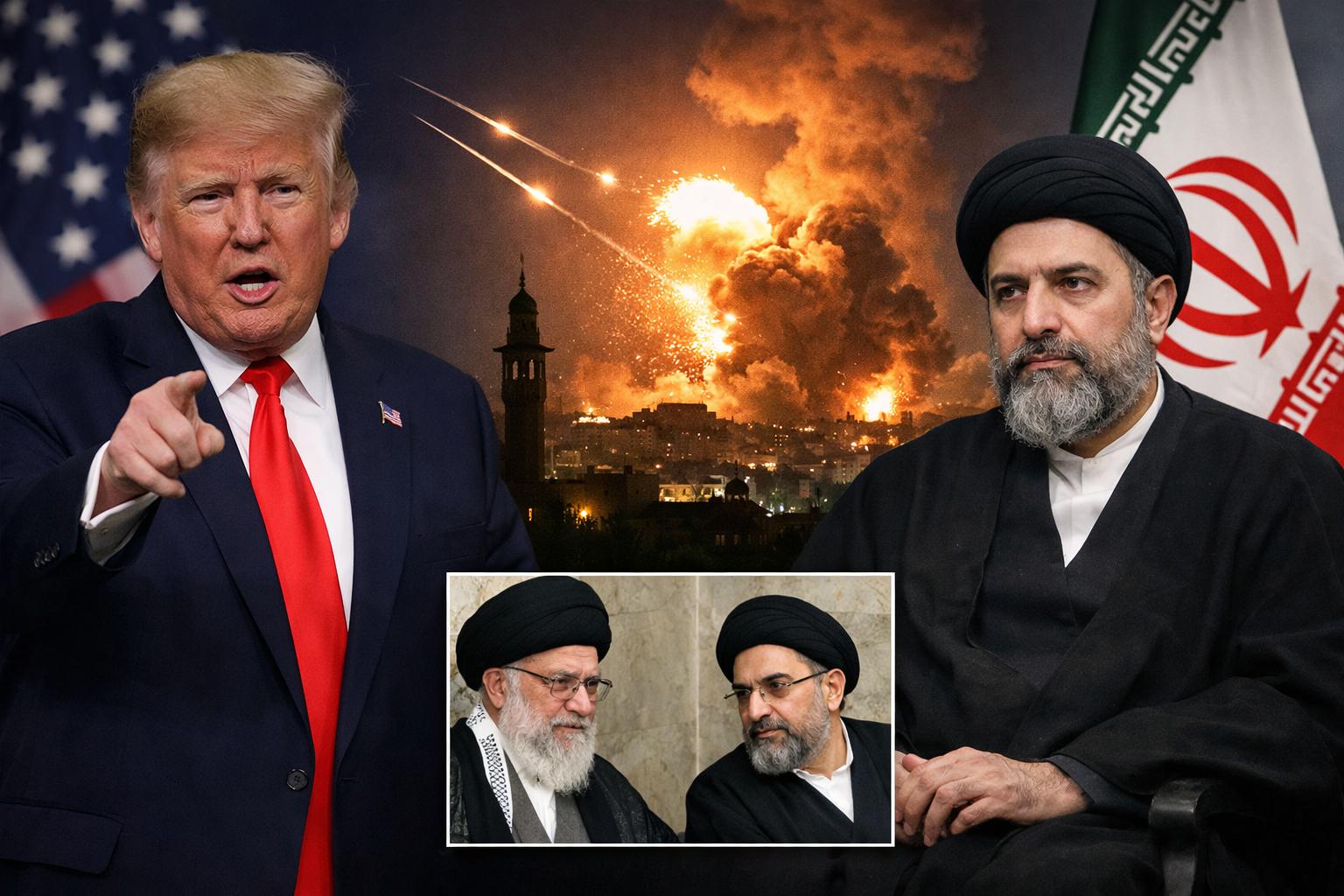
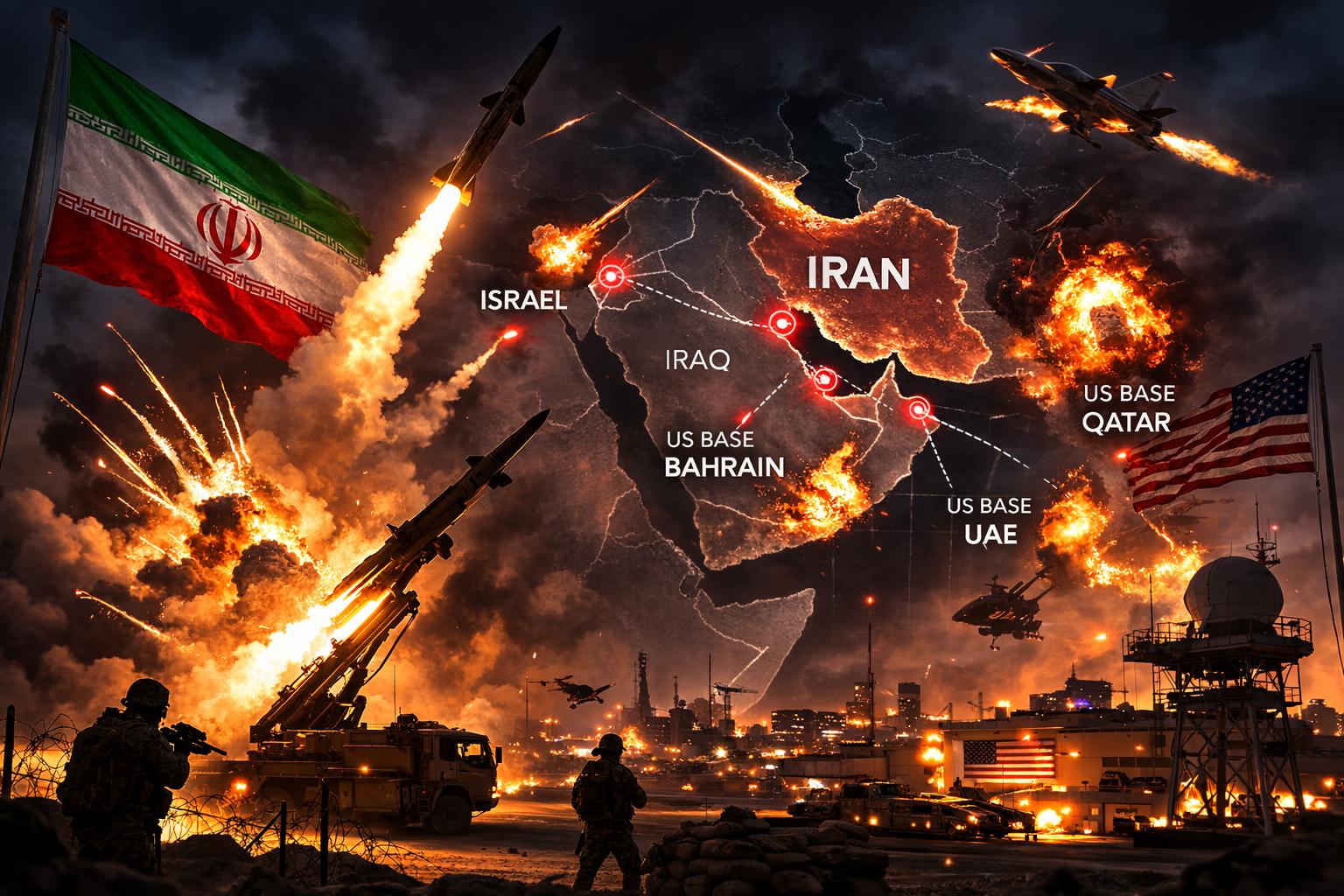
Iran has agreed to a proposed two-week ceasefire amid escalating tensions in the Middle East, following a statement by Donald Trump indicating that the United States would suspend further military action if Tehran fully reopens the strategically critical Strait of Hormuz. The announcement signals a potential pause in hostilities linked to ongoing Iran-Israel tensions, while also highlighting the broader geopolitical stakes tied to global energy security and maritime access.
The Strait of Hormuz, a vital passage for a significant portion of the world’s oil supply, has remained at the center of international concern. US officials have made it clear that maintaining open navigation through the waterway is a key condition for de-escalation. The ceasefire agreement is being viewed as a temporary but important step toward reducing immediate risks in the region, particularly for global oil markets and allied economies.
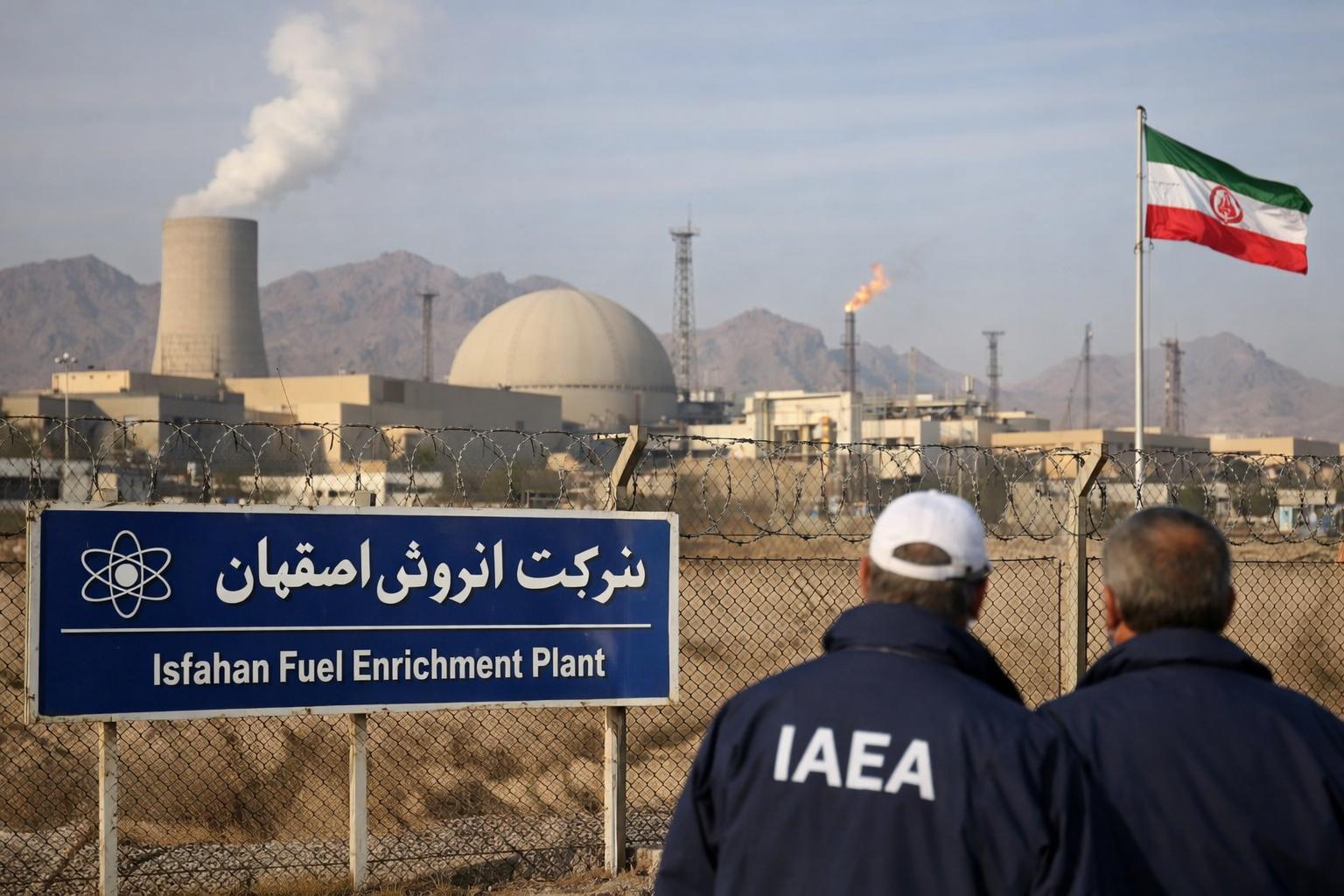
At the same time, Washington has underscored that any long-term easing of economic sanctions on Iran will depend on a complete halt to its uranium enrichment activities. The proposed framework reflects a broader US foreign policy approach that links economic relief directly to nuclear compliance, requiring Iran to scale back its nuclear program in exchange for reduced tariffs and sanctions. This conditional strategy is expected to shape the next phase of diplomatic negotiations.
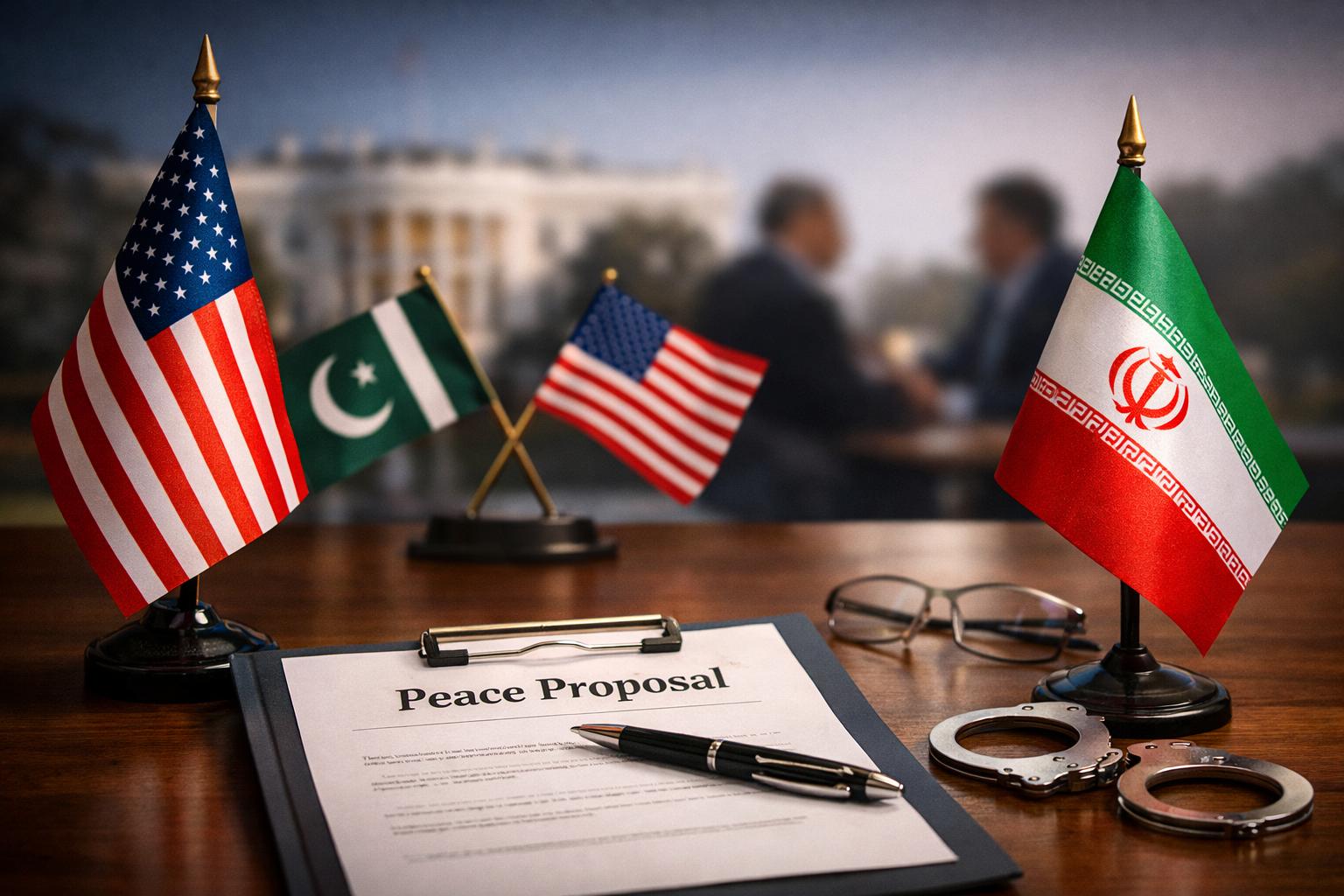
The development follows diplomatic outreach from Shehbaz Sharif, who urged an extension of the negotiation timeline and called on Iran to ensure uninterrupted access through the Strait of Hormuz. Pakistan’s involvement underscores the wider regional implications of the crisis and the importance of multilateral engagement.
Meanwhile, Iran’s Islamic Revolutionary Guard Corps has issued a strong warning, stating that any US strikes on civilian infrastructure would provoke a response extending beyond the immediate region. The group cautioned that such actions could disrupt oil and gas supplies to the United States and its allies for an extended period, further raising concerns about global energy stability.
While the ceasefire offers a temporary reprieve, the situation remains fluid, with key issues surrounding nuclear policy, sanctions, and regional security still unresolved.
Iran has agreed to a proposed two-week ceasefire amid escalating tensions in the Middle East, following a statement by Donald Trump indicating that the United States would suspend further military action if Tehran fully reopens the strategically critical Strait of Hormuz. The announcement signals a potential pause in hostilities linked to ongoing Iran-Israel tensions, while also highlighting the broader geopolitical stakes tied to global energy security and maritime access.
The Strait of Hormuz, a vital passage for a significant portion of the world’s oil supply, has remained at the center of international concern. US officials have made it clear that maintaining open navigation through the waterway is a key condition for de-escalation. The ceasefire agreement is being viewed as a temporary but important step toward reducing immediate risks in the region, particularly for global oil markets and allied economies.
At the same time, Washington has underscored that any long-term easing of economic sanctions on Iran will depend on a complete halt to its uranium enrichment activities. The proposed framework reflects a broader US foreign policy approach that links economic relief directly to nuclear compliance, requiring Iran to scale back its nuclear program in exchange for reduced tariffs and sanctions. This conditional strategy is expected to shape the next phase of diplomatic negotiations.
The development follows diplomatic outreach from Shehbaz Sharif, who urged an extension of the negotiation timeline and called on Iran to ensure uninterrupted access through the Strait of Hormuz. Pakistan’s involvement underscores the wider regional implications of the crisis and the importance of multilateral engagement.
Meanwhile, Iran’s Islamic Revolutionary Guard Corps has issued a strong warning, stating that any US strikes on civilian infrastructure would provoke a response extending beyond the immediate region. The group cautioned that such actions could disrupt oil and gas supplies to the United States and its allies for an extended period, further raising concerns about global energy stability.
While the ceasefire offers a temporary reprieve, the situation remains fluid, with key issues surrounding nuclear policy, sanctions, and regional security still unresolved.
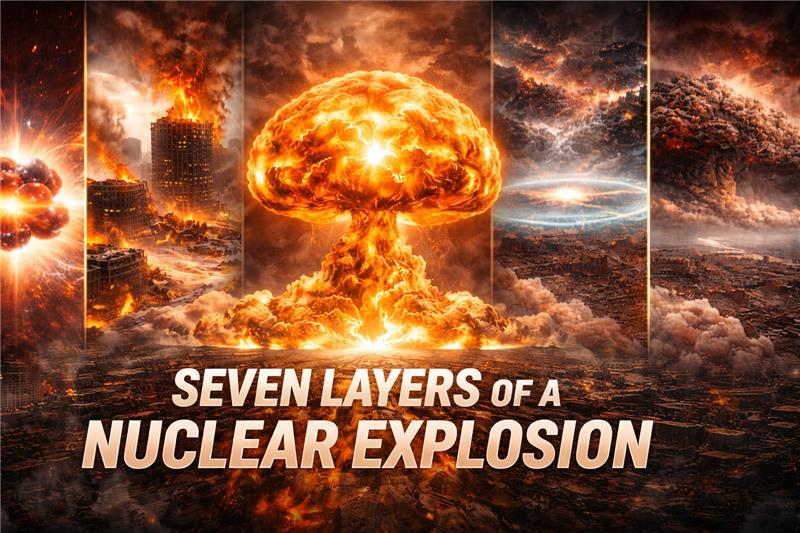
A nuclear weapon explosion unleashes an overwhelming amount of energy through either nuclear fission or fusion, resulting in devastating consequences that can persist for decades. Upon detonation, a rapid chain reaction occurs, converting a tiny amount of mass into an enormous amount of energy, based on Einstein’s Mass–energy equivalence principle. This energy is released in multiple destructive layers, each contributing to the profound impact on the environment and living organisms
A nuclear weapon explosion unleashes an overwhelming amount of energy through either nuclear fission or fusion, resulting in devastating consequences that can persist for decades. Upon detonation, a rapid chain reaction occurs, converting a tiny amount of mass into an enormous amount of energy, based on Einstein’s Mass–energy equivalence principle. This energy is released in multiple destructive layers, each contributing to the profound impact on the environment and living organisms
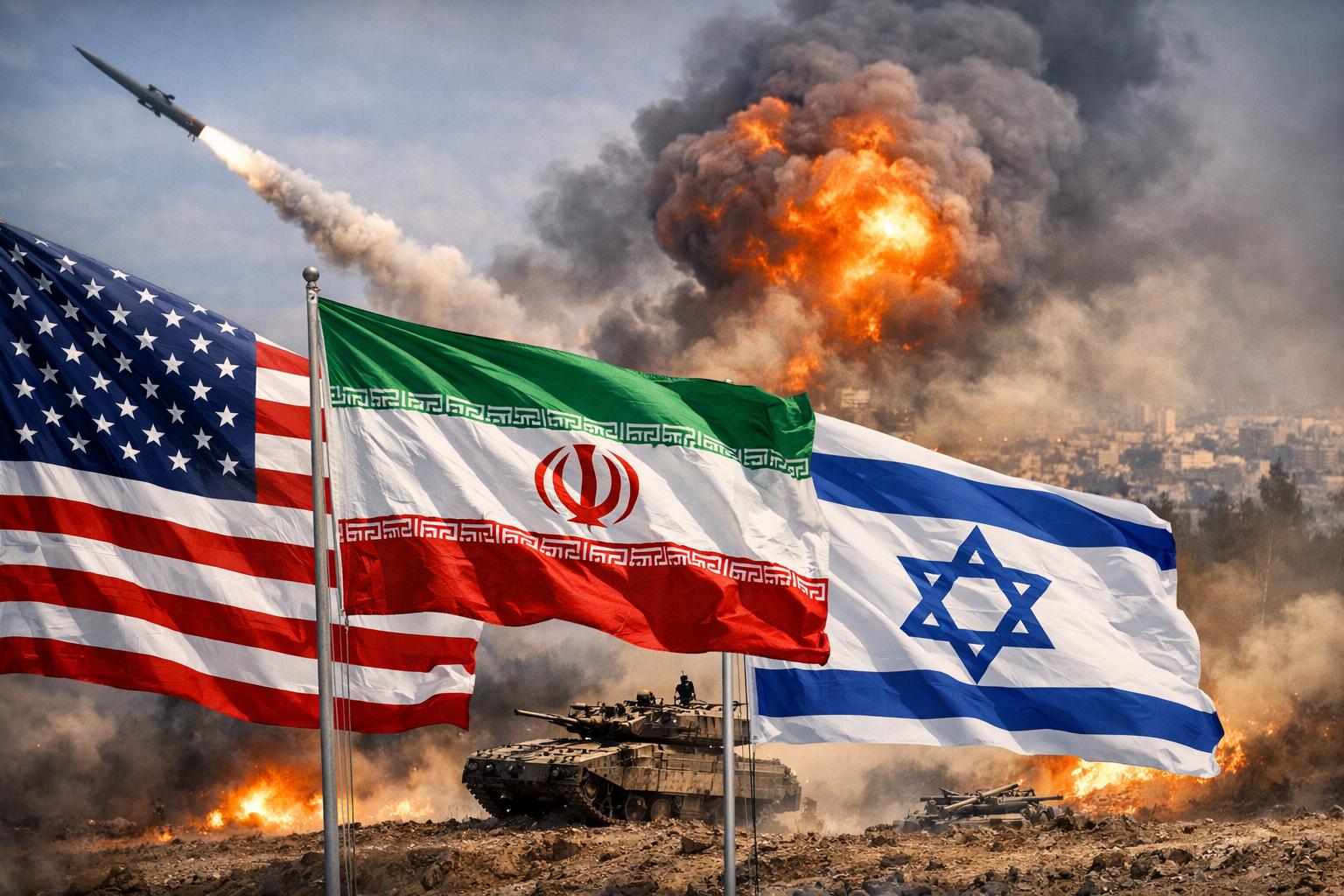
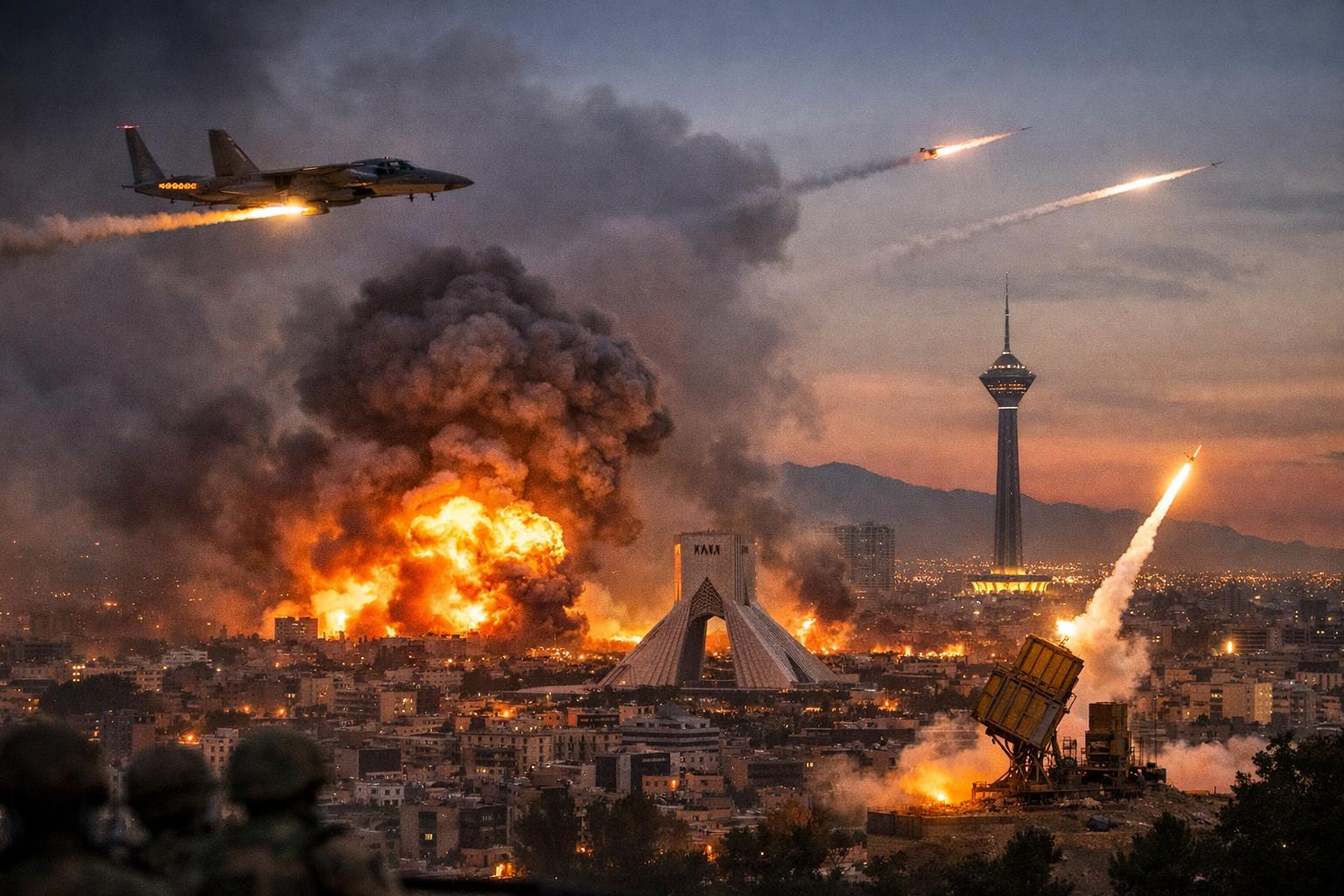
TEHRAN, Iran — Iran, the United States, and Israel agreed to a two-week ceasefire on Wednesday, April 8, 2026 (Iran Standard Time), in a last-minute effort to halt escalating hostilities that had raised fears of a broader regional war. The agreement, described by U.S. Vice President JD Vance as “fragile,” came just hours before the United States was expected to launch a major bombing campaign against Iran.
Despite the announcement, reports of renewed missile and drone attacks
TEHRAN, Iran — Iran, the United States, and Israel agreed to a two-week ceasefire on Wednesday, April 8, 2026 (Iran Standard Time), in a last-minute effort to halt escalating hostilities that had raised fears of a broader regional war. The agreement, described by U.S. Vice President JD Vance as “fragile,” came just hours before the United States was expected to launch a major bombing campaign against Iran.
Despite the announcement, reports of renewed missile and drone attacks
U.S. President Donald Trump said on Wednesday, April 8, 2026, that the United States is prepared to work with Iran to recover enriched uranium believed to be buried beneath sites targeted during joint U.S.-Israeli strikes in June 2025. The comments signal a potential shift in U.S.-Iran engagement, though Iranian officials have not confirmed any such cooperation.
In a social media post, Trump stated that “there will be no enrichment of uranium” moving forward and asserted that the
U.S. President Donald Trump said on Wednesday, April 8, 2026, that the United States is prepared to work with Iran to recover enriched uranium believed to be buried beneath sites targeted during joint U.S.-Israeli strikes in June 2025. The comments signal a potential shift in U.S.-Iran engagement, though Iranian officials have not confirmed any such cooperation.
In a social media post, Trump stated that “there will be no enrichment of uranium” moving forward and asserted that the
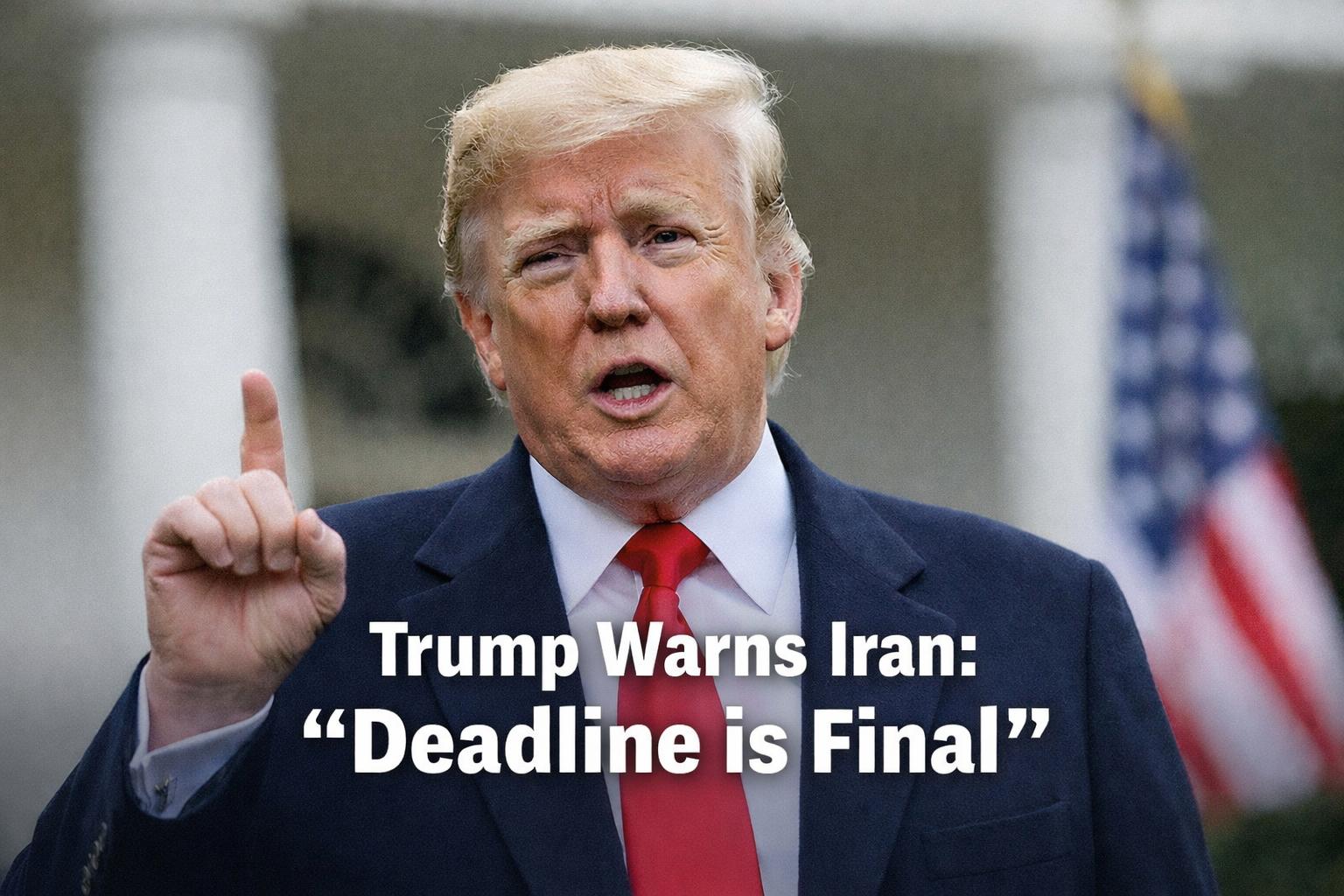
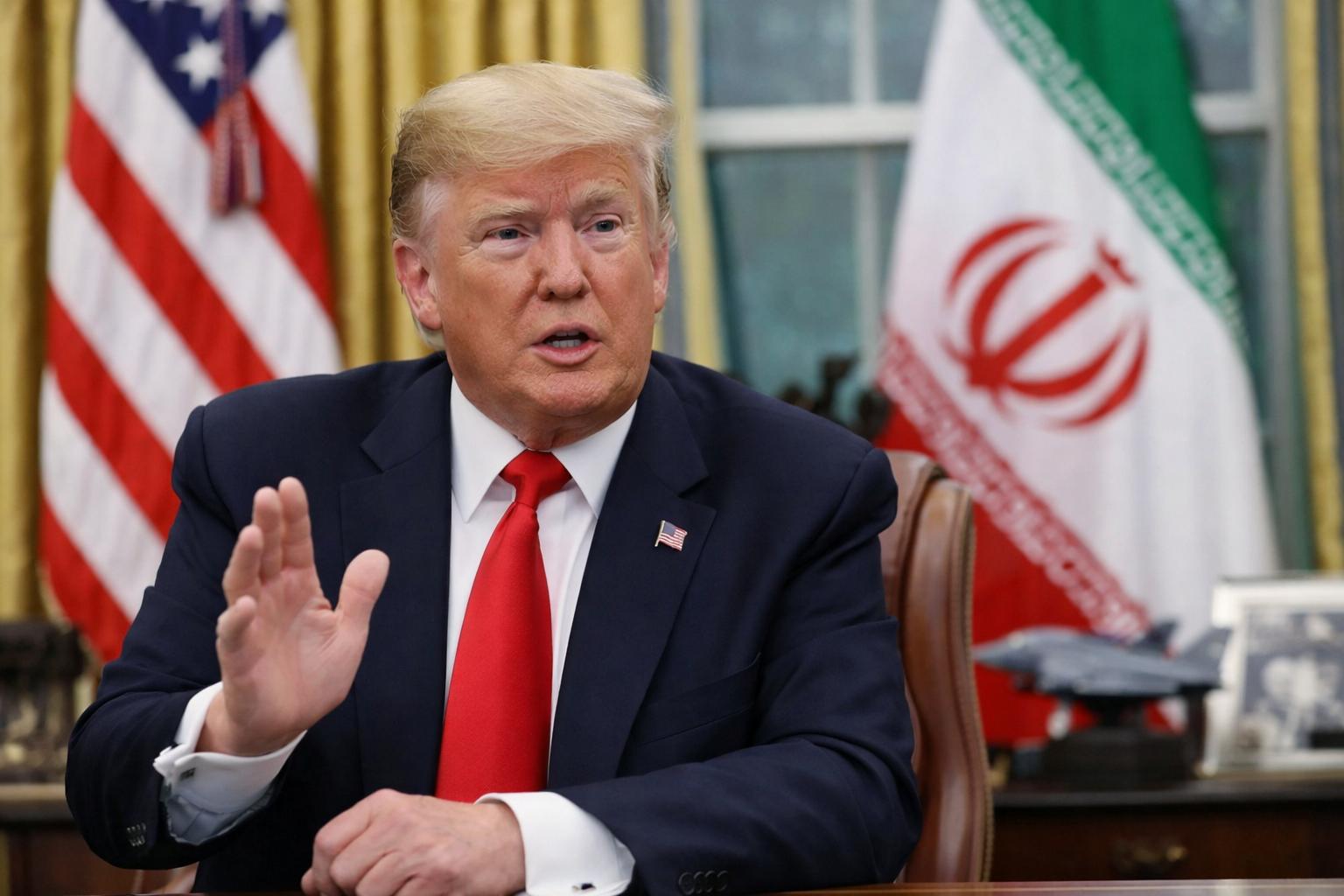
US President Donald Trump stated on Monday April 6, 2026, that the deadline he set for Iran to reach a negotiated agreement remains final, signaling increased pressure on Tehran amid ongoing diplomatic efforts. Speaking during a public event on the White House South Lawn, Trump described Iran’s latest proposal as a meaningful step forward but emphasized that it falls short of US expectations.
According to his remarks, the proposal reflects progress in negotiations, yet does not meet the conditions the United States considers necessary for a resolution. Trump indicated that Iranian officials are aware of the specific requirements being sought, suggesting that discussions have been conducted in what he characterized as good faith.
The president also reiterated his warning that failure to meet the Tuesday deadline could result in significant military consequences. He stated that US forces are prepared to carry out broad attacks targeting Iranian infrastructure if an agreement is not reached within the specified timeframe. This position underscores a sharp escalation in rhetoric as diplomatic channels remain active but uncertain.
Iran has rejected the imposed deadline, maintaining its stance against external pressure in the negotiation process. The divergence highlights ongoing challenges in reaching consensus, as both sides continue to navigate complex political and strategic considerations.
Trump added that a resolution could be achieved quickly if Iran complies with the outlined demands, suggesting that the situation remains fluid despite the firm deadline. The developments reflect heightened geopolitical tensions, with global observers closely monitoring whether diplomacy or confrontation will shape the next phase of US-Iran relations.
US President Donald Trump stated on Monday April 6, 2026, that the deadline he set for Iran to reach a negotiated agreement remains final, signaling increased pressure on Tehran amid ongoing diplomatic efforts. Speaking during a public event on the White House South Lawn, Trump described Iran’s latest proposal as a meaningful step forward but emphasized that it falls short of US expectations.
According to his remarks, the proposal reflects progress in negotiations, yet does not meet the conditions the United States considers necessary for a resolution. Trump indicated that Iranian officials are aware of the specific requirements being sought, suggesting that discussions have been conducted in what he characterized as good faith.
The president also reiterated his warning that failure to meet the Tuesday deadline could result in significant military consequences. He stated that US forces are prepared to carry out broad attacks targeting Iranian infrastructure if an agreement is not reached within the specified timeframe. This position underscores a sharp escalation in rhetoric as diplomatic channels remain active but uncertain.
Iran has rejected the imposed deadline, maintaining its stance against external pressure in the negotiation process. The divergence highlights ongoing challenges in reaching consensus, as both sides continue to navigate complex political and strategic considerations.
Trump added that a resolution could be achieved quickly if Iran complies with the outlined demands, suggesting that the situation remains fluid despite the firm deadline. The developments reflect heightened geopolitical tensions, with global observers closely monitoring whether diplomacy or confrontation will shape the next phase of US-Iran relations.
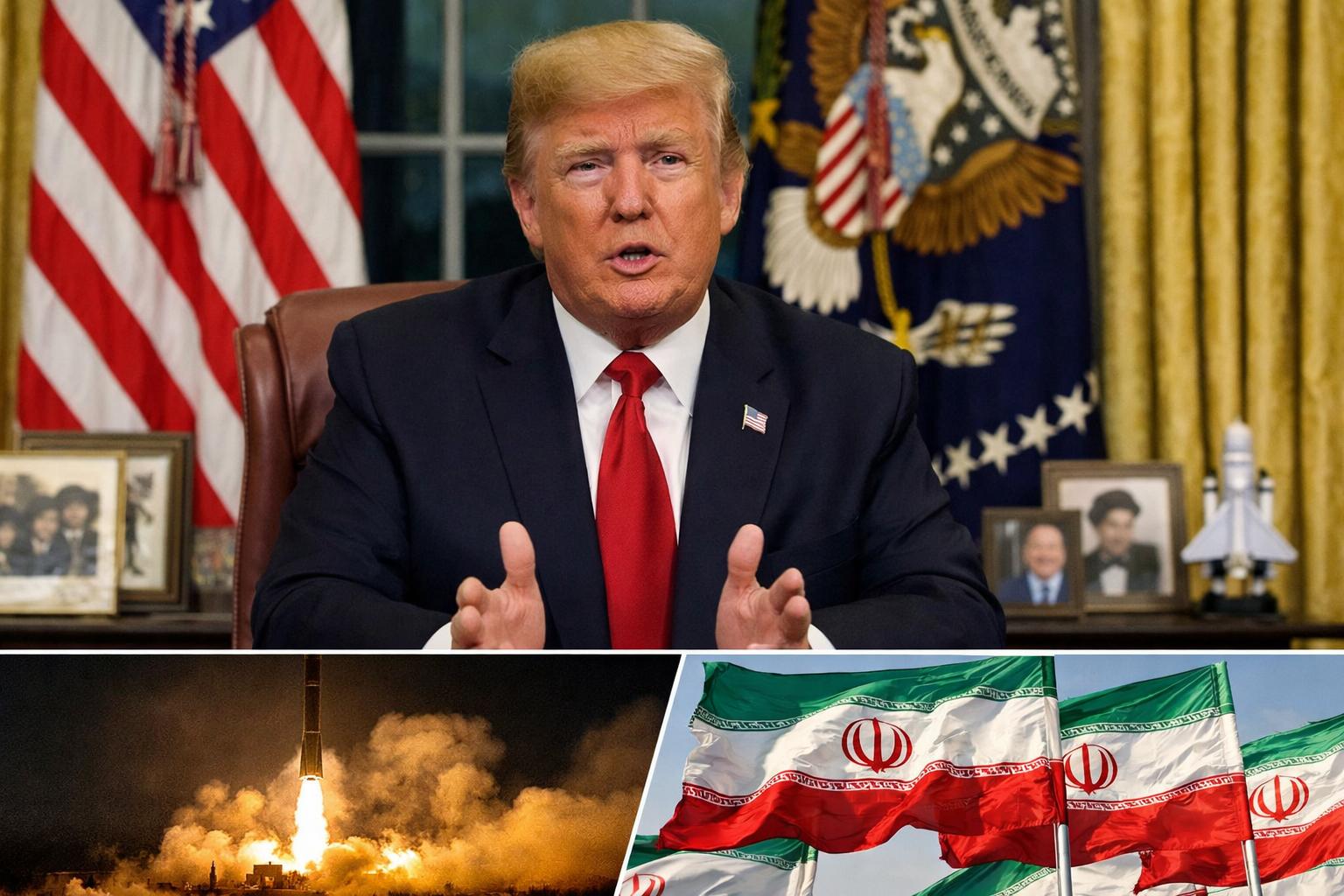
WASHINGTON — President Donald Trump on Wednesday, April 2, 2026, delivered a primetime address from the White House seeking to justify the ongoing U.S. military campaign against Iran, but he provided few new details about the conflict’s trajectory or conclusion. The speech came at a pivotal moment both domestically and internationally, as the administration continues to expand executive authority in directing the war effort.
In his remarks, Trump emphasized that preventing Iran fr
WASHINGTON — President Donald Trump on Wednesday, April 2, 2026, delivered a primetime address from the White House seeking to justify the ongoing U.S. military campaign against Iran, but he provided few new details about the conflict’s trajectory or conclusion. The speech came at a pivotal moment both domestically and internationally, as the administration continues to expand executive authority in directing the war effort.
In his remarks, Trump emphasized that preventing Iran fr
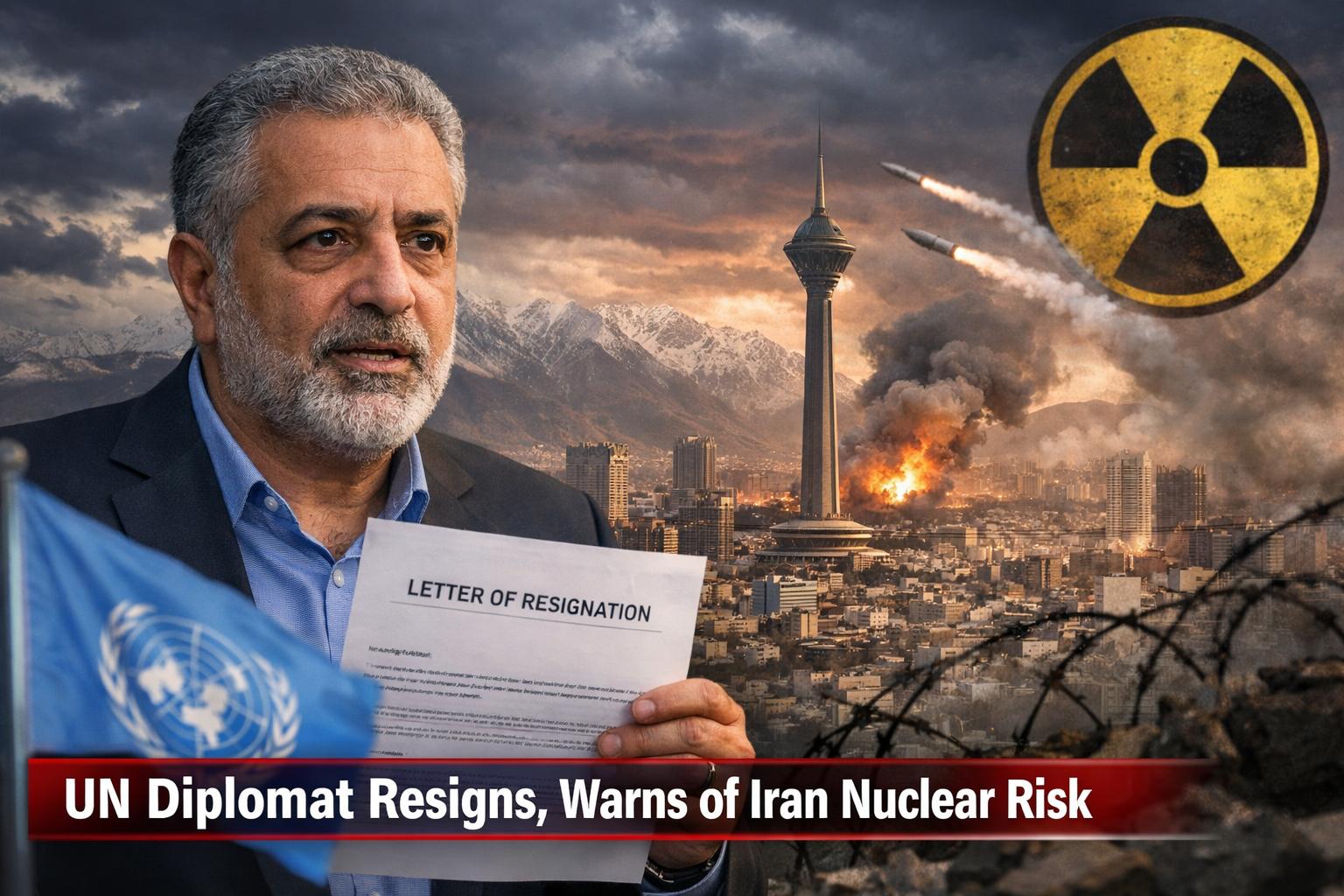
A diplomat associated with the United Nations has resigned, warning of a potential nuclear escalation tied to rising tensions involving Iran. Mohammad Safa announced his decision in a public statement shared on social media, accompanied by a resignation letter outlining his concerns. A timeline of Safa’s resignation has emerged through media reports and his own public statements. His resignation letter is dated March 27, 2026, indicating when the decision was formally made. He later publi
A diplomat associated with the United Nations has resigned, warning of a potential nuclear escalation tied to rising tensions involving Iran. Mohammad Safa announced his decision in a public statement shared on social media, accompanied by a resignation letter outlining his concerns. A timeline of Safa’s resignation has emerged through media reports and his own public statements. His resignation letter is dated March 27, 2026, indicating when the decision was formally made. He later publi
Tensions between the United States, Israel, and Iran are intensifying, with multiple developments across the Middle East signaling a potentially dangerous escalation in the ongoing conflict. The situation has drawn increased global attention as military activity expands and diplomatic efforts continue behind the scenes.
Hundreds of US Special Operations forces have recently been deployed to the region, pushing total American troop levels beyond 50,000. The expanded presence reflects growing concerns in Washington over regional stability and the need to safeguard critical maritime routes, including the strategically vital Strait of Hormuz. US officials are also weighing a range of military and strategic options, including potential actions targeting Iran’s nuclear capabilities and energy infrastructure.
Amid these developments, discussions have reportedly included the possibility of securing or seizing Iranian oil facilities and enriched uranium assets. At the same time, diplomatic channels remain active, with regional intermediaries attempting to ease tensions and prevent further escalation.
Uncertainty surrounding Iran’s leadership has added another layer of complexity. Supreme Leader Mojtaba Khamenei has not appeared publicly in recent days, fueling speculation about his health and control over internal decision-making during a critical period.
The conflict is also beginning to extend beyond traditional battle zones. A recent Iranian strike in Kuwait resulted in the death of an Indian worker, underscoring the growing risks to civilians and foreign nationals in the region. Analysts warn that such incidents highlight the vulnerability of critical infrastructure and the potential for unintended consequences as hostilities widen.
Security experts caution that the situation remains highly volatile, with the possibility of broader regional fallout if tensions continue to rise. As military posturing increases alongside fragile diplomatic efforts, the coming days are expected to be crucial in determining whether the conflict can be contained or escalates further.
Tensions between the United States, Israel, and Iran are intensifying, with multiple developments across the Middle East signaling a potentially dangerous escalation in the ongoing conflict. The situation has drawn increased global attention as military activity expands and diplomatic efforts continue behind the scenes.
Hundreds of US Special Operations forces have recently been deployed to the region, pushing total American troop levels beyond 50,000. The expanded presence reflects growing concerns in Washington over regional stability and the need to safeguard critical maritime routes, including the strategically vital Strait of Hormuz. US officials are also weighing a range of military and strategic options, including potential actions targeting Iran’s nuclear capabilities and energy infrastructure.
Amid these developments, discussions have reportedly included the possibility of securing or seizing Iranian oil facilities and enriched uranium assets. At the same time, diplomatic channels remain active, with regional intermediaries attempting to ease tensions and prevent further escalation.
Uncertainty surrounding Iran’s leadership has added another layer of complexity. Supreme Leader Mojtaba Khamenei has not appeared publicly in recent days, fueling speculation about his health and control over internal decision-making during a critical period.
The conflict is also beginning to extend beyond traditional battle zones. A recent Iranian strike in Kuwait resulted in the death of an Indian worker, underscoring the growing risks to civilians and foreign nationals in the region. Analysts warn that such incidents highlight the vulnerability of critical infrastructure and the potential for unintended consequences as hostilities widen.
Security experts caution that the situation remains highly volatile, with the possibility of broader regional fallout if tensions continue to rise. As military posturing increases alongside fragile diplomatic efforts, the coming days are expected to be crucial in determining whether the conflict can be contained or escalates further.
The United States has initiated indirect diplomatic engagement with Iran through Pakistan, according to Steve Witkoff, a special envoy serving under President Donald Trump. Speaking during a Cabinet meeting at the White House, Witkoff confirmed that a structured 15-point peace proposal has been conveyed to Iranian authorities via Pakistan’s government, marking a renewed attempt to address ongoing tensions through diplomatic channels.
Witkoff described the framework as a comprehensive ef
The United States has initiated indirect diplomatic engagement with Iran through Pakistan, according to Steve Witkoff, a special envoy serving under President Donald Trump. Speaking during a Cabinet meeting at the White House, Witkoff confirmed that a structured 15-point peace proposal has been conveyed to Iranian authorities via Pakistan’s government, marking a renewed attempt to address ongoing tensions through diplomatic channels.
Witkoff described the framework as a comprehensive ef
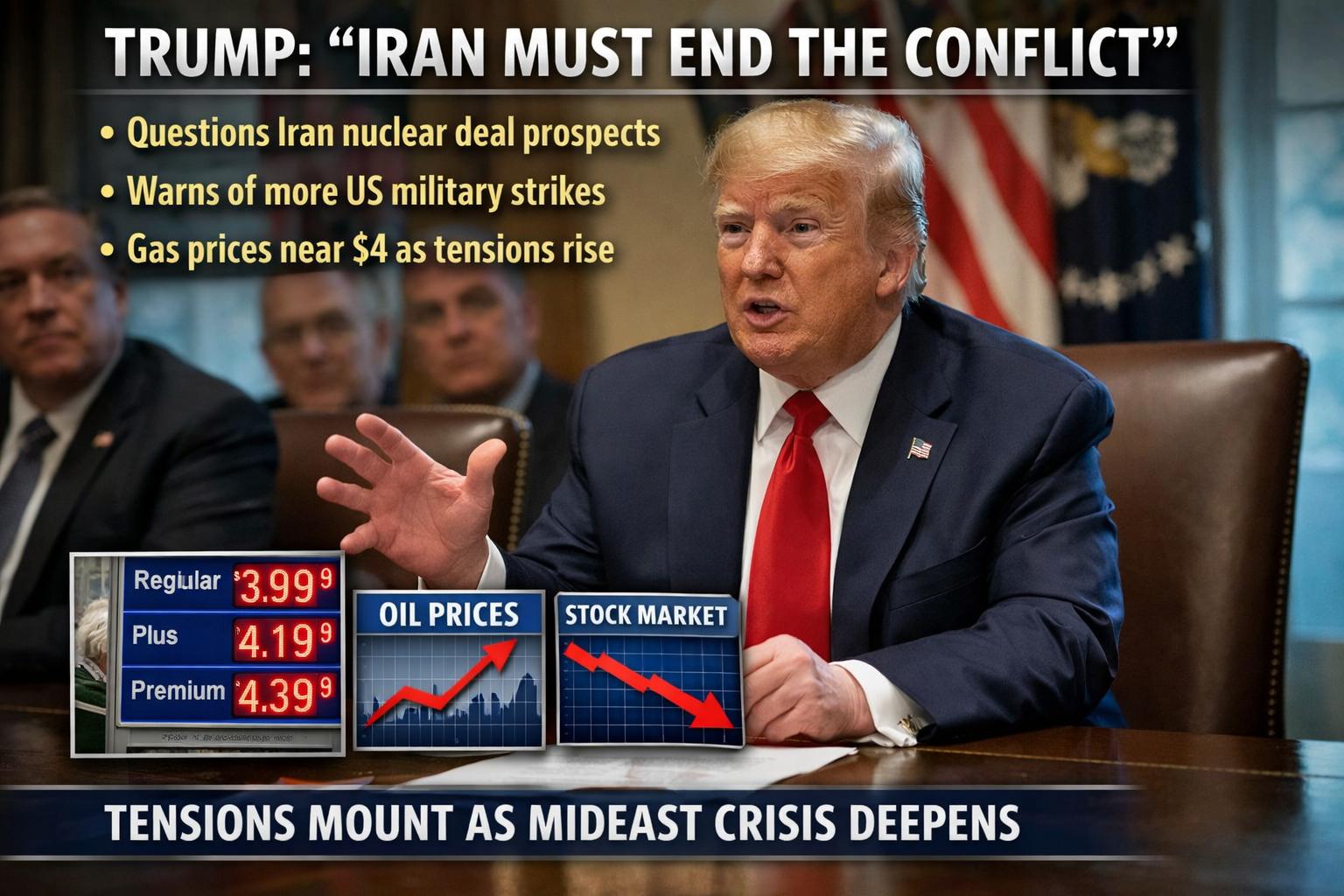
WASHINGTON — March 26, 2026: President Donald Trump on Thursday cast renewed doubt on the likelihood of reaching a peace agreement with Iran, indicating that any meaningful progress would depend on Tehran’s willingness to shift its current stance amid ongoing tensions between the two countries.
Speaking during a Cabinet meeting at the White House, Trump emphasized that Iran must take the first step if a deal is to materialize. He expressed uncertainty over wheth
WASHINGTON — March 26, 2026: President Donald Trump on Thursday cast renewed doubt on the likelihood of reaching a peace agreement with Iran, indicating that any meaningful progress would depend on Tehran’s willingness to shift its current stance amid ongoing tensions between the two countries.
Speaking during a Cabinet meeting at the White House, Trump emphasized that Iran must take the first step if a deal is to materialize. He expressed uncertainty over wheth
US President Donald Trump has stated that Iran has agreed to never develop nuclear weapons, describing the development as a sign of progress in ongoing diplomatic engagement between the two countries. His remarks come at a time when tensions in the Middle East remain high, with regional conflict continuing to shape the broader geopolitical landscape.
Speaking to reporters at the Oval Office, Trump adopted an optimistic tone, indicating that backchannel communicati
US President Donald Trump has stated that Iran has agreed to never develop nuclear weapons, describing the development as a sign of progress in ongoing diplomatic engagement between the two countries. His remarks come at a time when tensions in the Middle East remain high, with regional conflict continuing to shape the broader geopolitical landscape.
Speaking to reporters at the Oval Office, Trump adopted an optimistic tone, indicating that backchannel communicati
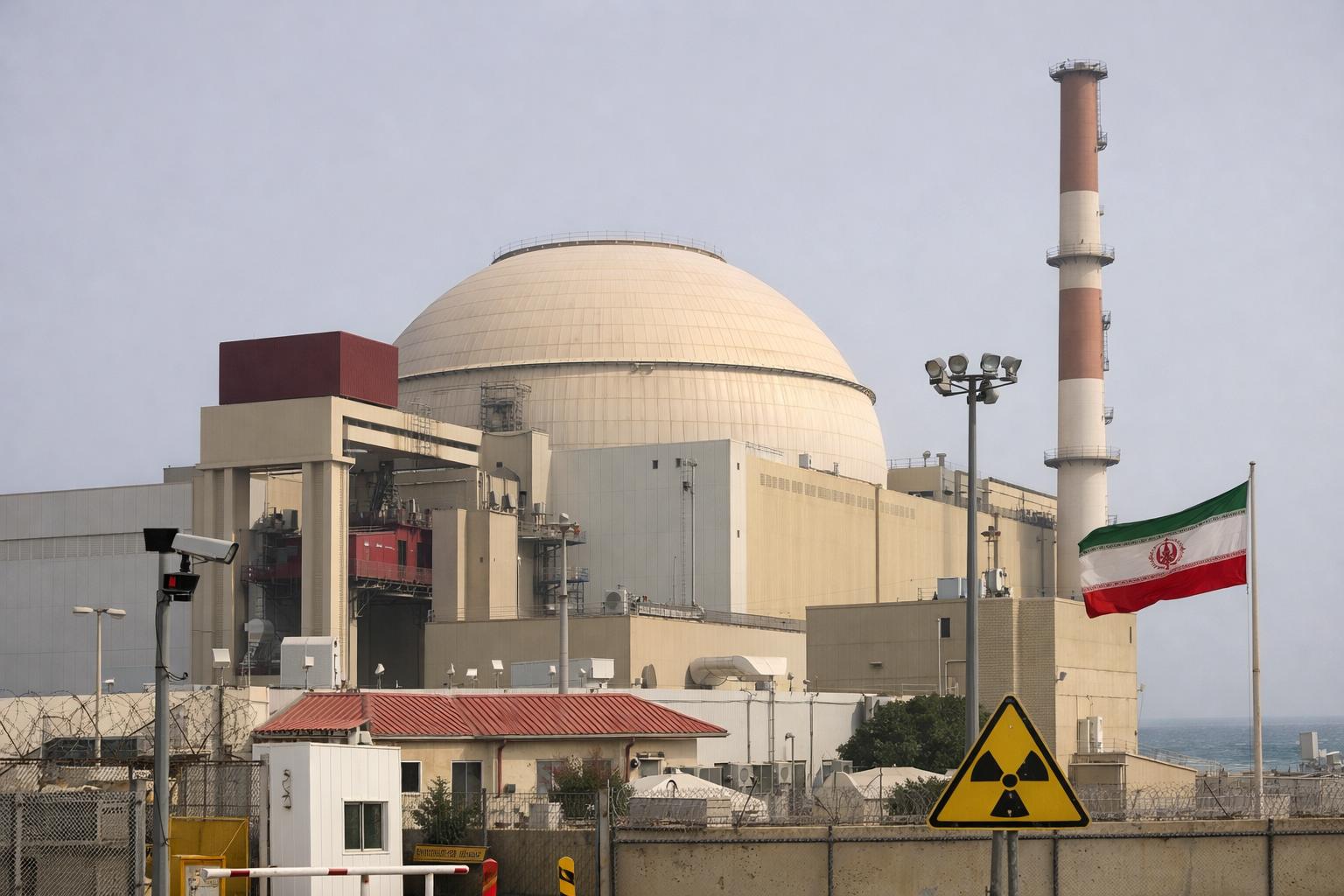
Iran’s Atomic Energy Organization on Tuesday reported that a projectile struck within the perimeter of the Bushehr nuclear power plant, alleging that the attack was carried out by the United States and Israel. In an official statement, the agency described the incident as part of continued aggression by what it termed the “American-Zionist enemy.” Authorities said the projectile landed inside the facility’s enclosure but confirmed that initial assessments found no financial losses, techn
Iran’s Atomic Energy Organization on Tuesday reported that a projectile struck within the perimeter of the Bushehr nuclear power plant, alleging that the attack was carried out by the United States and Israel. In an official statement, the agency described the incident as part of continued aggression by what it termed the “American-Zionist enemy.” Authorities said the projectile landed inside the facility’s enclosure but confirmed that initial assessments found no financial losses, techn
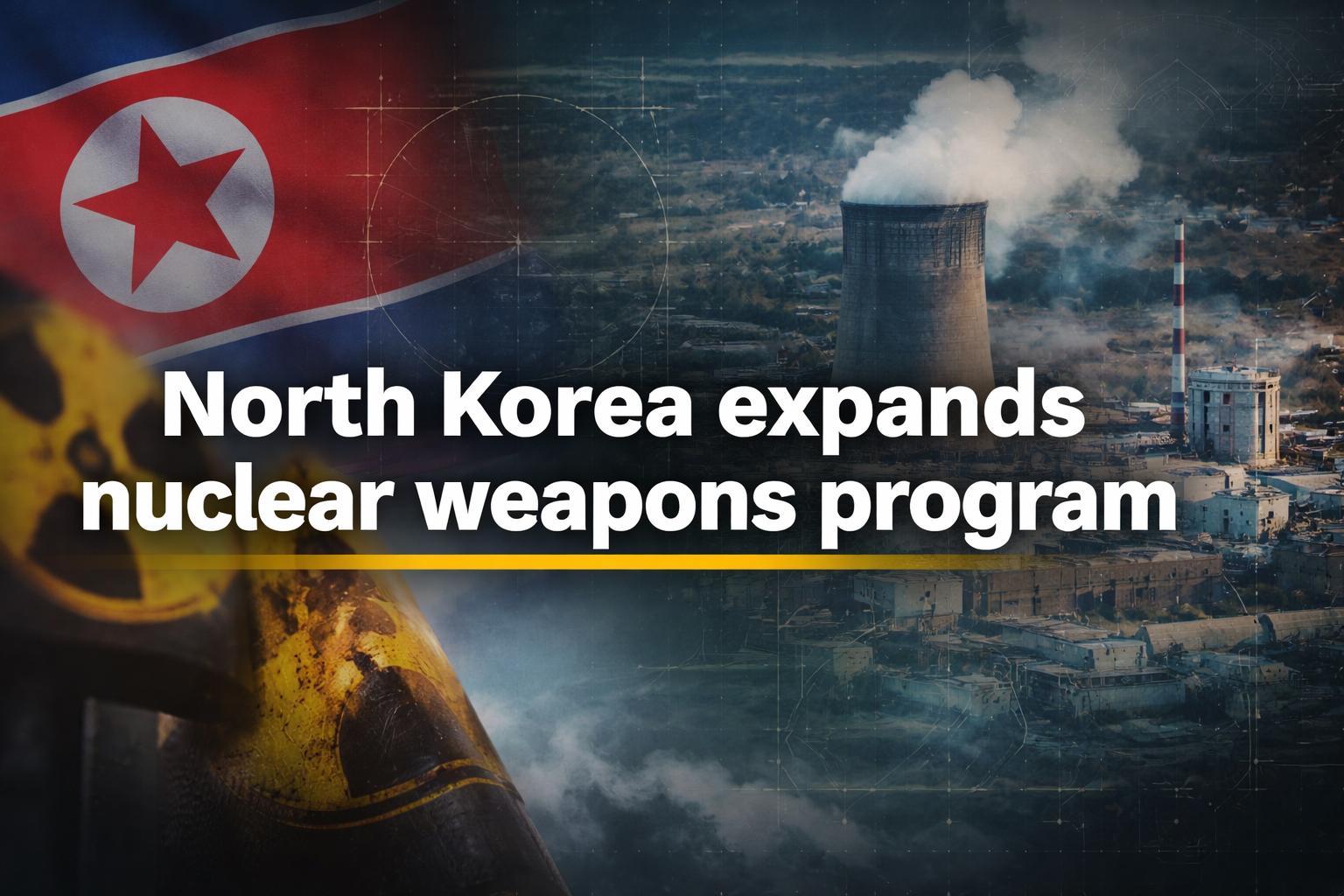
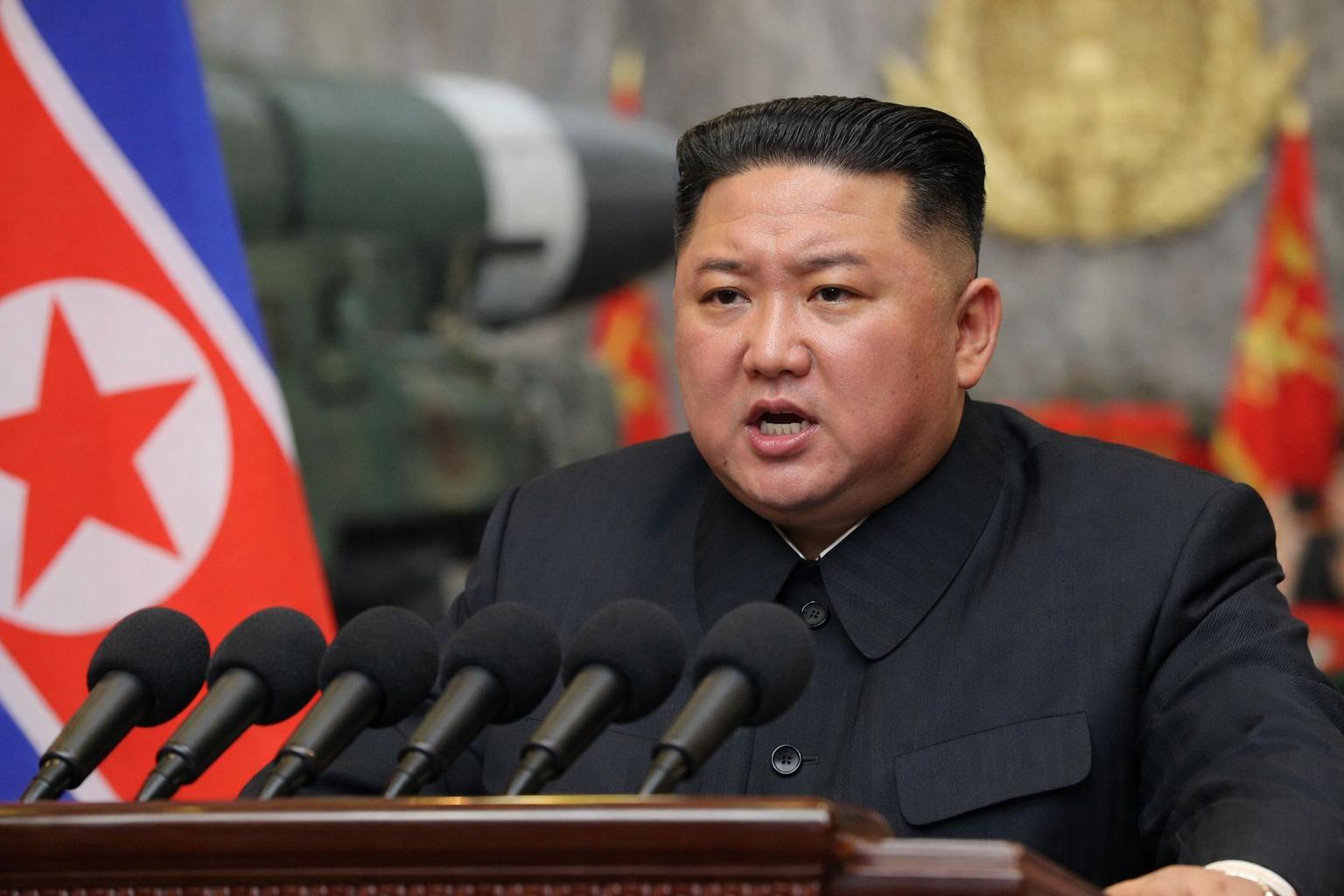
North Korean leader Kim Jong Un has reaffirmed that his country will not abandon its nuclear weapons programme, declaring its status as a nuclear-armed state “irreversible” in a strongly worded address delivered to the nation’s legislature. The remarks came shortly after his reappointment as chairman of the State Affairs Commission, consolidating his leadership over the country’s highest decision-making body.
According to official reports released on March 24, Kim outlined an intensified strategy to expand North Korea’s nuclear arsenal, framing the move as essential for national security and constitutional responsibility. He stated that Pyongyang would continue to strengthen its nuclear deterrent and advance its capabilities in response to what he described as ongoing threats from hostile forces. The leader emphasized that maintaining and enhancing nuclear readiness was a key priority, ensuring that the country remains prepared to counter strategic challenges.
Kim portrayed the development of nuclear weapons as a justified and defensive measure, asserting that the programme aligns with the country’s long-term security goals. He indicated that North Korea would pursue both quantitative and qualitative improvements in its nuclear forces, underscoring a commitment to sustained military advancement amid rising geopolitical tensions in the region.
The speech also included sharp criticism of South Korea, which Kim labelled as the “most hostile state.” He warned that any perceived provocation or infringement on North Korea’s sovereignty would be met with a decisive and uncompromising response. The language used signalled a continuation of strained inter-Korean relations, with little indication of near-term diplomatic engagement.
Kim’s address covered broader policy areas, including defence, economic priorities, and relations with the United States, though nuclear policy remained the central focus. His remarks highlight an ongoing shift toward a more assertive security posture, raising concerns among regional and global observers about the future trajectory of East Asia’s security environment.
North Korean leader Kim Jong Un has reaffirmed that his country will not abandon its nuclear weapons programme, declaring its status as a nuclear-armed state “irreversible” in a strongly worded address delivered to the nation’s legislature. The remarks came shortly after his reappointment as chairman of the State Affairs Commission, consolidating his leadership over the country’s highest decision-making body.
According to official reports released on March 24, Kim outlined an intensified strategy to expand North Korea’s nuclear arsenal, framing the move as essential for national security and constitutional responsibility. He stated that Pyongyang would continue to strengthen its nuclear deterrent and advance its capabilities in response to what he described as ongoing threats from hostile forces. The leader emphasized that maintaining and enhancing nuclear readiness was a key priority, ensuring that the country remains prepared to counter strategic challenges.
Kim portrayed the development of nuclear weapons as a justified and defensive measure, asserting that the programme aligns with the country’s long-term security goals. He indicated that North Korea would pursue both quantitative and qualitative improvements in its nuclear forces, underscoring a commitment to sustained military advancement amid rising geopolitical tensions in the region.
The speech also included sharp criticism of South Korea, which Kim labelled as the “most hostile state.” He warned that any perceived provocation or infringement on North Korea’s sovereignty would be met with a decisive and uncompromising response. The language used signalled a continuation of strained inter-Korean relations, with little indication of near-term diplomatic engagement.
Kim’s address covered broader policy areas, including defence, economic priorities, and relations with the United States, though nuclear policy remained the central focus. His remarks highlight an ongoing shift toward a more assertive security posture, raising concerns among regional and global observers about the future trajectory of East Asia’s security environment.
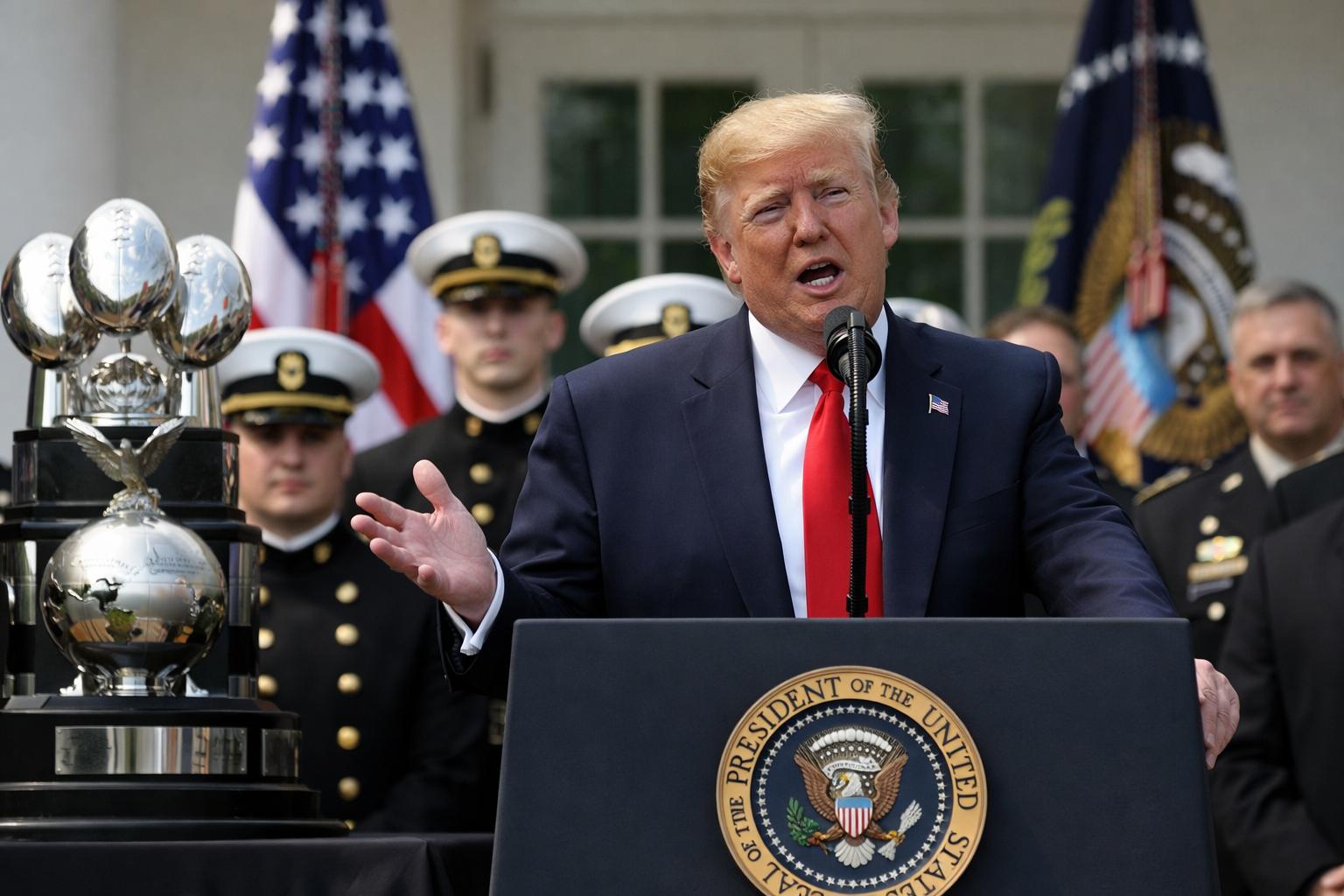
US President Donald Trump on Friday said the United States was “doing extremely well in Iran,” making a series of sweeping claims about the country’s military capabilities during a ceremony at the White House. Speaking while presenting the Commander-in-Chief’s Trophy, Trump asserted that Iran’s naval forces had effectively been neutralised, stating that the country now has “no navy anymo
US President Donald Trump on Friday said the United States was “doing extremely well in Iran,” making a series of sweeping claims about the country’s military capabilities during a ceremony at the White House. Speaking while presenting the Commander-in-Chief’s Trophy, Trump asserted that Iran’s naval forces had effectively been neutralised, stating that the country now has “no navy anymo
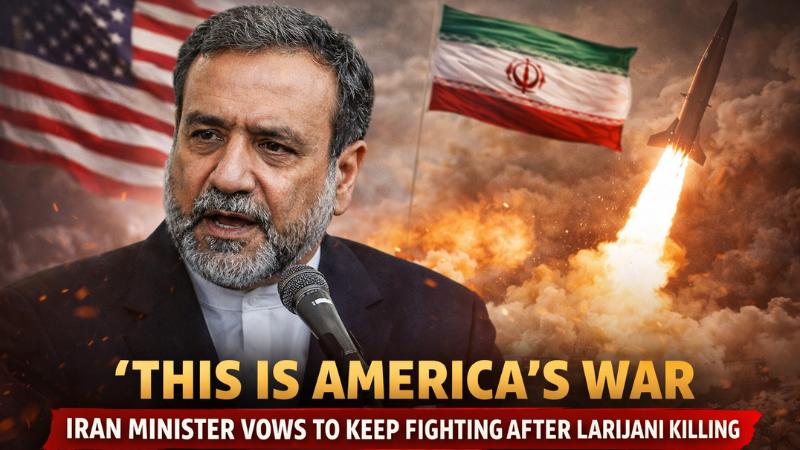
Iran has vowed to continue its fight against the United States and Israel following the killing of Ali Larijani, one of Iran's most influential political figures, in an Israeli airstrike. Iranian foreign minister Syed Abbas Araghchi made a bold statement, declaring that Iran’s political and economic structure would remain intact despite the loss of Larijani, the head of the Supreme National Security Council, who was killed alongside his family members and bodyguards near Tehran.
I
Iran has vowed to continue its fight against the United States and Israel following the killing of Ali Larijani, one of Iran's most influential political figures, in an Israeli airstrike. Iranian foreign minister Syed Abbas Araghchi made a bold statement, declaring that Iran’s political and economic structure would remain intact despite the loss of Larijani, the head of the Supreme National Security Council, who was killed alongside his family members and bodyguards near Tehran.
I
Tensions in the Middle East escalated sharply after coordinated military strikes by the United States and Israel targeted Iran on February 28, reportedly killing Iran’s Supreme Leader Ali Khamenei along with several senior Iranian officials. The operation, named “Epic Fury” by the United States and “Lion’s Roar” by Israel, came during a period of heightened friction between Washington and Tehran, particularly surrounding negotiations over Iran’s nuclear program and regional secu
Tensions in the Middle East escalated sharply after coordinated military strikes by the United States and Israel targeted Iran on February 28, reportedly killing Iran’s Supreme Leader Ali Khamenei along with several senior Iranian officials. The operation, named “Epic Fury” by the United States and “Lion’s Roar” by Israel, came during a period of heightened friction between Washington and Tehran, particularly surrounding negotiations over Iran’s nuclear program and regional secu
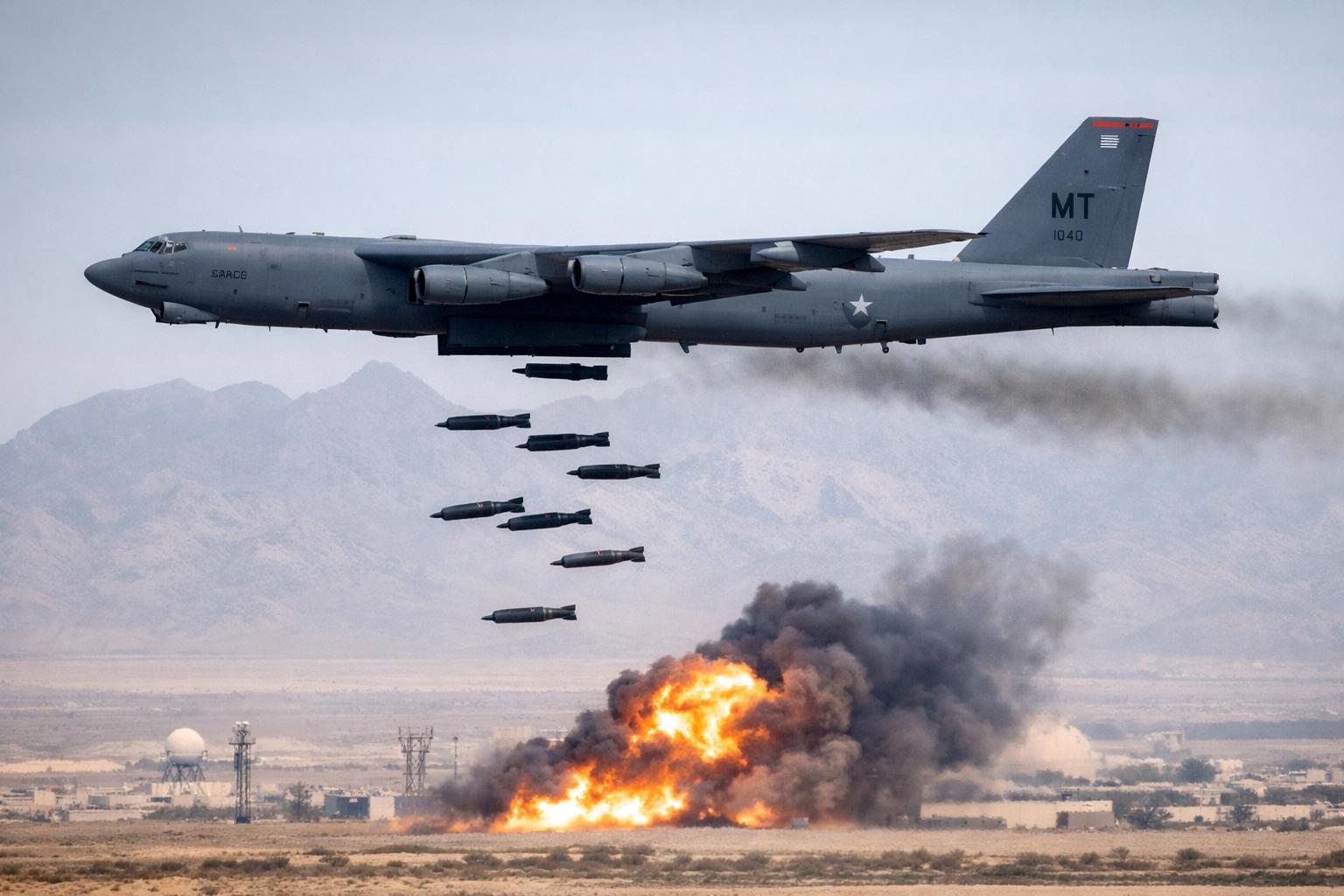
The United States Central Command (CENTCOM) on Thursday highlighted the strength of American airpower, stating that its capabilities remain unmatched in modern warfare. In a statement released on March 5, the command pointed to the role of the B-52 Stratofortress bomber during the early stages of Operation Epic Fury. According to CENTCOM, within the first 100 hours of the operation, B-52 aircraft carried out strikes targeting Iranian ballistic missile infrastructure as well as command and contro
The United States Central Command (CENTCOM) on Thursday highlighted the strength of American airpower, stating that its capabilities remain unmatched in modern warfare. In a statement released on March 5, the command pointed to the role of the B-52 Stratofortress bomber during the early stages of Operation Epic Fury. According to CENTCOM, within the first 100 hours of the operation, B-52 aircraft carried out strikes targeting Iranian ballistic missile infrastructure as well as command and contro
Iran launched large-scale retaliatory strikes on Saturday after the United States and Israel carried out coordinated military attacks on multiple targets across Iranian territory following the collapse of recent nuclear negotiations held in Oman and Switzerland. The joint offensive, described by Israel as Operation Roaring Lion and by the United States as Operation Epic Fury, reportedly struck more than 30 locations, including government facilities in Tehran and sites suspected of involvement in
Iran launched large-scale retaliatory strikes on Saturday after the United States and Israel carried out coordinated military attacks on multiple targets across Iranian territory following the collapse of recent nuclear negotiations held in Oman and Switzerland. The joint offensive, described by Israel as Operation Roaring Lion and by the United States as Operation Epic Fury, reportedly struck more than 30 locations, including government facilities in Tehran and sites suspected of involvement in
The collapse of the Geneva nuclear talks on February 26, 2026, marked a decisive setback in months of diplomatic efforts aimed at resolving the long-running dispute over Iran’s nuclear program. Mediators had earlier indicated that progress was being made, but negotiations ultimately failed after both sides refused to compromise on core demands. Officials confirmed that technical-level discussions were scheduled to continue in Vienna, though the situation deteriorated rapidly following milit
The collapse of the Geneva nuclear talks on February 26, 2026, marked a decisive setback in months of diplomatic efforts aimed at resolving the long-running dispute over Iran’s nuclear program. Mediators had earlier indicated that progress was being made, but negotiations ultimately failed after both sides refused to compromise on core demands. Officials confirmed that technical-level discussions were scheduled to continue in Vienna, though the situation deteriorated rapidly following milit
Iran has denied inspectors from the International Atomic Energy Agency access to several nuclear sites struck during a 12-day conflict involving Israel and the United States in June, according to a confidential report circulated among member states. The development has left the UN watchdog unable to verify the status of Tehran’s uranium enrichment activities or confirm the size and location of its enriched uranium stockpile.
In its latest assessment, the Vienna-based nuclear monit
Iran has denied inspectors from the International Atomic Energy Agency access to several nuclear sites struck during a 12-day conflict involving Israel and the United States in June, according to a confidential report circulated among member states. The development has left the UN watchdog unable to verify the status of Tehran’s uranium enrichment activities or confirm the size and location of its enriched uranium stockpile.
In its latest assessment, the Vienna-based nuclear monit