







West Bengal Orders Police to Hand Illegal Migrants to BSF for Deportation
Kolkata, West Bengal, 22 May 2026 – The West Bengal government has issued a strong new directive to state police to hand illegal immigrants not protected under the Citizenship Amendment Act (CAA) directly to the Border Security Force (BSF) for deportation to Bangladesh. West Bengal Orders Direct Deportation of Illegal Immigrants to BSF In a major administrative shift announced on 22 May 2026, West Bengal chief minister Suvendu Adhik
West Bengal Orders Police to Hand Illegal Migrants to BSF for Deportation
Kolkata, West Bengal, 22 May 2026 – The West Bengal government has issued a strong new directive to state police to hand illegal immigrants not protected under the Citizenship Amendment Act (CAA) directly to the Border Security Force (BSF) for deportation to Bangladesh. West Bengal Orders Direct Deportation of Illegal Immigrants to BSF In a major administrative shift announced on 22 May 2026, West Bengal chief minister Suvendu Adhik
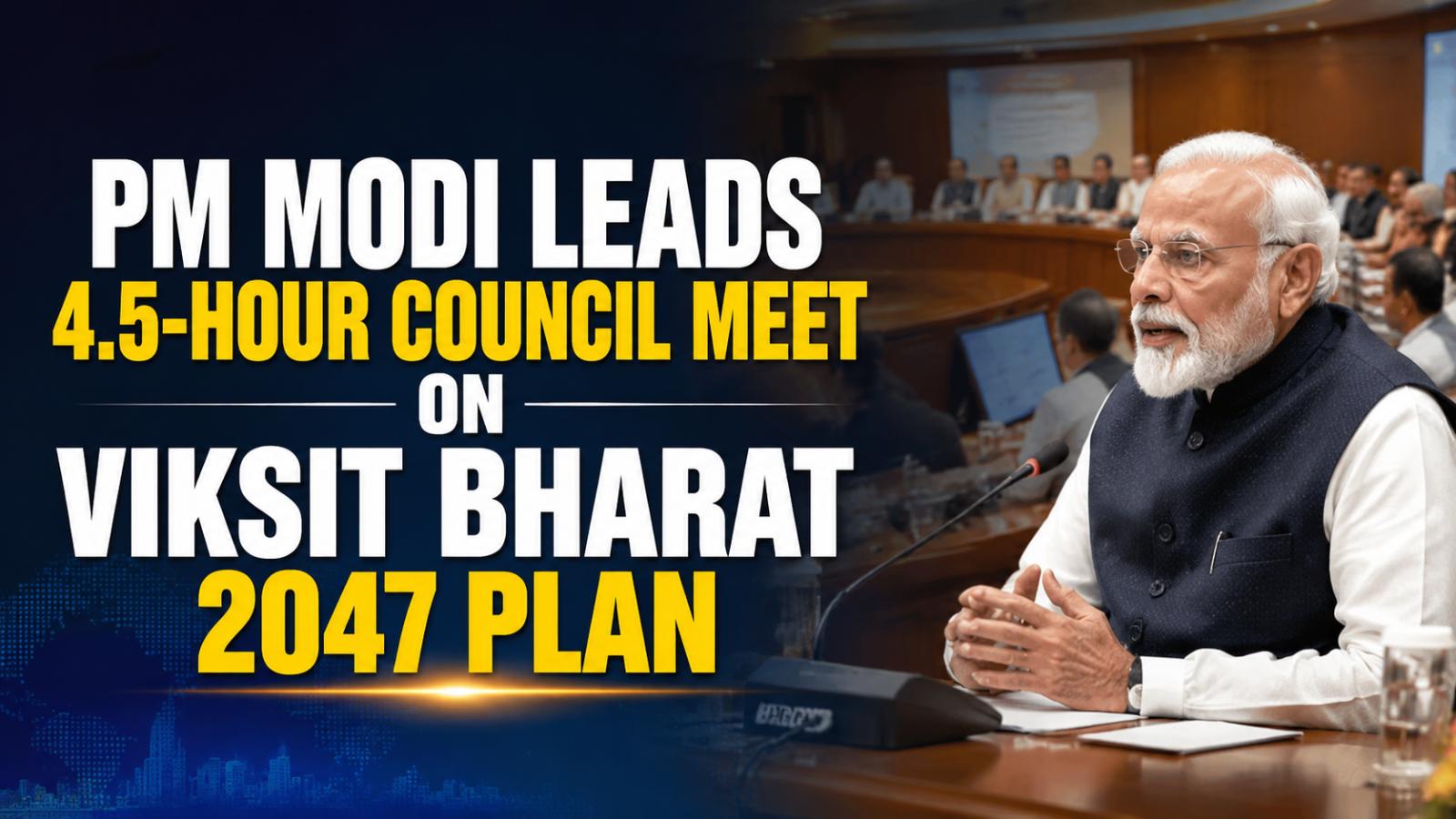
PM Modi Chairs 4.5-Hour Council Meet on Viksit Bharat 2047 Vision
Prime Minister Narendra Modi chaired a focused Council of Ministers meeting lasting around 4.5 hours, demonstrating India’s commitment to achieving the long-term Viksit Bharat 2047 development plan. Senior cabinet ministers discussed strategies for administrative reform, governance efficiency, and citizen-centric initiatives. Key Focus Areas of the Meeting Administrative Reforms: Streamlining government services, reducing bureaucrac
PM Modi Chairs 4.5-Hour Council Meet on Viksit Bharat 2047 Vision
Prime Minister Narendra Modi chaired a focused Council of Ministers meeting lasting around 4.5 hours, demonstrating India’s commitment to achieving the long-term Viksit Bharat 2047 development plan. Senior cabinet ministers discussed strategies for administrative reform, governance efficiency, and citizen-centric initiatives. Key Focus Areas of the Meeting Administrative Reforms: Streamlining government services, reducing bureaucrac
PM Narendra Modi Gifts Indian Heritage To World Leaders On Five-Nation Tour
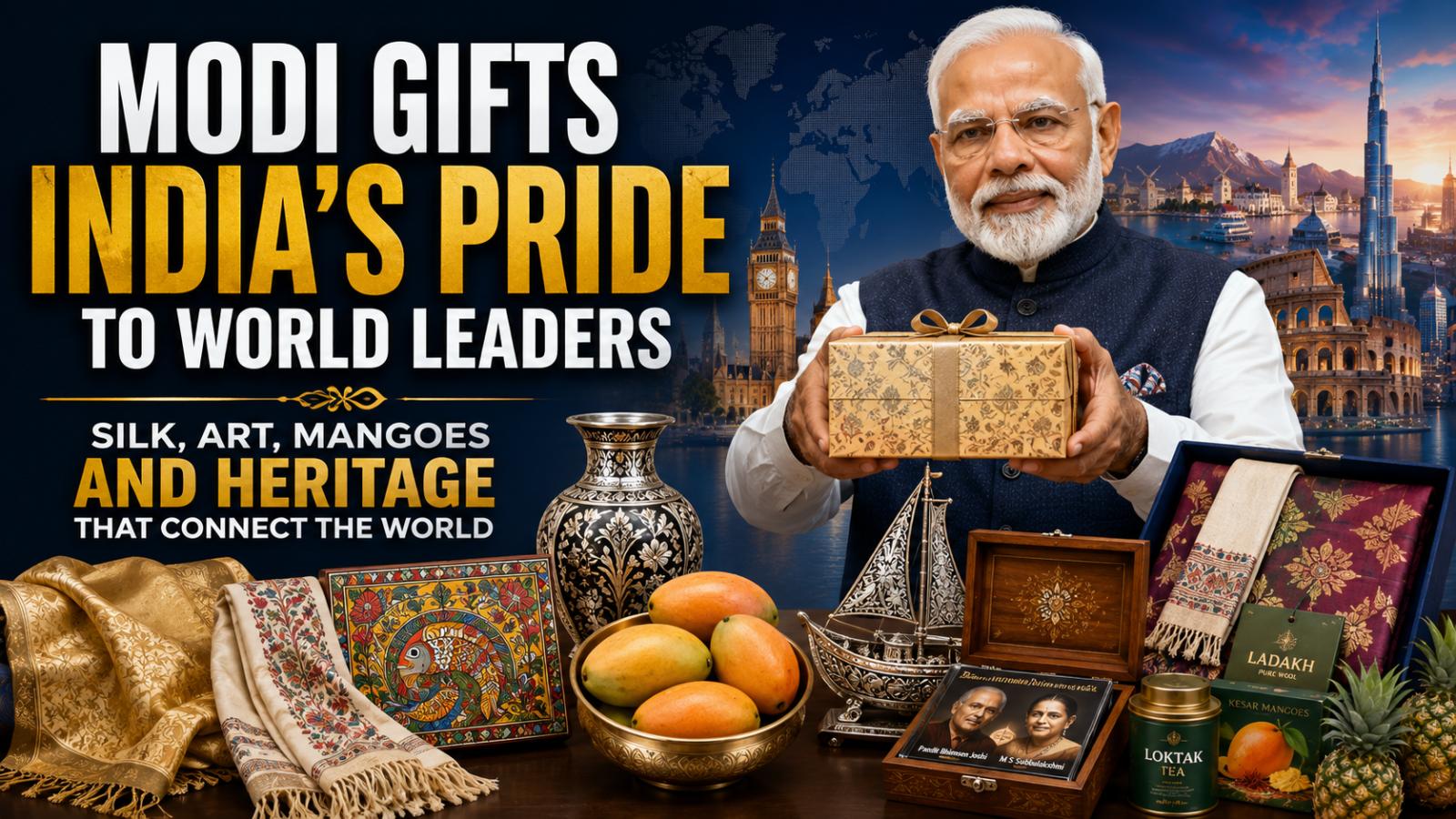
May 22, 2026 Prime Minister Narendra Modi’s five-nation tour highlighted India’s cultural diplomacy through gifts such as Muga silk, Ladakhi wool, Kesar mangoes, Madhubani art, Bidri work and regional rice varieties. Prime Minister Narendra Modi’s recently concluded five-nation tour was not just about diplomacy and high-level meetings. It also became a carefully curated showcase of India’s cultural diversity, traditional craftsmanship and regional pride. During his visit to the United Arab Emirates, the Netherlands, Sweden, Norway and Italy, Modi presented world leaders with gifts that reflected India’s textiles, art forms, agricultural heritage and spiritual traditions. The gifts were chosen not merely as ceremonial items but as cultural messages. From Assam’s golden Muga silk to Rajasthan’s Madhubani painting, from Ladakh’s pure wool stole to Gujarat’s Kesar mangoes, each item carried a story of Indian identity. The selection also appeared to match the recipient country’s cultural background, creating a bridge between Indian traditions and the heritage of the host nations. Indian textiles and art take centre stage Italian Prime Minister Giorgia Meloni received a Muga silk stole, one of Assam’s most prestigious textiles. Known as the golden silk of Assam, Muga silk is valued for its natural golden sheen, durability and understated elegance. The gift was seen as a meaningful cultural connection with Italy, a country famous for luxury textiles, fashion and refined design. Meloni was also given a packet of Melody toffees, a lighter personal gesture that quickly attracted attention online. A video shared by Meloni showed her appreciating the toffee, calling it “very, very good.” The moment gained extra traction because many social media users have already used the popular term “Melodi” to describe the equation between Modi and Meloni. The Italian Prime Minister also received a Shirui Lily silk stole inspired by the rare Shirui Lily of Manipur. The flower, which blooms only in the misty heights of Shirui Kashong peak, has deep cultural significance for the Tangkhul Naga community. It symbolises purity, identity and pride. The choice also carried a connection to Italy, where lilies have long been associated with grace, purity and artistic refinement. Italian President Sergio Mattarella was gifted a marble inlay work box along with CDs of legendary Indian classical musicians Pandit Bhimsen Joshi and M S Subbulakshmi. The box represented the Pacchikari or Pietra Dura tradition, closely associated with Agra’s master craftsmen. The art form has a historical connection to Florence and later flourished in India under royal patronage, making it a symbolic bridge between India and Italy. In the Netherlands, King Willem-Alexander received Jaipur blue pottery, a GI-tagged art form known for its cobalt blue, white and yellow designs. This was a clever diplomatic choice because the Netherlands has its own celebrated Delft Blue pottery tradition. Queen Maxima received Meenakari and Kundan earrings, representing the royal jewellery traditions of Rajasthan. Dutch Prime Minister Rob Jetten was gifted a Madhubani painting featuring a fish motif. Madhubani painting, a GI-tagged folk art from Bihar’s Mithila region, is known for vibrant colours, geometric patterns and symbolic themes. The fish motif is often linked to prosperity, fertility and good fortune. Norwegian Prime Minister Jonas Gahr Støre received a pressed orchid painting and orchid paperweights made from real pressed orchids and ferns from Sikkim. These gifts highlighted the biodiversity of the Eastern Himalayas. King Harald V of Norway was presented with a silver sailboat model made using Tarakasi, the ancient silver filigree art of Cuttack in Odisha. Queen Sonja received a palm leaf Pattachitra, one of Odisha’s oldest and most intricate art forms. Food, craft and heritage used as diplomacy Swedish Prime Minister Ulf Kristersson received a Ladakhi pure wool stole, along with Loktak tea and a handcrafted Santiniketan messenger bag. The Ladakhi stole represented India’s high-altitude textile heritage, while Loktak tea brought attention to the northeast’s artisanal tea culture. The Santiniketan bag reflected Bengal’s craft traditions and the cultural legacy associated with the region. Iceland’s Prime Minister Kristrun Frostadottir was gifted a replica of the ice axe used by Sherpa Tenzing Norgay during the historic first ascent of Mount Everest in 1953 with Sir Edmund Hillary. This gift was one of the most symbolic items on the list, connecting adventure, mountaineering history and Himalayan pride. Denmark’s Prime Minister Mette Frederiksen received a Bidri silver work vase. Bidri work, rooted in the Deccan, is known for its blackened metal base and intricate silver inlay. It remains one of India’s most refined metal craft traditions. Finland’s Prime Minister Petteri Orpo was gifted a Kamal Talai Pichwai painting from Rajasthan’s Nathdwara tradition, known for devotional themes and delicate artistic detailing. In the UAE, President Sheikh Mohamed bin Zayed Al Nahyan received a Rogan painting featuring the tree of life. Rogan art is a rare textile painting tradition from Gujarat’s Kutch region. He was also given Kesar mangoes, the GI-tagged mango variety known as Gujarat’s “Queen of Mangoes,” and Meghalaya pineapples, which are among India’s most admired fruit varieties. The UAE Crown Prince received a ceremonial dagger with Koftgari work, representing India’s martial and metalwork heritage. He was also gifted Mithila makhana, a premium agricultural product from Bihar. The UAE Queen Mother received Maheshwari silk fabric from Madhya Pradesh and Chak Hao rice, the famous black rice of Manipur. Modi also presented a wide selection of Indian rice varieties to Qu Dongyu, Director-General of the Food and Agriculture Organisation of the United Nations. The gifts included red rice from Palakkad in Kerala, Gobindobhog rice from West Bengal, Basmati rice from the Indo-Gangetic plains, Joha rice from Assam and Kalanamak rice from Uttar Pradesh, often known as “Buddha Rice.” He was also given millet bars, underlining India’s ongoing push to promote millets as nutritious and climate-resilient grains. The gift diplomacy during Modi’s tour served a clear purpose. It promoted Indian handlooms, GI-tagged products, traditional art forms and regional agricultural produce on a global stage. It also projected India as a country with deep cultural roots and enormous regional diversity. However, the real value of such diplomatic gifting depends on follow-through. If India wants these products to gain global visibility beyond ceremonial exchanges, it must invest more in international branding, artisan support, export channels and digital storytelling. A Muga silk stole or Madhubani painting can create diplomatic symbolism, but the bigger opportunity is to convert that visibility into global market demand for Indian artisans, farmers and craft communities. Modi’s latest gift list shows how cultural diplomacy can be used as soft power. Each gift carried a message: India is not just negotiating with the world politically and economically, but also introducing its regional stories, craft traditions, foods and artistic identity to global leaders. For audiences in India and abroad, the tour offered a reminder that diplomacy is not only built through agreements and speeches. Sometimes, it is also carried through silk, mangoes, paintings, rice and handcrafted symbols of heritage.
PM Narendra Modi Gifts Indian Heritage To World Leaders On Five-Nation Tour
May 22, 2026 Prime Minister Narendra Modi’s five-nation tour highlighted India’s cultural diplomacy through gifts such as Muga silk, Ladakhi wool, Kesar mangoes, Madhubani art, Bidri work and regional rice varieties. Prime Minister Narendra Modi’s recently concluded five-nation tour was not just about diplomacy and high-level meetings. It also became a carefully curated showcase of India’s cultural diversity, traditional craftsmanship and regional pride. During his visit to the United Arab Emirates, the Netherlands, Sweden, Norway and Italy, Modi presented world leaders with gifts that reflected India’s textiles, art forms, agricultural heritage and spiritual traditions. The gifts were chosen not merely as ceremonial items but as cultural messages. From Assam’s golden Muga silk to Rajasthan’s Madhubani painting, from Ladakh’s pure wool stole to Gujarat’s Kesar mangoes, each item carried a story of Indian identity. The selection also appeared to match the recipient country’s cultural background, creating a bridge between Indian traditions and the heritage of the host nations. Indian textiles and art take centre stage Italian Prime Minister Giorgia Meloni received a Muga silk stole, one of Assam’s most prestigious textiles. Known as the golden silk of Assam, Muga silk is valued for its natural golden sheen, durability and understated elegance. The gift was seen as a meaningful cultural connection with Italy, a country famous for luxury textiles, fashion and refined design. Meloni was also given a packet of Melody toffees, a lighter personal gesture that quickly attracted attention online. A video shared by Meloni showed her appreciating the toffee, calling it “very, very good.” The moment gained extra traction because many social media users have already used the popular term “Melodi” to describe the equation between Modi and Meloni. The Italian Prime Minister also received a Shirui Lily silk stole inspired by the rare Shirui Lily of Manipur. The flower, which blooms only in the misty heights of Shirui Kashong peak, has deep cultural significance for the Tangkhul Naga community. It symbolises purity, identity and pride. The choice also carried a connection to Italy, where lilies have long been associated with grace, purity and artistic refinement. Italian President Sergio Mattarella was gifted a marble inlay work box along with CDs of legendary Indian classical musicians Pandit Bhimsen Joshi and M S Subbulakshmi. The box represented the Pacchikari or Pietra Dura tradition, closely associated with Agra’s master craftsmen. The art form has a historical connection to Florence and later flourished in India under royal patronage, making it a symbolic bridge between India and Italy. In the Netherlands, King Willem-Alexander received Jaipur blue pottery, a GI-tagged art form known for its cobalt blue, white and yellow designs. This was a clever diplomatic choice because the Netherlands has its own celebrated Delft Blue pottery tradition. Queen Maxima received Meenakari and Kundan earrings, representing the royal jewellery traditions of Rajasthan. Dutch Prime Minister Rob Jetten was gifted a Madhubani painting featuring a fish motif. Madhubani painting, a GI-tagged folk art from Bihar’s Mithila region, is known for vibrant colours, geometric patterns and symbolic themes. The fish motif is often linked to prosperity, fertility and good fortune. Norwegian Prime Minister Jonas Gahr Støre received a pressed orchid painting and orchid paperweights made from real pressed orchids and ferns from Sikkim. These gifts highlighted the biodiversity of the Eastern Himalayas. King Harald V of Norway was presented with a silver sailboat model made using Tarakasi, the ancient silver filigree art of Cuttack in Odisha. Queen Sonja received a palm leaf Pattachitra, one of Odisha’s oldest and most intricate art forms. Food, craft and heritage used as diplomacy Swedish Prime Minister Ulf Kristersson received a Ladakhi pure wool stole, along with Loktak tea and a handcrafted Santiniketan messenger bag. The Ladakhi stole represented India’s high-altitude textile heritage, while Loktak tea brought attention to the northeast’s artisanal tea culture. The Santiniketan bag reflected Bengal’s craft traditions and the cultural legacy associated with the region. Iceland’s Prime Minister Kristrun Frostadottir was gifted a replica of the ice axe used by Sherpa Tenzing Norgay during the historic first ascent of Mount Everest in 1953 with Sir Edmund Hillary. This gift was one of the most symbolic items on the list, connecting adventure, mountaineering history and Himalayan pride. Denmark’s Prime Minister Mette Frederiksen received a Bidri silver work vase. Bidri work, rooted in the Deccan, is known for its blackened metal base and intricate silver inlay. It remains one of India’s most refined metal craft traditions. Finland’s Prime Minister Petteri Orpo was gifted a Kamal Talai Pichwai painting from Rajasthan’s Nathdwara tradition, known for devotional themes and delicate artistic detailing. In the UAE, President Sheikh Mohamed bin Zayed Al Nahyan received a Rogan painting featuring the tree of life. Rogan art is a rare textile painting tradition from Gujarat’s Kutch region. He was also given Kesar mangoes, the GI-tagged mango variety known as Gujarat’s “Queen of Mangoes,” and Meghalaya pineapples, which are among India’s most admired fruit varieties. The UAE Crown Prince received a ceremonial dagger with Koftgari work, representing India’s martial and metalwork heritage. He was also gifted Mithila makhana, a premium agricultural product from Bihar. The UAE Queen Mother received Maheshwari silk fabric from Madhya Pradesh and Chak Hao rice, the famous black rice of Manipur. Modi also presented a wide selection of Indian rice varieties to Qu Dongyu, Director-General of the Food and Agriculture Organisation of the United Nations. The gifts included red rice from Palakkad in Kerala, Gobindobhog rice from West Bengal, Basmati rice from the Indo-Gangetic plains, Joha rice from Assam and Kalanamak rice from Uttar Pradesh, often known as “Buddha Rice.” He was also given millet bars, underlining India’s ongoing push to promote millets as nutritious and climate-resilient grains. The gift diplomacy during Modi’s tour served a clear purpose. It promoted Indian handlooms, GI-tagged products, traditional art forms and regional agricultural produce on a global stage. It also projected India as a country with deep cultural roots and enormous regional diversity. However, the real value of such diplomatic gifting depends on follow-through. If India wants these products to gain global visibility beyond ceremonial exchanges, it must invest more in international branding, artisan support, export channels and digital storytelling. A Muga silk stole or Madhubani painting can create diplomatic symbolism, but the bigger opportunity is to convert that visibility into global market demand for Indian artisans, farmers and craft communities. Modi’s latest gift list shows how cultural diplomacy can be used as soft power. Each gift carried a message: India is not just negotiating with the world politically and economically, but also introducing its regional stories, craft traditions, foods and artistic identity to global leaders. For audiences in India and abroad, the tour offered a reminder that diplomacy is not only built through agreements and speeches. Sometimes, it is also carried through silk, mangoes, paintings, rice and handcrafted symbols of heritage.

Uttar Pradesh Heatwave Red Alert Today: 10 Districts Face Severe Heat Conditions
A heatwave red alert has been issued for parts of Uttar Pradesh today, May 22, 2026, as severe to very severe heat conditions continue to affect several districts. The warning is especially important for residents of Banda, Chitrakoot, Kaushambi, Prayagraj, Fatehpur, Pratapgarh, Mirzapur, Varanasi, Bhadohi and Jaunpur. These districts are expected to face dangerous daytime heat, dry winds and very uncomfortable weather conditions through the afternoon. In many areas, the heat is not
Uttar Pradesh Heatwave Red Alert Today: 10 Districts Face Severe Heat Conditions
A heatwave red alert has been issued for parts of Uttar Pradesh today, May 22, 2026, as severe to very severe heat conditions continue to affect several districts. The warning is especially important for residents of Banda, Chitrakoot, Kaushambi, Prayagraj, Fatehpur, Pratapgarh, Mirzapur, Varanasi, Bhadohi and Jaunpur. These districts are expected to face dangerous daytime heat, dry winds and very uncomfortable weather conditions through the afternoon. In many areas, the heat is not
Bengaluru Travel Operators Fear Livelihood Loss As Work-From-Home Demand Rises
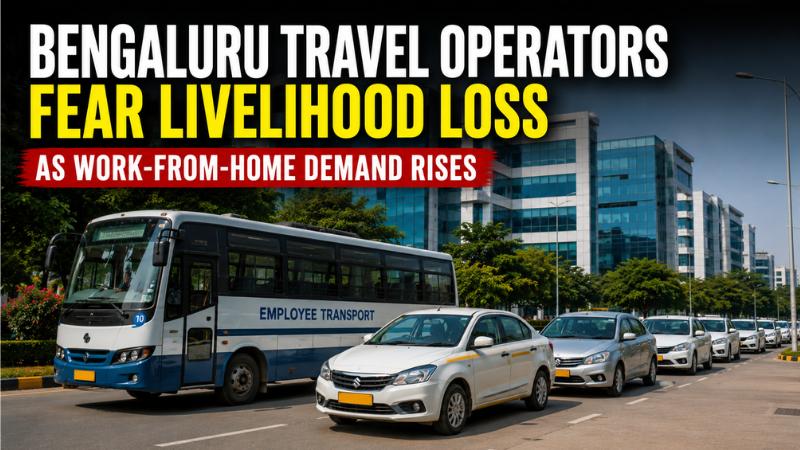
Bengaluru Travel Operators Raise Alarm Travel operators in Bengaluru have raised serious concern over the possible impact of increasing work-from-home practices on their livelihood. The Karnataka State Travel Operators’ Association has urged the Centre to protect the employee transport sector, saying the industry supports lakhs of jobs across India. The association said corporate cab and bus services continue to play an important role in helping IT, corporate an
Bengaluru Travel Operators Fear Livelihood Loss As Work-From-Home Demand Rises
Bengaluru Travel Operators Raise Alarm Travel operators in Bengaluru have raised serious concern over the possible impact of increasing work-from-home practices on their livelihood. The Karnataka State Travel Operators’ Association has urged the Centre to protect the employee transport sector, saying the industry supports lakhs of jobs across India. The association said corporate cab and bus services continue to play an important role in helping IT, corporate an

NBA Playoffs Discipline Watch: No Suspensions Reported So Far
NBA Playoffs See Ejections But No Suspensions The 2026 NBA playoffs have included disciplinary moments, but there are currently no reports of players being suspended during the postseason. The most closely watched incident involved San Antonio Spurs star Victor Wembanyama, who was ejected during the Western Conference semifinals after a hard play against Naz Reid in Game 4. The foul was reviewed and upgraded to a flagrant f
NBA Playoffs Discipline Watch: No Suspensions Reported So Far
NBA Playoffs See Ejections But No Suspensions The 2026 NBA playoffs have included disciplinary moments, but there are currently no reports of players being suspended during the postseason. The most closely watched incident involved San Antonio Spurs star Victor Wembanyama, who was ejected during the Western Conference semifinals after a hard play against Naz Reid in Game 4. The foul was reviewed and upgraded to a flagrant f
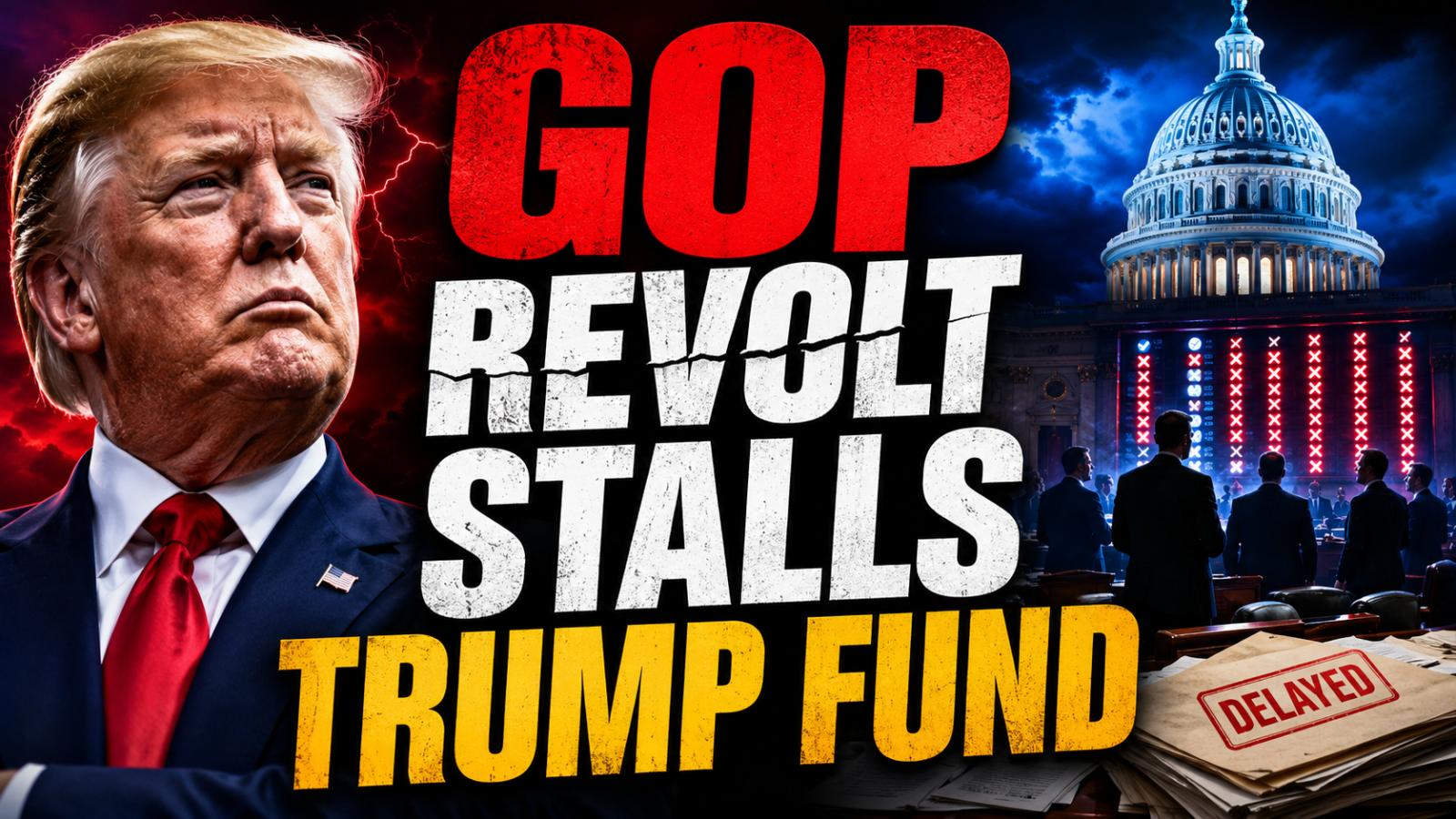
Trump’s $1.8 Billion Settlement Fund Faces GOP Senate Pushback
GOP Pushback Delays Immigration Funding Vote Senate Republicans broke with President Donald Trump on Thursday,May 22,2026 over a proposed $1.8 billion settlement fund for individuals claiming political persecution, forcing lawmakers to delay a major immigration-enforcement funding vote. The proposed anti-weaponisation fund has become a priority for Trump, who has argued that his supporters, including some people prosecuted
Trump’s $1.8 Billion Settlement Fund Faces GOP Senate Pushback
GOP Pushback Delays Immigration Funding Vote Senate Republicans broke with President Donald Trump on Thursday,May 22,2026 over a proposed $1.8 billion settlement fund for individuals claiming political persecution, forcing lawmakers to delay a major immigration-enforcement funding vote. The proposed anti-weaponisation fund has become a priority for Trump, who has argued that his supporters, including some people prosecuted
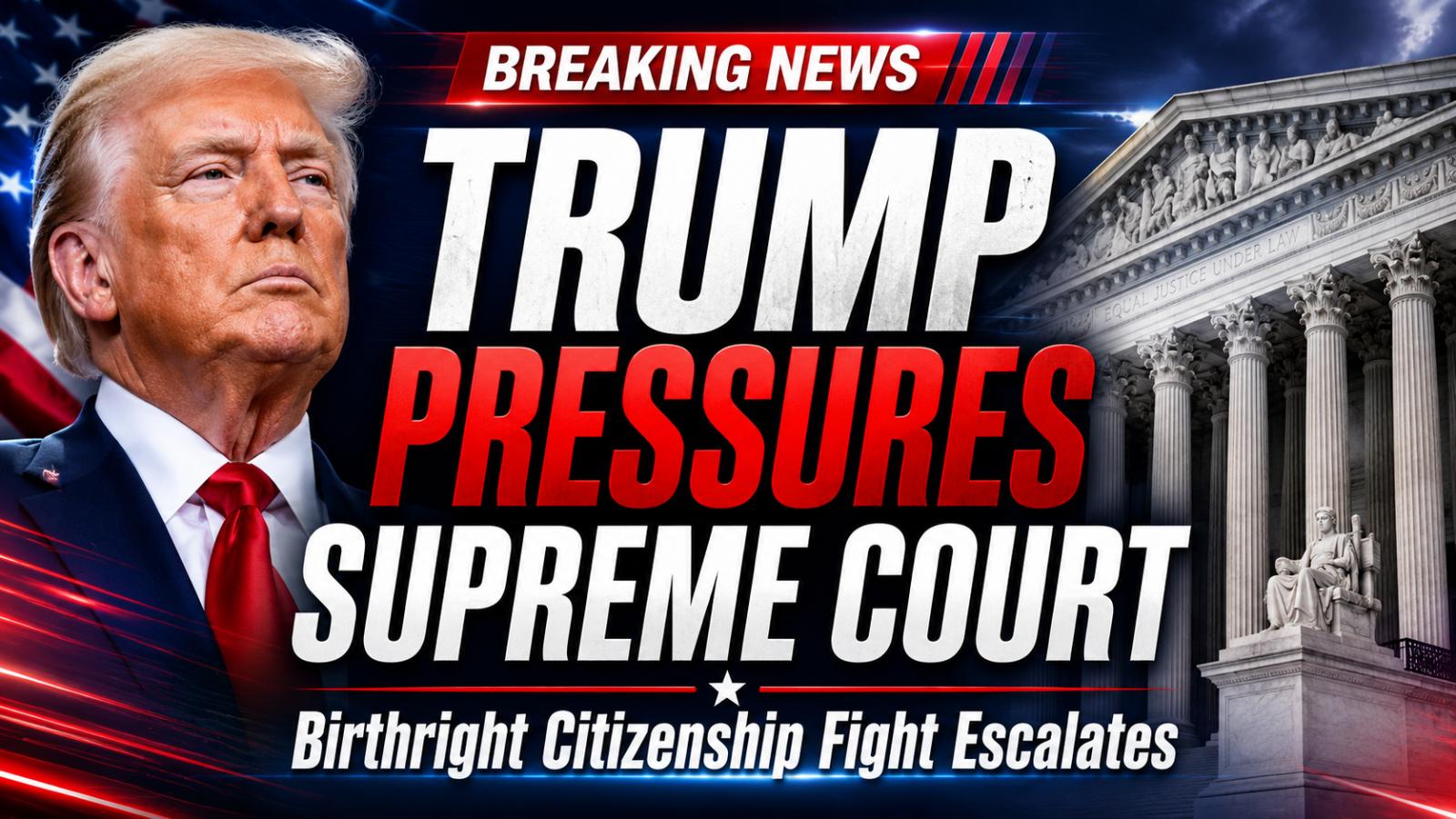
Trump Warns Supreme Court Over Birthright Citizenship Ruling
Trump Presses Court On Citizenship Case US President Donald Trump intensified pressure on the Supreme Court on Thursday,May 21,2026 warning that it would be a “disgrace” if the justices rule against his effort to limit birthright citizenship. Speaking at a White House event, Trump urged the court to support his position on automatic citizenship for children born in the United States, a policy central to his broader immig
Trump Warns Supreme Court Over Birthright Citizenship Ruling
Trump Presses Court On Citizenship Case US President Donald Trump intensified pressure on the Supreme Court on Thursday,May 21,2026 warning that it would be a “disgrace” if the justices rule against his effort to limit birthright citizenship. Speaking at a White House event, Trump urged the court to support his position on automatic citizenship for children born in the United States, a policy central to his broader immig
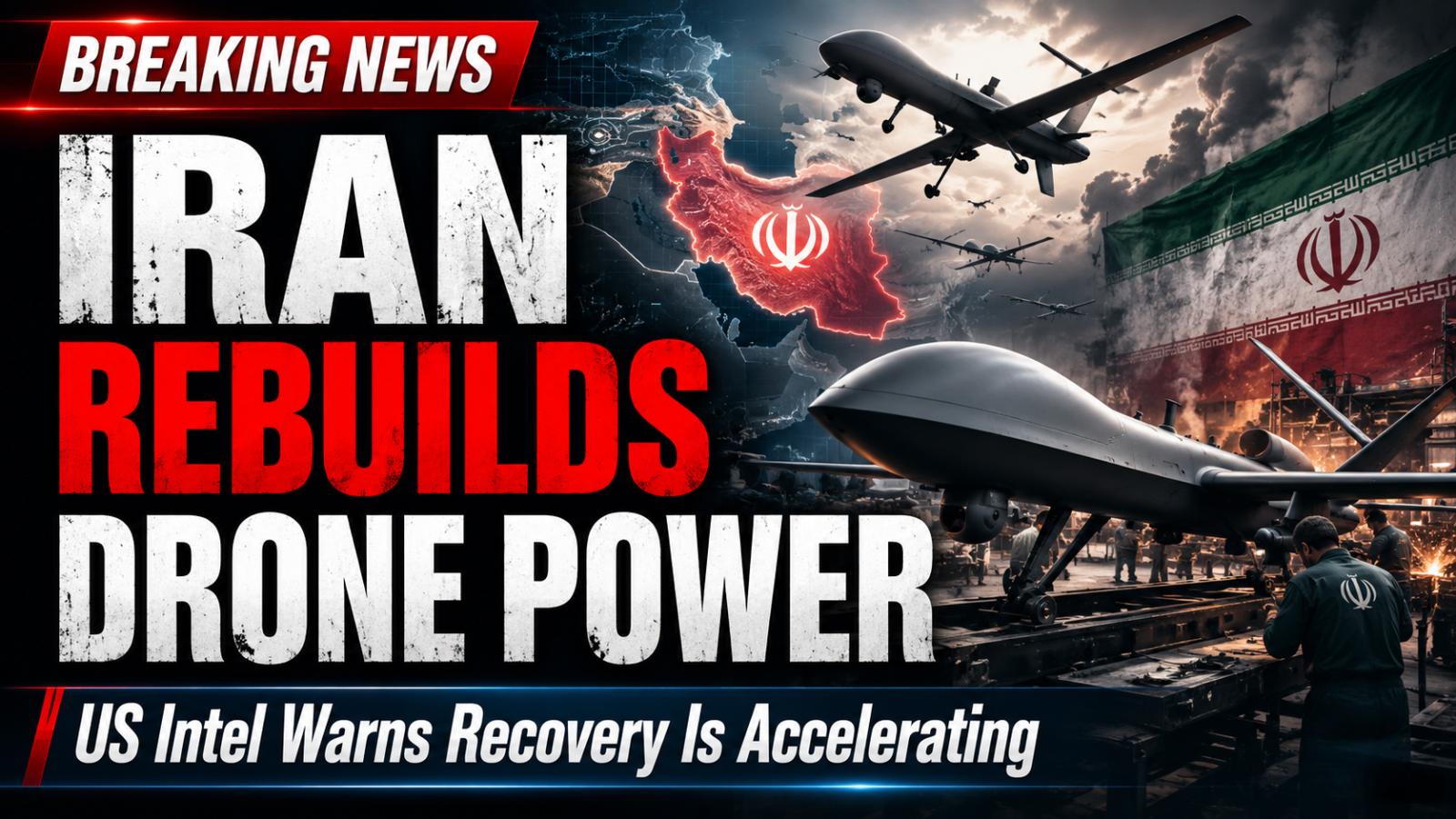
US Intel Says Iran Rebuilding Drone Program Faster Than Expected
Iran Restores Drone Production During Ceasefire Iran has resumed parts of its drone production during the six-week ceasefire that began in early April, according to people familiar with recent US intelligence assessments. The development suggests Tehran is rebuilding key military capabilities faster than some officials initially expected after US-Israeli strikes damaged missile launch sites, weapons facilities and related military infrastructure. The assessments indicate Iran’s military recovery is moving quickly, including efforts to repair launchers, restore weapons production and recover equipment affected during the conflict. Intelligence Assessments Raise Regional Concerns The findings suggest Iran could continue posing a serious threat to US regional allies if military operations resume. According to one US official familiar with the assessments, Iran may be able to fully restore its drone strike capability within six months. The pace of rebuilding also challenges earlier claims that strikes had caused long-term crippling damage to Iran’s military infrastructure. Officials believe Tehran may rely more heavily on drone attacks while missile production systems are still being repaired. Trump Warns Military Action Could Resume President Donald Trump has repeatedly warned that US military operations against Iran could restart if negotiations fail to end the conflict. On Tuesday, he said he had been close to ordering renewed bombing operations before holding back. Recent assessments suggest Iran’s rapid recovery has been helped by several factors, including possible outside assistance and the possibility that earlier strikes caused less lasting damage than expected. Russia China And Missile Supply Questions Some assessments point to continued foreign support for Iran’s weapons production network. Sources said China supplied components that could be used in missile production during the conflict, though the flow may have slowed because of the US blockade. China has rejected accusations that it is supporting Iran’s missile manufacturing. Russia has also been cited by sources as a factor in Iran’s broader recovery efforts, though officials have not publicly detailed the extent of any assistance. Iran Retains Significant Military Capacity Despite heavy damage from earlier attacks, recent estimates suggest Iran still retains ballistic missile systems, drone capabilities and anti-air defenses. Intelligence assessments indicate around half of Iran’s drone capacity remains intact, with thousands of drones still available. Many coastal defense cruise missiles also survived because coastal assets were not heavily targeted. Those systems remain important to Iran’s ability to threaten shipping near the Strait of Hormuz, even as the conflict has weakened but not eliminated its military power.
US Intel Says Iran Rebuilding Drone Program Faster Than Expected
Iran Restores Drone Production During Ceasefire Iran has resumed parts of its drone production during the six-week ceasefire that began in early April, according to people familiar with recent US intelligence assessments. The development suggests Tehran is rebuilding key military capabilities faster than some officials initially expected after US-Israeli strikes damaged missile launch sites, weapons facilities and related military infrastructure. The assessments indicate Iran’s military recovery is moving quickly, including efforts to repair launchers, restore weapons production and recover equipment affected during the conflict. Intelligence Assessments Raise Regional Concerns The findings suggest Iran could continue posing a serious threat to US regional allies if military operations resume. According to one US official familiar with the assessments, Iran may be able to fully restore its drone strike capability within six months. The pace of rebuilding also challenges earlier claims that strikes had caused long-term crippling damage to Iran’s military infrastructure. Officials believe Tehran may rely more heavily on drone attacks while missile production systems are still being repaired. Trump Warns Military Action Could Resume President Donald Trump has repeatedly warned that US military operations against Iran could restart if negotiations fail to end the conflict. On Tuesday, he said he had been close to ordering renewed bombing operations before holding back. Recent assessments suggest Iran’s rapid recovery has been helped by several factors, including possible outside assistance and the possibility that earlier strikes caused less lasting damage than expected. Russia China And Missile Supply Questions Some assessments point to continued foreign support for Iran’s weapons production network. Sources said China supplied components that could be used in missile production during the conflict, though the flow may have slowed because of the US blockade. China has rejected accusations that it is supporting Iran’s missile manufacturing. Russia has also been cited by sources as a factor in Iran’s broader recovery efforts, though officials have not publicly detailed the extent of any assistance. Iran Retains Significant Military Capacity Despite heavy damage from earlier attacks, recent estimates suggest Iran still retains ballistic missile systems, drone capabilities and anti-air defenses. Intelligence assessments indicate around half of Iran’s drone capacity remains intact, with thousands of drones still available. Many coastal defense cruise missiles also survived because coastal assets were not heavily targeted. Those systems remain important to Iran’s ability to threaten shipping near the Strait of Hormuz, even as the conflict has weakened but not eliminated its military power.

SpaceX Scrubs Starship V3 Flight 12 Launch After Fully Fueling Rocket
SpaceX Scrubs Starship V3 Launch After Fueling SpaceX postponed the launch of its massive Starship V3 rocket on Thursday after the spacecraft had already been fully fueled at the company’s Starbase facility in southern Texas. A 90-minute launch window opened at 6:30 p.m. ET, but the rocket did not lift off. During the company’s live broadcast, SpaceX hosts said the vehicle had been fully loaded before the launch was offi
SpaceX Scrubs Starship V3 Flight 12 Launch After Fully Fueling Rocket
SpaceX Scrubs Starship V3 Launch After Fueling SpaceX postponed the launch of its massive Starship V3 rocket on Thursday after the spacecraft had already been fully fueled at the company’s Starbase facility in southern Texas. A 90-minute launch window opened at 6:30 p.m. ET, but the rocket did not lift off. During the company’s live broadcast, SpaceX hosts said the vehicle had been fully loaded before the launch was offi
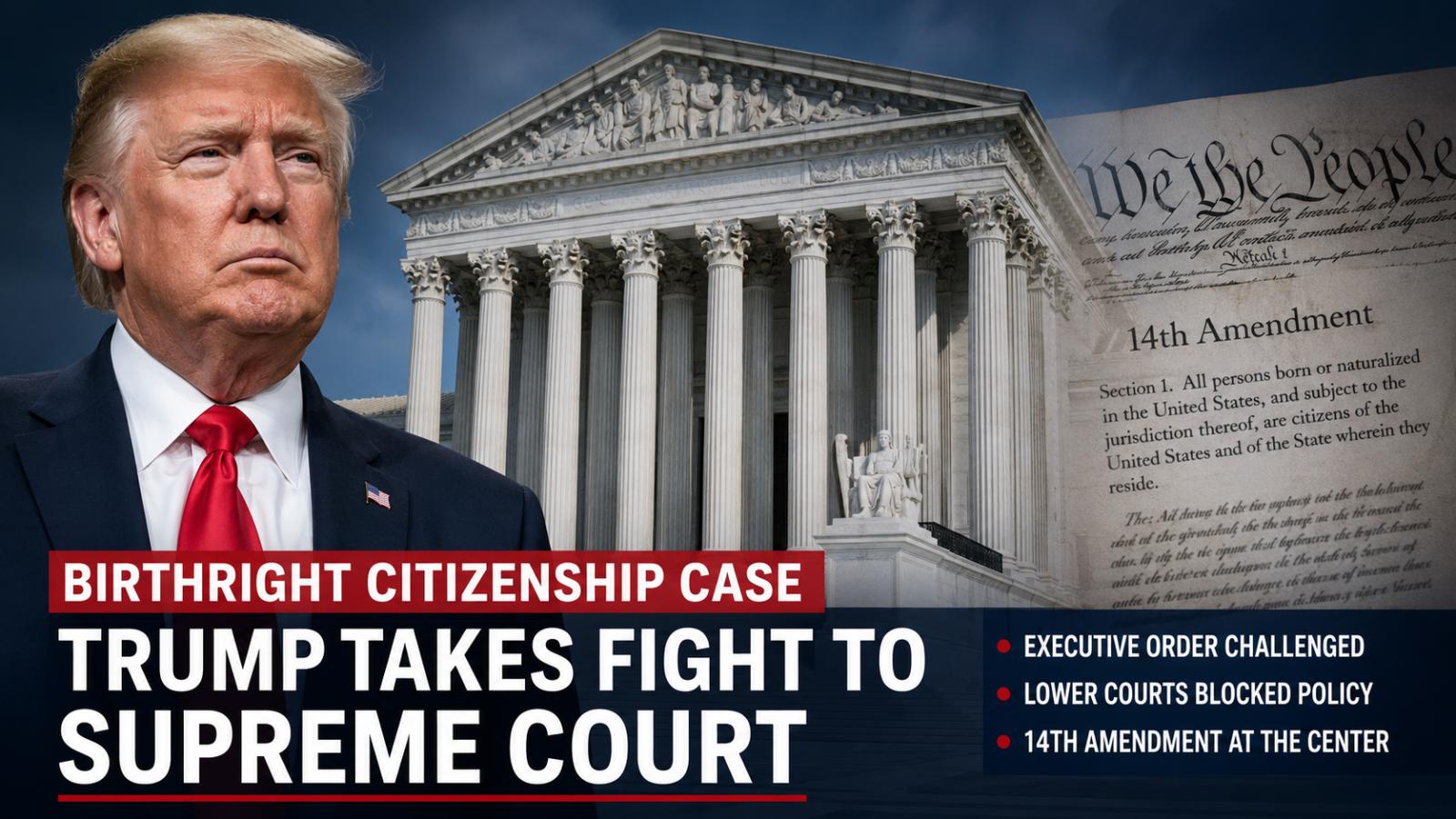
Trump Birthright Citizenship Case Heads Toward Supreme Court Ruling
The Trump birthright citizenship case is heading toward a major Supreme Court decision after lower courts blocked the president’s effort to restrict automatic US citizenship for some children born in the United States. President Donald Trump criticized the possibility of losing the case during remarks at the White House on Thursday, May 21, 2026, warning it would be a “disgrace” if the Supreme Court ruled against his administration’s positio
Trump Birthright Citizenship Case Heads Toward Supreme Court Ruling
The Trump birthright citizenship case is heading toward a major Supreme Court decision after lower courts blocked the president’s effort to restrict automatic US citizenship for some children born in the United States. President Donald Trump criticized the possibility of losing the case during remarks at the White House on Thursday, May 21, 2026, warning it would be a “disgrace” if the Supreme Court ruled against his administration’s positio

Kyle Busch Death: NASCAR Champion Dies at 41 After Hospitalization
Kyle Busch death news has left NASCAR mourning one of its most accomplished modern drivers. The two-time NASCAR Cup Series champion died at 41 after being hospitalized, according to a joint statement from the Busch family, Richard Childress Racing and NASCAR. No cause of death was released. Busch had been hospitalized with what his family described as a “severe illness” before he was scheduled to compete during the Coca-Cola 600 weekend at Charlotte Motor Speedway in Concord, No
Kyle Busch Death: NASCAR Champion Dies at 41 After Hospitalization
Kyle Busch death news has left NASCAR mourning one of its most accomplished modern drivers. The two-time NASCAR Cup Series champion died at 41 after being hospitalized, according to a joint statement from the Busch family, Richard Childress Racing and NASCAR. No cause of death was released. Busch had been hospitalized with what his family described as a “severe illness” before he was scheduled to compete during the Coca-Cola 600 weekend at Charlotte Motor Speedway in Concord, No
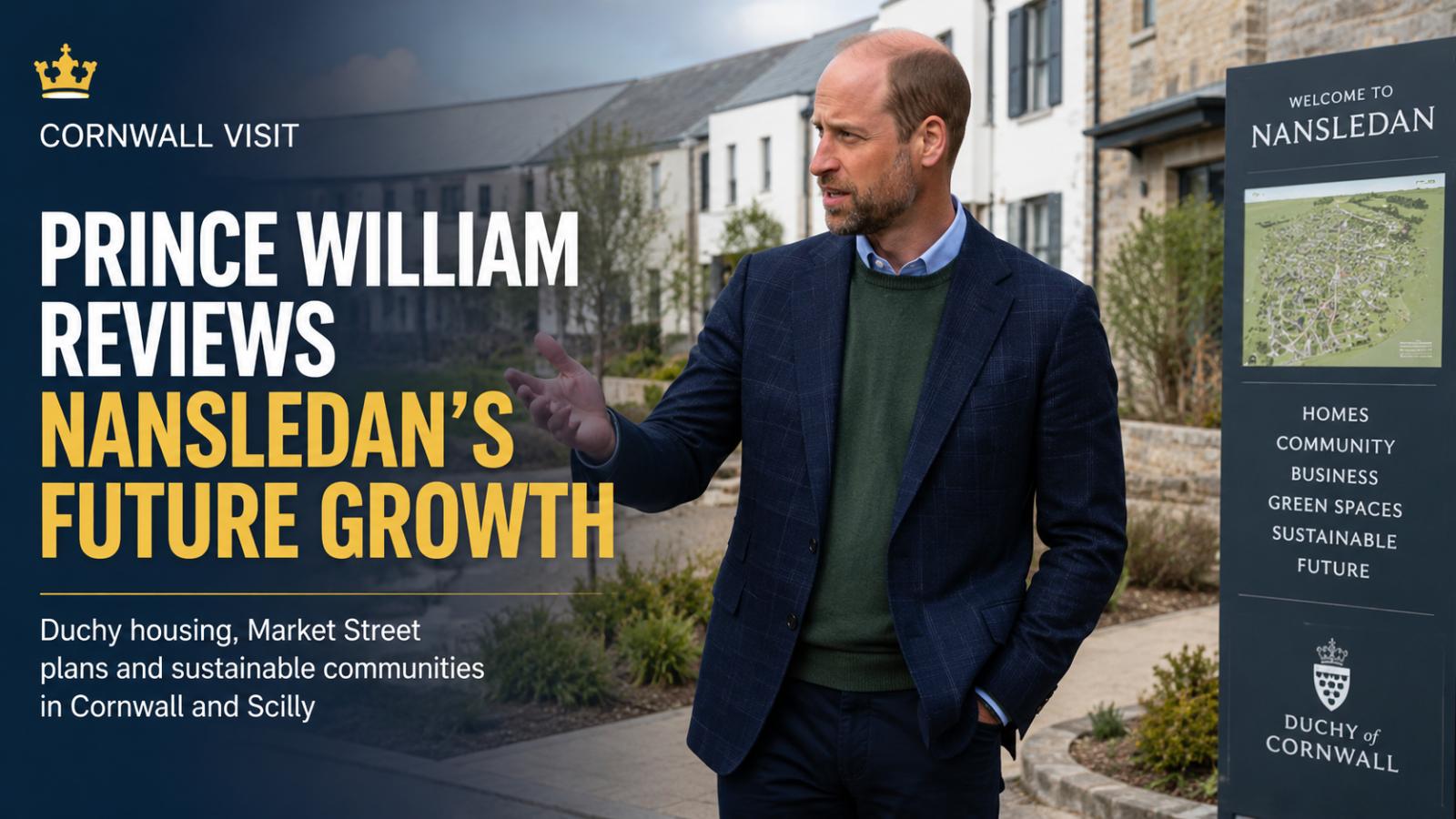
Prince William Nansledan Visit Highlights Duchy Housing Push
Prince William’s Nansledan visit on Thursday, May 21, 2026, focused on the Duchy of Cornwall’s expanding role in housing, local business and sustainable development. The Prince of Wales, known as the Duke of Cornwall while in the region, reviewed progress at Nansledan, the Duchy-backed community development in Cornwall, and toured plans for its upcoming Market Street. Prince William Nansledan Visit Focuses on Market Street Market Street is
Prince William Nansledan Visit Highlights Duchy Housing Push
Prince William’s Nansledan visit on Thursday, May 21, 2026, focused on the Duchy of Cornwall’s expanding role in housing, local business and sustainable development. The Prince of Wales, known as the Duke of Cornwall while in the region, reviewed progress at Nansledan, the Duchy-backed community development in Cornwall, and toured plans for its upcoming Market Street. Prince William Nansledan Visit Focuses on Market Street Market Street is
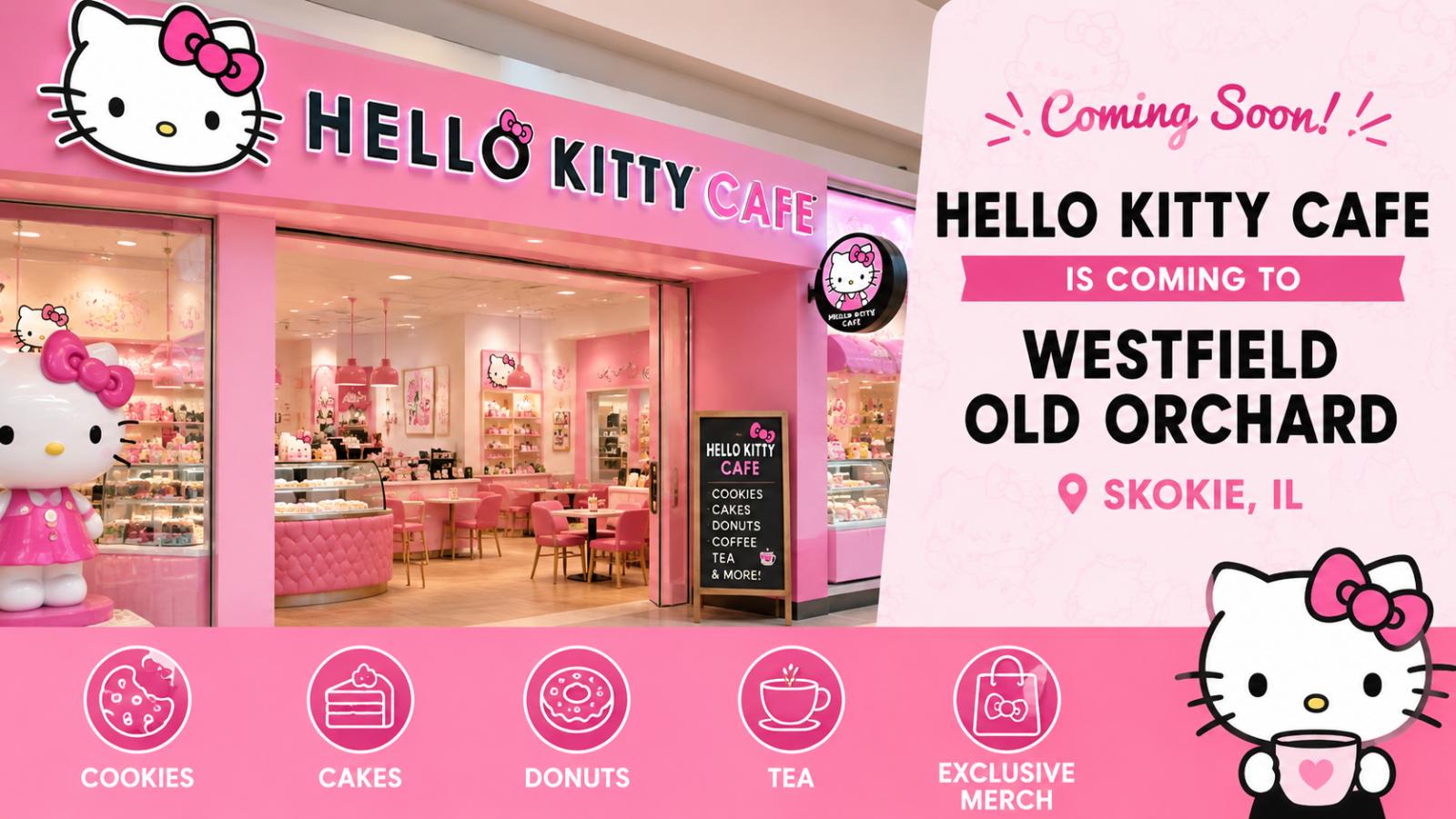
Hello Kitty Cafe Coming to Skokie’s Old Orchard Mall: What We Know
Hello Kitty Cafe is coming to Westfield Old Orchard in Skokie, giving Chicago-area Sanrio fans another reason to visit the north suburban shopping center. The mall announced that the cafe is “coming soon” as part of a broader summer update, but it has not confirmed an opening date or the exact location inside Westfield Old Orchard. Opening Date and Location Still Not Confirmed For now, key details remain limited. Westfield Old Orchard has n
Hello Kitty Cafe Coming to Skokie’s Old Orchard Mall: What We Know
Hello Kitty Cafe is coming to Westfield Old Orchard in Skokie, giving Chicago-area Sanrio fans another reason to visit the north suburban shopping center. The mall announced that the cafe is “coming soon” as part of a broader summer update, but it has not confirmed an opening date or the exact location inside Westfield Old Orchard. Opening Date and Location Still Not Confirmed For now, key details remain limited. Westfield Old Orchard has n

FAA Investigates O’Hare Taxiway Scrape Involving United, ANA
The FAA is investigating an O’Hare taxiway scrape after a United Airlines Boeing 737 made light contact with an All Nippon Airways aircraft at Chicago O’Hare International Airport. The incident happened just before 10:00 AM CT on an unspecified Thursday, according to the information provided. The exact calendar date was not included in the source details. FAA reviews O’Hare taxiway scrape involving United and ANA The Federal Aviation Admi
FAA Investigates O’Hare Taxiway Scrape Involving United, ANA
The FAA is investigating an O’Hare taxiway scrape after a United Airlines Boeing 737 made light contact with an All Nippon Airways aircraft at Chicago O’Hare International Airport. The incident happened just before 10:00 AM CT on an unspecified Thursday, according to the information provided. The exact calendar date was not included in the source details. FAA reviews O’Hare taxiway scrape involving United and ANA The Federal Aviation Admi

Rubio Links Delcy Rodriguez India Visit to Venezuela Oil Talks
Rubio linked the expected Delcy Rodriguez India visit to possible Venezuela oil discussions as Washington pushes to expand energy cooperation with New Delhi. US Secretary of State Marco Rubio said on Thursday, May 21, 2026, that Venezuela’s acting President Delcy Rodriguez was expected to travel to India the following week. Speaking before his own India visit from Saturday, May 23, 2026, to Tuesday, May 26, 2026, Rubio said the United States wanted a larger role i
Rubio Links Delcy Rodriguez India Visit to Venezuela Oil Talks
Rubio linked the expected Delcy Rodriguez India visit to possible Venezuela oil discussions as Washington pushes to expand energy cooperation with New Delhi. US Secretary of State Marco Rubio said on Thursday, May 21, 2026, that Venezuela’s acting President Delcy Rodriguez was expected to travel to India the following week. Speaking before his own India visit from Saturday, May 23, 2026, to Tuesday, May 26, 2026, Rubio said the United States wanted a larger role i

Texas Memorial Day Travel to Hit Record High, AAA Says
Texas Memorial Day travel is expected to reach record levels in 2026, with AAA Texas projecting 3.7 million Texans will travel at least 50 miles from home during the holiday period. The Memorial Day travel window runs from Thursday, May 21, through Monday, May 25, 2026, and road trips are expected to dominate across Texas and the United States. AAA Texas projects about 3.2 million Texans will travel by car, making driving the top choice for holiday getaways, family visits,
Texas Memorial Day Travel to Hit Record High, AAA Says
Texas Memorial Day travel is expected to reach record levels in 2026, with AAA Texas projecting 3.7 million Texans will travel at least 50 miles from home during the holiday period. The Memorial Day travel window runs from Thursday, May 21, through Monday, May 25, 2026, and road trips are expected to dominate across Texas and the United States. AAA Texas projects about 3.2 million Texans will travel by car, making driving the top choice for holiday getaways, family visits,
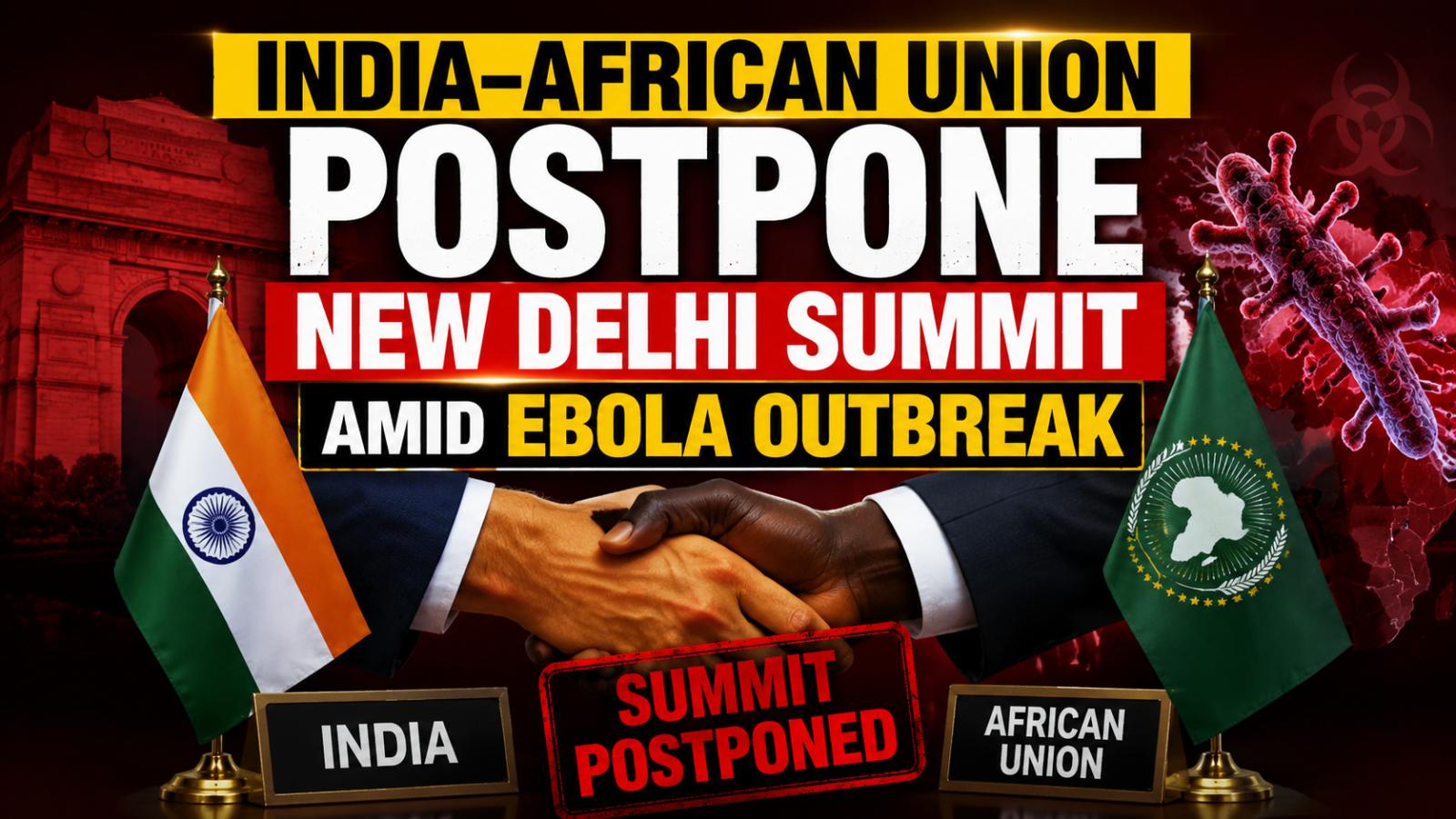
India-Africa Summit Postponed Due to Ebola Outbreak in Africa
Summit Postponed Due to Ebola Outbreak The Fourth India-Africa Forum Summit, originally scheduled to take place in New Delhi from May 28, 2026, has been postponed due to an escalating Ebola outbreak in several African countries. The Democratic Republic of Congo’s South Kivu province has reported the latest cases, contributing to concerns about regional health security. India and the African Union, followin
India-Africa Summit Postponed Due to Ebola Outbreak in Africa
Summit Postponed Due to Ebola Outbreak The Fourth India-Africa Forum Summit, originally scheduled to take place in New Delhi from May 28, 2026, has been postponed due to an escalating Ebola outbreak in several African countries. The Democratic Republic of Congo’s South Kivu province has reported the latest cases, contributing to concerns about regional health security. India and the African Union, followin

APSDMA Warns Severe Heatwave Across Andhra, Temperatures Hit 47.6°C
On Thursday, 21 May 2026, APSDMA issued a severe heatwave warning across Andhra Pradesh, with temperatures reaching 47.6°C in Piduguralla. Residents are advised to stay hydrated and avoid outdoor activities during peak daytime hours. Record-Breaking Heat Across Andhra Pradesh The Andhra Pradesh State Disaster Management Authority (APSDMA) has issued a severe h
APSDMA Warns Severe Heatwave Across Andhra, Temperatures Hit 47.6°C
On Thursday, 21 May 2026, APSDMA issued a severe heatwave warning across Andhra Pradesh, with temperatures reaching 47.6°C in Piduguralla. Residents are advised to stay hydrated and avoid outdoor activities during peak daytime hours. Record-Breaking Heat Across Andhra Pradesh The Andhra Pradesh State Disaster Management Authority (APSDMA) has issued a severe h

India’s Crude Oil Strategy and Storage Explained
India relies heavily on imported crude oil, with domestic production covering only 10–15% of demand. Historically dependent on Middle Eastern oil, India is now sourcing crude from the U.S., West Africa, and Russia to reduce vulnerability to geopolitical risks. Very Large Crude Carriers (VLCCs) transport oil in shipments of 200,000–300,000 DWT to key ports on the west coast—Mumbai, Mundra, Kandla, Jamnagar—and east coast—Paradip, Visakhapatnam, Chennai. From ports, extensive pipeline
India’s Crude Oil Strategy and Storage Explained
India relies heavily on imported crude oil, with domestic production covering only 10–15% of demand. Historically dependent on Middle Eastern oil, India is now sourcing crude from the U.S., West Africa, and Russia to reduce vulnerability to geopolitical risks. Very Large Crude Carriers (VLCCs) transport oil in shipments of 200,000–300,000 DWT to key ports on the west coast—Mumbai, Mundra, Kandla, Jamnagar—and east coast—Paradip, Visakhapatnam, Chennai. From ports, extensive pipeline










