


























US naval blockade curbs Iran oil exports, raises floating crude stockpiles
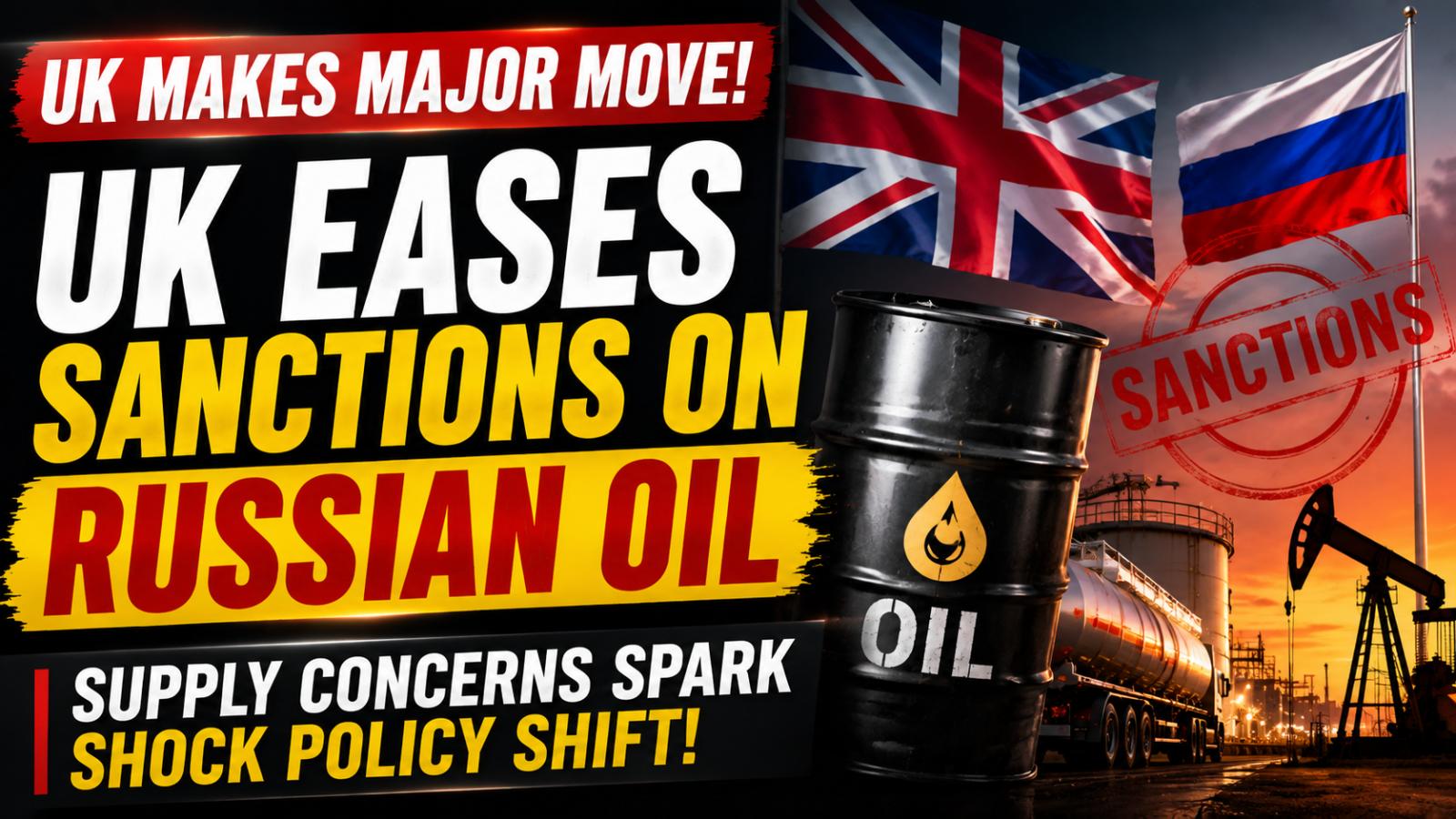
The US naval blockade has sharply reduced Iran’s oil exports, forcing crude into floating storage as onshore capacity fills. Limited tanker movement and tracking blackouts obscure shipments, raising concerns over global supply transparency and market stability US naval blockade curbs Iran oil exports, raises floating crude stockpiles has significantly reduced Tehran’s oil shipments, leaving large volumes stranded at sea as storage capacity tightens. Analysts citing shipping data report that Iranian crude exports have dropped sharply due to heightened maritime restrictions and operational risks in key transit routes. According to data from oil analytics firm Vortexa, only a limited number of tankers carrying Iranian crude departed the Gulf of Oman between Sunday, April 13, 2026, and Friday, April 25, 2026. This decline underscores the growing impact of the blockade, which has disrupted traditional export channels and created uncertainty across global energy markets. The situation is further complicated by tanker operators switching off tracking systems to avoid detection, making it difficult to accurately measure export volumes. China remains Iran’s primary buyer, but the opacity surrounding shipments has increased as vessels attempt to evade monitoring systems. Analysts note that this lack of transparency could distort global supply assessments and complicate pricing trends in international oil markets. As Iranian onshore storage facilities reach capacity, more crude is being held on tankers, effectively turning them into floating storage units. The blockade’s ripple effects extend beyond oil logistics. Broader policy measures tied to the maritime restrictions have contributed to operational challenges within U.S. federal systems. Since Friday, February 14, 2026, certain agencies have faced funding interruptions, leading to disruptions including extended wait times at major U.S. airports. While a recent measure supported by President Donald Trump has reopened the Department of Homeland Security, it does not allocate additional funding for Immigration and Customs Enforcement or the U.S. Border Patrol. The evolving situation highlights the intersection of geopolitical strategy and global energy flows, with analysts warning that prolonged disruptions could tighten supply chains and influence oil prices worldwide.
US naval blockade curbs Iran oil exports, raises floating crude stockpiles
The US naval blockade has sharply reduced Iran’s oil exports, forcing crude into floating storage as onshore capacity fills. Limited tanker movement and tracking blackouts obscure shipments, raising concerns over global supply transparency and market stability US naval blockade curbs Iran oil exports, raises floating crude stockpiles has significantly reduced Tehran’s oil shipments, leaving large volumes stranded at sea as storage capacity tightens. Analysts citing shipping data report that Iranian crude exports have dropped sharply due to heightened maritime restrictions and operational risks in key transit routes. According to data from oil analytics firm Vortexa, only a limited number of tankers carrying Iranian crude departed the Gulf of Oman between Sunday, April 13, 2026, and Friday, April 25, 2026. This decline underscores the growing impact of the blockade, which has disrupted traditional export channels and created uncertainty across global energy markets. The situation is further complicated by tanker operators switching off tracking systems to avoid detection, making it difficult to accurately measure export volumes. China remains Iran’s primary buyer, but the opacity surrounding shipments has increased as vessels attempt to evade monitoring systems. Analysts note that this lack of transparency could distort global supply assessments and complicate pricing trends in international oil markets. As Iranian onshore storage facilities reach capacity, more crude is being held on tankers, effectively turning them into floating storage units. The blockade’s ripple effects extend beyond oil logistics. Broader policy measures tied to the maritime restrictions have contributed to operational challenges within U.S. federal systems. Since Friday, February 14, 2026, certain agencies have faced funding interruptions, leading to disruptions including extended wait times at major U.S. airports. While a recent measure supported by President Donald Trump has reopened the Department of Homeland Security, it does not allocate additional funding for Immigration and Customs Enforcement or the U.S. Border Patrol. The evolving situation highlights the intersection of geopolitical strategy and global energy flows, with analysts warning that prolonged disruptions could tighten supply chains and influence oil prices worldwide.
AI spending surge could top $1 trillion by 2027, analysts say
Wall Street analysts project AI spending could exceed $1 trillion by 2027 as major tech firms boost investments. Strong cloud demand and rising revenues support growth, though investor concerns remain over returns and rising infrastructure costs AI spending surge could top $1 trillion by 2027, analysts say is increasingly shaping expectations across the technology sector, as Wall Street analysts project unprecedented capital expenditures driven by artificial intelligence demand. Following recent tech earnings announcements on Wednesday, analysts at firms including Evercore and Bank of America estimate total AI-related capital spending could surpass $1 trillion by 2027, with 2026 projections already rising to between $800 billion and $900 billion. The surge reflects aggressive investment strategies by major technology companies, including Alphabet, Amazon, Meta, and Microsoft. According to analyst estimates, projected capital spending for 2026 includes approximately $200 billion from Amazon, $190 billion from Microsoft, $185 billion from Alphabet, and $135 billion from Meta, reflecting broad increases across the sector. Executives continue to signal confidence in long-term AI investments despite investor concerns about the scale of spending. Amazon CEO Andy Jassy emphasized the company’s commitment to infrastructure expansion, citing strong long-term returns. Similarly, Alphabet reported significant growth in its cloud segment, with revenue increasing sharply year over year, reinforcing expectations that AI-driven services are becoming a major revenue driver. Analysts note that while capital expenditures continue to rise, early signs of return on investment are emerging. Strong cloud demand, expanding contract backlogs, and increasing enterprise adoption of AI tools are contributing to revenue growth. Alphabet, in particular, has seen substantial backlog expansion tied to its cloud platform, with a large portion expected to convert into revenue over the next two years. However, not all companies are receiving equal investor confidence. Meta’s increased spending plans have raised concerns about near-term returns, particularly as its free cash flow has declined significantly compared to the previous year. CEO Mark Zuckerberg acknowledged higher infrastructure costs, including rising component prices, while maintaining confidence in the long-term value of AI investments. The rapid expansion of AI infrastructure is also benefiting semiconductor manufacturers and hardware suppliers. Companies such as Intel are seeing increased demand as AI workloads require a broader range of computing hardware beyond graphics processors. Analysts highlight growing demand for specialized chips and custom silicon solutions, suggesting that AI development could drive sustained growth across the semiconductor industry. Overall, analysts expect improving revenue and cash flow trends across the sector by 2026, supporting continued investment. While skepticism remains about the pace and scale of spending, the combination of strong demand, expanding cloud services, and technological advancements indicates that the AI-driven capital expenditure cycle is likely to continue shaping the global technology landscape.
AI spending surge could top $1 trillion by 2027, analysts say
Wall Street analysts project AI spending could exceed $1 trillion by 2027 as major tech firms boost investments. Strong cloud demand and rising revenues support growth, though investor concerns remain over returns and rising infrastructure costs AI spending surge could top $1 trillion by 2027, analysts say is increasingly shaping expectations across the technology sector, as Wall Street analysts project unprecedented capital expenditures driven by artificial intelligence demand. Following recent tech earnings announcements on Wednesday, analysts at firms including Evercore and Bank of America estimate total AI-related capital spending could surpass $1 trillion by 2027, with 2026 projections already rising to between $800 billion and $900 billion. The surge reflects aggressive investment strategies by major technology companies, including Alphabet, Amazon, Meta, and Microsoft. According to analyst estimates, projected capital spending for 2026 includes approximately $200 billion from Amazon, $190 billion from Microsoft, $185 billion from Alphabet, and $135 billion from Meta, reflecting broad increases across the sector. Executives continue to signal confidence in long-term AI investments despite investor concerns about the scale of spending. Amazon CEO Andy Jassy emphasized the company’s commitment to infrastructure expansion, citing strong long-term returns. Similarly, Alphabet reported significant growth in its cloud segment, with revenue increasing sharply year over year, reinforcing expectations that AI-driven services are becoming a major revenue driver. Analysts note that while capital expenditures continue to rise, early signs of return on investment are emerging. Strong cloud demand, expanding contract backlogs, and increasing enterprise adoption of AI tools are contributing to revenue growth. Alphabet, in particular, has seen substantial backlog expansion tied to its cloud platform, with a large portion expected to convert into revenue over the next two years. However, not all companies are receiving equal investor confidence. Meta’s increased spending plans have raised concerns about near-term returns, particularly as its free cash flow has declined significantly compared to the previous year. CEO Mark Zuckerberg acknowledged higher infrastructure costs, including rising component prices, while maintaining confidence in the long-term value of AI investments. The rapid expansion of AI infrastructure is also benefiting semiconductor manufacturers and hardware suppliers. Companies such as Intel are seeing increased demand as AI workloads require a broader range of computing hardware beyond graphics processors. Analysts highlight growing demand for specialized chips and custom silicon solutions, suggesting that AI development could drive sustained growth across the semiconductor industry. Overall, analysts expect improving revenue and cash flow trends across the sector by 2026, supporting continued investment. While skepticism remains about the pace and scale of spending, the combination of strong demand, expanding cloud services, and technological advancements indicates that the AI-driven capital expenditure cycle is likely to continue shaping the global technology landscape.
What do Apple options trades reveal? Mixed sentiment ahead of earnings
Apple’s stock may have remained largely flat over the past six months, but activity in the options market suggests traders are anticipating significant movement following its latest earnings report. Implied volatility points to a potential 3.5% swing in either direction, notably higher than the average 1.8% move seen after the company’s previous four quarterly earnings announcements. Options pricing reflects heightened expectations The increase in im
What do Apple options trades reveal? Mixed sentiment ahead of earnings
Apple’s stock may have remained largely flat over the past six months, but activity in the options market suggests traders are anticipating significant movement following its latest earnings report. Implied volatility points to a potential 3.5% swing in either direction, notably higher than the average 1.8% move seen after the company’s previous four quarterly earnings announcements. Options pricing reflects heightened expectations The increase in im
Is Trump’s Iran blockade complicating China talks? Yes, tensions rise
President Donald Trump has signaled his intention to maintain a naval blockade on Iranian shipping until Tehran meets U.S. demands, a move that is expected to keep the Strait of Hormuz effectively closed ahead of his planned visit to China. The decision introduces new complications for upcoming diplomatic
Is Trump’s Iran blockade complicating China talks? Yes, tensions rise
President Donald Trump has signaled his intention to maintain a naval blockade on Iranian shipping until Tehran meets U.S. demands, a move that is expected to keep the Strait of Hormuz effectively closed ahead of his planned visit to China. The decision introduces new complications for upcoming diplomatic
Trump signals tariff rollback to boost Scotland–Kentucky whiskey trade
President Donald Trump announced plans on Thursday, April 30, 2026, to remove tariffs affecting whiskey trade between Scotland and Kentucky, aiming to boost US-UK trade ties and support the Scotch whisky and bourbon industries. Trump signals tariff rollback to boost Scotland–Kentucky whiskey trade — Donald Trump announced on Thursday, April 30, 2026, that he intends t
Trump signals tariff rollback to boost Scotland–Kentucky whiskey trade
President Donald Trump announced plans on Thursday, April 30, 2026, to remove tariffs affecting whiskey trade between Scotland and Kentucky, aiming to boost US-UK trade ties and support the Scotch whisky and bourbon industries. Trump signals tariff rollback to boost Scotland–Kentucky whiskey trade — Donald Trump announced on Thursday, April 30, 2026, that he intends t
Iran confirmed for FIFA World Cup 2026 despite geopolitical tensions
FIFA confirmed Iran will play in the 2026 World Cup despite tensions with the U.S. Officials rejected relocation or replacement ideas. Iran missed the FIFA Congress after a Canada entry issue but remains set to compete in Group G. FIFA President Gianni Infantino has reaffirmed that Iran will participate in the
Iran confirmed for FIFA World Cup 2026 despite geopolitical tensions
FIFA confirmed Iran will play in the 2026 World Cup despite tensions with the U.S. Officials rejected relocation or replacement ideas. Iran missed the FIFA Congress after a Canada entry issue but remains set to compete in Group G. FIFA President Gianni Infantino has reaffirmed that Iran will participate in the
Why is the Pentagon’s $25 billion war cost estimate questioned? Experts say it may be incomplete
The United States Department of Defense has estimated that its ongoing military conflict with Iran has cost approximately $25 billion, but analysts and lawmakers are raising concerns that the figure may significantly understate the true financial burden. The estimate was presented during a congressional hearing on Tuesday, April 29, 2026, where Pentagon officials outlined current war-related expenditures without offering a detailed breakdown. Congressional hearing reveals l
Why is the Pentagon’s $25 billion war cost estimate questioned? Experts say it may be incomplete
The United States Department of Defense has estimated that its ongoing military conflict with Iran has cost approximately $25 billion, but analysts and lawmakers are raising concerns that the figure may significantly understate the true financial burden. The estimate was presented during a congressional hearing on Tuesday, April 29, 2026, where Pentagon officials outlined current war-related expenditures without offering a detailed breakdown. Congressional hearing reveals l
Pacific Café faces possible closure without buyer after decades of service
Historic Pacific Café may close as owners retire after 51 years. A well-known San Francisco seafood restaurant recognized for its classic menu and complimentary wine service may soon shut its doors as its longtime owners prepare to retire. Pacific Café, located on Geary Boulevard, has been listed for sale for $195,000, raising concerns about the future of the decades-old establishment if a buyer is not secured. Co-owners Frank Gundry and Ross Warren, who have operated the restaur
Pacific Café faces possible closure without buyer after decades of service
Historic Pacific Café may close as owners retire after 51 years. A well-known San Francisco seafood restaurant recognized for its classic menu and complimentary wine service may soon shut its doors as its longtime owners prepare to retire. Pacific Café, located on Geary Boulevard, has been listed for sale for $195,000, raising concerns about the future of the decades-old establishment if a buyer is not secured. Co-owners Frank Gundry and Ross Warren, who have operated the restaur
US pushes global coalition for Strait of Hormuz as Iran conflict disrupts oil trade
The United States is accelerating efforts to form a global coalition to secure the Strait of Hormuz, as the ongoing US-Iran conflict continues to disrupt critical shipping routes and drive volatility in global oil trade. The initiative, known as the Maritime Freedom Construct, aims to coordinate international maritime security, sanctions policy, and intelligence sharing to ensure safe navigation through one of the world’s most strategic waterways. The Strait of Hormuz, a narrow pa
US pushes global coalition for Strait of Hormuz as Iran conflict disrupts oil trade
The United States is accelerating efforts to form a global coalition to secure the Strait of Hormuz, as the ongoing US-Iran conflict continues to disrupt critical shipping routes and drive volatility in global oil trade. The initiative, known as the Maritime Freedom Construct, aims to coordinate international maritime security, sanctions policy, and intelligence sharing to ensure safe navigation through one of the world’s most strategic waterways. The Strait of Hormuz, a narrow pa
Orioles vs Astros Doubleheader Set After Rainout in Baltimore
The Baltimore Orioles and Houston Astros will play a scheduled MLB doubleheader on Thursday at Camden Yards after a rainout forced the postponement of Wednesday’s game. The first matchup begins at 12:35 p.m., followed by the second game shortly after, marking Baltimore’s first doubleheader of the 2026 baseball season and adding pressure on both teams’ rotations and bullpen depth. Key Developments The Orioles Astros doublehe
Orioles vs Astros Doubleheader Set After Rainout in Baltimore
The Baltimore Orioles and Houston Astros will play a scheduled MLB doubleheader on Thursday at Camden Yards after a rainout forced the postponement of Wednesday’s game. The first matchup begins at 12:35 p.m., followed by the second game shortly after, marking Baltimore’s first doubleheader of the 2026 baseball season and adding pressure on both teams’ rotations and bullpen depth. Key Developments The Orioles Astros doublehe
Gold Extends Rally, Silver Moves Higher – Thursday, April 30, 2026
Precious metals continue to move upward in global markets. Gold and silver both recorded gains in the latest session. Gold Price Gold (per oz): $4635.90 (↑) Gold 24K (per 10g): ₹141568 approx Gold 22K (per 10g): ₹129676 approx Silver Price Silver (per oz): $
Gold Extends Rally, Silver Moves Higher – Thursday, April 30, 2026
Precious metals continue to move upward in global markets. Gold and silver both recorded gains in the latest session. Gold Price Gold (per oz): $4635.90 (↑) Gold 24K (per 10g): ₹141568 approx Gold 22K (per 10g): ₹129676 approx Silver Price Silver (per oz): $
Rafael Nadal RAFA Documentary Release Date Posters and Career Story
Streaming giant Netflix is set to release RAFA, a highly anticipated documentary series centered on tennis legend Rafael Nadal, with its global premiere scheduled for May 29. The newly revealed posters highlight themes of endurance, physical limits, and emotional resilience, offering a raw glimpse into the
Rafael Nadal RAFA Documentary Release Date Posters and Career Story
Streaming giant Netflix is set to release RAFA, a highly anticipated documentary series centered on tennis legend Rafael Nadal, with its global premiere scheduled for May 29. The newly revealed posters highlight themes of endurance, physical limits, and emotional resilience, offering a raw glimpse into the
Milma Approves ₹4 Per Litre Milk Price Hike In Kerala From May 20
The Kerala Cooperative Milk Marketing Federation (Milma) has approved a ₹4 per litre increase in milk prices across Kerala, a move that is expected to come into effect from May 20, 2026. The decision was taken during a high-level meeting of the cooperative’s governing body on April 30, 2026, amid growi
Milma Approves ₹4 Per Litre Milk Price Hike In Kerala From May 20
The Kerala Cooperative Milk Marketing Federation (Milma) has approved a ₹4 per litre increase in milk prices across Kerala, a move that is expected to come into effect from May 20, 2026. The decision was taken during a high-level meeting of the cooperative’s governing body on April 30, 2026, amid growi
Trump Passport Plan Draws Satire From California Governor Newsom
California Governor Gavin Newsom has escalated his public criticism of Donald Trump by sharing another satirical design, this time featuring mock “limited edition” license plates bearing his own image. The post follows an earlier jab in which Newsom released a parody driver’s license design, both aim
Trump Passport Plan Draws Satire From California Governor Newsom
California Governor Gavin Newsom has escalated his public criticism of Donald Trump by sharing another satirical design, this time featuring mock “limited edition” license plates bearing his own image. The post follows an earlier jab in which Newsom released a parody driver’s license design, both aim
Trump Comments on Ukraine and Iran Wars Spark Confusion
US President Donald Trump drew attention during a recent press interaction after appearing to confuse details while discussing two major international conflicts. The exchange took place as Trump addressed reporters during an event linked to the Artemis II mission crew, where he was asked which conflict might conclude first: the prolonged Russia-Ukraine war or the ongoing tensions involving Iran and Israel. In response, Trump suggested that both situations could follow a similar timeline, stating that he was uncertain which would end sooner. However, his subsequent remarks raised questions as he began describing military conditions that appeared inconsistent or unclear in context. He claimed that Ukraine was militarily defeated, referencing significant naval and air losses, including statements about ships being destroyed and aircraft being eliminated. Trump also cited reductions in missile and drone capabilities, though his comments did not clearly distinguish whether he was referring to Ukraine or Iran at various points. This lack of clarity led to widespread attention, with observers noting the difficulty in separating his analysis of the two conflicts. The Russia-Ukraine war has continued for years with ongoing military engagements, while tensions involving Iran, Israel, and US involvement have added another layer of complexity to global security dynamics. Trump’s remarks came at a time when both conflicts remain active and under close international observation. The moment quickly gained traction due to the ambiguity in the president’s statements, highlighting the challenges of addressing multiple geopolitical crises simultaneously in public forums.
Trump Comments on Ukraine and Iran Wars Spark Confusion
US President Donald Trump drew attention during a recent press interaction after appearing to confuse details while discussing two major international conflicts. The exchange took place as Trump addressed reporters during an event linked to the Artemis II mission crew, where he was asked which conflict might conclude first: the prolonged Russia-Ukraine war or the ongoing tensions involving Iran and Israel. In response, Trump suggested that both situations could follow a similar timeline, stating that he was uncertain which would end sooner. However, his subsequent remarks raised questions as he began describing military conditions that appeared inconsistent or unclear in context. He claimed that Ukraine was militarily defeated, referencing significant naval and air losses, including statements about ships being destroyed and aircraft being eliminated. Trump also cited reductions in missile and drone capabilities, though his comments did not clearly distinguish whether he was referring to Ukraine or Iran at various points. This lack of clarity led to widespread attention, with observers noting the difficulty in separating his analysis of the two conflicts. The Russia-Ukraine war has continued for years with ongoing military engagements, while tensions involving Iran, Israel, and US involvement have added another layer of complexity to global security dynamics. Trump’s remarks came at a time when both conflicts remain active and under close international observation. The moment quickly gained traction due to the ambiguity in the president’s statements, highlighting the challenges of addressing multiple geopolitical crises simultaneously in public forums.
Trump Renames Strait of Hormuz Amid Rising US-Iran Tensions
US President Donald Trump has drawn attention after sharing a modified map referring to the Strait of Hormuz as the “Strait of Trump,” a move that comes amid escalating tensions and stalled negotiations with Iran. The strategic waterway remains a focal point in the ongoing standoff, with both sides maintaining a blockade despite a previously agreed ceasefire. Trump indicated that discussions to end the conflict are continuing remotely, describing them as telephonic due to logistical challenges. At the same time, Iran has attempted to revive dialogue by sending a proposal through Pakistan, facilitated by Foreign Minister Abbas Araghchi. However, indications suggest that the US administration is dissatisfied with the terms and is unlikely to accept the framework presented. The proposal reportedly outlined a three-stage approach, beginning with a complete cessation of hostilities, followed by lifting the naval blockade and restoring maritime traffic through the Strait of Hormuz. The final stage involved renewed negotiations over Iran’s nuclear program. Despite these efforts, talks remain at an impasse, with both sides maintaining firm positions. Trump defended the blockade, describing it as effective and emphasizing its economic impact on Iran. He stated that the pressure strategy would continue until Iran concedes. Meanwhile, energy markets reacted sharply, with Brent crude prices rising significantly, reflecting concerns over supply disruptions linked to the strategic route. The Strait of Hormuz remains critical to global oil flows, and its continued closure by both US and Iranian forces underscores the fragile state of the ceasefire. Diplomatic efforts have yet to regain momentum, leaving the situation uncertain as geopolitical and economic pressures continue to build.
Trump Renames Strait of Hormuz Amid Rising US-Iran Tensions
US President Donald Trump has drawn attention after sharing a modified map referring to the Strait of Hormuz as the “Strait of Trump,” a move that comes amid escalating tensions and stalled negotiations with Iran. The strategic waterway remains a focal point in the ongoing standoff, with both sides maintaining a blockade despite a previously agreed ceasefire. Trump indicated that discussions to end the conflict are continuing remotely, describing them as telephonic due to logistical challenges. At the same time, Iran has attempted to revive dialogue by sending a proposal through Pakistan, facilitated by Foreign Minister Abbas Araghchi. However, indications suggest that the US administration is dissatisfied with the terms and is unlikely to accept the framework presented. The proposal reportedly outlined a three-stage approach, beginning with a complete cessation of hostilities, followed by lifting the naval blockade and restoring maritime traffic through the Strait of Hormuz. The final stage involved renewed negotiations over Iran’s nuclear program. Despite these efforts, talks remain at an impasse, with both sides maintaining firm positions. Trump defended the blockade, describing it as effective and emphasizing its economic impact on Iran. He stated that the pressure strategy would continue until Iran concedes. Meanwhile, energy markets reacted sharply, with Brent crude prices rising significantly, reflecting concerns over supply disruptions linked to the strategic route. The Strait of Hormuz remains critical to global oil flows, and its continued closure by both US and Iranian forces underscores the fragile state of the ceasefire. Diplomatic efforts have yet to regain momentum, leaving the situation uncertain as geopolitical and economic pressures continue to build.
Iran Uranium Stockpile Mystery Deepens After US Strikes
The location of Iran’s enriched uranium stockpile remains uncertain nearly two months after US military strikes targeted key nuclear facilities, raising fresh concerns about transparency and oversight. The material, estimated at roughly 22,000 pounds, had steadily accumulated over years following the US withdrawal from the 2015 nuclear agreement. That deal had previously imposed strict limits on enrichment levels and stockpile size, effectively curbing Iran’s ability to produce weapons-grade material. Uranium enrichment remains central to the issue, as the process becomes significantly faster once higher purity levels are reached. While low enrichment supports civilian energy needs, higher concentrations can be used for nuclear weapons. Iran’s move to enrich uranium up to 60 percent in recent years placed it closer to that threshold, intensifying international concern. Efforts to revive diplomatic agreements failed, and subsequent escalation led to direct military action targeting facilities such as Natanz and Fordow, along with storage areas near Isfahan. Shortly after, Iran halted cooperation with international inspectors, effectively ending on-the-ground verification. Without access, monitoring now relies heavily on satellite surveillance, which cannot fully confirm the condition or location of nuclear materials. Experts suggest that even if Iran retains access to the stockpile, converting it into a functional weapon would require additional time and technical capacity. However, the absence of inspections creates uncertainty. Analysts warn that if portions of the uranium were relocated or secured in undisclosed sites, Iran could potentially resume enrichment activities without detection, complicating global efforts to assess the true state of its nuclear program.
Iran Uranium Stockpile Mystery Deepens After US Strikes
The location of Iran’s enriched uranium stockpile remains uncertain nearly two months after US military strikes targeted key nuclear facilities, raising fresh concerns about transparency and oversight. The material, estimated at roughly 22,000 pounds, had steadily accumulated over years following the US withdrawal from the 2015 nuclear agreement. That deal had previously imposed strict limits on enrichment levels and stockpile size, effectively curbing Iran’s ability to produce weapons-grade material. Uranium enrichment remains central to the issue, as the process becomes significantly faster once higher purity levels are reached. While low enrichment supports civilian energy needs, higher concentrations can be used for nuclear weapons. Iran’s move to enrich uranium up to 60 percent in recent years placed it closer to that threshold, intensifying international concern. Efforts to revive diplomatic agreements failed, and subsequent escalation led to direct military action targeting facilities such as Natanz and Fordow, along with storage areas near Isfahan. Shortly after, Iran halted cooperation with international inspectors, effectively ending on-the-ground verification. Without access, monitoring now relies heavily on satellite surveillance, which cannot fully confirm the condition or location of nuclear materials. Experts suggest that even if Iran retains access to the stockpile, converting it into a functional weapon would require additional time and technical capacity. However, the absence of inspections creates uncertainty. Analysts warn that if portions of the uranium were relocated or secured in undisclosed sites, Iran could potentially resume enrichment activities without detection, complicating global efforts to assess the true state of its nuclear program.
USS Gerald R. Ford Set to Leave Middle East After Record Deployment
The USS Gerald R. Ford, the US Navy’s newest aircraft carrier, is preparing to leave the Middle East after completing a record 309-day deployment, marking the longest continuous mission for a modern American carrier. The vessel is expected to return to its home port at Naval Station Norfolk, Virginia, around mid-May, concluding an extended operational period that has drawn attention from lawmakers and defense officials. The decision to bring the USS Ford back follows a demanding d
USS Gerald R. Ford Set to Leave Middle East After Record Deployment
The USS Gerald R. Ford, the US Navy’s newest aircraft carrier, is preparing to leave the Middle East after completing a record 309-day deployment, marking the longest continuous mission for a modern American carrier. The vessel is expected to return to its home port at Naval Station Norfolk, Virginia, around mid-May, concluding an extended operational period that has drawn attention from lawmakers and defense officials. The decision to bring the USS Ford back follows a demanding d
Iran Pushes Back on Trump’s Oil Warnings, Defends Export Capacity
The Speaker of Iran’s Parliament, Mohammad Bagher Ghalibaf, has rejected recent claims made by US President Donald Trump regarding the stability of Iran’s oil infrastructure. Responding to warnings that Iran’s oil facilities were nearing critical failure, Ghalibaf dismissed the remarks as inaccurate and politically motivated, stating that conditions on the ground do not support such assessments. He emphasized that several days have passed without any reported incidents and suggested that extended monitoring could further demonstrate the resilience of Iran’s oil sector. Ghalibaf also criticized the broader economic reasoning behind US policy measures, arguing that sanctions-based strategies have produced unintended consequences. He stated that approaches centered on economic pressure have contributed to rising oil prices rather than stabilizing global markets. According to his remarks, such policies reflect not only flawed strategies but also a deeper issue in decision-making. The exchange follows recent developments in US policy toward Iranian oil exports. Washington moved to temporarily ease restrictions on a significant volume of Iranian crude already stored on tankers, allowing limited transactions involving existing shipments. US officials described the move as a calculated effort to influence oil markets while maintaining restrictions on new production or expanded trade. Earlier, Trump had suggested that storage limitations and sanctions pressure could lead to disruptions in Iran’s oil infrastructure. However, Iranian officials have consistently maintained that both land-based and offshore storage capacities remain sufficient to manage production and exports. They argue that the country’s energy sector continues to operate within manageable limits despite ongoing sanctions. The situation highlights continuing tensions between Tehran and Washington over energy policy and economic measures. As both sides present differing assessments, the broader impact on global oil markets and geopolitical stability remains closely watched.
Iran Pushes Back on Trump’s Oil Warnings, Defends Export Capacity
The Speaker of Iran’s Parliament, Mohammad Bagher Ghalibaf, has rejected recent claims made by US President Donald Trump regarding the stability of Iran’s oil infrastructure. Responding to warnings that Iran’s oil facilities were nearing critical failure, Ghalibaf dismissed the remarks as inaccurate and politically motivated, stating that conditions on the ground do not support such assessments. He emphasized that several days have passed without any reported incidents and suggested that extended monitoring could further demonstrate the resilience of Iran’s oil sector. Ghalibaf also criticized the broader economic reasoning behind US policy measures, arguing that sanctions-based strategies have produced unintended consequences. He stated that approaches centered on economic pressure have contributed to rising oil prices rather than stabilizing global markets. According to his remarks, such policies reflect not only flawed strategies but also a deeper issue in decision-making. The exchange follows recent developments in US policy toward Iranian oil exports. Washington moved to temporarily ease restrictions on a significant volume of Iranian crude already stored on tankers, allowing limited transactions involving existing shipments. US officials described the move as a calculated effort to influence oil markets while maintaining restrictions on new production or expanded trade. Earlier, Trump had suggested that storage limitations and sanctions pressure could lead to disruptions in Iran’s oil infrastructure. However, Iranian officials have consistently maintained that both land-based and offshore storage capacities remain sufficient to manage production and exports. They argue that the country’s energy sector continues to operate within manageable limits despite ongoing sanctions. The situation highlights continuing tensions between Tehran and Washington over energy policy and economic measures. As both sides present differing assessments, the broader impact on global oil markets and geopolitical stability remains closely watched.
London Stabbing in Jewish Area Probed as Terror Incident, Suspect Arrested
UK police are investigating a stabbing in north London as a suspected terrorist incident on Apr 29,2026 after two Jewish men were injured in Golders Green, an area known for its large Jewish community. Authorities confirmed that a 45-year-old suspect has been arrested following the attack, which also involved an alleged attempt to assault responding officers. The victims, aged 76 and 34, were taken to hospital and are reported to be in stable condition. Assistant Commissioner
London Stabbing in Jewish Area Probed as Terror Incident, Suspect Arrested
UK police are investigating a stabbing in north London as a suspected terrorist incident on Apr 29,2026 after two Jewish men were injured in Golders Green, an area known for its large Jewish community. Authorities confirmed that a 45-year-old suspect has been arrested following the attack, which also involved an alleged attempt to assault responding officers. The victims, aged 76 and 34, were taken to hospital and are reported to be in stable condition. Assistant Commissioner


