







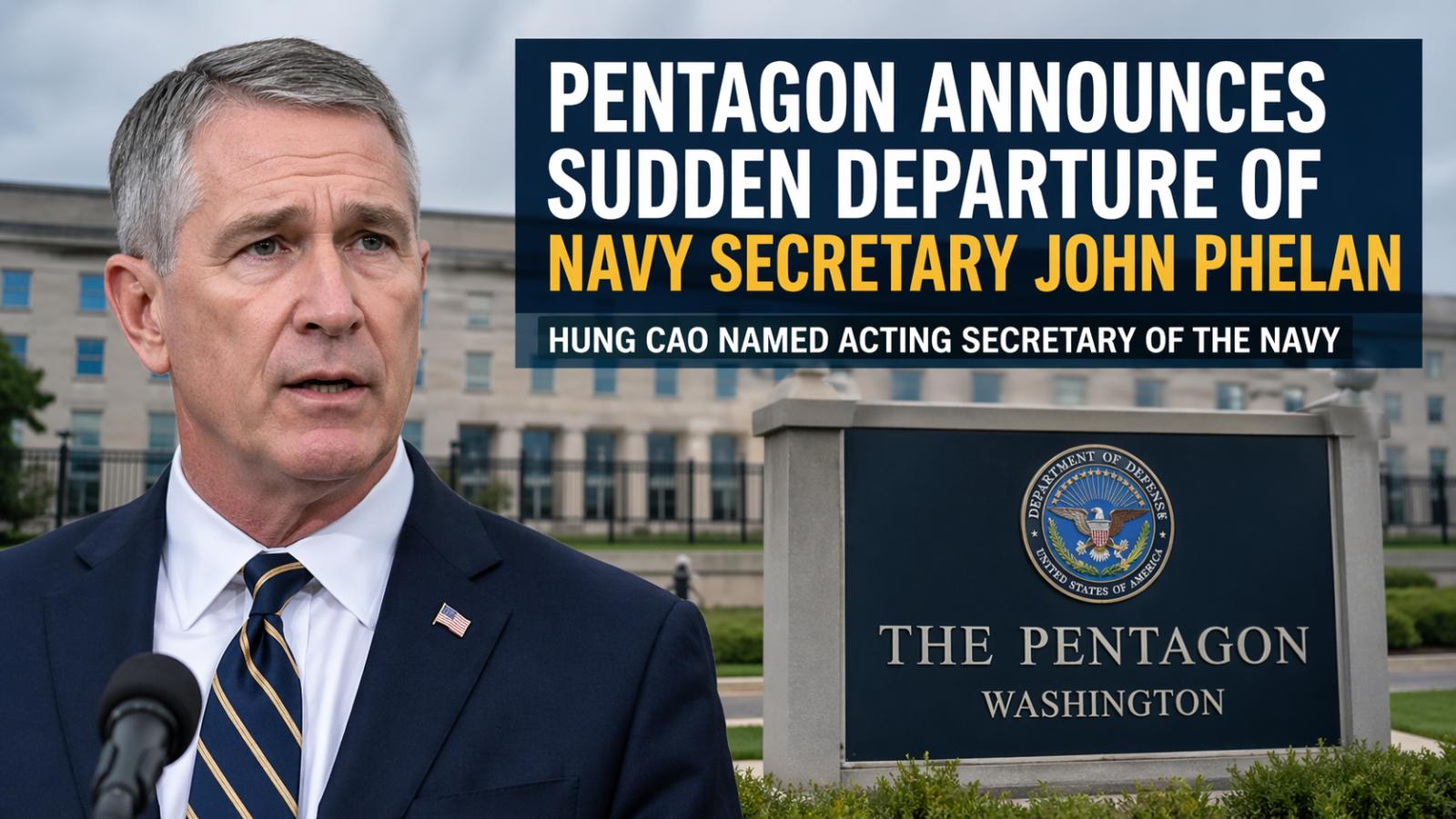
Pentagon announces sudden departure of Navy Secretary John Phelan
Pentagon confirms Navy Secretary John Phelan's sudden exit as Hung Cao becomes acting leader, signaling a major US defense leadership shift in Washington, DC. Pentagon announces sudden departure of Navy Secretary John Phelan as the Defense Department confirmed on Wednesday, April 23, 2026, that John Phelan is leaving his position effective immediately, marking a su
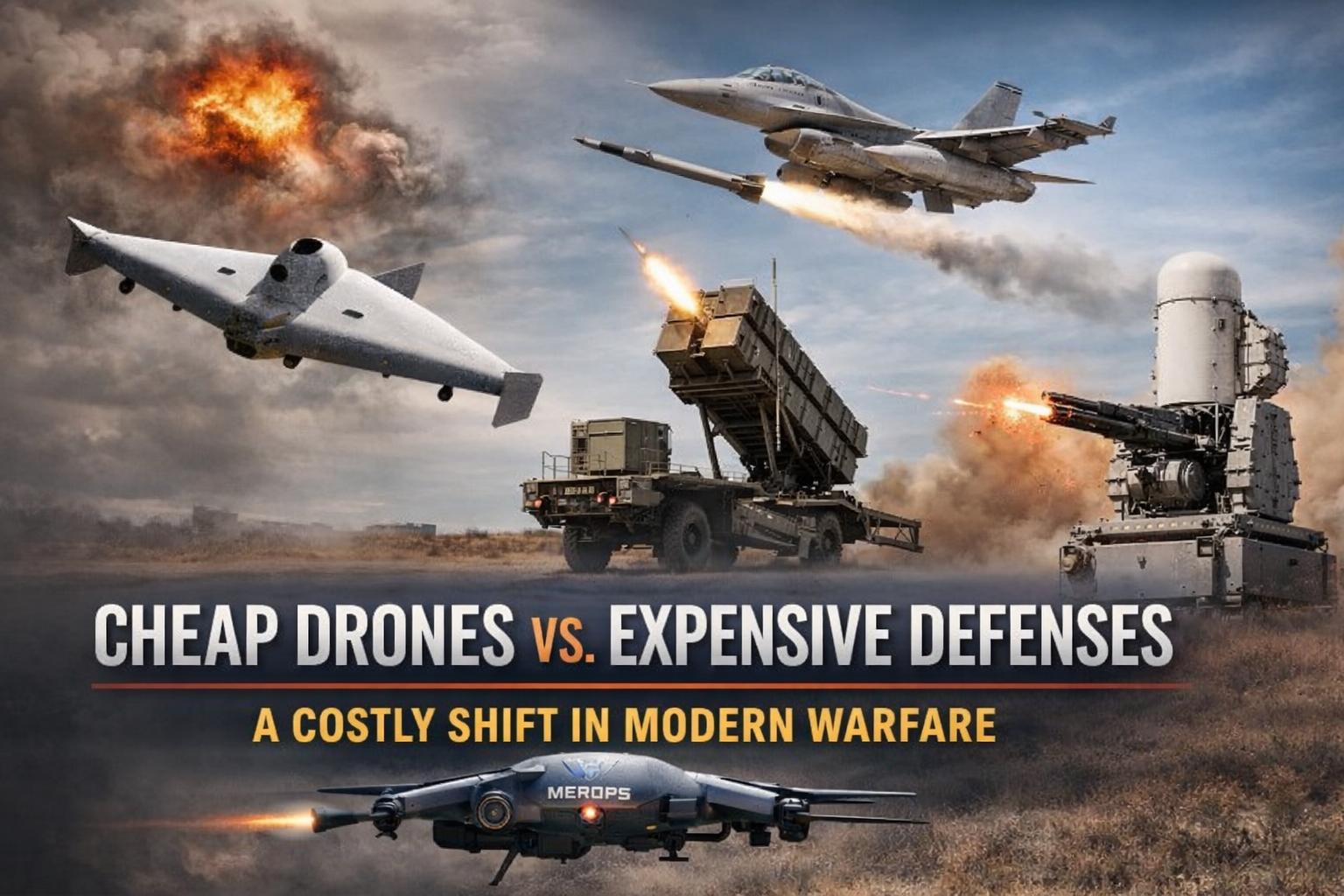
How Iran’s affordable drones are challenging America’s expensive interceptors
One of the most striking lessons from the war with Iran is how a relatively low-cost adversary has exposed vulnerabilities in U.S. defense strategy. Iran has demonstrated both a willingness to go on the offensive and an ability to leverage inexpensive drone technology at scale. These drones, often built with commercial-grade components, cost roughly $35,000 each—far less than the high-end interceptors used to destroy them. This imbalance has forced the United States and its allies to confront a new reality: modern warfare is no longer dominated solely by precision and sophistication, but also by affordability and volume. Cheap drones had already reshaped the battlefield in Ukraine, and Iran has now applied similar tactics in the Middle East, exploiting a long-standing gap in U.S. defense investments that favored fewer, more expensive systems over scalable solutions. Why are U.S. defenses struggling with cost efficiency? Because interceptors far exceed drone prices The financial mismatch is stark. In just the first six days of the conflict, the U.S. spent $11.3 billion, with estimates later rising to between $25 billion and $35 billion. A significant portion of that cost comes from interceptor missiles used to shoot down relatively inexpensive drones. Despite years of Pentagon focus on counter-drone capabilities, experts like Michael C. Horowitz note that there has been little urgency to scale affordable solutions. The result is a defense strategy where each engagement can cost far more than the threat itself—an unsustainable model in prolonged conflicts. How do air-based defenses work against drones? By using early detection and precision strikes—when available In an ideal scenario, airborne early warning systems detect drones hundreds of miles away. Fighter jets such as the F-16 Fighting Falcon are then deployed to intercept them using relatively cheaper rocket systems like APKWS II. This method is among the most cost-efficient, but it depends heavily on maintaining constant air patrols and intact detection systems. Iran has targeted these early warning assets, limiting their effectiveness and reducing the availability of this optimal defense approach. What role do ground and naval systems play? They offer range and reliability but at a steep price When air defenses are unavailable, the U.S. relies on ground- and sea-based systems. These include: Short-range systems like the Coyote, designed specifically for drones and relatively cost-effective—but in short supply. Naval destroyers using radar and SM-2 interceptors, which are powerful but expensive and designed for larger threats. The Patriot missile system, capable of intercepting drones from long distances using costly PAC-3 missiles. These systems were originally built to counter high-end threats like ballistic missiles, not swarms of cheap drones. As a result, they are often overkill—both technologically and financially—for the task at hand. Still, their use can be justified when defending high-value assets, such as billion-dollar radar installations or critical military infrastructure. What are the emerging solutions to counter drones? AI interceptors and lasers show promise but remain unproven New approaches aim to fix the cost imbalance. AI-powered interceptor drones, such as the Merops system developed by a company founded by Eric Schmidt, represent a potential shift toward cheaper, scalable defenses. These systems have been tested in collaboration with Ukrainian forces experienced in countering Iranian drones. The U.S. has already sent thousands of these units to the Middle East and begun training troops, though it remains unclear whether they have been deployed in combat. Meanwhile, the Pentagon has invested heavily in directed energy weapons—lasers that could cost as little as $3 per shot and reach targets up to 12 miles away. However, these systems have yet to be fielded in real-world combat. Why is ammunition depletion a growing concern? Because stockpiles may run out faster than they can be replaced Beyond cost, a more immediate concern is supply. Experts warn that interceptor stockpiles are being depleted at an alarming rate. As Tom Karako explains, the issue is not just affordability but availability: the U.S. risks running out of munitions before it can replenish them. This highlights a deeper strategic challenge. Modern conflicts—defined by mass-produced, low-cost threats—require not just advanced technology, but also sustainable production and scalable defense systems.
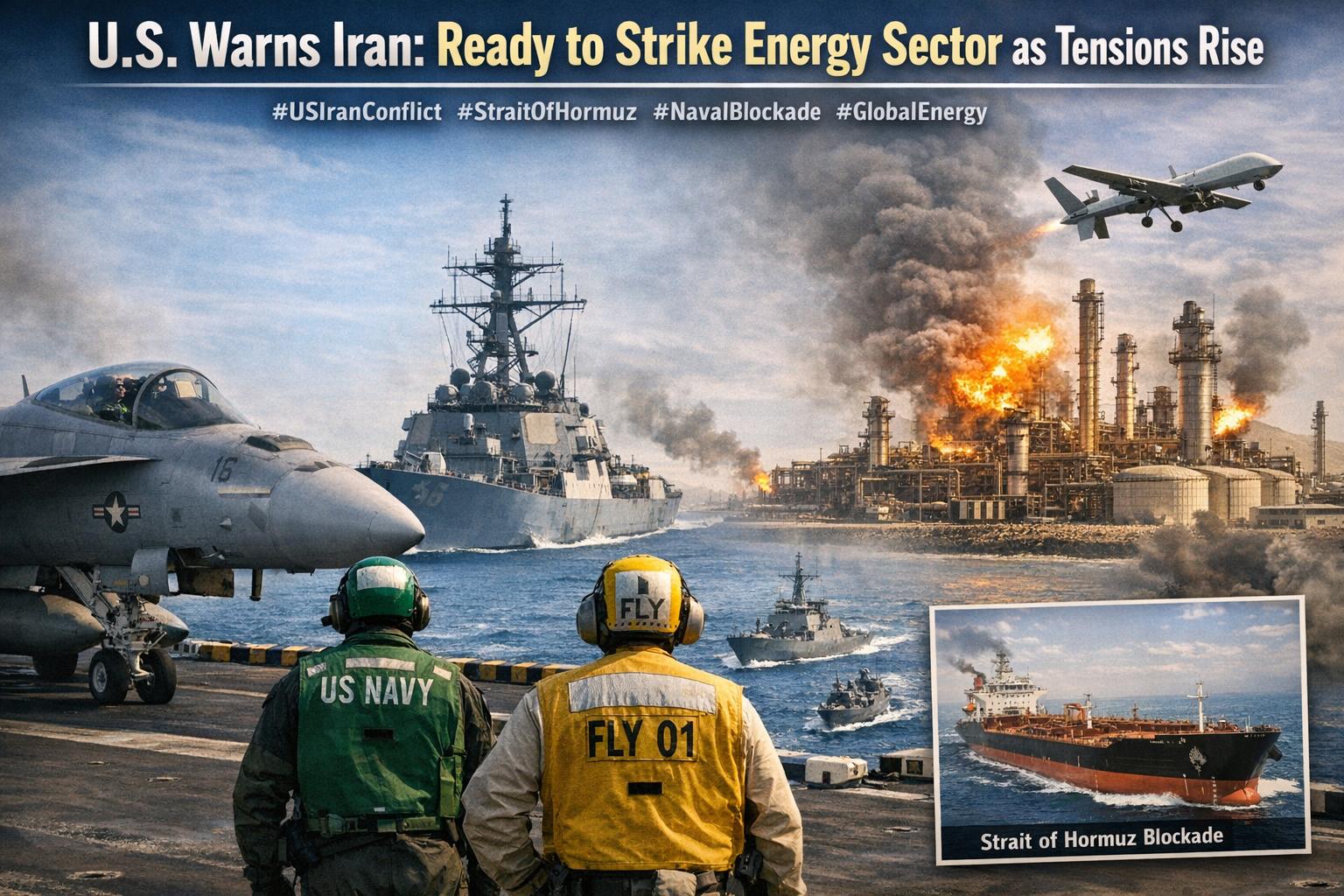
US signals readiness to strike Iran energy sector amid ceasefire tensions
WASHINGTON — The United States signaled a heightened military posture toward Iran on Thursday, April 16, 2026, as senior defense officials warned that U.S. forces are prepared to strike Iran’s energy infrastructure if directed by the president. Speaking in Washington, Defense Secretary Pete Hegseth said current U.S. actions, including a naval blockade, reflect what he described as restrained measures during an ongoing ceasefire period. He emphasized that Iran faces critical decisi
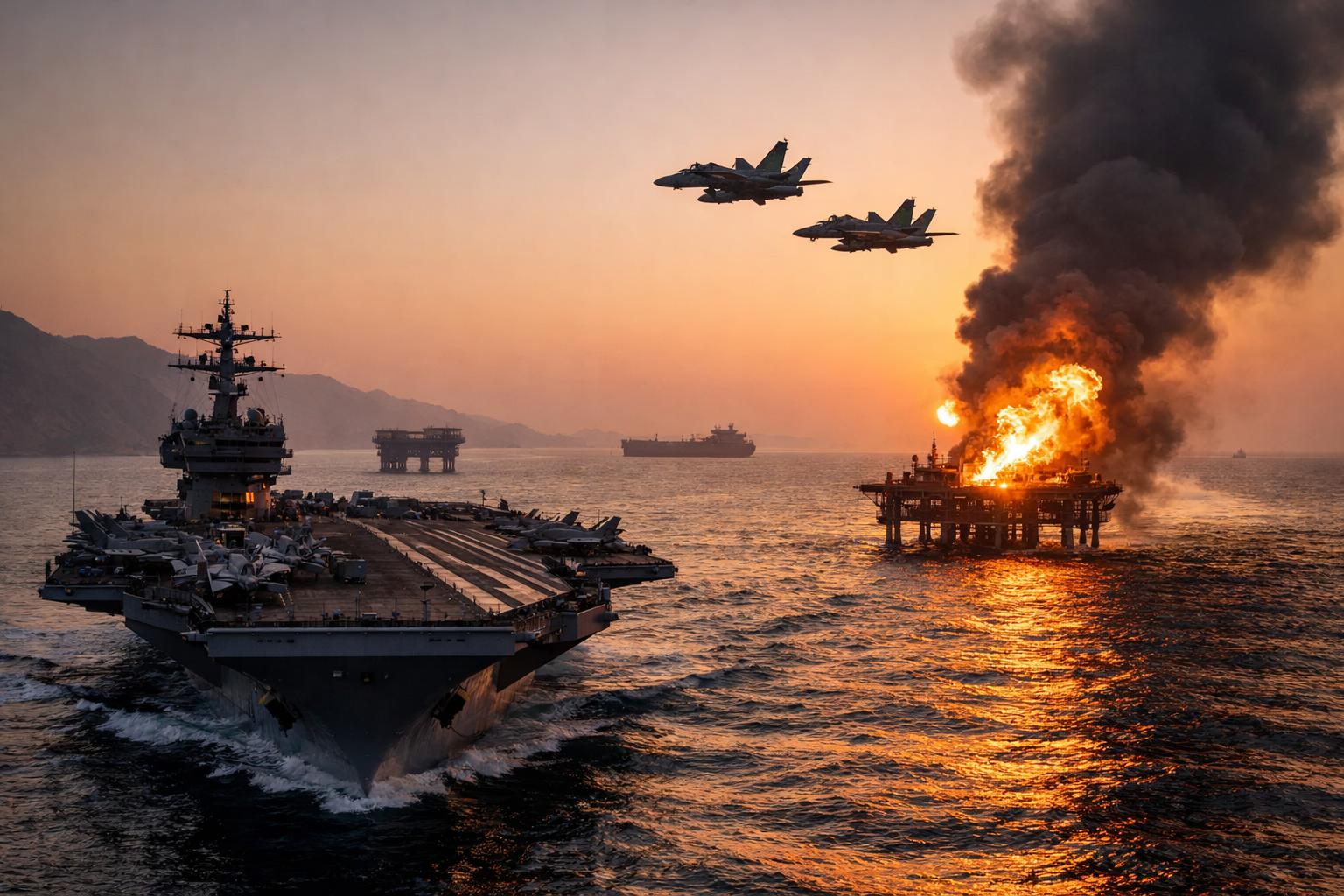
US warns Iran of strikes on energy infrastructure ahead of cease-fire deadline
Defense Secretary Pete Hegseth issued a stark warning on Thursday, April 16, 2026, from the Pentagon, stating that the United States could target Iran’s energy infrastructure if its leadership does not agree to a peace deal before a temporary cease-fire expires in the coming days. The remarks underscore escalating tensions as Washington intensifies pressure on
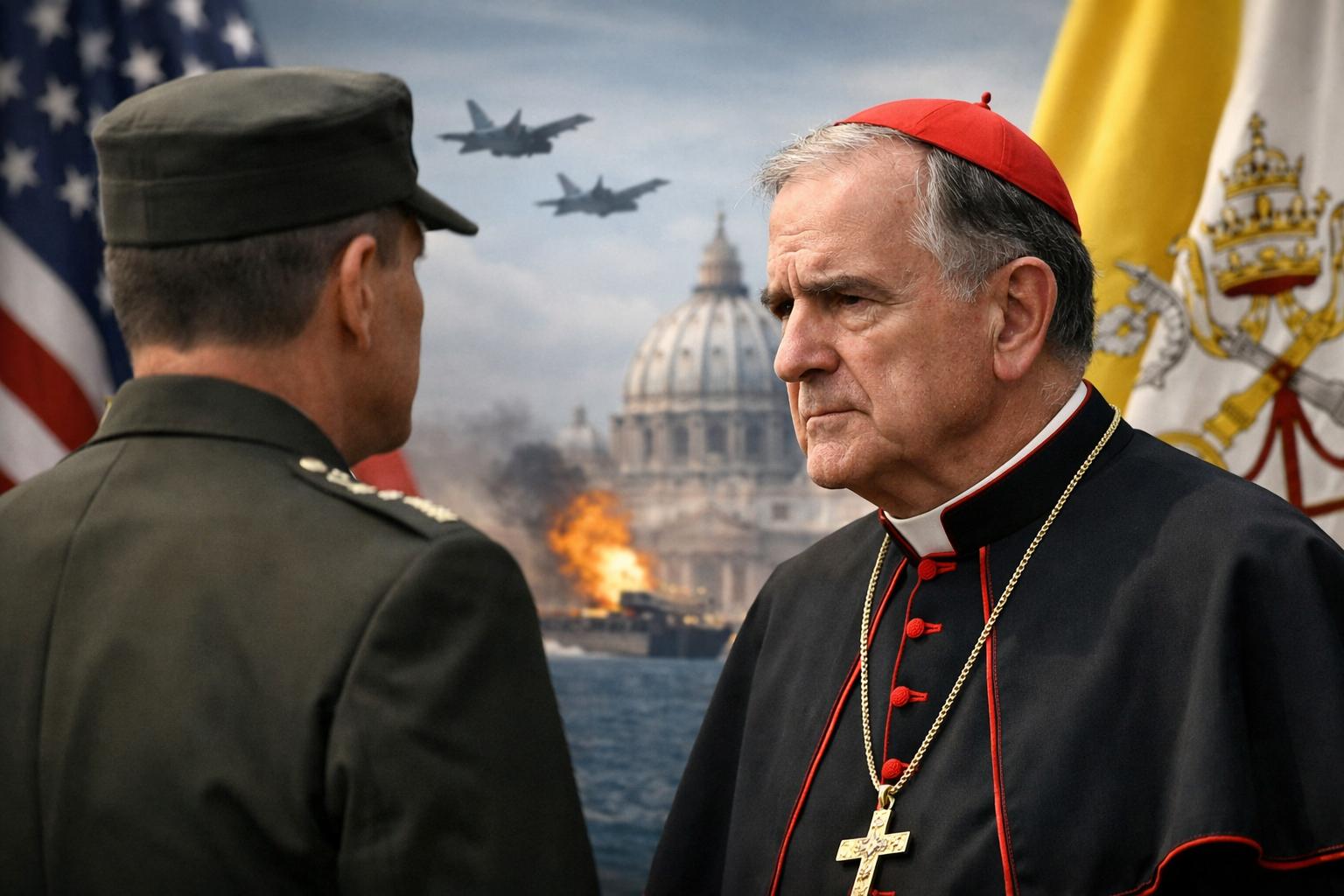
Pentagon and Vatican clash over disputed meeting amid Iran war tensions
A meeting between officials from the U.S. Department of Defense and the Vatican has drawn scrutiny after sharply conflicting accounts emerged, raising questions about diplomatic tensions between Washington and the Holy See during an escalating global crisis. According to a source close to Pope Leo XIV, the meeting involving Cardinal Christophe Pierre was described as confrontational. Separate reports characterized the exchange as a stern warning emphasizing U.S. military strength and urging alignment with American policy. However, Pentagon officials strongly disputed that portrayal, stating the discussion was respectful and constructive, underscoring a commitment to continued dialogue with the Vatican. Adding to the conflicting narratives, Vatican ambassador Brian Burch stated on Thursday that Cardinal Pierre rejected media reports describing the meeting as hostile, calling them fabricated. He said the meeting, which occurred two months earlier, was “frank and cordial,” suggesting that accounts of tension may have been overstated. The dispute comes amid increasingly pointed remarks from Pope Leo XIV, the first U.S.-born pontiff from Chicago, who has taken an unusually direct stance on the ongoing conflict involving Iran. On Tuesday, the pope criticized U.S. President Donald Trump’s warning of severe consequences for Iran, calling such rhetoric “truly unacceptable” and warning that attacks on civilian infrastructure violate international law. In recent appeals, Leo has urged global leaders and citizens to pursue peace and avoid further escalation, particularly in a conflict he described as unjust and destabilizing. He also encouraged individuals to contact political leaders and advocate against actions targeting civilians, emphasizing the moral and legal implications of such strategies. The Vatican’s concerns extend beyond Iran, particularly to Lebanon, where renewed fighting involving Israeli forces and Hezbollah has intensified instability. Church officials have expressed alarm over the impact on Christian communities in southern Lebanon, which hold significant importance for the region’s religious presence. The broader geopolitical situation remains fragile. A ceasefire related to the Iran conflict appeared uncertain after Iran moved to close the Strait of Hormuz following Israeli strikes in Lebanon, prompting renewed calls from the White House to maintain open waterways and continue peace negotiations. While both the Pentagon and Vatican have emphasized the importance of ongoing dialogue, the divergence in accounts surrounding their recent meeting highlights the complexity of diplomatic relations during a period of heightened global tension.
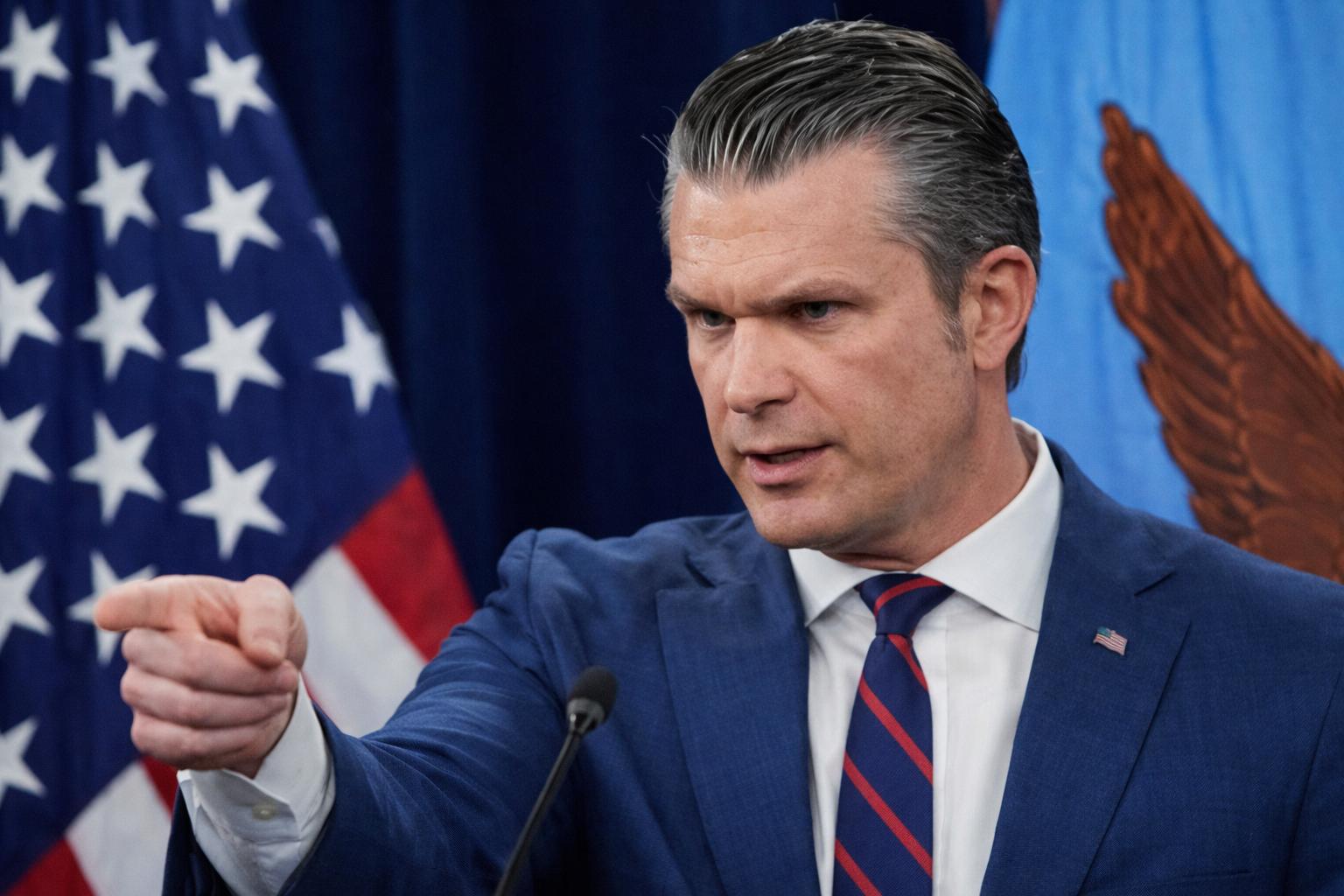
Hegseth claims major US victory as Iran’s military capabilities weakened
U.S. Secretary of Defense Pete Hegseth stated on Wednesday, April 8, 2026, that Iran had sought a ceasefire following what he described as a decisive U.S. military campaign known as Operation Epic Fury. Speaking during a Pentagon briefing, Hegseth characterized the operation as a “historic and overwhelming victory,” attributing its outcome to leadership under President Donald Trump. Hegseth said Iran’s leadership had “begged for a ceasefire,” asserting that the scale of the military impact left Tehran with limited options. He emphasized that the operation significantly degraded Iran’s conventional military capabilities, particularly across its naval, air, and missile forces. According to the defense secretary, Iran’s navy suffered extensive losses, claiming it had effectively been neutralized. He further stated that Iran’s air force had been rendered inoperable and that its broader air defense infrastructure no longer functioned as a cohesive system. Hegseth also asserted that Iran’s missile program had been “functionally destroyed,” suggesting a substantial setback to the country’s strategic deterrence capabilities. The remarks were delivered as part of an official Pentagon briefing outlining the outcomes of recent military actions. While Hegseth presented the operation as a clear U.S. victory, his statements reflect the administration’s assessment of the situation and have not been independently verified within the briefing. The comments signal a significant escalation in rhetoric surrounding U.S.-Iran tensions and underscore the broader geopolitical implications of Operation Epic Fury. Further developments are expected as international observers and regional stakeholders assess the long-term consequences of the reported military actions.
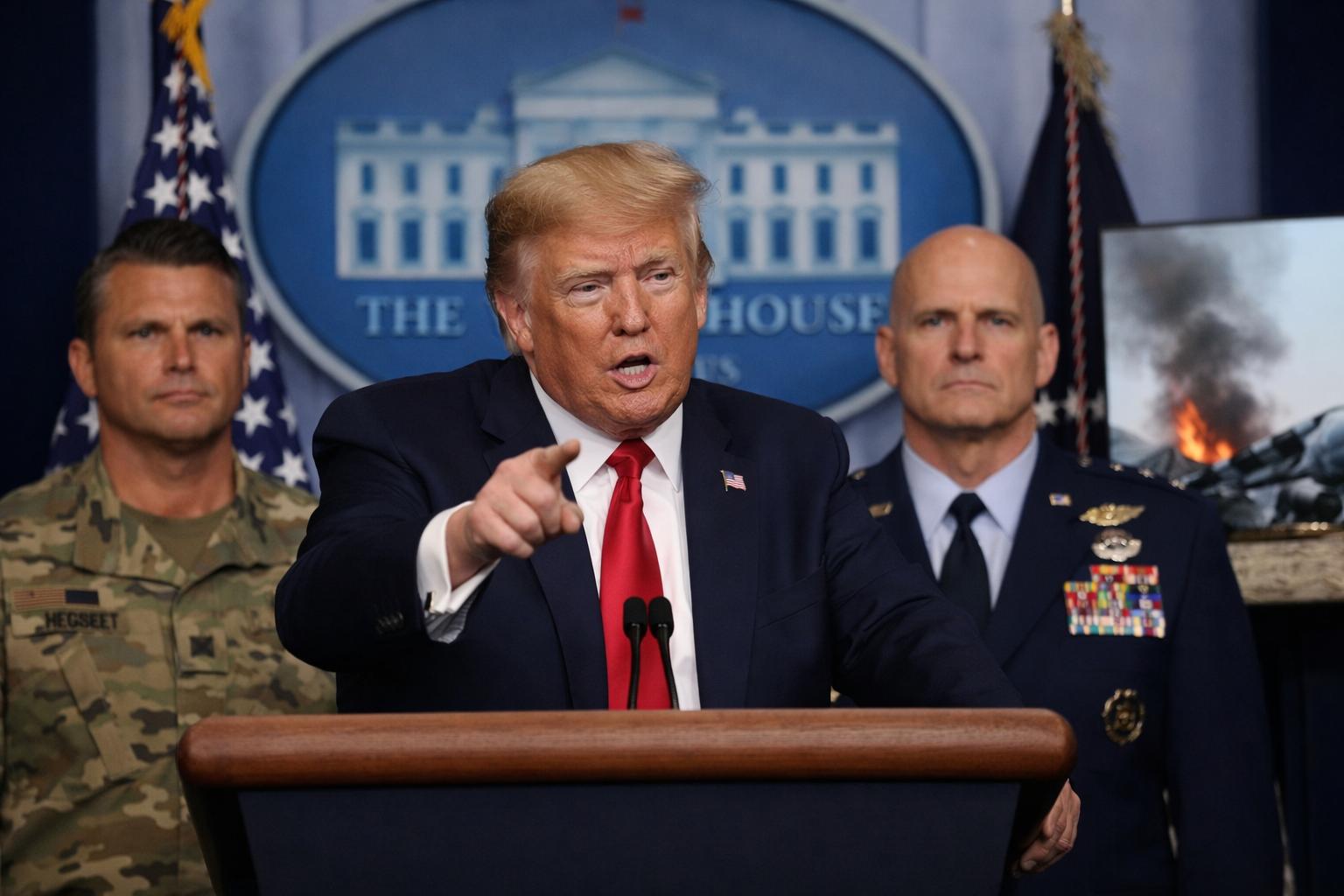
Trump vows action against media after Iran rescue leak controversy
President Donald Trump said he would pursue legal action against journalists and media organizations involved in reporting that a second U.S. airman was missing following the downing of an American fighter jet in Iran last week, calling the leak a threat to national security. Speaking during a White House press conference held on Monday, April 6, 2026, alongside Defense Secretary Pete Hegseth and Joint Chiefs Chairman Dan Caine, Trump confirmed that both crew members had been successfully recovered in separate operations conducted by U.S. forces. The pilot was rescued within hours of the incident, while the second airman remained stranded inside Iranian territory until early Sunday, April 5, 2026, when a rescue team secured his extraction. Trump strongly criticized the disclosure of the second airman’s status, stating that the information had been intentionally withheld by the U.S. government to protect the individual from capture or harm. He warned that his administration would attempt to identify the source of the leak and could compel cooperation from the media outlet that first reported the information. “We are going to find out who leaked it,” Trump said during the briefing. “We will go to the media company and say, ‘This is national security. Provide the information or face legal consequences.’” Officials emphasized that operational secrecy was critical during the mission, as public knowledge of the stranded airman could have increased the risk of interception by Iranian forces. Trump claimed that Iranian authorities had issued a reward for information leading to the capture of the missing servicemember, further complicating rescue efforts. The White House did not specify which media organization initially reported the second airman’s status. The incident has raised renewed concerns about the balance between press freedom and national security, particularly in situations involving active military operations in hostile territory.
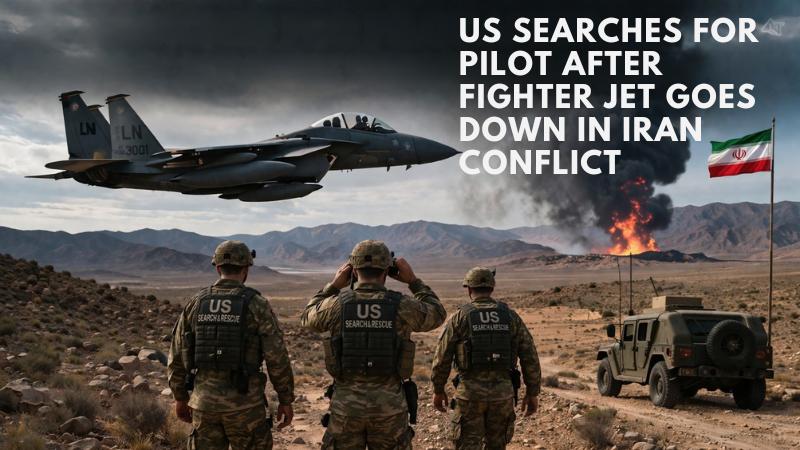
American fighter jet lost in Iran as US intensifies military operations
The United States is searching for the crew of an American fighter jet that went down in Iran during ongoing military operations, according to a U.S. official. The exact date and time of the incident have not been publicly confirmed by U.S. authorities, and officials have not released additional operational details. Authorities have not clarified whether the aircraft was shot down or experienced a technical failure, leaving the cause of the incident under investigation. The Pentagon and U.S. Central Command have not issued formal statements, and no independent confirmation has been provided regarding claims surrounding the circumstances of the crash. If confirmed, the loss would mark the first known downing of a U.S. fighter jet inside Iran since the current conflict began in late February. The war has now extended beyond a month, with continued air operations and heightened military engagement across the region. The development comes at a sensitive moment, as the conflict continues to disrupt activity in the Strait of Hormuz, one of the world’s most critical maritime routes for energy shipments. Reduced tanker movement through the strait has raised global concerns about the supply of crude oil, fertilizer, and other key commodities, potentially impacting international markets. Amid escalating tensions, U.S. President Donald Trump has indicated a willingness to intensify military action. In recent public remarks, he suggested that the United States could reopen the strategic waterway and secure access to oil resources. He also warned of possible expanded strikes targeting Iranian infrastructure, including bridges and electrical facilities. In earlier statements, Trump signaled a more aggressive posture, stating that the United States could significantly escalate its response if necessary. These remarks highlight the growing volatility of the situation and the potential for further military escalation as the conflict continues.
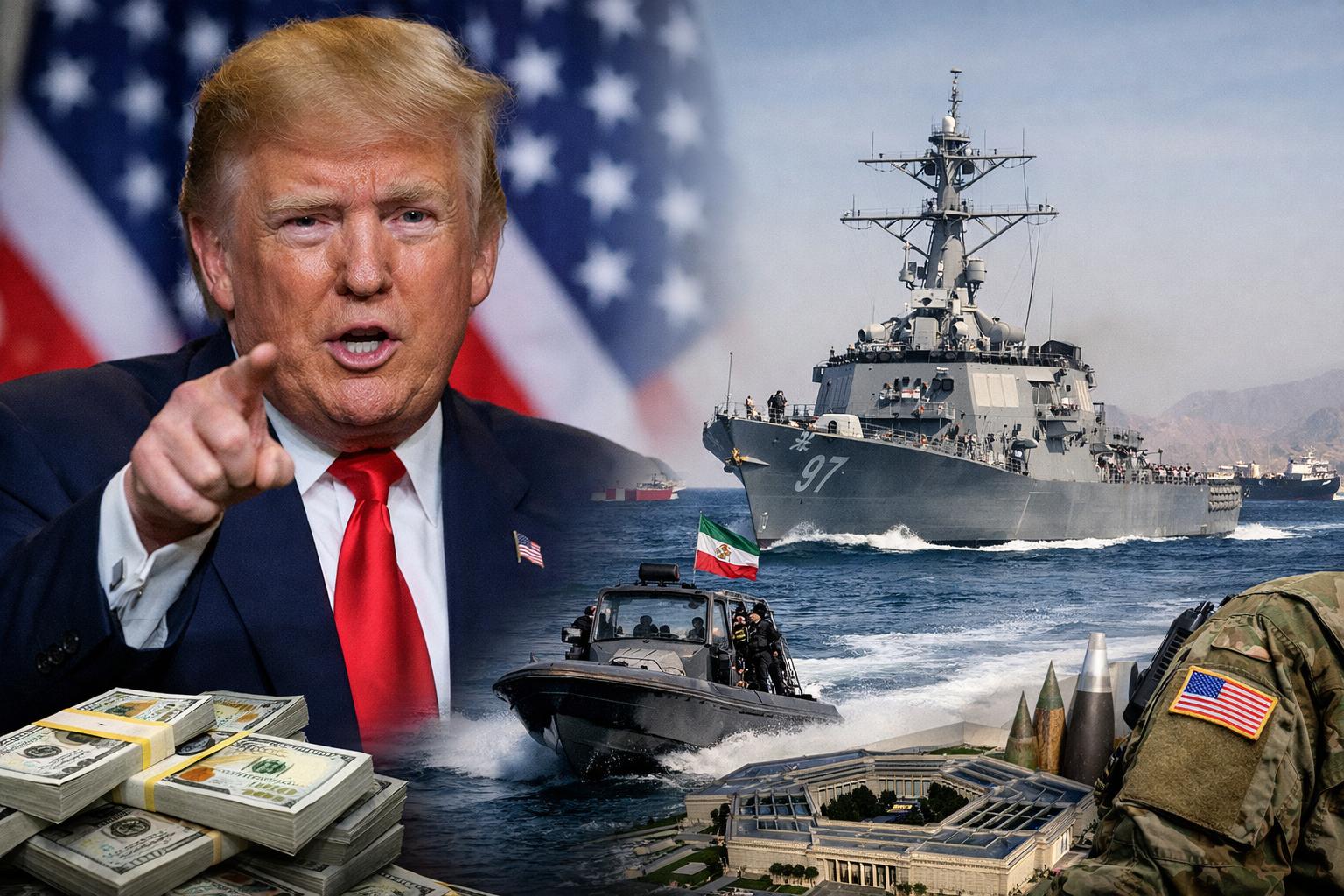
Trump floats Hormuz strategy as Pentagon seeks record war funding
US President Donald Trump said on Friday, April 3, 2026, that the United States could potentially “open” the Strait of Hormuz and seize oil resources if given additional time, as tensions continue to escalate in the ongoing Iran war. The remarks, posted on his Truth Social platform, come amid growing concerns over global energy security and disruptions to one of the world’s most critical shipping routes. Trump’s statement suggested a more aggressive approach to the strategic
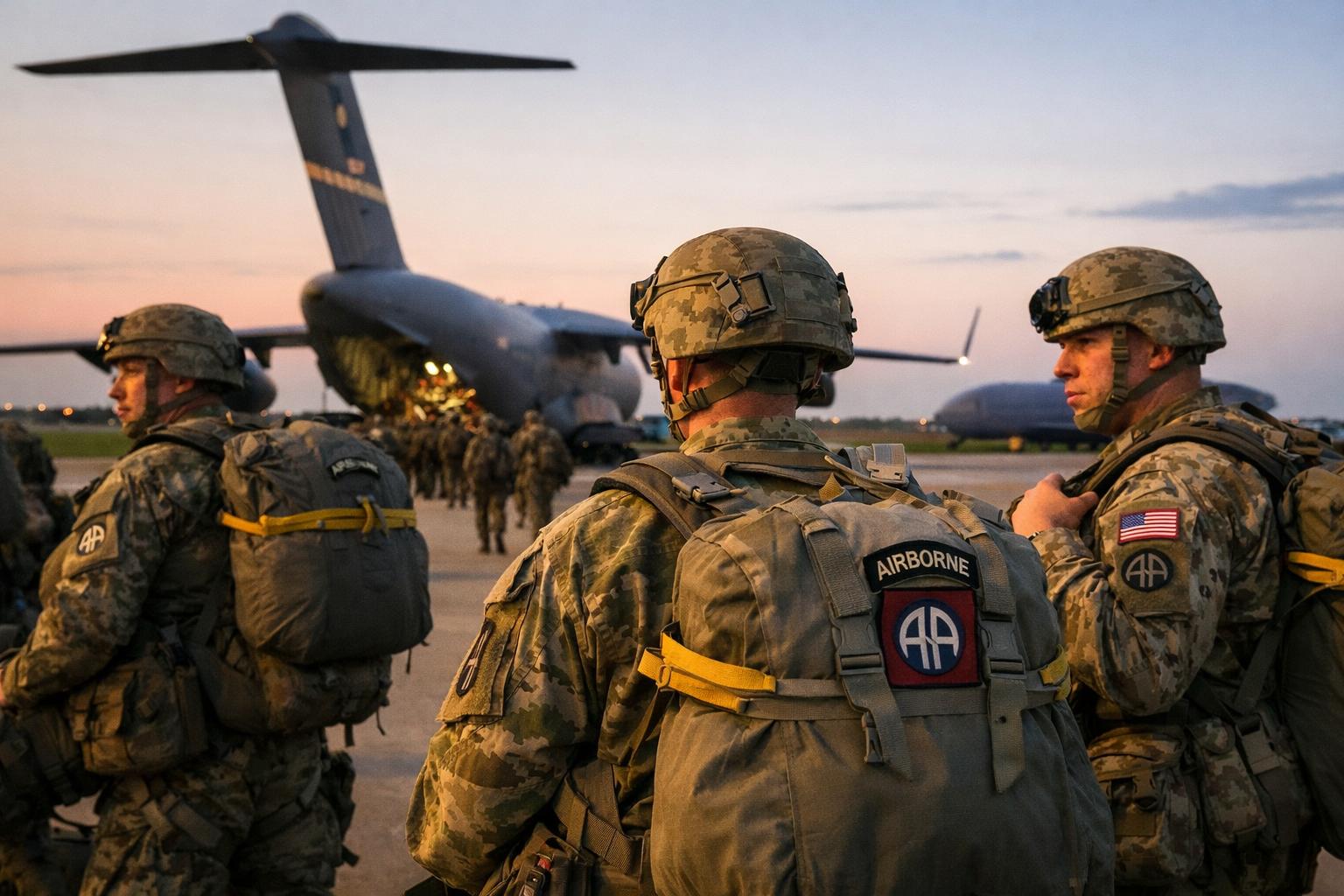
Pentagon plans 82nd Airborne deployment amid rising Iran tensions
The Pentagon is preparing to deploy approximately 3,000 troops from the 82nd Airborne Division as part of Operation Epic Fury, according to officials familiar with the matter. A formal deployment order is expected to be issued shortly, outlining potential military options without confirming any immediate decision to send ground forces into Iran. The move reflects heightened vigilance within the United States military as tensions in the Middle East continue to evolve. Officials indicated that the planned deployment would include a combat brigade along with its headquarters unit, both of which are integral to rapid-response operations. The 82nd Airborne Division, based at Fort Bragg, is recognized for its ability to mobilize forces quickly, with a capability to deploy thousands of troops globally within 18 hours. The division has previously demonstrated even faster mobilization timelines, underscoring its strategic importance in crisis situations. The development follows the recent cancellation of a major training exercise involving the unit, a decision that had already sparked speculation about a possible redeployment to the Middle East. While authorities have emphasized that diplomatic channels with Tehran remain open, the preparation of troops signals growing concern in Washington over the trajectory of regional tensions. If executed, the deployment would mark a notable shift in US military posture, strengthening both deterrence and operational readiness in the region. The 82nd Airborne Division is trained to handle a wide range of missions, including securing critical infrastructure such as airfields, reinforcing US diplomatic facilities, and supporting emergency evacuations when necessary. Its headquarters unit plays a central role in planning and coordinating these complex operations. The potential move highlights the balance the administration is attempting to maintain between diplomatic engagement and military preparedness. While no final decision on ground operations has been announced, the readiness of rapid response forces suggests that the United States is positioning itself to respond swiftly to any escalation.
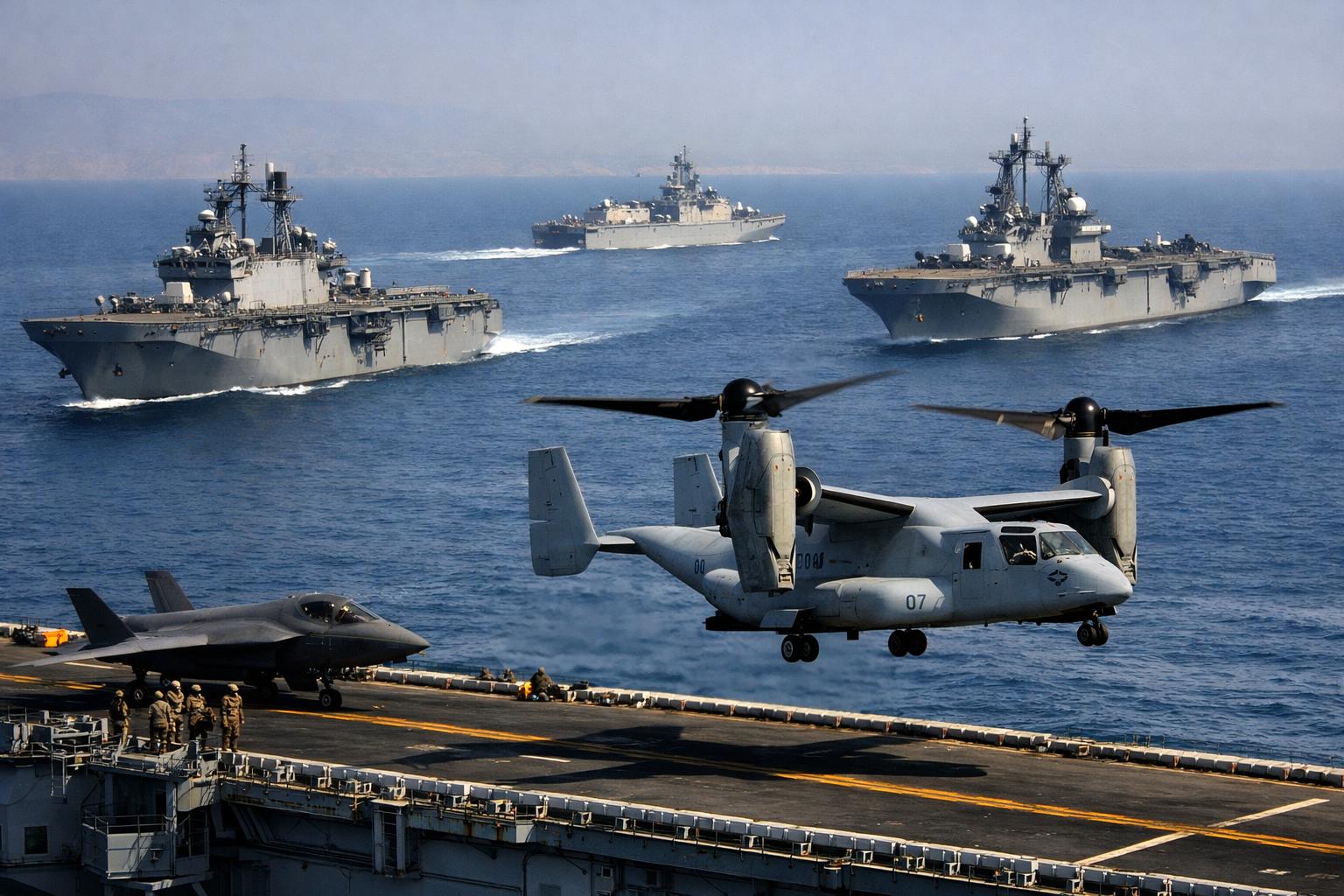
US–Israel–Iran War | US sends 2,200 marines and amphibious ships to Middle East as Hormuz tensions grow
The United States Marine Corps has ordered the deployment of a Marine Expeditionary Unit to the Middle East as tensions in the region continue to escalate. Around 2,200 Marines traveling aboard three US Navy amphibious ships are being redirected toward the area, signaling a reinforcement of American military readiness amid growing concerns over maritime security and regional stability. The unit involved in the deployment is the 31st Marine Expeditionary Unit, which is normally based in Japan
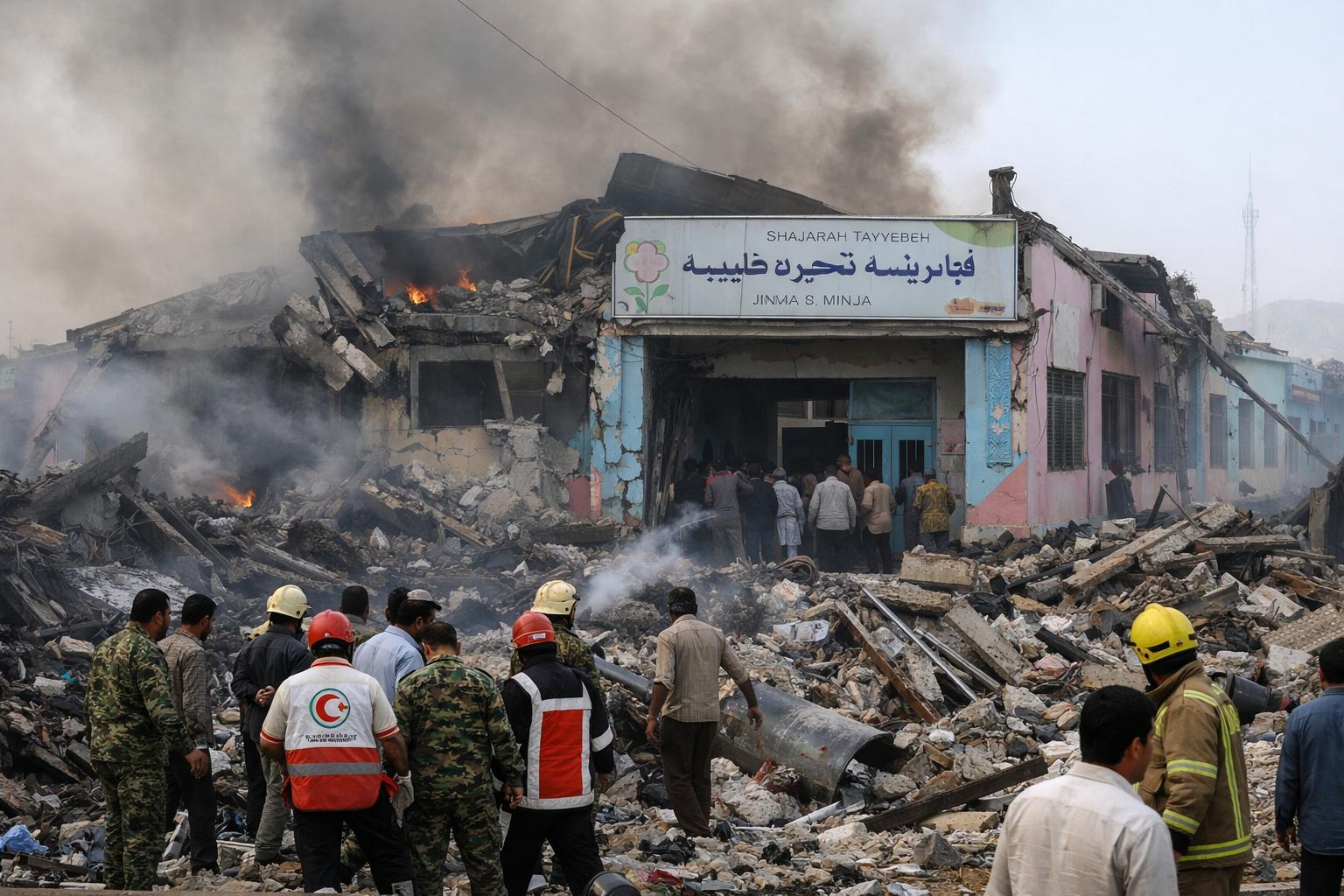
Preliminary probe says US missile strike mistakenly hit Iranian elementary school
A preliminary investigation by the United States military has concluded that a deadly missile strike that hit an elementary school in Iran was likely caused by a targeting error, according to officials familiar with the inquiry. The strike occurred on February 28 in the town of Minab, where a Tomahawk missile struck the Shajarah Tayyebeh elementary school building during a series of attacks aimed at nearby Iranian naval facilities. Investigators say the incident appears to have resulted from
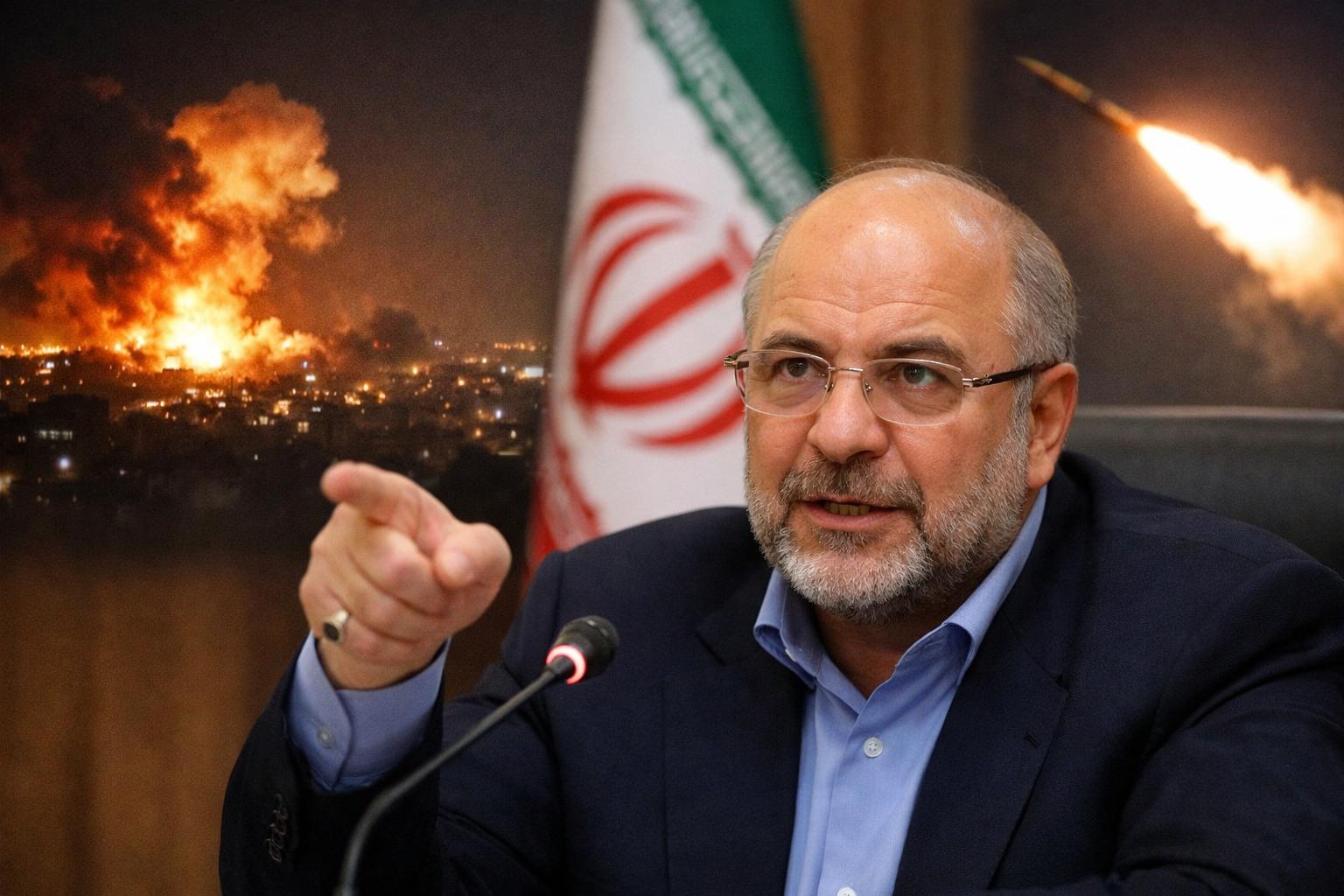
US–Israel–Iran War | Iran warns of direct retaliation if infrastructure is targeted amid rising Middle East tensions
Iran’s parliament speaker Mohammad Bagher Ghalibaf warned on Tuesday that any attack targeting the country’s infrastructure would provoke an immediate and proportional response, as tensions continue to rise following recent US-Israel strikes that have escalated the Middle East conflict. In a message posted on the social media platform X, Ghalibaf said Iran would not hesitate to retaliate if its critical facilities were attacked, emphasizing that the country would respond according to what he
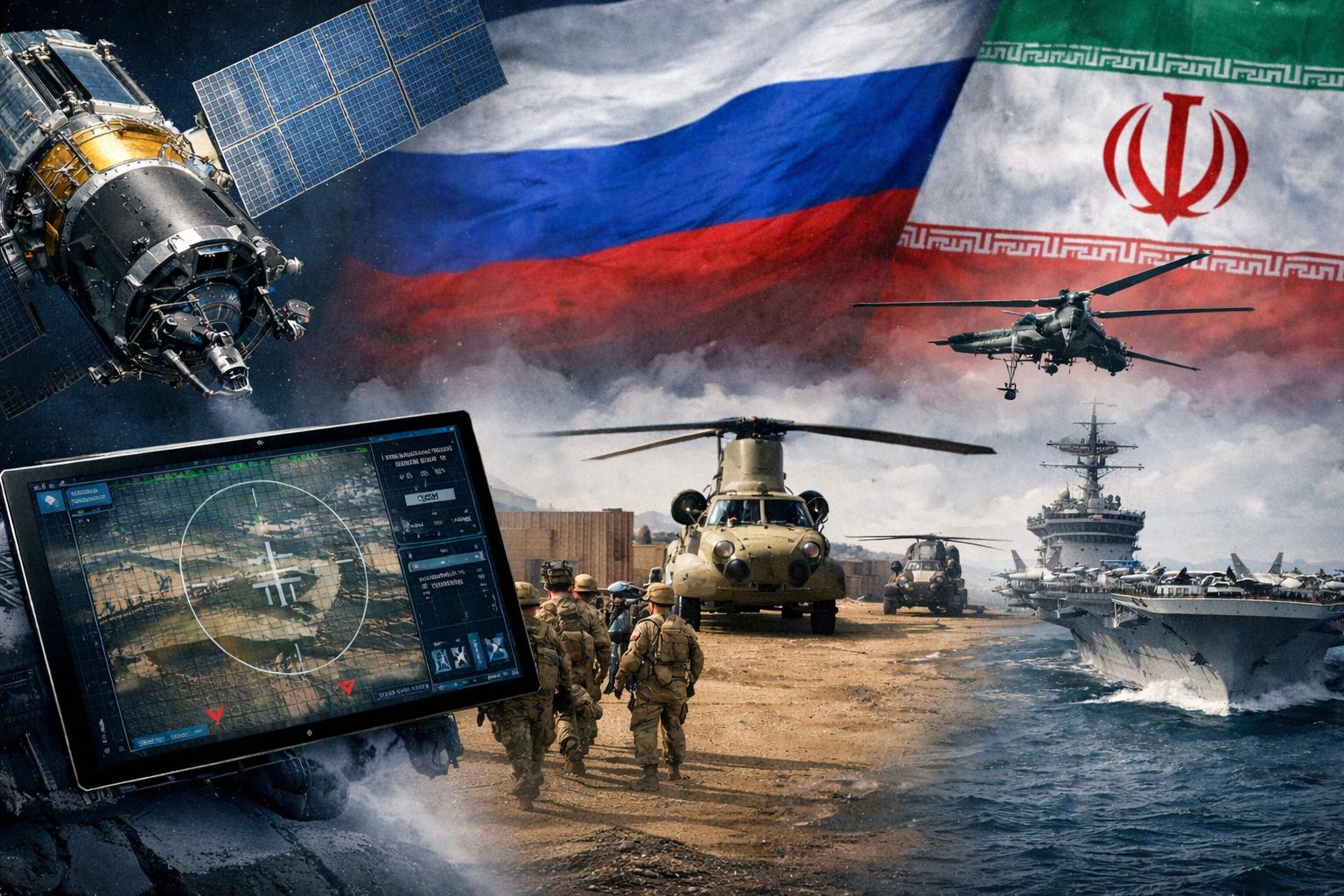
US–Israel–Iran War | Russia reportedly shares US military intelligence with Iran amid rising tensions
Russia has reportedly provided Iran with intelligence regarding the locations of United States military forces, according to people familiar with US intelligence assessments. The information is said to include satellite imagery showing the positions and movements of American troops, ships, and aircraft across parts of the region. Officials briefed on the matter indicated that much of the data came from Russia’s network of overhead surveillance satellites, marking the first indication that M
Trump assassination plot leader killed as US strikes Iran, Pentagon says
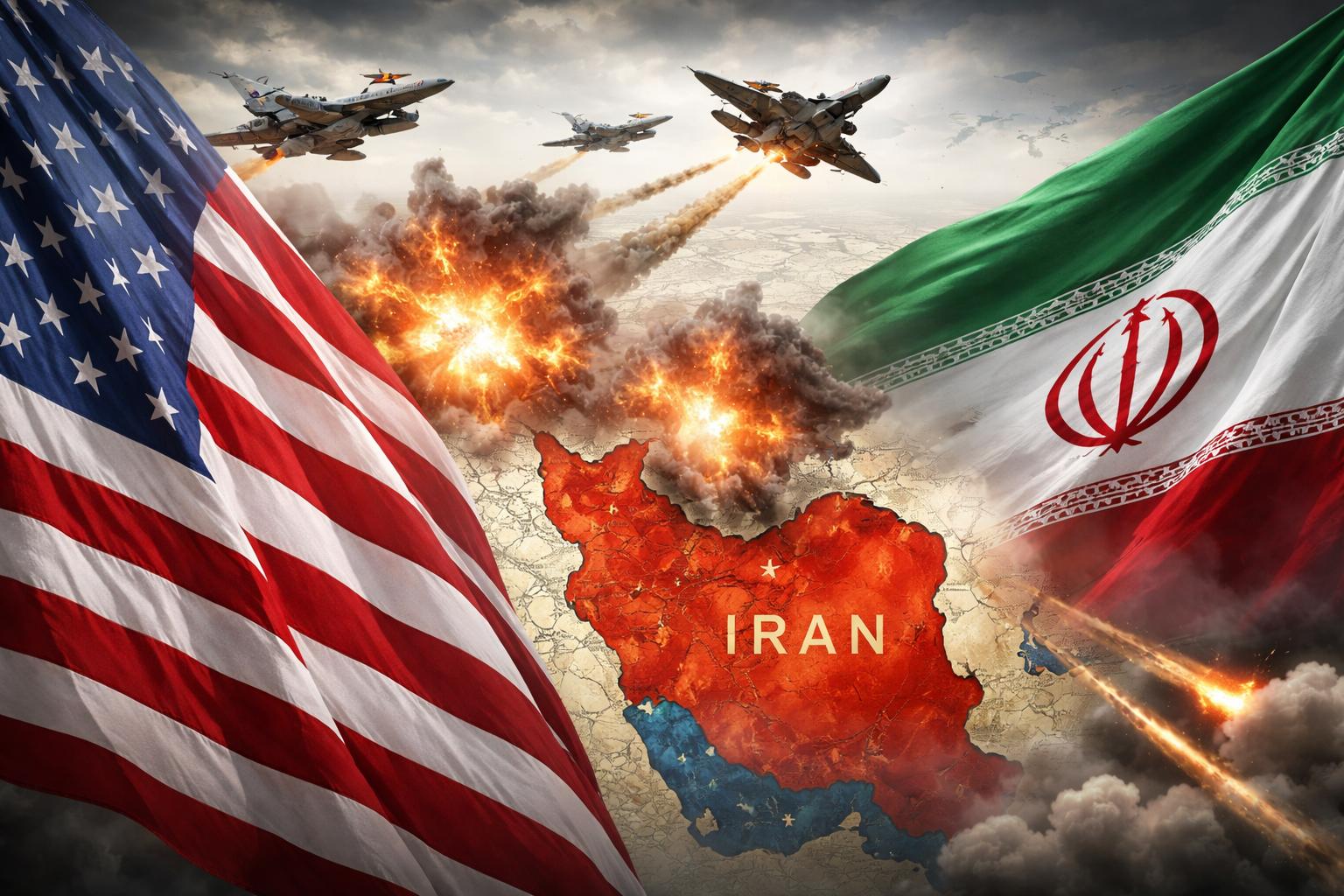
U.S. Defense Secretary Pete Hegseth said Wednesday that President Donald Trump had effectively “gotten the last laugh” after American forces killed an Iranian official linked to an alleged assassination plot against him. The comments came as the United States expanded its military operations against Iran and signaled confidence that the campaign is significantly weakening Tehran’s capabilities. Speaking during a Pentagon briefing, Hegseth said the Iranian official who was killed had overseen a unit connected to efforts aimed at targeting Trump. Although he emphasized that the individual was not the initial objective when hostilities began, Hegseth said military planners ensured that those connected to the alleged assassination plot were eventually included on the operational target list. The issue of a Trump assassination plot first surfaced in 2024, when the U.S. Justice Department charged an Iranian national over what prosecutors described as a plan directed by Iran’s Revolutionary Guard Corps to kill Trump, who at the time was the president-elect. Tehran has repeatedly denied accusations that it attempted to target Trump or other American officials. The latest developments come amid an expanding conflict between the United States and Iran. Hegseth used forceful language to describe the state of the war, asserting that U.S. forces were gaining the upper hand. He said American military operations would continue as long as necessary to meet the administration’s objectives and warned that Iran’s leadership was facing growing pressure as strikes intensified. The confrontation widened further after U.S. forces struck an Iranian warship near Sri Lanka, a move that deepened tensions across the Middle East and raised concerns about disruptions to shipping routes through the Strait of Hormuz. The strategic waterway is a vital passage for global oil and gas flows, and the conflict has already begun to affect regional stability. Military leaders said American and allied forces were also making rapid progress in controlling Iranian airspace. General Dan Caine, chairman of the Joint Chiefs of Staff, told reporters that U.S. operations were establishing localized air superiority along Iran’s southern coast. He said the campaign would now move further inland, allowing American forces greater operational freedom as they target military infrastructure. Caine also noted a significant decline in Iranian offensive activity since the opening phase of the conflict. According to Pentagon data, Iran’s ballistic missile launches have fallen sharply, while one-way drone attacks have also dropped considerably, suggesting that sustained U.S. strikes are degrading Iran’s operational capacity. Despite the administration’s confidence in the military campaign, lawmakers from both major political parties have questioned the longer-term strategy. Critics say the government has yet to clearly outline what the political outcome of the conflict might look like if Iran’s leadership structure becomes weakened or destabilized. Hegseth said the United States has the capability to sustain the campaign for as long as required. He stressed that the duration of the conflict would ultimately depend on the administration’s goals and how quickly the Pentagon is able to achieve its military objectives.
US–Israel–Iran War | Pentagon identifies four soldiers killed in Kuwait drone attack amid regional conflict
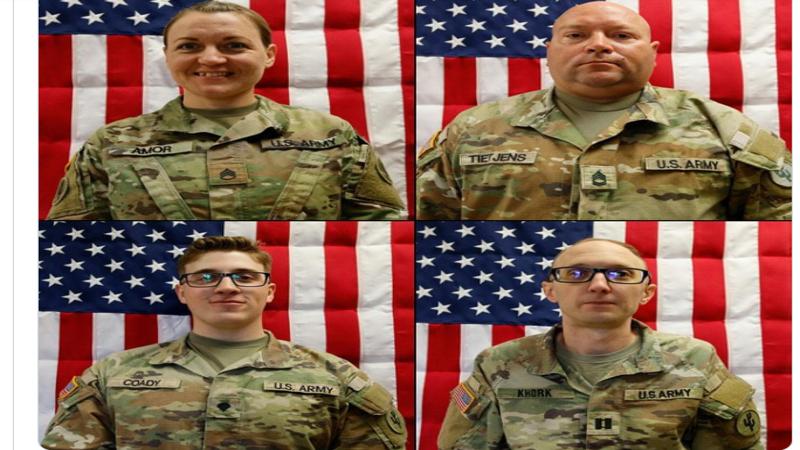
The Pentagon has identified four of the six United States soldiers killed in a drone strike on a military command center in Kuwait, as families across the country mourn service members who were deployed in support roles far from active combat zones. The soldiers died Sunday when a drone struck a command facility at Port Shuaiba, a strategic location used by US forces operating in the Gulf region. The attack occurred a day after the United States and Israel launched military operatio

Anthropic rejects Pentagon demand for unrestricted military AI access
Artificial intelligence company Anthropic said on Thursday that it will not permit the Pentagon unrestricted access to its technology, pushing back against pressure from US officials who warned of possible action under the Defense Production Act. The dispute highlights growing tensions between private AI developers and the US government over how advanced systems should be deployed in military and intelligence operations. According to the company, the Pentagon had given Anthropic a d
China Calls Pentagon Report Irresponsible, Rejects Claims Of Rift With India
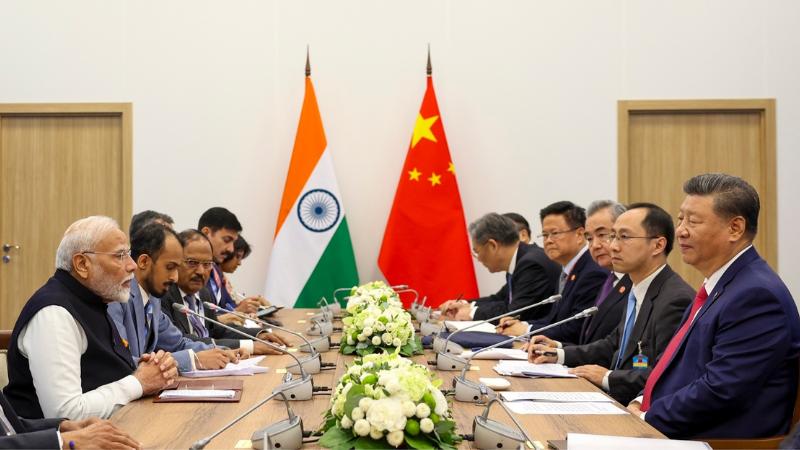
China has strongly criticised a recent Pentagon report, calling it irresponsible, misleading, and an attempt to create divisions between Beijing and New Delhi while exaggerating the so-called China threat narrative. Responding sharply, Chinese officials accused the United States of distorting China’s defence policy and interfering in its internal affairs to justify Washington’s continued military dominance. Speaking at a media briefing in Beijing, Chinese Foreign Ministry spokes
Police investigate suspicious vehicle near Pentagon, roads closed in Arlington
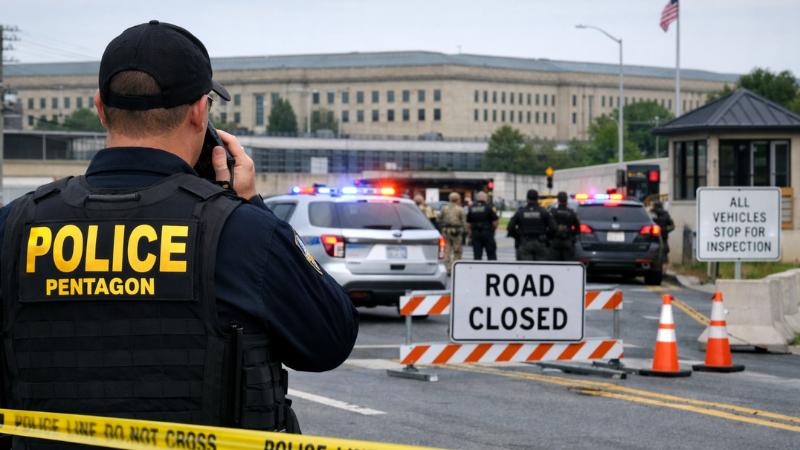
Police in Arlington, Virginia, are investigating a suspicious vehicle reported near the Pentagon on Friday morning, prompting heightened security measures and road closures in the surrounding area. The incident has led to traffic disruptions as law enforcement agencies continue to assess the situation and ensure public safety near one of the nation’s most secure federal facilities. According to the Pentagon Force Protection Agency, the vehicle arrived at one of the Pentagon’s security checkpoints at approximately 7:45 a.m. The nature of the vehicle and the reason it was deemed suspicious have not been disclosed, and officials have so far released limited information while the investigation remains active. Authorities emphasized that precautionary steps were taken immediately after the vehicle was identified, in keeping with established security protocols. As part of the response, several nearby roads were closed to both vehicular and pedestrian traffic. North Rotary Road and Fern Street were confirmed closed as of 10:19 a.m., creating delays for commuters traveling through Arlington during the morning hours. Law enforcement officials urged drivers to avoid the area if possible, use alternate routes, and comply with all police instructions while the investigation continues. Multiple police units were observed in the area as officers worked to secure the perimeter and evaluate any potential risks. Officials stressed that these measures are standard procedure during security incidents involving federal facilities, and they are intended to protect Pentagon personnel, nearby workers, and the general public. No injuries or evacuations were reported during the initial response period. Authorities have not indicated how long the road closures will remain in effect, nor whether the incident poses an ongoing threat. The Pentagon Force Protection Agency stated that updates would be provided as more information becomes available. Until then, residents and commuters in Arlington are advised to remain alert, monitor traffic conditions, and follow official guidance. The investigation remains ongoing, and law enforcement officials continue to work to determine the circumstances surrounding the vehicle’s presence at the checkpoint. Further details are expected to be released once the situation is fully assessed and it is deemed appropriate to share additional information with the public.
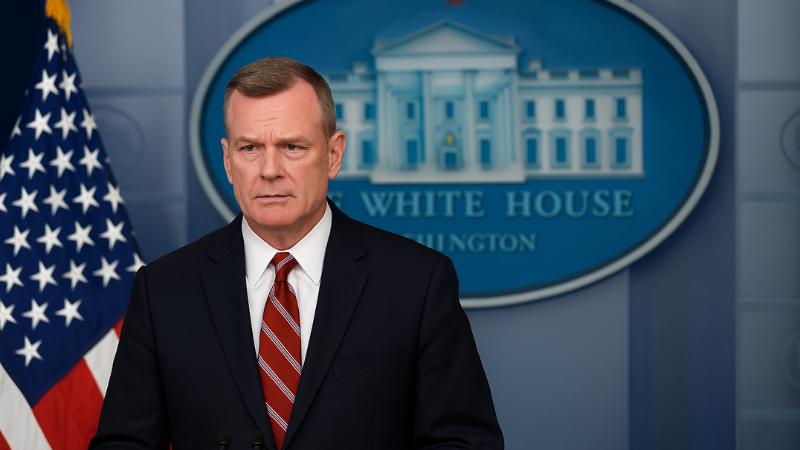
White House defends admiral’s authority in controversial Caribbean strike
The White House said on Monday that Admiral Frank Bradley acted within the scope of his legal authority when he ordered a second strike on individuals who survived an initial attack on what officials described as a drug-trafficking vessel. The confirmation followed rising scrutiny of the operation and renewed questions about whether US forces conducted a “double-tap” strike, a tactic typically associated with targeting survivors following an initial assault. Press Secretary Karoline Leavi