






Gulf Tensions Rise As Missiles Target Region
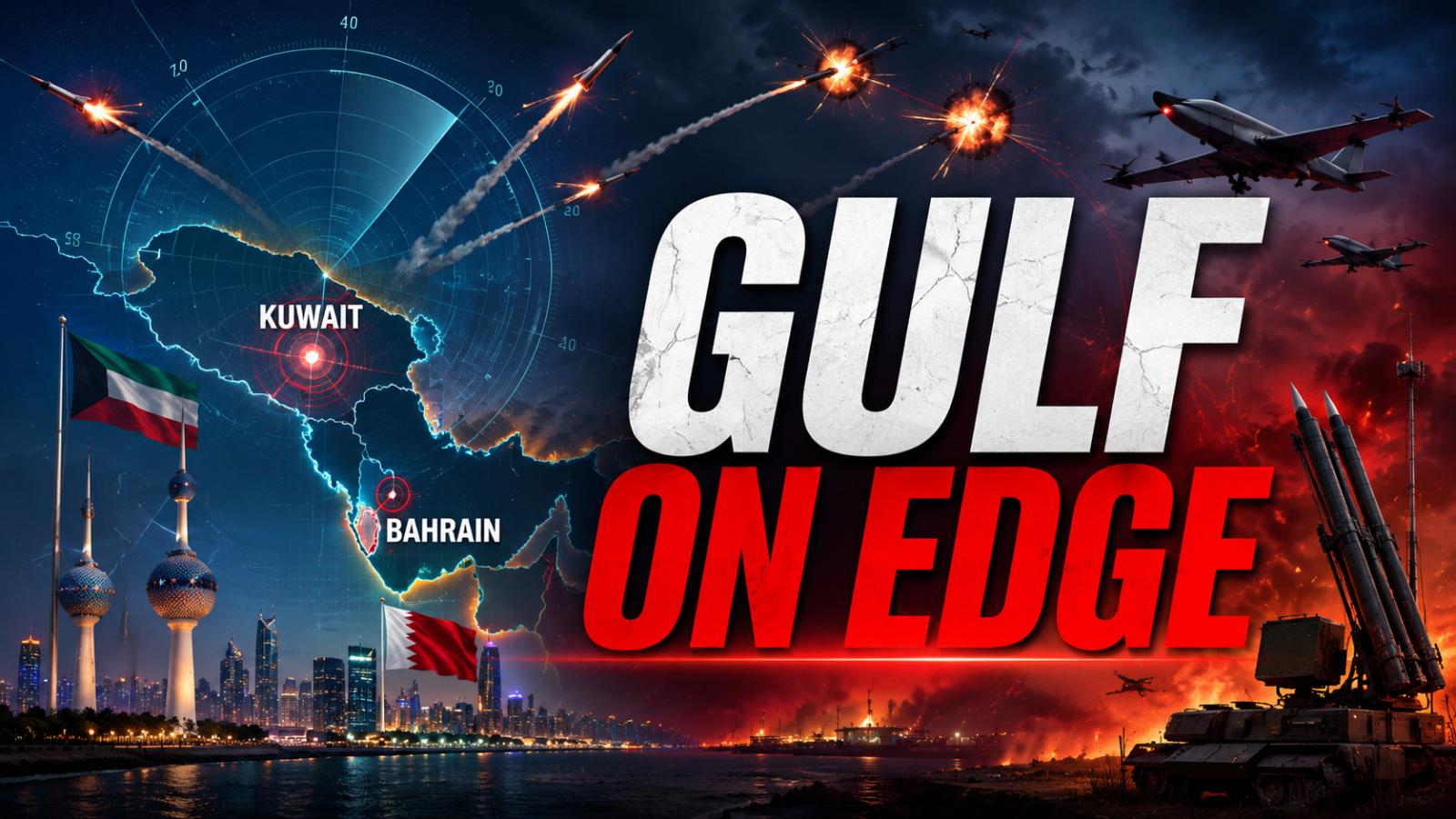
Gulf States Raise Security Alerts Tensions in the Gulf rose again as Kuwait said its air defense systems were responding to hostile missile and drone threats, while Bahrain sounded warning sirens and urged residents to remain calm and move to safe locations. Kuwait’s military said explosions heard in the area were linked to air defense interceptions, but it did not immediately identify the source of the in
Gulf Tensions Rise As Missiles Target Region
Gulf States Raise Security Alerts Tensions in the Gulf rose again as Kuwait said its air defense systems were responding to hostile missile and drone threats, while Bahrain sounded warning sirens and urged residents to remain calm and move to safe locations. Kuwait’s military said explosions heard in the area were linked to air defense interceptions, but it did not immediately identify the source of the in
Trump Says Iran Still Has War Capacity
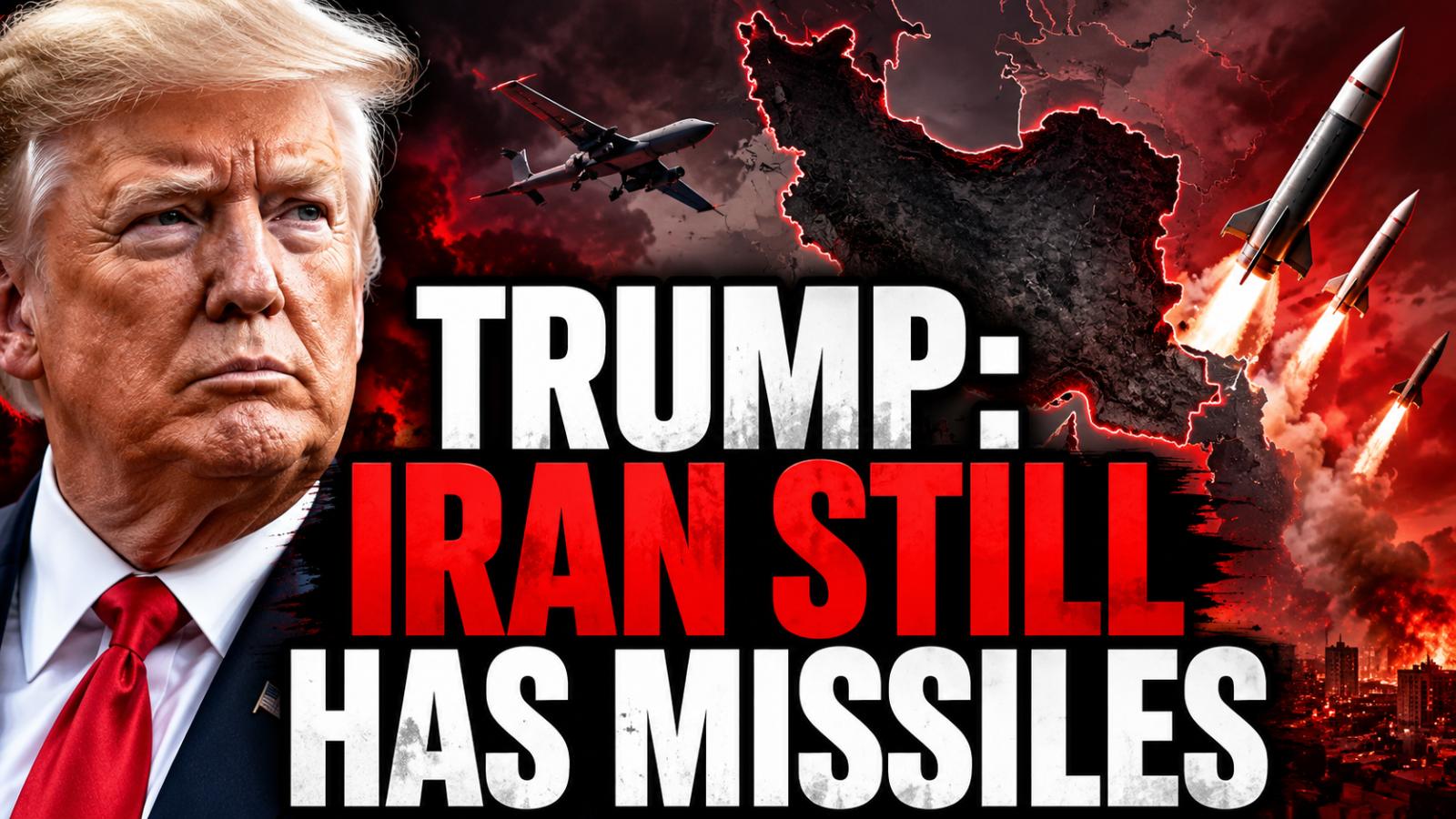
Trump Says Iran Conflict Is Moving Fast US President Donald Trump said Friday, June 5th that his administration is “moving very fast” in its handling of the Iran conflict, while acknowledging that Tehran still retains part of its military capacity. Speaking about the war, now in its third month, Trump again compared the timeline with the Vietnam War and argued that the current campaign remains far shorter than past American military engagements. Trump
Trump Says Iran Still Has War Capacity
Trump Says Iran Conflict Is Moving Fast US President Donald Trump said Friday, June 5th that his administration is “moving very fast” in its handling of the Iran conflict, while acknowledging that Tehran still retains part of its military capacity. Speaking about the war, now in its third month, Trump again compared the timeline with the Vietnam War and argued that the current campaign remains far shorter than past American military engagements. Trump
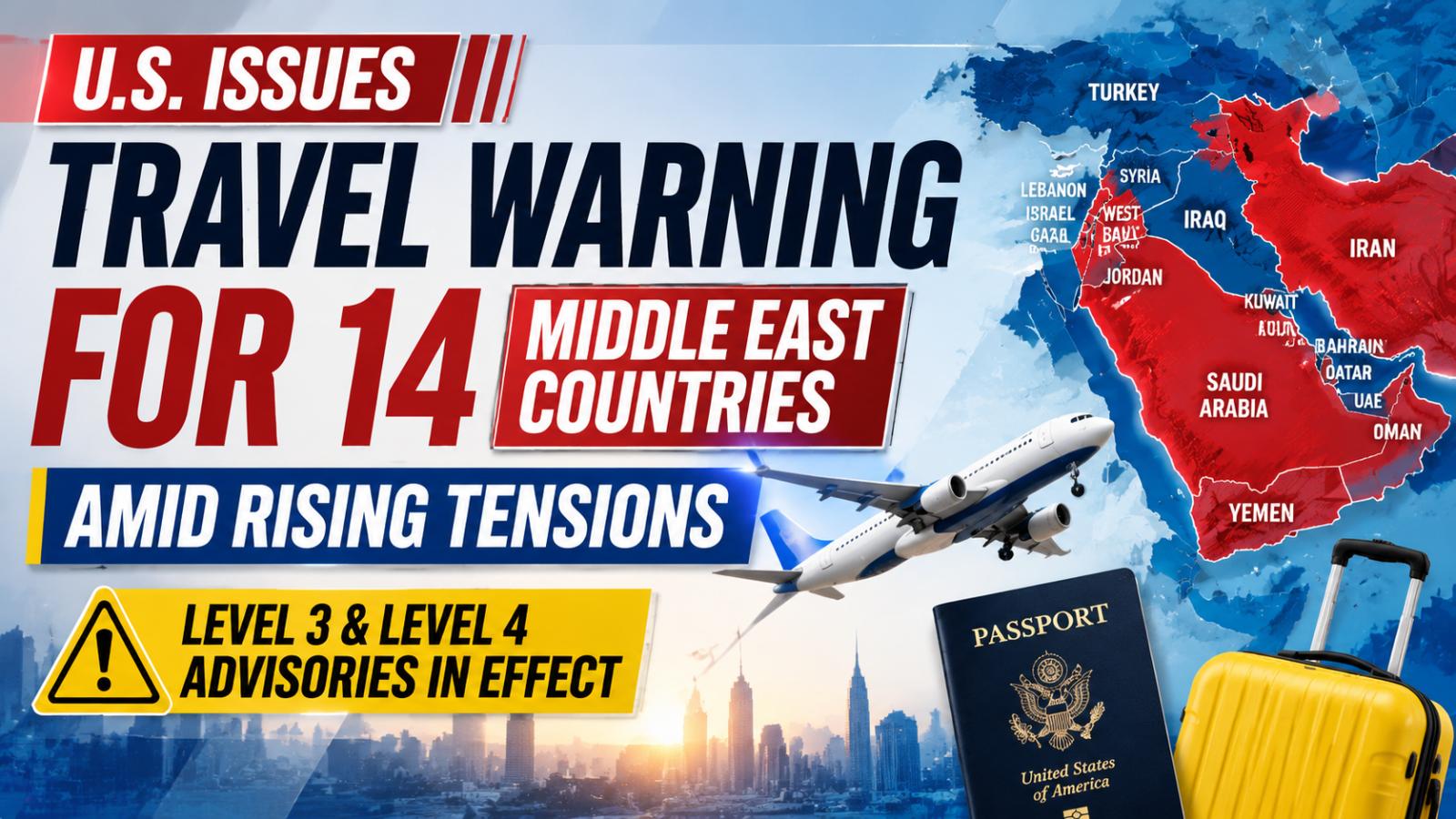
US Issues Fresh Travel Advisory for Middle East Tensions
Heightened Travel Advisories for Middle East The United States has issued a renewed travel advisory covering 14 countries in the Middle East, citing elevated regional tensions and a rapidly changing security situation. Embassies in the region warned American citizens to remain vigilant amid ongoing instability affecting travel conditions. According to the US Department of State, the security envi
US Issues Fresh Travel Advisory for Middle East Tensions
Heightened Travel Advisories for Middle East The United States has issued a renewed travel advisory covering 14 countries in the Middle East, citing elevated regional tensions and a rapidly changing security situation. Embassies in the region warned American citizens to remain vigilant amid ongoing instability affecting travel conditions. According to the US Department of State, the security envi
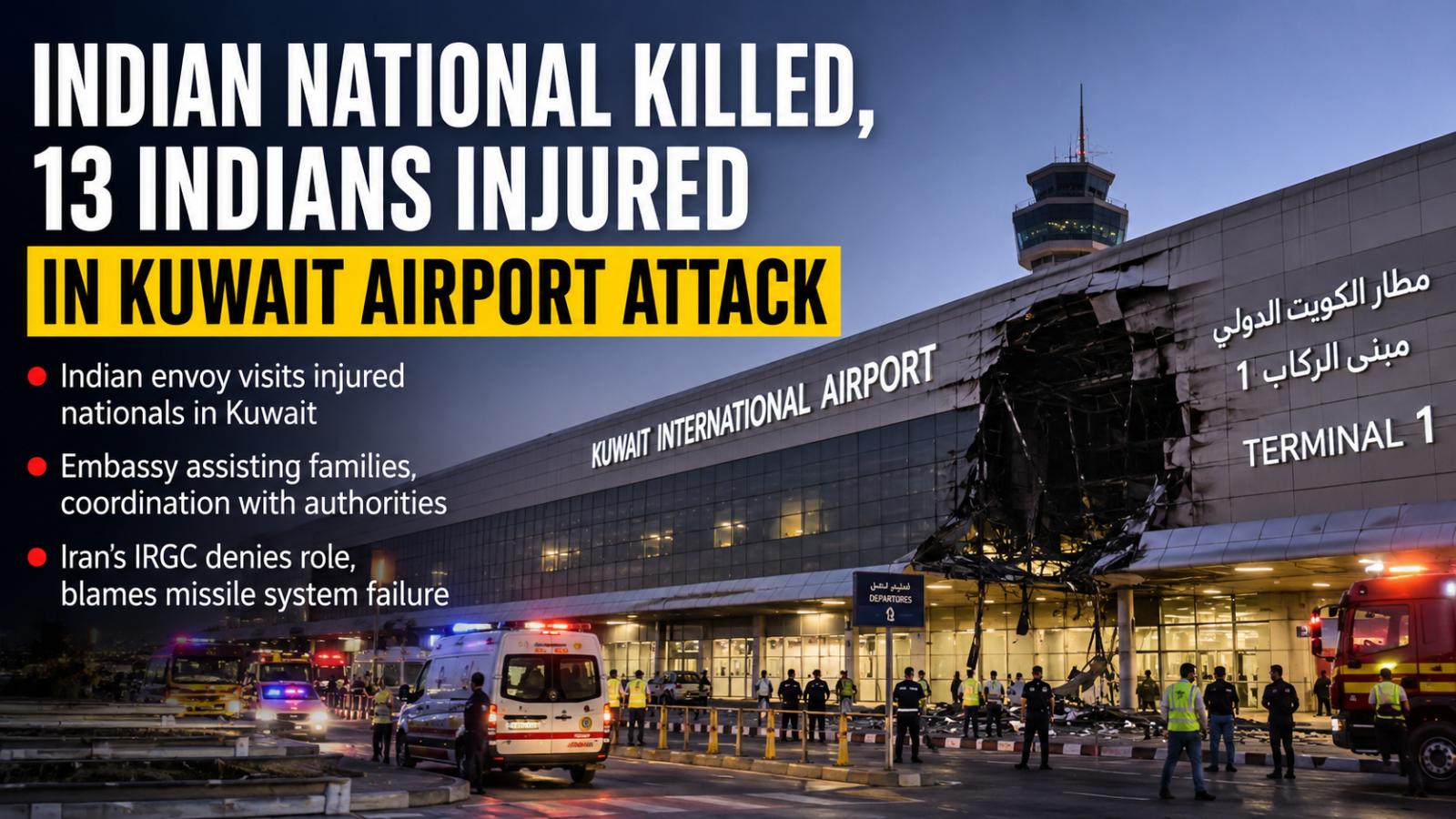
Indian Envoy Visits Injured Indians After Kuwait Airport Attack
Indian Ambassador to Kuwait Paramita Tripathi visited injured Indian nationals and the Central Mortuary in Kuwait after one Indian citizen was killed and 13 others were injured in the Kuwait airport attack, Indian officials said. The attack took place at Terminal 1 of Kuwait International Airport on Wednesday, June 3, 2026. India’s Ministry of External Affairs said one Indian national died in the incident, while several Indian citizens were injured. Officials said on Thursday, Jun
Indian Envoy Visits Injured Indians After Kuwait Airport Attack
Indian Ambassador to Kuwait Paramita Tripathi visited injured Indian nationals and the Central Mortuary in Kuwait after one Indian citizen was killed and 13 others were injured in the Kuwait airport attack, Indian officials said. The attack took place at Terminal 1 of Kuwait International Airport on Wednesday, June 3, 2026. India’s Ministry of External Affairs said one Indian national died in the incident, while several Indian citizens were injured. Officials said on Thursday, Jun
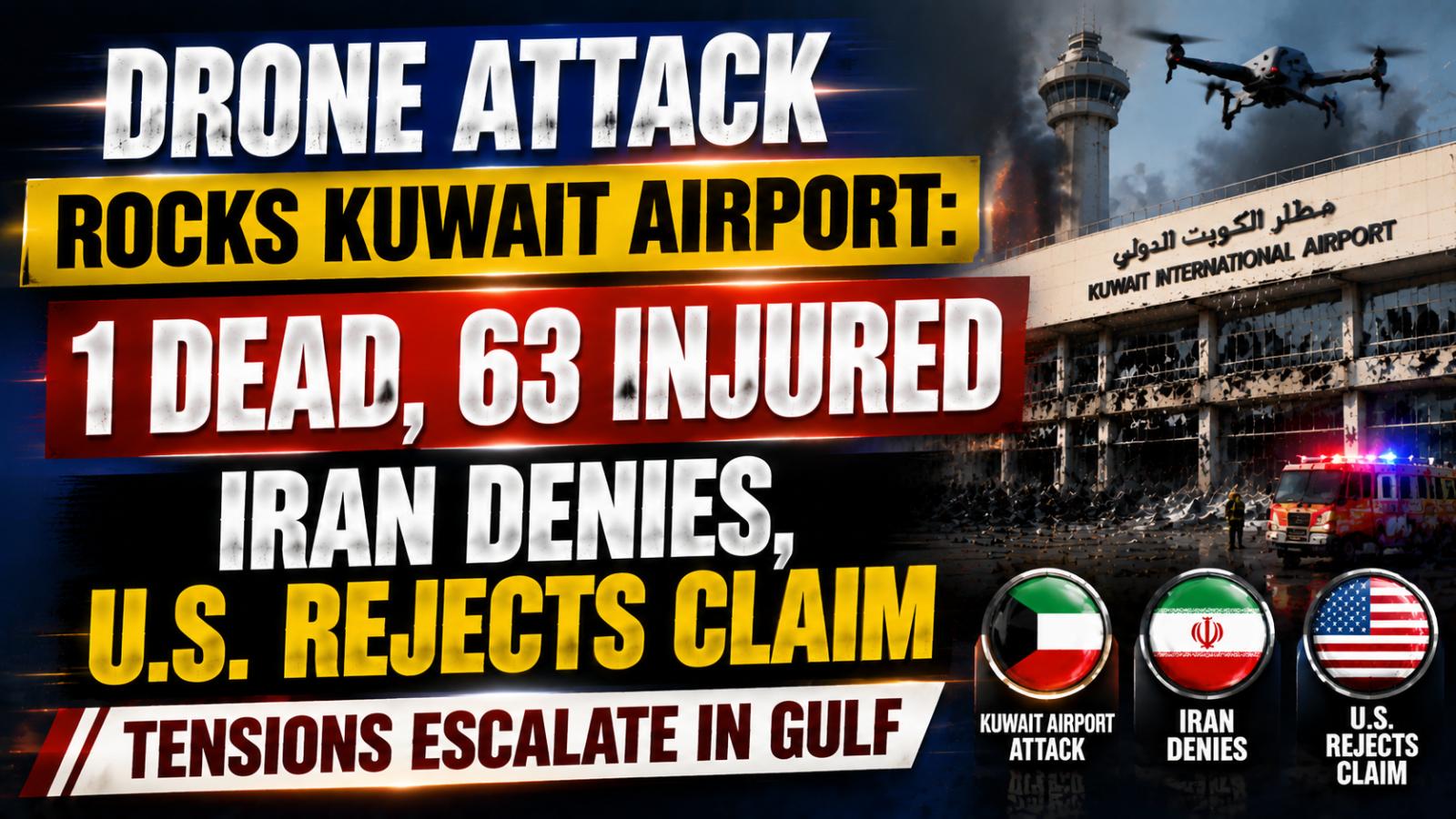
Kuwait Airport Drone Attack: Iran Denies Role, CENTCOM Rejects Claim
Immediate Aftermath and Casualties Kuwait’s Civil Aviation Authority released CCTV footage on June 4 showing the chaos following a drone strike on Terminal 1 at Kuwait International Airport. The attack killed an Indian national and injured 63 others, forcing the temporary closure of the airport. Officials described this as the first deadly strike in the Gulf since the April 8 ceasefire. The incident follows US military strikes on
Kuwait Airport Drone Attack: Iran Denies Role, CENTCOM Rejects Claim
Immediate Aftermath and Casualties Kuwait’s Civil Aviation Authority released CCTV footage on June 4 showing the chaos following a drone strike on Terminal 1 at Kuwait International Airport. The attack killed an Indian national and injured 63 others, forcing the temporary closure of the airport. Officials described this as the first deadly strike in the Gulf since the April 8 ceasefire. The incident follows US military strikes on
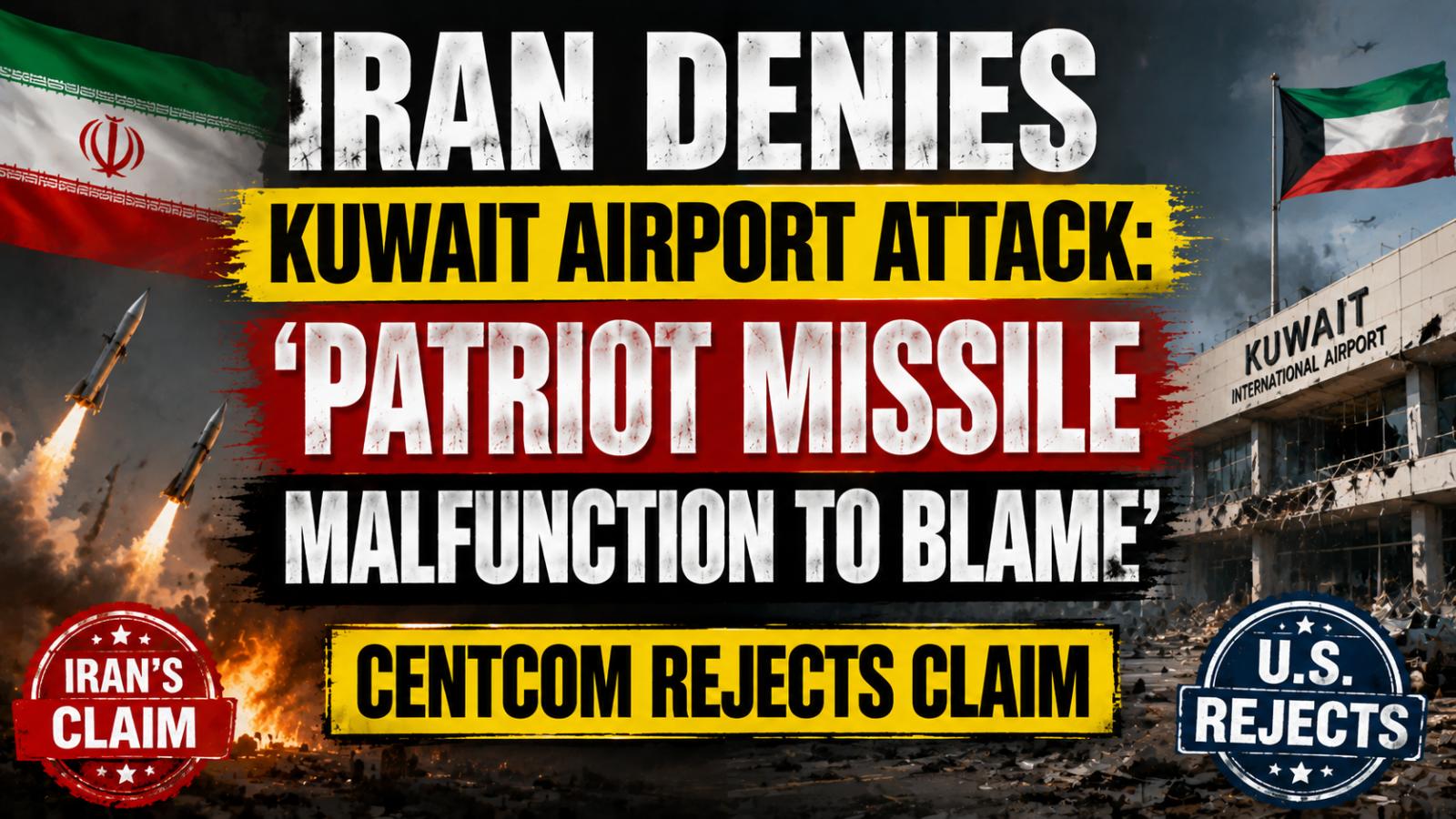
Iran Denies Kuwait Airport Attack, Blames Patriot Missile Malfunction
Iran Denies Responsibility Iran’s Islamic Revolutionary Guard Corps (IRGC) has categorically denied involvement in the recent attack on Kuwait International Airport. The IRGC stated that the damage resulted from a malfunction in the US-made Patriot missile defence system, which failed to intercept incoming projectiles. According to a spokesperson, the Aerospace Force did not target the civilian airport, and the terminal was struck accidentally by malfunctioning defensive systems. The incident caused extensive damage to Passenger Terminal 1 (T1), killed one individual—a citizen of India—and injured 63 others. Kuwaiti authorities immediately closed national airspace, suspended commercial operations, and diverted incoming flights. Regional Criticism and Concerns Former Qatari Prime Minister Sheikh Hamad bin Jassim bin Jaber Al Thani strongly criticized Iran’s military activities against Gulf countries, labeling them as "astonishing" and "unjustifiable." While emphasizing Qatar’s intent to maintain constructive relations with Tehran, he stressed that Gulf states should adopt a coordinated stance to ensure regional stability. Al Thani questioned the rationale behind recent attacks on Bahrain and Kuwait and highlighted the importance of unified diplomatic and security measures in the face of escalating threats. US Response and CENTCOM Statement The United States Central Command (CENTCOM) rejected Iran’s claim, asserting that Tehran deliberately targeted Kuwait’s civilian airport. Officials described the attack as “unjustified” and stressed the potential threat to civilian safety in the region. CENTCOM continues to monitor developments and coordinate with Gulf partners to prevent further escalation. The conflicting accounts between Tehran and Washington underline growing tensions in the Middle East, highlighting the need for diplomatic engagement to avoid a wider regional conflict. Strategic and Political Implications The dispute underscores the fragility of security in the Gulf amid Iran’s military expansion and the broader geopolitical rivalries in the region. The use of defensive missile systems such as the Patriot has drawn scrutiny for its reliability and effectiveness in high-tension scenarios. Analysts note that the incident may influence future negotiations between Gulf countries and Iran and could prompt stronger regional defense cooperation. Both civilian safety and military escalation remain pressing concerns as authorities assess the implications of the incident. International Repercussions The attack has drawn global attention to the volatility of the Gulf region, with multiple countries urging restraint. International observers have called for transparent investigations into the incident and emphasized the importance of maintaining airspace security to prevent further civilian casualties. The events highlight the intersection of military technology, regional politics, and civilian safety, reinforcing the need for carefully coordinated responses to avoid unintended consequences in densely populated areas.
Iran Denies Kuwait Airport Attack, Blames Patriot Missile Malfunction
Iran Denies Responsibility Iran’s Islamic Revolutionary Guard Corps (IRGC) has categorically denied involvement in the recent attack on Kuwait International Airport. The IRGC stated that the damage resulted from a malfunction in the US-made Patriot missile defence system, which failed to intercept incoming projectiles. According to a spokesperson, the Aerospace Force did not target the civilian airport, and the terminal was struck accidentally by malfunctioning defensive systems. The incident caused extensive damage to Passenger Terminal 1 (T1), killed one individual—a citizen of India—and injured 63 others. Kuwaiti authorities immediately closed national airspace, suspended commercial operations, and diverted incoming flights. Regional Criticism and Concerns Former Qatari Prime Minister Sheikh Hamad bin Jassim bin Jaber Al Thani strongly criticized Iran’s military activities against Gulf countries, labeling them as "astonishing" and "unjustifiable." While emphasizing Qatar’s intent to maintain constructive relations with Tehran, he stressed that Gulf states should adopt a coordinated stance to ensure regional stability. Al Thani questioned the rationale behind recent attacks on Bahrain and Kuwait and highlighted the importance of unified diplomatic and security measures in the face of escalating threats. US Response and CENTCOM Statement The United States Central Command (CENTCOM) rejected Iran’s claim, asserting that Tehran deliberately targeted Kuwait’s civilian airport. Officials described the attack as “unjustified” and stressed the potential threat to civilian safety in the region. CENTCOM continues to monitor developments and coordinate with Gulf partners to prevent further escalation. The conflicting accounts between Tehran and Washington underline growing tensions in the Middle East, highlighting the need for diplomatic engagement to avoid a wider regional conflict. Strategic and Political Implications The dispute underscores the fragility of security in the Gulf amid Iran’s military expansion and the broader geopolitical rivalries in the region. The use of defensive missile systems such as the Patriot has drawn scrutiny for its reliability and effectiveness in high-tension scenarios. Analysts note that the incident may influence future negotiations between Gulf countries and Iran and could prompt stronger regional defense cooperation. Both civilian safety and military escalation remain pressing concerns as authorities assess the implications of the incident. International Repercussions The attack has drawn global attention to the volatility of the Gulf region, with multiple countries urging restraint. International observers have called for transparent investigations into the incident and emphasized the importance of maintaining airspace security to prevent further civilian casualties. The events highlight the intersection of military technology, regional politics, and civilian safety, reinforcing the need for carefully coordinated responses to avoid unintended consequences in densely populated areas.
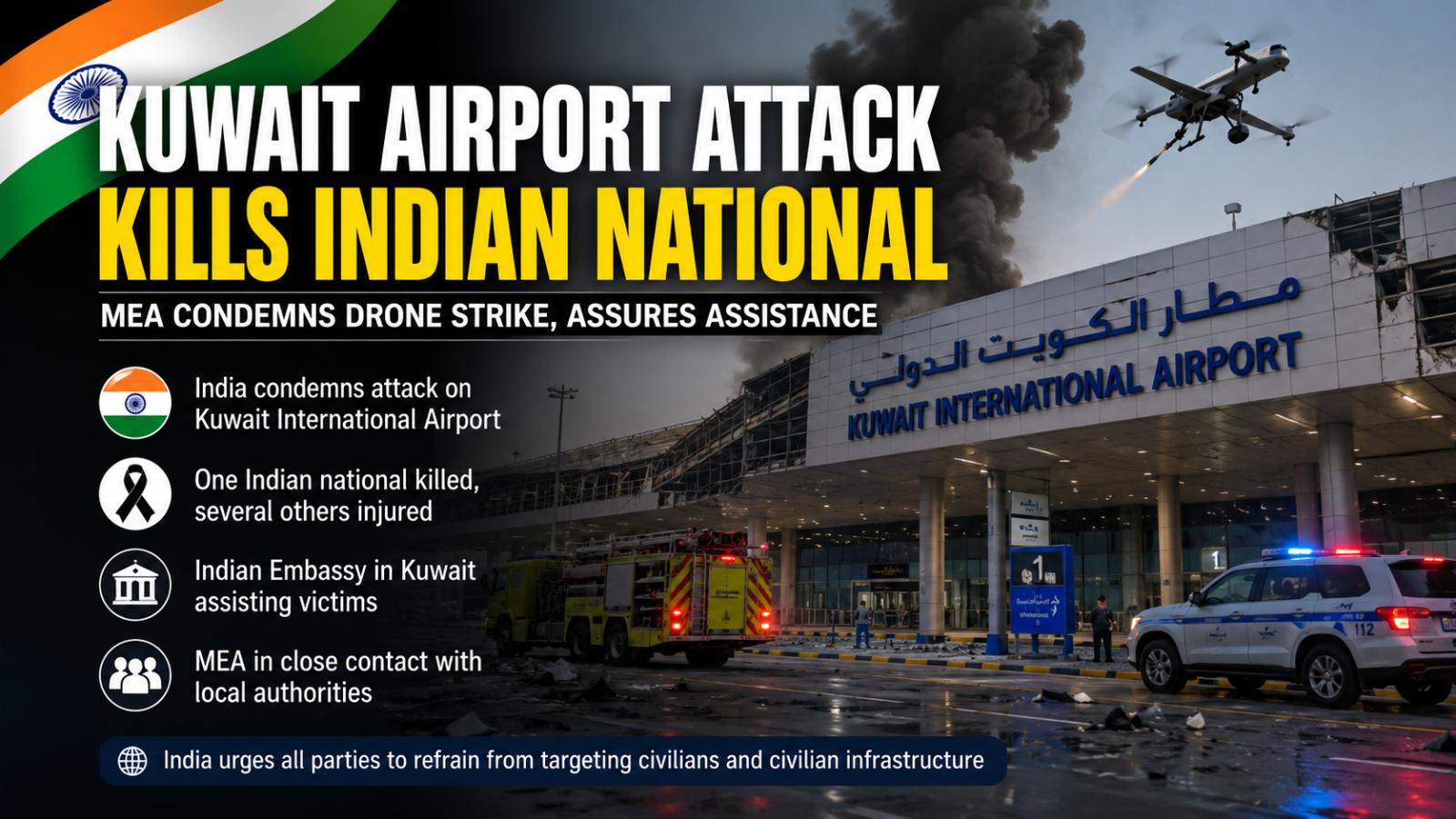
Kuwait Airport Attack Kills Indian National, MEA Says
The Kuwait airport attack killed one Indian national and injured several others, India’s Ministry of External Affairs said in a statement dated Wednesday, June 3, 2026. The incident at Kuwait International Airport was described in the source material as an Iranian drone strike. India condemned the attack and repeated its position that civilian populations and civilian infrastructure must not be targeted during the continuing conflict in West Asia. Kuwait Airport
Kuwait Airport Attack Kills Indian National, MEA Says
The Kuwait airport attack killed one Indian national and injured several others, India’s Ministry of External Affairs said in a statement dated Wednesday, June 3, 2026. The incident at Kuwait International Airport was described in the source material as an Iranian drone strike. India condemned the attack and repeated its position that civilian populations and civilian infrastructure must not be targeted during the continuing conflict in West Asia. Kuwait Airport
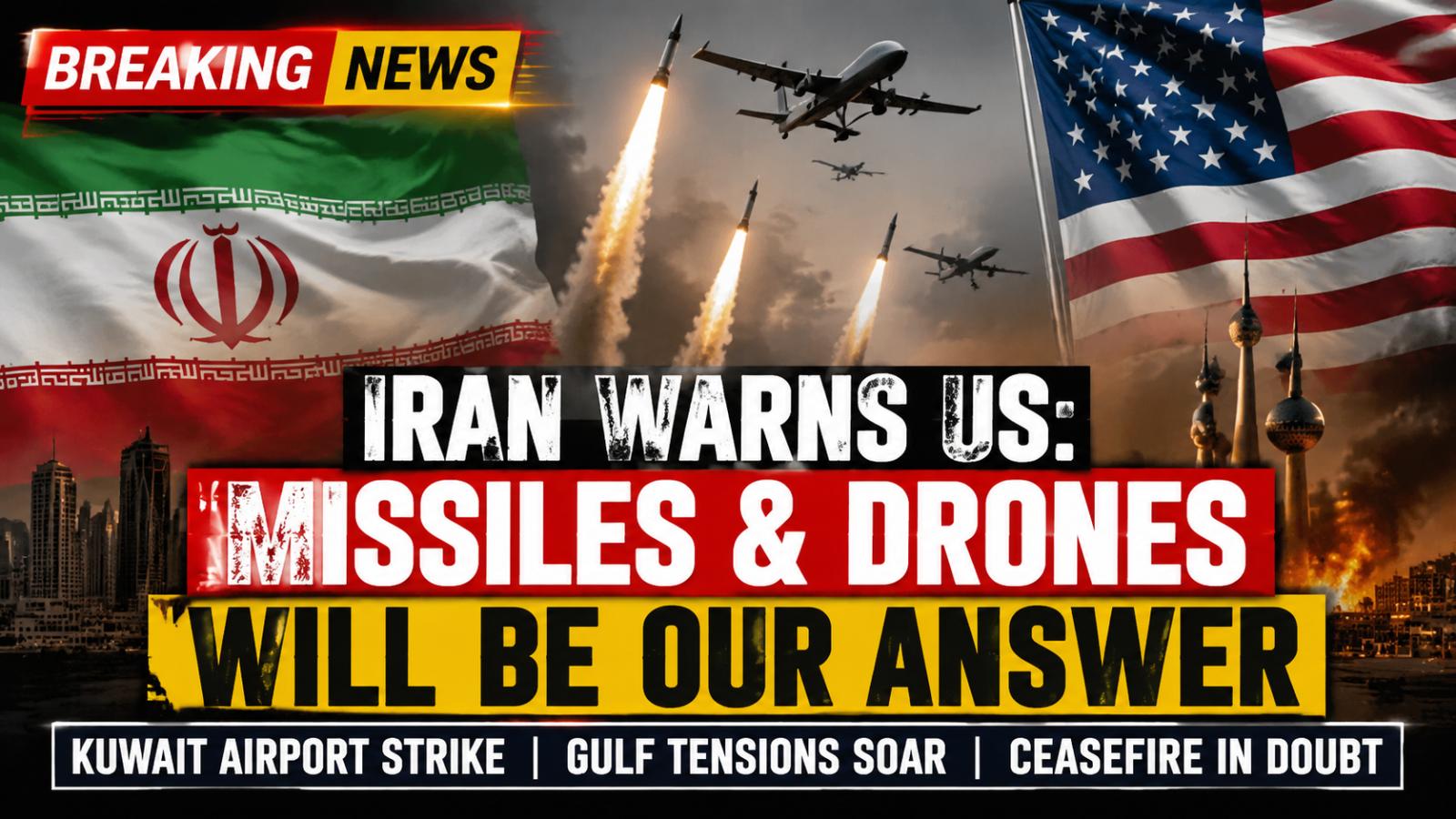
Iran Warns US of Missile & Drone Retaliation After Kuwait Airport Attack
Iran has issued a stern warning that any renewed U.S. military action will trigger a swift response using missiles and drones. Senior military adviser Mohsen Rezaei, speaking amid rising Gulf tensions, emphasized that Iran is prepared to defend itself against what it considers aggressive overreach. The statement underlines the fragile state of regional diplomacy and the challenges facing efforts to secure a ceasefire.
Iran Warns US of Missile & Drone Retaliation After Kuwait Airport Attack
Iran has issued a stern warning that any renewed U.S. military action will trigger a swift response using missiles and drones. Senior military adviser Mohsen Rezaei, speaking amid rising Gulf tensions, emphasized that Iran is prepared to defend itself against what it considers aggressive overreach. The statement underlines the fragile state of regional diplomacy and the challenges facing efforts to secure a ceasefire.
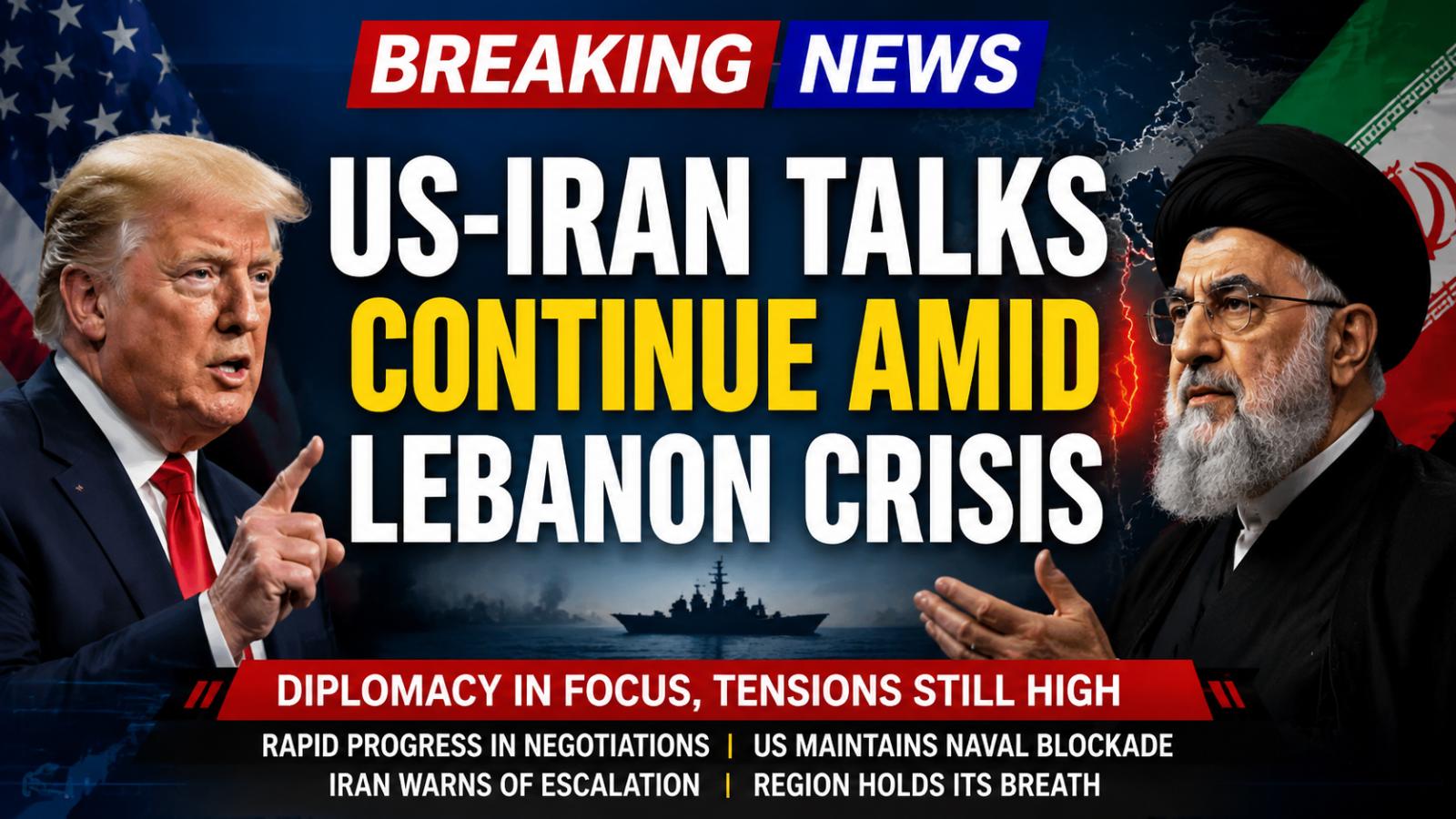
US-Iran Talks Progress Amid Lebanon Tensions, Trump Comments
US President Donald Trump confirmed that discussions with Iran are making steady progress despite ongoing unrest in Lebanon. According to his statement, talks are active and focused on diplomatic solutions to ease regional tensions. Efforts to De-escalate in Lebanon The discussions include attempts to persuade both Israel and Hezbollah to limit their actions in Lebanon.
US-Iran Talks Progress Amid Lebanon Tensions, Trump Comments
US President Donald Trump confirmed that discussions with Iran are making steady progress despite ongoing unrest in Lebanon. According to his statement, talks are active and focused on diplomatic solutions to ease regional tensions. Efforts to De-escalate in Lebanon The discussions include attempts to persuade both Israel and Hezbollah to limit their actions in Lebanon.

India-Oman trade pact opens new Gulf route beyond Hormuz
India-Oman trade pact opens new route to Gulf beyond Hormuz 01-06-2026: The India-Oman Comprehensive Economic Partnership Agreement has come into effect at a crucial time, giving India a stronger trade and energy link with the Gulf when shipping through the Strait of Hormuz is facing serious disruption. The pact, signed during Prime Minister Narendra Modi’s visit to Muscat last year, gives Indian exporters wider duty-free access to the Omani market and streng
India-Oman trade pact opens new Gulf route beyond Hormuz
India-Oman trade pact opens new route to Gulf beyond Hormuz 01-06-2026: The India-Oman Comprehensive Economic Partnership Agreement has come into effect at a crucial time, giving India a stronger trade and energy link with the Gulf when shipping through the Strait of Hormuz is facing serious disruption. The pact, signed during Prime Minister Narendra Modi’s visit to Muscat last year, gives Indian exporters wider duty-free access to the Omani market and streng
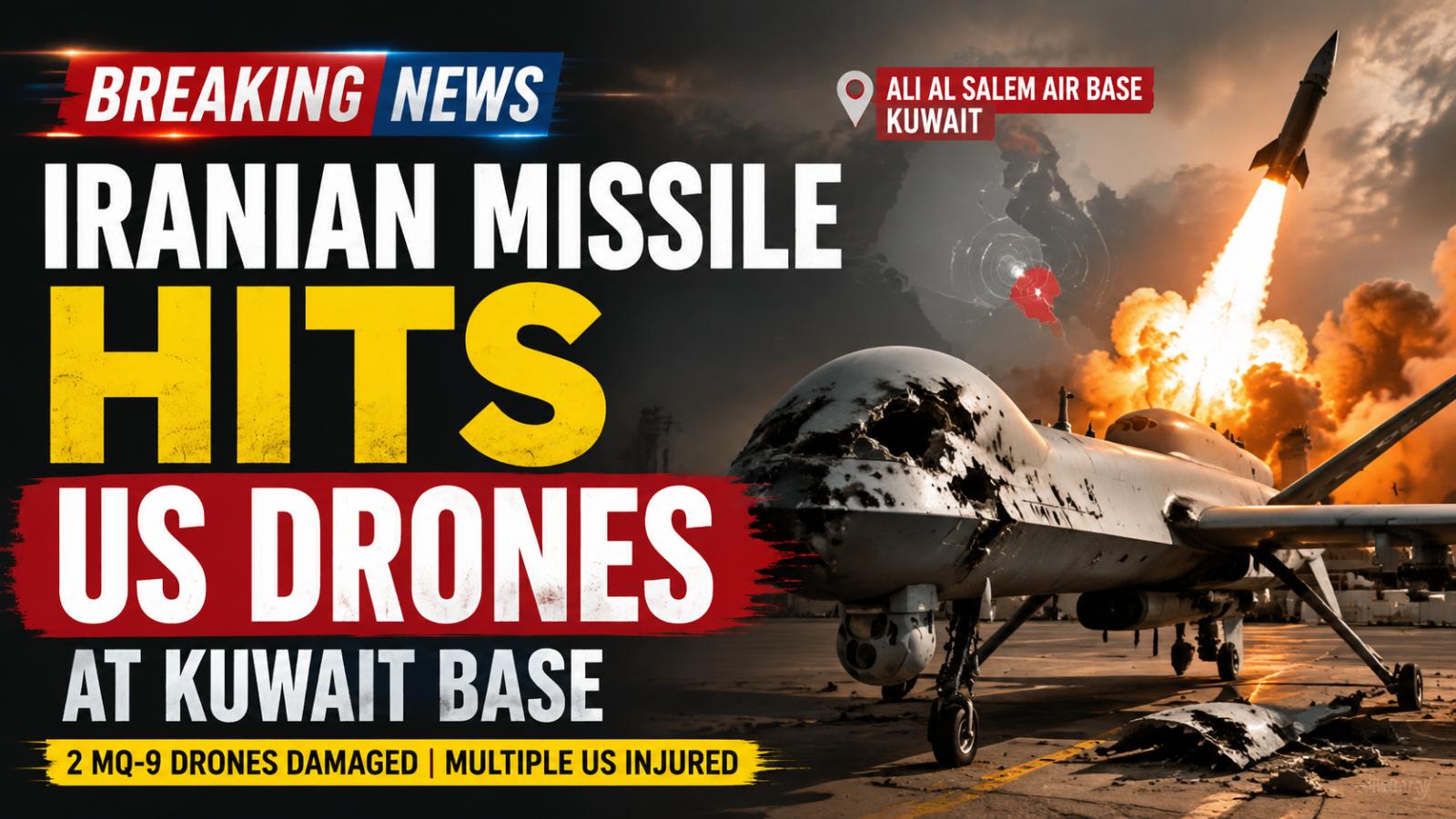
Iran Missile Strike Damages US Drones at Kuwait Base – Rising Gulf Tensions
In the past 24 hours, a ballistic missile launched by Iranian forces struck Ali Al Salem Air Base in Kuwait, a key location for U.S. military operations. Kuwaiti air defenses engaged the incoming projectile, but falling debris caused significant destruction inside the base perimeter. Two U.S. MQ‑9 Reaper drones, each valued at roughly $30 million, were hit — one was destroyed and the other badly damaged. Several American service members and civilian contr
Iran Missile Strike Damages US Drones at Kuwait Base – Rising Gulf Tensions
In the past 24 hours, a ballistic missile launched by Iranian forces struck Ali Al Salem Air Base in Kuwait, a key location for U.S. military operations. Kuwaiti air defenses engaged the incoming projectile, but falling debris caused significant destruction inside the base perimeter. Two U.S. MQ‑9 Reaper drones, each valued at roughly $30 million, were hit — one was destroyed and the other badly damaged. Several American service members and civilian contr

Florida braces for early-season tropical storm in june
Florida storm alert: early-season tropical cyclone approaching Meteorologists are monitoring a potential early-season tropical cyclone expected to impact Florida in early June. NOAA’s Global Forecast System (GFS) model shows a developing low-pressure system in the Gulf of Mexico that could bring heavy rainfall, strong winds, and flooding risks along the Gulf Coast. Forecasts sugge
Florida braces for early-season tropical storm in june
Florida storm alert: early-season tropical cyclone approaching Meteorologists are monitoring a potential early-season tropical cyclone expected to impact Florida in early June. NOAA’s Global Forecast System (GFS) model shows a developing low-pressure system in the Gulf of Mexico that could bring heavy rainfall, strong winds, and flooding risks along the Gulf Coast. Forecasts sugge
US-Iran Ceasefire Faces New Strain After Strikes
US-Iran Ceasefire Faces New Pressure The latest exchange between the United States and Iran has placed renewed strain on a ceasefire that both sides continue to describe in sharply different terms. Tehran accused Washington of violating the truce after US forces carried out strikes on missile launch sites and boats near the Strait of Hormuz. Iranian officials called the action a flagrant breach and warned of retaliation, while the United States said the strikes were defensive and aimed at protecting American personnel. Washington Maintains Truce Is Still Active US Central Command said Iranian boats were attempting to place mines in the Strait of Hormuz, a move that would carry serious risks for global shipping and regional security. At the same time, US officials emphasized that the ceasefire remained ongoing and said American forces were acting with restraint. That response reflected the administration’s effort to defend military action without declaring the wider truce dead, even as Iran framed the episode as a reciprocal confrontation. Hormuz Remains A Major Flashpoint The Strait of Hormuz remains central to the dispute because of its importance to energy flows and international trade. President Donald Trump previously tied the ceasefire to Iran reopening the strait, but the waterway has remained a source of tension. The continued uncertainty has complicated diplomacy, with Washington trying to keep negotiations alive while also responding to military activity it says threatens US forces and commercial movement in the Gulf. US Leverage Comes Under Scrutiny The administration’s handling of the latest incident has raised questions about whether its eagerness to preserve the ceasefire is weakening its negotiating position. Trump has repeatedly threatened stronger action if Iran fails to make a deal, but the United States has so far avoided a return to large-scale hostilities. Iran’s defiant response suggests Tehran may believe Washington is more focused on ending the conflict than escalating it. That perception could become a major factor as both sides test each other’s limits while talks continue.
US-Iran Ceasefire Faces New Strain After Strikes
US-Iran Ceasefire Faces New Pressure The latest exchange between the United States and Iran has placed renewed strain on a ceasefire that both sides continue to describe in sharply different terms. Tehran accused Washington of violating the truce after US forces carried out strikes on missile launch sites and boats near the Strait of Hormuz. Iranian officials called the action a flagrant breach and warned of retaliation, while the United States said the strikes were defensive and aimed at protecting American personnel. Washington Maintains Truce Is Still Active US Central Command said Iranian boats were attempting to place mines in the Strait of Hormuz, a move that would carry serious risks for global shipping and regional security. At the same time, US officials emphasized that the ceasefire remained ongoing and said American forces were acting with restraint. That response reflected the administration’s effort to defend military action without declaring the wider truce dead, even as Iran framed the episode as a reciprocal confrontation. Hormuz Remains A Major Flashpoint The Strait of Hormuz remains central to the dispute because of its importance to energy flows and international trade. President Donald Trump previously tied the ceasefire to Iran reopening the strait, but the waterway has remained a source of tension. The continued uncertainty has complicated diplomacy, with Washington trying to keep negotiations alive while also responding to military activity it says threatens US forces and commercial movement in the Gulf. US Leverage Comes Under Scrutiny The administration’s handling of the latest incident has raised questions about whether its eagerness to preserve the ceasefire is weakening its negotiating position. Trump has repeatedly threatened stronger action if Iran fails to make a deal, but the United States has so far avoided a return to large-scale hostilities. Iran’s defiant response suggests Tehran may believe Washington is more focused on ending the conflict than escalating it. That perception could become a major factor as both sides test each other’s limits while talks continue.
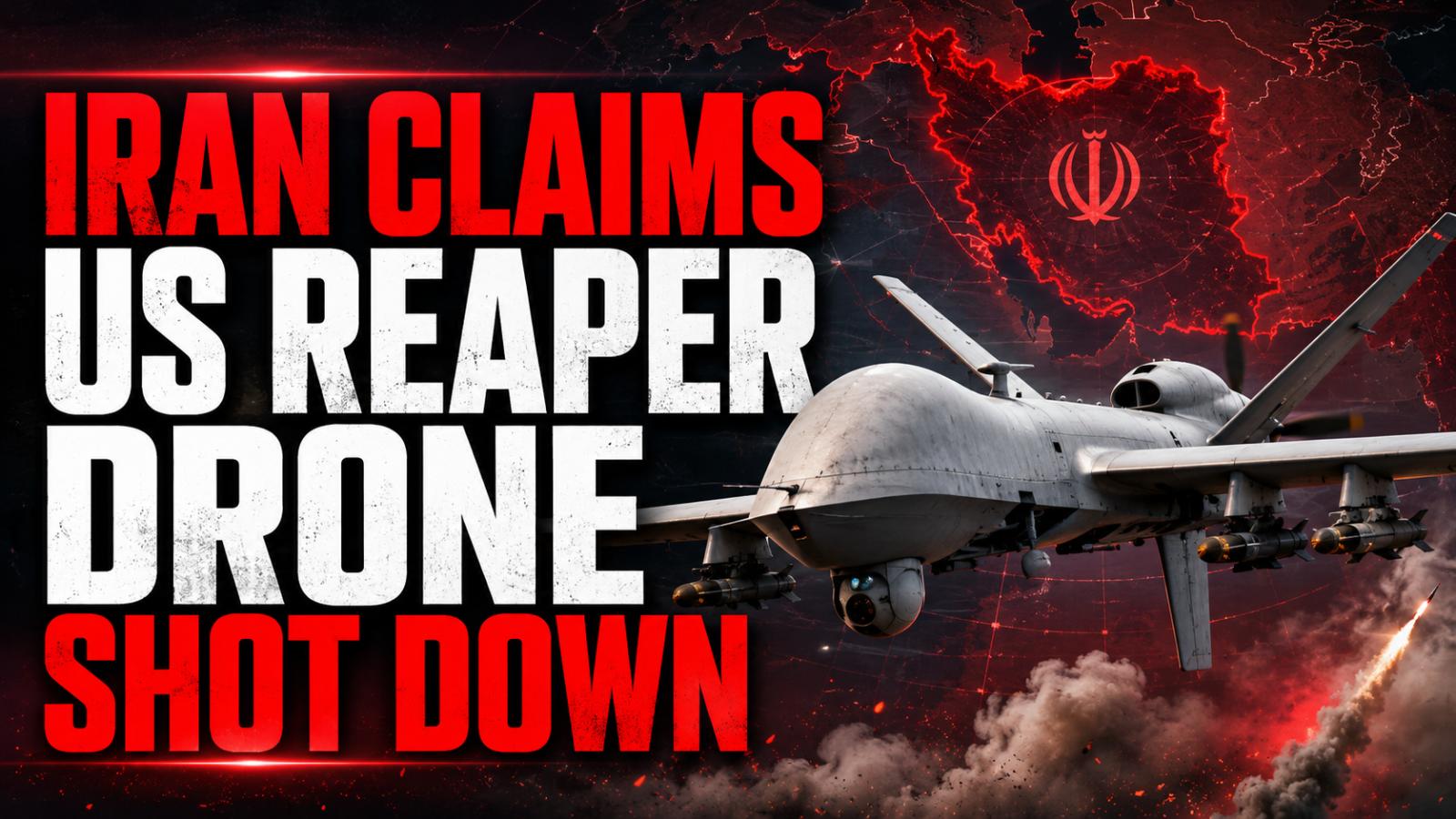
Iran Claims US MQ-9 Reaper Drone Shot Down After Gulf Airspace Breach
Iran has claimed that its forces shot down a US MQ-9 Reaper drone after what it described as an airspace violation over the Gulf region. According to Iran’s Islamic Revolutionary Guard Corps, the aircraft entered Iranian airspace before being targeted. The IRGC also claimed that its forces fired at an RQ-4 surveillance drone and an F-35 fighter jet, saying the aircraft were forced away from Iranian airspace. The claim has not yet answered several important questions. The exact time, location, flight path and independent confirmation of the incident remain unclear. Because of that, the event should be treated as a claim from Iran unless the United States or another reliable source confirms more details. Why This Gulf Drone Incident Matters The Gulf region is one of the most sensitive military zones in the world. It includes major shipping routes, energy corridors and heavily monitored airspace. Any military aircraft activity in this area can quickly increase tension, especially when it involves the United States and Iran. Iran says the drone crossed into its airspace. In past Gulf incidents, Washington and Tehran have often disagreed over whether US aircraft were flying in international airspace or inside Iranian territory. That is why the location of this alleged drone incident is important. If the drone was inside Iranian airspace, Iran will present it as a defensive action. If it was outside Iranian airspace, the incident could be seen as a serious escalation. What Is the MQ-9 Reaper Drone? The MQ-9 Reaper is a remotely piloted US military drone used for intelligence, surveillance, reconnaissance and precision strike missions. In simple terms, it is a large unmanned aircraft that can stay in the sky for long hours, monitor wide areas and support military operations from a distance. The MQ-9A Reaper is built by General Atomics Aeronautical Systems. It is known for long endurance, high-altitude operations and flexible mission use. General Atomics says the MQ-9A can fly for more than 27 hours, reach speeds of 240 KTAS, operate up to 50,000 feet and carry a payload of 3,850 pounds. Why the Reaper Drone Is Important for the US Military The MQ-9 Reaper is valuable because it can perform both surveillance and strike roles. It can watch military zones, track movement, support troops, monitor maritime routes and carry guided weapons when required. The drone can be equipped with cameras, infrared sensors, radar systems and weapons such as Hellfire missiles and guided bombs. This makes it useful in conflict zones where long-distance monitoring and quick response are needed. For the United States, losing an MQ-9 Reaper is not just a financial loss. It can also affect intelligence gathering, battlefield awareness and military messaging in a tense region. Why Iran’s Claim Is Getting Attention Iran’s statement is getting attention because it comes during a period of high regional tension. Drone activity, fighter jet movement and air defense operations in the Gulf can easily turn into a larger diplomatic or military dispute. The mention of an RQ-4 drone and an F-35 fighter jet makes the claim even more sensitive. The RQ-4 is associated with high-altitude surveillance, while the F-35 is one of the most advanced fighter jets used by the US and its allies. However, Iran’s statement does not clearly prove that all aircraft were hit or damaged. The clearer claim is about the MQ-9 Reaper drone. What Is Still Not Clear? Several key facts are still missing. There is no fully clear public confirmation about the exact location of the alleged airspace breach. There is also no complete independent verification of whether a US MQ-9 Reaper was actually shot down in the manner Iran described. The United States’ official response is also important. Until more details are confirmed, the safest way to report the incident is to say that Iran claims it shot down the drone, not that the drone was definitely shot down. Bigger Picture: US-Iran Tensions in the Gulf The Gulf has seen repeated military tension between Iran and the United States over the years. Drone surveillance, naval patrols, sanctions, regional alliances and conflict spillovers have all contributed to mistrust. A drone shootdown claim can become more than a military headline. It can affect diplomacy, oil markets, regional security and public messaging from both sides. That is why this incident is being watched closely. Final Takeaway Iran has claimed that it shot down a US MQ-9 Reaper drone after an alleged airspace breach over the Gulf region. The IRGC also said it fired at other US aircraft, including an RQ-4 drone and an F-35 fighter jet. However, important details such as the exact location, timing and independent confirmation are still unclear. For now, the incident should be seen as a major claim from Iran, not a fully confirmed military event. If verified, it could become another serious flashpoint between Iran and the United States in the Gulf.
Iran Claims US MQ-9 Reaper Drone Shot Down After Gulf Airspace Breach
Iran has claimed that its forces shot down a US MQ-9 Reaper drone after what it described as an airspace violation over the Gulf region. According to Iran’s Islamic Revolutionary Guard Corps, the aircraft entered Iranian airspace before being targeted. The IRGC also claimed that its forces fired at an RQ-4 surveillance drone and an F-35 fighter jet, saying the aircraft were forced away from Iranian airspace. The claim has not yet answered several important questions. The exact time, location, flight path and independent confirmation of the incident remain unclear. Because of that, the event should be treated as a claim from Iran unless the United States or another reliable source confirms more details. Why This Gulf Drone Incident Matters The Gulf region is one of the most sensitive military zones in the world. It includes major shipping routes, energy corridors and heavily monitored airspace. Any military aircraft activity in this area can quickly increase tension, especially when it involves the United States and Iran. Iran says the drone crossed into its airspace. In past Gulf incidents, Washington and Tehran have often disagreed over whether US aircraft were flying in international airspace or inside Iranian territory. That is why the location of this alleged drone incident is important. If the drone was inside Iranian airspace, Iran will present it as a defensive action. If it was outside Iranian airspace, the incident could be seen as a serious escalation. What Is the MQ-9 Reaper Drone? The MQ-9 Reaper is a remotely piloted US military drone used for intelligence, surveillance, reconnaissance and precision strike missions. In simple terms, it is a large unmanned aircraft that can stay in the sky for long hours, monitor wide areas and support military operations from a distance. The MQ-9A Reaper is built by General Atomics Aeronautical Systems. It is known for long endurance, high-altitude operations and flexible mission use. General Atomics says the MQ-9A can fly for more than 27 hours, reach speeds of 240 KTAS, operate up to 50,000 feet and carry a payload of 3,850 pounds. Why the Reaper Drone Is Important for the US Military The MQ-9 Reaper is valuable because it can perform both surveillance and strike roles. It can watch military zones, track movement, support troops, monitor maritime routes and carry guided weapons when required. The drone can be equipped with cameras, infrared sensors, radar systems and weapons such as Hellfire missiles and guided bombs. This makes it useful in conflict zones where long-distance monitoring and quick response are needed. For the United States, losing an MQ-9 Reaper is not just a financial loss. It can also affect intelligence gathering, battlefield awareness and military messaging in a tense region. Why Iran’s Claim Is Getting Attention Iran’s statement is getting attention because it comes during a period of high regional tension. Drone activity, fighter jet movement and air defense operations in the Gulf can easily turn into a larger diplomatic or military dispute. The mention of an RQ-4 drone and an F-35 fighter jet makes the claim even more sensitive. The RQ-4 is associated with high-altitude surveillance, while the F-35 is one of the most advanced fighter jets used by the US and its allies. However, Iran’s statement does not clearly prove that all aircraft were hit or damaged. The clearer claim is about the MQ-9 Reaper drone. What Is Still Not Clear? Several key facts are still missing. There is no fully clear public confirmation about the exact location of the alleged airspace breach. There is also no complete independent verification of whether a US MQ-9 Reaper was actually shot down in the manner Iran described. The United States’ official response is also important. Until more details are confirmed, the safest way to report the incident is to say that Iran claims it shot down the drone, not that the drone was definitely shot down. Bigger Picture: US-Iran Tensions in the Gulf The Gulf has seen repeated military tension between Iran and the United States over the years. Drone surveillance, naval patrols, sanctions, regional alliances and conflict spillovers have all contributed to mistrust. A drone shootdown claim can become more than a military headline. It can affect diplomacy, oil markets, regional security and public messaging from both sides. That is why this incident is being watched closely. Final Takeaway Iran has claimed that it shot down a US MQ-9 Reaper drone after an alleged airspace breach over the Gulf region. The IRGC also said it fired at other US aircraft, including an RQ-4 drone and an F-35 fighter jet. However, important details such as the exact location, timing and independent confirmation are still unclear. For now, the incident should be seen as a major claim from Iran, not a fully confirmed military event. If verified, it could become another serious flashpoint between Iran and the United States in the Gulf.
Rubio Urges Open Strait of Hormuz Amid US-Iran Tensions
US Secretary of State Comments on Iran Strikes US Secretary of State Marco Rubio, currently visiting India and set to attend the QUAD summit on May 26, addressed the recent US military strikes on Iran. He emphasized the main objective of the United States: to ensure the Strait of Hormuz remains open. Rubio described the blockade as "illegal and unlawful," noting that discussions continue over the language of the potential final deal with Tehran. Rubio Highlights Diplomatic Efforts Speaking in Jaipur, India, Rubio noted ongoing talks in Qatar aimed at finalizing the agreement. “There were some talks going on in Qatar today, so we'll see if we can make progress,” he said. Rubio added that President Trump is determined to secure either a beneficial deal or no agreement at all, underscoring the administration’s cautious approach to diplomacy amidst ongoing tensions. US Strikes and Military Position The remarks followed self-defense strikes carried out by US forces on May 25, targeting Iranian missile launch sites and boats near the Strait of Hormuz. CENTCOM spokesman Timothy Hawkins confirmed that these actions were aimed at protecting American troops from threats posed by Iranian forces. The strikes occurred while a ceasefire remained in effect, demonstrating the delicate balance between military action and diplomatic engagement. Context of US-Iran Relations These strikes mark a continuation of the complex US-Iran relationship, which has included previous conflicts, drone and missile engagements, and blocked international shipping routes. Rubio’s comments reaffirm the administration’s priority to keep strategic waterways accessible while pursuing negotiations with Tehran. The Secretary stressed that the US aims to achieve a resolution through dialogue, ensuring regional security and global maritime stability. Ongoing Diplomacy and Future Prospects Rubio indicated that discussions on the initial documents are still underway, emphasizing the back-and-forth nature of the negotiations. The Secretary expressed cautious optimism about achieving a deal, highlighting that the President is committed to a fair and enforceable agreement. The situation remains fluid as US diplomatic channels engage with Iran to prevent further escalation while maintaining strategic control over critical maritime routes.
Rubio Urges Open Strait of Hormuz Amid US-Iran Tensions
US Secretary of State Comments on Iran Strikes US Secretary of State Marco Rubio, currently visiting India and set to attend the QUAD summit on May 26, addressed the recent US military strikes on Iran. He emphasized the main objective of the United States: to ensure the Strait of Hormuz remains open. Rubio described the blockade as "illegal and unlawful," noting that discussions continue over the language of the potential final deal with Tehran. Rubio Highlights Diplomatic Efforts Speaking in Jaipur, India, Rubio noted ongoing talks in Qatar aimed at finalizing the agreement. “There were some talks going on in Qatar today, so we'll see if we can make progress,” he said. Rubio added that President Trump is determined to secure either a beneficial deal or no agreement at all, underscoring the administration’s cautious approach to diplomacy amidst ongoing tensions. US Strikes and Military Position The remarks followed self-defense strikes carried out by US forces on May 25, targeting Iranian missile launch sites and boats near the Strait of Hormuz. CENTCOM spokesman Timothy Hawkins confirmed that these actions were aimed at protecting American troops from threats posed by Iranian forces. The strikes occurred while a ceasefire remained in effect, demonstrating the delicate balance between military action and diplomatic engagement. Context of US-Iran Relations These strikes mark a continuation of the complex US-Iran relationship, which has included previous conflicts, drone and missile engagements, and blocked international shipping routes. Rubio’s comments reaffirm the administration’s priority to keep strategic waterways accessible while pursuing negotiations with Tehran. The Secretary stressed that the US aims to achieve a resolution through dialogue, ensuring regional security and global maritime stability. Ongoing Diplomacy and Future Prospects Rubio indicated that discussions on the initial documents are still underway, emphasizing the back-and-forth nature of the negotiations. The Secretary expressed cautious optimism about achieving a deal, highlighting that the President is committed to a fair and enforceable agreement. The situation remains fluid as US diplomatic channels engage with Iran to prevent further escalation while maintaining strategic control over critical maritime routes.
US Military Conducts Self-Defense Strikes on Iranian Missile Sites
US Military Conducts Strikes on Iranian Targets The US military carried out “self-defense strikes” on Iranian missile launch sites and naval assets near the Strait of Hormuz on Monday, May 25, while a ceasefire remained in effect. According to US Central Command, the operations aimed to protect American forces from potential threats posed by Iranian military activity. Targets reportedly included missile
US Military Conducts Self-Defense Strikes on Iranian Missile Sites
US Military Conducts Strikes on Iranian Targets The US military carried out “self-defense strikes” on Iranian missile launch sites and naval assets near the Strait of Hormuz on Monday, May 25, while a ceasefire remained in effect. According to US Central Command, the operations aimed to protect American forces from potential threats posed by Iranian military activity. Targets reportedly included missile

UAE West-East Pipeline Hits 50% Completion, Secures Oil Flow
The United Arab Emirates has achieved a major milestone with 50% completion of the West-East Pipeline, a strategic crude oil project designed to bypass the Strait of Hormuz. Managed by ADNOC and accelerated under Crown Prince Sheikh Khaled bin Mohamed bin Zayed, the pipeline aims to increase crude export capacity via the port of Fujairah by 2027. ADNOC CEO Sultan Al Jaber highlighted that even after the resolution of regional conflicts, global oil flows could take several months to
UAE West-East Pipeline Hits 50% Completion, Secures Oil Flow
The United Arab Emirates has achieved a major milestone with 50% completion of the West-East Pipeline, a strategic crude oil project designed to bypass the Strait of Hormuz. Managed by ADNOC and accelerated under Crown Prince Sheikh Khaled bin Mohamed bin Zayed, the pipeline aims to increase crude export capacity via the port of Fujairah by 2027. ADNOC CEO Sultan Al Jaber highlighted that even after the resolution of regional conflicts, global oil flows could take several months to

UK GCC Trade Deal Could Add £3.7 Billion as Tariffs Fall
The UK GCC trade deal could add an estimated £3.7 billion a year to Britain’s economy in the long run, while cutting tariffs for exporters selling into Gulf markets. The U.K. Department for Business and Trade announced the agreement on Wednesday, May 20, 2026, calling it a major step in economic ties with the Gulf Cooperation Council, which includes Bahrain, Kuwait, Oman, Qatar, Saudi Arabia and the United Arab Emirates. The gove
UK GCC Trade Deal Could Add £3.7 Billion as Tariffs Fall
The UK GCC trade deal could add an estimated £3.7 billion a year to Britain’s economy in the long run, while cutting tariffs for exporters selling into Gulf markets. The U.K. Department for Business and Trade announced the agreement on Wednesday, May 20, 2026, calling it a major step in economic ties with the Gulf Cooperation Council, which includes Bahrain, Kuwait, Oman, Qatar, Saudi Arabia and the United Arab Emirates. The gove

India’s 1991 Gold Pledge: How a Crisis Built Today’s Reserve Shield
India’s 1991 gold pledge remains one of the clearest examples of how a financial crisis reshaped the country’s economic direction. The episode matters again in 2026 as India holds larger foreign exchange and gold reserves, signaling preparation rather than panic. India’s 1991 gold pledge and the Gulf shock India’s balance-of-payments crisis deepened after Iraq invaded Kuwait on Thursday, August 2, 1990, triggering a Gulf crisis that added pressur
India’s 1991 Gold Pledge: How a Crisis Built Today’s Reserve Shield
India’s 1991 gold pledge remains one of the clearest examples of how a financial crisis reshaped the country’s economic direction. The episode matters again in 2026 as India holds larger foreign exchange and gold reserves, signaling preparation rather than panic. India’s 1991 gold pledge and the Gulf shock India’s balance-of-payments crisis deepened after Iraq invaded Kuwait on Thursday, August 2, 1990, triggering a Gulf crisis that added pressur
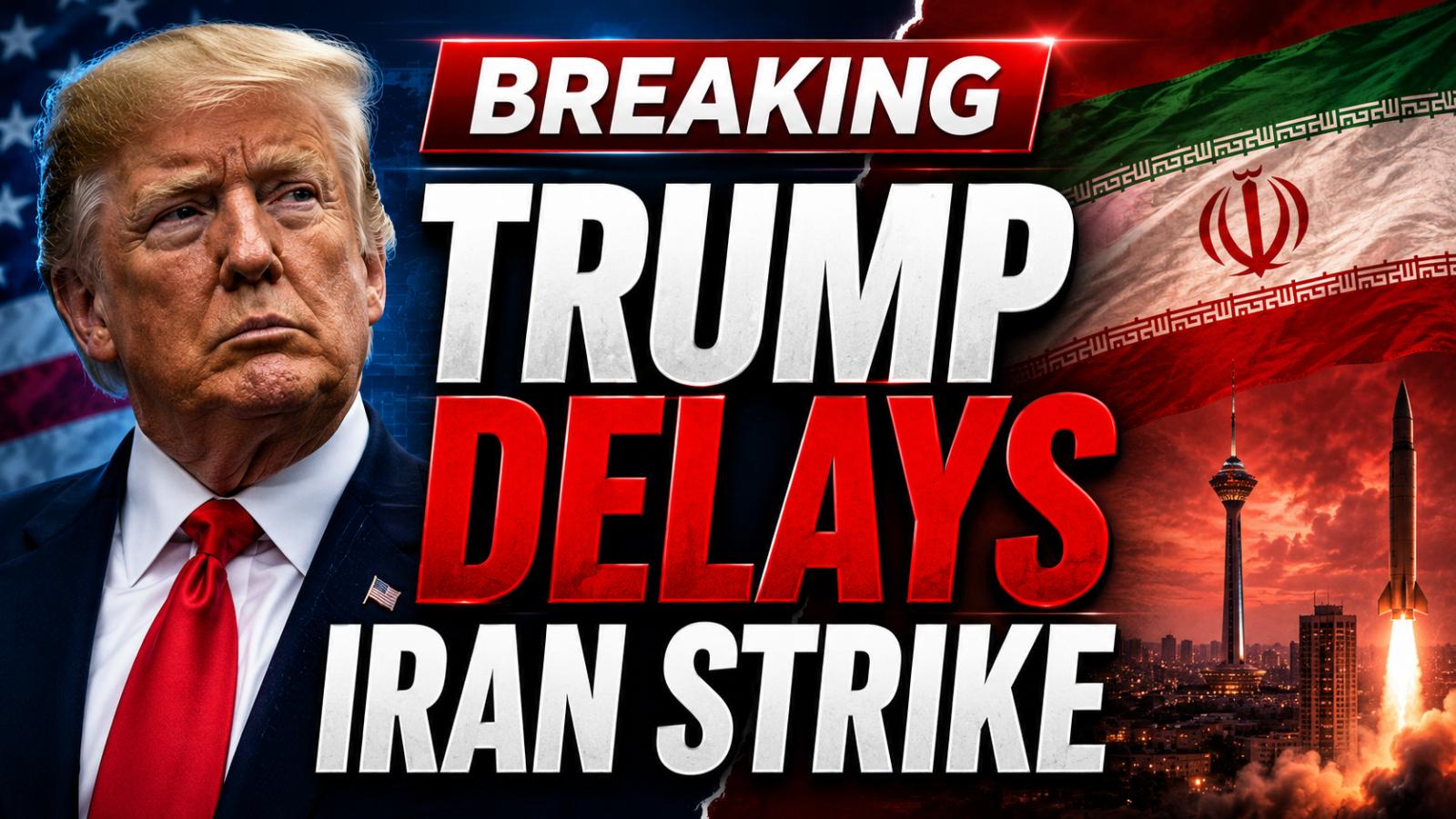
Trump Delays Iran Attack After Gulf Leaders Push For Nuclear Talks
Trump Delays Iran Attack As Gulf Leaders Push Nuclear Deal US President Donald Trump said he is postponing a planned military attack on Iran that had been scheduled for May 19,2026, citing requests from Gulf leaders and renewed negotiations with Tehran. Trump announced the decision May 18,2026 on Truth Social shortly after Iran confirmed it had responded to a new US proposal aimed at ending the ongoing conflict. He said the
Trump Delays Iran Attack After Gulf Leaders Push For Nuclear Talks
Trump Delays Iran Attack As Gulf Leaders Push Nuclear Deal US President Donald Trump said he is postponing a planned military attack on Iran that had been scheduled for May 19,2026, citing requests from Gulf leaders and renewed negotiations with Tehran. Trump announced the decision May 18,2026 on Truth Social shortly after Iran confirmed it had responded to a new US proposal aimed at ending the ongoing conflict. He said the