








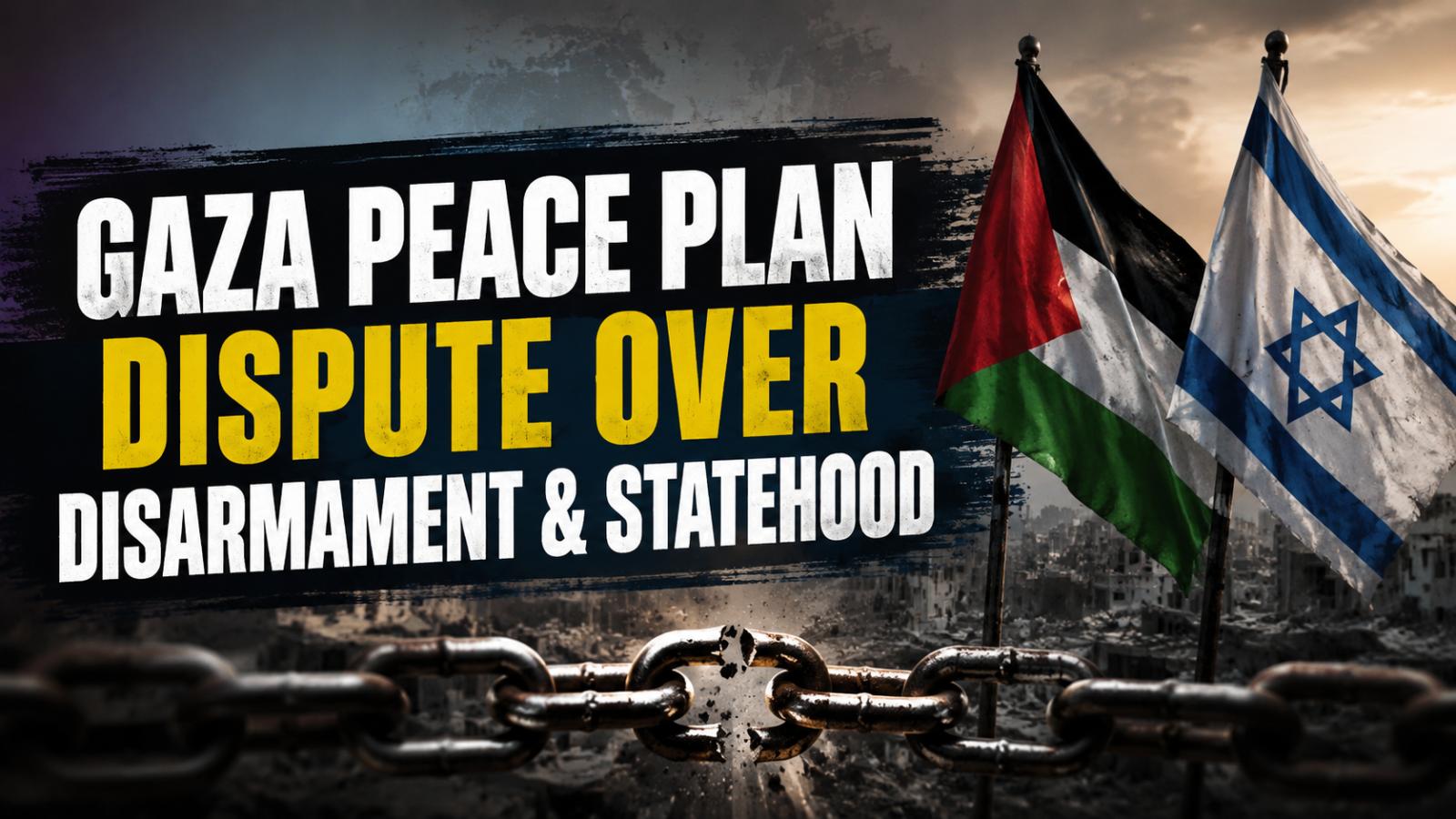
Gaza peace plan divides leaders over disarmament terms
Fresh diplomatic discussions around a proposed Gaza peace framework have exposed deep divisions over how the territory should transition after conflict. The draft outlines a multi-step roadmap covering security arrangements, reconstruction and political governance, but key stakeholders remain split on the order in which these steps should take place. At the center of the disagreement is whether armed groups should be required to disarm before any political transition begins, or whether political recognition and state-building guarantees must come first to ensure balance in negotiations. Disarmament conditions trigger political tension One version of the proposal places disarmament as a prerequisite for rebuilding efforts and formal governance structures. Supporters of this approach argue that long-term stability cannot be achieved without removing weapons from non-state actors first. Opponents reject this sequencing, warning that it could leave Palestinian authorities without leverage in future talks. They argue that political rights and institutional recognition must be secured alongside any security commitments, not after them. This divide has become one of the most sensitive issues in the ongoing talks. Aid and reconstruction tied to compliance terms Another contested element involves humanitarian aid and reconstruction funding. Some draft interpretations suggest that international assistance could be linked to compliance with security benchmarks under the proposed roadmap. Critics say this risks turning basic recovery needs into conditional political tools, potentially slowing down urgently needed rebuilding efforts. Supporters argue that conditionality is necessary to prevent renewed escalation and ensure accountability during the transition phase. Governance model and external oversight concerns The proposed framework also includes the idea of an international oversight structure to stabilize post-conflict Gaza. While intended to support security coordination and administrative rebuilding, the concept has raised concerns about long-term external control. Questions remain unanswered over who would lead local governance, how authority would be transferred over time, and what limits would be placed on external involvement. These unresolved issues continue to slow consensus-building. Trust gap widens between negotiating sides Beyond policy disagreements, a broader trust deficit is shaping the talks. Each side interprets the roadmap differently, particularly on what constitutes compliance and political progress. This lack of shared definition has made it difficult to establish a clear sequence for implementation. Analysts note that without agreed enforcement mechanisms, even minor disputes could delay or derail the entire process. Fragile outlook for ceasefire implementation While discussions continue, the overall outlook remains uncertain. The success of any ceasefire arrangement depends on whether both sides can align on sequencing, accountability, and political guarantees. Without that alignment, observers warn that the proposed roadmap risks remaining a draft framework rather than becoming an actionable peace agreement.
Gaza peace plan divides leaders over disarmament terms
Fresh diplomatic discussions around a proposed Gaza peace framework have exposed deep divisions over how the territory should transition after conflict. The draft outlines a multi-step roadmap covering security arrangements, reconstruction and political governance, but key stakeholders remain split on the order in which these steps should take place. At the center of the disagreement is whether armed groups should be required to disarm before any political transition begins, or whether political recognition and state-building guarantees must come first to ensure balance in negotiations. Disarmament conditions trigger political tension One version of the proposal places disarmament as a prerequisite for rebuilding efforts and formal governance structures. Supporters of this approach argue that long-term stability cannot be achieved without removing weapons from non-state actors first. Opponents reject this sequencing, warning that it could leave Palestinian authorities without leverage in future talks. They argue that political rights and institutional recognition must be secured alongside any security commitments, not after them. This divide has become one of the most sensitive issues in the ongoing talks. Aid and reconstruction tied to compliance terms Another contested element involves humanitarian aid and reconstruction funding. Some draft interpretations suggest that international assistance could be linked to compliance with security benchmarks under the proposed roadmap. Critics say this risks turning basic recovery needs into conditional political tools, potentially slowing down urgently needed rebuilding efforts. Supporters argue that conditionality is necessary to prevent renewed escalation and ensure accountability during the transition phase. Governance model and external oversight concerns The proposed framework also includes the idea of an international oversight structure to stabilize post-conflict Gaza. While intended to support security coordination and administrative rebuilding, the concept has raised concerns about long-term external control. Questions remain unanswered over who would lead local governance, how authority would be transferred over time, and what limits would be placed on external involvement. These unresolved issues continue to slow consensus-building. Trust gap widens between negotiating sides Beyond policy disagreements, a broader trust deficit is shaping the talks. Each side interprets the roadmap differently, particularly on what constitutes compliance and political progress. This lack of shared definition has made it difficult to establish a clear sequence for implementation. Analysts note that without agreed enforcement mechanisms, even minor disputes could delay or derail the entire process. Fragile outlook for ceasefire implementation While discussions continue, the overall outlook remains uncertain. The success of any ceasefire arrangement depends on whether both sides can align on sequencing, accountability, and political guarantees. Without that alignment, observers warn that the proposed roadmap risks remaining a draft framework rather than becoming an actionable peace agreement.
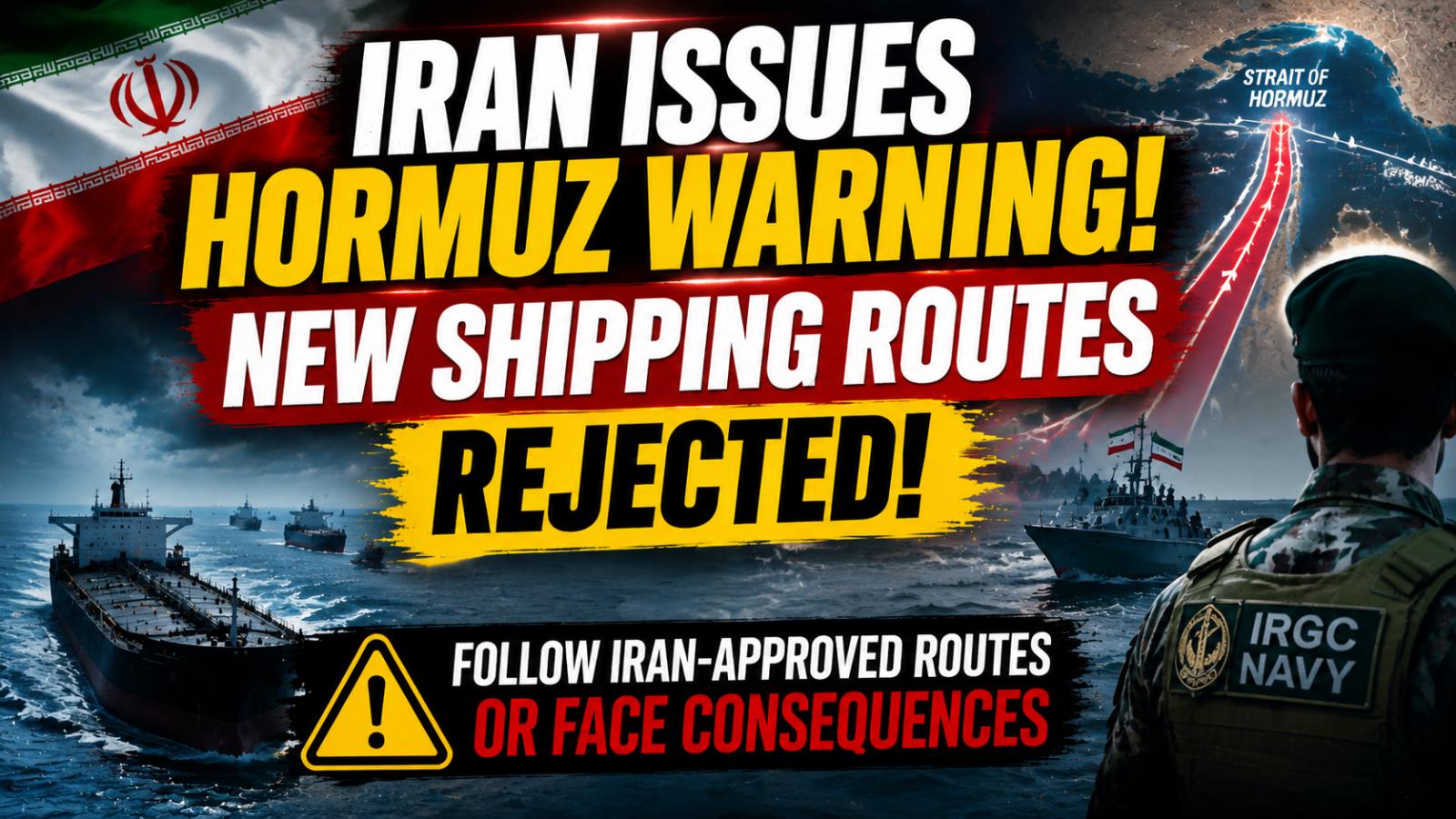
IRGC Navy Declares Approved Shipping Routes in Strait of Hormuz Mandatory
IRGC Issues Warning Over Strait of Hormuz Navigation Routes Iran’s Islamic Revolutionary Guard Corps Navy has issued a warning to vessels transiting the Strait of Hormuz, stating that ships must strictly follow navigation routes designated by Tehran. According to a statement carried by Iranian state media, any deviation from the approved lanes will be considered dan
IRGC Navy Declares Approved Shipping Routes in Strait of Hormuz Mandatory
IRGC Issues Warning Over Strait of Hormuz Navigation Routes Iran’s Islamic Revolutionary Guard Corps Navy has issued a warning to vessels transiting the Strait of Hormuz, stating that ships must strictly follow navigation routes designated by Tehran. According to a statement carried by Iranian state media, any deviation from the approved lanes will be considered dan
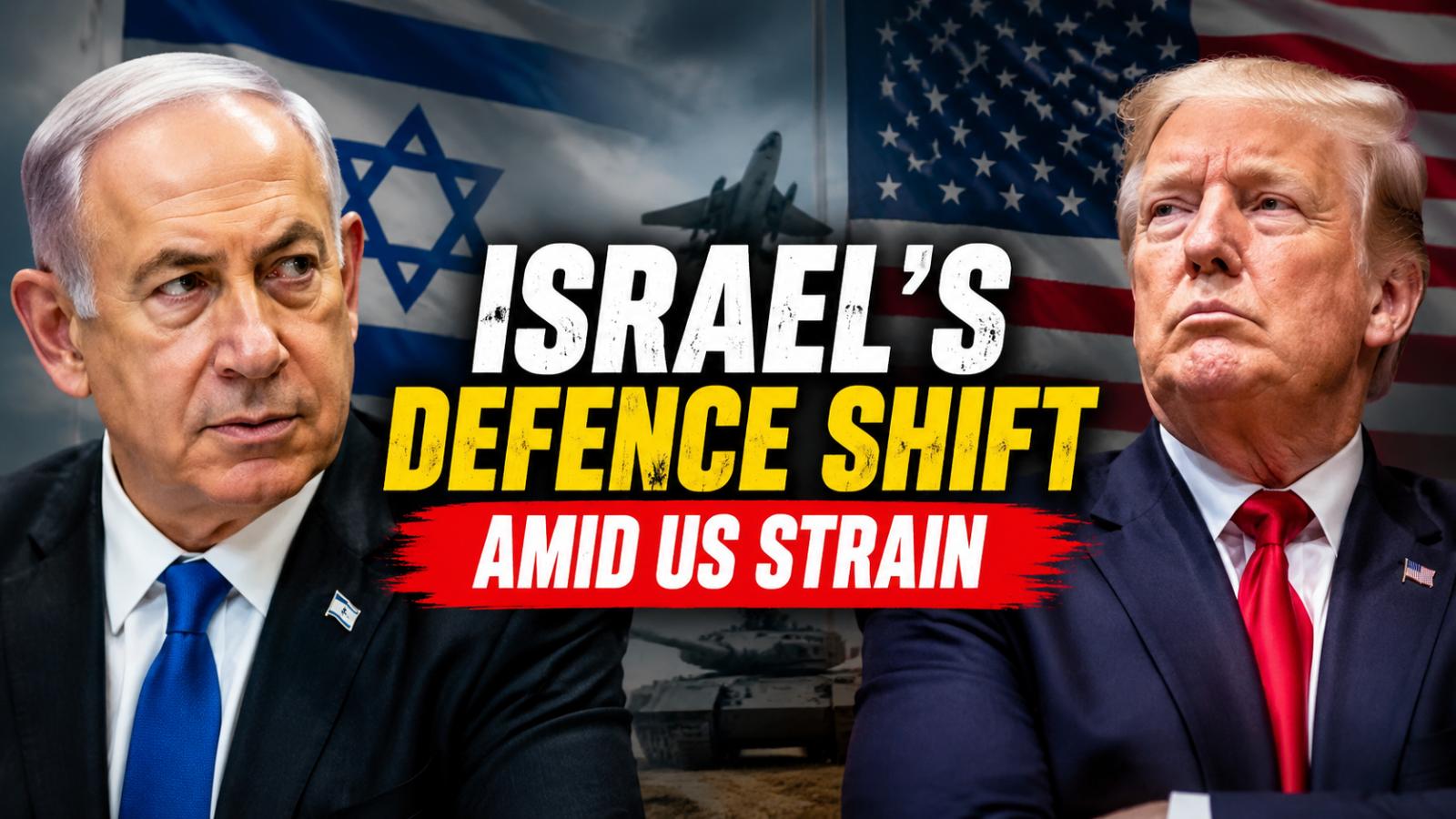
Israel shifts defence strategy amid US political strain
Tensions between Israel and the United States over regional security priorities have added pressure on Prime Minister Benjamin Netanyahu’s government to accelerate its push for greater military independence. The discussion has gained momentum as Israel continues operations linked to Iran-backed groups while simultaneously responding to diplomatic developments involving Washington and Tehran. Netanyahu recently emphasized that Israel cannot depend entirely on external military supply chains for long-term security needs. His remarks were delivered during a meeting with reserve officers in the West Bank, where he highlighted the importance of strengthening domestic defence production and reducing strategic vulnerabilities linked to foreign policy shifts. Domestic defence capacity becomes a strategic priority Israeli leadership is increasingly focused on expanding its local defence manufacturing ecosystem. The plan includes scaling up production of advanced weapon systems, improving technological innovation within the military sector, and reducing delays caused by international procurement dependencies. Officials argue that while US military support remains critical, future conflict scenarios require Israel to maintain uninterrupted access to essential defence capabilities without external constraints. This shift reflects broader concerns about regional instability and the speed at which security threats evolve. Diplomatic friction over regional agreements Recent US-led diplomatic efforts involving Iran have added another layer of complexity to the relationship. Israeli policymakers have expressed concern that regional understandings may not fully address threats posed by groups such as Hezbollah, which continue to operate along Israel’s northern border. From Israel’s perspective, security decisions tied to immediate threats cannot be constrained by broader international agreements. This difference in approach has created periodic friction between Washington and Jerusalem, even as both sides publicly reaffirm their strategic partnership. Political messaging highlights diverging priorities Netanyahu’s statements also reflect internal political messaging aimed at reinforcing a doctrine of strategic independence. While maintaining that the US remains Israel’s most important ally, he has repeatedly stressed that national security decisions must ultimately remain under Israeli control. The debate has also been reflected in wider political discourse, including commentary associated with US political figures and shifting positions on Middle East engagement. Although both governments continue coordination on defence matters, differences in threat assessment and timing of responses remain evident. Strategic autonomy framed as long-term necessity Israeli officials describe the current shift not as a break from alliances but as a recalibration of priorities. The focus is on ensuring that Israel can respond rapidly to evolving threats in a region marked by proxy conflicts, cross-border tensions, and shifting diplomatic alignments. The emerging strategy positions defence self-reliance as a structural requirement rather than a temporary policy adjustment, signaling a longer-term transformation in how Israel plans its security framework.
Israel shifts defence strategy amid US political strain
Tensions between Israel and the United States over regional security priorities have added pressure on Prime Minister Benjamin Netanyahu’s government to accelerate its push for greater military independence. The discussion has gained momentum as Israel continues operations linked to Iran-backed groups while simultaneously responding to diplomatic developments involving Washington and Tehran. Netanyahu recently emphasized that Israel cannot depend entirely on external military supply chains for long-term security needs. His remarks were delivered during a meeting with reserve officers in the West Bank, where he highlighted the importance of strengthening domestic defence production and reducing strategic vulnerabilities linked to foreign policy shifts. Domestic defence capacity becomes a strategic priority Israeli leadership is increasingly focused on expanding its local defence manufacturing ecosystem. The plan includes scaling up production of advanced weapon systems, improving technological innovation within the military sector, and reducing delays caused by international procurement dependencies. Officials argue that while US military support remains critical, future conflict scenarios require Israel to maintain uninterrupted access to essential defence capabilities without external constraints. This shift reflects broader concerns about regional instability and the speed at which security threats evolve. Diplomatic friction over regional agreements Recent US-led diplomatic efforts involving Iran have added another layer of complexity to the relationship. Israeli policymakers have expressed concern that regional understandings may not fully address threats posed by groups such as Hezbollah, which continue to operate along Israel’s northern border. From Israel’s perspective, security decisions tied to immediate threats cannot be constrained by broader international agreements. This difference in approach has created periodic friction between Washington and Jerusalem, even as both sides publicly reaffirm their strategic partnership. Political messaging highlights diverging priorities Netanyahu’s statements also reflect internal political messaging aimed at reinforcing a doctrine of strategic independence. While maintaining that the US remains Israel’s most important ally, he has repeatedly stressed that national security decisions must ultimately remain under Israeli control. The debate has also been reflected in wider political discourse, including commentary associated with US political figures and shifting positions on Middle East engagement. Although both governments continue coordination on defence matters, differences in threat assessment and timing of responses remain evident. Strategic autonomy framed as long-term necessity Israeli officials describe the current shift not as a break from alliances but as a recalibration of priorities. The focus is on ensuring that Israel can respond rapidly to evolving threats in a region marked by proxy conflicts, cross-border tensions, and shifting diplomatic alignments. The emerging strategy positions defence self-reliance as a structural requirement rather than a temporary policy adjustment, signaling a longer-term transformation in how Israel plans its security framework.
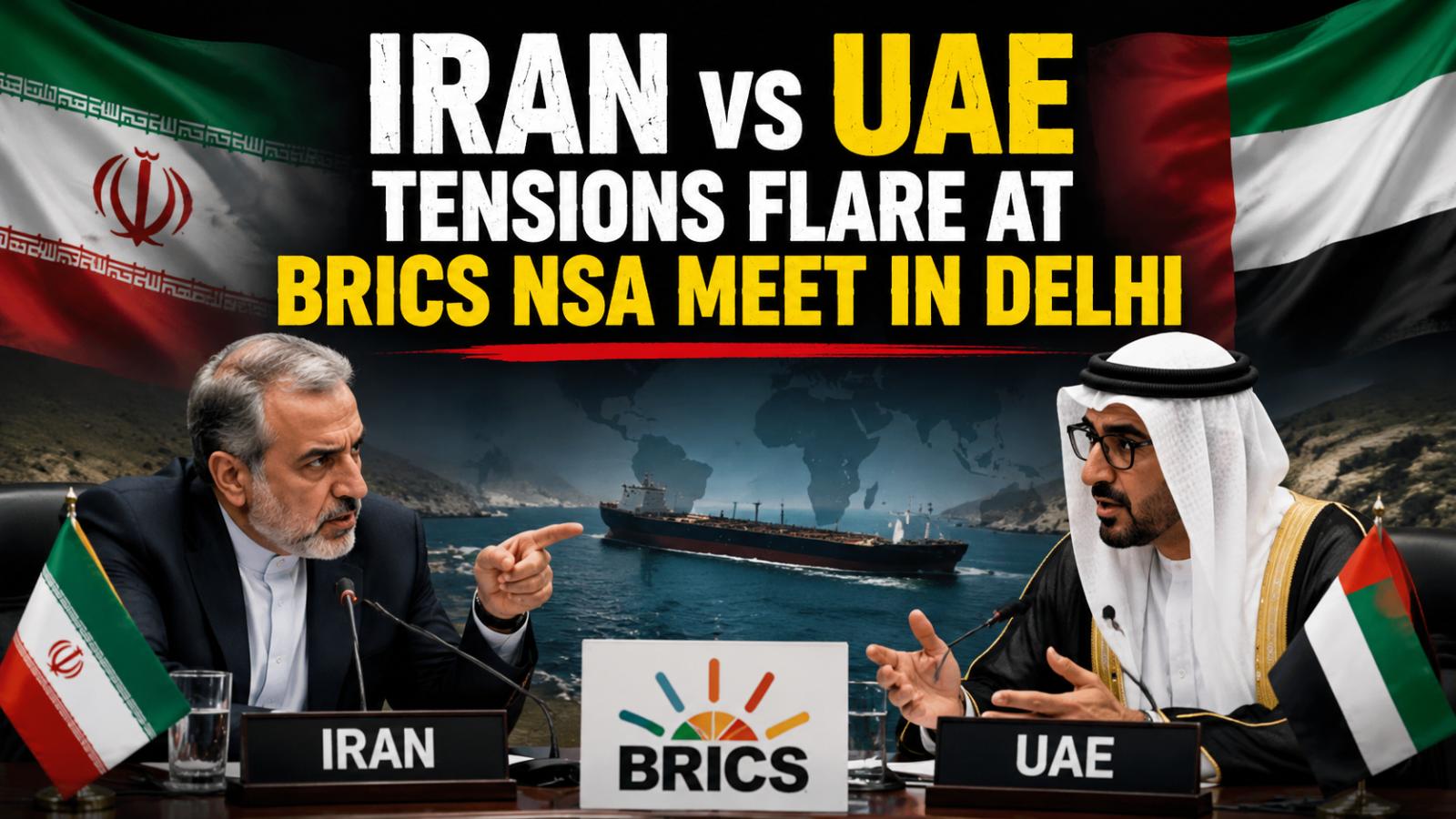
Iran UAE row escalates at BRICS NSA meeting in New Delhi
A BRICS National Security Advisers meeting in New Delhi turned tense after Iran and the United Arab Emirates exchanged strong political accusations over regional security concerns. The discussion, chaired by India’s National Security Advisor Ajit Doval, was intended to focus on cooperation in maritime safety and counterterrorism, but quickly exposed deep disagreements within the group on West Asia dynamics. Iran raises concerns over regional strikes and external involvement Iran’s delegation raised allegations linking recent regional strikes to external military coordination, suggesting that operations affecting Iranian interests were enabled through logistical and strategic support networks in the Gulf region. Tehran argued that such developments have increased risks for civilians and undermined stability across key transit zones. Strait of Hormuz remains central pressure point The Strait of Hormuz once again emerged as the most sensitive flashpoint in the discussion. Iranian representatives warned that continued military escalation near the waterway threatens global energy flows and could destabilize shipping routes that carry a significant share of the world’s oil supply. The issue highlighted how maritime security concerns are increasingly tied to broader geopolitical rivalries in the region. UAE pushes back and defends its position The UAE rejected the allegations and reiterated that it does not support or participate in hostile operations against any state. Emirati officials maintained that the country itself remains exposed to regional security threats and emphasized the need for de-escalation rather than blame-based diplomacy. Past BRICS discussions had already seen similar disagreements without consensus outcomes. BRICS unity tested by West Asia fault lines The confrontation underscored growing strain within BRICS as it expands its membership and geopolitical scope. While India has pushed for the bloc to act as a platform for dialogue and stability, persistent conflicts between member and partner states are limiting progress on unified security statements. The Iran–UAE exchange reflected how regional rivalries are increasingly shaping multilateral forums meant for cooperation rather than confrontation.
Iran UAE row escalates at BRICS NSA meeting in New Delhi
A BRICS National Security Advisers meeting in New Delhi turned tense after Iran and the United Arab Emirates exchanged strong political accusations over regional security concerns. The discussion, chaired by India’s National Security Advisor Ajit Doval, was intended to focus on cooperation in maritime safety and counterterrorism, but quickly exposed deep disagreements within the group on West Asia dynamics. Iran raises concerns over regional strikes and external involvement Iran’s delegation raised allegations linking recent regional strikes to external military coordination, suggesting that operations affecting Iranian interests were enabled through logistical and strategic support networks in the Gulf region. Tehran argued that such developments have increased risks for civilians and undermined stability across key transit zones. Strait of Hormuz remains central pressure point The Strait of Hormuz once again emerged as the most sensitive flashpoint in the discussion. Iranian representatives warned that continued military escalation near the waterway threatens global energy flows and could destabilize shipping routes that carry a significant share of the world’s oil supply. The issue highlighted how maritime security concerns are increasingly tied to broader geopolitical rivalries in the region. UAE pushes back and defends its position The UAE rejected the allegations and reiterated that it does not support or participate in hostile operations against any state. Emirati officials maintained that the country itself remains exposed to regional security threats and emphasized the need for de-escalation rather than blame-based diplomacy. Past BRICS discussions had already seen similar disagreements without consensus outcomes. BRICS unity tested by West Asia fault lines The confrontation underscored growing strain within BRICS as it expands its membership and geopolitical scope. While India has pushed for the bloc to act as a platform for dialogue and stability, persistent conflicts between member and partner states are limiting progress on unified security statements. The Iran–UAE exchange reflected how regional rivalries are increasingly shaping multilateral forums meant for cooperation rather than confrontation.

US accelerates quantum computing and cyber defense push
The United States is stepping up its focus on quantum computing as governments and private companies race to control the next major shift in computing power. The strategy combines research funding, national security planning, and stronger digital defense systems designed to prepare for future computational threats. Rather than treating quantum computing as a distant research topic, policymakers are now positioning it as a strategic infrastructure priority. The direction signals a broader effort to maintain technological leadership in areas where classical computing is approaching its limits. Big tech and government alignment Federal agencies are increasingly coordinating with major technology companies including IBM, Microsoft, and Google, all of which are actively building experimental quantum systems. These companies are exploring how quantum processors could eventually solve complex optimization, material science, and cryptography-related problems that are currently impractical for classical machines. The collaboration is not just scientific. It reflects a competitive global environment where control over advanced computing could influence national security, economic strength, and cybersecurity resilience. Why qubits change the computing model Unlike traditional computers that process data in binary form, quantum systems rely on qubits. These units can exist in multiple states simultaneously, enabling different types of computation through principles such as superposition and entanglement. In theory, this allows quantum systems to evaluate a vast number of possibilities at once. However, real-world systems remain extremely fragile, expensive, and difficult to scale. Most current machines operate in controlled laboratory environments rather than practical deployment settings. Cybersecurity pressure is rising One of the biggest drivers behind quantum investment is its impact on encryption. Modern security systems depend on mathematical problems that are extremely difficult for classical computers to solve. Quantum algorithms, in the long term, could potentially break some of these systems. This risk is pushing governments toward post-quantum cryptography standards developed by research bodies such as NIST. These new encryption models are designed to remain secure even against quantum-level computational attacks. Long road to practical systems Despite rapid progress, fully functional large-scale quantum computers are still years away. Challenges include error correction, stability, and hardware scaling. Researchers agree that meaningful commercial use is still in early stages. Even so, the strategic push continues because early leadership in quantum infrastructure could determine future advantages in defense, intelligence, and advanced science applications. The current phase is less about immediate transformation and more about positioning for a technological shift that could redefine computing over the next decade.
US accelerates quantum computing and cyber defense push
The United States is stepping up its focus on quantum computing as governments and private companies race to control the next major shift in computing power. The strategy combines research funding, national security planning, and stronger digital defense systems designed to prepare for future computational threats. Rather than treating quantum computing as a distant research topic, policymakers are now positioning it as a strategic infrastructure priority. The direction signals a broader effort to maintain technological leadership in areas where classical computing is approaching its limits. Big tech and government alignment Federal agencies are increasingly coordinating with major technology companies including IBM, Microsoft, and Google, all of which are actively building experimental quantum systems. These companies are exploring how quantum processors could eventually solve complex optimization, material science, and cryptography-related problems that are currently impractical for classical machines. The collaboration is not just scientific. It reflects a competitive global environment where control over advanced computing could influence national security, economic strength, and cybersecurity resilience. Why qubits change the computing model Unlike traditional computers that process data in binary form, quantum systems rely on qubits. These units can exist in multiple states simultaneously, enabling different types of computation through principles such as superposition and entanglement. In theory, this allows quantum systems to evaluate a vast number of possibilities at once. However, real-world systems remain extremely fragile, expensive, and difficult to scale. Most current machines operate in controlled laboratory environments rather than practical deployment settings. Cybersecurity pressure is rising One of the biggest drivers behind quantum investment is its impact on encryption. Modern security systems depend on mathematical problems that are extremely difficult for classical computers to solve. Quantum algorithms, in the long term, could potentially break some of these systems. This risk is pushing governments toward post-quantum cryptography standards developed by research bodies such as NIST. These new encryption models are designed to remain secure even against quantum-level computational attacks. Long road to practical systems Despite rapid progress, fully functional large-scale quantum computers are still years away. Challenges include error correction, stability, and hardware scaling. Researchers agree that meaningful commercial use is still in early stages. Even so, the strategic push continues because early leadership in quantum infrastructure could determine future advantages in defense, intelligence, and advanced science applications. The current phase is less about immediate transformation and more about positioning for a technological shift that could redefine computing over the next decade.

Senate passes housing bill to lower home costs
Senate approves housing affordability bill The US Senate on Monday, June 22, approved a bipartisan housing bill aimed at lowering housing costs by encouraging new construction, easing permitting rules and limiting the role of large investors in the single-family housing market. The measure, called the 21st Century ROAD to Housing Act, passed in an 85 to 5 vote and now heads to the House of Representatives. If approved there, it will be sent t
Senate passes housing bill to lower home costs
Senate approves housing affordability bill The US Senate on Monday, June 22, approved a bipartisan housing bill aimed at lowering housing costs by encouraging new construction, easing permitting rules and limiting the role of large investors in the single-family housing market. The measure, called the 21st Century ROAD to Housing Act, passed in an 85 to 5 vote and now heads to the House of Representatives. If approved there, it will be sent t
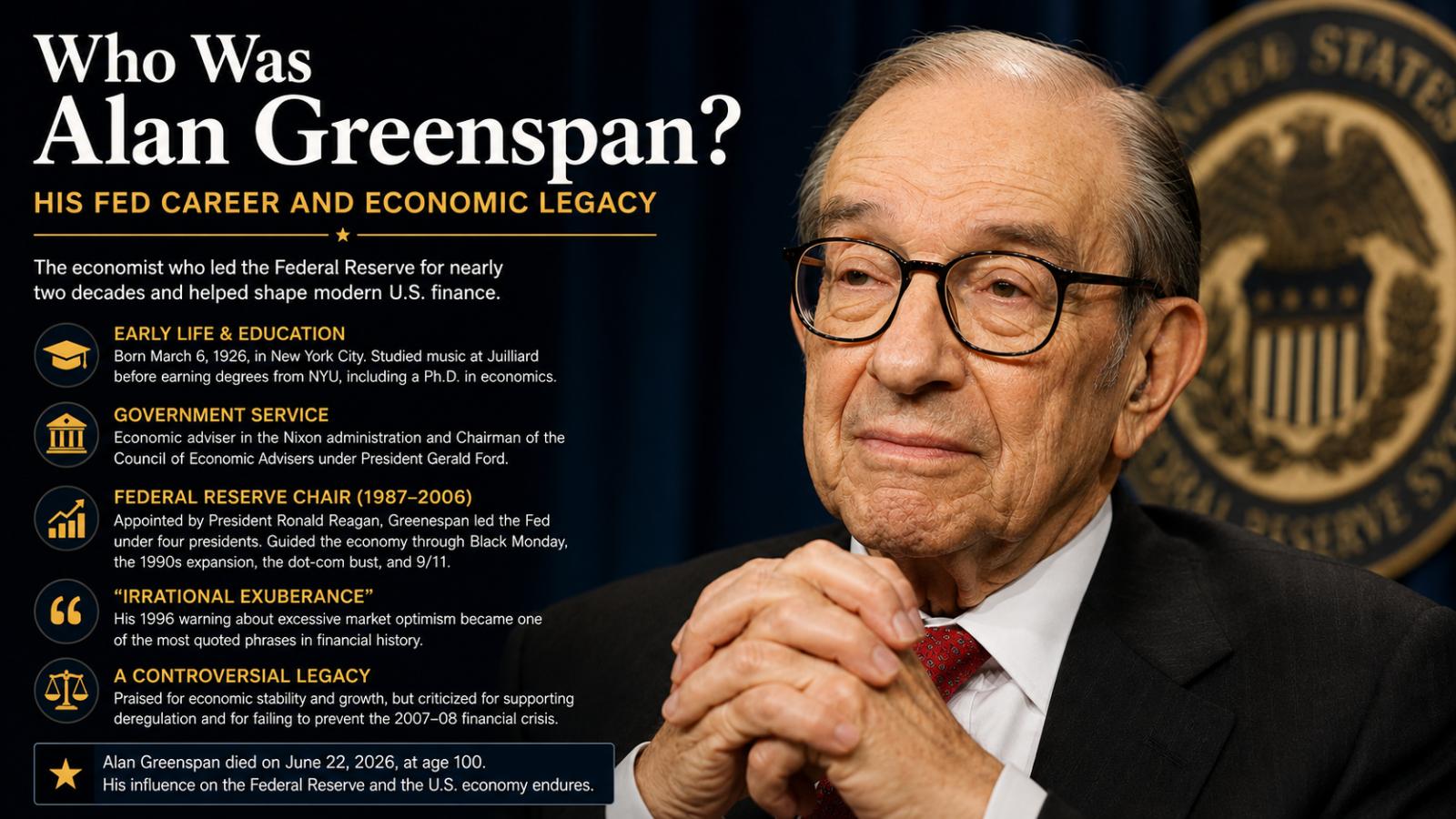
Who Was Alan Greenspan? His Fed Career and Economic Legacy
Who was Alan Greenspan? He was one of the most influential—and disputed—central bankers in modern U.S. history, leading the Federal Reserve from 1987 to 2006. Greenspan died on Monday, June 22, 2026, at age 100. His death renewed attention on a career that spanned Wall Street, presidential administrations and nearly two decades at the center of U.S. monetary policy. Who Was Alan Greenspan? Born on March 6, 1926, in New York City, Greenspan
Who Was Alan Greenspan? His Fed Career and Economic Legacy
Who was Alan Greenspan? He was one of the most influential—and disputed—central bankers in modern U.S. history, leading the Federal Reserve from 1987 to 2006. Greenspan died on Monday, June 22, 2026, at age 100. His death renewed attention on a career that spanned Wall Street, presidential administrations and nearly two decades at the center of U.S. monetary policy. Who Was Alan Greenspan? Born on March 6, 1926, in New York City, Greenspan
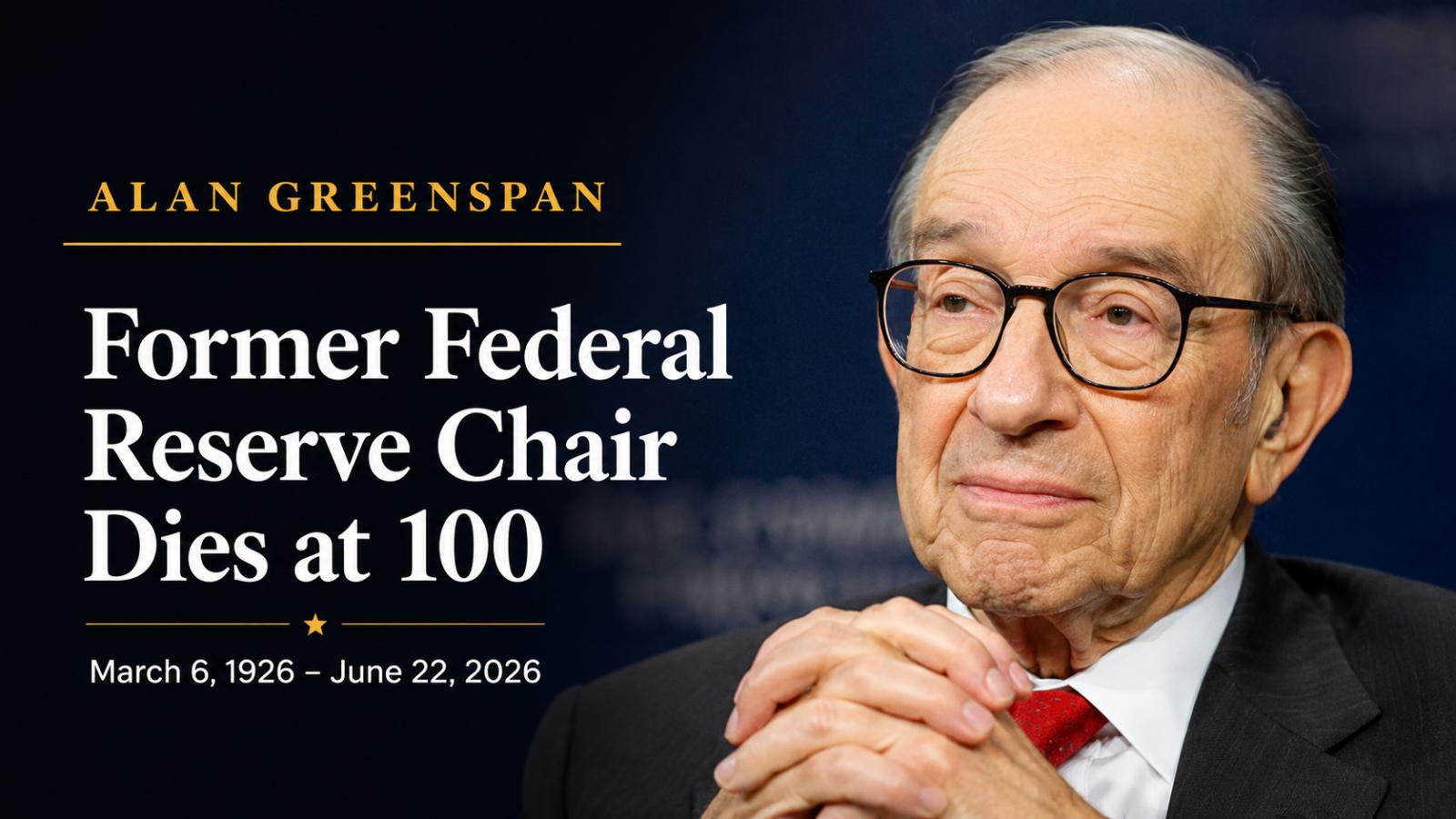
Alan Greenspan, Former Federal Reserve Chair, Dies at 100
Alan Greenspan, the former Federal Reserve chair who shaped U.S. monetary policy for nearly two decades, died on Monday, June 22, 2026, at age 100. His wife, NBC News correspondent Andrea Mitchell, said Greenspan died at their home from complications of Parkinson’s disease. Alan Greenspan Dies After Nearly Two Decades Leading the Fed Greenspan served as chair of the Federal Res
Alan Greenspan, Former Federal Reserve Chair, Dies at 100
Alan Greenspan, the former Federal Reserve chair who shaped U.S. monetary policy for nearly two decades, died on Monday, June 22, 2026, at age 100. His wife, NBC News correspondent Andrea Mitchell, said Greenspan died at their home from complications of Parkinson’s disease. Alan Greenspan Dies After Nearly Two Decades Leading the Fed Greenspan served as chair of the Federal Res

Israel Lebanon border tension grows over Beaufort Castle
Israel has signalled that its forces will remain in parts of southern Lebanon, including the area around Beaufort Castle, as border security remains a major concern despite continuing ceasefire pressure. Israeli officials say the military-held zone is needed to protect communities in Galilee and prevent Hezbollah-linked groups from regaining positions close to northern Israel. Defence Minister Israel Katz said Israel does not intend to wit
Israel Lebanon border tension grows over Beaufort Castle
Israel has signalled that its forces will remain in parts of southern Lebanon, including the area around Beaufort Castle, as border security remains a major concern despite continuing ceasefire pressure. Israeli officials say the military-held zone is needed to protect communities in Galilee and prevent Hezbollah-linked groups from regaining positions close to northern Israel. Defence Minister Israel Katz said Israel does not intend to wit
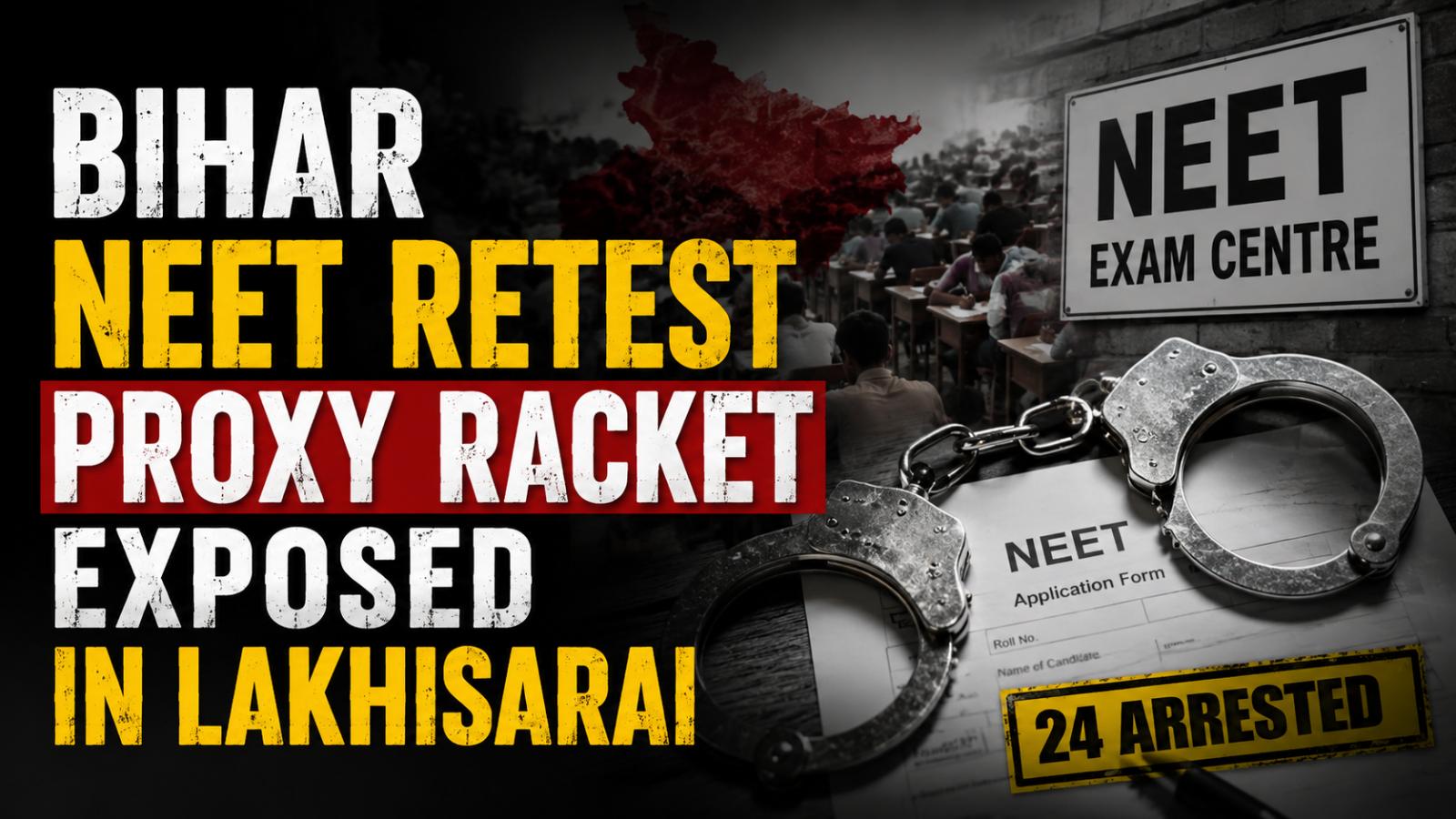
Bihar NEET retest proxy racket exposed in Lakhisarai
Proxy racket during NEET retest raises fresh concerns Bihar Police have uncovered an alleged NEET-UG retest proxy racket in Lakhisarai that reportedly took place during Sunday’s NEET-UG retest. The case has triggered fresh concerns over exam centre security, biometric verification and insider access during one of India’s most sensitive entrance tests. At least 24 people were reported arrested in the case, while some reports placed the wid
Bihar NEET retest proxy racket exposed in Lakhisarai
Proxy racket during NEET retest raises fresh concerns Bihar Police have uncovered an alleged NEET-UG retest proxy racket in Lakhisarai that reportedly took place during Sunday’s NEET-UG retest. The case has triggered fresh concerns over exam centre security, biometric verification and insider access during one of India’s most sensitive entrance tests. At least 24 people were reported arrested in the case, while some reports placed the wid
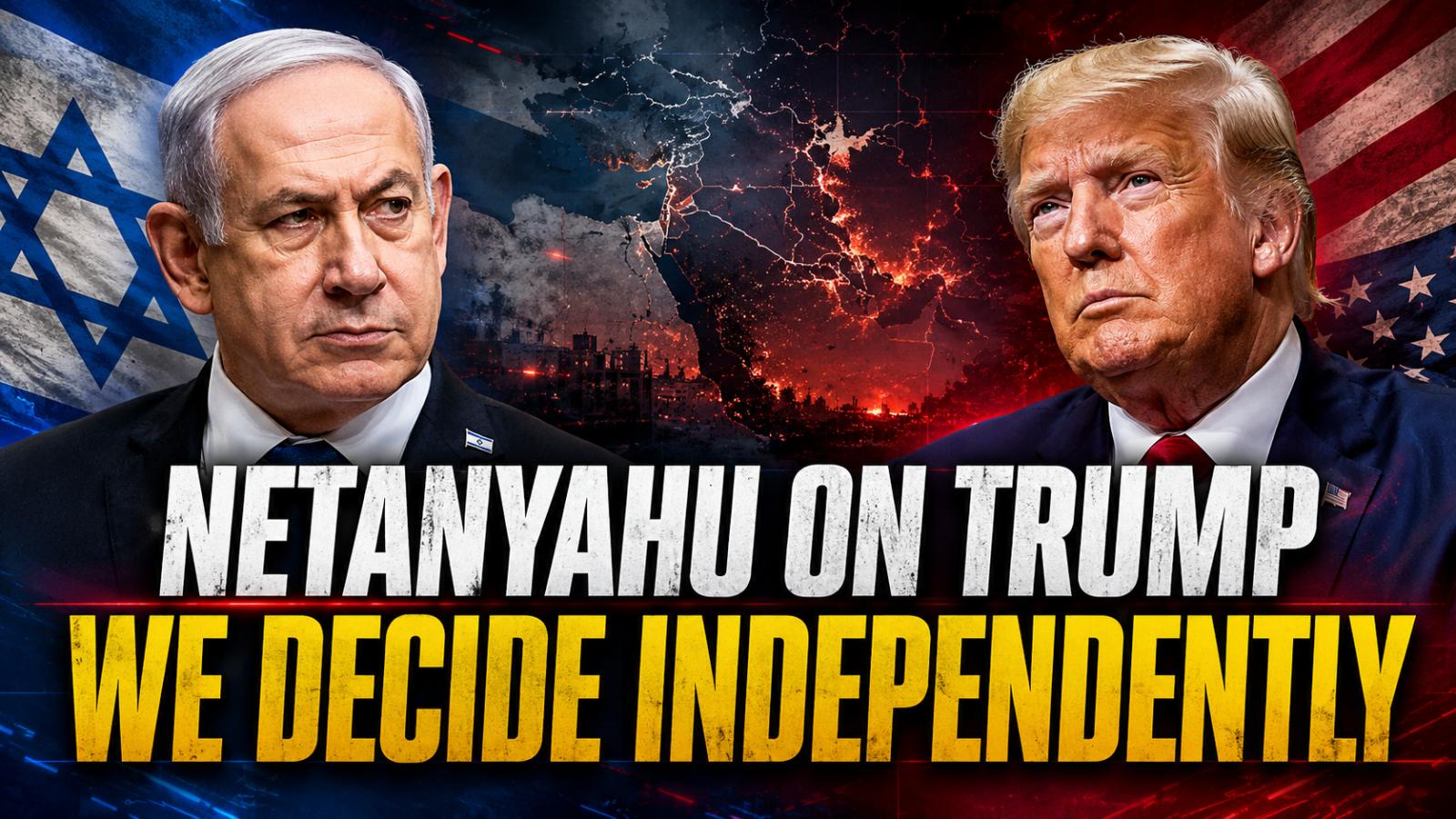
Netanyahu rejects claims Trump controls Israel decisions
Netanyahu rejects influence claims Israeli Prime Minister Benjamin Netanyahu has rejected claims that US President Donald Trump controls his decisions or that he directs Trump’s actions, saying both leaders act independently in the interests of their own countries. Speaking at the JNS Summit in Jerusalem on Sunday, June 21, Netanyahu addressed speculation over whether the two leaders influence each other’s positions on the Iran war and br
Netanyahu rejects claims Trump controls Israel decisions
Netanyahu rejects influence claims Israeli Prime Minister Benjamin Netanyahu has rejected claims that US President Donald Trump controls his decisions or that he directs Trump’s actions, saying both leaders act independently in the interests of their own countries. Speaking at the JNS Summit in Jerusalem on Sunday, June 21, Netanyahu addressed speculation over whether the two leaders influence each other’s positions on the Iran war and br

NEET UG 2026 Re-Test Today: 22.8 Lakh Candidates Appear Across India
NEET UG 2026 Re-Test Begins Today For 22.8 Lakh Students Across India The NEET UG 2026 re-test is being conducted across India today, June 21, 2026, with around 22.8 lakh candidates expected to appear for the medical entrance examination. The re-exam is being held for students who were issued fresh hall tickets for the test. According to available candidate data, a large majority of aspirants are b
NEET UG 2026 Re-Test Today: 22.8 Lakh Candidates Appear Across India
NEET UG 2026 Re-Test Begins Today For 22.8 Lakh Students Across India The NEET UG 2026 re-test is being conducted across India today, June 21, 2026, with around 22.8 lakh candidates expected to appear for the medical entrance examination. The re-exam is being held for students who were issued fresh hall tickets for the test. According to available candidate data, a large majority of aspirants are b
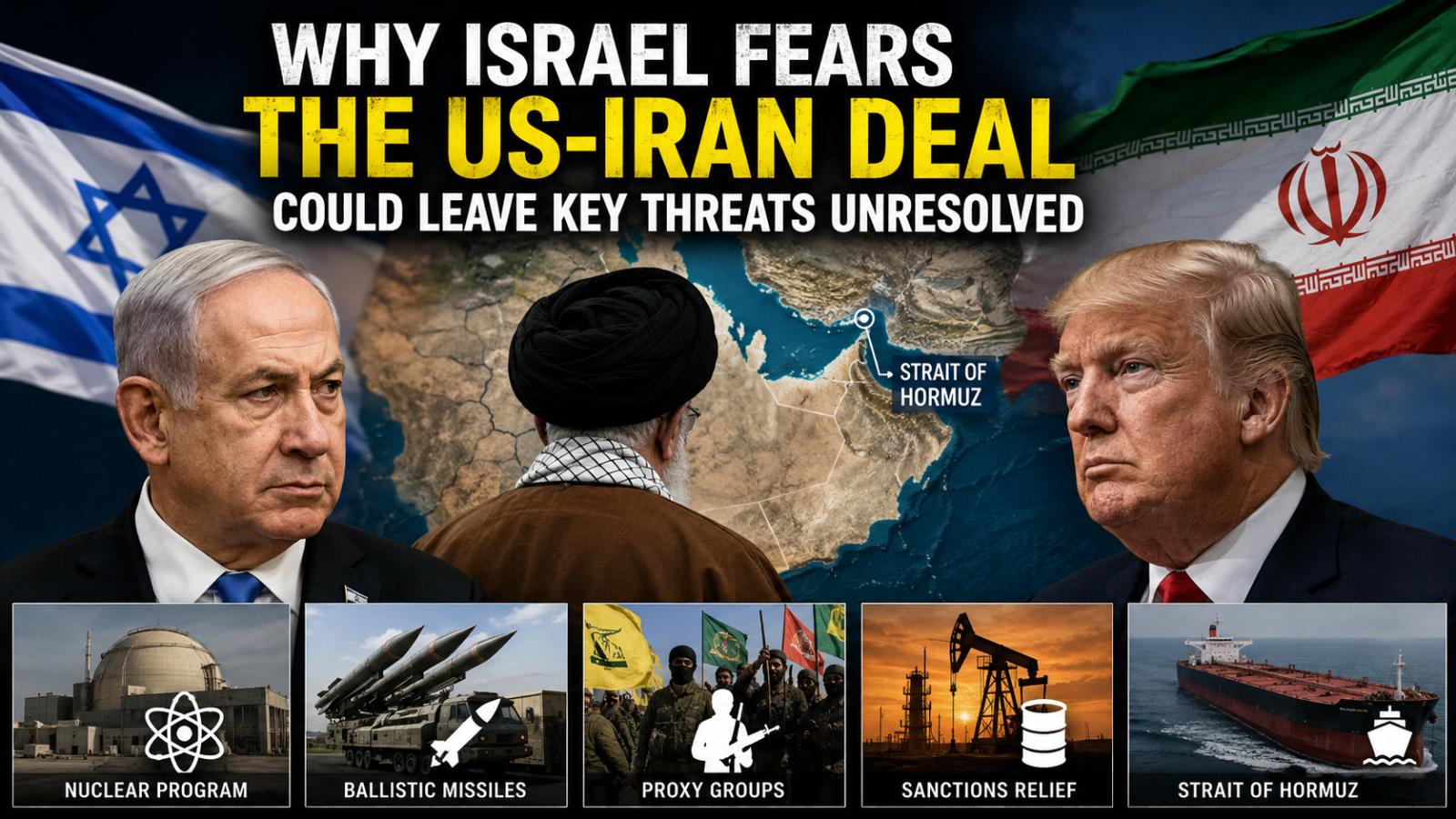
Why Israel Fears the US-Iran Deal Could Leave Key Threats Unresolved
The US-Iran deal has opened a 60-day diplomatic window, but it has also sharpened security concerns in Israel. Israeli officials and analysts worry that Tehran could receive economic relief while decisions on uranium enrichment, ballistic missiles and regional armed groups remain unsettled. The negotiation period began on Thursday, June 18, 2026, under an interim memorandum approved by President Donald Trump and Iranian leaders. The framework seeks to halt hostiliti
Why Israel Fears the US-Iran Deal Could Leave Key Threats Unresolved
The US-Iran deal has opened a 60-day diplomatic window, but it has also sharpened security concerns in Israel. Israeli officials and analysts worry that Tehran could receive economic relief while decisions on uranium enrichment, ballistic missiles and regional armed groups remain unsettled. The negotiation period began on Thursday, June 18, 2026, under an interim memorandum approved by President Donald Trump and Iranian leaders. The framework seeks to halt hostiliti

Pakistan’s FATF Grey-List History and What India’s New Role Means
Pakistan’s FATF grey-lit history has returned to attention following India’s election to the vice-presidency of the global financial-crime watchdog. Read more about India’s first election to the FATF vice-presidency and why the appointment matters. India’s new leadership position gives New Delhi greater visibility i
Pakistan’s FATF Grey-List History and What India’s New Role Means
Pakistan’s FATF grey-lit history has returned to attention following India’s election to the vice-presidency of the global financial-crime watchdog. Read more about India’s first election to the FATF vice-presidency and why the appointment matters. India’s new leadership position gives New Delhi greater visibility i

Oregon Denaturalization Lawsuit Alleges Decades of Identity Fraud
The Oregon denaturalization lawsuit seeks to revoke the U.S. citizenship of a 54-year-old resident accused of using multiple identities and concealing an earlier deportation order. Federal authorities in Portland said on Thursday, June 18, 2026, that they filed a civil complaint against Jaswinder Singh, also known as Balwinder Singh, in the U.S. District Court for the District of Oregon. The allegations have not been proven in court. Oregon dena
Oregon Denaturalization Lawsuit Alleges Decades of Identity Fraud
The Oregon denaturalization lawsuit seeks to revoke the U.S. citizenship of a 54-year-old resident accused of using multiple identities and concealing an earlier deportation order. Federal authorities in Portland said on Thursday, June 18, 2026, that they filed a civil complaint against Jaswinder Singh, also known as Balwinder Singh, in the U.S. District Court for the District of Oregon. The allegations have not been proven in court. Oregon dena

Mexico Victory Packs Bay Area World Cup Watch Parties
Mexico’s 1-0 victory over South Korea packed Bay Area World Cup watch parties in San Jose and San Francisco, with both public viewing areas reaching capacity as fans celebrated Mexico’s place in the Round of 32. Bay Area World Cup watch parties draw major crowds An estimated 30,000 supporters gathered at San Pedro Square in downtown San Jose, creating a crowd far larger than at the earlier watch party. Security officials restricted a
Mexico Victory Packs Bay Area World Cup Watch Parties
Mexico’s 1-0 victory over South Korea packed Bay Area World Cup watch parties in San Jose and San Francisco, with both public viewing areas reaching capacity as fans celebrated Mexico’s place in the Round of 32. Bay Area World Cup watch parties draw major crowds An estimated 30,000 supporters gathered at San Pedro Square in downtown San Jose, creating a crowd far larger than at the earlier watch party. Security officials restricted a
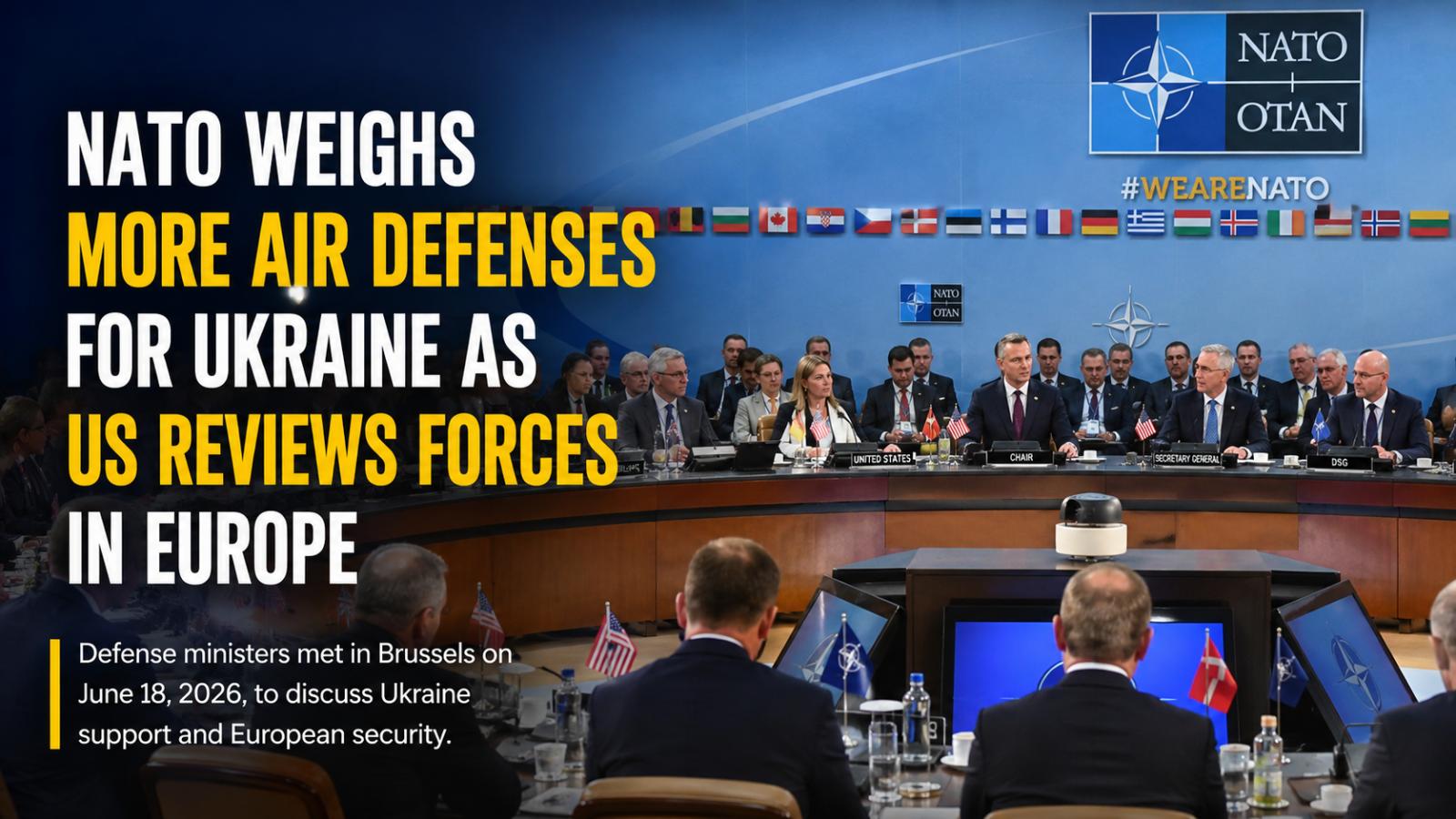
US Troop Review in Europe Shapes NATO Ukraine Air Defense Talks
BRUSSELS — A US troop review in Europe is reshaping NATO discussions over Ukraine’s air defenses and the alliance’s long-term security responsibilities. Defense ministers meeting in Brussels on Thursday, June 18, 2026, considered additional weapons, missile interceptors and air-defense support for Ukraine as Washington began reassessing the scale and structure of American military deployments across Europe. US Troop Review in Europe Puts Pressure on NATO All
US Troop Review in Europe Shapes NATO Ukraine Air Defense Talks
BRUSSELS — A US troop review in Europe is reshaping NATO discussions over Ukraine’s air defenses and the alliance’s long-term security responsibilities. Defense ministers meeting in Brussels on Thursday, June 18, 2026, considered additional weapons, missile interceptors and air-defense support for Ukraine as Washington began reassessing the scale and structure of American military deployments across Europe. US Troop Review in Europe Puts Pressure on NATO All

Taiwan presses US for $14bn arms approval amid China tensions
Taiwan has renewed its push for approval of a proposed $14 billion defense package from the United States, arguing that its security environment has become increasingly unstable. The request comes at a time when military activity and political messaging across the Taiwan Strait have intensified, placing additional pressure on Washington’s strategic decision-making. US officials are currently evaluating the proposal through standard defense export channels, weighing supply constrai
Taiwan presses US for $14bn arms approval amid China tensions
Taiwan has renewed its push for approval of a proposed $14 billion defense package from the United States, arguing that its security environment has become increasingly unstable. The request comes at a time when military activity and political messaging across the Taiwan Strait have intensified, placing additional pressure on Washington’s strategic decision-making. US officials are currently evaluating the proposal through standard defense export channels, weighing supply constrai
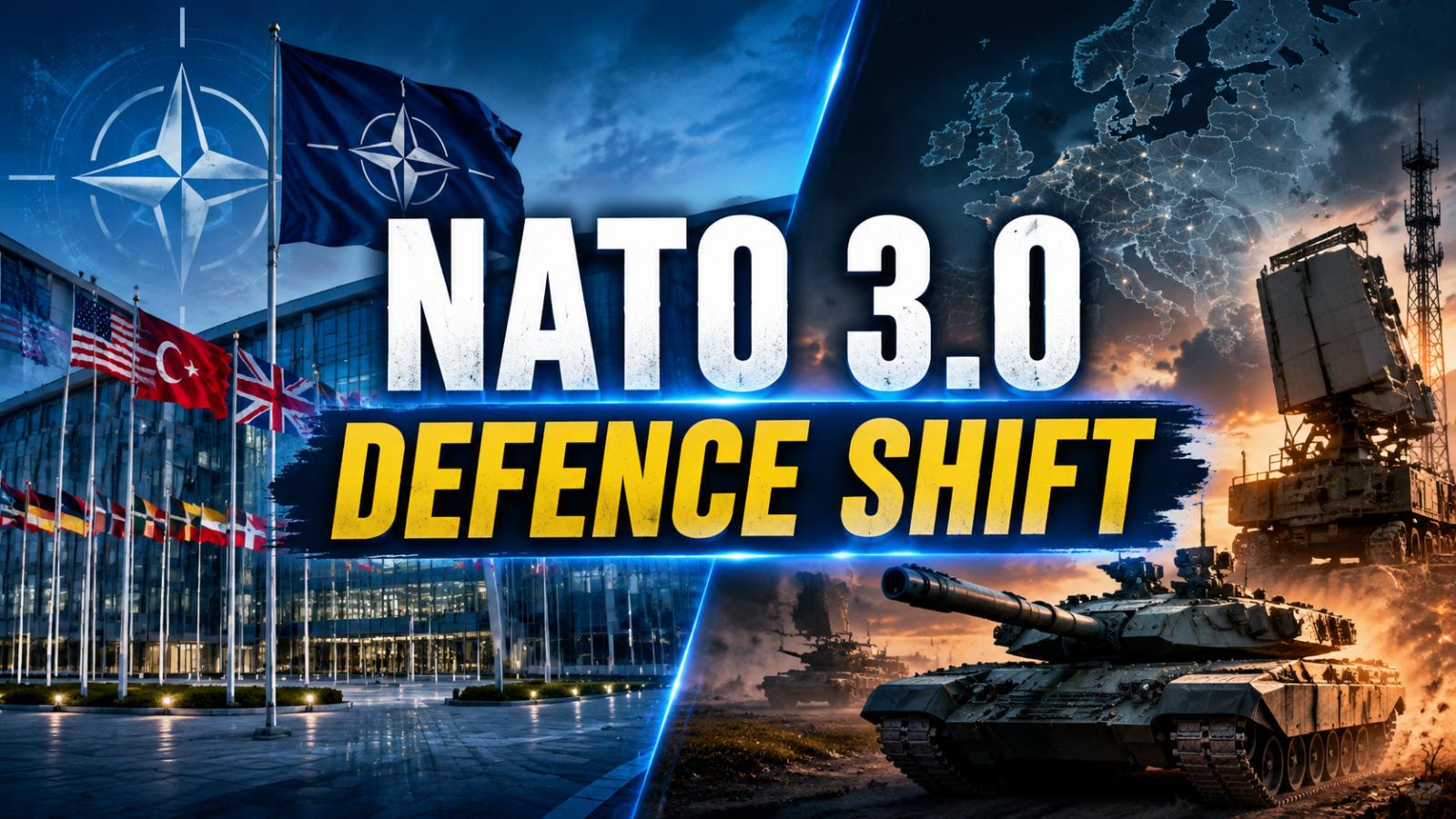
US pushes NATO 3.0 shift toward stronger defence model
The debate around NATO’s future direction has intensified after renewed US pressure on allies to strengthen their military commitments. The discussion, often referred to as a “NATO 3.0” shift, centers on moving the alliance toward a more force-driven structure focused on deterrence and rapid response rather than political coordination alone. The push reflects growing concerns in Washington over uneven defence contributions across member states.
US pushes NATO 3.0 shift toward stronger defence model
The debate around NATO’s future direction has intensified after renewed US pressure on allies to strengthen their military commitments. The discussion, often referred to as a “NATO 3.0” shift, centers on moving the alliance toward a more force-driven structure focused on deterrence and rapid response rather than political coordination alone. The push reflects growing concerns in Washington over uneven defence contributions across member states.
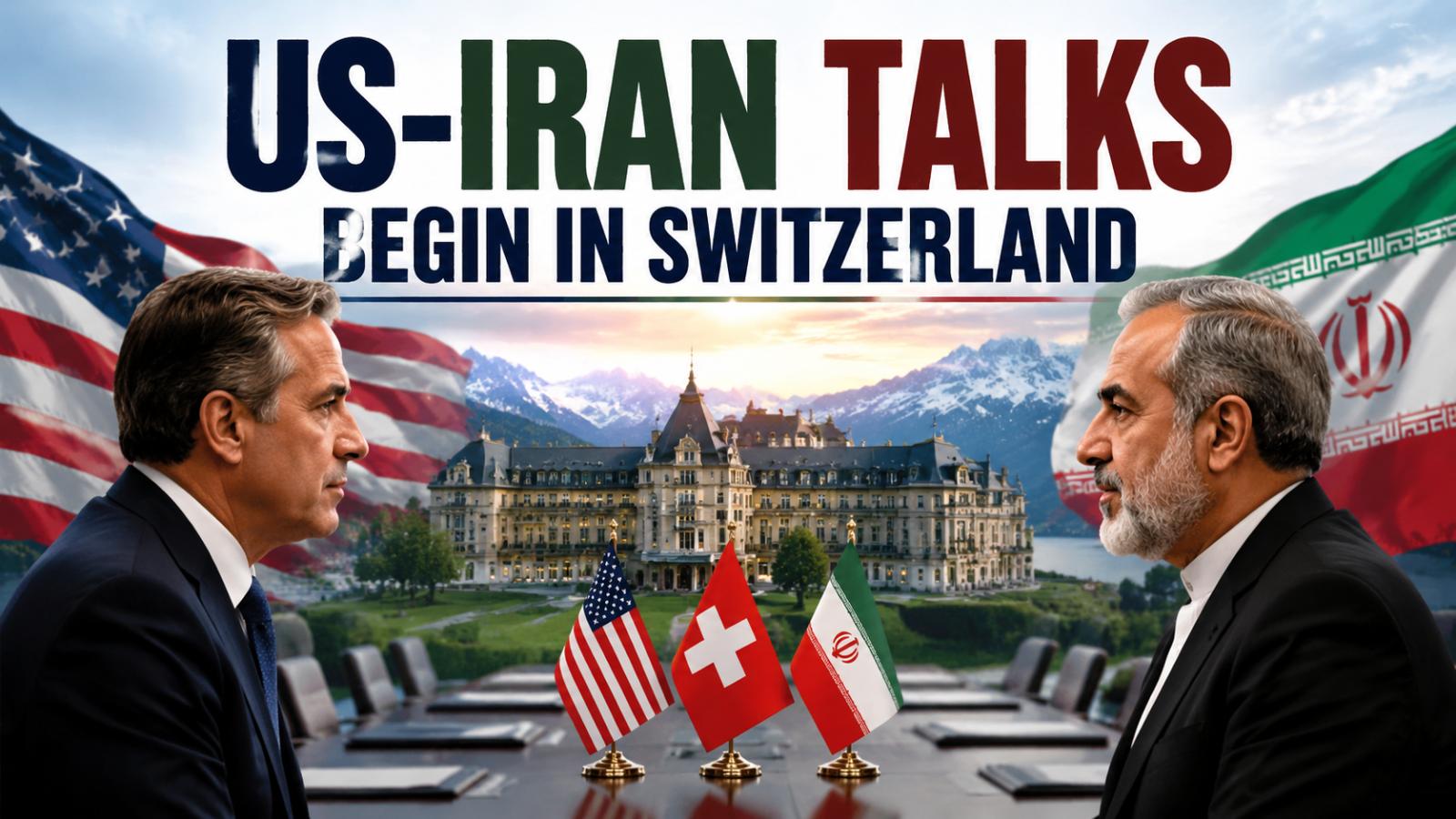
Switzerland hosts US Iran ceasefire talks with mediators
US and Iran have entered early-stage mediated discussions in Switzerland, with the Bürgenstock resort emerging as the selected venue for indirect engagement. The talks are being described by diplomatic sources as exploratory in nature, focusing on reducing regional tensions and testing the feasibility of a broader ceasefire framework. While no final agreement has been confirmed, the engagement signals renewed diplomatic activity after months of escalation concerns in the Middle East. Switzerland positions itself as neutral facilitator Switzerland is hosting the meeting in a neutral capacity, offering logistical support for dialogue between the two sides along with participating mediators. Officials familiar with the arrangement indicate that the format is structured to keep discussions indirect, with Pakistan and Qatar reportedly assisting in communication channels. The goal at this stage is not a binding treaty but a structured conversation on de-escalation pathways. Ceasefire framework and maritime concerns under discussion A key focus of the discussions is believed to be a proposed framework aimed at reducing military tensions and stabilizing critical maritime routes, including the Strait of Hormuz. Trade security and energy transport remain central concerns, given the strategic importance of the passage for global oil movement. However, details remain fluid, and no side has publicly confirmed acceptance of any structured agreement. Diverging interpretations of diplomatic progress Despite reports of engagement, there is no unified position on the status or timing of the talks. Iranian representatives have suggested that discussions remain under internal review following earlier diplomatic exchanges, while US-linked sources describe continued exploratory coordination. This gap in interpretation highlights the fragile and uncertain nature of the process, where messaging remains inconsistent across stakeholders. What the next phase depends on The outcome of these discussions will largely depend on whether both sides can align on verification mechanisms and phased de-escalation steps. Observers note that even incremental progress could reduce regional risk, but breakdowns in coordination could stall momentum quickly. For now, the Switzerland-hosted engagement represents an early diplomatic opening rather than a finalized peace roadmap.
Switzerland hosts US Iran ceasefire talks with mediators
US and Iran have entered early-stage mediated discussions in Switzerland, with the Bürgenstock resort emerging as the selected venue for indirect engagement. The talks are being described by diplomatic sources as exploratory in nature, focusing on reducing regional tensions and testing the feasibility of a broader ceasefire framework. While no final agreement has been confirmed, the engagement signals renewed diplomatic activity after months of escalation concerns in the Middle East. Switzerland positions itself as neutral facilitator Switzerland is hosting the meeting in a neutral capacity, offering logistical support for dialogue between the two sides along with participating mediators. Officials familiar with the arrangement indicate that the format is structured to keep discussions indirect, with Pakistan and Qatar reportedly assisting in communication channels. The goal at this stage is not a binding treaty but a structured conversation on de-escalation pathways. Ceasefire framework and maritime concerns under discussion A key focus of the discussions is believed to be a proposed framework aimed at reducing military tensions and stabilizing critical maritime routes, including the Strait of Hormuz. Trade security and energy transport remain central concerns, given the strategic importance of the passage for global oil movement. However, details remain fluid, and no side has publicly confirmed acceptance of any structured agreement. Diverging interpretations of diplomatic progress Despite reports of engagement, there is no unified position on the status or timing of the talks. Iranian representatives have suggested that discussions remain under internal review following earlier diplomatic exchanges, while US-linked sources describe continued exploratory coordination. This gap in interpretation highlights the fragile and uncertain nature of the process, where messaging remains inconsistent across stakeholders. What the next phase depends on The outcome of these discussions will largely depend on whether both sides can align on verification mechanisms and phased de-escalation steps. Observers note that even incremental progress could reduce regional risk, but breakdowns in coordination could stall momentum quickly. For now, the Switzerland-hosted engagement represents an early diplomatic opening rather than a finalized peace roadmap.










