














Paxton secures CPAC backing in Texas Senate runoff challenge
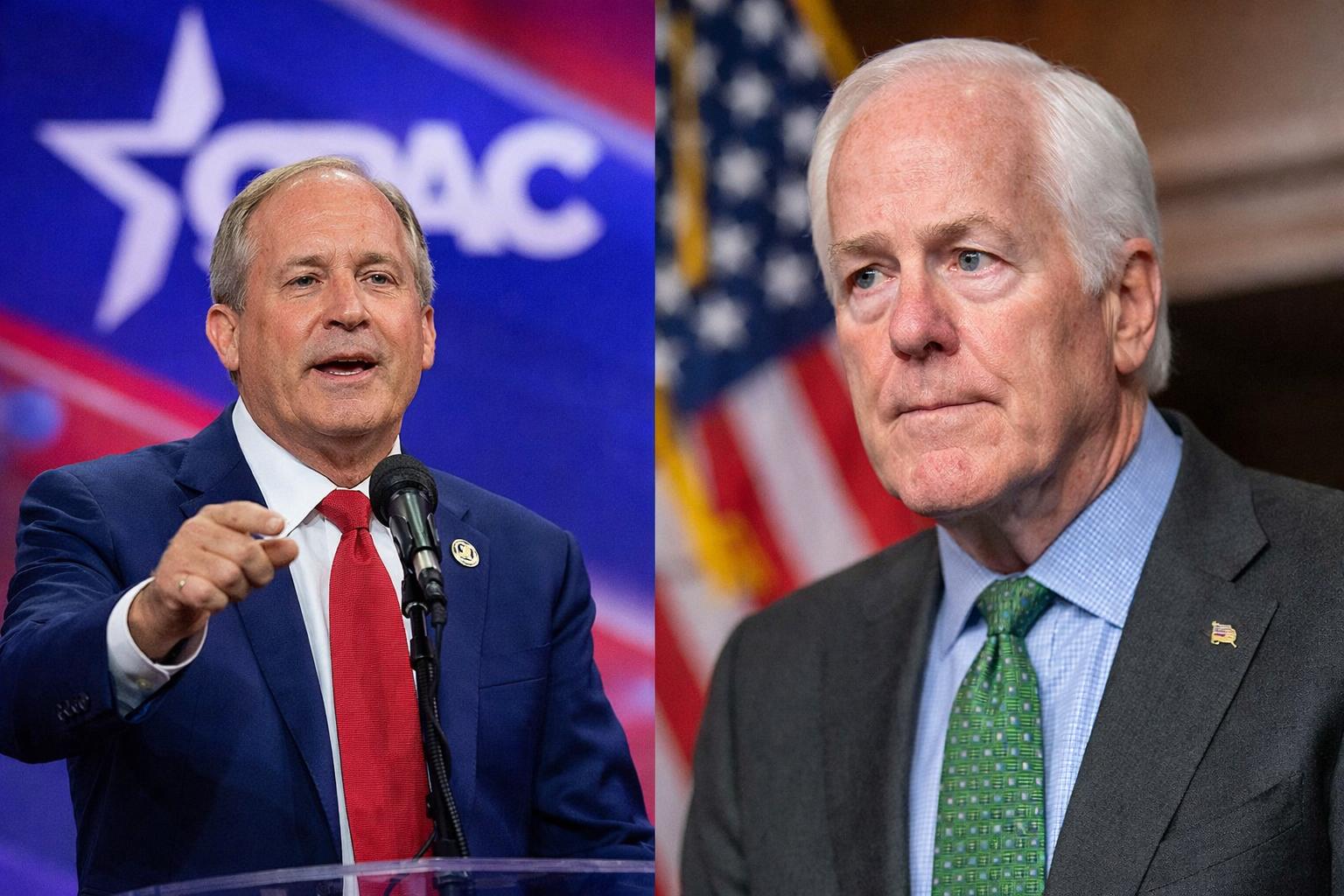
GRAPEVINE, Texas — Texas Attorney General Ken Paxton secured an endorsement from the Conservative Political Action Conference on Saturday, March 28, 2026 (CDT), following strong support during the conference held on Friday, March 27, 2026, strengthening his campaign to unseat incumbent U.S. Senator John Cornyn in an increasingly competitive Republican runoff race. Speaking at the conference, Paxton criticized Cornyn for not attending what he described as one of the largest grassro
Paxton secures CPAC backing in Texas Senate runoff challenge
GRAPEVINE, Texas — Texas Attorney General Ken Paxton secured an endorsement from the Conservative Political Action Conference on Saturday, March 28, 2026 (CDT), following strong support during the conference held on Friday, March 27, 2026, strengthening his campaign to unseat incumbent U.S. Senator John Cornyn in an increasingly competitive Republican runoff race. Speaking at the conference, Paxton criticized Cornyn for not attending what he described as one of the largest grassro
Israeli parliament approves capital punishment law amid global criticism
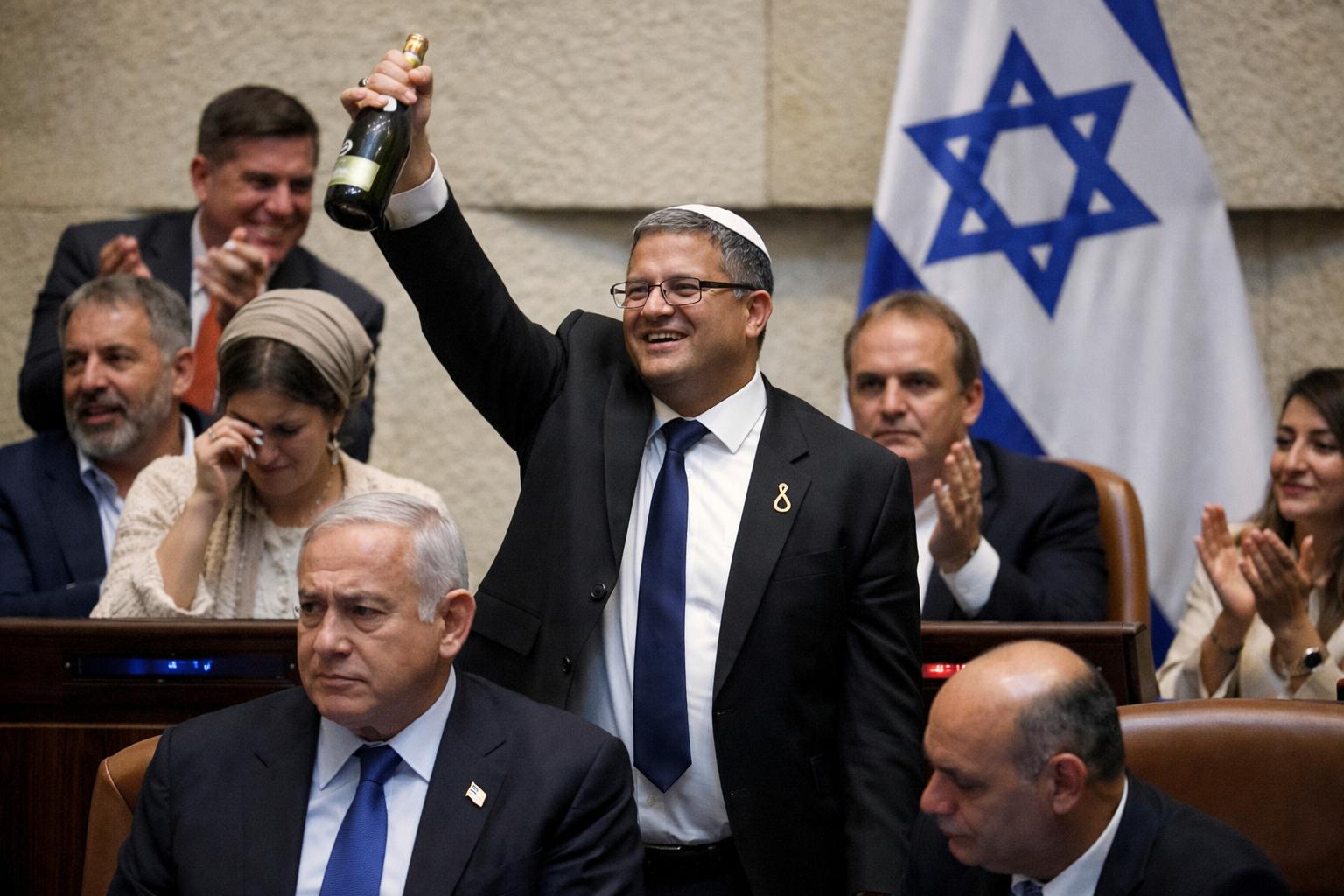
Israel’s parliament approved a controversial law introducing the death penalty for certain Palestinians convicted of killing Israelis during a session held in Jerusalem on Monday, March 30, 2026. The legislation marks a significant shift in Israel’s legal framework for handling security-related offenses and reflects a long-standing push by far-right leaders to impose stricter punishments for attacks described as terrorism. Prime Minister Benjamin Netanyahu attended the vote in person and
Israeli parliament approves capital punishment law amid global criticism
Israel’s parliament approved a controversial law introducing the death penalty for certain Palestinians convicted of killing Israelis during a session held in Jerusalem on Monday, March 30, 2026. The legislation marks a significant shift in Israel’s legal framework for handling security-related offenses and reflects a long-standing push by far-right leaders to impose stricter punishments for attacks described as terrorism. Prime Minister Benjamin Netanyahu attended the vote in person and
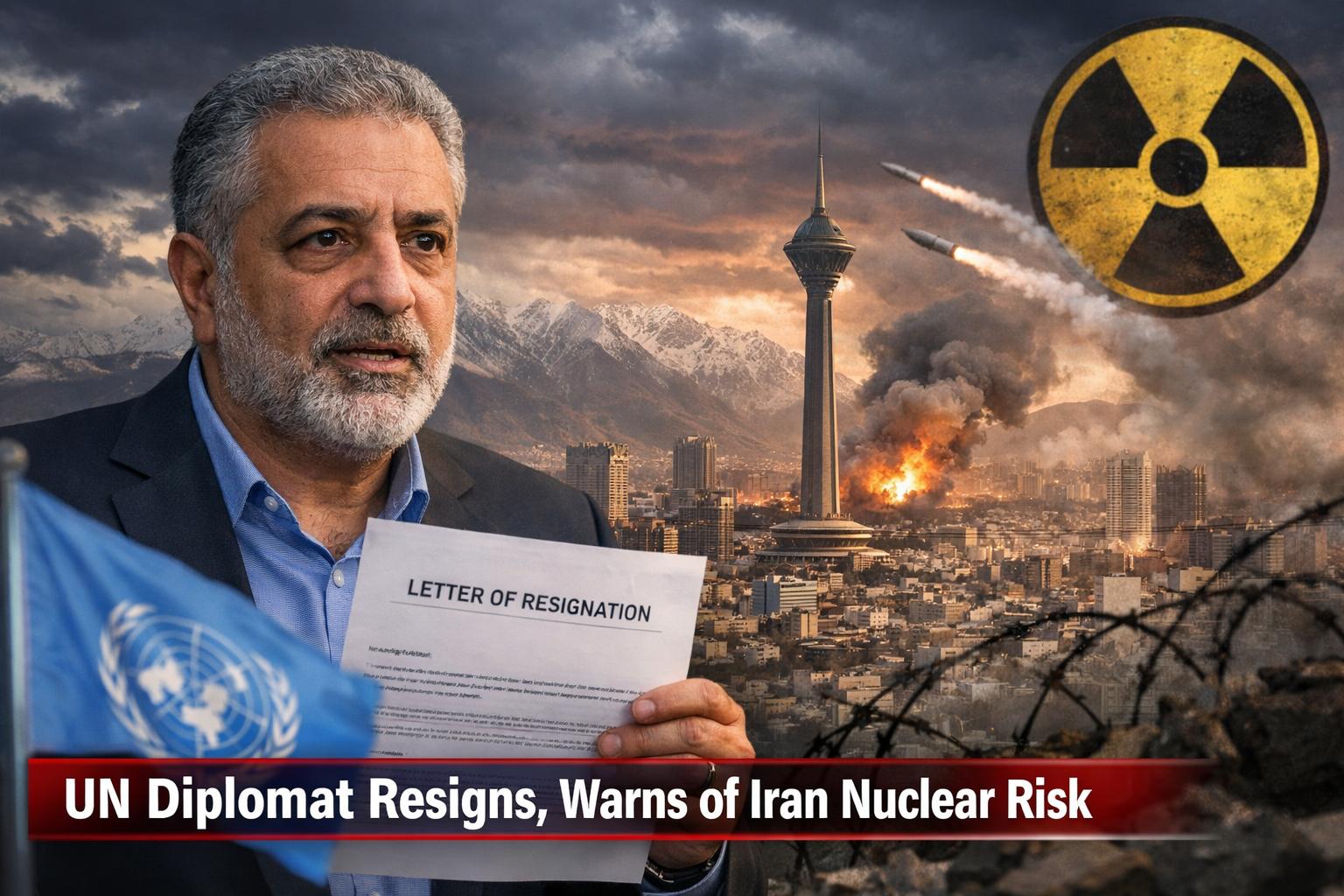
UN diplomat resigns, warns of nuclear risk in Iran tensions
A diplomat associated with the United Nations has resigned, warning of a potential nuclear escalation tied to rising tensions involving Iran. Mohammad Safa announced his decision in a public statement shared on social media, accompanied by a resignation letter outlining his concerns. A timeline of Safa’s resignation has emerged through media reports and his own public statements. His resignation letter is dated March 27, 2026, indicating when the decision was formally made. He later publi
UN diplomat resigns, warns of nuclear risk in Iran tensions
A diplomat associated with the United Nations has resigned, warning of a potential nuclear escalation tied to rising tensions involving Iran. Mohammad Safa announced his decision in a public statement shared on social media, accompanied by a resignation letter outlining his concerns. A timeline of Safa’s resignation has emerged through media reports and his own public statements. His resignation letter is dated March 27, 2026, indicating when the decision was formally made. He later publi
US-Israel-Iran tensions escalate as troop levels rise in Middle East
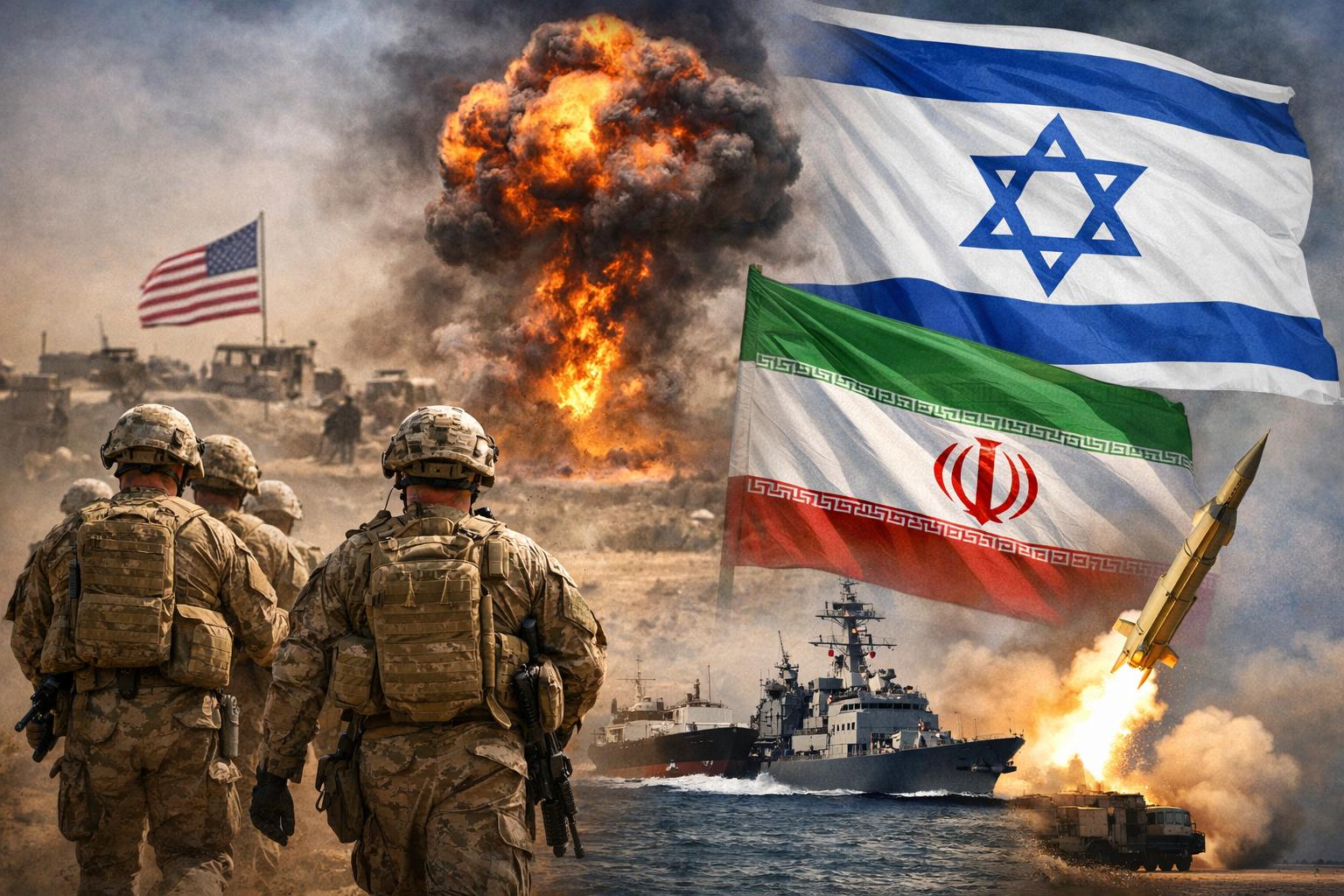
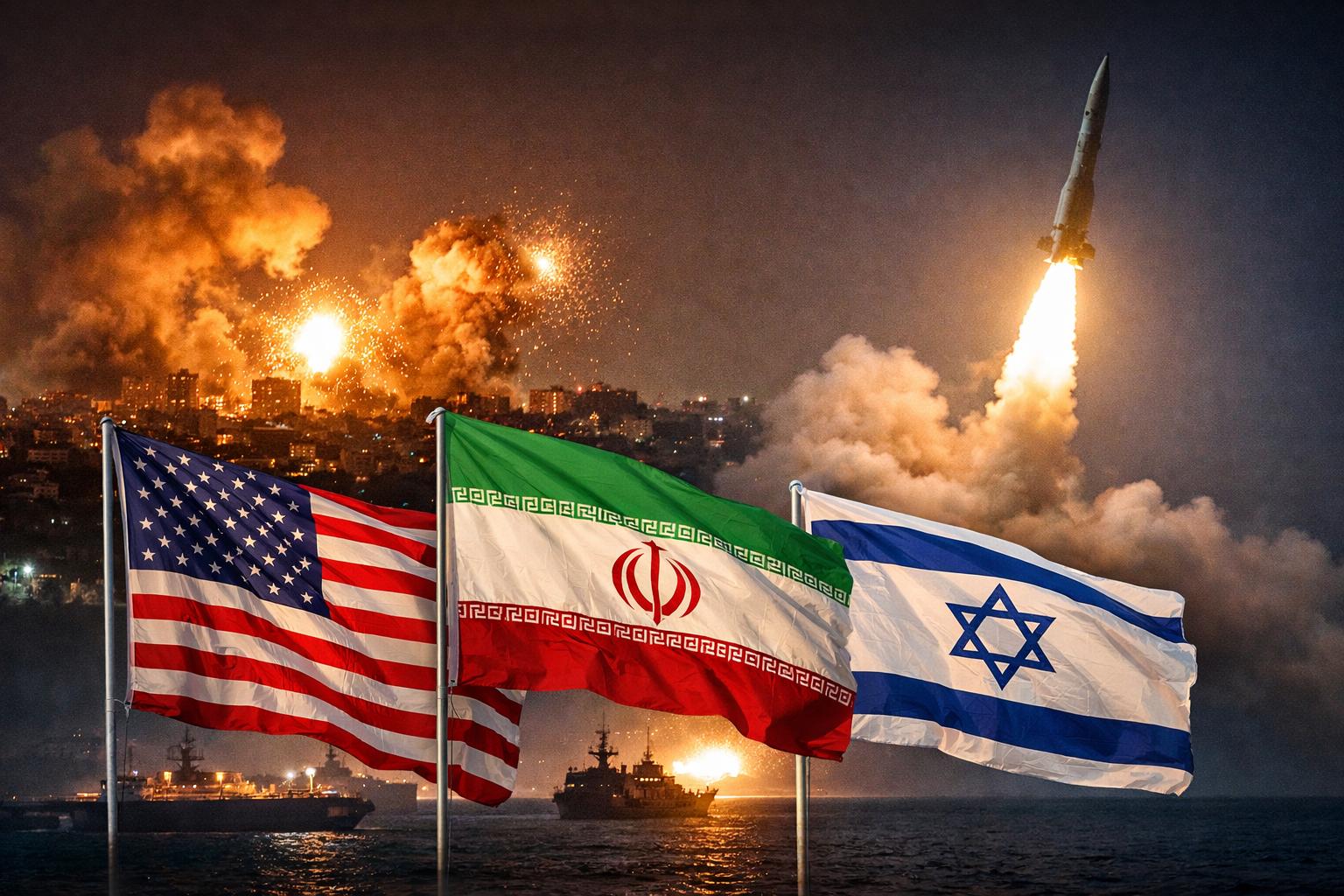
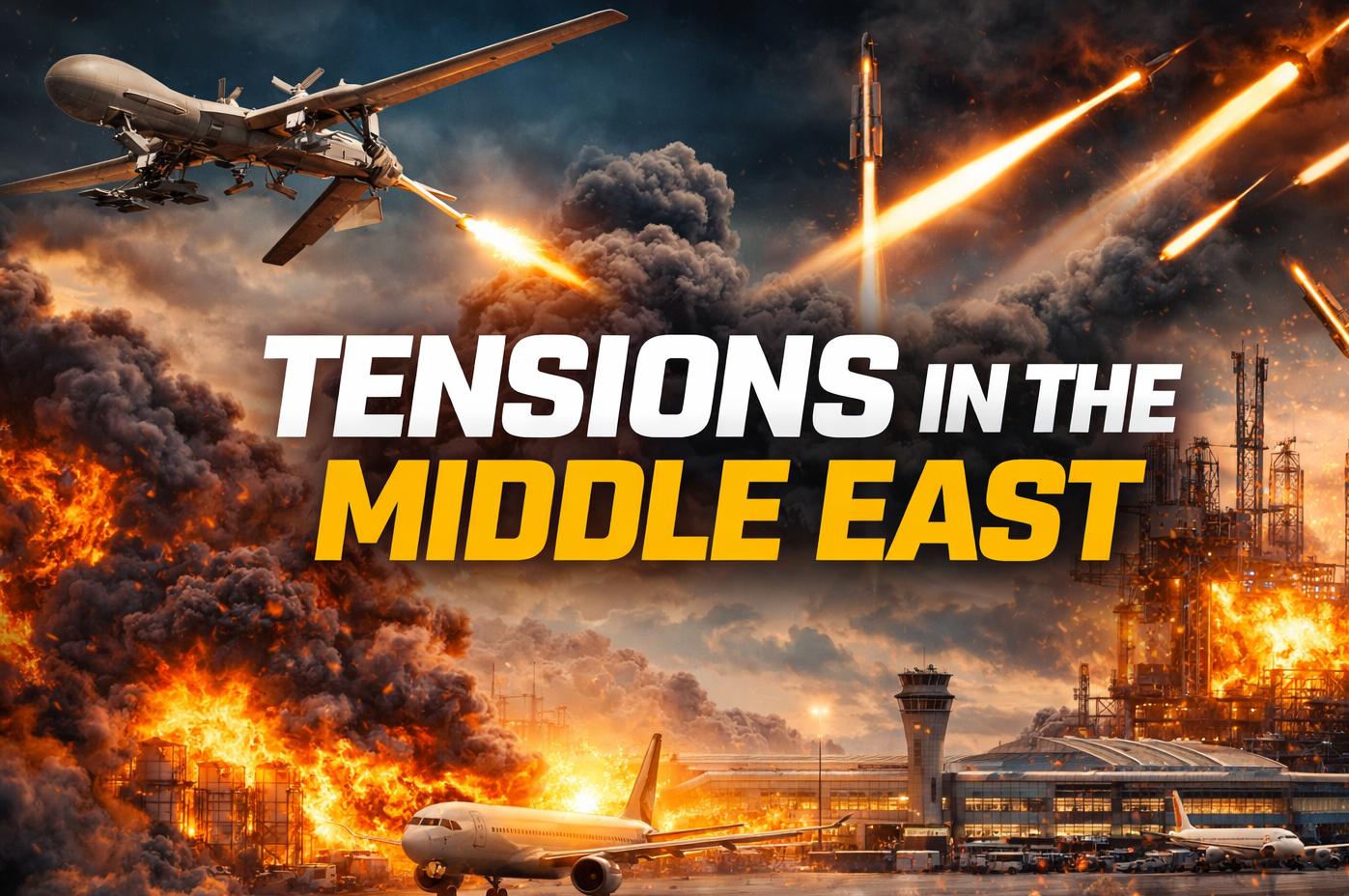
Tensions between the United States, Israel, and Iran are intensifying, with multiple developments across the Middle East signaling a potentially dangerous escalation in the ongoing conflict. The situation has drawn increased global attention as military activity expands and diplomatic efforts continue behind the scenes. Hundreds of US Special Operations forces have recently been deployed to the region, pushing total American troop levels beyond 50,000. The expanded presence reflects growing concerns in Washington over regional stability and the need to safeguard critical maritime routes, including the strategically vital Strait of Hormuz. US officials are also weighing a range of military and strategic options, including potential actions targeting Iran’s nuclear capabilities and energy infrastructure. Amid these developments, discussions have reportedly included the possibility of securing or seizing Iranian oil facilities and enriched uranium assets. At the same time, diplomatic channels remain active, with regional intermediaries attempting to ease tensions and prevent further escalation. Uncertainty surrounding Iran’s leadership has added another layer of complexity. Supreme Leader Mojtaba Khamenei has not appeared publicly in recent days, fueling speculation about his health and control over internal decision-making during a critical period. The conflict is also beginning to extend beyond traditional battle zones. A recent Iranian strike in Kuwait resulted in the death of an Indian worker, underscoring the growing risks to civilians and foreign nationals in the region. Analysts warn that such incidents highlight the vulnerability of critical infrastructure and the potential for unintended consequences as hostilities widen. Security experts caution that the situation remains highly volatile, with the possibility of broader regional fallout if tensions continue to rise. As military posturing increases alongside fragile diplomatic efforts, the coming days are expected to be crucial in determining whether the conflict can be contained or escalates further.
US-Israel-Iran tensions escalate as troop levels rise in Middle East
Tensions between the United States, Israel, and Iran are intensifying, with multiple developments across the Middle East signaling a potentially dangerous escalation in the ongoing conflict. The situation has drawn increased global attention as military activity expands and diplomatic efforts continue behind the scenes. Hundreds of US Special Operations forces have recently been deployed to the region, pushing total American troop levels beyond 50,000. The expanded presence reflects growing concerns in Washington over regional stability and the need to safeguard critical maritime routes, including the strategically vital Strait of Hormuz. US officials are also weighing a range of military and strategic options, including potential actions targeting Iran’s nuclear capabilities and energy infrastructure. Amid these developments, discussions have reportedly included the possibility of securing or seizing Iranian oil facilities and enriched uranium assets. At the same time, diplomatic channels remain active, with regional intermediaries attempting to ease tensions and prevent further escalation. Uncertainty surrounding Iran’s leadership has added another layer of complexity. Supreme Leader Mojtaba Khamenei has not appeared publicly in recent days, fueling speculation about his health and control over internal decision-making during a critical period. The conflict is also beginning to extend beyond traditional battle zones. A recent Iranian strike in Kuwait resulted in the death of an Indian worker, underscoring the growing risks to civilians and foreign nationals in the region. Analysts warn that such incidents highlight the vulnerability of critical infrastructure and the potential for unintended consequences as hostilities widen. Security experts caution that the situation remains highly volatile, with the possibility of broader regional fallout if tensions continue to rise. As military posturing increases alongside fragile diplomatic efforts, the coming days are expected to be crucial in determining whether the conflict can be contained or escalates further.
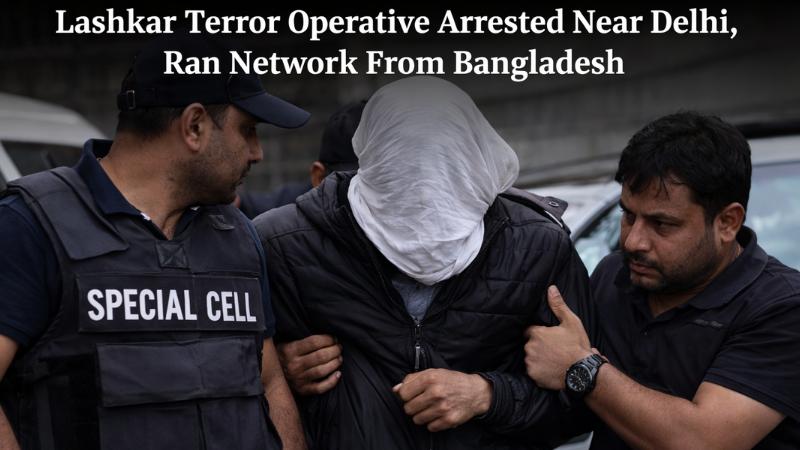
Lashkar Terror Operative Arrested Near Delhi, Ran Network From Bangladesh
A major breakthrough in India’s counter-terror operations has led to the arrest of Shabbir Ahmad Lone, a suspected operative of Lashkar-e-Taiba, near the Delhi border. The arrest was carried out by the Special Cell of
Lashkar Terror Operative Arrested Near Delhi, Ran Network From Bangladesh
A major breakthrough in India’s counter-terror operations has led to the arrest of Shabbir Ahmad Lone, a suspected operative of Lashkar-e-Taiba, near the Delhi border. The arrest was carried out by the Special Cell of
Mexico report finds signs of life for 31% of missing persons, sparks criticism
MEXICO CITY — Mexico’s government announced on Friday, March 28, 2026, that it has identified signs of life for roughly one-third of the country’s 130,000 registered missing persons, a finding that immediately drew criticism from search groups and human rights advocates who questioned the methodology and intent behind the report. According to officials, a review of government databases—including vaccination records, civil registries, and tax filings—revealed that 40,367 individu
Mexico report finds signs of life for 31% of missing persons, sparks criticism
MEXICO CITY — Mexico’s government announced on Friday, March 28, 2026, that it has identified signs of life for roughly one-third of the country’s 130,000 registered missing persons, a finding that immediately drew criticism from search groups and human rights advocates who questioned the methodology and intent behind the report. According to officials, a review of government databases—including vaccination records, civil registries, and tax filings—revealed that 40,367 individu
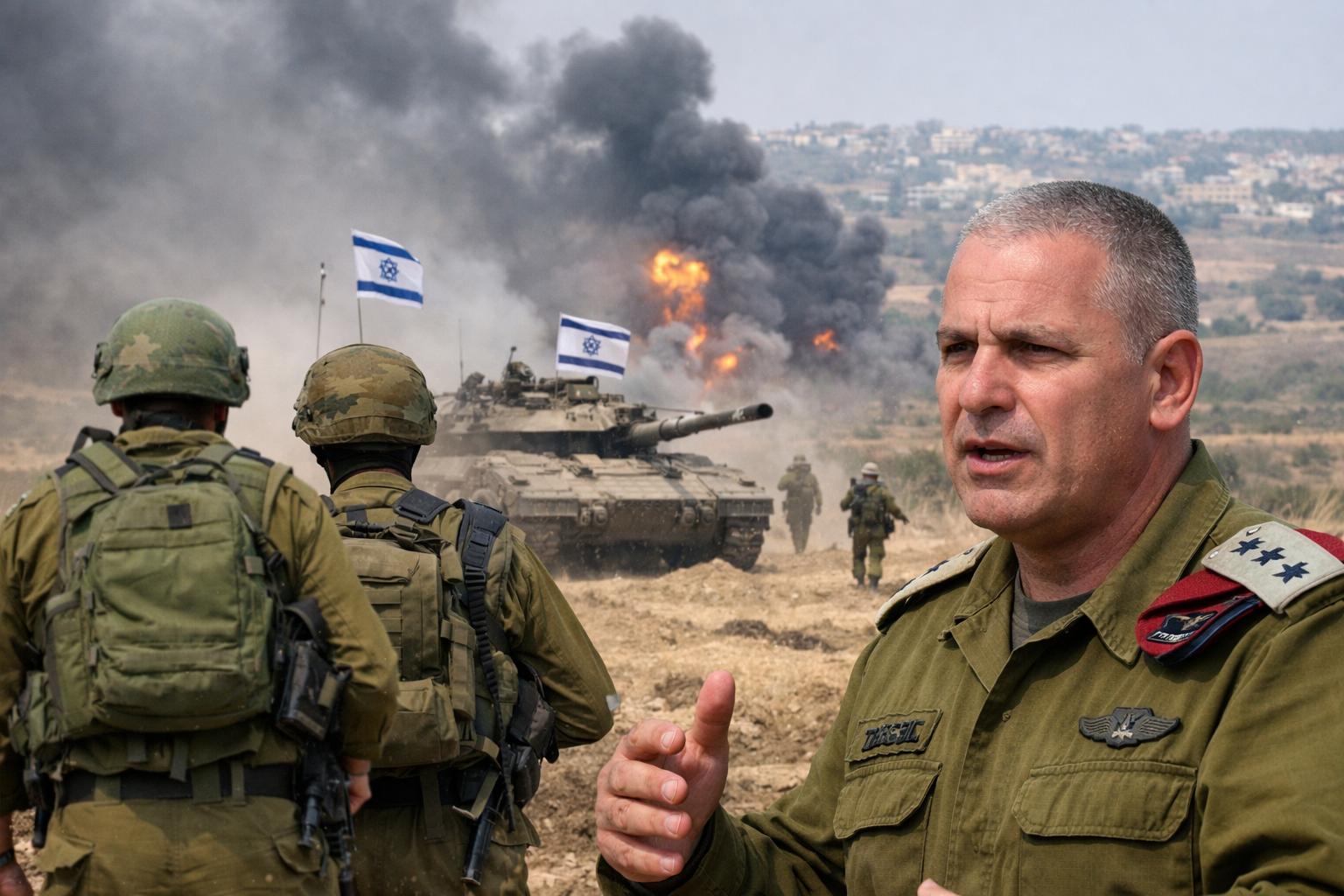
US–Israel–Iran War | IDF warns of troop shortages as Israel’s multi-front war intensifies
Israel’s top military official has issued a stark warning about the country’s operational readiness, citing severe manpower shortages as conflict across multiple fronts continues to intensify. Eyal Zamir, Chief of the General Staff of the Israel Defense Forces, told senior ministers that the military risks “collapsing on itself” if current staffing gaps are not addressed. The warning came
US–Israel–Iran War | IDF warns of troop shortages as Israel’s multi-front war intensifies
Israel’s top military official has issued a stark warning about the country’s operational readiness, citing severe manpower shortages as conflict across multiple fronts continues to intensify. Eyal Zamir, Chief of the General Staff of the Israel Defense Forces, told senior ministers that the military risks “collapsing on itself” if current staffing gaps are not addressed. The warning came
US–Israel–Iran War | Israel confirms strikes on Iran nuclear sites in Yazd and Arak
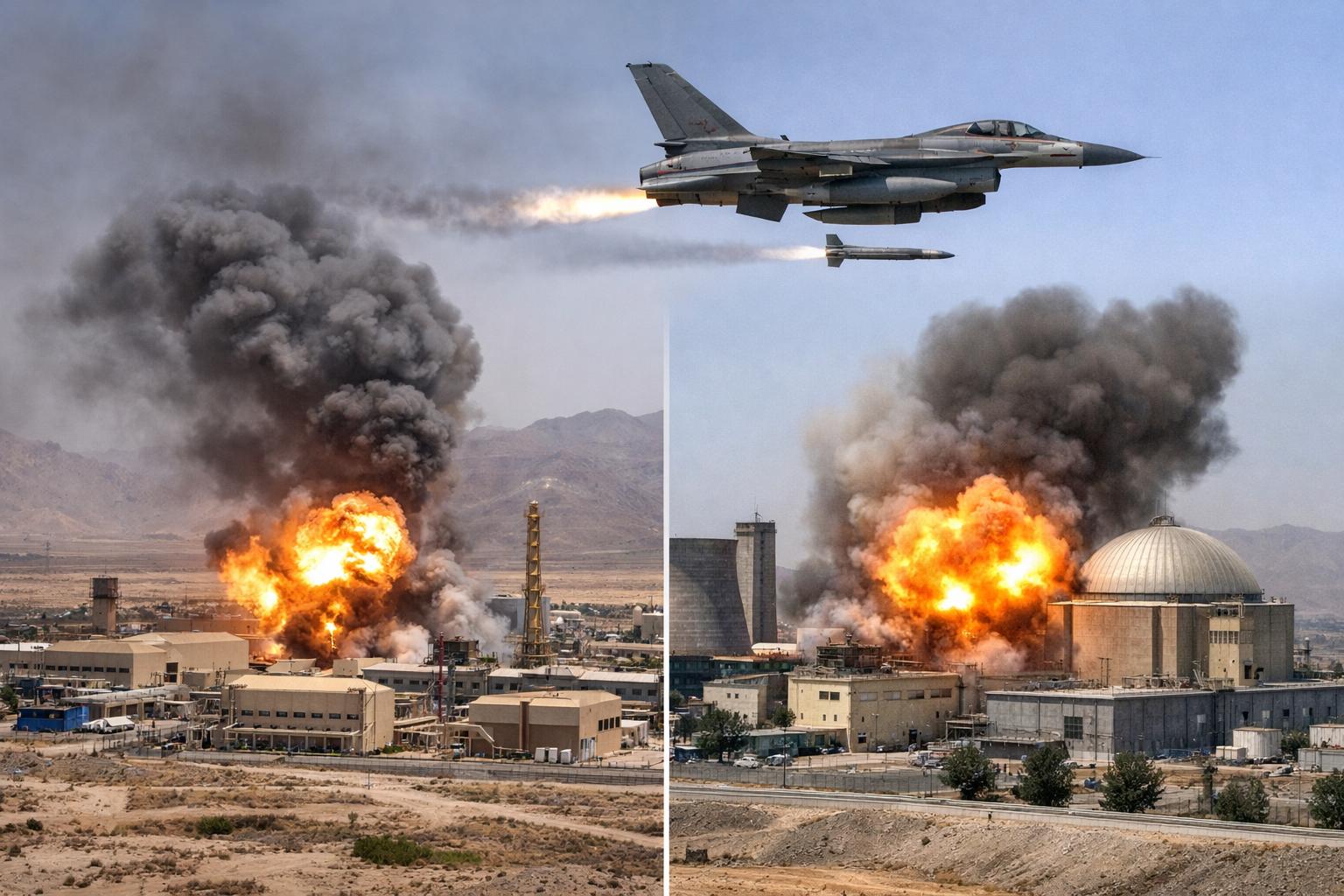
Israel confirmed it carried out coordinated airstrikes on nuclear-related facilities in central Iran on Friday, March 27, 2026, targeting a uranium processing site in Yazd and a heavy water plant in Arak, according to official military statements. The strikes mark a significant escalation in ongoing efforts to disrupt Iran’s nuclear program amid heightened regional tensions. The Israel Defense Forces (IDF) said the operation in Yazd focused on a uranium extraction facility described as cri
US–Israel–Iran War | Israel confirms strikes on Iran nuclear sites in Yazd and Arak
Israel confirmed it carried out coordinated airstrikes on nuclear-related facilities in central Iran on Friday, March 27, 2026, targeting a uranium processing site in Yazd and a heavy water plant in Arak, according to official military statements. The strikes mark a significant escalation in ongoing efforts to disrupt Iran’s nuclear program amid heightened regional tensions. The Israel Defense Forces (IDF) said the operation in Yazd focused on a uranium extraction facility described as cri
G7 urges halt to civilian attacks in Iran war, vows Hormuz security
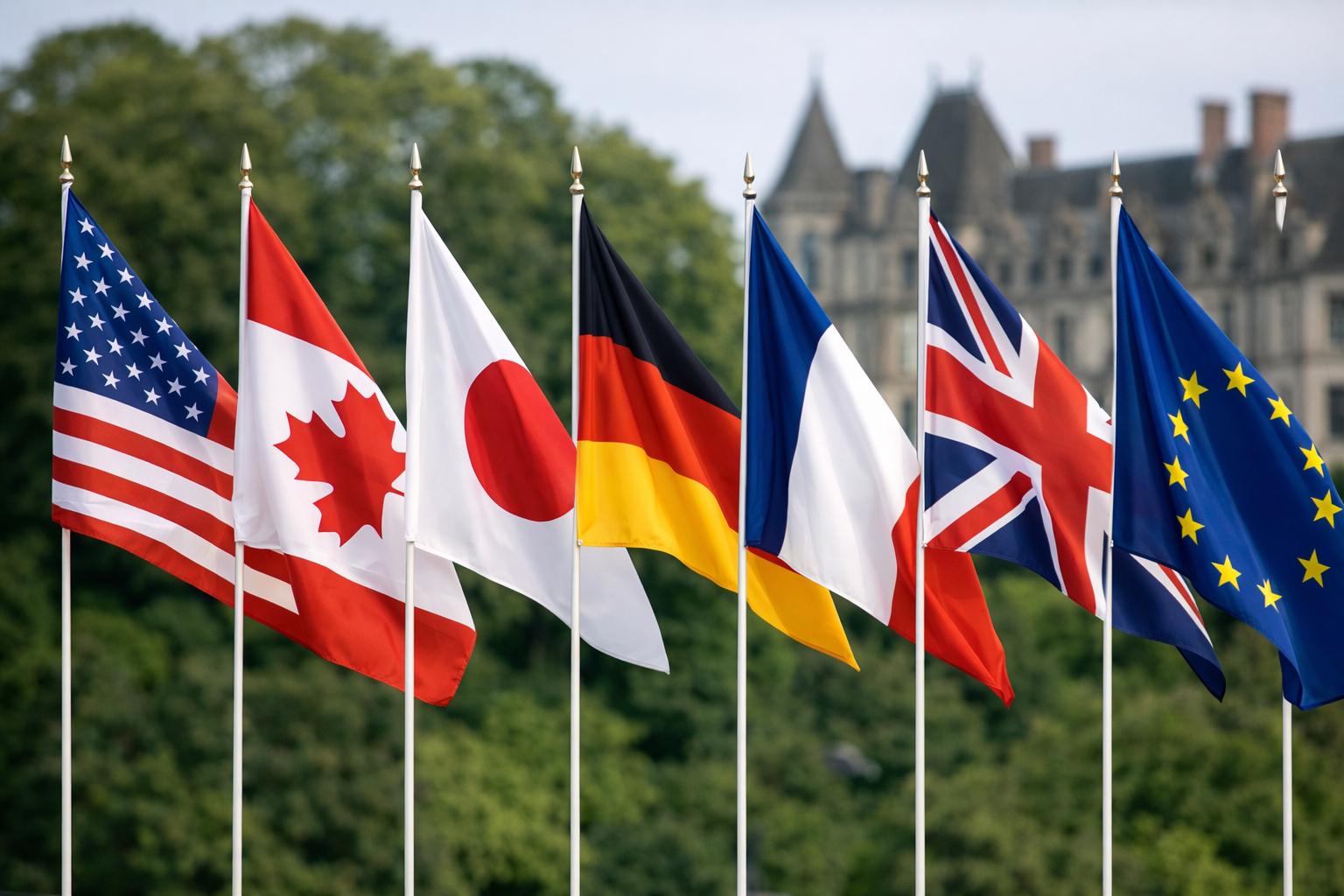
Foreign ministers from the Group of Seven (G7) nations on March 28, 2026, called for an immediate halt to attacks targeting civilians and critical infrastructure in the ongoing Iran war, emphasizing the urgent need to reduce humanitarian and economic fallout. The appeal came in a joint statement issued during a high-level meeting in France, where leaders highlighted growing concerns over civilian safety and regional stability. The ministers stressed that protecting civilian populations remains a top priority, noting that continued attacks on infrastructure and non-combatants risk deepening the crisis. They underscored the importance of coordinated international efforts to limit the conflict’s broader consequences, including disruptions to global supply chains, energy markets, and economic stability that could directly affect citizens worldwide. French Foreign Minister Jean-Noël Barrot said the G7 remains firmly committed to minimizing the war’s impact, reiterating that no justification exists for targeting civilians. He emphasized that safeguarding human life must remain central to any military or political response, as tensions continue to escalate in the region. A key focus of the discussions was the Strait of Hormuz, a strategic maritime route critical to global energy supplies. The G7 ministers called for the restoration of safe and unrestricted navigation through the passage, warning that instability in the corridor could significantly disrupt international oil and trade flows. U.S. Secretary of State Marco Rubio is expected to coordinate closely with European counterparts, including briefing the European Union’s Council of Foreign Affairs, as part of ongoing diplomatic efforts to ease tensions and address the standoff in the region. Separately, European Union energy ministers are set to convene an emergency virtual meeting to assess the conflict’s impact on energy security across Europe. The meeting, organized under Cyprus’ rotating EU presidency, will focus on safeguarding supply stability amid rising uncertainty linked to the Iran war.
G7 urges halt to civilian attacks in Iran war, vows Hormuz security
Foreign ministers from the Group of Seven (G7) nations on March 28, 2026, called for an immediate halt to attacks targeting civilians and critical infrastructure in the ongoing Iran war, emphasizing the urgent need to reduce humanitarian and economic fallout. The appeal came in a joint statement issued during a high-level meeting in France, where leaders highlighted growing concerns over civilian safety and regional stability. The ministers stressed that protecting civilian populations remains a top priority, noting that continued attacks on infrastructure and non-combatants risk deepening the crisis. They underscored the importance of coordinated international efforts to limit the conflict’s broader consequences, including disruptions to global supply chains, energy markets, and economic stability that could directly affect citizens worldwide. French Foreign Minister Jean-Noël Barrot said the G7 remains firmly committed to minimizing the war’s impact, reiterating that no justification exists for targeting civilians. He emphasized that safeguarding human life must remain central to any military or political response, as tensions continue to escalate in the region. A key focus of the discussions was the Strait of Hormuz, a strategic maritime route critical to global energy supplies. The G7 ministers called for the restoration of safe and unrestricted navigation through the passage, warning that instability in the corridor could significantly disrupt international oil and trade flows. U.S. Secretary of State Marco Rubio is expected to coordinate closely with European counterparts, including briefing the European Union’s Council of Foreign Affairs, as part of ongoing diplomatic efforts to ease tensions and address the standoff in the region. Separately, European Union energy ministers are set to convene an emergency virtual meeting to assess the conflict’s impact on energy security across Europe. The meeting, organized under Cyprus’ rotating EU presidency, will focus on safeguarding supply stability amid rising uncertainty linked to the Iran war.
US warns Iran amid escalating West Asia conflict and rising regional tensions
Washington: Tensions across West Asia have escalated sharply, with the United States issuing a strong warning to Iran to accept defeat or face significantly intensified military consequences. US officials indicated that further retaliation from Tehran could trigger a broader response, signaling a potential widening of the conflict. Iran, however, has dismissed the possibility of negotiations, reaffirming its intent to continue retaliatory strikes amid ongoing hostilities. Military exchang
US warns Iran amid escalating West Asia conflict and rising regional tensions
Washington: Tensions across West Asia have escalated sharply, with the United States issuing a strong warning to Iran to accept defeat or face significantly intensified military consequences. US officials indicated that further retaliation from Tehran could trigger a broader response, signaling a potential widening of the conflict. Iran, however, has dismissed the possibility of negotiations, reaffirming its intent to continue retaliatory strikes amid ongoing hostilities. Military exchang
Argentina Comes to India's Aid Amid LPG Shortage, Strengthening Energy Ties
As India faces a severe liquefied petroleum gas (LPG) shortage due to the disruption of maritime traffic through the Strait of Hormuz, which affects nearly 60% of the country’s LPG imports, Argentina has stepped in to provide vital support. The South American country, previously not a key supplier to India, has rapidly become a crucial energy partner, delivering over 50,000 tonnes of LPG in the first quarter of 2026 alone—more than double the amount it shipped in all of 2025. Th
Argentina Comes to India's Aid Amid LPG Shortage, Strengthening Energy Ties
As India faces a severe liquefied petroleum gas (LPG) shortage due to the disruption of maritime traffic through the Strait of Hormuz, which affects nearly 60% of the country’s LPG imports, Argentina has stepped in to provide vital support. The South American country, previously not a key supplier to India, has rapidly become a crucial energy partner, delivering over 50,000 tonnes of LPG in the first quarter of 2026 alone—more than double the amount it shipped in all of 2025. Th
Dallas police receive major funding boost for 2026 World Cup security
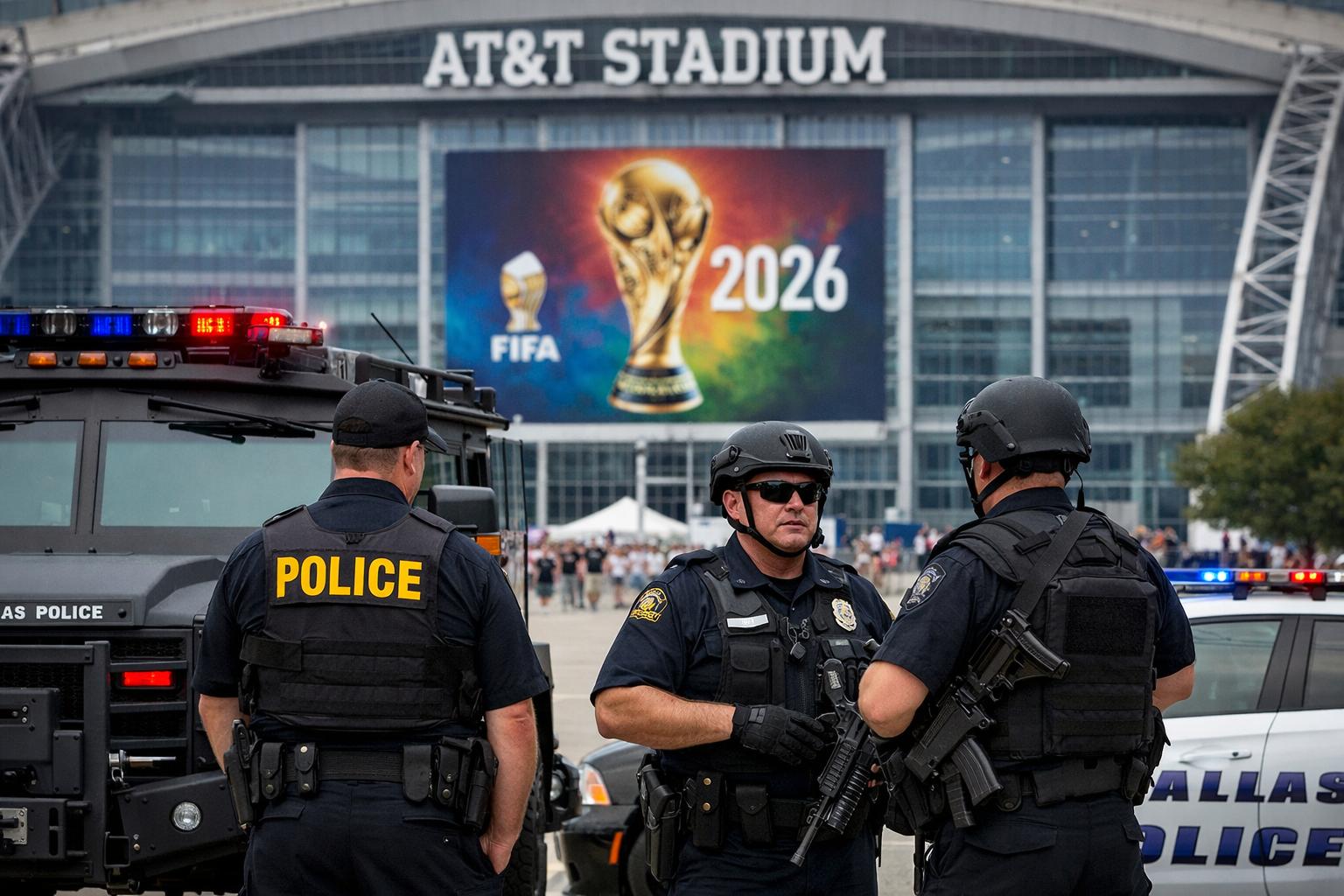
The Dallas Police Department is preparing for a significant surge in international visitors as the city gears up to host multiple matches during the 2026 FIFA World Cup, supported by a substantial increase in federal funding aimed at strengthening security operations. City officials confirmed that Dallas has been awarded $51.5 million in federal assistance, with a large portion allocated directly to policing and safety measures. Police Chief David Comeaux said the department will re
Dallas police receive major funding boost for 2026 World Cup security
The Dallas Police Department is preparing for a significant surge in international visitors as the city gears up to host multiple matches during the 2026 FIFA World Cup, supported by a substantial increase in federal funding aimed at strengthening security operations. City officials confirmed that Dallas has been awarded $51.5 million in federal assistance, with a large portion allocated directly to policing and safety measures. Police Chief David Comeaux said the department will re
India rejects mediation role amid US-Iran tensions, Jaishankar clarifies stance
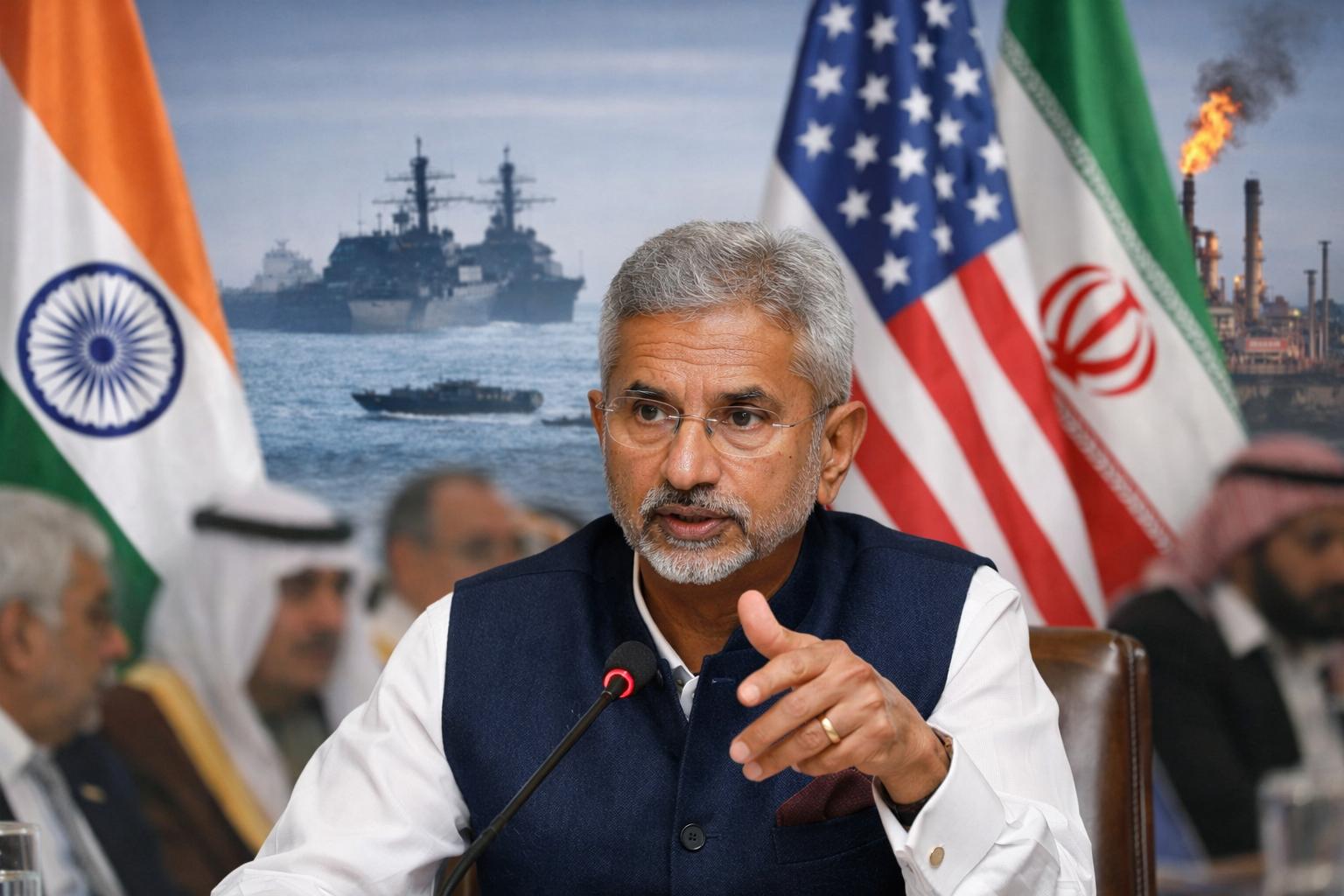
India has firmly ruled out any role as a mediator in the ongoing tensions between the United States and Iran, with External Affairs Minister S Jaishankar stating that New Delhi does not engage in diplomatic brokerage. His remarks came during an all-party meeting convened to brief political leaders on the government’s approach to the escalating West Asia crisis and its implications for India’s strategic interests. Addressing concerns raised by opposition leaders, Jaishankar clarified that India’s foreign policy is guided by its national priorities rather than intermediary roles. He noted that attempts by countries such as Pakistan to position themselves as mediators are not new, adding that such efforts have historically aligned with external interests. Government sources emphasized that India has been actively responding to developments in the region and rejected claims that it has remained silent. The meeting also focused on India’s preparedness in ensuring energy security and safeguarding its citizens in the Gulf region. Officials highlighted that maintaining stable crude oil supplies remains a key priority, particularly as tensions threaten critical shipping routes such as the Strait of Hormuz. The government informed leaders that advance procurement measures have been taken and that India is currently sourcing oil and gas from a diversified network of 41 countries to mitigate risks. Participants were also briefed on maritime developments, including the safe passage of several India-bound vessels carrying petroleum products through the Strait of Hormuz, while others remain in the vicinity awaiting clearance. The government described these developments as a reflection of effective coordination and diplomatic engagement. On diplomatic outreach, the government reiterated that India maintains balanced relations with all major stakeholders in the region, including the United States, Iran, and Israel. It also underscored steps taken to convey condolences following recent developments in Iran, indicating continued engagement at the diplomatic level. Despite these assurances, opposition leaders expressed dissatisfaction with the government’s responses and called for a detailed discussion in Parliament. The government, however, maintained that the situation is under control and there is no immediate cause for concern, reiterating its commitment to protecting national interests amid evolving geopolitical challenges.
India rejects mediation role amid US-Iran tensions, Jaishankar clarifies stance
India has firmly ruled out any role as a mediator in the ongoing tensions between the United States and Iran, with External Affairs Minister S Jaishankar stating that New Delhi does not engage in diplomatic brokerage. His remarks came during an all-party meeting convened to brief political leaders on the government’s approach to the escalating West Asia crisis and its implications for India’s strategic interests. Addressing concerns raised by opposition leaders, Jaishankar clarified that India’s foreign policy is guided by its national priorities rather than intermediary roles. He noted that attempts by countries such as Pakistan to position themselves as mediators are not new, adding that such efforts have historically aligned with external interests. Government sources emphasized that India has been actively responding to developments in the region and rejected claims that it has remained silent. The meeting also focused on India’s preparedness in ensuring energy security and safeguarding its citizens in the Gulf region. Officials highlighted that maintaining stable crude oil supplies remains a key priority, particularly as tensions threaten critical shipping routes such as the Strait of Hormuz. The government informed leaders that advance procurement measures have been taken and that India is currently sourcing oil and gas from a diversified network of 41 countries to mitigate risks. Participants were also briefed on maritime developments, including the safe passage of several India-bound vessels carrying petroleum products through the Strait of Hormuz, while others remain in the vicinity awaiting clearance. The government described these developments as a reflection of effective coordination and diplomatic engagement. On diplomatic outreach, the government reiterated that India maintains balanced relations with all major stakeholders in the region, including the United States, Iran, and Israel. It also underscored steps taken to convey condolences following recent developments in Iran, indicating continued engagement at the diplomatic level. Despite these assurances, opposition leaders expressed dissatisfaction with the government’s responses and called for a detailed discussion in Parliament. The government, however, maintained that the situation is under control and there is no immediate cause for concern, reiterating its commitment to protecting national interests amid evolving geopolitical challenges.
US–Israel–Iran War |Trump says Iran agrees to never develop nuclear weapons amid ongoing conflict
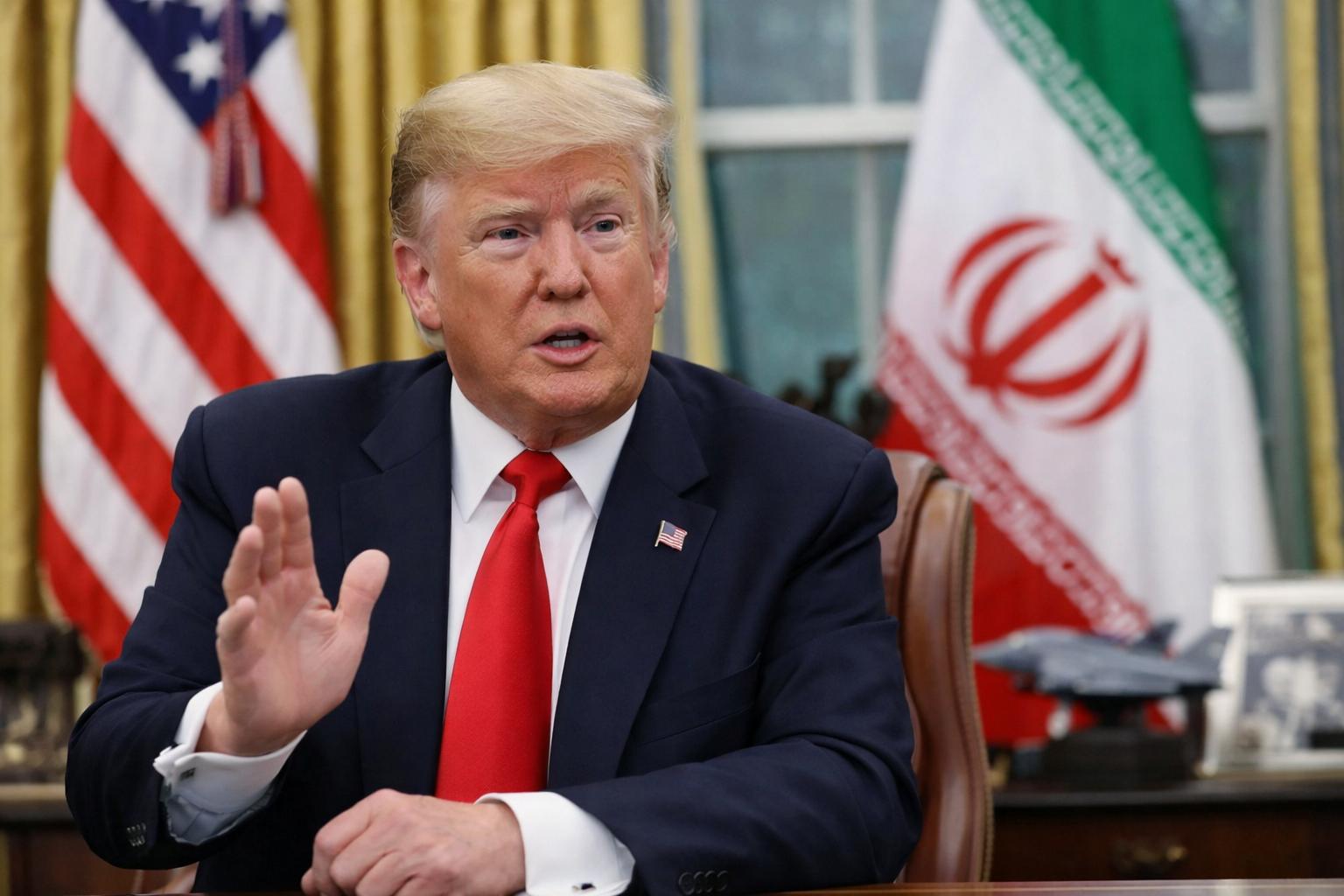
US President Donald Trump has stated that Iran has agreed to never develop nuclear weapons, describing the development as a sign of progress in ongoing diplomatic engagement between the two countries. His remarks come at a time when tensions in the Middle East remain high, with regional conflict continuing to shape the broader geopolitical landscape. Speaking to reporters at the Oval Office, Trump adopted an optimistic tone, indicating that backchannel communicati
US–Israel–Iran War |Trump says Iran agrees to never develop nuclear weapons amid ongoing conflict
US President Donald Trump has stated that Iran has agreed to never develop nuclear weapons, describing the development as a sign of progress in ongoing diplomatic engagement between the two countries. His remarks come at a time when tensions in the Middle East remain high, with regional conflict continuing to shape the broader geopolitical landscape. Speaking to reporters at the Oval Office, Trump adopted an optimistic tone, indicating that backchannel communicati
Rising Tensions: Kuwait, Bahrain, Saudi Arabia, UAE Targeted by Drones and Missiles
Tensions in the Middle East are escalating as multiple nations, including Kuwait, Bahrain, Saudi Arabia, and the UAE, face a series of drone and missile attacks. At Kuwait International Airport, a fuel tank was targeted, sparking a fire, but no casualties were reported. Bahrain also suffered a fire at a company facility due to missile strikes, allegedly launched by Iran. Kuwait’s military and other regional air defense systems have been actively intercepting these threats, with explosion so
Rising Tensions: Kuwait, Bahrain, Saudi Arabia, UAE Targeted by Drones and Missiles
Tensions in the Middle East are escalating as multiple nations, including Kuwait, Bahrain, Saudi Arabia, and the UAE, face a series of drone and missile attacks. At Kuwait International Airport, a fuel tank was targeted, sparking a fire, but no casualties were reported. Bahrain also suffered a fire at a company facility due to missile strikes, allegedly launched by Iran. Kuwait’s military and other regional air defense systems have been actively intercepting these threats, with explosion so
US–Israel–Iran War | Iran alleges strike near Bushehr nuclear plant amid rising tensions
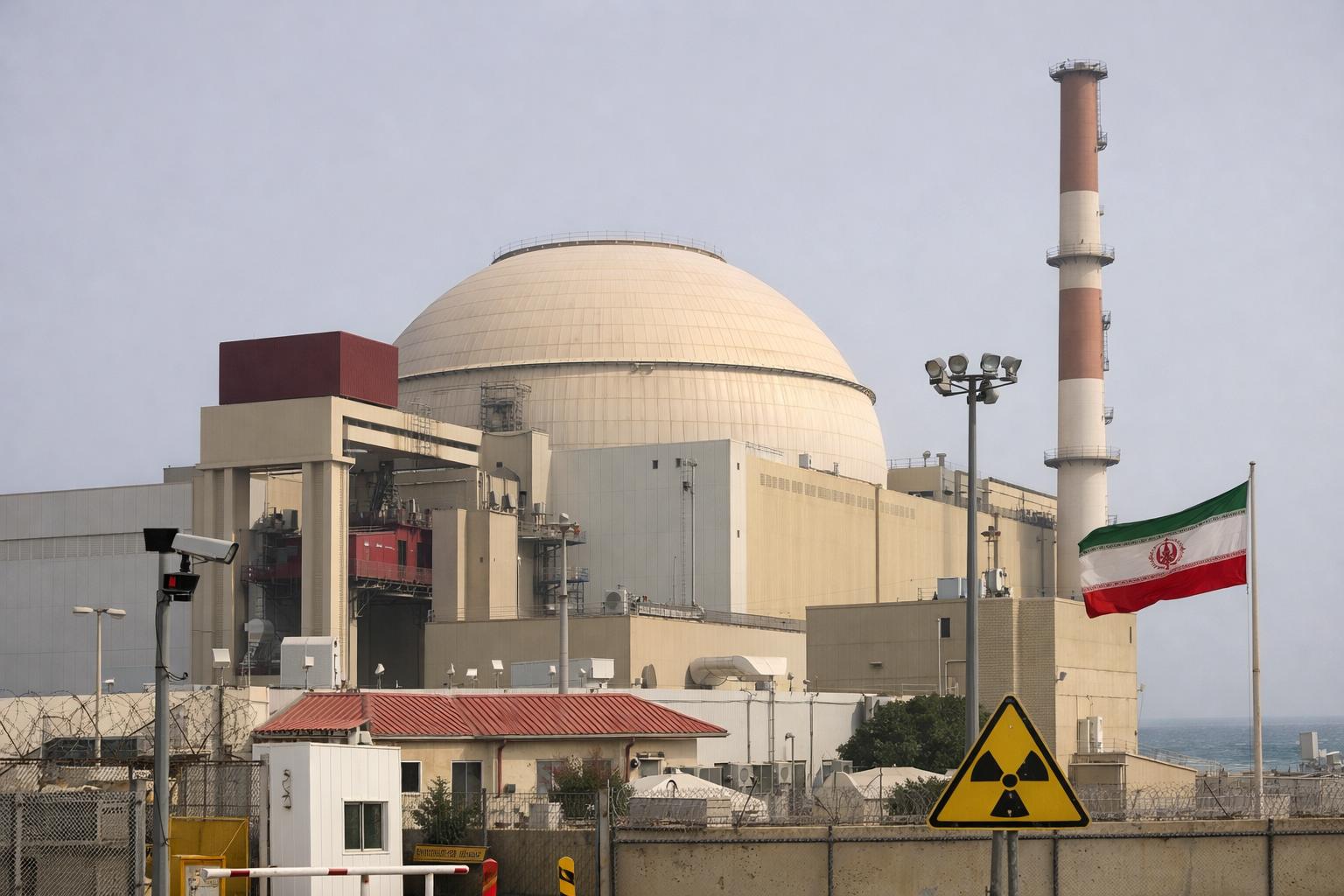
Iran’s Atomic Energy Organization on Tuesday reported that a projectile struck within the perimeter of the Bushehr nuclear power plant, alleging that the attack was carried out by the United States and Israel. In an official statement, the agency described the incident as part of continued aggression by what it termed the “American-Zionist enemy.” Authorities said the projectile landed inside the facility’s enclosure but confirmed that initial assessments found no financial losses, techn
US–Israel–Iran War | Iran alleges strike near Bushehr nuclear plant amid rising tensions
Iran’s Atomic Energy Organization on Tuesday reported that a projectile struck within the perimeter of the Bushehr nuclear power plant, alleging that the attack was carried out by the United States and Israel. In an official statement, the agency described the incident as part of continued aggression by what it termed the “American-Zionist enemy.” Authorities said the projectile landed inside the facility’s enclosure but confirmed that initial assessments found no financial losses, techn
Pentagon plans 82nd Airborne deployment amid rising Iran tensions
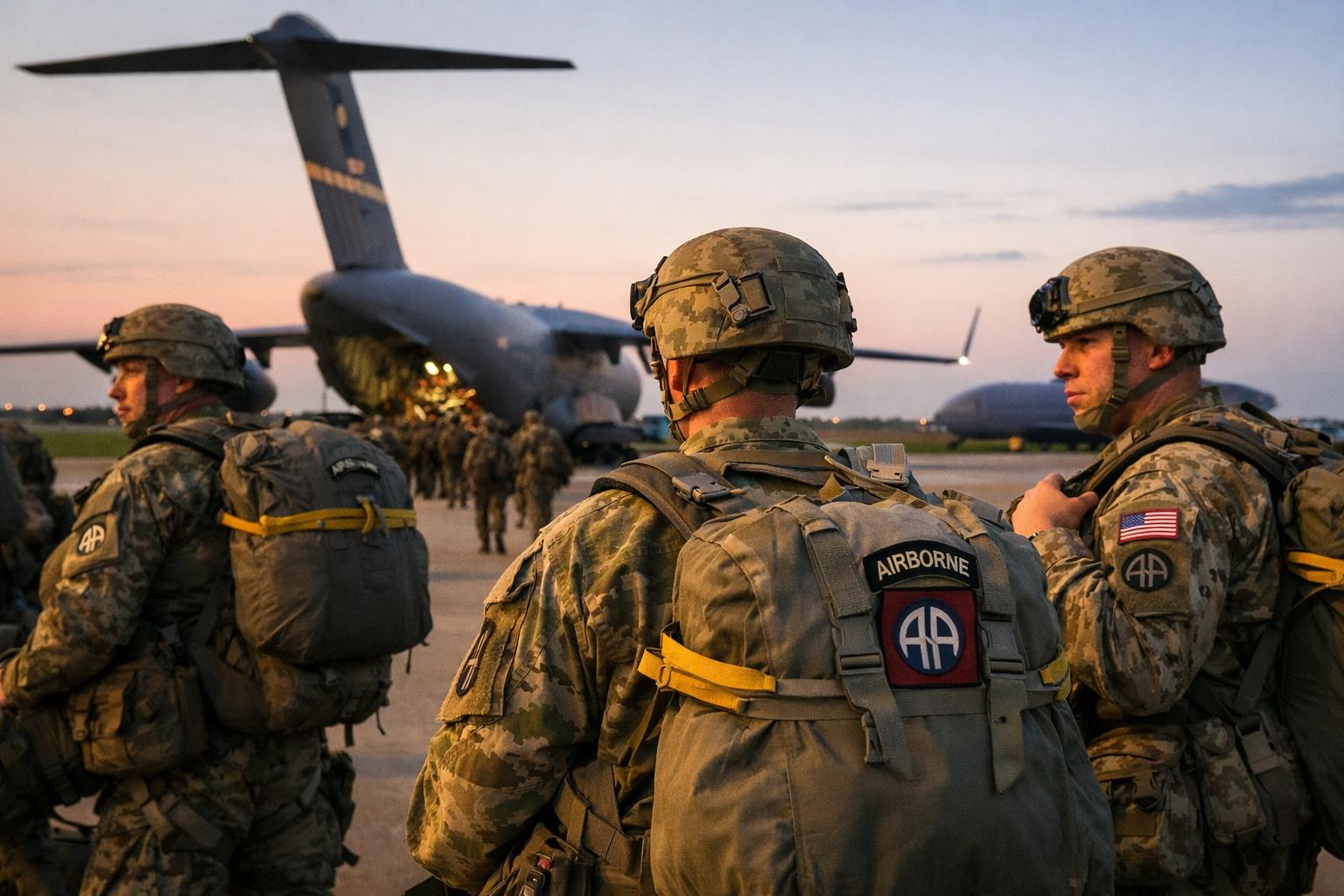
The Pentagon is preparing to deploy approximately 3,000 troops from the 82nd Airborne Division as part of Operation Epic Fury, according to officials familiar with the matter. A formal deployment order is expected to be issued shortly, outlining potential military options without confirming any immediate decision to send ground forces into Iran. The move reflects heightened vigilance within the United States military as tensions in the Middle East continue to evolve. Officials indicated that the planned deployment would include a combat brigade along with its headquarters unit, both of which are integral to rapid-response operations. The 82nd Airborne Division, based at Fort Bragg, is recognized for its ability to mobilize forces quickly, with a capability to deploy thousands of troops globally within 18 hours. The division has previously demonstrated even faster mobilization timelines, underscoring its strategic importance in crisis situations. The development follows the recent cancellation of a major training exercise involving the unit, a decision that had already sparked speculation about a possible redeployment to the Middle East. While authorities have emphasized that diplomatic channels with Tehran remain open, the preparation of troops signals growing concern in Washington over the trajectory of regional tensions. If executed, the deployment would mark a notable shift in US military posture, strengthening both deterrence and operational readiness in the region. The 82nd Airborne Division is trained to handle a wide range of missions, including securing critical infrastructure such as airfields, reinforcing US diplomatic facilities, and supporting emergency evacuations when necessary. Its headquarters unit plays a central role in planning and coordinating these complex operations. The potential move highlights the balance the administration is attempting to maintain between diplomatic engagement and military preparedness. While no final decision on ground operations has been announced, the readiness of rapid response forces suggests that the United States is positioning itself to respond swiftly to any escalation.
Pentagon plans 82nd Airborne deployment amid rising Iran tensions
The Pentagon is preparing to deploy approximately 3,000 troops from the 82nd Airborne Division as part of Operation Epic Fury, according to officials familiar with the matter. A formal deployment order is expected to be issued shortly, outlining potential military options without confirming any immediate decision to send ground forces into Iran. The move reflects heightened vigilance within the United States military as tensions in the Middle East continue to evolve. Officials indicated that the planned deployment would include a combat brigade along with its headquarters unit, both of which are integral to rapid-response operations. The 82nd Airborne Division, based at Fort Bragg, is recognized for its ability to mobilize forces quickly, with a capability to deploy thousands of troops globally within 18 hours. The division has previously demonstrated even faster mobilization timelines, underscoring its strategic importance in crisis situations. The development follows the recent cancellation of a major training exercise involving the unit, a decision that had already sparked speculation about a possible redeployment to the Middle East. While authorities have emphasized that diplomatic channels with Tehran remain open, the preparation of troops signals growing concern in Washington over the trajectory of regional tensions. If executed, the deployment would mark a notable shift in US military posture, strengthening both deterrence and operational readiness in the region. The 82nd Airborne Division is trained to handle a wide range of missions, including securing critical infrastructure such as airfields, reinforcing US diplomatic facilities, and supporting emergency evacuations when necessary. Its headquarters unit plays a central role in planning and coordinating these complex operations. The potential move highlights the balance the administration is attempting to maintain between diplomatic engagement and military preparedness. While no final decision on ground operations has been announced, the readiness of rapid response forces suggests that the United States is positioning itself to respond swiftly to any escalation.
LaGuardia crash and Texas refinery blast on March 23 raise safety concerns
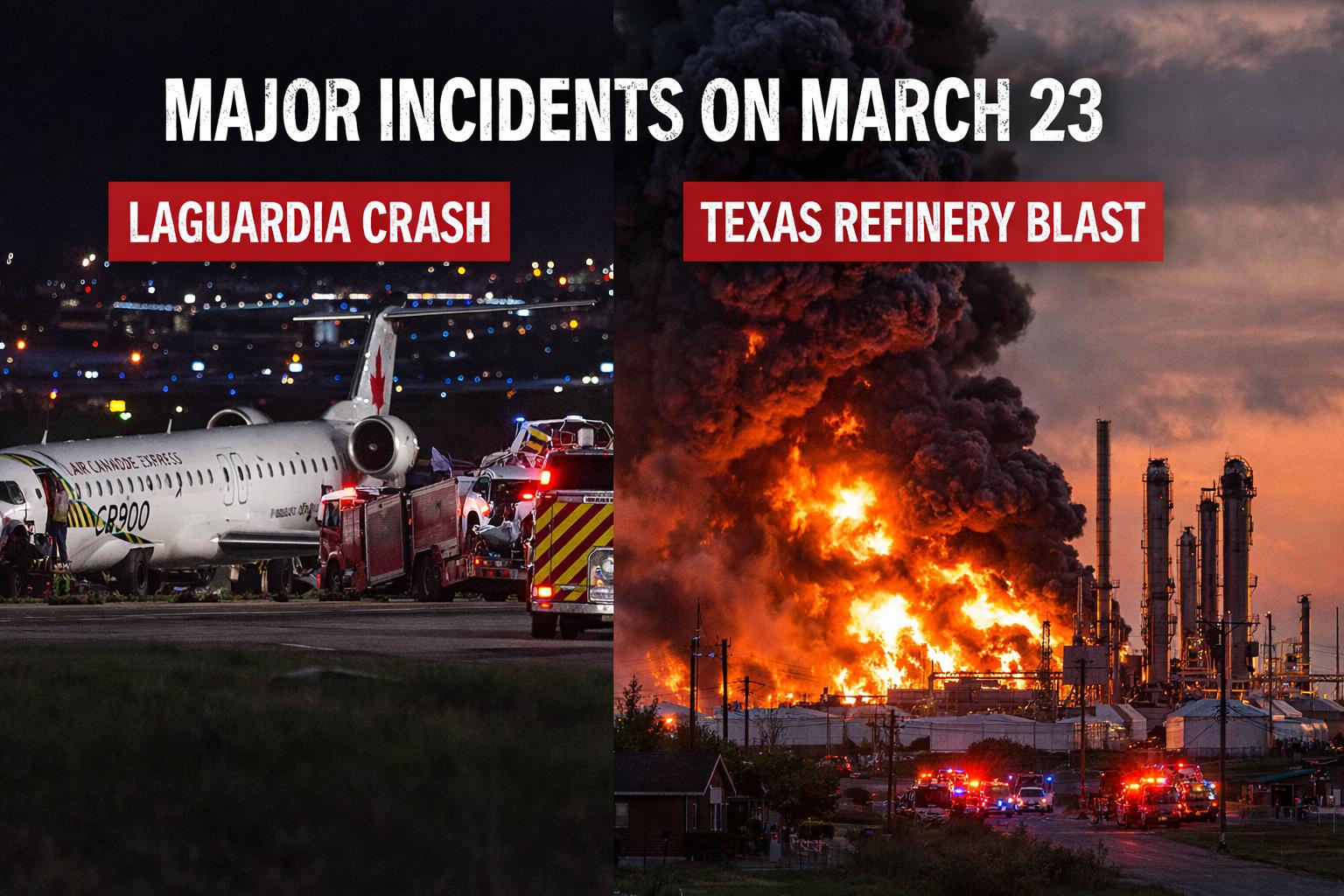
Two major incidents on March 23 have drawn national attention in the United States, as authorities investigate a fatal aircraft collision at LaGuardia Airport and a massive refinery explosion in Texas that has raised concerns over energy supply and safety. Late Sunday night, just before midnight on March 23, an Air Canada Express flight collided with a fire rescue vehicle while landing at LaGuardia Airport in New York. The aircraft, a CRJ900 operated by Jazz Aviation, was carrying 72 passeng
LaGuardia crash and Texas refinery blast on March 23 raise safety concerns
Two major incidents on March 23 have drawn national attention in the United States, as authorities investigate a fatal aircraft collision at LaGuardia Airport and a massive refinery explosion in Texas that has raised concerns over energy supply and safety. Late Sunday night, just before midnight on March 23, an Air Canada Express flight collided with a fire rescue vehicle while landing at LaGuardia Airport in New York. The aircraft, a CRJ900 operated by Jazz Aviation, was carrying 72 passeng
North Korea declares nuclear status irreversible, Kim Jong Un warns of expansion
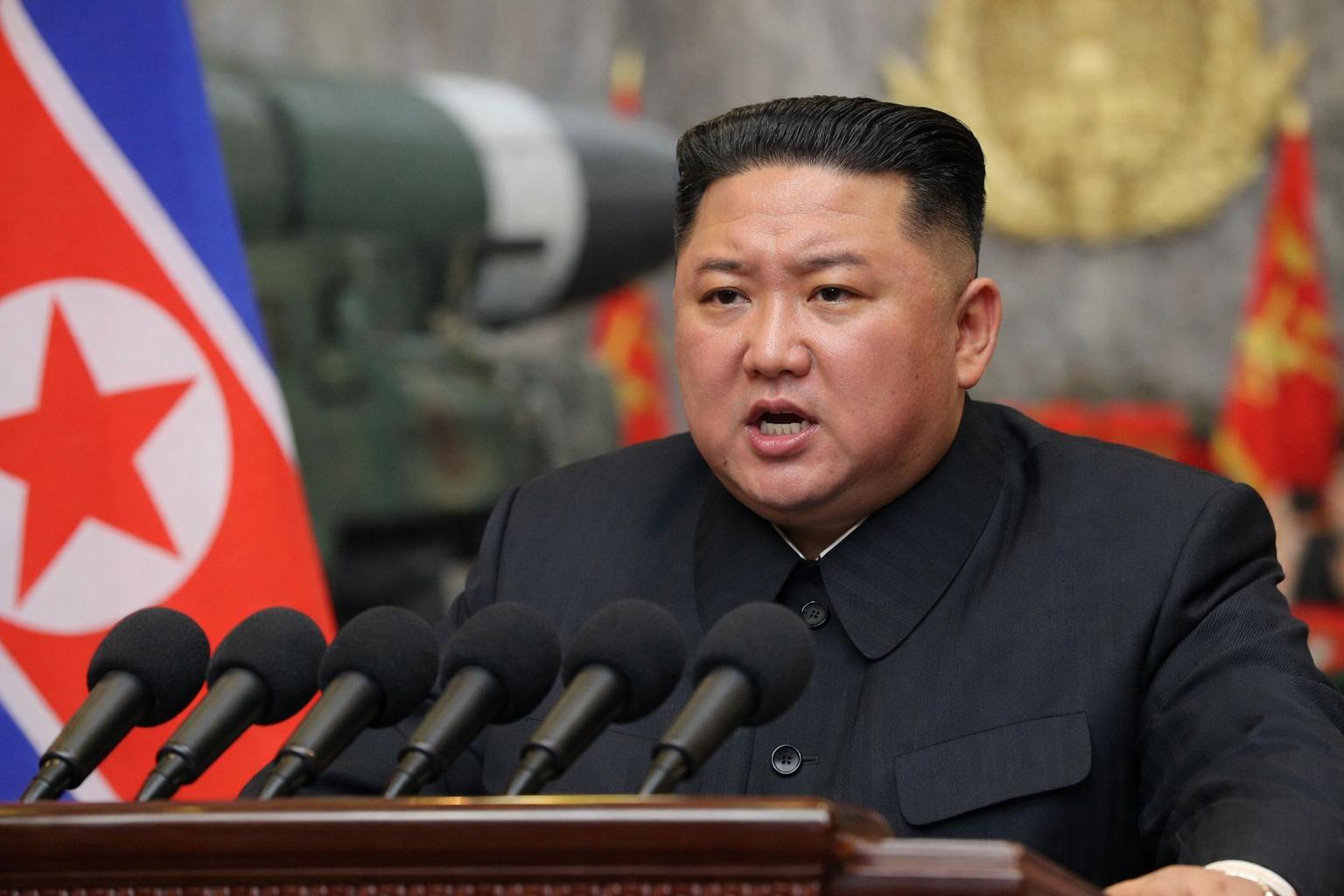
North Korean leader Kim Jong Un has reaffirmed that his country will not abandon its nuclear weapons programme, declaring its status as a nuclear-armed state “irreversible” in a strongly worded address delivered to the nation’s legislature. The remarks came shortly after his reappointment as chairman of the State Affairs Commission, consolidating his leadership over the country’s highest decision-making body. According to official reports released on March 24, Kim outlined an intensified strategy to expand North Korea’s nuclear arsenal, framing the move as essential for national security and constitutional responsibility. He stated that Pyongyang would continue to strengthen its nuclear deterrent and advance its capabilities in response to what he described as ongoing threats from hostile forces. The leader emphasized that maintaining and enhancing nuclear readiness was a key priority, ensuring that the country remains prepared to counter strategic challenges. Kim portrayed the development of nuclear weapons as a justified and defensive measure, asserting that the programme aligns with the country’s long-term security goals. He indicated that North Korea would pursue both quantitative and qualitative improvements in its nuclear forces, underscoring a commitment to sustained military advancement amid rising geopolitical tensions in the region. The speech also included sharp criticism of South Korea, which Kim labelled as the “most hostile state.” He warned that any perceived provocation or infringement on North Korea’s sovereignty would be met with a decisive and uncompromising response. The language used signalled a continuation of strained inter-Korean relations, with little indication of near-term diplomatic engagement. Kim’s address covered broader policy areas, including defence, economic priorities, and relations with the United States, though nuclear policy remained the central focus. His remarks highlight an ongoing shift toward a more assertive security posture, raising concerns among regional and global observers about the future trajectory of East Asia’s security environment.
North Korea declares nuclear status irreversible, Kim Jong Un warns of expansion
North Korean leader Kim Jong Un has reaffirmed that his country will not abandon its nuclear weapons programme, declaring its status as a nuclear-armed state “irreversible” in a strongly worded address delivered to the nation’s legislature. The remarks came shortly after his reappointment as chairman of the State Affairs Commission, consolidating his leadership over the country’s highest decision-making body. According to official reports released on March 24, Kim outlined an intensified strategy to expand North Korea’s nuclear arsenal, framing the move as essential for national security and constitutional responsibility. He stated that Pyongyang would continue to strengthen its nuclear deterrent and advance its capabilities in response to what he described as ongoing threats from hostile forces. The leader emphasized that maintaining and enhancing nuclear readiness was a key priority, ensuring that the country remains prepared to counter strategic challenges. Kim portrayed the development of nuclear weapons as a justified and defensive measure, asserting that the programme aligns with the country’s long-term security goals. He indicated that North Korea would pursue both quantitative and qualitative improvements in its nuclear forces, underscoring a commitment to sustained military advancement amid rising geopolitical tensions in the region. The speech also included sharp criticism of South Korea, which Kim labelled as the “most hostile state.” He warned that any perceived provocation or infringement on North Korea’s sovereignty would be met with a decisive and uncompromising response. The language used signalled a continuation of strained inter-Korean relations, with little indication of near-term diplomatic engagement. Kim’s address covered broader policy areas, including defence, economic priorities, and relations with the United States, though nuclear policy remained the central focus. His remarks highlight an ongoing shift toward a more assertive security posture, raising concerns among regional and global observers about the future trajectory of East Asia’s security environment.
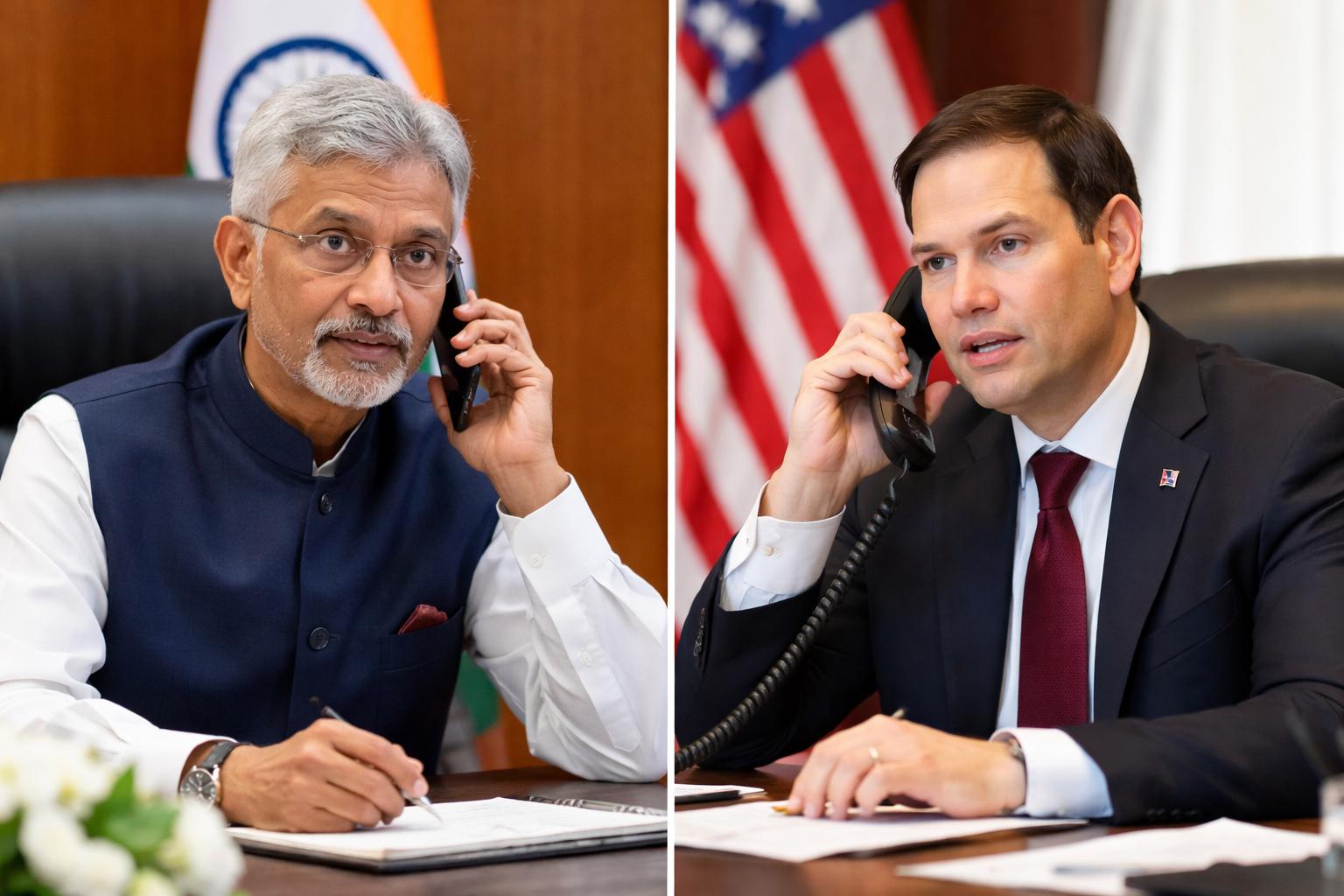
Jaishankar and Rubio discuss West Asia conflict and energy security concerns
India’s External Affairs Minister S. Jaishankar on Monday held a detailed telephonic conversation with United States Secretary of State Marco Rubio, focusing on the escalating West Asia conflict and its broader implications for global energy security and economic stability. The discussion comes at a critical time when geopolitical tensions in the Gulf region are raising concerns among major economies dependent on stable crude oil supply chains. According to Jaishankar, the conversation add
Jaishankar and Rubio discuss West Asia conflict and energy security concerns
India’s External Affairs Minister S. Jaishankar on Monday held a detailed telephonic conversation with United States Secretary of State Marco Rubio, focusing on the escalating West Asia conflict and its broader implications for global energy security and economic stability. The discussion comes at a critical time when geopolitical tensions in the Gulf region are raising concerns among major economies dependent on stable crude oil supply chains. According to Jaishankar, the conversation add


