US-Iran Ceasefire Faces New Pressure
The latest exchange between the United States and Iran has placed renewed strain on a ceasefire that both sides continue to describe in sharply different terms. Tehran accused Washington of violating the truce after US forces carried out strikes on missile launch sites and boats near the Strait of Hormuz. Iranian officials called the action a flagrant breach and warned of retaliation, while the United States said the strikes were defensive and aimed at protecting American personnel.
Washington Maintains Truce Is Still Active
US Central Command said Iranian boats were attempting to place mines in the Strait of Hormuz, a move that would carry serious risks for global shipping and regional security. At the same time, US officials emphasized that the ceasefire remained ongoing and said American forces were acting with restraint. That response reflected the administration’s effort to defend military action without declaring the wider truce dead, even as Iran framed the episode as a reciprocal confrontation.
Hormuz Remains A Major Flashpoint
The Strait of Hormuz remains central to the dispute because of its importance to energy flows and international trade. President Donald Trump previously tied the ceasefire to Iran reopening the strait, but the waterway has remained a source of tension. The continued uncertainty has complicated diplomacy, with Washington trying to keep negotiations alive while also responding to military activity it says threatens US forces and commercial movement in the Gulf.
US Leverage Comes Under Scrutiny
The administration’s handling of the latest incident has raised questions about whether its eagerness to preserve the ceasefire is weakening its negotiating position. Trump has repeatedly threatened stronger action if Iran fails to make a deal, but the United States has so far avoided a return to large-scale hostilities. Iran’s defiant response suggests Tehran may believe Washington is more focused on ending the conflict than escalating it. That perception could become a major factor as both sides test each other’s limits while talks continue.
US-Iran Ceasefire Faces New Pressure
The latest exchange between the United States and Iran has placed renewed strain on a ceasefire that both sides continue to describe in sharply different terms. Tehran accused Washington of violating the truce after US forces carried out strikes on missile launch sites and boats near the Strait of Hormuz. Iranian officials called the action a flagrant breach and warned of retaliation, while the United States said the strikes were defensive and aimed at protecting American personnel.
Washington Maintains Truce Is Still Active
US Central Command said Iranian boats were attempting to place mines in the Strait of Hormuz, a move that would carry serious risks for global shipping and regional security. At the same time, US officials emphasized that the ceasefire remained ongoing and said American forces were acting with restraint. That response reflected the administration’s effort to defend military action without declaring the wider truce dead, even as Iran framed the episode as a reciprocal confrontation.
Hormuz Remains A Major Flashpoint
The Strait of Hormuz remains central to the dispute because of its importance to energy flows and international trade. President Donald Trump previously tied the ceasefire to Iran reopening the strait, but the waterway has remained a source of tension. The continued uncertainty has complicated diplomacy, with Washington trying to keep negotiations alive while also responding to military activity it says threatens US forces and commercial movement in the Gulf.
US Leverage Comes Under Scrutiny
The administration’s handling of the latest incident has raised questions about whether its eagerness to preserve the ceasefire is weakening its negotiating position. Trump has repeatedly threatened stronger action if Iran fails to make a deal, but the United States has so far avoided a return to large-scale hostilities. Iran’s defiant response suggests Tehran may believe Washington is more focused on ending the conflict than escalating it. That perception could become a major factor as both sides test each other’s limits while talks continue.
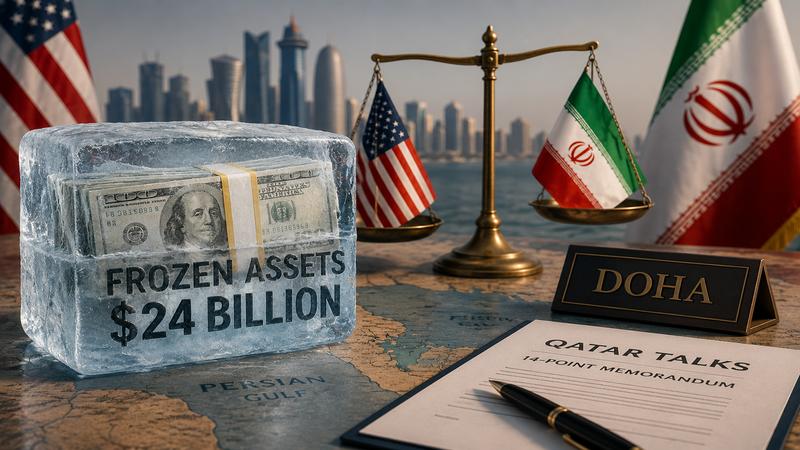
Iran is seeking the release of about $24 billion in frozen assets as part of Qatar-based talks aimed at easing the conflict with the United States, according to Iranian media reports on Tuesday, May 26, 2026. The demand has become a central issue in negotiations taking place in Doha as US-Iran tensions remain high near the Strait of Hormuz.
Iran Frozen Assets Qatar Talks Focus on $24 Billion Demand
Iran is seeking the release of about $24 billion in frozen assets as part of Qatar-based talks aimed at easing the conflict with the United States, according to Iranian media reports on Tuesday, May 26, 2026. The demand has become a central issue in negotiations taking place in Doha as US-Iran tensions remain high near the Strait of Hormuz.
Iran Frozen Assets Qatar Talks Focus on $24 Billion Demand
US Secretary of State Comments on Iran Strikes
US Secretary of State Marco Rubio, currently visiting India and set to attend the QUAD summit on May 26, addressed the recent US military strikes on Iran. He emphasized the main objective of the United States: to ensure the Strait of Hormuz remains open. Rubio described the blockade as "illegal and unlawful," noting that discussions continue over the language of the potential final deal with Tehran.
Rubio Highlights Diplomatic Efforts
Speaking in Jaipur, India, Rubio noted ongoing talks in Qatar aimed at finalizing the agreement. “There were some talks going on in Qatar today, so we'll see if we can make progress,” he said. Rubio added that President Trump is determined to secure either a beneficial deal or no agreement at all, underscoring the administration’s cautious approach to diplomacy amidst ongoing tensions.
US Strikes and Military Position
The remarks followed self-defense strikes carried out by US forces on May 25, targeting Iranian missile launch sites and boats near the Strait of Hormuz. CENTCOM spokesman Timothy Hawkins confirmed that these actions were aimed at protecting American troops from threats posed by Iranian forces. The strikes occurred while a ceasefire remained in effect, demonstrating the delicate balance between military action and diplomatic engagement.
Context of US-Iran Relations
These strikes mark a continuation of the complex US-Iran relationship, which has included previous conflicts, drone and missile engagements, and blocked international shipping routes. Rubio’s comments reaffirm the administration’s priority to keep strategic waterways accessible while pursuing negotiations with Tehran. The Secretary stressed that the US aims to achieve a resolution through dialogue, ensuring regional security and global maritime stability.
Ongoing Diplomacy and Future Prospects
Rubio indicated that discussions on the initial documents are still underway, emphasizing the back-and-forth nature of the negotiations. The Secretary expressed cautious optimism about achieving a deal, highlighting that the President is committed to a fair and enforceable agreement. The situation remains fluid as US diplomatic channels engage with Iran to prevent further escalation while maintaining strategic control over critical maritime routes.
US Secretary of State Comments on Iran Strikes
US Secretary of State Marco Rubio, currently visiting India and set to attend the QUAD summit on May 26, addressed the recent US military strikes on Iran. He emphasized the main objective of the United States: to ensure the Strait of Hormuz remains open. Rubio described the blockade as "illegal and unlawful," noting that discussions continue over the language of the potential final deal with Tehran.
Rubio Highlights Diplomatic Efforts
Speaking in Jaipur, India, Rubio noted ongoing talks in Qatar aimed at finalizing the agreement. “There were some talks going on in Qatar today, so we'll see if we can make progress,” he said. Rubio added that President Trump is determined to secure either a beneficial deal or no agreement at all, underscoring the administration’s cautious approach to diplomacy amidst ongoing tensions.
US Strikes and Military Position
The remarks followed self-defense strikes carried out by US forces on May 25, targeting Iranian missile launch sites and boats near the Strait of Hormuz. CENTCOM spokesman Timothy Hawkins confirmed that these actions were aimed at protecting American troops from threats posed by Iranian forces. The strikes occurred while a ceasefire remained in effect, demonstrating the delicate balance between military action and diplomatic engagement.
Context of US-Iran Relations
These strikes mark a continuation of the complex US-Iran relationship, which has included previous conflicts, drone and missile engagements, and blocked international shipping routes. Rubio’s comments reaffirm the administration’s priority to keep strategic waterways accessible while pursuing negotiations with Tehran. The Secretary stressed that the US aims to achieve a resolution through dialogue, ensuring regional security and global maritime stability.
Ongoing Diplomacy and Future Prospects
Rubio indicated that discussions on the initial documents are still underway, emphasizing the back-and-forth nature of the negotiations. The Secretary expressed cautious optimism about achieving a deal, highlighting that the President is committed to a fair and enforceable agreement. The situation remains fluid as US diplomatic channels engage with Iran to prevent further escalation while maintaining strategic control over critical maritime routes.
US Military Conducts Strikes on Iranian Targets
The US military carried out “self-defense strikes” on Iranian missile launch sites and naval assets near the Strait of Hormuz on Monday, May 25, while a ceasefire remained in effect. According to US Central Command, the operations aimed to protect American forces from potential threats posed by Iranian military activity. Targets reportedly included missile
US Military Conducts Strikes on Iranian Targets
The US military carried out “self-defense strikes” on Iranian missile launch sites and naval assets near the Strait of Hormuz on Monday, May 25, while a ceasefire remained in effect. According to US Central Command, the operations aimed to protect American forces from potential threats posed by Iranian military activity. Targets reportedly included missile
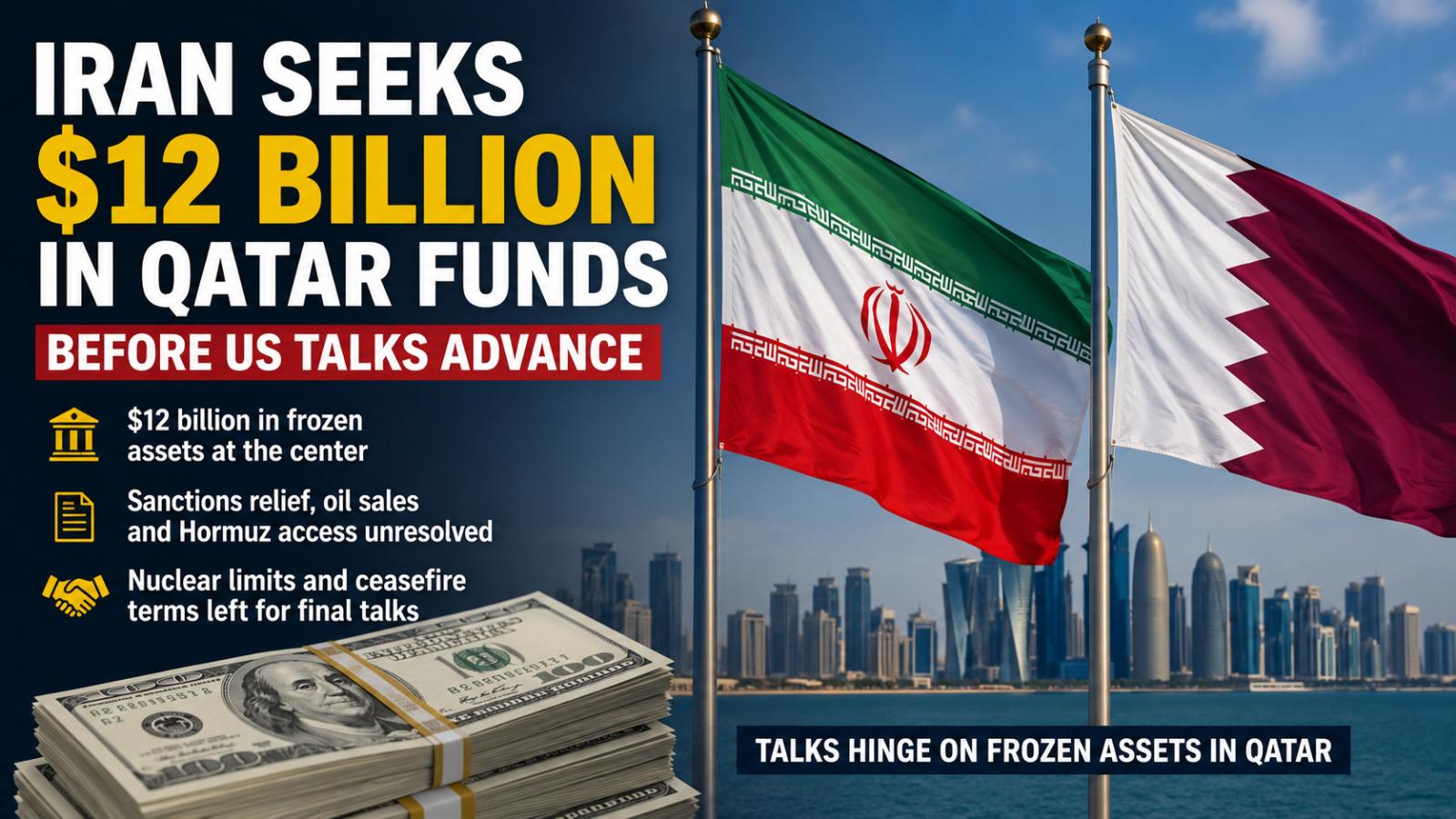
Iran Qatar frozen funds have become a central sticking point in US-Iran talks, with Tehran seeking access to $12 billion held in Qatar before a proposed diplomatic roadmap moves forward.
According to reports citing sources familiar with the discussions, Iran wants the $12 billion released as an initial tranche, not as the full amount it says should eventually be made available under a wider agreement. The funds are linked to Iranian oil-sale revenue that had been mo
Iran Qatar frozen funds have become a central sticking point in US-Iran talks, with Tehran seeking access to $12 billion held in Qatar before a proposed diplomatic roadmap moves forward.
According to reports citing sources familiar with the discussions, Iran wants the $12 billion released as an initial tranche, not as the full amount it says should eventually be made available under a wider agreement. The funds are linked to Iranian oil-sale revenue that had been mo
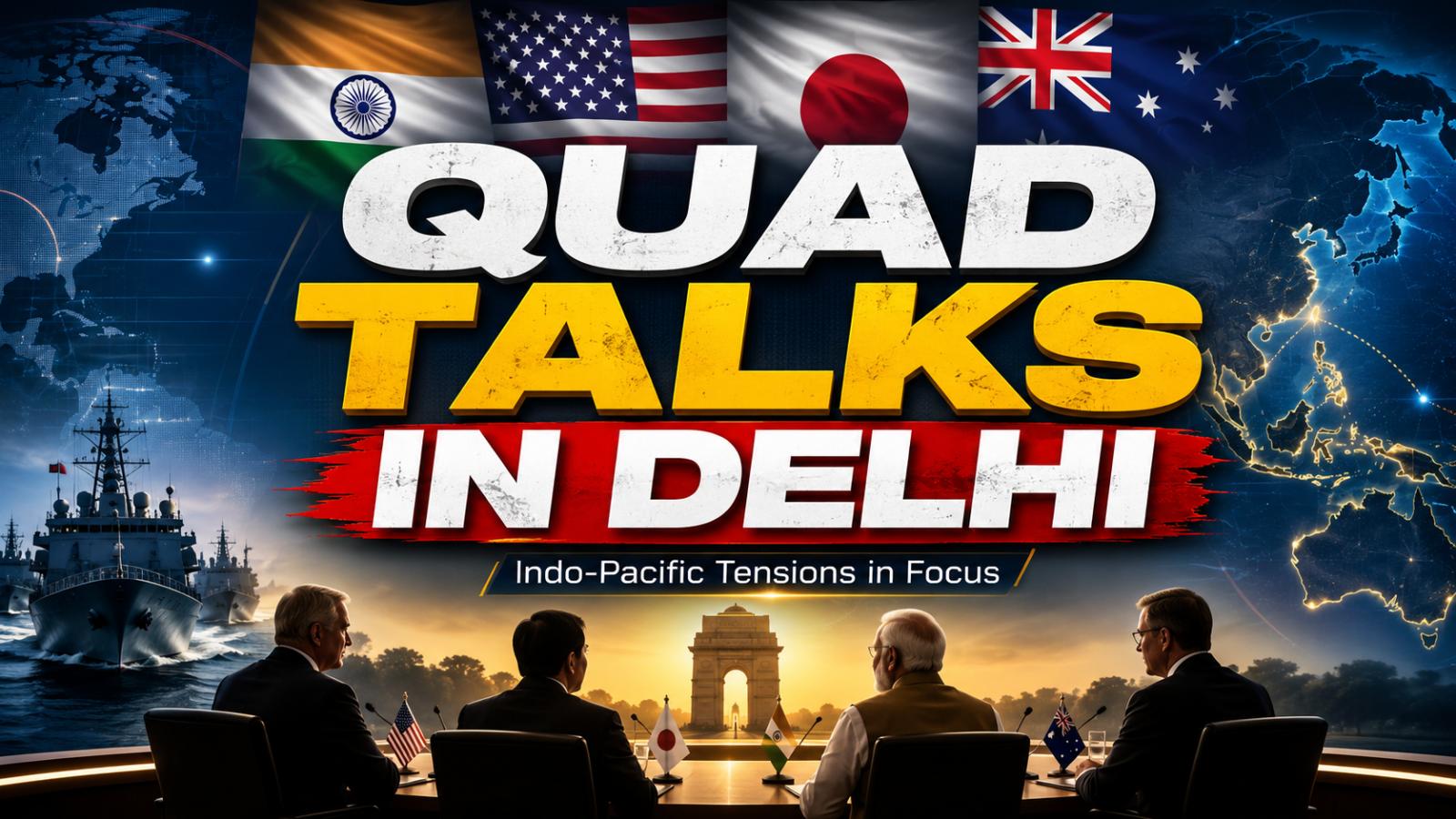
India is hosting the Quad foreign ministers’ meeting in New Delhi on May 26, 2026, bringing together senior leaders from India, the United States, Japan and Australia. External Affairs Minister S. Jaishankar is chairing the meeting, with U.S. Secretary of State Marco Rubio, Australian Foreign Minister Penny Wong and Japanese Foreign Minister Toshimitsu Motegi attending the talks. The participation details are confirmed by India’s Ministry of External Affairs.
The meeting comes a
India is hosting the Quad foreign ministers’ meeting in New Delhi on May 26, 2026, bringing together senior leaders from India, the United States, Japan and Australia. External Affairs Minister S. Jaishankar is chairing the meeting, with U.S. Secretary of State Marco Rubio, Australian Foreign Minister Penny Wong and Japanese Foreign Minister Toshimitsu Motegi attending the talks. The participation details are confirmed by India’s Ministry of External Affairs.
The meeting comes a
US-Iran Peace Agreement Delayed
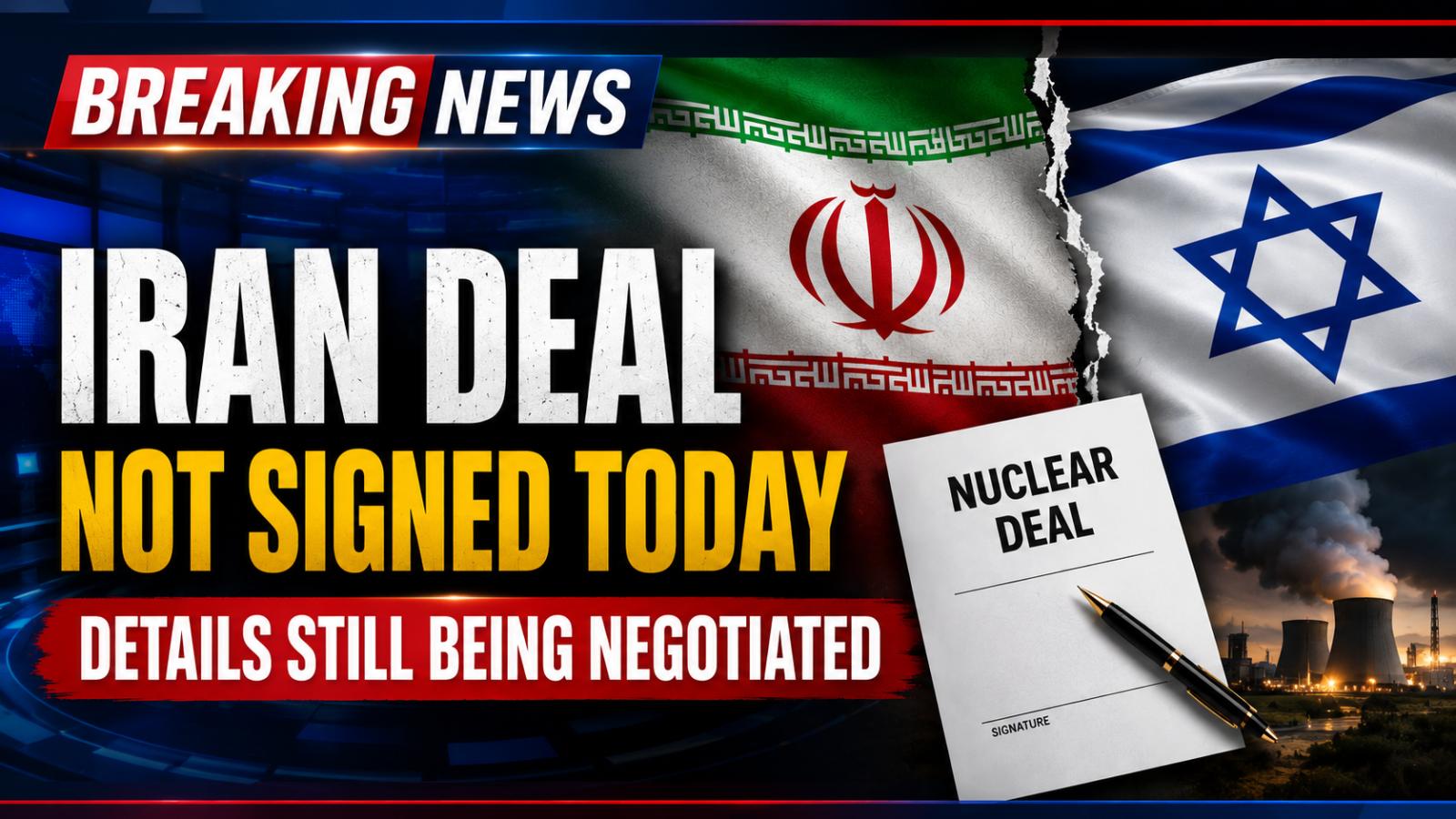
Reports indicate that a formal peace agreement between the United States and Iran is unlikely to be signed Sunday, May 23, 2026, as critical details are still under negotiation. A senior administration official noted that finalization of the agreement remains pending, and discussions continue on several unresolved points.
US-Iran Peace Agreement Delayed
Reports indicate that a formal peace agreement between the United States and Iran is unlikely to be signed Sunday, May 23, 2026, as critical details are still under negotiation. A senior administration official noted that finalization of the agreement remains pending, and discussions continue on several unresolved points.
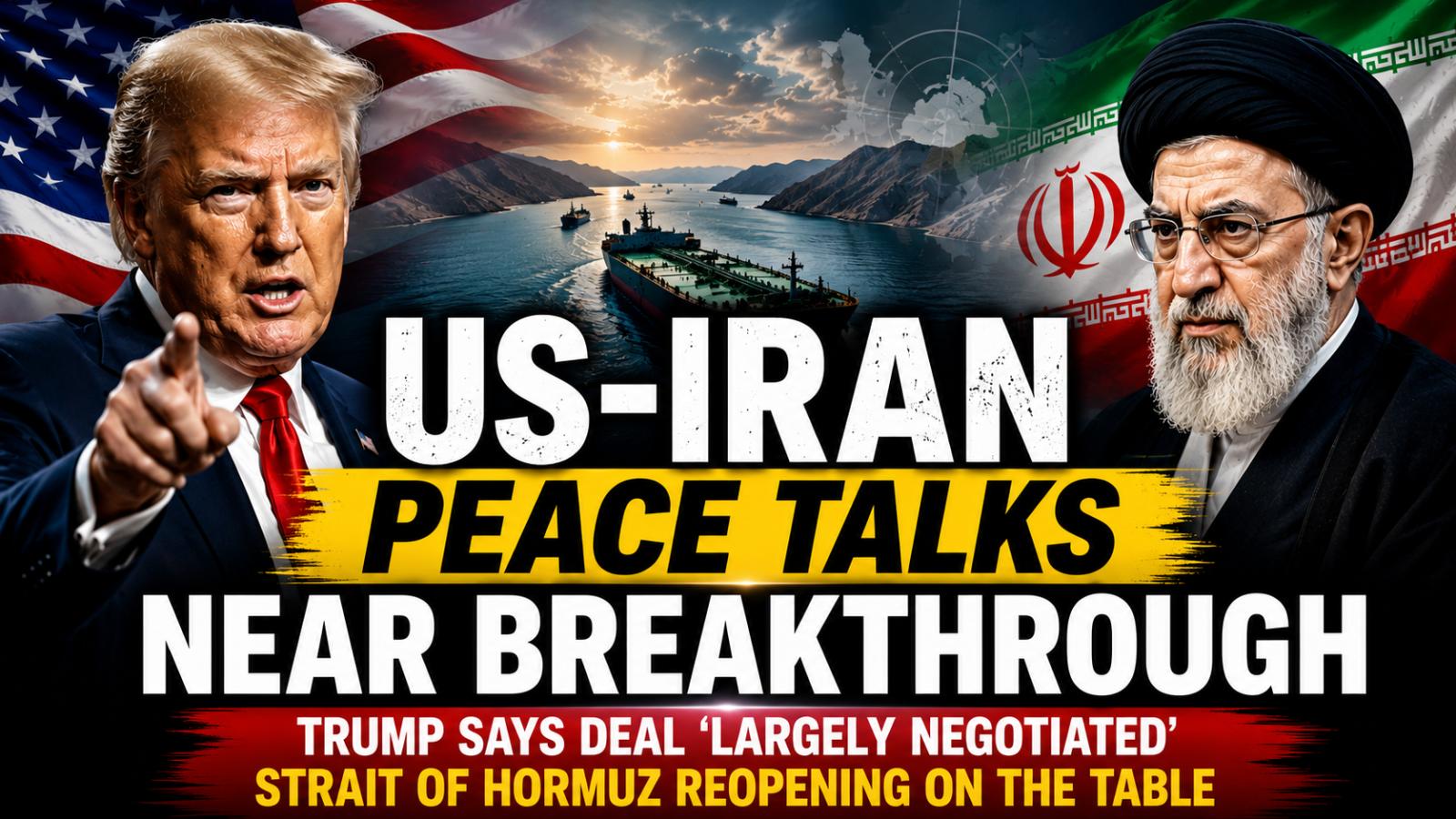
US-Iran peace talks have entered a critical stage after President Donald Trump said a possible agreement with Iran has been “largely negotiated.” The statement, made on Saturday, May 23, 2026, has raised hopes that the three-month-long conflict between the United States and Iran may be moving toward a diplomatic breakthrough. However, the agreement is not final yet, and both sides still appear to have major issues to resolve.
According to Trump, the proposed understanding could
US-Iran peace talks have entered a critical stage after President Donald Trump said a possible agreement with Iran has been “largely negotiated.” The statement, made on Saturday, May 23, 2026, has raised hopes that the three-month-long conflict between the United States and Iran may be moving toward a diplomatic breakthrough. However, the agreement is not final yet, and both sides still appear to have major issues to resolve.
According to Trump, the proposed understanding could
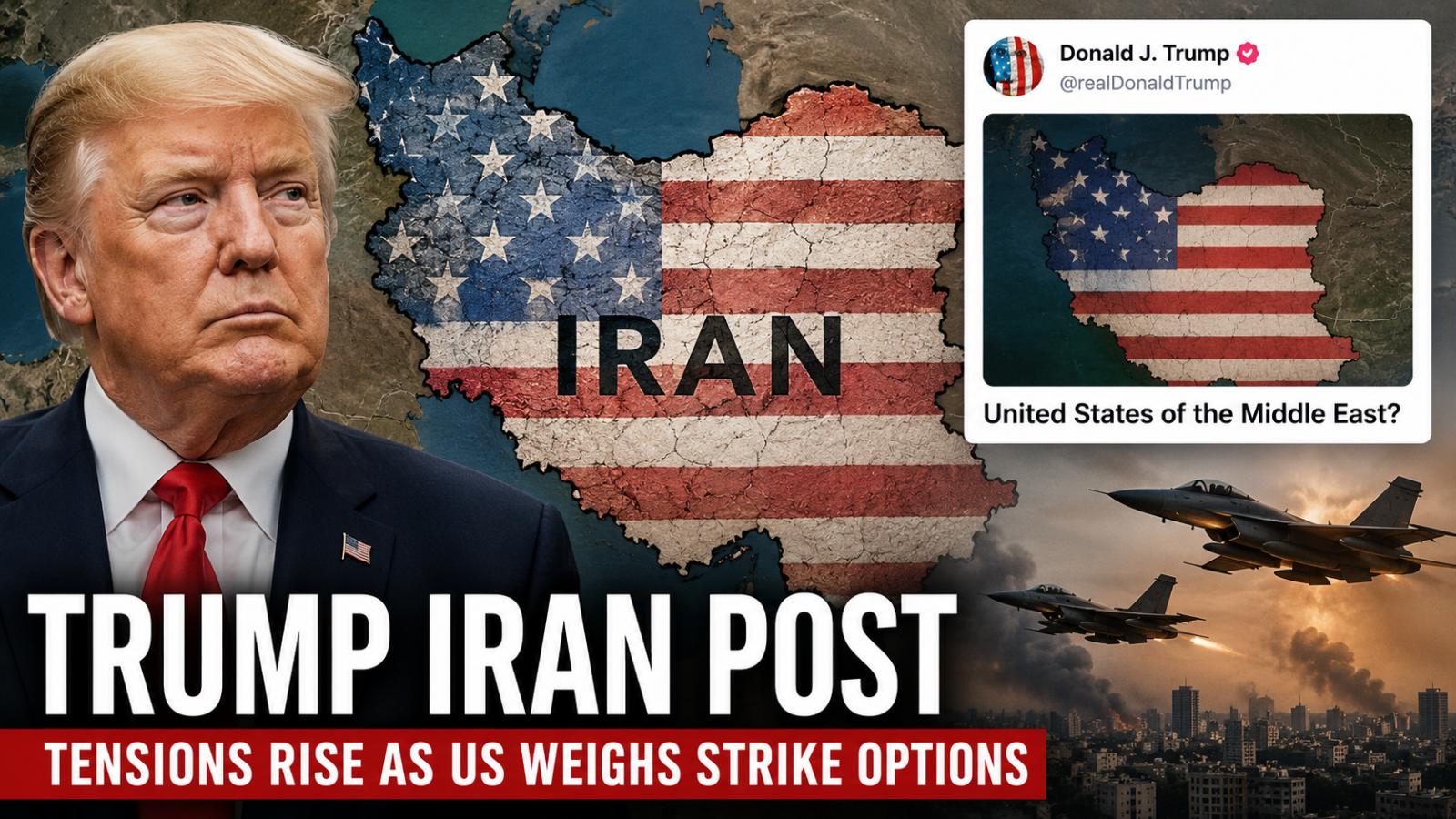
President Donald Trump’s Iran flag post has added new pressure to the widening U.S.-Iran standoff, as Washington reviews military options while regional mediators continue efforts to prevent a broader conflict.
Trump shared an edited image on his social media platform showing Iran covered in the colors of the American flag with the caption, “United States of the Middle East?” The post appeared to signal political pressure on Tehran as U.S. officials discussed possible military
President Donald Trump’s Iran flag post has added new pressure to the widening U.S.-Iran standoff, as Washington reviews military options while regional mediators continue efforts to prevent a broader conflict.
Trump shared an edited image on his social media platform showing Iran covered in the colors of the American flag with the caption, “United States of the Middle East?” The post appeared to signal political pressure on Tehran as U.S. officials discussed possible military
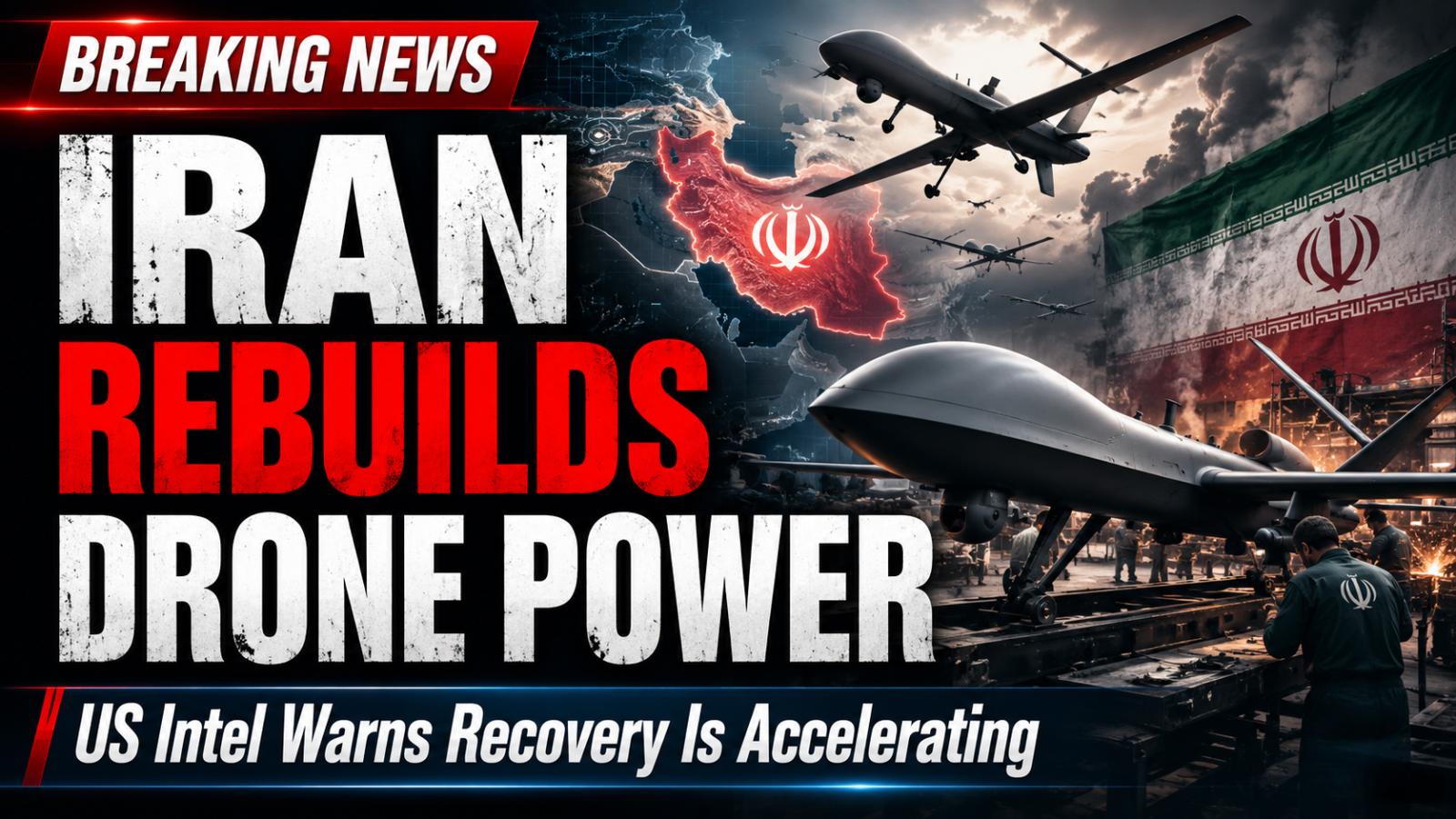
Iran Restores Drone Production During Ceasefire
Iran has resumed parts of its drone production during the six-week ceasefire that began in early April, according to people familiar with recent US intelligence assessments. The development suggests Tehran is rebuilding key military capabilities faster than some officials initially expected after US-Israeli strikes damaged missile launch sites, weapons facilities and related military infrastructure. The assessments indicate Iran’s military recovery is moving quickly, including efforts to repair launchers, restore weapons production and recover equipment affected during the conflict.
Intelligence Assessments Raise Regional Concerns
The findings suggest Iran could continue posing a serious threat to US regional allies if military operations resume. According to one US official familiar with the assessments, Iran may be able to fully restore its drone strike capability within six months. The pace of rebuilding also challenges earlier claims that strikes had caused long-term crippling damage to Iran’s military infrastructure. Officials believe Tehran may rely more heavily on drone attacks while missile production systems are still being repaired.
Trump Warns Military Action Could Resume
President Donald Trump has repeatedly warned that US military operations against Iran could restart if negotiations fail to end the conflict. On Tuesday, he said he had been close to ordering renewed bombing operations before holding back. Recent assessments suggest Iran’s rapid recovery has been helped by several factors, including possible outside assistance and the possibility that earlier strikes caused less lasting damage than expected.
Russia China And Missile Supply Questions
Some assessments point to continued foreign support for Iran’s weapons production network. Sources said China supplied components that could be used in missile production during the conflict, though the flow may have slowed because of the US blockade. China has rejected accusations that it is supporting Iran’s missile manufacturing. Russia has also been cited by sources as a factor in Iran’s broader recovery efforts, though officials have not publicly detailed the extent of any assistance.
Iran Retains Significant Military Capacity
Despite heavy damage from earlier attacks, recent estimates suggest Iran still retains ballistic missile systems, drone capabilities and anti-air defenses. Intelligence assessments indicate around half of Iran’s drone capacity remains intact, with thousands of drones still available. Many coastal defense cruise missiles also survived because coastal assets were not heavily targeted. Those systems remain important to Iran’s ability to threaten shipping near the Strait of Hormuz, even as the conflict has weakened but not eliminated its military power.
Iran Restores Drone Production During Ceasefire
Iran has resumed parts of its drone production during the six-week ceasefire that began in early April, according to people familiar with recent US intelligence assessments. The development suggests Tehran is rebuilding key military capabilities faster than some officials initially expected after US-Israeli strikes damaged missile launch sites, weapons facilities and related military infrastructure. The assessments indicate Iran’s military recovery is moving quickly, including efforts to repair launchers, restore weapons production and recover equipment affected during the conflict.
Intelligence Assessments Raise Regional Concerns
The findings suggest Iran could continue posing a serious threat to US regional allies if military operations resume. According to one US official familiar with the assessments, Iran may be able to fully restore its drone strike capability within six months. The pace of rebuilding also challenges earlier claims that strikes had caused long-term crippling damage to Iran’s military infrastructure. Officials believe Tehran may rely more heavily on drone attacks while missile production systems are still being repaired.
Trump Warns Military Action Could Resume
President Donald Trump has repeatedly warned that US military operations against Iran could restart if negotiations fail to end the conflict. On Tuesday, he said he had been close to ordering renewed bombing operations before holding back. Recent assessments suggest Iran’s rapid recovery has been helped by several factors, including possible outside assistance and the possibility that earlier strikes caused less lasting damage than expected.
Russia China And Missile Supply Questions
Some assessments point to continued foreign support for Iran’s weapons production network. Sources said China supplied components that could be used in missile production during the conflict, though the flow may have slowed because of the US blockade. China has rejected accusations that it is supporting Iran’s missile manufacturing. Russia has also been cited by sources as a factor in Iran’s broader recovery efforts, though officials have not publicly detailed the extent of any assistance.
Iran Retains Significant Military Capacity
Despite heavy damage from earlier attacks, recent estimates suggest Iran still retains ballistic missile systems, drone capabilities and anti-air defenses. Intelligence assessments indicate around half of Iran’s drone capacity remains intact, with thousands of drones still available. Many coastal defense cruise missiles also survived because coastal assets were not heavily targeted. Those systems remain important to Iran’s ability to threaten shipping near the Strait of Hormuz, even as the conflict has weakened but not eliminated its military power.
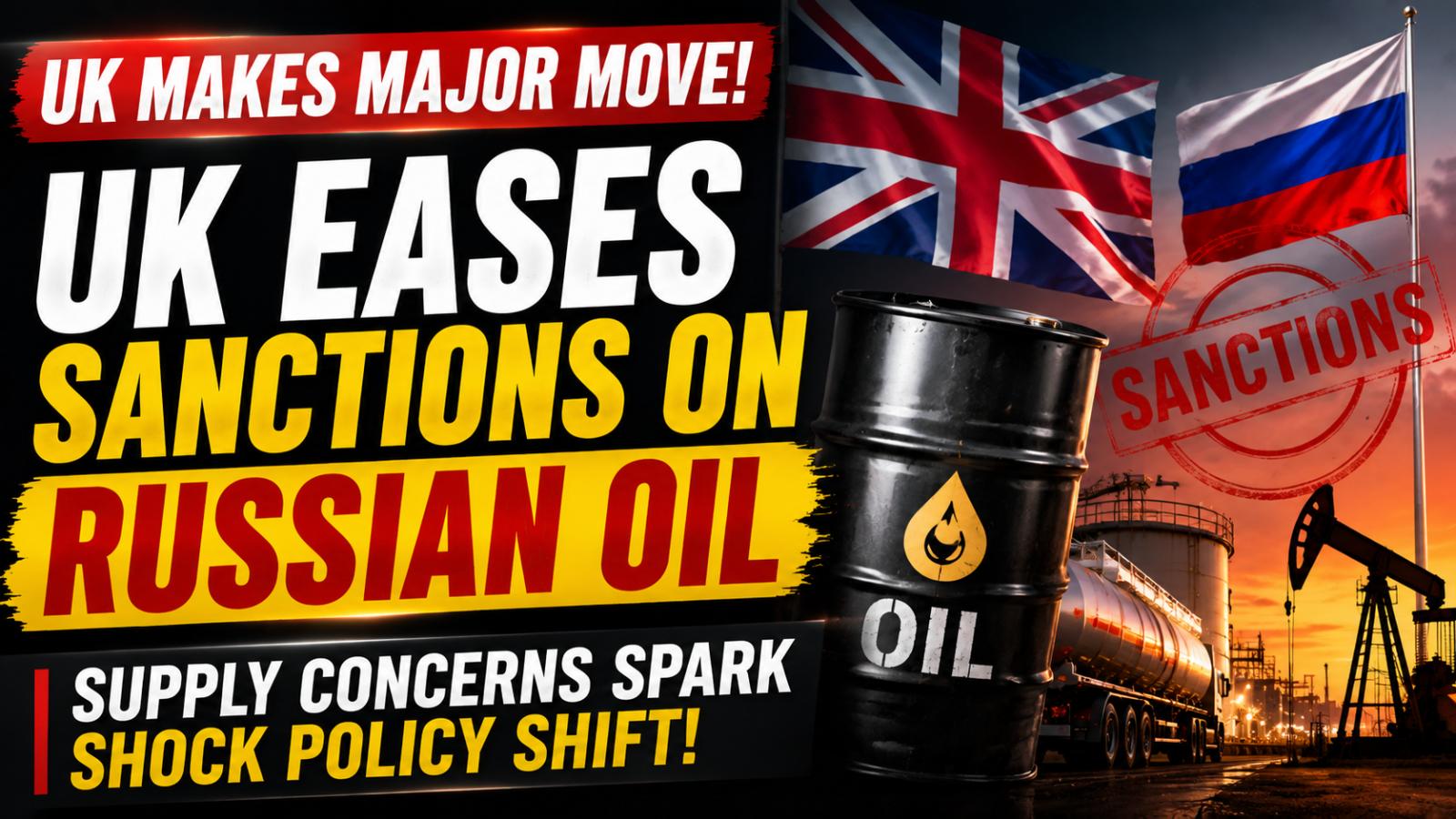
UK Loosens Russian Oil Restrictions
On May 19, the United Kingdom announced it is easing restrictions on importing diesel and jet fuel refined from Russian crude in third countries. The move comes after the G7 reaffirmed commitment to imposing severe costs on Russia for its war in Ukraine. The UK government cited concerns about fuel supply disruptions caused by the closure of the Strait of Hormuz since the US-Israel operations against Iran in late February.
UK Loosens Russian Oil Restrictions
On May 19, the United Kingdom announced it is easing restrictions on importing diesel and jet fuel refined from Russian crude in third countries. The move comes after the G7 reaffirmed commitment to imposing severe costs on Russia for its war in Ukraine. The UK government cited concerns about fuel supply disruptions caused by the closure of the Strait of Hormuz since the US-Israel operations against Iran in late February.
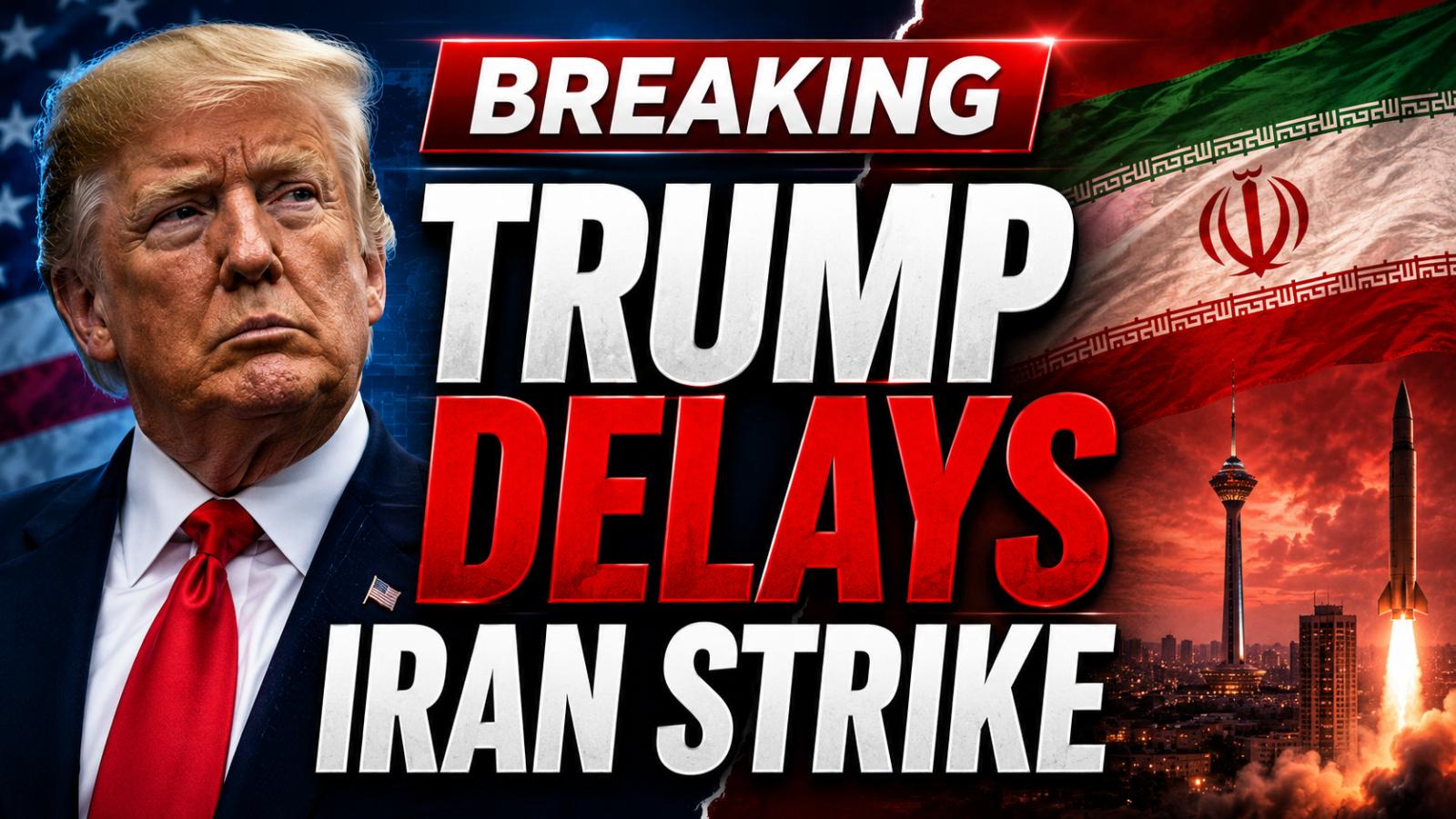
Trump Delays Iran Attack As Gulf Leaders Push Nuclear Deal
US President Donald Trump said he is postponing a planned military attack on Iran that had been scheduled for May 19,2026, citing requests from Gulf leaders and renewed negotiations with Tehran. Trump announced the decision May 18,2026 on Truth Social shortly after Iran confirmed it had responded to a new US proposal aimed at ending the ongoing conflict. He said the
Trump Delays Iran Attack As Gulf Leaders Push Nuclear Deal
US President Donald Trump said he is postponing a planned military attack on Iran that had been scheduled for May 19,2026, citing requests from Gulf leaders and renewed negotiations with Tehran. Trump announced the decision May 18,2026 on Truth Social shortly after Iran confirmed it had responded to a new US proposal aimed at ending the ongoing conflict. He said the
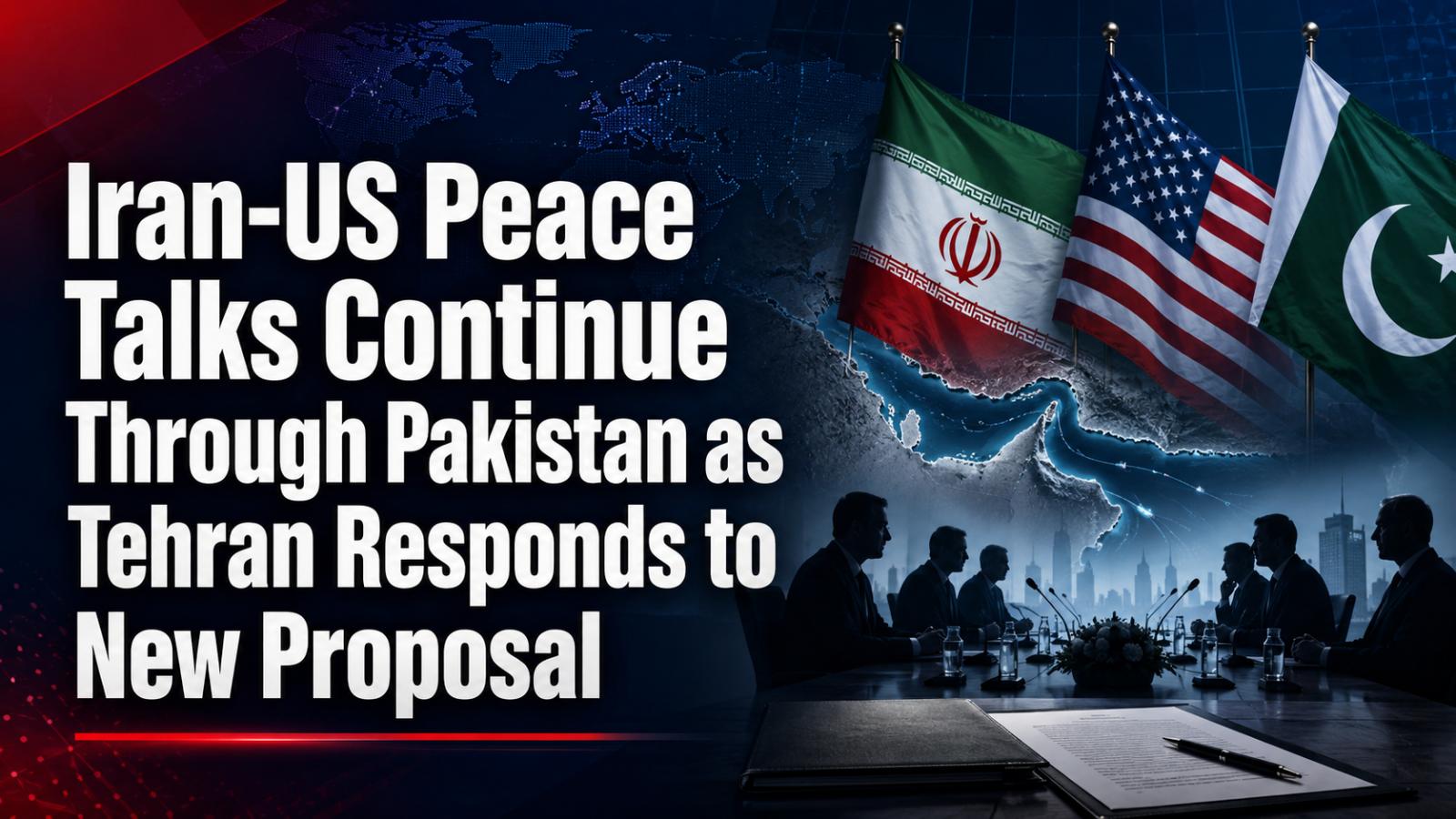
Iran-US peace talks are continuing through Pakistan as Tehran and Washington remain divided over sanctions, nuclear activity, frozen Iranian assets, war damages and the Strait of Hormuz. Iran has responded to a new proposal aimed at ending the conflict, while Pakistan continues to play the role of mediator between the two sides.
The diplomatic effort comes at a sensitive time. Tensions remain high in the region, and both countries are under pressure to avoid another round of escalat
Iran-US peace talks are continuing through Pakistan as Tehran and Washington remain divided over sanctions, nuclear activity, frozen Iranian assets, war damages and the Strait of Hormuz. Iran has responded to a new proposal aimed at ending the conflict, while Pakistan continues to play the role of mediator between the two sides.
The diplomatic effort comes at a sensitive time. Tensions remain high in the region, and both countries are under pressure to avoid another round of escalat
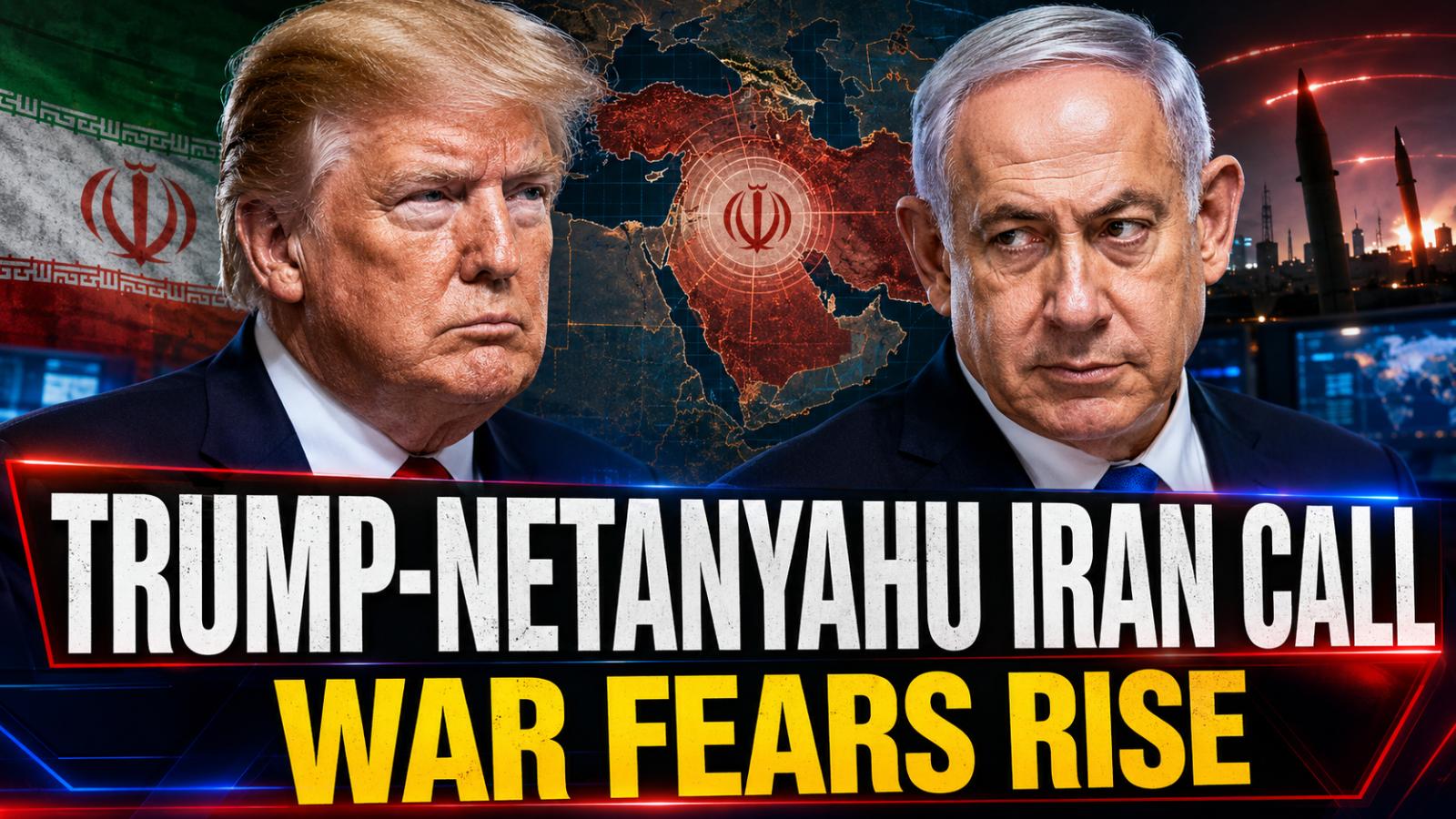
Israeli Prime Minister Benjamin Netanyahu held a phone conversation with US President Donald Trump on Sunday, May 17, as tensions involving Iran remained high and questions continued over the durability of the ceasefire. The discussion reportedly focused on the war with Iran, regional security conditions and the future of diplomatic efforts aimed at preventing another round of escalation. The call came amid reports that Washington and Jerusalem are weighing their next steps after the ceasefir
Israeli Prime Minister Benjamin Netanyahu held a phone conversation with US President Donald Trump on Sunday, May 17, as tensions involving Iran remained high and questions continued over the durability of the ceasefire. The discussion reportedly focused on the war with Iran, regional security conditions and the future of diplomatic efforts aimed at preventing another round of escalation. The call came amid reports that Washington and Jerusalem are weighing their next steps after the ceasefir
Iran Accuses US and Israel of Destabilization
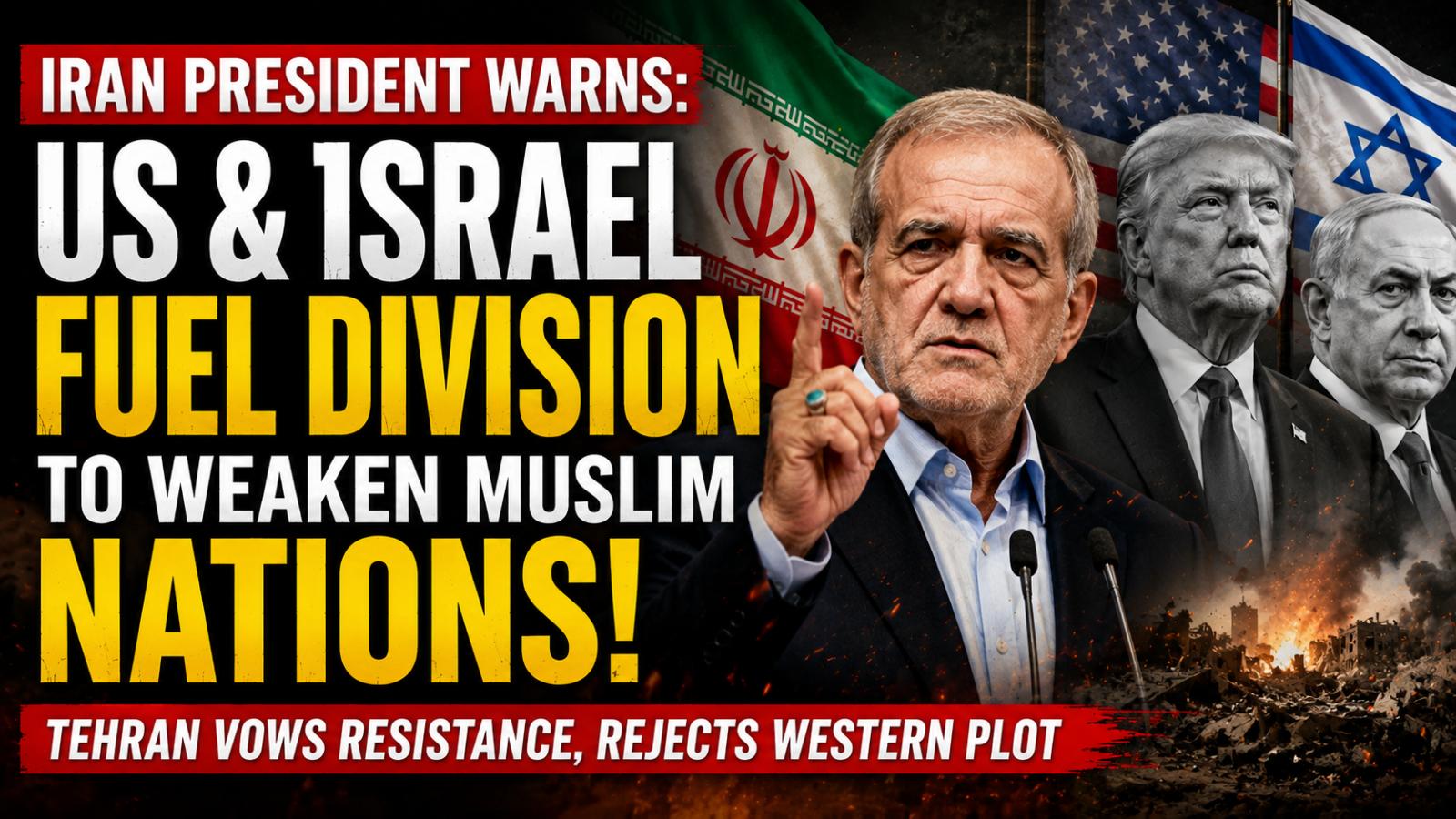
Iranian President Masoud Pezeshkian on May 17,2026 accused the United States and Israel of pursuing divisive politics aimed at creating distrust among Muslim nations. Pezeshkian stated that military actions against Iran were intended to disrupt domestic order and weaken the governing establishment. According to reports, these measures directly threaten Iran’s leadership and the
Iran Accuses US and Israel of Destabilization
Iranian President Masoud Pezeshkian on May 17,2026 accused the United States and Israel of pursuing divisive politics aimed at creating distrust among Muslim nations. Pezeshkian stated that military actions against Iran were intended to disrupt domestic order and weaken the governing establishment. According to reports, these measures directly threaten Iran’s leadership and the
Trump Issues Urgent Warning to Iran
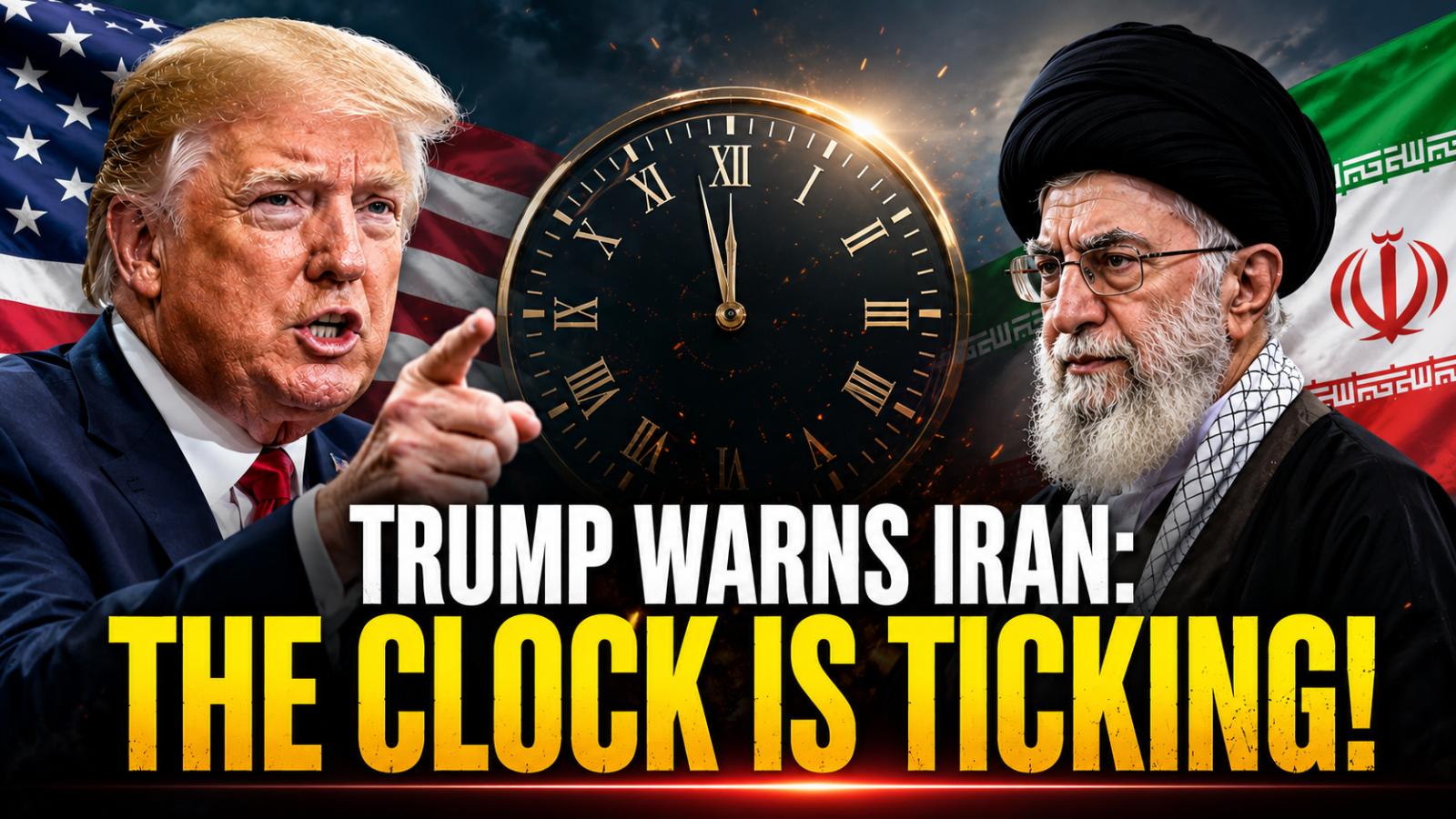
US President Donald Trump on May 17,2026 posted a stern warning to Iran, emphasizing that “the clock is ticking” as negotiations over nuclear stockpiles, sanctions relief, and war compensation remain deadlocked. Trump’s message, shared via Truth Social, stressed that Iran must act quickly on the peace proposal or face dire consequences.
Trump Issues Urgent Warning to Iran
US President Donald Trump on May 17,2026 posted a stern warning to Iran, emphasizing that “the clock is ticking” as negotiations over nuclear stockpiles, sanctions relief, and war compensation remain deadlocked. Trump’s message, shared via Truth Social, stressed that Iran must act quickly on the peace proposal or face dire consequences.
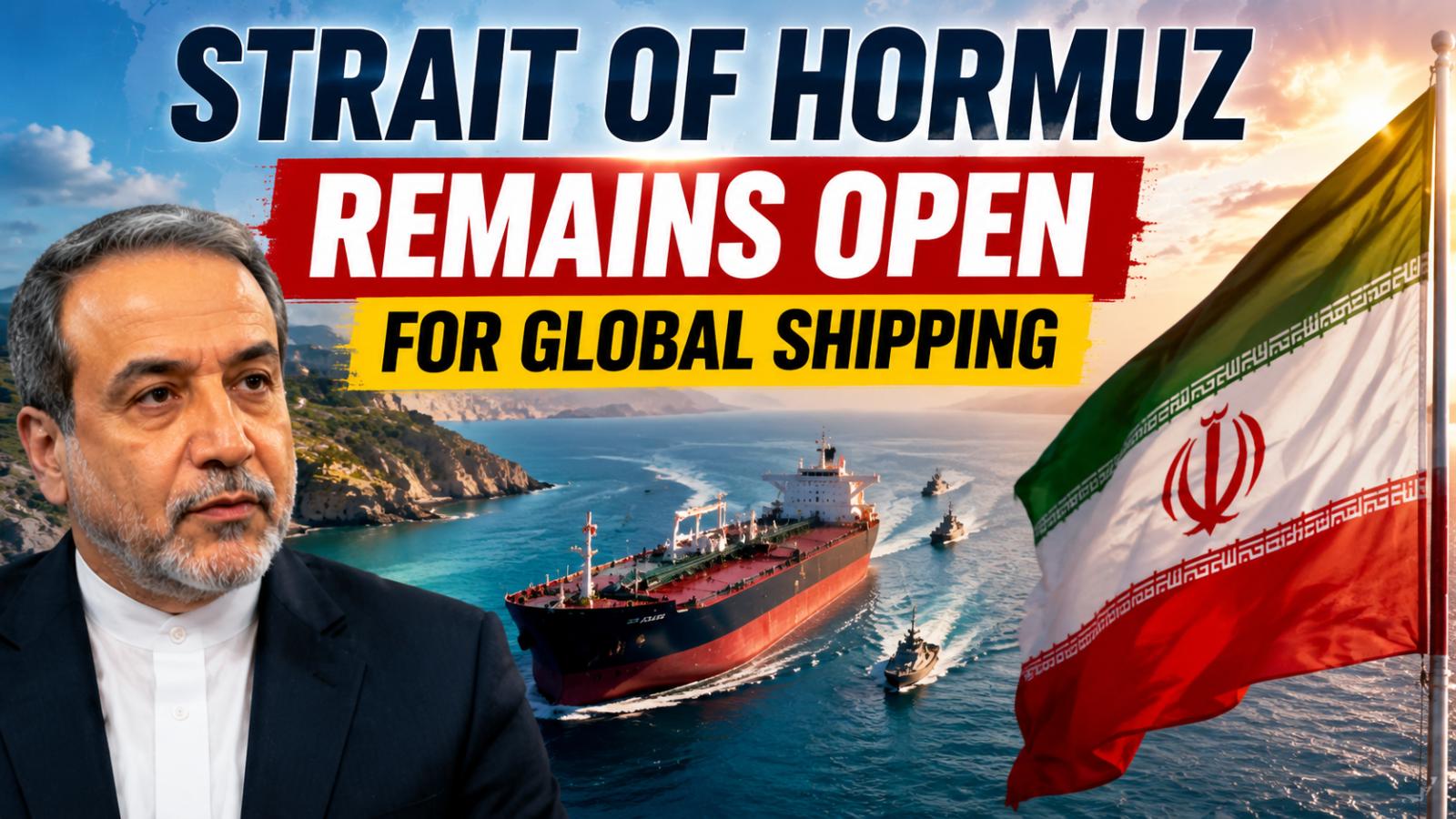
Iranian Foreign Minister Seyyed Abbas Araghchi confirmed that the Strait of Hormuz remains open to international shipping, except for vessels from countries currently at war with Iran. Speaking in New Delhi, Araghchi emphasized that Tehran prioritizes safe navigation through this vital maritime corridor.
Strategic Importance of the Strait
The minister highlighted the strait’s significance for oil, gas, and global trade. With a substantial share of worl
Iranian Foreign Minister Seyyed Abbas Araghchi confirmed that the Strait of Hormuz remains open to international shipping, except for vessels from countries currently at war with Iran. Speaking in New Delhi, Araghchi emphasized that Tehran prioritizes safe navigation through this vital maritime corridor.
Strategic Importance of the Strait
The minister highlighted the strait’s significance for oil, gas, and global trade. With a substantial share of worl
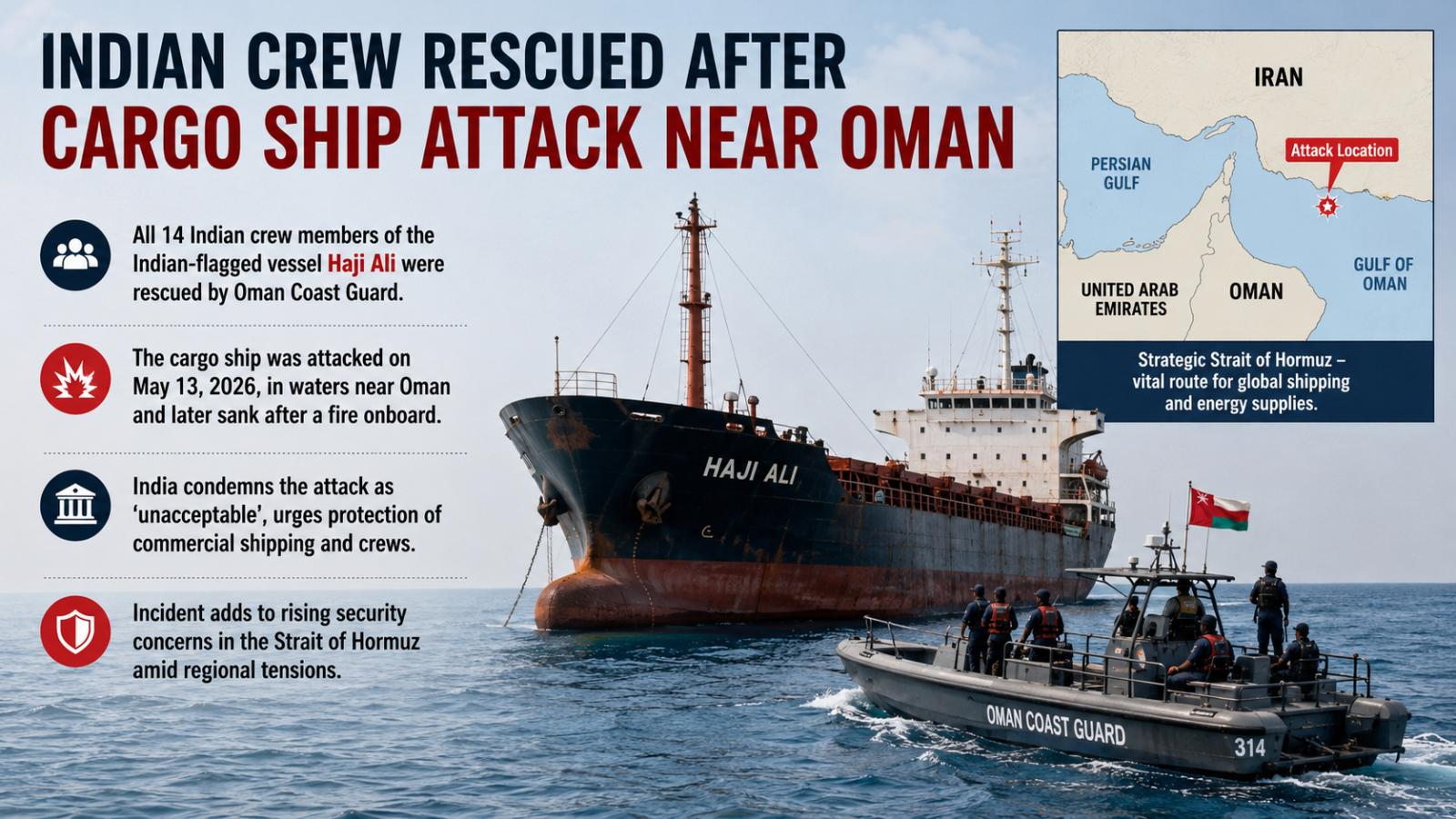
India condemned an attack on an Indian-flagged cargo vessel near Oman after all 14 Indian crew members were safely rescued, raising fresh concerns over commercial shipping near the Strait of Hormuz.
The vessel, identified by Indian shipping officials as Haji Ali, sank after a suspected attack in Omani waters on Wednesday, May 13, 2026.
Indian Crew Rescued After Ship Attack Near Oman
India’s Ministry of External Affairs said o
India condemned an attack on an Indian-flagged cargo vessel near Oman after all 14 Indian crew members were safely rescued, raising fresh concerns over commercial shipping near the Strait of Hormuz.
The vessel, identified by Indian shipping officials as Haji Ali, sank after a suspected attack in Omani waters on Wednesday, May 13, 2026.
Indian Crew Rescued After Ship Attack Near Oman
India’s Ministry of External Affairs said o
A Warmer Welcome for Trump
Chinese President Xi Jinping’s diplomatic approach to Donald Trump’s recent visit to Beijing marked a clear shift in China-US relations. Unlike in 2017, when Trump was greeted by a lower-ranking official, this time China sent Vice President Han Zheng, along with both ambassadors and senior foreign affairs officials, signaling a significant elevation in the diplomatic reception. Isabelle Vladoiu, founder of the US Institute of Diplomacy and Human Righ
A Warmer Welcome for Trump
Chinese President Xi Jinping’s diplomatic approach to Donald Trump’s recent visit to Beijing marked a clear shift in China-US relations. Unlike in 2017, when Trump was greeted by a lower-ranking official, this time China sent Vice President Han Zheng, along with both ambassadors and senior foreign affairs officials, signaling a significant elevation in the diplomatic reception. Isabelle Vladoiu, founder of the US Institute of Diplomacy and Human Righ
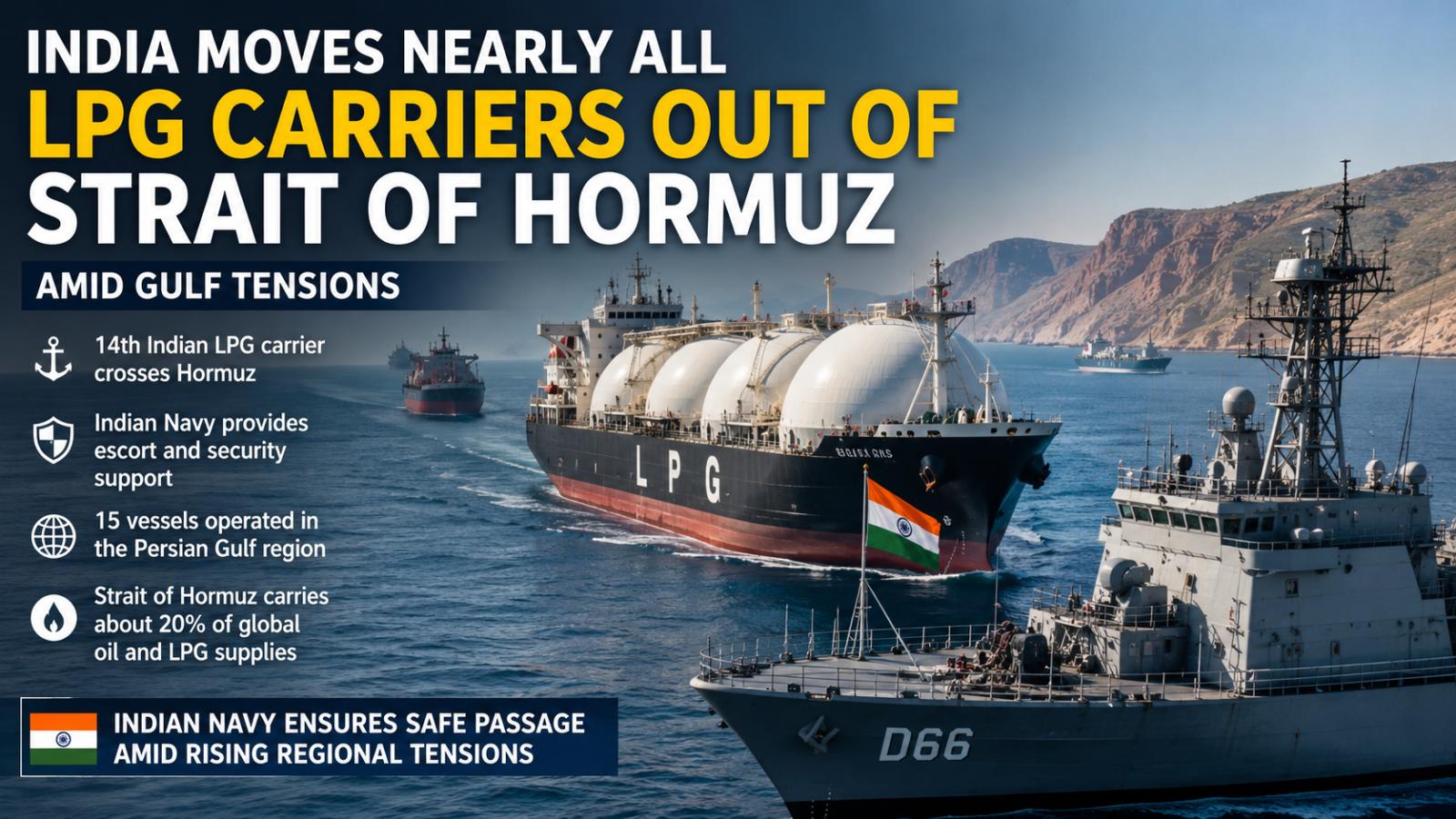
India LPG Carriers Move Through Strait of Hormuz
India has moved nearly all of its LPG carriers out of the Strait of Hormuz with support from the Indian Navy as tensions continue to affect shipping security in the Persian Gulf region.
Government sources said on Thursday, May 14, 2026, that the 14th Indian liquefied petroleum gas carrier had crossed the strategic waterway, while one final vessel remained in the process of crossing under close monitoring.
India LPG Carriers Move Through Strait of Hormuz
India has moved nearly all of its LPG carriers out of the Strait of Hormuz with support from the Indian Navy as tensions continue to affect shipping security in the Persian Gulf region.
Government sources said on Thursday, May 14, 2026, that the 14th Indian liquefied petroleum gas carrier had crossed the strategic waterway, while one final vessel remained in the process of crossing under close monitoring.