EU India trade talks near final approval stage
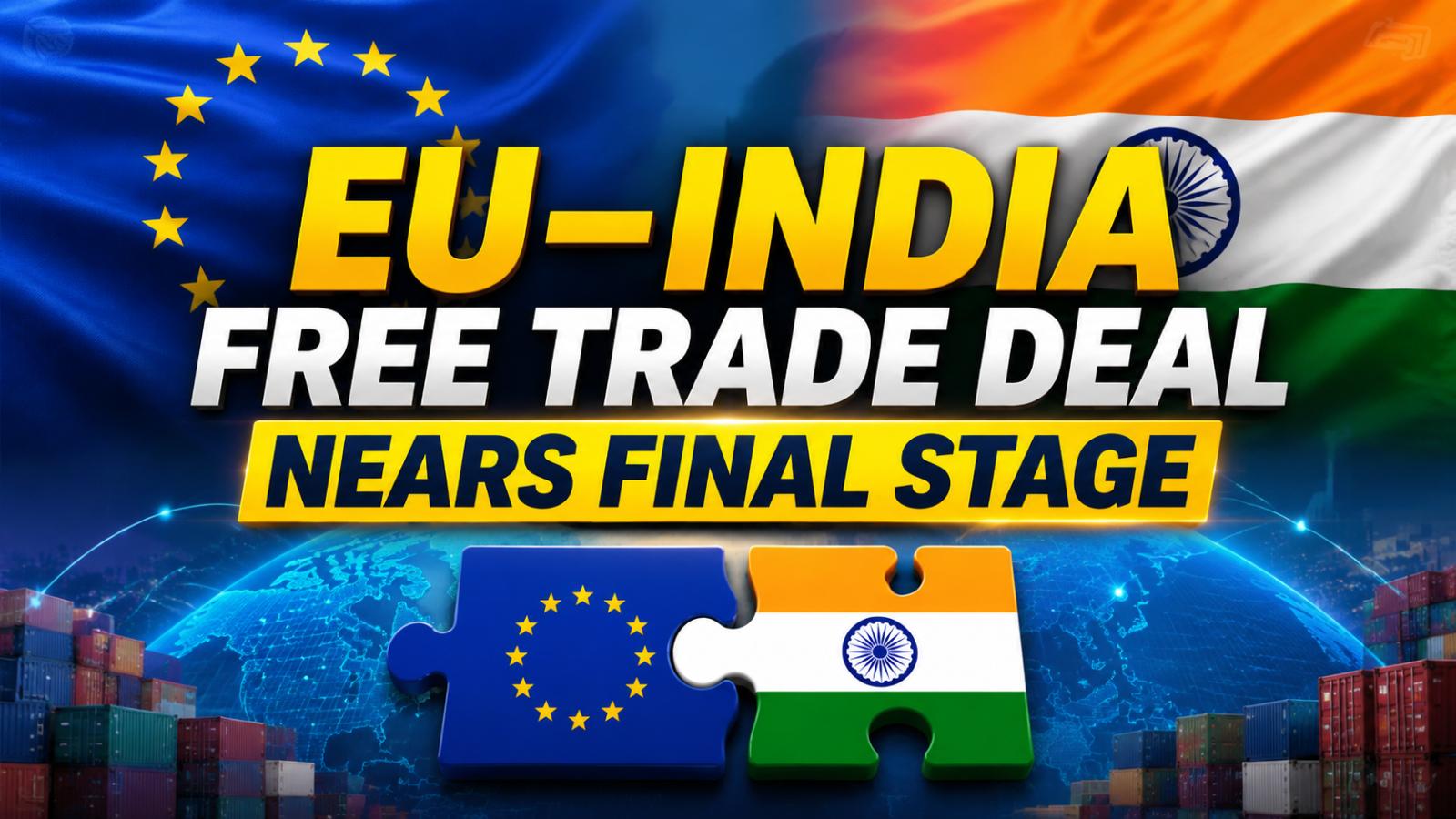
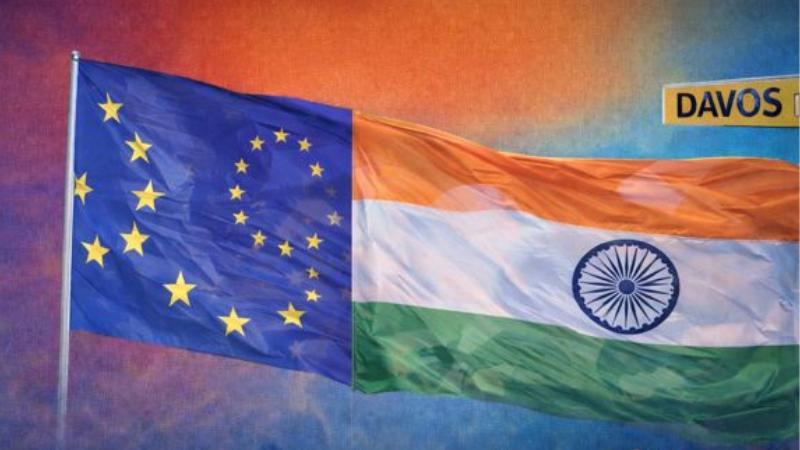
The proposed free trade agreement between the European Union and India has moved into its last procedural stage after years of negotiation. Both sides have already agreed on the core framework, and the current focus is on legal refinement and institutional clearance before formal approval. Officials describe this phase as technical but decisive, as even small wording changes can affect implementation across sectors. The agreement is being revi
EU India trade talks near final approval stage
The proposed free trade agreement between the European Union and India has moved into its last procedural stage after years of negotiation. Both sides have already agreed on the core framework, and the current focus is on legal refinement and institutional clearance before formal approval. Officials describe this phase as technical but decisive, as even small wording changes can affect implementation across sectors. The agreement is being revi
EU-India FTA Could Start Within A Year: What The Landmark Trade Deal Means For Exporters
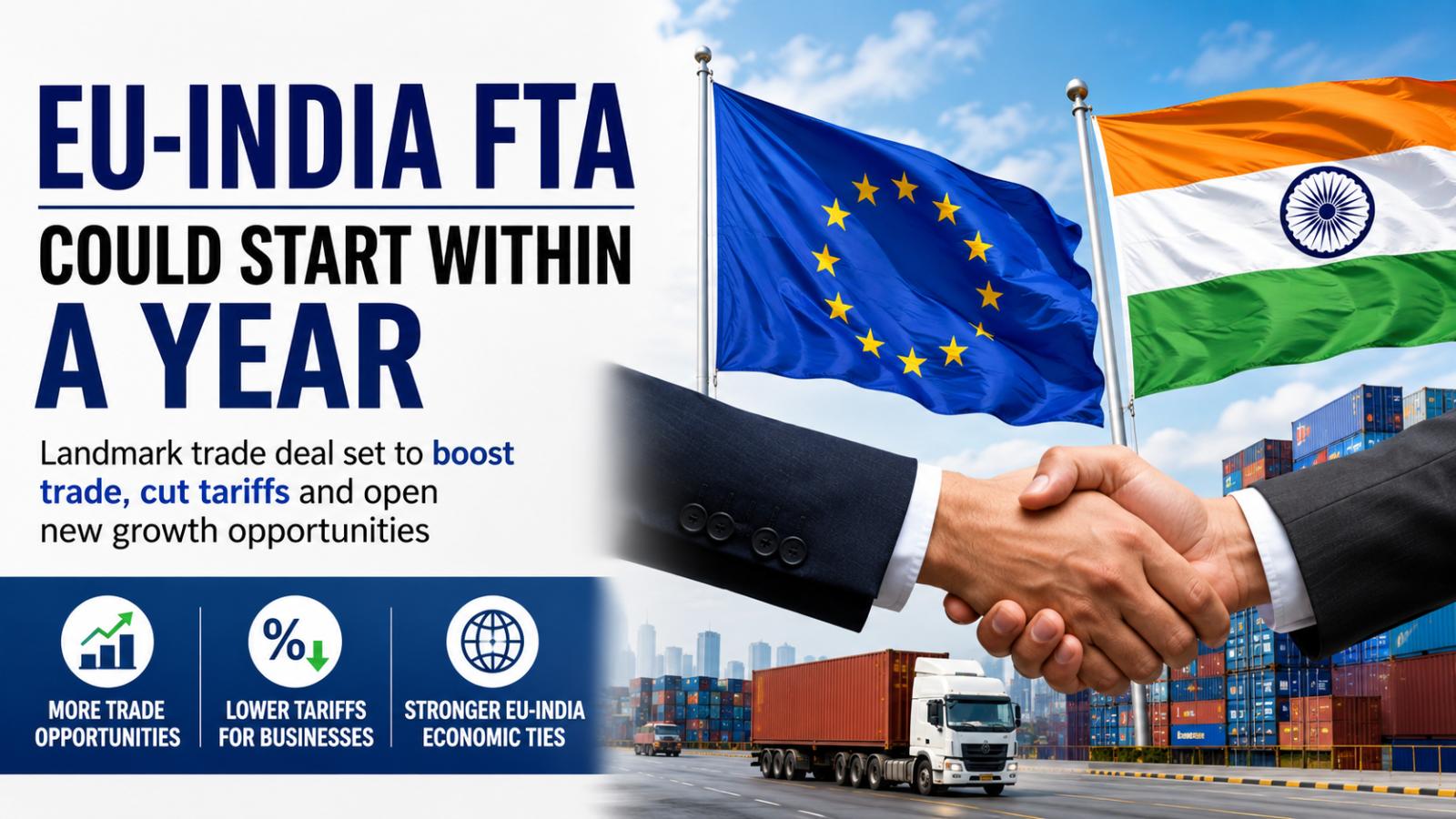
EU-India FTA May Begin Within A Year The EU-India FTA could come into force within a year, potentially by early 2027, after both sides concluded negotiations on January 27, 2026. European Union Ambassador to India Hervé Delphin said the landmark free trade agreement is now moving through legal and procedural steps before ratification. The process includes legal vetting of the final text, followed by approvals in India and the European Union.
EU-India FTA Could Start Within A Year: What The Landmark Trade Deal Means For Exporters
EU-India FTA May Begin Within A Year The EU-India FTA could come into force within a year, potentially by early 2027, after both sides concluded negotiations on January 27, 2026. European Union Ambassador to India Hervé Delphin said the landmark free trade agreement is now moving through legal and procedural steps before ratification. The process includes legal vetting of the final text, followed by approvals in India and the European Union.
India reschedules US trade talks after Supreme Court tariff ruling
The Indian government has decided to reschedule a planned visit by its trade delegation to Washington, DC, following fresh uncertainty triggered by the US Supreme Court’s decision to strike down former president Donald Trump’s “Liberation Day” tariffs. Officials indicated that the move reflects a cautious approach as both sides assess the legal and strategic implications of the ruling on the ongoing India-US trade deal discussions. The Indian delegation, led by chief negotiator Darpa
India reschedules US trade talks after Supreme Court tariff ruling
The Indian government has decided to reschedule a planned visit by its trade delegation to Washington, DC, following fresh uncertainty triggered by the US Supreme Court’s decision to strike down former president Donald Trump’s “Liberation Day” tariffs. Officials indicated that the move reflects a cautious approach as both sides assess the legal and strategic implications of the ruling on the ongoing India-US trade deal discussions. The Indian delegation, led by chief negotiator Darpa
India studying impact after US court strikes down Trump tariffs
The Government of India on Saturday said it is closely examining recent developments in the United States after the US Supreme Court struck down former President Donald Trump’s sweeping global tariffs. The Commerce Ministry stated that officials are assessing the implications of both the court ruling and subsequent announcements made by the US administration. In its first formal reaction, the ministry confirmed it had taken note of the Supreme Court’s judgment delivered on Frida
India studying impact after US court strikes down Trump tariffs
The Government of India on Saturday said it is closely examining recent developments in the United States after the US Supreme Court struck down former President Donald Trump’s sweeping global tariffs. The Commerce Ministry stated that officials are assessing the implications of both the court ruling and subsequent announcements made by the US administration. In its first formal reaction, the ministry confirmed it had taken note of the Supreme Court’s judgment delivered on Frida
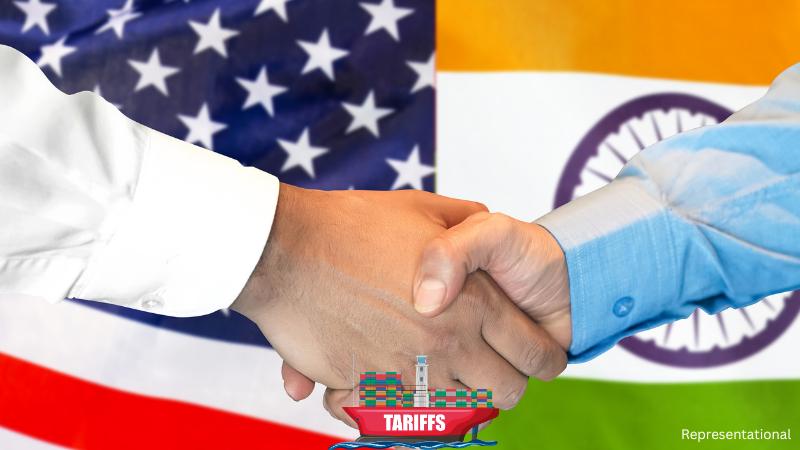
India–US trade pact to cut tariffs on food, wine, tech and vehicles
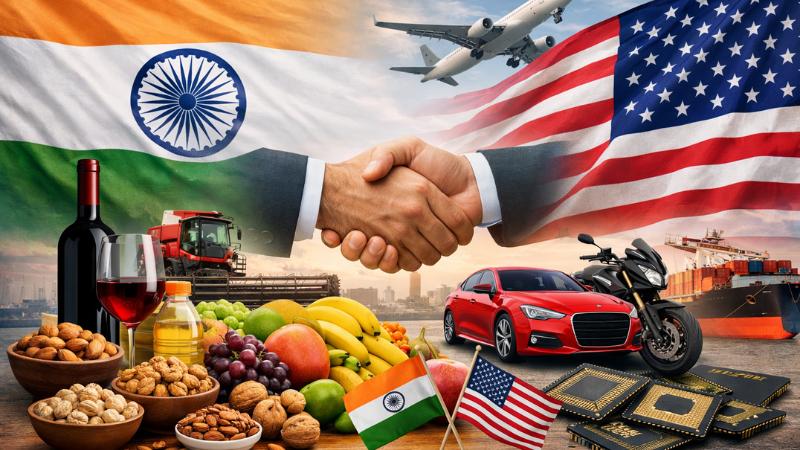
A broad range of American goods, including wines, spirits, dry fruits, technology products and select industrial items, are set to enter the Indian market at zero or reduced import duties under the first phase of a new trade pact between India and the United States. The move is expected to lower retail prices for consumers, expand market access for businesses and strengthen bilateral trade ties between the two economies. Officials from both countries confirmed that they have finalised the framework for the initial phase of a bilateral trade agreement aimed at cutting tariffs and easing barriers that have historically slowed cross-border commerce. The framework will now be converted into a legally binding agreement, with signing expected by mid-March. Duty concessions are likely to come into effect immediately upon implementation, while some reductions will be introduced in stages. Under the arrangement, India will eliminate or reduce tariffs on several categories of US industrial and agricultural goods. These include dried distillers’ grains, red sorghum used for animal feed, soybean oil, fresh and processed fruits, and a variety of tree nuts. Almonds, walnuts, pistachios and certain lentils are among the products that will benefit from lower import duties. Alcoholic beverages such as wine and spirits are also expected to become more competitively priced in the Indian market as tariffs decline. The concessions extend beyond food and farm products. High-end cars and motorcycles, along with aircraft, semiconductor components and specialised machinery, will receive duty benefits. Medical and healthcare products, including select medicines for neurological, cardiac and diabetes treatment, as well as medical devices, diagnostic reagents, pacemakers, imaging equipment, hearing aids and artificial joints, are also covered under the pact. Both sides have agreed to address non-tariff barriers that affect trade flows. India has committed to easing restrictions that have delayed market access for US medical devices and to simplifying import licensing procedures for information and communication technology goods. These products are considered essential for India’s expanding data centres and industrial infrastructure. At the same time, New Delhi said it will adopt a calibrated approach to protect domestic producers, including small and medium enterprises and farmers. Minimum import prices on certain products, such as apples, have been fixed to safeguard local interests. In return, a wide basket of Indian exports will gain duty-free or preferential access to the US market. Spices, tea, coffee, coconut-based products, cashews, fruits such as mangoes, bananas, guavas and pineapples, along with bakery goods, cocoa products, seeds, vegetable planting material and processed foods, are among the items set to attract zero reciprocal tariffs. Officials said the measures could provide a significant boost to India’s agriculture and food processing sectors. Trade experts view the agreement as a step toward deeper economic integration between the two countries, with the potential to diversify supply chains and stimulate two-way investment. By reducing tariff and non-tariff barriers, the pact is expected to increase trade volumes, enhance competitiveness and create new opportunities for exporters and consumers on both sides.
India–US trade pact to cut tariffs on food, wine, tech and vehicles
A broad range of American goods, including wines, spirits, dry fruits, technology products and select industrial items, are set to enter the Indian market at zero or reduced import duties under the first phase of a new trade pact between India and the United States. The move is expected to lower retail prices for consumers, expand market access for businesses and strengthen bilateral trade ties between the two economies. Officials from both countries confirmed that they have finalised the framework for the initial phase of a bilateral trade agreement aimed at cutting tariffs and easing barriers that have historically slowed cross-border commerce. The framework will now be converted into a legally binding agreement, with signing expected by mid-March. Duty concessions are likely to come into effect immediately upon implementation, while some reductions will be introduced in stages. Under the arrangement, India will eliminate or reduce tariffs on several categories of US industrial and agricultural goods. These include dried distillers’ grains, red sorghum used for animal feed, soybean oil, fresh and processed fruits, and a variety of tree nuts. Almonds, walnuts, pistachios and certain lentils are among the products that will benefit from lower import duties. Alcoholic beverages such as wine and spirits are also expected to become more competitively priced in the Indian market as tariffs decline. The concessions extend beyond food and farm products. High-end cars and motorcycles, along with aircraft, semiconductor components and specialised machinery, will receive duty benefits. Medical and healthcare products, including select medicines for neurological, cardiac and diabetes treatment, as well as medical devices, diagnostic reagents, pacemakers, imaging equipment, hearing aids and artificial joints, are also covered under the pact. Both sides have agreed to address non-tariff barriers that affect trade flows. India has committed to easing restrictions that have delayed market access for US medical devices and to simplifying import licensing procedures for information and communication technology goods. These products are considered essential for India’s expanding data centres and industrial infrastructure. At the same time, New Delhi said it will adopt a calibrated approach to protect domestic producers, including small and medium enterprises and farmers. Minimum import prices on certain products, such as apples, have been fixed to safeguard local interests. In return, a wide basket of Indian exports will gain duty-free or preferential access to the US market. Spices, tea, coffee, coconut-based products, cashews, fruits such as mangoes, bananas, guavas and pineapples, along with bakery goods, cocoa products, seeds, vegetable planting material and processed foods, are among the items set to attract zero reciprocal tariffs. Officials said the measures could provide a significant boost to India’s agriculture and food processing sectors. Trade experts view the agreement as a step toward deeper economic integration between the two countries, with the potential to diversify supply chains and stimulate two-way investment. By reducing tariff and non-tariff barriers, the pact is expected to increase trade volumes, enhance competitiveness and create new opportunities for exporters and consumers on both sides.
India and US near historic trade pact as tariff cuts and mineral ties advance
India and the United States are moving closer to concluding what officials describe as a landmark trade agreement, with External Affairs Minister S. Jaishankar indicating that the final details are being worked out and an announcement could come soon. Speaking at the conclusion of his visit to Washington on February 5, Jaishankar said negotiations had reached an advanced stage and expressed confidence that the pact would usher in a new phase of cooperation between the two countries.

India and US near historic trade pact as tariff cuts and mineral ties advance
India and the United States are moving closer to concluding what officials describe as a landmark trade agreement, with External Affairs Minister S. Jaishankar indicating that the final details are being worked out and an announcement could come soon. Speaking at the conclusion of his visit to Washington on February 5, Jaishankar said negotiations had reached an advanced stage and expressed confidence that the pact would usher in a new phase of cooperation between the two countries.

India–US trade deal: Doval warns Washington against pressure tactics
India’s national security advisor Ajit Doval conveyed a firm message to senior United States officials months before the announcement of a new trade agreement between New Delhi and Washington, underscoring that India would not yield to public pressure or coercive tactics during negotiations. According to officials familiar with the discussions, Doval made it clear during meetings in Washington that India was prepared to wait out the current US administration if necessary rather than accept terms it viewed as unfavorable. The visit took place in early September, shortly after Prime Minister Narendra Modi held talks with Russian President Vladimir Putin and Chinese President Xi Jinping, signaling an active diplomatic phase for New Delhi across major global powers. During his interaction with US Secretary of State Marco Rubio, Doval reportedly emphasized that while India remained committed to reviving trade talks, it expected a more measured tone from Washington and less public criticism that could complicate bilateral ties. Officials said Doval sought to put recent acrimony behind the two countries and expressed interest in restarting substantive discussions on a trade deal that has been under negotiation for several years. At the same time, he warned that India would not be “bullied” by President Donald Trump or senior members of his team, stressing that any agreement must respect India’s economic interests and strategic autonomy. The remarks came months before Trump publicly announced progress on a trade deal with India following a phone call with Modi on February 2. That announcement marked a fresh attempt by both sides to rebuild momentum in economic cooperation after a period marked by tariff disputes and disagreements over market access. Diplomatic observers note that India’s approach reflects a broader foreign policy strategy that balances engagement with firmness. By signaling willingness to continue talks while resisting overt pressure, New Delhi appears intent on safeguarding domestic priorities while preserving its long-term partnership with Washington. The United States remains one of India’s largest trading partners, and both governments view closer economic integration as central to strengthening strategic ties in the Indo-Pacific. The Washington meeting is seen as part of quiet backchannel diplomacy aimed at lowering tensions and creating space for practical negotiations. With both sides now indicating readiness to resume dialogue, officials say the focus will be on rebuilding trust and advancing a mutually beneficial trade framework that supports growth and stability in the relationship.

India–US trade deal: Doval warns Washington against pressure tactics
India’s national security advisor Ajit Doval conveyed a firm message to senior United States officials months before the announcement of a new trade agreement between New Delhi and Washington, underscoring that India would not yield to public pressure or coercive tactics during negotiations. According to officials familiar with the discussions, Doval made it clear during meetings in Washington that India was prepared to wait out the current US administration if necessary rather than accept terms it viewed as unfavorable. The visit took place in early September, shortly after Prime Minister Narendra Modi held talks with Russian President Vladimir Putin and Chinese President Xi Jinping, signaling an active diplomatic phase for New Delhi across major global powers. During his interaction with US Secretary of State Marco Rubio, Doval reportedly emphasized that while India remained committed to reviving trade talks, it expected a more measured tone from Washington and less public criticism that could complicate bilateral ties. Officials said Doval sought to put recent acrimony behind the two countries and expressed interest in restarting substantive discussions on a trade deal that has been under negotiation for several years. At the same time, he warned that India would not be “bullied” by President Donald Trump or senior members of his team, stressing that any agreement must respect India’s economic interests and strategic autonomy. The remarks came months before Trump publicly announced progress on a trade deal with India following a phone call with Modi on February 2. That announcement marked a fresh attempt by both sides to rebuild momentum in economic cooperation after a period marked by tariff disputes and disagreements over market access. Diplomatic observers note that India’s approach reflects a broader foreign policy strategy that balances engagement with firmness. By signaling willingness to continue talks while resisting overt pressure, New Delhi appears intent on safeguarding domestic priorities while preserving its long-term partnership with Washington. The United States remains one of India’s largest trading partners, and both governments view closer economic integration as central to strengthening strategic ties in the Indo-Pacific. The Washington meeting is seen as part of quiet backchannel diplomacy aimed at lowering tensions and creating space for practical negotiations. With both sides now indicating readiness to resume dialogue, officials say the focus will be on rebuilding trust and advancing a mutually beneficial trade framework that supports growth and stability in the relationship.
Lok Sabha Disruptions Over Rahul Gandhi's Memoir Reference: 8 MPs Suspended Amid Tensions
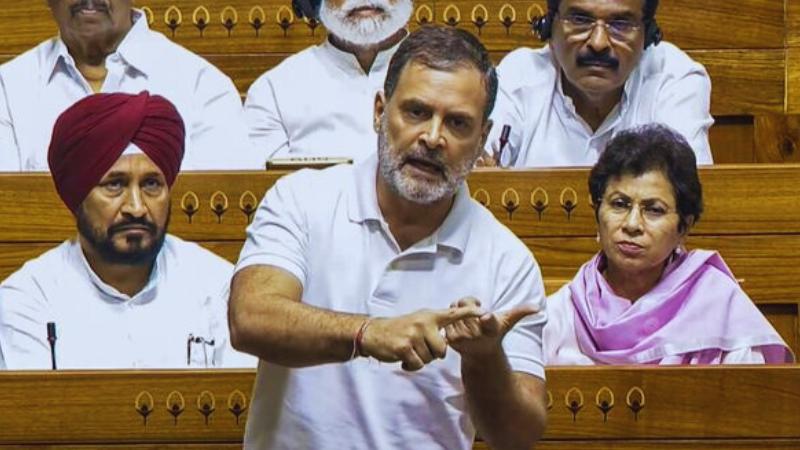
The Lok Sabha session on Tuesday was thrown into chaos after Rahul Gandhi, Leader of the Opposition, attempted to refer to an article based on former Army chief M M Naravane’s unpublished memoir. The reference ignited a fierce confrontation between the opposition Congress and the ruling BJP, which ultimately led to the adjournment of the proceedings. The tension arose when Gandhi, speaking on the Motion of Thanks to the President’s address, insisted on citing an article he claimed was lin
Lok Sabha Disruptions Over Rahul Gandhi's Memoir Reference: 8 MPs Suspended Amid Tensions
The Lok Sabha session on Tuesday was thrown into chaos after Rahul Gandhi, Leader of the Opposition, attempted to refer to an article based on former Army chief M M Naravane’s unpublished memoir. The reference ignited a fierce confrontation between the opposition Congress and the ruling BJP, which ultimately led to the adjournment of the proceedings. The tension arose when Gandhi, speaking on the Motion of Thanks to the President’s address, insisted on citing an article he claimed was lin
PM Modi expresses gratitude to Trump after US cuts tariffs on Indian goods
Prime Minister Narendra Modi on Monday welcomed a significant reduction in tariffs on Indian exports to the United States following an announcement by US President Donald Trump that the two countries had reached a bilateral trade agreement aimed at lowering reciprocal duties. Under the new arrangement, tariffs on Made in India products entering the US market will be reduced to 18%, marking a notable shift in trade relations between the two major economies. The agreement also provide
PM Modi expresses gratitude to Trump after US cuts tariffs on Indian goods
Prime Minister Narendra Modi on Monday welcomed a significant reduction in tariffs on Indian exports to the United States following an announcement by US President Donald Trump that the two countries had reached a bilateral trade agreement aimed at lowering reciprocal duties. Under the new arrangement, tariffs on Made in India products entering the US market will be reduced to 18%, marking a notable shift in trade relations between the two major economies. The agreement also provide
US and India agree on trade deal as tariffs are cut and oil strategy shifts
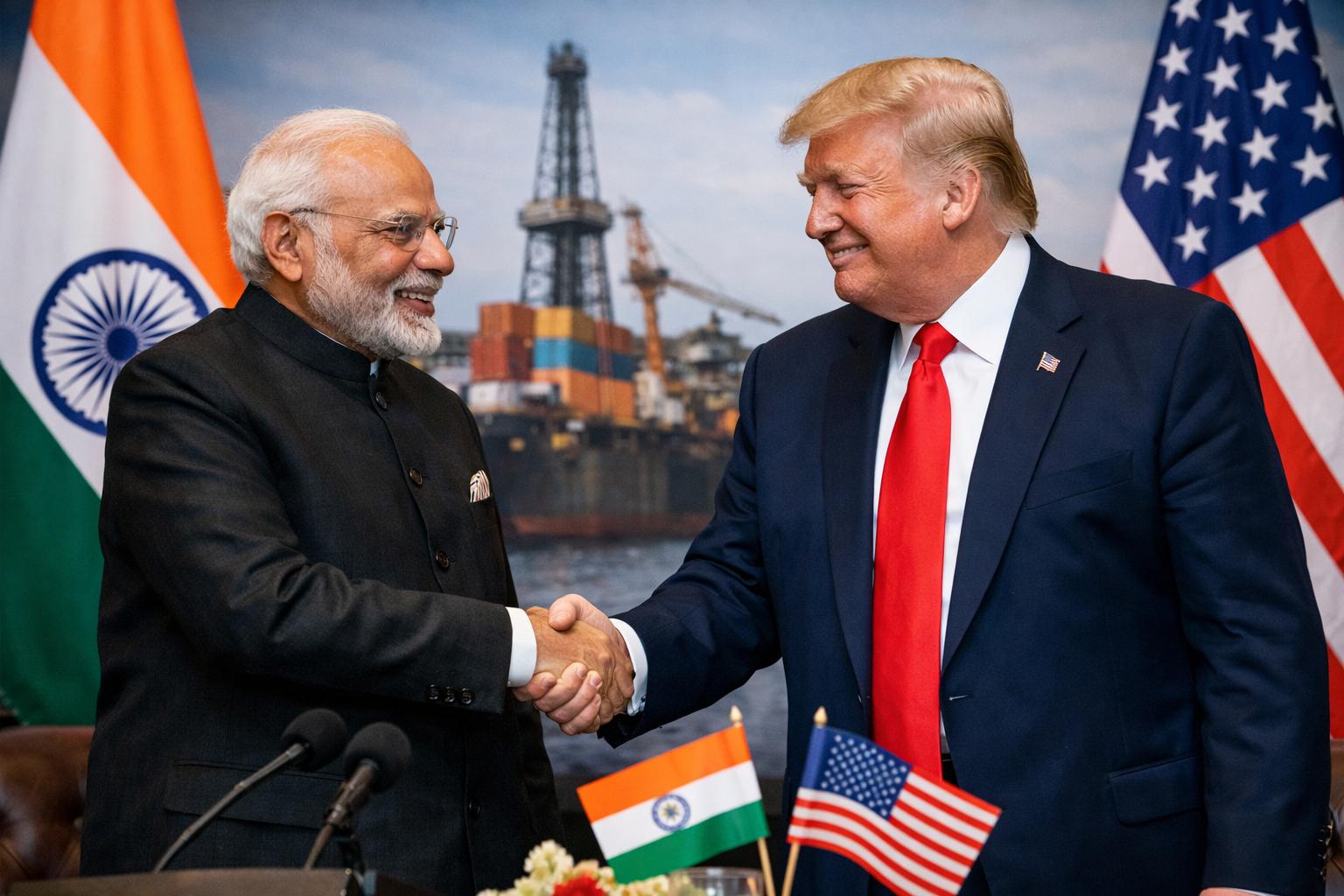
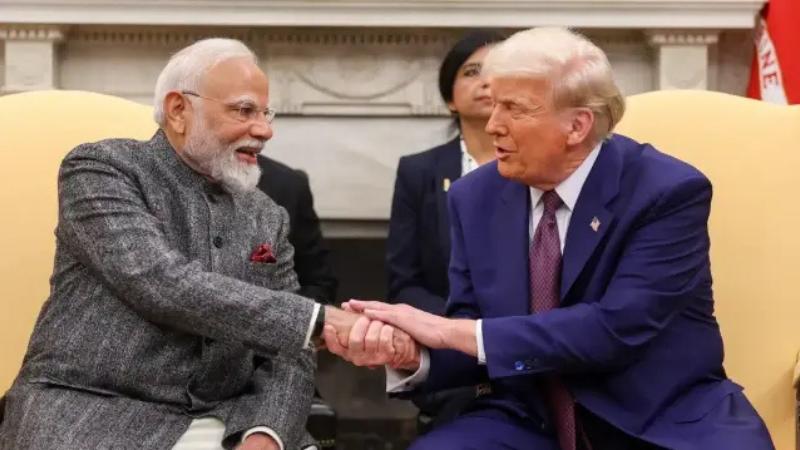
In a significant development affecting global trade and energy policy, United States President Donald Trump announced a bilateral trade agreement with Indian Prime Minister Narendra Modi following a direct telephone conversation on Monday. According to an official post shared by the US Ambassador to India on social media, the leaders discussed a range of strategic and economic issues, culminating in an accord that reduces key economic barriers between the two countries. In his publi
US and India agree on trade deal as tariffs are cut and oil strategy shifts
In a significant development affecting global trade and energy policy, United States President Donald Trump announced a bilateral trade agreement with Indian Prime Minister Narendra Modi following a direct telephone conversation on Monday. According to an official post shared by the US Ambassador to India on social media, the leaders discussed a range of strategic and economic issues, culminating in an accord that reduces key economic barriers between the two countries. In his publi
Trump voices confidence in India–US trade talks, praises Modi and bilateral ties
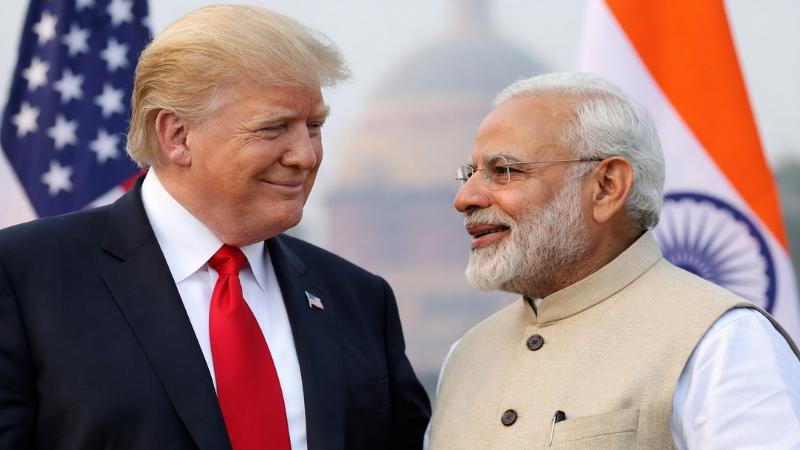
United States President Donald Trump on Wednesday expressed strong optimism about the future of India–US trade relations, indicating that discussions between the two countries were moving in a positive direction. Speaking about the ongoing trade negotiations, Trump highlighted his confidence that both sides would be able to arrive at a mutually beneficial agreement, underlining the importance of c
Trump voices confidence in India–US trade talks, praises Modi and bilateral ties
United States President Donald Trump on Wednesday expressed strong optimism about the future of India–US trade relations, indicating that discussions between the two countries were moving in a positive direction. Speaking about the ongoing trade negotiations, Trump highlighted his confidence that both sides would be able to arrive at a mutually beneficial agreement, underlining the importance of c
India Nears Mother of All Trade Deals With EU Amid Trump Tariff Tensions
Global geopolitics is witnessing a major shift as India positions itself for what is being described as the “Mother of All Trade Deals” with the European Union. This development comes at a time when United States President Donald Trump has intensified tariff pressures and sanctions on several nations, including India. These aggressive trade policies have forced multiple global powers to rethink their economic alliances, creating fresh opportunities for India on the international stage.
India Nears Mother of All Trade Deals With EU Amid Trump Tariff Tensions
Global geopolitics is witnessing a major shift as India positions itself for what is being described as the “Mother of All Trade Deals” with the European Union. This development comes at a time when United States President Donald Trump has intensified tariff pressures and sanctions on several nations, including India. These aggressive trade policies have forced multiple global powers to rethink their economic alliances, creating fresh opportunities for India on the international stage.
EU delays US trade deal vote amid Trump tariff threat over Greenland
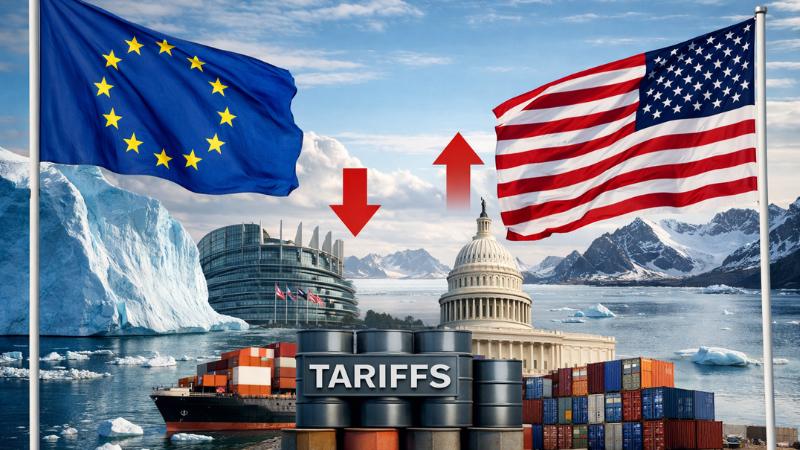
European Union lawmakers have decided to postpone the ratification of a recently concluded trade agreement with the United States following new tariff threats issued by President Donald Trump in connection with Greenland. The European Parliament, the bloc’s main political institution, had been scheduled to vote in the coming week on measures that would remove tariffs on selected US exports under the agreement. That plan has now been put on hold as tensions between Washington and several Eur
EU delays US trade deal vote amid Trump tariff threat over Greenland
European Union lawmakers have decided to postpone the ratification of a recently concluded trade agreement with the United States following new tariff threats issued by President Donald Trump in connection with Greenland. The European Parliament, the bloc’s main political institution, had been scheduled to vote in the coming week on measures that would remove tariffs on selected US exports under the agreement. That plan has now been put on hold as tensions between Washington and several Eur
India most essential partner for US as trade talks resume, says ambassador-designate
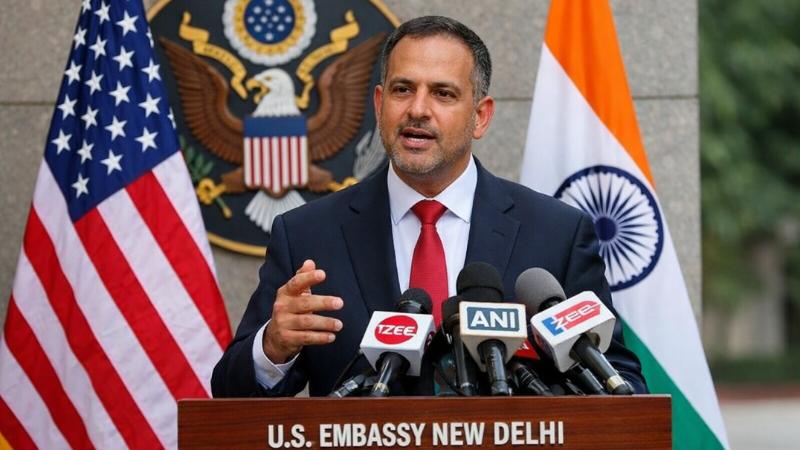
The United States considers India its most essential international partner, US ambassador-designate Sergio Gor said on Monday, as Washington and New Delhi prepare to restart a new round of trade negotiations beginning Tuesday, January 12. Speaking at the US Embassy in New Delhi, Gor underlined the depth of the bilateral relationship and expressed confidence that both sides could overcome existing challenges to advance cooperation across multiple sectors. Gor, who also serves as Spec
India most essential partner for US as trade talks resume, says ambassador-designate
The United States considers India its most essential international partner, US ambassador-designate Sergio Gor said on Monday, as Washington and New Delhi prepare to restart a new round of trade negotiations beginning Tuesday, January 12. Speaking at the US Embassy in New Delhi, Gor underlined the depth of the bilateral relationship and expressed confidence that both sides could overcome existing challenges to advance cooperation across multiple sectors. Gor, who also serves as Spec
US commerce secretary says Modi did not call Trump, trade deal collapsed
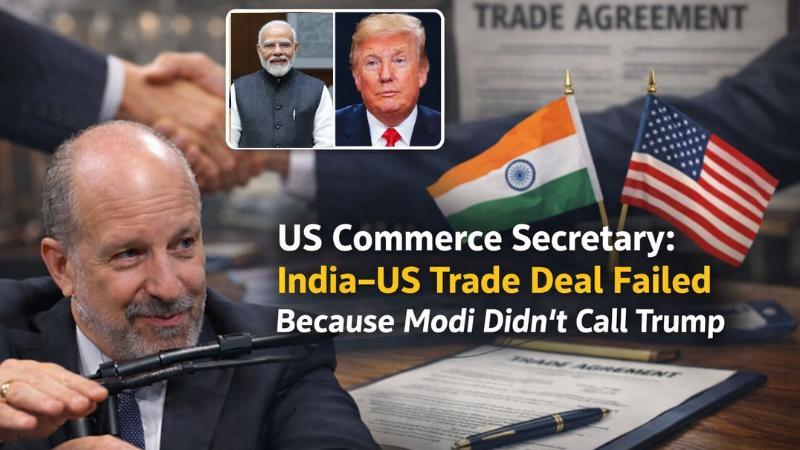
The proposed India–US trade deal failed to materialise because Prime Minister Narendra Modi did not personally call US President Donald Trump, according to claims made by US Commerce Secretary Howard Lutnick. Speaking on a podcast, Lutnick said the final step required to close the agreement was direct communication between the two leaders, which did not happen, leading to the collapse of the negotiations. Lutnick stated that the framework of the deal had been completed and was rea
US commerce secretary says Modi did not call Trump, trade deal collapsed
The proposed India–US trade deal failed to materialise because Prime Minister Narendra Modi did not personally call US President Donald Trump, according to claims made by US Commerce Secretary Howard Lutnick. Speaking on a podcast, Lutnick said the final step required to close the agreement was direct communication between the two leaders, which did not happen, leading to the collapse of the negotiations. Lutnick stated that the framework of the deal had been completed and was rea
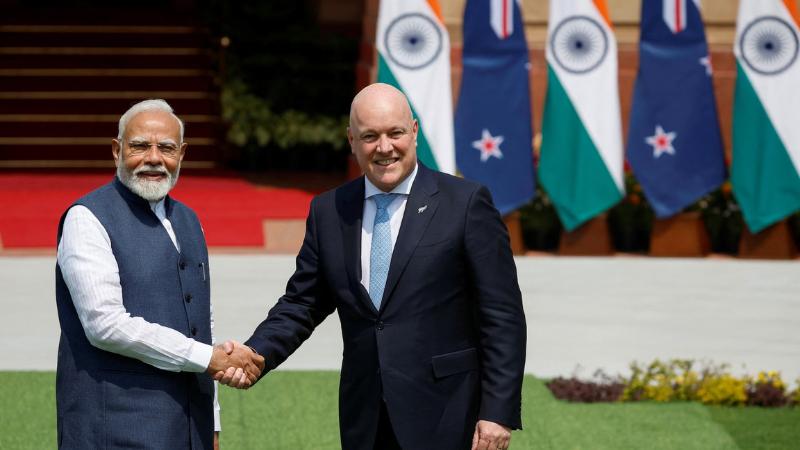
India Trade Deal Sparks Political Rift In New Zealand Government
New Zealand Foreign Minister Winston Peters has publicly criticised the recently concluded India–New Zealand Free Trade Agreement, describing it as a low-quality deal that undermines New Zealand’s economic and labour interests. His remarks come just days after India and New Zealand announced the successful conclusion of FTA negotiations, which both governments claim could significantly boost bil
India Trade Deal Sparks Political Rift In New Zealand Government
New Zealand Foreign Minister Winston Peters has publicly criticised the recently concluded India–New Zealand Free Trade Agreement, describing it as a low-quality deal that undermines New Zealand’s economic and labour interests. His remarks come just days after India and New Zealand announced the successful conclusion of FTA negotiations, which both governments claim could significantly boost bil
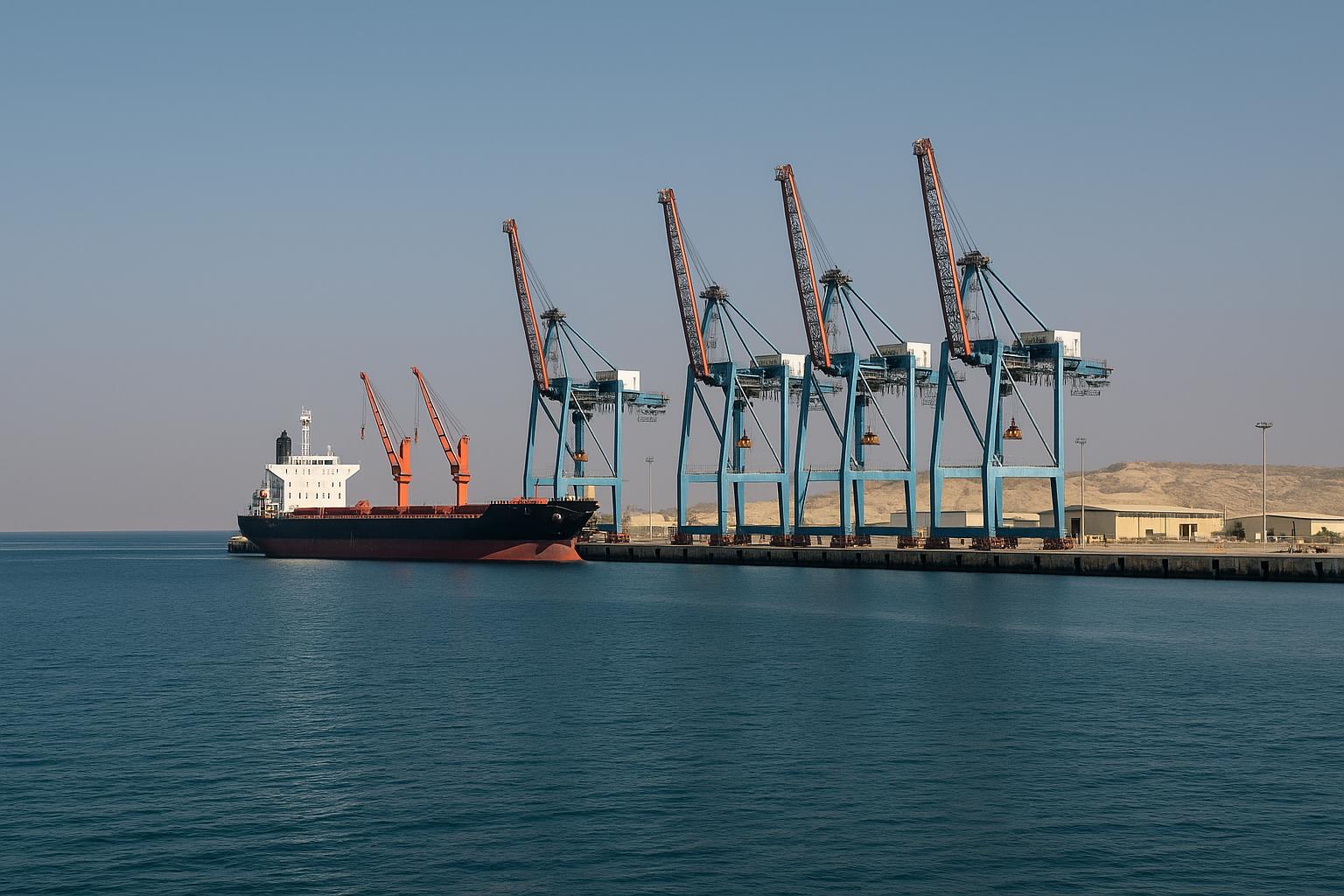
India confirms US sanctions will not impact Chabahar Port project in Iran
New Delhi: India’s Ministry of External Affairs (MEA) has clarified that the American sanctions imposed on Iran will not affect the Chabahar Port project, a critical component of India’s regional connectivity and trade strategy. The confirmation underscores New Delhi’s commitment to maintaining strategic investments in the port, even as it continues its dialogue with the United States on broader trade and diplomatic issues. The Chabahar Port, located on Iran’s southeastern c
India confirms US sanctions will not impact Chabahar Port project in Iran
New Delhi: India’s Ministry of External Affairs (MEA) has clarified that the American sanctions imposed on Iran will not affect the Chabahar Port project, a critical component of India’s regional connectivity and trade strategy. The confirmation underscores New Delhi’s commitment to maintaining strategic investments in the port, even as it continues its dialogue with the United States on broader trade and diplomatic issues. The Chabahar Port, located on Iran’s southeastern c
US says India trade deal possible if Russian oil imports end
The possibility of a significant trade agreement between the United States and India has taken center stage after fresh comments by US Commerce Secretary Howard Lutnick. Speaking about key trade priorities, Lutnick made it clear that progress on the long-discussed deal will depend heavily on India ending its purchase of oil from Russia. His remarks underline the ongoing tensions between Washington and New Delhi over trade practices, energy choices, and global a
US says India trade deal possible if Russian oil imports end
The possibility of a significant trade agreement between the United States and India has taken center stage after fresh comments by US Commerce Secretary Howard Lutnick. Speaking about key trade priorities, Lutnick made it clear that progress on the long-discussed deal will depend heavily on India ending its purchase of oil from Russia. His remarks underline the ongoing tensions between Washington and New Delhi over trade practices, energy choices, and global a
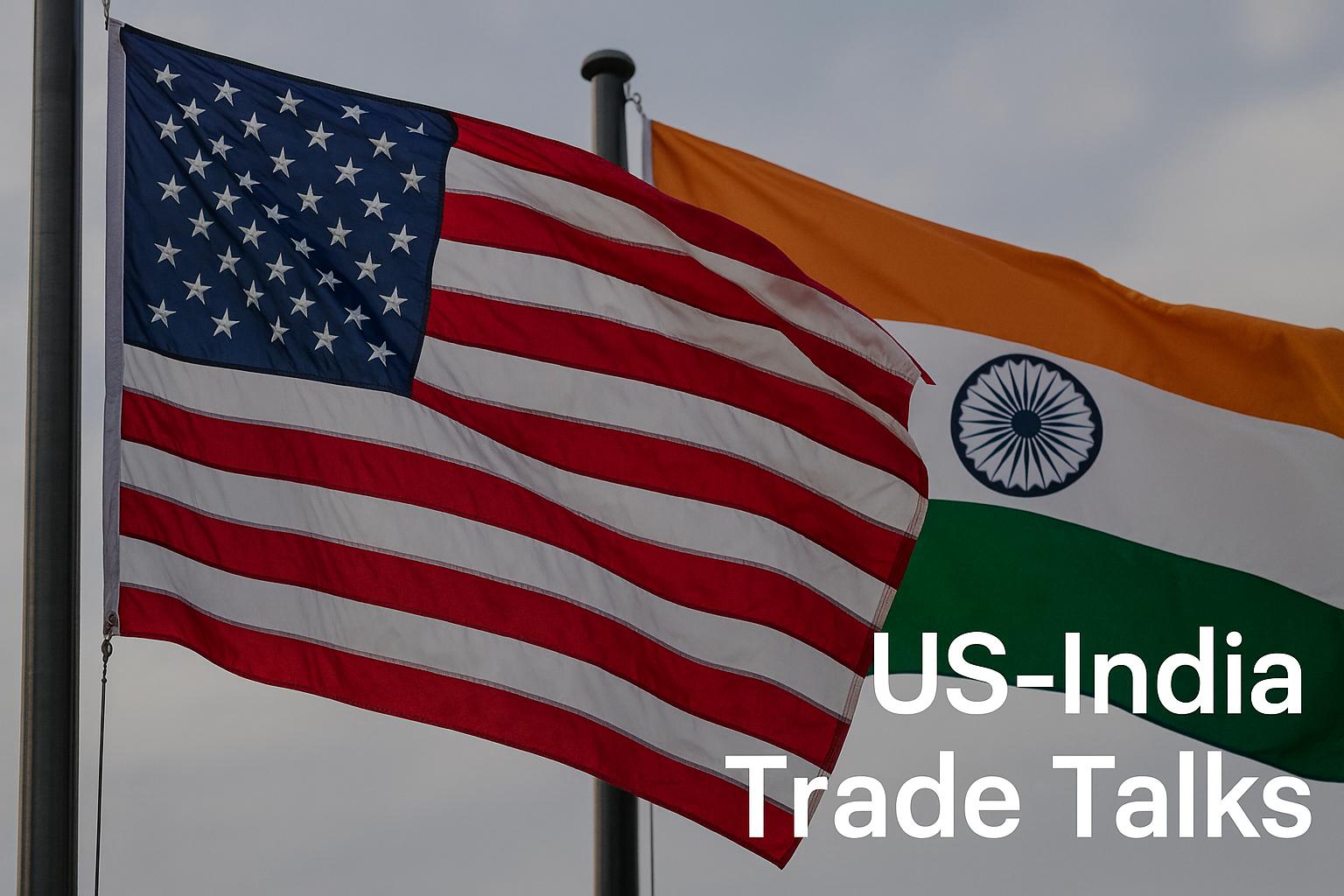
US-India Trade Deal Urgency Grows as Tariff Deadline and Global Stakes Rise
India is facing increasing pressure to conclude a trade agreement with the United States as the August 1 deadline approaches. If a deal is not reached, tariffs on key exports are expected to rise significantly to 26%, potentially impacting India's trade flows, domestic sectors, and global positioning. The urgency has been compounded by recent international developments and India's own active pursuit of balanced trade partnerships. A recent trade agreement between the Unite
US-India Trade Deal Urgency Grows as Tariff Deadline and Global Stakes Rise
India is facing increasing pressure to conclude a trade agreement with the United States as the August 1 deadline approaches. If a deal is not reached, tariffs on key exports are expected to rise significantly to 26%, potentially impacting India's trade flows, domestic sectors, and global positioning. The urgency has been compounded by recent international developments and India's own active pursuit of balanced trade partnerships. A recent trade agreement between the Unite
India and UK Sign Historic Free Trade Agreement, Set to Boost Trade by USD 34 Billion
On July 24, 2025, India and the United Kingdom signed a historic Free Trade Agreement (FTA) during Prime Minister Narendra Modi’s official visit to London, marking a key milestone in their economic relationship. The agreement, expected to increase bilateral trade by USD 34 billion annually, is the largest trade deal the UK has signed since its departure from the European Union in 2020. The deal was finalized between India's Commerce Minister Piyush G
India and UK Sign Historic Free Trade Agreement, Set to Boost Trade by USD 34 Billion
On July 24, 2025, India and the United Kingdom signed a historic Free Trade Agreement (FTA) during Prime Minister Narendra Modi’s official visit to London, marking a key milestone in their economic relationship. The agreement, expected to increase bilateral trade by USD 34 billion annually, is the largest trade deal the UK has signed since its departure from the European Union in 2020. The deal was finalized between India's Commerce Minister Piyush G