






US-Iran conflict: Trump speaks on war, rejects Iran’s ceasefire deal
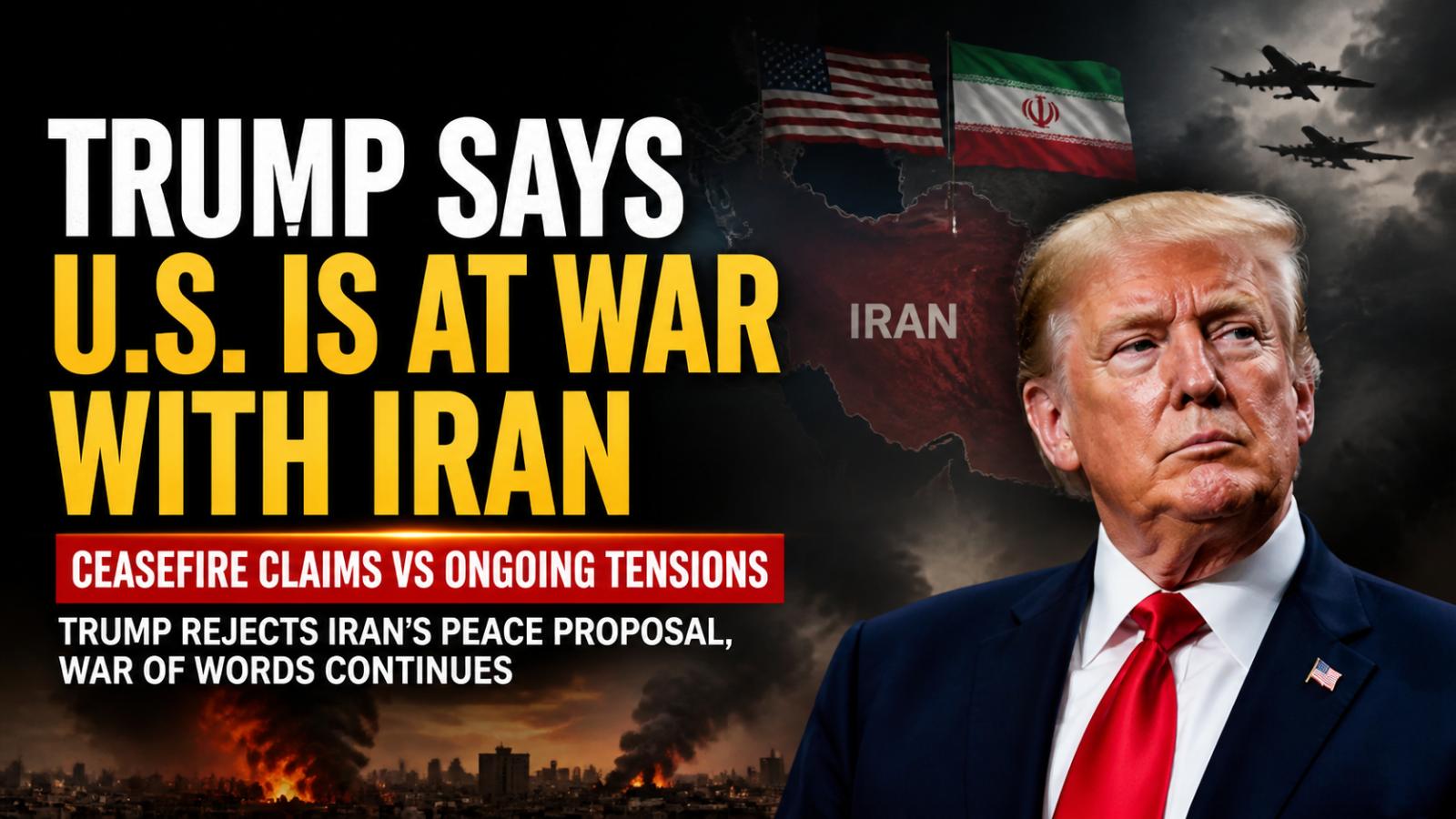
Trump declares war with Iran over nuclear threat President Donald Trump has reaffirmed his stance on the ongoing US-Iran conflict, declaring that the US is at war with Iran to prevent the country from acquiring nuclear weapons. In a statement made during a Florida event, Trump expressed his belief that Iran’s leadership poses a significant threat to global security, stating that "lunatics can't have a nuclear weapon." His comments come at a time when his administration has informed the US Congress that the war has reached its conclusion, though the situation remains tense. Trump emphasizes the importance of military action against Iran Trump explained that the US military action against Iran was crucial in preventing a nuclear-armed nation from destabilizing the Middle East. He credited US airstrikes with B2 bombers for preventing Iran from obtaining a nuclear weapon, which could have led to catastrophic consequences for Israel, the Middle East, and Europe. “If we didn’t do that, they would have had a nuclear weapon,” Trump added, emphasizing the urgency of the situation. He claimed that Iran's military capabilities have been severely diminished, stating that the country no longer has a navy, air force, anti-aircraft systems, or effective radar defenses. Trump rejects Iran's ceasefire proposal In a direct response to Iran’s proposal for a ceasefire, Trump made it clear that the US would not end the conflict prematurely. “We’re not going to leave early and have this kind of problem arise in three more years,” he said, reinforcing his position on the need for a strong and comprehensive resolution. Trump blamed Iran's leadership for the ongoing conflict, criticizing their fractured decision-making. “It’s a very disjointed leadership,” he remarked, indicating that despite their willingness to negotiate, Iran’s leaders are unable to reach a viable agreement. The ceasefire proposal is dismissed The ceasefire proposal, delivered by Pakistan on behalf of Iran, was quickly dismissed by the US. Despite this, a fragile ceasefire between the two nations has held, albeit with mutual accusations of violations. Tensions remain high, especially in the Strait of Hormuz, where a significant portion of the world’s oil and gas passes through. Trump outlined two potential paths forward: either continuing the conflict to decisively end Iran’s nuclear ambitions, or attempting to secure a deal. “Do we want to go and just blast the hell out of them and finish them forever? Or do we want to try and make a deal?” he questioned. Iran’s diplomatic efforts and continued tension Iran’s Foreign Minister, Abbas Araghchi, has been actively engaged in diplomatic efforts to resolve the war. He held discussions with several regional counterparts, including Turkey, Saudi Arabia, and Qatar, to brief them on Iran’s latest peace initiatives. However, the rounds of talks held in Pakistan have yielded no substantial progress. Trump expressed frustration over the lack of direct communication, stating, “No more 18-hour flights” for US envoys. What lies ahead for US-Iran relations? As the situation evolves, it remains uncertain whether further diplomatic efforts will lead to a resolution or whether military action will continue to dominate the US-Iran relationship. With both sides unwilling to compromise, the world watches closely, particularly in regard to the ongoing instability in the Strait of Hormuz. Will Iran’s diplomatic efforts succeed, or will the US pursue a more aggressive approach? The answer remains unclear as the two nations continue to grapple with the possibility of conflict or peace.
US-Iran conflict: Trump speaks on war, rejects Iran’s ceasefire deal
Trump declares war with Iran over nuclear threat President Donald Trump has reaffirmed his stance on the ongoing US-Iran conflict, declaring that the US is at war with Iran to prevent the country from acquiring nuclear weapons. In a statement made during a Florida event, Trump expressed his belief that Iran’s leadership poses a significant threat to global security, stating that "lunatics can't have a nuclear weapon." His comments come at a time when his administration has informed the US Congress that the war has reached its conclusion, though the situation remains tense. Trump emphasizes the importance of military action against Iran Trump explained that the US military action against Iran was crucial in preventing a nuclear-armed nation from destabilizing the Middle East. He credited US airstrikes with B2 bombers for preventing Iran from obtaining a nuclear weapon, which could have led to catastrophic consequences for Israel, the Middle East, and Europe. “If we didn’t do that, they would have had a nuclear weapon,” Trump added, emphasizing the urgency of the situation. He claimed that Iran's military capabilities have been severely diminished, stating that the country no longer has a navy, air force, anti-aircraft systems, or effective radar defenses. Trump rejects Iran's ceasefire proposal In a direct response to Iran’s proposal for a ceasefire, Trump made it clear that the US would not end the conflict prematurely. “We’re not going to leave early and have this kind of problem arise in three more years,” he said, reinforcing his position on the need for a strong and comprehensive resolution. Trump blamed Iran's leadership for the ongoing conflict, criticizing their fractured decision-making. “It’s a very disjointed leadership,” he remarked, indicating that despite their willingness to negotiate, Iran’s leaders are unable to reach a viable agreement. The ceasefire proposal is dismissed The ceasefire proposal, delivered by Pakistan on behalf of Iran, was quickly dismissed by the US. Despite this, a fragile ceasefire between the two nations has held, albeit with mutual accusations of violations. Tensions remain high, especially in the Strait of Hormuz, where a significant portion of the world’s oil and gas passes through. Trump outlined two potential paths forward: either continuing the conflict to decisively end Iran’s nuclear ambitions, or attempting to secure a deal. “Do we want to go and just blast the hell out of them and finish them forever? Or do we want to try and make a deal?” he questioned. Iran’s diplomatic efforts and continued tension Iran’s Foreign Minister, Abbas Araghchi, has been actively engaged in diplomatic efforts to resolve the war. He held discussions with several regional counterparts, including Turkey, Saudi Arabia, and Qatar, to brief them on Iran’s latest peace initiatives. However, the rounds of talks held in Pakistan have yielded no substantial progress. Trump expressed frustration over the lack of direct communication, stating, “No more 18-hour flights” for US envoys. What lies ahead for US-Iran relations? As the situation evolves, it remains uncertain whether further diplomatic efforts will lead to a resolution or whether military action will continue to dominate the US-Iran relationship. With both sides unwilling to compromise, the world watches closely, particularly in regard to the ongoing instability in the Strait of Hormuz. Will Iran’s diplomatic efforts succeed, or will the US pursue a more aggressive approach? The answer remains unclear as the two nations continue to grapple with the possibility of conflict or peace.
What is Trump’s final bailout plan for Spirit Airlines? It could prevent liquidation
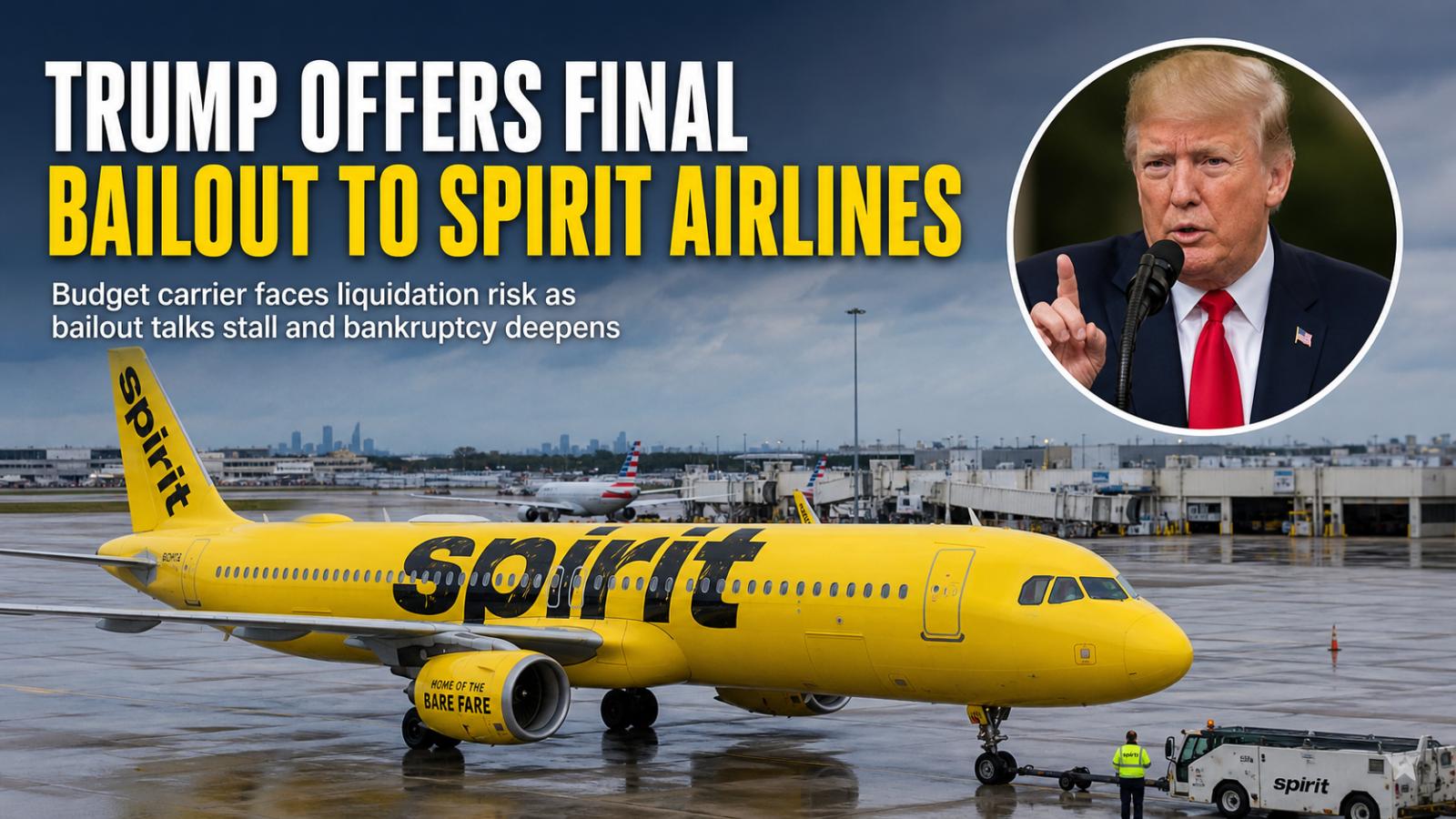
President Donald Trump said on Friday, May 1, 2026, that his administration had delivered a “final” bailout proposal to Spirit Airlines as the budget airline faces the possibility of liquidation without immediate financial su
What is Trump’s final bailout plan for Spirit Airlines? It could prevent liquidation
President Donald Trump said on Friday, May 1, 2026, that his administration had delivered a “final” bailout proposal to Spirit Airlines as the budget airline faces the possibility of liquidation without immediate financial su
What is Trump’s new retirement plan? It expands savings access for millions
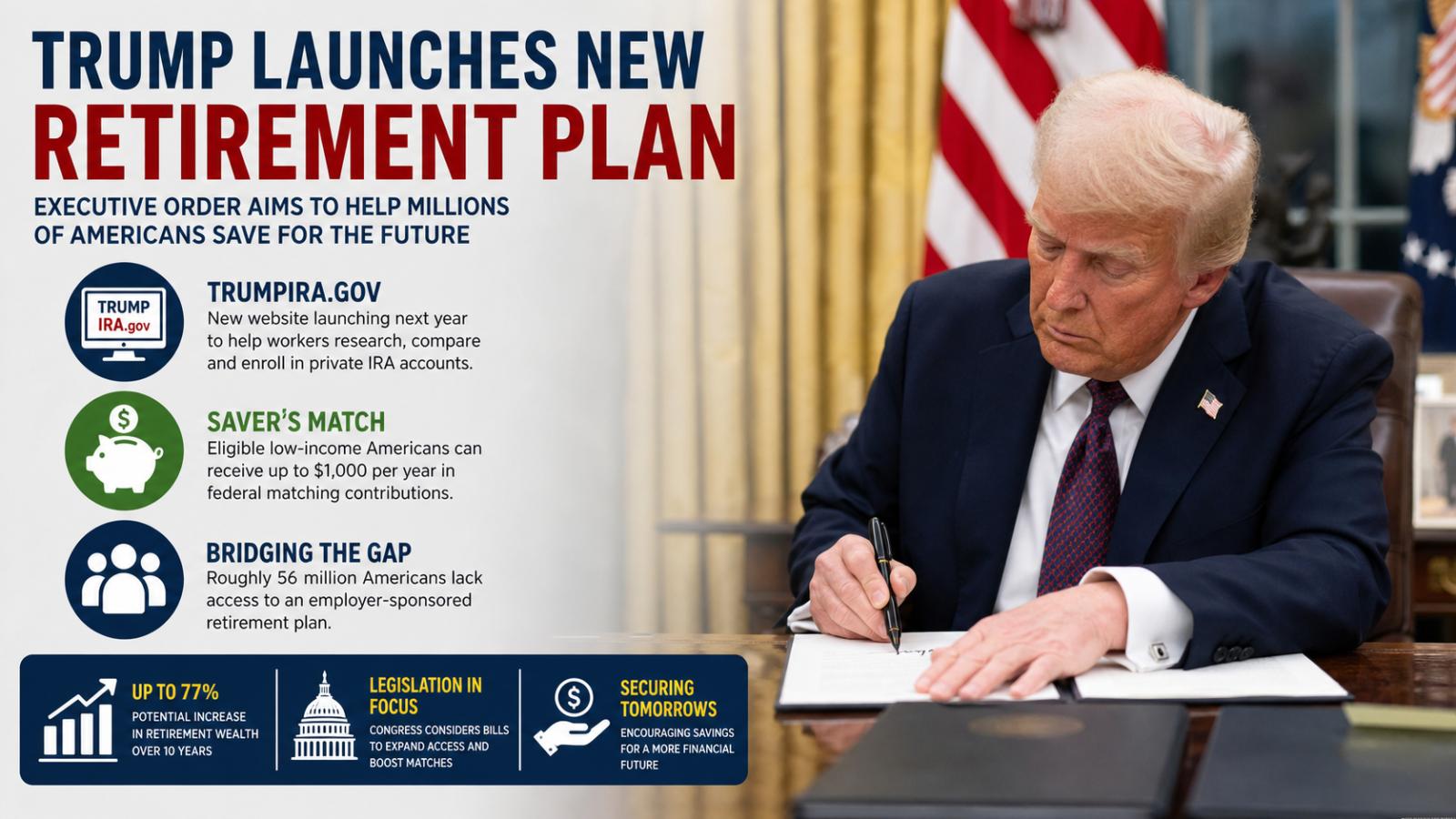
Expanding retirement access for underserved workers What is Trump’s new retirement plan? It expands savings access for millions, as a new executive order introduces a federal initiative aimed at workers without employer-sponsored retirement options. According to details outlined in the policy , tens of millions of Americans currently lack access to plans such as 401(k)s, creating long-term financial vulnerability. The initiative proposes a centralized platform, T
What is Trump’s new retirement plan? It expands savings access for millions
Expanding retirement access for underserved workers What is Trump’s new retirement plan? It expands savings access for millions, as a new executive order introduces a federal initiative aimed at workers without employer-sponsored retirement options. According to details outlined in the policy , tens of millions of Americans currently lack access to plans such as 401(k)s, creating long-term financial vulnerability. The initiative proposes a centralized platform, T
US warns Iran as Strait of Hormuz blockade tightens pressure
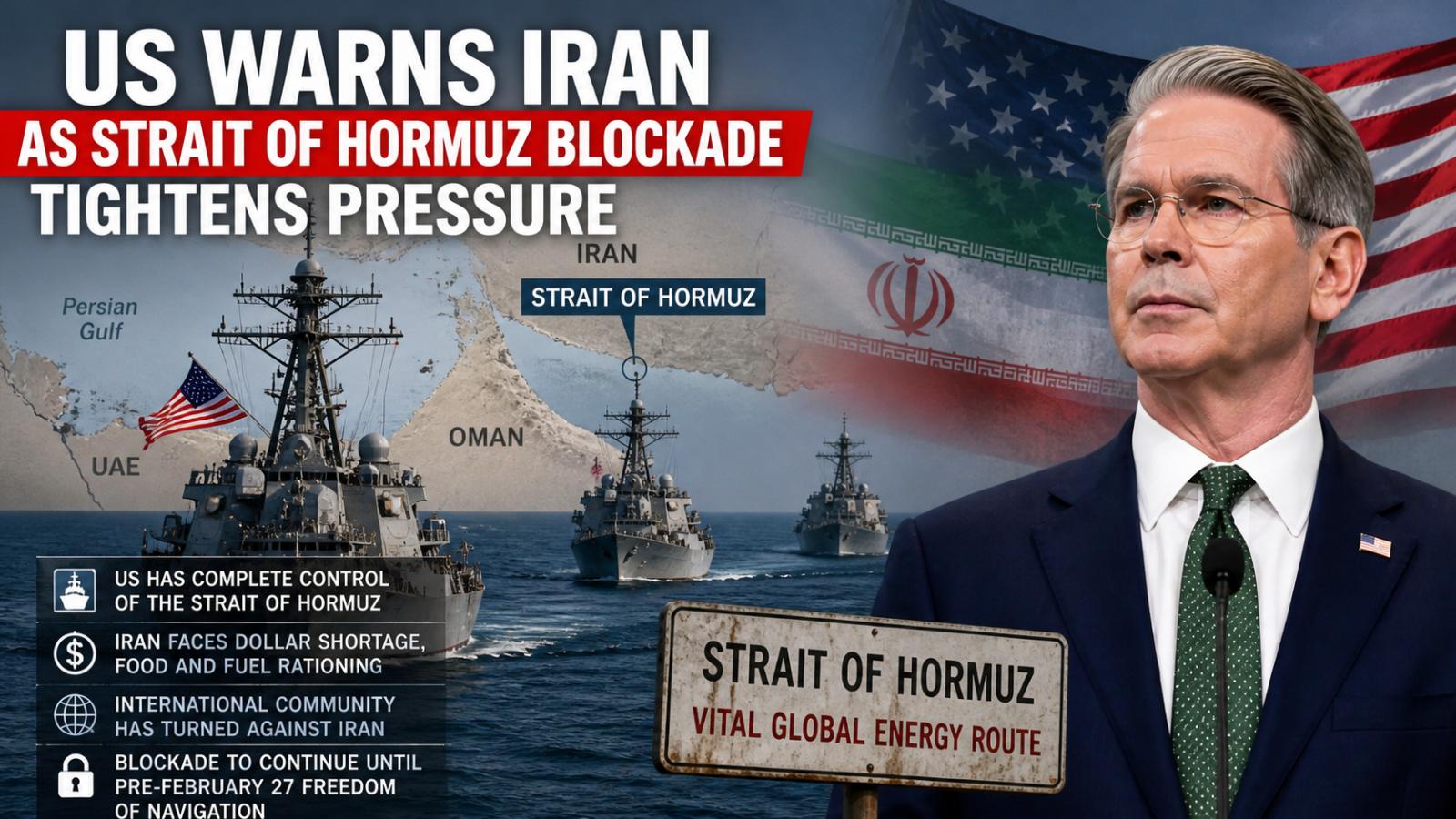
The US tightened pressure on Iran with a Strait of Hormuz blockade, disrupting oil trade and worsening Iran’s economic crisis, while internal political divisions grow and tensions with Washington escalate. US warns Iran as Strait of Hormuz blockade tightens pressure as tensions escalated following a sharply worded statement by U.S. Treasury Secretary Scott Bessent on Friday, in which he criticized Iran’s leadership and outlined the United States’ strategic position in the ongoing standoff. In a public post, Bessent asserted that the United States maintains full control over the Strait of Hormuz, a critical global energy transit route, and emphasized that a naval blockade would remain in effect until freedom of navigation conditions are restored to levels seen before February 27. The remarks come amid heightened geopolitical tensions involving Iran and the United States, with Bessent also pointing to economic strain within Iran, including a shortage of U.S. dollars and the implementation of food and gasoline rationing. He further stated that international sentiment has increasingly turned against Tehran, underscoring Washington’s broader diplomatic stance. The blockade represents a significant shift in pressure tactics. For years, Iran had managed to navigate sanctions by exporting oil through informal channels, particularly to China, using a network of so-called shadow vessels. However, U.S. naval operations have disrupted these routes, preventing tankers from bypassing enforcement measures and, in some cases, pursuing them beyond the Persian Gulf into the Indian Ocean. The situation escalated after Iran targeted commercial vessels and restricted maritime traffic through the Hormuz corridor, a move that disrupted global oil and liquefied natural gas shipments. In response, the United States deployed naval forces to secure the passage, effectively limiting Iran’s ability to continue its covert export operations. Internally, the crisis has exposed divisions within Iran’s leadership. President Masoud Pezeshkian is reportedly aligned with moderate factions seeking negotiations, while hardline figures such as Saeed Jalili advocate a more confrontational approach. The divergence reflects broader concerns about the sustainability of the conflict, particularly as economic conditions deteriorate. President Donald Trump has indicated support for maintaining the blockade, describing it as highly effective and signaling preparedness for a prolonged standoff. According to statements made to reporters, the administration is considering extending the measure until Iran meets specific nuclear-related demands. The economic impact on Iran has been severe. Reports indicate that unemployment has surged, food prices have risen sharply, and widespread internet disruptions have affected digital commerce. The national currency has weakened significantly over the past year, with the exchange rate reaching approximately 1.81 million rials per U.S. dollar, intensifying concerns about potential economic collapse.
US warns Iran as Strait of Hormuz blockade tightens pressure
The US tightened pressure on Iran with a Strait of Hormuz blockade, disrupting oil trade and worsening Iran’s economic crisis, while internal political divisions grow and tensions with Washington escalate. US warns Iran as Strait of Hormuz blockade tightens pressure as tensions escalated following a sharply worded statement by U.S. Treasury Secretary Scott Bessent on Friday, in which he criticized Iran’s leadership and outlined the United States’ strategic position in the ongoing standoff. In a public post, Bessent asserted that the United States maintains full control over the Strait of Hormuz, a critical global energy transit route, and emphasized that a naval blockade would remain in effect until freedom of navigation conditions are restored to levels seen before February 27. The remarks come amid heightened geopolitical tensions involving Iran and the United States, with Bessent also pointing to economic strain within Iran, including a shortage of U.S. dollars and the implementation of food and gasoline rationing. He further stated that international sentiment has increasingly turned against Tehran, underscoring Washington’s broader diplomatic stance. The blockade represents a significant shift in pressure tactics. For years, Iran had managed to navigate sanctions by exporting oil through informal channels, particularly to China, using a network of so-called shadow vessels. However, U.S. naval operations have disrupted these routes, preventing tankers from bypassing enforcement measures and, in some cases, pursuing them beyond the Persian Gulf into the Indian Ocean. The situation escalated after Iran targeted commercial vessels and restricted maritime traffic through the Hormuz corridor, a move that disrupted global oil and liquefied natural gas shipments. In response, the United States deployed naval forces to secure the passage, effectively limiting Iran’s ability to continue its covert export operations. Internally, the crisis has exposed divisions within Iran’s leadership. President Masoud Pezeshkian is reportedly aligned with moderate factions seeking negotiations, while hardline figures such as Saeed Jalili advocate a more confrontational approach. The divergence reflects broader concerns about the sustainability of the conflict, particularly as economic conditions deteriorate. President Donald Trump has indicated support for maintaining the blockade, describing it as highly effective and signaling preparedness for a prolonged standoff. According to statements made to reporters, the administration is considering extending the measure until Iran meets specific nuclear-related demands. The economic impact on Iran has been severe. Reports indicate that unemployment has surged, food prices have risen sharply, and widespread internet disruptions have affected digital commerce. The national currency has weakened significantly over the past year, with the exchange rate reaching approximately 1.81 million rials per U.S. dollar, intensifying concerns about potential economic collapse.
Will Trump raise EU auto tariffs to 25%? Yes, escalation risks trade tensions
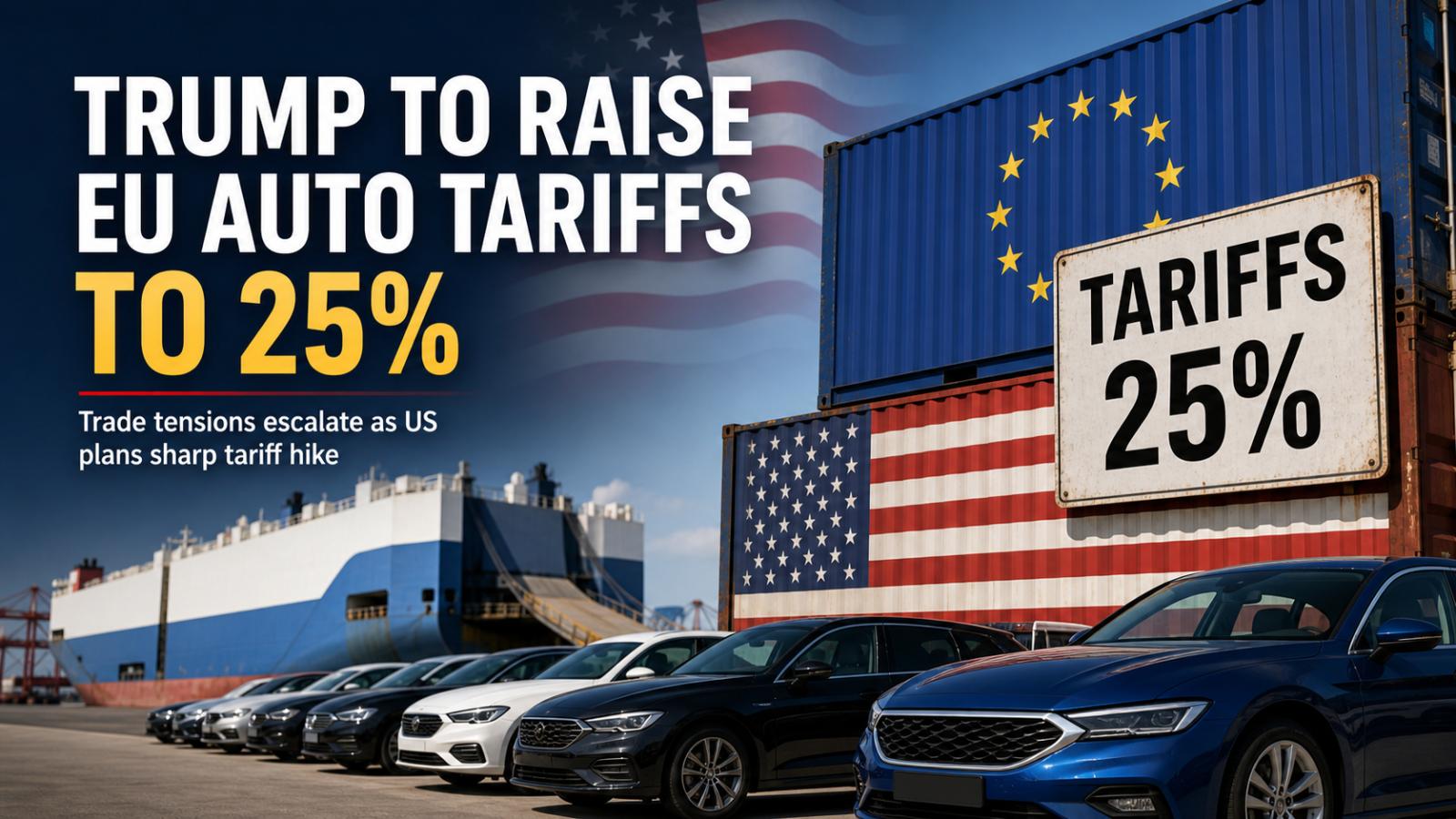
Trump signals sharp increase in tariffs on EU vehicles WASHINGTON — On Friday, May 1, 2026, U.S. President Donald Trump announced plans to raise tariffs on cars and trucks imported from the European Union to 25%, signaling a significant shift in U.S.-EU trade policy. The move, shared publicly in a statement, comes at a time when global markets remain sensitive to policy changes and could trigger broader economic repercussions. Trump stated that the European Union was “not complying” with the previously agreed trade deal, though he did not provide specific details regarding the alleged violations. The announcement marks a departure from the earlier tariff framework negotiated between both sides. Background of the US-EU Turnberry trade framework The current dispute traces back to a bilateral agreement reached in July 2025 between Trump and Ursula von der Leyen, which set a 15% tariff ceiling on most traded goods. Known as the Turnberry Agreement, the arrangement aimed to stabilize trade relations and reduce uncertainty for industries on both sides of the Atlantic. Both the United States and the European Union had reaffirmed their commitment to maintaining this framework even after legal and policy challenges emerged earlier in 2026. Legal challenges reshape tariff authority The agreement’s stability was called into question after a ruling by the U.S. Supreme Court, which determined that the president lacked authority to impose tariffs under an economic emergency declaration. Following the ruling, tariff limits were effectively reduced, prompting the administration to explore alternative legal pathways to implement new import taxes. Ongoing investigations into trade imbalances and national security concerns have since been cited by the administration as justification for a revised tariff strategy, potentially putting the original agreement at risk. Economic stakes for EU and global markets The European Union has consistently emphasized the importance of maintaining agreed tariff limits, noting that the deal was expected to save its automotive sector between €500 million and €600 million monthly. Trade between the U.S. and EU reached approximately €1.7 trillion ($2 trillion) in 2024, highlighting the scale of economic interdependence. European officials have reiterated that commitments under the agreement should be upheld, stressing that EU exports must continue to benefit from competitive tariff treatment without unexpected increases. Rising tensions threaten trade stability The proposed tariff increase introduces fresh uncertainty into one of the world’s largest trading relationships. Analysts warn that such measures could disrupt supply chains, increase costs for manufacturers and consumers, and strain diplomatic ties. As the administration moves forward with its trade investigations, the future of the U.S.-EU trade framework remains uncertain, with potential implications extending beyond the automotive sector into the broader global economy.
Will Trump raise EU auto tariffs to 25%? Yes, escalation risks trade tensions
Trump signals sharp increase in tariffs on EU vehicles WASHINGTON — On Friday, May 1, 2026, U.S. President Donald Trump announced plans to raise tariffs on cars and trucks imported from the European Union to 25%, signaling a significant shift in U.S.-EU trade policy. The move, shared publicly in a statement, comes at a time when global markets remain sensitive to policy changes and could trigger broader economic repercussions. Trump stated that the European Union was “not complying” with the previously agreed trade deal, though he did not provide specific details regarding the alleged violations. The announcement marks a departure from the earlier tariff framework negotiated between both sides. Background of the US-EU Turnberry trade framework The current dispute traces back to a bilateral agreement reached in July 2025 between Trump and Ursula von der Leyen, which set a 15% tariff ceiling on most traded goods. Known as the Turnberry Agreement, the arrangement aimed to stabilize trade relations and reduce uncertainty for industries on both sides of the Atlantic. Both the United States and the European Union had reaffirmed their commitment to maintaining this framework even after legal and policy challenges emerged earlier in 2026. Legal challenges reshape tariff authority The agreement’s stability was called into question after a ruling by the U.S. Supreme Court, which determined that the president lacked authority to impose tariffs under an economic emergency declaration. Following the ruling, tariff limits were effectively reduced, prompting the administration to explore alternative legal pathways to implement new import taxes. Ongoing investigations into trade imbalances and national security concerns have since been cited by the administration as justification for a revised tariff strategy, potentially putting the original agreement at risk. Economic stakes for EU and global markets The European Union has consistently emphasized the importance of maintaining agreed tariff limits, noting that the deal was expected to save its automotive sector between €500 million and €600 million monthly. Trade between the U.S. and EU reached approximately €1.7 trillion ($2 trillion) in 2024, highlighting the scale of economic interdependence. European officials have reiterated that commitments under the agreement should be upheld, stressing that EU exports must continue to benefit from competitive tariff treatment without unexpected increases. Rising tensions threaten trade stability The proposed tariff increase introduces fresh uncertainty into one of the world’s largest trading relationships. Analysts warn that such measures could disrupt supply chains, increase costs for manufacturers and consumers, and strain diplomatic ties. As the administration moves forward with its trade investigations, the future of the U.S.-EU trade framework remains uncertain, with potential implications extending beyond the automotive sector into the broader global economy.
Tehran activates air defenses as Iran issues warnings amid rising tensions
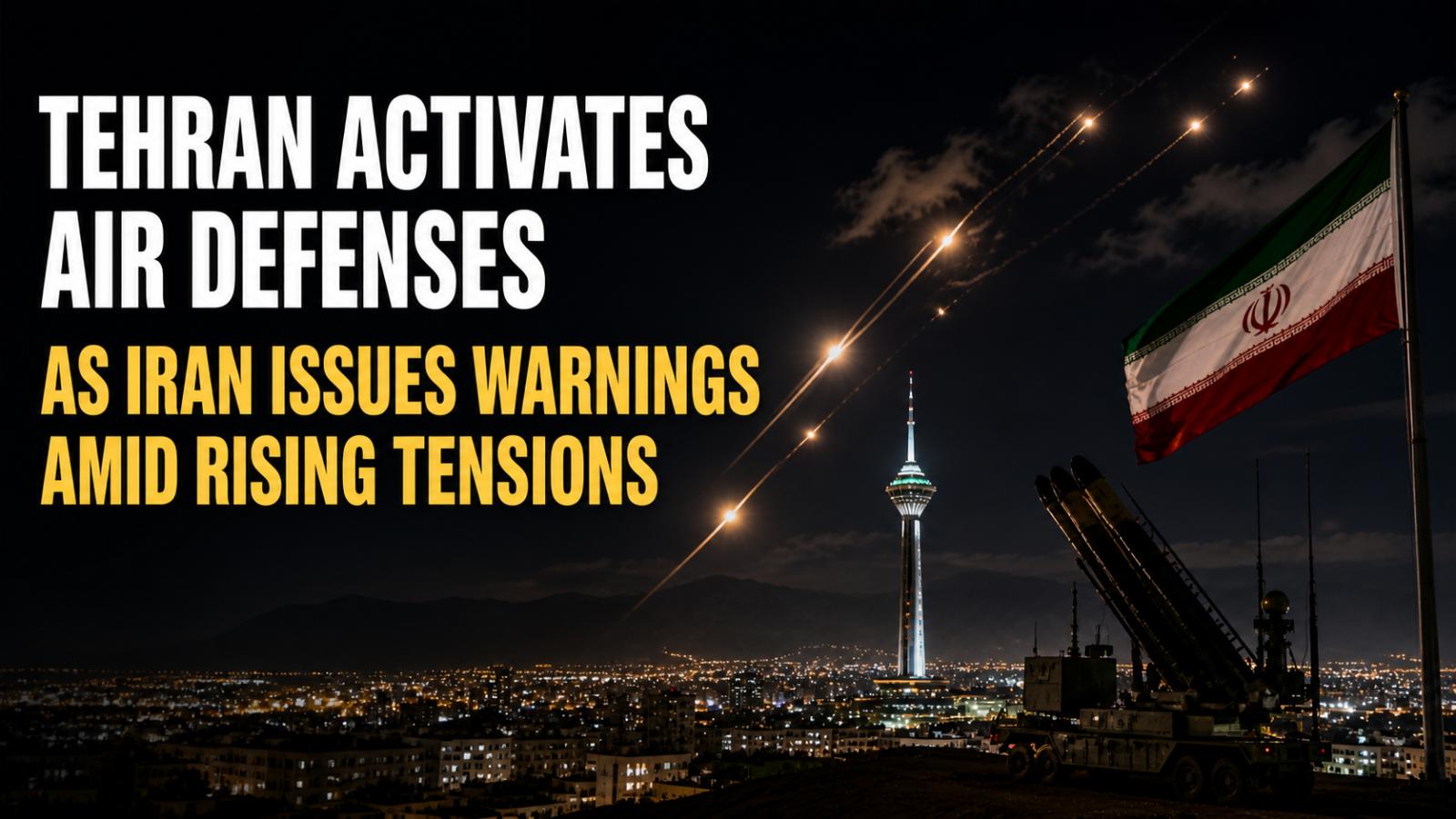
Tehran activated air defenses against drones as Iran warned of retaliation if attacks resume. U.S. officials signaled continued military action, while tensions over the Strait of Hormuz and ceasefire terms highlight ongoing instability. Tehran activates air defenses as Iran issues warnings amid rising tensions, according to Iranian media reports describing heightened military alertness on Thursday night. Authorities in Tehran said air defense systems were deployed
Tehran activates air defenses as Iran issues warnings amid rising tensions
Tehran activated air defenses against drones as Iran warned of retaliation if attacks resume. U.S. officials signaled continued military action, while tensions over the Strait of Hormuz and ceasefire terms highlight ongoing instability. Tehran activates air defenses as Iran issues warnings amid rising tensions, according to Iranian media reports describing heightened military alertness on Thursday night. Authorities in Tehran said air defense systems were deployed
Will Donald Trump win Nobel Peace Prize 2026? Key facts and timeline
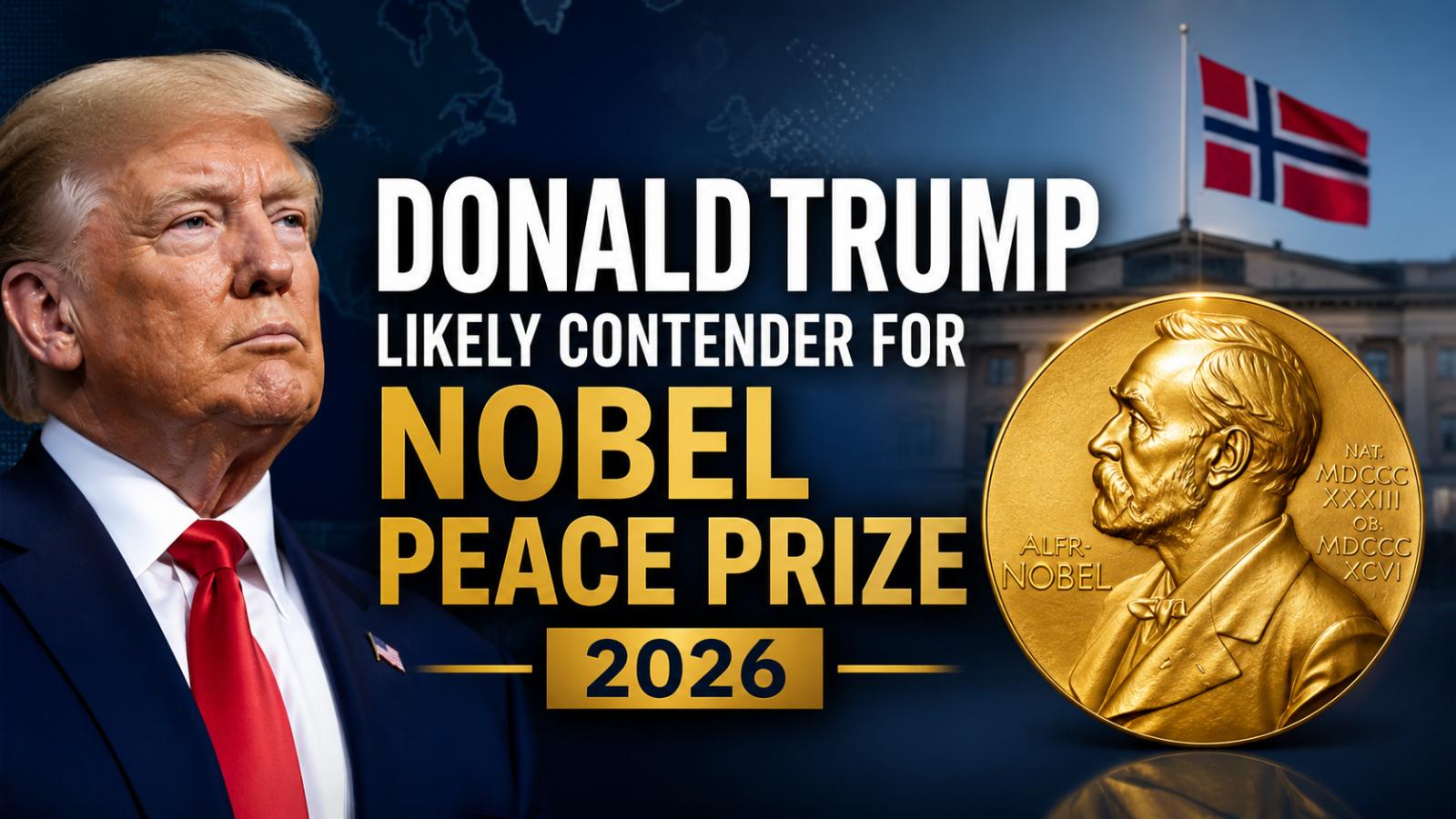
Nobel Peace Prize 2026: Trump emerges as likely contender Donald Trump is being seen as a likely contender for the Nobel Peace Prize 2026, with 287 candidates under review, but the final list remains strictly confidential. Kristian Berg Harpviken, secretary of the Norwegian Nobel Committee, confirmed that the total nominations include 208 individuals and 79 organisations, highlighting strong global participation despite ongoing conf
Will Donald Trump win Nobel Peace Prize 2026? Key facts and timeline
Nobel Peace Prize 2026: Trump emerges as likely contender Donald Trump is being seen as a likely contender for the Nobel Peace Prize 2026, with 287 candidates under review, but the final list remains strictly confidential. Kristian Berg Harpviken, secretary of the Norwegian Nobel Committee, confirmed that the total nominations include 208 individuals and 79 organisations, highlighting strong global participation despite ongoing conf
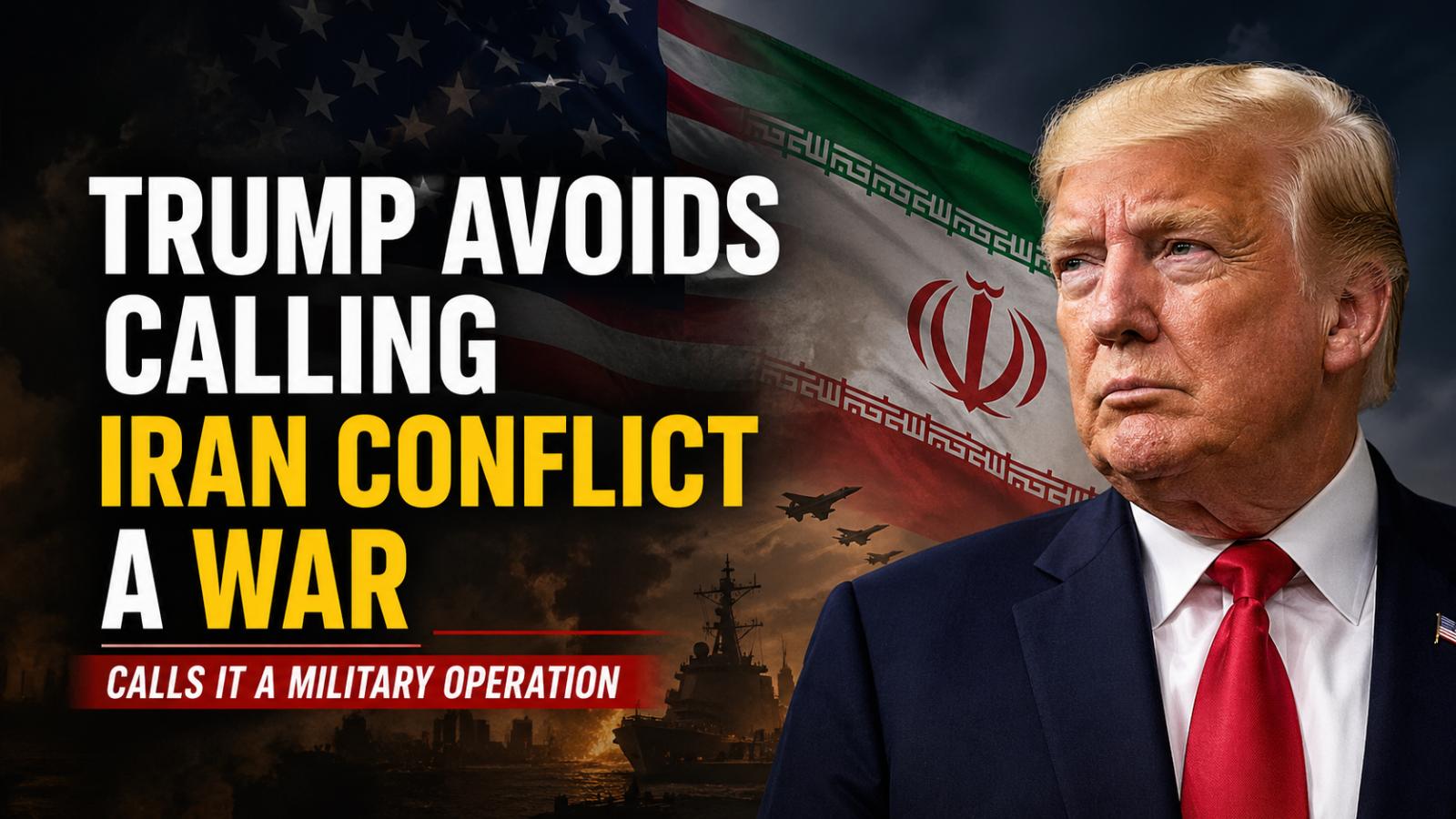
Trump shifts stance on Iran conflict, calls it a military operation
Trump redefines Iran conflict as military operation As the War Powers Resolution deadline approached on May 1, US President Donald Trump made a sharp shift in stance by stating that the ongoing Trump Iran conflict would not be labeled as a war but instead as a military operation. This move comes just days before a legal deadline that could have required congressional approval or forced the US to halt militar
Trump shifts stance on Iran conflict, calls it a military operation
Trump redefines Iran conflict as military operation As the War Powers Resolution deadline approached on May 1, US President Donald Trump made a sharp shift in stance by stating that the ongoing Trump Iran conflict would not be labeled as a war but instead as a military operation. This move comes just days before a legal deadline that could have required congressional approval or forced the US to halt militar
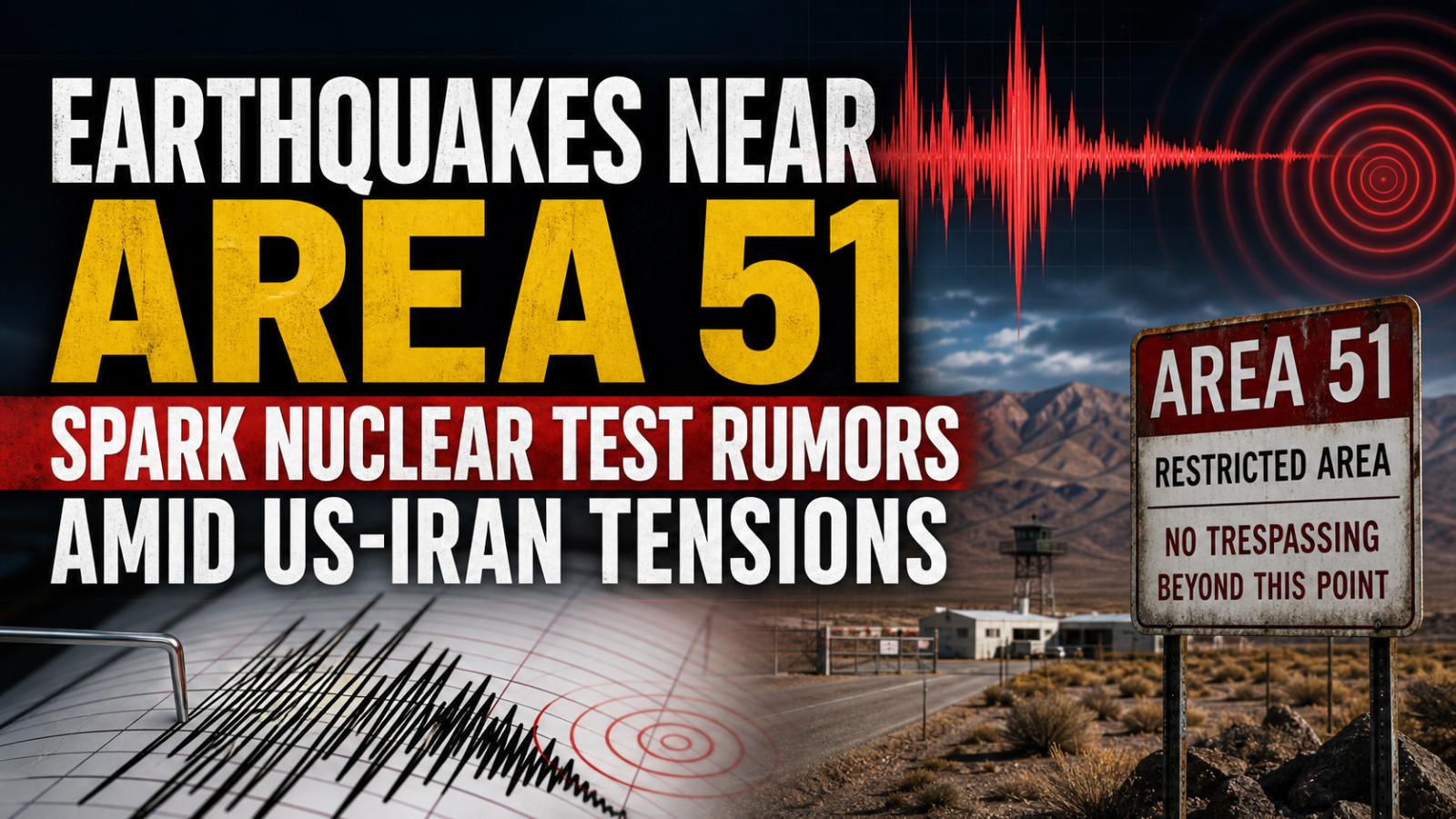
Earthquakes near Area 51 spark nuclear test rumors amid US-Iran tensions
Earthquakes near Area 51 raise questions amid rising tensions A series of earthquakes near Area 51 in Nevada between April 29 and April 30, 2026, has sparked widespread attention, with at least 17 tremors recorded within a 24 to 48-hour window, most around magnitude 4.4. The seismic activity occurred during this short time frame and has dr
Earthquakes near Area 51 spark nuclear test rumors amid US-Iran tensions
Earthquakes near Area 51 raise questions amid rising tensions A series of earthquakes near Area 51 in Nevada between April 29 and April 30, 2026, has sparked widespread attention, with at least 17 tremors recorded within a 24 to 48-hour window, most around magnitude 4.4. The seismic activity occurred during this short time frame and has dr
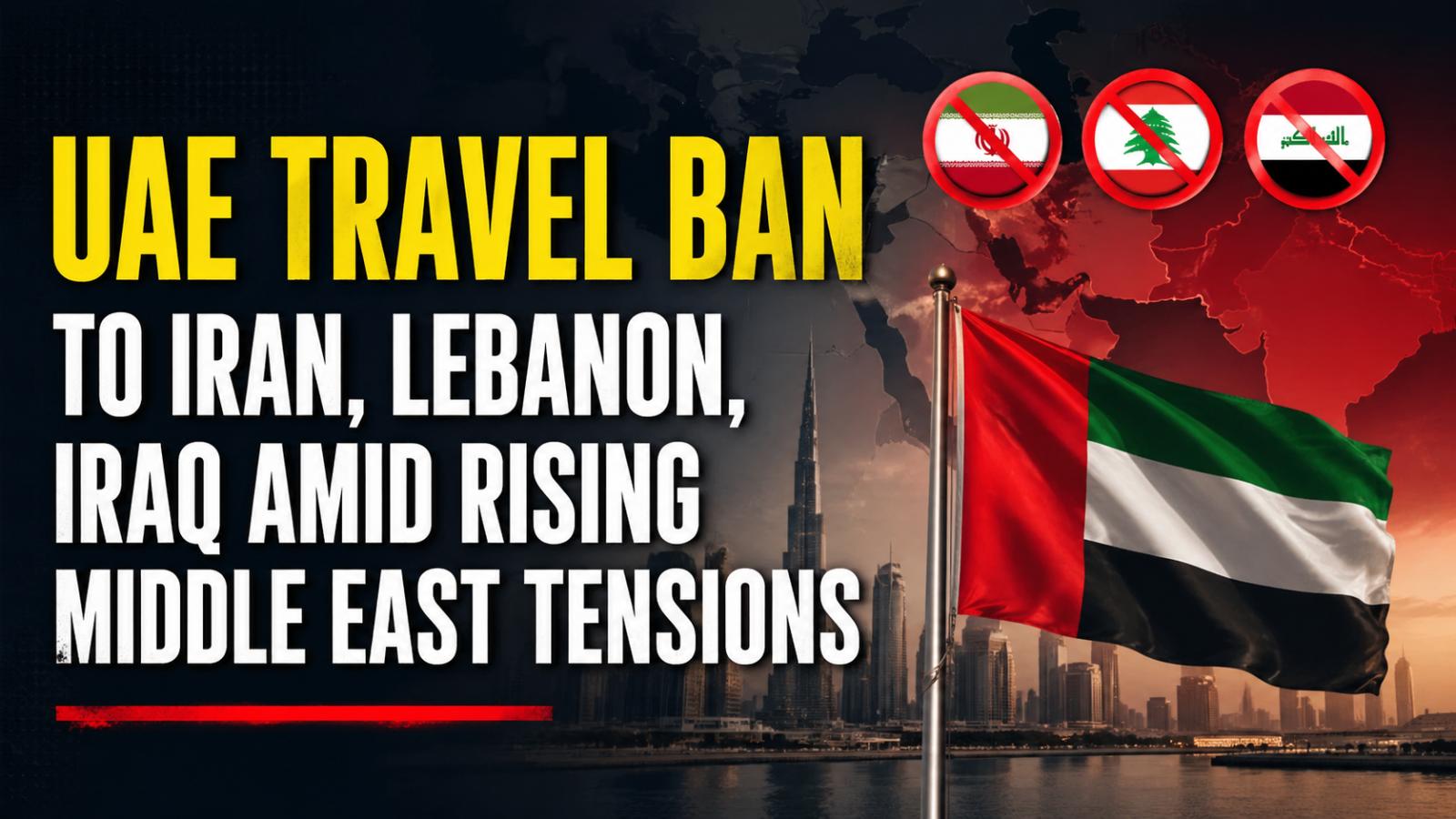
UAE travel ban to Iran, Lebanon, Iraq amid rising Middle East tensions
UAE issues immediate travel ban amid rising tensions The United Arab Emirates has imposed an immediate travel ban to Iran, Lebanon, and Iraq starting April 30, ordering its citizens to avoid travel and urging those currently in these countries to return without delay as regional tensions intensify. The move comes as security risks grow across West Asia, with increasing military activity and stalled diplomatic efforts. The UAE Ministry of Foreign Affairs confirmed that the travel ban came into effect immediately from Thursday (April 30). Travel to Iran, Lebanon, and Iraq is now restricted, and citizens already present there have been strongly advised to leave at the earliest opportunity, highlighting the government’s focus on citizen safety. What triggered the UAE travel ban? The decision follows rising instability, security threats, and reports of missile and drone risks in the region. Earlier advisories had warned of possible attacks, and although some alerts were later eased, authorities stress that the situation remains volatile and unpredictable. What role is the United States playing? The United States continues to maintain a strategic presence. Reports indicate that Donald Trump is reviewing military strategies presented by United States Central Command. These include short, targeted strikes aimed at pressuring Iran into negotiations, particularly around the Strait of Hormuz, a critical global oil route. CENTCOM also confirmed that US Air Force fighter jets are conducting routine patrols to support regional stability, signaling heightened readiness amid ongoing tensions. Are advanced defense systems deployed in the UAE? Yes. Reports suggest that Israel has provided support through advanced systems similar to the Iron Dome. These defense systems are designed to intercept missiles and drones, adding a layer of protection. Surveillance technologies capable of detecting threats at long range have also reportedly been deployed, indicating a coordinated regional defense strategy. What is happening with Iran-US talks? Diplomatic talks between Iran and the United States have stalled again. Iran proposed a three-stage plan involving ending hostilities, lifting maritime restrictions, and negotiating its nuclear program, but the proposal has not been accepted. Disagreements, especially regarding Hezbollah, have further complicated the process. Despite earlier ceasefire discussions, tensions have resurfaced, affecting key areas like the Strait of Hormuz and increasing global concern. The breakdown in negotiations has added to uncertainty across the region. What does this mean for UAE citizens? The UAE government has emphasized that citizen safety is the top priority, and the immediate travel ban is a precautionary step. By urging citizens to return quickly, authorities aim to minimize exposure to potential conflict zones. Residents are advised to stay updated and follow official guidance closely as the situation continues to evolve.
UAE travel ban to Iran, Lebanon, Iraq amid rising Middle East tensions
UAE issues immediate travel ban amid rising tensions The United Arab Emirates has imposed an immediate travel ban to Iran, Lebanon, and Iraq starting April 30, ordering its citizens to avoid travel and urging those currently in these countries to return without delay as regional tensions intensify. The move comes as security risks grow across West Asia, with increasing military activity and stalled diplomatic efforts. The UAE Ministry of Foreign Affairs confirmed that the travel ban came into effect immediately from Thursday (April 30). Travel to Iran, Lebanon, and Iraq is now restricted, and citizens already present there have been strongly advised to leave at the earliest opportunity, highlighting the government’s focus on citizen safety. What triggered the UAE travel ban? The decision follows rising instability, security threats, and reports of missile and drone risks in the region. Earlier advisories had warned of possible attacks, and although some alerts were later eased, authorities stress that the situation remains volatile and unpredictable. What role is the United States playing? The United States continues to maintain a strategic presence. Reports indicate that Donald Trump is reviewing military strategies presented by United States Central Command. These include short, targeted strikes aimed at pressuring Iran into negotiations, particularly around the Strait of Hormuz, a critical global oil route. CENTCOM also confirmed that US Air Force fighter jets are conducting routine patrols to support regional stability, signaling heightened readiness amid ongoing tensions. Are advanced defense systems deployed in the UAE? Yes. Reports suggest that Israel has provided support through advanced systems similar to the Iron Dome. These defense systems are designed to intercept missiles and drones, adding a layer of protection. Surveillance technologies capable of detecting threats at long range have also reportedly been deployed, indicating a coordinated regional defense strategy. What is happening with Iran-US talks? Diplomatic talks between Iran and the United States have stalled again. Iran proposed a three-stage plan involving ending hostilities, lifting maritime restrictions, and negotiating its nuclear program, but the proposal has not been accepted. Disagreements, especially regarding Hezbollah, have further complicated the process. Despite earlier ceasefire discussions, tensions have resurfaced, affecting key areas like the Strait of Hormuz and increasing global concern. The breakdown in negotiations has added to uncertainty across the region. What does this mean for UAE citizens? The UAE government has emphasized that citizen safety is the top priority, and the immediate travel ban is a precautionary step. By urging citizens to return quickly, authorities aim to minimize exposure to potential conflict zones. Residents are advised to stay updated and follow official guidance closely as the situation continues to evolve.
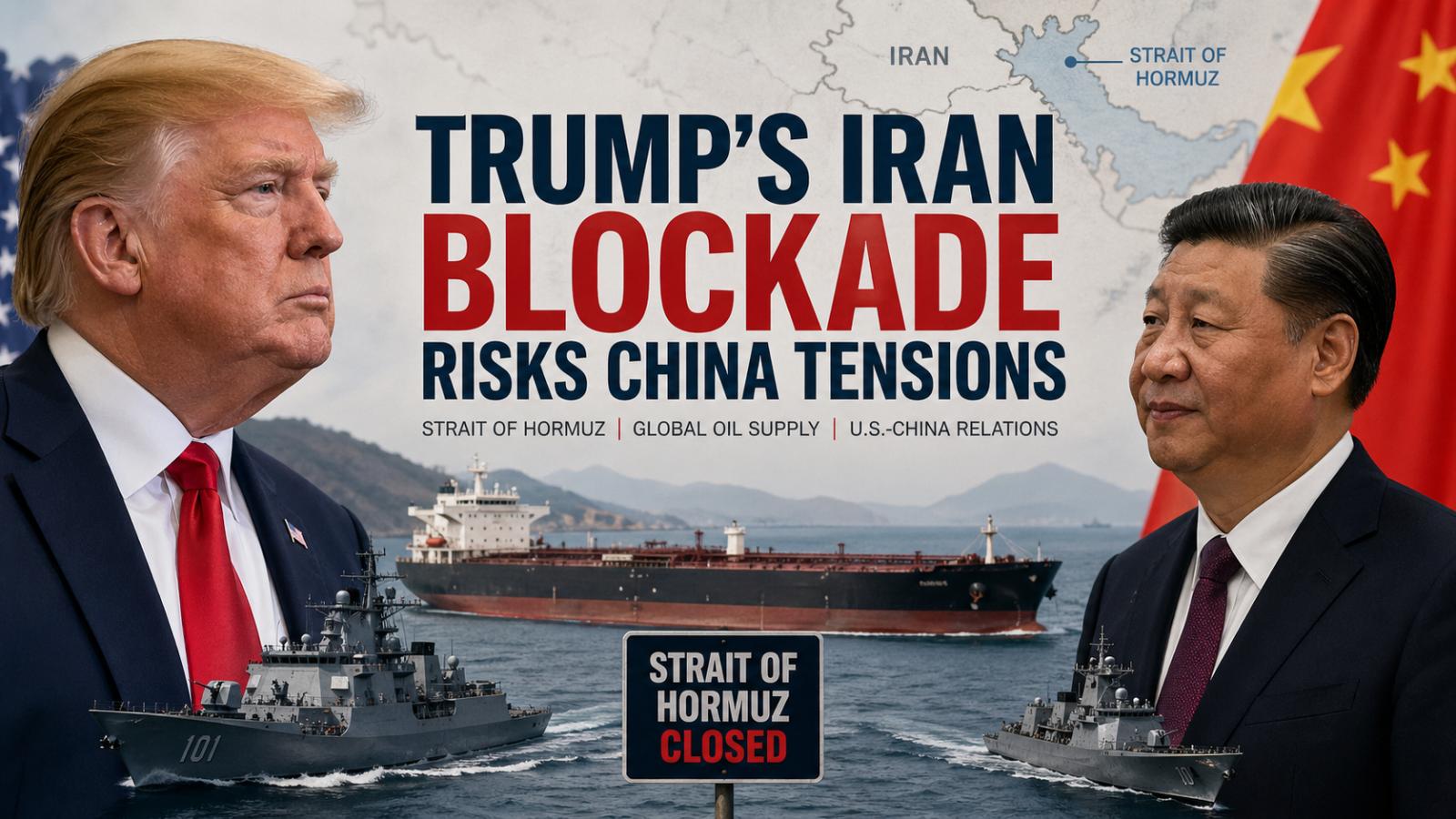
Is Trump’s Iran blockade complicating China talks? Yes, tensions rise
President Donald Trump has signaled his intention to maintain a naval blockade on Iranian shipping until Tehran meets U.S. demands, a move that is expected to keep the Strait of Hormuz effectively closed ahead of his planned visit to China. The decision introduces new complications for upcoming diplomatic
Is Trump’s Iran blockade complicating China talks? Yes, tensions rise
President Donald Trump has signaled his intention to maintain a naval blockade on Iranian shipping until Tehran meets U.S. demands, a move that is expected to keep the Strait of Hormuz effectively closed ahead of his planned visit to China. The decision introduces new complications for upcoming diplomatic
US pushes global coalition for Strait of Hormuz as Iran conflict disrupts oil trade
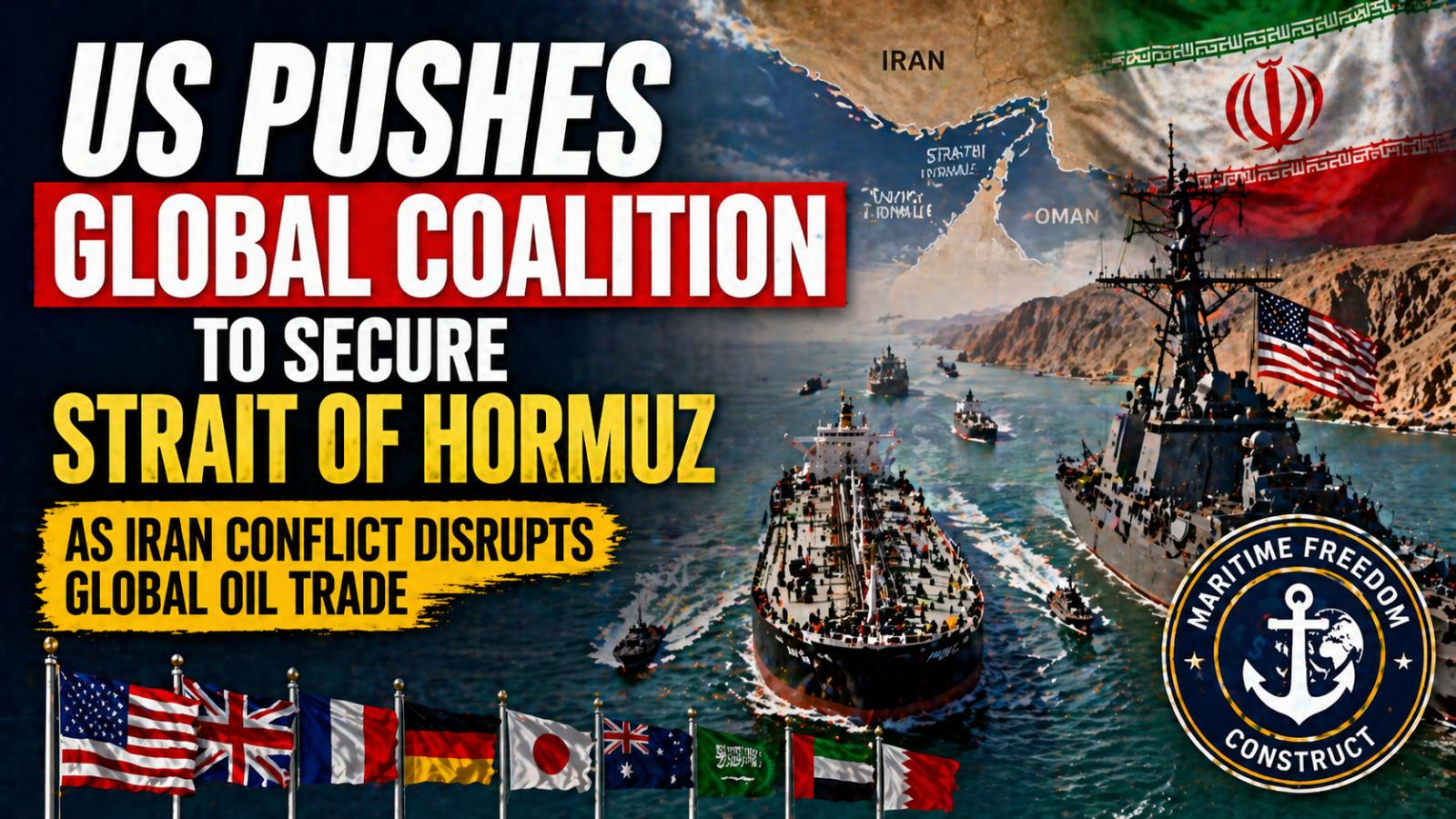
The United States is accelerating efforts to form a global coalition to secure the Strait of Hormuz, as the ongoing US-Iran conflict continues to disrupt critical shipping routes and drive volatility in global oil trade. The initiative, known as the Maritime Freedom Construct, aims to coordinate international maritime security, sanctions policy, and intelligence sharing to ensure safe navigation through one of the world’s most strategic waterways. The Strait of Hormuz, a narrow pa
US pushes global coalition for Strait of Hormuz as Iran conflict disrupts oil trade
The United States is accelerating efforts to form a global coalition to secure the Strait of Hormuz, as the ongoing US-Iran conflict continues to disrupt critical shipping routes and drive volatility in global oil trade. The initiative, known as the Maritime Freedom Construct, aims to coordinate international maritime security, sanctions policy, and intelligence sharing to ensure safe navigation through one of the world’s most strategic waterways. The Strait of Hormuz, a narrow pa
Trump Passport Plan Draws Satire From California Governor Newsom
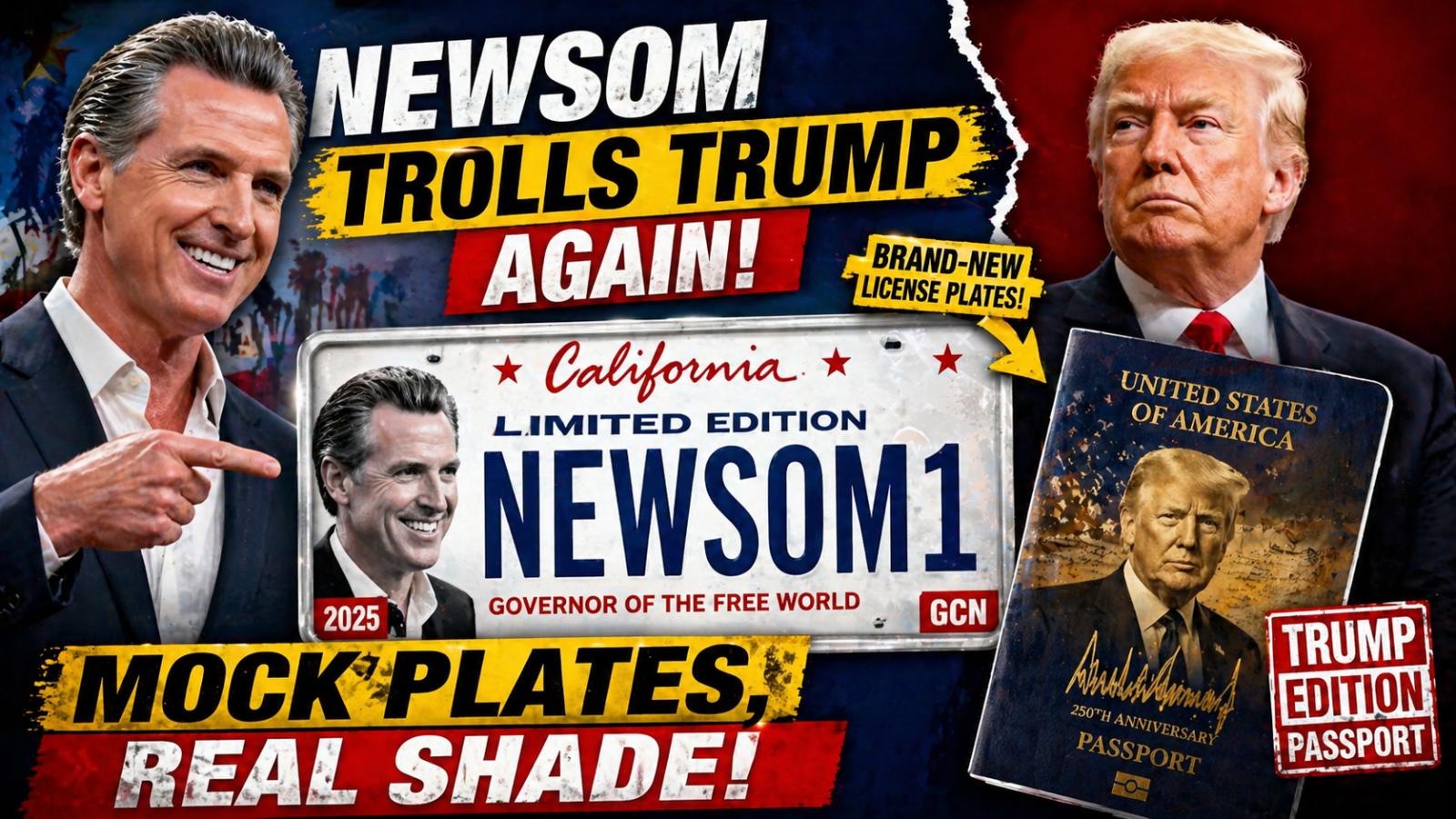
California Governor Gavin Newsom has escalated his public criticism of Donald Trump by sharing another satirical design, this time featuring mock “limited edition” license plates bearing his own image. The post follows an earlier jab in which Newsom released a parody driver’s license design, both aim
Trump Passport Plan Draws Satire From California Governor Newsom
California Governor Gavin Newsom has escalated his public criticism of Donald Trump by sharing another satirical design, this time featuring mock “limited edition” license plates bearing his own image. The post follows an earlier jab in which Newsom released a parody driver’s license design, both aim
Trump Comments on Ukraine and Iran Wars Spark Confusion
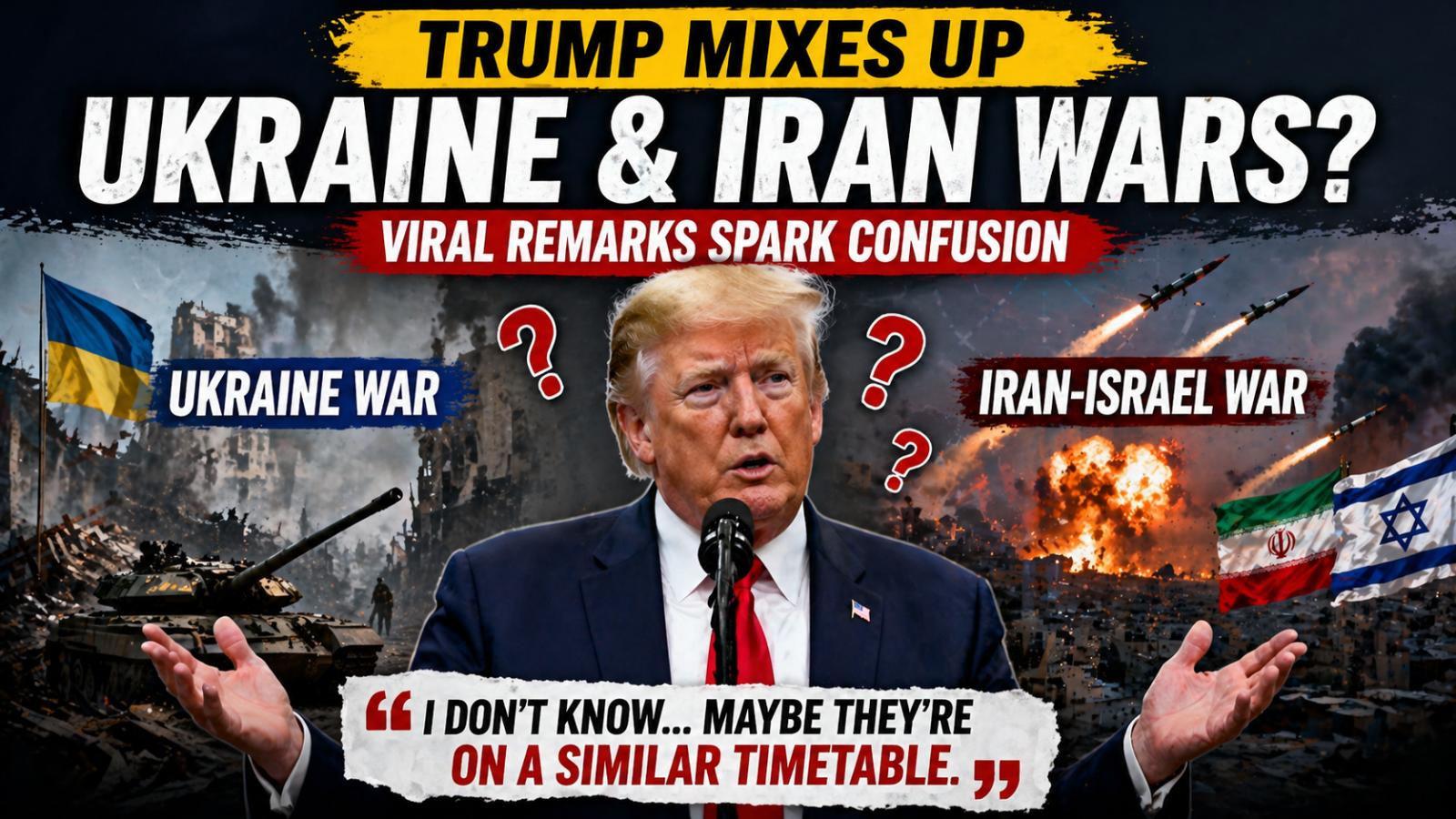
US President Donald Trump drew attention during a recent press interaction after appearing to confuse details while discussing two major international conflicts. The exchange took place as Trump addressed reporters during an event linked to the Artemis II mission crew, where he was asked which conflict might conclude first: the prolonged Russia-Ukraine war or the ongoing tensions involving Iran and Israel. In response, Trump suggested that both situations could follow a similar timeline, stating that he was uncertain which would end sooner. However, his subsequent remarks raised questions as he began describing military conditions that appeared inconsistent or unclear in context. He claimed that Ukraine was militarily defeated, referencing significant naval and air losses, including statements about ships being destroyed and aircraft being eliminated. Trump also cited reductions in missile and drone capabilities, though his comments did not clearly distinguish whether he was referring to Ukraine or Iran at various points. This lack of clarity led to widespread attention, with observers noting the difficulty in separating his analysis of the two conflicts. The Russia-Ukraine war has continued for years with ongoing military engagements, while tensions involving Iran, Israel, and US involvement have added another layer of complexity to global security dynamics. Trump’s remarks came at a time when both conflicts remain active and under close international observation. The moment quickly gained traction due to the ambiguity in the president’s statements, highlighting the challenges of addressing multiple geopolitical crises simultaneously in public forums.
Trump Comments on Ukraine and Iran Wars Spark Confusion
US President Donald Trump drew attention during a recent press interaction after appearing to confuse details while discussing two major international conflicts. The exchange took place as Trump addressed reporters during an event linked to the Artemis II mission crew, where he was asked which conflict might conclude first: the prolonged Russia-Ukraine war or the ongoing tensions involving Iran and Israel. In response, Trump suggested that both situations could follow a similar timeline, stating that he was uncertain which would end sooner. However, his subsequent remarks raised questions as he began describing military conditions that appeared inconsistent or unclear in context. He claimed that Ukraine was militarily defeated, referencing significant naval and air losses, including statements about ships being destroyed and aircraft being eliminated. Trump also cited reductions in missile and drone capabilities, though his comments did not clearly distinguish whether he was referring to Ukraine or Iran at various points. This lack of clarity led to widespread attention, with observers noting the difficulty in separating his analysis of the two conflicts. The Russia-Ukraine war has continued for years with ongoing military engagements, while tensions involving Iran, Israel, and US involvement have added another layer of complexity to global security dynamics. Trump’s remarks came at a time when both conflicts remain active and under close international observation. The moment quickly gained traction due to the ambiguity in the president’s statements, highlighting the challenges of addressing multiple geopolitical crises simultaneously in public forums.
Trump Renames Strait of Hormuz Amid Rising US-Iran Tensions
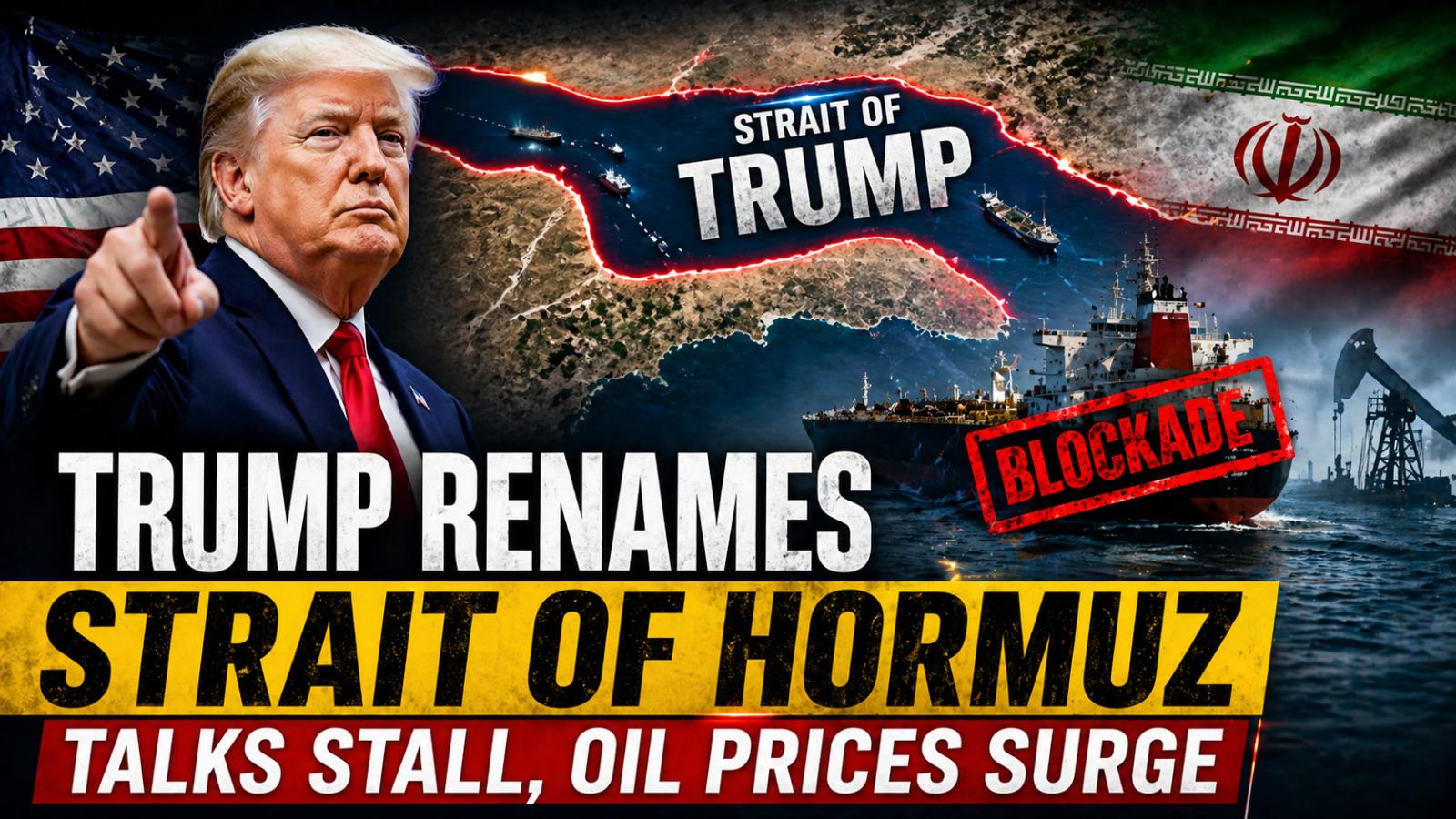
US President Donald Trump has drawn attention after sharing a modified map referring to the Strait of Hormuz as the “Strait of Trump,” a move that comes amid escalating tensions and stalled negotiations with Iran. The strategic waterway remains a focal point in the ongoing standoff, with both sides maintaining a blockade despite a previously agreed ceasefire. Trump indicated that discussions to end the conflict are continuing remotely, describing them as telephonic due to logistical challenges. At the same time, Iran has attempted to revive dialogue by sending a proposal through Pakistan, facilitated by Foreign Minister Abbas Araghchi. However, indications suggest that the US administration is dissatisfied with the terms and is unlikely to accept the framework presented. The proposal reportedly outlined a three-stage approach, beginning with a complete cessation of hostilities, followed by lifting the naval blockade and restoring maritime traffic through the Strait of Hormuz. The final stage involved renewed negotiations over Iran’s nuclear program. Despite these efforts, talks remain at an impasse, with both sides maintaining firm positions. Trump defended the blockade, describing it as effective and emphasizing its economic impact on Iran. He stated that the pressure strategy would continue until Iran concedes. Meanwhile, energy markets reacted sharply, with Brent crude prices rising significantly, reflecting concerns over supply disruptions linked to the strategic route. The Strait of Hormuz remains critical to global oil flows, and its continued closure by both US and Iranian forces underscores the fragile state of the ceasefire. Diplomatic efforts have yet to regain momentum, leaving the situation uncertain as geopolitical and economic pressures continue to build.
Trump Renames Strait of Hormuz Amid Rising US-Iran Tensions
US President Donald Trump has drawn attention after sharing a modified map referring to the Strait of Hormuz as the “Strait of Trump,” a move that comes amid escalating tensions and stalled negotiations with Iran. The strategic waterway remains a focal point in the ongoing standoff, with both sides maintaining a blockade despite a previously agreed ceasefire. Trump indicated that discussions to end the conflict are continuing remotely, describing them as telephonic due to logistical challenges. At the same time, Iran has attempted to revive dialogue by sending a proposal through Pakistan, facilitated by Foreign Minister Abbas Araghchi. However, indications suggest that the US administration is dissatisfied with the terms and is unlikely to accept the framework presented. The proposal reportedly outlined a three-stage approach, beginning with a complete cessation of hostilities, followed by lifting the naval blockade and restoring maritime traffic through the Strait of Hormuz. The final stage involved renewed negotiations over Iran’s nuclear program. Despite these efforts, talks remain at an impasse, with both sides maintaining firm positions. Trump defended the blockade, describing it as effective and emphasizing its economic impact on Iran. He stated that the pressure strategy would continue until Iran concedes. Meanwhile, energy markets reacted sharply, with Brent crude prices rising significantly, reflecting concerns over supply disruptions linked to the strategic route. The Strait of Hormuz remains critical to global oil flows, and its continued closure by both US and Iranian forces underscores the fragile state of the ceasefire. Diplomatic efforts have yet to regain momentum, leaving the situation uncertain as geopolitical and economic pressures continue to build.
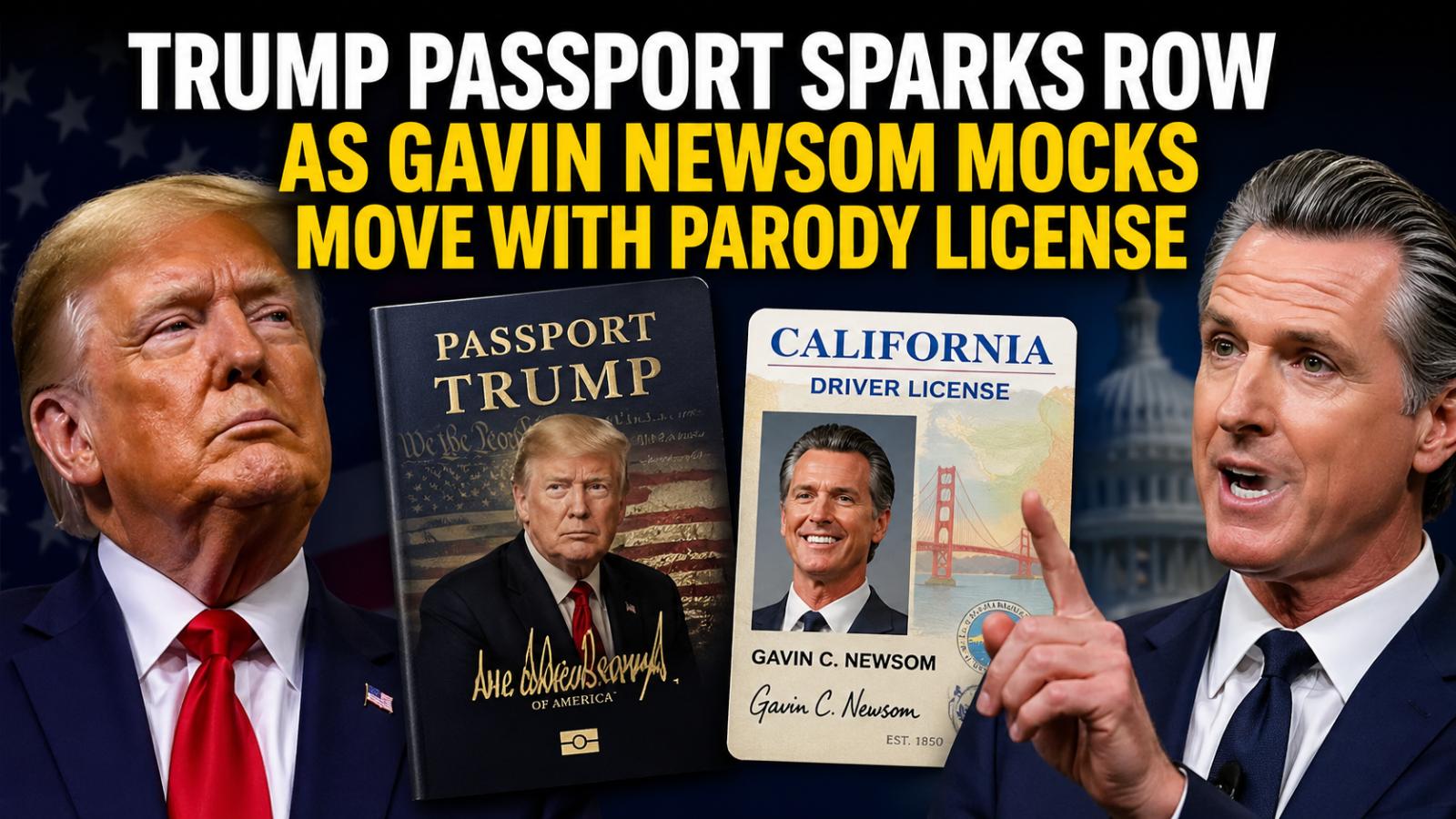
Trump passport sparks row as Gavin Newsom mocks move with parody license
Trump passport controversy and political satire response The Trump passport announcement has triggered a fresh political exchange in the United States, with California Governor Gavin Newsom responding through satire while federal officials confirm the authenticity of the new travel document. The controversy began after US authorities revealed a limited-edition passport featuring President Donald Trump’s image, marking a historic shift in official government docume
Trump passport sparks row as Gavin Newsom mocks move with parody license
Trump passport controversy and political satire response The Trump passport announcement has triggered a fresh political exchange in the United States, with California Governor Gavin Newsom responding through satire while federal officials confirm the authenticity of the new travel document. The controversy began after US authorities revealed a limited-edition passport featuring President Donald Trump’s image, marking a historic shift in official government docume
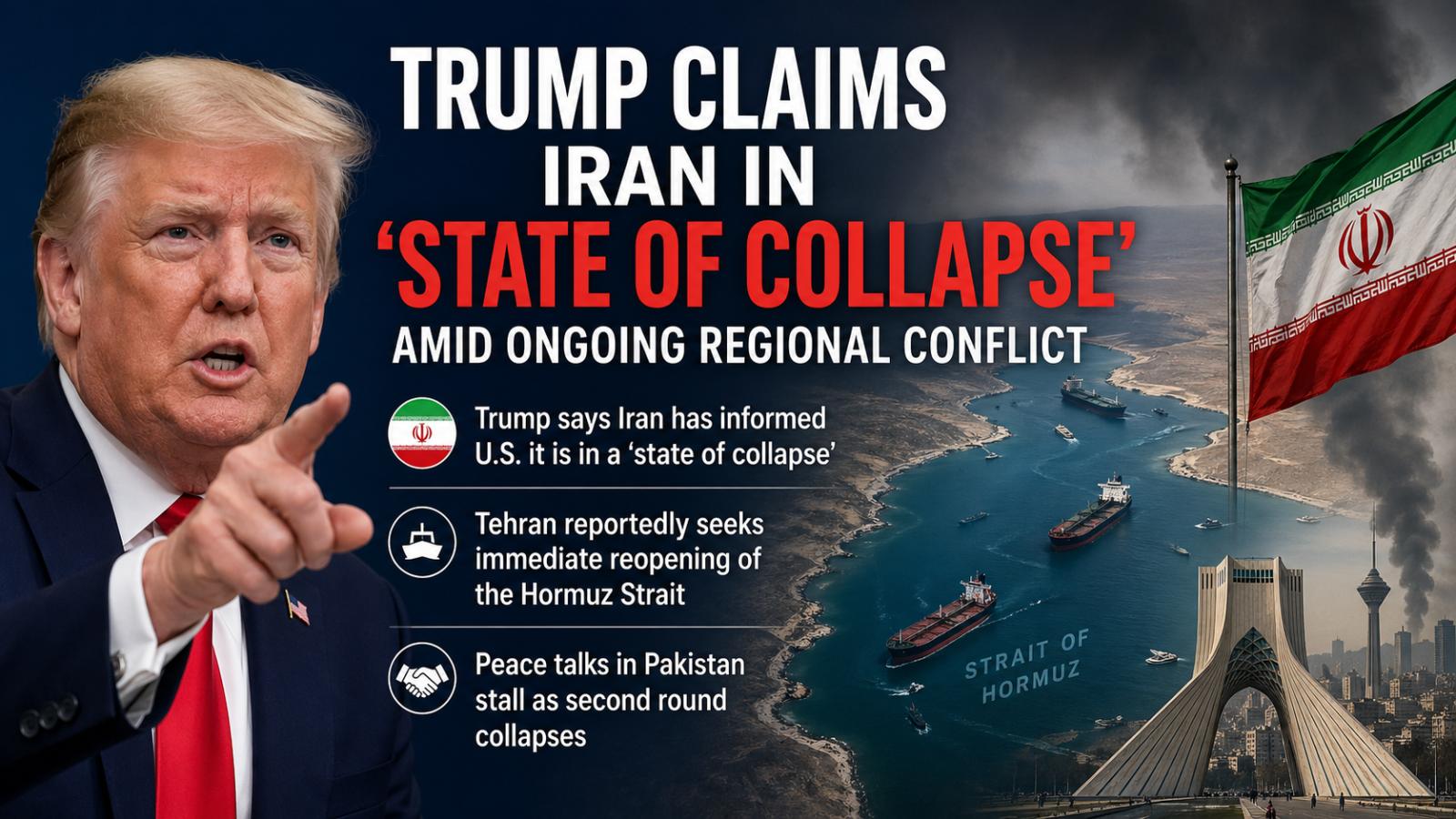
Trump claims Iran in ‘state of collapse’ amid ongoing regional conflict
Trump says Iran is in “collapse” and seeks reopening of the Hormuz Strait as conflict continues. Peace talks in Pakistan stalled, leaving regional tensions unresolved. Trump claims Iran in ‘state of collapse’ amid ongoing regional conflict as former U.S. President Donald Trump said the Iranian government has informed Washington it is facing a severe breakdown in l
Trump claims Iran in ‘state of collapse’ amid ongoing regional conflict
Trump says Iran is in “collapse” and seeks reopening of the Hormuz Strait as conflict continues. Peace talks in Pakistan stalled, leaving regional tensions unresolved. Trump claims Iran in ‘state of collapse’ amid ongoing regional conflict as former U.S. President Donald Trump said the Iranian government has informed Washington it is facing a severe breakdown in l
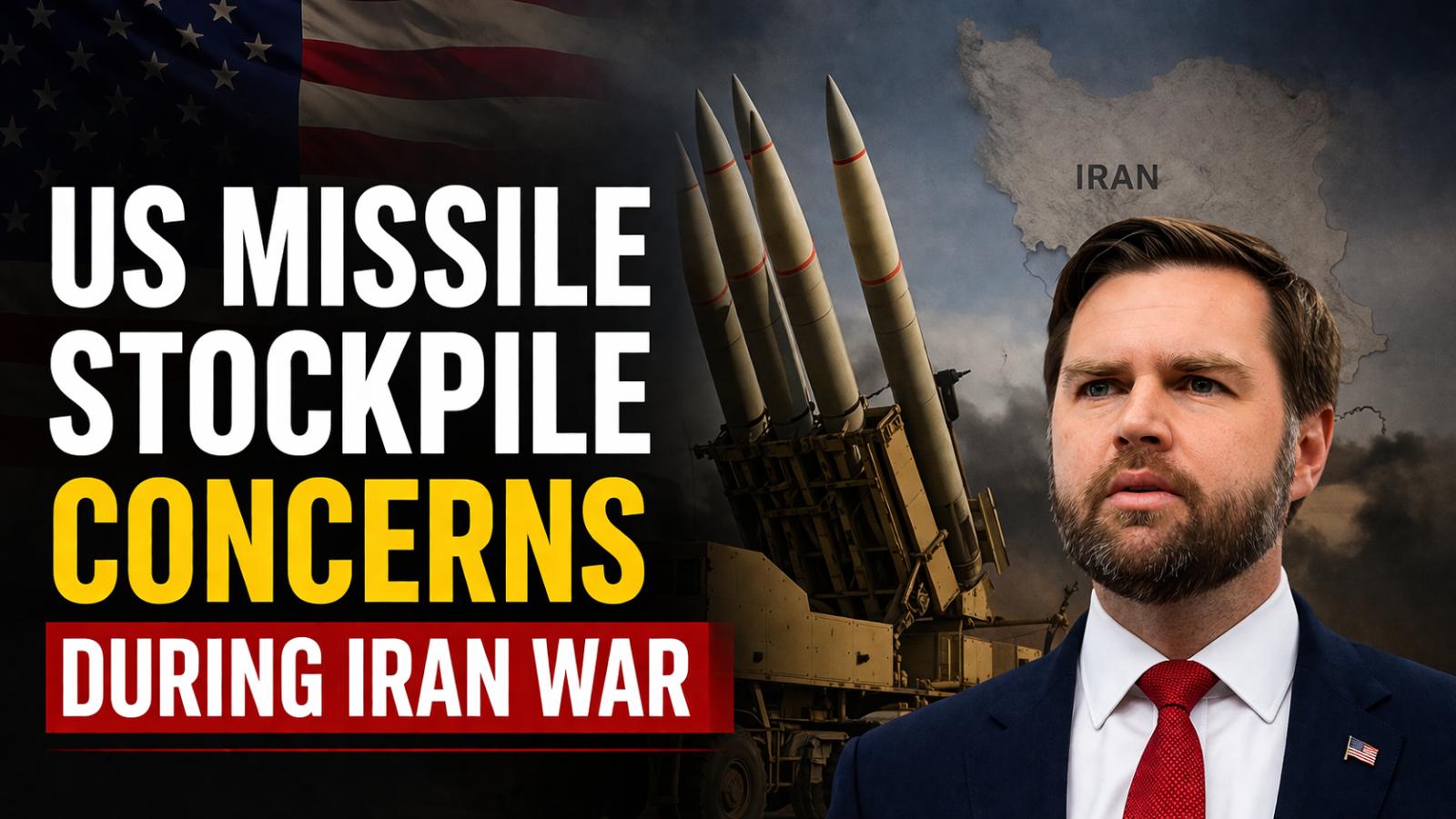
US missile stockpile concerns grow amid iran conflict scrutiny
US missile stockpile concerns during Iran war
US missile stockpile concerns grow amid iran conflict scrutiny
US missile stockpile concerns during Iran war
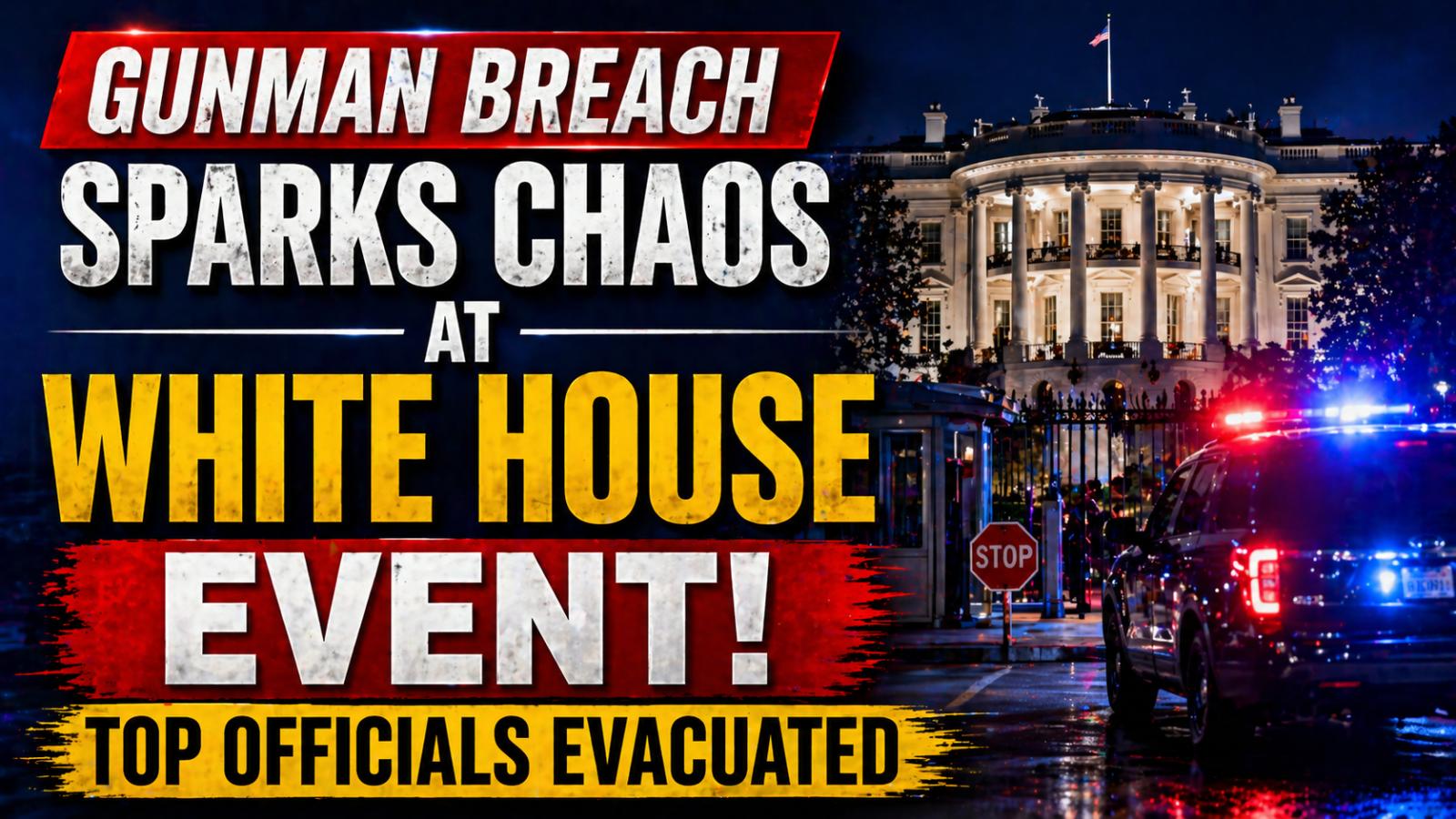
Security Alert at White House Event Raises Concerns Over Rising Political Violence
A security incident disrupted a high-profile gathering in Washington, D.C., after a gunman reportedly breached a checkpoint during an event attended by senior US officials on Apr . Authorities confirmed that the situation prompted an immediate evacuation of key figures, including the president, vice president, and senior law enforcement leadership. Secret Service personnel secured the area within minutes and escorted attendees to safety, preventing further escalation. Preliminary in
Security Alert at White House Event Raises Concerns Over Rising Political Violence
A security incident disrupted a high-profile gathering in Washington, D.C., after a gunman reportedly breached a checkpoint during an event attended by senior US officials on Apr . Authorities confirmed that the situation prompted an immediate evacuation of key figures, including the president, vice president, and senior law enforcement leadership. Secret Service personnel secured the area within minutes and escorted attendees to safety, preventing further escalation. Preliminary in
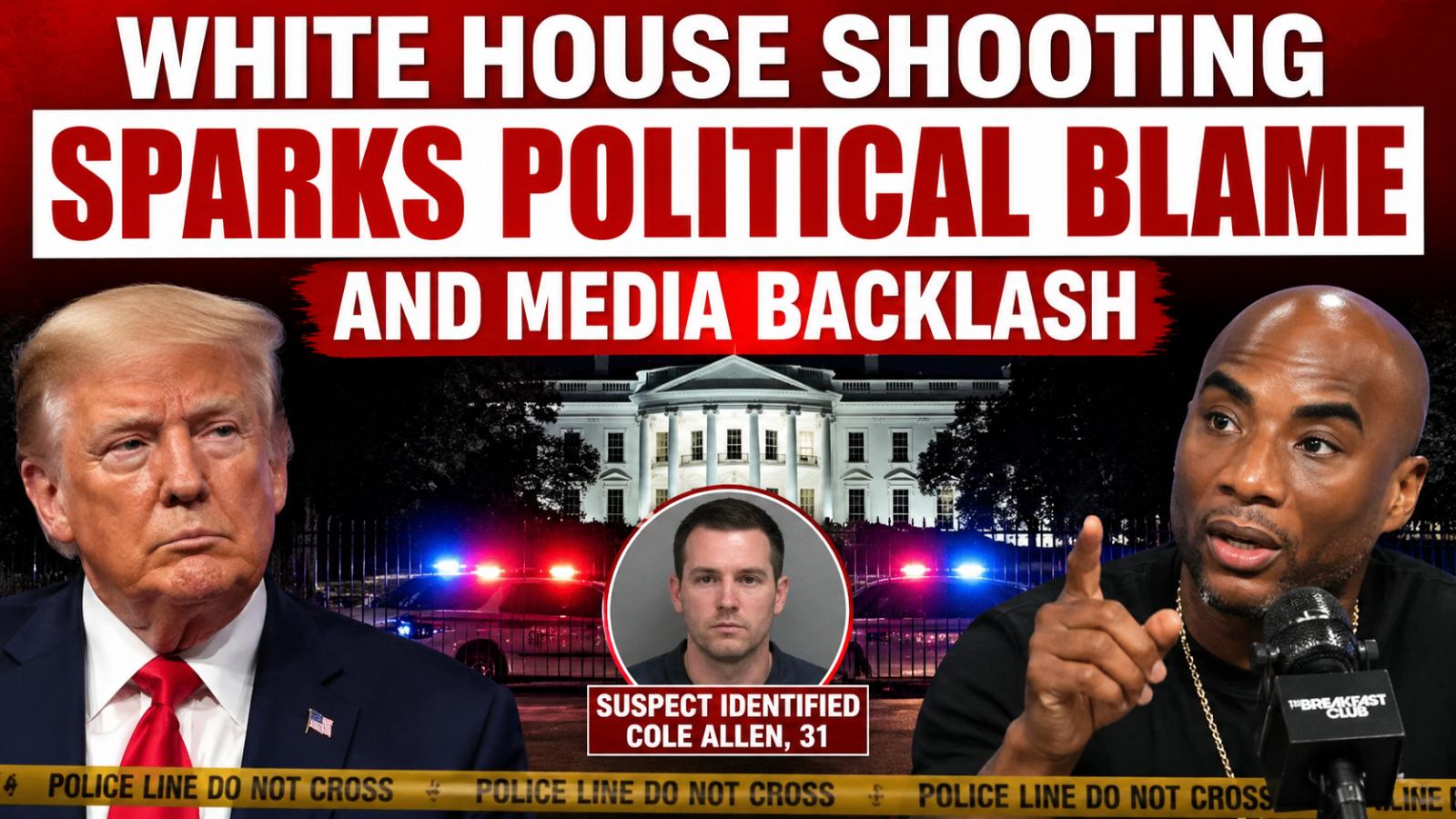
White House shooting sparks political blame and media backlash
Debate over rhetoric intensifies after Washington shooting White House shooting sparks political blame and media backlash as a weekend incident tied to threats against President Donald Trump fueled a sharp exchange between media figures and administration officials. The shooting occurred Saturday night, though authorities have not publicly released a precise time.
White House shooting sparks political blame and media backlash
Debate over rhetoric intensifies after Washington shooting White House shooting sparks political blame and media backlash as a weekend incident tied to threats against President Donald Trump fueled a sharp exchange between media figures and administration officials. The shooting occurred Saturday night, though authorities have not publicly released a precise time.










