














#us-iranceasefire
Bahrain Says Iranian Drones Targeted Island as Tanker Hit in Hormuz
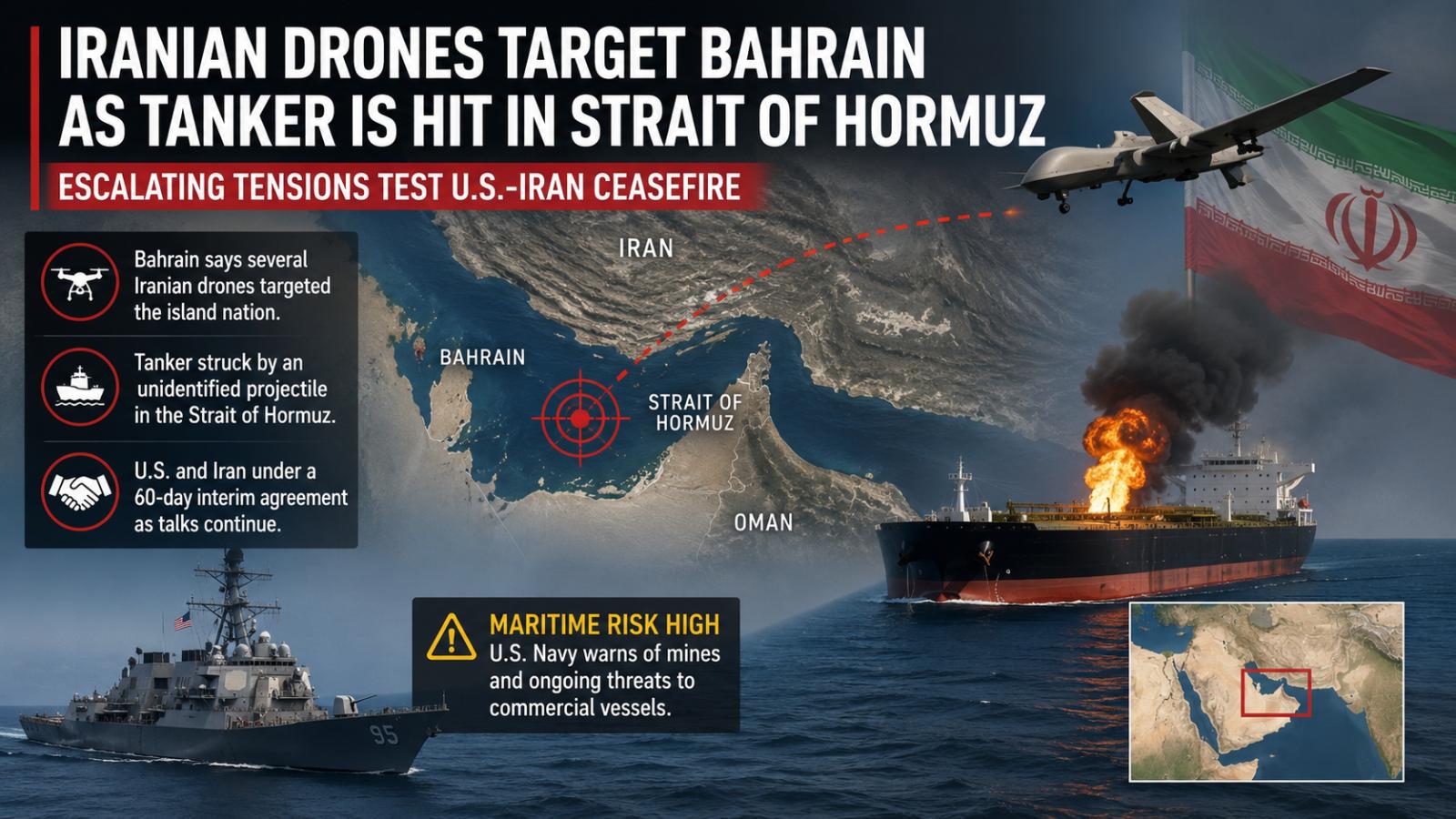
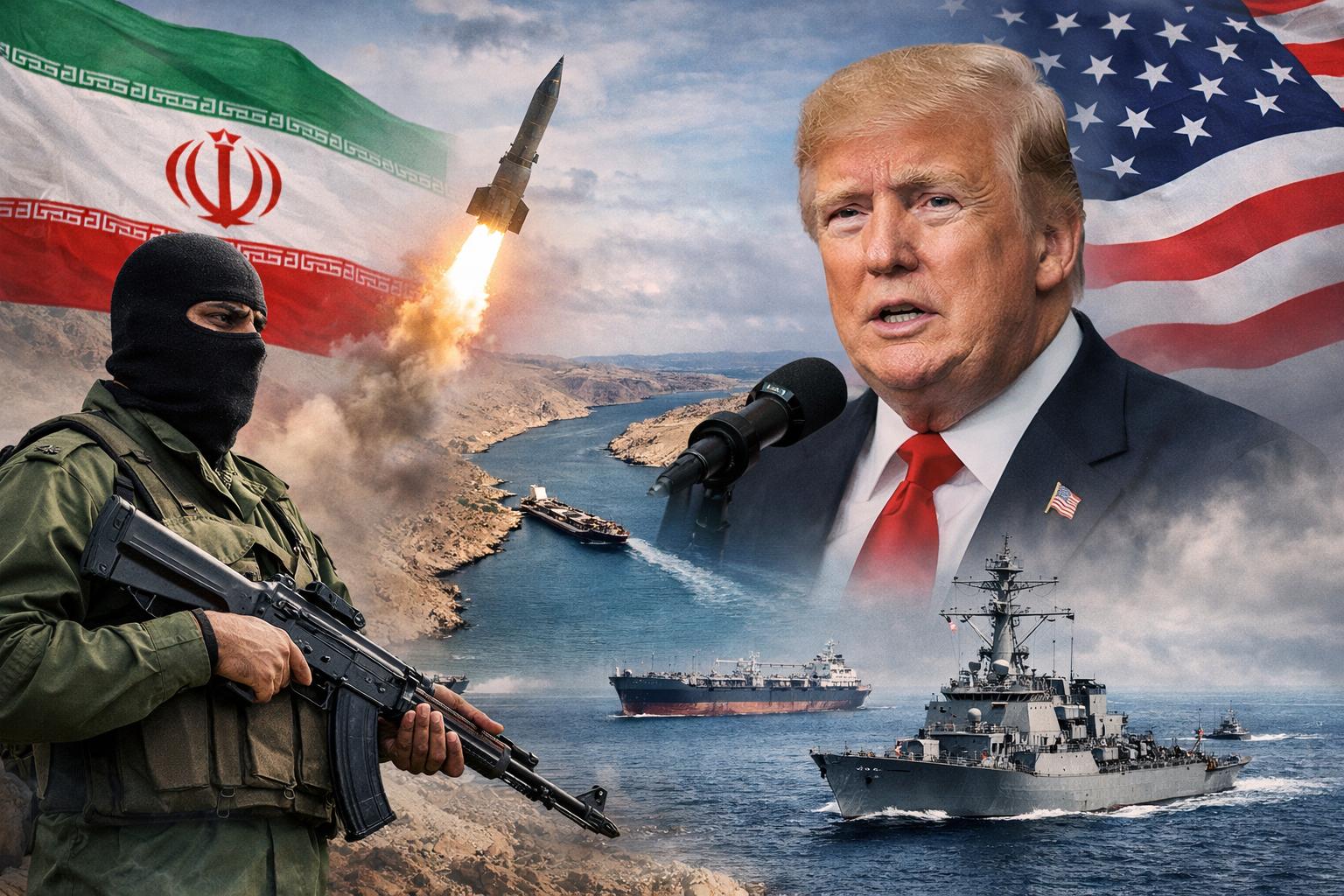
DUBAI, United Arab Emirates — Bahrain said Iranian drones targeted the island nation on Saturday, June 27, 2026, while a tanker was struck by an unidentified projectile in the Strait of Hormuz, adding pressure to a fragile U.S.-Iran ceasefire. The incidents followed overnight U.S. airstrikes on Iranian missile and drone facilities and coastal radar sites. U.S. Central Command said the strikes followed an Iranian drone attack on a container ship attempting to leave the strait.
Bahrain Says Iranian Drones Targeted Island as Tanker Hit in Hormuz
DUBAI, United Arab Emirates — Bahrain said Iranian drones targeted the island nation on Saturday, June 27, 2026, while a tanker was struck by an unidentified projectile in the Strait of Hormuz, adding pressure to a fragile U.S.-Iran ceasefire. The incidents followed overnight U.S. airstrikes on Iranian missile and drone facilities and coastal radar sites. U.S. Central Command said the strikes followed an Iranian drone attack on a container ship attempting to leave the strait.
U.S.-Iran 60-Day Ceasefire Deal Faces Hormuz, Nuclear Tests
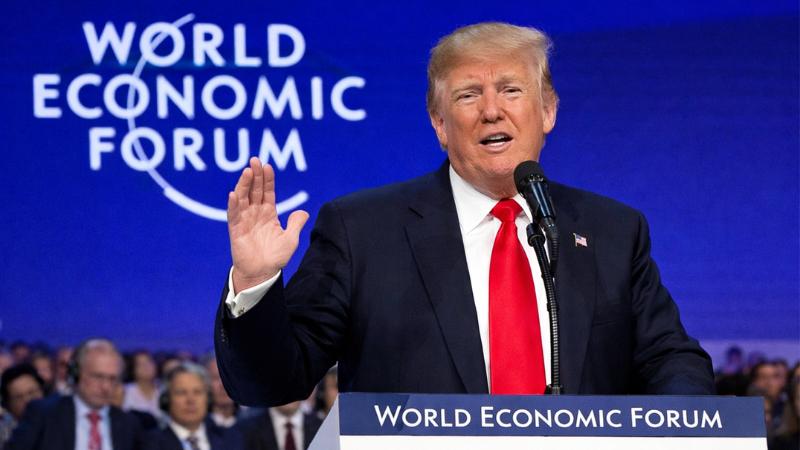
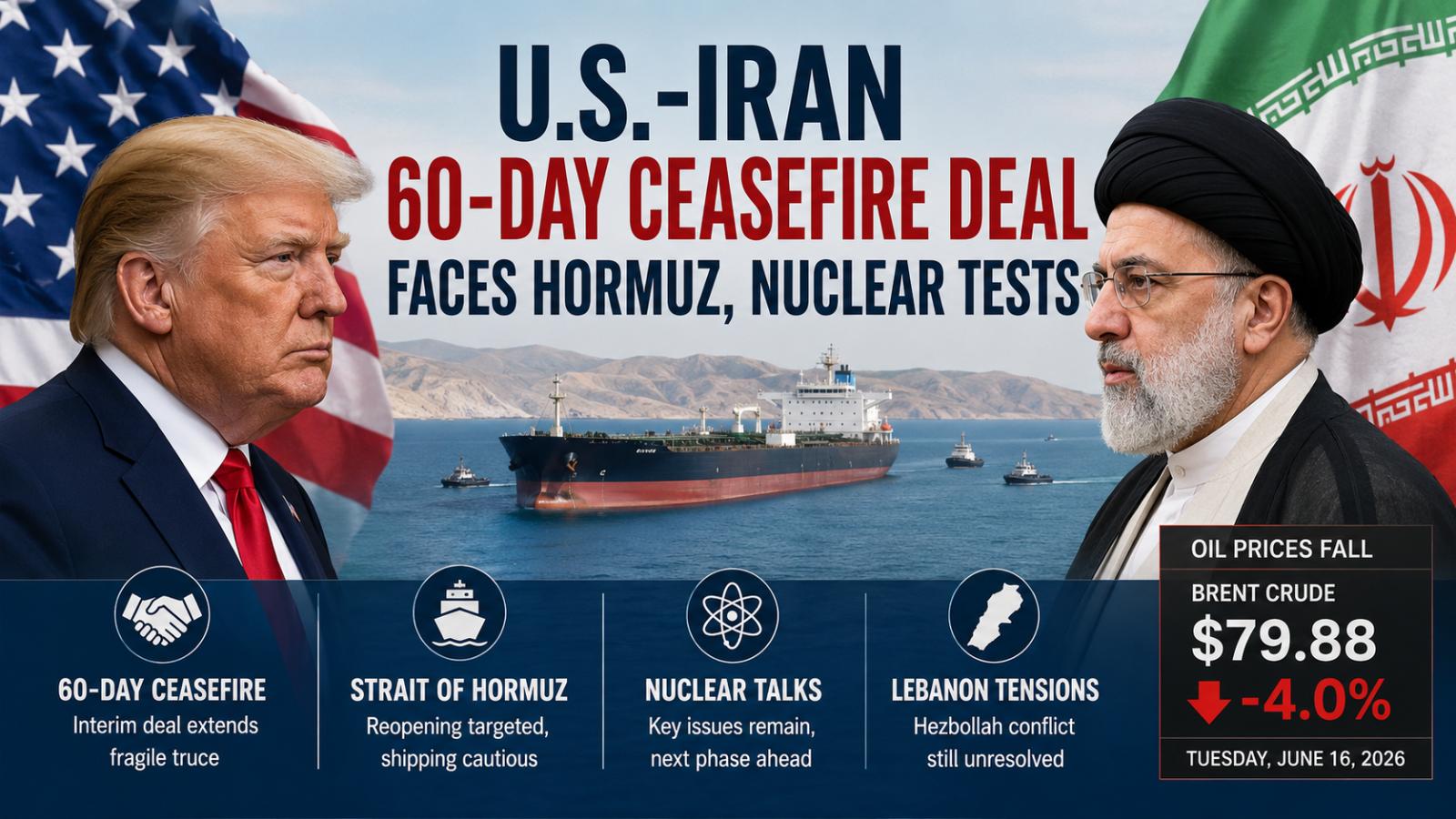
EVIAN-LES-BAINS, France — The U.S.-Iran 60-day ceasefire deal is designed to extend April’s fragile truce and reopen the Strait of Hormuz, but key questions remain over Iran’s nuclear program, shipping security and the conflict in Lebanon. President Donald Trump said at the Group of Seven summit on Tuesday, June 16, 2026, that the interim agreement would be released publicly and would bar Tehran from obtaining a nuclear weapon. A formal signing is expected in Switzerland on Fr
U.S.-Iran 60-Day Ceasefire Deal Faces Hormuz, Nuclear Tests
EVIAN-LES-BAINS, France — The U.S.-Iran 60-day ceasefire deal is designed to extend April’s fragile truce and reopen the Strait of Hormuz, but key questions remain over Iran’s nuclear program, shipping security and the conflict in Lebanon. President Donald Trump said at the Group of Seven summit on Tuesday, June 16, 2026, that the interim agreement would be released publicly and would bar Tehran from obtaining a nuclear weapon. A formal signing is expected in Switzerland on Fr
Trump Yet To Approve US-Iran Ceasefire Extension Deal
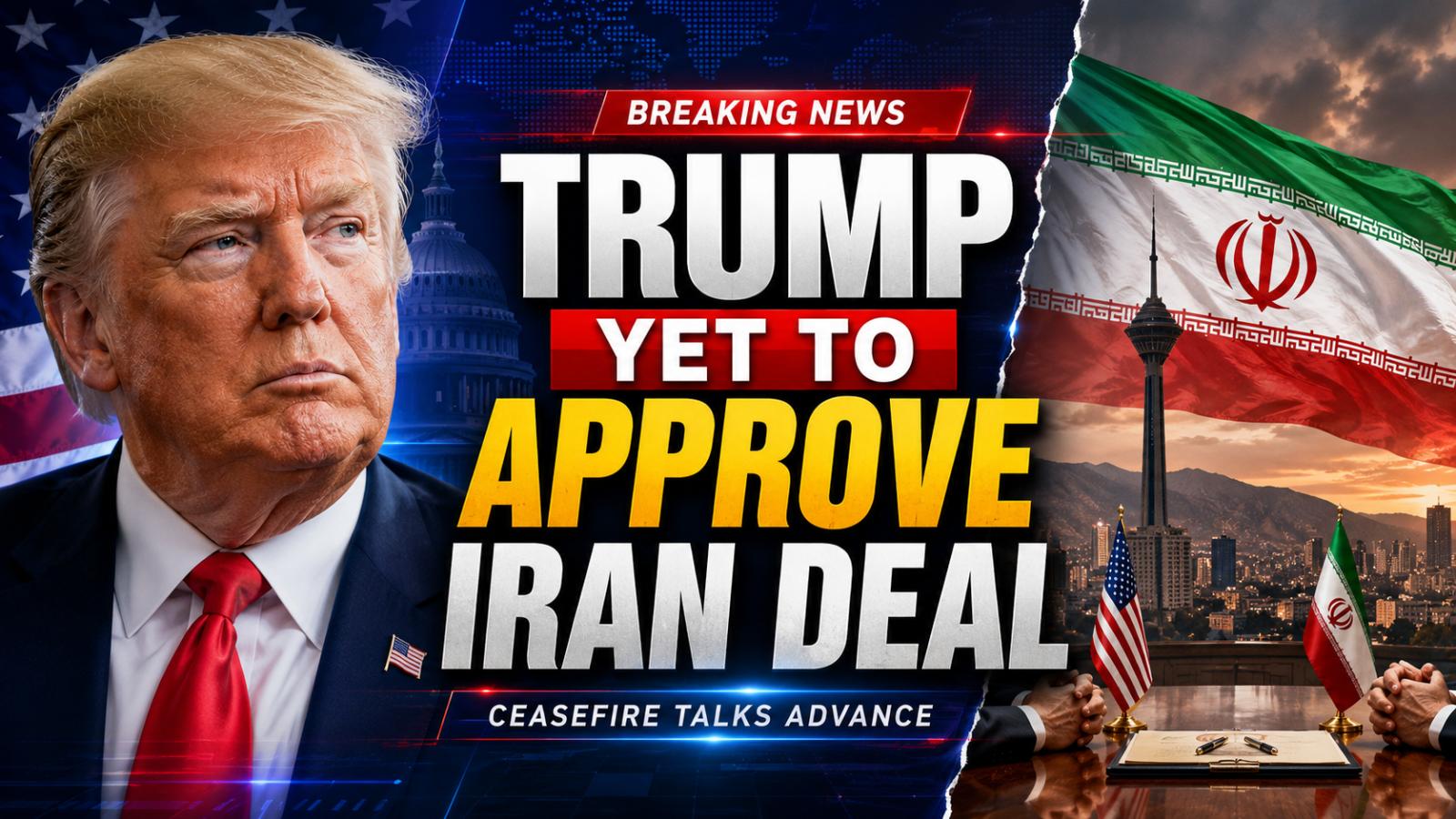
Talks Move Closer To A Deal The United States and Iran have made progress toward extending their ceasefire agreement, but President Donald Trump has not yet decided whether to approve the proposal, Vice President JD Vance said on Thursday, May 28. Speaking to reporters, Vance said both sides were still reviewing specific language in the agreement, even as US officials indicated that Washington and Tehran had
Trump Yet To Approve US-Iran Ceasefire Extension Deal
Talks Move Closer To A Deal The United States and Iran have made progress toward extending their ceasefire agreement, but President Donald Trump has not yet decided whether to approve the proposal, Vice President JD Vance said on Thursday, May 28. Speaking to reporters, Vance said both sides were still reviewing specific language in the agreement, even as US officials indicated that Washington and Tehran had
Putin and Trump discuss Iran tensions and Ukraine in lengthy phone call
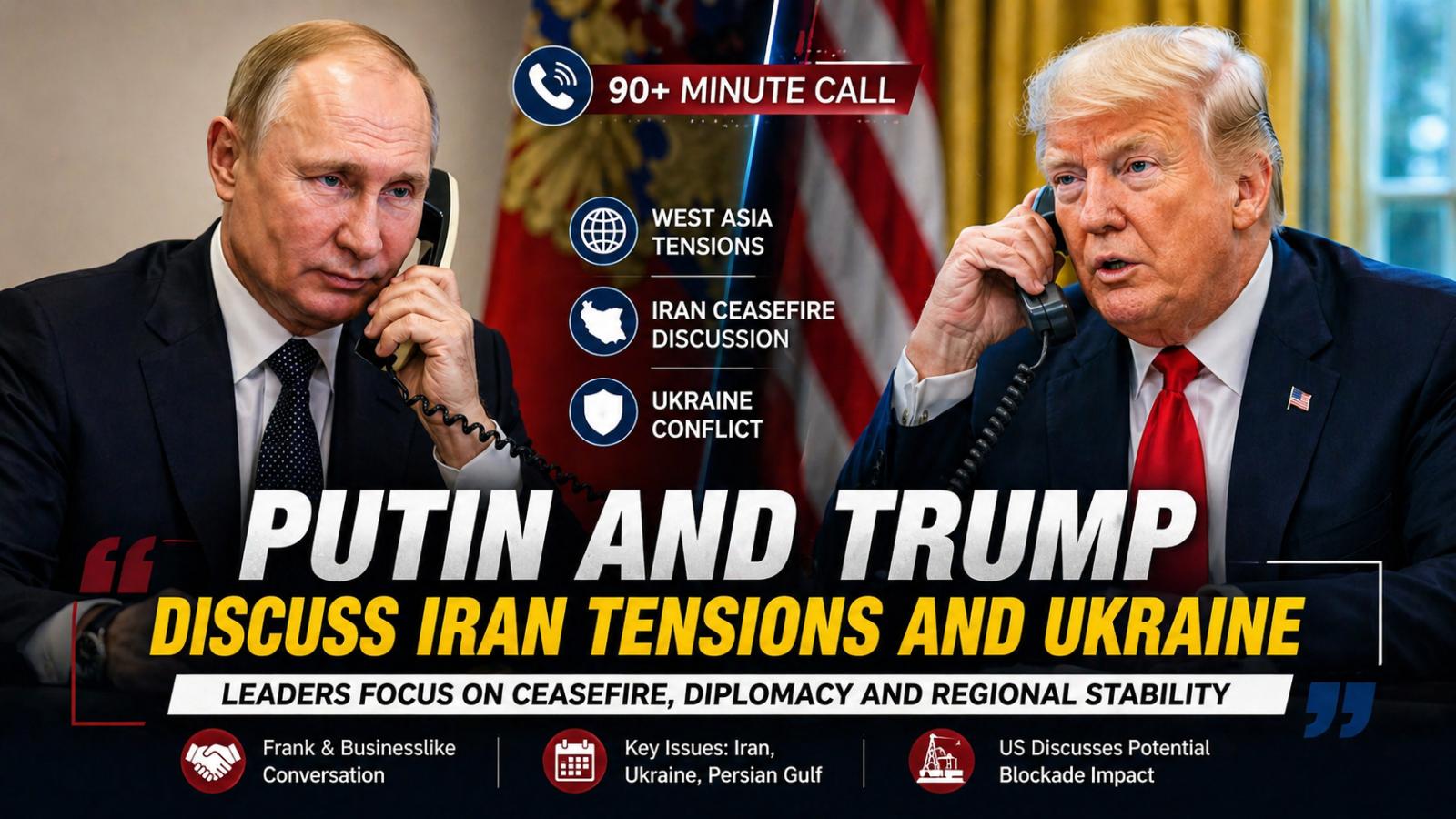
Russian President Vladimir Putin and US President Donald Trump held a 90-minute call on Iran, Ukraine, and Gulf tensions, discussing ceasefire efforts, diplomacy, and possible US actions on Iranian ports. Putin and Trump discuss Iran tensions and Ukraine in lengthy phone call as Vladimir Putin held a phone conversation with Donald Trump addressing ongoing conflicts in West Asia and Ukraine, according to statements from the Kremlin. The discussion, confirmed by aide Yuri Ushakov on Wednesday, lasted more than 90 minutes and was described as both “frank” and “businesslike,” reflecting the seriousness of the geopolitical issues involved. A central topic of the conversation was the situation in Iran and the broader Persian Gulf. Putin reportedly welcomed Trump’s decision to extend a ceasefire involving Iran, emphasizing that the move could provide critical time for diplomatic negotiations and help reduce escalating tensions across the region. The call highlighted mutual concerns about stability in key global energy corridors and the potential consequences of prolonged conflict. According to a White House official, Trump also discussed strategies with U.S. oil companies to mitigate the economic and logistical impact of a possible long-term U.S. blockade targeting Iranian ports. The potential blockade, which could last for months, is part of broader efforts to pressure Tehran amid ongoing disputes over regional security and nuclear negotiations. During the conversation, Trump urged Iranian leadership to act swiftly, signaling that diplomatic opportunities remain open but limited. His remarks underscored Washington’s push for a negotiated agreement while maintaining pressure through economic and strategic measures. The exchange between the two leaders reflects continued engagement between the United States and Russia on key international crises, even amid broader tensions in bilateral relations.
Putin and Trump discuss Iran tensions and Ukraine in lengthy phone call
Russian President Vladimir Putin and US President Donald Trump held a 90-minute call on Iran, Ukraine, and Gulf tensions, discussing ceasefire efforts, diplomacy, and possible US actions on Iranian ports. Putin and Trump discuss Iran tensions and Ukraine in lengthy phone call as Vladimir Putin held a phone conversation with Donald Trump addressing ongoing conflicts in West Asia and Ukraine, according to statements from the Kremlin. The discussion, confirmed by aide Yuri Ushakov on Wednesday, lasted more than 90 minutes and was described as both “frank” and “businesslike,” reflecting the seriousness of the geopolitical issues involved. A central topic of the conversation was the situation in Iran and the broader Persian Gulf. Putin reportedly welcomed Trump’s decision to extend a ceasefire involving Iran, emphasizing that the move could provide critical time for diplomatic negotiations and help reduce escalating tensions across the region. The call highlighted mutual concerns about stability in key global energy corridors and the potential consequences of prolonged conflict. According to a White House official, Trump also discussed strategies with U.S. oil companies to mitigate the economic and logistical impact of a possible long-term U.S. blockade targeting Iranian ports. The potential blockade, which could last for months, is part of broader efforts to pressure Tehran amid ongoing disputes over regional security and nuclear negotiations. During the conversation, Trump urged Iranian leadership to act swiftly, signaling that diplomatic opportunities remain open but limited. His remarks underscored Washington’s push for a negotiated agreement while maintaining pressure through economic and strategic measures. The exchange between the two leaders reflects continued engagement between the United States and Russia on key international crises, even amid broader tensions in bilateral relations.
Iran accepts two-week ceasefire amid US pressure on Hormuz Strait
Iran has agreed to a proposed two-week ceasefire amid escalating tensions in the Middle East, following a statement by Donald Trump indicating that the United States would suspend further military action if Tehran fully reopens the strategically critical Strait of Hormuz. The announcement signals a potential pause in hostilities linked to ongoing Iran-Israel tensions, while also highlighting the broader geopolitical stakes tied to global energy security and maritime access. The Strait of Hormuz, a vital passage for a significant portion of the world’s oil supply, has remained at the center of international concern. US officials have made it clear that maintaining open navigation through the waterway is a key condition for de-escalation. The ceasefire agreement is being viewed as a temporary but important step toward reducing immediate risks in the region, particularly for global oil markets and allied economies. At the same time, Washington has underscored that any long-term easing of economic sanctions on Iran will depend on a complete halt to its uranium enrichment activities. The proposed framework reflects a broader US foreign policy approach that links economic relief directly to nuclear compliance, requiring Iran to scale back its nuclear program in exchange for reduced tariffs and sanctions. This conditional strategy is expected to shape the next phase of diplomatic negotiations. The development follows diplomatic outreach from Shehbaz Sharif, who urged an extension of the negotiation timeline and called on Iran to ensure uninterrupted access through the Strait of Hormuz. Pakistan’s involvement underscores the wider regional implications of the crisis and the importance of multilateral engagement. Meanwhile, Iran’s Islamic Revolutionary Guard Corps has issued a strong warning, stating that any US strikes on civilian infrastructure would provoke a response extending beyond the immediate region. The group cautioned that such actions could disrupt oil and gas supplies to the United States and its allies for an extended period, further raising concerns about global energy stability. While the ceasefire offers a temporary reprieve, the situation remains fluid, with key issues surrounding nuclear policy, sanctions, and regional security still unresolved.
Iran accepts two-week ceasefire amid US pressure on Hormuz Strait
Iran has agreed to a proposed two-week ceasefire amid escalating tensions in the Middle East, following a statement by Donald Trump indicating that the United States would suspend further military action if Tehran fully reopens the strategically critical Strait of Hormuz. The announcement signals a potential pause in hostilities linked to ongoing Iran-Israel tensions, while also highlighting the broader geopolitical stakes tied to global energy security and maritime access. The Strait of Hormuz, a vital passage for a significant portion of the world’s oil supply, has remained at the center of international concern. US officials have made it clear that maintaining open navigation through the waterway is a key condition for de-escalation. The ceasefire agreement is being viewed as a temporary but important step toward reducing immediate risks in the region, particularly for global oil markets and allied economies. At the same time, Washington has underscored that any long-term easing of economic sanctions on Iran will depend on a complete halt to its uranium enrichment activities. The proposed framework reflects a broader US foreign policy approach that links economic relief directly to nuclear compliance, requiring Iran to scale back its nuclear program in exchange for reduced tariffs and sanctions. This conditional strategy is expected to shape the next phase of diplomatic negotiations. The development follows diplomatic outreach from Shehbaz Sharif, who urged an extension of the negotiation timeline and called on Iran to ensure uninterrupted access through the Strait of Hormuz. Pakistan’s involvement underscores the wider regional implications of the crisis and the importance of multilateral engagement. Meanwhile, Iran’s Islamic Revolutionary Guard Corps has issued a strong warning, stating that any US strikes on civilian infrastructure would provoke a response extending beyond the immediate region. The group cautioned that such actions could disrupt oil and gas supplies to the United States and its allies for an extended period, further raising concerns about global energy stability. While the ceasefire offers a temporary reprieve, the situation remains fluid, with key issues surrounding nuclear policy, sanctions, and regional security still unresolved.
US stocks rally as ceasefire with Iran lifts market sentiment
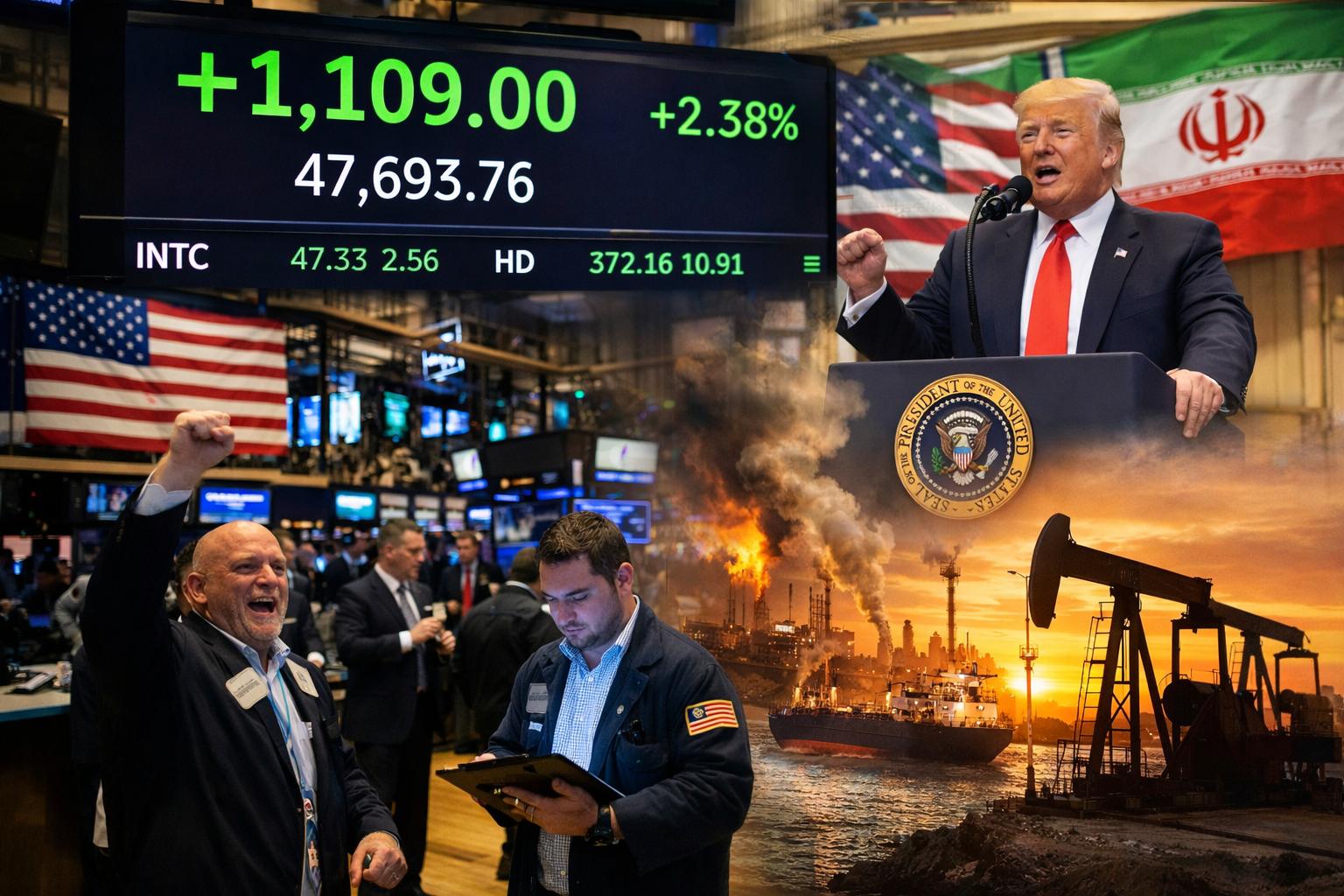
US equities surged sharply on Wednesday as investor sentiment improved following President Donald Trump’s announcement of a temporary two-week ceasefire with Iran. The development eased fears of a prolonged conflict in the Middle East, triggering a broad rally across major indexes and sectors while simultaneously pushing oil prices lower. The Dow Jones Industrial Average climbed 1,109 points to close at 47,693.76, driven by gains in technology, industrial, and financial stocks. Companies such as Intel, Home Depot, and Caterpillar contributed significantly to the upward momentum, reflecting renewed confidence among investors. The S&P 500 rose 2.21%, supported by widespread gains across both growth and cyclical sectors, although energy stocks lagged due to declining crude prices. The Nasdaq Composite advanced 2.48%, led by strong performance in semiconductor and technology stocks, signaling optimism around artificial intelligence and chip demand. The NYSE Composite also gained 1.79%, highlighting strength in large-cap industrial and financial shares. Market sentiment shifted notably after the ceasefire announcement, as earlier concerns about escalating tensions had driven oil prices higher and weighed on equities. Investors responded positively to the prospect of reduced geopolitical risk and the potential reopening of the Strait of Hormuz, a critical shipping route responsible for roughly 20% of global oil supply. Oil prices fell sharply in response, easing inflation concerns. West Texas Intermediate crude declined 17% to $93.42 per barrel, while Brent crude dropped 16% to $91.65 per barrel. The decline in energy costs provided additional support to equities, reinforcing expectations of reduced inflationary pressure and improved economic stability. Overall, the ceasefire announcement acted as a key catalyst for markets, with investors viewing it as a step toward stabilizing global energy flows and reducing geopolitical uncertainty.
US stocks rally as ceasefire with Iran lifts market sentiment
US equities surged sharply on Wednesday as investor sentiment improved following President Donald Trump’s announcement of a temporary two-week ceasefire with Iran. The development eased fears of a prolonged conflict in the Middle East, triggering a broad rally across major indexes and sectors while simultaneously pushing oil prices lower. The Dow Jones Industrial Average climbed 1,109 points to close at 47,693.76, driven by gains in technology, industrial, and financial stocks. Companies such as Intel, Home Depot, and Caterpillar contributed significantly to the upward momentum, reflecting renewed confidence among investors. The S&P 500 rose 2.21%, supported by widespread gains across both growth and cyclical sectors, although energy stocks lagged due to declining crude prices. The Nasdaq Composite advanced 2.48%, led by strong performance in semiconductor and technology stocks, signaling optimism around artificial intelligence and chip demand. The NYSE Composite also gained 1.79%, highlighting strength in large-cap industrial and financial shares. Market sentiment shifted notably after the ceasefire announcement, as earlier concerns about escalating tensions had driven oil prices higher and weighed on equities. Investors responded positively to the prospect of reduced geopolitical risk and the potential reopening of the Strait of Hormuz, a critical shipping route responsible for roughly 20% of global oil supply. Oil prices fell sharply in response, easing inflation concerns. West Texas Intermediate crude declined 17% to $93.42 per barrel, while Brent crude dropped 16% to $91.65 per barrel. The decline in energy costs provided additional support to equities, reinforcing expectations of reduced inflationary pressure and improved economic stability. Overall, the ceasefire announcement acted as a key catalyst for markets, with investors viewing it as a step toward stabilizing global energy flows and reducing geopolitical uncertainty.


