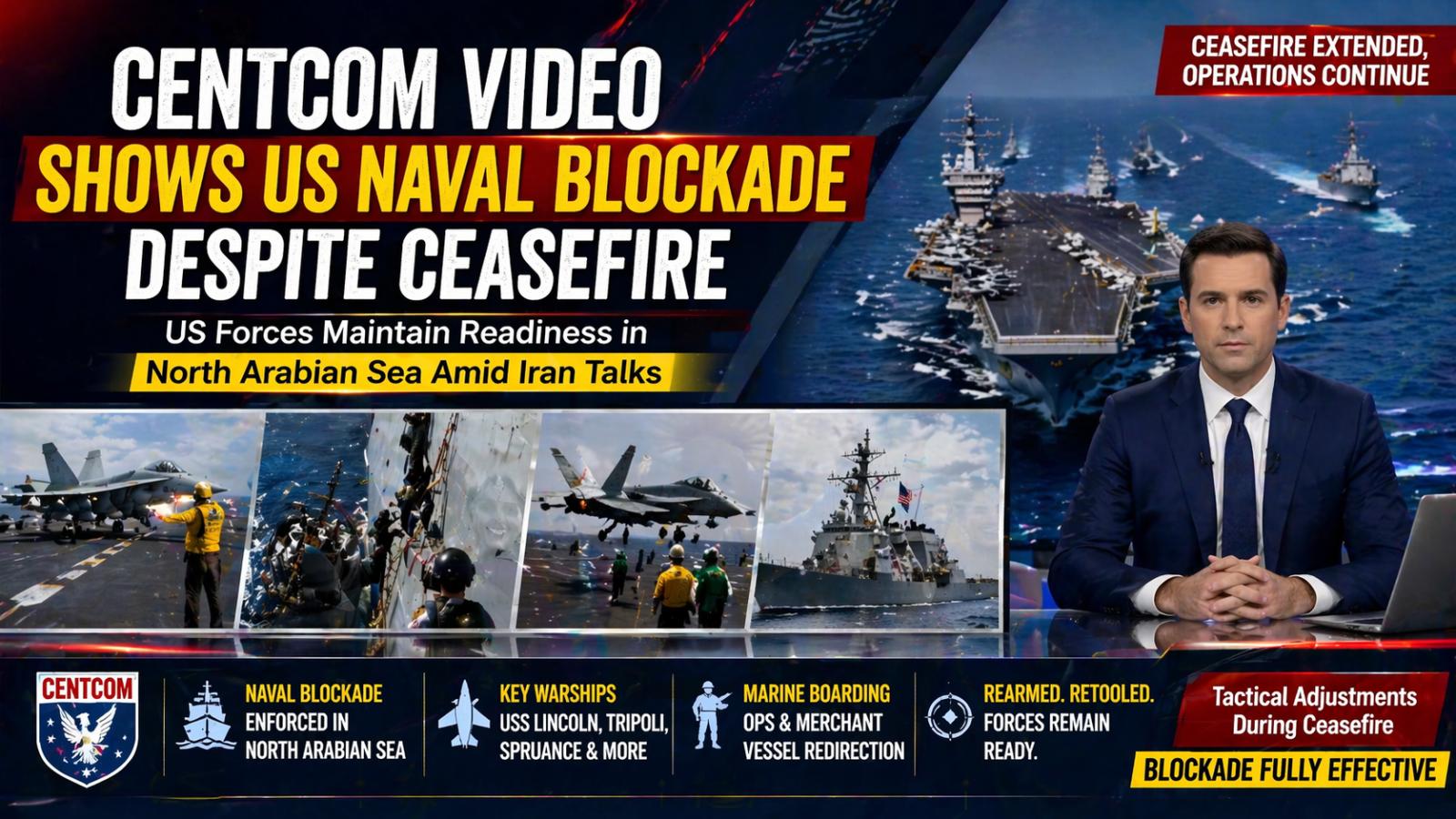
CENTCOM Highlights Military Preparedness Amid Iran Talks
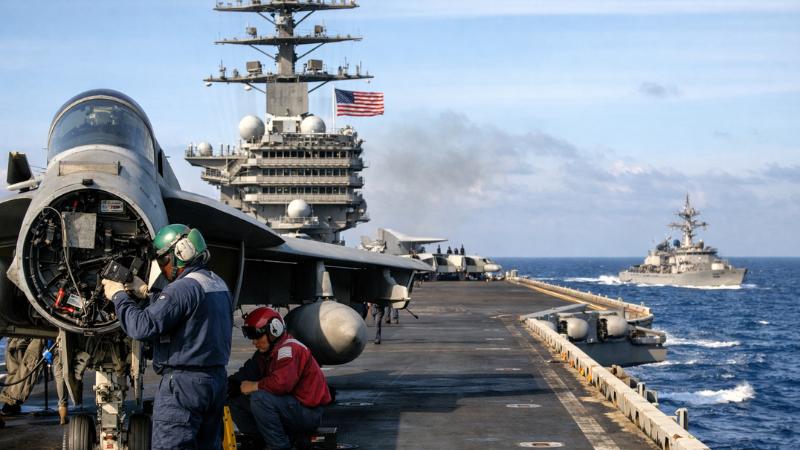
A newly released video by United States Central Command (CENTCOM) has drawn attention to ongoing military operations in the North Arabian Sea, even as a ceasefire extension remains in place. The footage, shared shortly after an announcement by US President Donald Trump, emphasizes that American forces continue to maintain operational readiness and strategic positioning in the region.
CENTCOM Highlights Military Preparedness Amid Iran Talks
A newly released video by United States Central Command (CENTCOM) has drawn attention to ongoing military operations in the North Arabian Sea, even as a ceasefire extension remains in place. The footage, shared shortly after an announcement by US President Donald Trump, emphasizes that American forces continue to maintain operational readiness and strategic positioning in the region.
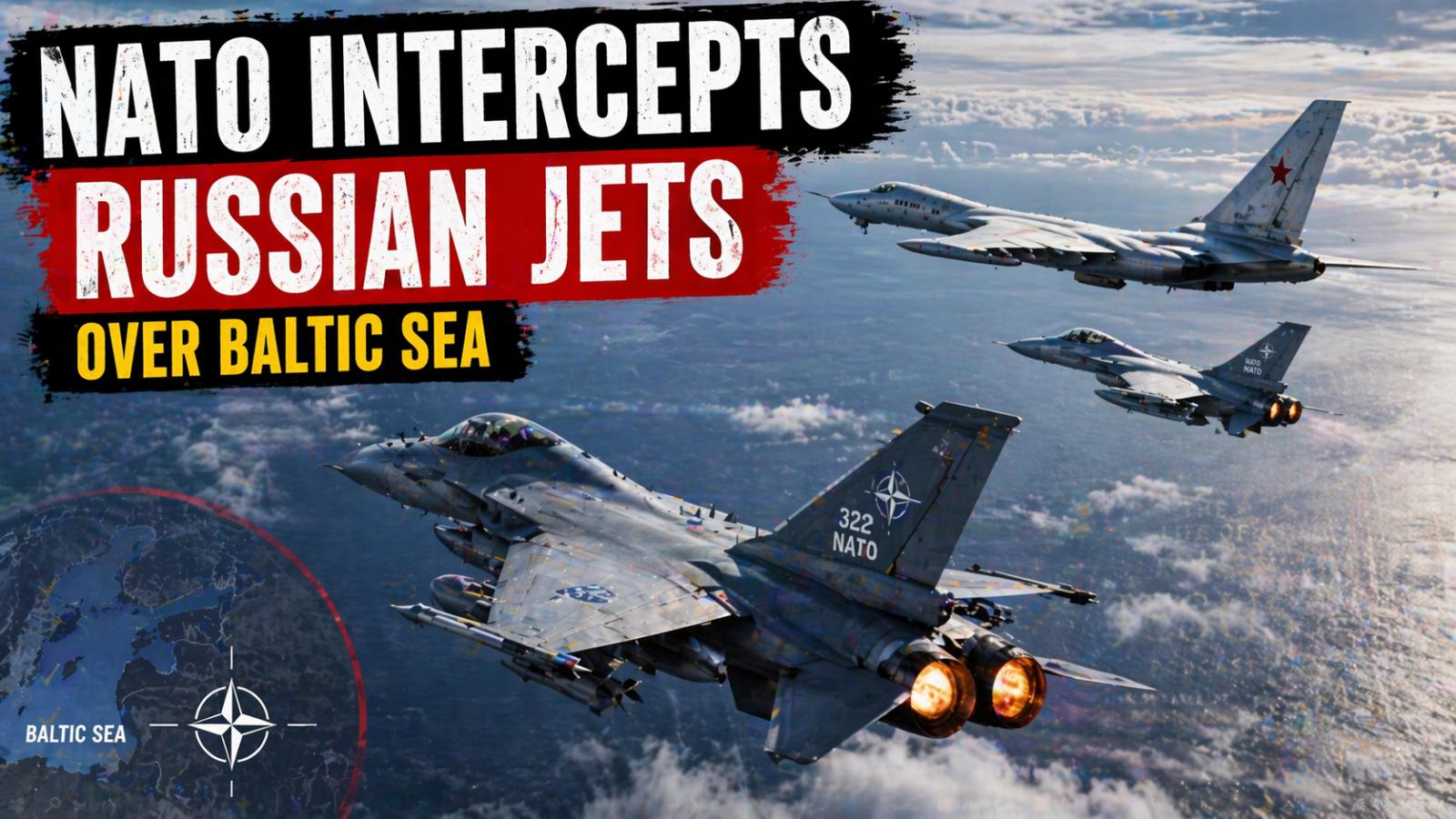
NATO intercepts Russian jets over Baltic Sea: What it means for rising tensions
The NATO intercept Russian jets Baltic Sea incident has once again highlighted rising military tensions in Europe. Fighter jets from multiple NATO nations were scrambled to monitor Russian aircraft, signaling a strong show of force along the alliance’s eastern flank. What happened and why it matters On April 22, 2026, NATO forces launched a coordinated
NATO intercepts Russian jets over Baltic Sea: What it means for rising tensions
The NATO intercept Russian jets Baltic Sea incident has once again highlighted rising military tensions in Europe. Fighter jets from multiple NATO nations were scrambled to monitor Russian aircraft, signaling a strong show of force along the alliance’s eastern flank. What happened and why it matters On April 22, 2026, NATO forces launched a coordinated
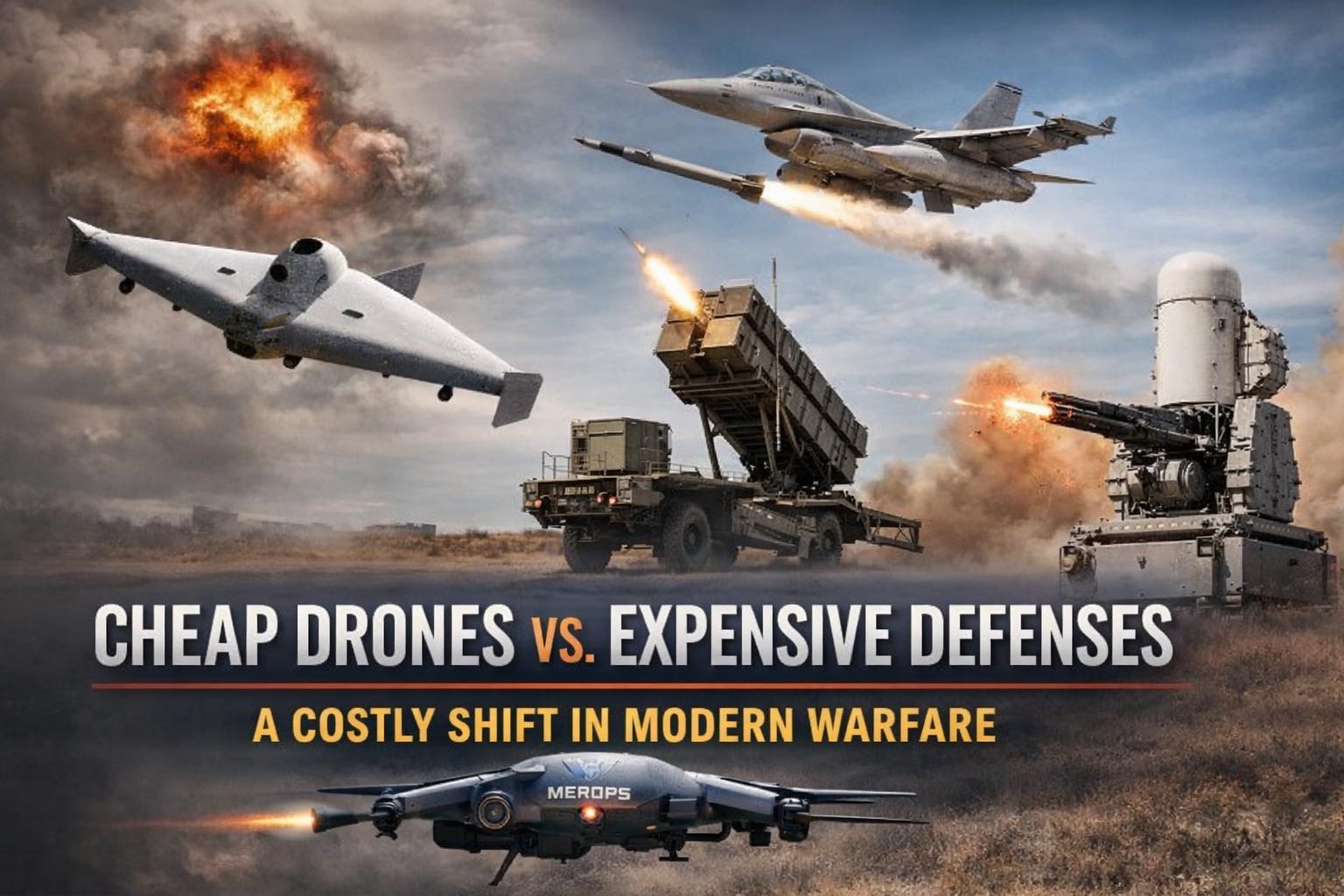
How Iran’s affordable drones are challenging America’s expensive interceptors
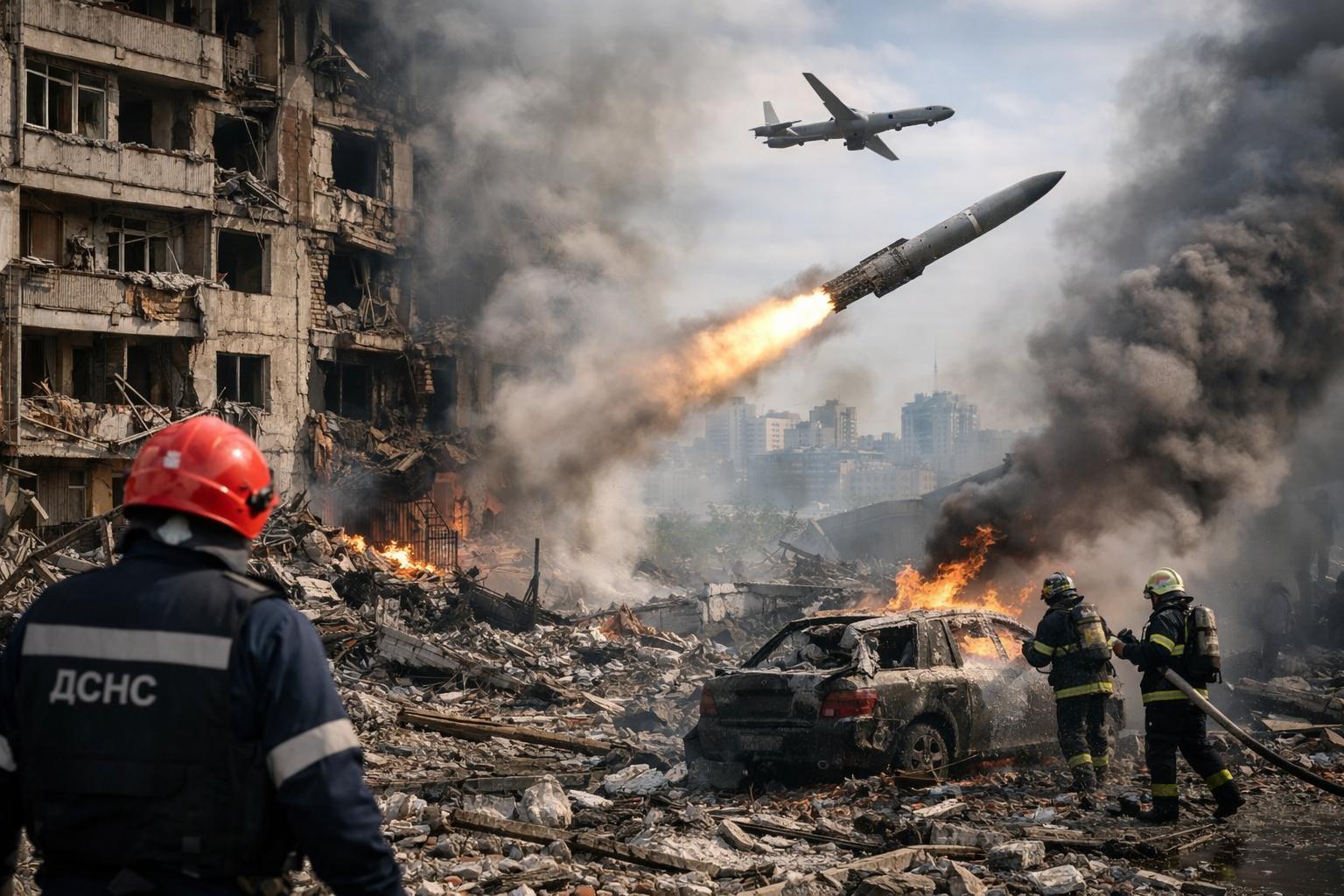
One of the most striking lessons from the war with Iran is how a relatively low-cost adversary has exposed vulnerabilities in U.S. defense strategy. Iran has demonstrated both a willingness to go on the offensive and an ability to leverage inexpensive drone technology at scale. These drones, often built with commercial-grade components, cost roughly $35,000 each—far less than the high-end interceptors used to destroy them. This imbalance has forced the United States and its allies to confront a new reality: modern warfare is no longer dominated solely by precision and sophistication, but also by affordability and volume. Cheap drones had already reshaped the battlefield in Ukraine, and Iran has now applied similar tactics in the Middle East, exploiting a long-standing gap in U.S. defense investments that favored fewer, more expensive systems over scalable solutions. Why are U.S. defenses struggling with cost efficiency? Because interceptors far exceed drone prices The financial mismatch is stark. In just the first six days of the conflict, the U.S. spent $11.3 billion, with estimates later rising to between $25 billion and $35 billion. A significant portion of that cost comes from interceptor missiles used to shoot down relatively inexpensive drones. Despite years of Pentagon focus on counter-drone capabilities, experts like Michael C. Horowitz note that there has been little urgency to scale affordable solutions. The result is a defense strategy where each engagement can cost far more than the threat itself—an unsustainable model in prolonged conflicts. How do air-based defenses work against drones? By using early detection and precision strikes—when available In an ideal scenario, airborne early warning systems detect drones hundreds of miles away. Fighter jets such as the F-16 Fighting Falcon are then deployed to intercept them using relatively cheaper rocket systems like APKWS II. This method is among the most cost-efficient, but it depends heavily on maintaining constant air patrols and intact detection systems. Iran has targeted these early warning assets, limiting their effectiveness and reducing the availability of this optimal defense approach. What role do ground and naval systems play? They offer range and reliability but at a steep price When air defenses are unavailable, the U.S. relies on ground- and sea-based systems. These include: Short-range systems like the Coyote, designed specifically for drones and relatively cost-effective—but in short supply. Naval destroyers using radar and SM-2 interceptors, which are powerful but expensive and designed for larger threats. The Patriot missile system, capable of intercepting drones from long distances using costly PAC-3 missiles. These systems were originally built to counter high-end threats like ballistic missiles, not swarms of cheap drones. As a result, they are often overkill—both technologically and financially—for the task at hand. Still, their use can be justified when defending high-value assets, such as billion-dollar radar installations or critical military infrastructure. What are the emerging solutions to counter drones? AI interceptors and lasers show promise but remain unproven New approaches aim to fix the cost imbalance. AI-powered interceptor drones, such as the Merops system developed by a company founded by Eric Schmidt, represent a potential shift toward cheaper, scalable defenses. These systems have been tested in collaboration with Ukrainian forces experienced in countering Iranian drones. The U.S. has already sent thousands of these units to the Middle East and begun training troops, though it remains unclear whether they have been deployed in combat. Meanwhile, the Pentagon has invested heavily in directed energy weapons—lasers that could cost as little as $3 per shot and reach targets up to 12 miles away. However, these systems have yet to be fielded in real-world combat. Why is ammunition depletion a growing concern? Because stockpiles may run out faster than they can be replaced Beyond cost, a more immediate concern is supply. Experts warn that interceptor stockpiles are being depleted at an alarming rate. As Tom Karako explains, the issue is not just affordability but availability: the U.S. risks running out of munitions before it can replenish them. This highlights a deeper strategic challenge. Modern conflicts—defined by mass-produced, low-cost threats—require not just advanced technology, but also sustainable production and scalable defense systems.
How Iran’s affordable drones are challenging America’s expensive interceptors
One of the most striking lessons from the war with Iran is how a relatively low-cost adversary has exposed vulnerabilities in U.S. defense strategy. Iran has demonstrated both a willingness to go on the offensive and an ability to leverage inexpensive drone technology at scale. These drones, often built with commercial-grade components, cost roughly $35,000 each—far less than the high-end interceptors used to destroy them. This imbalance has forced the United States and its allies to confront a new reality: modern warfare is no longer dominated solely by precision and sophistication, but also by affordability and volume. Cheap drones had already reshaped the battlefield in Ukraine, and Iran has now applied similar tactics in the Middle East, exploiting a long-standing gap in U.S. defense investments that favored fewer, more expensive systems over scalable solutions. Why are U.S. defenses struggling with cost efficiency? Because interceptors far exceed drone prices The financial mismatch is stark. In just the first six days of the conflict, the U.S. spent $11.3 billion, with estimates later rising to between $25 billion and $35 billion. A significant portion of that cost comes from interceptor missiles used to shoot down relatively inexpensive drones. Despite years of Pentagon focus on counter-drone capabilities, experts like Michael C. Horowitz note that there has been little urgency to scale affordable solutions. The result is a defense strategy where each engagement can cost far more than the threat itself—an unsustainable model in prolonged conflicts. How do air-based defenses work against drones? By using early detection and precision strikes—when available In an ideal scenario, airborne early warning systems detect drones hundreds of miles away. Fighter jets such as the F-16 Fighting Falcon are then deployed to intercept them using relatively cheaper rocket systems like APKWS II. This method is among the most cost-efficient, but it depends heavily on maintaining constant air patrols and intact detection systems. Iran has targeted these early warning assets, limiting their effectiveness and reducing the availability of this optimal defense approach. What role do ground and naval systems play? They offer range and reliability but at a steep price When air defenses are unavailable, the U.S. relies on ground- and sea-based systems. These include: Short-range systems like the Coyote, designed specifically for drones and relatively cost-effective—but in short supply. Naval destroyers using radar and SM-2 interceptors, which are powerful but expensive and designed for larger threats. The Patriot missile system, capable of intercepting drones from long distances using costly PAC-3 missiles. These systems were originally built to counter high-end threats like ballistic missiles, not swarms of cheap drones. As a result, they are often overkill—both technologically and financially—for the task at hand. Still, their use can be justified when defending high-value assets, such as billion-dollar radar installations or critical military infrastructure. What are the emerging solutions to counter drones? AI interceptors and lasers show promise but remain unproven New approaches aim to fix the cost imbalance. AI-powered interceptor drones, such as the Merops system developed by a company founded by Eric Schmidt, represent a potential shift toward cheaper, scalable defenses. These systems have been tested in collaboration with Ukrainian forces experienced in countering Iranian drones. The U.S. has already sent thousands of these units to the Middle East and begun training troops, though it remains unclear whether they have been deployed in combat. Meanwhile, the Pentagon has invested heavily in directed energy weapons—lasers that could cost as little as $3 per shot and reach targets up to 12 miles away. However, these systems have yet to be fielded in real-world combat. Why is ammunition depletion a growing concern? Because stockpiles may run out faster than they can be replaced Beyond cost, a more immediate concern is supply. Experts warn that interceptor stockpiles are being depleted at an alarming rate. As Tom Karako explains, the issue is not just affordability but availability: the U.S. risks running out of munitions before it can replenish them. This highlights a deeper strategic challenge. Modern conflicts—defined by mass-produced, low-cost threats—require not just advanced technology, but also sustainable production and scalable defense systems.
India Must Prepare for Future Op Sindoor: Anil Chauhan Calls for Unity
Anil Chauhan has stressed the need for India’s armed forces to enhance coordination and prepare for future challenges, drawing lessons from ‘Operation Sindoor’. He noted that the military must move beyond replicating past strategies and instead adapt to evolving threats and new forms of warfare. Referring to ‘Operation Sindoor’, Chauhan desc
India Must Prepare for Future Op Sindoor: Anil Chauhan Calls for Unity
Anil Chauhan has stressed the need for India’s armed forces to enhance coordination and prepare for future challenges, drawing lessons from ‘Operation Sindoor’. He noted that the military must move beyond replicating past strategies and instead adapt to evolving threats and new forms of warfare. Referring to ‘Operation Sindoor’, Chauhan desc
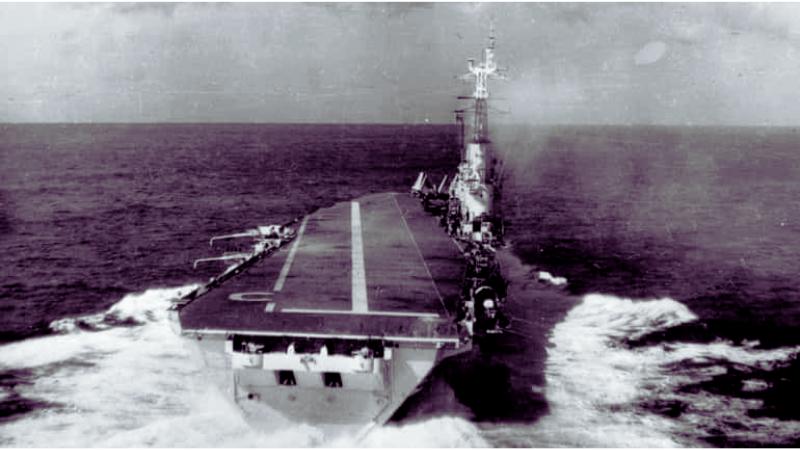
Inside India’s Naval Operations During the 1971 War with Pakistan
During the Indo-Pakistani War of 1971, India’s naval strategy played a significant role in shaping the outcome of the conflict. While much of the attention remained on ground operations, a strong Indian naval presence in the Bay of Bengal effectively restricted maritime movement and added pressure on Pakistani forces in East Pakistan (now
Inside India’s Naval Operations During the 1971 War with Pakistan
During the Indo-Pakistani War of 1971, India’s naval strategy played a significant role in shaping the outcome of the conflict. While much of the attention remained on ground operations, a strong Indian naval presence in the Bay of Bengal effectively restricted maritime movement and added pressure on Pakistani forces in East Pakistan (now
Trump signals Iran ceasefire may end, hints at deal and White House celebration
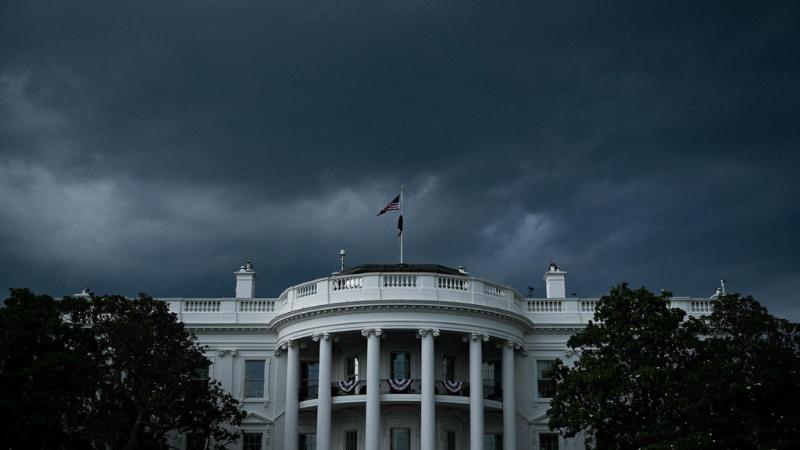
U.S. President Donald Trump signaled both optimism and uncertainty regarding ongoing tensions with Iran, stating that a potential agreement could end hostilities while warning that military action may resume if negotiations fail. Speaking aboard Air Force One at 09:05 AM IST on Saturday, April 18, 2026, Trump said he would host a celebratory gathering at the White House if the conflict concludes throug
Trump signals Iran ceasefire may end, hints at deal and White House celebration
U.S. President Donald Trump signaled both optimism and uncertainty regarding ongoing tensions with Iran, stating that a potential agreement could end hostilities while warning that military action may resume if negotiations fail. Speaking aboard Air Force One at 09:05 AM IST on Saturday, April 18, 2026, Trump said he would host a celebratory gathering at the White House if the conflict concludes throug
The shortest war in history lasted just 38 minutes in 1896
The Anglo-Zanzibar War, widely recognized as the shortest war in recorded history, unfolded on Wednesday, August 27, 1896, in the East African island territory of Zanzibar. The conflict, which lasted between 38 and 45 minutes, involved forces of the British Empire and the Sultanate of Zanzibar, highlighting the stark imbalance of power during the colonial era. The confrontation began following the death of Sultan Hamad bin Thuwaini, after which his successor, Sultan Khalid bin Bargh
The shortest war in history lasted just 38 minutes in 1896
The Anglo-Zanzibar War, widely recognized as the shortest war in recorded history, unfolded on Wednesday, August 27, 1896, in the East African island territory of Zanzibar. The conflict, which lasted between 38 and 45 minutes, involved forces of the British Empire and the Sultanate of Zanzibar, highlighting the stark imbalance of power during the colonial era. The confrontation began following the death of Sultan Hamad bin Thuwaini, after which his successor, Sultan Khalid bin Bargh
Lieutenant General Susan Coyle to lead Australia's army
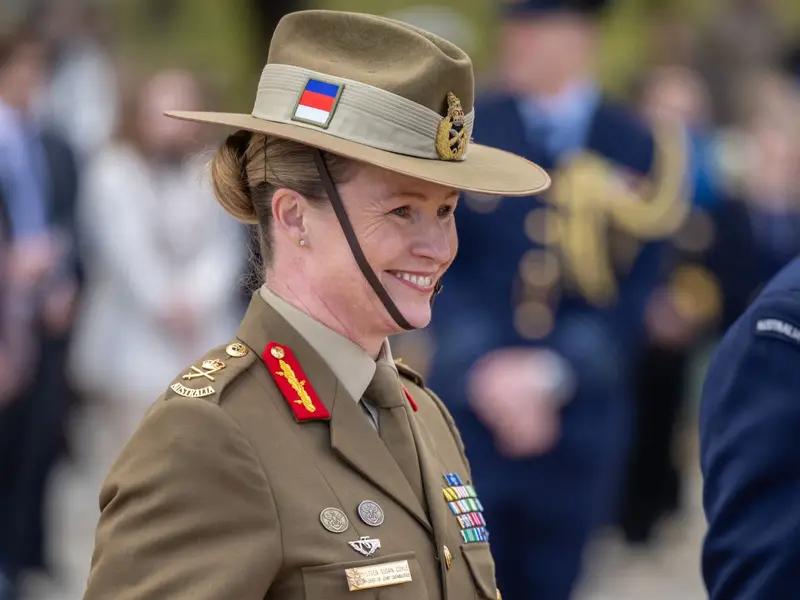
Australia has appointed Lieutenant General Susan Coyle as the country’s first female Chief of Army, marking a historic moment in the nation's military history. The announcement was made on Monday, April 13, 2026, as part of a broader reshuffle in the Australian Defence Force leadership. Coyle, who is currently serving as the Acting Chief of Joint Capabilities, will officially take over the top army post in July this year. Prime Minister Anthony Albanese hailed the appointment, emp
Lieutenant General Susan Coyle to lead Australia's army
Australia has appointed Lieutenant General Susan Coyle as the country’s first female Chief of Army, marking a historic moment in the nation's military history. The announcement was made on Monday, April 13, 2026, as part of a broader reshuffle in the Australian Defence Force leadership. Coyle, who is currently serving as the Acting Chief of Joint Capabilities, will officially take over the top army post in July this year. Prime Minister Anthony Albanese hailed the appointment, emp
Middle East Crisis Us Iran Talks Fail Israel Lebanon Village Destruction Concerns Rise
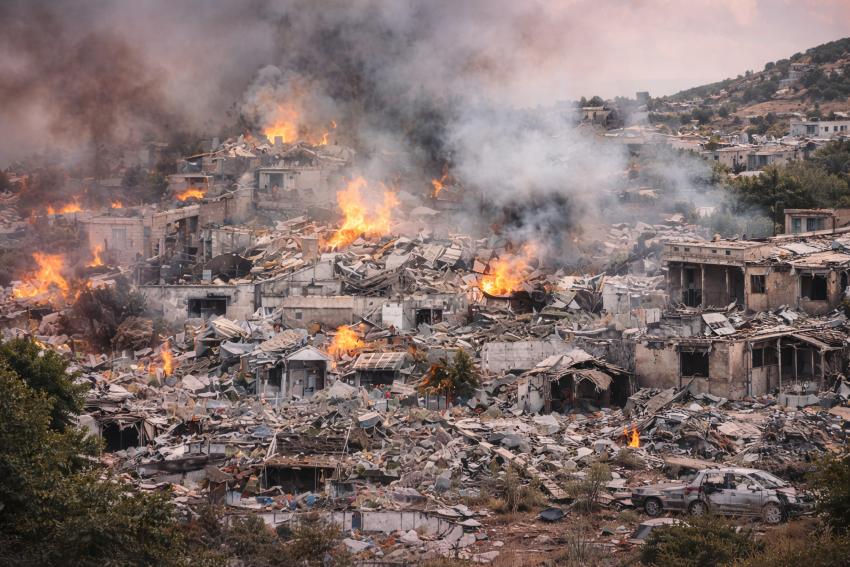
Tensions in the Middle East continue to rise as the United States and Iran failed to reach an agreement after long peace talks held in Pakistan. At the same time, concerns are growing over the situation in southern Lebanon, where reports suggest large-scale destruction in several villages along the Israel-Lebanon border. According to reports, Israeli military operations have led to the demolition of villages such as Taybeh, Naqoura, and Deir Seryan. Videos circulating onli
Middle East Crisis Us Iran Talks Fail Israel Lebanon Village Destruction Concerns Rise
Tensions in the Middle East continue to rise as the United States and Iran failed to reach an agreement after long peace talks held in Pakistan. At the same time, concerns are growing over the situation in southern Lebanon, where reports suggest large-scale destruction in several villages along the Israel-Lebanon border. According to reports, Israeli military operations have led to the demolition of villages such as Taybeh, Naqoura, and Deir Seryan. Videos circulating onli
UK pauses Chagos Islands deal after Trump criticism over Diego Garcia
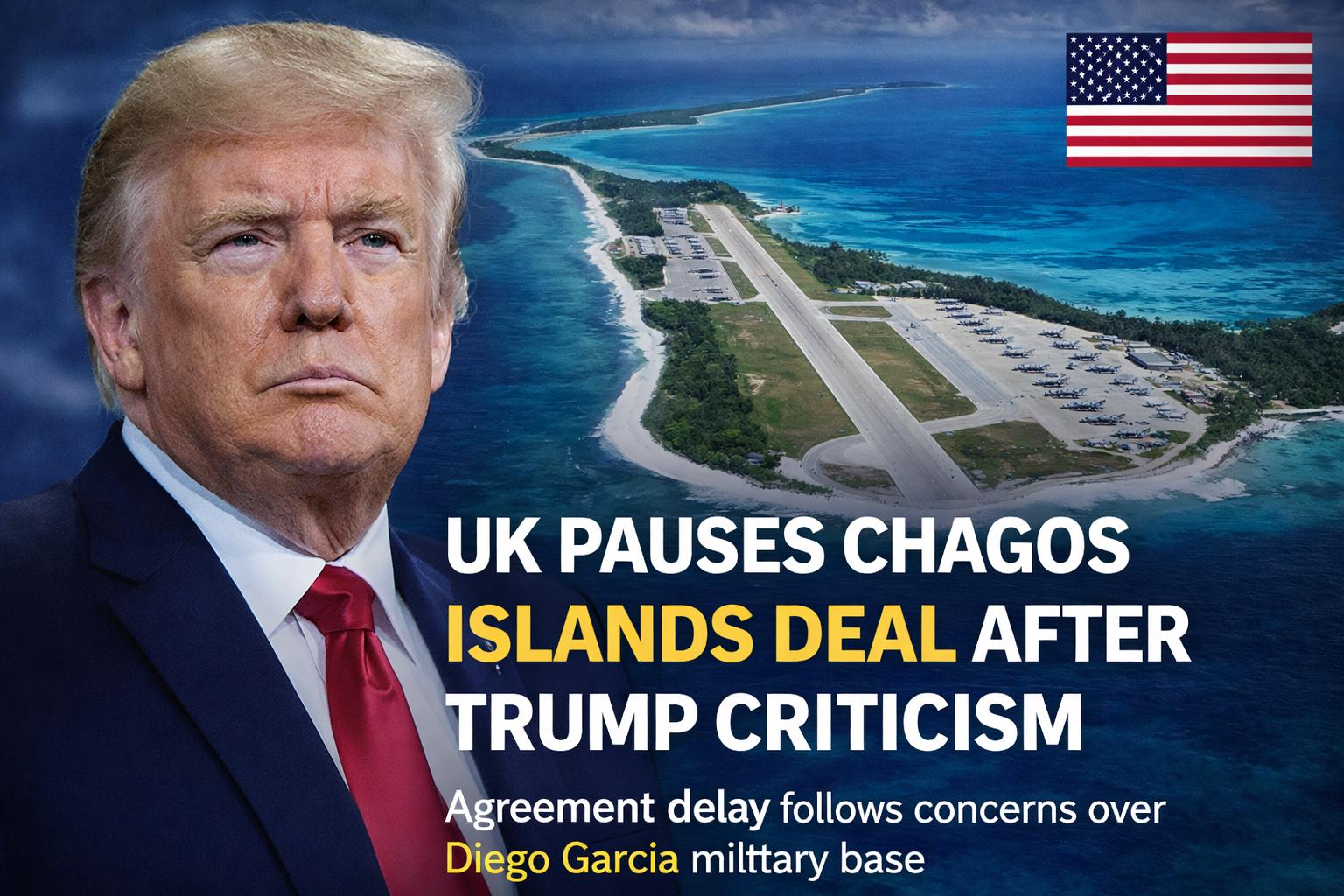
The United Kingdom has paused its plan to transfer control of the Chagos Islands to Mauritius following strong criticism from U.S. President Donald Trump, raising new uncertainty over the future of a key military base in the Indian Ocean. British Prime Minister Keir Starmer’s government has not abandoned the agreement but acknowledged delays in advancing the proposal through Parliament. Officials indicated there is insufficient time in the current legislative session to formalize
UK pauses Chagos Islands deal after Trump criticism over Diego Garcia
The United Kingdom has paused its plan to transfer control of the Chagos Islands to Mauritius following strong criticism from U.S. President Donald Trump, raising new uncertainty over the future of a key military base in the Indian Ocean. British Prime Minister Keir Starmer’s government has not abandoned the agreement but acknowledged delays in advancing the proposal through Parliament. Officials indicated there is insufficient time in the current legislative session to formalize
Australian soldier Ben Roberts-Smith arrested over alleged war crimes
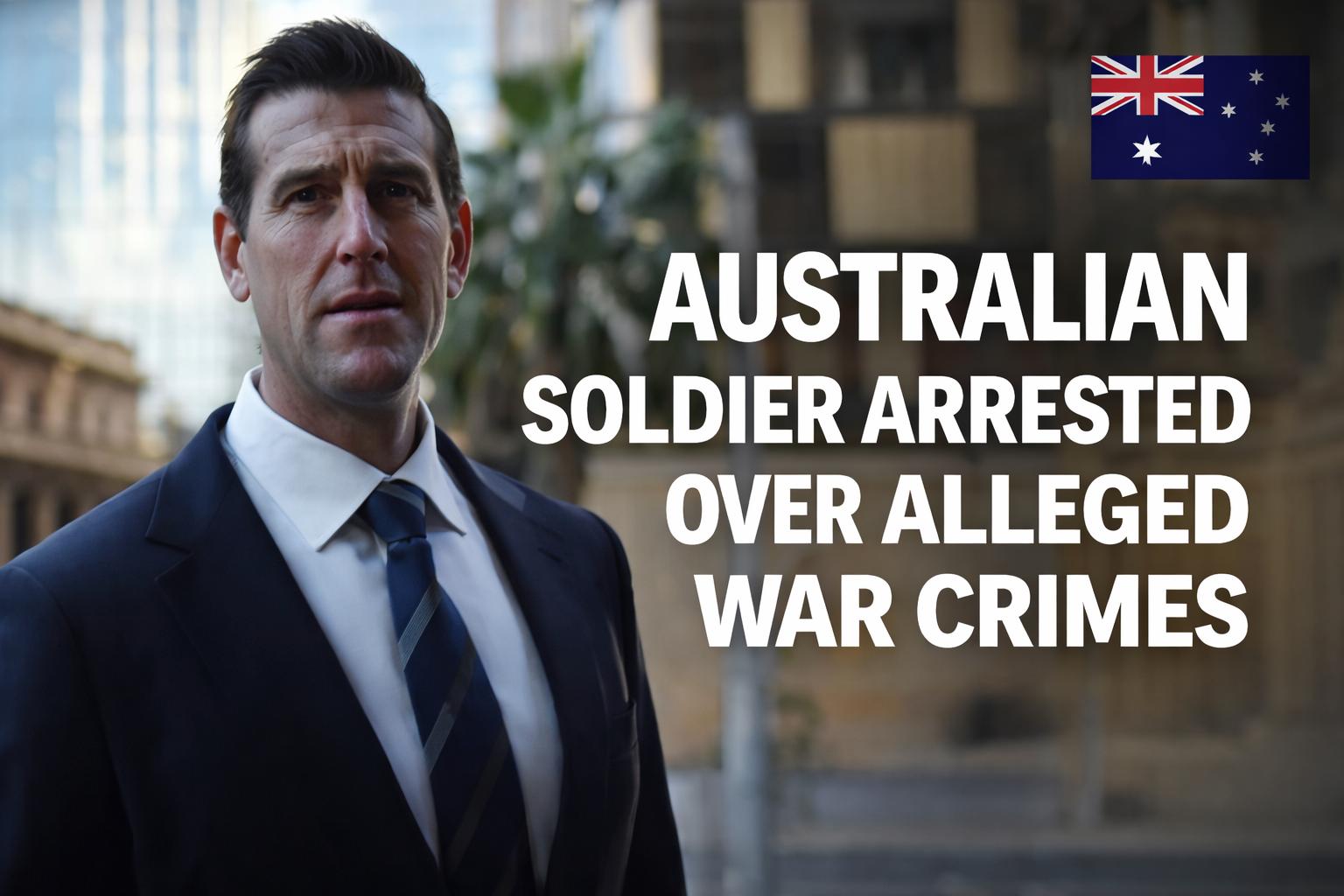
A former member of Australia’s armed forces, widely recognized for his military honors, has been arrested and is expected to face multiple war crime charges tied to alleged killings in Afghanistan. Authorities confirmed the arrest took place at Sydney Airport on Tuesday, though an exact date and time were not disclosed. The individual, identified by police as a 47-year-old former Australian Defence Force member and publicly named as Ben Roberts-Smith, is set to be charged with fiv
Australian soldier Ben Roberts-Smith arrested over alleged war crimes
A former member of Australia’s armed forces, widely recognized for his military honors, has been arrested and is expected to face multiple war crime charges tied to alleged killings in Afghanistan. Authorities confirmed the arrest took place at Sydney Airport on Tuesday, though an exact date and time were not disclosed. The individual, identified by police as a 47-year-old former Australian Defence Force member and publicly named as Ben Roberts-Smith, is set to be charged with fiv
Hegseth claims major US victory as Iran’s military capabilities weakened
U.S. Secretary of Defense Pete Hegseth stated on Wednesday, April 8, 2026, that Iran had sought a ceasefire following what he described as a decisive U.S. military campaign known as Operation Epic Fury. Speaking during a Pentagon briefing, Hegseth characterized the operation as a “historic and overwhelming victory,” attributing its outcome to leadership under President Donald Trump. Hegseth said Iran’s leadership had “begged for a ceasefire,” asserting that the scale of the military impact left Tehran with limited options. He emphasized that the operation significantly degraded Iran’s conventional military capabilities, particularly across its naval, air, and missile forces. According to the defense secretary, Iran’s navy suffered extensive losses, claiming it had effectively been neutralized. He further stated that Iran’s air force had been rendered inoperable and that its broader air defense infrastructure no longer functioned as a cohesive system. Hegseth also asserted that Iran’s missile program had been “functionally destroyed,” suggesting a substantial setback to the country’s strategic deterrence capabilities. The remarks were delivered as part of an official Pentagon briefing outlining the outcomes of recent military actions. While Hegseth presented the operation as a clear U.S. victory, his statements reflect the administration’s assessment of the situation and have not been independently verified within the briefing. The comments signal a significant escalation in rhetoric surrounding U.S.-Iran tensions and underscore the broader geopolitical implications of Operation Epic Fury. Further developments are expected as international observers and regional stakeholders assess the long-term consequences of the reported military actions.
Hegseth claims major US victory as Iran’s military capabilities weakened
U.S. Secretary of Defense Pete Hegseth stated on Wednesday, April 8, 2026, that Iran had sought a ceasefire following what he described as a decisive U.S. military campaign known as Operation Epic Fury. Speaking during a Pentagon briefing, Hegseth characterized the operation as a “historic and overwhelming victory,” attributing its outcome to leadership under President Donald Trump. Hegseth said Iran’s leadership had “begged for a ceasefire,” asserting that the scale of the military impact left Tehran with limited options. He emphasized that the operation significantly degraded Iran’s conventional military capabilities, particularly across its naval, air, and missile forces. According to the defense secretary, Iran’s navy suffered extensive losses, claiming it had effectively been neutralized. He further stated that Iran’s air force had been rendered inoperable and that its broader air defense infrastructure no longer functioned as a cohesive system. Hegseth also asserted that Iran’s missile program had been “functionally destroyed,” suggesting a substantial setback to the country’s strategic deterrence capabilities. The remarks were delivered as part of an official Pentagon briefing outlining the outcomes of recent military actions. While Hegseth presented the operation as a clear U.S. victory, his statements reflect the administration’s assessment of the situation and have not been independently verified within the briefing. The comments signal a significant escalation in rhetoric surrounding U.S.-Iran tensions and underscore the broader geopolitical implications of Operation Epic Fury. Further developments are expected as international observers and regional stakeholders assess the long-term consequences of the reported military actions.
US-Israel strike on Iran followed urgent call between Netanyahu and Trump
Less than 48 hours before a joint US-Israeli military operation targeting Iran, Israeli Prime Minister Benjamin Netanyahu made a final appeal to US President Donald Trump, urging swift action as intelligence indicated a narrowing operational window. According to officials, briefings suggested that Iran’s Supreme Leader Ayatollah Ali Khamenei and senior leadership were expected to gather in Tehran, presenting what was described as a rare strategic opportunity. Updated intelligence reportedly showed the meeting had been moved earlier, intensifying the urgency of the decision. Although Trump had already approved military action in principle, the exact timing and scale remained under review. Netanyahu’s call was seen as a decisive moment, reinforcing arguments that delays could result in a missed opportunity. The operation followed months of escalating tensions and unsuccessful diplomatic efforts aimed at addressing Iran’s nuclear programme, which had reached a stalemate. Earlier military actions in June, involving strikes on Iranian nuclear and missile infrastructure, had already heightened hostilities. While US forces later joined Israeli operations in a 12-day campaign, Israeli officials continued to push for a more comprehensive response. Strategic discussions, including high-level meetings, focused on Iran’s advancing missile capabilities and perceived regional threat. Additional geopolitical developments influenced Washington’s approach, including a successful US-backed operation in Venezuela and widespread unrest within Iran, which was met with force by security agencies. US officials had anticipated escalation, warning that any Israeli action could provoke retaliation against American assets and allies in the region. The coordinated strikes began on February 28 after Trump gave final approval. The White House stated that the objective was to weaken Iran’s military infrastructure, curb its missile capabilities, and prevent nuclear weapon development. Trump later announced that Khamenei had been killed during the operation. The aftermath saw immediate retaliation from Iran, disruptions in key shipping routes, and a surge in global oil prices. Reports indicated significant casualties, including Iranian civilians and US personnel. Despite expectations of political change, intelligence assessments had warned that leadership shifts might not moderate Iran’s stance. Khamenei’s son, Mojtaba Khamenei, has since assumed leadership, while security forces continue to maintain control. Both leaders have defended their roles in the decision, with Trump asserting sole responsibility and Netanyahu denying claims of influencing US involvement. However, accounts suggest that the combination of intelligence updates and diplomatic pressure played a critical role in shaping a decision that has significantly altered regional dynamics.
US-Israel strike on Iran followed urgent call between Netanyahu and Trump
Less than 48 hours before a joint US-Israeli military operation targeting Iran, Israeli Prime Minister Benjamin Netanyahu made a final appeal to US President Donald Trump, urging swift action as intelligence indicated a narrowing operational window. According to officials, briefings suggested that Iran’s Supreme Leader Ayatollah Ali Khamenei and senior leadership were expected to gather in Tehran, presenting what was described as a rare strategic opportunity. Updated intelligence reportedly showed the meeting had been moved earlier, intensifying the urgency of the decision. Although Trump had already approved military action in principle, the exact timing and scale remained under review. Netanyahu’s call was seen as a decisive moment, reinforcing arguments that delays could result in a missed opportunity. The operation followed months of escalating tensions and unsuccessful diplomatic efforts aimed at addressing Iran’s nuclear programme, which had reached a stalemate. Earlier military actions in June, involving strikes on Iranian nuclear and missile infrastructure, had already heightened hostilities. While US forces later joined Israeli operations in a 12-day campaign, Israeli officials continued to push for a more comprehensive response. Strategic discussions, including high-level meetings, focused on Iran’s advancing missile capabilities and perceived regional threat. Additional geopolitical developments influenced Washington’s approach, including a successful US-backed operation in Venezuela and widespread unrest within Iran, which was met with force by security agencies. US officials had anticipated escalation, warning that any Israeli action could provoke retaliation against American assets and allies in the region. The coordinated strikes began on February 28 after Trump gave final approval. The White House stated that the objective was to weaken Iran’s military infrastructure, curb its missile capabilities, and prevent nuclear weapon development. Trump later announced that Khamenei had been killed during the operation. The aftermath saw immediate retaliation from Iran, disruptions in key shipping routes, and a surge in global oil prices. Reports indicated significant casualties, including Iranian civilians and US personnel. Despite expectations of political change, intelligence assessments had warned that leadership shifts might not moderate Iran’s stance. Khamenei’s son, Mojtaba Khamenei, has since assumed leadership, while security forces continue to maintain control. Both leaders have defended their roles in the decision, with Trump asserting sole responsibility and Netanyahu denying claims of influencing US involvement. However, accounts suggest that the combination of intelligence updates and diplomatic pressure played a critical role in shaping a decision that has significantly altered regional dynamics.
Colombian military plane crash in Amazon raises concerns over casualties
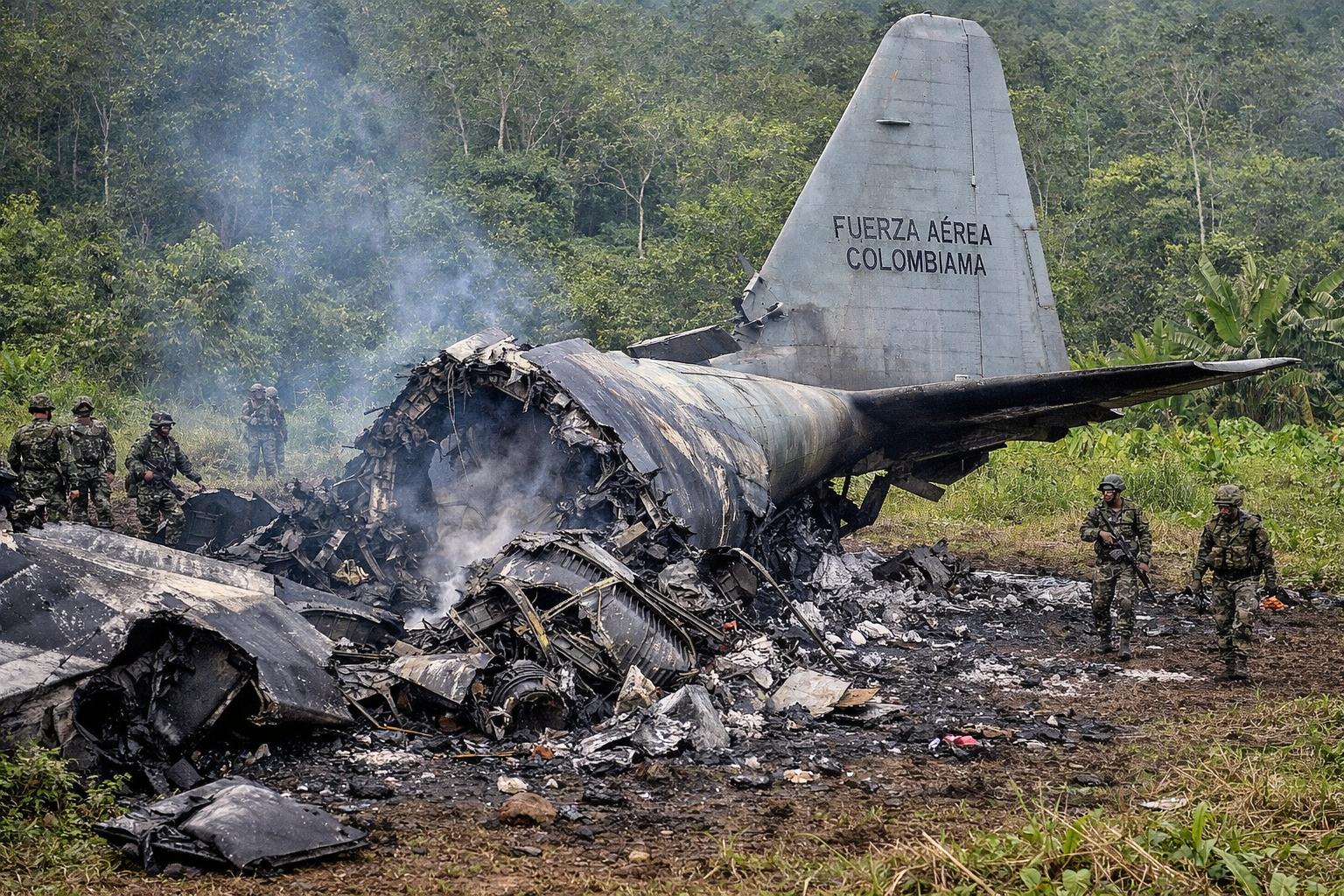
A Colombian military aircraft carrying 110 soldiers crashed shortly after take-off in the country’s remote southern Amazon region on Monday, prompting an urgent emergency response and raising concerns over potential casualties. The aircraft, identified as a Lockheed Martin Hercules C-130, went down near Puerto Leguzamo, a town located close to the border with Peru, according to officials from the defence ministry. Preliminary reports indicate that the aircraft had just departed when the in
Colombian military plane crash in Amazon raises concerns over casualties
A Colombian military aircraft carrying 110 soldiers crashed shortly after take-off in the country’s remote southern Amazon region on Monday, prompting an urgent emergency response and raising concerns over potential casualties. The aircraft, identified as a Lockheed Martin Hercules C-130, went down near Puerto Leguzamo, a town located close to the border with Peru, according to officials from the defence ministry. Preliminary reports indicate that the aircraft had just departed when the in
Preliminary probe says US missile strike mistakenly hit Iranian elementary school
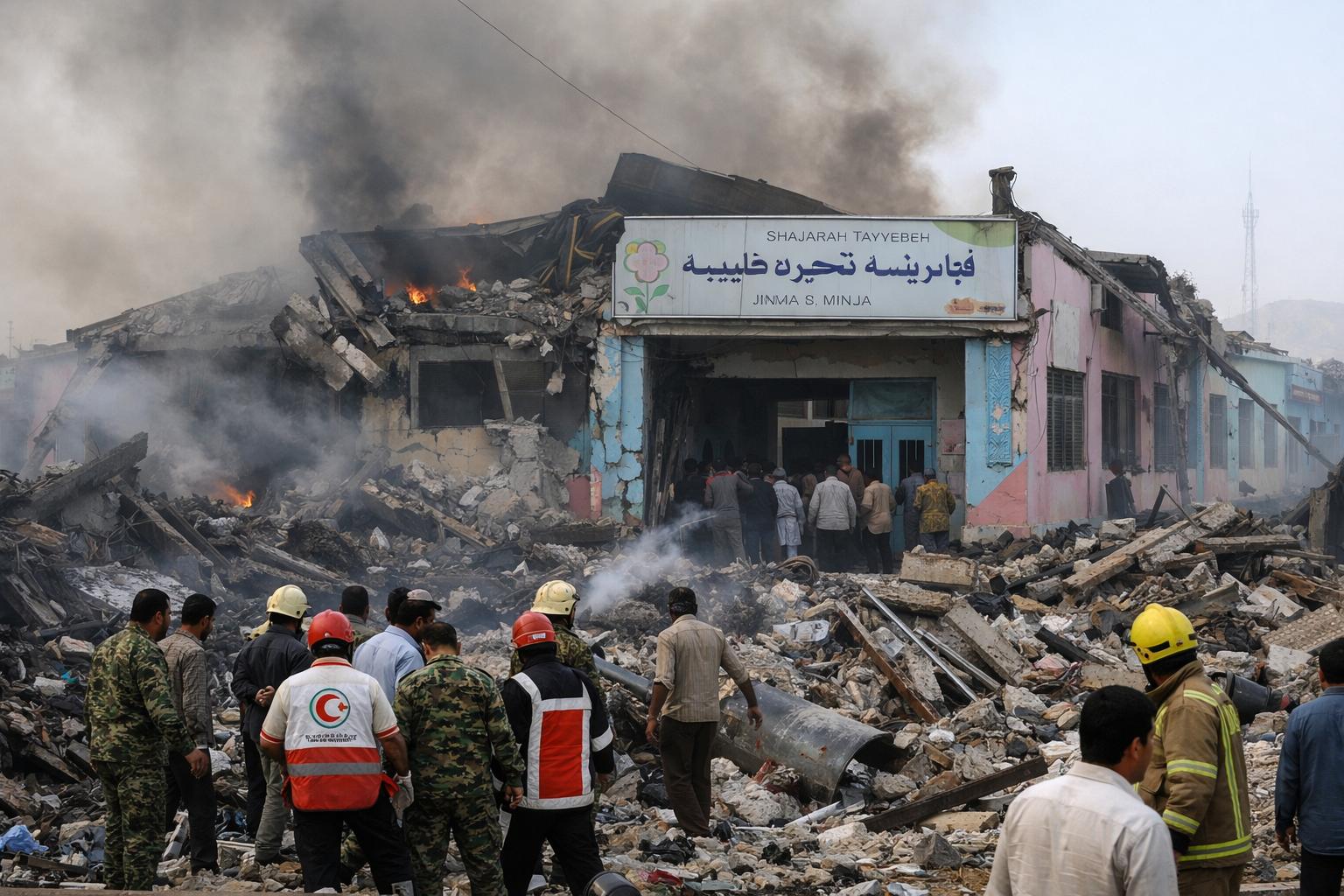
A preliminary investigation by the United States military has concluded that a deadly missile strike that hit an elementary school in Iran was likely caused by a targeting error, according to officials familiar with the inquiry. The strike occurred on February 28 in the town of Minab, where a Tomahawk missile struck the Shajarah Tayyebeh elementary school building during a series of attacks aimed at nearby Iranian naval facilities. Investigators say the incident appears to have resulted from
Preliminary probe says US missile strike mistakenly hit Iranian elementary school
A preliminary investigation by the United States military has concluded that a deadly missile strike that hit an elementary school in Iran was likely caused by a targeting error, according to officials familiar with the inquiry. The strike occurred on February 28 in the town of Minab, where a Tomahawk missile struck the Shajarah Tayyebeh elementary school building during a series of attacks aimed at nearby Iranian naval facilities. Investigators say the incident appears to have resulted from
India Set to Buy Five More Russian S‑400 Air Defence Squadrons After Operation Sindoor Success
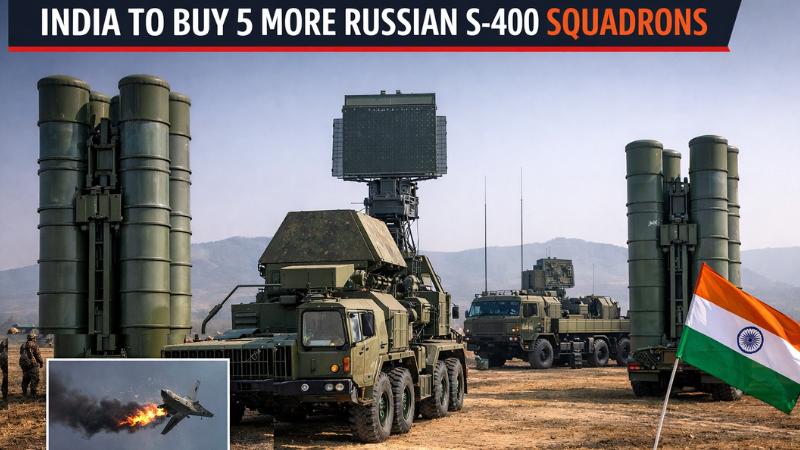
India is preparing to buy five additional squadrons of the Russian‑made S‑400 Triumf long‑range air defence missile system, a plan driven by the system’s highly effective performance during last year’s Operation Sindoor. The move aims to significantly bolster the Indian Air Force’s layered air defence network across both eastern and western fronts against evolving aerial threats. Defence ministry sources say the proposal from the Indian Air Force will soon be taken up fo
India Set to Buy Five More Russian S‑400 Air Defence Squadrons After Operation Sindoor Success
India is preparing to buy five additional squadrons of the Russian‑made S‑400 Triumf long‑range air defence missile system, a plan driven by the system’s highly effective performance during last year’s Operation Sindoor. The move aims to significantly bolster the Indian Air Force’s layered air defence network across both eastern and western fronts against evolving aerial threats. Defence ministry sources say the proposal from the Indian Air Force will soon be taken up fo
Canada Updates Express Entry Rules, Adds Military And Aviation Jobs
Canada has announced major changes to its Express Entry immigration system in 2026, introducing new priority categories to attract skilled professionals in key sectors such as healthcare, aviation, research, and defence. The revised immigration policy also includes highly skilled foreign military applicants, marking a significant shift in Canada’s strategy to strengthen its workforce and national security. The government stated that these changes are designed to ensure immigration remains s
Canada Updates Express Entry Rules, Adds Military And Aviation Jobs
Canada has announced major changes to its Express Entry immigration system in 2026, introducing new priority categories to attract skilled professionals in key sectors such as healthcare, aviation, research, and defence. The revised immigration policy also includes highly skilled foreign military applicants, marking a significant shift in Canada’s strategy to strengthen its workforce and national security. The government stated that these changes are designed to ensure immigration remains s
Poland bans Chinese-made vehicles from military facilities over data risks
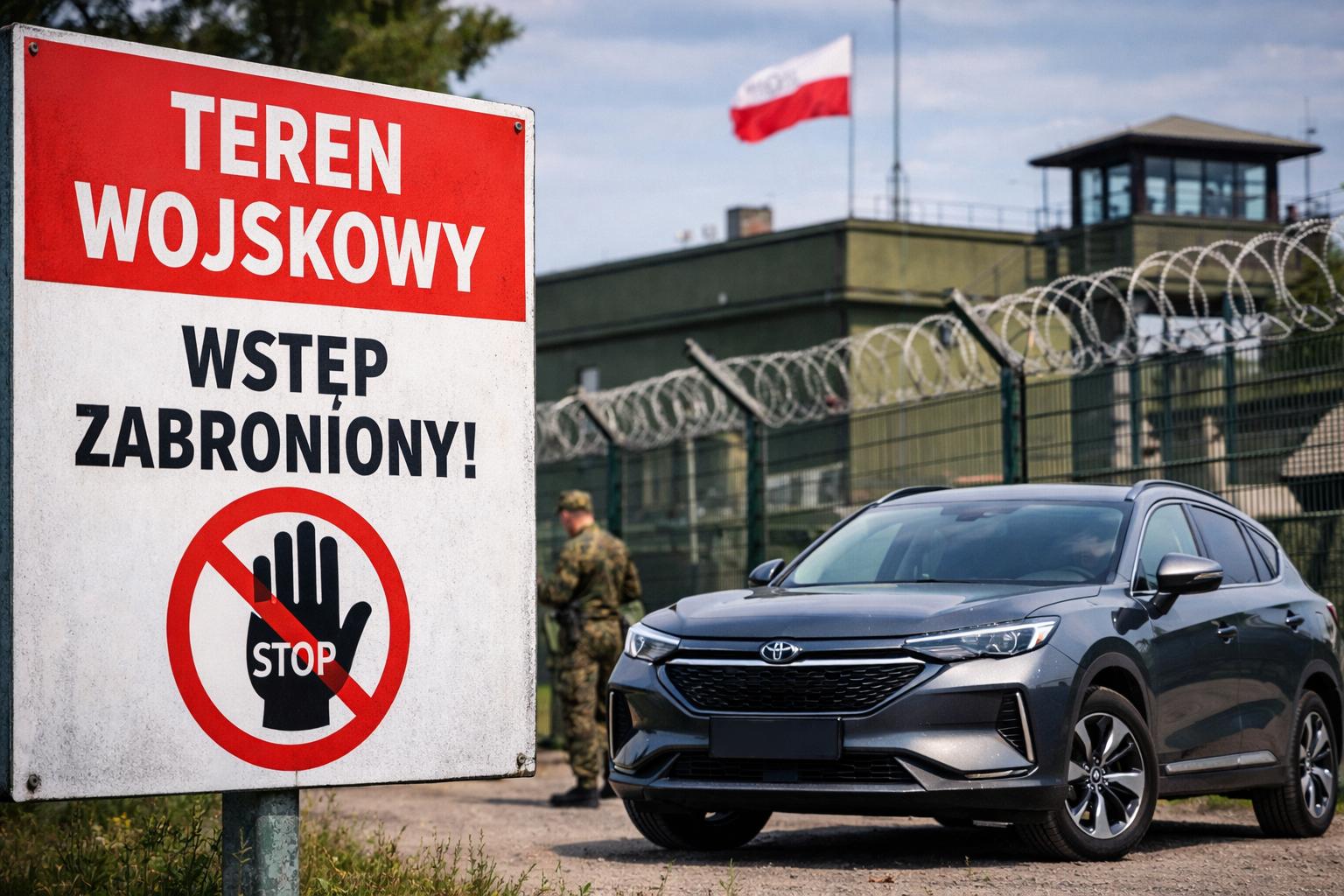
Poland has formally prohibited Chinese-made cars and other technologically advanced vehicles from entering the country’s military facilities, citing concerns over potential data security risks. The decision, announced by the Chief of the General Staff of the Polish Armed Forces, is intended to reduce the possibility of uncontrolled acquisition and use of sensitive information by modern automotive systems. According to the Polish military, the move follows a detailed risk assessmen
Poland bans Chinese-made vehicles from military facilities over data risks
Poland has formally prohibited Chinese-made cars and other technologically advanced vehicles from entering the country’s military facilities, citing concerns over potential data security risks. The decision, announced by the Chief of the General Staff of the Polish Armed Forces, is intended to reduce the possibility of uncontrolled acquisition and use of sensitive information by modern automotive systems. According to the Polish military, the move follows a detailed risk assessmen
Rubio says he couldn’t make a deal with maduro at senate hearing on venezuela policy
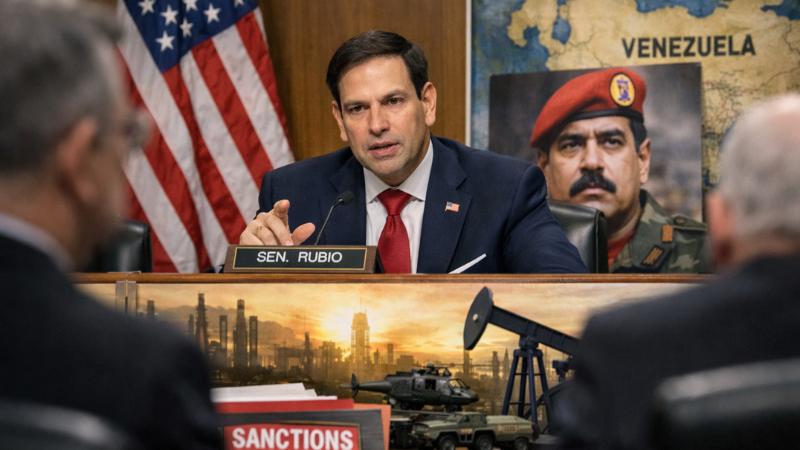
United States Secretary of State Marco Rubio testified before the Senate Foreign Relations Committee on Wednesday, marking his first public appearance since the capture of Venezuelan leader Nicolás Maduro earlier this month. Rubio outlined the administration’s approach toward Venezuela, defended the operation that led to Maduro’s detention, and emphasized the strategic concerns the United States has regarding the region. His testimony came amid scrutiny from senators on both sides of the ai
Rubio says he couldn’t make a deal with maduro at senate hearing on venezuela policy
United States Secretary of State Marco Rubio testified before the Senate Foreign Relations Committee on Wednesday, marking his first public appearance since the capture of Venezuelan leader Nicolás Maduro earlier this month. Rubio outlined the administration’s approach toward Venezuela, defended the operation that led to Maduro’s detention, and emphasized the strategic concerns the United States has regarding the region. His testimony came amid scrutiny from senators on both sides of the ai
USS Abraham Lincoln arrives in Middle East as US boosts military posture near Iran
The United States has deployed the aircraft carrier USS Abraham Lincoln and its accompanying warships to the Middle East, a move aimed at reinforcing American military capabilities in a region marked by escalating political and security tensions. The announcement was made on Monday, January 26, by US Central Command, which said the carrier strike group’s presence is intended to support regional security and stability while enhancing both offensive and defensive readiness. Accordin


USS Abraham Lincoln arrives in Middle East as US boosts military posture near Iran
The United States has deployed the aircraft carrier USS Abraham Lincoln and its accompanying warships to the Middle East, a move aimed at reinforcing American military capabilities in a region marked by escalating political and security tensions. The announcement was made on Monday, January 26, by US Central Command, which said the carrier strike group’s presence is intended to support regional security and stability while enhancing both offensive and defensive readiness. Accordin