








Iran Reviews US Proposal but Insists No Talks with Washington Amid Ongoing War
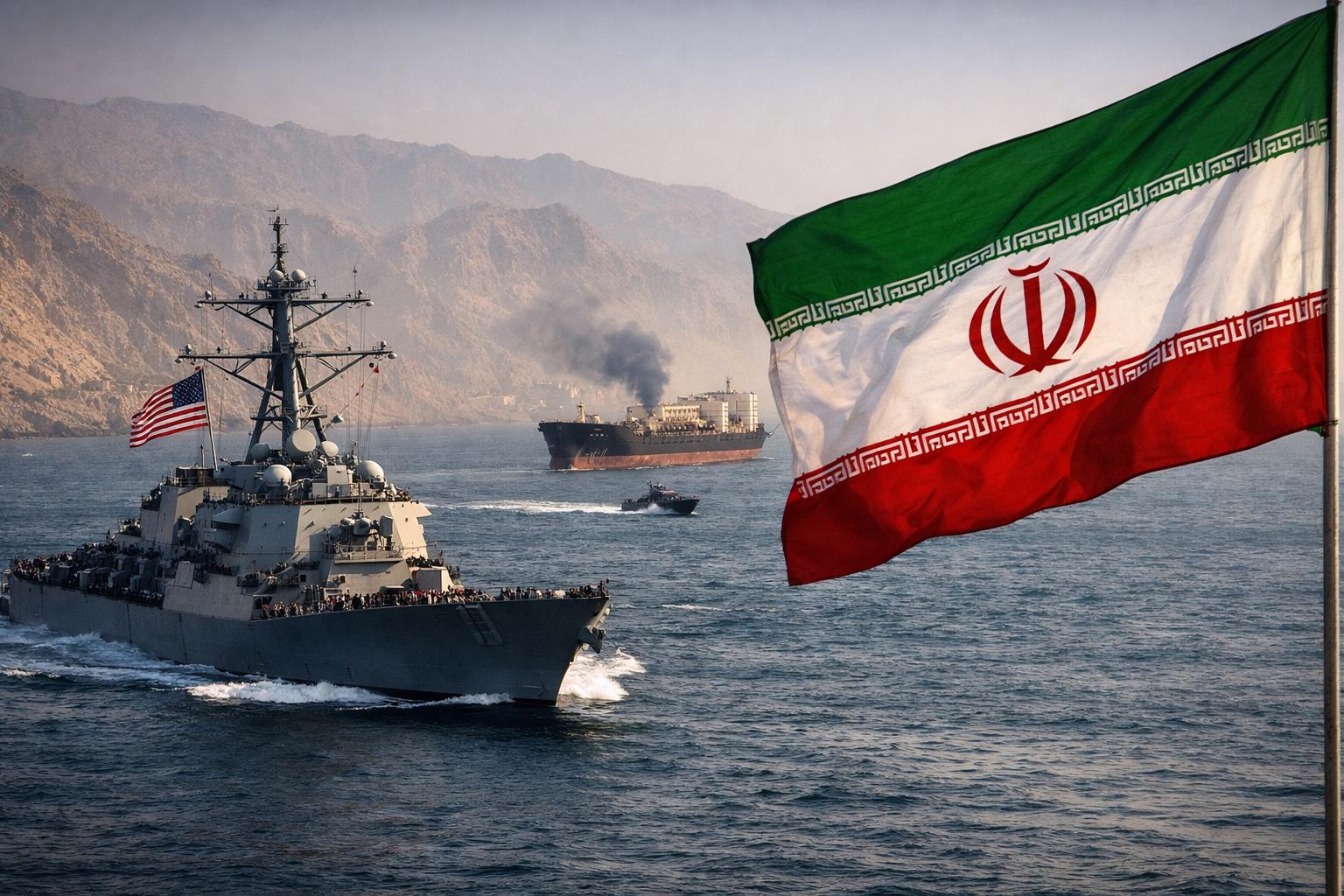
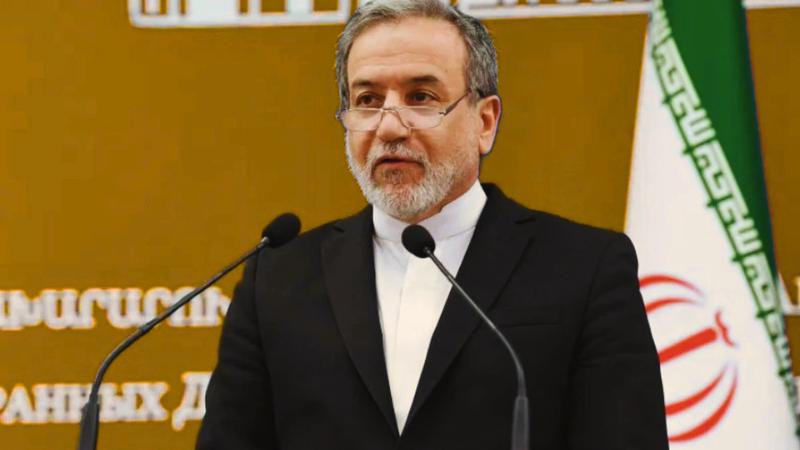
Iran’s Foreign Minister Abbas Araghchi confirmed that Tehran is reviewing a US proposal aimed at ending the ongoing conflict, but made it clear that this does not signify formal negotiations with Washington. In an interview with state television, Araghchi emphasized that while messages have been exchanged through intermediaries, they do not equate to talks with the US government. "There are no talks with the US," Araghchi bluntly stated, reiterating Iran's stance of no direct engagement wit
Iran Reviews US Proposal but Insists No Talks with Washington Amid Ongoing War
Iran’s Foreign Minister Abbas Araghchi confirmed that Tehran is reviewing a US proposal aimed at ending the ongoing conflict, but made it clear that this does not signify formal negotiations with Washington. In an interview with state television, Araghchi emphasized that while messages have been exchanged through intermediaries, they do not equate to talks with the US government. "There are no talks with the US," Araghchi bluntly stated, reiterating Iran's stance of no direct engagement wit

Gold and Silver Prices Surge: Is Now the Right Time to Invest or Wait?
Gold and silver have witnessed significant price jumps recently, attracting attention from investors as global market conditions remain uncertain. After two consecutive days of price declines, both metals have made a strong rebound, with gold prices soaring by Rs 5,300 (3.82%) to reach Rs 1,44,212 on the Multi Commodity Exchange (MCX). Silver saw an even larger increase, rising by Rs 13,060 (5.82%), reaching Rs 2,36,980. This sharp uptick in precious metal prices is largely driven by weakenin
Gold and Silver Prices Surge: Is Now the Right Time to Invest or Wait?
Gold and silver have witnessed significant price jumps recently, attracting attention from investors as global market conditions remain uncertain. After two consecutive days of price declines, both metals have made a strong rebound, with gold prices soaring by Rs 5,300 (3.82%) to reach Rs 1,44,212 on the Multi Commodity Exchange (MCX). Silver saw an even larger increase, rising by Rs 13,060 (5.82%), reaching Rs 2,36,980. This sharp uptick in precious metal prices is largely driven by weakenin
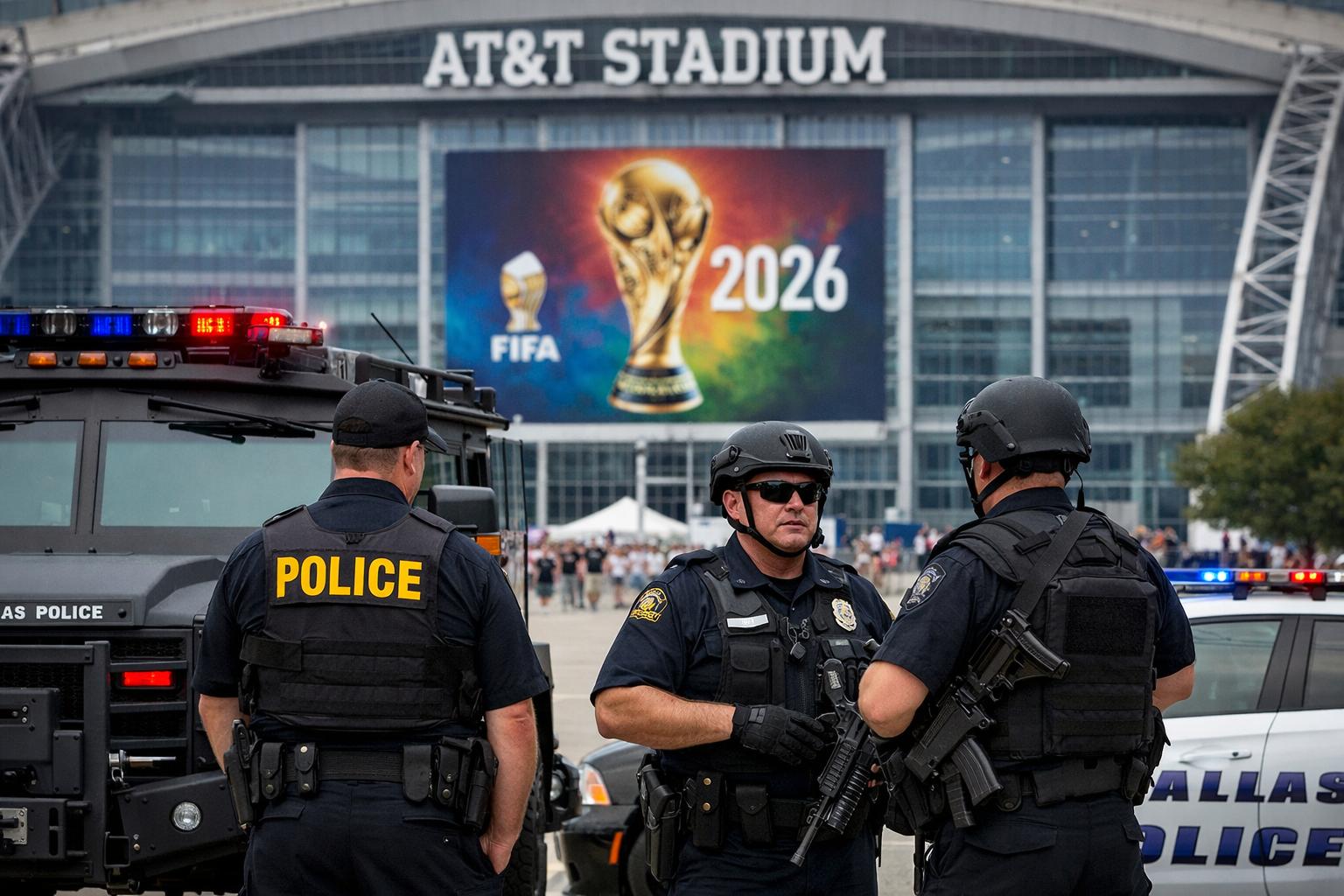
Dallas police receive major funding boost for 2026 World Cup security
The Dallas Police Department is preparing for a significant surge in international visitors as the city gears up to host multiple matches during the 2026 FIFA World Cup, supported by a substantial increase in federal funding aimed at strengthening security operations. City officials confirmed that Dallas has been awarded $51.5 million in federal assistance, with a large portion allocated directly to policing and safety measures. Police Chief David Comeaux said the department will re
Dallas police receive major funding boost for 2026 World Cup security
The Dallas Police Department is preparing for a significant surge in international visitors as the city gears up to host multiple matches during the 2026 FIFA World Cup, supported by a substantial increase in federal funding aimed at strengthening security operations. City officials confirmed that Dallas has been awarded $51.5 million in federal assistance, with a large portion allocated directly to policing and safety measures. Police Chief David Comeaux said the department will re
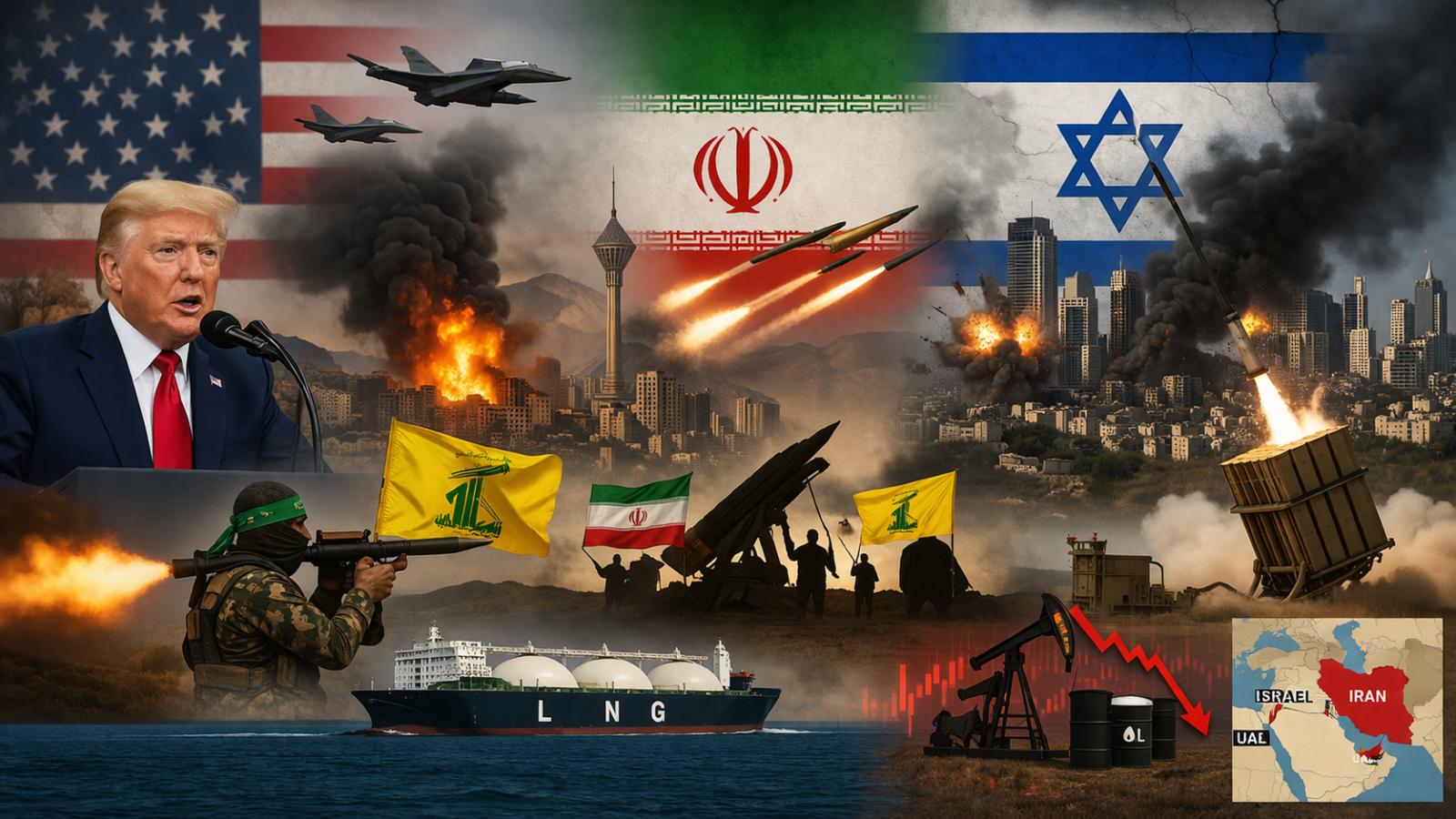
US-Israel-Iran conflict escalates as strikes intensify and diplomacy falters
The ongoing conflict involving the United States, Israel, and Iran is nearing the one-month mark, with hostilities continuing to escalate across multiple fronts. Despite renewed claims of diplomatic engagement, military operations remain active, contributing to rising casualties and increasing uncertainty across the region. US President Donald Trump recently stated that discussions with Iran are ongoing, suggesting the possibility of a diplomatic breakthrough. However, Iranian authorities have dismissed such claims, describing reports of negotiations as misleading and intended to influence global oil and financial markets. The conflicting narratives have further complicated the geopolitical landscape, as both sides continue to pursue military strategies alongside public statements on diplomacy. Recent strikes have intensified within Iran, including an attack in southern Tehran that resulted in at least 12 fatalities and left 28 others injured. These developments underscore the continued volatility within Iranian territory, as Israeli and US operations target strategic locations amid the broader confrontation. In response, Iran and its ally Hezbollah have launched a fresh wave of missile attacks targeting Israeli cities, including Tel Aviv and areas in the north. The strikes have caused civilian casualties, with at least one reported death and multiple injuries. Israel has simultaneously expanded its military operations in southern Lebanon, following indications of a plan to establish control up to the Litani River. Reports indicate that at least 33 people have been killed in recent bombardments in the region. The conflict has also extended beyond immediate battle zones, affecting regional stability and international economic interests. The United Arab Emirates confirmed that a Moroccan national working with its armed forces in Bahrain was killed during an Iranian attack, with additional personnel reported injured. Meanwhile, QatarEnergy has declared force majeure on several liquefied natural gas contracts, impacting supply agreements with countries including Italy, Belgium, South Korea, and China. As military actions continue alongside disputed diplomatic signals, the conflict is increasingly influencing global energy markets and geopolitical dynamics, raising concerns about further escalation and broader economic consequences.
US-Israel-Iran conflict escalates as strikes intensify and diplomacy falters
The ongoing conflict involving the United States, Israel, and Iran is nearing the one-month mark, with hostilities continuing to escalate across multiple fronts. Despite renewed claims of diplomatic engagement, military operations remain active, contributing to rising casualties and increasing uncertainty across the region. US President Donald Trump recently stated that discussions with Iran are ongoing, suggesting the possibility of a diplomatic breakthrough. However, Iranian authorities have dismissed such claims, describing reports of negotiations as misleading and intended to influence global oil and financial markets. The conflicting narratives have further complicated the geopolitical landscape, as both sides continue to pursue military strategies alongside public statements on diplomacy. Recent strikes have intensified within Iran, including an attack in southern Tehran that resulted in at least 12 fatalities and left 28 others injured. These developments underscore the continued volatility within Iranian territory, as Israeli and US operations target strategic locations amid the broader confrontation. In response, Iran and its ally Hezbollah have launched a fresh wave of missile attacks targeting Israeli cities, including Tel Aviv and areas in the north. The strikes have caused civilian casualties, with at least one reported death and multiple injuries. Israel has simultaneously expanded its military operations in southern Lebanon, following indications of a plan to establish control up to the Litani River. Reports indicate that at least 33 people have been killed in recent bombardments in the region. The conflict has also extended beyond immediate battle zones, affecting regional stability and international economic interests. The United Arab Emirates confirmed that a Moroccan national working with its armed forces in Bahrain was killed during an Iranian attack, with additional personnel reported injured. Meanwhile, QatarEnergy has declared force majeure on several liquefied natural gas contracts, impacting supply agreements with countries including Italy, Belgium, South Korea, and China. As military actions continue alongside disputed diplomatic signals, the conflict is increasingly influencing global energy markets and geopolitical dynamics, raising concerns about further escalation and broader economic consequences.
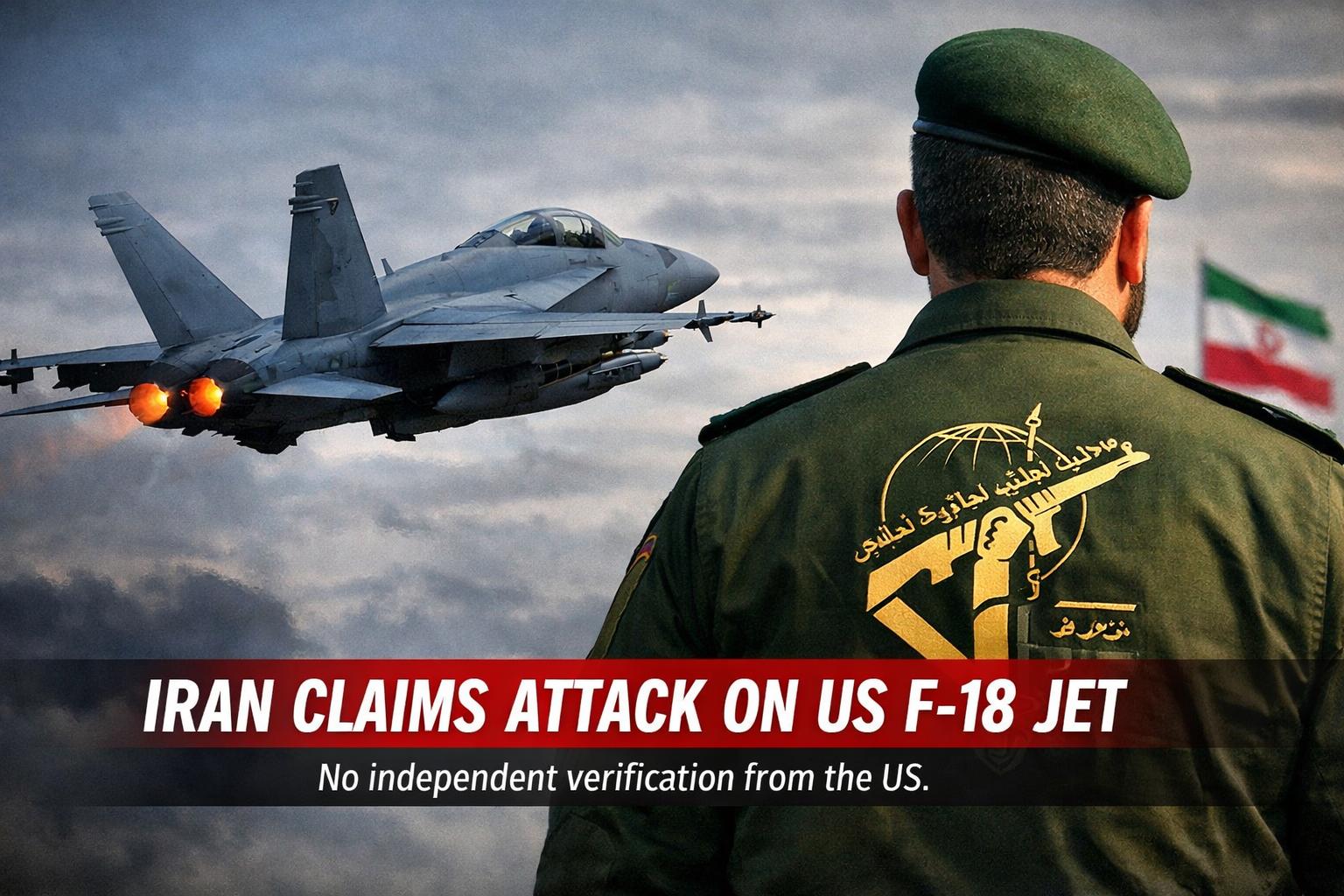
US–Israel–Iran War | Iran claims it targeted US F-18 jet amid rising tensions
Iran’s Islamic Revolutionary Guard Corps (IRGC) has claimed that it successfully targeted a United States F-18 fighter jet, signaling a potential escalation in the already strained relations between Tehran and Washington. The statement, released through official channels, asserted that the military operation achieved its objective, though it stopped short of providing critical details regarding the location of the incident, the extent of damage inflicted, or the condition of the aircraft’s p
US–Israel–Iran War | Iran claims it targeted US F-18 jet amid rising tensions
Iran’s Islamic Revolutionary Guard Corps (IRGC) has claimed that it successfully targeted a United States F-18 fighter jet, signaling a potential escalation in the already strained relations between Tehran and Washington. The statement, released through official channels, asserted that the military operation achieved its objective, though it stopped short of providing critical details regarding the location of the incident, the extent of damage inflicted, or the condition of the aircraft’s p
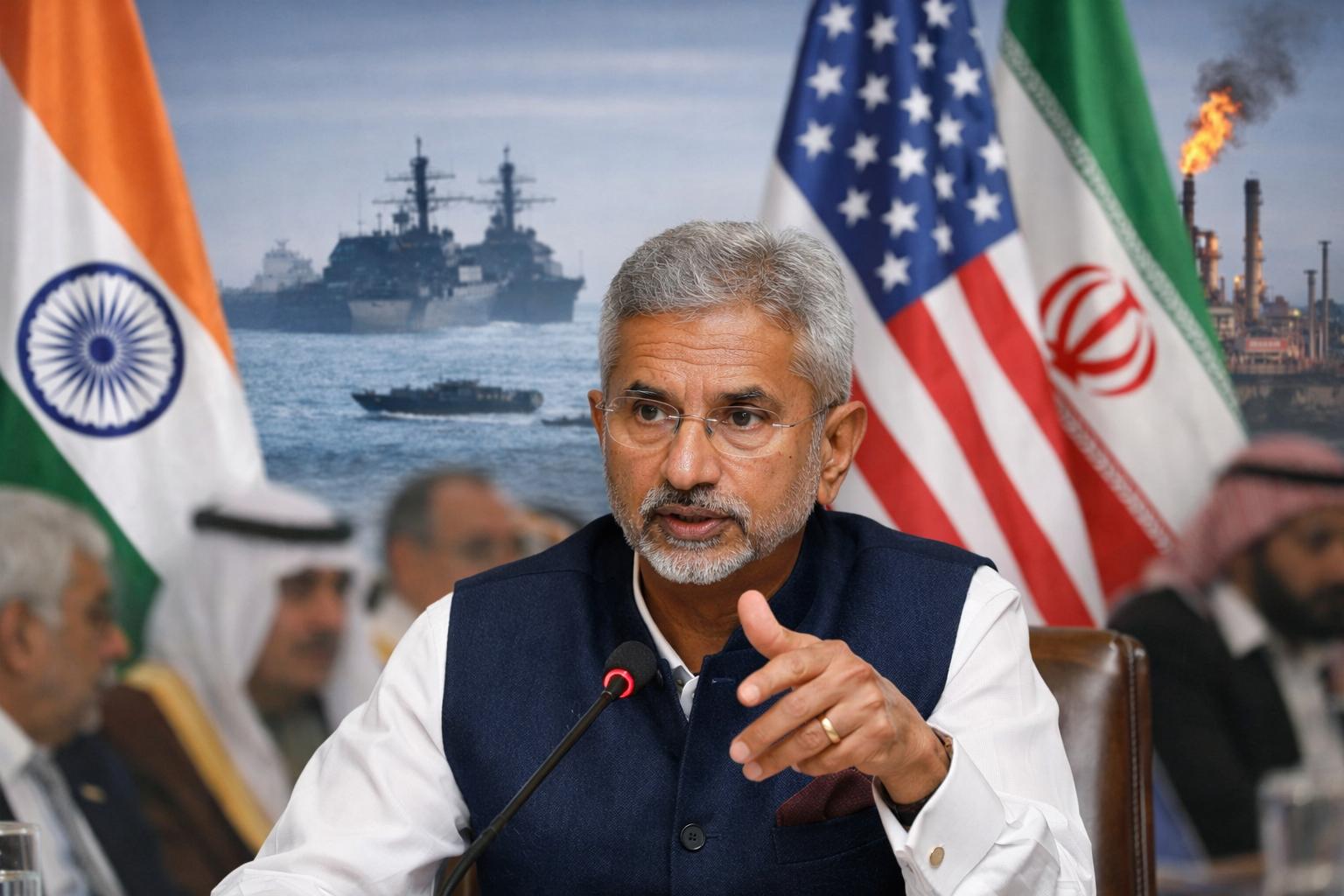
India rejects mediation role amid US-Iran tensions, Jaishankar clarifies stance
India has firmly ruled out any role as a mediator in the ongoing tensions between the United States and Iran, with External Affairs Minister S Jaishankar stating that New Delhi does not engage in diplomatic brokerage. His remarks came during an all-party meeting convened to brief political leaders on the government’s approach to the escalating West Asia crisis and its implications for India’s strategic interests. Addressing concerns raised by opposition leaders, Jaishankar clarified that India’s foreign policy is guided by its national priorities rather than intermediary roles. He noted that attempts by countries such as Pakistan to position themselves as mediators are not new, adding that such efforts have historically aligned with external interests. Government sources emphasized that India has been actively responding to developments in the region and rejected claims that it has remained silent. The meeting also focused on India’s preparedness in ensuring energy security and safeguarding its citizens in the Gulf region. Officials highlighted that maintaining stable crude oil supplies remains a key priority, particularly as tensions threaten critical shipping routes such as the Strait of Hormuz. The government informed leaders that advance procurement measures have been taken and that India is currently sourcing oil and gas from a diversified network of 41 countries to mitigate risks. Participants were also briefed on maritime developments, including the safe passage of several India-bound vessels carrying petroleum products through the Strait of Hormuz, while others remain in the vicinity awaiting clearance. The government described these developments as a reflection of effective coordination and diplomatic engagement. On diplomatic outreach, the government reiterated that India maintains balanced relations with all major stakeholders in the region, including the United States, Iran, and Israel. It also underscored steps taken to convey condolences following recent developments in Iran, indicating continued engagement at the diplomatic level. Despite these assurances, opposition leaders expressed dissatisfaction with the government’s responses and called for a detailed discussion in Parliament. The government, however, maintained that the situation is under control and there is no immediate cause for concern, reiterating its commitment to protecting national interests amid evolving geopolitical challenges.
India rejects mediation role amid US-Iran tensions, Jaishankar clarifies stance
India has firmly ruled out any role as a mediator in the ongoing tensions between the United States and Iran, with External Affairs Minister S Jaishankar stating that New Delhi does not engage in diplomatic brokerage. His remarks came during an all-party meeting convened to brief political leaders on the government’s approach to the escalating West Asia crisis and its implications for India’s strategic interests. Addressing concerns raised by opposition leaders, Jaishankar clarified that India’s foreign policy is guided by its national priorities rather than intermediary roles. He noted that attempts by countries such as Pakistan to position themselves as mediators are not new, adding that such efforts have historically aligned with external interests. Government sources emphasized that India has been actively responding to developments in the region and rejected claims that it has remained silent. The meeting also focused on India’s preparedness in ensuring energy security and safeguarding its citizens in the Gulf region. Officials highlighted that maintaining stable crude oil supplies remains a key priority, particularly as tensions threaten critical shipping routes such as the Strait of Hormuz. The government informed leaders that advance procurement measures have been taken and that India is currently sourcing oil and gas from a diversified network of 41 countries to mitigate risks. Participants were also briefed on maritime developments, including the safe passage of several India-bound vessels carrying petroleum products through the Strait of Hormuz, while others remain in the vicinity awaiting clearance. The government described these developments as a reflection of effective coordination and diplomatic engagement. On diplomatic outreach, the government reiterated that India maintains balanced relations with all major stakeholders in the region, including the United States, Iran, and Israel. It also underscored steps taken to convey condolences following recent developments in Iran, indicating continued engagement at the diplomatic level. Despite these assurances, opposition leaders expressed dissatisfaction with the government’s responses and called for a detailed discussion in Parliament. The government, however, maintained that the situation is under control and there is no immediate cause for concern, reiterating its commitment to protecting national interests amid evolving geopolitical challenges.
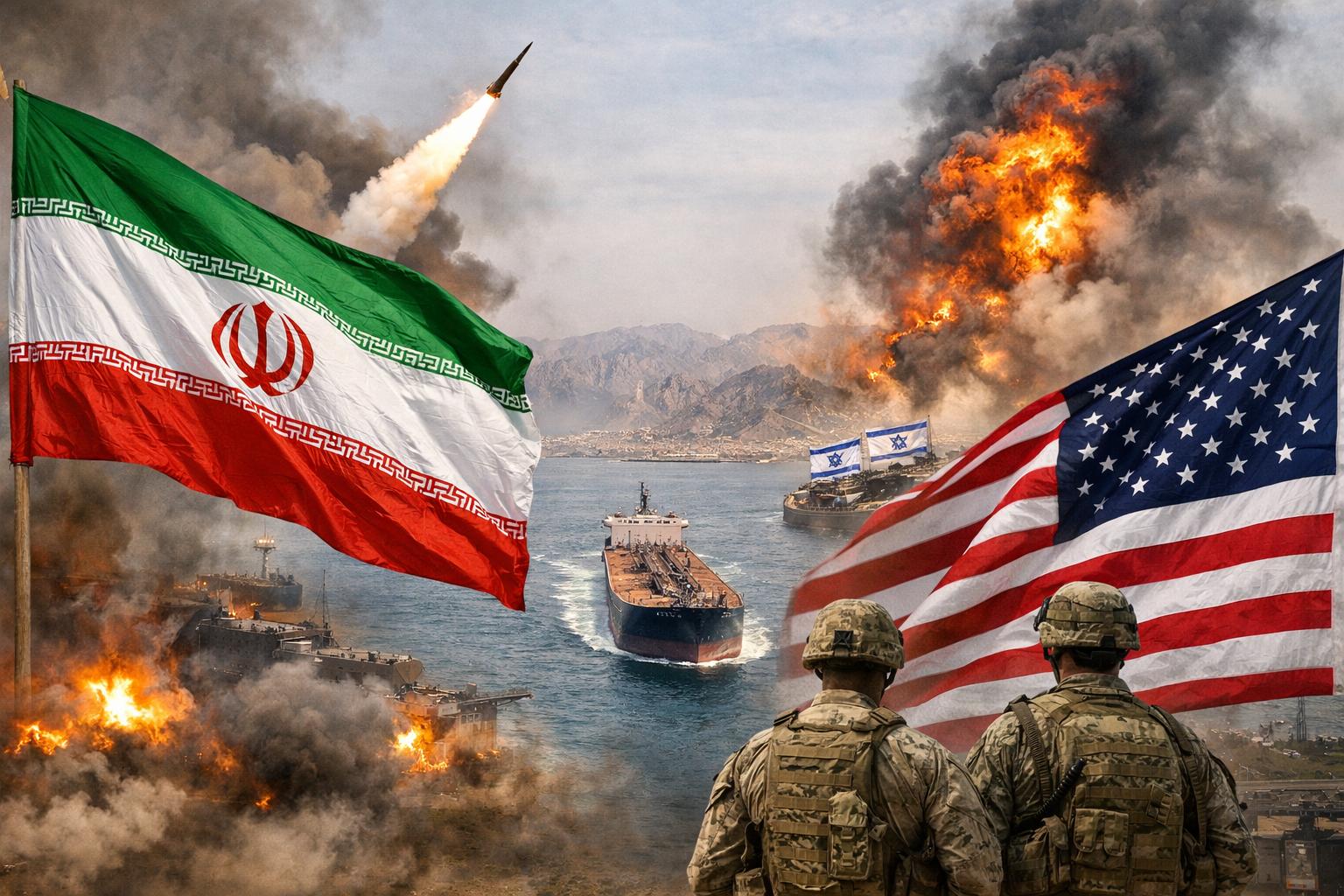
US–Israel–Iran War | Iran rejects US ceasefire plan, outlines conditions amid escalating Middle East conflict
Iran has rejected a United States-backed proposal to pause the ongoing conflict in the Middle East, instead presenting its own set of conditions for ending hostilities, according to statements broadcast by the country’s state-run English-language network. The development comes amid continued military escalation, with Tehran reportedly launching further attacks targeting Israel and parts of the Gulf region. An unnamed Iranian official was quoted as confirming that Tehran had formally declin
US–Israel–Iran War | Iran rejects US ceasefire plan, outlines conditions amid escalating Middle East conflict
Iran has rejected a United States-backed proposal to pause the ongoing conflict in the Middle East, instead presenting its own set of conditions for ending hostilities, according to statements broadcast by the country’s state-run English-language network. The development comes amid continued military escalation, with Tehran reportedly launching further attacks targeting Israel and parts of the Gulf region. An unnamed Iranian official was quoted as confirming that Tehran had formally declin

Ram Navami 2026: Date, Puja Muhurat, Rituals, and Celebrations in Ayodhya
Ram Navami, an important festival in Sanatan Dharma, marks the birth of Lord Ram, the seventh incarnation of Lord Vishnu. The festival is observed on the Navami Tithi during Shukla Paksha in the month of Chaitra. In 2026, Ram Navami will be celebrated on March 27, which aligns with the Udaya Tithi. This day holds immense significance in Hinduism, especially in Ayodhya, which is considered the birthplace of Lord Ram. The city becomes a center of devotion, as thousands of devotees gather to cel
Ram Navami 2026: Date, Puja Muhurat, Rituals, and Celebrations in Ayodhya
Ram Navami, an important festival in Sanatan Dharma, marks the birth of Lord Ram, the seventh incarnation of Lord Vishnu. The festival is observed on the Navami Tithi during Shukla Paksha in the month of Chaitra. In 2026, Ram Navami will be celebrated on March 27, which aligns with the Udaya Tithi. This day holds immense significance in Hinduism, especially in Ayodhya, which is considered the birthplace of Lord Ram. The city becomes a center of devotion, as thousands of devotees gather to cel

Supreme Court of India rules conversion ends Scheduled Caste status
The Supreme Court of India, in a significant judgment delivered on March 24, 2026, has reaffirmed that individuals who convert to religions other than Hinduism, Sikhism, or Buddhism cannot retain or claim Scheduled Caste status under the law. The ruling reinforces the constitutional framework governing caste-based reservations and legal protections in India. The verdict came in an appeal challenging an earlier decision of the Andhra Pradesh High Court, which had quashed criminal proceedings filed under the Scheduled Castes and Scheduled Tribes (Prevention of Atrocities) Act. The complainant, who was born into a Scheduled Caste but had converted to Christianity and was functioning as a pastor, had alleged caste-based abuse and assault. However, the court held that his conversion disentitled him from invoking protections meant specifically for Scheduled Castes. A bench of the Supreme Court observed that the Constitution (Scheduled Castes) Order, 1950, clearly restricts Scheduled Caste recognition to persons professing Hinduism, Sikhism, or Buddhism. The court described this restriction as categorical, stating that conversion to any other religion results in the immediate and complete loss of Scheduled Caste status, regardless of birth. The court further clarified that a person cannot simultaneously profess a religion outside the specified categories and claim Scheduled Caste identity for statutory benefits. It emphasized that such positions are mutually exclusive within the constitutional scheme, and no statutory protection or reservation can be extended once a person ceases to fall within the legally defined category. In its interpretation, the court also highlighted that the term “profess” implies a public declaration and active practice of a religion. This interpretation played a key role in assessing the individual’s eligibility, particularly in cases where religious identity is visibly demonstrated through roles such as clergy or religious leadership. The judgment is expected to have wide-ranging implications for individuals who convert to religions outside the constitutionally recognised framework while seeking benefits or protections linked to Scheduled Caste status. While the ruling reinforces existing legal provisions, it also brings renewed attention to ongoing debates about caste discrimination and its persistence beyond religious boundaries.
Supreme Court of India rules conversion ends Scheduled Caste status
The Supreme Court of India, in a significant judgment delivered on March 24, 2026, has reaffirmed that individuals who convert to religions other than Hinduism, Sikhism, or Buddhism cannot retain or claim Scheduled Caste status under the law. The ruling reinforces the constitutional framework governing caste-based reservations and legal protections in India. The verdict came in an appeal challenging an earlier decision of the Andhra Pradesh High Court, which had quashed criminal proceedings filed under the Scheduled Castes and Scheduled Tribes (Prevention of Atrocities) Act. The complainant, who was born into a Scheduled Caste but had converted to Christianity and was functioning as a pastor, had alleged caste-based abuse and assault. However, the court held that his conversion disentitled him from invoking protections meant specifically for Scheduled Castes. A bench of the Supreme Court observed that the Constitution (Scheduled Castes) Order, 1950, clearly restricts Scheduled Caste recognition to persons professing Hinduism, Sikhism, or Buddhism. The court described this restriction as categorical, stating that conversion to any other religion results in the immediate and complete loss of Scheduled Caste status, regardless of birth. The court further clarified that a person cannot simultaneously profess a religion outside the specified categories and claim Scheduled Caste identity for statutory benefits. It emphasized that such positions are mutually exclusive within the constitutional scheme, and no statutory protection or reservation can be extended once a person ceases to fall within the legally defined category. In its interpretation, the court also highlighted that the term “profess” implies a public declaration and active practice of a religion. This interpretation played a key role in assessing the individual’s eligibility, particularly in cases where religious identity is visibly demonstrated through roles such as clergy or religious leadership. The judgment is expected to have wide-ranging implications for individuals who convert to religions outside the constitutionally recognised framework while seeking benefits or protections linked to Scheduled Caste status. While the ruling reinforces existing legal provisions, it also brings renewed attention to ongoing debates about caste discrimination and its persistence beyond religious boundaries.
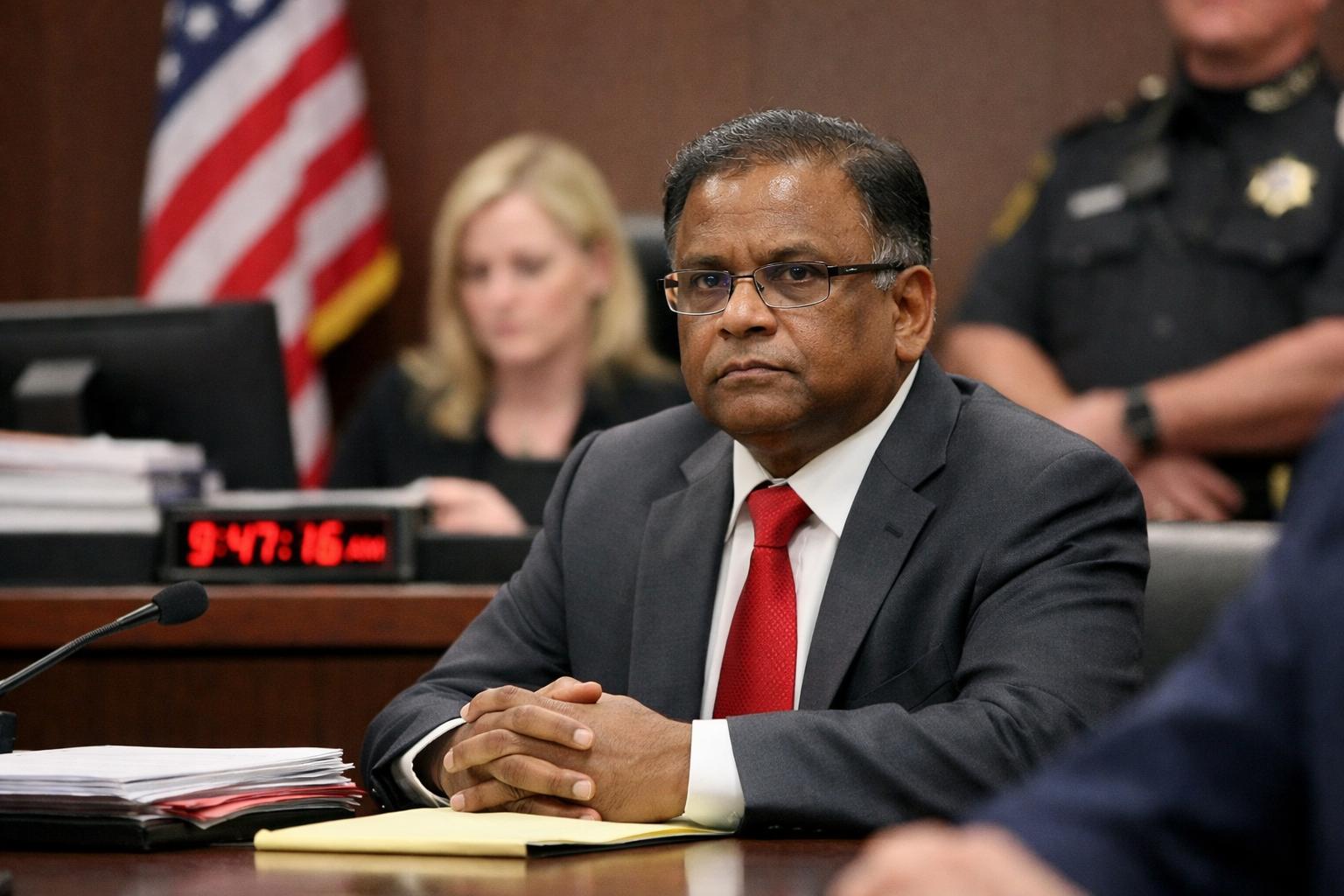
Indian-origin Texas judge KP George convicted in money laundering case
A county judge in Texas has been found guilty on two counts of money laundering, marking a major development in a high-profile campaign finance case. KP George, the first Indian-origin judge in Fort Bend County, was convicted of third-degree felony charges and now faces up to 10 years in prison. He is expected to be removed from office following his sentencing. The case traces back to financial activities between 2019 and 2022, when George was actively raising and managing campaign
Indian-origin Texas judge KP George convicted in money laundering case
A county judge in Texas has been found guilty on two counts of money laundering, marking a major development in a high-profile campaign finance case. KP George, the first Indian-origin judge in Fort Bend County, was convicted of third-degree felony charges and now faces up to 10 years in prison. He is expected to be removed from office following his sentencing. The case traces back to financial activities between 2019 and 2022, when George was actively raising and managing campaign

US Stock Markets Fall Amid Rising Tensions in the Middle East
The Dow Jones Industrial Average dropped by 84.75 points, or 0.18%, finishing at 46,123.72. The S&P 500 also saw a decline, losing 21.42 points (0.33%) to settle at 6,559.62. The Nasdaq Composite experienced a sharper drop, falling by 184.87 points (0.84%), closing at 21,761.89. As tensions remain high in the Middle East, with thousands of US Marines heading to the Gulf and both sides intensifying military actions, the markets are reflecting investor uncertainty. Despite Trump's delay on his self-imposed deadline for Iran to reopen the Strait of Hormuz, Iran's firm stance denying negotiations has contributed to the geopolitical instability, further impacting investor sentiment.
US Stock Markets Fall Amid Rising Tensions in the Middle East
The Dow Jones Industrial Average dropped by 84.75 points, or 0.18%, finishing at 46,123.72. The S&P 500 also saw a decline, losing 21.42 points (0.33%) to settle at 6,559.62. The Nasdaq Composite experienced a sharper drop, falling by 184.87 points (0.84%), closing at 21,761.89. As tensions remain high in the Middle East, with thousands of US Marines heading to the Gulf and both sides intensifying military actions, the markets are reflecting investor uncertainty. Despite Trump's delay on his self-imposed deadline for Iran to reopen the Strait of Hormuz, Iran's firm stance denying negotiations has contributed to the geopolitical instability, further impacting investor sentiment.
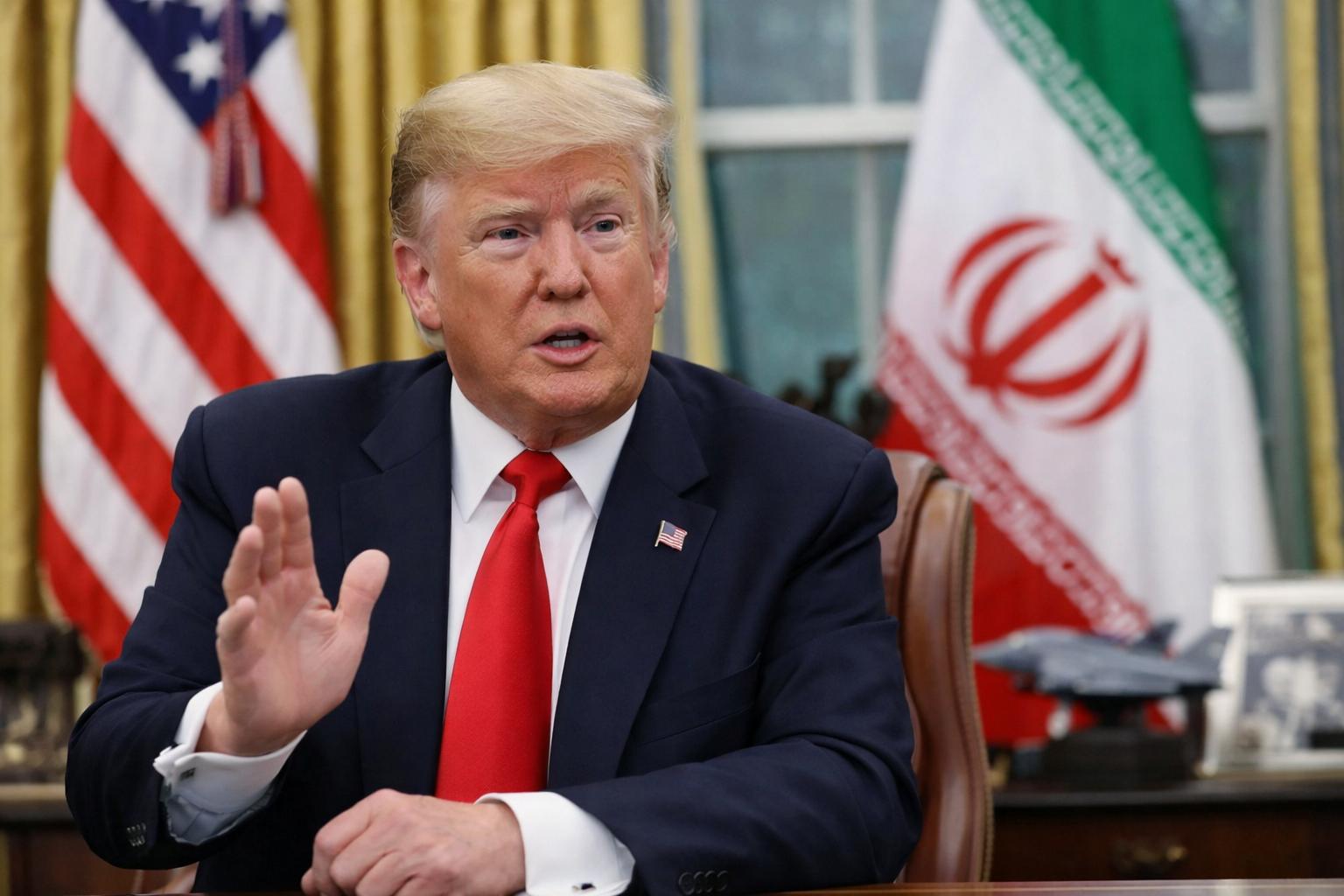
US–Israel–Iran War |Trump says Iran agrees to never develop nuclear weapons amid ongoing conflict
US President Donald Trump has stated that Iran has agreed to never develop nuclear weapons, describing the development as a sign of progress in ongoing diplomatic engagement between the two countries. His remarks come at a time when tensions in the Middle East remain high, with regional conflict continuing to shape the broader geopolitical landscape. Speaking to reporters at the Oval Office, Trump adopted an optimistic tone, indicating that backchannel communicati
US–Israel–Iran War |Trump says Iran agrees to never develop nuclear weapons amid ongoing conflict
US President Donald Trump has stated that Iran has agreed to never develop nuclear weapons, describing the development as a sign of progress in ongoing diplomatic engagement between the two countries. His remarks come at a time when tensions in the Middle East remain high, with regional conflict continuing to shape the broader geopolitical landscape. Speaking to reporters at the Oval Office, Trump adopted an optimistic tone, indicating that backchannel communicati
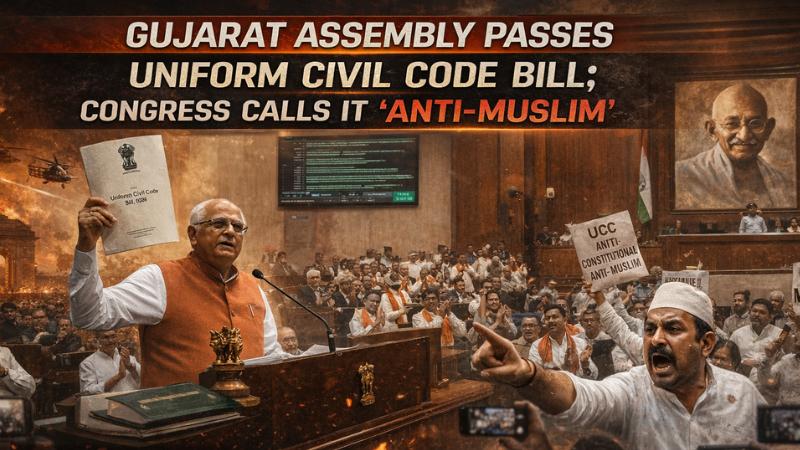
Gujarat Assembly Passes Uniform Civil Code Bill; Congress Calls it Anti-Muslim
In a landmark decision on March 25, 2026, the Gujarat Assembly passed the Uniform Civil Code (UCC) Bill after a heated seven-hour debate. The Bill, which proposes a uniform legal framework to govern marriage, divorce, succession, and live-in relationships, irrespective of religion, was passed with a majority voice vote. The ruling Bharatiya Janata Party (BJP) hailed the Bill as a crucial reform to ensure equality, while the Congress strongly opposed it, alleging that it violated fundamental r
Gujarat Assembly Passes Uniform Civil Code Bill; Congress Calls it Anti-Muslim
In a landmark decision on March 25, 2026, the Gujarat Assembly passed the Uniform Civil Code (UCC) Bill after a heated seven-hour debate. The Bill, which proposes a uniform legal framework to govern marriage, divorce, succession, and live-in relationships, irrespective of religion, was passed with a majority voice vote. The ruling Bharatiya Janata Party (BJP) hailed the Bill as a crucial reform to ensure equality, while the Congress strongly opposed it, alleging that it violated fundamental r

Democrat Emily Gregory Wins Florida House Special Election
In a surprising upset, Emily Gregory, a Democrat, defeated Republican Jon Maples in a special election for the Florida state House of Representatives. The district, which includes Palm Beach—President Donald Trump’s primary residence at Mar-a-Lago—was expected to be a safe win for Republicans, especially after Trump endorsed Maples. However, Gregory’s victory represents a symbolic win for Democrats, even though it will not significantly affect the state’s Republican majority. Her ca
Democrat Emily Gregory Wins Florida House Special Election
In a surprising upset, Emily Gregory, a Democrat, defeated Republican Jon Maples in a special election for the Florida state House of Representatives. The district, which includes Palm Beach—President Donald Trump’s primary residence at Mar-a-Lago—was expected to be a safe win for Republicans, especially after Trump endorsed Maples. However, Gregory’s victory represents a symbolic win for Democrats, even though it will not significantly affect the state’s Republican majority. Her ca
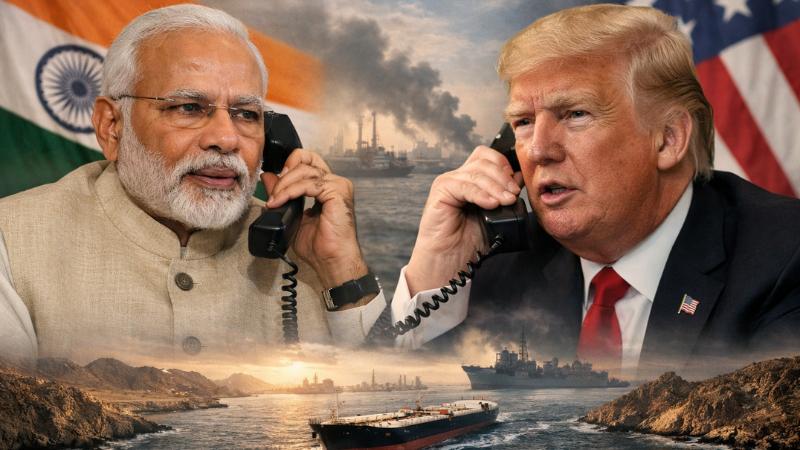
India Supports De-Escalation and Strait of Hormuz Access After Call with Trump
Amid rising tensions in the Middle East, U.S. President Donald Trump and Indian Prime Minister Narendra Modi held a significant conversation. The two leaders highlighted the necessity of keeping the Strait of Hormuz open and accessible for global trade. In a post on social media, Modi mentioned having a "useful exchange" with Trump. He emphasized India’s firm stance on de-escalation and peace, recognizing that the Strait of Hormuz is crucial for global stability due to its role in oil shipm
India Supports De-Escalation and Strait of Hormuz Access After Call with Trump
Amid rising tensions in the Middle East, U.S. President Donald Trump and Indian Prime Minister Narendra Modi held a significant conversation. The two leaders highlighted the necessity of keeping the Strait of Hormuz open and accessible for global trade. In a post on social media, Modi mentioned having a "useful exchange" with Trump. He emphasized India’s firm stance on de-escalation and peace, recognizing that the Strait of Hormuz is crucial for global stability due to its role in oil shipm

Amazon acquires fauna robotics to expand humanoid robot ambitions
Amazon has confirmed its acquisition of Fauna Robotics, a New York-based startup focused on developing approachable humanoid robots for both consumers and businesses, marking a significant expansion of the company’s ambitions in the robotics industry. While financial details of the deal were not disclosed, the move underscores Amazon’s continued investment in automation technology and AI-driven innovation. In a statement, Amazon said it was encouraged by Fauna Robotics’ vision of creating safe, capable, and user-friendly robots. The company highlighted its own expertise in robotics, along with years of experience in consumer trust through retail and smart devices, as a foundation for developing new solutions aimed at improving everyday life. The acquisition aligns with Amazon’s broader strategy to integrate advanced robotics into both personal and commercial environments. Founded in 2024 by former engineers from major technology firms, Fauna Robotics quickly gained attention with the launch of its flagship humanoid robot, Sprout. Priced at $50,000, the compact, bipedal robot was designed to be accessible to developers while maintaining a human-friendly form factor. The company had already secured early interest from major industry players, signaling strong demand for next-generation robotics platforms. As part of the deal, Fauna’s workforce of approximately 50 employees will join Amazon in New York City. Company leadership expressed optimism about the transition, stating that operating under Amazon would accelerate innovation and expand opportunities in the rapidly evolving robotics market. Amazon has spent more than a decade building its robotics capabilities, particularly in warehouse automation. Its earlier acquisition of Kiva Systems laid the groundwork for Amazon Robotics, which has since become central to its logistics operations. More recently, the company has pursued additional acquisitions to enhance its expertise, including firms focused on last-mile delivery solutions. The acquisition of Fauna Robotics also signals Amazon’s renewed interest in consumer-facing robotics, an area it previously explored with its Astro home robot. By entering the increasingly competitive humanoid robot space, Amazon joins a growing list of technology companies developing advanced AI robots aimed at both industrial and personal use.
Amazon acquires fauna robotics to expand humanoid robot ambitions
Amazon has confirmed its acquisition of Fauna Robotics, a New York-based startup focused on developing approachable humanoid robots for both consumers and businesses, marking a significant expansion of the company’s ambitions in the robotics industry. While financial details of the deal were not disclosed, the move underscores Amazon’s continued investment in automation technology and AI-driven innovation. In a statement, Amazon said it was encouraged by Fauna Robotics’ vision of creating safe, capable, and user-friendly robots. The company highlighted its own expertise in robotics, along with years of experience in consumer trust through retail and smart devices, as a foundation for developing new solutions aimed at improving everyday life. The acquisition aligns with Amazon’s broader strategy to integrate advanced robotics into both personal and commercial environments. Founded in 2024 by former engineers from major technology firms, Fauna Robotics quickly gained attention with the launch of its flagship humanoid robot, Sprout. Priced at $50,000, the compact, bipedal robot was designed to be accessible to developers while maintaining a human-friendly form factor. The company had already secured early interest from major industry players, signaling strong demand for next-generation robotics platforms. As part of the deal, Fauna’s workforce of approximately 50 employees will join Amazon in New York City. Company leadership expressed optimism about the transition, stating that operating under Amazon would accelerate innovation and expand opportunities in the rapidly evolving robotics market. Amazon has spent more than a decade building its robotics capabilities, particularly in warehouse automation. Its earlier acquisition of Kiva Systems laid the groundwork for Amazon Robotics, which has since become central to its logistics operations. More recently, the company has pursued additional acquisitions to enhance its expertise, including firms focused on last-mile delivery solutions. The acquisition of Fauna Robotics also signals Amazon’s renewed interest in consumer-facing robotics, an area it previously explored with its Astro home robot. By entering the increasingly competitive humanoid robot space, Amazon joins a growing list of technology companies developing advanced AI robots aimed at both industrial and personal use.
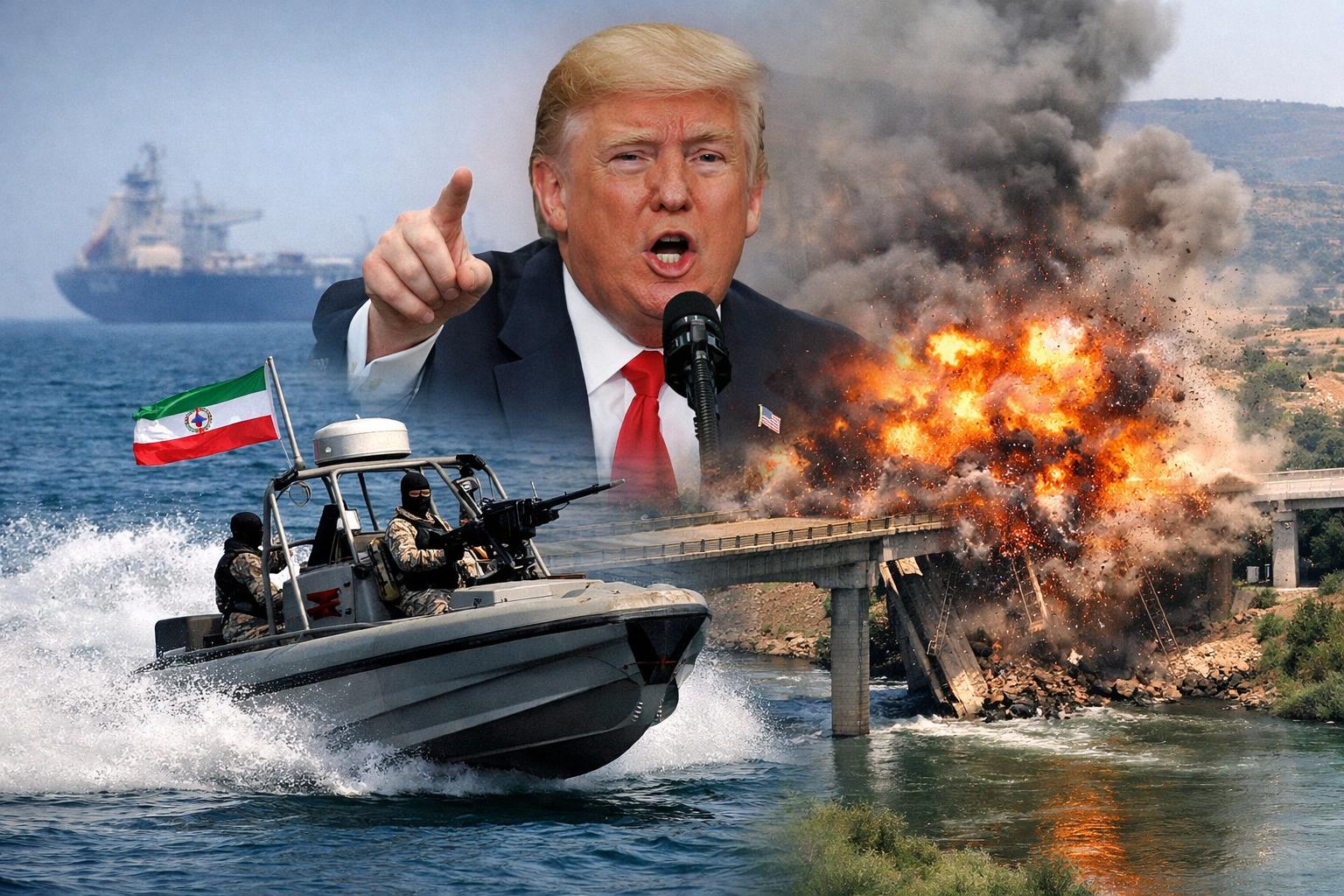
US–Israel–Iran War | Iran denies talks with US as Gulf tensions escalate and Strait deadline expires
As the conflict in the Middle East enters its fourth week, Iran has firmly denied engaging in any negotiations or discussions with the United States since the hostilities began, contradicting recent remarks by US President Donald Trump. The Iranian government’s statement comes after Trump publicly claimed that Washington and Tehran had held “very good and productive conversations” aimed at achieving a comprehensive resolution to the ongoing crisis. Iranian officials dismissed the assertion
US–Israel–Iran War | Iran denies talks with US as Gulf tensions escalate and Strait deadline expires
As the conflict in the Middle East enters its fourth week, Iran has firmly denied engaging in any negotiations or discussions with the United States since the hostilities began, contradicting recent remarks by US President Donald Trump. The Iranian government’s statement comes after Trump publicly claimed that Washington and Tehran had held “very good and productive conversations” aimed at achieving a comprehensive resolution to the ongoing crisis. Iranian officials dismissed the assertion
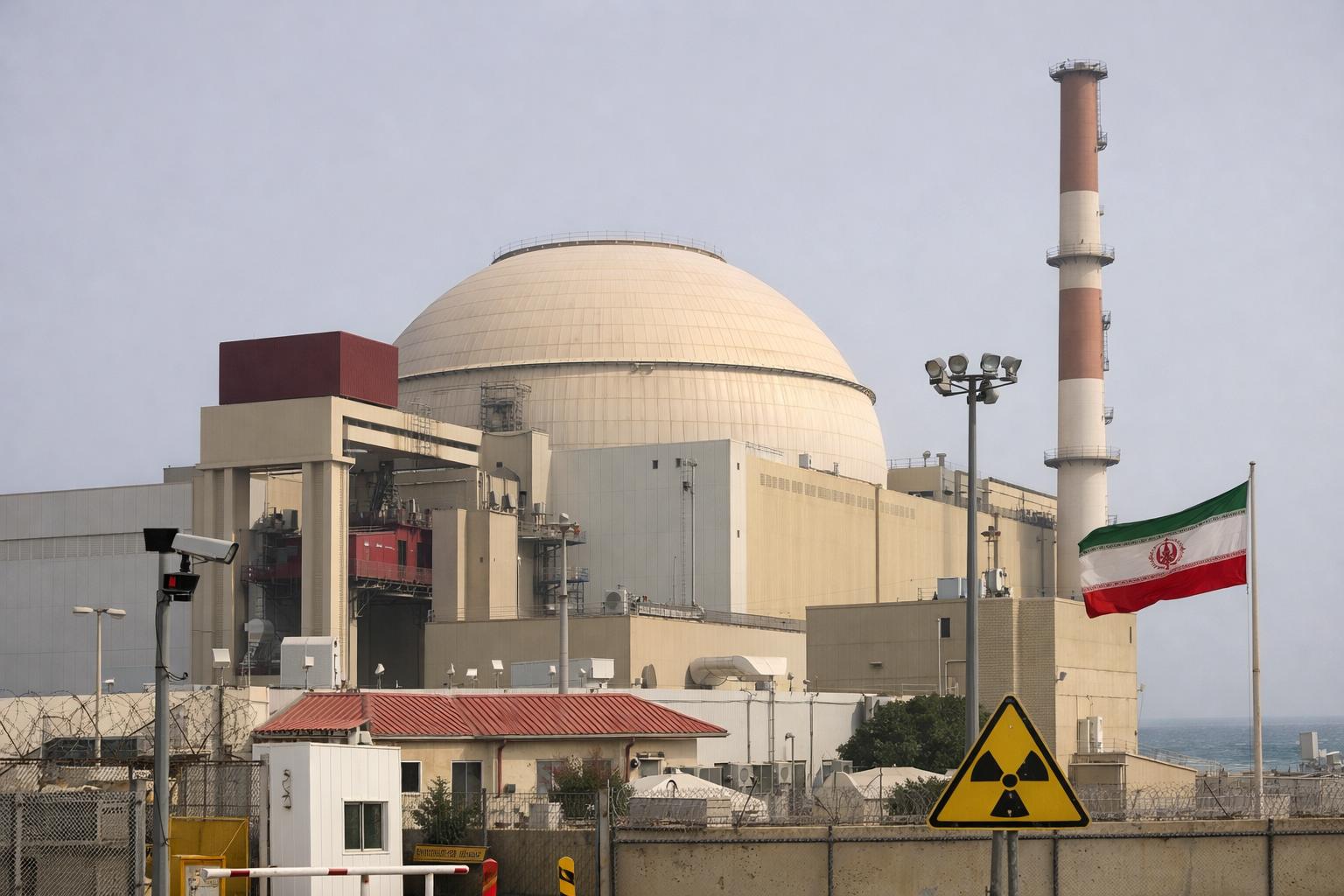
US–Israel–Iran War | Iran alleges strike near Bushehr nuclear plant amid rising tensions
Iran’s Atomic Energy Organization on Tuesday reported that a projectile struck within the perimeter of the Bushehr nuclear power plant, alleging that the attack was carried out by the United States and Israel. In an official statement, the agency described the incident as part of continued aggression by what it termed the “American-Zionist enemy.” Authorities said the projectile landed inside the facility’s enclosure but confirmed that initial assessments found no financial losses, techn
US–Israel–Iran War | Iran alleges strike near Bushehr nuclear plant amid rising tensions
Iran’s Atomic Energy Organization on Tuesday reported that a projectile struck within the perimeter of the Bushehr nuclear power plant, alleging that the attack was carried out by the United States and Israel. In an official statement, the agency described the incident as part of continued aggression by what it termed the “American-Zionist enemy.” Authorities said the projectile landed inside the facility’s enclosure but confirmed that initial assessments found no financial losses, techn
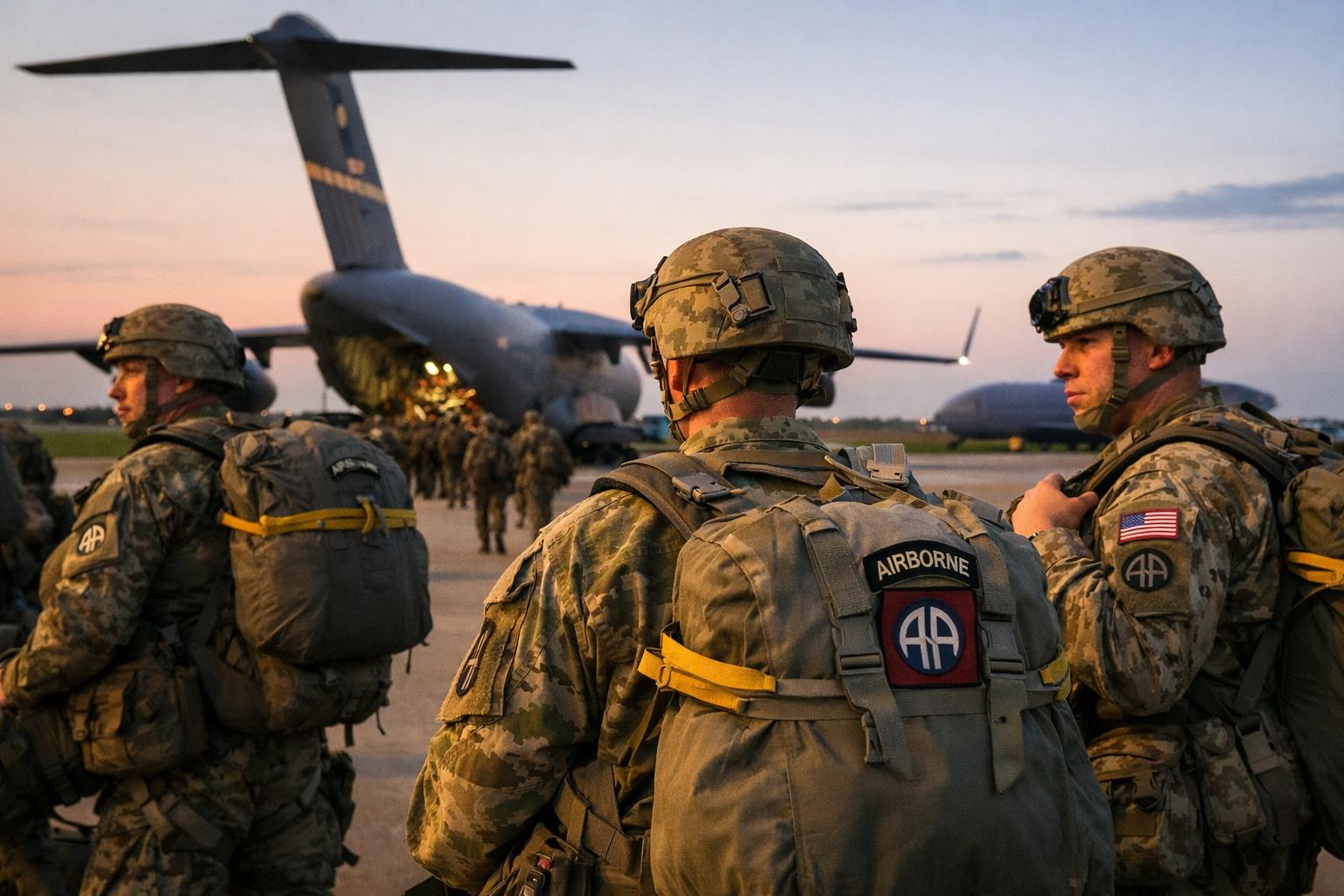
Pentagon plans 82nd Airborne deployment amid rising Iran tensions
The Pentagon is preparing to deploy approximately 3,000 troops from the 82nd Airborne Division as part of Operation Epic Fury, according to officials familiar with the matter. A formal deployment order is expected to be issued shortly, outlining potential military options without confirming any immediate decision to send ground forces into Iran. The move reflects heightened vigilance within the United States military as tensions in the Middle East continue to evolve. Officials indicated that the planned deployment would include a combat brigade along with its headquarters unit, both of which are integral to rapid-response operations. The 82nd Airborne Division, based at Fort Bragg, is recognized for its ability to mobilize forces quickly, with a capability to deploy thousands of troops globally within 18 hours. The division has previously demonstrated even faster mobilization timelines, underscoring its strategic importance in crisis situations. The development follows the recent cancellation of a major training exercise involving the unit, a decision that had already sparked speculation about a possible redeployment to the Middle East. While authorities have emphasized that diplomatic channels with Tehran remain open, the preparation of troops signals growing concern in Washington over the trajectory of regional tensions. If executed, the deployment would mark a notable shift in US military posture, strengthening both deterrence and operational readiness in the region. The 82nd Airborne Division is trained to handle a wide range of missions, including securing critical infrastructure such as airfields, reinforcing US diplomatic facilities, and supporting emergency evacuations when necessary. Its headquarters unit plays a central role in planning and coordinating these complex operations. The potential move highlights the balance the administration is attempting to maintain between diplomatic engagement and military preparedness. While no final decision on ground operations has been announced, the readiness of rapid response forces suggests that the United States is positioning itself to respond swiftly to any escalation.
Pentagon plans 82nd Airborne deployment amid rising Iran tensions
The Pentagon is preparing to deploy approximately 3,000 troops from the 82nd Airborne Division as part of Operation Epic Fury, according to officials familiar with the matter. A formal deployment order is expected to be issued shortly, outlining potential military options without confirming any immediate decision to send ground forces into Iran. The move reflects heightened vigilance within the United States military as tensions in the Middle East continue to evolve. Officials indicated that the planned deployment would include a combat brigade along with its headquarters unit, both of which are integral to rapid-response operations. The 82nd Airborne Division, based at Fort Bragg, is recognized for its ability to mobilize forces quickly, with a capability to deploy thousands of troops globally within 18 hours. The division has previously demonstrated even faster mobilization timelines, underscoring its strategic importance in crisis situations. The development follows the recent cancellation of a major training exercise involving the unit, a decision that had already sparked speculation about a possible redeployment to the Middle East. While authorities have emphasized that diplomatic channels with Tehran remain open, the preparation of troops signals growing concern in Washington over the trajectory of regional tensions. If executed, the deployment would mark a notable shift in US military posture, strengthening both deterrence and operational readiness in the region. The 82nd Airborne Division is trained to handle a wide range of missions, including securing critical infrastructure such as airfields, reinforcing US diplomatic facilities, and supporting emergency evacuations when necessary. Its headquarters unit plays a central role in planning and coordinating these complex operations. The potential move highlights the balance the administration is attempting to maintain between diplomatic engagement and military preparedness. While no final decision on ground operations has been announced, the readiness of rapid response forces suggests that the United States is positioning itself to respond swiftly to any escalation.
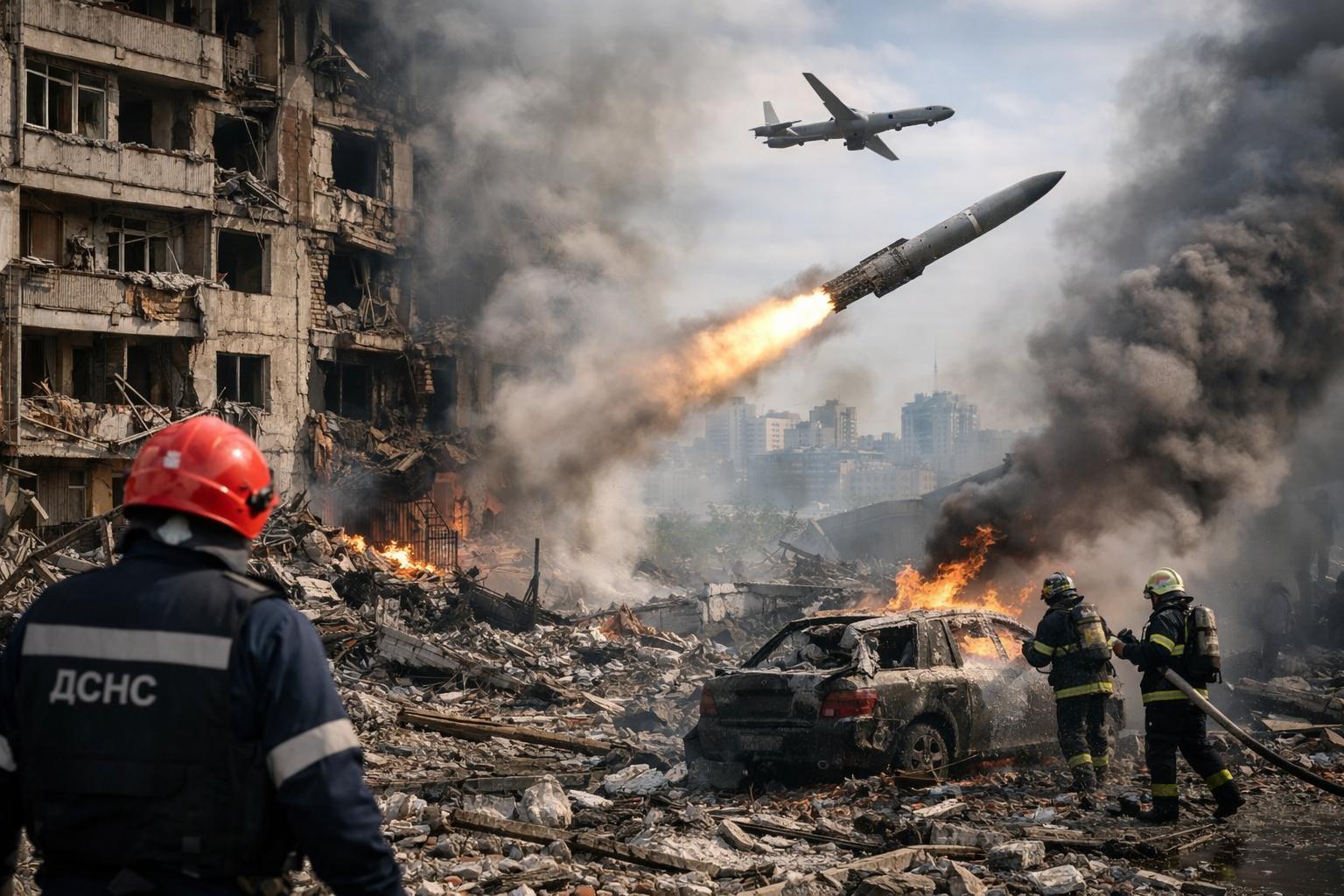
US-Israel strike on Iran followed urgent call between Netanyahu and Trump
Less than 48 hours before a joint US-Israeli military operation targeting Iran, Israeli Prime Minister Benjamin Netanyahu made a final appeal to US President Donald Trump, urging swift action as intelligence indicated a narrowing operational window. According to officials, briefings suggested that Iran’s Supreme Leader Ayatollah Ali Khamenei and senior leadership were expected to gather in Tehran, presenting what was described as a rare strategic opportunity. Updated intelligence reportedly showed the meeting had been moved earlier, intensifying the urgency of the decision. Although Trump had already approved military action in principle, the exact timing and scale remained under review. Netanyahu’s call was seen as a decisive moment, reinforcing arguments that delays could result in a missed opportunity. The operation followed months of escalating tensions and unsuccessful diplomatic efforts aimed at addressing Iran’s nuclear programme, which had reached a stalemate. Earlier military actions in June, involving strikes on Iranian nuclear and missile infrastructure, had already heightened hostilities. While US forces later joined Israeli operations in a 12-day campaign, Israeli officials continued to push for a more comprehensive response. Strategic discussions, including high-level meetings, focused on Iran’s advancing missile capabilities and perceived regional threat. Additional geopolitical developments influenced Washington’s approach, including a successful US-backed operation in Venezuela and widespread unrest within Iran, which was met with force by security agencies. US officials had anticipated escalation, warning that any Israeli action could provoke retaliation against American assets and allies in the region. The coordinated strikes began on February 28 after Trump gave final approval. The White House stated that the objective was to weaken Iran’s military infrastructure, curb its missile capabilities, and prevent nuclear weapon development. Trump later announced that Khamenei had been killed during the operation. The aftermath saw immediate retaliation from Iran, disruptions in key shipping routes, and a surge in global oil prices. Reports indicated significant casualties, including Iranian civilians and US personnel. Despite expectations of political change, intelligence assessments had warned that leadership shifts might not moderate Iran’s stance. Khamenei’s son, Mojtaba Khamenei, has since assumed leadership, while security forces continue to maintain control. Both leaders have defended their roles in the decision, with Trump asserting sole responsibility and Netanyahu denying claims of influencing US involvement. However, accounts suggest that the combination of intelligence updates and diplomatic pressure played a critical role in shaping a decision that has significantly altered regional dynamics.
US-Israel strike on Iran followed urgent call between Netanyahu and Trump
Less than 48 hours before a joint US-Israeli military operation targeting Iran, Israeli Prime Minister Benjamin Netanyahu made a final appeal to US President Donald Trump, urging swift action as intelligence indicated a narrowing operational window. According to officials, briefings suggested that Iran’s Supreme Leader Ayatollah Ali Khamenei and senior leadership were expected to gather in Tehran, presenting what was described as a rare strategic opportunity. Updated intelligence reportedly showed the meeting had been moved earlier, intensifying the urgency of the decision. Although Trump had already approved military action in principle, the exact timing and scale remained under review. Netanyahu’s call was seen as a decisive moment, reinforcing arguments that delays could result in a missed opportunity. The operation followed months of escalating tensions and unsuccessful diplomatic efforts aimed at addressing Iran’s nuclear programme, which had reached a stalemate. Earlier military actions in June, involving strikes on Iranian nuclear and missile infrastructure, had already heightened hostilities. While US forces later joined Israeli operations in a 12-day campaign, Israeli officials continued to push for a more comprehensive response. Strategic discussions, including high-level meetings, focused on Iran’s advancing missile capabilities and perceived regional threat. Additional geopolitical developments influenced Washington’s approach, including a successful US-backed operation in Venezuela and widespread unrest within Iran, which was met with force by security agencies. US officials had anticipated escalation, warning that any Israeli action could provoke retaliation against American assets and allies in the region. The coordinated strikes began on February 28 after Trump gave final approval. The White House stated that the objective was to weaken Iran’s military infrastructure, curb its missile capabilities, and prevent nuclear weapon development. Trump later announced that Khamenei had been killed during the operation. The aftermath saw immediate retaliation from Iran, disruptions in key shipping routes, and a surge in global oil prices. Reports indicated significant casualties, including Iranian civilians and US personnel. Despite expectations of political change, intelligence assessments had warned that leadership shifts might not moderate Iran’s stance. Khamenei’s son, Mojtaba Khamenei, has since assumed leadership, while security forces continue to maintain control. Both leaders have defended their roles in the decision, with Trump asserting sole responsibility and Netanyahu denying claims of influencing US involvement. However, accounts suggest that the combination of intelligence updates and diplomatic pressure played a critical role in shaping a decision that has significantly altered regional dynamics.










