Iran confirmed for FIFA World Cup 2026 despite geopolitical tensions
FIFA confirmed Iran will play in the 2026 World Cup despite tensions with the U.S. Officials rejected relocation or replacement ideas. Iran missed the FIFA Congress after a Canada entry issue but remains set to compete in Group G. FIFA President Gianni Infantino has reaffirmed that Iran will participate in the
Iran confirmed for FIFA World Cup 2026 despite geopolitical tensions
FIFA confirmed Iran will play in the 2026 World Cup despite tensions with the U.S. Officials rejected relocation or replacement ideas. Iran missed the FIFA Congress after a Canada entry issue but remains set to compete in Group G. FIFA President Gianni Infantino has reaffirmed that Iran will participate in the
Trump Renames Strait of Hormuz Amid Rising US-Iran Tensions
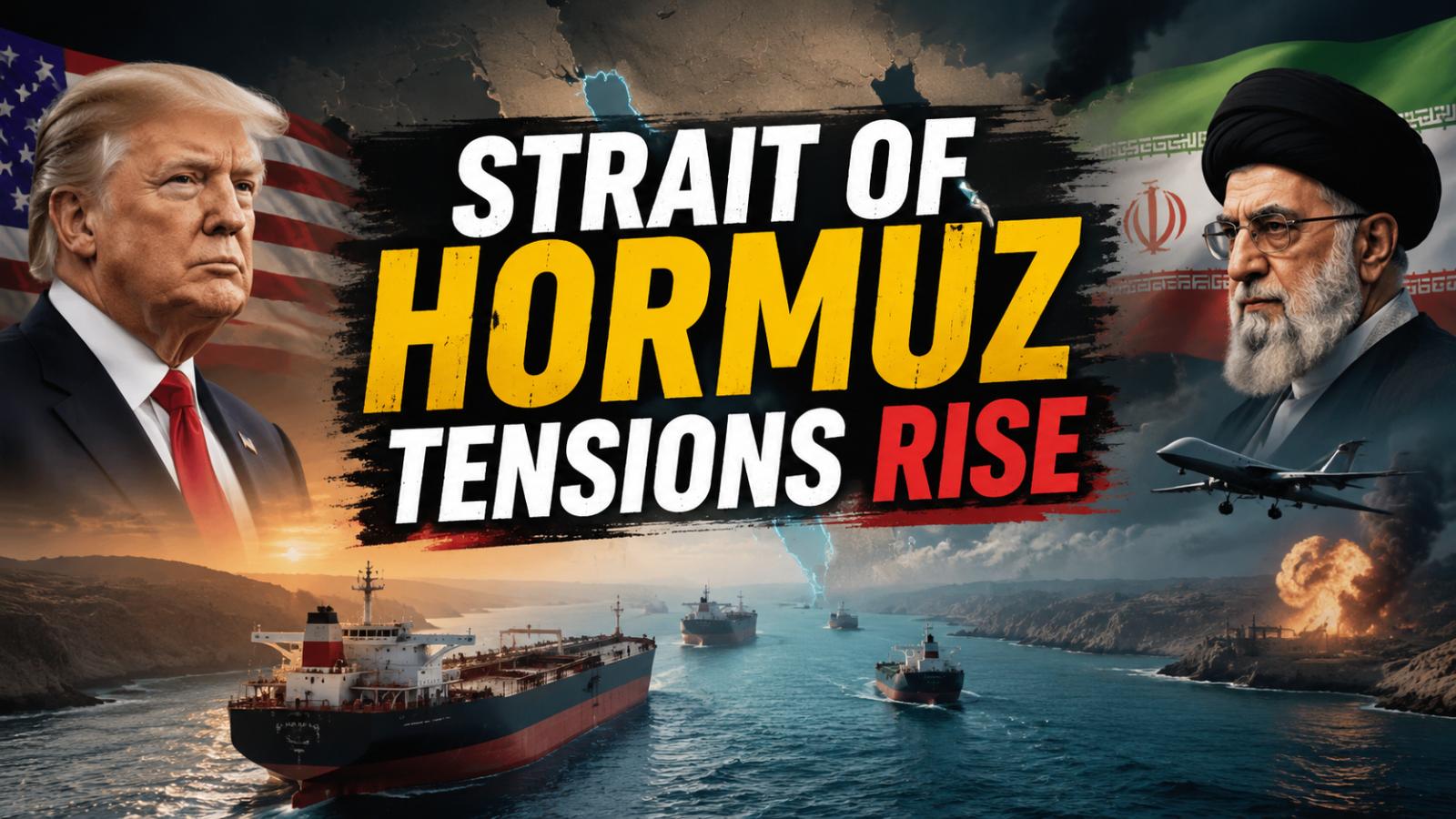
US President Donald Trump has drawn attention after sharing a modified map referring to the Strait of Hormuz as the “Strait of Trump,” a move that comes amid escalating tensions and stalled negotiations with Iran. The strategic waterway remains a focal point in the ongoing standoff, with both sides maintaining a blockade despite a previously agreed ceasefire. Trump indicated that discussions to end the conflict are continuing remotely, describing them as telephonic due to logistical challenges. At the same time, Iran has attempted to revive dialogue by sending a proposal through Pakistan, facilitated by Foreign Minister Abbas Araghchi. However, indications suggest that the US administration is dissatisfied with the terms and is unlikely to accept the framework presented. The proposal reportedly outlined a three-stage approach, beginning with a complete cessation of hostilities, followed by lifting the naval blockade and restoring maritime traffic through the Strait of Hormuz. The final stage involved renewed negotiations over Iran’s nuclear program. Despite these efforts, talks remain at an impasse, with both sides maintaining firm positions. Trump defended the blockade, describing it as effective and emphasizing its economic impact on Iran. He stated that the pressure strategy would continue until Iran concedes. Meanwhile, energy markets reacted sharply, with Brent crude prices rising significantly, reflecting concerns over supply disruptions linked to the strategic route. The Strait of Hormuz remains critical to global oil flows, and its continued closure by both US and Iranian forces underscores the fragile state of the ceasefire. Diplomatic efforts have yet to regain momentum, leaving the situation uncertain as geopolitical and economic pressures continue to build.
Trump Renames Strait of Hormuz Amid Rising US-Iran Tensions
US President Donald Trump has drawn attention after sharing a modified map referring to the Strait of Hormuz as the “Strait of Trump,” a move that comes amid escalating tensions and stalled negotiations with Iran. The strategic waterway remains a focal point in the ongoing standoff, with both sides maintaining a blockade despite a previously agreed ceasefire. Trump indicated that discussions to end the conflict are continuing remotely, describing them as telephonic due to logistical challenges. At the same time, Iran has attempted to revive dialogue by sending a proposal through Pakistan, facilitated by Foreign Minister Abbas Araghchi. However, indications suggest that the US administration is dissatisfied with the terms and is unlikely to accept the framework presented. The proposal reportedly outlined a three-stage approach, beginning with a complete cessation of hostilities, followed by lifting the naval blockade and restoring maritime traffic through the Strait of Hormuz. The final stage involved renewed negotiations over Iran’s nuclear program. Despite these efforts, talks remain at an impasse, with both sides maintaining firm positions. Trump defended the blockade, describing it as effective and emphasizing its economic impact on Iran. He stated that the pressure strategy would continue until Iran concedes. Meanwhile, energy markets reacted sharply, with Brent crude prices rising significantly, reflecting concerns over supply disruptions linked to the strategic route. The Strait of Hormuz remains critical to global oil flows, and its continued closure by both US and Iranian forces underscores the fragile state of the ceasefire. Diplomatic efforts have yet to regain momentum, leaving the situation uncertain as geopolitical and economic pressures continue to build.
Iran Pushes Back on Trump’s Oil Warnings, Defends Export Capacity
The Speaker of Iran’s Parliament, Mohammad Bagher Ghalibaf, has rejected recent claims made by US President Donald Trump regarding the stability of Iran’s oil infrastructure. Responding to warnings that Iran’s oil facilities were nearing critical failure, Ghalibaf dismissed the remarks as inaccurate and politically motivated, stating that conditions on the ground do not support such assessments. He emphasized that several days have passed without any reported incidents and suggested that extended monitoring could further demonstrate the resilience of Iran’s oil sector. Ghalibaf also criticized the broader economic reasoning behind US policy measures, arguing that sanctions-based strategies have produced unintended consequences. He stated that approaches centered on economic pressure have contributed to rising oil prices rather than stabilizing global markets. According to his remarks, such policies reflect not only flawed strategies but also a deeper issue in decision-making. The exchange follows recent developments in US policy toward Iranian oil exports. Washington moved to temporarily ease restrictions on a significant volume of Iranian crude already stored on tankers, allowing limited transactions involving existing shipments. US officials described the move as a calculated effort to influence oil markets while maintaining restrictions on new production or expanded trade. Earlier, Trump had suggested that storage limitations and sanctions pressure could lead to disruptions in Iran’s oil infrastructure. However, Iranian officials have consistently maintained that both land-based and offshore storage capacities remain sufficient to manage production and exports. They argue that the country’s energy sector continues to operate within manageable limits despite ongoing sanctions. The situation highlights continuing tensions between Tehran and Washington over energy policy and economic measures. As both sides present differing assessments, the broader impact on global oil markets and geopolitical stability remains closely watched.
Iran Pushes Back on Trump’s Oil Warnings, Defends Export Capacity
The Speaker of Iran’s Parliament, Mohammad Bagher Ghalibaf, has rejected recent claims made by US President Donald Trump regarding the stability of Iran’s oil infrastructure. Responding to warnings that Iran’s oil facilities were nearing critical failure, Ghalibaf dismissed the remarks as inaccurate and politically motivated, stating that conditions on the ground do not support such assessments. He emphasized that several days have passed without any reported incidents and suggested that extended monitoring could further demonstrate the resilience of Iran’s oil sector. Ghalibaf also criticized the broader economic reasoning behind US policy measures, arguing that sanctions-based strategies have produced unintended consequences. He stated that approaches centered on economic pressure have contributed to rising oil prices rather than stabilizing global markets. According to his remarks, such policies reflect not only flawed strategies but also a deeper issue in decision-making. The exchange follows recent developments in US policy toward Iranian oil exports. Washington moved to temporarily ease restrictions on a significant volume of Iranian crude already stored on tankers, allowing limited transactions involving existing shipments. US officials described the move as a calculated effort to influence oil markets while maintaining restrictions on new production or expanded trade. Earlier, Trump had suggested that storage limitations and sanctions pressure could lead to disruptions in Iran’s oil infrastructure. However, Iranian officials have consistently maintained that both land-based and offshore storage capacities remain sufficient to manage production and exports. They argue that the country’s energy sector continues to operate within manageable limits despite ongoing sanctions. The situation highlights continuing tensions between Tehran and Washington over energy policy and economic measures. As both sides present differing assessments, the broader impact on global oil markets and geopolitical stability remains closely watched.
Iran-US tensions rise as Tehran rejects pressure and asserts military strength
Iran missile stockpile and war readiness Iran missile stockpile has become a major focus as tensions with the United States intensify, with Tehran claiming it can sustain several years of war using its missile and drone reserves. A senior Iranian lawmaker said the country is fully prepared for prolonged conflict while continuing negotiations with Washington under the direction of its top leadership. The statement highlights both Iran’s military confidence and its refusal to yield under pressure. Alaeddin Boroujerdi, a senior member of Iran’s parliament, said the country’s defense capacity remains strong and capable of long-term engagement. He emphasized that Iran’s missile and drone arsenal is sufficient to maintain sustained operations if required. He made it clear that negotiations with the United States are not a sign of weakness but part of a calculated strategy directed by the Supreme Leader. According to him, experienced leadership is handling the talks, ensuring that national interests are protected at all times. Boroujerdi stressed that Iran does not view the negotiating table as a place for surrender. He stated that discussions would not lead to compromise or humiliation, reinforcing Tehran’s firm diplomatic stance. His comments come at a time of rising Iran-US tensions, particularly following statements by Donald Trump, which he dismissed as ineffective. He also pointed out that a recently extended ceasefire period has not resulted in any significant actions from the opposing side. The Iranian lawmaker also criticized the US-led maritime blockade, describing it as lacking global legitimacy. He noted that no major European or NATO countries have joined the effort, suggesting limited international support for Washington’s position. This, he argued, weakens the overall impact of the blockade. Strategically, Iran continues to emphasize its control over the Strait of Hormuz, a crucial global oil route. Officials maintain that Iran will never lose control over this vital waterway, underlining its importance in the broader geopolitical landscape. The statement reinforces Tehran’s confidence in its regional influence and defense strategy. Overall, Iran’s position reflects a dual approach of negotiation and strength. While talks with the United States continue, Tehran is signaling that it is fully prepared for extended conflict if necessary, maintaining both diplomatic engagement and military readiness.

Iran-US tensions rise as Tehran rejects pressure and asserts military strength
Iran missile stockpile and war readiness Iran missile stockpile has become a major focus as tensions with the United States intensify, with Tehran claiming it can sustain several years of war using its missile and drone reserves. A senior Iranian lawmaker said the country is fully prepared for prolonged conflict while continuing negotiations with Washington under the direction of its top leadership. The statement highlights both Iran’s military confidence and its refusal to yield under pressure. Alaeddin Boroujerdi, a senior member of Iran’s parliament, said the country’s defense capacity remains strong and capable of long-term engagement. He emphasized that Iran’s missile and drone arsenal is sufficient to maintain sustained operations if required. He made it clear that negotiations with the United States are not a sign of weakness but part of a calculated strategy directed by the Supreme Leader. According to him, experienced leadership is handling the talks, ensuring that national interests are protected at all times. Boroujerdi stressed that Iran does not view the negotiating table as a place for surrender. He stated that discussions would not lead to compromise or humiliation, reinforcing Tehran’s firm diplomatic stance. His comments come at a time of rising Iran-US tensions, particularly following statements by Donald Trump, which he dismissed as ineffective. He also pointed out that a recently extended ceasefire period has not resulted in any significant actions from the opposing side. The Iranian lawmaker also criticized the US-led maritime blockade, describing it as lacking global legitimacy. He noted that no major European or NATO countries have joined the effort, suggesting limited international support for Washington’s position. This, he argued, weakens the overall impact of the blockade. Strategically, Iran continues to emphasize its control over the Strait of Hormuz, a crucial global oil route. Officials maintain that Iran will never lose control over this vital waterway, underlining its importance in the broader geopolitical landscape. The statement reinforces Tehran’s confidence in its regional influence and defense strategy. Overall, Iran’s position reflects a dual approach of negotiation and strength. While talks with the United States continue, Tehran is signaling that it is fully prepared for extended conflict if necessary, maintaining both diplomatic engagement and military readiness.

Trump issues strong warning to Iran amid stalled nuclear negotiations
US President Donald Trump warned Iran on April 28, 2026, at around 10:00 AM EST to act quickly as nuclear deal negotiations between Washington and Tehran remain stalled. The statement highlights rising US-Iran tensions, ongoing diplomatic failure, and stricter American control over the
Trump issues strong warning to Iran amid stalled nuclear negotiations
US President Donald Trump warned Iran on April 28, 2026, at around 10:00 AM EST to act quickly as nuclear deal negotiations between Washington and Tehran remain stalled. The statement highlights rising US-Iran tensions, ongoing diplomatic failure, and stricter American control over the
Trump claims Iran in ‘state of collapse’ amid ongoing regional conflict
Trump says Iran is in “collapse” and seeks reopening of the Hormuz Strait as conflict continues. Peace talks in Pakistan stalled, leaving regional tensions unresolved. Trump claims Iran in ‘state of collapse’ amid ongoing regional conflict as former U.S. President Donald Trump said the Iranian government has informed Washington it is facing a severe breakdown in l
Trump claims Iran in ‘state of collapse’ amid ongoing regional conflict
Trump says Iran is in “collapse” and seeks reopening of the Hormuz Strait as conflict continues. Peace talks in Pakistan stalled, leaving regional tensions unresolved. Trump claims Iran in ‘state of collapse’ amid ongoing regional conflict as former U.S. President Donald Trump said the Iranian government has informed Washington it is facing a severe breakdown in l
Why did the US seize Iranian oil tankers? Enforcement targets sanctions violations
Enforcement targets sanctions violations The United States has seized two tankers allegedly transporting Iranian oil, intensifying tensions with Iran and drawing sharp condemnation from Tehran. Iranian officials described the operation as “armed robbery on the high seas,” accusing
Why did the US seize Iranian oil tankers? Enforcement targets sanctions violations
Enforcement targets sanctions violations The United States has seized two tankers allegedly transporting Iranian oil, intensifying tensions with Iran and drawing sharp condemnation from Tehran. Iranian officials described the operation as “armed robbery on the high seas,” accusing
Sanctioned billionaire’s yacht passes Hormuz amid US-Iran tensions
Why did a sanctioned yacht cross the Strait of Hormuz during heightened tensions? A 465-foot superyacht known as Nord, linked to Russian billionaire Alexey Mordashov, sailed through the strategically vital Strait of Hormuz despite ongoing maritime restrictions tied to the US-Iran conflict. The vessel departed Dubai on Friday April 24, 2026 afternoon, transited the st
Sanctioned billionaire’s yacht passes Hormuz amid US-Iran tensions
Why did a sanctioned yacht cross the Strait of Hormuz during heightened tensions? A 465-foot superyacht known as Nord, linked to Russian billionaire Alexey Mordashov, sailed through the strategically vital Strait of Hormuz despite ongoing maritime restrictions tied to the US-Iran conflict. The vessel departed Dubai on Friday April 24, 2026 afternoon, transited the st
Iran offers Strait of Hormuz reopening if US lifts blockade, delays nuclear talks
Iran offered to reopen the Strait of Hormuz if the U.S. lifts its blockade and ends hostilities, but Washington insists any deal must address Tehran’s nuclear program, leaving tensions high and global energy markets under strain. Iran has proposed reopening the Strait of Hormuz if the United States lifts its blockade and agrees to end hostilities, according to regional officials familiar with negotiations disclosed on Monday, April 28, 2026. The proposal, deliver
Iran offers Strait of Hormuz reopening if US lifts blockade, delays nuclear talks
Iran offered to reopen the Strait of Hormuz if the U.S. lifts its blockade and ends hostilities, but Washington insists any deal must address Tehran’s nuclear program, leaving tensions high and global energy markets under strain. Iran has proposed reopening the Strait of Hormuz if the United States lifts its blockade and agrees to end hostilities, according to regional officials familiar with negotiations disclosed on Monday, April 28, 2026. The proposal, deliver
How are Russia and Iran responding to regional tensions? Leaders reaffirm alliance
Vladimir Putin met Abbas Araghchi in Moscow on Monday, reaffirming Russia’s commitment to maintaining strong strategic relations with Iran amid escalating tensions in West Asia. During the meeting, Putin emphasized that Russia would continue to act in ways that serve the interests of Iran and the broader
How are Russia and Iran responding to regional tensions? Leaders reaffirm alliance
Vladimir Putin met Abbas Araghchi in Moscow on Monday, reaffirming Russia’s commitment to maintaining strong strategic relations with Iran amid escalating tensions in West Asia. During the meeting, Putin emphasized that Russia would continue to act in ways that serve the interests of Iran and the broader
Iran Proposes Strait of Hormuz Deal While Delaying Nuclear Talks
Iran has reportedly put forward a new proposal aimed at reopening the Strait of Hormuz and easing ongoing tensions, while suggesting that nuclear negotiations be postponed. The development comes as US officials review the offer, with President Donald Trump expected to meet with senior national security advisers to assess the situation and determine next steps. According to sources familiar with the discussions, the proposal was conveyed through intermediaries and focuses on de-escalation measures tied to maritime security and regional stability. However, Iranian officials have indicated that broader nuclear negotiations should be deferred until key issues, including economic restrictions and security concerns, are addressed. There has been no official confirmation from either side regarding the specifics of the proposal. The latest diplomatic activity follows a series of engagements by Abbas Araghchi, who recently traveled between Pakistan and Oman in an effort to facilitate dialogue. Iranian authorities emphasized that no direct meetings with US representatives were scheduled during his visit to Islamabad. Earlier, planned discussions involving US envoys were canceled, adding to the uncertainty surrounding the negotiation process. Tensions have been further complicated by differing expectations between Washington and Tehran. US officials have reiterated that any agreement must include strict limitations on Iran’s nuclear capabilities, including restrictions on enrichment activities. Iranian leaders, meanwhile, have maintained that negotiations cannot proceed under pressure, citing concerns over ongoing restrictions and security measures affecting the country. The situation remains fluid as diplomatic channels continue to operate through regional mediators. Iran’s leadership has also engaged with international partners, including Russia, as part of broader efforts to manage the crisis. While the proposal to reopen the Strait of Hormuz signals a potential pathway toward de-escalation, the delay in nuclear talks underscores the challenges that remain in reaching a comprehensive agreement.
Iran Proposes Strait of Hormuz Deal While Delaying Nuclear Talks
Iran has reportedly put forward a new proposal aimed at reopening the Strait of Hormuz and easing ongoing tensions, while suggesting that nuclear negotiations be postponed. The development comes as US officials review the offer, with President Donald Trump expected to meet with senior national security advisers to assess the situation and determine next steps. According to sources familiar with the discussions, the proposal was conveyed through intermediaries and focuses on de-escalation measures tied to maritime security and regional stability. However, Iranian officials have indicated that broader nuclear negotiations should be deferred until key issues, including economic restrictions and security concerns, are addressed. There has been no official confirmation from either side regarding the specifics of the proposal. The latest diplomatic activity follows a series of engagements by Abbas Araghchi, who recently traveled between Pakistan and Oman in an effort to facilitate dialogue. Iranian authorities emphasized that no direct meetings with US representatives were scheduled during his visit to Islamabad. Earlier, planned discussions involving US envoys were canceled, adding to the uncertainty surrounding the negotiation process. Tensions have been further complicated by differing expectations between Washington and Tehran. US officials have reiterated that any agreement must include strict limitations on Iran’s nuclear capabilities, including restrictions on enrichment activities. Iranian leaders, meanwhile, have maintained that negotiations cannot proceed under pressure, citing concerns over ongoing restrictions and security measures affecting the country. The situation remains fluid as diplomatic channels continue to operate through regional mediators. Iran’s leadership has also engaged with international partners, including Russia, as part of broader efforts to manage the crisis. While the proposal to reopen the Strait of Hormuz signals a potential pathway toward de-escalation, the delay in nuclear talks underscores the challenges that remain in reaching a comprehensive agreement.
Tehran Raises Doubts Over Pakistan Role in US-Iran Negotiations
Iran has raised concerns about Pakistan’s role as a mediator in ongoing diplomatic efforts with the United States, with officials questioning Islamabad’s neutrality. Ebrahim Rezaei, spokesperson for Iran’s National Security and Foreign Policy Commission, said Pakistan lacks the credibility required to act as an impartial intermediary in sensitive negotiations. Rezaei argued that Paki
Tehran Raises Doubts Over Pakistan Role in US-Iran Negotiations
Iran has raised concerns about Pakistan’s role as a mediator in ongoing diplomatic efforts with the United States, with officials questioning Islamabad’s neutrality. Ebrahim Rezaei, spokesperson for Iran’s National Security and Foreign Policy Commission, said Pakistan lacks the credibility required to act as an impartial intermediary in sensitive negotiations. Rezaei argued that Paki
Iran airspace resumes operations amid ongoing US-Iran conflict tensions
Iran airspace has resumed operations nearly two months after being shut down following joint airstrikes by the United States and Israel, marking a cautious step toward normalcy amid ongoing regional tensions. The reopening of Imam Khomeini International Airport on April 25 signals a gradual recovery in Iran’s aviation sector, even as diplomatic uncertainty continues to cloud the broader US-Iran conflict. The airspace closure was enforced on February 28 after coordinated military action escalated into a wider confrontation, forcing Iran to halt civilian aviation across the country. With security assessments and operational preparations now underway, authorities have begun restoring flight services in phases. Initial departures from Tehran include routes to Medina, Muscat, and Istanbul, reflecting limited but significant progress in reconnecting international travel corridors. Iran’s Civil Aviation Authority has indicated that full restoration of aviation services will depend on continued coordination between military and civilian agencies. Earlier, on April 18, Iran reopened its eastern airspace to international flights, allowing transit operations to resume and easing pressure on regional air traffic routes. Officials emphasize that passenger safety remains the top priority during this phased reopening. At the same time, diplomatic efforts to de-escalate the US-Iran war have encountered fresh complications. A delegation linked to former US President Donald Trump, including envoy Steve Witkoff and adviser Jared Kushner, is currently in Pakistan for a second round of peace talks. However, Iran has clearly denied any direct engagement with US representatives during this visit, raising doubts about the progress of negotiations. Iran’s Foreign Ministry has clarified that its position will be conveyed through Pakistani intermediaries, with Foreign Minister Abbas Araghchi actively involved in discussions aimed at reducing tensions. Tehran continues to describe the conflict as “an externally imposed war of aggression”, stressing the importance of restoring regional stability and easing sanctions pressure. Previous negotiations collapsed after Iran strongly objected to US demands to maintain sanctions and naval restrictions during talks. As both sides remain firm in their positions, the reopening of Iran airspace stands as a significant operational step, even as broader geopolitical challenges remain unresolved.
Iran airspace resumes operations amid ongoing US-Iran conflict tensions
Iran airspace has resumed operations nearly two months after being shut down following joint airstrikes by the United States and Israel, marking a cautious step toward normalcy amid ongoing regional tensions. The reopening of Imam Khomeini International Airport on April 25 signals a gradual recovery in Iran’s aviation sector, even as diplomatic uncertainty continues to cloud the broader US-Iran conflict. The airspace closure was enforced on February 28 after coordinated military action escalated into a wider confrontation, forcing Iran to halt civilian aviation across the country. With security assessments and operational preparations now underway, authorities have begun restoring flight services in phases. Initial departures from Tehran include routes to Medina, Muscat, and Istanbul, reflecting limited but significant progress in reconnecting international travel corridors. Iran’s Civil Aviation Authority has indicated that full restoration of aviation services will depend on continued coordination between military and civilian agencies. Earlier, on April 18, Iran reopened its eastern airspace to international flights, allowing transit operations to resume and easing pressure on regional air traffic routes. Officials emphasize that passenger safety remains the top priority during this phased reopening. At the same time, diplomatic efforts to de-escalate the US-Iran war have encountered fresh complications. A delegation linked to former US President Donald Trump, including envoy Steve Witkoff and adviser Jared Kushner, is currently in Pakistan for a second round of peace talks. However, Iran has clearly denied any direct engagement with US representatives during this visit, raising doubts about the progress of negotiations. Iran’s Foreign Ministry has clarified that its position will be conveyed through Pakistani intermediaries, with Foreign Minister Abbas Araghchi actively involved in discussions aimed at reducing tensions. Tehran continues to describe the conflict as “an externally imposed war of aggression”, stressing the importance of restoring regional stability and easing sanctions pressure. Previous negotiations collapsed after Iran strongly objected to US demands to maintain sanctions and naval restrictions during talks. As both sides remain firm in their positions, the reopening of Iran airspace stands as a significant operational step, even as broader geopolitical challenges remain unresolved.
West Asia tensions rise as US envoys head to Pakistan for Iran talks
The US Iran conflict has entered a critical phase as Iran’s Defence Ministry claimed that the United States is seeking a “face-saving” way to exit the war, even as Washington sends a delegation to Pakistan for peace talks. The statement highlights growing diplomatic activity alongside rising military tensions in West Asia, with Pakistan emerging as a key mediator in the crisis. According to Iranian media reports, a defence ministry spokesperson said that Iran’s military strength has become dominant in the region, forcing the United States to look for a way out of what it described as a prolonged and difficult conflict. The remarks come at a time when US envoys Steve Witkoff and Jared Kushner are heading to Pakistan for discussions that the White House said would include talks with Iranian representatives. However, Iran has publicly denied plans for direct negotiations with the United States. Iranian Foreign Minister Abbas Araghchi arrived in Islamabad for an official visit and is scheduled to meet senior Pakistani officials. Iranian Foreign Ministry spokesperson Esmaeil Baqaei clarified that the visit is focused on consultations with Pakistan as part of its mediation efforts and not on direct dialogue with the US. He added that Iran’s position would be communicated through Pakistani channels. The diplomatic developments unfold against a backdrop of intensifying West Asia tensions, particularly around the Strait of Hormuz, a vital global oil route. The United States has significantly increased its military presence in the region, deploying three aircraft carrier strike groups, marking the largest such deployment since the Iraq war in 2003. According to US Central Command, the deployment includes more than 200 aircraft and around 15,000 personnel. As both diplomatic and military activities escalate, uncertainty remains over whether meaningful progress toward de-escalation can be achieved. While Pakistan continues its mediation role, the absence of direct Iran-US talks suggests that a resolution may still be distant, keeping the region on edge.
West Asia tensions rise as US envoys head to Pakistan for Iran talks
The US Iran conflict has entered a critical phase as Iran’s Defence Ministry claimed that the United States is seeking a “face-saving” way to exit the war, even as Washington sends a delegation to Pakistan for peace talks. The statement highlights growing diplomatic activity alongside rising military tensions in West Asia, with Pakistan emerging as a key mediator in the crisis. According to Iranian media reports, a defence ministry spokesperson said that Iran’s military strength has become dominant in the region, forcing the United States to look for a way out of what it described as a prolonged and difficult conflict. The remarks come at a time when US envoys Steve Witkoff and Jared Kushner are heading to Pakistan for discussions that the White House said would include talks with Iranian representatives. However, Iran has publicly denied plans for direct negotiations with the United States. Iranian Foreign Minister Abbas Araghchi arrived in Islamabad for an official visit and is scheduled to meet senior Pakistani officials. Iranian Foreign Ministry spokesperson Esmaeil Baqaei clarified that the visit is focused on consultations with Pakistan as part of its mediation efforts and not on direct dialogue with the US. He added that Iran’s position would be communicated through Pakistani channels. The diplomatic developments unfold against a backdrop of intensifying West Asia tensions, particularly around the Strait of Hormuz, a vital global oil route. The United States has significantly increased its military presence in the region, deploying three aircraft carrier strike groups, marking the largest such deployment since the Iraq war in 2003. According to US Central Command, the deployment includes more than 200 aircraft and around 15,000 personnel. As both diplomatic and military activities escalate, uncertainty remains over whether meaningful progress toward de-escalation can be achieved. While Pakistan continues its mediation role, the absence of direct Iran-US talks suggests that a resolution may still be distant, keeping the region on edge.
US envoys to visit Pakistan for renewed Iran talks amid ongoing tensions
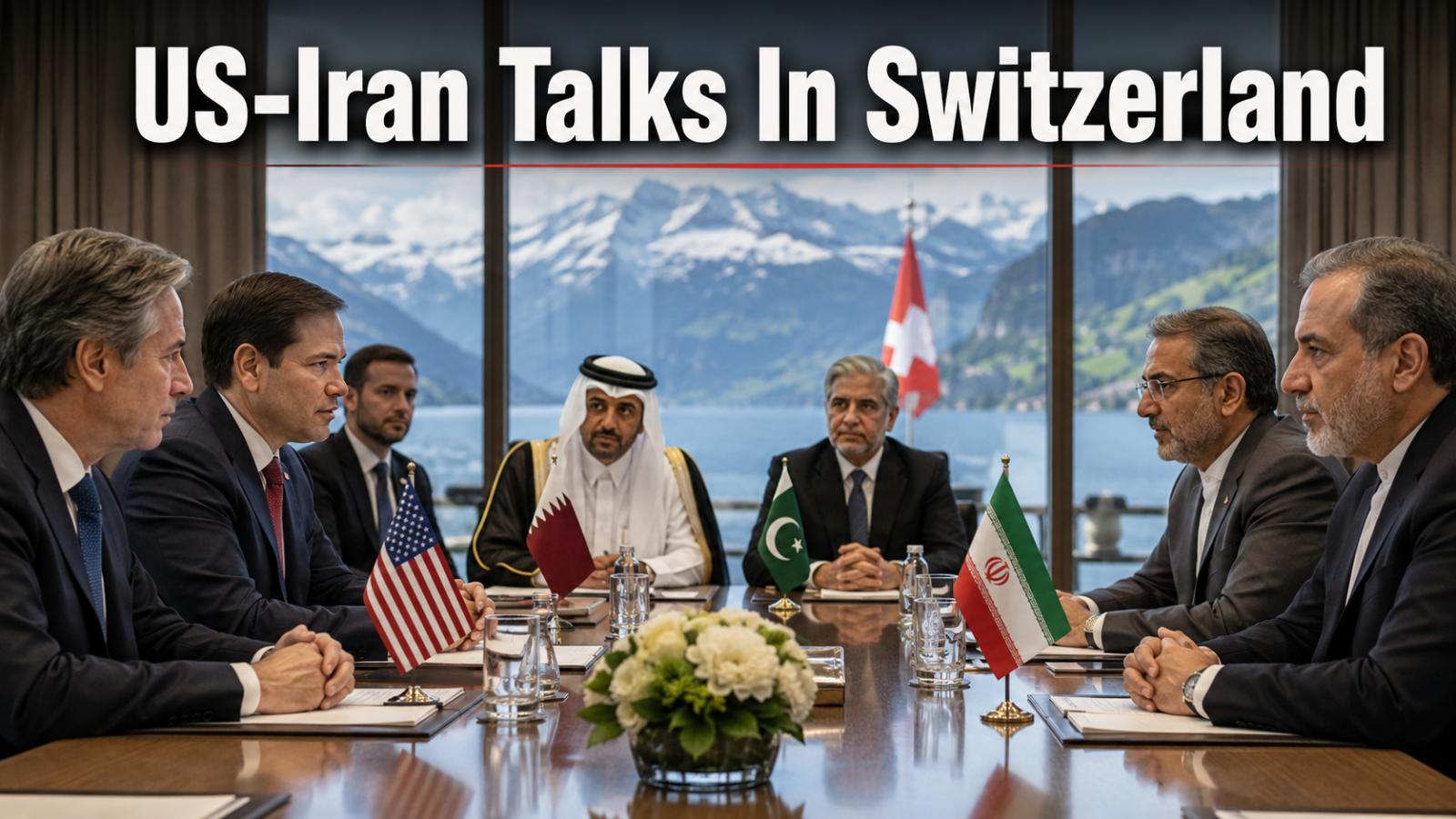
After several days of diplomatic deadlock, the United States has confirmed that senior envoys Steve Witkoff and Jared Kushner will travel to Pakistan for a fresh round of negotiations with Iran, signaling a renewed effort to address escalating tensions between the two nations. The visit is scheduled for Saturday and follows Iran’s request for direct, in-person discussions. White House Press Secretary Karoline Leavitt stated that the move comes after Iran reached out for dialogue, aligning with earlier calls from US leadership to reopen communication channels. She emphasized that the envoys will assess the situation on the ground and report back to President Donald Trump and Vice President JD Vance, while additional officials remain on standby if required. The upcoming talks mark the second round of discussions in Pakistan, following initial meetings held earlier this month. However, notable figures such as Vice President Vance and Iranian parliamentary leader Mohammad Bagher Ghalibaf, who were involved previously, will not participate in this phase. Their absence highlights a shift in the structure of the negotiations. Iran’s Foreign Minister Abbas Araghchi recently announced a regional diplomatic tour that includes Pakistan, Oman, and Russia. His stated objective is to strengthen coordination with key partners on bilateral and regional issues, underlining Iran’s strategic engagement with neighboring countries during a period of heightened geopolitical tension. What are the main sticking points in the talks? The primary disagreements revolve around Iran’s nuclear program and control over the Strait of Hormuz. Iran has insisted it will not proceed with negotiations unless the United States lifts its blockade in the strategic waterway. In contrast, the US is demanding verifiable guarantees that Iran will halt its nuclear ambitions and ease its own restrictions in the region. At a recent Pentagon briefing, US Defense Secretary Pete Hegseth reiterated that the United States is not under pressure to finalize an agreement quickly. He indicated that Washington is prepared for prolonged negotiations, while also stressing that Iran has an opportunity to secure a favorable and pragmatic deal if it chooses to engage constructively. The renewed diplomatic effort in Pakistan reflects a cautious but significant step toward resolving one of the most critical international disputes, with both sides maintaining firm positions as negotiations resume.



US envoys to visit Pakistan for renewed Iran talks amid ongoing tensions
After several days of diplomatic deadlock, the United States has confirmed that senior envoys Steve Witkoff and Jared Kushner will travel to Pakistan for a fresh round of negotiations with Iran, signaling a renewed effort to address escalating tensions between the two nations. The visit is scheduled for Saturday and follows Iran’s request for direct, in-person discussions. White House Press Secretary Karoline Leavitt stated that the move comes after Iran reached out for dialogue, aligning with earlier calls from US leadership to reopen communication channels. She emphasized that the envoys will assess the situation on the ground and report back to President Donald Trump and Vice President JD Vance, while additional officials remain on standby if required. The upcoming talks mark the second round of discussions in Pakistan, following initial meetings held earlier this month. However, notable figures such as Vice President Vance and Iranian parliamentary leader Mohammad Bagher Ghalibaf, who were involved previously, will not participate in this phase. Their absence highlights a shift in the structure of the negotiations. Iran’s Foreign Minister Abbas Araghchi recently announced a regional diplomatic tour that includes Pakistan, Oman, and Russia. His stated objective is to strengthen coordination with key partners on bilateral and regional issues, underlining Iran’s strategic engagement with neighboring countries during a period of heightened geopolitical tension. What are the main sticking points in the talks? The primary disagreements revolve around Iran’s nuclear program and control over the Strait of Hormuz. Iran has insisted it will not proceed with negotiations unless the United States lifts its blockade in the strategic waterway. In contrast, the US is demanding verifiable guarantees that Iran will halt its nuclear ambitions and ease its own restrictions in the region. At a recent Pentagon briefing, US Defense Secretary Pete Hegseth reiterated that the United States is not under pressure to finalize an agreement quickly. He indicated that Washington is prepared for prolonged negotiations, while also stressing that Iran has an opportunity to secure a favorable and pragmatic deal if it chooses to engage constructively. The renewed diplomatic effort in Pakistan reflects a cautious but significant step toward resolving one of the most critical international disputes, with both sides maintaining firm positions as negotiations resume.
Why did Ali Shirazi demand an apology from Donald Trump? Iran seeks accountability after Khamenei killing
Escalating diplomatic tensions after Tehran strike Why did Ali Shirazi demand an apology from Donald Trump? Iran seeks accountability after Khamenei killing, as senior Iranian cleric Ali Shirazi called on U.S. President Donald Trump to publicly acknowledge wrongdoing following t
Why did Ali Shirazi demand an apology from Donald Trump? Iran seeks accountability after Khamenei killing
Escalating diplomatic tensions after Tehran strike Why did Ali Shirazi demand an apology from Donald Trump? Iran seeks accountability after Khamenei killing, as senior Iranian cleric Ali Shirazi called on U.S. President Donald Trump to publicly acknowledge wrongdoing following t
Khamenei Praises National Cohesion Amid Rising US-Iran Tensions
Mojtaba Khamenei has emphasized national unity in Iran, stating that collective cohesion among citizens has strengthened the country’s position amid ongoing tensions with the United States. In a public message, he described unity as a decisive factor in countering external pressure, urging continued commitment to national solidarity. Khamenei’s remarks come as
Khamenei Praises National Cohesion Amid Rising US-Iran Tensions
Mojtaba Khamenei has emphasized national unity in Iran, stating that collective cohesion among citizens has strengthened the country’s position amid ongoing tensions with the United States. In a public message, he described unity as a decisive factor in countering external pressure, urging continued commitment to national solidarity. Khamenei’s remarks come as
Iran releases dramatic video of ship seizures in Strait of Hormuz
Iran released footage of naval forces seizing two merchant ships in the Strait of Hormuz, including an India-bound vessel, intensifying regional tensions and raising global shipping concerns. Iranian authorities released a dramatic video on Thursday, April 23, 2026, a day after naval forces seized two merchant vessels in the strategically critical Strait of Hormuz, including one ship bound for India. The footage shows masked commandos in speedboats pursuing the vessels, boarding them, and taking control in an operation that underscores escalating tensions in the region. The seizures occurred on Wednesday, April 22, 2026, shortly after U.S. President Donald Trump announced an extension of a ceasefire. Iranian naval units intercepted the Panama-flagged MSC Francesca and the Liberia-flagged Epaminondas, the latter traveling from Dubai to Mundra Port in Gujarat, India. Both ships were escorted to Iranian waters, marking Tehran’s first such action since the latest conflict began. The released footage shows fast-moving boats approaching the vessels, with armed personnel boarding and conducting searches. U.S. officials attributed the operation to Iran’s “mosquito fleet,” small, agile craft associated with the Islamic Revolutionary Guard Corps. Commandos are seen climbing ladders, sweeping through decks, and entering critical areas such as engine rooms to secure control. The Epaminondas sustained damage to its bridge after Iranian forces reportedly opened fire and used grenades during the boarding. Despite the intensity of the operation, no crew injuries were reported. The MSC Francesca, located about six miles off Iran’s coast, also came under heavy fire during the seizure. Iranian officials stated the vessels lacked proper authorization and had interfered with navigation systems, posing a threat to maritime safety in the Strait of Hormuz. Authorities warned that disruptions in the waterway would be treated as a serious violation.The incident follows a recent U.S. operation targeting an Iranian-linked vessel accused of breaching a maritime blockade. Analysts view the seizures as a potential retaliatory move, raising concerns about further escalation in one of the world’s most vital shipping corridors. The involvement of an India-bound vessel may also complicate diplomatic relations between Tehran and New Delhi as tensions continue to rise.
Iran releases dramatic video of ship seizures in Strait of Hormuz
Iran released footage of naval forces seizing two merchant ships in the Strait of Hormuz, including an India-bound vessel, intensifying regional tensions and raising global shipping concerns. Iranian authorities released a dramatic video on Thursday, April 23, 2026, a day after naval forces seized two merchant vessels in the strategically critical Strait of Hormuz, including one ship bound for India. The footage shows masked commandos in speedboats pursuing the vessels, boarding them, and taking control in an operation that underscores escalating tensions in the region. The seizures occurred on Wednesday, April 22, 2026, shortly after U.S. President Donald Trump announced an extension of a ceasefire. Iranian naval units intercepted the Panama-flagged MSC Francesca and the Liberia-flagged Epaminondas, the latter traveling from Dubai to Mundra Port in Gujarat, India. Both ships were escorted to Iranian waters, marking Tehran’s first such action since the latest conflict began. The released footage shows fast-moving boats approaching the vessels, with armed personnel boarding and conducting searches. U.S. officials attributed the operation to Iran’s “mosquito fleet,” small, agile craft associated with the Islamic Revolutionary Guard Corps. Commandos are seen climbing ladders, sweeping through decks, and entering critical areas such as engine rooms to secure control. The Epaminondas sustained damage to its bridge after Iranian forces reportedly opened fire and used grenades during the boarding. Despite the intensity of the operation, no crew injuries were reported. The MSC Francesca, located about six miles off Iran’s coast, also came under heavy fire during the seizure. Iranian officials stated the vessels lacked proper authorization and had interfered with navigation systems, posing a threat to maritime safety in the Strait of Hormuz. Authorities warned that disruptions in the waterway would be treated as a serious violation.The incident follows a recent U.S. operation targeting an Iranian-linked vessel accused of breaching a maritime blockade. Analysts view the seizures as a potential retaliatory move, raising concerns about further escalation in one of the world’s most vital shipping corridors. The involvement of an India-bound vessel may also complicate diplomatic relations between Tehran and New Delhi as tensions continue to rise.
US Maintains Pressure on Iran as Talks Remain Uncertain Amid Ceasefire
The United States has maintained pressure on Iran despite a formal agreement to extend a ceasefire aimed at creating space for diplomacy. President Donald Trump has ordered the continuation of a military blockade targeting Iranian ports, a move designed to restrict Tehran’s financial resources. The administration has indicated that Iran’s economy is under significant strain, citing limited cash reserves and increasing pressure on oil storage facilities, particularly at Kharg Island. While the ceasefire extension was initially viewed as an opportunity to advance negotiations, diplomatic progress remains uncertain. Reports of a possible summit in Islamabad have been challenged by Iranian officials, who state that no delegation has departed for Pakistan. Iranian state authorities have dismissed claims of imminent talks, emphasizing that key preconditions have not been met. Tehran has maintained that any formal negotiations would require a complete halt to Israeli military actions in Lebanon. Without such assurances, Iranian leaders have expressed reluctance to engage in further discussions. Officials have also accused the United States of pursuing a strategy focused on coercion rather than constructive dialogue, raising concerns about the credibility of ongoing diplomatic efforts. Senior Iranian figures have issued strong warnings about the potential consequences of continued pressure. Parliamentary speaker Mohammad Baqer Ghalibaf suggested that Iran could explore alternative responses if tensions escalate further. Foreign Minister Abbas Araghchi criticized what he described as repeated violations of the ceasefire, while President Masoud Pezeshkian underscored the importance of trust and consistency in any negotiation process. Pakistan has emerged as a potential mediator, preparing to host talks in Islamabad in an effort to bridge differences between the two sides. The United States is expected to send Vice President JD Vance to participate in discussions, although Iran has yet to confirm its involvement. As both diplomatic and military dynamics continue to unfold, the path toward resolution remains uncertain.
US Maintains Pressure on Iran as Talks Remain Uncertain Amid Ceasefire
The United States has maintained pressure on Iran despite a formal agreement to extend a ceasefire aimed at creating space for diplomacy. President Donald Trump has ordered the continuation of a military blockade targeting Iranian ports, a move designed to restrict Tehran’s financial resources. The administration has indicated that Iran’s economy is under significant strain, citing limited cash reserves and increasing pressure on oil storage facilities, particularly at Kharg Island. While the ceasefire extension was initially viewed as an opportunity to advance negotiations, diplomatic progress remains uncertain. Reports of a possible summit in Islamabad have been challenged by Iranian officials, who state that no delegation has departed for Pakistan. Iranian state authorities have dismissed claims of imminent talks, emphasizing that key preconditions have not been met. Tehran has maintained that any formal negotiations would require a complete halt to Israeli military actions in Lebanon. Without such assurances, Iranian leaders have expressed reluctance to engage in further discussions. Officials have also accused the United States of pursuing a strategy focused on coercion rather than constructive dialogue, raising concerns about the credibility of ongoing diplomatic efforts. Senior Iranian figures have issued strong warnings about the potential consequences of continued pressure. Parliamentary speaker Mohammad Baqer Ghalibaf suggested that Iran could explore alternative responses if tensions escalate further. Foreign Minister Abbas Araghchi criticized what he described as repeated violations of the ceasefire, while President Masoud Pezeshkian underscored the importance of trust and consistency in any negotiation process. Pakistan has emerged as a potential mediator, preparing to host talks in Islamabad in an effort to bridge differences between the two sides. The United States is expected to send Vice President JD Vance to participate in discussions, although Iran has yet to confirm its involvement. As both diplomatic and military dynamics continue to unfold, the path toward resolution remains uncertain.
CENTCOM shows naval blockade operations in North Arabian Sea amid truce
A newly released video by United States Central Command highlights continued US military readiness and naval operations in the North Arabian Sea, even as a ceasefire extension remains in place. The footage, published shortly after Donald Trump announced an extension of the truce, underscores the United Sta
CENTCOM shows naval blockade operations in North Arabian Sea amid truce
A newly released video by United States Central Command highlights continued US military readiness and naval operations in the North Arabian Sea, even as a ceasefire extension remains in place. The footage, published shortly after Donald Trump announced an extension of the truce, underscores the United Sta