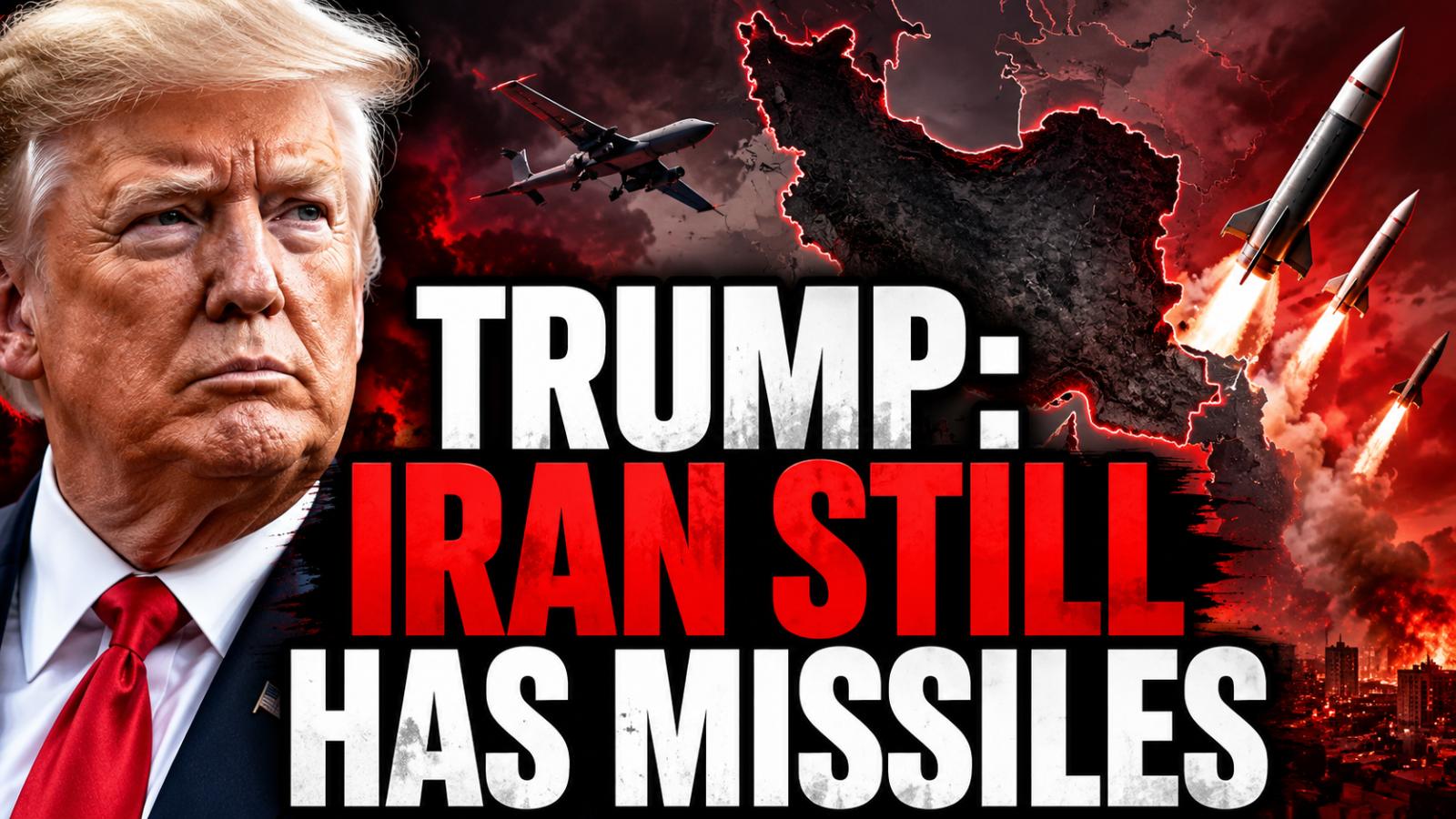
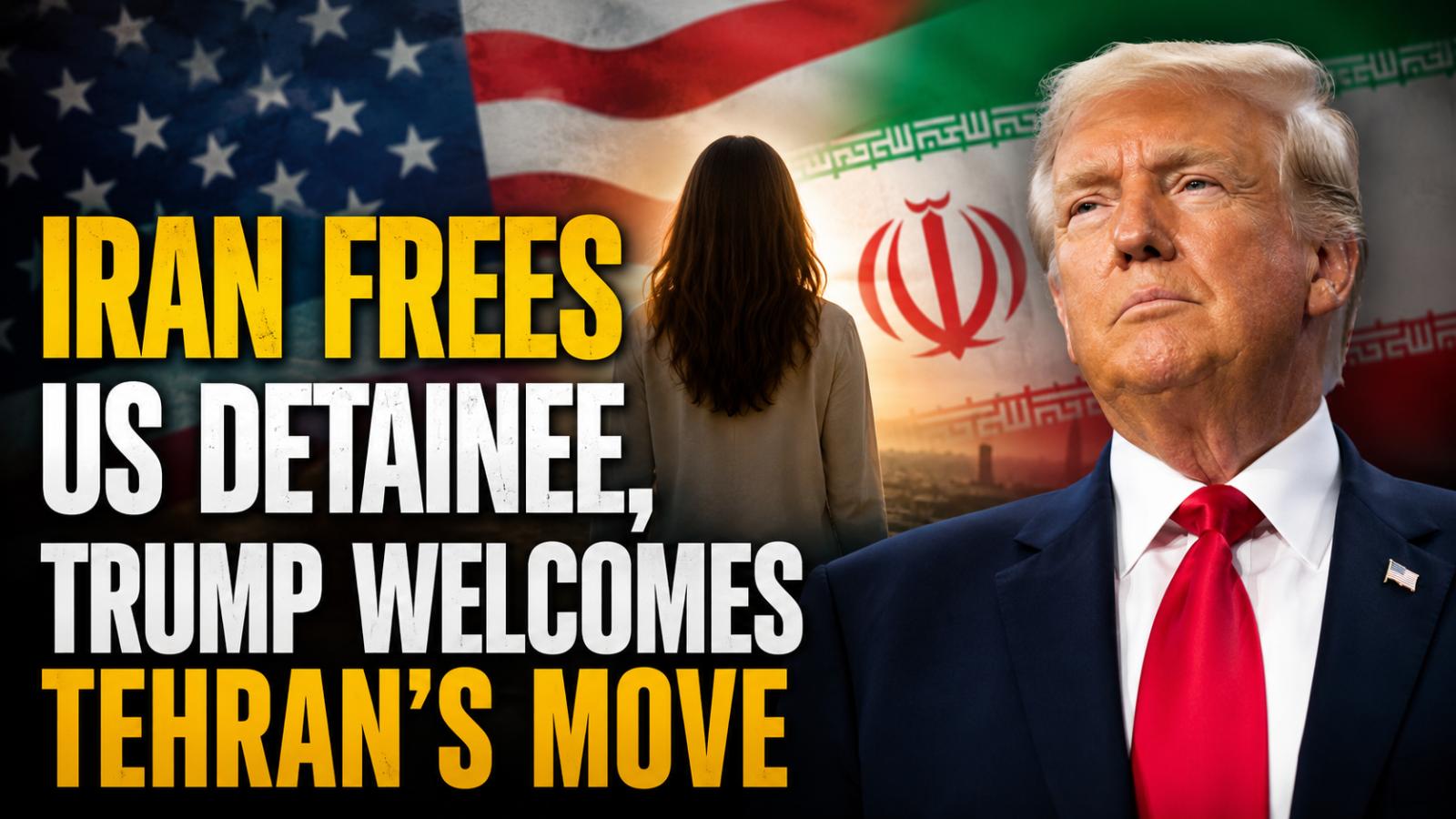
US President Donald Trump said Iran has allowed an American woman detained since December 2024 to leave the country. He welcomed the development as a goodwill gesture by Tehran, although several important details about her case, release and current destination remain publicly unconfirmed.
Trump claim on detained American
Trump announced the woman’s departure from Iran in a Truth Social post on Wednesday, July
US President Donald Trump said Iran has allowed an American woman detained since December 2024 to leave the country. He welcomed the development as a goodwill gesture by Tehran, although several important details about her case, release and current destination remain publicly unconfirmed.
Trump claim on detained American
Trump announced the woman’s departure from Iran in a Truth Social post on Wednesday, July
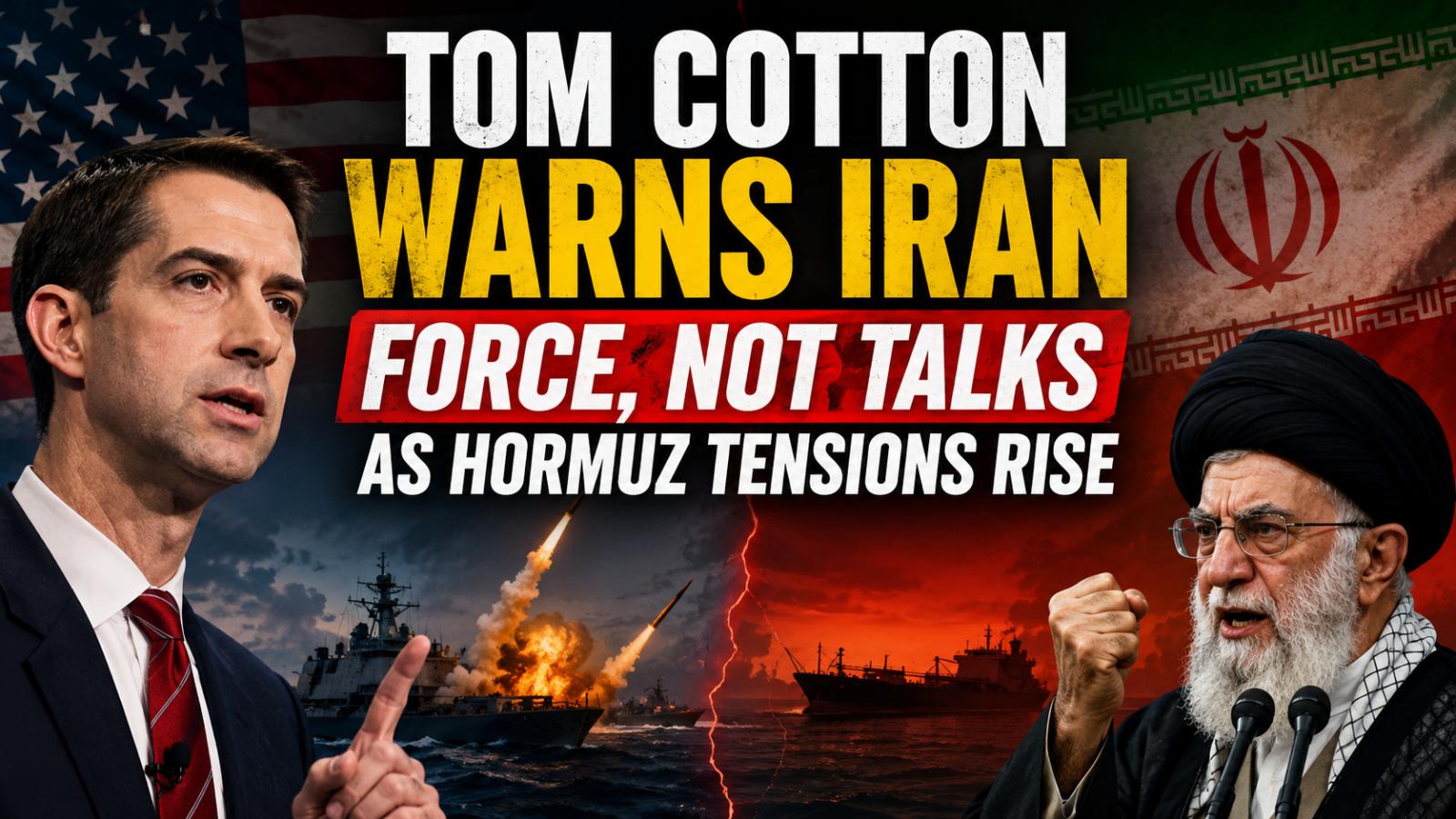
US Senator Tom Cotton has backed President Donald Trump’s military strategy against Iran, arguing that Tehran and its regional allies cannot be trusted to honour agreements. His remarks came as new US strikes and Iranian threats over the Strait of Hormuz pushed the conflict into a more dangerous phase.
Cotton Iran Remarks Target Tehran and Its Allies
Cotton issued the warning in a July 15 post on X. The Arkan
US Senator Tom Cotton has backed President Donald Trump’s military strategy against Iran, arguing that Tehran and its regional allies cannot be trusted to honour agreements. His remarks came as new US strikes and Iranian threats over the Strait of Hormuz pushed the conflict into a more dangerous phase.
Cotton Iran Remarks Target Tehran and Its Allies
Cotton issued the warning in a July 15 post on X. The Arkan
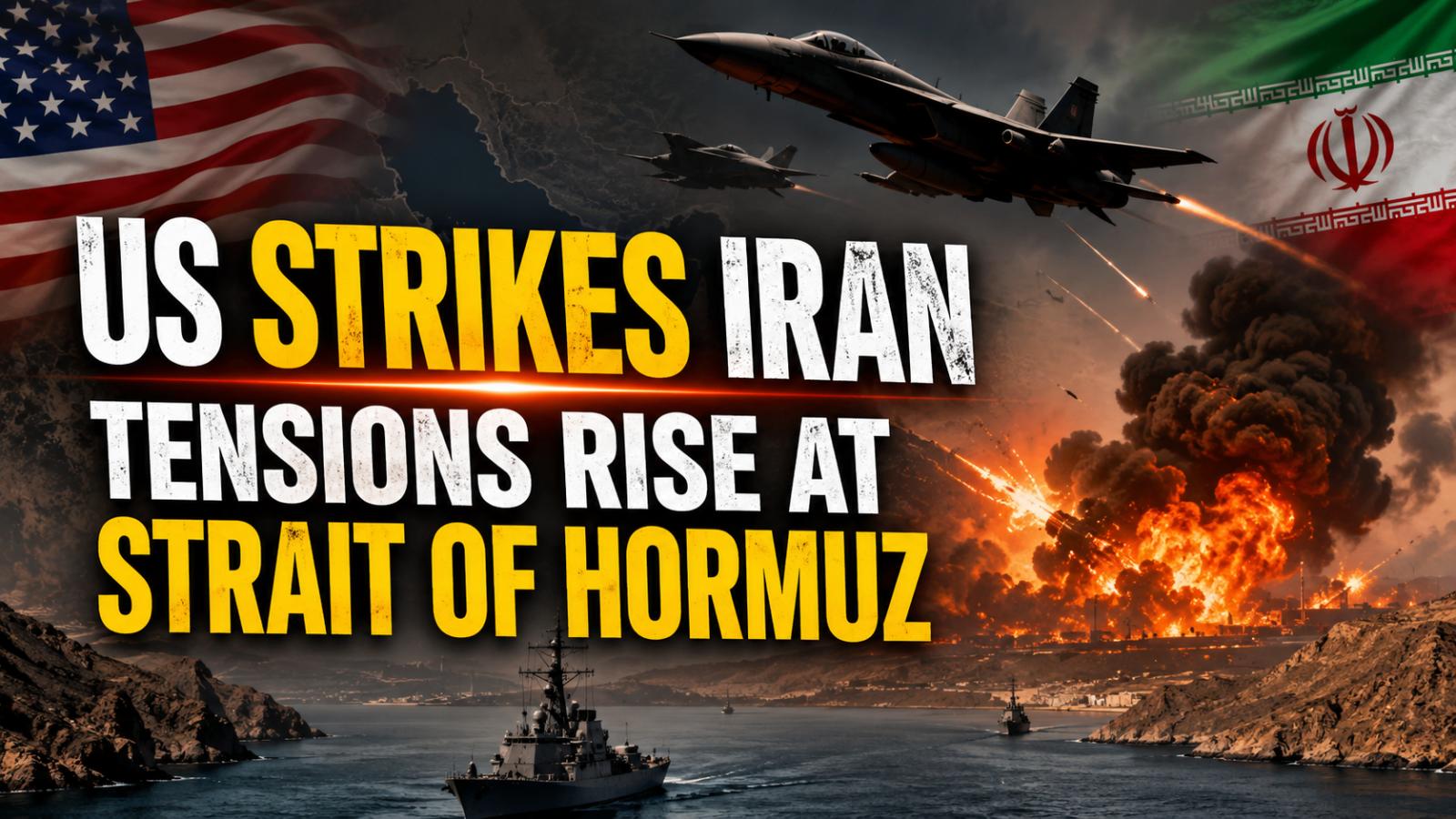
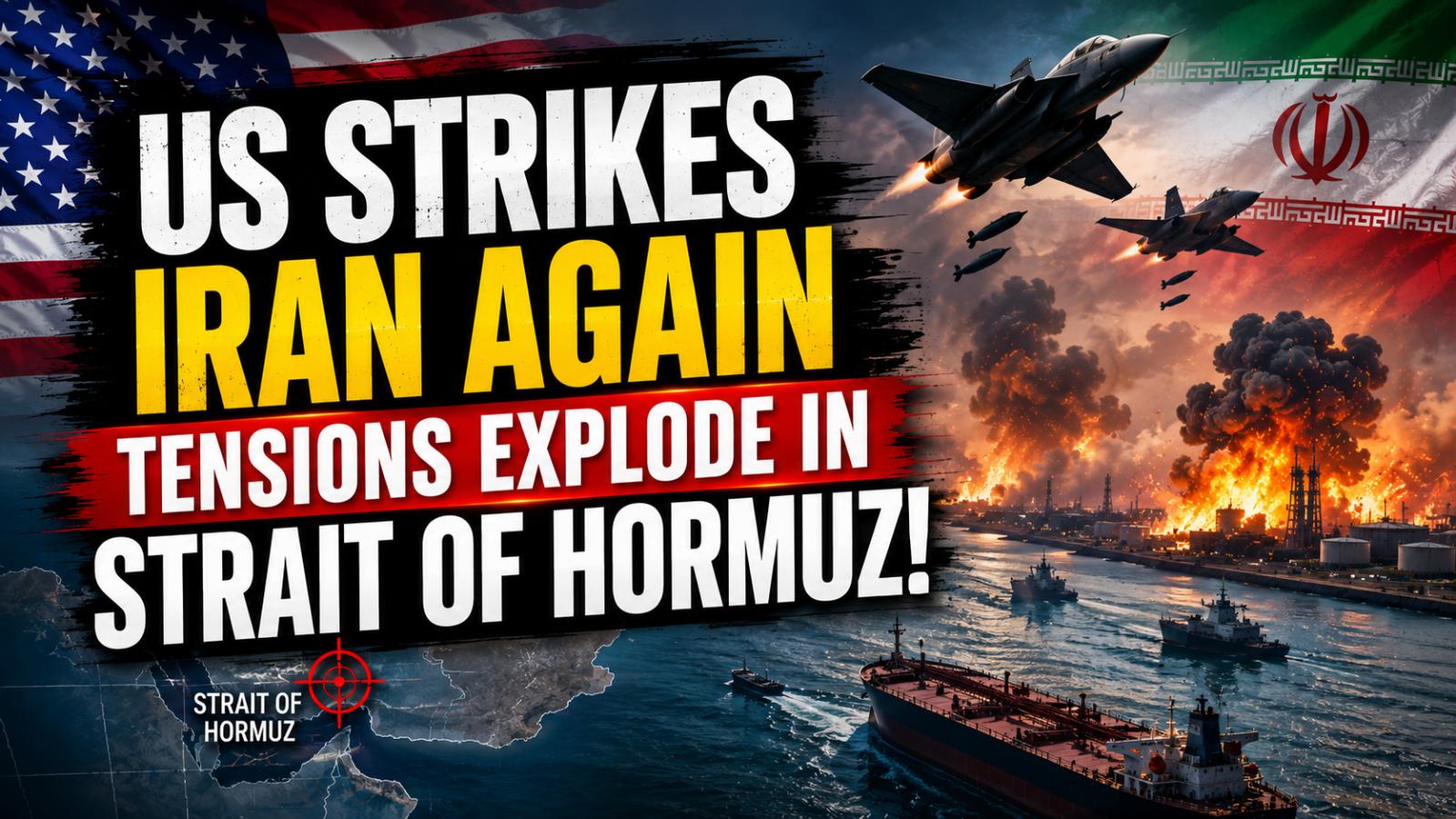
The United States carried out a new round of military strikes against Iranian targets on July 15, saying the operation was intended to protect commercial shipping passing through the Strait of Hormuz. The latest action adds to growing tensions between Washington and Tehran as one of the world's most important energy corridors remains under close international watch. According to US Central Command, the operation focused on military assets that it said posed a threat to vessels using the strategic waterway.
CENTCOM Iran operation targets maritime threats
US Central Command said the strikes began at 1900 GMT and were directed at Iranian military capabilities allegedly being used to threaten ships transiting through the Strait of Hormuz. In a statement posted on its official X account, CENTCOM said the objective was to safeguard freedom of navigation in the region. The Strait of Hormuz carries nearly 20 percent of global oil supplies, making security in the area a major concern for governments, shipping companies and energy markets worldwide.
The operation comes after weeks of heightened military activity across the Gulf region. Washington has repeatedly stated that maintaining open sea lanes remains a priority as regional tensions continue to increase.
Strait of Hormuz remains global energy focus
The Strait of Hormuz connects the Persian Gulf with the Arabian Sea and serves as one of the world's busiest maritime routes. Any disruption can quickly affect international oil prices, shipping costs and supply chains. Energy analysts continue to monitor developments closely as uncertainty grows over future military actions in the region.
Global governments have also urged restraint, warning that prolonged conflict could have significant economic consequences beyond the Middle East.
Iran blasts reported in Ahvaz and Chabahar
As the US operation unfolded, Iran's semi-official Mehr News Agency reported explosions in several locations. Blasts were heard in Ahvaz in southwestern Iran, although the exact source was not immediately confirmed. Mehr also reported three explosions in the southeastern port city of Chabahar.
Iranian authorities had not officially confirmed the cause of the explosions or released information regarding casualties at the time of reporting. Independent verification of the incidents also remained unavailable.
Iran Parliament says diplomacy will continue
Iranian Parliament Speaker Mohammad Bagher Ghalibaf said the country would continue diplomatic efforts while maintaining military preparedness. In an official statement, he said Iran had never sought war but must remain ready to defend its national security and strategic interests.
Ghalibaf accused the United States of attempting to weaken the Islamic Republic and described the current situation as an existential challenge. He argued that relying only on diplomacy or only on military action would be a strategic mistake, saying both approaches should remain available as the situation develops.
The latest developments highlight the fragile security environment surrounding the Strait of Hormuz. With military operations continuing and diplomatic channels still open, governments and energy markets are expected to monitor events closely. Information in this report is based on official statements from US Central Command, comments released by Iranian parliamentary leadership and reports published by Iran's Mehr News Agency.
Relevant internal links may include your Global News category, US News, Middle East coverage, Oil & Energy news, Geopolitics section, and previous articles covering the Strait of Hormuz, Iran-US relations, and CENTCOM operations.
The United States carried out a new round of military strikes against Iranian targets on July 15, saying the operation was intended to protect commercial shipping passing through the Strait of Hormuz. The latest action adds to growing tensions between Washington and Tehran as one of the world's most important energy corridors remains under close international watch. According to US Central Command, the operation focused on military assets that it said posed a threat to vessels using the strategic waterway.
CENTCOM Iran operation targets maritime threats
US Central Command said the strikes began at 1900 GMT and were directed at Iranian military capabilities allegedly being used to threaten ships transiting through the Strait of Hormuz. In a statement posted on its official X account, CENTCOM said the objective was to safeguard freedom of navigation in the region. The Strait of Hormuz carries nearly 20 percent of global oil supplies, making security in the area a major concern for governments, shipping companies and energy markets worldwide.
The operation comes after weeks of heightened military activity across the Gulf region. Washington has repeatedly stated that maintaining open sea lanes remains a priority as regional tensions continue to increase.
Strait of Hormuz remains global energy focus
The Strait of Hormuz connects the Persian Gulf with the Arabian Sea and serves as one of the world's busiest maritime routes. Any disruption can quickly affect international oil prices, shipping costs and supply chains. Energy analysts continue to monitor developments closely as uncertainty grows over future military actions in the region.
Global governments have also urged restraint, warning that prolonged conflict could have significant economic consequences beyond the Middle East.
Iran blasts reported in Ahvaz and Chabahar
As the US operation unfolded, Iran's semi-official Mehr News Agency reported explosions in several locations. Blasts were heard in Ahvaz in southwestern Iran, although the exact source was not immediately confirmed. Mehr also reported three explosions in the southeastern port city of Chabahar.
Iranian authorities had not officially confirmed the cause of the explosions or released information regarding casualties at the time of reporting. Independent verification of the incidents also remained unavailable.
Iran Parliament says diplomacy will continue
Iranian Parliament Speaker Mohammad Bagher Ghalibaf said the country would continue diplomatic efforts while maintaining military preparedness. In an official statement, he said Iran had never sought war but must remain ready to defend its national security and strategic interests.
Ghalibaf accused the United States of attempting to weaken the Islamic Republic and described the current situation as an existential challenge. He argued that relying only on diplomacy or only on military action would be a strategic mistake, saying both approaches should remain available as the situation develops.
The latest developments highlight the fragile security environment surrounding the Strait of Hormuz. With military operations continuing and diplomatic channels still open, governments and energy markets are expected to monitor events closely. Information in this report is based on official statements from US Central Command, comments released by Iranian parliamentary leadership and reports published by Iran's Mehr News Agency.
Relevant internal links may include your Global News category, US News, Middle East coverage, Oil & Energy news, Geopolitics section, and previous articles covering the Strait of Hormuz, Iran-US relations, and CENTCOM operations.
The United States has carried out another round of attacks on Iranian military infrastructure as fighting around the Strait of Hormuz threatens commercial shipping and regional stability. CENTCOM said its latest verified operation targeted coastal defence systems, missile facilities, drones and maritime capabilities across several Iranian locations.
US strikes Iran military targets across coastal regions
US Cen
The United States has carried out another round of attacks on Iranian military infrastructure as fighting around the Strait of Hormuz threatens commercial shipping and regional stability. CENTCOM said its latest verified operation targeted coastal defence systems, missile facilities, drones and maritime capabilities across several Iranian locations.
US strikes Iran military targets across coastal regions
US Cen
US Iran Sanctions Expand as Military Strikes Intensify
The United States imposed fresh Iran sanctions on Tuesday, July 14, targeting a major shipping and oil-trading network as American forces launched additional military strikes and moved to resume a naval blockade. The measures combine financial pressure with expanded military action amid a widening conflict involving commercial shipping and the Strait of Hormuz.
US Iran Sanctions Expand as Military Strikes Intensify
The United States imposed fresh Iran sanctions on Tuesday, July 14, targeting a major shipping and oil-trading network as American forces launched additional military strikes and moved to resume a naval blockade. The measures combine financial pressure with expanded military action amid a widening conflict involving commercial shipping and the Strait of Hormuz.
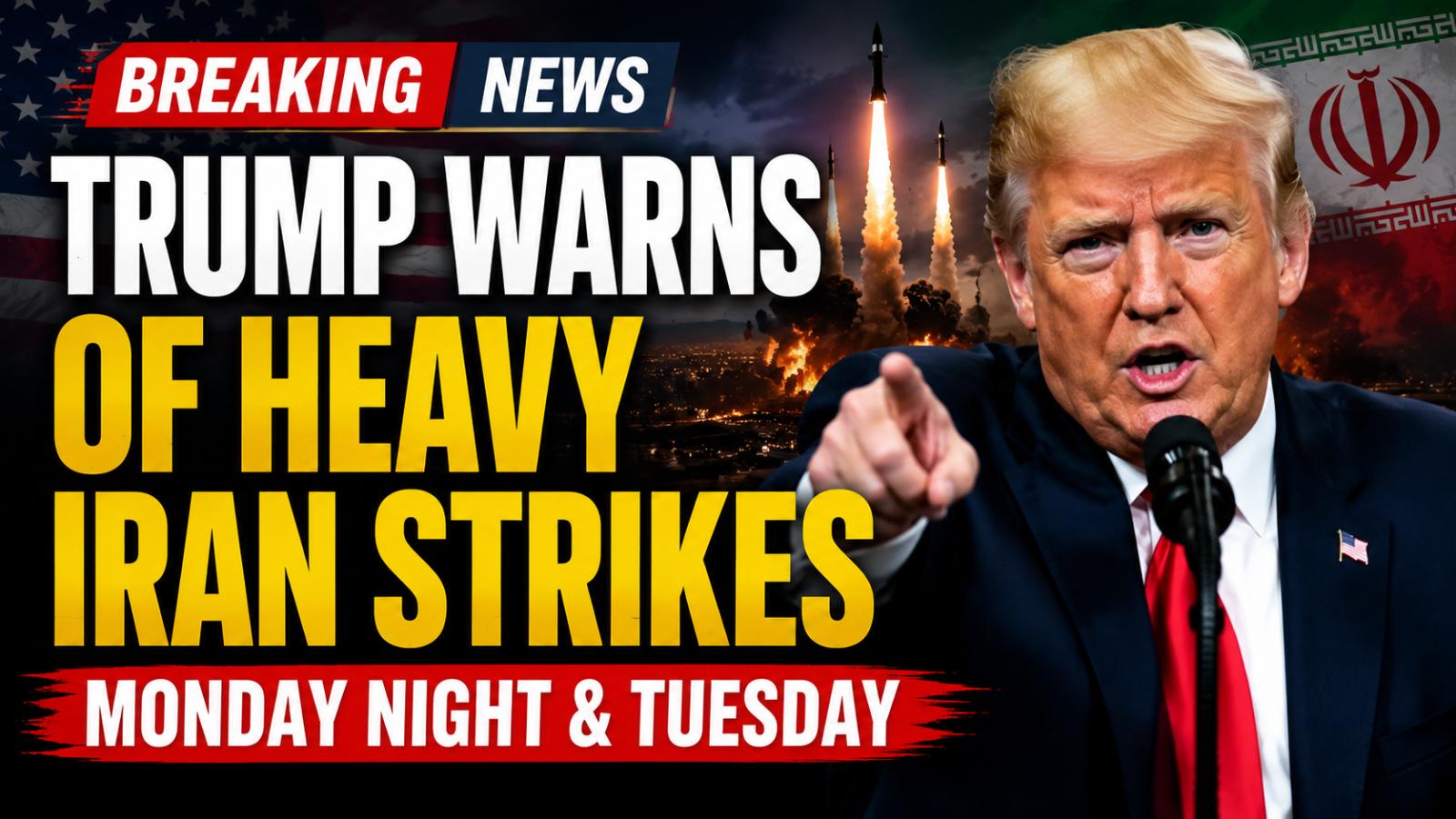
President Donald Trump has warned that the United States will strike Iran heavily on Monday night, June 13, 2026 and Tuesday, June 14, 2026 escalating a conflict already affecting Gulf security and commercial shipping. Trump accused Tehran of failing to honor a recent memorandum of understanding and said the agreement had served as a test of Iran’s intentions.
Trump Ir
President Donald Trump has warned that the United States will strike Iran heavily on Monday night, June 13, 2026 and Tuesday, June 14, 2026 escalating a conflict already affecting Gulf security and commercial shipping. Trump accused Tehran of failing to honor a recent memorandum of understanding and said the agreement had served as a test of Iran’s intentions.
Trump Ir
The United States launched a fresh wave of military strikes against Iran on Sunday,June 13,2026 after accusing Tehran of threatening commercial shipping in the Strait of Hormuz. US Central Command said the operation targeted Iran’s military capabilities, while Tehran condemned the attacks as violations of international law and warned of possible retaliation. The latest exchange marks another sharp escalation in the ongoing US-Iran conflict and raises
The United States launched a fresh wave of military strikes against Iran on Sunday,June 13,2026 after accusing Tehran of threatening commercial shipping in the Strait of Hormuz. US Central Command said the operation targeted Iran’s military capabilities, while Tehran condemned the attacks as violations of international law and warned of possible retaliation. The latest exchange marks another sharp escalation in the ongoing US-Iran conflict and raises
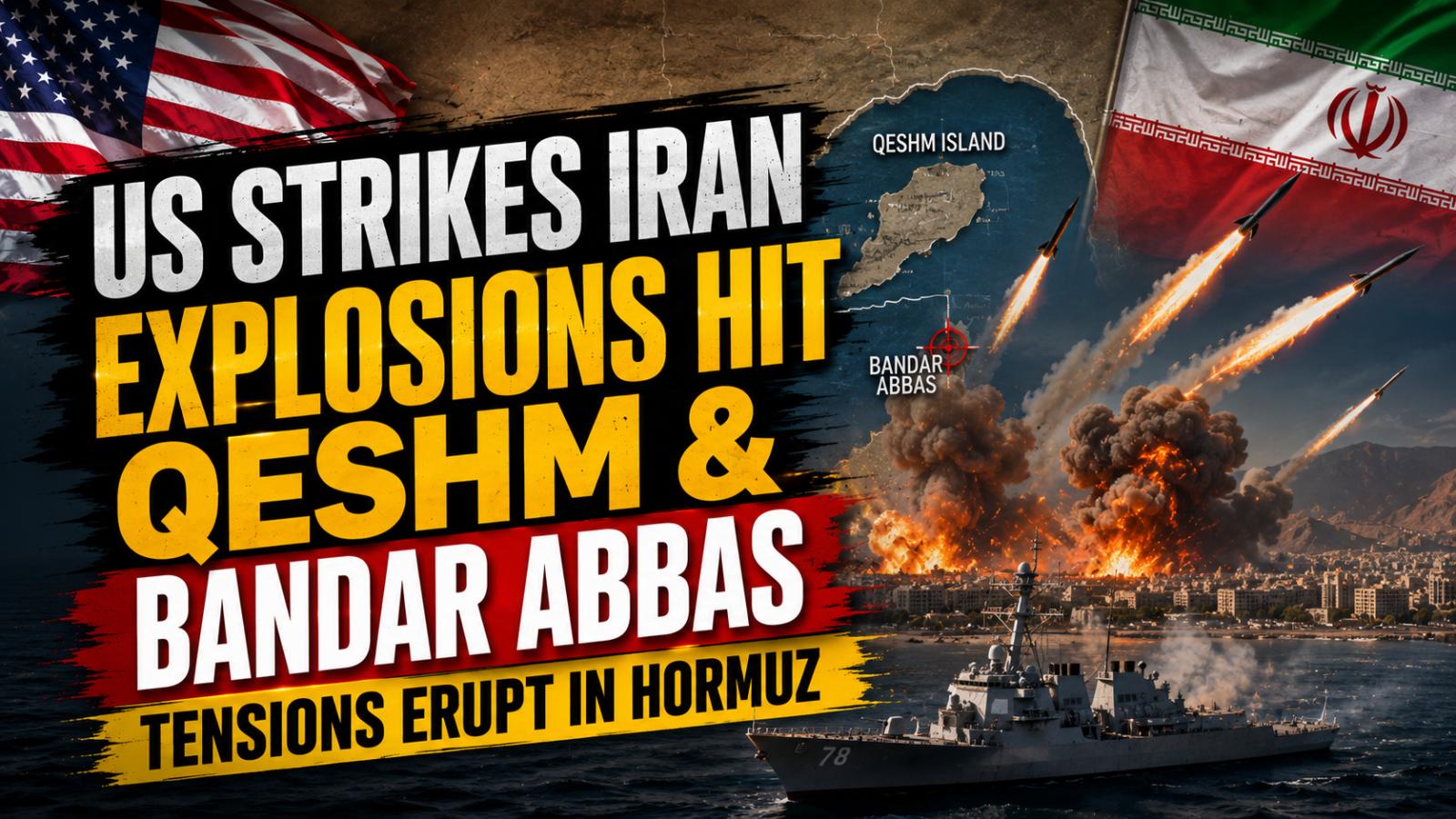
US strikes Iran were followed by multiple explosions across the country’s southern coastline on Sunday, June 12,2026 including Qeshm Island and the major port city of Bandar Abbas. The renewed fighting came after an attack on a commercial ship and Iran’s declaration that the Strait of Hormuz was closed.
Qeshm attack targets military locations
Residents reported several explosions near M
US strikes Iran were followed by multiple explosions across the country’s southern coastline on Sunday, June 12,2026 including Qeshm Island and the major port city of Bandar Abbas. The renewed fighting came after an attack on a commercial ship and Iran’s declaration that the Strait of Hormuz was closed.
Qeshm attack targets military locations
Residents reported several explosions near M
Iran revenge rhetoric has intensified after prominent newspapers published threatening headlines and images targeting US President Donald Trump, Israeli Prime Minister Benjamin Netanyahu and several European leaders. The publications followed a retaliation pledge attributed to Iran’s new supreme leader, Mojtaba Khamenei.
Iran revenge threat appears on newspaper front page
Iran revenge rhetoric has intensified after prominent newspapers published threatening headlines and images targeting US President Donald Trump, Israeli Prime Minister Benjamin Netanyahu and several European leaders. The publications followed a retaliation pledge attributed to Iran’s new supreme leader, Mojtaba Khamenei.
Iran revenge threat appears on newspaper front page
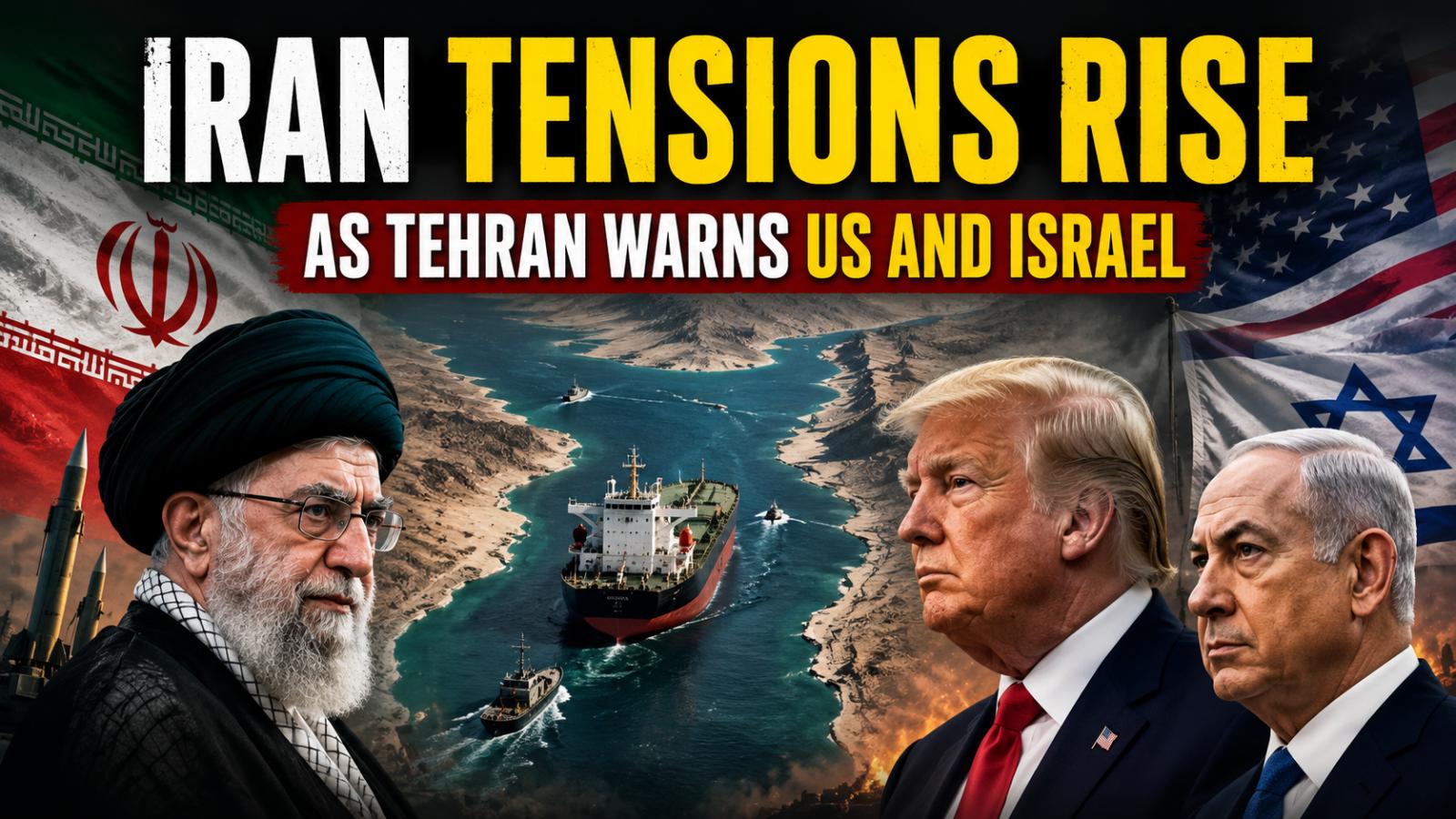
Iran tensions are rising as senior officials warn of retaliation against Israel and the United States while Foreign Minister Abbas Araghchi prepares for Oman talks focused on the Strait of Hormuz. Tehran is pairing military warnings with renewed Gulf diplomacy.
IRGC warning intensifies retaliation message
A day after former Supreme Leader Ali Khamenei was buried, IRGC commander-in-chief Ahmad Vahidi said Iran w
Iran tensions are rising as senior officials warn of retaliation against Israel and the United States while Foreign Minister Abbas Araghchi prepares for Oman talks focused on the Strait of Hormuz. Tehran is pairing military warnings with renewed Gulf diplomacy.
IRGC warning intensifies retaliation message
A day after former Supreme Leader Ali Khamenei was buried, IRGC commander-in-chief Ahmad Vahidi said Iran w
Southern Iran explosions reported
Southern Iran explosions were reported across Bushehr, Choghadak and Konarak on Thursday, July 9, as authorities investigated the cause and US officials denied carrying out new military operations in the country. Iranian media said the blasts were heard during a period of heightened regional tension, following earlier acknowledged U
Southern Iran explosions reported
Southern Iran explosions were reported across Bushehr, Choghadak and Konarak on Thursday, July 9, as authorities investigated the cause and US officials denied carrying out new military operations in the country. Iranian media said the blasts were heard during a period of heightened regional tension, following earlier acknowledged U
Iran says eight troops killed
Iranian state television reported that eight military personnel were killed in the latest US strikes on southern Iran, as tensions between Washington and Tehran escalated around the Strait of Hormuz. The report said the dead were members of Iran’s air and naval forces and that the strikes affected areas including Bandar Abbas and Bushehr
Iran says eight troops killed
Iranian state television reported that eight military personnel were killed in the latest US strikes on southern Iran, as tensions between Washington and Tehran escalated around the Strait of Hormuz. The report said the dead were members of Iran’s air and naval forces and that the strikes affected areas including Bandar Abbas and Bushehr
Trump warns of harsher strikes
US President Donald Trump warned that American military strikes on Iran would intensify if Tehran continued attacking ships in the Strait of Hormuz, raising the stakes in an already volatile confrontation. In a social media post, Trump said the latest US action was retaliation for what he described as Iran’s bombing of commercial vesse
Trump warns of harsher strikes
US President Donald Trump warned that American military strikes on Iran would intensify if Tehran continued attacking ships in the Strait of Hormuz, raising the stakes in an already volatile confrontation. In a social media post, Trump said the latest US action was retaliation for what he described as Iran’s bombing of commercial vesse
US launches second night of Iran strikes
Explosions were reported across several parts of Iran on Thursday, July 9, after the United States launched a second consecutive night of military strikes against Iranian targets. The latest action came only hours after President Donald Trump said he did not expect the confrontation with Tehran to last long and predicted that th
US launches second night of Iran strikes
Explosions were reported across several parts of Iran on Thursday, July 9, after the United States launched a second consecutive night of military strikes against Iranian targets. The latest action came only hours after President Donald Trump said he did not expect the confrontation with Tehran to last long and predicted that th
Trump says Iran conflict may not resume
US President Donald Trump said Wednesday that he does not expect full-scale conflict with Iran to restart, even after recent military strikes exchanged between the two sides. Speaking to reporters in Ankara after the NATO summit, Trump said he believed any renewed escalation would move quickly and would not become a prolonged con
Trump says Iran conflict may not resume
US President Donald Trump said Wednesday that he does not expect full-scale conflict with Iran to restart, even after recent military strikes exchanged between the two sides. Speaking to reporters in Ankara after the NATO summit, Trump said he believed any renewed escalation would move quickly and would not become a prolonged con
US President Donald Trump has said the Iran ceasefire is no longer in place, sharply raising tensions between Washington and Tehran after fresh violence around the Strait of Hormuz. His comments came during the NATO summit in Turkey, where the Middle East crisis became one of the main security issues facing global leaders.
The latest escalation followed attacks on commercial vessels in the Strait of Hormuz, a narrow but highly important se
US President Donald Trump has said the Iran ceasefire is no longer in place, sharply raising tensions between Washington and Tehran after fresh violence around the Strait of Hormuz. His comments came during the NATO summit in Turkey, where the Middle East crisis became one of the main security issues facing global leaders.
The latest escalation followed attacks on commercial vessels in the Strait of Hormuz, a narrow but highly important se
US strikes Iranian targets after ship attacks
The United States military launched a fresh wave of strikes against Iranian targets early Wednesday after three merchant vessels were attacked in waters near Oman, according to US Central Command. CENTCOM said the strikes were intended to impose heavy costs for attacks on commercial shipping and civilian crews in an intern
US strikes Iranian targets after ship attacks
The United States military launched a fresh wave of strikes against Iranian targets early Wednesday after three merchant vessels were attacked in waters near Oman, according to US Central Command. CENTCOM said the strikes were intended to impose heavy costs for attacks on commercial shipping and civilian crews in an intern
US ends Iran oil authorisation
The United States has revoked a temporary licence that had allowed certain transactions involving Iranian-origin crude oil, petroleum products and petrochemical products, tightening pressure on Tehran after tanker attacks near the Strait of Hormuz. A US official said Iran’s actions in the strategic waterway were “wholly unacceptable??
US ends Iran oil authorisation
The United States has revoked a temporary licence that had allowed certain transactions involving Iranian-origin crude oil, petroleum products and petrochemical products, tightening pressure on Tehran after tanker attacks near the Strait of Hormuz. A US official said Iran’s actions in the strategic waterway were “wholly unacceptable??
Haley calls for tougher Iran terms
Former US Ambassador to the United Nations Nikki Haley has said Washington should use Iran’s current economic and military weakness to demand a much tougher nuclear agreement, arguing that the present memorandum of understanding is moving in the wrong direction. In a televised interview, Haley said the United States had not yet for
Haley calls for tougher Iran terms
Former US Ambassador to the United Nations Nikki Haley has said Washington should use Iran’s current economic and military weakness to demand a much tougher nuclear agreement, arguing that the present memorandum of understanding is moving in the wrong direction. In a televised interview, Haley said the United States had not yet for
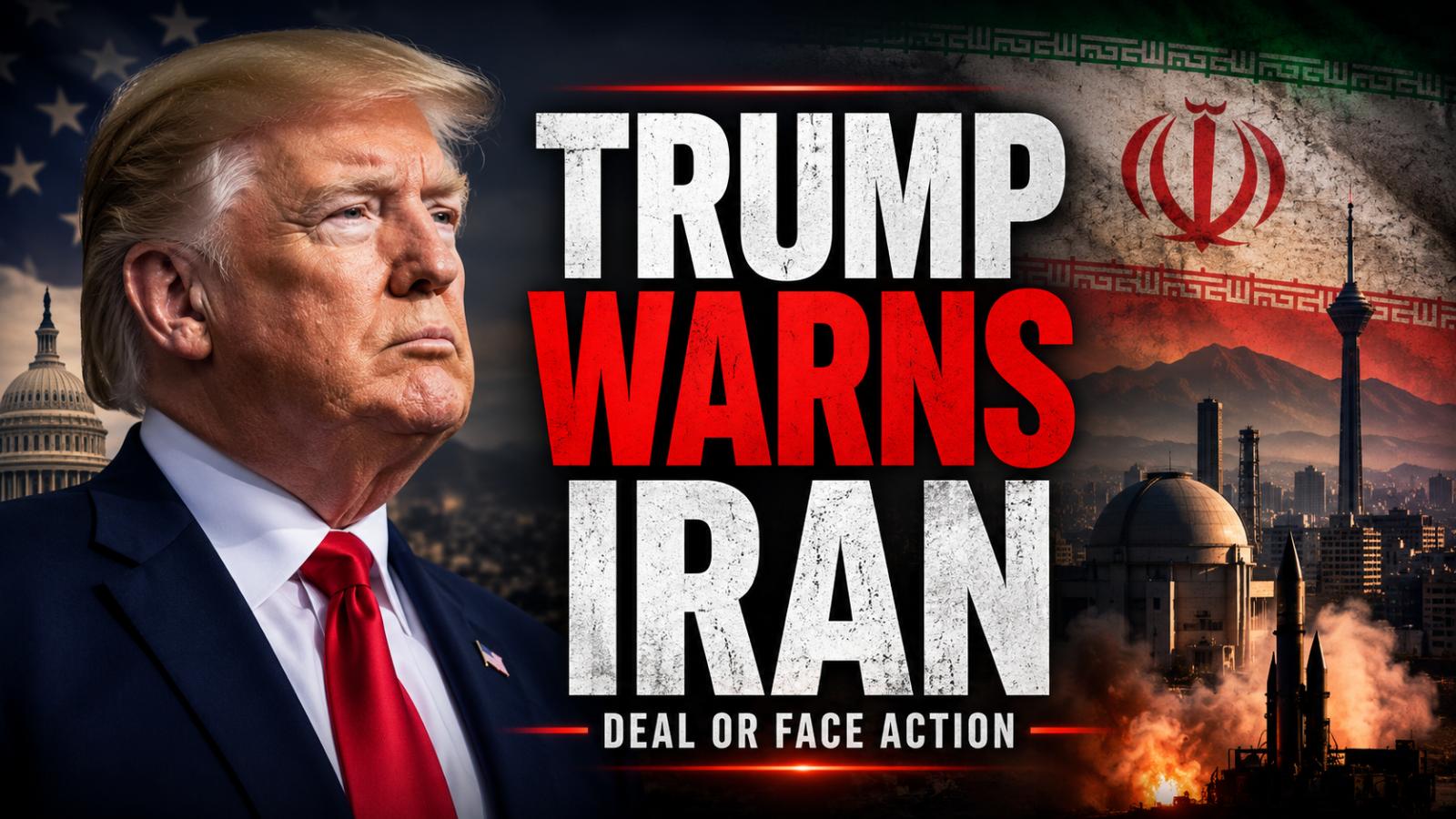
Trump presses Iran on nuclear deal
US President Donald Trump has warned that Iran must reach an agreement with Washington that he says would “complete the mission,” while insisting the United States would prevail regardless of whether diplomacy succeeds. Speaking as US-Iran talks continue, Trump said he preferred a negotiated outcome and did not want to harm Iran’s population. At the same time, he warn
Trump presses Iran on nuclear deal
US President Donald Trump has warned that Iran must reach an agreement with Washington that he says would “complete the mission,” while insisting the United States would prevail regardless of whether diplomacy succeeds. Speaking as US-Iran talks continue, Trump said he preferred a negotiated outcome and did not want to harm Iran’s population. At the same time, he warn