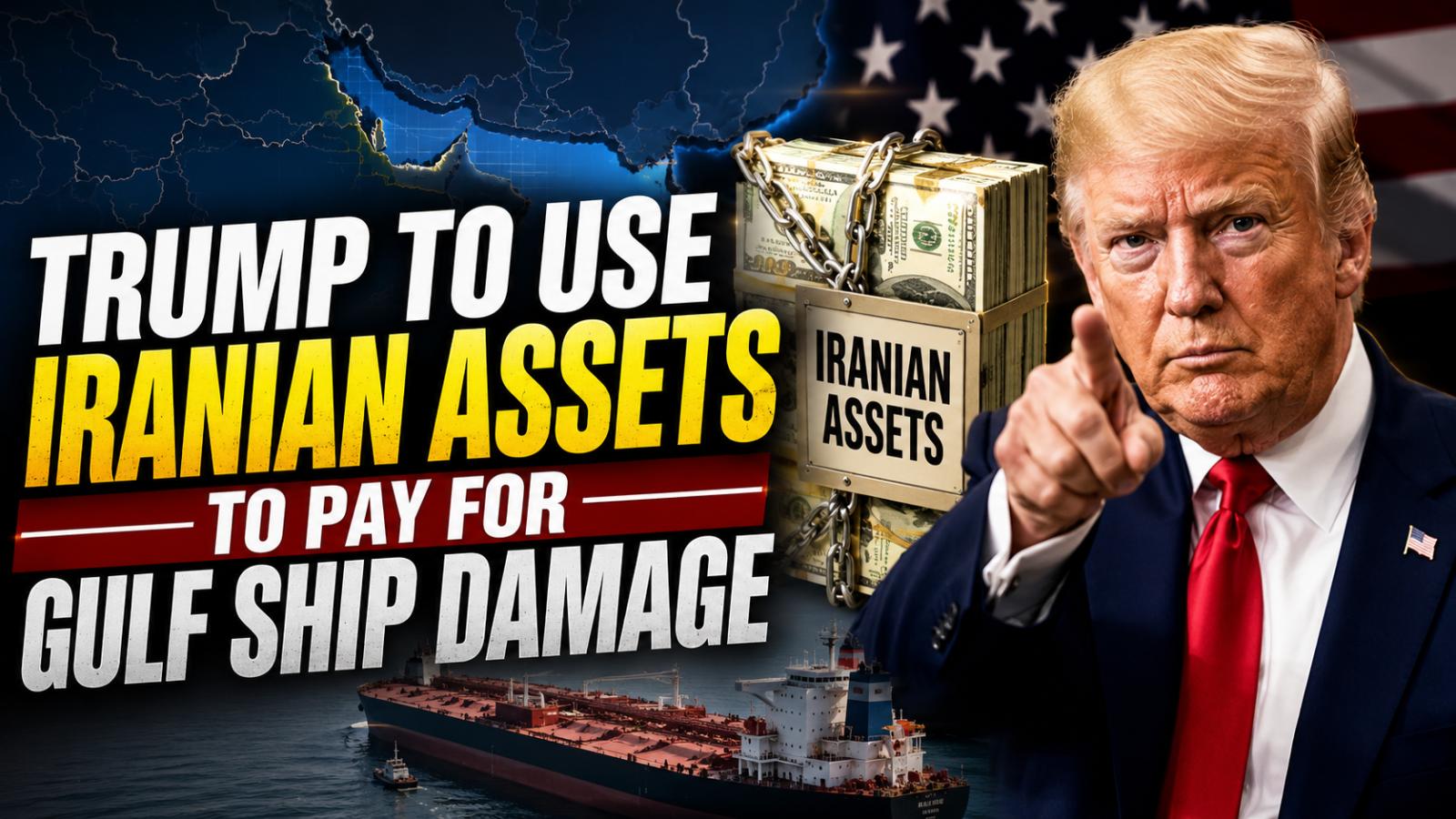
The Trump Iranian assets plan would direct Iranian funds controlled by Washington toward Gulf ship damage and cargo claims. However, the administration has not explained which incidents qualify, how losses will be assessed or whether existing US law permits the proposed payments.
Trump Iranian Assets Plan
US President Donald Trump said Ira
The Trump Iranian assets plan would direct Iranian funds controlled by Washington toward Gulf ship damage and cargo claims. However, the administration has not explained which incidents qualify, how losses will be assessed or whether existing US law permits the proposed payments.
Trump Iranian Assets Plan
US President Donald Trump said Ira
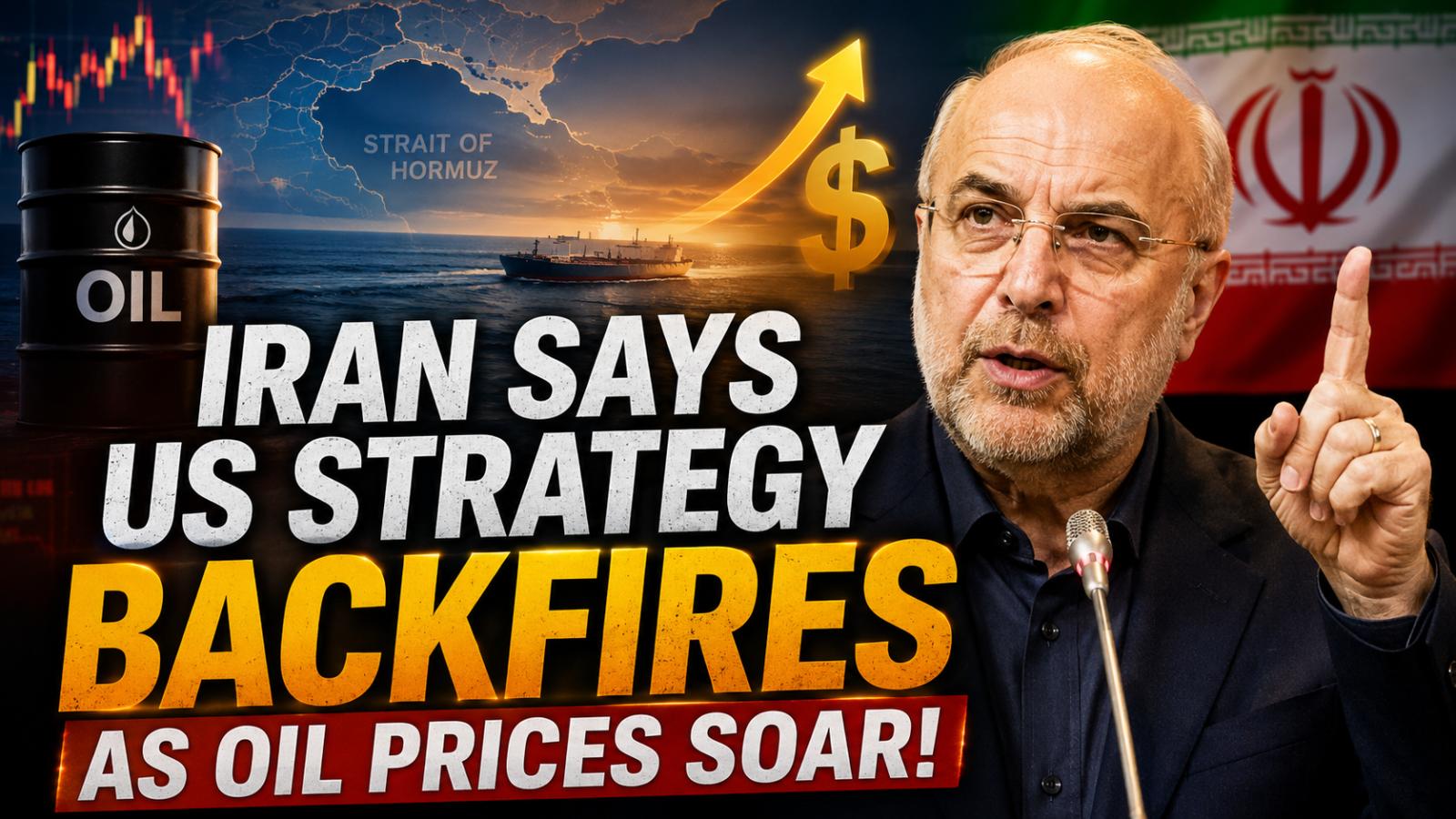
Iran Strait of Hormuz oil price warning has reignited global attention after Parliament Speaker Mohammad Bagher Ghalibaf argued that US pressure on Tehran has instead pushed oil prices higher. As Brent crude briefly crossed $100 a barrel, markets, governments and investors are closely watching developments around one of the world's most critical energy routes.
Iran Strait of Hormuz oil price warning has reignited global attention after Parliament Speaker Mohammad Bagher Ghalibaf argued that US pressure on Tehran has instead pushed oil prices higher. As Brent crude briefly crossed $100 a barrel, markets, governments and investors are closely watching developments around one of the world's most critical energy routes.
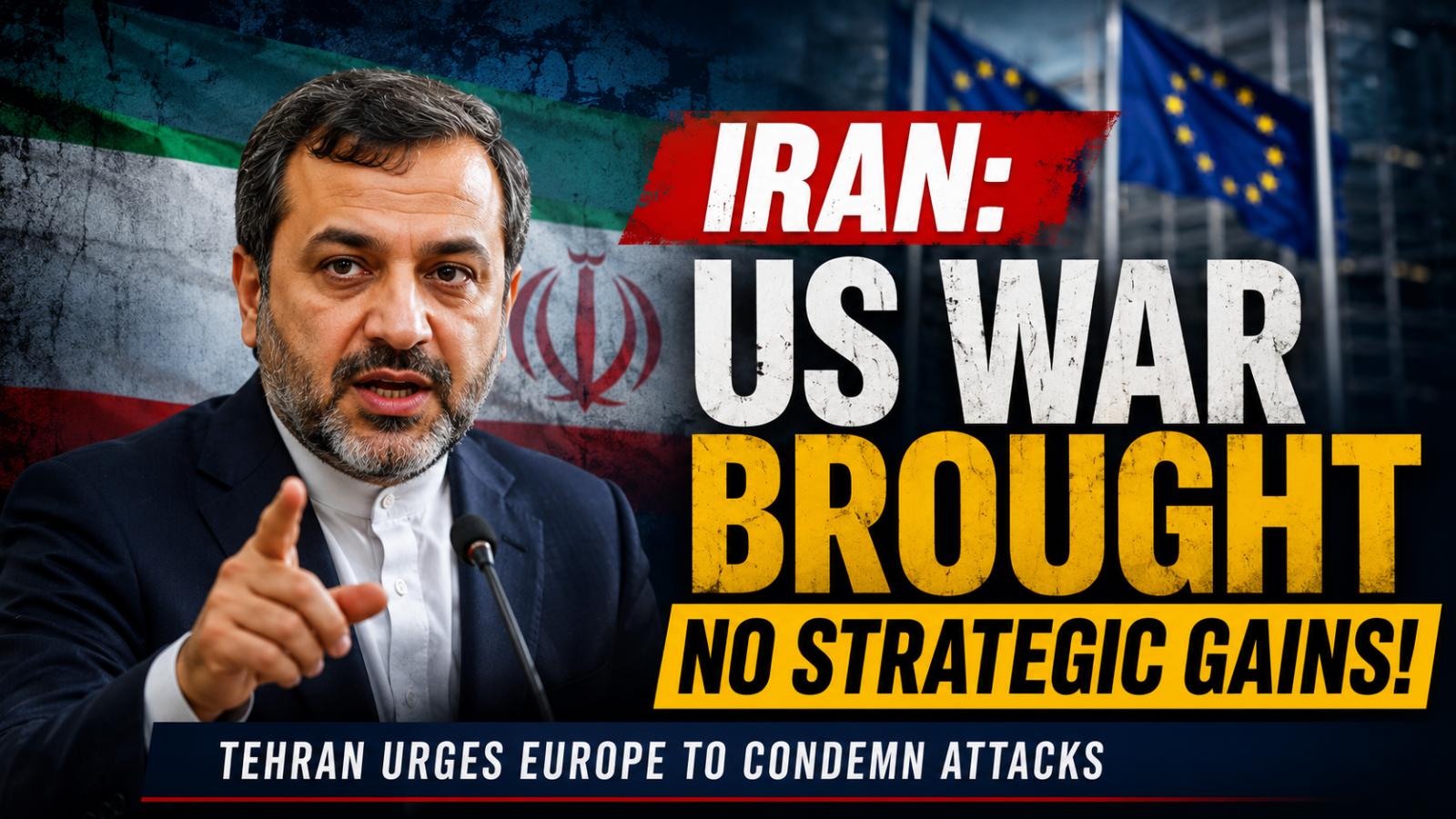
Iran says the US military campaign delivered no strategic gains, as Deputy Foreign Minister Kazem Gharibabadi urges Europe to defend international law and warns that states supporting attacks could deepen regional instability.
Iran says US war brought no gains
Iran’s Deputy Foreign Minister Kazem Gharibabadi said the United States had secured no strategic gains from its military campaign agai
Iran says the US military campaign delivered no strategic gains, as Deputy Foreign Minister Kazem Gharibabadi urges Europe to defend international law and warns that states supporting attacks could deepen regional instability.
Iran says US war brought no gains
Iran’s Deputy Foreign Minister Kazem Gharibabadi said the United States had secured no strategic gains from its military campaign agai
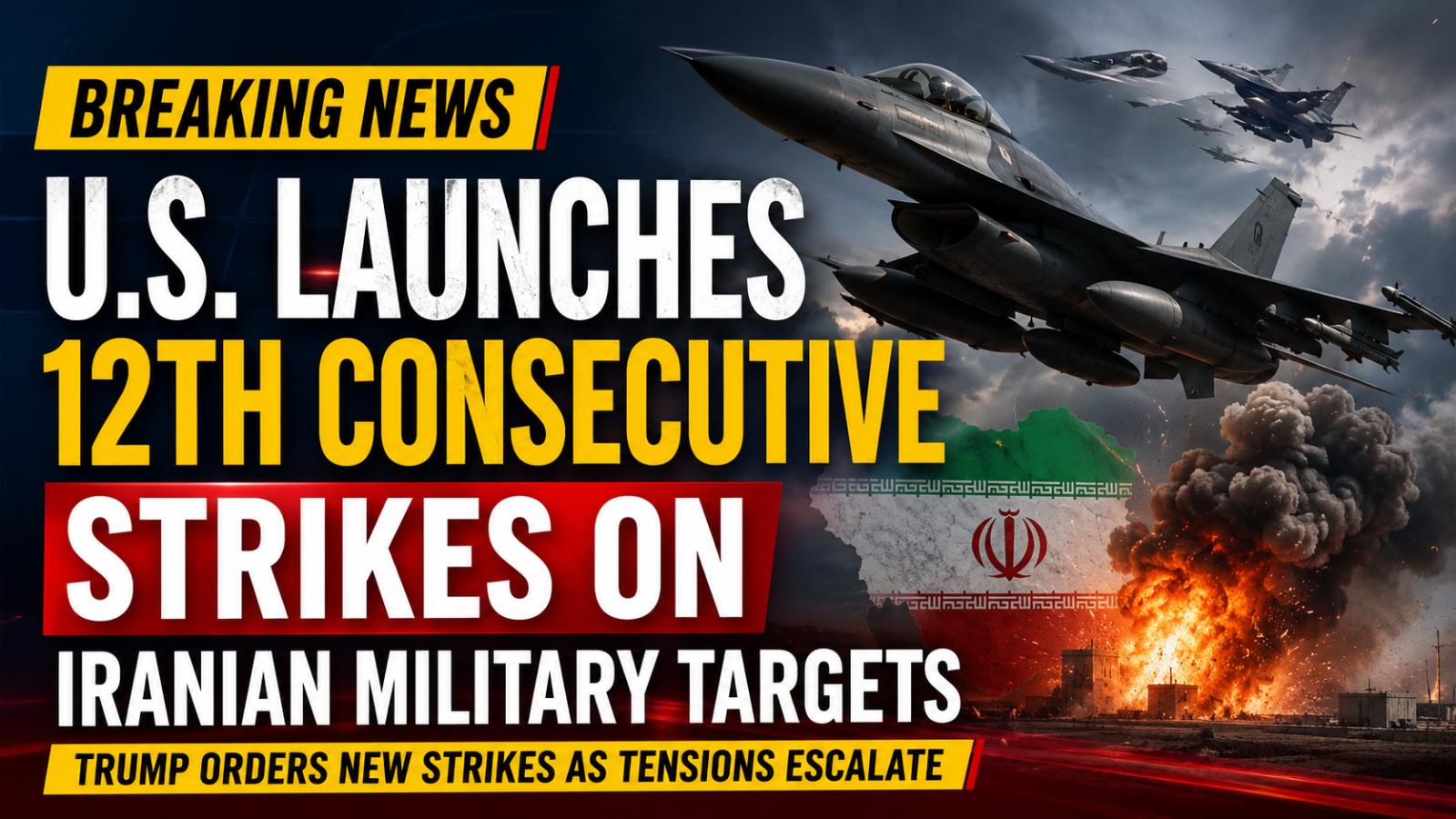
US launches 12th consecutive strikes on Iranian military targets as CENTCOM expands its military campaign against Iran under President Donald Trump's direction. The latest operation aims to reduce threats to commercial vessels and regional maritime security while tensions between Washington and Tehran continue to rise.
US military campaign against Iran continu
US launches 12th consecutive strikes on Iranian military targets as CENTCOM expands its military campaign against Iran under President Donald Trump's direction. The latest operation aims to reduce threats to commercial vessels and regional maritime security while tensions between Washington and Tehran continue to rise.
US military campaign against Iran continu
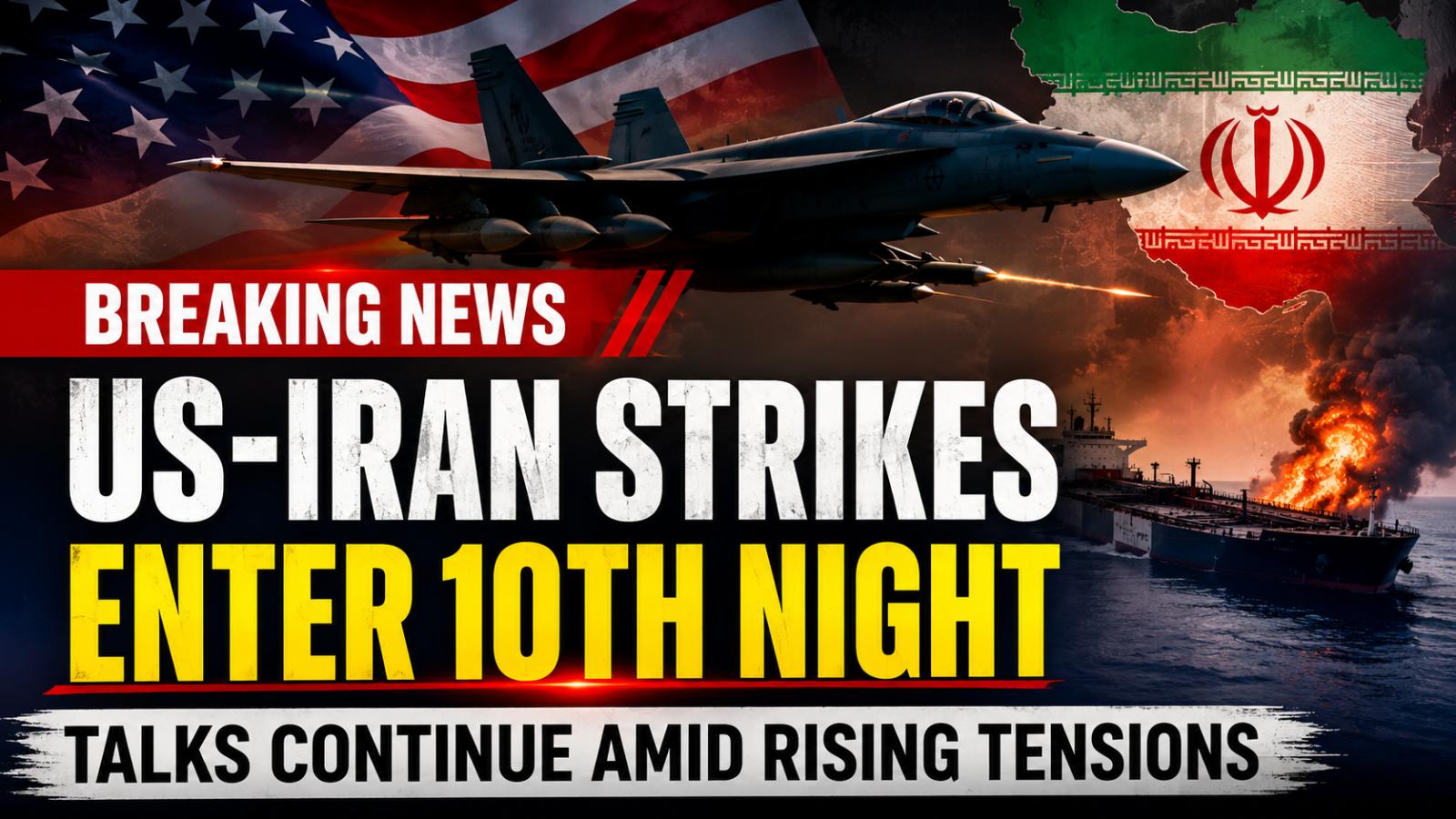
US Iran strikes enter 10th night as Washington continues military operations targeting Iranian capabilities linked to the Strait of Hormuz while diplomatic talks between both countries remain active. The latest developments highlight a dual strategy of military pressure and continued negotiations amid rising regional tensions.
US Iran Strikes Enter 10th Night as Talk
US Iran strikes enter 10th night as Washington continues military operations targeting Iranian capabilities linked to the Strait of Hormuz while diplomatic talks between both countries remain active. The latest developments highlight a dual strategy of military pressure and continued negotiations amid rising regional tensions.
US Iran Strikes Enter 10th Night as Talk
President Donald Trump said the latest US strikes on Iran hit the country “very hard” and were carried out in honour of three American soldiers killed in attacks in Jordan and Iraq. The renewed CENTCOM attacks have intensified the Iran retaliation cycle and raised fresh concerns over the Strait of Hormuz.
Trump Iran strikes honour fallen US soldiers
Trump said the military operation recogni
President Donald Trump said the latest US strikes on Iran hit the country “very hard” and were carried out in honour of three American soldiers killed in attacks in Jordan and Iraq. The renewed CENTCOM attacks have intensified the Iran retaliation cycle and raised fresh concerns over the Strait of Hormuz.
Trump Iran strikes honour fallen US soldiers
Trump said the military operation recogni
The West Asia war intensified on Monday as the United States carried out another round of strikes on Iran, Tehran acknowledged continuing diplomatic exchanges, and reported tanker explosions raised fresh concerns over the Strait of Hormuz and global energy supplies.
U.S. strikes continue for ninth consecutive night
The United States conducted a fresh wave of airstrikes against targets in Iran e
The West Asia war intensified on Monday as the United States carried out another round of strikes on Iran, Tehran acknowledged continuing diplomatic exchanges, and reported tanker explosions raised fresh concerns over the Strait of Hormuz and global energy supplies.
U.S. strikes continue for ninth consecutive night
The United States conducted a fresh wave of airstrikes against targets in Iran e
The Indian Embassy in Tehran has advised citizens to postpone travel to Iran and urged those already in the country to consider leaving temporarily as the regional security situation deteriorates. The updated advisory follows renewed military escalation and asks Indians to remain vigilant, register with the embassy and avoid high-risk areas.
Indian Embassy Ir
The Indian Embassy in Tehran has advised citizens to postpone travel to Iran and urged those already in the country to consider leaving temporarily as the regional security situation deteriorates. The updated advisory follows renewed military escalation and asks Indians to remain vigilant, register with the embassy and avoid high-risk areas.
Indian Embassy Ir
The US Iran ninth night strikes deepened the regional crisis as CENTCOM targeted Iranian military capabilities. Missile alerts spread across the Gulf, another US soldier died in Iraq, and rising oil prices reflected growing fears over the Strait of Hormuz.
US Iran ninth night strikes announced by CENTCOM
The US military launched a ninth consecutive night of attacks against Iran on Sunday, July 19, as the conflict entered another dangerous phase. US Central Command said on X that operations began at 7 p.m. Eastern Time and would continue targeting Iranian capabilities used to attack commercial vessels crossing the Strait of Hormuz.
CENTCOM’s website had earlier confirmed eight consecutive nights of strikes through July 18 and listed several rounds of attacks conducted since July 11. It also confirmed that the United States had resumed its naval blockade against Iranian ports on July 13.
Iranian state media reported explosions in several cities after the latest operation began, including Tabriz and areas near important ports. Reports from inside Iran also claimed that air-defence forces shot down a drone over the country’s south. These battlefield accounts had not been independently verified when they emerged.
US soldier killed by Iranian drone ordnance
CENTCOM announced that a US service member died in northern Iraq during a controlled detonation of unexploded ordnance from a downed Iranian one-way attack drone. Another service member suffered a minor injury during the incident.
The death brought the reported number of US military fatalities linked to the wider Iran conflict to 17. Recent casualties have included service members killed during Iranian attacks in Jordan and other incidents across the region.
The latest death highlights a risk that extends beyond direct missile and drone impacts. Unexploded weapons can remain dangerous after interception or crashing, placing military disposal teams and nearby communities at continued risk.
Kuwait attack and Bahrain alerts widen crisis
The confrontation also spread further across Gulf states. Bahrain activated warning sirens and instructed residents to seek shelter, while Kuwait said its air defences were responding to Iranian missile and drone attacks.
Kuwaiti authorities accused Iran of damaging energy, water and oil-related facilities and causing fires. Gulf governments condemned the attacks as concerns grew that retaliatory operations could draw more countries into direct confrontation.
The Strait of Hormuz remains at the centre of the crisis because disruptions there can affect major international energy shipments. CENTCOM says its latest attacks aim to reduce Iran’s ability to threaten vessels using the waterway. The renewed US blockade has added pressure on maritime traffic and increased fears of prolonged supply disruption.
Strait of Hormuz crisis pushes oil above $90
Oil markets reacted quickly as fighting continued. Brent crude moved above $90 a barrel, while US crude traded above $84 during Sunday trading. Market reports linked the increase to renewed strikes, Iranian retaliation and uncertainty surrounding shipping through the Strait of Hormuz.
The price rise shows how quickly a military escalation can spread beyond the battlefield. Higher crude costs can increase transport, manufacturing and consumer prices, particularly when traders expect shipping delays or damage to regional energy infrastructure.
Iran also announced that it was suspending commitments connected to its ceasefire understanding with Washington. Iranian officials accused the United States of violating the arrangement by continuing military attacks. Those claims reflect Tehran’s position and require comparison with the original agreement and statements from all parties.
With diplomacy weakening, casualties rising and Gulf infrastructure facing attacks, neither side appears close to de-escalation. The immediate danger is no longer limited to targets inside Iran. It now includes military bases, ports, commercial shipping and essential facilities across the wider region.
Relevant internal links include previous coverage of the CENTCOM strikes on Iran, the Chabahar Port attack, Iranian missile interceptions over Gulf states and the full US-Iran conflict timeline.
The US Iran ninth night strikes deepened the regional crisis as CENTCOM targeted Iranian military capabilities. Missile alerts spread across the Gulf, another US soldier died in Iraq, and rising oil prices reflected growing fears over the Strait of Hormuz.
US Iran ninth night strikes announced by CENTCOM
The US military launched a ninth consecutive night of attacks against Iran on Sunday, July 19, as the conflict entered another dangerous phase. US Central Command said on X that operations began at 7 p.m. Eastern Time and would continue targeting Iranian capabilities used to attack commercial vessels crossing the Strait of Hormuz.
CENTCOM’s website had earlier confirmed eight consecutive nights of strikes through July 18 and listed several rounds of attacks conducted since July 11. It also confirmed that the United States had resumed its naval blockade against Iranian ports on July 13.
Iranian state media reported explosions in several cities after the latest operation began, including Tabriz and areas near important ports. Reports from inside Iran also claimed that air-defence forces shot down a drone over the country’s south. These battlefield accounts had not been independently verified when they emerged.
US soldier killed by Iranian drone ordnance
CENTCOM announced that a US service member died in northern Iraq during a controlled detonation of unexploded ordnance from a downed Iranian one-way attack drone. Another service member suffered a minor injury during the incident.
The death brought the reported number of US military fatalities linked to the wider Iran conflict to 17. Recent casualties have included service members killed during Iranian attacks in Jordan and other incidents across the region.
The latest death highlights a risk that extends beyond direct missile and drone impacts. Unexploded weapons can remain dangerous after interception or crashing, placing military disposal teams and nearby communities at continued risk.
Kuwait attack and Bahrain alerts widen crisis
The confrontation also spread further across Gulf states. Bahrain activated warning sirens and instructed residents to seek shelter, while Kuwait said its air defences were responding to Iranian missile and drone attacks.
Kuwaiti authorities accused Iran of damaging energy, water and oil-related facilities and causing fires. Gulf governments condemned the attacks as concerns grew that retaliatory operations could draw more countries into direct confrontation.
The Strait of Hormuz remains at the centre of the crisis because disruptions there can affect major international energy shipments. CENTCOM says its latest attacks aim to reduce Iran’s ability to threaten vessels using the waterway. The renewed US blockade has added pressure on maritime traffic and increased fears of prolonged supply disruption.
Strait of Hormuz crisis pushes oil above $90
Oil markets reacted quickly as fighting continued. Brent crude moved above $90 a barrel, while US crude traded above $84 during Sunday trading. Market reports linked the increase to renewed strikes, Iranian retaliation and uncertainty surrounding shipping through the Strait of Hormuz.
The price rise shows how quickly a military escalation can spread beyond the battlefield. Higher crude costs can increase transport, manufacturing and consumer prices, particularly when traders expect shipping delays or damage to regional energy infrastructure.
Iran also announced that it was suspending commitments connected to its ceasefire understanding with Washington. Iranian officials accused the United States of violating the arrangement by continuing military attacks. Those claims reflect Tehran’s position and require comparison with the original agreement and statements from all parties.
With diplomacy weakening, casualties rising and Gulf infrastructure facing attacks, neither side appears close to de-escalation. The immediate danger is no longer limited to targets inside Iran. It now includes military bases, ports, commercial shipping and essential facilities across the wider region.
Relevant internal links include previous coverage of the CENTCOM strikes on Iran, the Chabahar Port attack, Iranian missile interceptions over Gulf states and the full US-Iran conflict timeline.
IRGC claims two oil tankers exploded near the Strait of Hormuz after entering what it described as a mined area. The allegations, which have not been independently verified, come as military tensions between the United States and Iran continue to raise concerns over global shipping and energy security.
IRGC Claims Two Oil Tankers Exploded Near Strait of Hormuz
IRGC claims two oil tankers exploded near the Strait of Hormuz after entering what it described as a mined area. The allegations, which have not been independently verified, come as military tensions between the United States and Iran continue to raise concerns over global shipping and energy security.
IRGC Claims Two Oil Tankers Exploded Near Strait of Hormuz
US strikes Chabahar Port surveillance tower in a major expansion of its military campaign against Iran. CENTCOM says the facility helped the IRGC monitor shipping through the Strait of Hormuz, while Tehran insists the strategically important port remains operational despite the attack.
US Strikes Chabahar Port Surveillance Tower in Iran
US strikes Chabahar Port surveillance tower in a major expansion of its military campaign against Iran. CENTCOM says the facility helped the IRGC monitor shipping through the Strait of Hormuz, while Tehran insists the strategically important port remains operational despite the attack.
US Strikes Chabahar Port Surveillance Tower in Iran
Iran media reporting restrictions have been imposed following renewed US airstrikes, with authorities directing news organisations to limit coverage of civilian infrastructure damage. The directive comes as Washington considers expanding its military campaign, raising fresh concerns over regional stability.
Iran Media Reporting Restrictions Ordered After US Strikes
Iran media reporting restrictions have been imposed following renewed US airstrikes, with authorities directing news organisations to limit coverage of civilian infrastructure damage. The directive comes as Washington considers expanding its military campaign, raising fresh concerns over regional stability.
Iran Media Reporting Restrictions Ordered After US Strikes
Iran claims US used ceasefire to strengthen its military capabilities while continuing diplomatic talks, according to senior adviser Mohsen Rezaei. The allegations include rebuilding forces, revising the Islamabad MoU and imposing conditions on the release of frozen Iranian assets.
Iran Claims US Used Ceasefire to Rebuild Military Strength
&nbs
Iran claims US used ceasefire to strengthen its military capabilities while continuing diplomatic talks, according to senior adviser Mohsen Rezaei. The allegations include rebuilding forces, revising the Islamabad MoU and imposing conditions on the release of frozen Iranian assets.
Iran Claims US Used Ceasefire to Rebuild Military Strength
&nbs
US airstrikes on Iran continue into a seventh consecutive night as CENTCOM expands its military campaign against Iranian targets. The latest strikes, ordered by the US commander-in-chief, targeted military infrastructure while escalating tensions between Washington and Tehran amid warnings of wider regional instability.
US Airstrikes on Iran Continue for Seven
US airstrikes on Iran continue into a seventh consecutive night as CENTCOM expands its military campaign against Iranian targets. The latest strikes, ordered by the US commander-in-chief, targeted military infrastructure while escalating tensions between Washington and Tehran amid warnings of wider regional instability.
US Airstrikes on Iran Continue for Seven
Iran’s Islamic Revolutionary Guard Corps claimed on Friday, July 17, that it had launched ballistic missiles and drones at US military aircraft stationed in Jordan, marking another dangerous expansion of the US-Iran conflict across the Middle East.
The IRGC said several American fighter jets and aerial refuelling aircraft were destroyed, while other planes suffered serious damage. However, neither the United States nor Jordan had indepen
Iran’s Islamic Revolutionary Guard Corps claimed on Friday, July 17, that it had launched ballistic missiles and drones at US military aircraft stationed in Jordan, marking another dangerous expansion of the US-Iran conflict across the Middle East.
The IRGC said several American fighter jets and aerial refuelling aircraft were destroyed, while other planes suffered serious damage. However, neither the United States nor Jordan had indepen
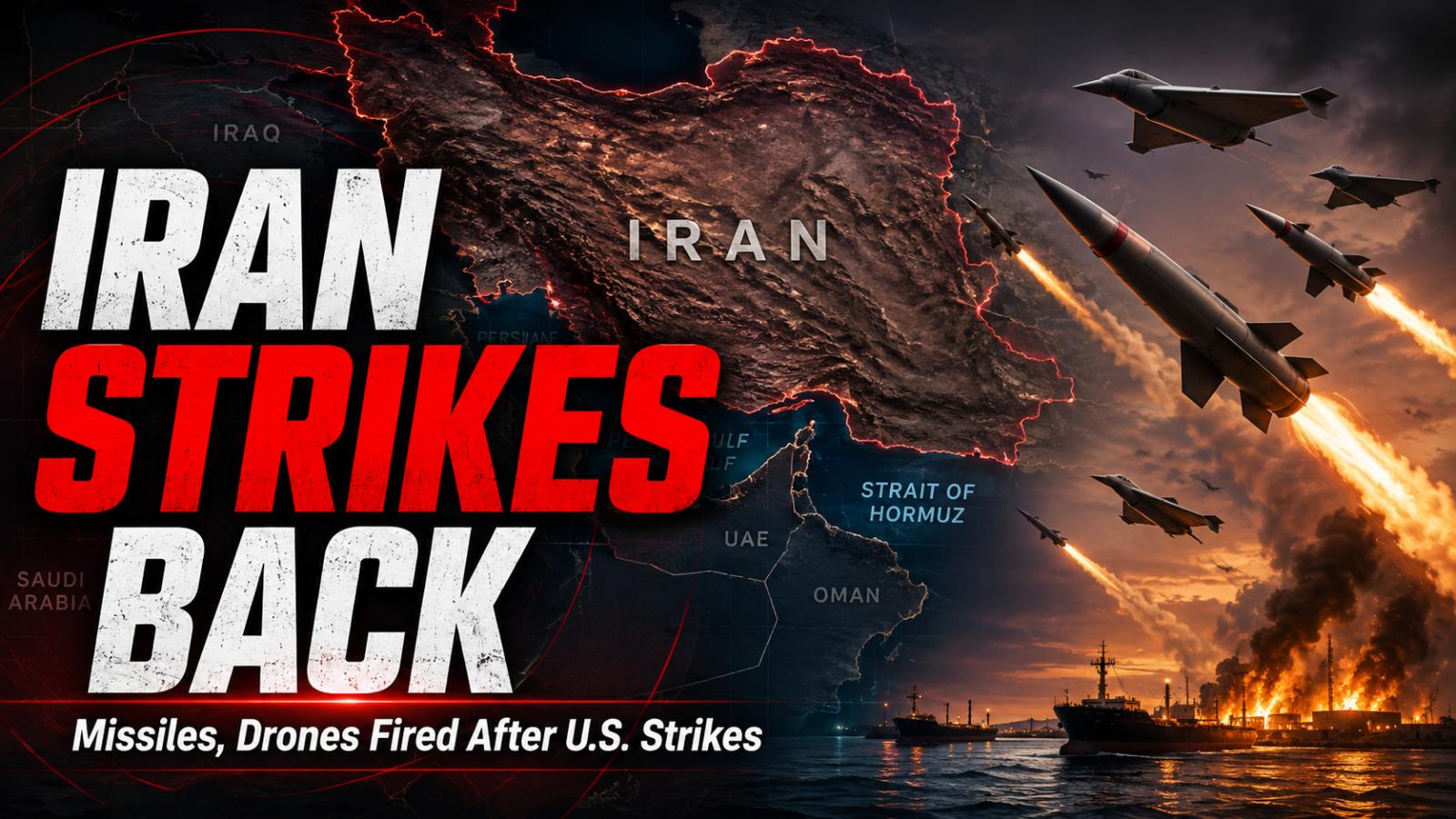
Iran launched strikes on military targets in Kuwait and Syria following recent US attacks. Missiles and drones were also intercepted over Jordan and Iraq, while explosions were reported in Qatar and Bahrain, raising fears of a wider regional conflict.
Iran attacks Kuwait
Iranian state television reported that the country launched drone attacks against US military deployment sites and logistical support facilities in
Iran launched strikes on military targets in Kuwait and Syria following recent US attacks. Missiles and drones were also intercepted over Jordan and Iraq, while explosions were reported in Qatar and Bahrain, raising fears of a wider regional conflict.
Iran attacks Kuwait
Iranian state television reported that the country launched drone attacks against US military deployment sites and logistical support facilities in
Oil prices jump as US-Iran conflict intensifies, raising fears of disruptions to global energy supplies through the Strait of Hormuz and the Red Sea. Brent crude and WTI posted strong weekly gains as traders priced in growing geopolitical risks while the International Energy Agency warned that prolonged instability could threaten energy security.
Oil Prices J
Oil prices jump as US-Iran conflict intensifies, raising fears of disruptions to global energy supplies through the Strait of Hormuz and the Red Sea. Brent crude and WTI posted strong weekly gains as traders priced in growing geopolitical risks while the International Energy Agency warned that prolonged instability could threaten energy security.
Oil Prices J
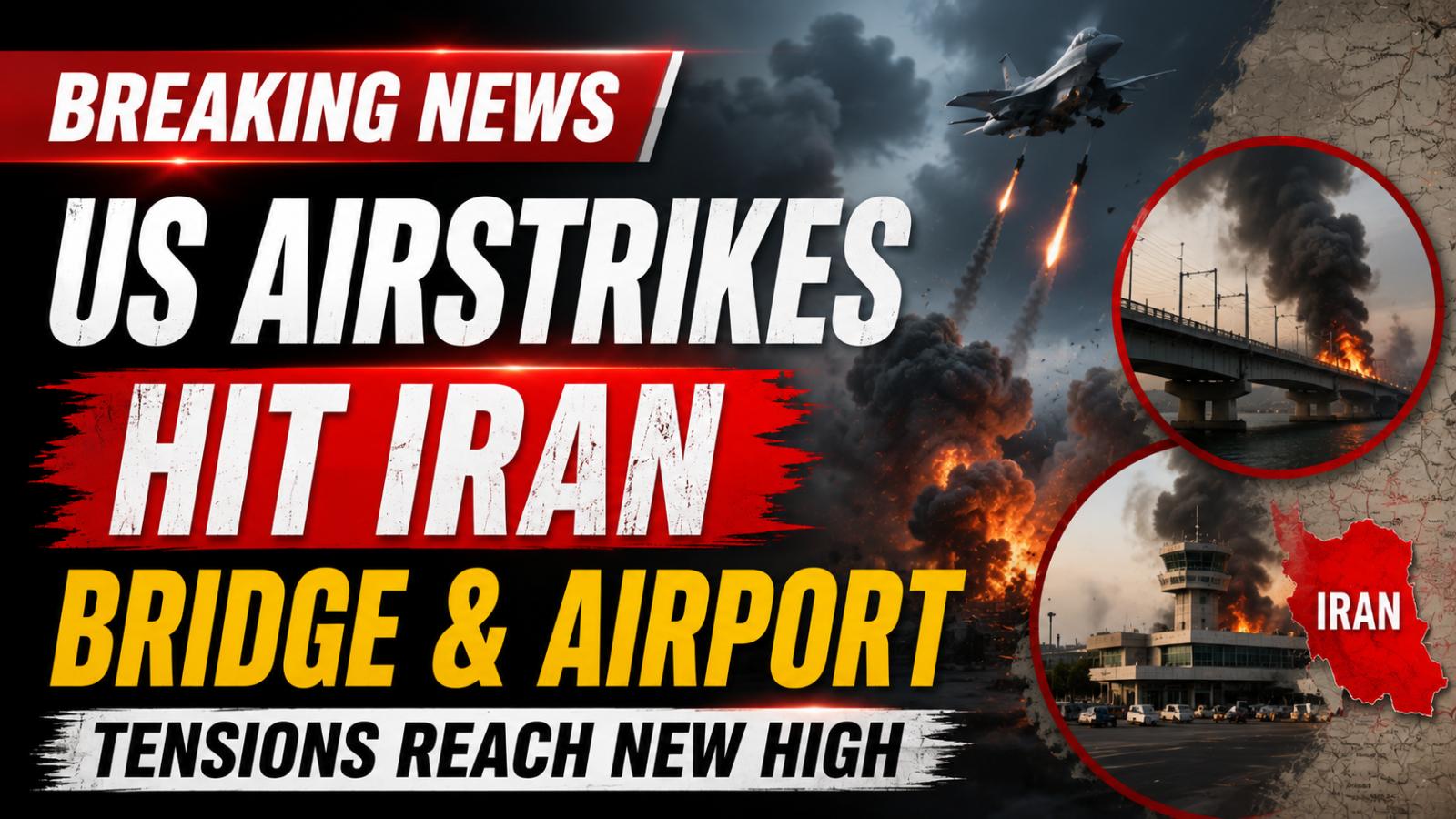
US airstrikes hit Iran bridge airport according to Iranian state-linked reports describing strikes on transport infrastructure in southern Iran. Officials also reported explosions near Qeshm as military tensions between Washington and Tehran continued to escalate across the region.
US Airstrikes Hit Iran Bridge Airport
Fresh reports from Ir
US airstrikes hit Iran bridge airport according to Iranian state-linked reports describing strikes on transport infrastructure in southern Iran. Officials also reported explosions near Qeshm as military tensions between Washington and Tehran continued to escalate across the region.
US Airstrikes Hit Iran Bridge Airport
Fresh reports from Ir
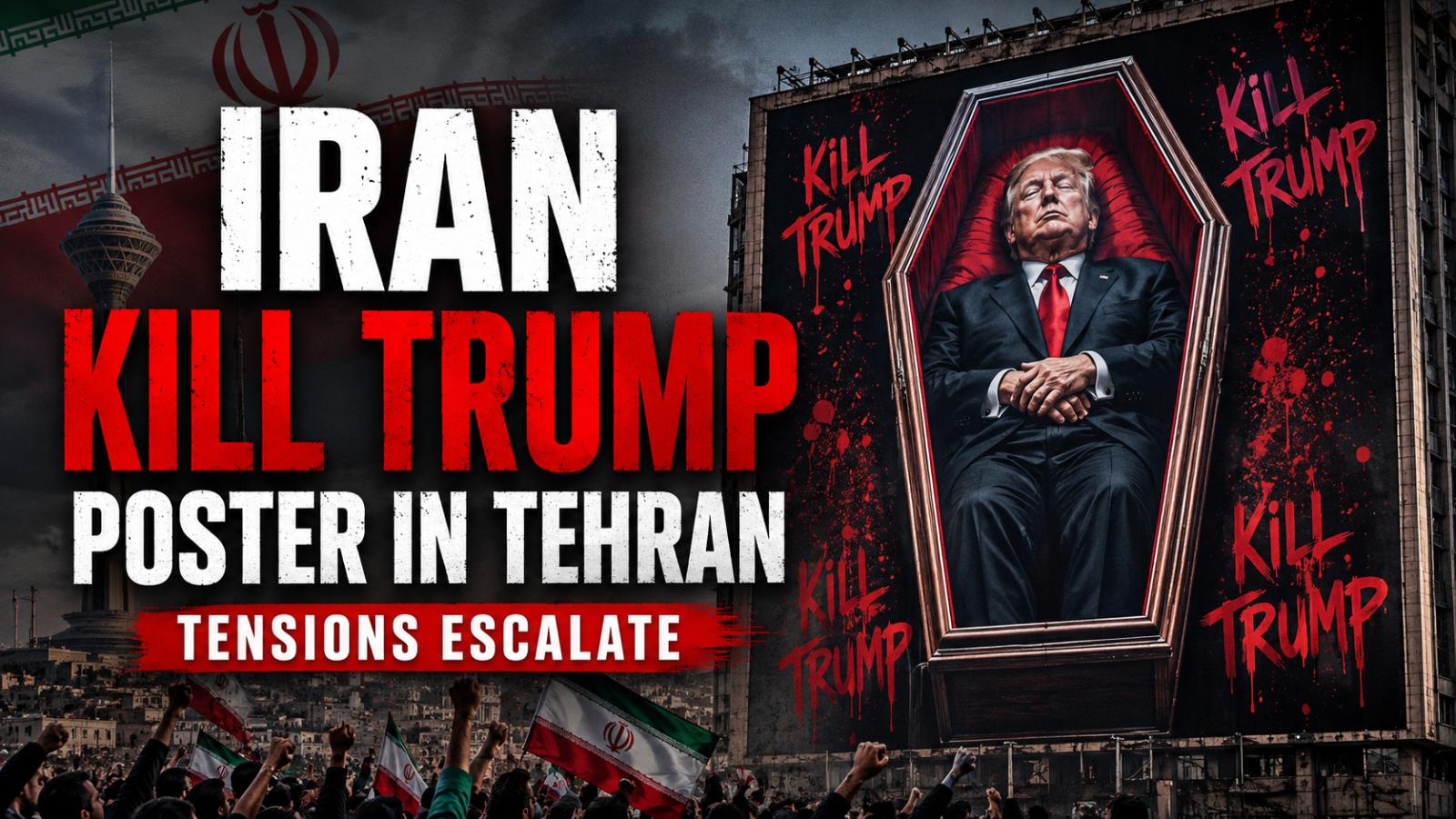
A massive Iran kill trump poster Tehran displayed in the capital has intensified concerns over US-Iran relations. The development follows renewed revenge threats, a public funeral procession, and Donald Trump's warning that he has prepared military instructions if harmed.
Iran Displays 'Kill Trump' Poster in Tehran Amid Renewed Threats
Relations between Ira
A massive Iran kill trump poster Tehran displayed in the capital has intensified concerns over US-Iran relations. The development follows renewed revenge threats, a public funeral procession, and Donald Trump's warning that he has prepared military instructions if harmed.
Iran Displays 'Kill Trump' Poster in Tehran Amid Renewed Threats
Relations between Ira
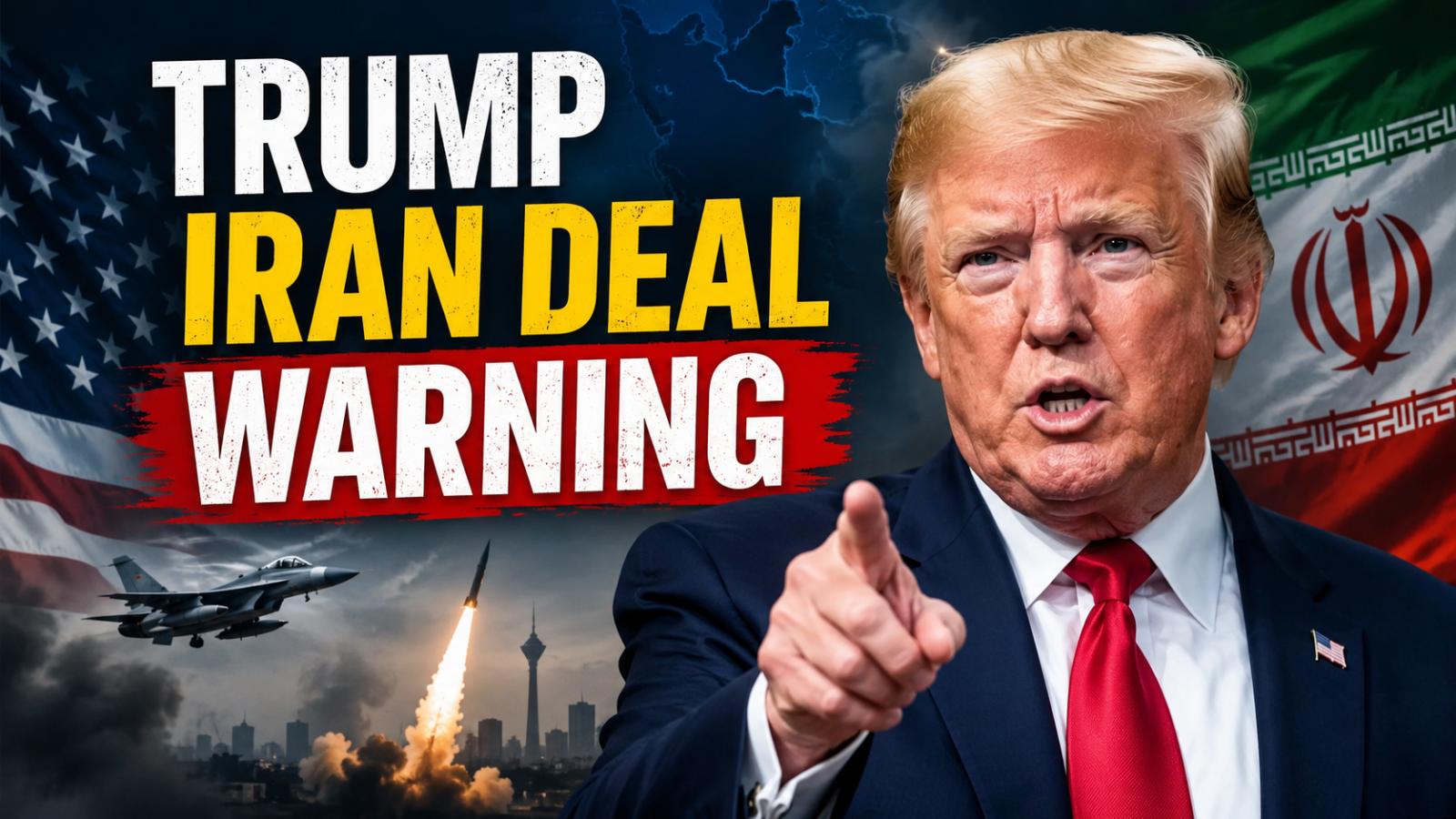
US President Donald Trump has increased pressure on Tehran by predicting that Iran would be defeated “very soon” while claiming its leaders urgently wanted an agreement with Washington. His comments combined the possibility of Iran talks with a warning that the United States would decide whether diplomacy moved forward.
Trump Iran warning increases pressure on Tehran
Trump made the remarks on July 15 after
US President Donald Trump has increased pressure on Tehran by predicting that Iran would be defeated “very soon” while claiming its leaders urgently wanted an agreement with Washington. His comments combined the possibility of Iran talks with a warning that the United States would decide whether diplomacy moved forward.
Trump Iran warning increases pressure on Tehran
Trump made the remarks on July 15 after