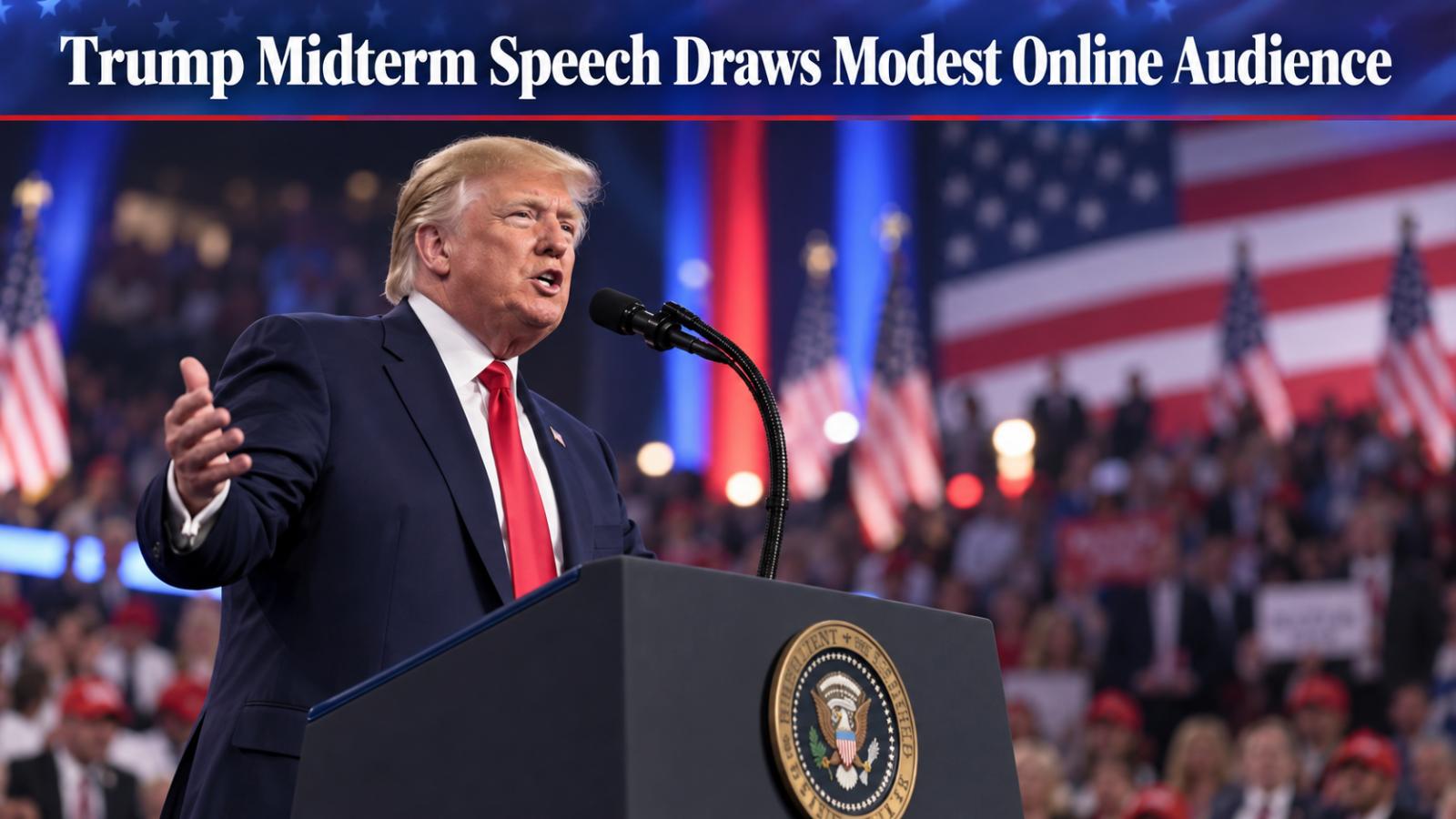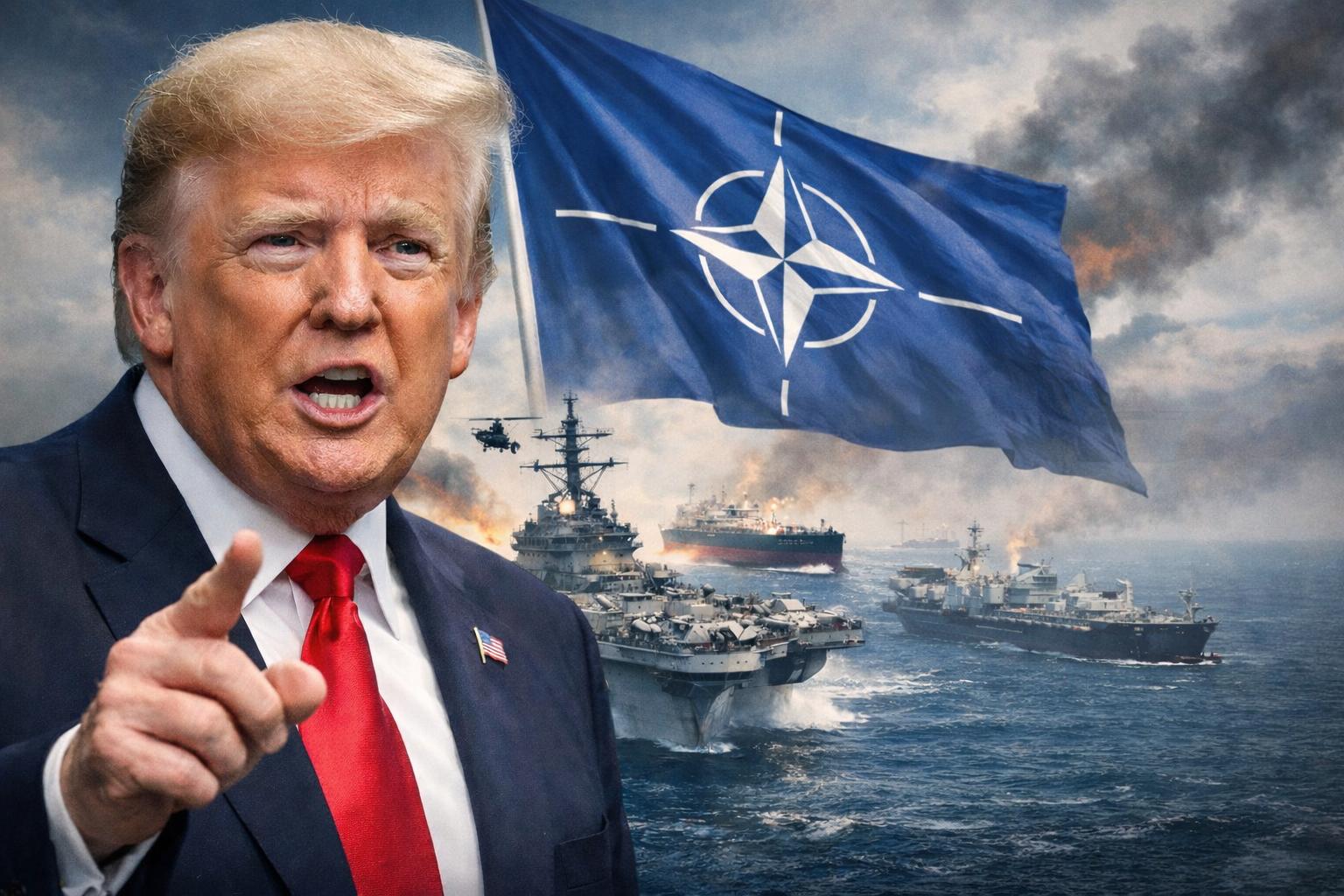
President Donald Trump renewed criticism of NATO on Saturday, April 12, 2026, saying the alliance could face a “very serious examining” after it did not support the United States during its recent conflict with Iran. Speaking to reporters upon arrival at Joint Base Andrews in Maryland, Trump expressed disappointment, arguing that member nations failed to assist despite longstanding U.S. financial contributions.
The remarks came as tensions continued following a six-week war that began on February 28, 2026, and subsequent U.S. efforts to impose a naval blockade targeting Iranian-linked shipping. The U.S. military clarified that restrictions apply only to vessels traveling to or from Iranian ports, particularly in the strategically vital Strait of Hormuz, through which roughly one-fifth of global oil supply typically passes.
British Prime Minister Keir Starmer stated on Sunday, April 13, 2026, that the United Kingdom would not participate in the blockade, emphasizing a preference for diplomatic solutions and efforts to reopen maritime routes. Similarly, French President Emmanuel Macron announced plans for a multinational, defensive mission aimed at safeguarding navigation without direct involvement in the conflict.
Diplomatic voices, including Turkey’s foreign minister, have also called for negotiations rather than military coordination, highlighting the complexity of forming an international force in the region. Despite these efforts, Trump reiterated that NATO’s response during the crisis raised broader questions about the alliance’s reliability and future role.
The dispute underscores growing divisions among Western allies over military engagement and energy security, particularly as European nations remain dependent on oil shipments passing through the contested waterway.