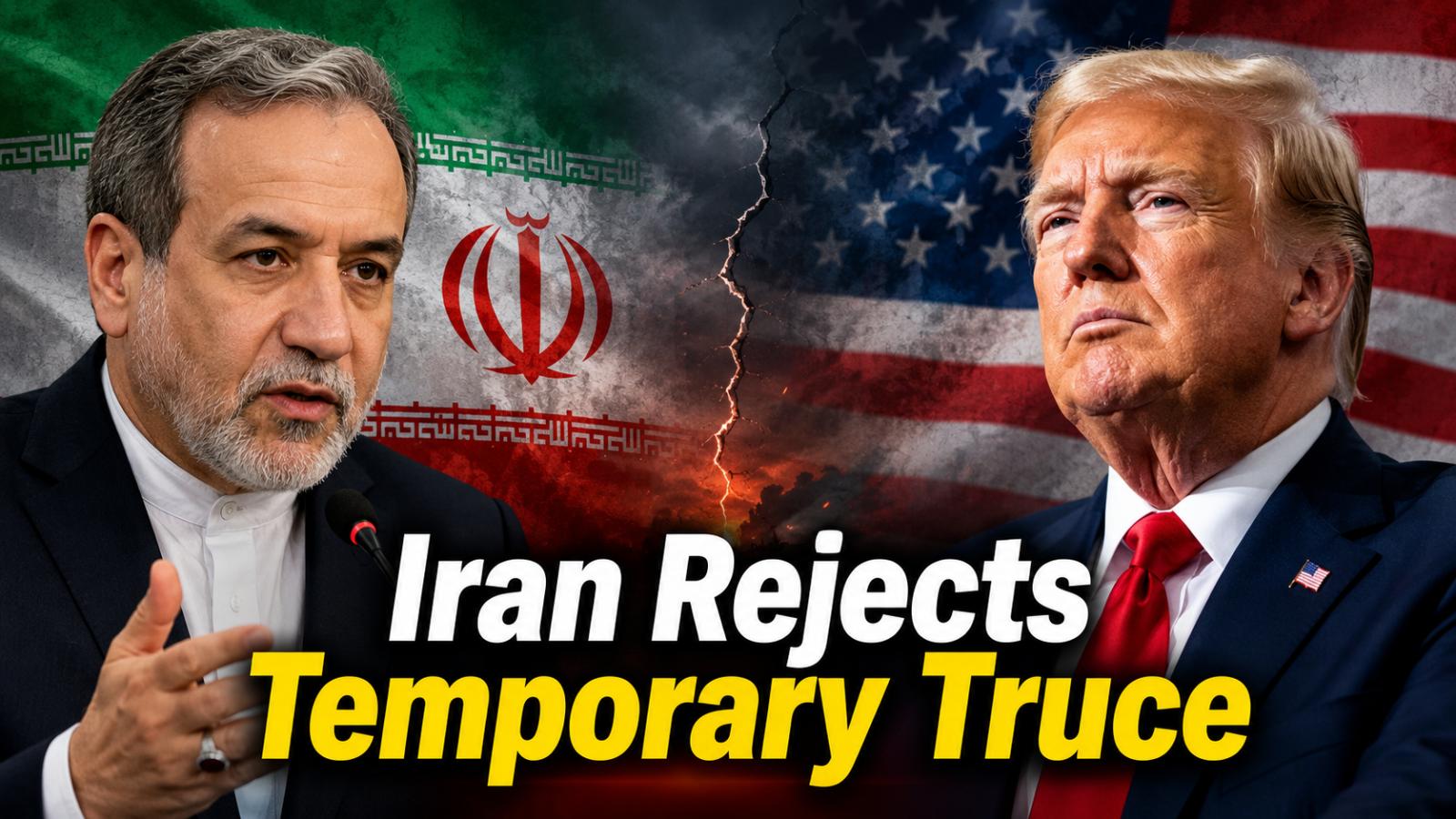
Iran is demanding a permanent end to its conflict with the United States rather than another temporary ceasefire. Foreign Minister Abbas Araghchi says Tehran wants lasting guarantees, even as the US-Iran deal stalls, Trump Iran talks remain off the table and Gulf security concerns grow.
Iran permanent peace
Iranian Foreign Minister Abbas Araghchi has rejected the idea of another temporary truce
Iran is demanding a permanent end to its conflict with the United States rather than another temporary ceasefire. Foreign Minister Abbas Araghchi says Tehran wants lasting guarantees, even as the US-Iran deal stalls, Trump Iran talks remain off the table and Gulf security concerns grow.
Iran permanent peace
Iranian Foreign Minister Abbas Araghchi has rejected the idea of another temporary truce
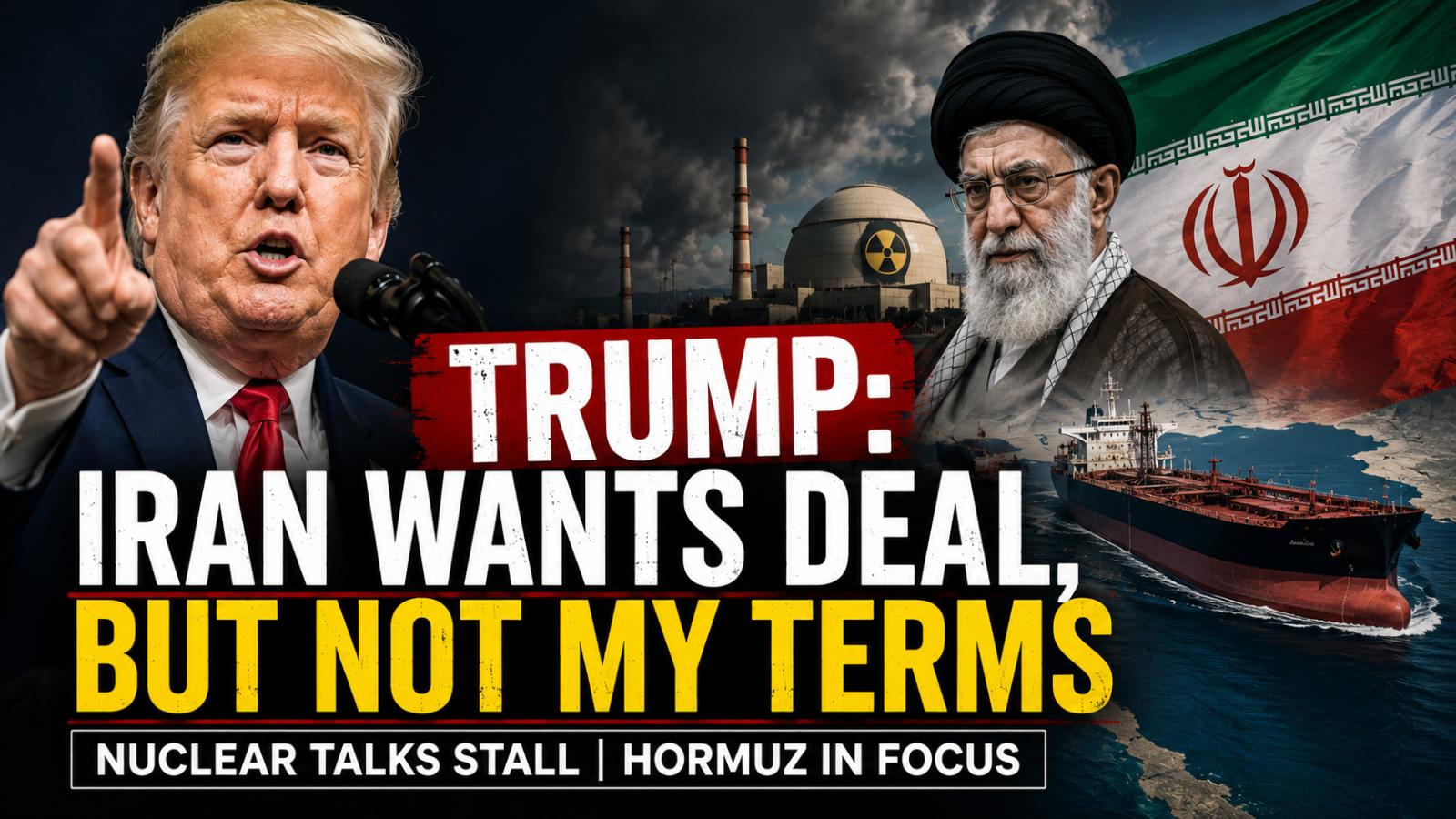
President Donald Trump says Iran wants an agreement with the United States, but the Trump Iran deal remains out of reach because Tehran is not prepared to accept the terms Washington considers necessary. His comments come as Iran nuclear talks remain stalled and tensions around the Strait of Hormuz continue.
Iran nuclear talks remain stalled
Speaking to reporters in the Oval Office on Monday, T
President Donald Trump says Iran wants an agreement with the United States, but the Trump Iran deal remains out of reach because Tehran is not prepared to accept the terms Washington considers necessary. His comments come as Iran nuclear talks remain stalled and tensions around the Strait of Hormuz continue.
Iran nuclear talks remain stalled
Speaking to reporters in the Oval Office on Monday, T
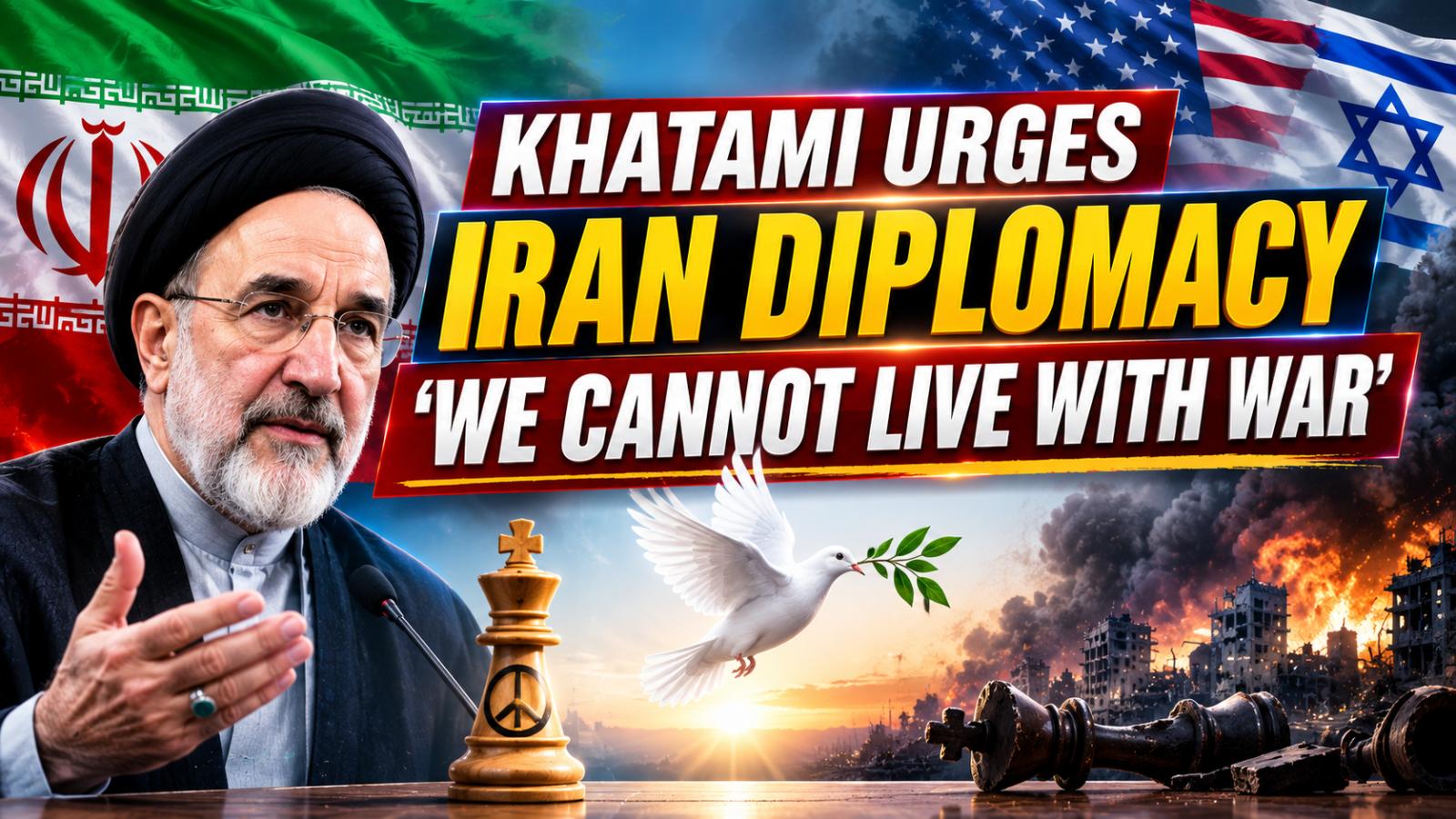
Former Iranian president Mohammad Khatami has urged a more measured diplomatic approach as the Iran war continues to strain daily life, governance and the economy. His remarks add to a widening Iran war debate between hardliners seeking prolonged resistance and officials who see negotiations as part of an eventual exit.
Khatami Iran diplomacy call focuses on cost of war
Khatami warned that Iran
Former Iranian president Mohammad Khatami has urged a more measured diplomatic approach as the Iran war continues to strain daily life, governance and the economy. His remarks add to a widening Iran war debate between hardliners seeking prolonged resistance and officials who see negotiations as part of an eventual exit.
Khatami Iran diplomacy call focuses on cost of war
Khatami warned that Iran
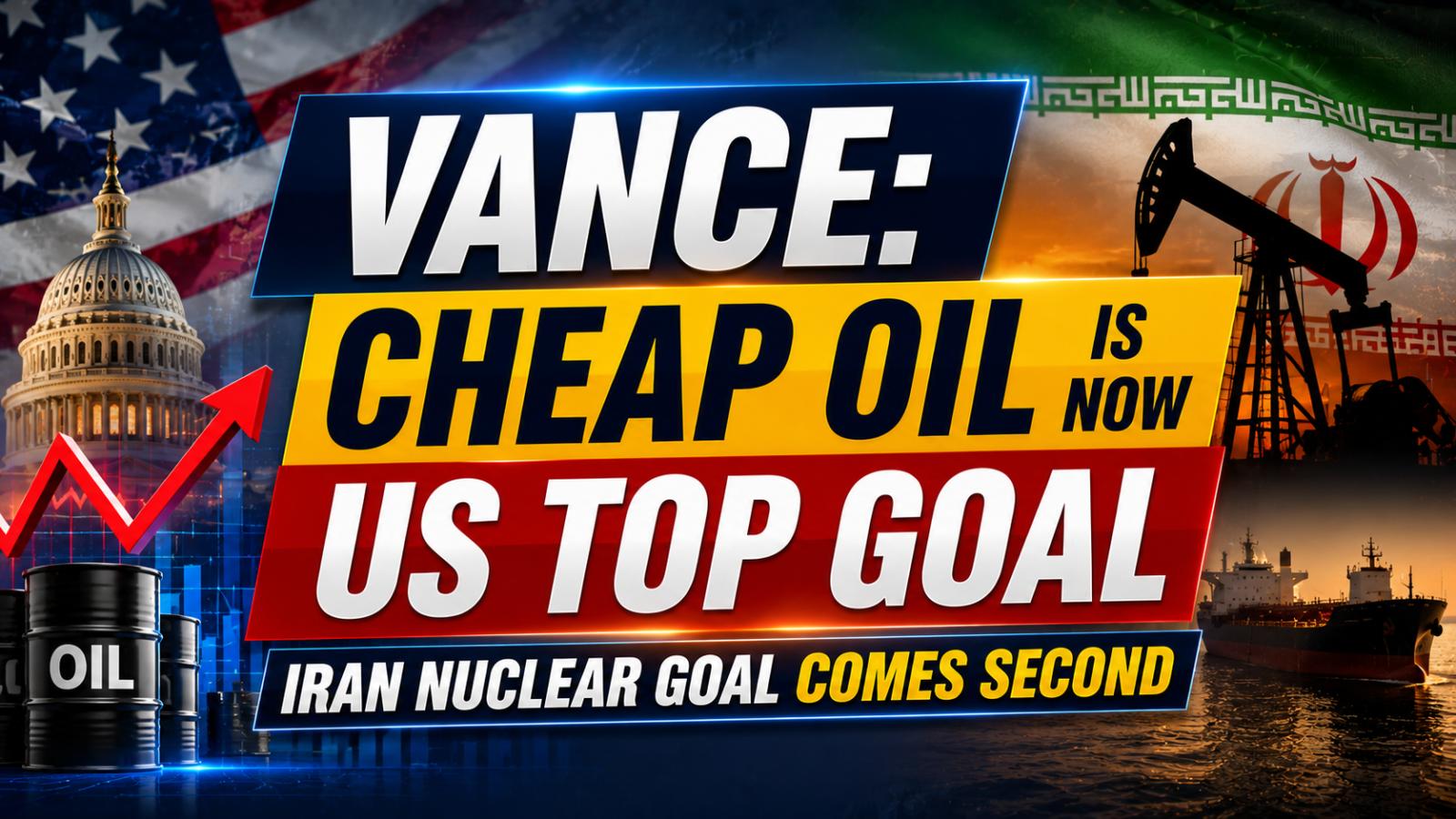
US Vice President JD Vance says Vance Iran war goals now place affordable oil and gasoline for Americans at the top of Washington’s priorities, followed by preventing Iran from acquiring a nuclear weapon. His remarks also put renewed focus on the Strait of Hormuz and its impact on energy markets.
Oil price goal moves to top of Vance’s priorities
Speaking in a Fox News interview on August 13
US Vice President JD Vance says Vance Iran war goals now place affordable oil and gasoline for Americans at the top of Washington’s priorities, followed by preventing Iran from acquiring a nuclear weapon. His remarks also put renewed focus on the Strait of Hormuz and its impact on energy markets.
Oil price goal moves to top of Vance’s priorities
Speaking in a Fox News interview on August 13
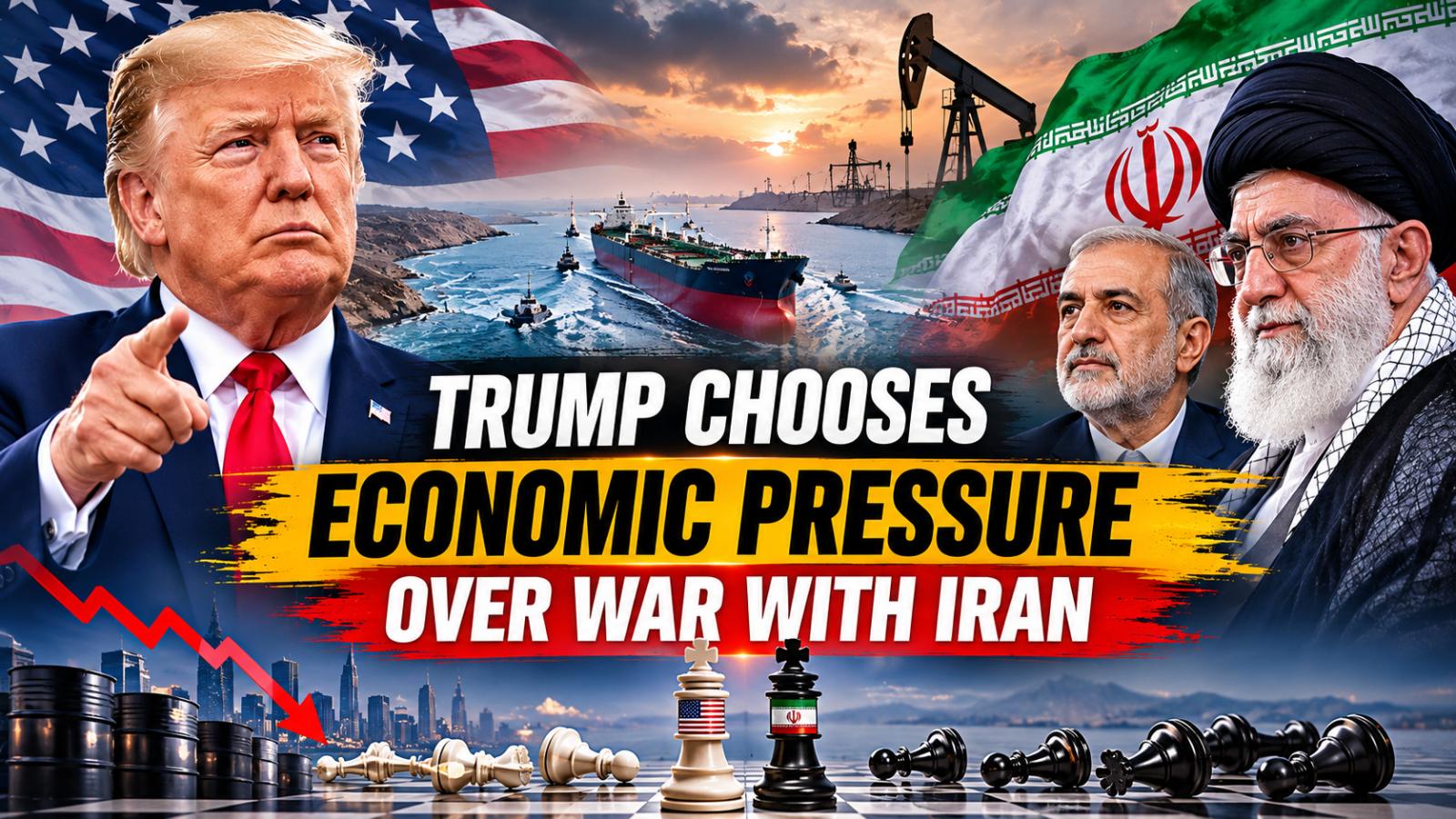
Trump’s Iran economic pressure strategy is currently taking priority over renewed major military action as Washington watches Tehran’s worsening economy. Indirect Iran talks and a possible Strait of Hormuz arrangement continue, but major disagreements remain unresolved.
Trump Iran Economic Pressure Strategy Takes Priority
US President Donald Trump has signaled that Washington is temporarily
Trump’s Iran economic pressure strategy is currently taking priority over renewed major military action as Washington watches Tehran’s worsening economy. Indirect Iran talks and a possible Strait of Hormuz arrangement continue, but major disagreements remain unresolved.
Trump Iran Economic Pressure Strategy Takes Priority
US President Donald Trump has signaled that Washington is temporarily
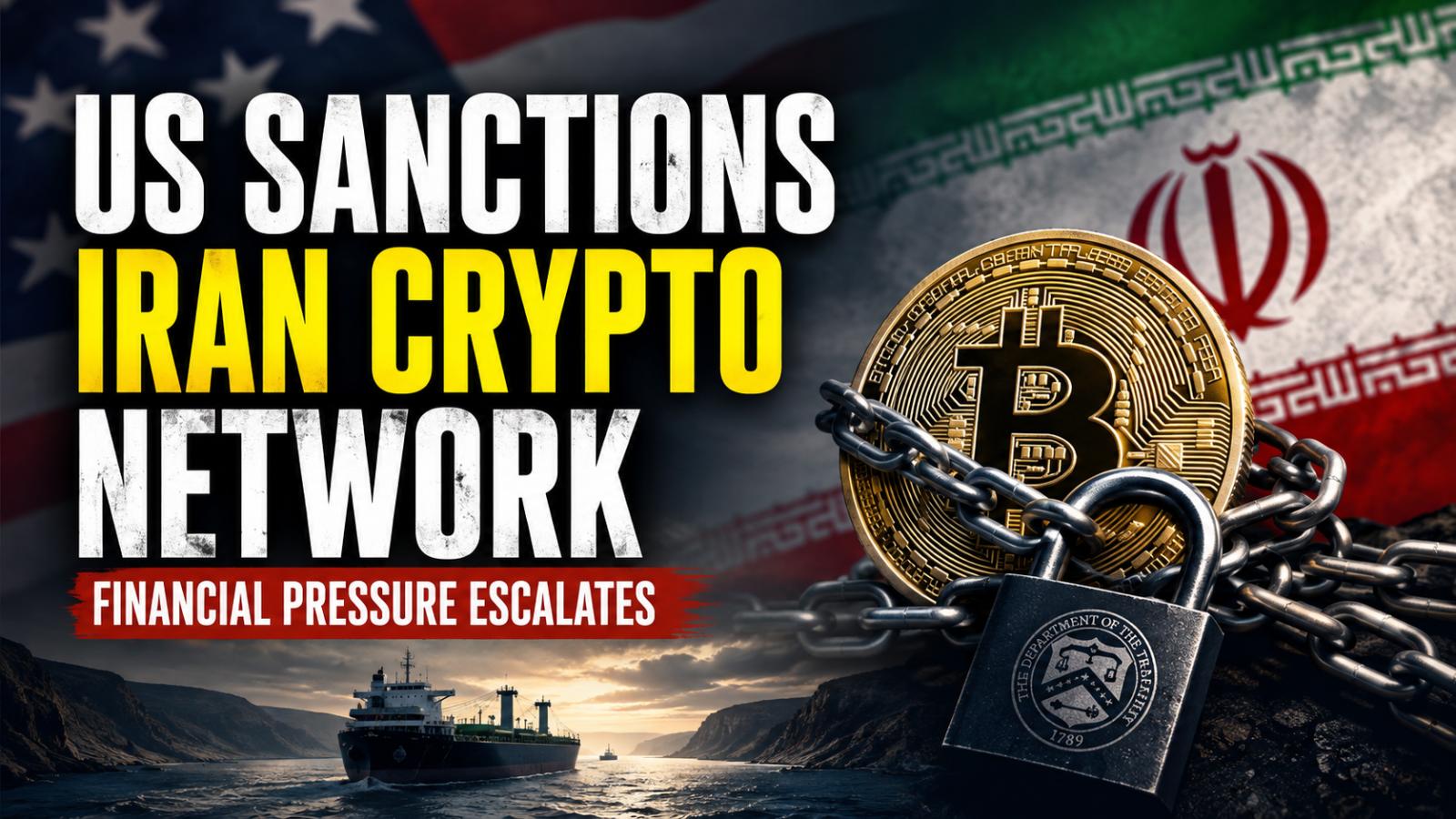
The United States is intensifying pressure on Iran’s financial networks, focusing increasingly on cryptocurrency exchanges and digital assets that Washington says have helped Tehran move money internationally and bypass sanctions. The action comes as tensions remain high over commercial shipping and negotiations involving the Strait of Hormuz. U.S. authorities have previously targeted Iranian exchanges and individuals accused of facilitating transactions connected to t
The United States is intensifying pressure on Iran’s financial networks, focusing increasingly on cryptocurrency exchanges and digital assets that Washington says have helped Tehran move money internationally and bypass sanctions. The action comes as tensions remain high over commercial shipping and negotiations involving the Strait of Hormuz. U.S. authorities have previously targeted Iranian exchanges and individuals accused of facilitating transactions connected to t
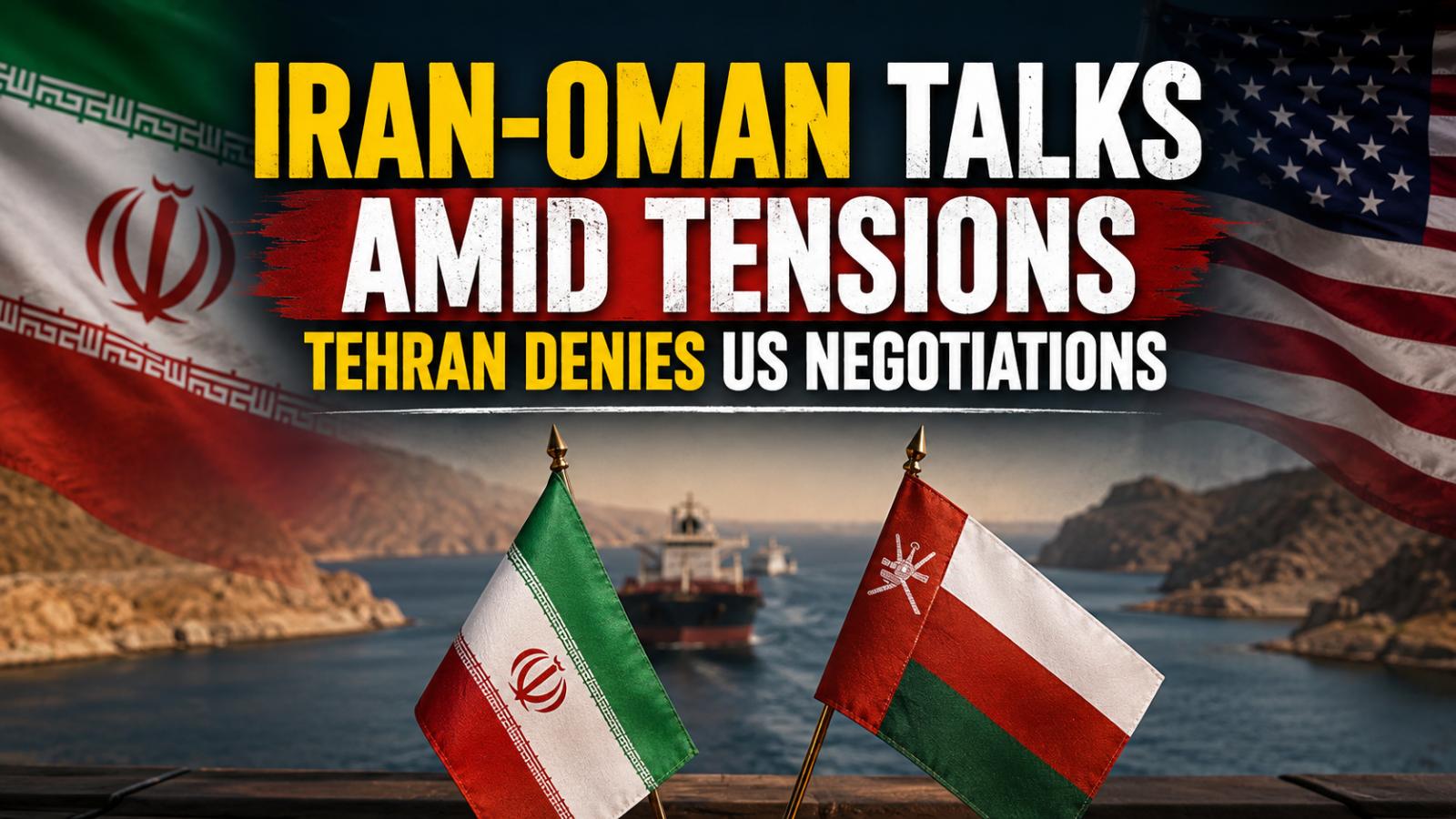
Iran Oman talks amid tensions have emerged as a possible diplomatic channel as Tehran denies holding direct negotiations with Washington. Oman is discussing maritime issues with Iran, while conflicting US and Iranian statements add uncertainty to the Hormuz dispute, nuclear row and wider Gulf risks.
Oman role
Iran has confirmed that discussions are taking place with Oman, but officials say the
Iran Oman talks amid tensions have emerged as a possible diplomatic channel as Tehran denies holding direct negotiations with Washington. Oman is discussing maritime issues with Iran, while conflicting US and Iranian statements add uncertainty to the Hormuz dispute, nuclear row and wider Gulf risks.
Oman role
Iran has confirmed that discussions are taking place with Oman, but officials say the
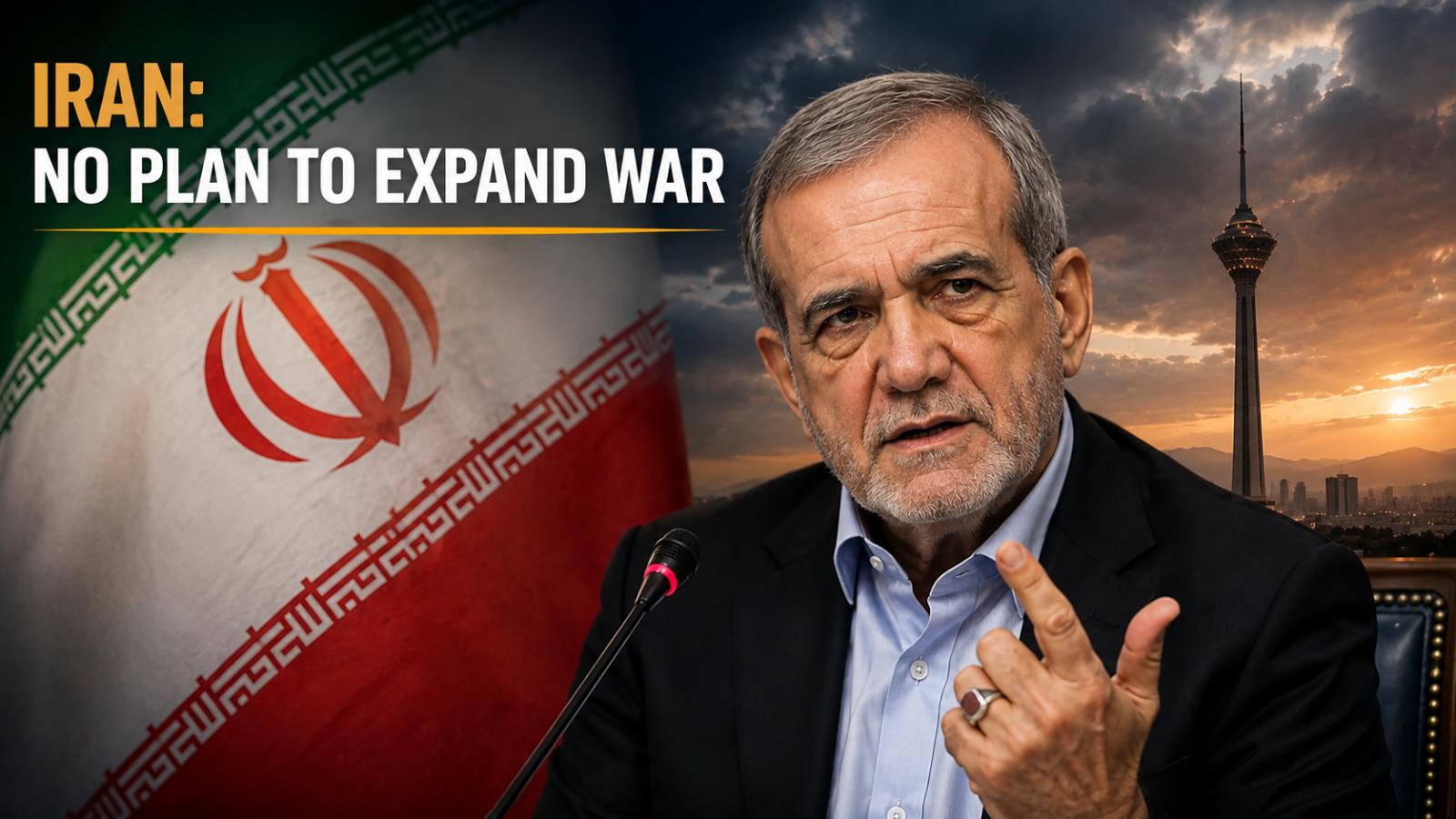
Iranian President Masoud Pezeshkian says Iran will not expand war or prolong the current conflict, but it will defend its borders against threats. He also stressed social unity, national security, military coordination and his commitment to remain in office.
Iran War Policy
Iranian President Masoud Pezeshkian said on Tuesday, August 4, that Tehran was not seeking to continue or expand the ongoi
Iranian President Masoud Pezeshkian says Iran will not expand war or prolong the current conflict, but it will defend its borders against threats. He also stressed social unity, national security, military coordination and his commitment to remain in office.
Iran War Policy
Iranian President Masoud Pezeshkian said on Tuesday, August 4, that Tehran was not seeking to continue or expand the ongoi
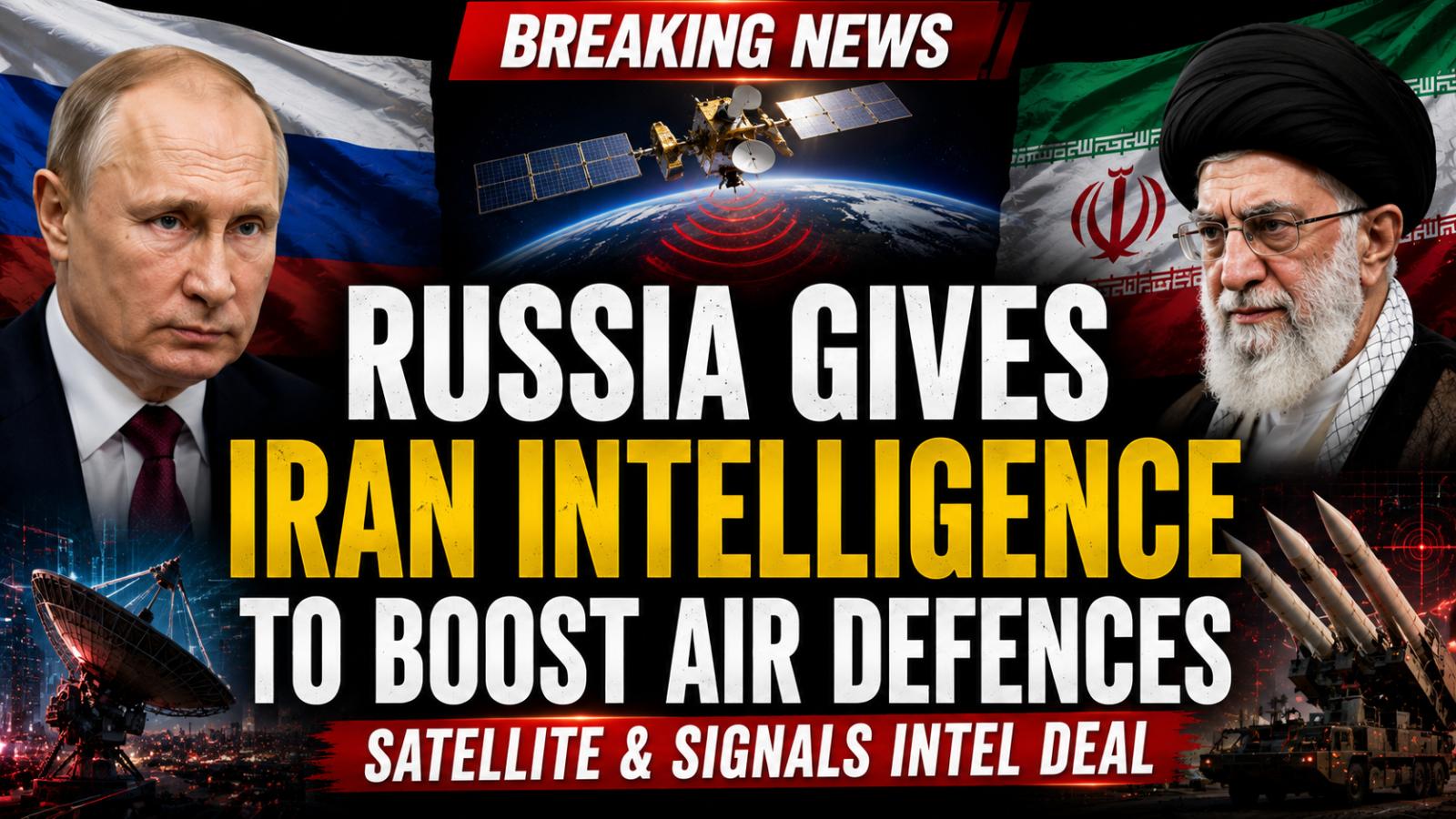
Russia is reportedly providing Iran with satellite surveillance and signals intelligence that could strengthen Tehran’s air defences, protect military assets and improve the accuracy of its drone and missile operations. The claims come from US and European officials, but neither Moscow nor Tehran has confirmed the alleged cooperation.
Russian Satellite Data May Strengthen Iran Air Defence
Off
Russia is reportedly providing Iran with satellite surveillance and signals intelligence that could strengthen Tehran’s air defences, protect military assets and improve the accuracy of its drone and missile operations. The claims come from US and European officials, but neither Moscow nor Tehran has confirmed the alleged cooperation.
Russian Satellite Data May Strengthen Iran Air Defence
Off
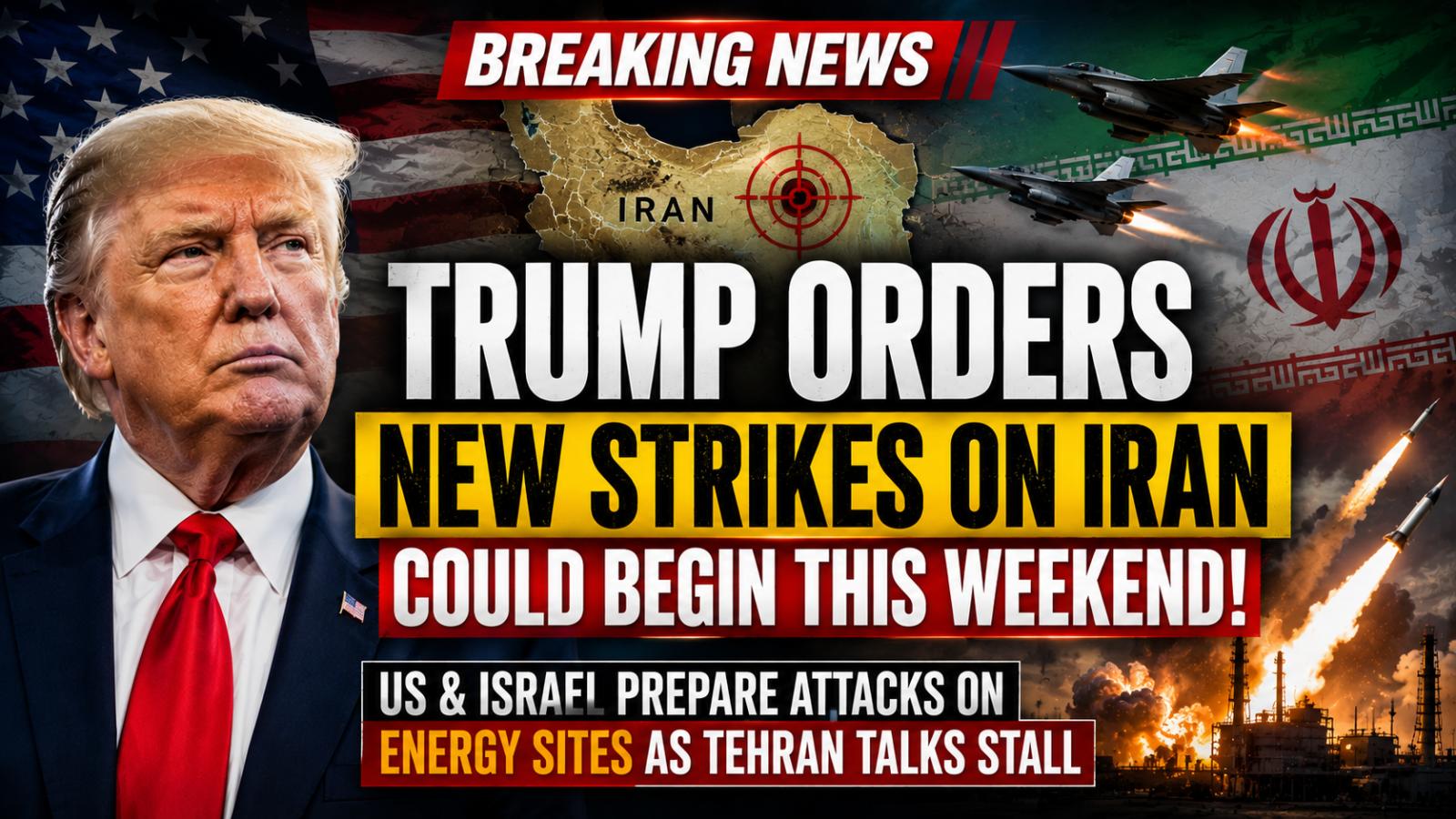
President Donald Trump has reportedly authorised a new US military strike against Iran that could begin over the weekend, as Washington increases pressure on Tehran to return to negotiations. Separate reporting suggests the United States and Israel are also considering attacks on Iranian energy infrastructure, but officials have not publicly confirmed a final target list or operational timetable.
Trump Iran Strikes Could Begin This Wee
President Donald Trump has reportedly authorised a new US military strike against Iran that could begin over the weekend, as Washington increases pressure on Tehran to return to negotiations. Separate reporting suggests the United States and Israel are also considering attacks on Iranian energy infrastructure, but officials have not publicly confirmed a final target list or operational timetable.
Trump Iran Strikes Could Begin This Wee
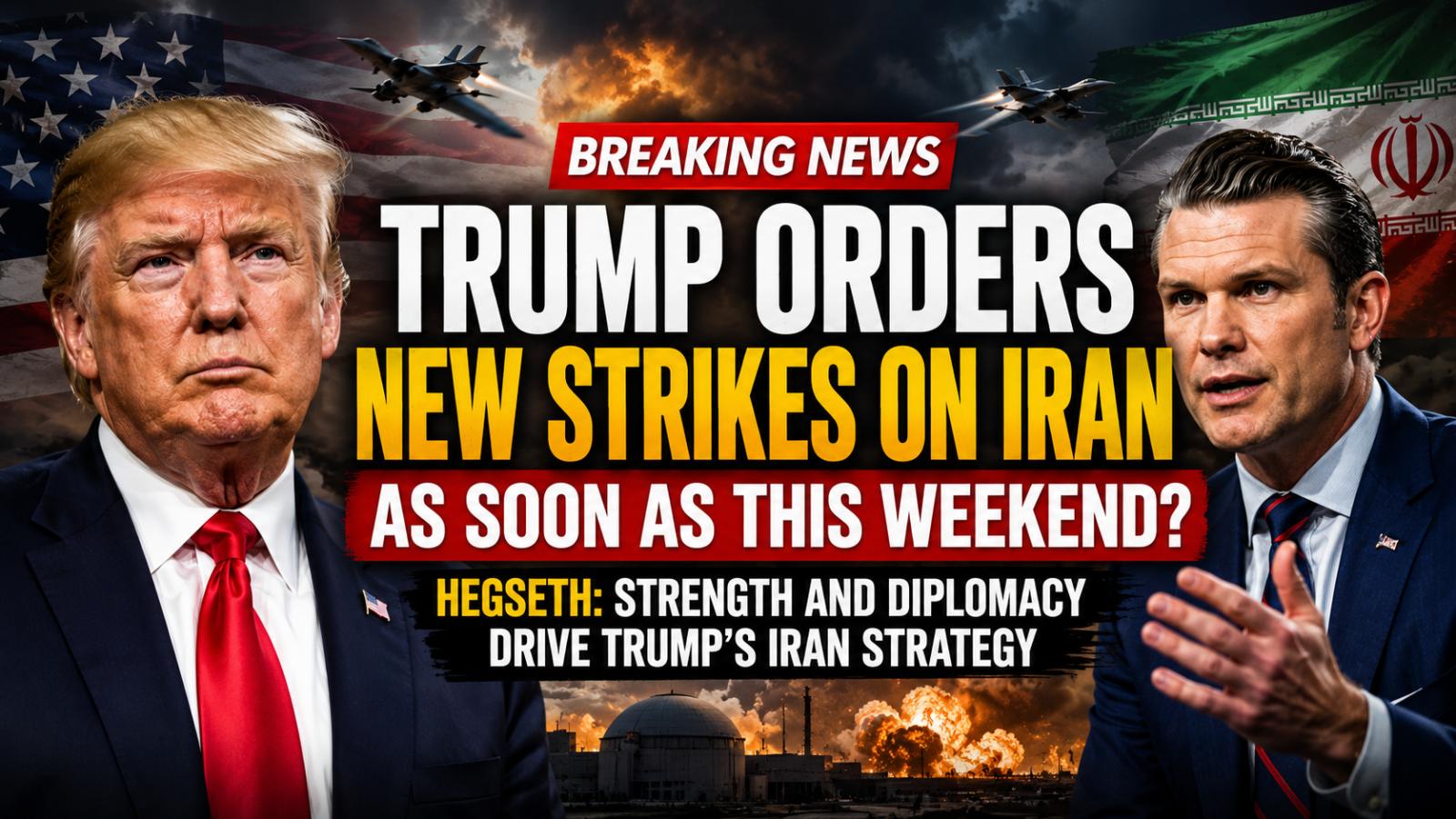
US Defence Secretary Pete Hegseth has praised President Donald Trump’s handling of Iran, arguing that the administration has combined decisive military action with continued diplomatic pressure. His comments came as new reports suggested that Trump had authorised plans for further strikes, although the exact timing and scope remained uncertain.
Hegseth Backs Iran Strikes During Camp David Meeting
US Defence Secretary Pete Hegseth has praised President Donald Trump’s handling of Iran, arguing that the administration has combined decisive military action with continued diplomatic pressure. His comments came as new reports suggested that Trump had authorised plans for further strikes, although the exact timing and scope remained uncertain.
Hegseth Backs Iran Strikes During Camp David Meeting
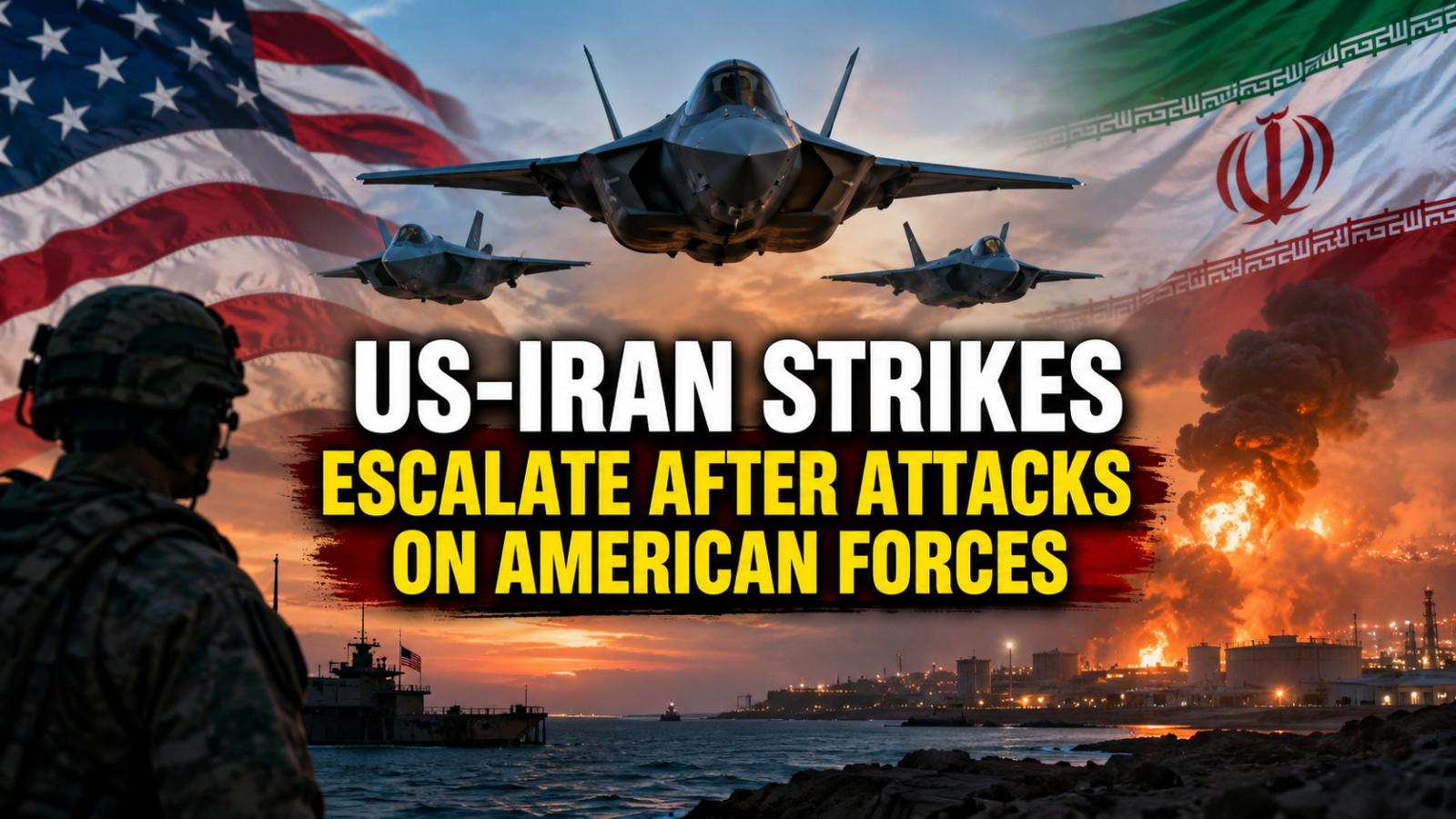
The United States launched a fresh round of strikes against Iran on Wednesday, July 29, following reported Iranian attacks targeting American military personnel in the Middle East. The latest US-Iran strikes mark the first acknowledged American attacks on Iranian territory in nearly a week and signal another dangerous escalation in the regional conflict.
According to a statement attributed to US Central Command, the milita
The United States launched a fresh round of strikes against Iran on Wednesday, July 29, following reported Iranian attacks targeting American military personnel in the Middle East. The latest US-Iran strikes mark the first acknowledged American attacks on Iranian territory in nearly a week and signal another dangerous escalation in the regional conflict.
According to a statement attributed to US Central Command, the milita
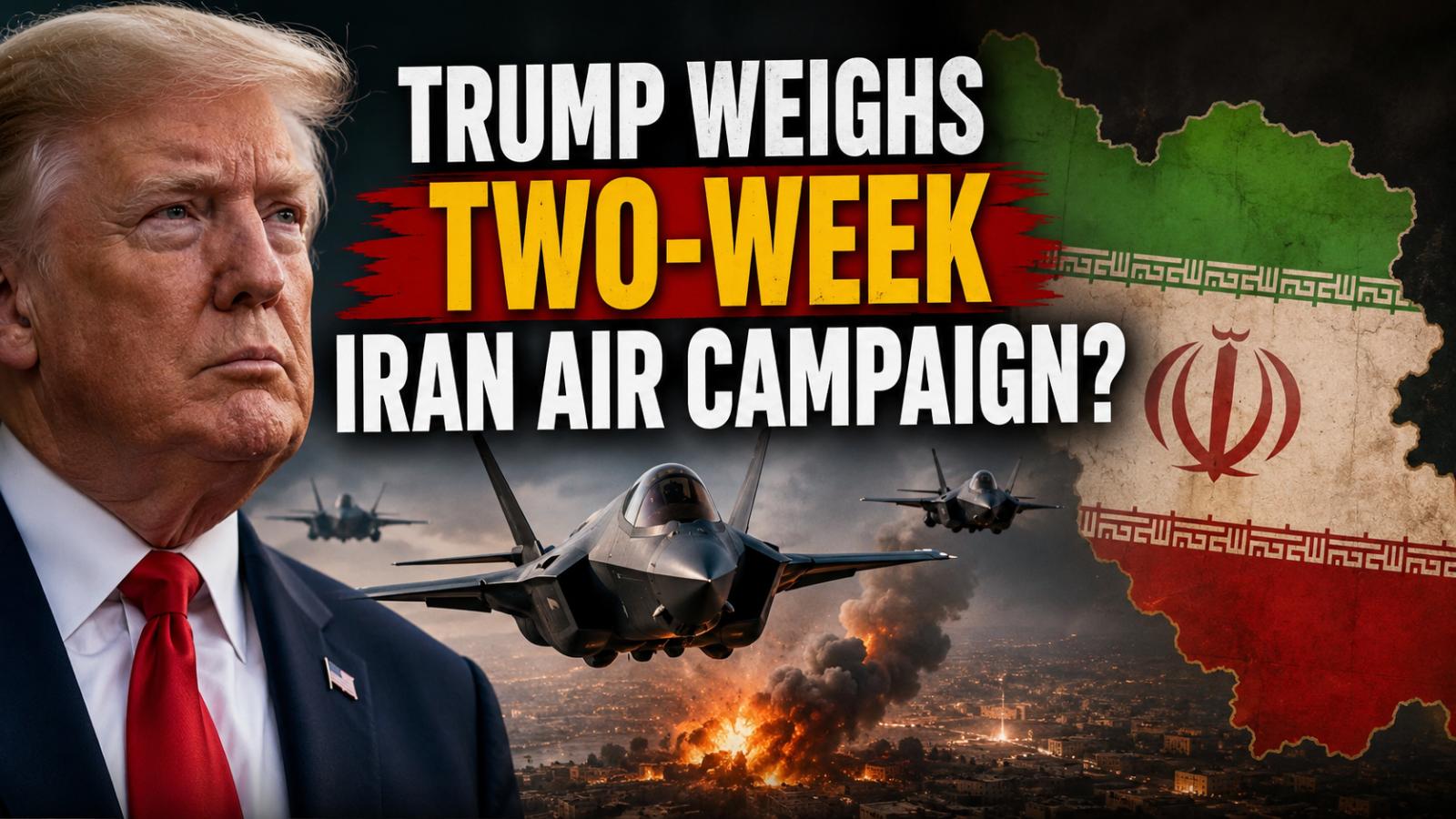
US President Donald Trump is considering a renewed Trump Iran air war as military officials prepare options for a potentially intensive two-week operation. The reported US air plan would focus on Iran’s missile capabilities, although Trump has not announced a final decision.
US air plan
The Wall Street Journal reported that US military planners have developed a two-week air campaign intended to weaken Iran’s ability to produce, store and launch missiles. The proposal would represent a wider and more sustained operation than the limited retaliatory strikes conducted during earlier stages of the confrontation.
People familiar with the discussions told the newspaper that Trump is examining several military choices. One option involves a concentrated campaign against a broader range of Iranian missile facilities. Another would limit the scale of US action and leave greater room for negotiations with Tehran.
The president has not publicly approved the reported campaign. The absence of a final decision remains important because planning by the Pentagon does not automatically mean that military action will take place.
CENTCOM
Admiral Brad Cooper, the commander of US Central Command, reportedly developed the more intensive proposal. CENTCOM oversees American military activity across West Asia and has already directed US operations involving Iran, regional missile defence and maritime security.
According to the report, Cooper believes sustained strikes could severely reduce Iran’s offensive missile capacity and ease pressure on US defensive systems. However, senior officials are also considering the strain that an expanded campaign could place on American interceptor supplies and military resources needed in other regions.
Official CENTCOM material confirms that Cooper currently leads the command and has overseen recent US operations involving Iran. However, CENTCOM has not publicly released the reported two-week proposal.
Iran arms
Iran’s missile infrastructure remains central to Washington’s calculations. Previous US and allied strikes damaged launchers, storage areas and production facilities, but assessments cited in recent reporting suggest that Tehran still retains missiles and can rebuild parts of its military network.
Iran has also continued launching missiles and drones despite months of military pressure. That resilience has raised questions about whether air power alone can permanently remove the threat or merely delay Iran’s ability to restore its arsenal.
A wider campaign could target launch systems, underground facilities, command centres and manufacturing sites. Such an operation would also carry substantial risks, including retaliation against US forces, Gulf partners, energy facilities and commercial shipping routes.
Trump call
The final Trump call will determine whether Washington chooses a major escalation or a narrower response. The president has recently promised strong retaliation following Iranian attacks, but he has also paused military action at different stages to allow diplomatic efforts to continue.
The White House and Pentagon had not publicly confirmed the specific two-week plan when the report emerged. Any article describing the proposal should therefore present it as a reported option under consideration, not as an approved military operation.
Iran talks
Iran talks remain a possible alternative even as military preparations continue. Washington and Tehran remain divided over Iran’s nuclear programme, missile forces, regional activities and support for armed groups.
A limited US response could preserve space for intermediaries to pursue negotiations. A prolonged air campaign, however, could trigger another cycle of Iranian retaliation and American strikes, increasing the danger of a wider regional conflict.
Trump now faces a difficult choice: attempt to reduce Iran’s missile threat through sustained military force or pursue a more restrained response that keeps diplomacy alive. The Pentagon can prepare options, but the political and strategic consequences will depend on the decision made by the White House.
US President Donald Trump is considering a renewed Trump Iran air war as military officials prepare options for a potentially intensive two-week operation. The reported US air plan would focus on Iran’s missile capabilities, although Trump has not announced a final decision.
US air plan
The Wall Street Journal reported that US military planners have developed a two-week air campaign intended to weaken Iran’s ability to produce, store and launch missiles. The proposal would represent a wider and more sustained operation than the limited retaliatory strikes conducted during earlier stages of the confrontation.
People familiar with the discussions told the newspaper that Trump is examining several military choices. One option involves a concentrated campaign against a broader range of Iranian missile facilities. Another would limit the scale of US action and leave greater room for negotiations with Tehran.
The president has not publicly approved the reported campaign. The absence of a final decision remains important because planning by the Pentagon does not automatically mean that military action will take place.
CENTCOM
Admiral Brad Cooper, the commander of US Central Command, reportedly developed the more intensive proposal. CENTCOM oversees American military activity across West Asia and has already directed US operations involving Iran, regional missile defence and maritime security.
According to the report, Cooper believes sustained strikes could severely reduce Iran’s offensive missile capacity and ease pressure on US defensive systems. However, senior officials are also considering the strain that an expanded campaign could place on American interceptor supplies and military resources needed in other regions.
Official CENTCOM material confirms that Cooper currently leads the command and has overseen recent US operations involving Iran. However, CENTCOM has not publicly released the reported two-week proposal.
Iran arms
Iran’s missile infrastructure remains central to Washington’s calculations. Previous US and allied strikes damaged launchers, storage areas and production facilities, but assessments cited in recent reporting suggest that Tehran still retains missiles and can rebuild parts of its military network.
Iran has also continued launching missiles and drones despite months of military pressure. That resilience has raised questions about whether air power alone can permanently remove the threat or merely delay Iran’s ability to restore its arsenal.
A wider campaign could target launch systems, underground facilities, command centres and manufacturing sites. Such an operation would also carry substantial risks, including retaliation against US forces, Gulf partners, energy facilities and commercial shipping routes.
Trump call
The final Trump call will determine whether Washington chooses a major escalation or a narrower response. The president has recently promised strong retaliation following Iranian attacks, but he has also paused military action at different stages to allow diplomatic efforts to continue.
The White House and Pentagon had not publicly confirmed the specific two-week plan when the report emerged. Any article describing the proposal should therefore present it as a reported option under consideration, not as an approved military operation.
Iran talks
Iran talks remain a possible alternative even as military preparations continue. Washington and Tehran remain divided over Iran’s nuclear programme, missile forces, regional activities and support for armed groups.
A limited US response could preserve space for intermediaries to pursue negotiations. A prolonged air campaign, however, could trigger another cycle of Iranian retaliation and American strikes, increasing the danger of a wider regional conflict.
Trump now faces a difficult choice: attempt to reduce Iran’s missile threat through sustained military force or pursue a more restrained response that keeps diplomacy alive. The Pentagon can prepare options, but the political and strategic consequences will depend on the decision made by the White House.
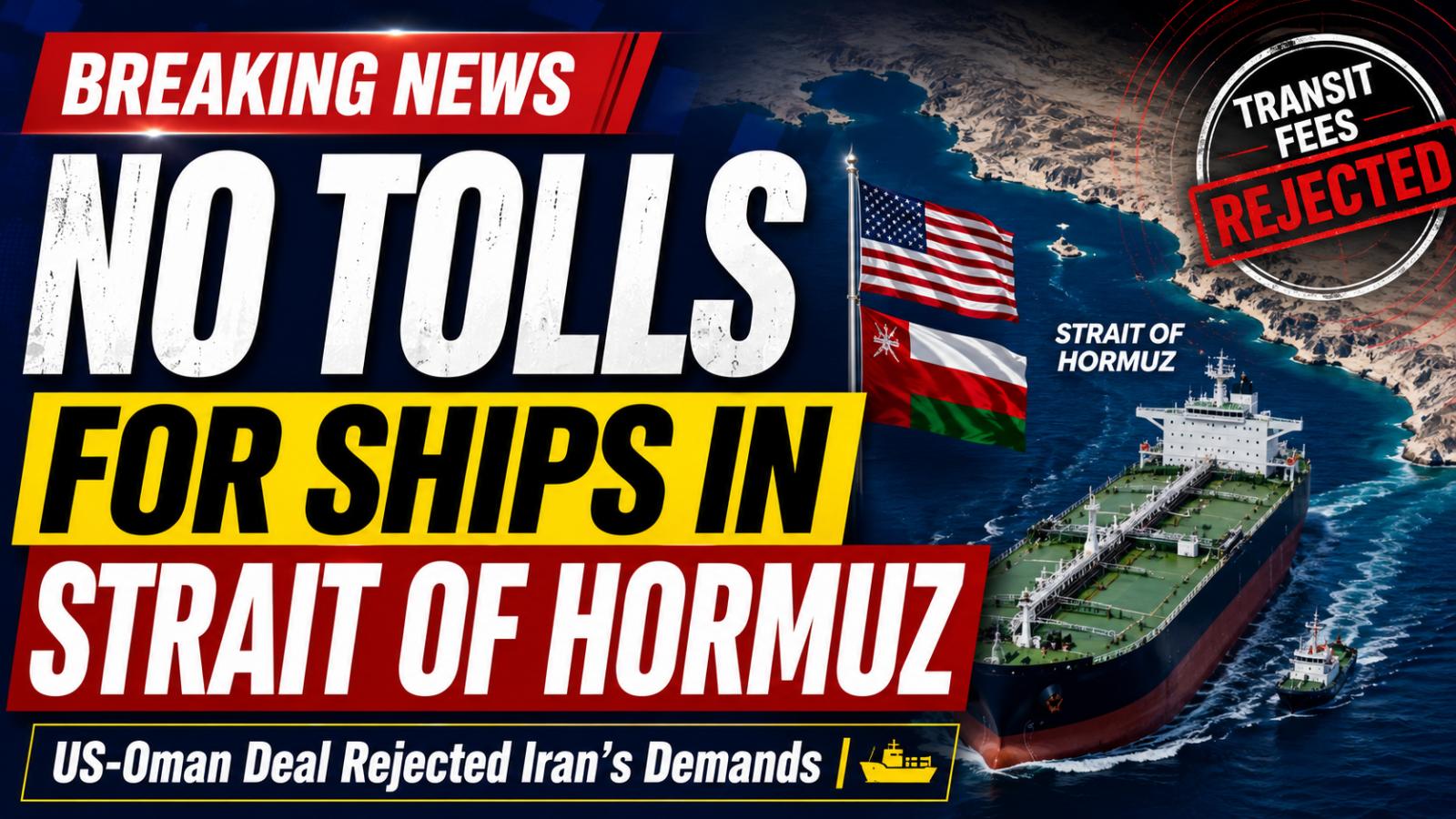
A proposed Strait of Hormuz shipping deal will not impose tolls or transit charges on commercial vessels, according to a US official familiar with negotiations involving Washington, Iran and Oman. The discussions seek to protect ship transit and restore confidence in the strategic waterway after conflict-related disruptions.
Strait of Hormuz Shipping Deal Excludes Tolls
Commercial ships passing
A proposed Strait of Hormuz shipping deal will not impose tolls or transit charges on commercial vessels, according to a US official familiar with negotiations involving Washington, Iran and Oman. The discussions seek to protect ship transit and restore confidence in the strategic waterway after conflict-related disruptions.
Strait of Hormuz Shipping Deal Excludes Tolls
Commercial ships passing
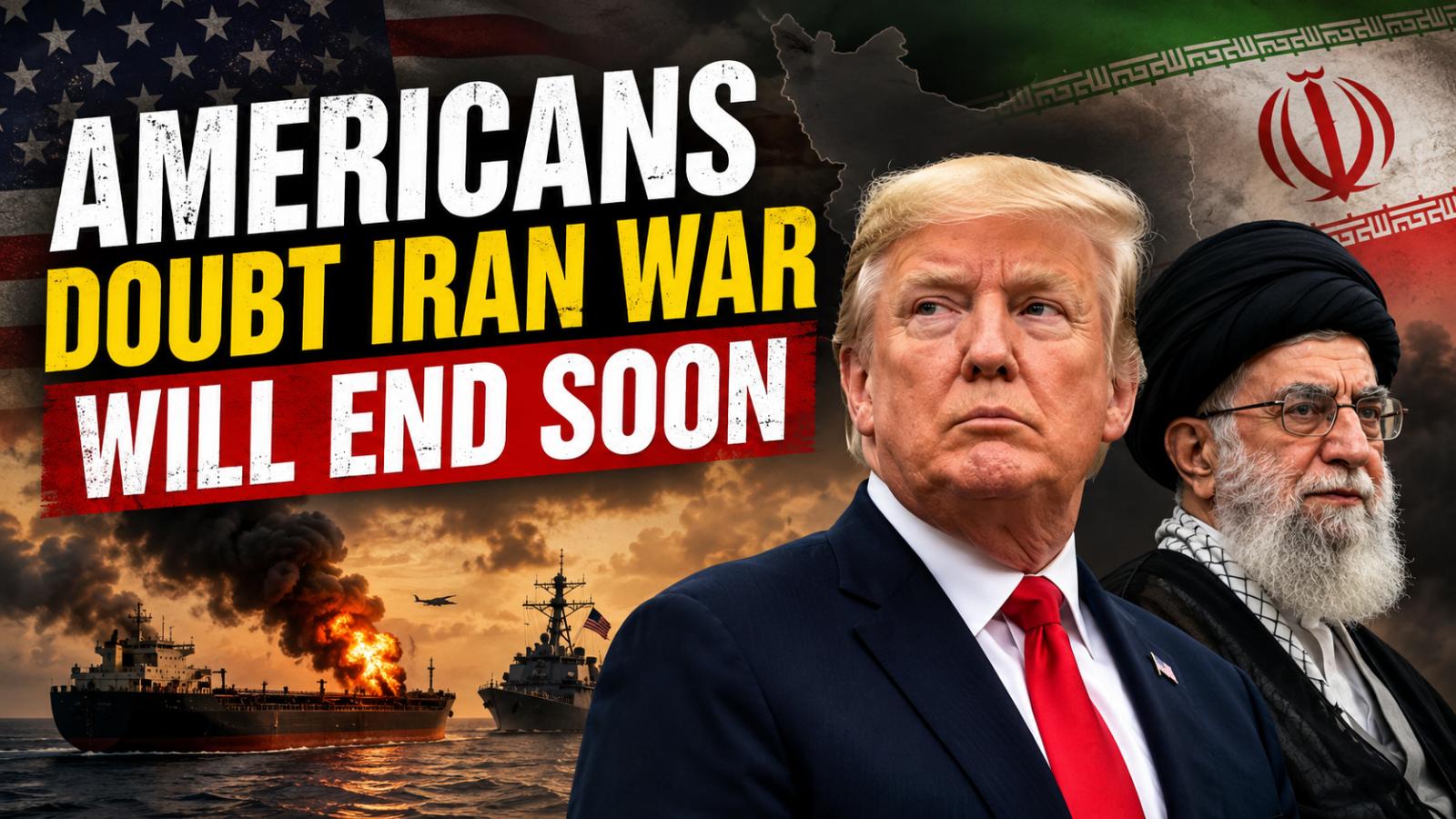
Americans increasingly doubt the Iran war will end soon as diplomacy stalls, Congress debates presidential war powers, shipping risks rise in the Strait of Hormuz and new polling shows voters expect the conflict to continue for months or years rather than weeks.
Timeline remains uncertain
U.S. Ambassador to the United Nations Mike Waltz has declined to place a deadline on the conflict. Waltz sa
Americans increasingly doubt the Iran war will end soon as diplomacy stalls, Congress debates presidential war powers, shipping risks rise in the Strait of Hormuz and new polling shows voters expect the conflict to continue for months or years rather than weeks.
Timeline remains uncertain
U.S. Ambassador to the United Nations Mike Waltz has declined to place a deadline on the conflict. Waltz sa
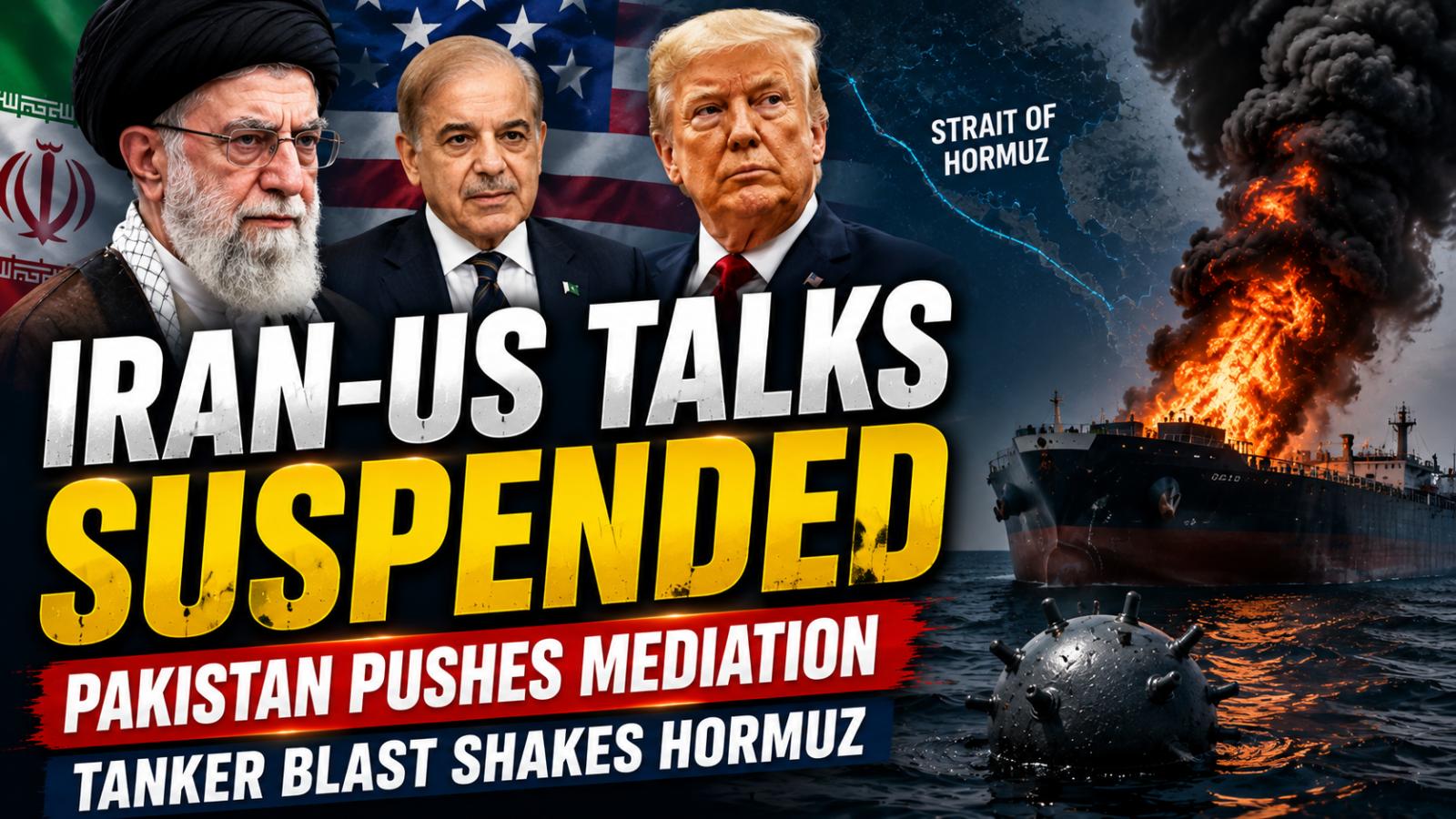
Iran has reportedly told Pakistani officials that negotiations with the United States remain suspended rather than permanently abandoned, leaving open a possible path back to diplomacy. The development comes as US strikes pause, Pakistan explores mediation and tensions continue over shipping routes through the Strait of Hormuz.
Iran-US talks remain suspended
Iran has not withdrawn from negotiat
Iran has reportedly told Pakistani officials that negotiations with the United States remain suspended rather than permanently abandoned, leaving open a possible path back to diplomacy. The development comes as US strikes pause, Pakistan explores mediation and tensions continue over shipping routes through the Strait of Hormuz.
Iran-US talks remain suspended
Iran has not withdrawn from negotiat
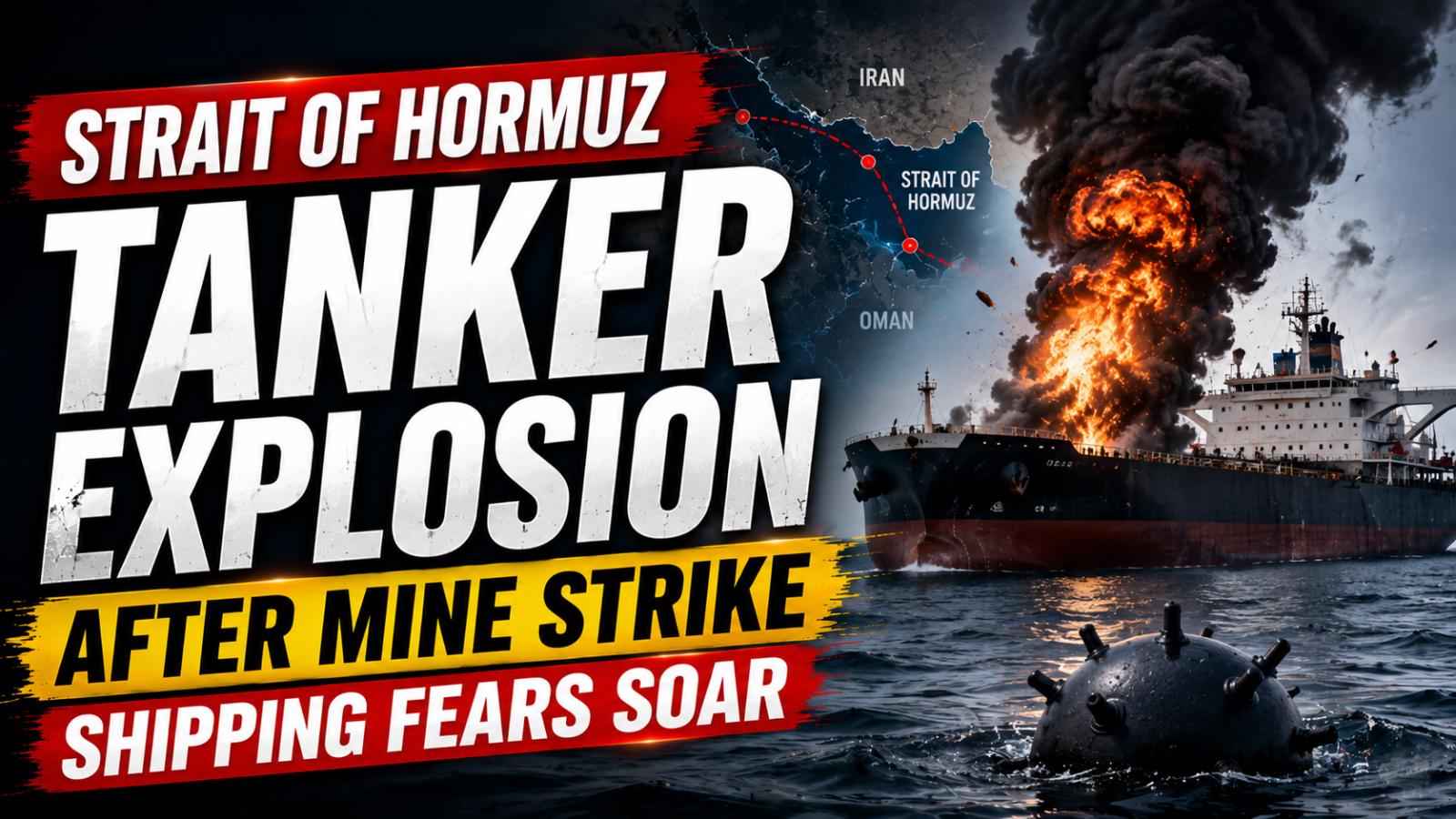
A reported Strait of Hormuz tanker explosion has renewed concern over maritime safety after Iranian media said an oil vessel struck a naval mine outside a route designated by Tehran. Iranian authorities have not issued a full official account, while the United States has paused strikes as diplomatic contacts continue.
Strait of Hormuz tanker explosion remains unconfirmed
An oil tanker reportedl
A reported Strait of Hormuz tanker explosion has renewed concern over maritime safety after Iranian media said an oil vessel struck a naval mine outside a route designated by Tehran. Iranian authorities have not issued a full official account, while the United States has paused strikes as diplomatic contacts continue.
Strait of Hormuz tanker explosion remains unconfirmed
An oil tanker reportedl
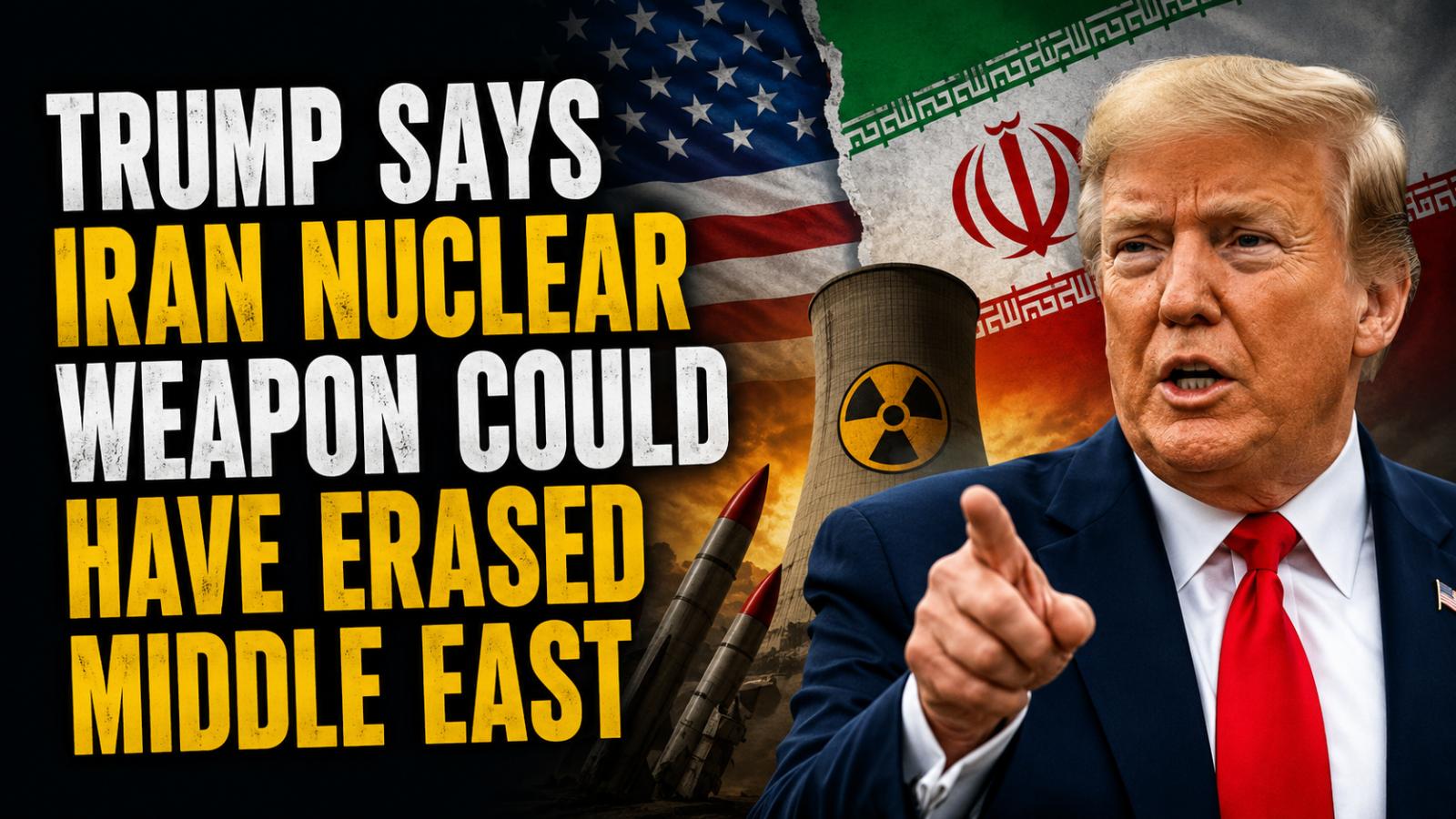
President Donald Trump said ongoing Trump Iran nuclear talks could still produce an agreement, but warned that Washington may take further military action if diplomacy fails. He argued that an Iranian nuclear weapon would have placed the entire Middle East at severe risk.
Trump warning focuses on Iran’s nuclear ambitions
Speaking to reporters on Friday, July 24, Trump defended his administrat
President Donald Trump said ongoing Trump Iran nuclear talks could still produce an agreement, but warned that Washington may take further military action if diplomacy fails. He argued that an Iranian nuclear weapon would have placed the entire Middle East at severe risk.
Trump warning focuses on Iran’s nuclear ambitions
Speaking to reporters on Friday, July 24, Trump defended his administrat
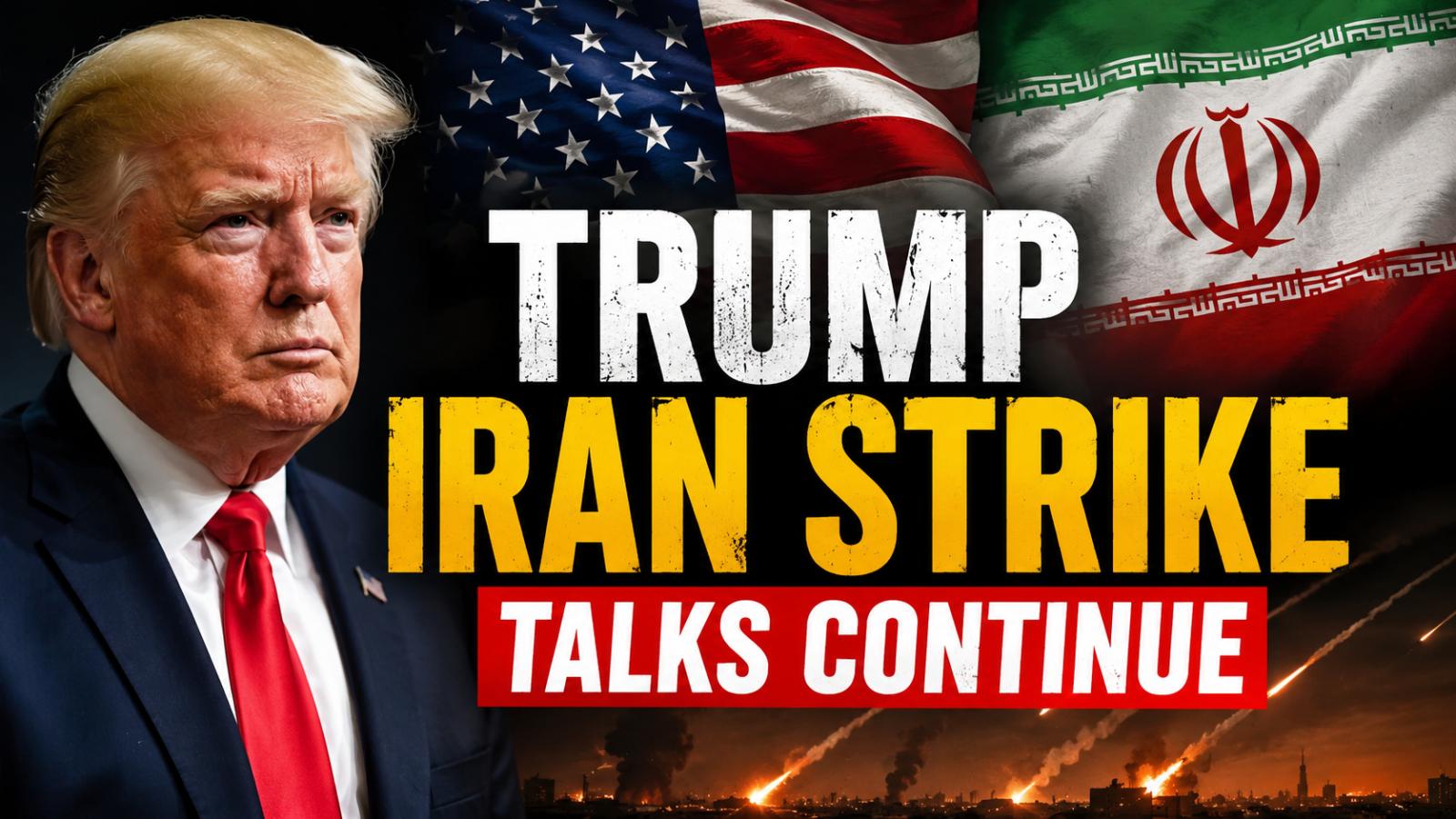
US President Donald Trump said Washington remains engaged in Trump Iran strike talks and has not decided whether to order major new military action. He said diplomacy remains the preferred path but warned that the US military could escalate strikes if negotiations fail.
Diplomacy Remains the Preferred Option
Speaking on Friday, July 24, Trump confirmed that American officials were communicating
US President Donald Trump said Washington remains engaged in Trump Iran strike talks and has not decided whether to order major new military action. He said diplomacy remains the preferred path but warned that the US military could escalate strikes if negotiations fail.
Diplomacy Remains the Preferred Option
Speaking on Friday, July 24, Trump confirmed that American officials were communicating
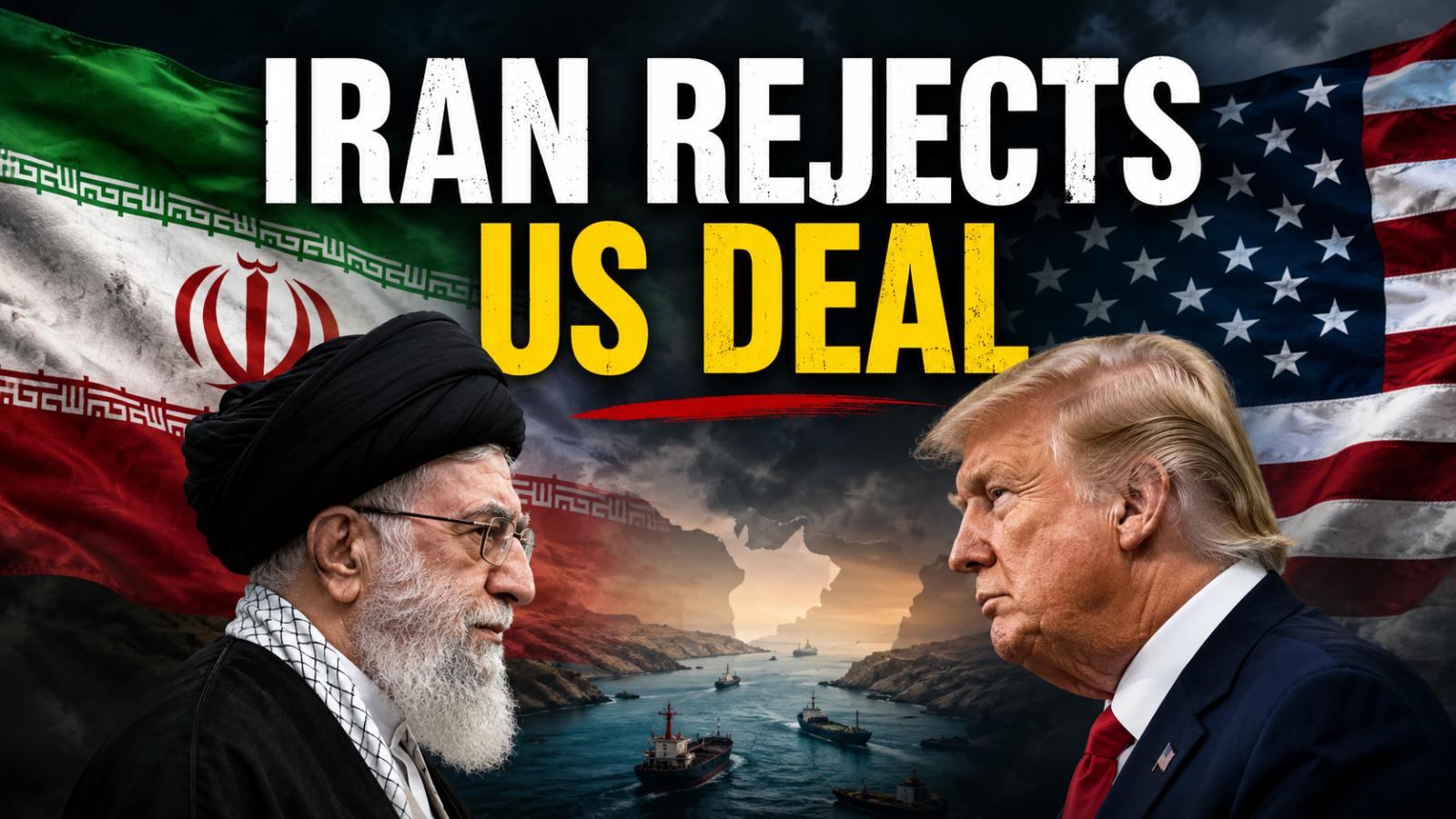
Iran has reportedly rejected a peace proposal from US President Donald Trump that Iraqi officials conveyed during a high-level visit to Tehran. The decision has weakened hopes for an Iran ceasefire as American strikes, Iranian retaliation and disputes over the Strait of Hormuz continue to intensify the US-Iran conflict.
Iraq role in Trump’s peace proposal
Iraqi Prime Minister Ali al-Zaidi rep
Iran has reportedly rejected a peace proposal from US President Donald Trump that Iraqi officials conveyed during a high-level visit to Tehran. The decision has weakened hopes for an Iran ceasefire as American strikes, Iranian retaliation and disputes over the Strait of Hormuz continue to intensify the US-Iran conflict.
Iraq role in Trump’s peace proposal
Iraqi Prime Minister Ali al-Zaidi rep