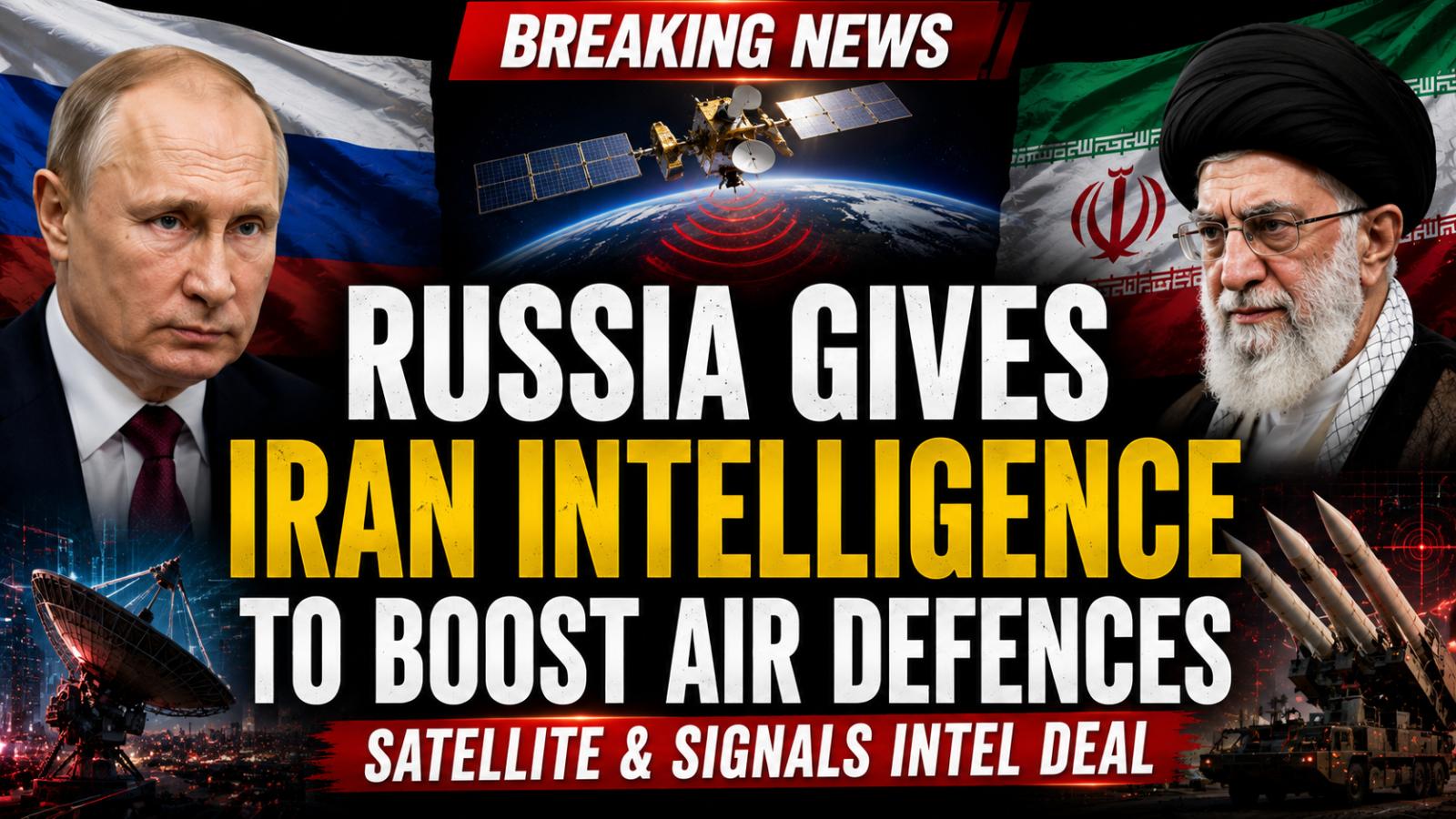
Russia is reportedly providing Iran with satellite surveillance and signals intelligence that could strengthen Tehran’s air defences, protect military assets and improve the accuracy of its drone and missile operations. The claims come from US and European officials, but neither Moscow nor Tehran has confirmed the alleged cooperation.
Russian Satellite Data May Strengthen Iran Air Defence
Officials familiar with Western intelligence assessments reportedly believe Moscow has supplied Tehran with electronic intelligence collected through satellites and signals-monitoring systems. Such information could help Iranian forces detect aircraft, study flight routes and identify unusual military activity near sensitive sites.
Russian satellite data may also allow Iran to move missile launchers, radar systems and command centres before an attack. Better warning would not make Iranian facilities immune to US or Israeli strikes, but it could reduce surprise and improve Tehran’s ability to protect high-value military assets.
The reported Russia Iran intelligence sharing remains an allegation rather than an independently established fact. US and European officials have described the assistance privately, while the Russian and Iranian governments have not publicly addressed the latest claims.
Signals Intelligence Could Help Track US Forces
Signals intelligence involves collecting and analysing electronic communications, radar emissions and other transmitted data. When combined with satellite imagery, it can provide a clearer picture of aircraft movements, naval deployments and military preparations.
Officials reportedly assess that the intelligence could help Iran identify US forces during aerial operations across West Asia. It may also support efforts to understand how American radar, communications and weapons systems operate.
However, the claim that Russian assistance could directly disrupt US-made weapons requires caution. Intelligence can reveal patterns or vulnerabilities, but interfering with advanced weapons normally demands specialised electronic warfare equipment, technical access and precise operational knowledge.
Missile Targeting Support Raises Regional Risks
Improved surveillance could help Tehran plan more accurate drone and missile attacks by confirming the position of bases, air-defence batteries or other military targets. It could also help Iranian commanders compare strike results and adjust later operations.
This creates a wider risk for American personnel and regional partners. Even limited intelligence support from Russia could force the United States to alter flight routes, communications procedures and force-protection measures.
The reported assistance would also deepen Moscow’s involvement in the US-Iran confrontation without requiring Russian forces to enter the conflict directly. Intelligence sharing offers Russia a lower-risk way to assist Tehran while maintaining some distance from Iranian military decisions.
Iran-Russia Treaty Deepens Security Cooperation
Russia and Iran signed their Comprehensive Strategic Partnership Treaty on January 17, 2025, not January 2026. The 20-year agreement covers defence, intelligence, energy, trade and military-technical cooperation. It allows their security services to exchange information and experience, but it does not create a mutual defence obligation.
Military ties between the two countries expanded after Russia launched its full-scale invasion of Ukraine in 2022. Western governments have accused Iran of supporting Russia’s war effort with drones and related technology. Iran and Russia have disputed several Western allegations concerning the nature and scale of that support.
The latest intelligence claims therefore fit an established pattern of closer security coordination, but they should not be presented as confirmed government policy without public evidence. The key issue is whether reported data sharing provides Iran with broad situational awareness or direct operational support for specific attacks.