US-Iran Hormuz Tanker Strike Deepens Gulf Crisis
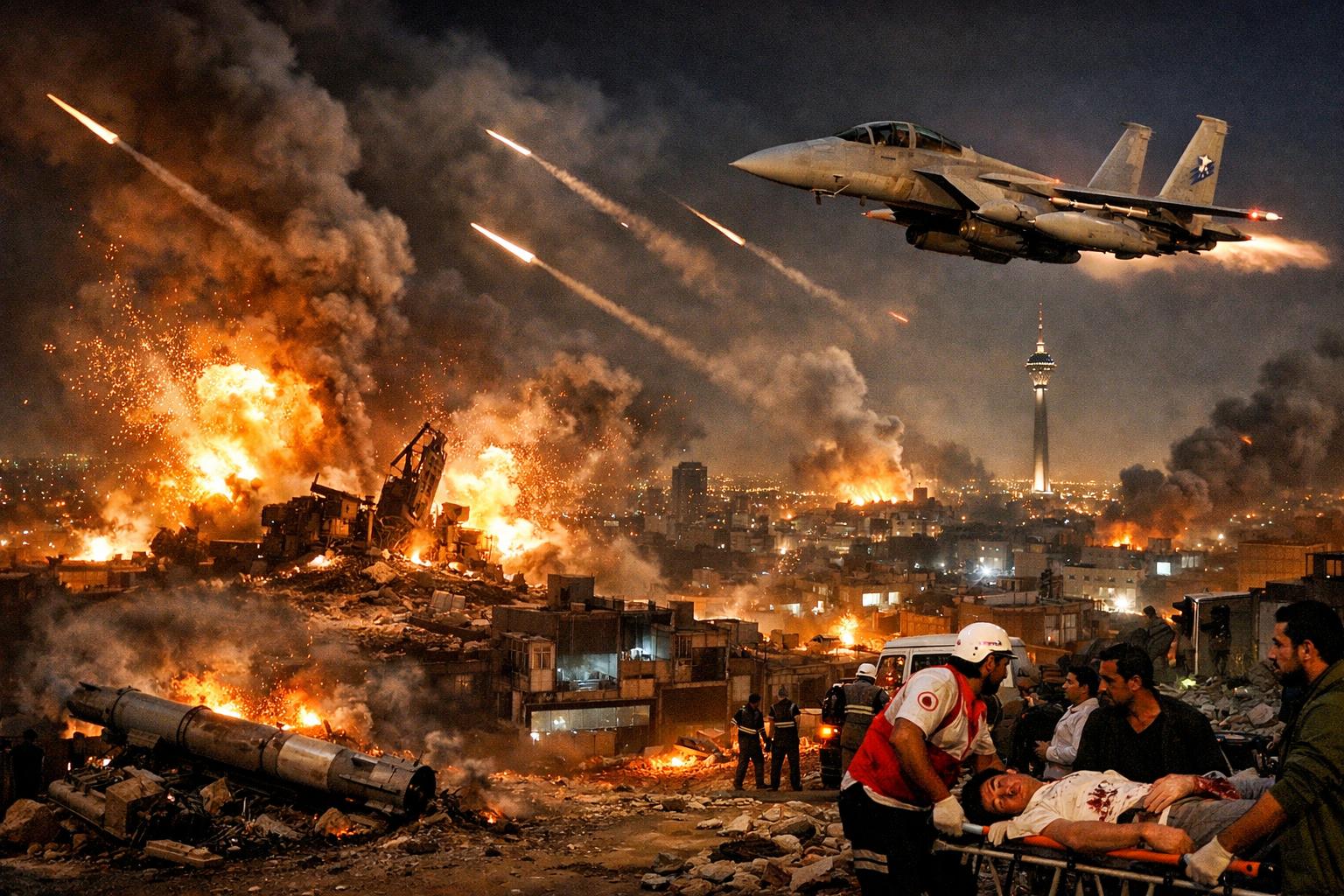
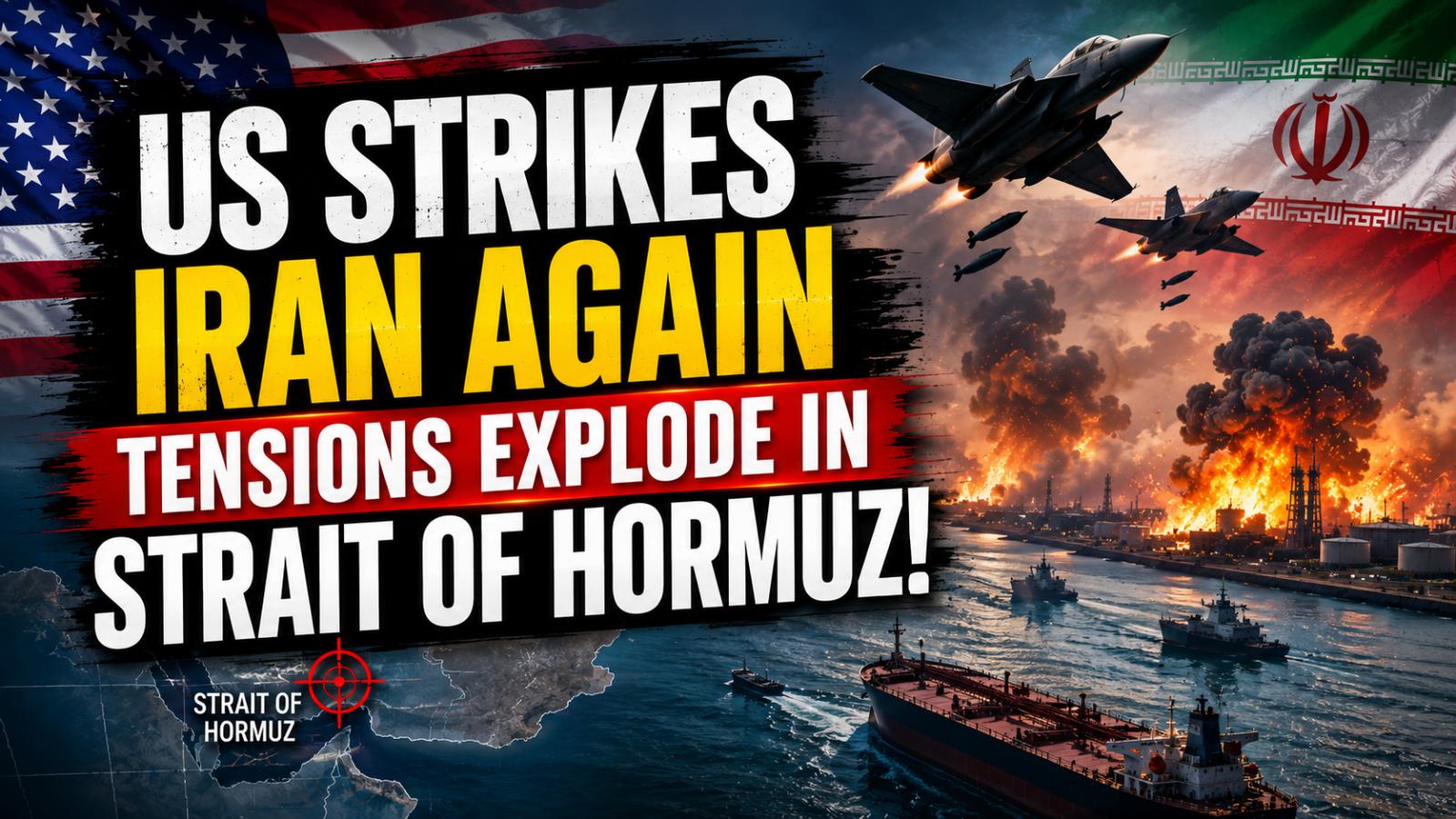
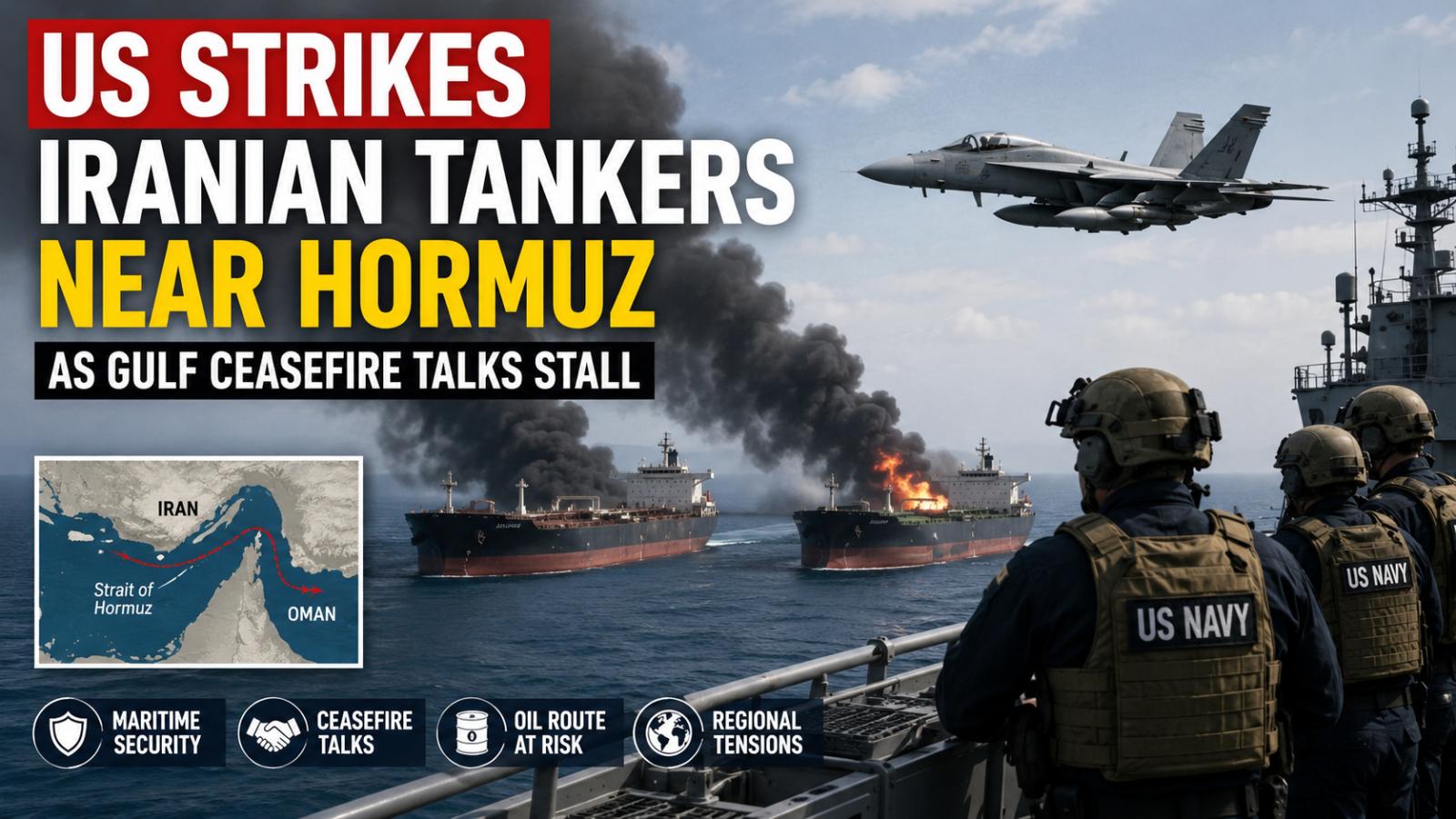
US forces struck two Iranian tankers near the Strait of Hormuz on May 8, 2026, as fragile Gulf ceasefire talks stalled. The move has raised fresh fears over oil shipping, regional security and the next step in Washington-Tehran diplomacy.
What Happened Near the Strait of Hormuz?
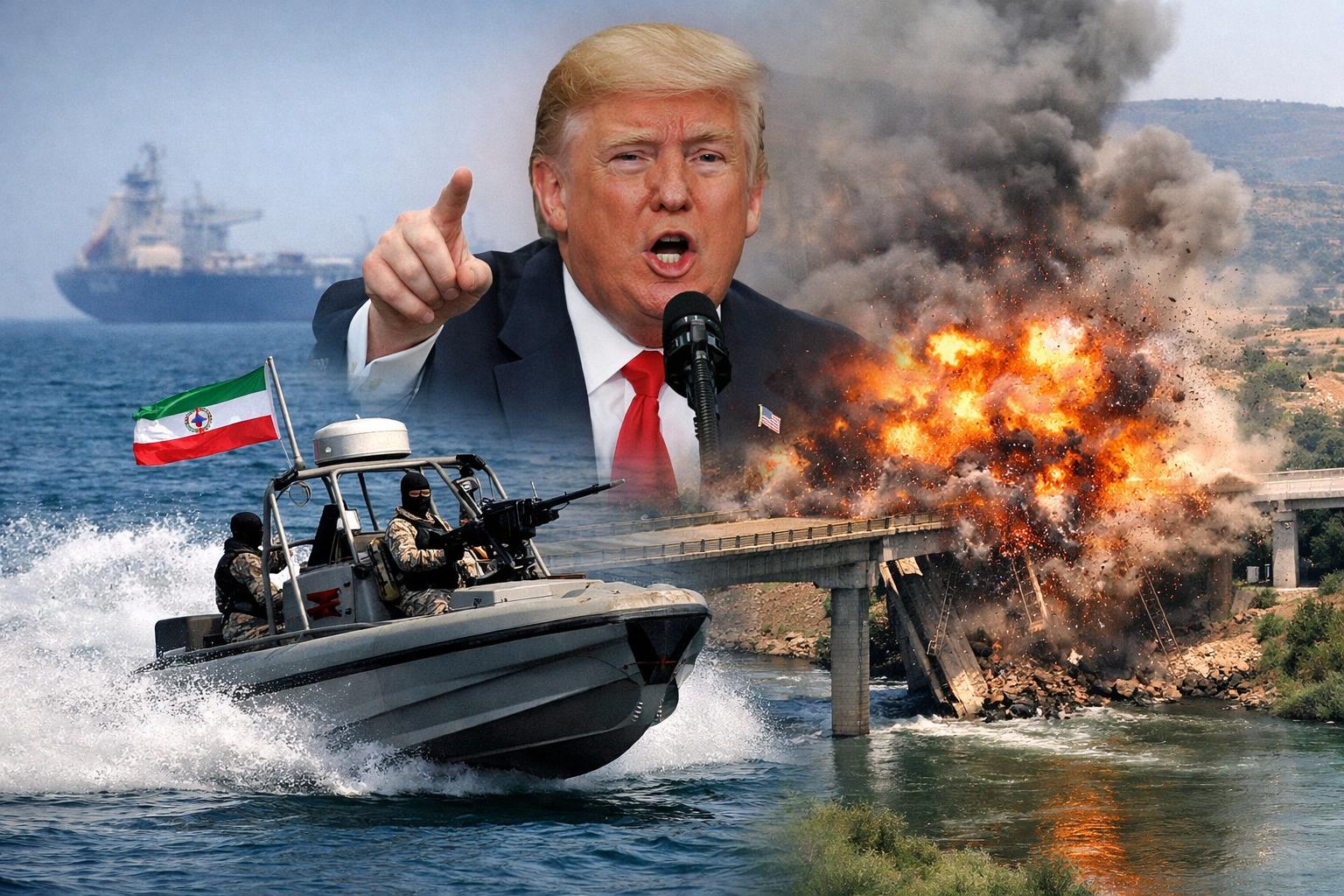
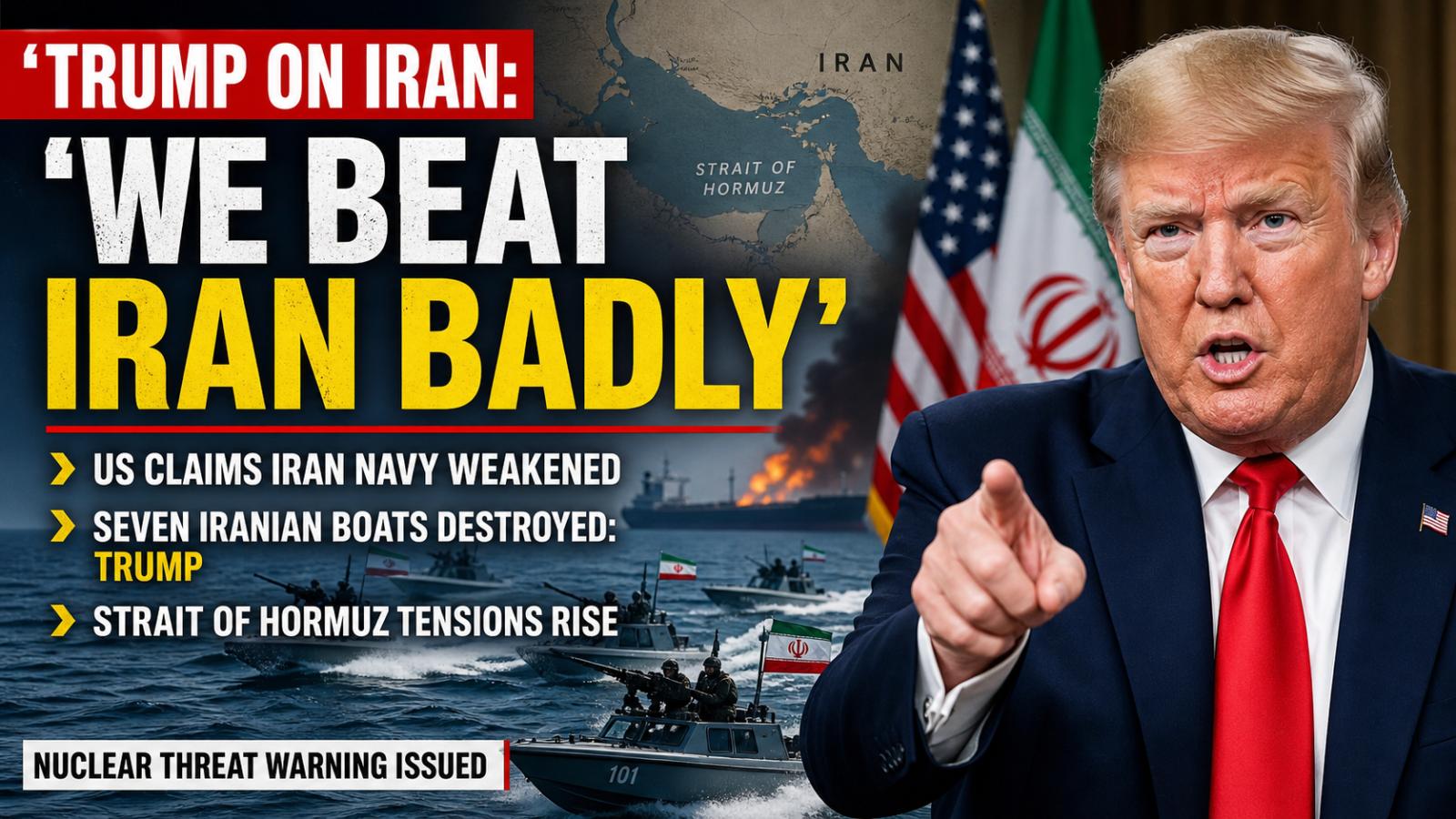
US Central Command said American forces disabled two Iranian-flagged oil tankers before they could enter an Iranian port, accusing the vessels of violating an ongoing blockade. Officials said the operation was aimed at protecting freedom of navigation and preventing further escalation in one of the world’s most sensitive maritime corridors.
The Strait of Hormuz is watched closely because a major share of global crude oil moves through the narrow Gulf passage. Any military clash there can quickly shake energy markets and increase pressure on governments already trying to keep the ceasefire alive.
Why It Matters for Ceasefire Talks
The tanker strike comes as Washington awaits Tehran’s response to efforts to extend the Gulf ceasefire. Iran has condemned recent US military action as hostile, while US officials argue the blockade is meant to stop maritime pressure and protect commercial shipping.
Analysts say the confrontation could harden positions on both sides. For shipping companies, the immediate concern is risk: higher insurance costs, delayed routes and the possibility of more naval incidents near Hormuz.
What Comes Next?
Diplomats are pushing to prevent the standoff from turning into a wider conflict. But with tankers disabled, naval forces on alert and ceasefire talks still uncertain, the Gulf remains one of the world’s most dangerous flashpoints.