Trump AI Iran Map Sparks Foreign Policy Debate
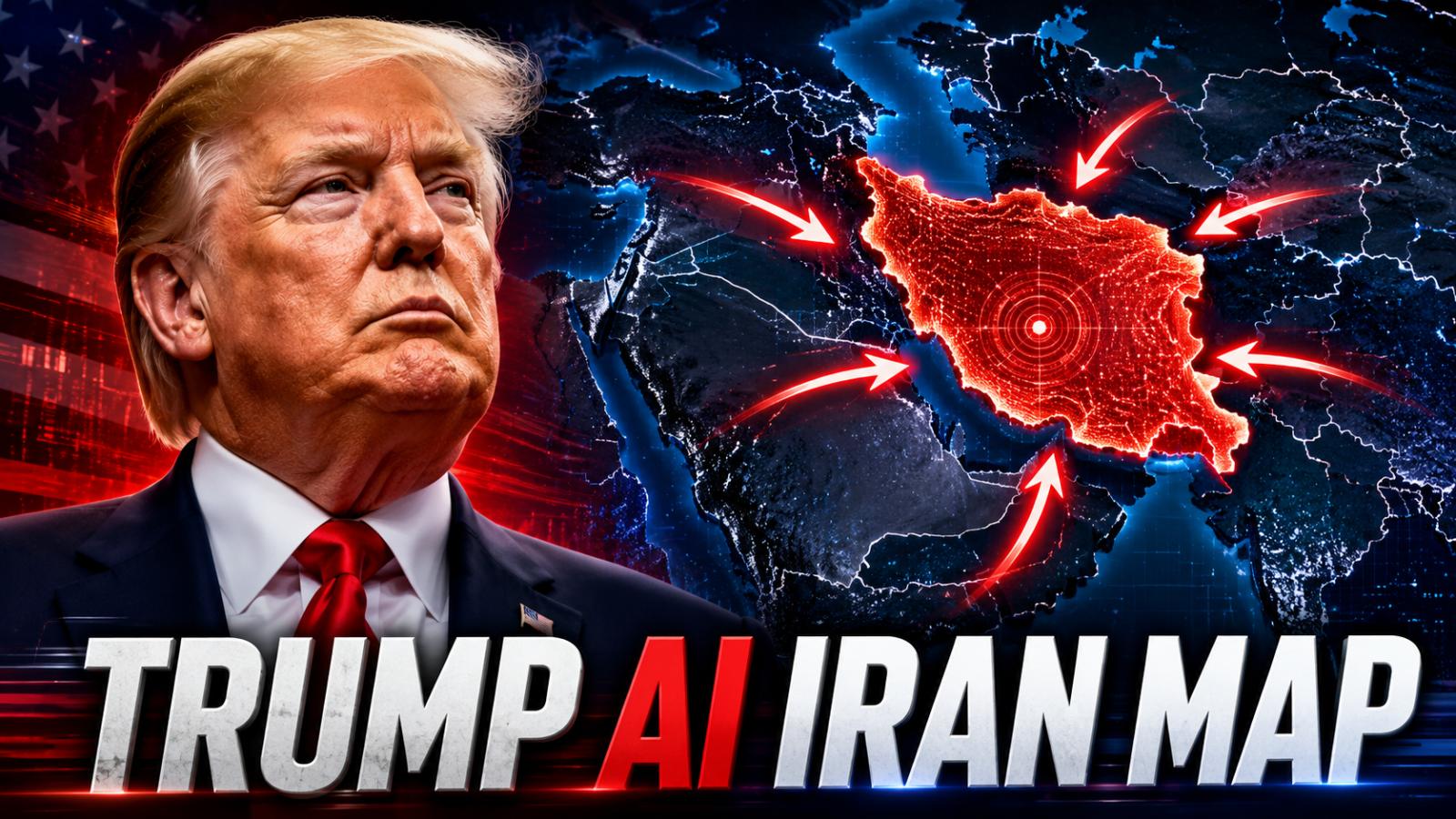
On May 17, 2026, US President Donald Trump posted a strong warning about Iran on Truth Social, saying that Iran needed to move fast toward an agreement and that time was running out. On May 18, 2026, another post featuring an AI-style map of West Asia gained attention because it showed arrows pointing toward Iran along with the American flag. The image quickly became a talking point because it appeared during a sensitive moment in US-Iran relations.
Trump AI Iran Map Sparks Foreign Policy Debate
On May 17, 2026, US President Donald Trump posted a strong warning about Iran on Truth Social, saying that Iran needed to move fast toward an agreement and that time was running out. On May 18, 2026, another post featuring an AI-style map of West Asia gained attention because it showed arrows pointing toward Iran along with the American flag. The image quickly became a talking point because it appeared during a sensitive moment in US-Iran relations.
US Expands Anti-Drug Campaign With New Pacific Strike
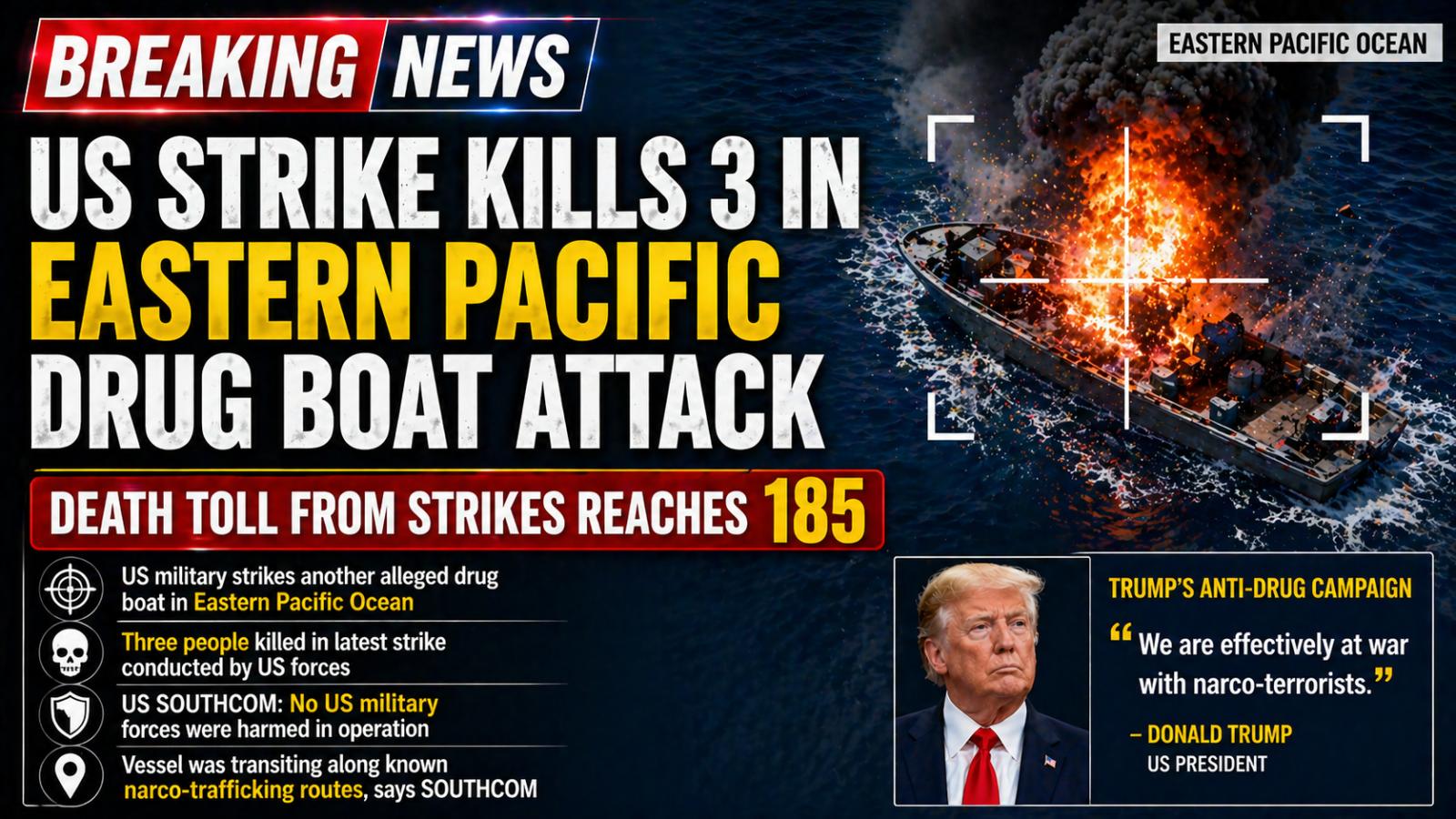
The United States military carried out another strike on a suspected drug-trafficking vessel in the Eastern Pacific, resulting in the deaths of three individuals, on Sunday (Apr 26), according to officials. The operation was conducted under the direction of US Southern Command, which stated that the vessel was operating along known narcotics trafficking routes and was actively engaged in il
US Expands Anti-Drug Campaign With New Pacific Strike
The United States military carried out another strike on a suspected drug-trafficking vessel in the Eastern Pacific, resulting in the deaths of three individuals, on Sunday (Apr 26), according to officials. The operation was conducted under the direction of US Southern Command, which stated that the vessel was operating along known narcotics trafficking routes and was actively engaged in il
Russia’s Lavrov accuses US of targeting oil resources in foreign policy
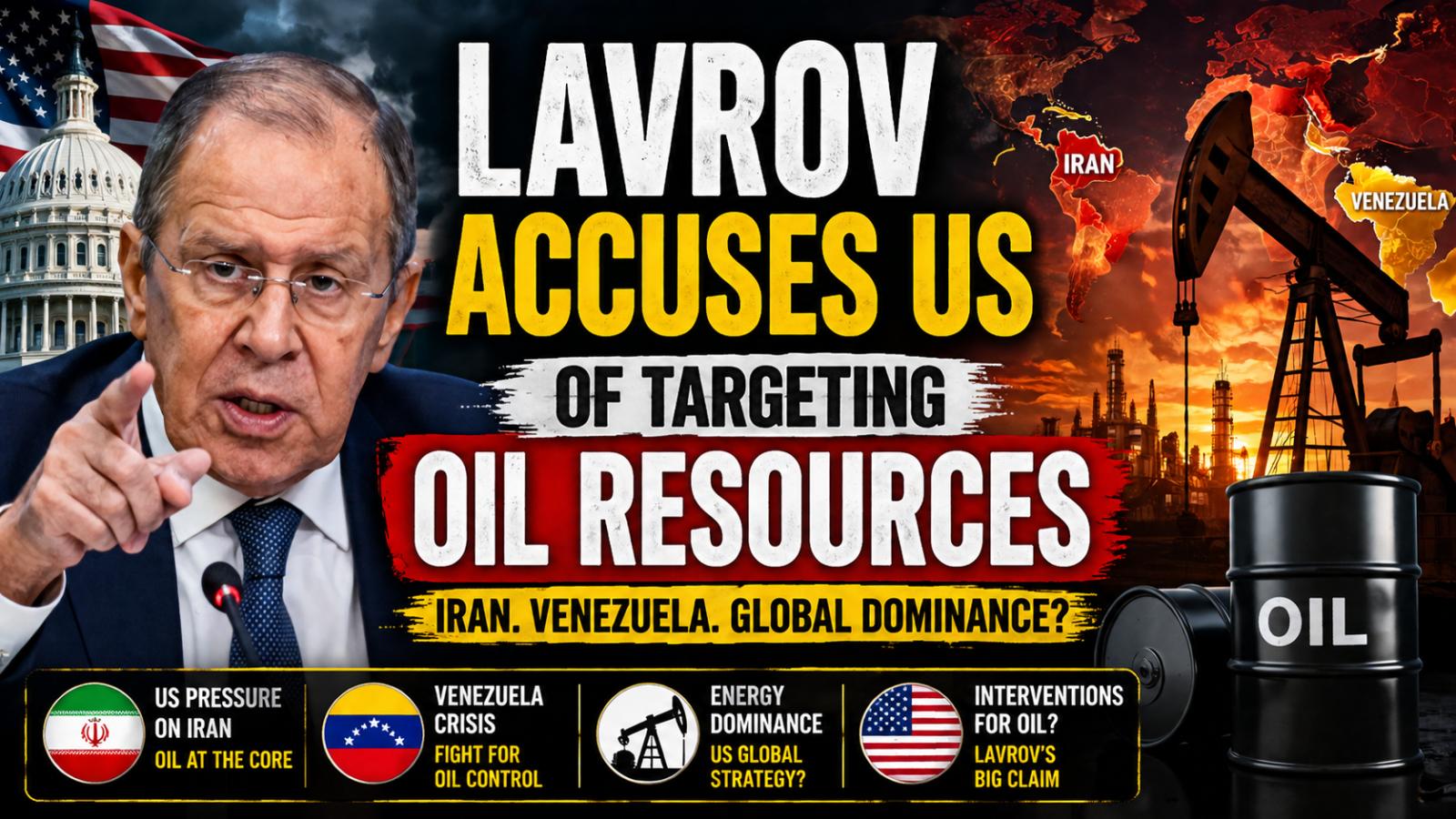
Russia’s foreign minister accuses the US of pursuing oil-driven interventions in Iran and Venezuela, raising concerns over global energy dominance and geopolitical tensions. Russian Foreign Minister Sergei Lavrov has accused the United States of pursuing foreign interventions to secure control over global oil and energy resources, escalating rhetoric between Moscow and
Russia’s Lavrov accuses US of targeting oil resources in foreign policy
Russia’s foreign minister accuses the US of pursuing oil-driven interventions in Iran and Venezuela, raising concerns over global energy dominance and geopolitical tensions. Russian Foreign Minister Sergei Lavrov has accused the United States of pursuing foreign interventions to secure control over global oil and energy resources, escalating rhetoric between Moscow and
Lavrov criticizes US foreign policy over oil and energy dominance
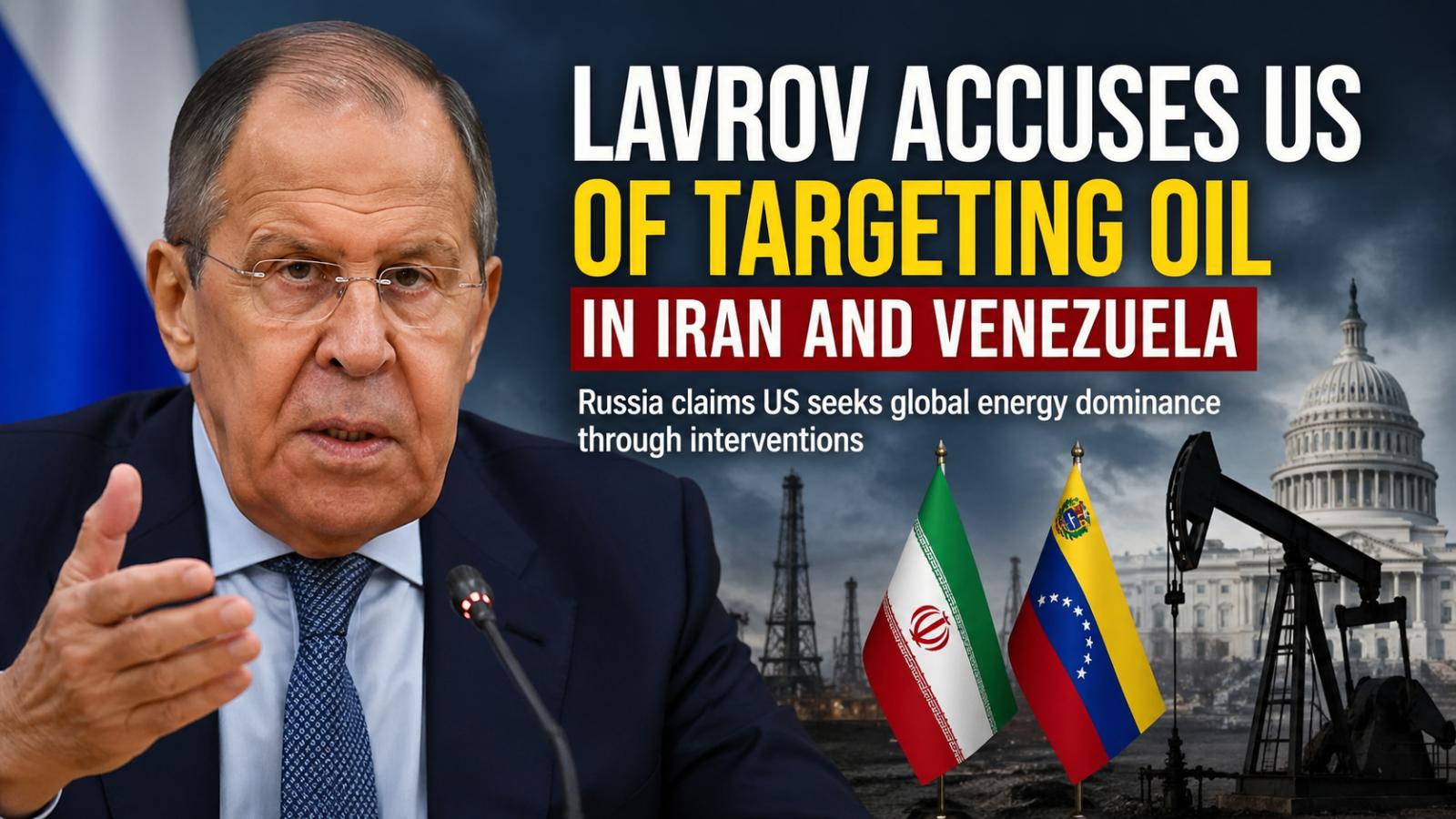
Russian Foreign Minister Sergei Lavrov has accused the United States of pursuing oil-driven policies in Iran and Venezuela, claiming that control over global energy resources is a central goal of Washington’s foreign strategy. Speaking in a televised interview, Lavrov said the US focuses primarily on its own interests and is willing to use extreme methods to secure access to oil and energy assets in resource-rich nations. Lavrov alleged that US actions in countries such as Iran and Venezuela are not hidden, but openly tied to securing influence over energy markets. According to him, Washington’s approach reflects a broader ambition to dominate global energy supply chains. He argued that such policies show a shift away from international legal norms, suggesting that decisions are increasingly shaped by power rather than agreed rules. The Russian minister also criticized the US for what he described as inconsistent diplomacy. He urged Washington to prioritize dialogue, stating that the US has a pattern of withdrawing from agreements instead of maintaining stable international commitments. His remarks come as American envoys prepare for discussions in Pakistan, signaling ongoing diplomatic engagement in the region. The White House has indicated openness to negotiations with Iran, while maintaining that it will not act under pressure. Meanwhile, Iran’s Foreign Minister Abbas Araghchi has begun a regional visit, adding to the ongoing diplomatic activity surrounding the issue. Lavrov further linked US foreign policy to developments in Europe, particularly in the context of the Ukraine conflict. He accused Washington of encouraging European nations to reduce dependence on Russian gas, framing this as part of a broader geopolitical strategy. According to Lavrov, such moves resemble attempts to reshape global energy dynamics in a way that benefits US interests, raising concerns about a return to power-based international relations.
Lavrov criticizes US foreign policy over oil and energy dominance
Russian Foreign Minister Sergei Lavrov has accused the United States of pursuing oil-driven policies in Iran and Venezuela, claiming that control over global energy resources is a central goal of Washington’s foreign strategy. Speaking in a televised interview, Lavrov said the US focuses primarily on its own interests and is willing to use extreme methods to secure access to oil and energy assets in resource-rich nations. Lavrov alleged that US actions in countries such as Iran and Venezuela are not hidden, but openly tied to securing influence over energy markets. According to him, Washington’s approach reflects a broader ambition to dominate global energy supply chains. He argued that such policies show a shift away from international legal norms, suggesting that decisions are increasingly shaped by power rather than agreed rules. The Russian minister also criticized the US for what he described as inconsistent diplomacy. He urged Washington to prioritize dialogue, stating that the US has a pattern of withdrawing from agreements instead of maintaining stable international commitments. His remarks come as American envoys prepare for discussions in Pakistan, signaling ongoing diplomatic engagement in the region. The White House has indicated openness to negotiations with Iran, while maintaining that it will not act under pressure. Meanwhile, Iran’s Foreign Minister Abbas Araghchi has begun a regional visit, adding to the ongoing diplomatic activity surrounding the issue. Lavrov further linked US foreign policy to developments in Europe, particularly in the context of the Ukraine conflict. He accused Washington of encouraging European nations to reduce dependence on Russian gas, framing this as part of a broader geopolitical strategy. According to Lavrov, such moves resemble attempts to reshape global energy dynamics in a way that benefits US interests, raising concerns about a return to power-based international relations.
Venezuela, Hormuz, Malacca: The US-China energy conflict intensifies in 2026
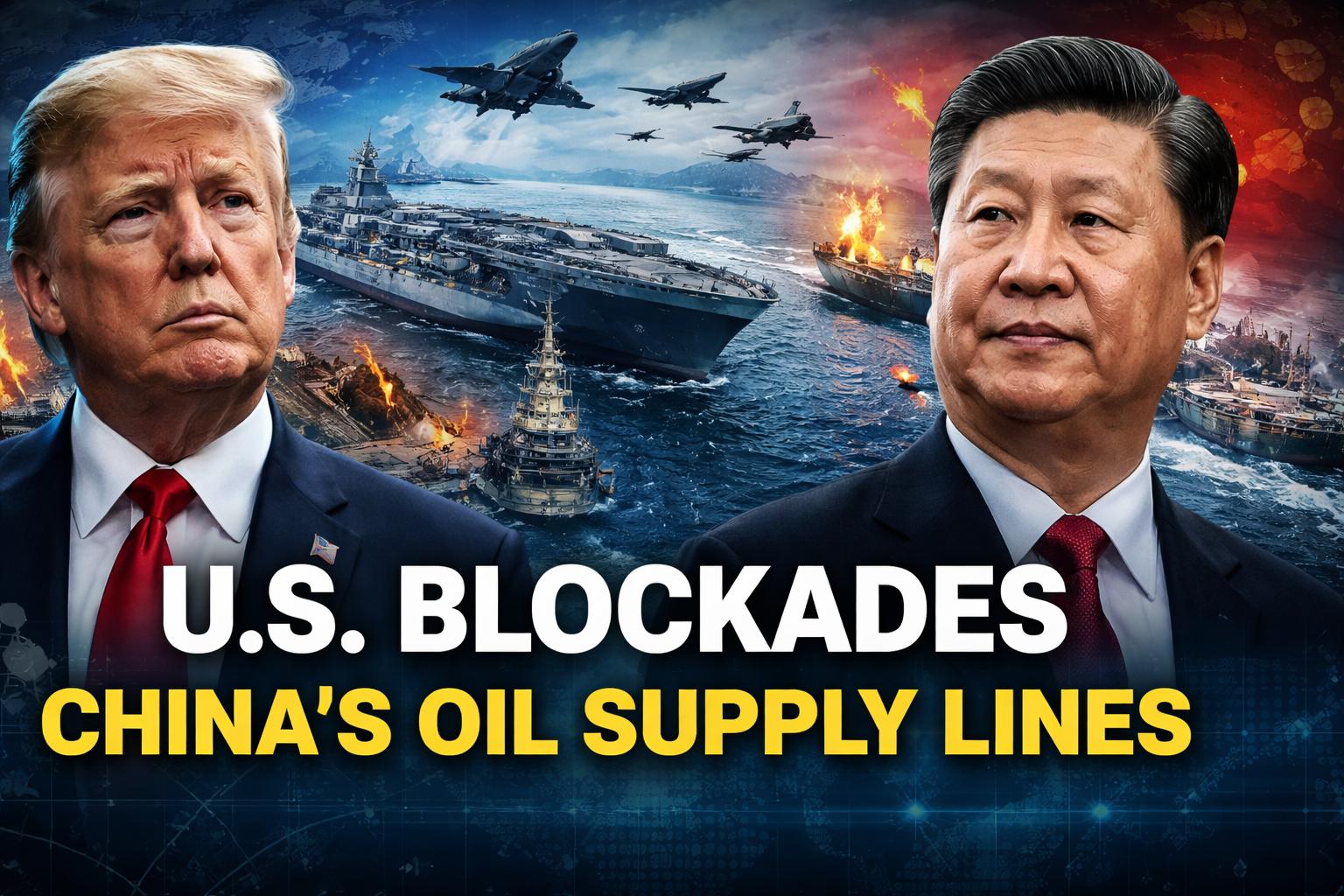
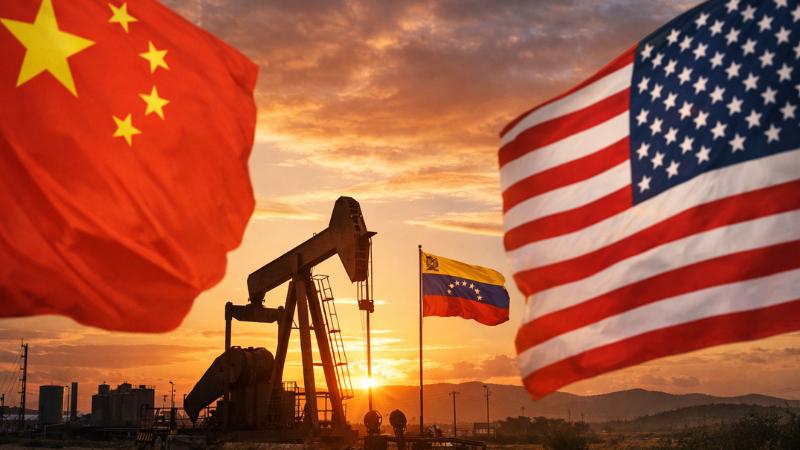
The geopolitical struggle for control over global oil supply routes escalated in early 2026, as the United States moved to strategically target key energy chokepoints in an attempt to disrupt China’s oil flow. With major oil reserves located in Venezuela, the strategic Strait of Hormuz, and the Malacca Strait, the US appears to be building a complex energy blockade aimed at China, using military force and economic pressure to shift the balance of power. In January 2026, the US took a bold step by moving its military presence to Venezuela, home to the world’s largest proven oil reserves. The operation involved an elite force that captured former Venezuelan President Nicolas Maduro, potentially altering the country’s political landscape and controlling access to its vast oil reserves. With an estimated 303 billion barrels of oil at stake, Venezuela became the first of many critical points in this evolving global energy chess game. The next move came in February 2026, when the US extended its reach into the Strait of Hormuz. This chokepoint, through which 20 to 25 percent of the world’s seaborne crude oil passes, became a target as the US launched air strikes on Iranian military and energy infrastructure. The subsequent blockade of Hormuz raised the stakes even higher, as China, a major oil importer, relies heavily on this route for its energy needs. Despite Trump’s assertion that the US no longer needed Hormuz oil due to domestic production, the global impact was undeniable, with oil prices rising sharply. By March 2026, the US had expanded its strategy to the Malacca Strait, one of the world’s busiest shipping lanes and a vital route for Chinese oil imports. Through a new deal with Indonesia, the US gained increased access to the region’s airspace, strengthening its surveillance and control capabilities. This move escalated the geopolitical pressure on China, which had already been preparing for such scenarios by building overland pipeline infrastructure to mitigate risks associated with maritime routes. China’s response to these strategic moves has been multifaceted. In Venezuela, it quickly adapted to the US military action, tapping into shadow fleets and using alternative routes to maintain its crude supply. Furthermore, China’s vast reserves, along with its investments in Russian and Iranian oil, have provided it with a buffer to withstand the pressure from the US blockade. With over 1.3 billion barrels in emergency reserves, China has the capacity to play the waiting game, absorbing the initial shocks to its oil supply. As the US tightens its grip on these strategic chokepoints, the geopolitical chessboard continues to shift. China’s ability to reroute oil through its vast pipeline network and shadow tanker fleet provides a buffer, but it remains to be seen which side will blink first in this high-stakes game. While the US hopes to achieve its goals through escalating energy denial, China’s resilience and strategic planning indicate that this global oil conflict is far from over. The Malacca Strait, a vital point in this strategic maneuvering, serves as the final battleground. With its ability to influence both regional and global shipping routes, the US’s efforts to control this chokepoint may prove pivotal. However, China’s efforts to secure alternative oil sources and protect its interests in the region suggest that the true outcome of this energy conflict will depend on the endurance and tactical flexibility of both superpowers.
Venezuela, Hormuz, Malacca: The US-China energy conflict intensifies in 2026
The geopolitical struggle for control over global oil supply routes escalated in early 2026, as the United States moved to strategically target key energy chokepoints in an attempt to disrupt China’s oil flow. With major oil reserves located in Venezuela, the strategic Strait of Hormuz, and the Malacca Strait, the US appears to be building a complex energy blockade aimed at China, using military force and economic pressure to shift the balance of power. In January 2026, the US took a bold step by moving its military presence to Venezuela, home to the world’s largest proven oil reserves. The operation involved an elite force that captured former Venezuelan President Nicolas Maduro, potentially altering the country’s political landscape and controlling access to its vast oil reserves. With an estimated 303 billion barrels of oil at stake, Venezuela became the first of many critical points in this evolving global energy chess game. The next move came in February 2026, when the US extended its reach into the Strait of Hormuz. This chokepoint, through which 20 to 25 percent of the world’s seaborne crude oil passes, became a target as the US launched air strikes on Iranian military and energy infrastructure. The subsequent blockade of Hormuz raised the stakes even higher, as China, a major oil importer, relies heavily on this route for its energy needs. Despite Trump’s assertion that the US no longer needed Hormuz oil due to domestic production, the global impact was undeniable, with oil prices rising sharply. By March 2026, the US had expanded its strategy to the Malacca Strait, one of the world’s busiest shipping lanes and a vital route for Chinese oil imports. Through a new deal with Indonesia, the US gained increased access to the region’s airspace, strengthening its surveillance and control capabilities. This move escalated the geopolitical pressure on China, which had already been preparing for such scenarios by building overland pipeline infrastructure to mitigate risks associated with maritime routes. China’s response to these strategic moves has been multifaceted. In Venezuela, it quickly adapted to the US military action, tapping into shadow fleets and using alternative routes to maintain its crude supply. Furthermore, China’s vast reserves, along with its investments in Russian and Iranian oil, have provided it with a buffer to withstand the pressure from the US blockade. With over 1.3 billion barrels in emergency reserves, China has the capacity to play the waiting game, absorbing the initial shocks to its oil supply. As the US tightens its grip on these strategic chokepoints, the geopolitical chessboard continues to shift. China’s ability to reroute oil through its vast pipeline network and shadow tanker fleet provides a buffer, but it remains to be seen which side will blink first in this high-stakes game. While the US hopes to achieve its goals through escalating energy denial, China’s resilience and strategic planning indicate that this global oil conflict is far from over. The Malacca Strait, a vital point in this strategic maneuvering, serves as the final battleground. With its ability to influence both regional and global shipping routes, the US’s efforts to control this chokepoint may prove pivotal. However, China’s efforts to secure alternative oil sources and protect its interests in the region suggest that the true outcome of this energy conflict will depend on the endurance and tactical flexibility of both superpowers.
US lifts sanctions on Venezuela’s interim leader Delcy Rodríguez
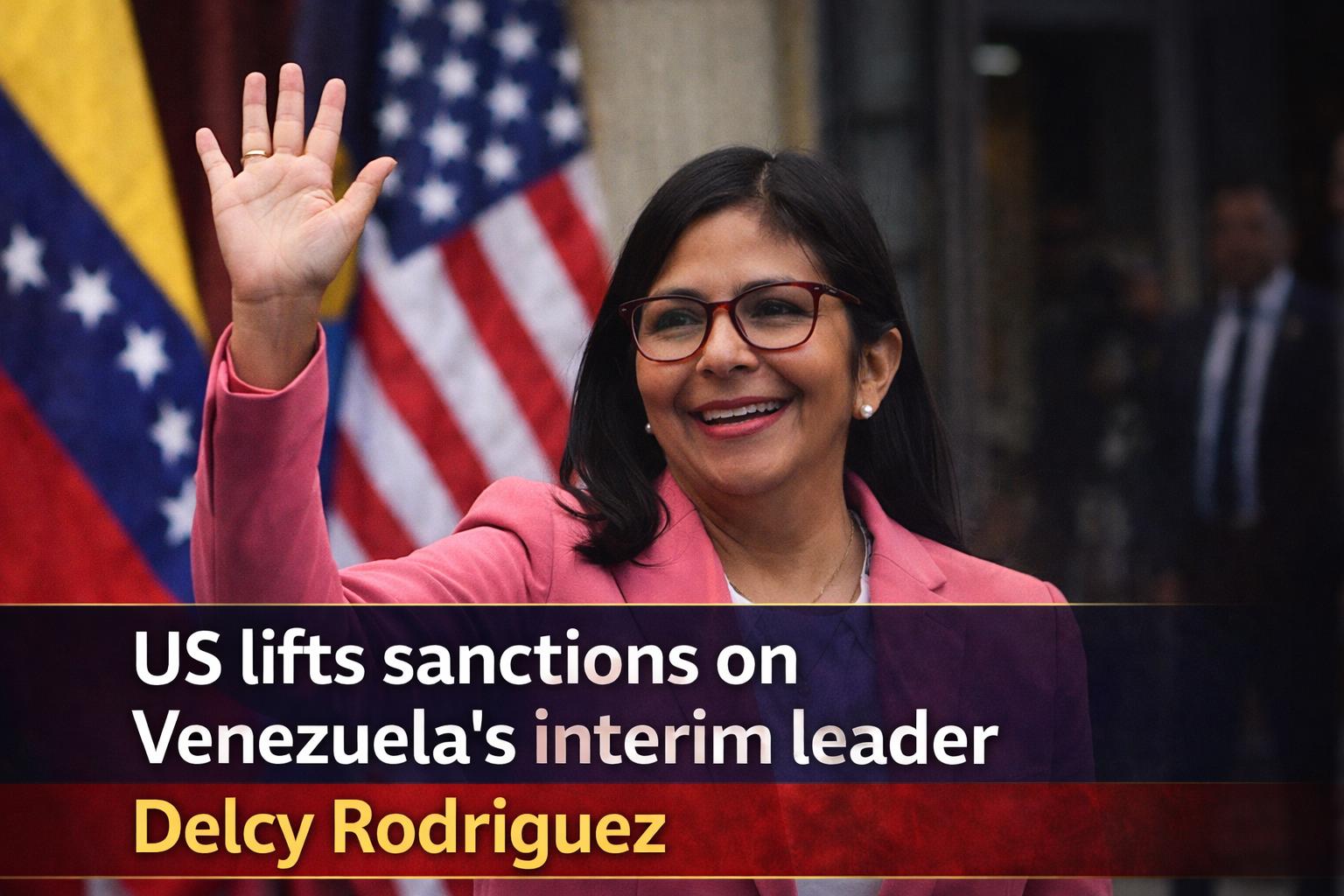
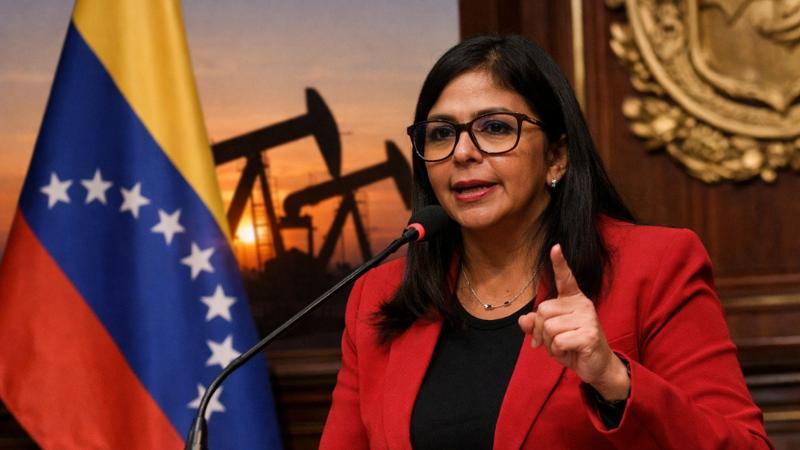
The United States has lifted sanctions on Venezuela’s interim president Delcy Rodríguez, signaling a significant shift in diplomatic relations between the two countries. The decision follows a series of developments after US forces removed former leader Nicolás Maduro from power in a military operation in Caracas and brought him to New York to face drug trafficking charges. Rodríguez, a longtime ally of Maduro and former vice president, had been under US sanctions since 2018 ov
US lifts sanctions on Venezuela’s interim leader Delcy Rodríguez
The United States has lifted sanctions on Venezuela’s interim president Delcy Rodríguez, signaling a significant shift in diplomatic relations between the two countries. The decision follows a series of developments after US forces removed former leader Nicolás Maduro from power in a military operation in Caracas and brought him to New York to face drug trafficking charges. Rodríguez, a longtime ally of Maduro and former vice president, had been under US sanctions since 2018 ov
India, Venezuela look to deepen ties after leadership change, PM Modi speaks to Rodríguez
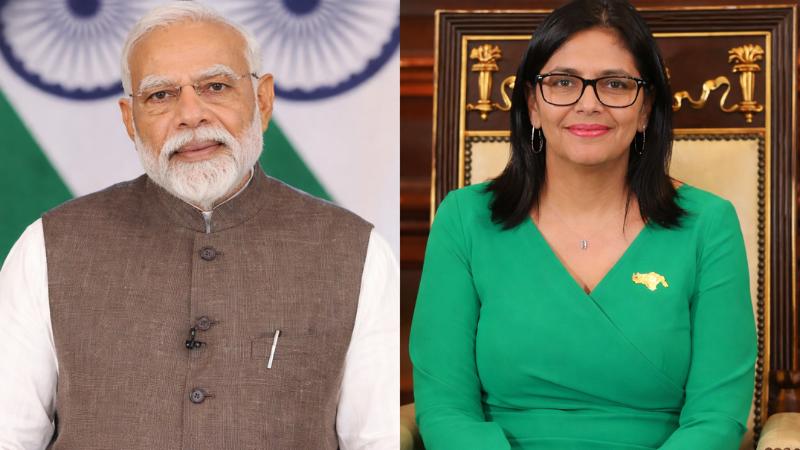
Prime Minister Narendra Modi on Friday held a conversation with Venezuela’s Acting President Delcy Rodríguez, reaffirming India’s intention to deepen and expand cooperation across multiple sectors. The discussion marks a significant diplomatic engagement nearly a month after former Venezuelan President Nicolás Maduro was removed from power and taken into United States custody following a high-profile military operation. In a message shared on social media, Modi said both sides
India, Venezuela look to deepen ties after leadership change, PM Modi speaks to Rodríguez
Prime Minister Narendra Modi on Friday held a conversation with Venezuela’s Acting President Delcy Rodríguez, reaffirming India’s intention to deepen and expand cooperation across multiple sectors. The discussion marks a significant diplomatic engagement nearly a month after former Venezuelan President Nicolás Maduro was removed from power and taken into United States custody following a high-profile military operation. In a message shared on social media, Modi said both sides
Rubio says he couldn’t make a deal with maduro at senate hearing on venezuela policy
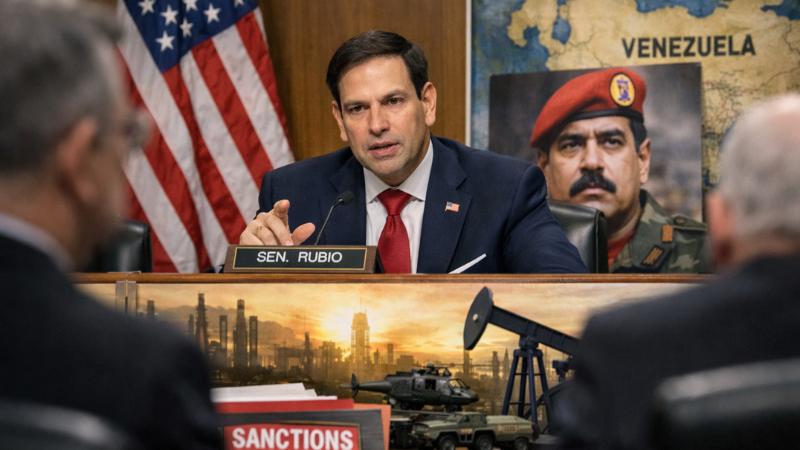
United States Secretary of State Marco Rubio testified before the Senate Foreign Relations Committee on Wednesday, marking his first public appearance since the capture of Venezuelan leader Nicolás Maduro earlier this month. Rubio outlined the administration’s approach toward Venezuela, defended the operation that led to Maduro’s detention, and emphasized the strategic concerns the United States has regarding the region. His testimony came amid scrutiny from senators on both sides of the ai
Rubio says he couldn’t make a deal with maduro at senate hearing on venezuela policy
United States Secretary of State Marco Rubio testified before the Senate Foreign Relations Committee on Wednesday, marking his first public appearance since the capture of Venezuelan leader Nicolás Maduro earlier this month. Rubio outlined the administration’s approach toward Venezuela, defended the operation that led to Maduro’s detention, and emphasized the strategic concerns the United States has regarding the region. His testimony came amid scrutiny from senators on both sides of the ai
Families of Trinidadian men killed in U.S. boat strike sue government over wrongful death
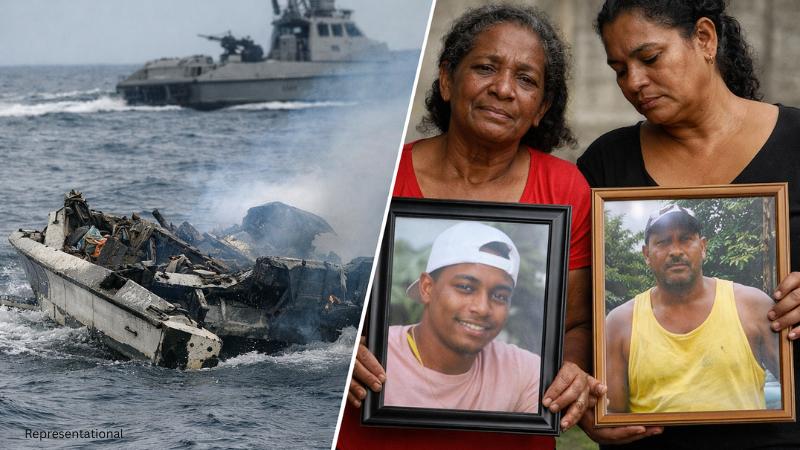
Family members of two Trinidadian men killed during a U.S. military strike on a boat in the Caribbean Sea have filed a federal lawsuit accusing the United States government of wrongful death and unlawful killings. The legal action, submitted Tuesday, challenges the legality of the strike and marks the first known case brought against the current administration over its expanded military campaign targeting suspected drug-smuggling vessels in the region. The lawsuit centers on the dea
Families of Trinidadian men killed in U.S. boat strike sue government over wrongful death
Family members of two Trinidadian men killed during a U.S. military strike on a boat in the Caribbean Sea have filed a federal lawsuit accusing the United States government of wrongful death and unlawful killings. The legal action, submitted Tuesday, challenges the legality of the strike and marks the first known case brought against the current administration over its expanded military campaign targeting suspected drug-smuggling vessels in the region. The lawsuit centers on the dea
Venezuela interim President says enough of US orders amid prisoner release debate
Venezuela’s interim leadership is facing mounting domestic and international scrutiny as acting President Delcy Rodríguez sharply criticised sustained pressure from the United States and provided updated figures on political prisoner releases, figures that remain contested by human rights organisations and independent observers. Rodríguez’s remarks reflect broader tensions over sovereignty, human rights and the direction of Venezuela’s transitional government following the capture of for

Venezuela interim President says enough of US orders amid prisoner release debate
Venezuela’s interim leadership is facing mounting domestic and international scrutiny as acting President Delcy Rodríguez sharply criticised sustained pressure from the United States and provided updated figures on political prisoner releases, figures that remain contested by human rights organisations and independent observers. Rodríguez’s remarks reflect broader tensions over sovereignty, human rights and the direction of Venezuela’s transitional government following the capture of for

Video reveals high-risk operation behind María Corina Machado’s exit from Venezuela
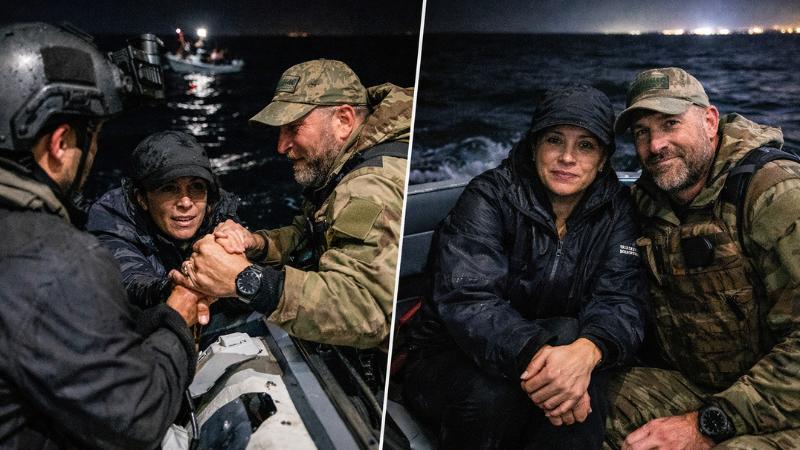
A newly released video has revealed the details of a covert maritime operation that enabled Venezuelan opposition leader María Corina Machado to leave the country last month, defying a decade-long travel ban and nearly a year spent in hiding. The operation allowed Machado to travel to Norway, where she was scheduled to receive the Nobel Peace Prize, marking a significant moment in her long-running confrontation with Venezuela’s political establishment. According to footage shared
Video reveals high-risk operation behind María Corina Machado’s exit from Venezuela
A newly released video has revealed the details of a covert maritime operation that enabled Venezuelan opposition leader María Corina Machado to leave the country last month, defying a decade-long travel ban and nearly a year spent in hiding. The operation allowed Machado to travel to Norway, where she was scheduled to receive the Nobel Peace Prize, marking a significant moment in her long-running confrontation with Venezuela’s political establishment. According to footage shared
Machado’s Meeting With Trump Highlights Divide Over Venezuela’s Future Leadership
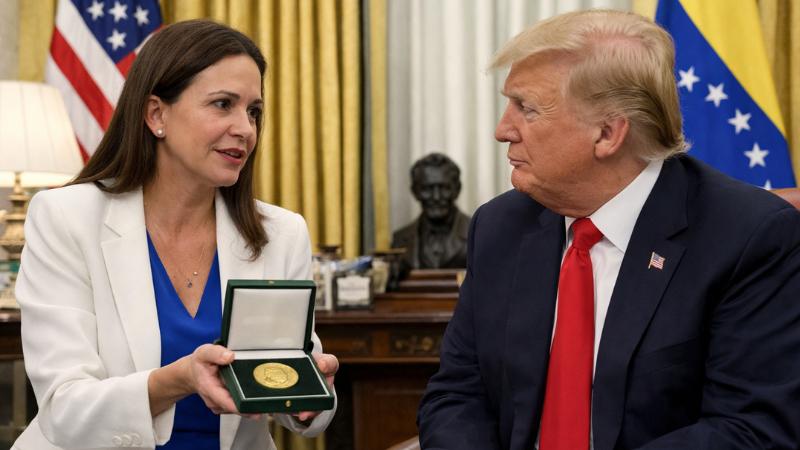
Venezuelan opposition leader Maria Corina Machado has underscored her determination to assume the presidency of Venezuela as the nation grapples with a complex political transition, even as the United States appears to prioritize engagement with acting President Delcy Rodriguez. Machado’s remarks came during a high-profile visit to Washington this week that highlighted deepening divisions over the future of Venezuelan leadership, democratic reform and international diplomatic strategy.
Machado’s Meeting With Trump Highlights Divide Over Venezuela’s Future Leadership
Venezuelan opposition leader Maria Corina Machado has underscored her determination to assume the presidency of Venezuela as the nation grapples with a complex political transition, even as the United States appears to prioritize engagement with acting President Delcy Rodriguez. Machado’s remarks came during a high-profile visit to Washington this week that highlighted deepening divisions over the future of Venezuelan leadership, democratic reform and international diplomatic strategy.
Trump halts second wave of attacks as Venezuela frees political prisoners
In a significant indication of easing tensions between Washington and Caracas, US President Donald Trump announced on Friday that he has cancelled a planned second wave of military attacks on Venezuela, citing the release of political prisoners and increased cooperation on rebuilding the country’s oil and gas sector. The decision follows recent developments that the US president described as constructive gestures by Venezuelan authorities aimed at de-escalation. Trump said the mov
Trump halts second wave of attacks as Venezuela frees political prisoners
In a significant indication of easing tensions between Washington and Caracas, US President Donald Trump announced on Friday that he has cancelled a planned second wave of military attacks on Venezuela, citing the release of political prisoners and increased cooperation on rebuilding the country’s oil and gas sector. The decision follows recent developments that the US president described as constructive gestures by Venezuelan authorities aimed at de-escalation. Trump said the mov
Venezuela signals openness to energy ties amid sharp criticism of US policy
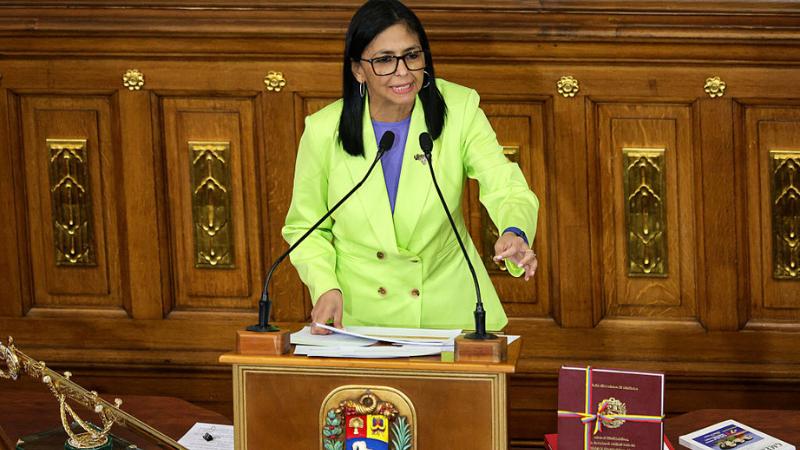
Venezuela’s interim president Delcy Rodríguez has accused the United States of using allegations related to drug trafficking, democracy, and human rights as a pretext to pursue control over the country’s vast oil resources. Speaking before the Venezuelan Parliament, Rodríguez said that external pressure on the country has long been driven by energy interests rather than genuine political or humanitarian concerns, while emphasizing that Caracas remains open to energy cooperation based on

Venezuela signals openness to energy ties amid sharp criticism of US policy
Venezuela’s interim president Delcy Rodríguez has accused the United States of using allegations related to drug trafficking, democracy, and human rights as a pretext to pursue control over the country’s vast oil resources. Speaking before the Venezuelan Parliament, Rodríguez said that external pressure on the country has long been driven by energy interests rather than genuine political or humanitarian concerns, while emphasizing that Caracas remains open to energy cooperation based on

Three Indian nationals among crew as US seizes oil tanker Marinera in North Atlantic
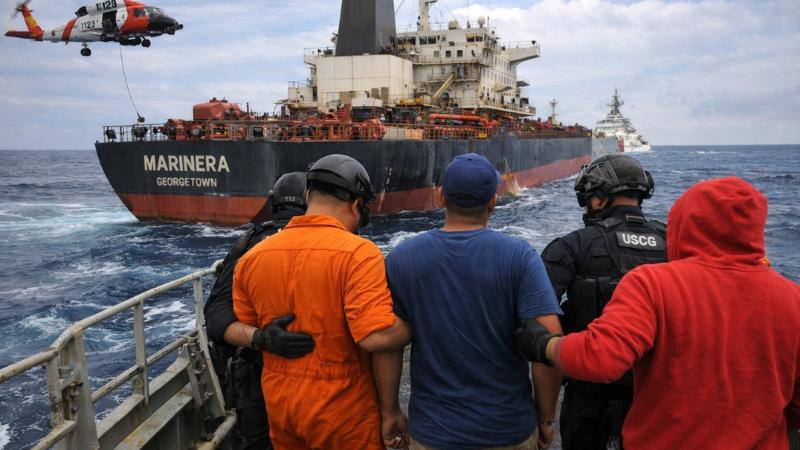
The United States intercepted and seized a Russian-flagged oil tanker in the North Atlantic on January 7, marking a significant escalation in its global enforcement of sanctions linked to Venezuelan oil exports. The vessel, now identified as the Marinera and previously known as Bella 1, was boarded in international waters after a pursuit that extended for more than two weeks across ocean routes from the Caribbean. U.S. European Command confirmed that the operation was conduc
Three Indian nationals among crew as US seizes oil tanker Marinera in North Atlantic
The United States intercepted and seized a Russian-flagged oil tanker in the North Atlantic on January 7, marking a significant escalation in its global enforcement of sanctions linked to Venezuelan oil exports. The vessel, now identified as the Marinera and previously known as Bella 1, was boarded in international waters after a pursuit that extended for more than two weeks across ocean routes from the Caribbean. U.S. European Command confirmed that the operation was conduc
Trump invites Colombia’s president to White House after diplomatic tensions over Venezuela and drug policy
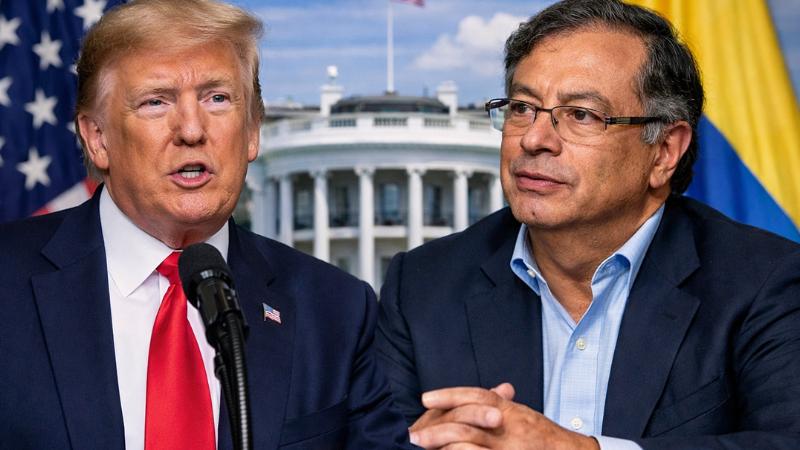
United States President Donald Trump and Colombian President Gustavo Petro have taken a step toward resetting strained bilateral relations following a period of heightened diplomatic tension. The two leaders spoke by phone on Wednesday, Jan. 7, in their first direct conversation since relations deteriorated sharply in early January amid wider regional developments. In a statement released by the White House, Mr. Trump said he invited President Petro to visit the White House in Washington for
Trump invites Colombia’s president to White House after diplomatic tensions over Venezuela and drug policy
United States President Donald Trump and Colombian President Gustavo Petro have taken a step toward resetting strained bilateral relations following a period of heightened diplomatic tension. The two leaders spoke by phone on Wednesday, Jan. 7, in their first direct conversation since relations deteriorated sharply in early January amid wider regional developments. In a statement released by the White House, Mr. Trump said he invited President Petro to visit the White House in Washington for
US plans to control Venezuela oil sales as Rubio outlines leverage over interim leaders
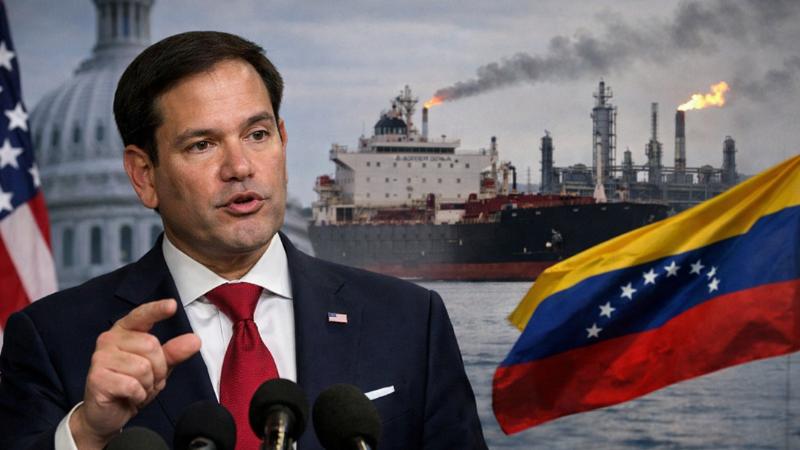
United States Secretary of State Marco Rubio said on Wednesday that Washington holds significant leverage over Venezuela’s interim authorities and is preparing to execute a plan that would place control of the country’s oil exports firmly in US hands. Speaking to reporters on Capitol Hill, Rubio said the administration is finalising an arrangement to take possession of oil currently immobilised in Venezuela and sell it on global markets at full market prices. According to Rubio,
US plans to control Venezuela oil sales as Rubio outlines leverage over interim leaders
United States Secretary of State Marco Rubio said on Wednesday that Washington holds significant leverage over Venezuela’s interim authorities and is preparing to execute a plan that would place control of the country’s oil exports firmly in US hands. Speaking to reporters on Capitol Hill, Rubio said the administration is finalising an arrangement to take possession of oil currently immobilised in Venezuela and sell it on global markets at full market prices. According to Rubio,
US–Venezuela crisis – China condemns US pressure on Venezuela oil ties, calls it violation of sovereignty
China on Wednesday strongly criticized reported United States demands aimed at reshaping Venezuela’s oil partnerships, calling the move an act of coercion that violates both national sovereignty and international law. Beijing’s response follows media reports that Washington has sought exclusive control over Venezuela’s oil sector as part of its political and economic engagement with the South American nation. Speaking at a regular press briefing, Chinese Foreign Ministry spoke
US–Venezuela crisis – China condemns US pressure on Venezuela oil ties, calls it violation of sovereignty
China on Wednesday strongly criticized reported United States demands aimed at reshaping Venezuela’s oil partnerships, calling the move an act of coercion that violates both national sovereignty and international law. Beijing’s response follows media reports that Washington has sought exclusive control over Venezuela’s oil sector as part of its political and economic engagement with the South American nation. Speaking at a regular press briefing, Chinese Foreign Ministry spoke
Russia once offered US control of Venezuela for a free hand in Ukraine, ex-adviser reveals
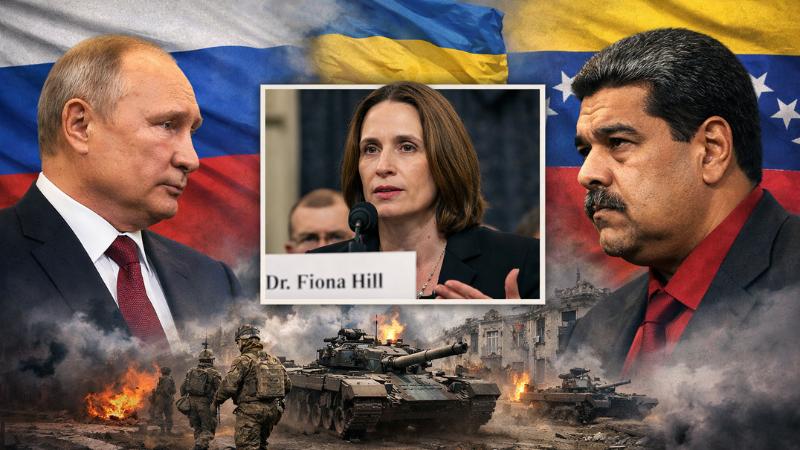
A resurfaced claim from 2019 by former White House national security adviser Fiona Hill has drawn renewed global attention after a high-profile U.S. operation in Venezuela. Hill told a U.S. congressional hearing in 2019 that senior Russian officials informally signaled they would consider reducing Moscow’s support for Venezuelan President Nicolás Maduro if Washington granted Russia greater latitude regarding Ukraine. The suggestion, described by Hill as a “very strange swap arrangement,?
Russia once offered US control of Venezuela for a free hand in Ukraine, ex-adviser reveals
A resurfaced claim from 2019 by former White House national security adviser Fiona Hill has drawn renewed global attention after a high-profile U.S. operation in Venezuela. Hill told a U.S. congressional hearing in 2019 that senior Russian officials informally signaled they would consider reducing Moscow’s support for Venezuelan President Nicolás Maduro if Washington granted Russia greater latitude regarding Ukraine. The suggestion, described by Hill as a “very strange swap arrangement,?
Oil, power and principle: how Guyana reshaped US policy toward Venezuela
For decades, the United States has presented itself as a global guardian of democracy and international law, drawing legitimacy from its own origins in resistance to unchecked authority. Its constitutional structure was designed to restrain executive power, particularly in decisions involving war and foreign intervention. Yet the conduct of contemporary US foreign policy increasingly reflects a different reality, one in which strategic interests and economic leverage often shape moral languag
Oil, power and principle: how Guyana reshaped US policy toward Venezuela
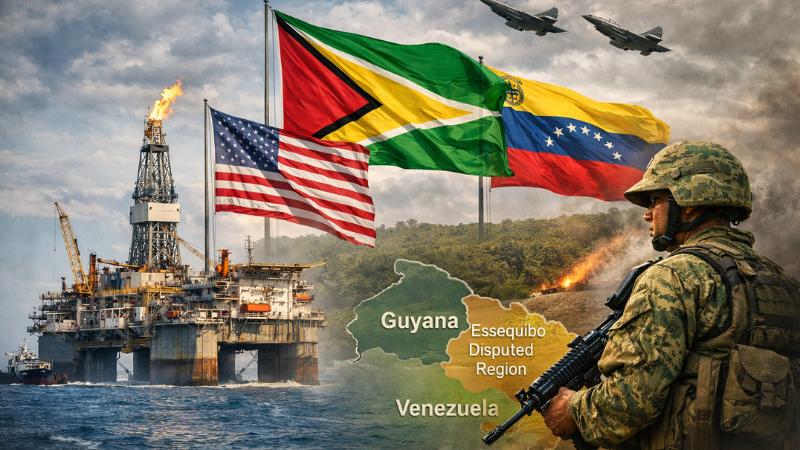
For decades, the United States has presented itself as a global guardian of democracy and international law, drawing legitimacy from its own origins in resistance to unchecked authority. Its constitutional structure was designed to restrain executive power, particularly in decisions involving war and foreign intervention. Yet the conduct of contemporary US foreign policy increasingly reflects a different reality, one in which strategic interests and economic leverage often shape moral languag