













#visatravel
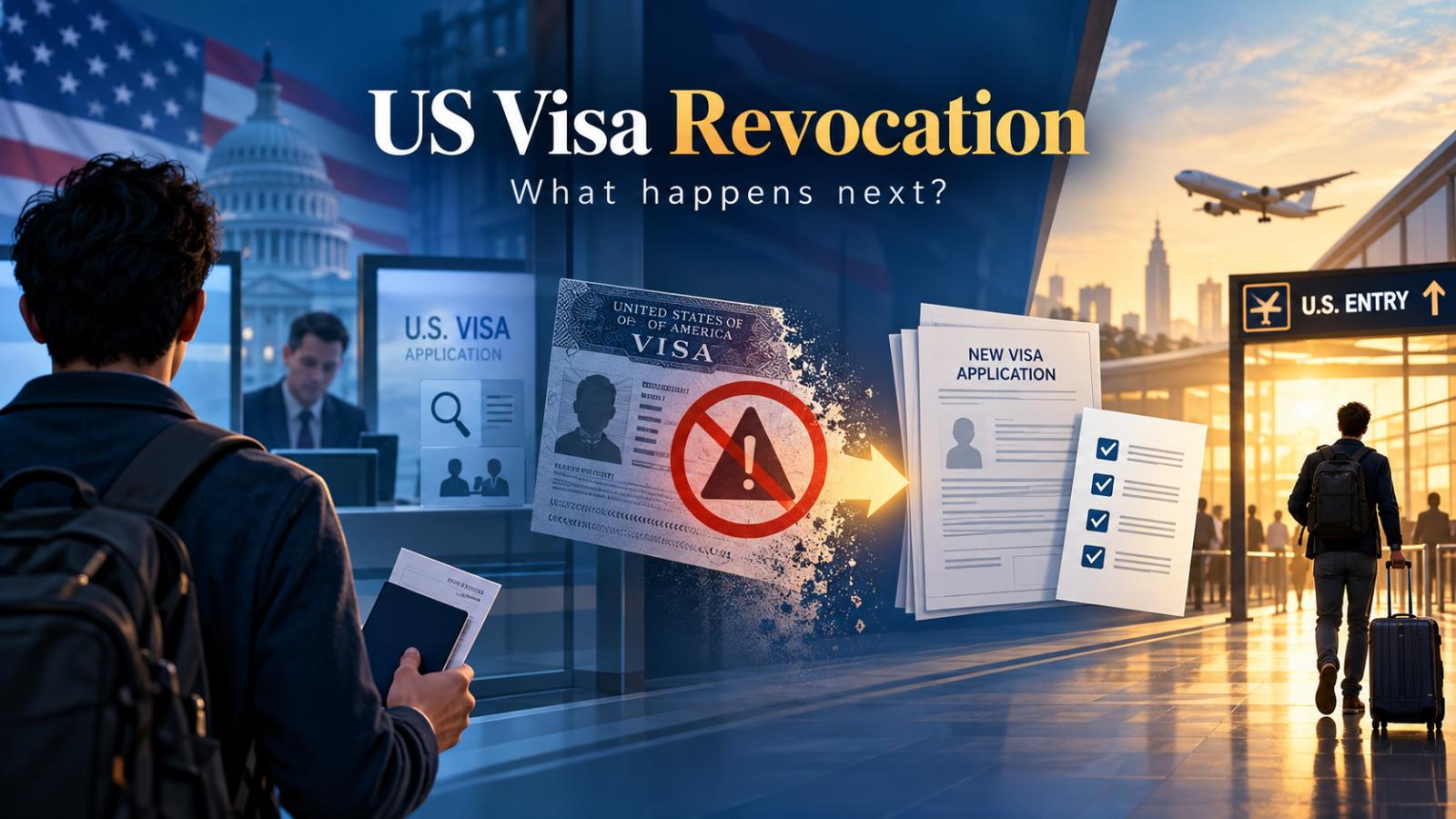
US Visa Revocation: Reasons, Process and What Happens Next
US visa revocation can prevent a traveler from using an existing visa to seek entry into the United States. This guide explains why visas may be revoked, how revocation differs from immigration status, what happens to future travel and whether a new visa application may be possible. A US visa revocation means an existing visa is no longer valid for travel to the United States. The U.S. State Department defines visa revocation as cancellation of a vi
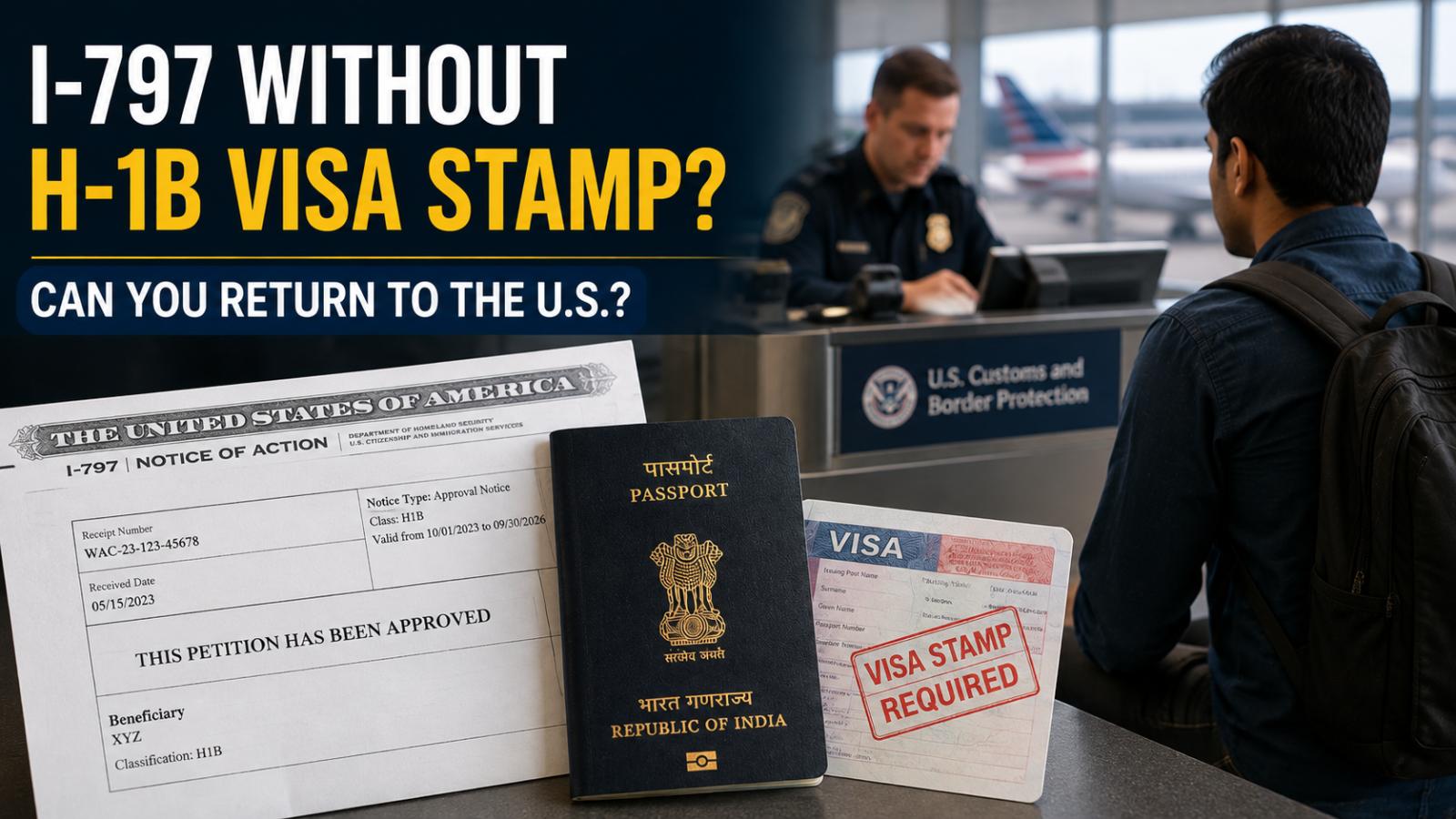
Can you return to the U.S. with I-797 but no H-1B visa stamp?
An approved Form I-797 confirms an H-1B petition but normally does not replace the visa needed to return to the United States after travel abroad. H-1B workers should understand the roles of the visa stamp, I-797 and I-94, along with the narrow automatic revalidation exception. An H-1B worker may have a valid employment approval extending for months or years but still face a problem after leaving the United States: For


