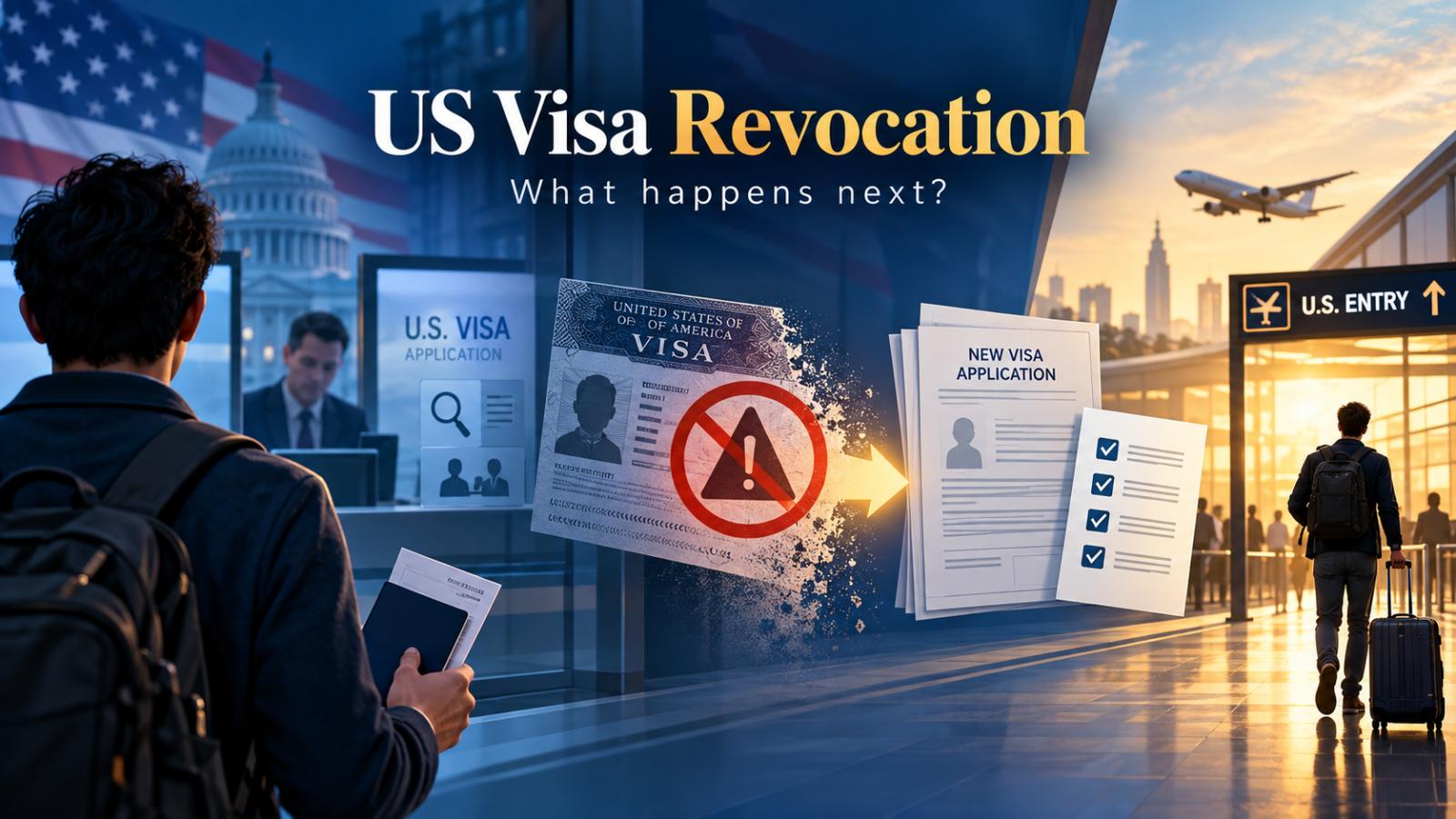
US visa revocation can prevent a traveler from using an existing visa to seek entry into the United States. This guide explains why visas may be revoked, how revocation differs from immigration status, what happens to future travel and whether a new visa application may be possible.
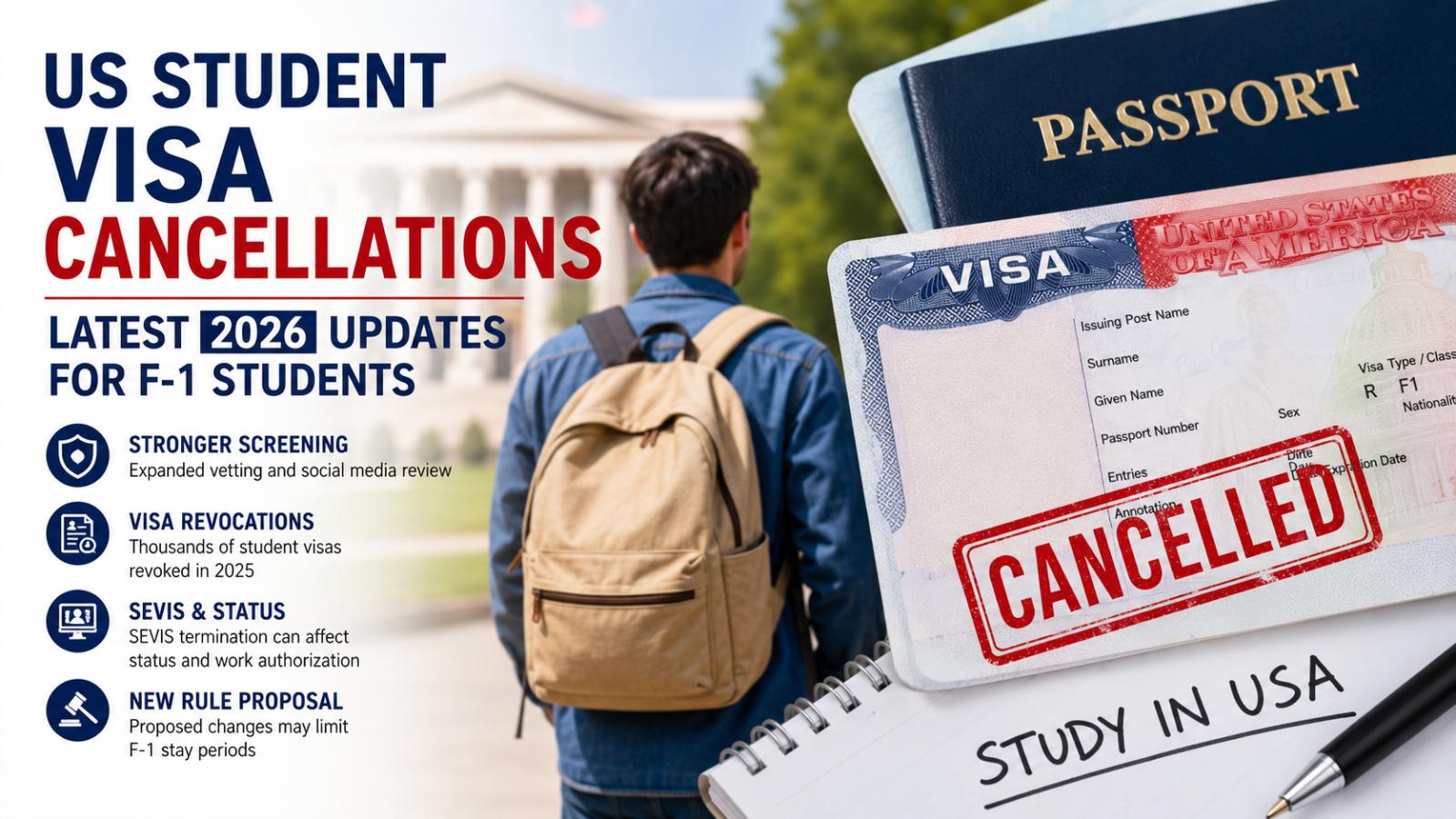
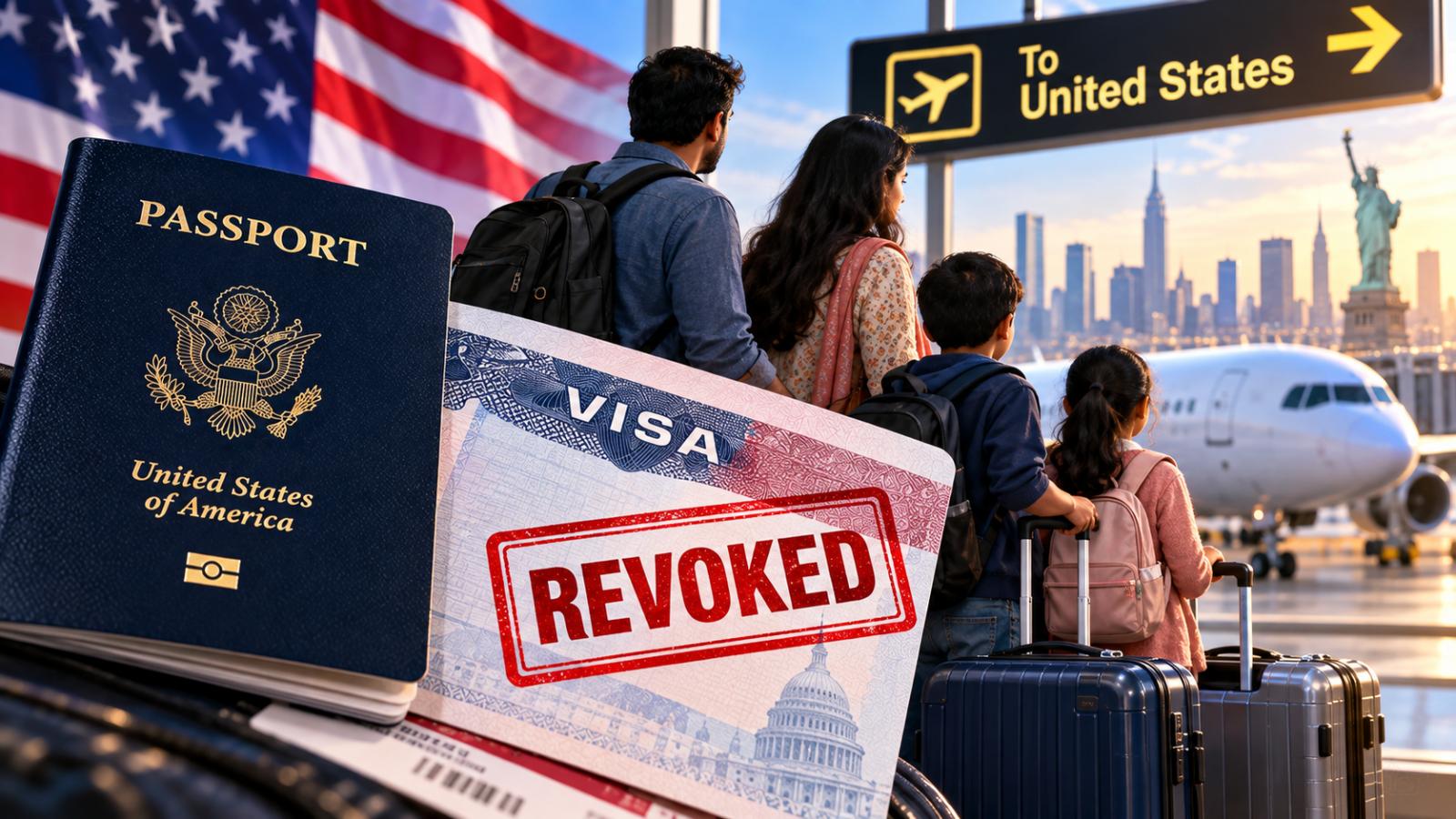
A US visa revocation means an existing visa is no longer valid for travel to the United States. The U.S. State Department defines visa revocation as cancellation of a visa, meaning the document can no longer be used to seek entry into the country.
Revocation can occur after a visa has already been issued, but the consequences depend on the reason for the action, the person's location and the visa category involved.
Why can a US visa be revoked?
For nonimmigrant visas, State Department guidance allows revocation in circumstances that include a determination that the visa holder is no longer eligible for the visa classification. Department-level “prudential revocations” may also occur when information raises concerns about eligibility or admissibility.
Applicants dealing with a police case or driving offense can also read our guide on how an arrest, DUI or criminal case can affect a US visa and when additional review or revocation may occur.
Certain DUI-related arrests or convictions within the previous five years can also trigger prudential revocation procedures under current State Department guidance.
Other immigration problems can make a visa unusable without going through the same discretionary revocation process. For example, the State Department says that overstaying an authorized period of admission can automatically void a visa under U.S. immigration law.
If the issue involves inaccurate information or supporting documents, see our detailed explanation of US visa fraud and misrepresentation, including false statements, material omissions and possible long-term immigration consequences.
What happens after a visa is revoked?
Once a visa has been revoked and physically canceled, it cannot be used for travel to the United States.
Applicants preparing for a new visa application should also understand US visa social media screening, including online-presence reviews, social media identifiers and the categories currently subject to expanded vetting.
State Department guidance says a person whose visa has been revoked and physically canceled may apply for a new visa, but the canceled visa itself cannot be used again. A new application does not guarantee approval because the applicant must again establish eligibility under U.S. immigration law.
A revoked visa therefore does not necessarily mean a person is permanently barred from receiving another U.S. visa. The underlying reason for the revocation will matter when a future application is reviewed.
Visa revocation and US immigration status are different
A U.S. visa and a person's immigration status inside the United States are not the same thing.
A visa generally allows a traveler to travel to a U.S. port of entry and request admission. The actual period of authorized stay is determined separately by U.S. immigration authorities, including through the person's admission record.
Because of that distinction, travelers should not assume that the expiration date printed on a visa determines how long they may remain in the country.
The consequences of a revocation for someone already inside the United States can depend on the person's individual immigration circumstances and the basis for the revocation.
Can someone travel after a visa is revoked?
A revoked visa cannot be used to seek admission to the United States.
Travelers who receive notice that a visa has been revoked should verify their visa status before making travel arrangements. A visa itself never guarantees admission; even holders of valid visas are inspected by U.S. Customs and Border Protection when they arrive at a port of entry.
If a new visa is required, the traveler generally must complete the applicable visa application process again and establish eligibility for the requested category.
Revocation, cancellation and visa denial are not identical
Visa terminology can cause confusion.
A revocation concerns a visa that was previously issued and is later made invalid. A visa refusal or denial occurs during adjudication of a visa application when a consular officer determines that the applicant has not established eligibility.
A visa may also become automatically void in specific circumstances, including certain overstays. These situations should not automatically be treated as identical because the legal basis and future consequences can differ.
What should a visa holder do after revocation?
The most important step is to understand the stated reason for the action rather than assuming that every revocation has the same consequence.
A person considering another visa application may need to address the underlying eligibility issue and provide accurate information about previous immigration history. Where the revocation involves criminal allegations, possible inadmissibility, immigration violations or other complex circumstances, individualized legal advice may be appropriate.
Future visa eligibility is determined case by case under U.S. immigration law, and receiving a new visa is not automatic.