








#warupdate
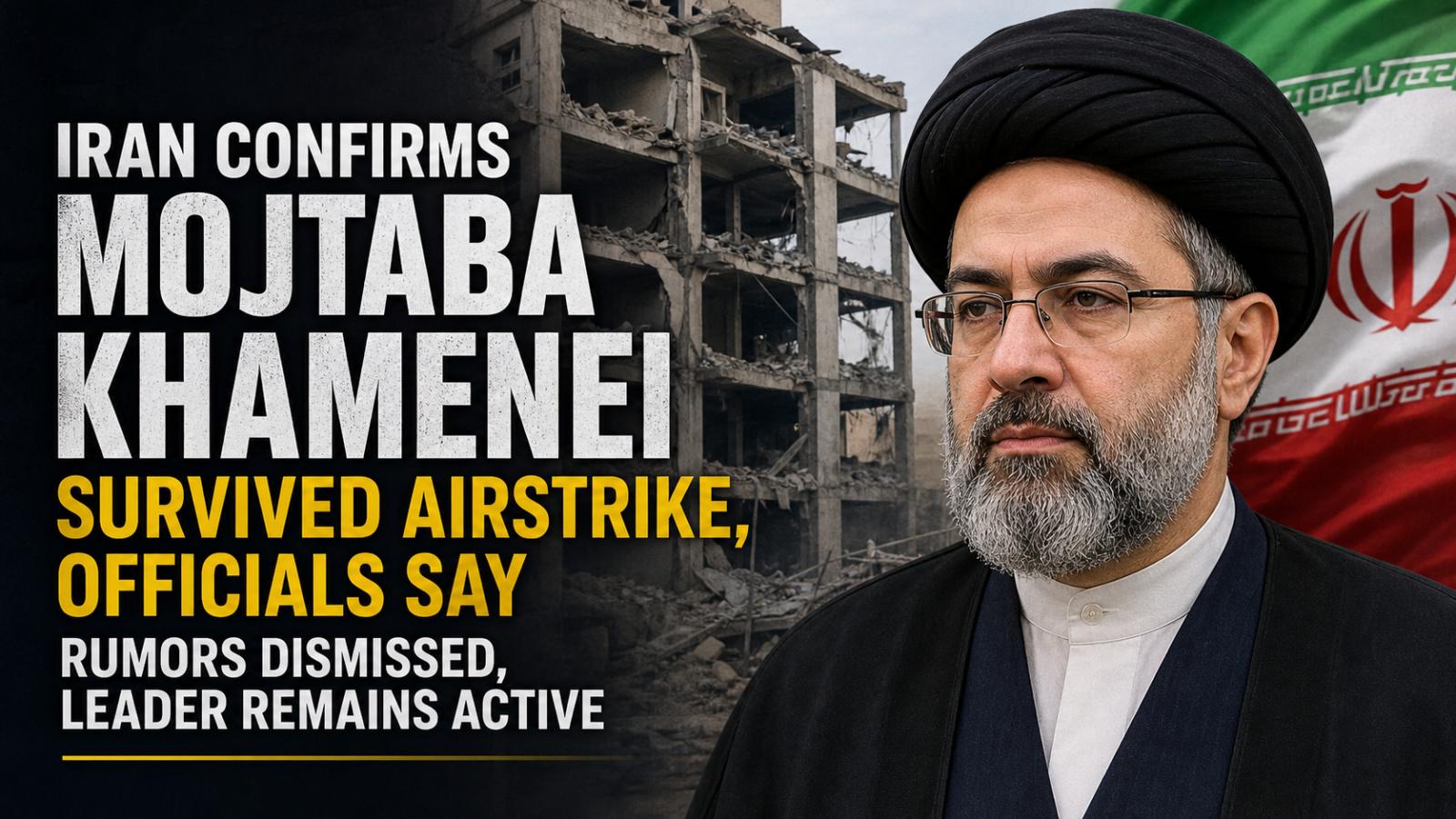
What happened to Mojtaba Khamenei during the Iran conflict? He survived an airstrike, officials say
Iranian authorities on Friday, May 1, confirmed that Mojtaba Khamenei was present in a building that was later destroyed in an airstrike during the ongoing Iran conflict, which began on February 28. Officials stated that he survived the attack and remains in active control of key state matters, while also dismissing widespread speculation about his health and absence from public appearances. Senior official details narrow escape during bombing Ayatollah Mohsen Qomi, a senior member of Iran’s Assembly of Experts and Deputy for International Affairs in the Supreme Leader’s office, said that Mojtaba Khamenei had been inside the targeted building shortly before it was struck. According to Qomi, Khamenei moved into the courtyard just minutes before the explosion, avoiding the fatal impact that reportedly killed others inside. Qomi described the survival as a matter of timing, emphasizing that the leader’s presence in the building had been confirmed but that his movement moments before the strike ultimately ensured his safety. The airstrike was part of ongoing hostilities that have escalated since late February. Officials assert leader remains in control of national affairs Despite rumors circulating internationally, Iranian officials maintained that Mojtaba Khamenei is in good health and continues to oversee both diplomatic and operational matters. Qomi stated that Khamenei is directly supervising negotiations and military-related decisions, including providing guidance to negotiating teams under varying conditions. The comments appear aimed at reinforcing internal stability and projecting continuity in leadership during a period of heightened geopolitical tension. Iranian officials emphasized that decision-making authority remains firmly centralized under Khamenei’s direction. Iran dismisses Western speculation as strategic pressure Qomi also addressed claims from Western sources regarding the leader’s health, characterizing them as deliberate attempts to provoke a response from Tehran. He suggested that questions about Khamenei’s public absence are part of a broader strategy to create uncertainty and apply psychological pressure. According to Qomi, such narratives are intended to push Iranian officials into reactive communication, which could be leveraged for strategic advantage by adversaries. Acknowledgment of injuries and focus on protection While firmly denying claims of serious health concerns, Qomi indicated that Mojtaba Khamenei may have sustained injuries during the incident. He stated that ensuring the leader’s safety has become a top priority for Iranian authorities, underscoring the importance of preserving leadership continuity amid the conflict. Officials reiterated that despite any injuries, Khamenei remains active and engaged in directing national policy, reinforcing the government’s position that leadership stability has not been compromised.
What happened to Mojtaba Khamenei during the Iran conflict? He survived an airstrike, officials say
Iranian authorities on Friday, May 1, confirmed that Mojtaba Khamenei was present in a building that was later destroyed in an airstrike during the ongoing Iran conflict, which began on February 28. Officials stated that he survived the attack and remains in active control of key state matters, while also dismissing widespread speculation about his health and absence from public appearances. Senior official details narrow escape during bombing Ayatollah Mohsen Qomi, a senior member of Iran’s Assembly of Experts and Deputy for International Affairs in the Supreme Leader’s office, said that Mojtaba Khamenei had been inside the targeted building shortly before it was struck. According to Qomi, Khamenei moved into the courtyard just minutes before the explosion, avoiding the fatal impact that reportedly killed others inside. Qomi described the survival as a matter of timing, emphasizing that the leader’s presence in the building had been confirmed but that his movement moments before the strike ultimately ensured his safety. The airstrike was part of ongoing hostilities that have escalated since late February. Officials assert leader remains in control of national affairs Despite rumors circulating internationally, Iranian officials maintained that Mojtaba Khamenei is in good health and continues to oversee both diplomatic and operational matters. Qomi stated that Khamenei is directly supervising negotiations and military-related decisions, including providing guidance to negotiating teams under varying conditions. The comments appear aimed at reinforcing internal stability and projecting continuity in leadership during a period of heightened geopolitical tension. Iranian officials emphasized that decision-making authority remains firmly centralized under Khamenei’s direction. Iran dismisses Western speculation as strategic pressure Qomi also addressed claims from Western sources regarding the leader’s health, characterizing them as deliberate attempts to provoke a response from Tehran. He suggested that questions about Khamenei’s public absence are part of a broader strategy to create uncertainty and apply psychological pressure. According to Qomi, such narratives are intended to push Iranian officials into reactive communication, which could be leveraged for strategic advantage by adversaries. Acknowledgment of injuries and focus on protection While firmly denying claims of serious health concerns, Qomi indicated that Mojtaba Khamenei may have sustained injuries during the incident. He stated that ensuring the leader’s safety has become a top priority for Iranian authorities, underscoring the importance of preserving leadership continuity amid the conflict. Officials reiterated that despite any injuries, Khamenei remains active and engaged in directing national policy, reinforcing the government’s position that leadership stability has not been compromised.
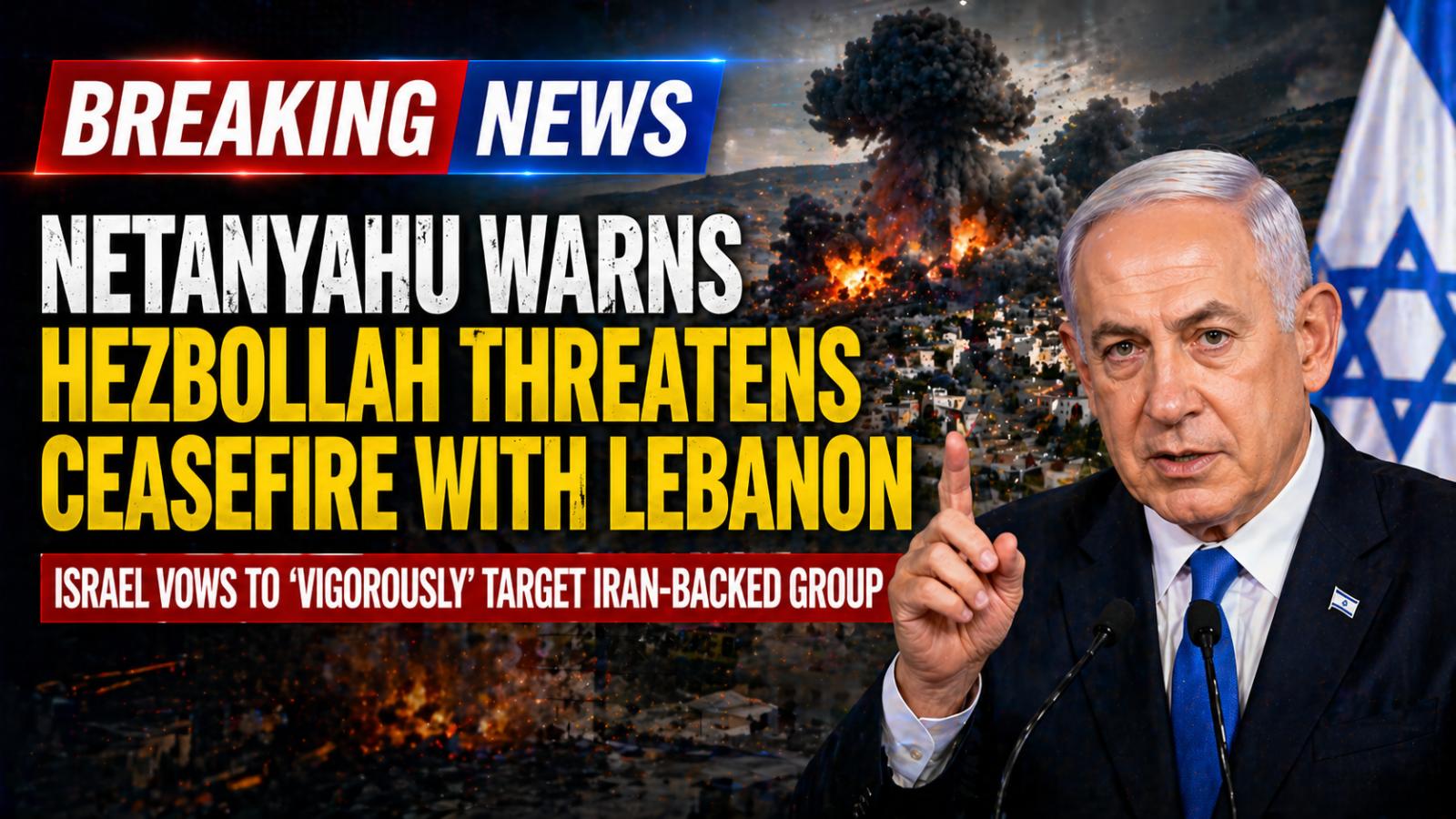
Israel Accuses Hezbollah of Violating Ceasefire Amid Rising Tensions
Israeli Prime Minister Benjamin Netanyahu has warned that ongoing actions by Hezbollah are placing the fragile ceasefire between Israel and Lebanon under increasing strain. Speaking during a weekly Cabinet meeting, Netanyahu stated that repeated violations by the Iran-backed group were effectively undermining the agreement intended to reduce hostilities along the border. In a separate statement, the Israeli military said recent activity attributed to Hezbollah represented a direct breach of ceasefire understandings. The Israel Defense Forces confirmed that it conducted overnight strikes on multiple structures in southern Lebanon, describing them as locations used by Hezbollah for operational purposes. These developments come amid heightened tensions despite ongoing diplomatic efforts to stabilize the region. The ceasefire arrangement, initially agreed upon for a limited period, was recently extended following discussions in Washington. During those talks, US President Donald Trump described the negotiations as productive, while acknowledging the complexities posed by Hezbollah’s involvement. The agreement aimed to provide additional time for de-escalation and further dialogue between the parties. Despite these efforts, reports of violations have continued to emerge from both sides since the truce came into effect. The situation remains fluid, with both Israel and Hezbollah accusing each other of actions that could destabilize the agreement. The initial ceasefire period, originally set to expire soon after its implementation, has faced mounting challenges as regional dynamics continue to shift. Observers note that the involvement of Iran-backed forces and the broader geopolitical context add complexity to maintaining the ceasefire. With both sides remaining on alert, the risk of escalation persists, even as diplomatic channels remain open.
Israel Accuses Hezbollah of Violating Ceasefire Amid Rising Tensions
Israeli Prime Minister Benjamin Netanyahu has warned that ongoing actions by Hezbollah are placing the fragile ceasefire between Israel and Lebanon under increasing strain. Speaking during a weekly Cabinet meeting, Netanyahu stated that repeated violations by the Iran-backed group were effectively undermining the agreement intended to reduce hostilities along the border. In a separate statement, the Israeli military said recent activity attributed to Hezbollah represented a direct breach of ceasefire understandings. The Israel Defense Forces confirmed that it conducted overnight strikes on multiple structures in southern Lebanon, describing them as locations used by Hezbollah for operational purposes. These developments come amid heightened tensions despite ongoing diplomatic efforts to stabilize the region. The ceasefire arrangement, initially agreed upon for a limited period, was recently extended following discussions in Washington. During those talks, US President Donald Trump described the negotiations as productive, while acknowledging the complexities posed by Hezbollah’s involvement. The agreement aimed to provide additional time for de-escalation and further dialogue between the parties. Despite these efforts, reports of violations have continued to emerge from both sides since the truce came into effect. The situation remains fluid, with both Israel and Hezbollah accusing each other of actions that could destabilize the agreement. The initial ceasefire period, originally set to expire soon after its implementation, has faced mounting challenges as regional dynamics continue to shift. Observers note that the involvement of Iran-backed forces and the broader geopolitical context add complexity to maintaining the ceasefire. With both sides remaining on alert, the risk of escalation persists, even as diplomatic channels remain open.
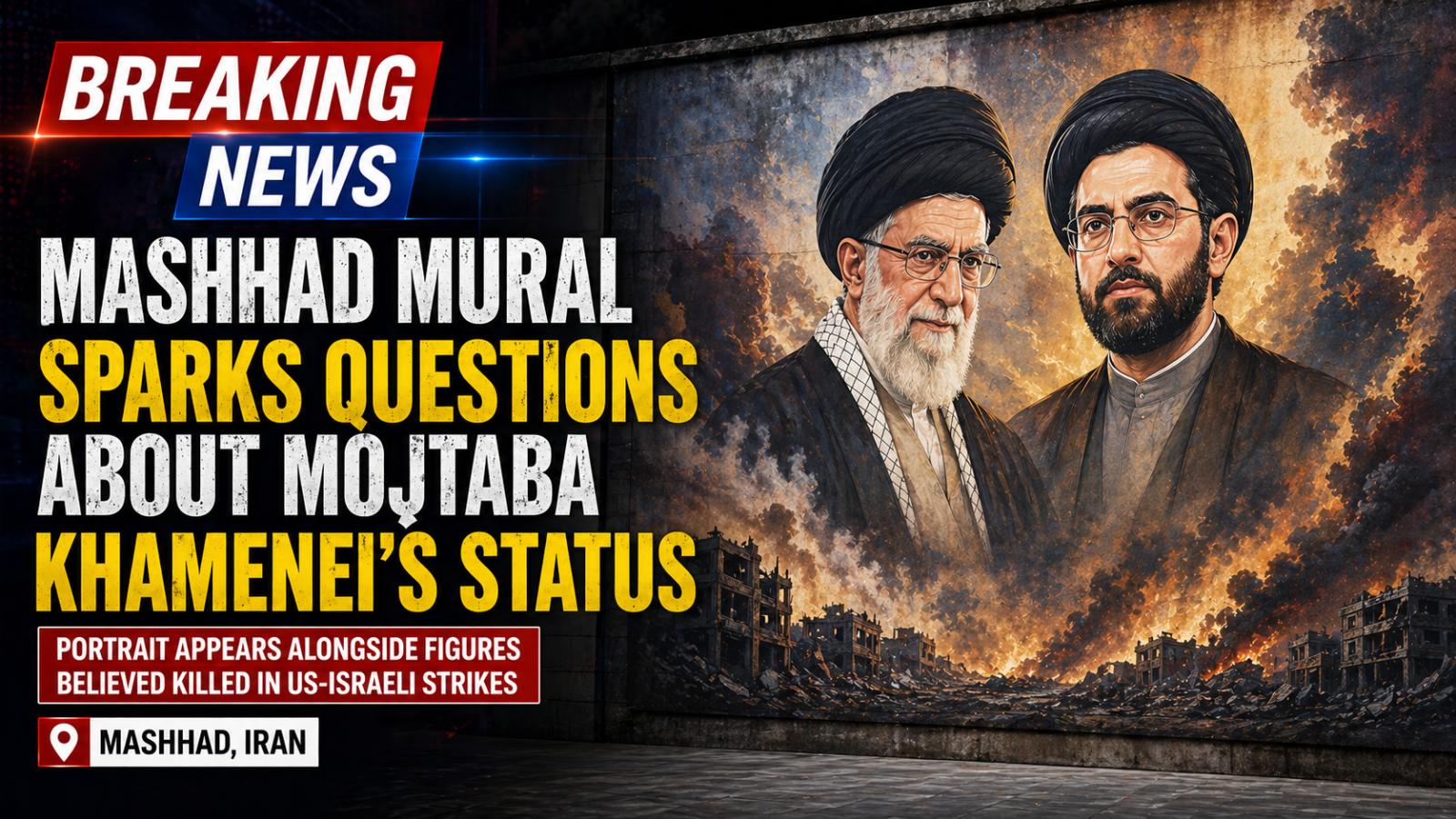
Iran Mural Raises Speculation Over Mojtaba Khamenei Health Condition
A newly unveiled mural in Mashhad, Iran, has drawn attention and sparked renewed speculation about the status of Mojtaba Khamenei, a key figure in Iran’s leadership. The artwork, revealed during a public ceremony attended by officials, features his portrait alongside several military and political figures believed to have died in recent US-Israeli airstrikes. The inclusion has prompted questions, as such murals in Iran are typically used to honor individuals associated with significan
Iran Mural Raises Speculation Over Mojtaba Khamenei Health Condition
A newly unveiled mural in Mashhad, Iran, has drawn attention and sparked renewed speculation about the status of Mojtaba Khamenei, a key figure in Iran’s leadership. The artwork, revealed during a public ceremony attended by officials, features his portrait alongside several military and political figures believed to have died in recent US-Israeli airstrikes. The inclusion has prompted questions, as such murals in Iran are typically used to honor individuals associated with significan
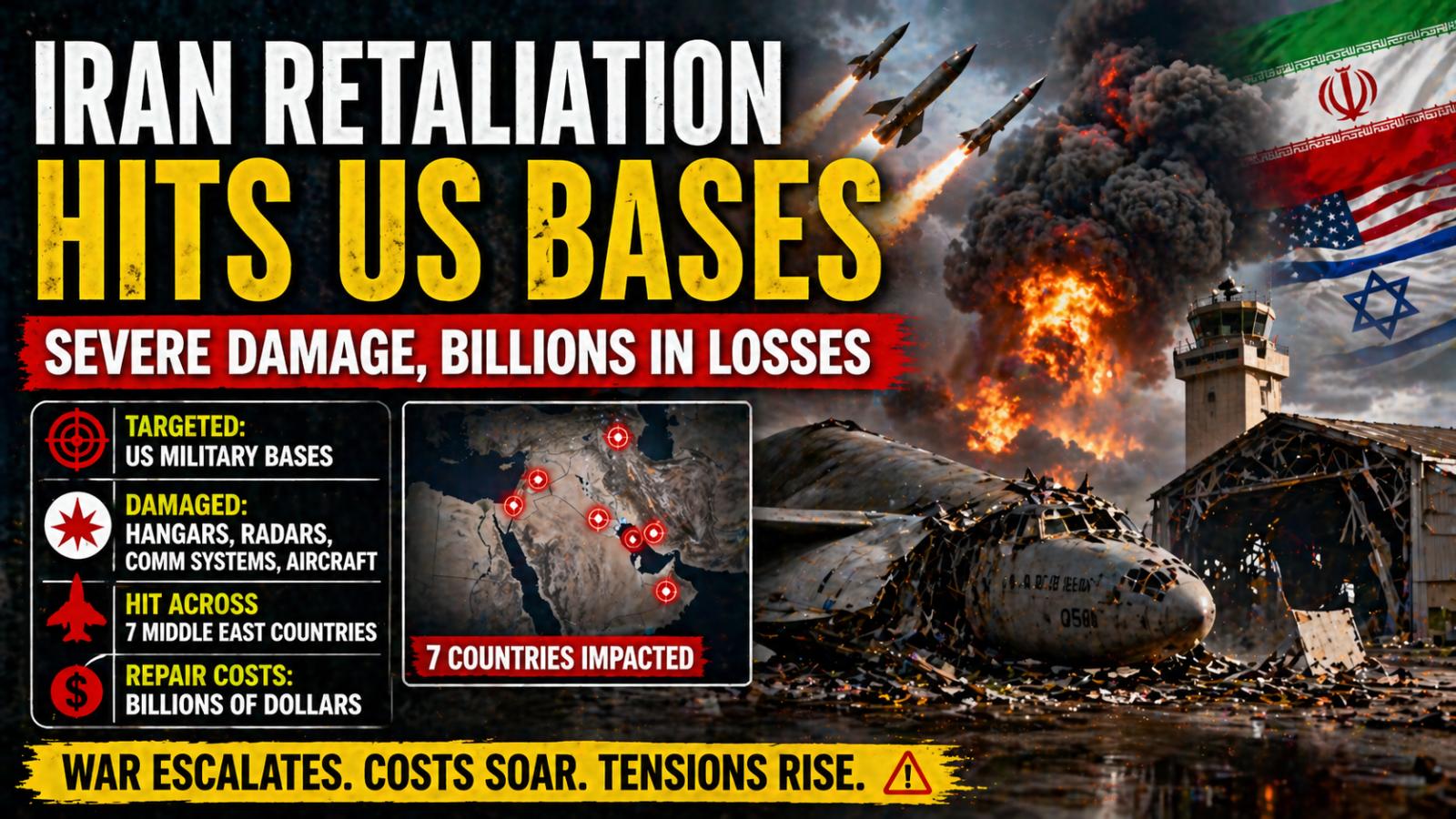
What damage did Iran war cause? US bases hit hard after airstrikes
The Iran war, which began on Friday, February 28, 2026, following joint airstrikes by the United States and Israel, has led to widespread infrastructure destruction across Iran while also triggering significant retaliation. New reporting indicates that Iranian counterattacks have caused extensive damage to US military installations across the Middle East, raising concerns about escalating defense costs and regional instability. Escalation after joint US-Israel airstrikes on
What damage did Iran war cause? US bases hit hard after airstrikes
The Iran war, which began on Friday, February 28, 2026, following joint airstrikes by the United States and Israel, has led to widespread infrastructure destruction across Iran while also triggering significant retaliation. New reporting indicates that Iranian counterattacks have caused extensive damage to US military installations across the Middle East, raising concerns about escalating defense costs and regional instability. Escalation after joint US-Israel airstrikes on
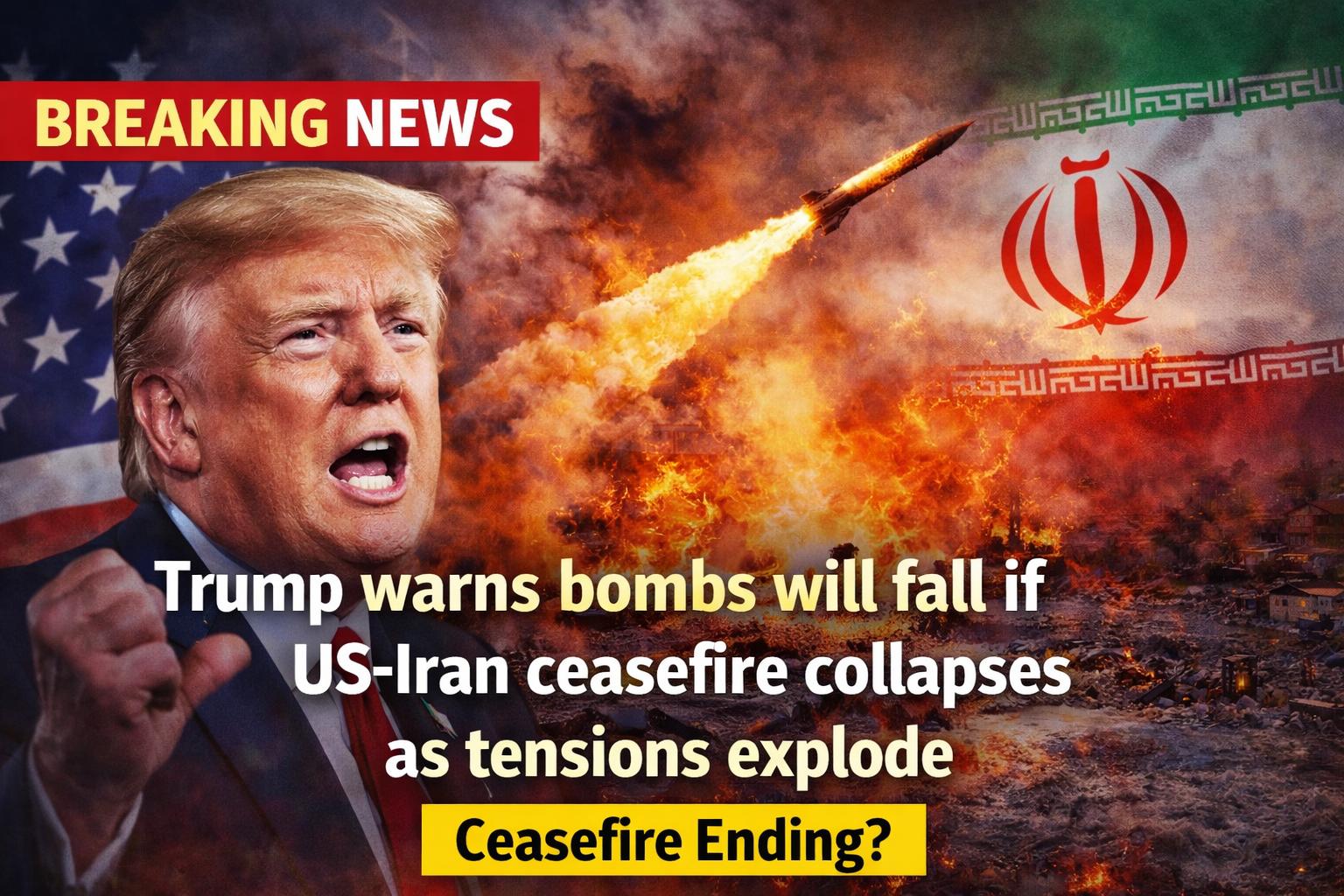
Trump warns bombs will fall if US-Iran ceasefire collapses as tensions explode
US Iran war ceasefire warning Trump signals rising tensions The US Iran war ceasefire warning Trump has intensified global concerns as the fragile truce between Washington and Tehran nears its expiration. With tensions already high, US President Donald Trump has warned that military action could resume if a deal is not reached in time. The situation is being closely watched worldwide, as the outcome could significantly imp
Trump warns bombs will fall if US-Iran ceasefire collapses as tensions explode
US Iran war ceasefire warning Trump signals rising tensions The US Iran war ceasefire warning Trump has intensified global concerns as the fragile truce between Washington and Tehran nears its expiration. With tensions already high, US President Donald Trump has warned that military action could resume if a deal is not reached in time. The situation is being closely watched worldwide, as the outcome could significantly imp
US rescues second airman after F-15E shot down in Iran firefight
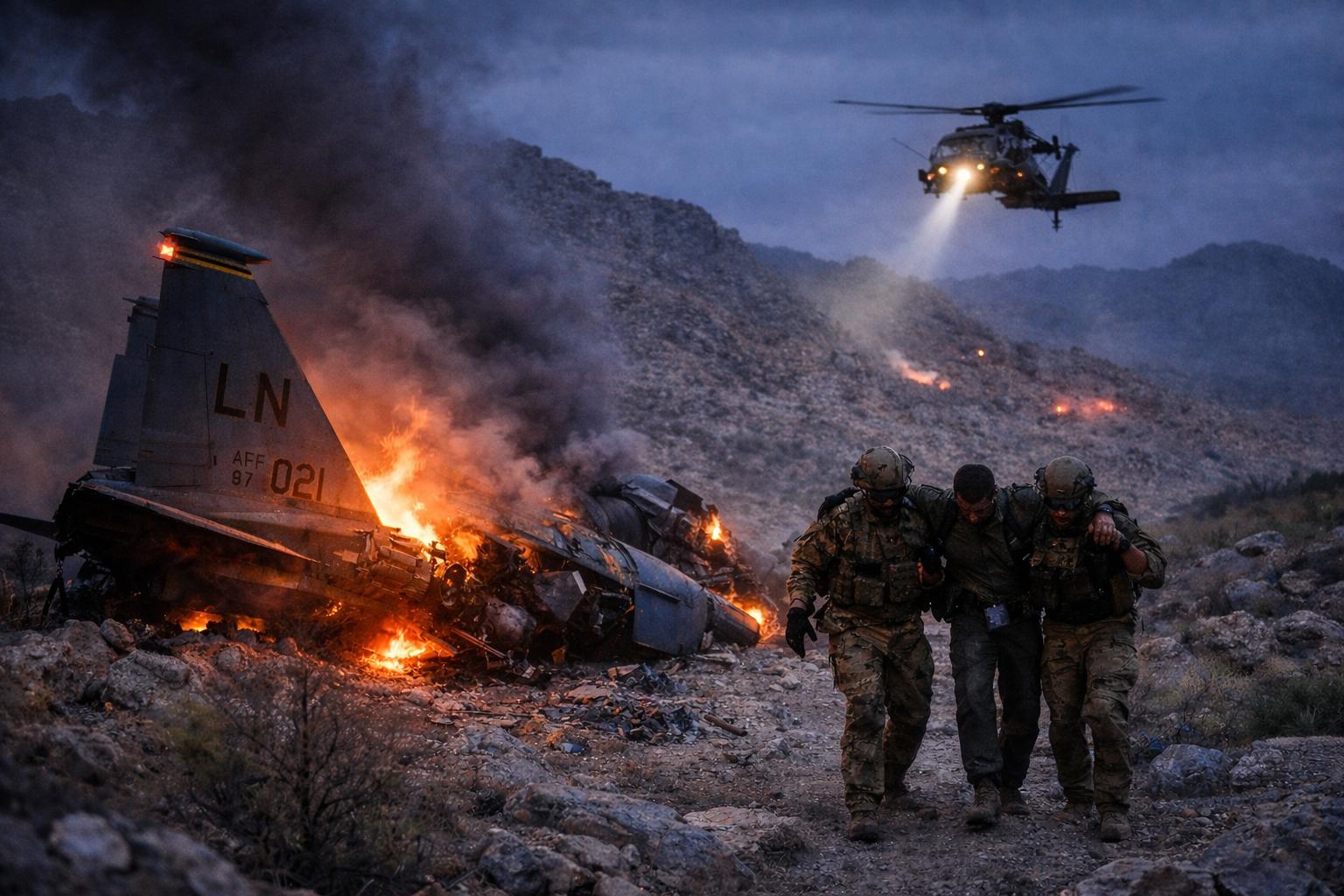
A missing United States airman whose F-15E fighter jet was shot down inside Iranian territory was recovered by American forces on Saturday, April 4, 2026, according to official statements, marking a significant development in an escalating military confrontation. Earlier reports had indicated that the rescue mission was still underway and that the second crew member remained unaccounted for behind enemy lines. The aircraft’s downing represents the first such incident involving a US
US rescues second airman after F-15E shot down in Iran firefight
A missing United States airman whose F-15E fighter jet was shot down inside Iranian territory was recovered by American forces on Saturday, April 4, 2026, according to official statements, marking a significant development in an escalating military confrontation. Earlier reports had indicated that the rescue mission was still underway and that the second crew member remained unaccounted for behind enemy lines. The aircraft’s downing represents the first such incident involving a US
Dozens of Iranian universities hit as US-Israel conflict escalates
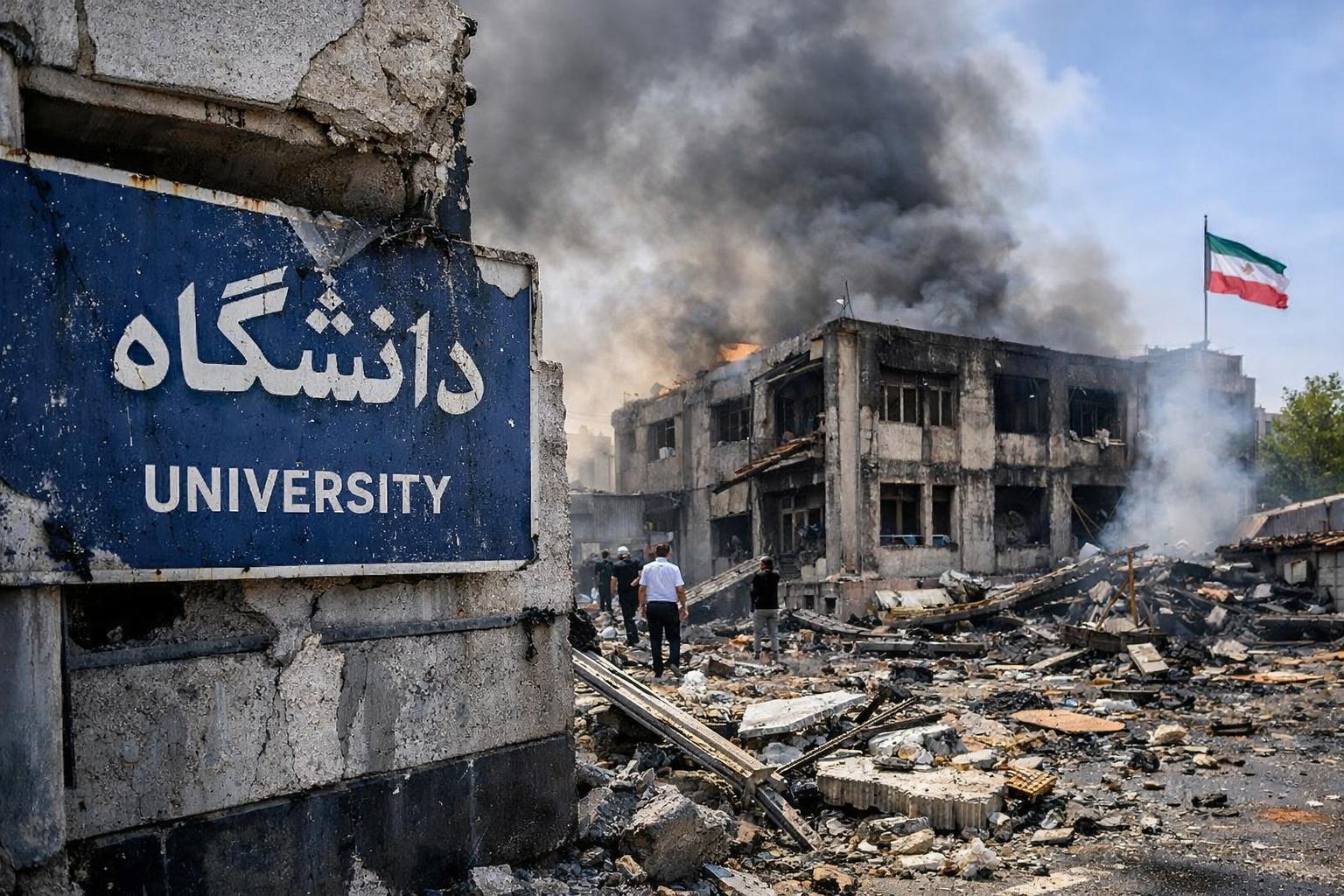
Iranian authorities have stated that at least 30 universities across the country have been damaged since the start of ongoing military strikes involving the United States and Israel, highlighting the widening impact of the conflict on civilian infrastructure. Officials in Tehran reported that multiple higher education institutions were affected during a series of attacks that have intensified in recent weeks. The strikes, which Iran attributes to coordinated US-Israel military operati
Dozens of Iranian universities hit as US-Israel conflict escalates
Iranian authorities have stated that at least 30 universities across the country have been damaged since the start of ongoing military strikes involving the United States and Israel, highlighting the widening impact of the conflict on civilian infrastructure. Officials in Tehran reported that multiple higher education institutions were affected during a series of attacks that have intensified in recent weeks. The strikes, which Iran attributes to coordinated US-Israel military operati
Russia drone strike on Ukraine market kills 5, injures 19
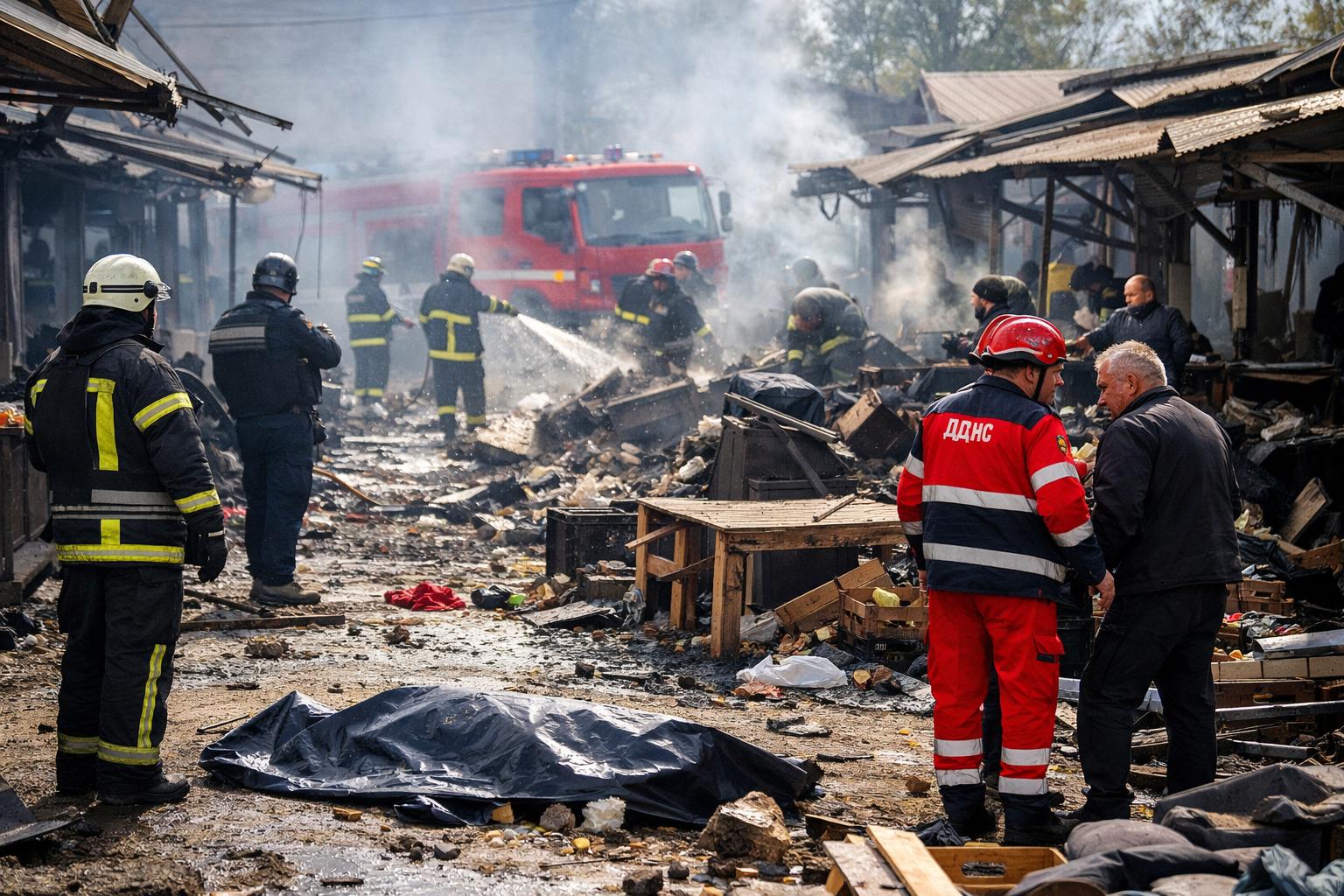
A Russian drone strike targeted a market area in the Ukrainian city of Nikopol on Saturday, April 4, 2026, in the morning local time, resulting in at least five fatalities and leaving 19 others injured, according to local authorities. The attack marks another escalation in the ongoing Russia-Ukraine war, with civilian areas increasingly affected by aerial assaults. Officials reported that the strike hit a busy marketplace during daytime hours, causing significant destruction to surrounding infrastructure and disrupting daily life for residents. Emergency services were deployed immediately after the attack to assist the injured and assess damage, while rescue operations continued in the aftermath. Nikopol, located in southeastern Ukraine, has been frequently subjected to shelling and drone attacks due to its proximity to contested regions. The latest incident highlights the persistent risks faced by civilians living near active conflict zones, where strikes have repeatedly impacted residential and commercial areas. Ukrainian authorities condemned the attack, describing it as a deliberate strike on civilian infrastructure. They emphasized the growing humanitarian toll of the conflict, noting that marketplaces and public gathering areas remain particularly vulnerable to such incidents. The Russia-Ukraine conflict, now in a prolonged phase, continues to see the use of drone warfare as a key tactic. These unmanned aerial systems have been deployed across multiple regions, contributing to rising civilian casualties and widespread damage. International observers have expressed concern over the continued targeting of populated areas, urging restraint and adherence to international humanitarian laws. As the conflict persists, attacks like the one in Nikopol underscore the ongoing instability in the region and the enduring impact on civilian populations.
Russia drone strike on Ukraine market kills 5, injures 19
A Russian drone strike targeted a market area in the Ukrainian city of Nikopol on Saturday, April 4, 2026, in the morning local time, resulting in at least five fatalities and leaving 19 others injured, according to local authorities. The attack marks another escalation in the ongoing Russia-Ukraine war, with civilian areas increasingly affected by aerial assaults. Officials reported that the strike hit a busy marketplace during daytime hours, causing significant destruction to surrounding infrastructure and disrupting daily life for residents. Emergency services were deployed immediately after the attack to assist the injured and assess damage, while rescue operations continued in the aftermath. Nikopol, located in southeastern Ukraine, has been frequently subjected to shelling and drone attacks due to its proximity to contested regions. The latest incident highlights the persistent risks faced by civilians living near active conflict zones, where strikes have repeatedly impacted residential and commercial areas. Ukrainian authorities condemned the attack, describing it as a deliberate strike on civilian infrastructure. They emphasized the growing humanitarian toll of the conflict, noting that marketplaces and public gathering areas remain particularly vulnerable to such incidents. The Russia-Ukraine conflict, now in a prolonged phase, continues to see the use of drone warfare as a key tactic. These unmanned aerial systems have been deployed across multiple regions, contributing to rising civilian casualties and widespread damage. International observers have expressed concern over the continued targeting of populated areas, urging restraint and adherence to international humanitarian laws. As the conflict persists, attacks like the one in Nikopol underscore the ongoing instability in the region and the enduring impact on civilian populations.
Israel says 1,000 Hezbollah fighters killed as Iran claims Amazon site strike
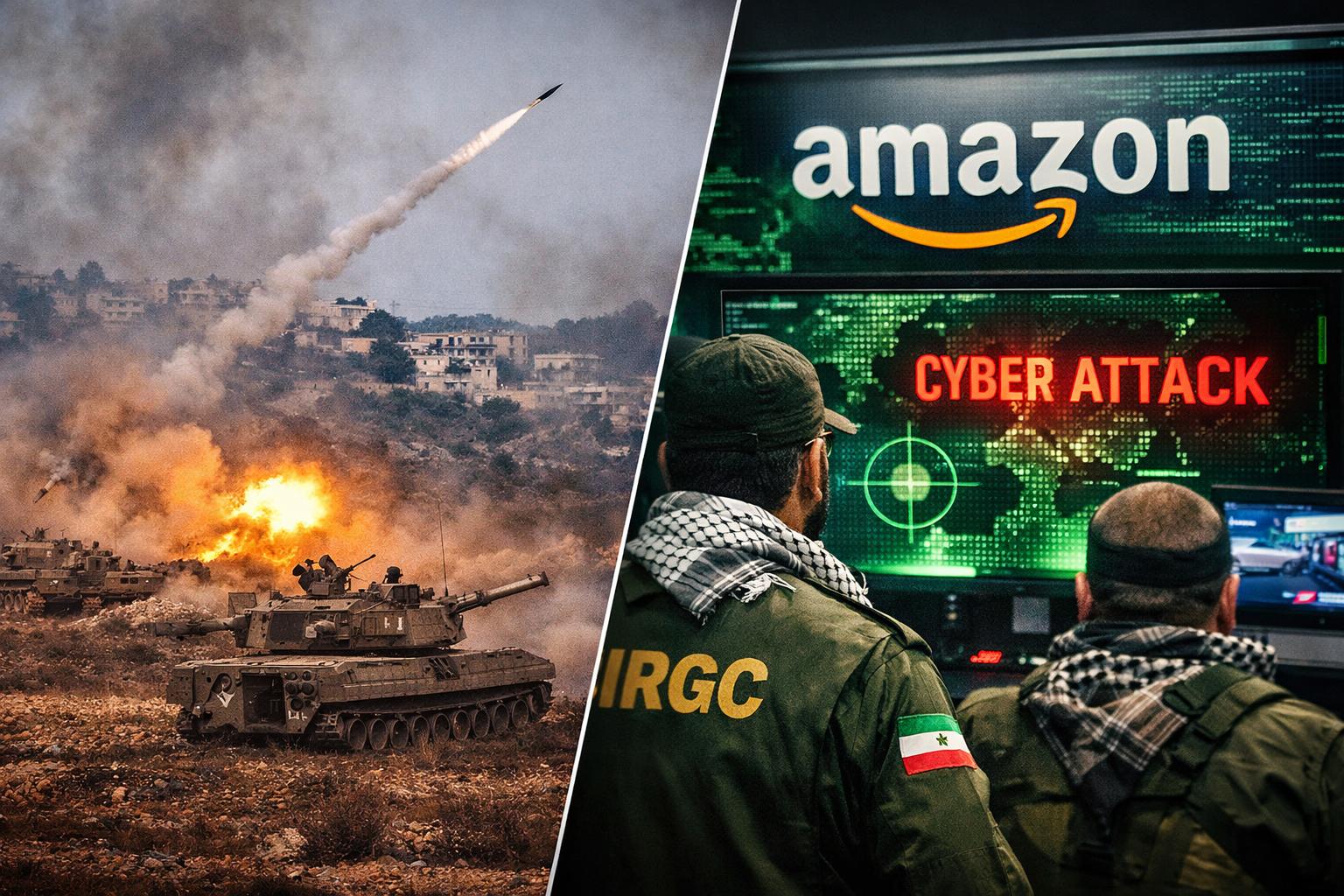
The Israeli military said it has killed approximately 1,000 Hezbollah operatives in Lebanon as hostilities intensify in parallel with escalating tensions involving Iran. The Israel Defense Forces (IDF) stated that the casualties include hundreds of members from Hezbollah’s elite Radwan Force, a key unit within the Iran-backed group. The announcement was made as cross-border exchanges between Israel and Hezbollah continue to increase in frequency and intensity. According to the IDF, Hezbollah launched around 130 rockets into Israeli territory over the previous 24-hour period. Israeli defense systems intercepted the majority of the projectiles, while others landed in open areas. However, several rockets struck populated areas, causing property damage and leaving multiple individuals with minor injuries. The developments were reported at 8:59 PM IST on Thursday, April 2, 2026. The situation reflects a broader escalation across the Middle East, with tensions extending beyond Israel and Lebanon. In a separate development, Iran’s Islamic Revolutionary Guard Corps (IRGC) claimed responsibility for an attack targeting an Amazon cloud computing facility in Bahrain. The claim was reported by Iranian state-affiliated media, which described the operation as part of the third phase of what it called the “90th wave” of Operation True Promise 4. The reported cyber or infrastructure-related strike comes amid heightened rhetoric from Iran. On Wednesday, April 1, 2026, the IRGC warned that it could target multiple major international companies, including Microsoft, Google, Apple, Intel, IBM, Tesla, and Boeing, citing their regional presence. These overlapping developments underscore the widening scope of the conflict, raising concerns about regional stability and the potential for broader international implications. While Israel continues military operations against Hezbollah, Iran’s actions and warnings suggest an expanding dimension that could involve both conventional and cyber domains.
Israel says 1,000 Hezbollah fighters killed as Iran claims Amazon site strike
The Israeli military said it has killed approximately 1,000 Hezbollah operatives in Lebanon as hostilities intensify in parallel with escalating tensions involving Iran. The Israel Defense Forces (IDF) stated that the casualties include hundreds of members from Hezbollah’s elite Radwan Force, a key unit within the Iran-backed group. The announcement was made as cross-border exchanges between Israel and Hezbollah continue to increase in frequency and intensity. According to the IDF, Hezbollah launched around 130 rockets into Israeli territory over the previous 24-hour period. Israeli defense systems intercepted the majority of the projectiles, while others landed in open areas. However, several rockets struck populated areas, causing property damage and leaving multiple individuals with minor injuries. The developments were reported at 8:59 PM IST on Thursday, April 2, 2026. The situation reflects a broader escalation across the Middle East, with tensions extending beyond Israel and Lebanon. In a separate development, Iran’s Islamic Revolutionary Guard Corps (IRGC) claimed responsibility for an attack targeting an Amazon cloud computing facility in Bahrain. The claim was reported by Iranian state-affiliated media, which described the operation as part of the third phase of what it called the “90th wave” of Operation True Promise 4. The reported cyber or infrastructure-related strike comes amid heightened rhetoric from Iran. On Wednesday, April 1, 2026, the IRGC warned that it could target multiple major international companies, including Microsoft, Google, Apple, Intel, IBM, Tesla, and Boeing, citing their regional presence. These overlapping developments underscore the widening scope of the conflict, raising concerns about regional stability and the potential for broader international implications. While Israel continues military operations against Hezbollah, Iran’s actions and warnings suggest an expanding dimension that could involve both conventional and cyber domains.
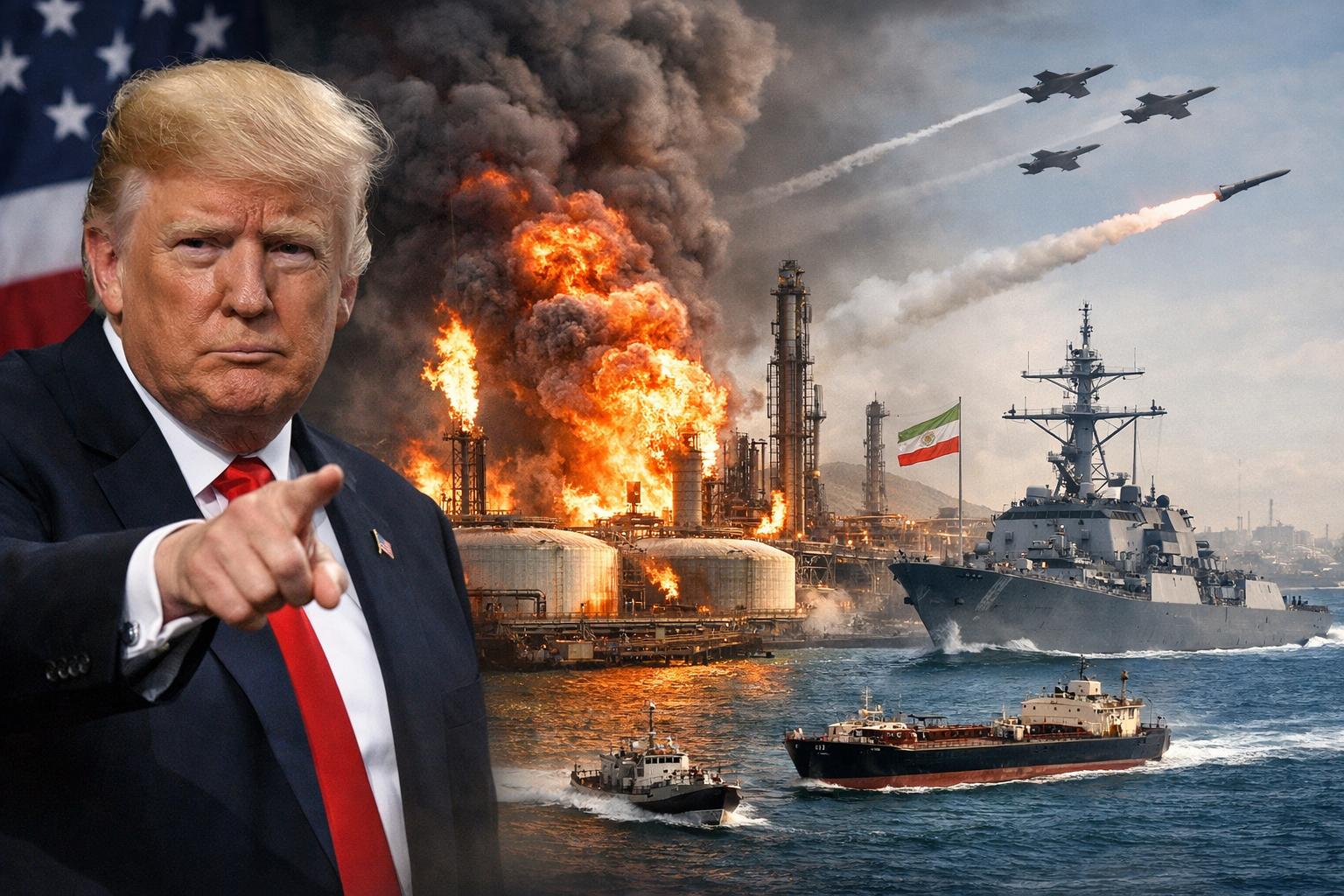
US–Israel–Iran War | Trump warns of strikes on Iran infrastructure if no deal reached soon
DUBAI, United Arab Emirates — U.S. President Donald Trump issued a stark warning on Monday, March 30, 2026, threatening to expand military action against Iran by targeting critical civilian infrastructure if a deal to end the ongoing conflict is not reached soon. The remarks come as tensions in the Middle East continue to escalate, raising concerns about regional stability and global oil supply routes. In a social media statement, Trump said progress in negotiations had been “sign
US–Israel–Iran War | Trump warns of strikes on Iran infrastructure if no deal reached soon
DUBAI, United Arab Emirates — U.S. President Donald Trump issued a stark warning on Monday, March 30, 2026, threatening to expand military action against Iran by targeting critical civilian infrastructure if a deal to end the ongoing conflict is not reached soon. The remarks come as tensions in the Middle East continue to escalate, raising concerns about regional stability and global oil supply routes. In a social media statement, Trump said progress in negotiations had been “sign
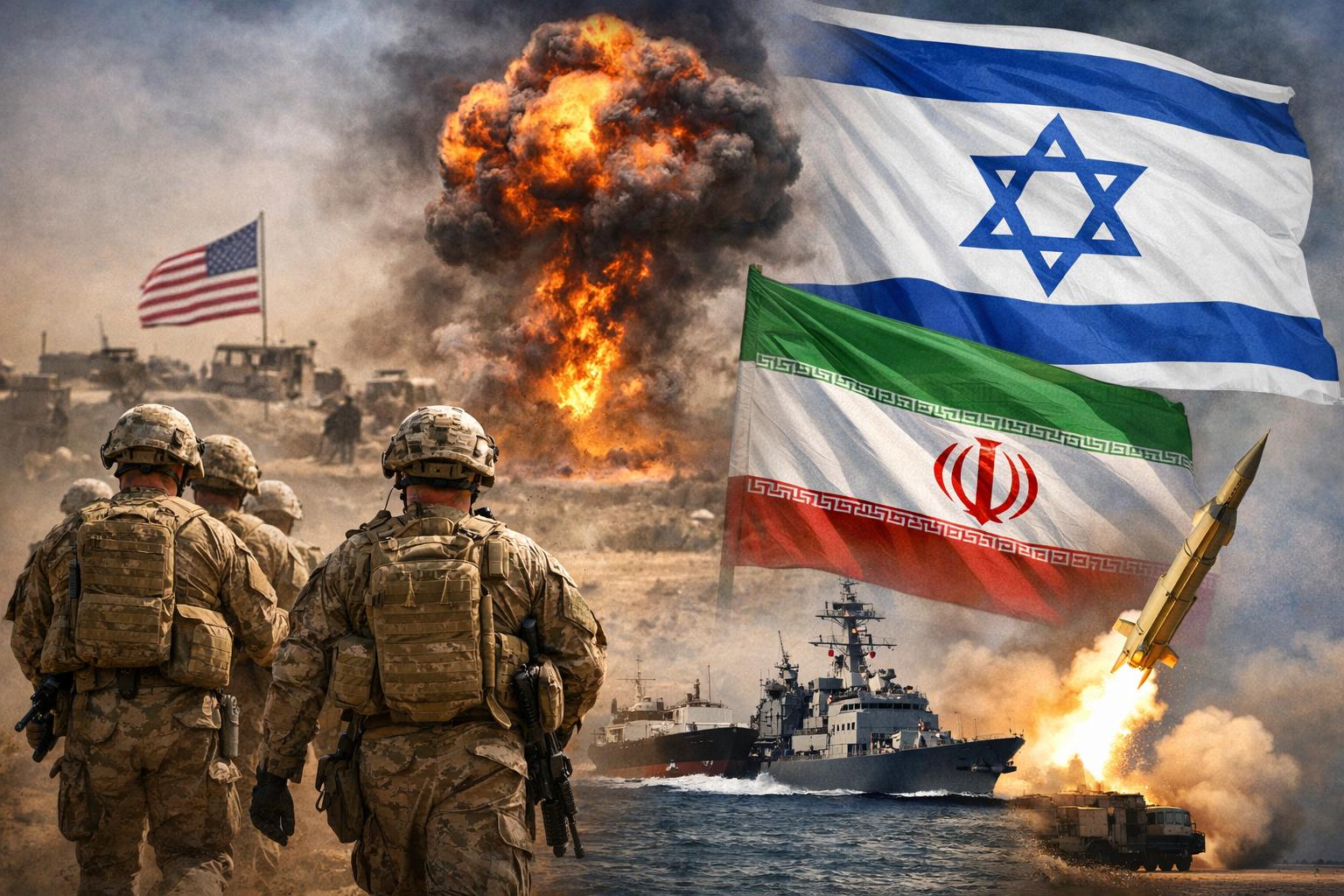
US-Israel-Iran tensions escalate as troop levels rise in Middle East
Tensions between the United States, Israel, and Iran are intensifying, with multiple developments across the Middle East signaling a potentially dangerous escalation in the ongoing conflict. The situation has drawn increased global attention as military activity expands and diplomatic efforts continue behind the scenes. Hundreds of US Special Operations forces have recently been deployed to the region, pushing total American troop levels beyond 50,000. The expanded presence reflects growing concerns in Washington over regional stability and the need to safeguard critical maritime routes, including the strategically vital Strait of Hormuz. US officials are also weighing a range of military and strategic options, including potential actions targeting Iran’s nuclear capabilities and energy infrastructure. Amid these developments, discussions have reportedly included the possibility of securing or seizing Iranian oil facilities and enriched uranium assets. At the same time, diplomatic channels remain active, with regional intermediaries attempting to ease tensions and prevent further escalation. Uncertainty surrounding Iran’s leadership has added another layer of complexity. Supreme Leader Mojtaba Khamenei has not appeared publicly in recent days, fueling speculation about his health and control over internal decision-making during a critical period. The conflict is also beginning to extend beyond traditional battle zones. A recent Iranian strike in Kuwait resulted in the death of an Indian worker, underscoring the growing risks to civilians and foreign nationals in the region. Analysts warn that such incidents highlight the vulnerability of critical infrastructure and the potential for unintended consequences as hostilities widen. Security experts caution that the situation remains highly volatile, with the possibility of broader regional fallout if tensions continue to rise. As military posturing increases alongside fragile diplomatic efforts, the coming days are expected to be crucial in determining whether the conflict can be contained or escalates further.
US-Israel-Iran tensions escalate as troop levels rise in Middle East
Tensions between the United States, Israel, and Iran are intensifying, with multiple developments across the Middle East signaling a potentially dangerous escalation in the ongoing conflict. The situation has drawn increased global attention as military activity expands and diplomatic efforts continue behind the scenes. Hundreds of US Special Operations forces have recently been deployed to the region, pushing total American troop levels beyond 50,000. The expanded presence reflects growing concerns in Washington over regional stability and the need to safeguard critical maritime routes, including the strategically vital Strait of Hormuz. US officials are also weighing a range of military and strategic options, including potential actions targeting Iran’s nuclear capabilities and energy infrastructure. Amid these developments, discussions have reportedly included the possibility of securing or seizing Iranian oil facilities and enriched uranium assets. At the same time, diplomatic channels remain active, with regional intermediaries attempting to ease tensions and prevent further escalation. Uncertainty surrounding Iran’s leadership has added another layer of complexity. Supreme Leader Mojtaba Khamenei has not appeared publicly in recent days, fueling speculation about his health and control over internal decision-making during a critical period. The conflict is also beginning to extend beyond traditional battle zones. A recent Iranian strike in Kuwait resulted in the death of an Indian worker, underscoring the growing risks to civilians and foreign nationals in the region. Analysts warn that such incidents highlight the vulnerability of critical infrastructure and the potential for unintended consequences as hostilities widen. Security experts caution that the situation remains highly volatile, with the possibility of broader regional fallout if tensions continue to rise. As military posturing increases alongside fragile diplomatic efforts, the coming days are expected to be crucial in determining whether the conflict can be contained or escalates further.
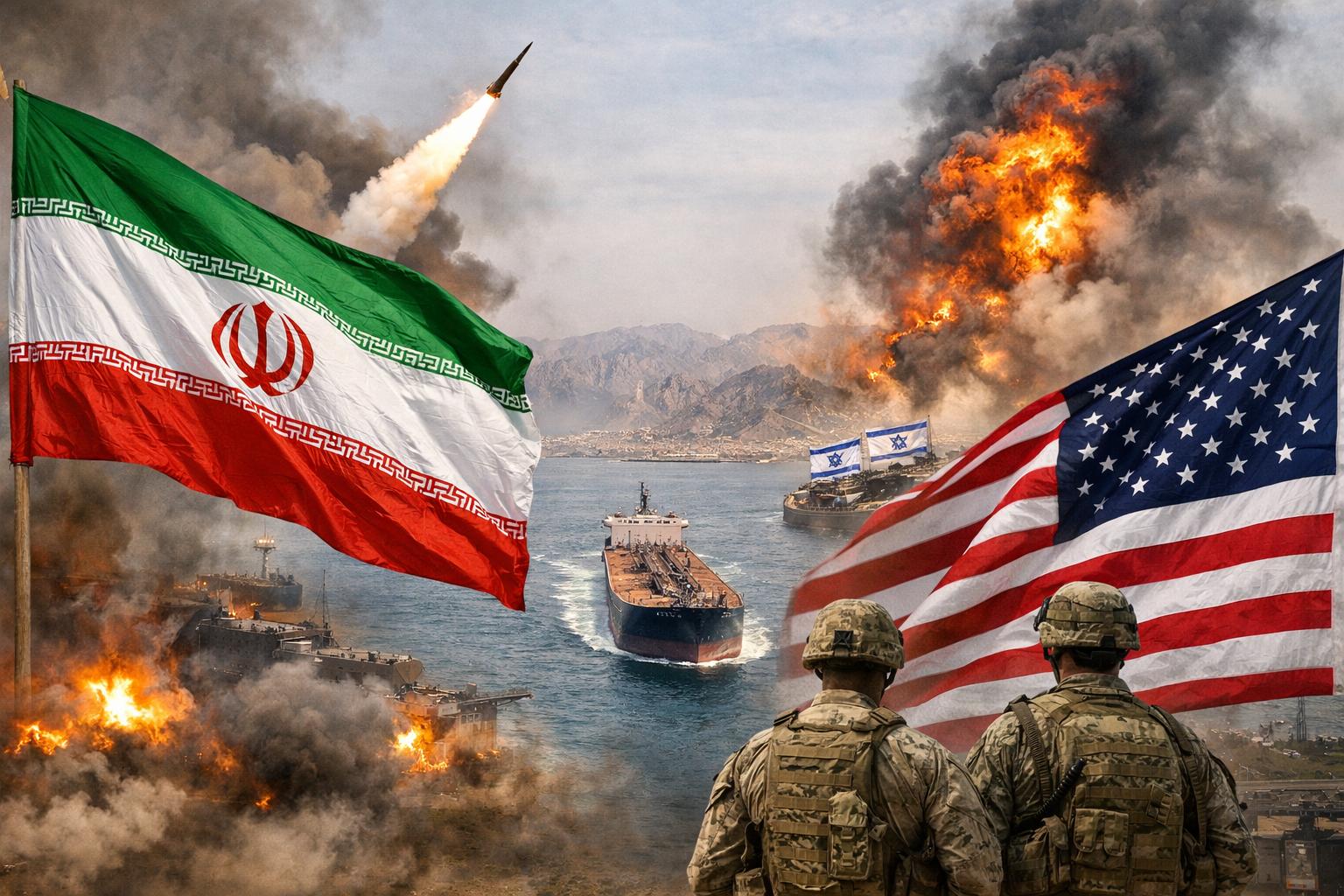
US–Israel–Iran War | Iran rejects US ceasefire plan, outlines conditions amid escalating Middle East conflict
Iran has rejected a United States-backed proposal to pause the ongoing conflict in the Middle East, instead presenting its own set of conditions for ending hostilities, according to statements broadcast by the country’s state-run English-language network. The development comes amid continued military escalation, with Tehran reportedly launching further attacks targeting Israel and parts of the Gulf region. An unnamed Iranian official was quoted as confirming that Tehran had formally declin
US–Israel–Iran War | Iran rejects US ceasefire plan, outlines conditions amid escalating Middle East conflict
Iran has rejected a United States-backed proposal to pause the ongoing conflict in the Middle East, instead presenting its own set of conditions for ending hostilities, according to statements broadcast by the country’s state-run English-language network. The development comes amid continued military escalation, with Tehran reportedly launching further attacks targeting Israel and parts of the Gulf region. An unnamed Iranian official was quoted as confirming that Tehran had formally declin
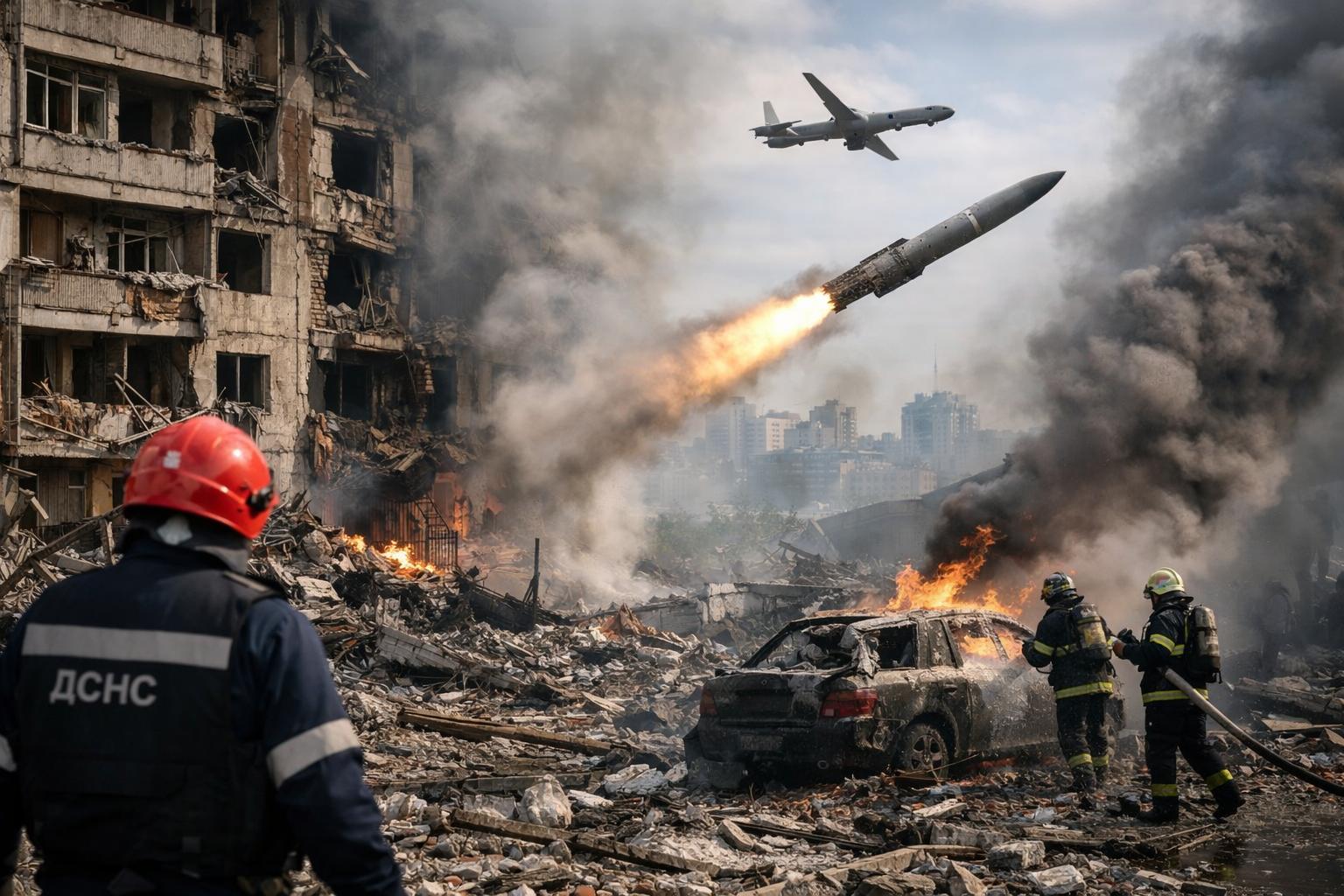
Russian drone and missile strikes kill four in Ukraine amid renewed offensive
On March 24, 2026, Russia launched a large-scale drone and missile assault targeting civilian areas across Ukraine, killing at least four people and injuring more than 35, according to Ukrainian officials. The attack marked one of the most intense aerial offensives in recent weeks and coincided with increased Russian efforts along front-line positions, raising concerns about the start of a broader spring offensive. Ukraine’s air force reported that nearly 400 long-range drones were d
Russian drone and missile strikes kill four in Ukraine amid renewed offensive
On March 24, 2026, Russia launched a large-scale drone and missile assault targeting civilian areas across Ukraine, killing at least four people and injuring more than 35, according to Ukrainian officials. The attack marked one of the most intense aerial offensives in recent weeks and coincided with increased Russian efforts along front-line positions, raising concerns about the start of a broader spring offensive. Ukraine’s air force reported that nearly 400 long-range drones were d
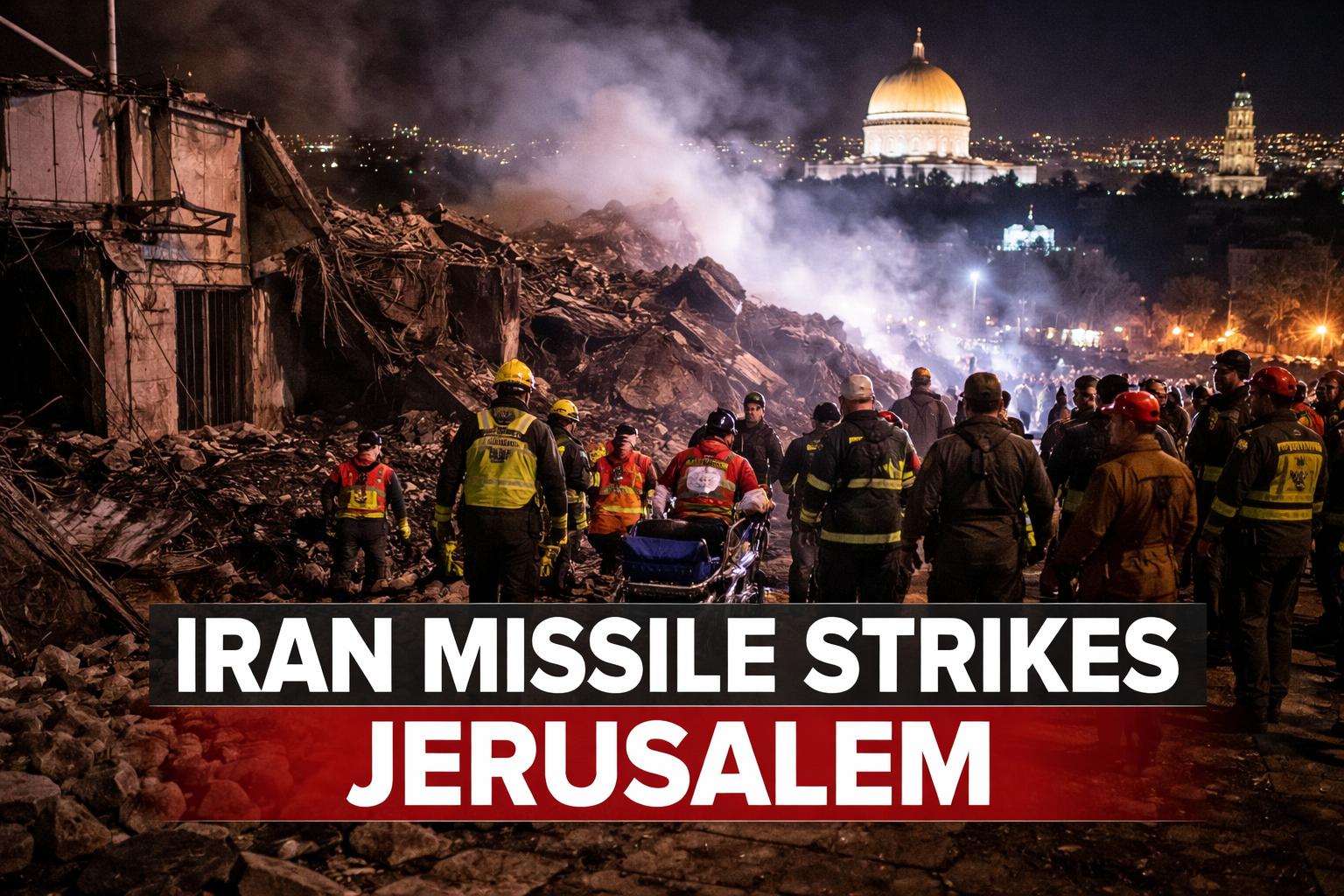
US–Israel–Iran War | Iran missile strikes trigger blast in Jerusalem as Israel deploys rescue teams
A loud explosion was reported over Jerusalem early Tuesday following two rounds of missile launches from Iran, heightening tensions in the already volatile Middle East region. Israeli authorities confirmed that air raid alerts were triggered across several areas, prompting residents to take shelter as defense systems responded to the incoming threats. According to the Israeli military, the missile launches occurred within a short interval, with the second wave followed by an audible
US–Israel–Iran War | Iran missile strikes trigger blast in Jerusalem as Israel deploys rescue teams
A loud explosion was reported over Jerusalem early Tuesday following two rounds of missile launches from Iran, heightening tensions in the already volatile Middle East region. Israeli authorities confirmed that air raid alerts were triggered across several areas, prompting residents to take shelter as defense systems responded to the incoming threats. According to the Israeli military, the missile launches occurred within a short interval, with the second wave followed by an audible
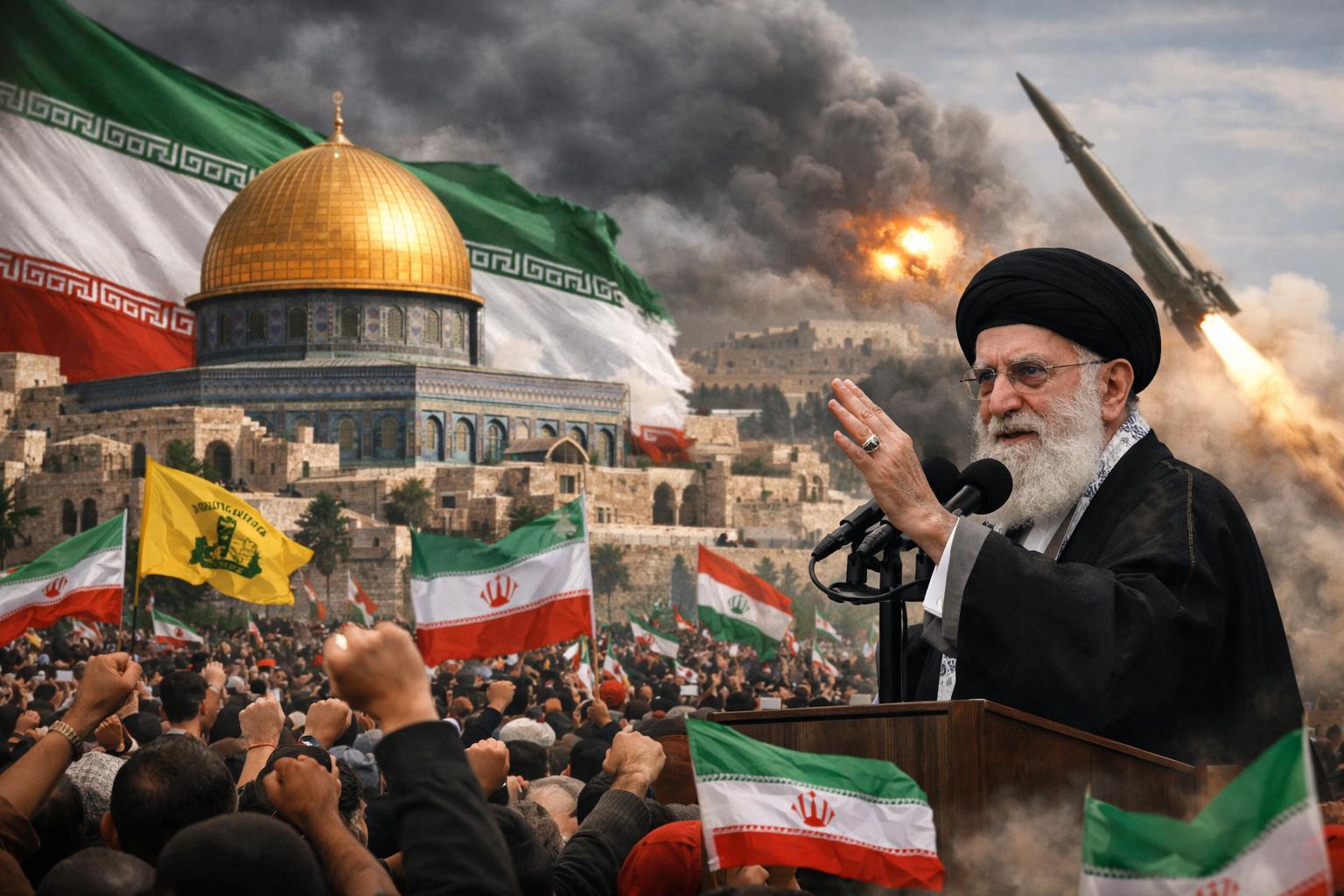
US–Israel–Iran War | Iran Claims Strategic Victory as Conflict with Israel and US Intensifies
Iran’s Supreme Leader Mojtaba Khamenei has asserted that the country has delivered a significant strategic setback to its adversaries amid the ongoing conflict involving Israel and the United States. In a written message released on Friday to mark the Persian New Year, Khamenei emphasized that national unity and resilience among Iranians had played a decisive role in shifting the balance in the confrontation. The statement comes at a time when the conflict has entered its fourth week, casting a shadow over Nowruz celebrations across the country. Despite the subdued atmosphere, Khamenei highlighted what he described as unprecedented solidarity among citizens from diverse religious, cultural, and political backgrounds. He stated that this unity had left Iran’s opponents disoriented, leading them to issue what he characterized as inconsistent and contradictory statements. Tensions escalated further following a blast in Jerusalem’s Old City, which created a crater near several significant religious landmarks, including the Al-Aqsa Mosque, the Western Wall, and the Church of the Holy Sepulchre. Israeli authorities accused Tehran of being linked to what they described as an attack on sacred sites, intensifying already strained relations in the region. Khamenei rejected these allegations, firmly denying any involvement by Iran or its regional allies in reported incidents in Oman and Turkey during the conflict. He attributed such claims to what he called deliberate misinformation by Israel, referring to it as a “Zionist enemy” engaged in deceptive tactics. The current situation marks a period of heightened geopolitical tension, with both rhetoric and military developments continuing to evolve. Adding to the symbolic shift within Iran, large banners marking Nowruz have replaced images of former leader Ali Khamenei, who was reportedly killed at the outset of the conflict on February 28. As the crisis unfolds, Iran’s leadership continues to project confidence and defiance, framing the ongoing developments as a demonstration of national strength and unity in the face of external pressure.
US–Israel–Iran War | Iran Claims Strategic Victory as Conflict with Israel and US Intensifies
Iran’s Supreme Leader Mojtaba Khamenei has asserted that the country has delivered a significant strategic setback to its adversaries amid the ongoing conflict involving Israel and the United States. In a written message released on Friday to mark the Persian New Year, Khamenei emphasized that national unity and resilience among Iranians had played a decisive role in shifting the balance in the confrontation. The statement comes at a time when the conflict has entered its fourth week, casting a shadow over Nowruz celebrations across the country. Despite the subdued atmosphere, Khamenei highlighted what he described as unprecedented solidarity among citizens from diverse religious, cultural, and political backgrounds. He stated that this unity had left Iran’s opponents disoriented, leading them to issue what he characterized as inconsistent and contradictory statements. Tensions escalated further following a blast in Jerusalem’s Old City, which created a crater near several significant religious landmarks, including the Al-Aqsa Mosque, the Western Wall, and the Church of the Holy Sepulchre. Israeli authorities accused Tehran of being linked to what they described as an attack on sacred sites, intensifying already strained relations in the region. Khamenei rejected these allegations, firmly denying any involvement by Iran or its regional allies in reported incidents in Oman and Turkey during the conflict. He attributed such claims to what he called deliberate misinformation by Israel, referring to it as a “Zionist enemy” engaged in deceptive tactics. The current situation marks a period of heightened geopolitical tension, with both rhetoric and military developments continuing to evolve. Adding to the symbolic shift within Iran, large banners marking Nowruz have replaced images of former leader Ali Khamenei, who was reportedly killed at the outset of the conflict on February 28. As the crisis unfolds, Iran’s leadership continues to project confidence and defiance, framing the ongoing developments as a demonstration of national strength and unity in the face of external pressure.
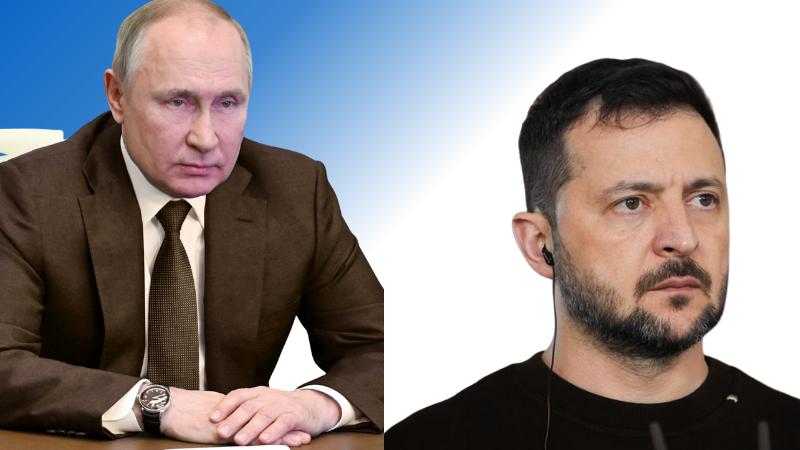
Russia Calls Zelensky’s Bomb Shelter Threats “Irresponsible” | Ukraine Conflict Update
Russia has issued a sharp response to Ukrainian President Zelensky’s recent warning that Moscow’s top officials should know the locations of their bomb shelters if the invasion continues. Speaking in an interview, Zelensky made it clear that Ukraine would not target civilians, stressing that “we are not terrorists,” but hinted at the possibility of using advanced long-range weapons if supplied by the United States.
Russia Calls Zelensky’s Bomb Shelter Threats “Irresponsible” | Ukraine Conflict Update
Russia has issued a sharp response to Ukrainian President Zelensky’s recent warning that Moscow’s top officials should know the locations of their bomb shelters if the invasion continues. Speaking in an interview, Zelensky made it clear that Ukraine would not target civilians, stressing that “we are not terrorists,” but hinted at the possibility of using advanced long-range weapons if supplied by the United States.










