


























Trump-Xi Summit 2026: 6 Past Meetings That Explain US-China Tensions
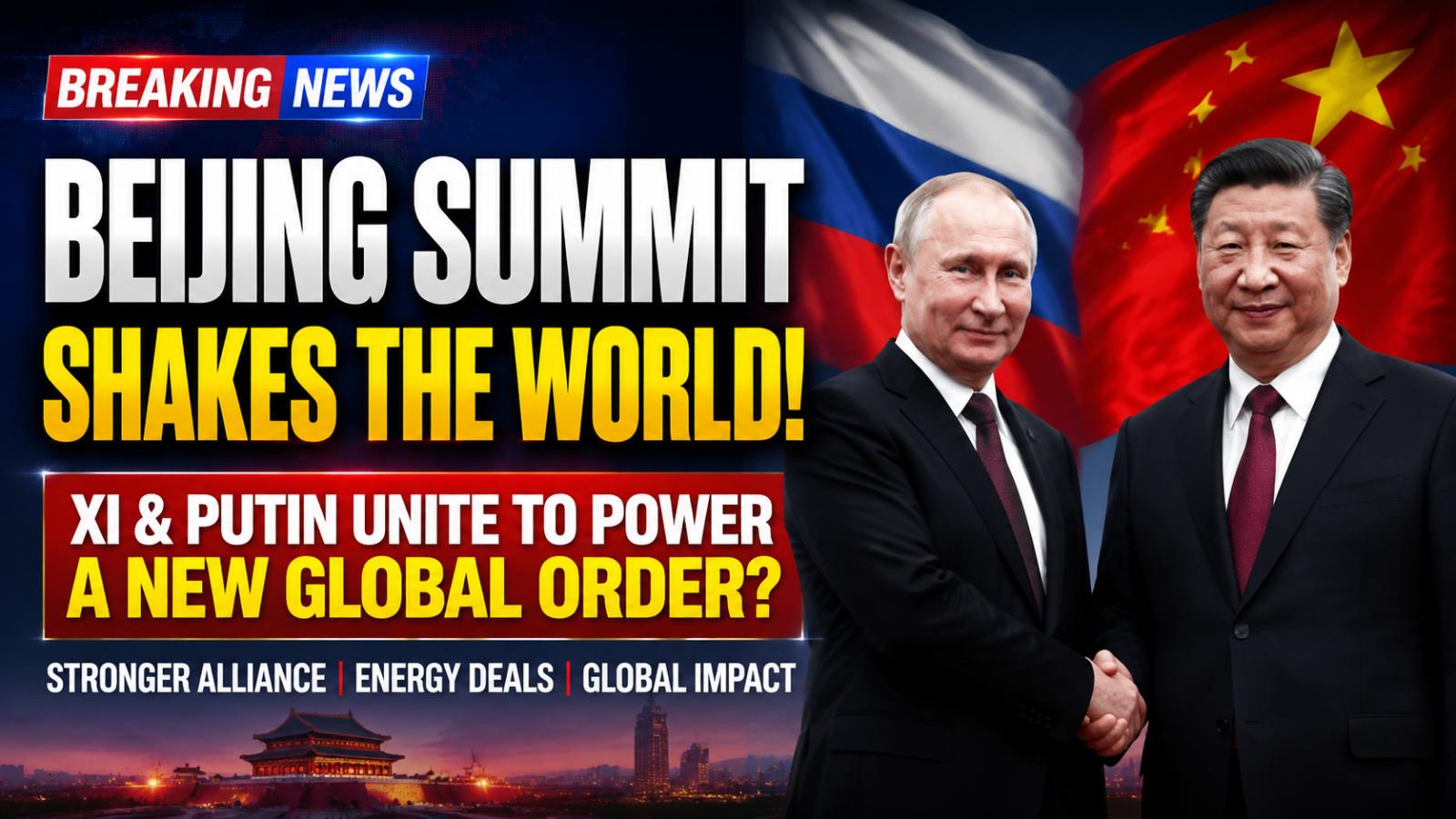
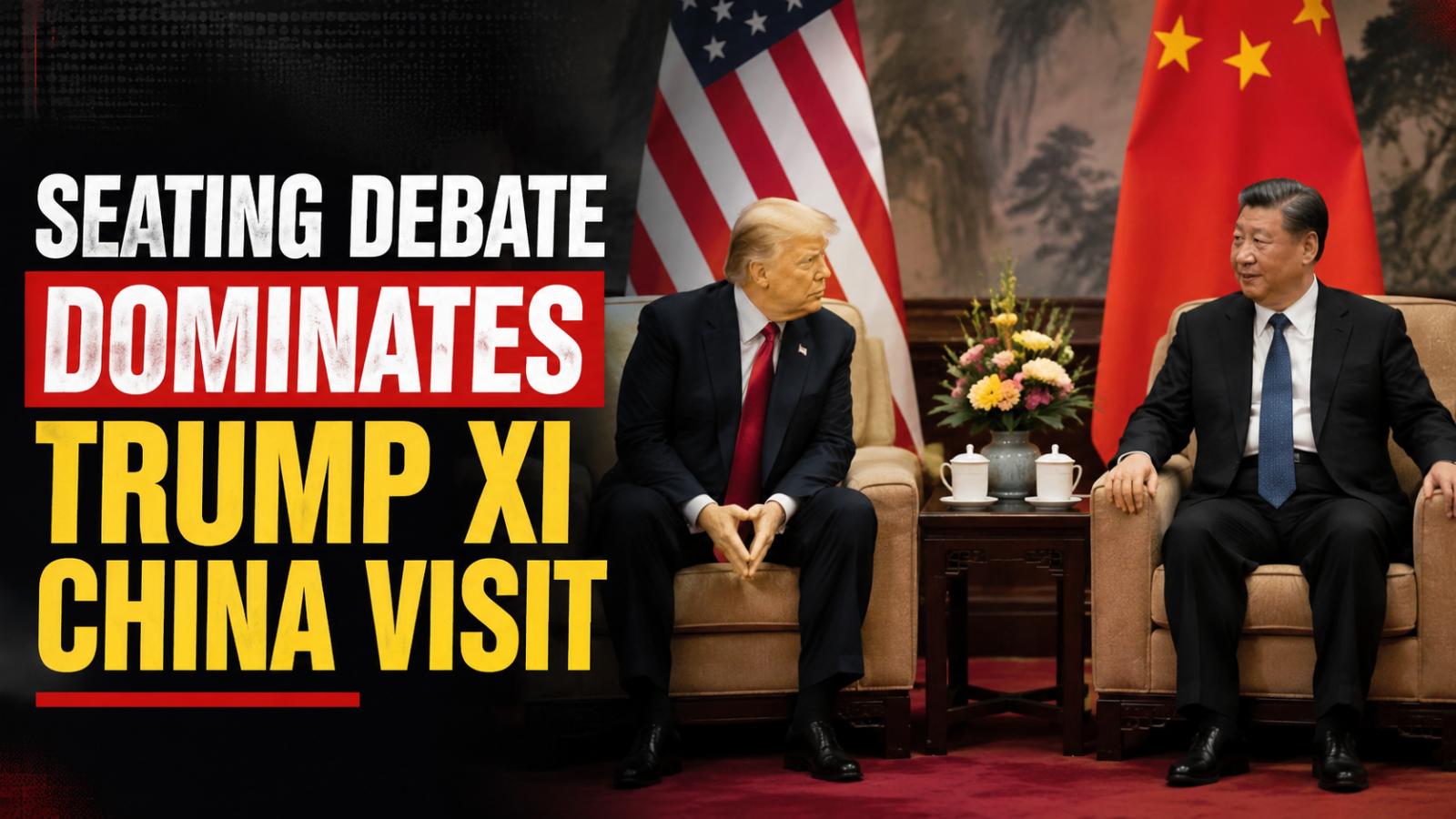
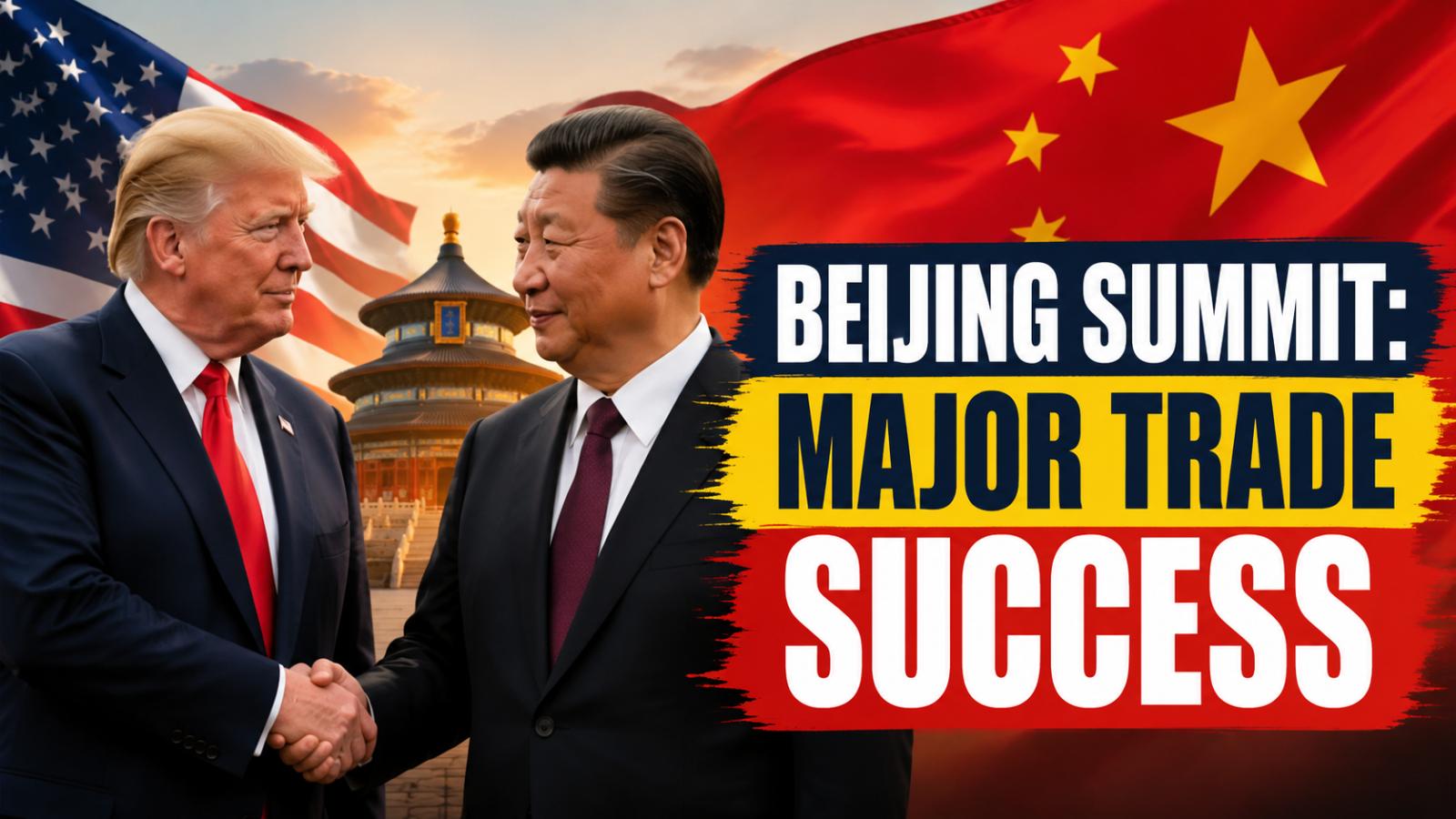
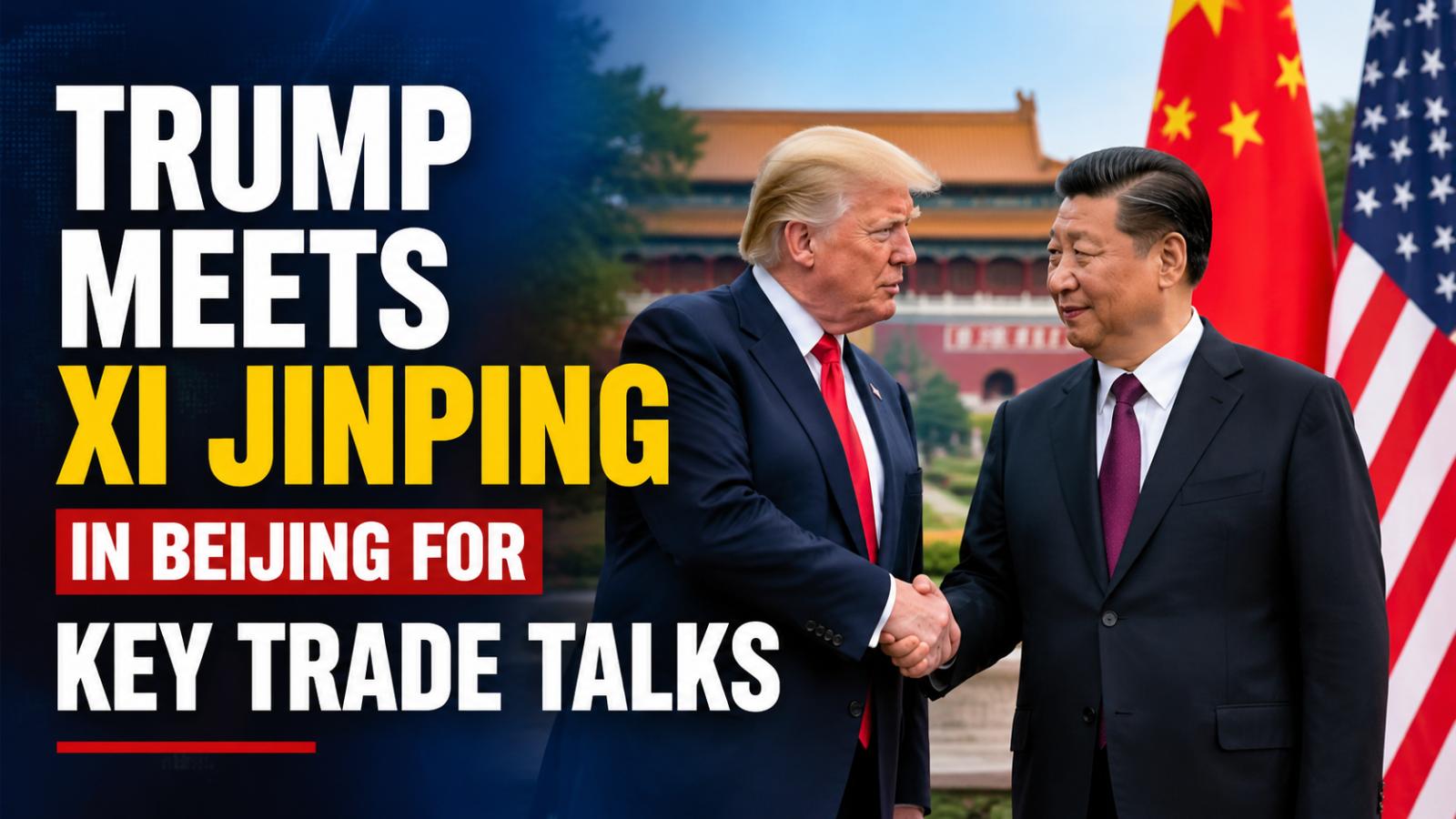
Trump-Xi Summit Puts US-China Tensions Back in Focus US President Donald Trump arrived in Beijing on Wednesday, May 13, 2026, for a high-stakes summit with Chinese President Xi Jinping, bringing tariffs, rare earth exports, AI chips, Taiwan and global security back to the center of US-China relations. The summit is expected to mark another major test for the world’s two largest economies after six previous Trump-Xi meetings shaped trade disputes, tariff pauses and fragile diplomatic resets since 2017. For Washington, the key questions include trade access, technology restrictions, agriculture purchases, Taiwan and supply-chain stability. For Beijing, the meeting is a chance to push back against US tariffs and technology controls while protecting China’s position in global trade. Why the Trump-Xi Summit Matters in 2026 The 2026 Trump-Xi summit matters because the issues are no longer limited to trade. The talks now include rare earth minerals, artificial intelligence, agriculture, Taiwan, nuclear concerns and broader geopolitical tensions. Reuters reported that Trump and Xi are expected to discuss trade, AI, agriculture, rare earths and global security issues during the summit period. Rare earth exports are especially important because China plays a major role in minerals used in defense systems, electric vehicles, electronics and clean-energy technology. Any movement on export controls could affect global supply chains and US manufacturers. AI chips are another major pressure point. Trump’s Beijing visit also drew attention because Nvidia CEO Jensen Huang joined the mission as US companies seek broader access to China’s technology market. Taiwan remains one of the most sensitive security issues. Beijing strongly opposes US arms sales to Taiwan, while Washington continues to maintain political and security ties with Taipei. AP reported that US arms sales to Taiwan are among the issues surrounding the summit. Trump-Xi Meetings Timeline Meeting Date Location Main Focus Why It Matters Now First Trump-Xi meeting Thursday, April 6, 2017 Mar-a-Lago, Florida Trade, diplomacy, North Korea Opened direct leader-level communication G20 meeting Saturday, July 8, 2017 Hamburg, Germany North Korea and economic ties Came before stronger US trade action Trump China visit Wednesday, November 8, 2017 to Friday, November 10, 2017 Beijing, China Business deals and trade imbalance Warm diplomacy did not stop tariff tensions G20 dinner Saturday, December 1, 2018 Buenos Aires, Argentina Tariffs, intellectual property and cyber concerns Opened temporary negotiations during the trade war Osaka G20 meeting Saturday, June 29, 2019 Osaka, Japan Tariff pause and farm purchases Restarted trade talks after escalation APEC meeting Thursday, October 30, 2025 Busan, South Korea Tariffs, rare earths and farm exports Created a temporary pause before the 2026 summit How Six Meetings Shaped US-China Relations Trump and Xi first met at Mar-a-Lago in Florida on Thursday, April 6, 2017. The meeting created a personal channel between the two leaders, but it did not resolve deeper US concerns over China’s trade practices, market access and industrial policy. Their second meeting came on Saturday, July 8, 2017, during the G20 summit in Hamburg, Germany. North Korea was a major topic, but trade tensions were already rising. Soon after, Washington moved toward stronger action over alleged Chinese intellectual property theft and unfair trade practices. Trump visited Beijing from Wednesday, November 8, 2017, to Friday, November 10, 2017. The visit included ceremonial events and business announcements, but the friendly tone did not prevent the two countries from moving toward a wider trade confrontation. By Saturday, December 1, 2018, when Trump and Xi met at the G20 summit in Buenos Aires, both countries had already imposed tariffs. The dinner opened temporary negotiations on trade imbalances, intellectual property and cyber concerns. The next major pause came at the G20 summit in Osaka on Saturday, June 29, 2019. Trump and Xi agreed to restart trade talks and delay new tariffs. China also pledged to buy more US agricultural goods. Their sixth meeting came after a six-year gap on Thursday, October 30, 2025, during the APEC summit in Busan, South Korea. That meeting helped create a temporary pause in parts of the trade dispute, including movement on tariffs, rare earth exports and US farm purchases. What the 2026 Trump-Xi Meeting Could Decide The Beijing summit could decide whether Washington and Beijing extend a period of limited stability or return to sharper confrontation. For the United States, the main goals include tariff relief, stronger export access for farmers, rare earth supply stability, technology safeguards and progress on broader security issues. American companies are also watching whether the talks create more space for business access in China. For China, the summit is about reducing pressure from tariffs and technology restrictions while showing that Beijing can negotiate from strength. Rare earths give China leverage, while its large consumer and technology market remains important for US companies. The six previous Trump-Xi meetings show a clear pattern: personal diplomacy can slow escalation, but it rarely solves the deeper disputes. Mar-a-Lago and Beijing created warmth but did not prevent the trade war. Buenos Aires and Osaka produced temporary pauses. Busan again showed that both sides could step back from escalation, but only for a limited period. That makes the 2026 summit more than another diplomatic event. It is a test of whether the United States and China can manage competition without allowing tariffs, AI chip restrictions, rare earth controls and Taiwan tensions to trigger another major crisis.
Trump-Xi Summit 2026: 6 Past Meetings That Explain US-China Tensions
Trump-Xi Summit Puts US-China Tensions Back in Focus US President Donald Trump arrived in Beijing on Wednesday, May 13, 2026, for a high-stakes summit with Chinese President Xi Jinping, bringing tariffs, rare earth exports, AI chips, Taiwan and global security back to the center of US-China relations. The summit is expected to mark another major test for the world’s two largest economies after six previous Trump-Xi meetings shaped trade disputes, tariff pauses and fragile diplomatic resets since 2017. For Washington, the key questions include trade access, technology restrictions, agriculture purchases, Taiwan and supply-chain stability. For Beijing, the meeting is a chance to push back against US tariffs and technology controls while protecting China’s position in global trade. Why the Trump-Xi Summit Matters in 2026 The 2026 Trump-Xi summit matters because the issues are no longer limited to trade. The talks now include rare earth minerals, artificial intelligence, agriculture, Taiwan, nuclear concerns and broader geopolitical tensions. Reuters reported that Trump and Xi are expected to discuss trade, AI, agriculture, rare earths and global security issues during the summit period. Rare earth exports are especially important because China plays a major role in minerals used in defense systems, electric vehicles, electronics and clean-energy technology. Any movement on export controls could affect global supply chains and US manufacturers. AI chips are another major pressure point. Trump’s Beijing visit also drew attention because Nvidia CEO Jensen Huang joined the mission as US companies seek broader access to China’s technology market. Taiwan remains one of the most sensitive security issues. Beijing strongly opposes US arms sales to Taiwan, while Washington continues to maintain political and security ties with Taipei. AP reported that US arms sales to Taiwan are among the issues surrounding the summit. Trump-Xi Meetings Timeline Meeting Date Location Main Focus Why It Matters Now First Trump-Xi meeting Thursday, April 6, 2017 Mar-a-Lago, Florida Trade, diplomacy, North Korea Opened direct leader-level communication G20 meeting Saturday, July 8, 2017 Hamburg, Germany North Korea and economic ties Came before stronger US trade action Trump China visit Wednesday, November 8, 2017 to Friday, November 10, 2017 Beijing, China Business deals and trade imbalance Warm diplomacy did not stop tariff tensions G20 dinner Saturday, December 1, 2018 Buenos Aires, Argentina Tariffs, intellectual property and cyber concerns Opened temporary negotiations during the trade war Osaka G20 meeting Saturday, June 29, 2019 Osaka, Japan Tariff pause and farm purchases Restarted trade talks after escalation APEC meeting Thursday, October 30, 2025 Busan, South Korea Tariffs, rare earths and farm exports Created a temporary pause before the 2026 summit How Six Meetings Shaped US-China Relations Trump and Xi first met at Mar-a-Lago in Florida on Thursday, April 6, 2017. The meeting created a personal channel between the two leaders, but it did not resolve deeper US concerns over China’s trade practices, market access and industrial policy. Their second meeting came on Saturday, July 8, 2017, during the G20 summit in Hamburg, Germany. North Korea was a major topic, but trade tensions were already rising. Soon after, Washington moved toward stronger action over alleged Chinese intellectual property theft and unfair trade practices. Trump visited Beijing from Wednesday, November 8, 2017, to Friday, November 10, 2017. The visit included ceremonial events and business announcements, but the friendly tone did not prevent the two countries from moving toward a wider trade confrontation. By Saturday, December 1, 2018, when Trump and Xi met at the G20 summit in Buenos Aires, both countries had already imposed tariffs. The dinner opened temporary negotiations on trade imbalances, intellectual property and cyber concerns. The next major pause came at the G20 summit in Osaka on Saturday, June 29, 2019. Trump and Xi agreed to restart trade talks and delay new tariffs. China also pledged to buy more US agricultural goods. Their sixth meeting came after a six-year gap on Thursday, October 30, 2025, during the APEC summit in Busan, South Korea. That meeting helped create a temporary pause in parts of the trade dispute, including movement on tariffs, rare earth exports and US farm purchases. What the 2026 Trump-Xi Meeting Could Decide The Beijing summit could decide whether Washington and Beijing extend a period of limited stability or return to sharper confrontation. For the United States, the main goals include tariff relief, stronger export access for farmers, rare earth supply stability, technology safeguards and progress on broader security issues. American companies are also watching whether the talks create more space for business access in China. For China, the summit is about reducing pressure from tariffs and technology restrictions while showing that Beijing can negotiate from strength. Rare earths give China leverage, while its large consumer and technology market remains important for US companies. The six previous Trump-Xi meetings show a clear pattern: personal diplomacy can slow escalation, but it rarely solves the deeper disputes. Mar-a-Lago and Beijing created warmth but did not prevent the trade war. Buenos Aires and Osaka produced temporary pauses. Busan again showed that both sides could step back from escalation, but only for a limited period. That makes the 2026 summit more than another diplomatic event. It is a test of whether the United States and China can manage competition without allowing tariffs, AI chip restrictions, rare earth controls and Taiwan tensions to trigger another major crisis.
Trump-Xi summit: Key issues, trade talks, and Iran conflict to be addressed
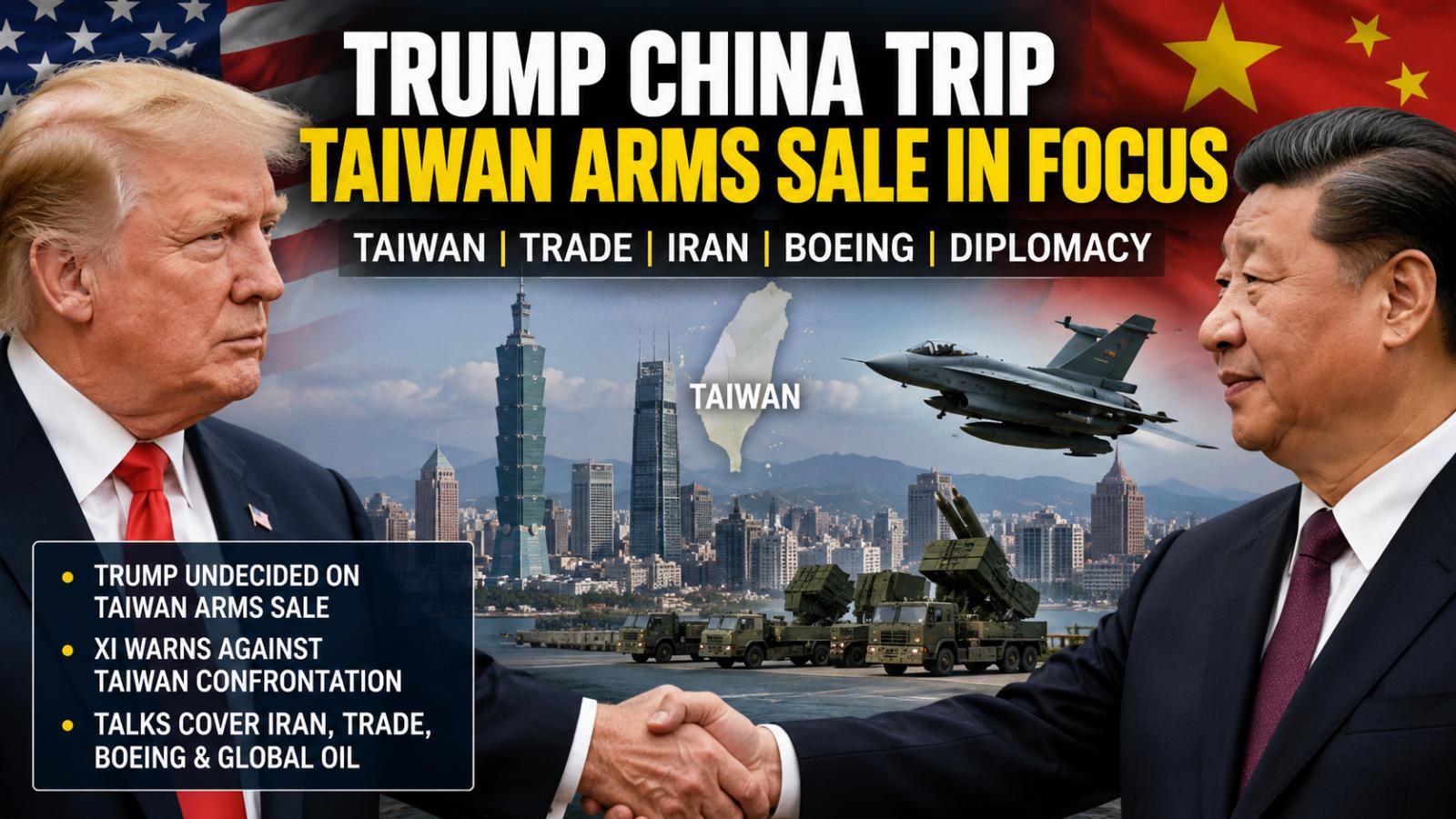
US President Donald Trump is set to visit China from May 13 to 15, marking the first visit to the country by an American president in nearly nine years. The invitation comes from Chinese President Xi Jinping amid growing tensions between the two nations over issues such as trade, technology, and defense. This visit comes at a critical time for global politics, with the ongoing Iran conflict impacting both economic stability and energy prices. The timing of Trump’s visit coincides with a volatile situation in the Strait of Hormuz, where a dual blockade has significantly disrupted global oil trade, driving up energy prices. These disruptions have the potential to harm global economic growth, as the Strait is a vital shipping route for the world’s oil supply. Trump’s administration has placed significant pressure on Iran over its nuclear program, and in recent remarks, he stated that the US would “finish the job” if Iran did not agree to the terms aimed at halting the conflict. While tensions remain high, the US continues to press for a diplomatic resolution to the situation, with President Trump asserting that Iran must meet specific demands regarding its nuclear ambitions. Despite these pressures, Trump maintains that the US does not need China’s assistance to resolve the issue, suggesting that the conflict could be settled with or without China’s involvement. Iran, for its part, has signaled its intention to pursue peace, with chief negotiator Mohammad Bagher Ghalibaf issuing an ultimatum to the US. According to Ghalibaf, Washington must accept Iran’s recent peace proposal or face further failure in negotiations. He emphasized that there was no alternative but to acknowledge the rights of the Iranian people as outlined in Tehran’s 14-point proposal. Beyond the Iran conflict, the upcoming Trump-Xi summit is expected to address several key issues affecting US-China relations. Trade discussions will likely focus on extending a temporary truce in the ongoing trade dispute, particularly concerning rare earth minerals. Both leaders are expected to explore agreements related to Boeing aircraft purchases, as well as expanding trade and investment ties. Additionally, China is anticipated to announce purchases in the US agricultural and energy sectors. Another significant topic of discussion will be Taiwan, with Xi expressing frustration over the US’s continued support for the island nation, which China claims as part of its territory. Trump’s administration has reiterated its commitment to Taiwan, despite escalating military activities in the region by China. The summit will also cover the rapid development of artificial intelligence (AI) in both countries, with US officials highlighting concerns about the potential military and economic implications of AI advancements. With both nations at the forefront of technological innovation, there is a growing need for open communication to avoid misunderstandings or potential conflicts arising from the use of AI. This high-stakes summit between the US and China is poised to shape the future of global trade, energy security, and technological development, with both sides seeking to manage their differences while addressing urgent geopolitical challenges. As the world watches, the outcome of these talks could have far-reaching implications for international relations.
Trump-Xi summit: Key issues, trade talks, and Iran conflict to be addressed
US President Donald Trump is set to visit China from May 13 to 15, marking the first visit to the country by an American president in nearly nine years. The invitation comes from Chinese President Xi Jinping amid growing tensions between the two nations over issues such as trade, technology, and defense. This visit comes at a critical time for global politics, with the ongoing Iran conflict impacting both economic stability and energy prices. The timing of Trump’s visit coincides with a volatile situation in the Strait of Hormuz, where a dual blockade has significantly disrupted global oil trade, driving up energy prices. These disruptions have the potential to harm global economic growth, as the Strait is a vital shipping route for the world’s oil supply. Trump’s administration has placed significant pressure on Iran over its nuclear program, and in recent remarks, he stated that the US would “finish the job” if Iran did not agree to the terms aimed at halting the conflict. While tensions remain high, the US continues to press for a diplomatic resolution to the situation, with President Trump asserting that Iran must meet specific demands regarding its nuclear ambitions. Despite these pressures, Trump maintains that the US does not need China’s assistance to resolve the issue, suggesting that the conflict could be settled with or without China’s involvement. Iran, for its part, has signaled its intention to pursue peace, with chief negotiator Mohammad Bagher Ghalibaf issuing an ultimatum to the US. According to Ghalibaf, Washington must accept Iran’s recent peace proposal or face further failure in negotiations. He emphasized that there was no alternative but to acknowledge the rights of the Iranian people as outlined in Tehran’s 14-point proposal. Beyond the Iran conflict, the upcoming Trump-Xi summit is expected to address several key issues affecting US-China relations. Trade discussions will likely focus on extending a temporary truce in the ongoing trade dispute, particularly concerning rare earth minerals. Both leaders are expected to explore agreements related to Boeing aircraft purchases, as well as expanding trade and investment ties. Additionally, China is anticipated to announce purchases in the US agricultural and energy sectors. Another significant topic of discussion will be Taiwan, with Xi expressing frustration over the US’s continued support for the island nation, which China claims as part of its territory. Trump’s administration has reiterated its commitment to Taiwan, despite escalating military activities in the region by China. The summit will also cover the rapid development of artificial intelligence (AI) in both countries, with US officials highlighting concerns about the potential military and economic implications of AI advancements. With both nations at the forefront of technological innovation, there is a growing need for open communication to avoid misunderstandings or potential conflicts arising from the use of AI. This high-stakes summit between the US and China is poised to shape the future of global trade, energy security, and technological development, with both sides seeking to manage their differences while addressing urgent geopolitical challenges. As the world watches, the outcome of these talks could have far-reaching implications for international relations.
Historic US-China Summit: Trump and Xi Discuss Iran, Trade, and Taiwan in Beijing
Trump and Xi Jinping Meet in Beijing for Key Summit US President Donald Trump and Chinese President Xi Jinping are set to meet in Beijing for a highly anticipated three-day summit. This is Trump’s first visit to China in nearly a decade, making the meeting particularly significant. The summit is expected to focus on critical global issues, including the ongoing US-Israel war on Iran, trade relations between the two nations, and the status of Taiw
Historic US-China Summit: Trump and Xi Discuss Iran, Trade, and Taiwan in Beijing
Trump and Xi Jinping Meet in Beijing for Key Summit US President Donald Trump and Chinese President Xi Jinping are set to meet in Beijing for a highly anticipated three-day summit. This is Trump’s first visit to China in nearly a decade, making the meeting particularly significant. The summit is expected to focus on critical global issues, including the ongoing US-Israel war on Iran, trade relations between the two nations, and the status of Taiw
Trump’s Bold Iran Strategy: "We’ll Win Peacefully or Otherwise"
Trump’s Departure for Beijing President Donald Trump left Washington on May 12th for a high-stakes summit with Chinese President Xi Jinping in Beijing. As he boarded Air Force One for the trip, Trump addressed reporters, emphasizing that Iran is "under control" and that the United States either intends to make a deal or "decimate" Iran’s military capabilities. This rhetoric comes amid the ongoing conflict with Iran, with Trump reiterating his u
Trump’s Bold Iran Strategy: "We’ll Win Peacefully or Otherwise"
Trump’s Departure for Beijing President Donald Trump left Washington on May 12th for a high-stakes summit with Chinese President Xi Jinping in Beijing. As he boarded Air Force One for the trip, Trump addressed reporters, emphasizing that Iran is "under control" and that the United States either intends to make a deal or "decimate" Iran’s military capabilities. This rhetoric comes amid the ongoing conflict with Iran, with Trump reiterating his u
Cab Safety Warning: Check Number Plate Before Entering Ride
A growing cab safety warning is urging passengers to check the number plate, driver identity and vehicle details before entering any app-booked ride. Safety advocates say a mismatch between the vehicle that arrives and the details shown in the ride-hailing app can create serious risks for passengers, especially during solo or late-night travel. What Happens If Cab Details Do Not Match? If the cab number, model or driver profile does not match the app, the ride may not be properly linked to the original booking. That can affect GPS tracking, route monitoring, driver verification and emergency support. Passenger safety experts warn that entering an unverified vehicle can also make it harder for platforms to investigate complaints or confirm trip records if something goes wrong. Insurance And Tracking Concerns Transportation analysts say insurance complications may arise when a passenger travels in a vehicle that is not officially connected to the booking. In such cases, the ride may not be fully traceable through the platform’s records. The warning is not meant to create fear, but to encourage simple checks before boarding. What Passengers Should Do Before Boarding Passengers should confirm the registration number, driver name, vehicle model and live trip status inside the app. They should also share live location with a trusted contact and cancel the ride if any detail appears suspicious. Watch: One Small Cab Mistake Can Turn Dangerous Fast This safety-awareness reel explains why passengers should verify cab number plates, driver details and ride information before entering any app-booked vehicle. Safety campaigners say one quick number plate check can prevent passengers from entering the wrong cab and reduce risks linked to fake taxi pickups, route mismatch and unverified drivers.
Cab Safety Warning: Check Number Plate Before Entering Ride
A growing cab safety warning is urging passengers to check the number plate, driver identity and vehicle details before entering any app-booked ride. Safety advocates say a mismatch between the vehicle that arrives and the details shown in the ride-hailing app can create serious risks for passengers, especially during solo or late-night travel. What Happens If Cab Details Do Not Match? If the cab number, model or driver profile does not match the app, the ride may not be properly linked to the original booking. That can affect GPS tracking, route monitoring, driver verification and emergency support. Passenger safety experts warn that entering an unverified vehicle can also make it harder for platforms to investigate complaints or confirm trip records if something goes wrong. Insurance And Tracking Concerns Transportation analysts say insurance complications may arise when a passenger travels in a vehicle that is not officially connected to the booking. In such cases, the ride may not be fully traceable through the platform’s records. The warning is not meant to create fear, but to encourage simple checks before boarding. What Passengers Should Do Before Boarding Passengers should confirm the registration number, driver name, vehicle model and live trip status inside the app. They should also share live location with a trusted contact and cancel the ride if any detail appears suspicious. Watch: One Small Cab Mistake Can Turn Dangerous Fast This safety-awareness reel explains why passengers should verify cab number plates, driver details and ride information before entering any app-booked vehicle. Safety campaigners say one quick number plate check can prevent passengers from entering the wrong cab and reduce risks linked to fake taxi pickups, route mismatch and unverified drivers.
BTS Mexico City Concert: 40,000 Fans Gather Outside Stadium in Fan Festival
BTS’s long-awaited return to Mexico City for their ARIRANG World Tour has become a fan festival as nearly 40,000 people gathered outside the Estadio GNP Seguros during the second concert of their Mexico City run. The group, which performed on May 7, 9, and 10, brought a wave of excitement with their first concert in the country after almost nine years. Videos from the Day 2 concert went viral online, showcasing an unforgettable live experience for the fans. As part of their ongoing ARIRANG World Tour, BTS performed before a packed stadium, with some reports estimating attendance for the second show at over 100,000, including the fans outside the venue. The energetic crowd of more than 40,000 outside the sold-out venue created a sea of lightsticks, dancing and singing to the group’s iconic hits, further highlighting the powerful connection between BTS and their Mexican fanbase. Many fans had eagerly waited for nearly a decade for the group's return to their city. Before their performances, BTS also took time to meet with the Mexican President, Sheinbaum, at the presidential palace. During their official visit, the President praised the group for promoting values of 'peace, friendship, and hope' through their music. Following the meeting, BTS waved at their adoring fans outside, further deepening the bond between the group and their Mexican followers. The fans showed their appreciation by holding banners and waving lightsticks as the group appeared on the balcony. In addition to the fans' overwhelming enthusiasm, the ticket sales for the concerts were a massive success, with over 2.1 million fans attempting to secure tickets during the pre-sale, while only 150,000 seats were available across all three concerts. According to Ticketmaster, over 136,000 tickets were sold in under an hour, making it one of Mexico’s largest ticket sales events in recent years.
BTS Mexico City Concert: 40,000 Fans Gather Outside Stadium in Fan Festival
BTS’s long-awaited return to Mexico City for their ARIRANG World Tour has become a fan festival as nearly 40,000 people gathered outside the Estadio GNP Seguros during the second concert of their Mexico City run. The group, which performed on May 7, 9, and 10, brought a wave of excitement with their first concert in the country after almost nine years. Videos from the Day 2 concert went viral online, showcasing an unforgettable live experience for the fans. As part of their ongoing ARIRANG World Tour, BTS performed before a packed stadium, with some reports estimating attendance for the second show at over 100,000, including the fans outside the venue. The energetic crowd of more than 40,000 outside the sold-out venue created a sea of lightsticks, dancing and singing to the group’s iconic hits, further highlighting the powerful connection between BTS and their Mexican fanbase. Many fans had eagerly waited for nearly a decade for the group's return to their city. Before their performances, BTS also took time to meet with the Mexican President, Sheinbaum, at the presidential palace. During their official visit, the President praised the group for promoting values of 'peace, friendship, and hope' through their music. Following the meeting, BTS waved at their adoring fans outside, further deepening the bond between the group and their Mexican followers. The fans showed their appreciation by holding banners and waving lightsticks as the group appeared on the balcony. In addition to the fans' overwhelming enthusiasm, the ticket sales for the concerts were a massive success, with over 2.1 million fans attempting to secure tickets during the pre-sale, while only 150,000 seats were available across all three concerts. According to Ticketmaster, over 136,000 tickets were sold in under an hour, making it one of Mexico’s largest ticket sales events in recent years.
Trump Administration Restores Cyanide Bomb Use on US Public Lands
The Trump administration has moved to restore the use of controversial M-44 cyanide traps on public lands across the United States, reviving a predator control method that had previously faced restrictions due to environmental and public safety concerns. The decision follows a memorandum signed in April between the Bureau of Land Management and the Agriculture Department’s Wildlife Services program, allowing the agencies to coordinate the possible deployment of restricted pesticides, includ
Trump Administration Restores Cyanide Bomb Use on US Public Lands
The Trump administration has moved to restore the use of controversial M-44 cyanide traps on public lands across the United States, reviving a predator control method that had previously faced restrictions due to environmental and public safety concerns. The decision follows a memorandum signed in April between the Bureau of Land Management and the Agriculture Department’s Wildlife Services program, allowing the agencies to coordinate the possible deployment of restricted pesticides, includ
Trump and Xi Meet in Beijing Amid Rising US-China Trade Tensions
US President Donald Trump and Chinese President Xi Jinping are meeting in Beijing amid renewed efforts to prevent escalating tensions between the world’s two largest economies. The summit follows months of friction over tariffs, semiconductors, artificial intelligence, supply chains, and Taiwan, all of which have intensified competition between Washington and Beijing despite a temporary stabilisation agreement reached during the APEC summit in Busan, South Korea, in October 2025.
Trump and Xi Meet in Beijing Amid Rising US-China Trade Tensions
US President Donald Trump and Chinese President Xi Jinping are meeting in Beijing amid renewed efforts to prevent escalating tensions between the world’s two largest economies. The summit follows months of friction over tariffs, semiconductors, artificial intelligence, supply chains, and Taiwan, all of which have intensified competition between Washington and Beijing despite a temporary stabilisation agreement reached during the APEC summit in Busan, South Korea, in October 2025.
White House China Visit May Bring Musk, Cook to Trump-Xi Summit
The White House China visit planned for May 13–15, 2026, may bring Elon Musk, Apple CEO Tim Cook and Boeing CEO Kelly Ortberg into President Donald Trump’s high-stakes summit with Chinese President Xi Jinping. The trip is aimed at easing business tensions and opening space for trade deals between the world’s two largest economies. Why Musk, Cook and Boeing Matter Musk’s Tesla has major operations in Shanghai, making China central to the
White House China Visit May Bring Musk, Cook to Trump-Xi Summit
The White House China visit planned for May 13–15, 2026, may bring Elon Musk, Apple CEO Tim Cook and Boeing CEO Kelly Ortberg into President Donald Trump’s high-stakes summit with Chinese President Xi Jinping. The trip is aimed at easing business tensions and opening space for trade deals between the world’s two largest economies. Why Musk, Cook and Boeing Matter Musk’s Tesla has major operations in Shanghai, making China central to the
Trump Heads to Beijing as Iran-China Oil Trade Tests US Pressure
President Donald Trump is scheduled to arrive in Beijing on Wednesday, May 13, 2026, for high-level talks with Chinese President Xi Jinping as tensions over Iran, oil trade and regional stability continue to grow.
Trump Heads to Beijing as Iran-China Oil Trade Tests US Pressure
President Donald Trump is scheduled to arrive in Beijing on Wednesday, May 13, 2026, for high-level talks with Chinese President Xi Jinping as tensions over Iran, oil trade and regional stability continue to grow.
Trump-Xi meeting to focus on tariffs, Iran crisis and global stability
China on Monday confirmed that US President Donald Trump will visit Beijing from May 13 to May 15 for high-level talks with Chinese President Xi Jinping. The Trump China visit will be the first trip to China during Trump’s second term and is expected to focus on improving strained trade relations between the world’s two largest economies. The meeting comes at a time when global tensions, tariff disputes and concerns over economic stability continue to affect international markets and poli
Trump-Xi meeting to focus on tariffs, Iran crisis and global stability
China on Monday confirmed that US President Donald Trump will visit Beijing from May 13 to May 15 for high-level talks with Chinese President Xi Jinping. The Trump China visit will be the first trip to China during Trump’s second term and is expected to focus on improving strained trade relations between the world’s two largest economies. The meeting comes at a time when global tensions, tariff disputes and concerns over economic stability continue to affect international markets and poli
Vijay Deverakonda Turns 37: A Look at His Remarkable Rise in Cinema
Vijay Deverakonda, tunrs 37 today, May 9th. One of India’s most celebrated actors, has journeyed from humble beginnings as a theatre artist to becoming a household name in both Tollywood and Bollywood. Born to TV director Govardhan Rao, Deverakonda’s path to stardom wasn’t an easy one. After completing his Bachelor of Commerce degree from Badruka College of Commerce & Arts, he began his acting career in theatre, joining a Hyderabad-based group where he performed in numerous plays. H
Vijay Deverakonda Turns 37: A Look at His Remarkable Rise in Cinema
Vijay Deverakonda, tunrs 37 today, May 9th. One of India’s most celebrated actors, has journeyed from humble beginnings as a theatre artist to becoming a household name in both Tollywood and Bollywood. Born to TV director Govardhan Rao, Deverakonda’s path to stardom wasn’t an easy one. After completing his Bachelor of Commerce degree from Badruka College of Commerce & Arts, he began his acting career in theatre, joining a Hyderabad-based group where he performed in numerous plays. H
China Sentences Ex-Defence Ministers Wei Fenghe, Li Shangfu to Suspended Death in PLA Corruption Purge
China Hands Suspended Death Sentences to Former Defence Ministers China has sentenced former defence ministers Wei Fenghe and Li Shangfu to death with a two-year reprieve in a major PLA corruption case, state media reported Thursday. The ruling marks one of the harshest punishments against senior Chinese military figures in years and signals that President Xi Jinping’s anti-graft campaign
China Sentences Ex-Defence Ministers Wei Fenghe, Li Shangfu to Suspended Death in PLA Corruption Purge
China Hands Suspended Death Sentences to Former Defence Ministers China has sentenced former defence ministers Wei Fenghe and Li Shangfu to death with a two-year reprieve in a major PLA corruption case, state media reported Thursday. The ruling marks one of the harshest punishments against senior Chinese military figures in years and signals that President Xi Jinping’s anti-graft campaign
Trump and Pope Leo XIV clash again over Iran’s nuclear stance
The feud between US President Donald Trump and Pope Leo XIV has flared up once again. The latest clash revolves around Trump’s repeated claims that the Pope supports Iran’s right to develop nuclear weapons. This accusation has been vigorously denied by the Vatican, with Pope Leo XIV offering a sharp rebuke. The Pope emphasized his long-standing position on nuclear disarmament and global peace, making it clear that his message remains consistent despite the President's accusations. Trump’s Accusations Against the Pope In an interview with Hugh Hewitt of Salem News Channel, President Trump reiterated his controversial claim that Pope Leo XIV condones Iran's nuclear ambitions. Trump said, "The pope would rather talk about the fact that it’s OK for Iran to have a nuclear weapon, and I don’t think that’s very good." He continued, "I think he's endangering a lot of Catholics, and a lot of people, but I guess if it’s up to the pope, he thinks it’s just fine for Iran to have a nuclear weapon." This repeated assertion has been a part of Trump's rhetoric, even though the Pope has never publicly supported such a view. Pope Leo XIV's Rejection of the Claim Without directly naming Trump, Pope Leo XIV responded firmly, rejecting the accusations. "If anyone wants to criticise me for proclaiming the Gospel, let them do so truthfully," he said in a statement. The Pope's message was unequivocal: the mission of the Church is to preach peace, and it has always opposed the proliferation of nuclear weapons. He reminded the world that the Catholic Church has long advocated for a world free from nuclear threats. The Pope has been vocal about the need for diplomacy over conflict, urging political leaders to engage in dialogue rather than pursue rearmament. The Pope’s remarks were a clear message to those who misinterpret his calls for peace. The Catholic Church has continuously voiced its opposition to nuclear weapons, and Pope Leo XIV reaffirmed that stance, urging global leaders to focus on peaceful solutions to international conflicts. A Notable Timing: Rubio’s Visit to the Vatican The timing of this ongoing dispute is particularly interesting, as US Secretary of State Marco Rubio is scheduled to visit Rome this week. Rubio will meet with Pope Leo XIV on Thursday to discuss a range of topics, including the situation in the Middle East. The State Department has positioned this visit as an opportunity to explore mutual interests and discuss pressing global issues. However, with the current tensions surrounding Iran and nuclear weapons, this meeting is likely to be complicated by the feud between Trump and the Pope. Pope Leo XIV's Message for Global Peace Despite the political tensions, Pope Leo XIV has remained focused on his core message: peace. The Pope has consistently called for a world free from the threat of nuclear weapons, advocating for leaders to sit at the table of dialogue and diplomacy. His call for peace was reiterated during a recent gathering at St. Peter’s Basilica, where he urged Catholics to prioritize dialogue over violence. In his remarks, Pope Leo XIV urged global leaders to focus on diplomacy and avoid the path of rearmament. He emphasized the importance of peaceful negotiations, saying, "It is time for peace! Sit at the table of dialogue and mediation, not at the table where rearmament is planned, and deadly actions are decided." This sentiment reflects the Pope’s long-standing commitment to nuclear disarmament and peaceful resolutions to international disputes. As the tension between Trump and the Pope continues to unfold, the world will be watching closely. The clash underscores the ongoing challenges in navigating political and religious divides, especially when it comes to sensitive issues like nuclear weapons and international peace. However, Pope Leo XIV’s commitment to peace and diplomacy remains unwavering, and his stance continues to influence global discussions on nuclear disarmament.
Trump and Pope Leo XIV clash again over Iran’s nuclear stance
The feud between US President Donald Trump and Pope Leo XIV has flared up once again. The latest clash revolves around Trump’s repeated claims that the Pope supports Iran’s right to develop nuclear weapons. This accusation has been vigorously denied by the Vatican, with Pope Leo XIV offering a sharp rebuke. The Pope emphasized his long-standing position on nuclear disarmament and global peace, making it clear that his message remains consistent despite the President's accusations. Trump’s Accusations Against the Pope In an interview with Hugh Hewitt of Salem News Channel, President Trump reiterated his controversial claim that Pope Leo XIV condones Iran's nuclear ambitions. Trump said, "The pope would rather talk about the fact that it’s OK for Iran to have a nuclear weapon, and I don’t think that’s very good." He continued, "I think he's endangering a lot of Catholics, and a lot of people, but I guess if it’s up to the pope, he thinks it’s just fine for Iran to have a nuclear weapon." This repeated assertion has been a part of Trump's rhetoric, even though the Pope has never publicly supported such a view. Pope Leo XIV's Rejection of the Claim Without directly naming Trump, Pope Leo XIV responded firmly, rejecting the accusations. "If anyone wants to criticise me for proclaiming the Gospel, let them do so truthfully," he said in a statement. The Pope's message was unequivocal: the mission of the Church is to preach peace, and it has always opposed the proliferation of nuclear weapons. He reminded the world that the Catholic Church has long advocated for a world free from nuclear threats. The Pope has been vocal about the need for diplomacy over conflict, urging political leaders to engage in dialogue rather than pursue rearmament. The Pope’s remarks were a clear message to those who misinterpret his calls for peace. The Catholic Church has continuously voiced its opposition to nuclear weapons, and Pope Leo XIV reaffirmed that stance, urging global leaders to focus on peaceful solutions to international conflicts. A Notable Timing: Rubio’s Visit to the Vatican The timing of this ongoing dispute is particularly interesting, as US Secretary of State Marco Rubio is scheduled to visit Rome this week. Rubio will meet with Pope Leo XIV on Thursday to discuss a range of topics, including the situation in the Middle East. The State Department has positioned this visit as an opportunity to explore mutual interests and discuss pressing global issues. However, with the current tensions surrounding Iran and nuclear weapons, this meeting is likely to be complicated by the feud between Trump and the Pope. Pope Leo XIV's Message for Global Peace Despite the political tensions, Pope Leo XIV has remained focused on his core message: peace. The Pope has consistently called for a world free from the threat of nuclear weapons, advocating for leaders to sit at the table of dialogue and diplomacy. His call for peace was reiterated during a recent gathering at St. Peter’s Basilica, where he urged Catholics to prioritize dialogue over violence. In his remarks, Pope Leo XIV urged global leaders to focus on diplomacy and avoid the path of rearmament. He emphasized the importance of peaceful negotiations, saying, "It is time for peace! Sit at the table of dialogue and mediation, not at the table where rearmament is planned, and deadly actions are decided." This sentiment reflects the Pope’s long-standing commitment to nuclear disarmament and peaceful resolutions to international disputes. As the tension between Trump and the Pope continues to unfold, the world will be watching closely. The clash underscores the ongoing challenges in navigating political and religious divides, especially when it comes to sensitive issues like nuclear weapons and international peace. However, Pope Leo XIV’s commitment to peace and diplomacy remains unwavering, and his stance continues to influence global discussions on nuclear disarmament.
China Fireworks Plant Explosion Claims 21 Lives, Hundreds Injured
A powerful explosion at a fireworks factory in China’s Hunan province on Monday (May 4) has tragically killed at least 21 people and injured 61 others, according to state media reports. The explosion occurred at the Changsha Liuyang Huasheng Fireworks plant in the city of Liuyang, a major hub for the country’s fireworks industry. Videos circulating online showed thick grey smoke rising high into the sky, with the intensity of the blast visibly shaking nearby structures. Chinese
China Fireworks Plant Explosion Claims 21 Lives, Hundreds Injured
A powerful explosion at a fireworks factory in China’s Hunan province on Monday (May 4) has tragically killed at least 21 people and injured 61 others, according to state media reports. The explosion occurred at the Changsha Liuyang Huasheng Fireworks plant in the city of Liuyang, a major hub for the country’s fireworks industry. Videos circulating online showed thick grey smoke rising high into the sky, with the intensity of the blast visibly shaking nearby structures. Chinese
Cinco de Mayo Austin 2026: Best Events, Food & Nightlife You Can’t Miss Tonight
Cinco de Mayo Austin 2026: What’s Happening Today Austin’s Cinco de Mayo 2026 celebrations are in full swing today, May 5, with citywide events, food specials, and nightlife drawing thousands across Central Texas. From cultural showcases to late-night parties, the city offers one of the most diverse Cinco de Mayo experiences in the U.S. Cultural Events & Daytime Highlights The celebration began with a packed weekend f
Cinco de Mayo Austin 2026: Best Events, Food & Nightlife You Can’t Miss Tonight
Cinco de Mayo Austin 2026: What’s Happening Today Austin’s Cinco de Mayo 2026 celebrations are in full swing today, May 5, with citywide events, food specials, and nightlife drawing thousands across Central Texas. From cultural showcases to late-night parties, the city offers one of the most diverse Cinco de Mayo experiences in the U.S. Cultural Events & Daytime Highlights The celebration began with a packed weekend f
Vijay TVK Exit Poll Shock Axis My India Predicts MGR Style Rise In Tamil Nadu
Vijay’s political debut is shaping into a potential game changer, with an Axis My India exit poll projecting a stunning performance for his party Tamilaga Vettri Kazhagam in Tamil Nadu. The survey suggests a major shift in the state’s political landscape, long dominated by two major Dravidian parties. According to the Axis My India exit poll, TVK is projected to win between 98 and 120 seats in the 234-member Assembly, placing it on par with the ruling alliance led by M. K. Stalin. The DMK-INC alliance is estimated to secure 92 to 110 seats, while the NDA alliance trails behind with 22 to 32 seats. The vote share projections are equally striking. TVK is expected to secure around 35 percent of the vote, matching the ruling bloc and leaving the All India Anna Dravida Munnetra Kazhagam-led alliance significantly behind. These numbers indicate that TVK is not merely a spoiler but a serious contender for power. Axis My India chief Pradeep Gupta compared Vijay’s rise to that of legendary leaders MGR and NTR, hinting at a historic political transformation if the projections hold true. The exit poll data points to a strong youth-driven surge behind TVK. Around 68 percent of first-time voters aged 18 to 19 and 59 percent in the 20 to 29 age group are estimated to have supported the party. This demographic advantage has helped TVK build momentum quickly across urban and semi-urban constituencies. The central theme driving support appears to be the demand for change. A significant portion of voters cited this as their primary reason, with even higher numbers among TVK supporters. Vijay’s personal appeal has also played a key role, blending celebrity influence with political messaging. TVK’s support base cuts across caste, class and geography, making it a broad-based movement rather than a niche political force. The party has gained traction among OBC, SC and minority communities, as well as both rural and urban voters. With Vijay emerging as the preferred chief ministerial candidate for many voters, slightly ahead of Stalin in the survey, the state’s political contest appears tighter than ever. While exit polls can be unpredictable, the data signals one clear trend: Tamil Nadu may be witnessing the rise of a powerful new political force.
Vijay TVK Exit Poll Shock Axis My India Predicts MGR Style Rise In Tamil Nadu
Vijay’s political debut is shaping into a potential game changer, with an Axis My India exit poll projecting a stunning performance for his party Tamilaga Vettri Kazhagam in Tamil Nadu. The survey suggests a major shift in the state’s political landscape, long dominated by two major Dravidian parties. According to the Axis My India exit poll, TVK is projected to win between 98 and 120 seats in the 234-member Assembly, placing it on par with the ruling alliance led by M. K. Stalin. The DMK-INC alliance is estimated to secure 92 to 110 seats, while the NDA alliance trails behind with 22 to 32 seats. The vote share projections are equally striking. TVK is expected to secure around 35 percent of the vote, matching the ruling bloc and leaving the All India Anna Dravida Munnetra Kazhagam-led alliance significantly behind. These numbers indicate that TVK is not merely a spoiler but a serious contender for power. Axis My India chief Pradeep Gupta compared Vijay’s rise to that of legendary leaders MGR and NTR, hinting at a historic political transformation if the projections hold true. The exit poll data points to a strong youth-driven surge behind TVK. Around 68 percent of first-time voters aged 18 to 19 and 59 percent in the 20 to 29 age group are estimated to have supported the party. This demographic advantage has helped TVK build momentum quickly across urban and semi-urban constituencies. The central theme driving support appears to be the demand for change. A significant portion of voters cited this as their primary reason, with even higher numbers among TVK supporters. Vijay’s personal appeal has also played a key role, blending celebrity influence with political messaging. TVK’s support base cuts across caste, class and geography, making it a broad-based movement rather than a niche political force. The party has gained traction among OBC, SC and minority communities, as well as both rural and urban voters. With Vijay emerging as the preferred chief ministerial candidate for many voters, slightly ahead of Stalin in the survey, the state’s political contest appears tighter than ever. While exit polls can be unpredictable, the data signals one clear trend: Tamil Nadu may be witnessing the rise of a powerful new political force.
Exit Polls 2026 DMK Leads TN Congress Comeback Kerala NDA Sweep Assam Bengal Tight
A poll of exit polls for the 2026 assembly elections across key states indicates a mixed political landscape, with different parties gaining ground in different regions. While the Bharatiya Janata Party is projected to dominate Assam, the Dravida Munnetra Kazhagam is expected to retain power in Tam
Exit Polls 2026 DMK Leads TN Congress Comeback Kerala NDA Sweep Assam Bengal Tight
A poll of exit polls for the 2026 assembly elections across key states indicates a mixed political landscape, with different parties gaining ground in different regions. While the Bharatiya Janata Party is projected to dominate Assam, the Dravida Munnetra Kazhagam is expected to retain power in Tam
Assam Exit Poll 2026 NDA Set For Hat Trick With 88 To 100 Seats
Exit poll predicts NDA sweeping Assam with 88 to 100 seats in Assembly elections. BJP-led alliance likely to secure third consecutive term with strong vote share lead. The Bharatiya Janata Party-led National Democratic Alliance is poised for a decisive victory in the Assam Assemb
Assam Exit Poll 2026 NDA Set For Hat Trick With 88 To 100 Seats
Exit poll predicts NDA sweeping Assam with 88 to 100 seats in Assembly elections. BJP-led alliance likely to secure third consecutive term with strong vote share lead. The Bharatiya Janata Party-led National Democratic Alliance is poised for a decisive victory in the Assam Assemb
UAE to exit OPEC, signaling shift in global oil power balance
The UAE will exit OPEC on May 1 after nearly six decades, aiming for greater control over oil production and energy strategy. The move may weaken OPEC’s influence, raise concerns about supply coordination, and reshape global oil market dynamics. UAE to exit OPEC, signaling shift in global oil power balance is set to take effect May 1, marking a major change in the structure of global energy coordination. The decision reflects Abu Dhabi’s broader strategy to gai
UAE to exit OPEC, signaling shift in global oil power balance
The UAE will exit OPEC on May 1 after nearly six decades, aiming for greater control over oil production and energy strategy. The move may weaken OPEC’s influence, raise concerns about supply coordination, and reshape global oil market dynamics. UAE to exit OPEC, signaling shift in global oil power balance is set to take effect May 1, marking a major change in the structure of global energy coordination. The decision reflects Abu Dhabi’s broader strategy to gai


