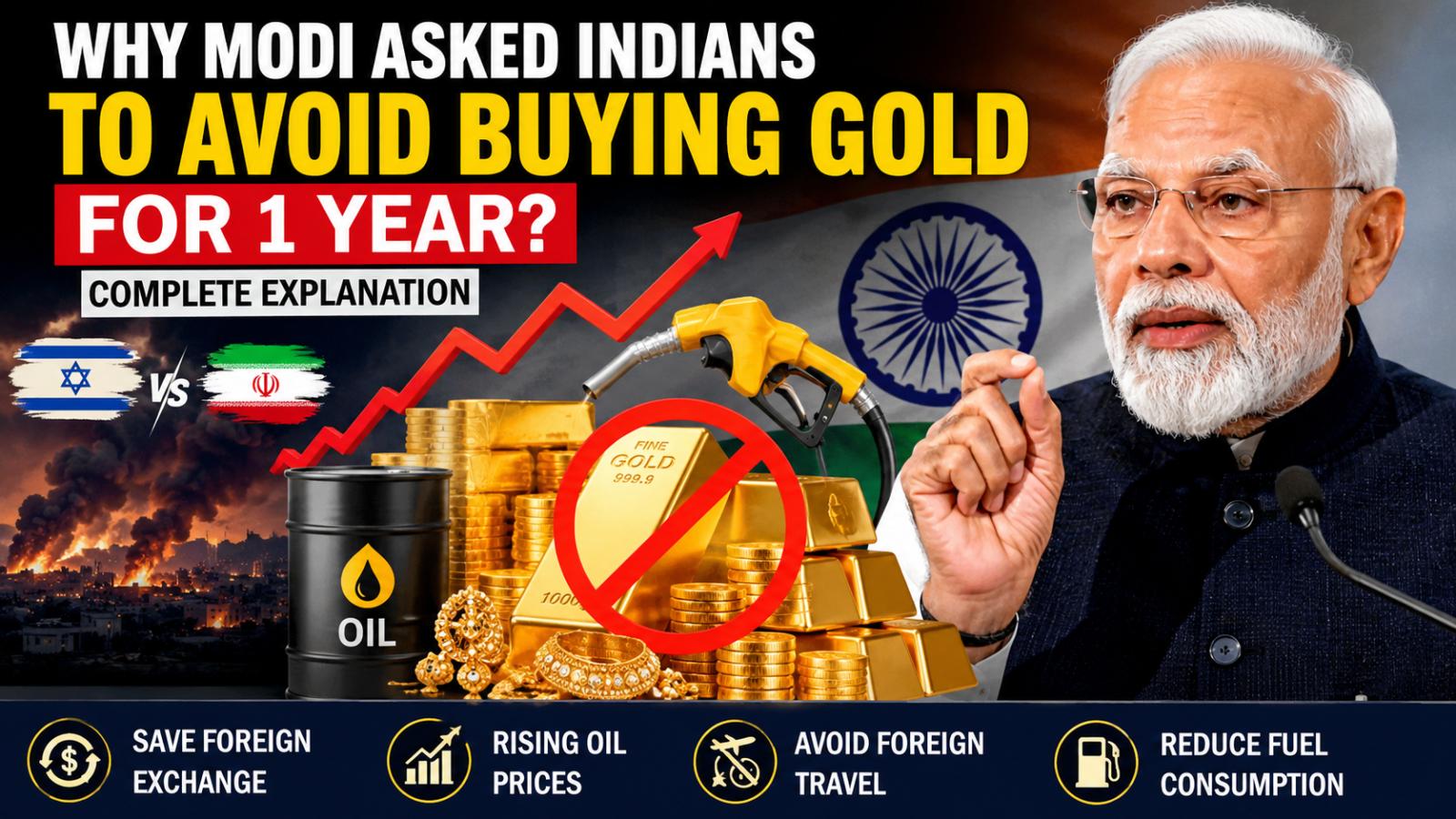
Prime Minister Narendra Modi has urged Indians to avoid buying gold, reduce foreign travel and cut unnecessary fuel usage for at least a year as the ongoing United States-Israel conflict with Iran continues to shake global energy markets. The remarks quickly sparked discussions online because gold is deeply connected to Indian families, savings and traditions. Many people immediately began asking the same question: Why is the government suddenly worried about gold purchases?
What exactly did Modi say?
Speaking at a public event in Hyderabad on Sunday, Modi asked citizens to adopt some lifestyle changes similar to those seen during the COVID-19 pandemic.
He encouraged people to:
- work from home whenever possible
- avoid unnecessary international travel
- use public transport and carpooling
- reduce fuel consumption
- cut cooking oil usage
- avoid buying gold for at least a year
- reduce fertilizer use in farming
According to Modi, the goal is simple: protect India’s foreign exchange reserves during a period of global economic uncertainty. “In the current situation, we must place great emphasis on saving foreign exchange,” Modi said during the speech.
Why is the Iran war affecting India so much?
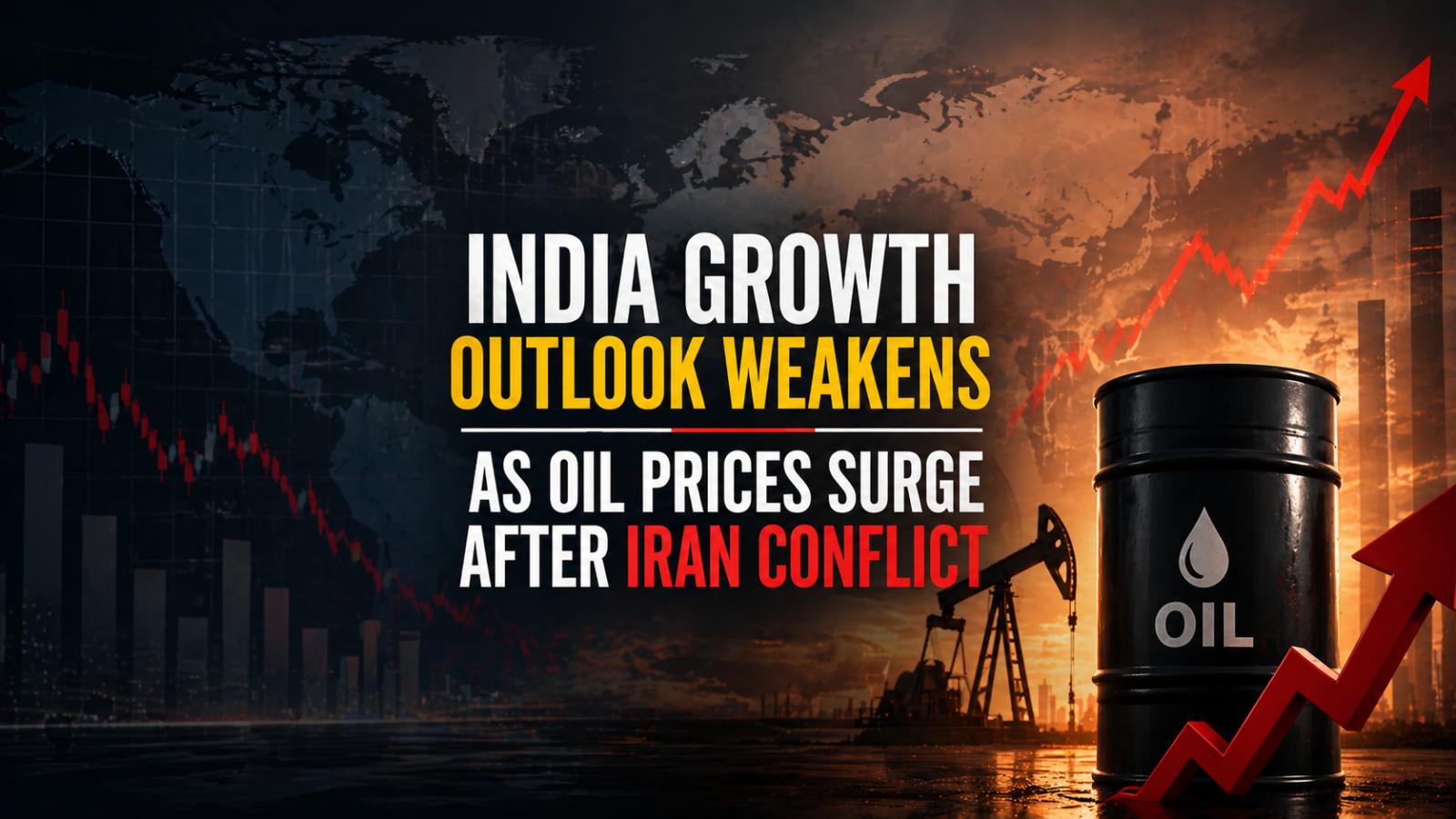
At first glance, many people may wonder what the Iran conflict has to do with daily life in India. But the answer is closely linked to oil. Since the war began earlier this year, global crude oil prices have surged sharply. Brent crude prices reportedly climbed from around $72 per barrel in late February to more than $105 per barrel within weeks. The conflict has also disrupted movement through the Strait of Hormuz, one of the world’s most critical oil shipping routes. A large percentage of global oil and gas supplies normally pass through this narrow waterway. For countries like India that import massive amounts of oil, rising energy prices create huge financial pressure.
Why did Modi specifically mention gold?
This is the part that caught most people’s attention online. India is one of the world’s largest gold buyers. Gold is not just jewelry in Indian households — it is seen as savings, investment, status and security. But there is another side to it. India imports most of its gold from other countries, and those purchases require large amounts of foreign currency, especially US dollars. Government data shows India imported gold worth nearly $72 billion during the last financial year. That makes gold one of India’s biggest import expenses after crude oil. At a time when oil prices are already draining foreign exchange reserves, reducing gold imports could help lower financial pressure on the country. That appears to be the main reason behind Modi’s comments.
Why are foreign exchange reserves suddenly important?
Foreign exchange reserves are essentially the country’s financial safety cushion.
These reserves help India:
- pay for imports like oil and fertilizers
- stabilize the rupee
- manage economic shocks
- maintain investor confidence
According to Reserve Bank of India data, the country’s reserves have already declined noticeably since the conflict intensified. If oil prices remain high for a long period, India may have to spend significantly more dollars on energy imports. That is why the government is now focusing on reducing non-essential dollar outflows wherever possible.
Why this topic is trending online
The statement quickly went viral because it directly touches everyday Indian behavior. Gold purchases are deeply emotional and cultural in India. Weddings, festivals and family investments are often linked to gold buying. So when the Prime Minister publicly asks citizens to avoid buying gold for a year, people naturally react strongly.
Online discussions have mainly focused on:
- whether gold prices will rise further
- whether Indians will actually stop buying gold
- how serious the economic situation could become
- whether fuel prices may increase again
Many users on social media also compared the situation to the restrictions and cautious spending habits seen during the COVID-19 pandemic.
Are gold prices expected to rise further?
Analysts say gold prices may remain volatile as long as geopolitical tensions continue in the Middle East.
Traditionally, investors move toward gold during periods of war and uncertainty because it is viewed as a safer asset. At the same time, supply disruptions and currency pressures can push prices even higher in countries like India.
That means Indian consumers could face:
- higher jewelry prices
- costlier imports
- increased inflation pressure
Will Indians actually reduce gold purchases?
That remains unclear. For many families, gold buying is connected to:
- weddings
- festivals
- long-term savings
- cultural traditions
Because of this emotional connection, reducing demand may not be easy even during economic pressure. However, Modi’s statement signals that the government is increasingly concerned about how global conflicts are affecting India’s economy behind the scenes.
Why this matters beyond gold
The bigger message from Modi’s speech was not only about jewelry or travel. It was about preparing citizens for a period of global economic uncertainty. The Iran conflict is no longer just a distant geopolitical issue. Rising oil prices, travel costs, import expenses and inflation are now beginning to affect ordinary people across multiple countries, including India. That is why the government is asking citizens to become more cautious about spending and fuel usage in the coming months.