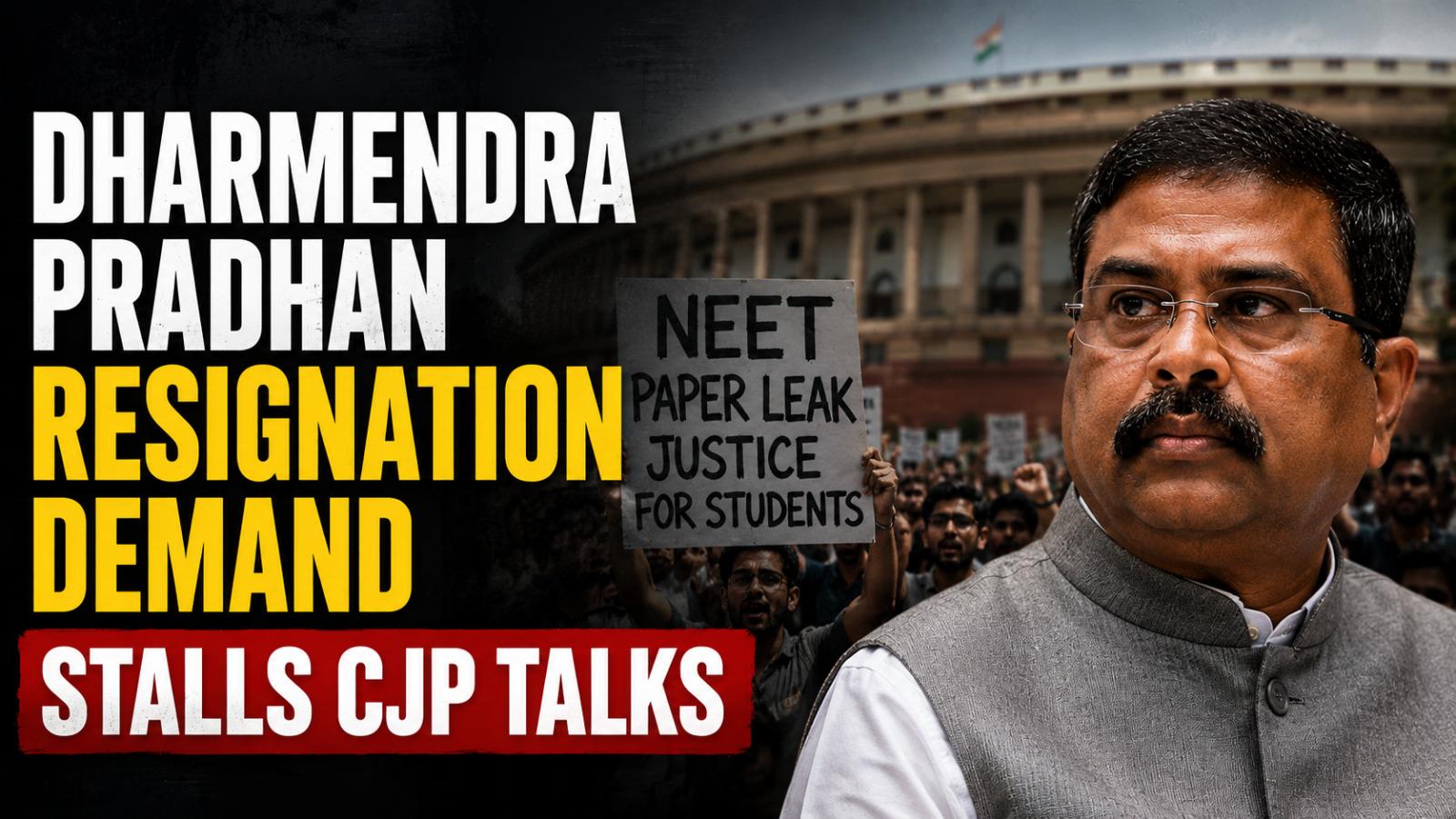
The Dharmendra Pradhan resignation demand remains the central issue in talks between the Centre and the Cockroach Janta Party as both sides try to resolve the continuing agitation over alleged irregularities in the NEET examination.
The latest round of negotiations follows two earlier meetings between senior Union ministers and CJP representatives. Protest leaders said the government had responded positively to two of their three main demands but had sought more time to decide its position on the education minister’s resignation. The two sides were expected to meet again on Saturday, July 25.
CJP representatives have maintained that Dharmendra Pradhan must resign or be removed from office, arguing that institutional reforms cannot replace political accountability. The organisation has also sought protection from legal action for peaceful protesters and compensation for families of students who allegedly died by suicide during the examination controversy.
Government representatives have not publicly accepted the resignation demand. Reports citing government sources suggest that the Centre is more likely to focus on correcting weaknesses in the examination system than removing the minister. No final official decision on Pradhan’s position had been announced at the time of writing.
Centre-CJP Talks Remain Deadlocked
The resignation question has become the biggest obstacle to an agreement. CJP spokesperson Ashutosh Ranka said there would be little purpose in continuing talks unless the government acted on the demand, indicating that the movement could adopt a tougher position if negotiations failed.
The protests began as a response to alleged examination leaks but have developed into a wider campaign over transparency, student welfare and accountability in public recruitment and entrance examinations. Demonstrations demanding Pradhan’s resignation have also been held in several Indian cities, with opposition parties and student organisations joining the campaign.
Activist Sonam Wangchuk ended his 26-day hunger strike after receiving written assurances that examination accountability would be discussed and that peaceful protesters would not face legal action. However, CJP leaders said the wider agitation would continue until the government gave a clear response on the minister’s future.
NTA Reforms and Paper Leak Law Gain Attention
Alongside the political negotiations, the government is facing pressure to restructure the National Testing Agency and strengthen safeguards around competitive examinations.
Reports said 47 NTA officials had been removed as part of an administrative overhaul. The government has also defended proposed measures aimed at organised paper-leak networks, including tougher penalties, quicker investigations and fast-track court proceedings.
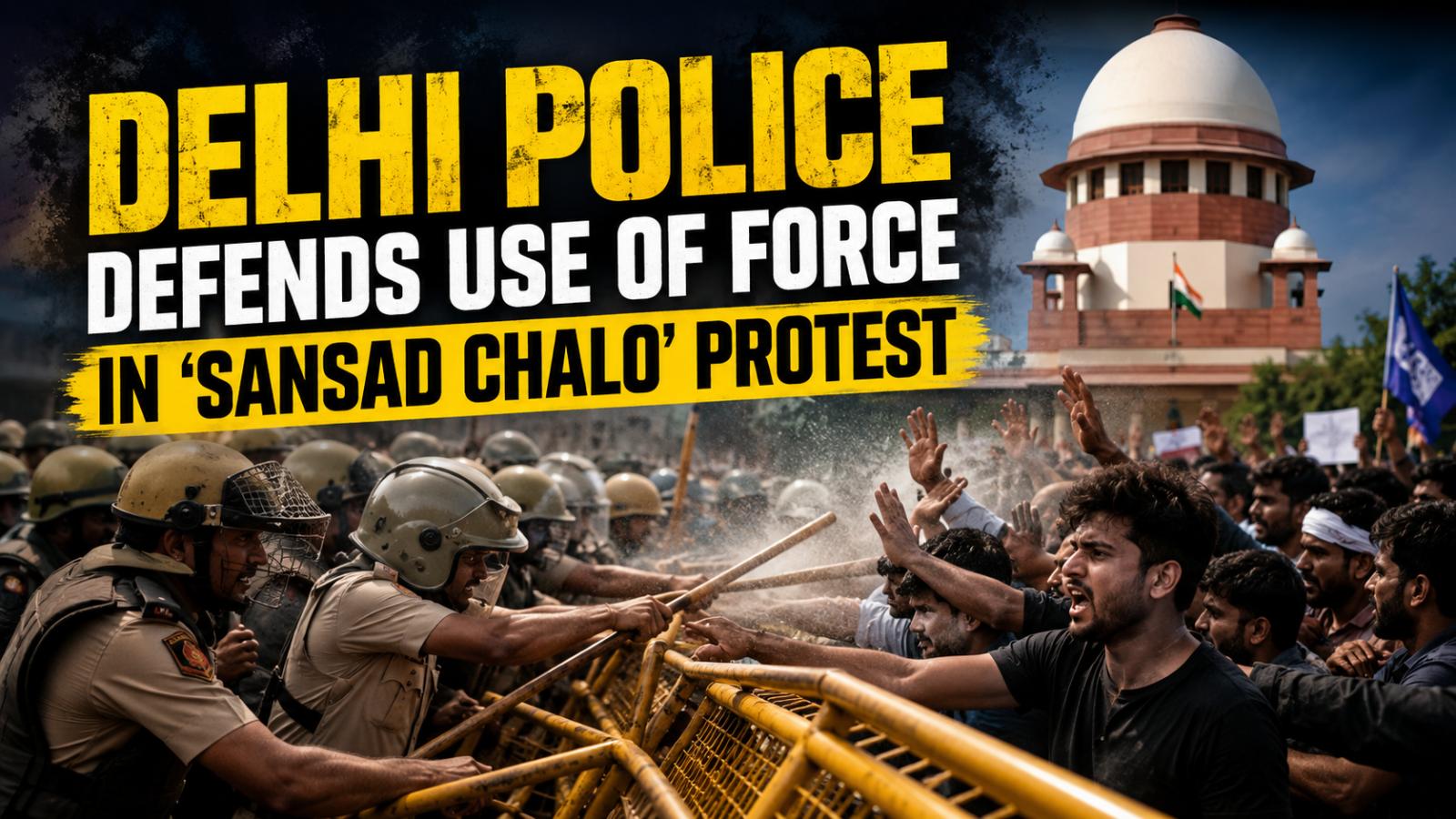
Security restrictions have continued in central Delhi because of the demonstrations. Entry and exit services at several Metro stations were suspended, while interchange facilities remained available at major connecting stations. Authorities also increased police deployment around protest locations.
The dispute now presents the government with two separate challenges. It must show that examination reforms can prevent future leaks while also answering protesters who believe senior officials should be held responsible for systemic failures.
The outcome of the Centre-CJP talks will determine whether the agitation moves towards a settlement or enters a more confrontational phase. Until the government announces a firm decision, the Dharmendra Pradhan resignation demand is likely to remain at the centre of the NEET controversy.