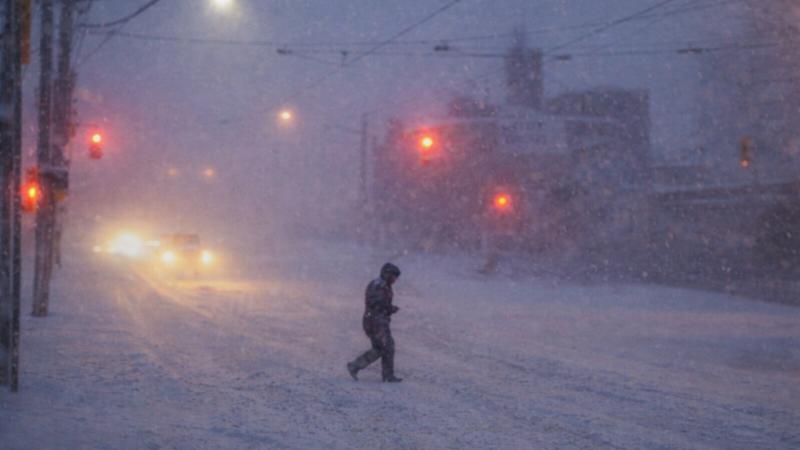
At least 25 people have died after a massive winter storm swept across large portions of the United States, unleashing heavy snowfall, dangerous ice accumulation and extreme cold that crippled infrastructure and disrupted daily life across multiple regions. The powerful system affected states from the South through the Midwest and into the Northeast, leaving a trail of fatalities, widespread power outages and major travel disruptions.
The storm delivered significant snowfall across the Northeast, with some areas reporting more than a foot of accumulation stretching across a vast corridor of the country. Snow continued to fall in parts of New England through Monday evening, while bitter cold temperatures intensified hazardous conditions in many locations. Northern regions near Pittsburgh recorded snowfall totals reaching 20 inches, with wind chills plunging to minus 25 degrees Fahrenheit late Monday into Tuesday, raising concerns about prolonged exposure and hypothermia.
In the South, freezing rain and ice proved particularly destructive, coating roads, power lines and trees, leading to widespread power failures. More than 700,000 customers remained without electricity on Monday, with Tennessee, Mississippi, Louisiana and Texas among the hardest-hit states. Utility crews faced dangerous working conditions as ice-laden lines and fallen trees slowed restoration efforts. In Tennessee, the state’s largest utility reported deploying hundreds of line workers across its service area in an effort to restore power as quickly as possible.
Authorities linked several of the reported deaths to storm-related incidents, including snowplow accidents in Massachusetts and Ohio, sledding incidents in Arkansas and Texas, and exposure-related cases in urban areas. In New York City alone, eight people were found dead outdoors during the frigid weekend, underscoring the life-threatening nature of prolonged cold and inadequate shelter.
Mississippi experienced some of the most severe ice impacts, with officials describing the event as the state’s worst ice storm in decades. Emergency crews rushed to distribute cots, blankets, bottled water and generators to warming centers as residents struggled to cope with prolonged outages and hazardous conditions. At the University of Mississippi, most students remained without power, prompting officials to cancel classes for the entire week. The campus and surrounding areas remained encased in ice, making travel treacherous and cleanup efforts slow.
New York City recorded its heaviest snowfall in years, with 11 inches blanketing Central Park. While many major roadways were largely cleared by Monday morning, pedestrians faced snow-covered sidewalks, and several subway lines operating on above-ground tracks experienced delays. City services worked continuously to clear streets and restore normal operations as temperatures remained well below freezing.
Air travel across the country was severely disrupted, with more than 8,000 flight delays and cancellations reported nationwide on Monday. Conditions were even worse a day earlier, when nearly half of all U.S. flights were canceled, marking the highest cancellation rate since the height of the COVID-19 pandemic. Airports struggled with de-icing operations, staffing shortages and weather-related ground delays as the storm system moved eastward.
Emergency officials continued to urge residents to limit travel, check on vulnerable neighbors and follow safety guidance as cleanup and recovery efforts progressed. With additional cold temperatures expected in some areas, authorities warned that lingering hazards such as black ice, downed power lines and frostbite risks could persist even after snowfall subsides.