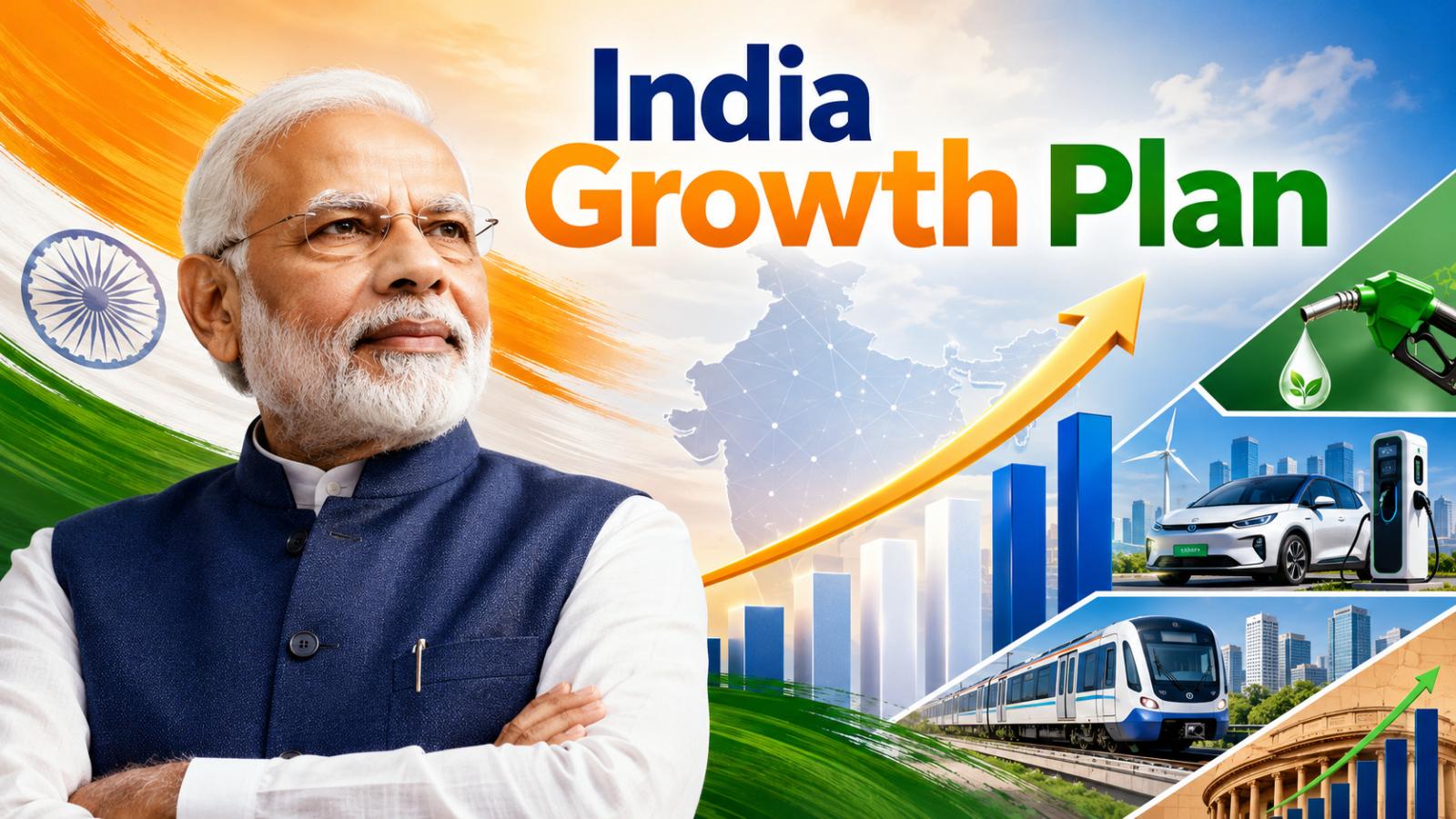
Prime Minister Narendra Modi reviewed India’s economic growth strategy with members of the PM-Economic Advisory Council as global uncertainty, trade pressures and tensions in West Asia continue to create risks for major economies.
The discussion focused on strengthening India’s economic resilience, improving business conditions and ensuring that growth benefits both companies and ordinary citizens. The meeting also looked at how India can maintain momentum while protecting itself from external shocks such as fuel price changes, supply chain pressure and geopolitical instability.
India’s latest GDP numbers have given the government a stronger position. The economy grew 7.8 percent in the fourth quarter of FY26, while full-year GDP FY26 growth stood at 7.7 percent, according to recent reports based on official data. This performance was better than earlier expectations and showed that domestic demand, services and industrial activity remained strong despite global challenges.
Economic Reforms and Ease of Living in Focus
A major part of the discussion was linked to reforms that can make India’s economy more efficient. The focus was not only on big industries, but also on reducing everyday hurdles for citizens, small businesses and entrepreneurs.
Better ease of doing business can help companies invest faster, create jobs and expand operations. At the same time, better ease of living can reduce delays, paperwork and unnecessary pressure on citizens. For India, this combination is important because growth should not remain only in official data. It must be visible in daily life, jobs, services, transport, prices and business opportunities.
The council also reviewed the possible impact of the West Asia conflict on India and the global economy. For a country that imports a large share of its energy needs, any instability in oil-producing regions can affect fuel costs, inflation and trade balance.
Fuel Savings Become Part of Economic Resilience
PM Modi’s recent appeal to citizens was also connected to the larger economic message. He urged people to save fuel by reducing unnecessary petrol and diesel use, choosing public transport, using metro services where available and sharing rides through carpooling.
The idea is simple but important. If millions of people reduce fuel use even slightly, India can lower pressure on imports and reduce vulnerability to sudden global price shocks. This is where individual habits connect directly with national economic strength.
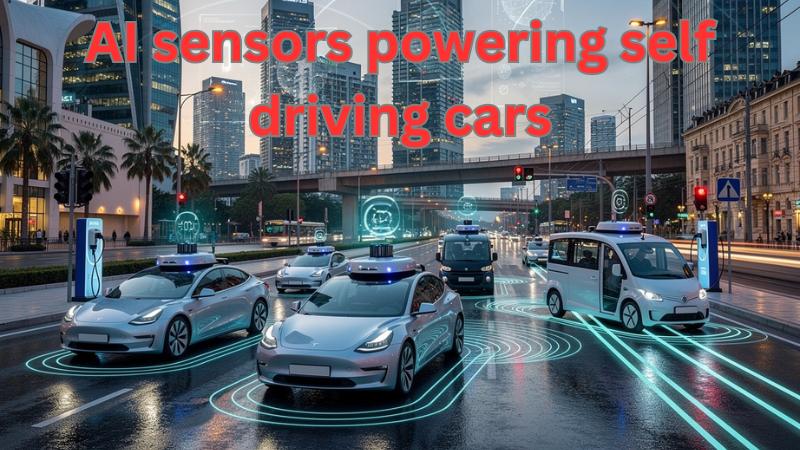
The push for an EV shift also fits into this strategy. More electric vehicles, better public transport and greater use of railways for goods movement can reduce dependence on imported fuel over time. However, this will work only if charging infrastructure, affordable EV options and reliable public transport improve together.
Swadeshi Goods and Import Reduction Message
Another key message was the use of Swadeshi goods. Encouraging people to buy locally made products can support Indian manufacturers, small businesses and local jobs. It can also reduce dependence on imported items in areas where Indian alternatives are available.
PM Modi also appealed to citizens to avoid unnecessary foreign travel for a year, reduce avoidable gold buying, cut excessive cooking oil use and support natural farming. These suggestions are linked to import reduction, healthier consumption and sustainable economic habits.
Gold and edible oil are important because India spends heavily on their imports. Any reduction in unnecessary demand can help save foreign exchange. But the practical challenge is clear: appeals alone will not be enough. For long-term impact, local products must be high-quality, affordable and easy to access.
GDP FY26 Data Shows Strong Economic Base
India’s GDP FY26 performance has added confidence to the growth outlook. Real GDP growth of 7.7 percent for the full year and 7.8 percent in Q4 FY26 showed that the economy continued to expand at a strong pace even when several global markets faced uncertainty.
The secondary and tertiary sectors remained major contributors to growth. Manufacturing, construction, trade, transport, finance and services helped support the overall economy. Agriculture and fisheries also contributed to the primary sector, though rural income and food inflation remain areas that need close attention.
GVA growth also remained positive, showing that productive activity across sectors continued to expand. This is important because GDP growth becomes more meaningful when it is supported by real activity in industries, services and agriculture.
West Asia Risk Remains a Serious Concern
India’s growth story remains strong, but the global environment is not risk-free. Tensions in West Asia can affect crude oil prices, shipping routes, investor sentiment and inflation. Any sharp rise in fuel prices can increase costs for transport, businesses and households.
This is why the government’s growth plan is now being linked with energy savings, domestic production, public transport and reduced import dependence. These steps may look small individually, but together they can help India handle external shocks better.
India’s Growth Strategy Needs Both Policy and Public Participation
India’s economic performance in FY26 shows strength, but the next stage will require discipline from both policymakers and citizens. Reforms can improve business activity, infrastructure can support investment, and better transport systems can reduce fuel dependence.
At the same time, public participation can support the larger goal. Choosing public transport, buying Indian-made products, avoiding wasteful fuel use and supporting sustainable farming are not just lifestyle choices. They can become part of India’s economic defense during uncertain global conditions.
PM Modi’s review with the Economic Advisory Council signals that India wants to protect growth while preparing for global risks. The real test will be whether reforms move faster, citizens see direct benefits and India reduces its exposure to imported fuel and other external pressures.