Peace in the Strait of Hormuz
Following a peace agreement between the United States and Iran, hostilities that lasted over 100 days have officially paused. The memorandum of understanding, signed electronically on Sunday by US President Donald Trump, Vice President JD Vance, and Iranian Parliament Speaker Mohammad Bagher Ghalibaf, created a temporary framework for reopening negotiations.
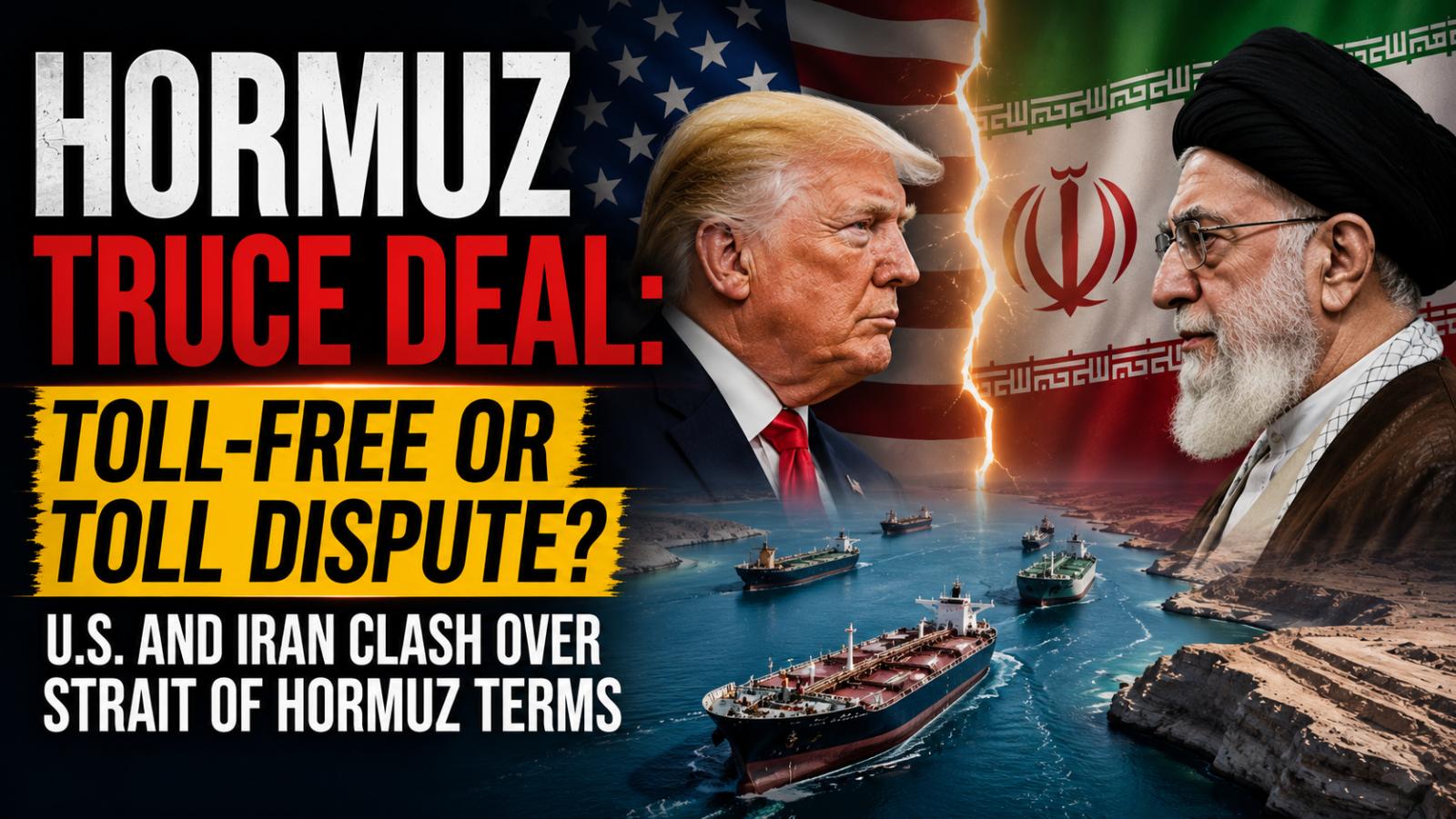
While Washington maintains that vessels will pass through the Strait of Hormuz toll-free, Iranian media reports suggest Tehran may retain the right to charge maritime service fees. This discrepancy underscores the lack of clarity surrounding the memorandum’s exact terms.
A 60-Day Negotiation Window
The agreement provides a 60-day period for further discussions aimed at a more comprehensive settlement. This window is intended to solidify confidence-building measures and ensure both sides adhere to the ceasefire. Observers note that while the immediate military tension has abated, the economic and strategic implications of the toll disagreement could influence future negotiations.
Strategic and Economic Significance
The Strait of Hormuz remains one of the world's most critical chokepoints for global oil and shipping traffic. Its reopening is vital for international commerce and the stability of energy markets. Any misalignment over maritime fees could disrupt the flow of oil and essential goods, heightening the importance of rapid resolution between the US and Iran.
International Oversight
Global powers and regional stakeholders are closely monitoring the situation. The G7 Summit in Evian-les-Bains has prioritized discussions on ensuring the free and secure passage of commercial vessels. France and the United Kingdom have pledged to support maritime security measures, aiming to prevent any unilateral disruption that could compromise the fragile peace.
Next Steps
Both parties have committed to follow the spirit of the agreement, but verification and enforcement mechanisms remain under negotiation. The 60-day timeline will be critical to prevent misunderstandings, ensure operational compliance, and secure lasting stability in one of the most geopolitically sensitive regions in the world.