- spotlightnews
- 24 Sep 2025
- #Kids & Parenting #teaching responsibility to kids #responsibility in children #teaching kids life skills #responsibility and independence #child development #raising responsible children #kids chores #life lessons for kids #instilling responsibility in kids #parent-child relationship
The Importance of Teaching Responsibility
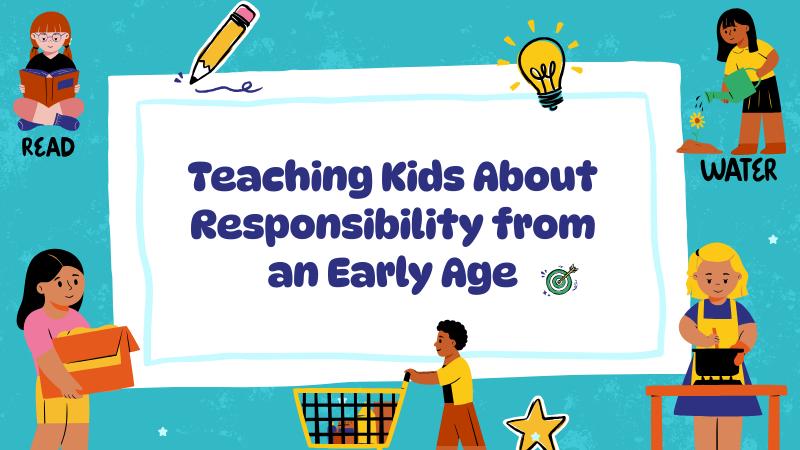
Teaching kids responsibility from an early age helps them grow into independent, confident individuals. Responsibility is a life skill that will serve children throughout their lives, from school to their future careers and relationships. Instilling a sense of responsibility in kids helps them understand the importance of being accountable for their actions and contributes to their overall development. By teaching responsibility early on, you prepare them to face challenges, make decisions, and take ownership of their actions.
Start with Simple Tasks
One of the easiest ways to teach responsibility to young children is by giving them simple tasks they can handle. Chores like making their bed, putting away toys, or feeding pets can be great starting points. These tasks teach kids that they have a role in maintaining their environment. Start small, and as they get older, gradually give them more responsibility. When children complete a task, praise their efforts to reinforce the idea that responsibility is rewarding and valuable.
Set Clear Expectations and Consequences
Children need clear expectations to understand what is required of them. Setting clear rules and consequences teaches kids that their actions have outcomes. If they complete their chores on time, they might earn extra playtime or a special treat. If they forget to do something, there should be an appropriate consequence. This teaches them accountability and helps them understand that responsibility isn’t just about following rules but also about the outcomes of their actions.
Encourage Decision-Making
Allowing children to make their own decisions, even small ones, helps them develop a sense of ownership and accountability. Whether it’s choosing what to wear, what to have for breakfast, or how to spend their free time, involving them in decision-making empowers them. As children get older, encourage them to make more significant decisions, like managing their allowance or planning their schedule. Giving them choices helps them understand the importance of thinking through consequences before acting.
Teach by Example
Kids learn best by observing the behavior of adults, so it’s important to model responsible behavior. Show your children how you manage your responsibilities, such as being punctual, keeping promises, or completing your own tasks. When children see adults taking responsibility for their actions, they are more likely to adopt similar habits. Lead by example and demonstrate how to handle challenges, make decisions, and stay accountable to your commitments.
Create Opportunities for Responsibility
Look for everyday situations where your child can take on responsibility. For example, they can help with meal planning, assist in grocery shopping, or help a younger sibling with homework. These experiences teach valuable life skills while fostering independence and a sense of duty. By giving children these opportunities, you help them feel more capable and confident in their ability to handle responsibility.
Foster a Sense of Ownership
One effective way to teach responsibility is by giving kids ownership of certain tasks. For instance, if they’re responsible for cleaning their room or managing a homework schedule, they learn how to take charge. This sense of ownership encourages them to stay focused and follow through with commitments. Over time, as they develop this skill, they will feel more empowered to take responsibility in other areas of their lives.
Be Patient and Consistent
Teaching responsibility is a gradual process, and it’s important to be patient with your child. They may not always get things right on the first try, and mistakes are part of learning. Stay consistent with expectations, praise their efforts, and provide constructive feedback when necessary. With time and practice, your child will understand the value of responsibility and how it can positively impact their life.
The Long-Term Benefits of Responsibility
Teaching kids about responsibility from an early age has long-lasting benefits. It helps them develop important life skills like time management, problem-solving, and self-discipline. It also builds confidence, as children learn they can rely on themselves to handle tasks and make decisions. By encouraging responsibility, parents play a crucial role in helping their children grow into capable, independent adults. Start with small tasks, set clear expectations, and create opportunities for your child to take ownership, and you’ll lay the foundation for their future success.
🔖 Explore More
Why Consistent Routines Matter for Children
Strategies to Make Mealtime With Kids Smoother
The Link Between Childhood Anxiety and Overprotective Parenting
Explore more expert advice and resources in our Kids & Parenting hub.