Sakauye Farmhouse Saved in San Jose
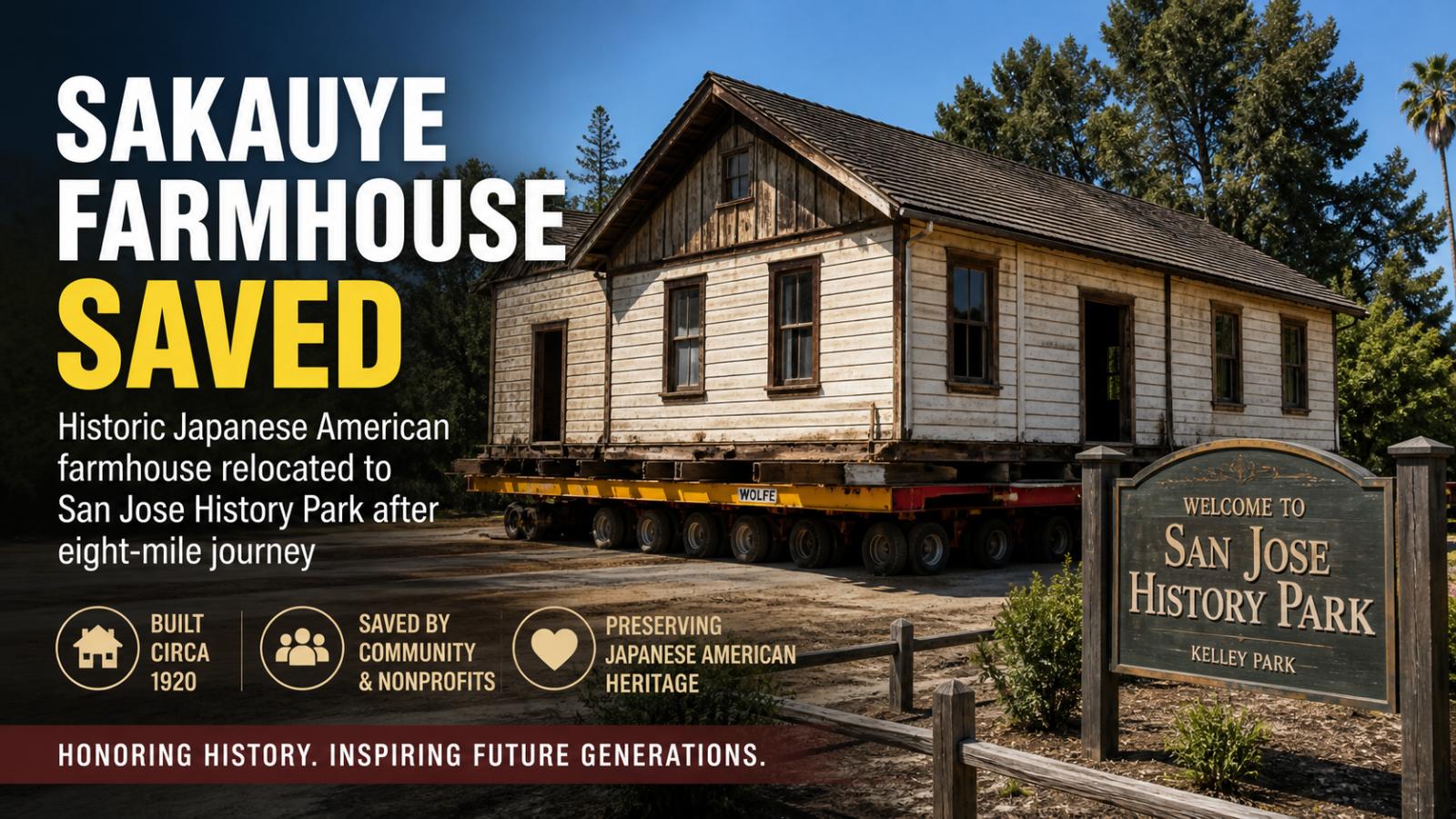
The Sakauye farmhouse has been moved to San Jose History Park after an eight-mile relocation, preserving a rare Japanese American heritage site once threatened by redevelopment.
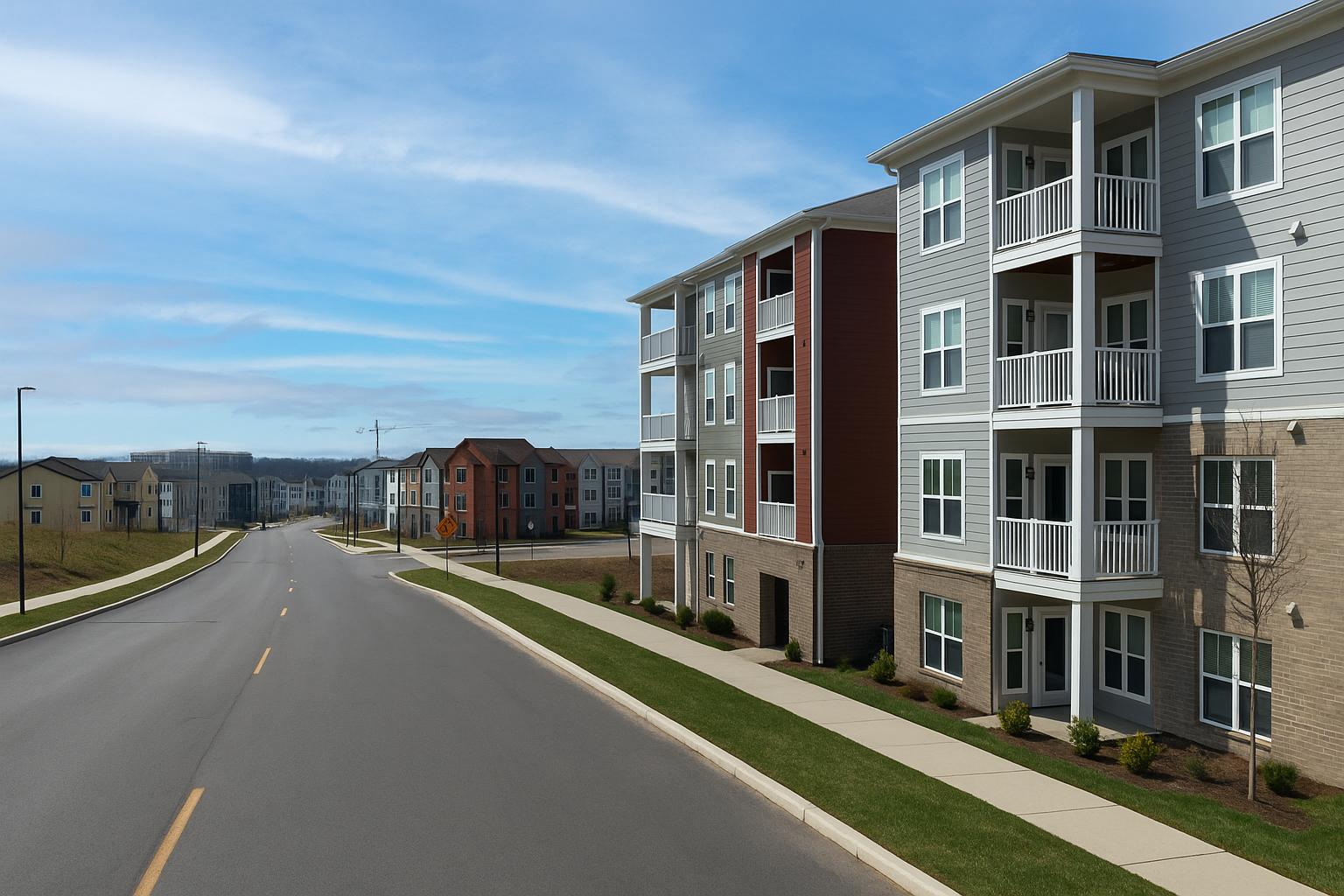
The century-old home, tied to farmer and educator Eiichi “Ed” Sakauye, stood on Seely Avenue in North San Jose, where new housing plans put the structure at risk. Preservation advocates say the move keeps a vital piece of Santa Clara Valley’s agricultural and immigrant history open to future generations.
Why the Farmhouse Matters
The farmhouse is more than an old building. It carries the story of Japanese American families who helped shape the Valley of Heart’s Delight before Silicon Valley replaced orchards with offices, roads and homes.
Sakauye’s family acquired land before discriminatory laws restricted Japanese immigrants from owning property. During World War II, Sakauye was incarcerated with other Japanese Americans, but later returned and reclaimed the farm — a rare outcome for many families who lost land, homes and livelihoods.
Restoration Work Now Begins
A coalition including the Japanese American Museum of San Jose, History San Jose and preservation leaders helped save the building from demolition. Officials said the farmhouse now needs additional restoration before it can open fully to the public.
Plans include exhibits, educational programming and community space that will explain Japanese American farming, wartime incarceration and the resilience of families who rebuilt their lives after the war.
A New Public Memory Site
Although some advocates hoped the farmhouse could remain on its original land, relocation to History Park gives the site long-term public access. Once restored, it is expected to become a meaningful stop for students, families and visitors learning how San Jose’s past still shapes its present.