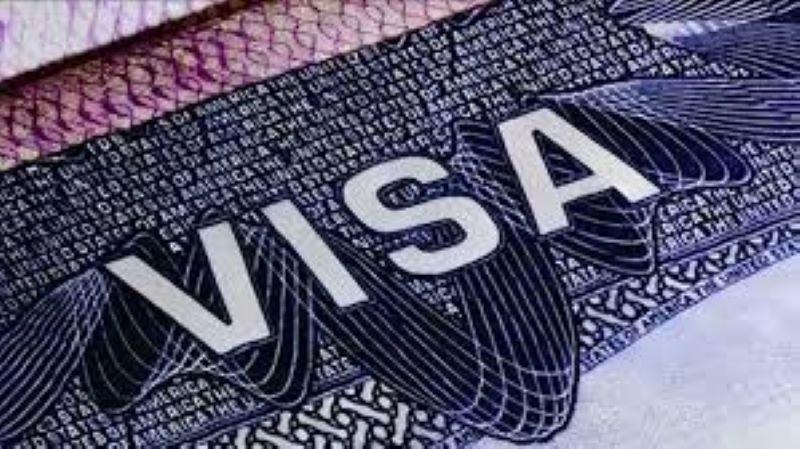
A growing number of international students across the United States have joined a federal lawsuit accusing the Trump administration of unlawfully revoking their student visas and abruptly terminating their records from the government’s Student and Exchange Visitor Information System (SEVIS) database. According to court filings, more than 130 students are now plaintiffs in the legal action, which alleges serious breaches of immigration protocol and due process. The original lawsuit was filed on April 11 in Georgia by 17 students who claimed that U.S. Immigration and Customs Enforcement (ICE) had removed them from SEVIS without valid reason, placing their legal status and future in the U.S. in jeopardy. Since then, an additional 116 students have joined the case, highlighting the widespread nature of the issue and the sense of panic spreading across college campuses nationwide.
The plaintiffs argue that the mass revocations have left them vulnerable to immediate detention, deportation, and long-term bans on reentry. Many learned of their changed immigration status through their universities or upon performing routine checks of their visa profiles. According to court documents and firsthand accounts, the cancellations appeared arbitrary, with little to no explanation provided to the affected students. The federal complaint names U.S. Attorney General Pam Bondi, Homeland Security Secretary Kristi Noem, and Acting ICE Director Todd Lyons as defendants. The students are seeking reinstatement of their visas and the reversal of their SEVIS terminations.
Alleged Arbitrary Cancellations and Unclear Justifications
One of the notable aspects of the complaint is that it does not reveal the identities of the plaintiffs due to fears of retaliation from immigration authorities. However, the case summaries included in the documents detail the personal and academic disruption faced by several students whose visas were revoked without notice. For example, one plaintiff, referred to as John Doe 2, is a Chinese Ph.D. student studying engineering at the Georgia Institute of Technology. He believes his visa may have been revoked due to a prior minor traffic offense that had already been resolved. Despite no formal charges or other legal issues on record, he was removed from SEVIS.
In another case, an Indian student studying at the New York Institute of Technology had his visa canceled despite being found not guilty in a dismissed shoplifting case. Such instances, according to the lawsuit, reflect a disturbing trend of targeting students for negligible or previously settled infractions. “The SEVIS terminations have taken place against the backdrop of numerous demands being made of universities by the federal government and threats of cutting off billions of dollars in federal funding,” the complaint states. These pressures, plaintiffs allege, have made colleges and universities less able or willing to challenge federal immigration actions.
Campus Confusion and Legal Uncertainty
The lawsuit describes a climate of fear and confusion among international students, many of whom are unclear on whether they are legally allowed to stay in the country. SEVIS, the government-maintained database that monitors international students and exchange visitors, serves as a critical link between immigration authorities and educational institutions. Once a student's record is removed or flagged, it can lead to automatic loss of visa status and potential removal proceedings. Legal experts warn that such terminations, especially if done without due process, could have long-term consequences for the individuals involved. Removal from SEVIS not only threatens immediate residency but also impacts future visa applications and entry to the U.S., even for legitimate academic or employment purposes.
The lawsuit accuses the Trump administration of using immigration enforcement as a political tool, particularly targeting international students to demonstrate a hardline stance. Advocates for immigrant rights say this case underscores the importance of due process and transparent communication in immigration enforcement. Although the lawsuit is still in its early stages, its implications could reach far beyond the individual plaintiffs. If successful, the case may set a precedent for how ICE and other federal agencies manage student immigration records and visa procedures.
For now, students involved in the suit continue to face uncertainty over their legal standing. As universities await further guidance, many students are left in limbo—unsure if they can continue their studies, leave the country, or even stay in their homes without fear of detention. The case has also reignited broader conversations around the rights of international students in the U.S. and the role of educational institutions in protecting those rights. Advocacy groups and legal organizations are now monitoring the situation closely, as the number of affected students continues to rise.