Meta is making a significant move in the AI sector by pouring up to $100 million into hiring top AI talent from companies like OpenAI, DeepMind, and Anthropic. This initiative is part of the launch of Meta’s Superintelligence Labs, which is looking to strengthen its AI capabilities by recruiting some of the brightest minds in the field. The AI experts hired by Meta bring with them a wealth of knowledge, expertise, and leadership experience in machine learning and cutting-edge AI systems, making them an invaluable asset to the company’s long-term AI ambitions.
This influx of top-tier AI talent highlights the growing global competition between tech giants such as Microsoft, Google, and Apple, all of whom are also working on advanced AI systems. However, what sets Meta apart in its hiring strategy is its focus on not just recruiting skilled AI researchers but also those who possess leadership abilities and the capacity to push the boundaries of AI research.
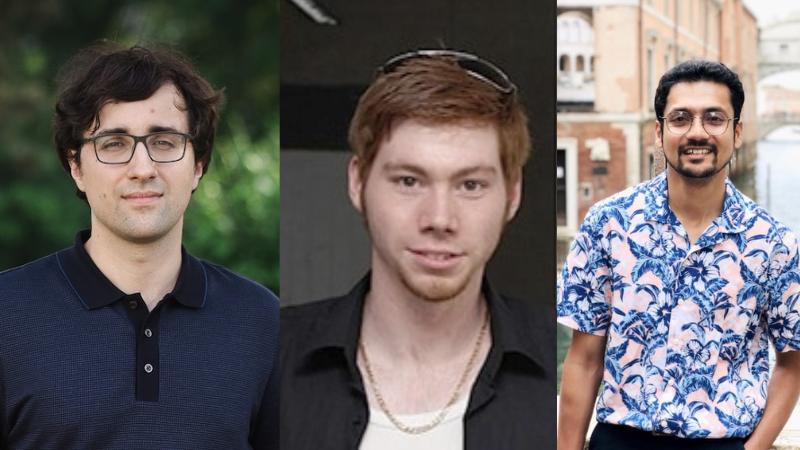
Some of the prominent names among Meta’s hires include Lucas Beyer, the co-creator of the Vision Transformer (ViT), and Trapit Bansal, an expert in reinforcement learning and natural language processing. Both have impressive academic backgrounds and have contributed to groundbreaking research in AI. Other hires, such as Alexander Kolesnikov and Ruoming Pang, bring deep knowledge in deep learning, computer vision, and multimodal AI systems.
For aspiring AI professionals, understanding the career paths of these individuals offers valuable lessons on how to enter the elite ranks of AI experts. The common threads among these hires include elite academic training from institutions like RWTH Aachen, IIT Kanpur, and UMass Amherst, along with specialized skills in fields such as machine learning, computer vision, and natural language processing. Their career journeys also emphasize the importance of research roles in prestigious labs like Google Brain, DeepMind, and OpenAI, where they gained exposure to cutting-edge AI research and contributed to high-impact projects.
Aspiring AI professionals looking to follow in the footsteps of these industry leaders should focus on building a strong foundation in AI through advanced degrees, hands-on research experience, and contributions to high-level AI publications. Furthermore, gaining real-world experience through internships and product deployments is essential for bridging the gap between theoretical knowledge and practical applications. Leadership skills are equally important—leading research teams or spearheading projects can set you apart in the competitive AI field.
Meta’s $100 million investment in AI talent isn’t just a recruitment strategy—it’s a signal of the growing importance of highly specialized and experienced AI professionals. For those looking to enter the field, the blueprint is clear: pursue elite education, focus on deep specialization, engage in research, and aim for leadership roles that push the boundaries of AI development.