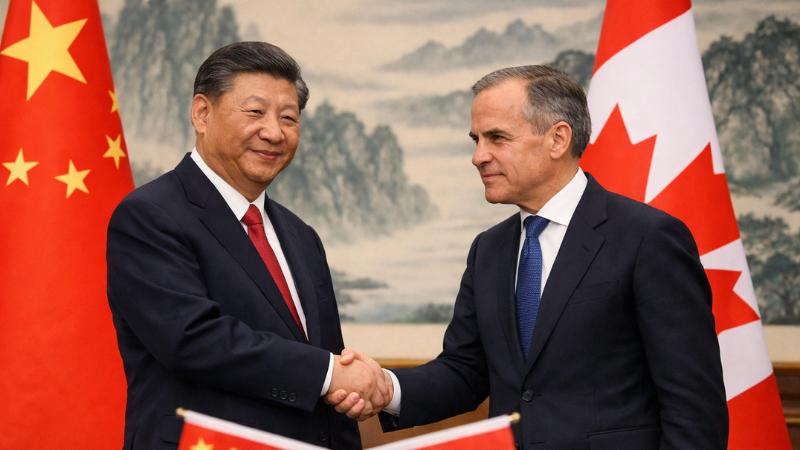
Under the deal, China is expected to reduce tariffs on Canadian canola oil from 85% to 15% by March 1, while Canada will lower its levy on Chinese electric vehicles to the most-favoured-nation rate of 6.1%. Prime Minister Carney said the changes reflect a recognition that the global economic landscape has evolved, adding that the partnership between Ottawa and Beijing positions both countries for what he described as a changing world order.
The agreement follows a prolonged period of trade friction that intensified in 2024, when Canada imposed 100% tariffs on Chinese electric vehicles, aligning with similar measures taken by the United States. China responded with retaliatory duties on more than $2 billion worth of Canadian agricultural and food exports, including canola seed and oil. The dispute contributed to a decline in Chinese imports of Canadian goods in 2025, underlining the economic cost of the standoff.
As part of the new arrangement, Canada will allow up to 49,000 Chinese electric vehicles into its market at the reduced tariff rate. The cap reflects concerns expressed by Canadian automakers about the potential impact of a large influx of lower-priced Chinese vehicles on domestic manufacturers. Canadian officials said the measure aims to balance market access with the need to protect local industry.
Speaking to reporters, Carney said recent discussions with Beijing had become more predictable and constructive. He described the talks as respectful and realistic, while noting that Canada continues to hold firm positions on issues such as human rights and concerns over foreign interference in elections. He said these matters were raised directly during his meeting with President Xi, outlining what he termed Canada’s red lines.
President Xi welcomed the improvement in relations, calling the renewed engagement a turnaround that could contribute to global peace, stability, and economic development. He said stable China-Canada relations serve not only the interests of both nations but also the broader international community.
The shift in Canada’s approach comes amid efforts by Ottawa to diversify trade relationships and reduce reliance on its largest trading partner, the United States. Ongoing uncertainty linked to fluctuating US tariff policies has prompted Canada to seek alternative markets and investment sources. Carney suggested that global trade disruptions have accelerated the need for a more competitive and independent Canadian economy.
The agreement could have wider geopolitical implications, particularly for US interests, as it opens the door to increased Chinese investment in Canada. With the two countries moving to stabilize ties, the deal signals a recalibration of Canada’s trade and diplomatic strategy at a time of evolving global economic alliances.