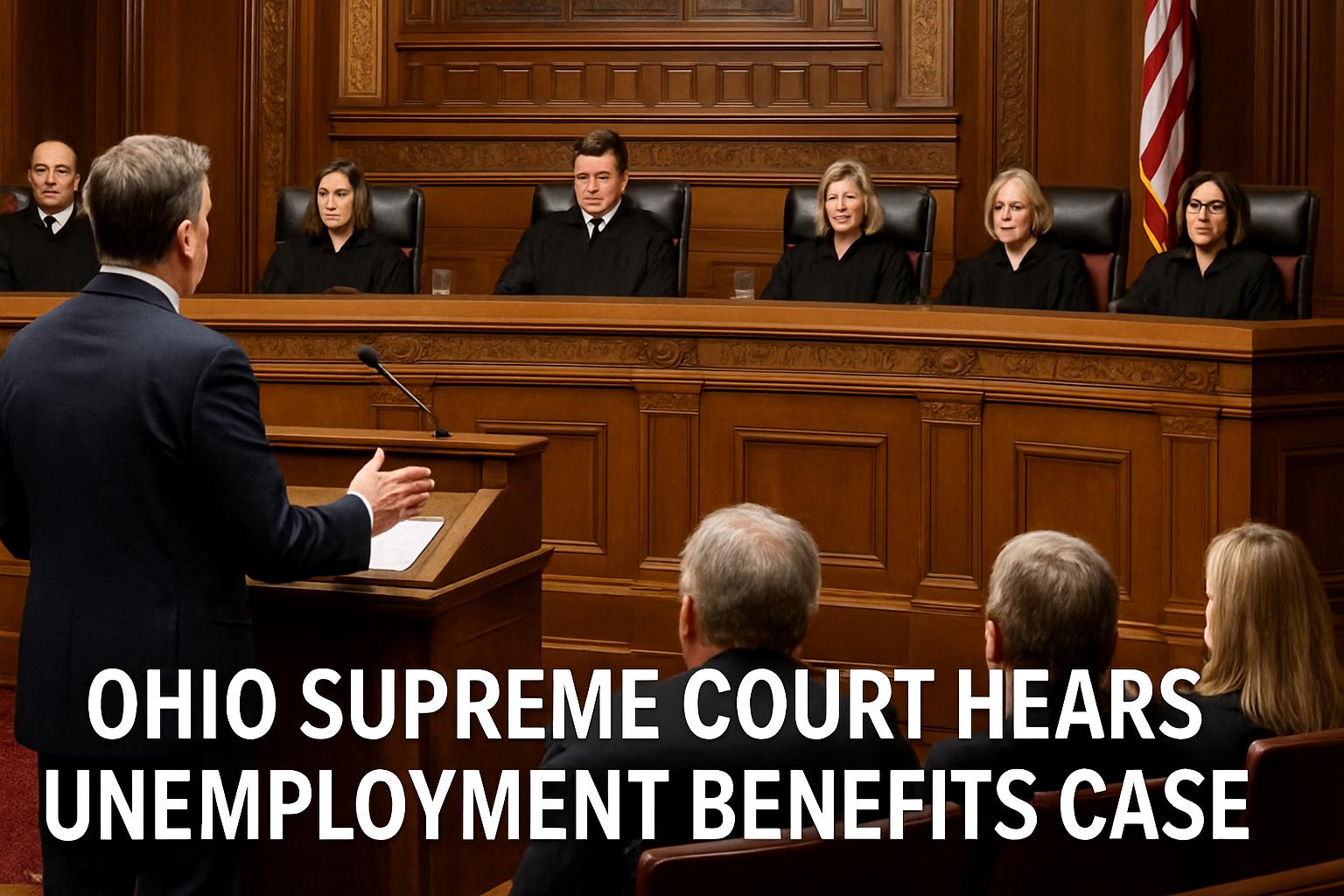
The Ohio Supreme Court has agreed to hear a high-profile dispute over the early termination of federal COVID-19 unemployment benefits, a decision that could determine whether roughly $900 million in aid will finally reach hundreds of thousands of residents. The case centers on Gov. Mike DeWine’s 2021 decision to withdraw the state from the federal program that provided an additional $300 per week to eligible jobless workers during the height of the pandemic. Lower courts have concluded that the administration acted improperly, setting the stage for a decisive ruling from the state’s highest court.
The federal program, designed to support workers facing pandemic-related job losses, was scheduled to remain available through early September 2021. However, DeWine ended Ohio’s participation in late June of that year, approximately ten weeks before its federal end date. His administration argued that the continued availability of extra payments was contributing to labor shortages, particularly in service and hospitality industries attempting to rebound. State officials said that businesses were struggling to fill open positions and believed the enhanced benefits were discouraging some residents from returning to the workforce.
More than 300,000 Ohioans would have remained eligible for the supplemental payments had the program continued as originally planned. The class-action lawsuit filed shortly after the termination argues that state law requires the governor to accept and distribute all federal unemployment assistance made available to Ohio residents. The plaintiffs maintain that the administration did not have the authority to unilaterally reject the funds while they were still authorized at the federal level.
A Franklin County judge ruled in February that the state was obligated to distribute the benefits, a decision later upheld by the Tenth District Court of Appeals in June. Those rulings prompted renewed attention from residents who had been waiting years for a resolution on whether they would receive the unpaid assistance. The appellate court agreed with the plaintiffs’ interpretation of state law, concluding that the administration’s early withdrawal was not permitted under existing statutes.
Individuals involved in the lawsuit say the early cutoff created significant financial hardship during an already strained period. One plaintiff, Michelle Carr, said the loss of benefits left her struggling to stay afloat. She explained that job opportunities were limited in her small community, and the additional support was essential for covering basic expenses such as rent. Another plaintiff, Justin Pertuset, expressed frustration that state leadership had not maintained the program through its scheduled end, saying many residents felt abandoned at a moment when they expected continued support.
The Supreme Court’s decision to take up the case was nearly unanimous. Justice Jennifer Brunner, the court’s only Democrat, voted against hearing the appeal. Justice Pat DeWine, the governor’s son, recused himself from participating. The court’s review is expected to clarify the extent of the governor’s authority in matters involving federal benefit programs and could have implications for future emergency assistance distributions.
A ruling in favor of the plaintiffs would mean the state must determine how to distribute the long-delayed payments to eligible residents. A ruling for the state could affirm the governor’s latitude in managing federal programs during periods of economic or public health uncertainty. The case is now poised to become a significant legal milestone in Ohio’s handling of pandemic-era policies, offering final clarity after years of legal battles and public debate.