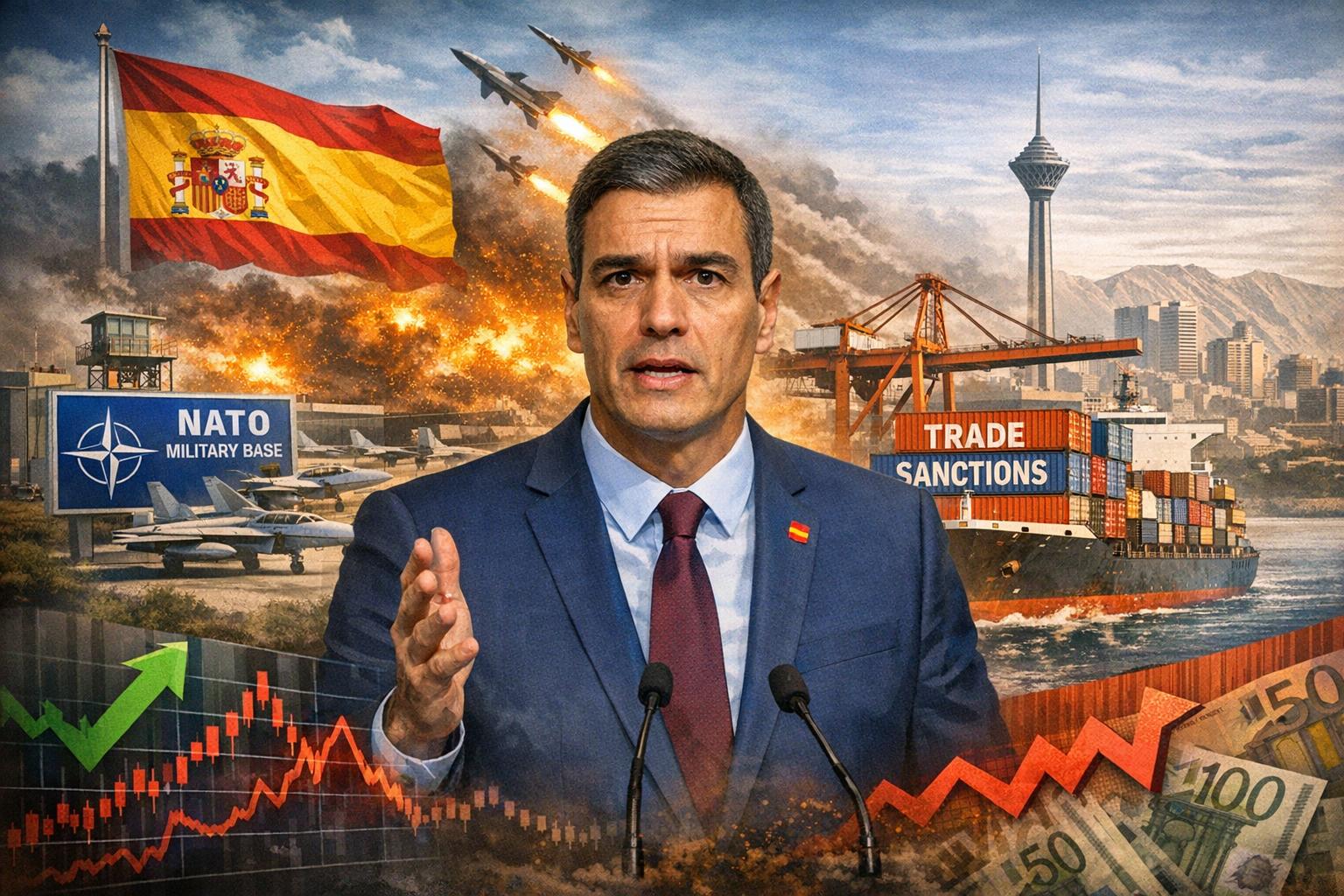
In a televised address, Sánchez emphasized the dangers of escalating conflict, saying, “Very often great wars start with a chain of events spiraling out of control due to miscalculations, technical failures, and unforeseen circumstances. Therefore, we must learn from history and cannot play Russian roulette with the fate of millions.” He highlighted the lessons from past military interventions, specifically drawing parallels to the invasion of Iraq in the early 2000s, and clearly articulated Spain’s stance as “No to war.”
The trade threat expressed frustration with Spain’s refusal to support the strikes and criticized Madrid’s defense spending, which falls below the NATO target of 5% of GDP. Statements emphasized that Spain’s lack of participation in the strikes could result in economic consequences. Sánchez’s response reflects Spain’s broader commitment to diplomacy and multilateral decision-making within the EU rather than unilateral military action.
The Spanish government’s firm stance has positioned Sánchez as one of the most vocal critics of foreign military action against Iran among European leaders. Analysts note that the escalating rhetoric has raised concerns about potential economic consequences, though Spain’s integration in the European Union means that trade negotiations involve all 27 EU member states collectively, complicating any unilateral action by foreign powers.
Spain’s stock market demonstrated resilience amid the tensions. The main Spanish index traded higher in late morning trading, recovering from earlier losses triggered by worries about trade retaliation. The broader pan-European index also advanced approximately 1.1%, suggesting investor confidence in the European Union’s collective negotiating power and Spain’s economic stability despite geopolitical pressure.
Sánchez’s government has consistently advocated for peaceful resolution and diplomacy, calling on global leaders to consider the humanitarian and strategic risks of military action. His public statements reflect Spain’s emphasis on multilateral approaches, highlighting the importance of historical lessons and the dangers of escalating conflicts without full consideration of consequences.
Experts suggest that Spain’s approach may influence other EU nations in resisting external pressure, particularly regarding military involvement in conflicts where diplomatic channels are still viable. The dispute over military base access, NATO spending targets, and potential trade repercussions underscores the ongoing tension between national sovereignty, alliance obligations, and global security priorities.
As the Middle East conflict continues, Spain remains steadfast in promoting dialogue over confrontation. Sánchez’s declaration against war and emphasis on learning from past mistakes signals a broader commitment to cautious international engagement, balancing national interests with global responsibilities. The situation highlights the delicate interplay between foreign policy assertiveness, European autonomy, and the economic and security implications of international disputes in an interconnected world.