Speaking at a routine press briefing, a spokesperson for China’s foreign ministry emphasized that economic pressure in the form of trade tariffs serves no constructive purpose. According to the official, such measures do not support global economic recovery or promote mutual trust among nations. Instead, they introduce further uncertainty into already fragile markets and hinder meaningful dialogue between governments.
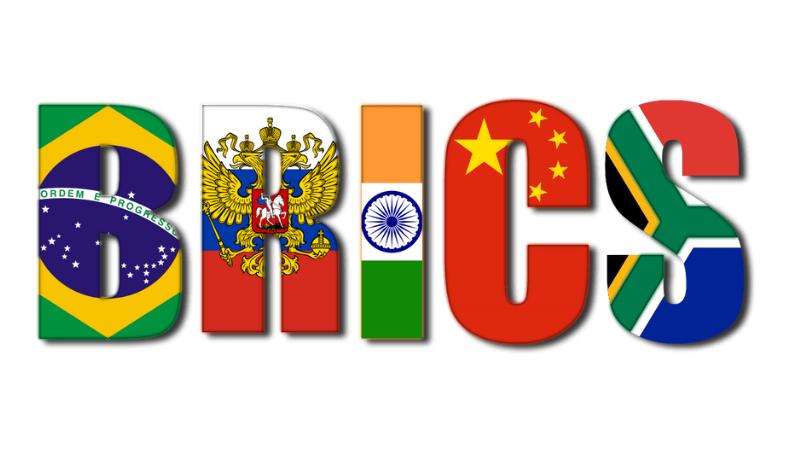
The BRICS grouping, originally comprising Brazil, Russia, India, China, and South Africa, was established with the goal of fostering cooperation among emerging economies. The coalition has significantly expanded its influence over the years. In a major shift last year, BRICS welcomed several new members including Egypt, Ethiopia, Iran, Indonesia, and the United Arab Emirates. The expanded membership reflects a growing interest among developing nations to collaborate on issues of trade, finance, and diplomacy beyond Western-led structures.
China’s opposition to President Trump’s tariff threat underscores its commitment to multilateralism and non-coercive forms of international engagement. The statement also reinforces Beijing’s resolve to protect the integrity and momentum of BRICS, especially as the bloc seeks to strengthen its global relevance through expanded membership and deeper economic cooperation. China argued that any attempts to penalize nations for joining or supporting BRICS run counter to the spirit of fair competition and sovereign decision-making.
The idea of imposing additional tariffs on countries based on their international alliances brings back memories of past trade tensions. The previous trade conflict between the United States and China had far-reaching consequences, leading to market instability, disrupted supply chains, and economic losses for businesses and consumers in both countries. China’s recent comments serve as a warning against returning to such confrontational strategies, which it believes are ill-suited for today’s interconnected world.
President Trump’s threat has also raised concerns among BRICS members and prospective allies, many of whom maintain diverse global relationships and prefer to avoid entanglement in great-power rivalries. Some of these nations see BRICS as an opportunity to strengthen South-South cooperation, gain better representation in global institutions, and diversify their economic partnerships. For them, external threats tied to trade policy may be viewed as an infringement on national sovereignty.
In voicing its opposition, China stressed that cooperation, mutual benefit, and respect for each nation’s development path should be the foundation of international relations. It warned that using economic tools to force alignment or isolate certain countries is not only short-sighted but could also accelerate global fragmentation at a time when unified action is necessary to address transnational challenges.
The issue also highlights a deeper divide over how influence should be exerted in the international arena. While the United States under President Trump continues to use tariffs as a tool of leverage, China is positioning itself as a proponent of dialogue-based diplomacy and regional integration. This divergence in approach reflects the evolving balance of power and competing visions for global governance.
As BRICS evolves and asserts its presence on the world stage, responses to its activities are likely to intensify. How the United States and other global powers choose to interact with BRICS and its member states will shape the future of international trade, development financing, and diplomatic alliances. The coming years may see increased friction or new models of cooperation emerge, depending on whether economic tools like tariffs are used to build bridges or erect barriers.
China’s stance against the use of tariffs as a coercive tool reflects a broader strategy to defend global collaboration and discourage unilateral economic pressure. As the geopolitical environment grows more complex, the balance between power and partnership will determine how major blocs and nations navigate the challenges ahead.