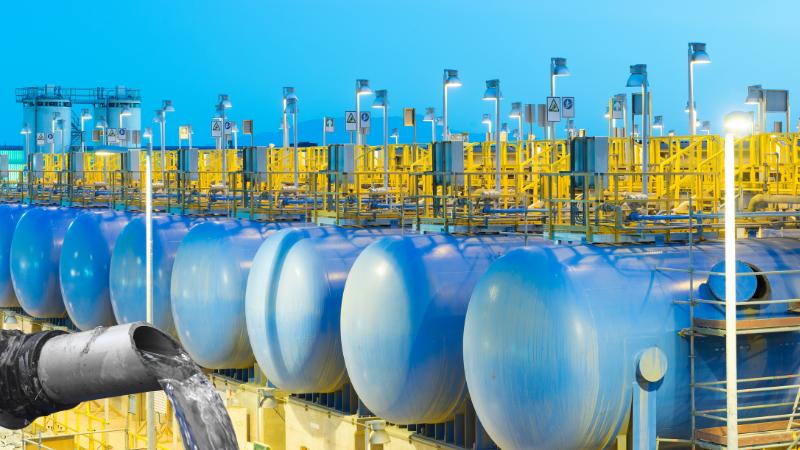
An innovative deep-sea desalination technology being tested in California could dramatically reshape how the state addresses its chronic water scarcity. Developed by a startup named OceanWell, the system proposes a unique approach to seawater desalination that the company claims is both environmentally safe and scalable. This new method may soon offer a viable, drought-resistant solution to one of California's most persistent environmental challenges.
For years, California has invested heavily in water storage, pumping, and recycling infrastructure. Yet, the idea of extracting fresh water from the sea through desalination has consistently met resistance. Traditional desalination plants face criticism due to their energy consumption, impact on marine life, and the disposal of concentrated brine back into the ocean. According to Tim Quinn, a veteran water manager in California with over four decades of experience, these challenges have kept desalination from gaining widespread acceptance. Quinn is now part of the OceanWell team and believes this technology may finally offer a less controversial and more sustainable path forward.
At the heart of the OceanWell system is a network of submerged pods described as a "water farm." These pods are strategically placed more than 1,000 feet below the ocean surface, where they utilize natural hydrostatic pressure to force seawater through a series of filtration membranes. This process, aided by the pressure of the deep ocean, requires less energy than conventional desalination methods and allows for fresh water to be pumped ashore efficiently. The remaining brine, which is often a point of contention in traditional systems, is said to dissipate naturally in the deep sea without harming the marine environment.
Jonathan Haswell, OceanWell’s Chief Operating Officer, explains that the system’s depth offers another major ecological advantage. By drawing water from the aphotic zone, which begins at 200 meters below the surface where sunlight no longer penetrates, the technology largely avoids marine ecosystems teeming with life. This approach reduces the likelihood of harming delicate organisms such as plankton or fish larvae that are often disrupted by surface-level intake systems. Additional safeguards are integrated into the intake process to ensure marine life is not accidentally trapped inside the pods, addressing another key concern of environmental groups.
OceanWell is currently testing a prototype of its water pod system at a Southern California reservoir. The company envisions deploying full-scale water farms along the coast within the next three to five years. Once operational, each installation could produce millions of gallons of clean drinking water daily, significantly easing pressure on California's existing water infrastructure. As climate change continues to intensify weather patterns and prolong drought conditions in the western United States, the potential for a reliable and renewable water source becomes more urgent.
According to Haswell, the modular nature of the system allows it to scale depending on water needs, which makes it adaptable to shifting environmental and population demands. The flexibility of the design also means new pods can be added or relocated with relative ease as requirements evolve. Quinn emphasizes that this technology is not just a stopgap for water shortages, but a long-term solution that is resistant to climate variability. Unlike reservoirs that depend on rainfall or snowpack, deep-sea desalination can function continuously, unaffected by dry seasons or extreme temperatures.
In the broader context of global water scarcity, OceanWell's deep-sea pods may represent a leap forward. Countries around the world are grappling with dwindling freshwater resources, and coastal regions in particular are exploring ways to make seawater more accessible. California, with its extensive shoreline and urgent water needs, may well become a proving ground for this kind of innovation. If successful, the technology could be replicated in other drought-prone regions globally, offering a climate-resilient method to address water insecurity.
Quinn believes the timing is ideal. As environmental and policy leaders increasingly focus on sustainable infrastructure, a technology that aligns ecological safety with practical utility could gain widespread support. With environmental considerations embedded into every stage of the design and deployment, OceanWell’s system appears to be a promising candidate for bridging the gap between environmental protection and water accessibility.
The next few years will determine whether this ambitious vision becomes a foundational piece of California's water strategy. But for now, OceanWell’s desalination pods are offering a hopeful glimpse into a future where fresh water can be harvested from the ocean safely, sustainably, and on a scale large enough to make a real difference.