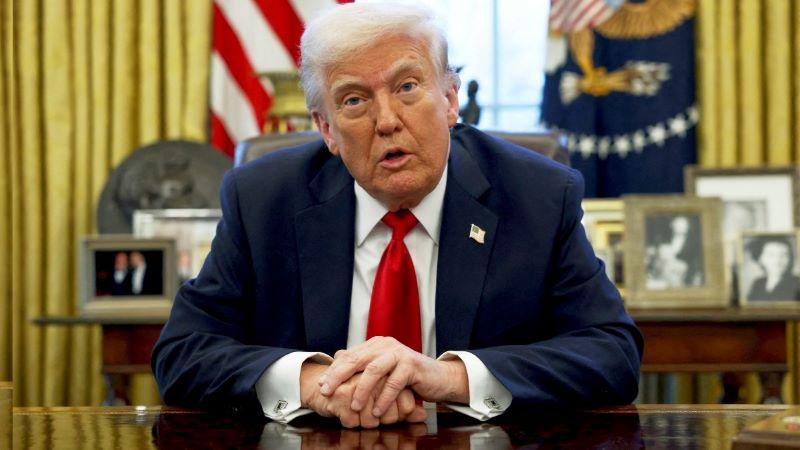
He directed the U.S. Commerce Department and the U.S. Trade Representative to begin the formal process of introducing a 100% tariff on all foreign films screened, distributed, or streamed within the United States. U.S. Secretary of Commerce Howard W. Lutnick confirmed that the department is already working on mechanisms to enforce the proposed policy. While the proposal has drawn sharp support from Trump loyalists who agree that American culture needs to be safeguarded, critics have quickly pointed out the flaws in the argument. Film experts and industry analysts argue that the real challenge facing Hollywood is not foreign competition, but the repetitive cycle of superhero films, sequels, and remakes. Many believe that the creative stagnation and lack of originality in recent years have driven audiences to explore international cinema.
One of the biggest potential casualties of the proposed tariff is Indian cinema particularly the Telugu film industry, which has seen explosive growth in the United States and Canada. With a strong diaspora audience, Telugu films like RRR, Pushpa, and Salaar have performed exceptionally well in North America, often outpacing many Hollywood releases in terms of per-screen averages. The Telugu-speaking community in the U.S. forms one of the most active and passionate fan bases for regional Indian films, frequently contributing to the overseas success of big-budget Indian productions. The proposed tariff threatens to undermine this success, as higher taxes could lead to increased ticket prices, limited theatrical releases, or outright withdrawal of Telugu films from American cinemas.
Moreover, the proposal could disrupt the growing cross-border collaborations between Hollywood and Indian filmmakers. Several U.S.-based production houses have recently entered the Indian market for co-productions, especially in the South Indian film industry. These collaborations could be shelved if Trump’s policy goes into effect. The streaming industry also stands to be affected. Platforms like Netflix, Amazon Prime Video, and Hulu have invested heavily in acquiring foreign language content, especially Indian films and web series, to cater to their global subscribers. A 100% tariff could either deter them from hosting such content or pass the costs onto viewers, reducing the variety of international films available to American audiences.
Industry insiders are also warning that this protectionist policy may provoke retaliatory tariffs from other countries. This could result in a global trade war in the entertainment sector, harming not just international studios but also American films that rely on overseas distribution for profitability. Ultimately, the policy if implemented could isolate American moviegoers from the rich and diverse cinematic experiences offered by international filmmakers. It also runs the risk of stalling the momentum of Indian cinema abroad, especially at a time when global appreciation for regional Indian films is at an all-time high. As of now, the proposed tariff remains under internal review and has yet to face legal or Congressional scrutiny. But it has already sparked a global debate on culture, trade, and cinema’s role in diplomacy. Whether this is a political play or a serious economic strategy remains to be seen.