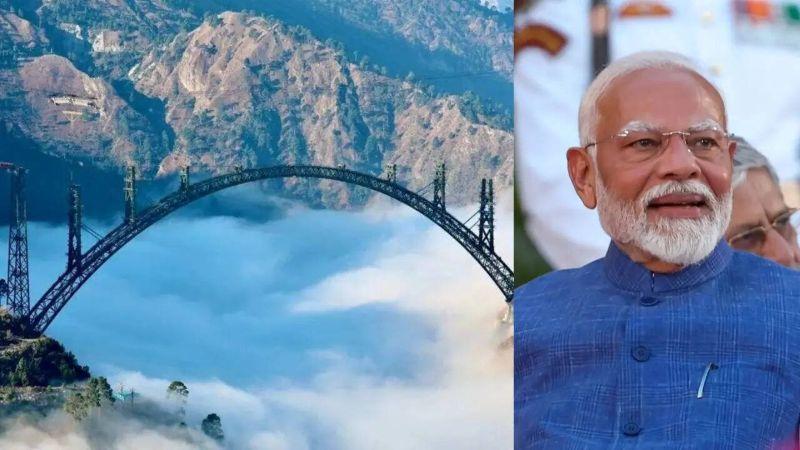
India’s border villages are gaining attention as destinations where young travellers can experience mountain landscapes, indigenous cultures and remote community life. Prime Minister Narendra Modi has encouraged greater engagement with frontier settlements through the Viksit Vibrant Village Programme, highlighting tourism as a source of local employment and development.
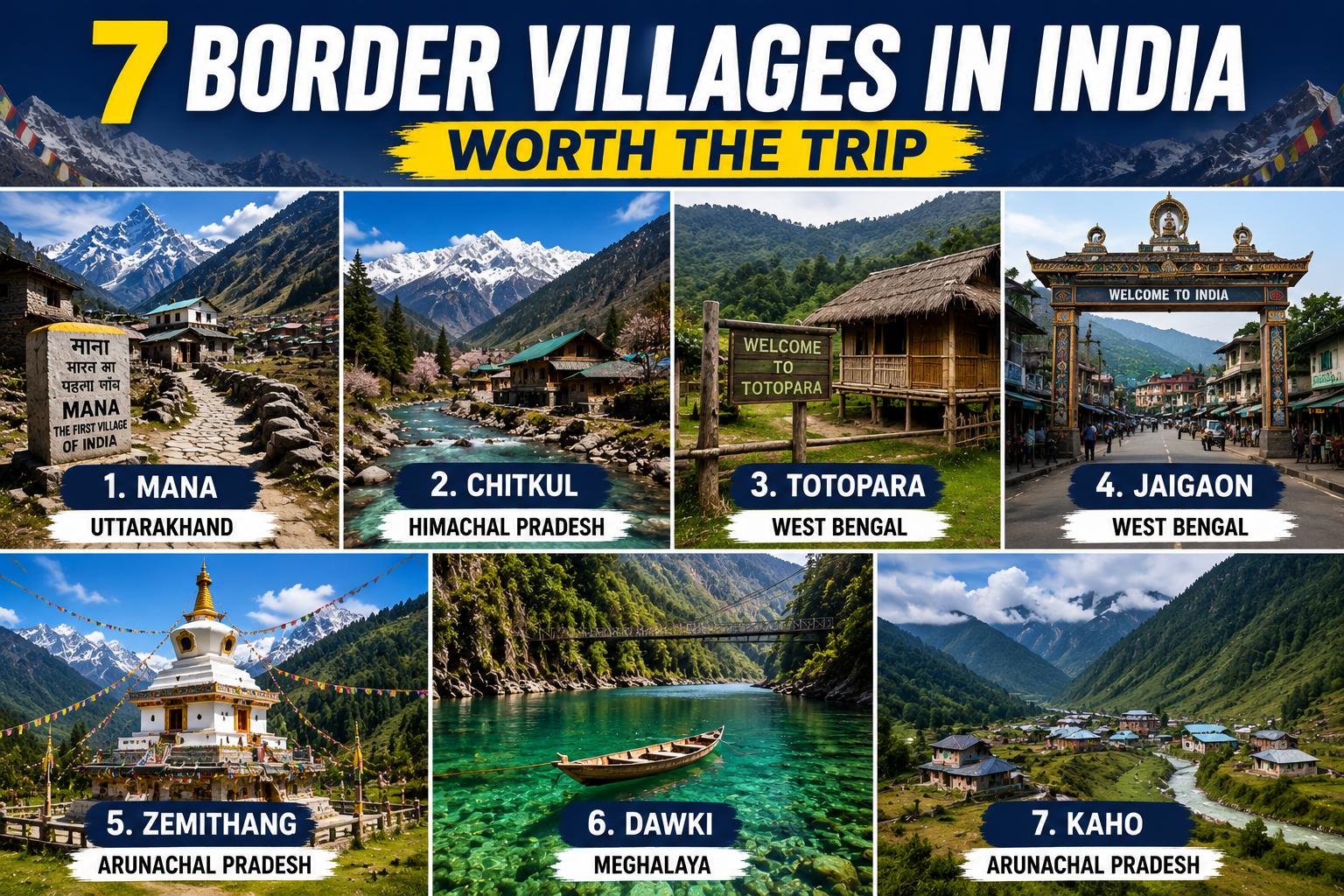
1. Mana, Uttarakhand
Located around 3 km from Badrinath near the India–China border, Mana is widely promoted as India’s “first village.” Surrounded by rugged Himalayan peaks, the settlement is known for its traditional stone houses, narrow pathways and strong connection with mythology.
Visitors can explore Vyas Gufa, where sage Vyasa is traditionally believed to have composed the Mahabharata, and Ganesh Gufa, associated with Lord Ganesha. Bhim Pul, a natural rock bridge over the Saraswati River, is another major attraction. Travellers can also watch the river emerge dramatically between the mountains.
Adventure enthusiasts may continue towards Vasudhara Falls, which offers impressive views of the Himalayan landscape. Mana is best explored slowly, allowing visitors to interact respectfully with local residents, learn about mountain life and support small shops selling woollen products, herbs and refreshments. Weather and road access should be checked before travelling.
2. Chitkul, Himachal Pradesh
Chitkul is a scenic Himalayan village in the Kinnaur district of Himachal Pradesh, located close to the India–Tibet border. It is admired for its wooden houses, snow-covered mountains, apple orchards, alpine meadows and the turquoise waters of the Baspa River.
The village offers a peaceful alternative to crowded hill stations. Travellers can walk along the river, explore nearby fields, photograph traditional architecture or simply enjoy the calm atmosphere. The surrounding landscape changes dramatically with the seasons, from green valleys during warmer months to snow-covered scenery in winter.
Chitkul is also a good destination for visitors interested in local food, village homestays and traditional Kinnauri culture. Since it lies in a high-altitude region, travellers should prepare for cold temperatures and changing weather. Road conditions may become difficult during heavy snowfall or rain, so checking local advisories before beginning the journey is important.
3. Totopara, West Bengal
Totopara is a culturally significant village in West Bengal’s Alipurduar district, close to the Bhutan border. It is home to the Toto community, one of India’s smallest indigenous tribal groups, making the village an important destination for travellers interested in culture and traditional lifestyles.
A visit offers an opportunity to understand the community’s customs, language, homes, food practices and relationship with the surrounding landscape. Tourism should remain respectful, with visitors avoiding intrusive photography and seeking permission before documenting people or private spaces.
Totopara can be combined with a trip to Jaldapara National Park, which is known for its wildlife and grassland ecosystem. Travellers can also explore the forests, tea gardens and scenic routes of the Dooars region.
The destination is more suitable for cultural exploration than conventional sightseeing. Those visiting should travel with sensitivity, support local services and avoid treating the community as a tourist display.
4. Jaigaon, West Bengal
Jaigaon is a busy border town in West Bengal located directly beside Phuentsholing in Bhutan. Unlike remote Himalayan settlements, Jaigaon offers a lively experience filled with markets, shops, transport activity and cross-border cultural influences.
The Bhutan Gate is the town’s most recognised landmark and marks the transition between Jaigaon and Phuentsholing. Travellers often stop here while entering Bhutan, but the town itself deserves time for exploration. Visitors can walk through local markets, sample regional food and observe the daily movement of people and goods around the border.
Jaigaon also serves as a base for exploring the Dooars region, including tea gardens, forests and wildlife destinations. Entry requirements can vary depending on how far travellers plan to proceed into Bhutan, so passports, identification documents and current immigration rules should be checked in advance.
The town is ideal for travellers interested in border culture, trade and the contrast between two neighbouring countries.
5. Zemithang, Arunachal Pradesh
Zemithang is an offbeat settlement in Arunachal Pradesh’s Tawang district, located close to the India–China border. Surrounded by mountains, forests and river valleys, the region is known for its peaceful environment, Monpa culture and historical importance.
The area is associated with the route through which the 14th Dalai Lama entered India in 1959. Zemithang is also home to Gorsam Chorten, a revered Buddhist stupa that attracts pilgrims and visitors interested in the region’s spiritual heritage.
Travellers can explore nature trails, observe traditional architecture and learn about the customs of local communities. The journey is best suited to visitors who appreciate quiet landscapes and cultural experiences rather than commercial tourist attractions.
As Zemithang lies in a sensitive frontier region, travellers may require an Inner Line Permit or other permissions. Road conditions, weather and security instructions should be confirmed before departure.
6. Dawki, Meghalaya
Dawki is one of Meghalaya’s best-known border destinations, located near the India–Bangladesh boundary. It is famous for the exceptionally clear Umngot River, where boats can appear to float above the riverbed when the water is calm and visibility is high.
Boating is the most popular activity, while nearby Shnongpdeng offers kayaking, camping and riverside experiences. Travellers can also visit border viewpoints and drive through the rolling Khasi Hills, which provide waterfalls, forests and impressive valley scenery.
Dawki becomes especially busy during peak tourism periods, so early visits may offer a quieter experience. River clarity can change depending on rainfall and seasonal conditions, and travellers should avoid expecting identical views throughout the year.
Visitors should follow local safety rules during water activities, avoid littering and support community-run tourism services. The combination of natural beauty, adventure and border significance makes Dawki suitable for families, photographers and young explorers.
7. Kaho, Arunachal Pradesh
Kaho is a tiny frontier village in Arunachal Pradesh’s Anjaw district and is often described as one of India’s easternmost settlements. Surrounded by towering mountains and largely untouched landscapes, it offers a rare glimpse into life at the country’s far eastern edge.
The village is home to the Meyor community, whose traditions and daily routines remain closely connected with the region’s natural environment. Kaho is not centred on major monuments or commercial attractions. Its appeal lies in its silence, remote setting, mountain views and the opportunity to experience a slower way of life.
Nearby Kibithoo is another notable frontier destination known for dramatic scenery and early sunrise views. Travellers should be prepared for limited facilities, long road journeys and unpredictable weather.
Permits may be required, and access can change due to security or operational conditions. Visitors should confirm official guidelines, carry essential supplies and respect local communities and military restrictions.