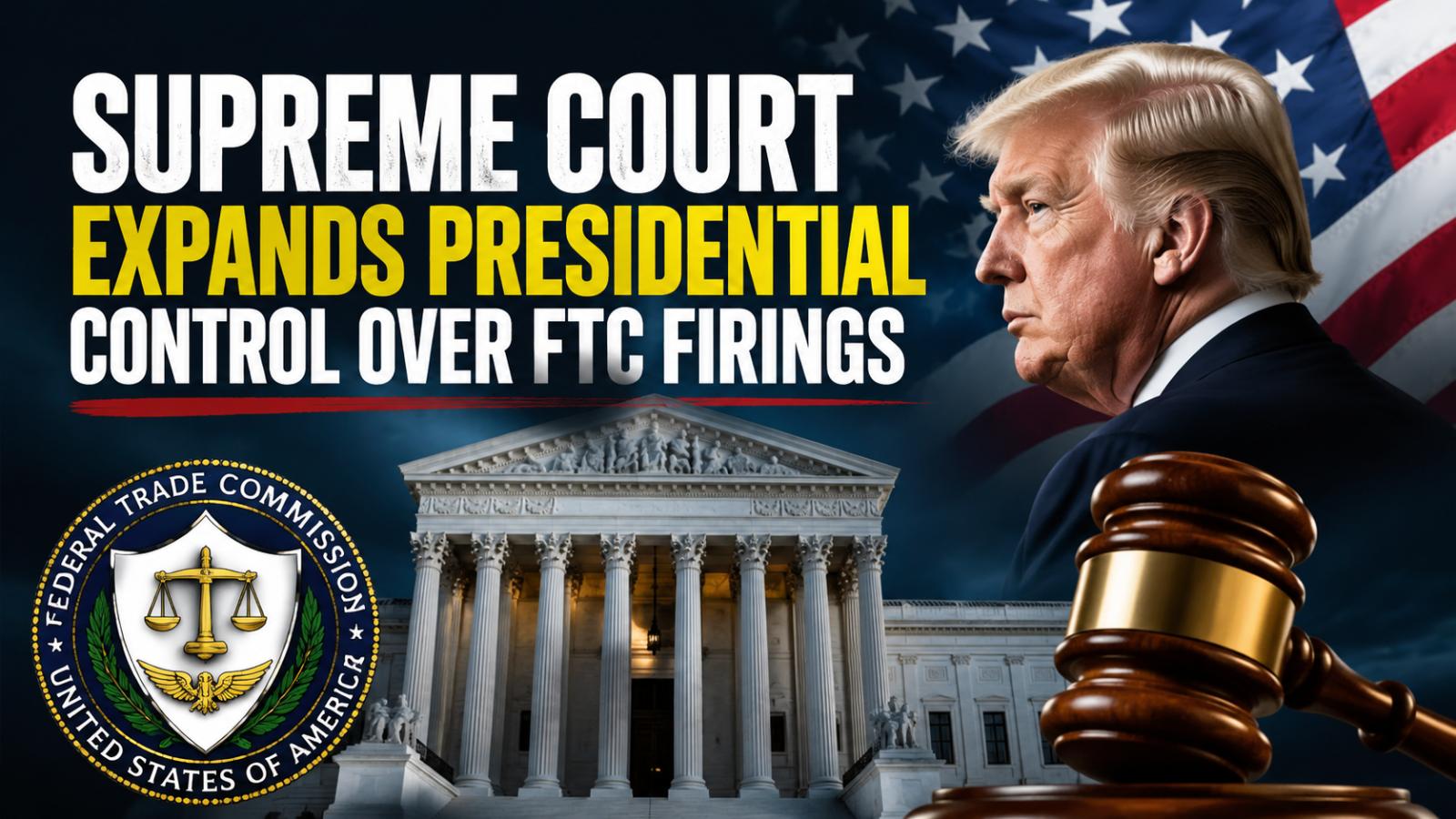
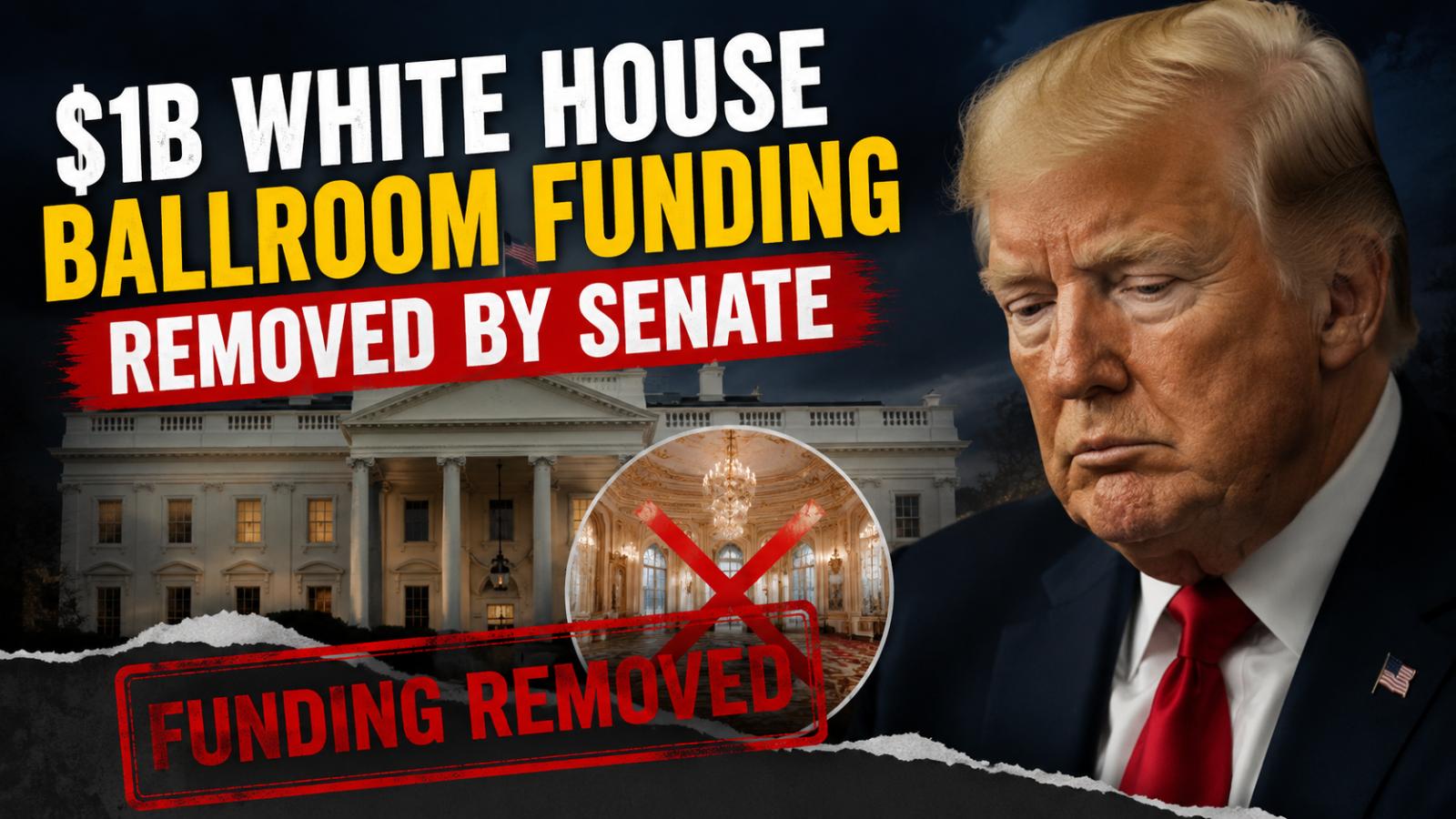
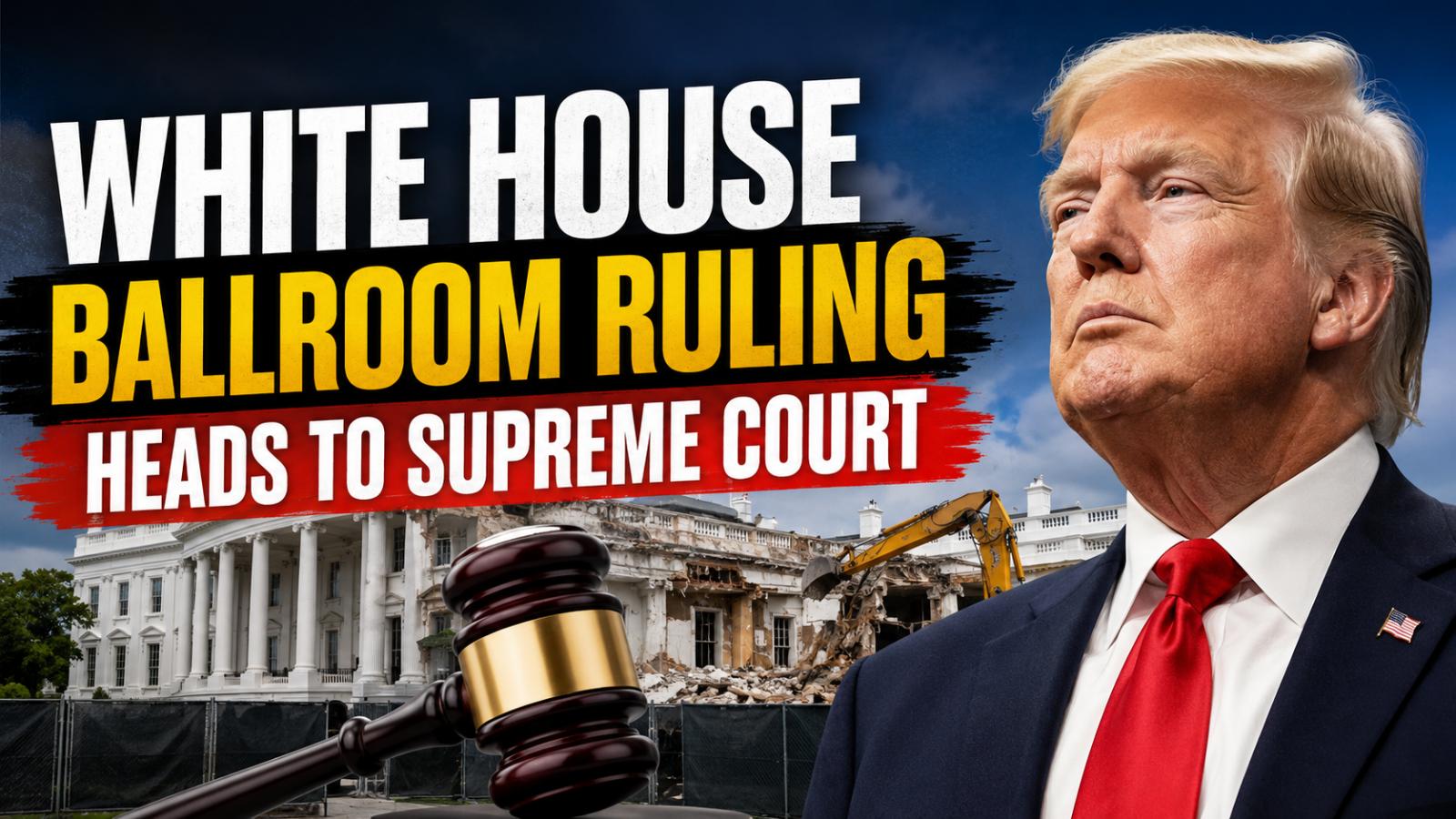
The legal battle over President Donald Trump's proposed White House ballroom has intensified after a federal appeals court upheld an order blocking construction unless Congress authorizes the project. The ruling marks another significant constitutional dispute involving presidential powers and could soon be decided by the US Supreme Court. The case has drawn nationwide attention because it raises questions about executive authority, federal oversight, and the future of one of the administration's most ambitious construction projects.
Congress Approval Required for Ballroom Appeal
A divided panel of the US Court of Appeals for the DC Circuit ruled 2-1 that the administration cannot continue building the ballroom without explicit approval from Congress. The majority agreed with an earlier district court decision, stating that the dispute is about legal authority rather than the merits of the project itself.
According to the judges, the proposed ballroom represents a substantial modification to the White House complex, making congressional authorization necessary before construction can move forward while litigation continues. The court temporarily paused enforcement of its ruling for two weeks, allowing the administration time to seek emergency relief from the Supreme Court.
Supreme Court Challenge Planned by Trump
President Donald Trump sharply criticized the ruling, describing it as "horrendous, politically motivated, and unlawful." In statements posted on Truth Social, he argued that the decision threatens national security and announced that his administration will immediately appeal to the Supreme Court.
Trump also criticized the judges who formed the majority, noting they were appointed by Democratic presidents, while the dissenting judge had been nominated during his administration. The White House maintains that the project falls within executive authority and says the ballroom is necessary to improve facilities for official ceremonies, diplomatic receptions, and state dinners.
East Wing Demolition and Ballroom Cost
Construction began after the historic East Wing was demolished to make room for the new ballroom and an underground complex. Recent images from the site show major structural work already underway, including concrete sections extending above ground level. The administration has also cited security improvements, including underground infrastructure, as an additional justification for the project.
The project's financial estimates have increased considerably since it was first announced. Initial projections placed the cost near $200 million before later revisions increased the estimate to $400 million. More recent reports indicate the total expense could approach $600 million. Although President Trump has repeatedly stated that private funding would cover the ballroom, reports suggest public funds are also contributing to the development.
Ballroom Cost Faces More Legal Challenges
The ballroom project is one element of President Trump's broader plan to reshape several prominent landmarks in Washington before the end of his current term in 2029. Other proposals, including modifications near the Lincoln Memorial Reflecting Pool and construction of a large ceremonial arch, have also attracted legal scrutiny.
The White House ballroom dispute now appears likely to become the first of these cases to reach the Supreme Court. The justices could ultimately determine how much authority a president has to undertake major construction projects on federally protected government property without direct congressional approval. The decision may establish an important constitutional precedent affecting future administrations and executive construction projects.
The information in this case is based on the federal appeals court ruling, public statements from President Donald Trump, and filings connected with the ongoing litigation. A Supreme Court decision, if accepted for review, is expected to clarify the balance between presidential authority and congressional oversight regarding significant changes to the White House complex.


 Joyful
0%
Joyful
0%
 Cool
0%
Cool
0%
 Thrilled
0%
Thrilled
0%
 Upset
0%
Upset
0%
 Unhappy
0%
Unhappy
0%